1
 MAP introduction 
 MAP in dairy 
 MAP in meat products 
 MAP in fruits & vegetables 
 MAP in bakery products 
 Results 
2
The shelf life of perishable foods is limited by 
various factors that generally bring to changes in 
odor, flavor, color and texture until to their complete 
unacceptability 
The package protects the food against physical, 
chemical and biological damage 
It also acts as a physical barrier to oxygen, 
moisture, volatile chemical compounds and 
microorganisms that are detrimental to food 
it provides a barrier between the food and the 
external environment 
3
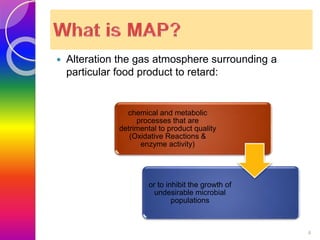
 Alteration the gas atmosphere surrounding a 
particular food product to retard: 
4 
chemical and metabolic 
processes that are 
detrimental to product quality 
(Oxidative Reactions & 
enzyme activity) 
or to inhibit the growth of 
undesirable microbial 
populations
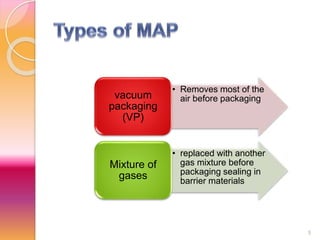
• Removes most of the 
vacuum air before packaging 
packaging 
(VP) 
• replaced with another 
gas mixture before 
packaging sealing in 
barrier materials 
Mixture of 
gases 
5
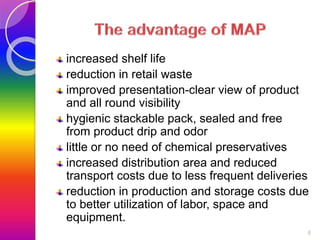
increased shelf life 
reduction in retail waste 
improved presentation-clear view of product 
and all round visibility 
hygienic stackable pack, sealed and free 
from product drip and odor 
little or no need of chemical preservatives 
increased distribution area and reduced 
transport costs due to less frequent deliveries 
reduction in production and storage costs due 
to better utilization of labor, space and 
equipment. 
6
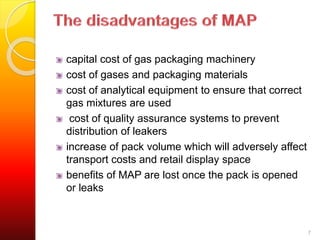
capital cost of gas packaging machinery 
cost of gases and packaging materials 
cost of analytical equipment to ensure that correct 
gas mixtures are used 
cost of quality assurance systems to prevent 
distribution of leakers 
increase of pack volume which will adversely affect 
transport costs and retail display space 
benefits of MAP are lost once the pack is opened 
or leaks 
7
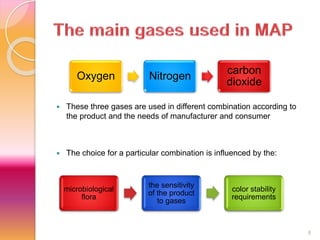
 These three gases are used in different combination according to 
the product and the needs of manufacturer and consumer 
 The choice for a particular combination is influenced by the: 
8 
Oxygen Nitrogen 
carbon 
dioxide 
microbiological 
flora 
the sensitivity 
of the product 
to gases 
color stability 
requirements
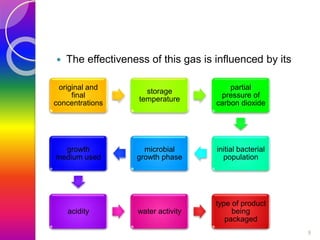
 The effectiveness of this gas is influenced by its 
original and 
final 
concentrations 
storage 
temperature 
partial 
pressure of 
carbon dioxide 
initial bacterial 
population 
microbial 
growth phase 
growth 
medium used 
acidity water activity 
type of product 
being 
packaged 
9
10 
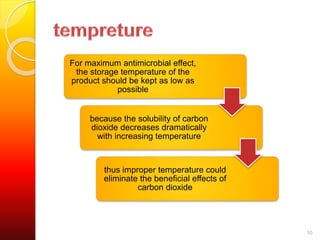
For maximum antimicrobial effect, 
the storage temperature of the 
product should be kept as low as 
possible 
because the solubility of carbon 
dioxide decreases dramatically 
with increasing temperature 
thus improper temperature could 
eliminate the beneficial effects of 
carbon dioxide
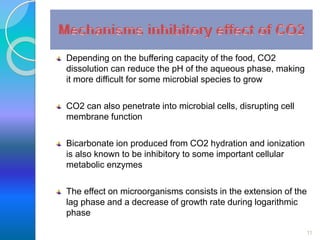
Depending on the buffering capacity of the food, CO2 
dissolution can reduce the pH of the aqueous phase, making 
it more difficult for some microbial species to grow 
CO2 can also penetrate into microbial cells, disrupting cell 
membrane function 
Bicarbonate ion produced from CO2 hydration and ionization 
is also known to be inhibitory to some important cellular 
metabolic enzymes 
The effect on microorganisms consists in the extension of the 
lag phase and a decrease of growth rate during logarithmic 
phase 
11
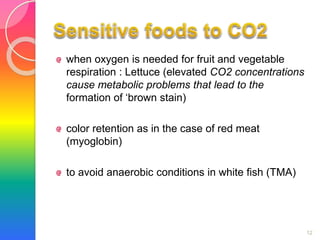
when oxygen is needed for fruit and vegetable 
respiration : Lettuce (elevated CO2 concentrations 
cause metabolic problems that lead to the 
formation of ‘brown stain) 
color retention as in the case of red meat 
(myoglobin) 
to avoid anaerobic conditions in white fish (TMA) 
12
13
14
15
16
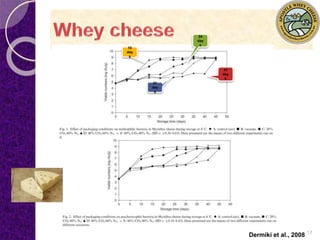
Dermiki et al., 2008 17 
41 
day 
s 
24 
day 
s 
10 
day 
s 
31 
day 
s
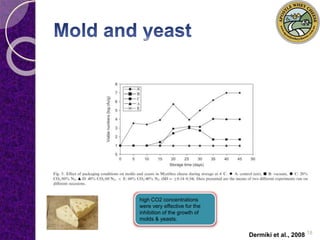
Dermiki et al., 2008 18 
high CO2 concentrations 
were very effective for the 
inhibition of the growth of 
molds & yeasts.
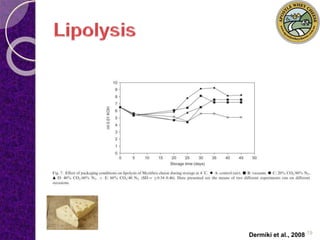
Dermiki et al., 2008 19
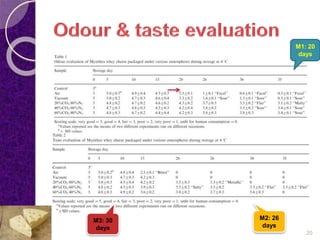
M1: 20 
days 
20 
M2: 26 
days 
M3: 30 
days
21
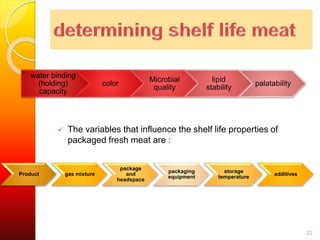
 The variables that influence the shelf life properties of 
packaged fresh meat are : 
22 
water binding 
(holding) 
capacity 
color 
Microbial 
quality 
lipid 
stability 
palatability 
Product gas mixture 
package 
and 
headspace 
packaging 
equipment 
storage 
temperature 
additives
23 
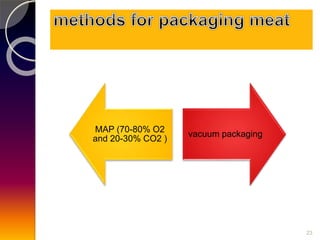
MAP (70-80% O2 
and 20-30% CO2 ) 
vacuum packaging
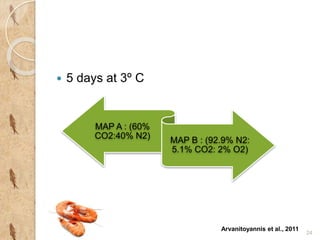
 5 days at 3º C 
24 
Arvanitoyannis et al., 2011 
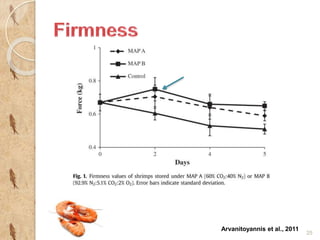
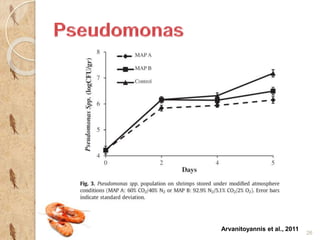
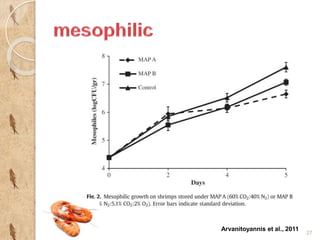
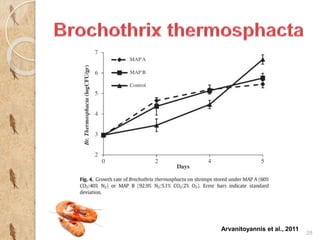
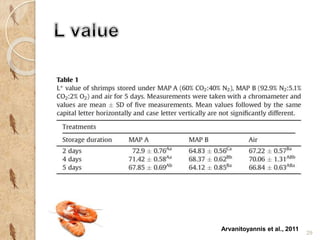
MAP A : (60% 
CO2:40% N2) 
MAP B : (92.9% N2: 
5.1% CO2: 2% O2)
25 
Arvanitoyannis et al., 2011
26 
Arvanitoyannis et al., 2011
27 
Arvanitoyannis et al., 2011
28 
Arvanitoyannis et al., 2011
29 
Arvanitoyannis et al., 2011
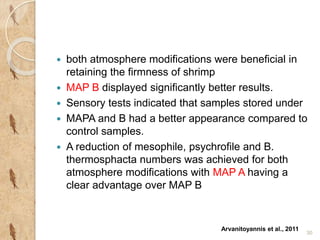
 both atmosphere modifications were beneficial in 
retaining the firmness of shrimp 
 MAP B displayed significantly better results. 
 Sensory tests indicated that samples stored under 
 MAPA and B had a better appearance compared to 
control samples. 
 A reduction of mesophile, psychrofile and B. 
thermosphacta numbers was achieved for both 
atmosphere modifications with MAP A having a 
clear advantage over MAP B 
30 
Arvanitoyannis et al., 2011
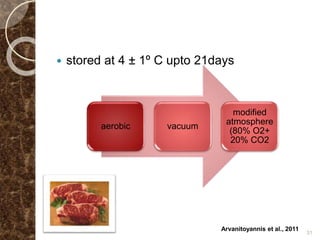
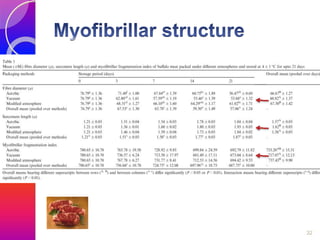
 stored at 4 ± 1º C upto 21days 
31 
Arvanitoyannis et al., 2011 
aerobic vacuum 
modified 
atmosphere 
(80% O2+ 
20% CO2
32
33
34 
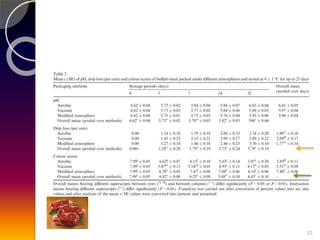
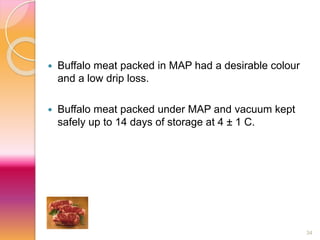
 Buffalo meat packed in MAP had a desirable colour 
and a low drip loss. 
 Buffalo meat packed under MAP and vacuum kept 
safely up to 14 days of storage at 4 ± 1 C.
35
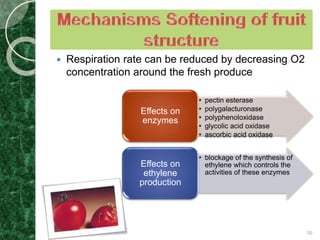
 Respiration rate can be reduced by decreasing O2 
concentration around the fresh produce 
• pectin esterase 
• polygalacturonase 
• polyphenoloxidase 
• glycolic acid oxidase 
• ascorbic acid oxidase 
Effects on 
enzymes 
• blockage of the synthesis of 
ethylene which controls the 
activities of these enzymes 
Effects on 
ethylene 
production 
36
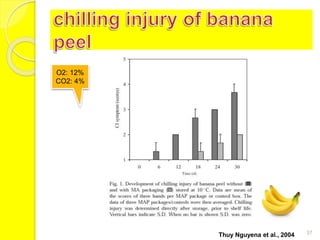
37 
O2: 12% 
CO2: 4% 
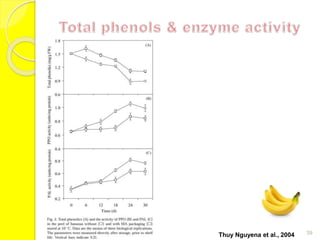
Thuy Nguyena et al., 2004
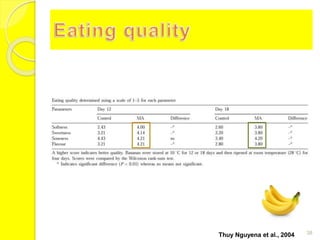
Thuy Nguyena et al., 2004 38
Thuy Nguyena et al., 2004 39
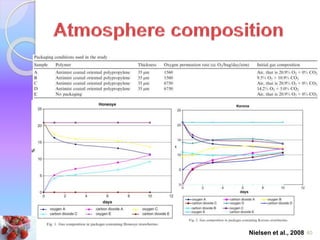
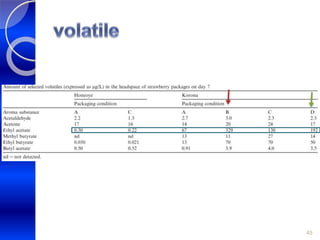
Nielsen et al., 2008 40
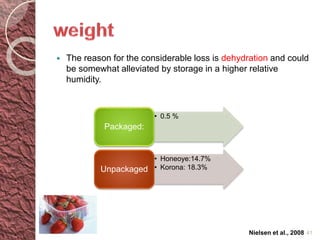
 The reason for the considerable loss is dehydration and could 
41 
be somewhat alleviated by storage in a higher relative 
humidity. 
• 0.5 % 
Packaged: 
• Honeoye:14.7% 
Unpackaged • Korona: 18.3% 
Nielsen et al., 2008
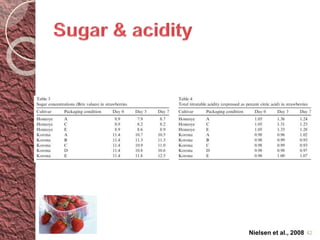
Nielsen et al., 2008 42
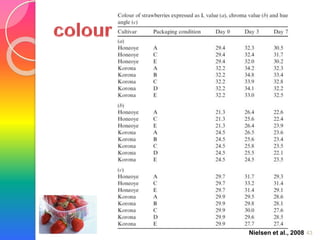
Nielsen et al., 2008 43
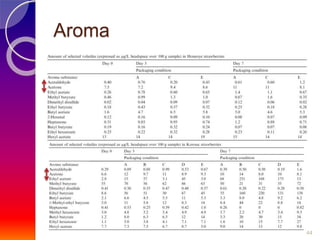
Aroma 
44
45
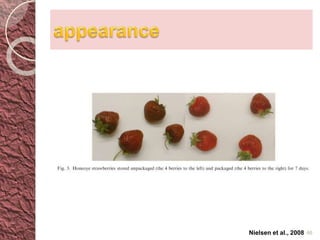
Nielsen et al., 2008 46
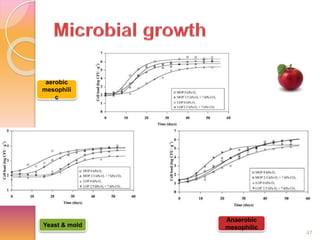
47 
aerobic 
mesophili 
c 
Yeast & mold 
Anaerobic 
mesophilic
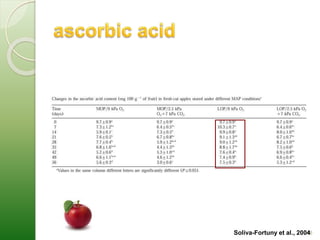
Soliva-Fortuny et al., 200448
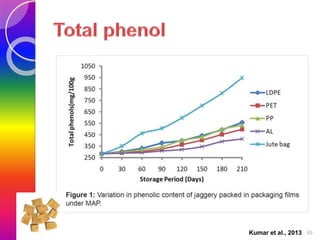
Kumar et al., 2013 49
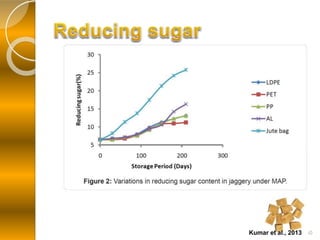
Kumar et al., 2013 50
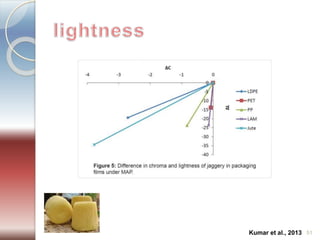
Kumar et al., 2013 51
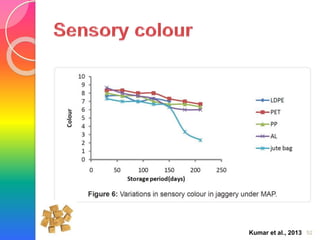
Kumar et al., 2013 52
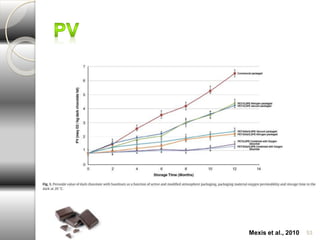
Mexis et al., 2010 53
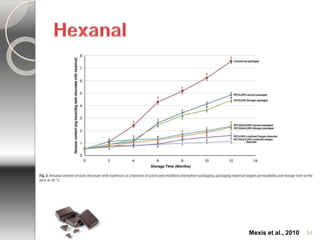
Mexis et al., 2010 54
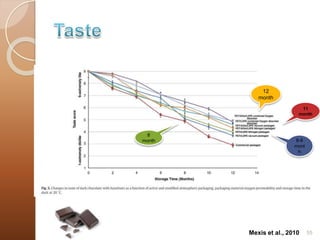
11 
month 
55 
8 
month 8-9 
mont 
h 
12 
month 
Mexis et al., 2010
56
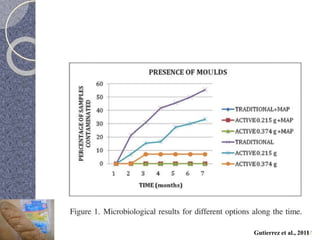
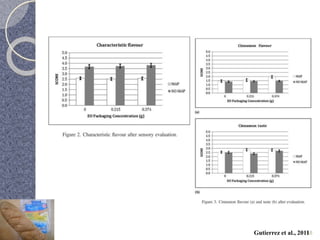
Gutierrez et al., 201157
Gutierrez et al., 201158
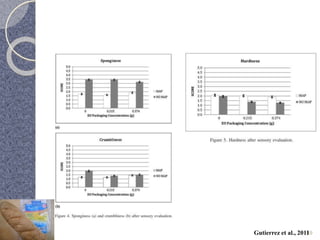
Gutierrez et al., 201159
60 
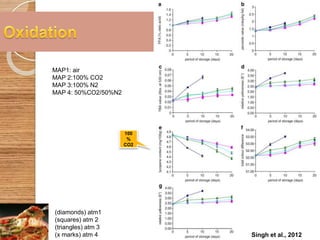
100 
% 
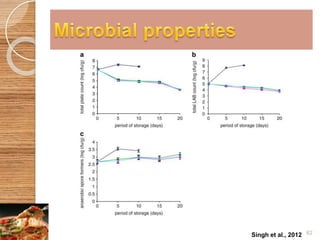
CO2 
MAP1: air 
MAP 2:100% CO2 
MAP 3:100% N2 
MAP 4: 50%CO2/50%N2 
(diamonds) atm1 
(squares) atm 2 
(triangles) atm 3 
(x marks) atm 4 Singh et al., 2012
Singh et al., 2012 61
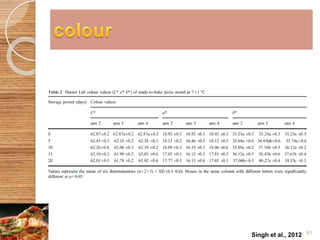
Singh et al., 2012 62
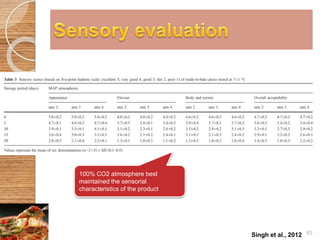
Singh et al., 2012 63 
100% CO2 atmosphere best 
maintained the sensorial 
characteristics of the product
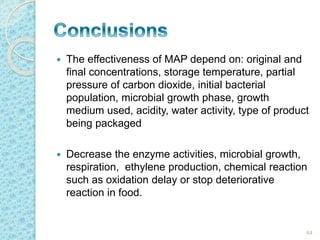
 The effectiveness of MAP depend on: original and 
final concentrations, storage temperature, partial 
pressure of carbon dioxide, initial bacterial 
population, microbial growth phase, growth 
medium used, acidity, water activity, type of product 
being packaged 
 Decrease the enzyme activities, microbial growth, 
respiration, ethylene production, chemical reaction 
such as oxidation delay or stop deteriorative 
reaction in food. 
64
65
66

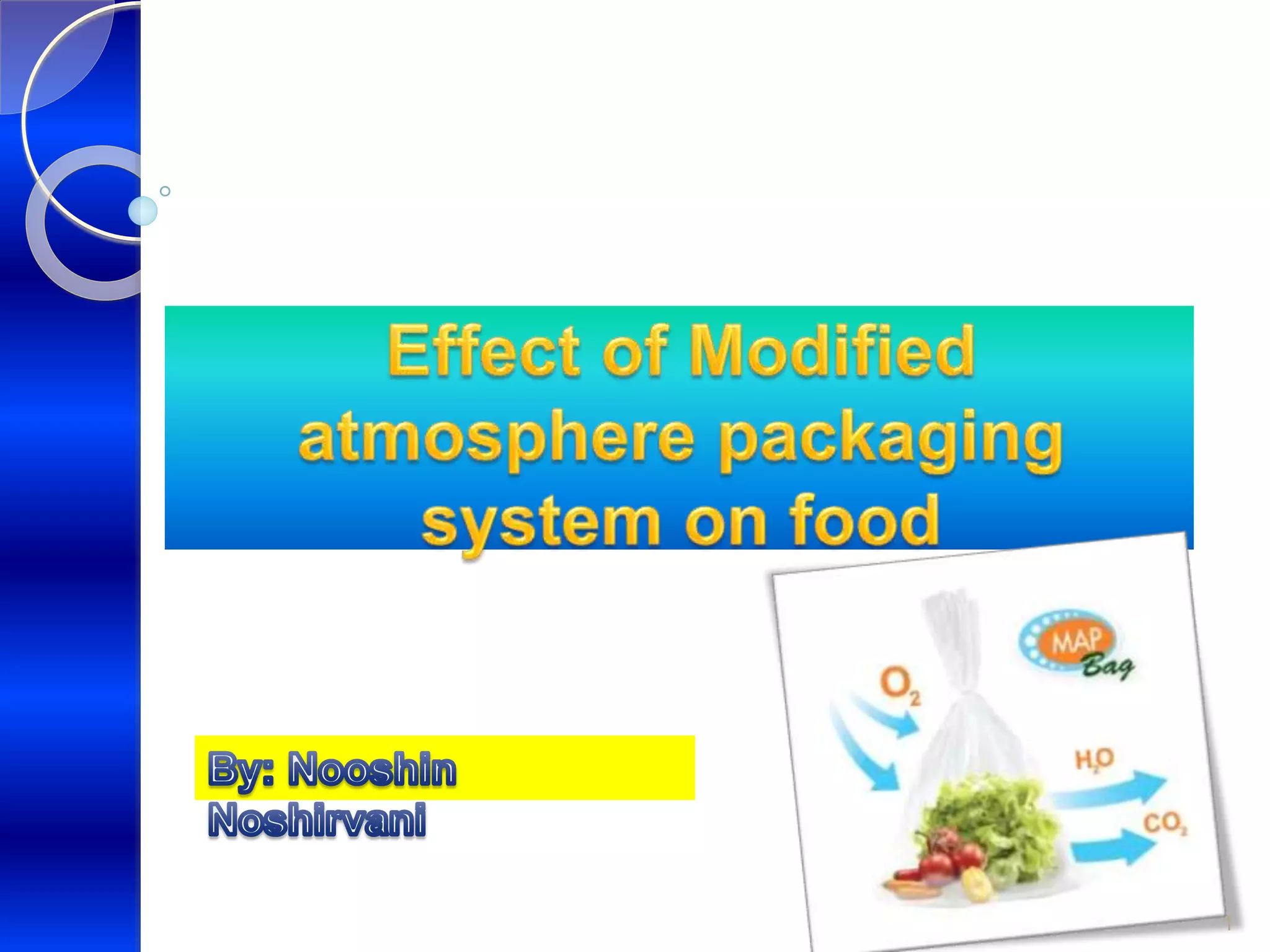
application of modified atmosphere packaging in food industry

  • 1.
  • 2.
     MAP introduction  MAP in dairy  MAP in meat products  MAP in fruits & vegetables  MAP in bakery products  Results 2
  • 3.
    The shelf lifeof perishable foods is limited by various factors that generally bring to changes in odor, flavor, color and texture until to their complete unacceptability The package protects the food against physical, chemical and biological damage It also acts as a physical barrier to oxygen, moisture, volatile chemical compounds and microorganisms that are detrimental to food it provides a barrier between the food and the external environment 3
  • 4.
     Alteration thegas atmosphere surrounding a particular food product to retard: 4 chemical and metabolic processes that are detrimental to product quality (Oxidative Reactions & enzyme activity) or to inhibit the growth of undesirable microbial populations
  • 5.
    • Removes mostof the vacuum air before packaging packaging (VP) • replaced with another gas mixture before packaging sealing in barrier materials Mixture of gases 5
  • 6.
    increased shelf life reduction in retail waste improved presentation-clear view of product and all round visibility hygienic stackable pack, sealed and free from product drip and odor little or no need of chemical preservatives increased distribution area and reduced transport costs due to less frequent deliveries reduction in production and storage costs due to better utilization of labor, space and equipment. 6
  • 7.
    capital cost ofgas packaging machinery cost of gases and packaging materials cost of analytical equipment to ensure that correct gas mixtures are used cost of quality assurance systems to prevent distribution of leakers increase of pack volume which will adversely affect transport costs and retail display space benefits of MAP are lost once the pack is opened or leaks 7
  • 8.
     These threegases are used in different combination according to the product and the needs of manufacturer and consumer  The choice for a particular combination is influenced by the: 8 Oxygen Nitrogen carbon dioxide microbiological flora the sensitivity of the product to gases color stability requirements
  • 9.
     The effectivenessof this gas is influenced by its original and final concentrations storage temperature partial pressure of carbon dioxide initial bacterial population microbial growth phase growth medium used acidity water activity type of product being packaged 9
  • 10.
    10 For maximumantimicrobial effect, the storage temperature of the product should be kept as low as possible because the solubility of carbon dioxide decreases dramatically with increasing temperature thus improper temperature could eliminate the beneficial effects of carbon dioxide
  • 11.
    Depending on thebuffering capacity of the food, CO2 dissolution can reduce the pH of the aqueous phase, making it more difficult for some microbial species to grow CO2 can also penetrate into microbial cells, disrupting cell membrane function Bicarbonate ion produced from CO2 hydration and ionization is also known to be inhibitory to some important cellular metabolic enzymes The effect on microorganisms consists in the extension of the lag phase and a decrease of growth rate during logarithmic phase 11
  • 12.
    when oxygen isneeded for fruit and vegetable respiration : Lettuce (elevated CO2 concentrations cause metabolic problems that lead to the formation of ‘brown stain) color retention as in the case of red meat (myoglobin) to avoid anaerobic conditions in white fish (TMA) 12
  • 13.
  • 14.
  • 15.
  • 16.
  • 17.
    Dermiki et al.,2008 17 41 day s 24 day s 10 day s 31 day s
  • 18.
    Dermiki et al.,2008 18 high CO2 concentrations were very effective for the inhibition of the growth of molds & yeasts.
  • 19.
  • 20.
    M1: 20 days 20 M2: 26 days M3: 30 days
  • 21.
  • 22.
     The variablesthat influence the shelf life properties of packaged fresh meat are : 22 water binding (holding) capacity color Microbial quality lipid stability palatability Product gas mixture package and headspace packaging equipment storage temperature additives
  • 23.
    23 MAP (70-80%O2 and 20-30% CO2 ) vacuum packaging
  • 24.
     5 daysat 3º C 24 Arvanitoyannis et al., 2011 MAP A : (60% CO2:40% N2) MAP B : (92.9% N2: 5.1% CO2: 2% O2)
  • 25.
  • 26.
  • 27.
  • 28.
  • 29.
  • 30.
     both atmospheremodifications were beneficial in retaining the firmness of shrimp  MAP B displayed significantly better results.  Sensory tests indicated that samples stored under  MAPA and B had a better appearance compared to control samples.  A reduction of mesophile, psychrofile and B. thermosphacta numbers was achieved for both atmosphere modifications with MAP A having a clear advantage over MAP B 30 Arvanitoyannis et al., 2011
  • 31.
     stored at4 ± 1º C upto 21days 31 Arvanitoyannis et al., 2011 aerobic vacuum modified atmosphere (80% O2+ 20% CO2
  • 32.
  • 33.
  • 34.
    34  Buffalomeat packed in MAP had a desirable colour and a low drip loss.  Buffalo meat packed under MAP and vacuum kept safely up to 14 days of storage at 4 ± 1 C.
  • 35.
  • 36.
     Respiration ratecan be reduced by decreasing O2 concentration around the fresh produce • pectin esterase • polygalacturonase • polyphenoloxidase • glycolic acid oxidase • ascorbic acid oxidase Effects on enzymes • blockage of the synthesis of ethylene which controls the activities of these enzymes Effects on ethylene production 36
  • 37.
    37 O2: 12% CO2: 4% Thuy Nguyena et al., 2004
  • 38.
    Thuy Nguyena etal., 2004 38
  • 39.
    Thuy Nguyena etal., 2004 39
  • 40.
  • 41.
     The reasonfor the considerable loss is dehydration and could 41 be somewhat alleviated by storage in a higher relative humidity. • 0.5 % Packaged: • Honeoye:14.7% Unpackaged • Korona: 18.3% Nielsen et al., 2008
  • 42.
  • 43.
  • 44.
  • 45.
  • 46.
  • 47.
    47 aerobic mesophili c Yeast & mold Anaerobic mesophilic
  • 48.
  • 49.
  • 50.
  • 51.
  • 52.
  • 53.
  • 54.
  • 55.
    11 month 55 8 month 8-9 mont h 12 month Mexis et al., 2010
  • 56.
  • 57.
  • 58.
  • 59.
  • 60.
    60 100 % CO2 MAP1: air MAP 2:100% CO2 MAP 3:100% N2 MAP 4: 50%CO2/50%N2 (diamonds) atm1 (squares) atm 2 (triangles) atm 3 (x marks) atm 4 Singh et al., 2012
  • 61.
  • 62.
  • 63.
    Singh et al.,2012 63 100% CO2 atmosphere best maintained the sensorial characteristics of the product
  • 64.
     The effectivenessof MAP depend on: original and final concentrations, storage temperature, partial pressure of carbon dioxide, initial bacterial population, microbial growth phase, growth medium used, acidity, water activity, type of product being packaged  Decrease the enzyme activities, microbial growth, respiration, ethylene production, chemical reaction such as oxidation delay or stop deteriorative reaction in food. 64
  • 65.
  • 66.