Making Buildings
Cost- Effective
Through
Architectural
Design
 Jit Kumar Gupta
 mail- jit.kumar1944@gmail.com
DESIGNING COST-EFFECTIVE BUILDINGS
 A building design is said to be to be cost-effective if it--
 - has a lower whole life cost, including
 -- low initial design and construction cost
 -- low operational and maintenance cost
 -- low parts replacement cost
 -- High disposal cost or salvage value and
 -- high useful life of system or building
 -- without compromising with the quality of life
 --Using minimum resources
 --Consumes minimum energy
 -- consume minimum water
 - Generates its own energy
 -- generating minimum waste.
 - providing high indoor quality
 -Making users healthy and productive
DESIGNING COST-EFFECTIVE BUILDINGS
 Building Design -- most powerful tool to achieve cost- effectiveness –
 Buildings need to be designed by adopting integrated approach to
building design which include;
 Optimizing the macro climate- climatic zone
 Optimizing the local climate
 Optimizing the Orientation-
 Optimizing the Solar movement-- to maximizes use of free solar
energy for heating /lighting- Generating electricity
 Optimizing Wind direction-air flow
 Optimizing site planning--- planning with nature, making best use of
site climate/ site potential/ climate, orientation, landscaping
 Optimizing space planning in building-
 Optimizing Design of Building envelop- Height, openings, projections,
shading devices -- with minimum energy implication
 Designing buildings which facilitates the use of cost-effective materials
and cost effective technologies
PROMOTING ECONOMY THROUGH GOOD DESIGN
 Good Architectural design based on following principles—
 Buildings to be the product of site- driven by its shape, size,
dimensions, physical features, surroundings, accessibility,
location, neighborhood, views , architects vision etc
 Doing a detailed analysis of the site through a SWOT
 Making best use of the strength of the site
 Overcoming through design all the prevailing weaknesses
 Respecting site and the existing physical features
 Avoiding tempering with the site through minimizing
disturbance
 Avoiding cutting the existing trees, flora and fauna- making them
integral part of designing of building
 Minimising cutting and filling of the site
 Making best use of materials available on the site
 In case of rebuilding- using maximum demolished material in the
new building
 In the contoured site- try to plan along the contours and not
across the contours- to avoid cutting and filling
PROMOTING ECONOMY THROUGH GOOD DESIGN
 Good Architectural design based on following principles—
 Define clearly the goals/agenda of building right in the beginning.
 Building performance must be monitored even after the building is
made operational.
 Design a compact building with minimum footprints
 Workout the building details right in the beginning
 Involve all the professionals right in the beginning for designing and
detailing
 Avoid changes during construction
 Design buildings based on specified norms and standards to avoid
their over/under-designing
 Adopt a shape which leads to minimum length and area of walls
 Building must achieve high space efficiency-- carpet area x100/gross
area--- with minimum area under walls, circulation and amenities
 Evolving design having-- low wall area/floor area ratio
 Evolving design on optimum structural grid
 Planning room sizes based on the available product sizes of flooring-
to avoid wastage
REDUCING CONSTRUCTION COST- DESIGN
 Design with least amount of wastage & negative spaces.
 Stick to right angles and simple room shapes to minimize
complexity of construction.
 Where design is form based- avoid negative spaces or spaces having acute
angles
 Build multi- storied construction- foundation and roofing
costs per square foot are high.
 Don't increase slab heights
 Design Lean- Decrease self -load of building
 Don't design for additional floors if not required
 Use same flooring in all rooms/ toilets, --to reduces
wastage.
 Plan Electrical/Plumbing- services carefully- .
 Don't compromise on quality--reduce requirements to fit
your budget
 Look at the life-cycle cost rather than initial cost to achieve
real cost effectiveness- Initial cost only 10%, operational
cost- 90%
ECONOMY THROUGH GOOD DESIGN
 Promote Sharing--Adopt a system of building common walls between
adjoining houses to economise on space, materials, time / structure
 For multi-storeyed buildings--- repeat floor plans one above other –
with no change in structural componenets
 Keep/club your spaces that need plumbing --close together or above
each other to minimize cost
 Design all public health services near to supply / drainage network to
reduce length of pipes and cost
 Design Green Buildings – saves lot of water and electric energy- makes
building cost- effective over entire life cycle
 Provide standard sized doors with limited variations- minimise sizes of
doors provided
 Minimise number of doors
 All finishing/fittings- floor, windows, glass, paneling etc designed
based on standard size products available in market- to minimise
wastage etc-- Build to match standard material dimensions.
 Using pre-caste /pre-fabricated products to the extent possible- doors/
windows cupboards etc
 Avoid fancy/false/decorative structures in building
ECONOMY THROUGH GOOD DESIGN
 Make your rooms versatile to optimise space utilisation—
 -- example - do you really need a living room --same space can serve
many uses. A guest room can be an expensive luxury
 Design spaces based on living and non-living areas- with living areas
placed in the best possible orientataion
 Avoid corridors to extent possible- Corridors can be dead space-- only
used for moving between adjacent spaces
 -Avoid single loaded corridors- to optimize space
 Where unavoidable- provide optimum width of the corridors
 Think long term-- as cost of ownership spans may be many years. Some
extra insulation and passive heating / cooling may be beneficial over the
length of your home ownership. .
 Select your window placement well-- they are costly - in first cost and in
energy loss---select standard window sizing.
 Keep bathrooms to a minimum, --- most expensive room per square foot in
home.
 Try to design multi use bathrooms--- with private enclosures for shower,
toilet and sink-- have 3 people using one bathroom at same time.
 Keep indoor quality of spaces high
 Make optimum use of courtyards in narrow sites and in the hot climate
 Make courtyard spaces multi-functional
PROMOTING ECONOMY THROUGH GOOD DESIGN
 Building envelop needs to be designed with care
 Avoid unnecessary projections and balconies- make buildings
expensive and consume large amount of space.
 Openings- windows and doors need to be placed carefully- looking
objectively the requirement of sunlight, air and ventilation.
 Sizes and placement of the windows need careful study- they are
expensive
 Shading devices have to be carefully worked out and can be largely
avoided based on careful study of the orientation and the site.
 Make best use of the vegetation and trees to shade and make
buildings cool
 Avoid multi-layering of projections to protect openings
 Make best use of arches instead of Concrete lintels to reduce cost
 Use of Jallis to cover large/small openings can help in achieving dual
purpose of providing light and ventilation besides avoiding large glass
windows
 Avoid cladding of external walls and allow the natural materials to
define the building envelop
PROMOTING ECONOMY THROUGH GOOD DESIGN
 Minimizing area under walls to make buildings lightweight
and to increase carpet area.-- using pre-cast concrete
blocks, reducing width of walls-7 1/2 “ instead of 9” walls/
pre-cast concrete blocks
 Use innovative technologies-- Rat-Trap brick walls to
reduce quantity of material used
 Evolving design on optimum structural grid
 Use new cost- effective materials ---aerated cement
concrete blocks to reduce the width of walls, weight of wall,
number/ size of joints, use of cement etc
 Use local & contemporary materials
 Use materials in the natural form- avoid using additional
layers on natural material
 Use materials having minimum maintenance cost
 Use UPVC or Aluminium Windows instead of teak wood,
same goes for doors, use flush doors instead
PROMOTING ECONOMY THROUGH GOOD DESIGN
 Minimise provision of dead/storage spaces in the usable
areas- make use of negative spaces- making multiple uses
of space under the stairs etc
 Adopting Solar Passive Building Design makes building
cost- effective over entire life-span
 Limiting the scope of building--Build What You Need
 Makes building effective, efficient and cost-effective.
 Adopting the approach-- less is more-- will always make
buildings more compact and efficient
 Adopting the principle in designing-Simple is beautiful -
will always make buildings cost- effective
 Designing lean and smart makes a building cost-effective
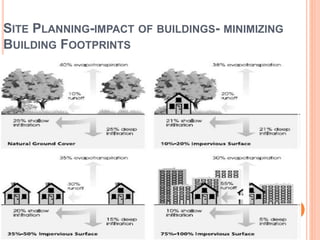
SITE PLANNING-IMPACT OF BUILDINGS- MINIMIZING
BUILDING FOOTPRINTS

Making Buildings Cost- Effective through Building Design

  • 1.
    Making Buildings Cost- Effective Through Architectural Design Jit Kumar Gupta  mail- jit.kumar1944@gmail.com
  • 2.
    DESIGNING COST-EFFECTIVE BUILDINGS A building design is said to be to be cost-effective if it--  - has a lower whole life cost, including  -- low initial design and construction cost  -- low operational and maintenance cost  -- low parts replacement cost  -- High disposal cost or salvage value and  -- high useful life of system or building  -- without compromising with the quality of life  --Using minimum resources  --Consumes minimum energy  -- consume minimum water  - Generates its own energy  -- generating minimum waste.  - providing high indoor quality  -Making users healthy and productive
  • 3.
    DESIGNING COST-EFFECTIVE BUILDINGS Building Design -- most powerful tool to achieve cost- effectiveness –  Buildings need to be designed by adopting integrated approach to building design which include;  Optimizing the macro climate- climatic zone  Optimizing the local climate  Optimizing the Orientation-  Optimizing the Solar movement-- to maximizes use of free solar energy for heating /lighting- Generating electricity  Optimizing Wind direction-air flow  Optimizing site planning--- planning with nature, making best use of site climate/ site potential/ climate, orientation, landscaping  Optimizing space planning in building-  Optimizing Design of Building envelop- Height, openings, projections, shading devices -- with minimum energy implication  Designing buildings which facilitates the use of cost-effective materials and cost effective technologies
  • 4.
    PROMOTING ECONOMY THROUGHGOOD DESIGN  Good Architectural design based on following principles—  Buildings to be the product of site- driven by its shape, size, dimensions, physical features, surroundings, accessibility, location, neighborhood, views , architects vision etc  Doing a detailed analysis of the site through a SWOT  Making best use of the strength of the site  Overcoming through design all the prevailing weaknesses  Respecting site and the existing physical features  Avoiding tempering with the site through minimizing disturbance  Avoiding cutting the existing trees, flora and fauna- making them integral part of designing of building  Minimising cutting and filling of the site  Making best use of materials available on the site  In case of rebuilding- using maximum demolished material in the new building  In the contoured site- try to plan along the contours and not across the contours- to avoid cutting and filling
  • 5.
    PROMOTING ECONOMY THROUGHGOOD DESIGN  Good Architectural design based on following principles—  Define clearly the goals/agenda of building right in the beginning.  Building performance must be monitored even after the building is made operational.  Design a compact building with minimum footprints  Workout the building details right in the beginning  Involve all the professionals right in the beginning for designing and detailing  Avoid changes during construction  Design buildings based on specified norms and standards to avoid their over/under-designing  Adopt a shape which leads to minimum length and area of walls  Building must achieve high space efficiency-- carpet area x100/gross area--- with minimum area under walls, circulation and amenities  Evolving design having-- low wall area/floor area ratio  Evolving design on optimum structural grid  Planning room sizes based on the available product sizes of flooring- to avoid wastage
  • 6.
    REDUCING CONSTRUCTION COST-DESIGN  Design with least amount of wastage & negative spaces.  Stick to right angles and simple room shapes to minimize complexity of construction.  Where design is form based- avoid negative spaces or spaces having acute angles  Build multi- storied construction- foundation and roofing costs per square foot are high.  Don't increase slab heights  Design Lean- Decrease self -load of building  Don't design for additional floors if not required  Use same flooring in all rooms/ toilets, --to reduces wastage.  Plan Electrical/Plumbing- services carefully- .  Don't compromise on quality--reduce requirements to fit your budget  Look at the life-cycle cost rather than initial cost to achieve real cost effectiveness- Initial cost only 10%, operational cost- 90%
  • 7.
    ECONOMY THROUGH GOODDESIGN  Promote Sharing--Adopt a system of building common walls between adjoining houses to economise on space, materials, time / structure  For multi-storeyed buildings--- repeat floor plans one above other – with no change in structural componenets  Keep/club your spaces that need plumbing --close together or above each other to minimize cost  Design all public health services near to supply / drainage network to reduce length of pipes and cost  Design Green Buildings – saves lot of water and electric energy- makes building cost- effective over entire life cycle  Provide standard sized doors with limited variations- minimise sizes of doors provided  Minimise number of doors  All finishing/fittings- floor, windows, glass, paneling etc designed based on standard size products available in market- to minimise wastage etc-- Build to match standard material dimensions.  Using pre-caste /pre-fabricated products to the extent possible- doors/ windows cupboards etc  Avoid fancy/false/decorative structures in building
  • 8.
    ECONOMY THROUGH GOODDESIGN  Make your rooms versatile to optimise space utilisation—  -- example - do you really need a living room --same space can serve many uses. A guest room can be an expensive luxury  Design spaces based on living and non-living areas- with living areas placed in the best possible orientataion  Avoid corridors to extent possible- Corridors can be dead space-- only used for moving between adjacent spaces  -Avoid single loaded corridors- to optimize space  Where unavoidable- provide optimum width of the corridors  Think long term-- as cost of ownership spans may be many years. Some extra insulation and passive heating / cooling may be beneficial over the length of your home ownership. .  Select your window placement well-- they are costly - in first cost and in energy loss---select standard window sizing.  Keep bathrooms to a minimum, --- most expensive room per square foot in home.  Try to design multi use bathrooms--- with private enclosures for shower, toilet and sink-- have 3 people using one bathroom at same time.  Keep indoor quality of spaces high  Make optimum use of courtyards in narrow sites and in the hot climate  Make courtyard spaces multi-functional
  • 9.
    PROMOTING ECONOMY THROUGHGOOD DESIGN  Building envelop needs to be designed with care  Avoid unnecessary projections and balconies- make buildings expensive and consume large amount of space.  Openings- windows and doors need to be placed carefully- looking objectively the requirement of sunlight, air and ventilation.  Sizes and placement of the windows need careful study- they are expensive  Shading devices have to be carefully worked out and can be largely avoided based on careful study of the orientation and the site.  Make best use of the vegetation and trees to shade and make buildings cool  Avoid multi-layering of projections to protect openings  Make best use of arches instead of Concrete lintels to reduce cost  Use of Jallis to cover large/small openings can help in achieving dual purpose of providing light and ventilation besides avoiding large glass windows  Avoid cladding of external walls and allow the natural materials to define the building envelop
  • 10.
    PROMOTING ECONOMY THROUGHGOOD DESIGN  Minimizing area under walls to make buildings lightweight and to increase carpet area.-- using pre-cast concrete blocks, reducing width of walls-7 1/2 “ instead of 9” walls/ pre-cast concrete blocks  Use innovative technologies-- Rat-Trap brick walls to reduce quantity of material used  Evolving design on optimum structural grid  Use new cost- effective materials ---aerated cement concrete blocks to reduce the width of walls, weight of wall, number/ size of joints, use of cement etc  Use local & contemporary materials  Use materials in the natural form- avoid using additional layers on natural material  Use materials having minimum maintenance cost  Use UPVC or Aluminium Windows instead of teak wood, same goes for doors, use flush doors instead
  • 11.
    PROMOTING ECONOMY THROUGHGOOD DESIGN  Minimise provision of dead/storage spaces in the usable areas- make use of negative spaces- making multiple uses of space under the stairs etc  Adopting Solar Passive Building Design makes building cost- effective over entire life-span  Limiting the scope of building--Build What You Need  Makes building effective, efficient and cost-effective.  Adopting the approach-- less is more-- will always make buildings more compact and efficient  Adopting the principle in designing-Simple is beautiful - will always make buildings cost- effective  Designing lean and smart makes a building cost-effective
  • 12.
    SITE PLANNING-IMPACT OFBUILDINGS- MINIMIZING BUILDING FOOTPRINTS