

By S.A…..


Submitted to :- Prof. jinal Mam
T.Y.BMS FIFTH SEM

NAME OF THE STUDENT ROLL                          SIGNATURES
                    NOS
   Godavari Adal                   1001
PRANAV RAJYADHYAX                  1019
   Bharat Sawant                   1023
    Sachin Thakur                  1028


       Submitted to :- Prof. JINAL Mam                       2
   INTRODUCTION
   JOB DESCRIPTION
   PRODUCTION
   PACKAGING
   WAREHOUSING
   TRANSPORTATION
   OVERCOMING CHALLENGES
   CUSTOMER SERVICE
   REVERS LOGISTICS
   The term Logistics Management or supply
    chain management is that part of Supply Chain
    Management that plans, implements, and
    controls..
   Logistics management is a “systematic flow” of
    products resources services information from
    data and place of manufacturing to date and
    place of consumption by caring out planning
    warehousing transportation at the most
    economic cost and minimum possible time
    whenever and wherever the need arises.
   Dairy Logistics is a simply the process between
    producers 2 customer
   In keeping with our reputation for top quality
    customer service
   logistics team is composed of highly skilled
    transportation practitioners with years of
    experience in operations, best practices
    implementation, and industry thought leadership
   solution to ensure your success. Whether it’s a
    single delivery around the corner, across the
    country, or ocean containers shipping overseas
   we have you covered.
   1) Handling Logistics of Ice cream, ensuring proper dispatch
    of ice cream orders on time as per schedule and as well as
    distributor requirement.
     2) Route planning as per order after proper coordination with
    sales department , coordinating with production department
    and Account department.
     3) Allotment of diesel to different vehicles thru fuel pumps
    slips and fuel card.
     4) Daily Checking of Cash/ Cheque Amount Receipts from
    routes (City as well asupcountry) and immediate subsequent
    deposit to cash department.
    5) Daily Checking of Day Expenses.
   6) Handling Vehicle Maintenances.
     7) Coordinating all vehicle movements, maintenance
    of Operational report:
    a) Daily Vehicle Movement reports
    b) Daily Distance and fuel consumption reports.
    c) Daily dry ice purchase and usage reports.
    d) Daily Route Expense reports with Proper expense
    analysis reports.
     8) Preparing Work Order and Purchase Order after
    taking necessary approval from higher Authority.
    9) Forthrightly checking of diesel bills.
   10) Checking of different Vehicle repair and maintenance bill,
    Vehicle mounted AC Repair and Maintenance bill and other
    logictic purchase bills (i.e. Dry Ice, Thermocol Sheets/Boxes, and
    Shipper Boxes etc.).
    11) File Maintenance: Vehicle Document sand Maintenance
    records.
    12) Coordinating with different govt. Departments for necessary
    permits for goods dispatch and in case of urgent necessities like
    vehicle accidental cases.
    13) Handling different Administration work of logistic/dispatch
    department like checking of departments employees
    attendances(i.e.in time/out time/ sanction of leaves with proper
    approvals),Monthly salaries of department employees and their
    increments after going through his LEADS with proper approval
    from Higher Authorities.
   As we all know main source for dairy products
    production is cow milk
   For improving milk production we have
    different types of chemical we can add and
    make more milk
   As research said from 1 ltr cow milk we can
    make more den 100 ltr of milk by adding
    chemicals
   We have such a great system ,formulas, to
    make all other dairy products like Paneer , ice-
    cream , dahi ,butter , cheese ets
   Now a days we don’t have to pack products
    manually there are machines to do that.
    machines will add milk or whatever the
    product in packs itself.
   We just need a manpower to control the
    machine .
   And inventory for machine .
   WAREHOUSING of dairy products is little
    difficult because we have to keep it in a cool
    place either we wont be able to satisfy the
    customer need and also the product will get
    spoil
   There should be comfortable temperature in
    the warehouse witch the product demanding
   The basic function of warehouse to store the
    large quantity of goods
   Protection of goods from temperature
   Dry or Temperature Controlled
   Customized Storage/Delivery Programs
   Ocean Container Handling
   Cross Docking
   Inventory lot control and Rotation
   Bonded
   Logistics team have to handle it with care
    because this products are very soft and
    sensitive and this team is also well trained for
    this activity
   Checking of different Vehicle repair
    and maintenance bill, Vehicle mounted AC
    Repair and Maintenance bill and other logistic
    purchase bills (i.e. Dry Ice, Thermocol
    Sheets/Boxes, and Shipper Boxes etc.).
   While a global supply chain enables companies to leverage lower
    cost manufacturing, there are significant challenges imposed on
    transportation managers in ensuring products delivered over long
    distances arrive on time and are distributed to the right locations.
    Transportation costs are typically 5-6% of a company’s revenue
    and a major contributor to overall product costs. Better
    transportation management helps companies improve their
    overall supply chain efficiency.
   The longer lead times with global suppliers, volatile fuel prices
    and risks such as unavoidable delays, make estimating the cost
    and time associated with transportation difficult. As a result,
    companies incur high expedite and inventory costs.
   To reduce transportation overheads and ensure that the right
    product reaches the right location on time, transportation
    managers require a centralized view into all of their transportation
    activities as well as the ability to understand transportation’s
    impact on product inventory.
   There are different types of vehicles to carry
    dairy products
   Truckload
   LTL
   Bonded
   Air Freight
   Intermodal
   Expedited
   Ocean Freight
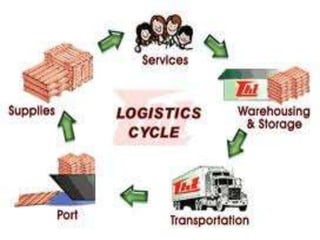
   From the above source :-
   In india :-after all the process they gives goods to
    the wholesaler and wholesaler gives the goods to
    that retail dodhwala and this dodhwala provides
    a dore to dore service with there cycle.
   In Abroad:- after all this process they handover the
    goods to wholesaler and wholesaler delivers 40%
    of goods itself directly to the consumer they cover
    near by distributor point area and possible
    distance . And rest of goods provided by retailer
    they are giving this service by milk van.
 Monitoring and communicating changes in
  demand
Consumer spending habits are more
  unpredictable than ever. A company needs to
  be able to communicate changes in demand
  signals to suppliers and transportation partners
  to effectively manage costs and inventories.
   Increasing product margins
    Proper management and disposition of
    product returns can significantly impact
    product margins. Dynamic fuel costs also
    significantly impact overall transportation cost.
   For logistics, customer service is to provide
    the goods and services just in time
   There should be no delay in transportation
   No damage in product
   Try to reduce the cost of wastage
   Every product has a expiry date
   And after that some products is reusable or
    some of that are waste
    But company has to take it back
   So for that company again have to do the
    logistical activity for moving the goods from
    distributor to company
   Or may be by logistical fault product is
    damaged or by packing fault so we cannot sale
    that product in market so we have to take it
    back and that’s called reverse logistics
Logistics management in dairy products

Logistics management in dairy products

  • 1.
    By S.A….. Submitted to:- Prof. jinal Mam
  • 2.
    T.Y.BMS FIFTH SEM NAMEOF THE STUDENT ROLL SIGNATURES NOS Godavari Adal 1001 PRANAV RAJYADHYAX 1019 Bharat Sawant 1023 Sachin Thakur 1028 Submitted to :- Prof. JINAL Mam 2
  • 3.
    INTRODUCTION  JOB DESCRIPTION  PRODUCTION  PACKAGING  WAREHOUSING  TRANSPORTATION  OVERCOMING CHALLENGES  CUSTOMER SERVICE  REVERS LOGISTICS
  • 5.
    The term Logistics Management or supply chain management is that part of Supply Chain Management that plans, implements, and controls..  Logistics management is a “systematic flow” of products resources services information from data and place of manufacturing to date and place of consumption by caring out planning warehousing transportation at the most economic cost and minimum possible time whenever and wherever the need arises.
  • 6.
    Dairy Logistics is a simply the process between producers 2 customer  In keeping with our reputation for top quality customer service  logistics team is composed of highly skilled transportation practitioners with years of experience in operations, best practices implementation, and industry thought leadership  solution to ensure your success. Whether it’s a single delivery around the corner, across the country, or ocean containers shipping overseas  we have you covered.
  • 7.
    1) Handling Logistics of Ice cream, ensuring proper dispatch of ice cream orders on time as per schedule and as well as distributor requirement. 2) Route planning as per order after proper coordination with sales department , coordinating with production department and Account department. 3) Allotment of diesel to different vehicles thru fuel pumps slips and fuel card. 4) Daily Checking of Cash/ Cheque Amount Receipts from routes (City as well asupcountry) and immediate subsequent deposit to cash department. 5) Daily Checking of Day Expenses.
  • 8.
    6) Handling Vehicle Maintenances. 7) Coordinating all vehicle movements, maintenance of Operational report: a) Daily Vehicle Movement reports b) Daily Distance and fuel consumption reports. c) Daily dry ice purchase and usage reports. d) Daily Route Expense reports with Proper expense analysis reports. 8) Preparing Work Order and Purchase Order after taking necessary approval from higher Authority. 9) Forthrightly checking of diesel bills.
  • 9.
    10) Checking of different Vehicle repair and maintenance bill, Vehicle mounted AC Repair and Maintenance bill and other logictic purchase bills (i.e. Dry Ice, Thermocol Sheets/Boxes, and Shipper Boxes etc.). 11) File Maintenance: Vehicle Document sand Maintenance records. 12) Coordinating with different govt. Departments for necessary permits for goods dispatch and in case of urgent necessities like vehicle accidental cases. 13) Handling different Administration work of logistic/dispatch department like checking of departments employees attendances(i.e.in time/out time/ sanction of leaves with proper approvals),Monthly salaries of department employees and their increments after going through his LEADS with proper approval from Higher Authorities.
  • 10.
    As we all know main source for dairy products production is cow milk  For improving milk production we have different types of chemical we can add and make more milk  As research said from 1 ltr cow milk we can make more den 100 ltr of milk by adding chemicals  We have such a great system ,formulas, to make all other dairy products like Paneer , ice- cream , dahi ,butter , cheese ets
  • 12.
    Now a days we don’t have to pack products manually there are machines to do that. machines will add milk or whatever the product in packs itself.  We just need a manpower to control the machine .  And inventory for machine .
  • 13.
    WAREHOUSING of dairy products is little difficult because we have to keep it in a cool place either we wont be able to satisfy the customer need and also the product will get spoil  There should be comfortable temperature in the warehouse witch the product demanding  The basic function of warehouse to store the large quantity of goods  Protection of goods from temperature
  • 14.
    Dry or Temperature Controlled  Customized Storage/Delivery Programs  Ocean Container Handling  Cross Docking  Inventory lot control and Rotation  Bonded
  • 15.
    Logistics team have to handle it with care because this products are very soft and sensitive and this team is also well trained for this activity  Checking of different Vehicle repair and maintenance bill, Vehicle mounted AC Repair and Maintenance bill and other logistic purchase bills (i.e. Dry Ice, Thermocol Sheets/Boxes, and Shipper Boxes etc.).
  • 16.
    While a global supply chain enables companies to leverage lower cost manufacturing, there are significant challenges imposed on transportation managers in ensuring products delivered over long distances arrive on time and are distributed to the right locations. Transportation costs are typically 5-6% of a company’s revenue and a major contributor to overall product costs. Better transportation management helps companies improve their overall supply chain efficiency.  The longer lead times with global suppliers, volatile fuel prices and risks such as unavoidable delays, make estimating the cost and time associated with transportation difficult. As a result, companies incur high expedite and inventory costs.  To reduce transportation overheads and ensure that the right product reaches the right location on time, transportation managers require a centralized view into all of their transportation activities as well as the ability to understand transportation’s impact on product inventory.
  • 17.
    There are different types of vehicles to carry dairy products  Truckload  LTL  Bonded  Air Freight  Intermodal  Expedited  Ocean Freight
  • 18.
    From the above source :-  In india :-after all the process they gives goods to the wholesaler and wholesaler gives the goods to that retail dodhwala and this dodhwala provides a dore to dore service with there cycle.  In Abroad:- after all this process they handover the goods to wholesaler and wholesaler delivers 40% of goods itself directly to the consumer they cover near by distributor point area and possible distance . And rest of goods provided by retailer they are giving this service by milk van.
  • 20.
     Monitoring andcommunicating changes in demand Consumer spending habits are more unpredictable than ever. A company needs to be able to communicate changes in demand signals to suppliers and transportation partners to effectively manage costs and inventories.
  • 21.
    Increasing product margins Proper management and disposition of product returns can significantly impact product margins. Dynamic fuel costs also significantly impact overall transportation cost.
  • 22.
    For logistics, customer service is to provide the goods and services just in time  There should be no delay in transportation  No damage in product  Try to reduce the cost of wastage
  • 23.
    Every product has a expiry date  And after that some products is reusable or some of that are waste  But company has to take it back  So for that company again have to do the logistical activity for moving the goods from distributor to company  Or may be by logistical fault product is damaged or by packing fault so we cannot sale that product in market so we have to take it back and that’s called reverse logistics