The eLearning paradox  or… Ideas to increase the computer literacy in a Tanzanian village Linda Malmqvist [email_address]
WHAT IS THE PROBLEM?
Computer literacy levels in Tanzania are currently very low.
HOW?
Introducing teachers to ICT.
AND? ?
Better focus on the students directly!
TODAY’S AGENDA ICT in East Africa  Lugoba The project Preparations Field work Result Recommendations
ICT IN EAST AFRICA Low general availability of internet and computers. Internet penetration in Tanzania: about 1 %. Slow satellite connections with high latency.
ICT IN EAST AFRICA Submarine systems recently launched. Local and national governments responsible for developing regional connections. Internet cafes exist, especially around tourist spots. .
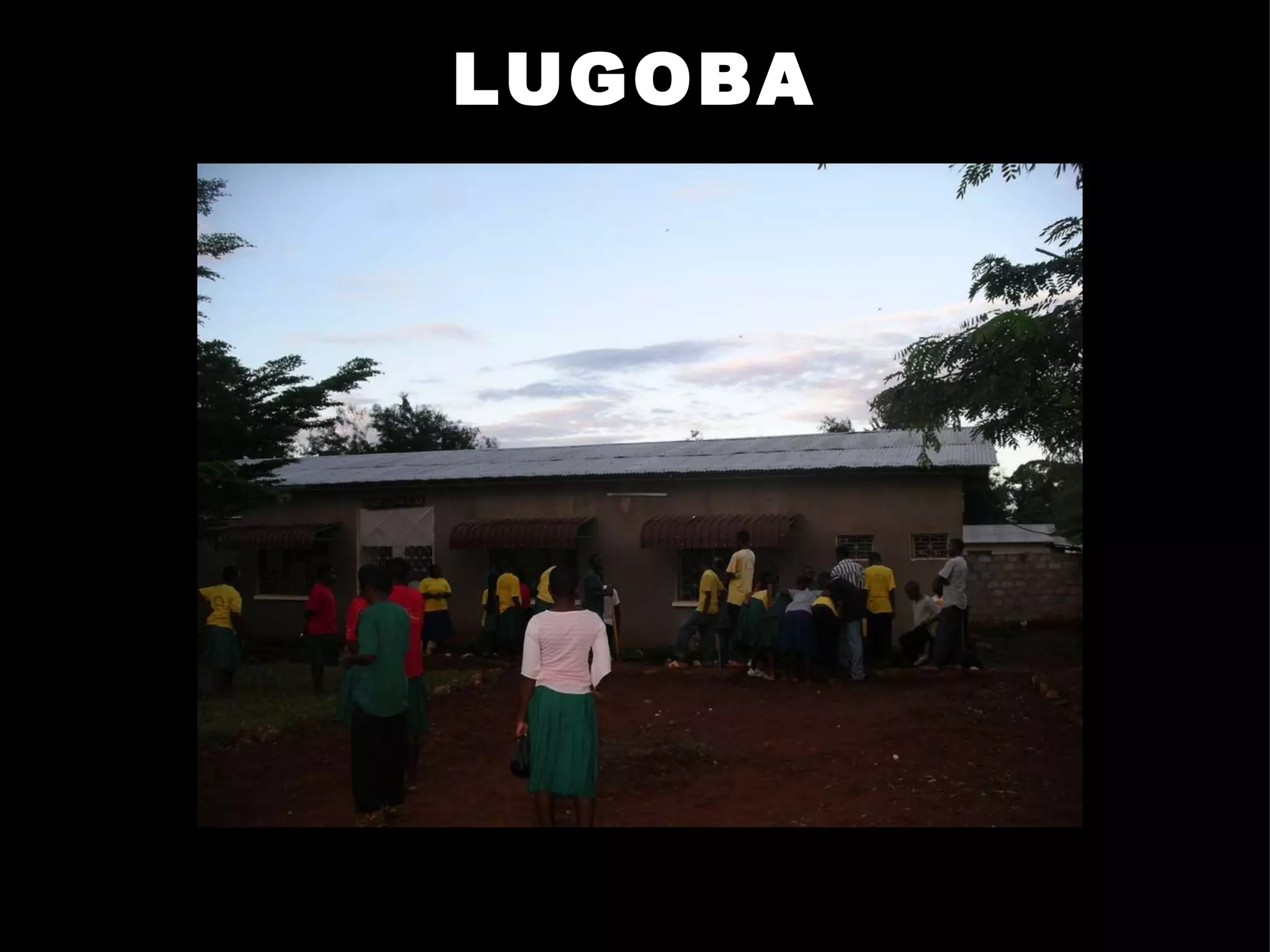
LUGOBA
ICT4RD ICT4RD – ICT For Rural Development. Schools, health centres and local governments. Sida, DIT, COSTECH, KTH. High speed optic fibre at the Wami pilot.  Bunda pilot close to Lake Victoria.
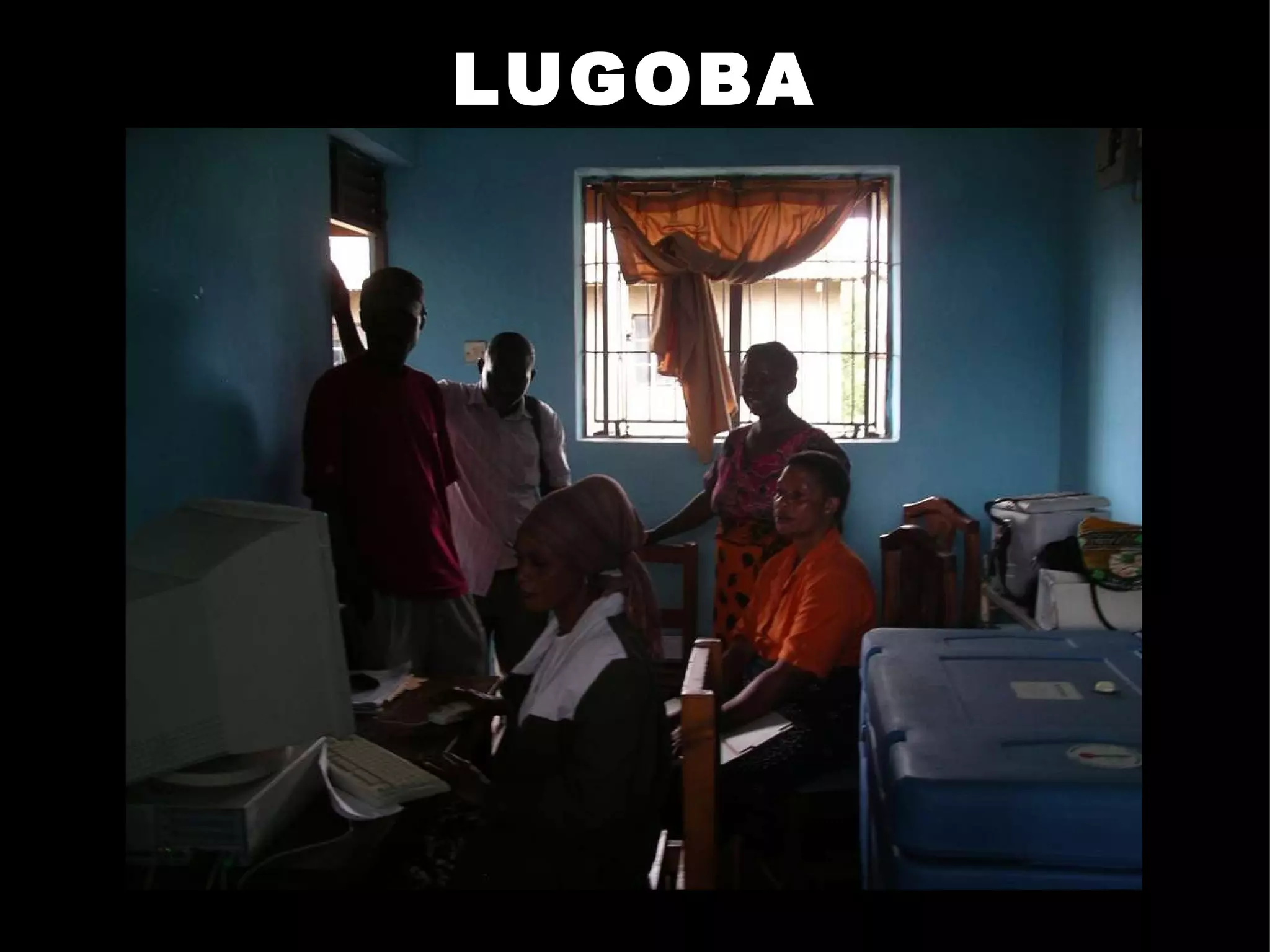
LUGOBA About 150 kilometers north of Dar es Salaam. A typical village with a typical secondary school. Teachers between ages 23 and 65. Teachers often underpaid, sometimes undertrained.
LUGOBA High capacity optic fiber – satellite internet. Computer classes as part of the curriculum. Teachers trained in general computer skills.
LUGOBA
ELIMU Student project at KTH 2007 – 2008. Open source learning management system with email services, offline Wikipedia and Moodle. Moodle provides student and course management, discussion forums and wikis. Teachers were trained in using the LMS.
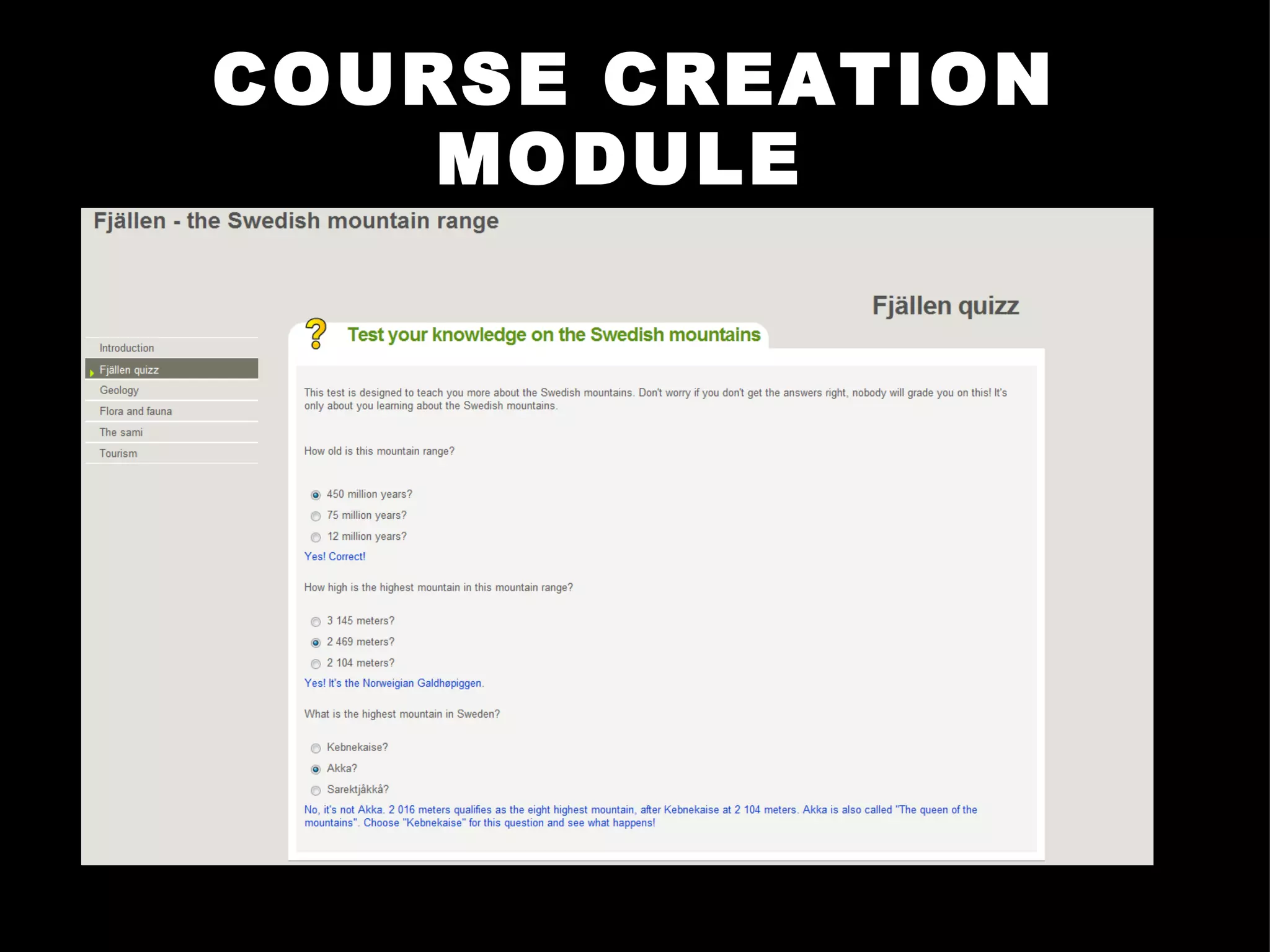
THE IDEA:  AN INTERACTIVE COURSE CREATION MODULE eLimu enhancement. Integrated in normal classes such as English.  Quizzes, ”fill in the blanks”, assignments. Flash vs. ready made vs. new software?
PREPARATIONS Requirements for unknown users. Finding the right software. Learning how to use the software. Preparing study materials and sessions.
eXe Simple!  Open source tool for many standard exercises. Compatible with Moodle and other LMS. Courses can be exported to different useful formats.
COURSE CREATION MODULE : eXe
FURTHER PREPARATIONS Creating sample courses in different subjects. Investigating additional software and plugins.  Planning sessions. Not too much planning!
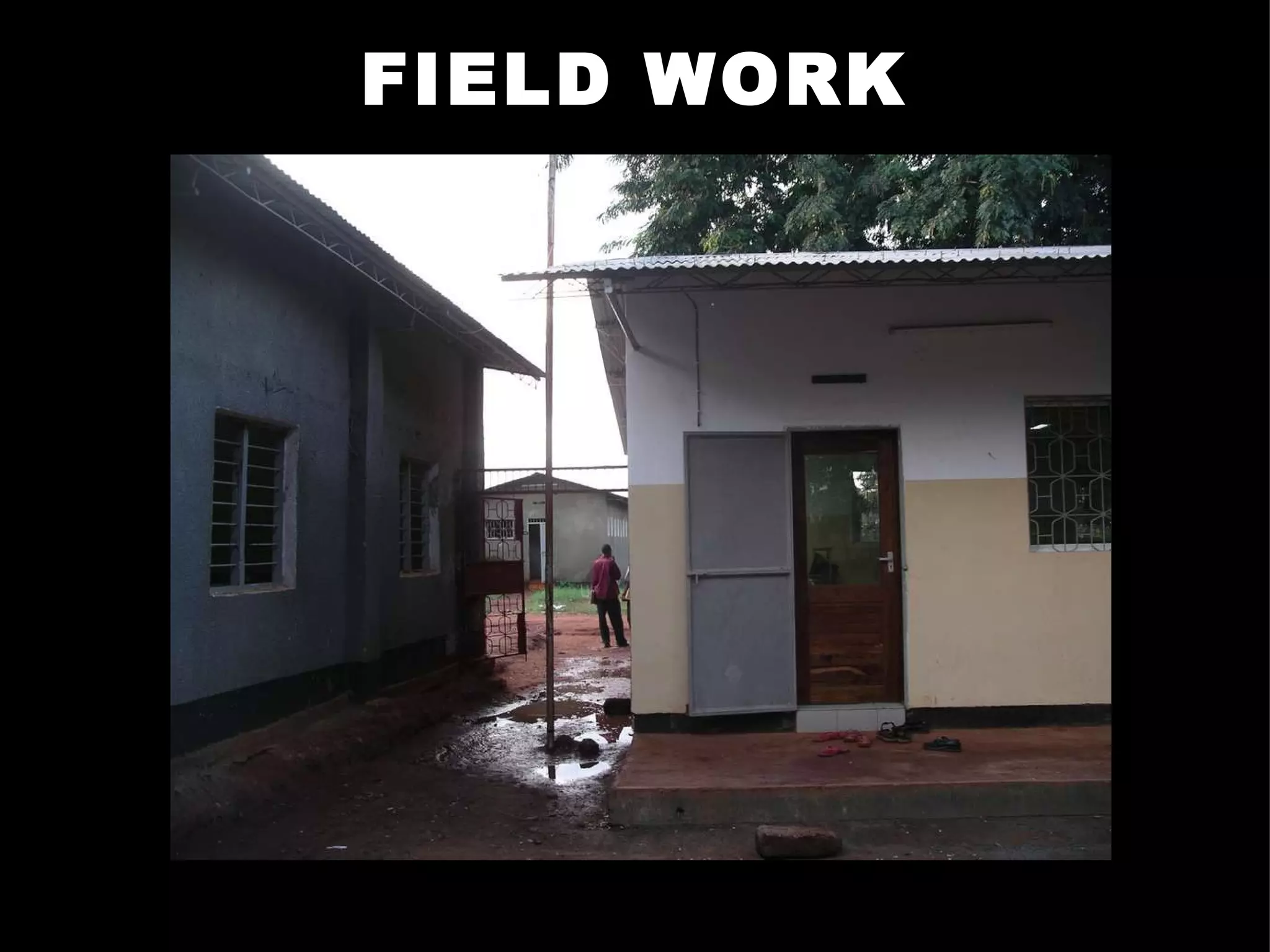
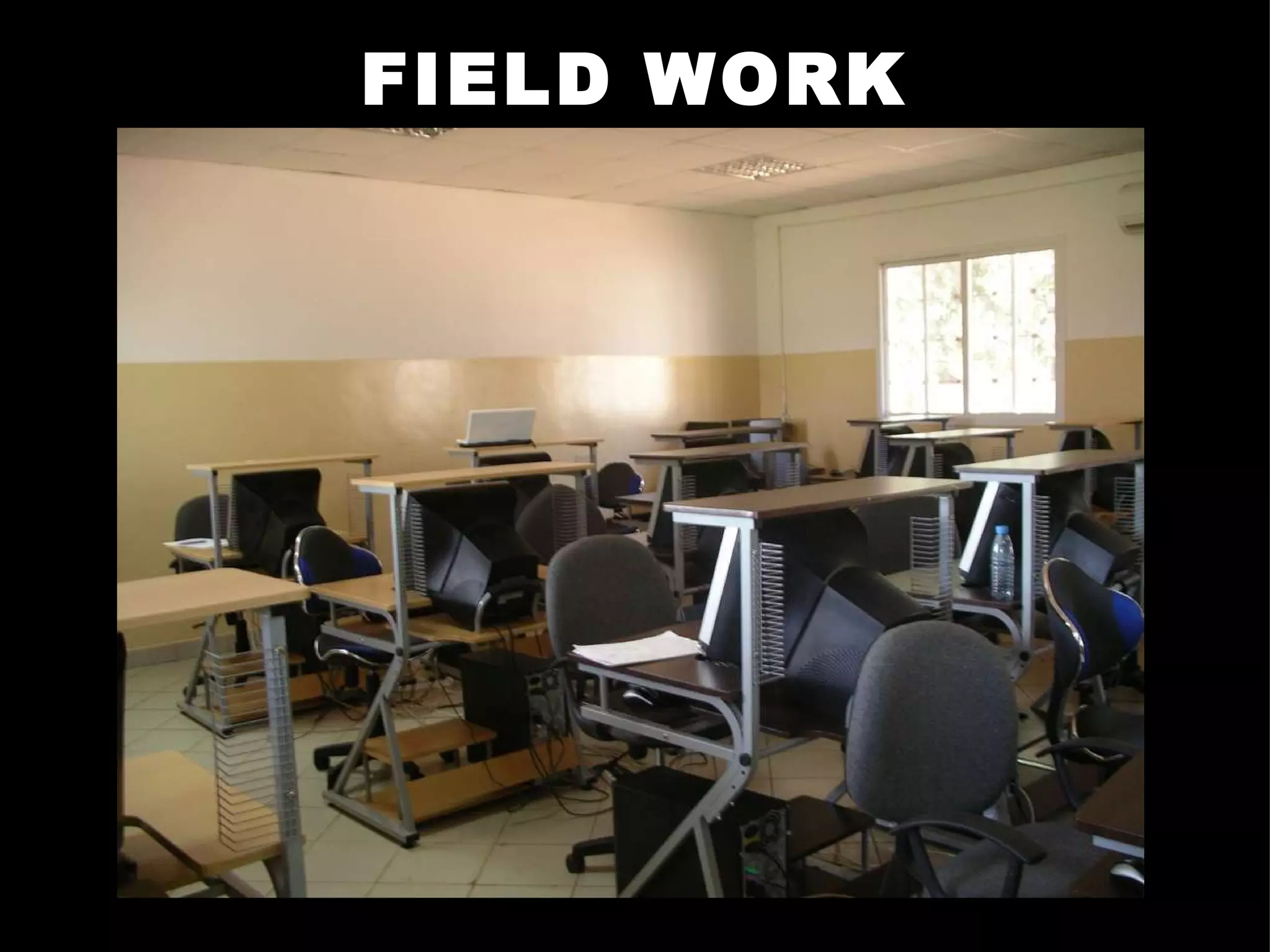
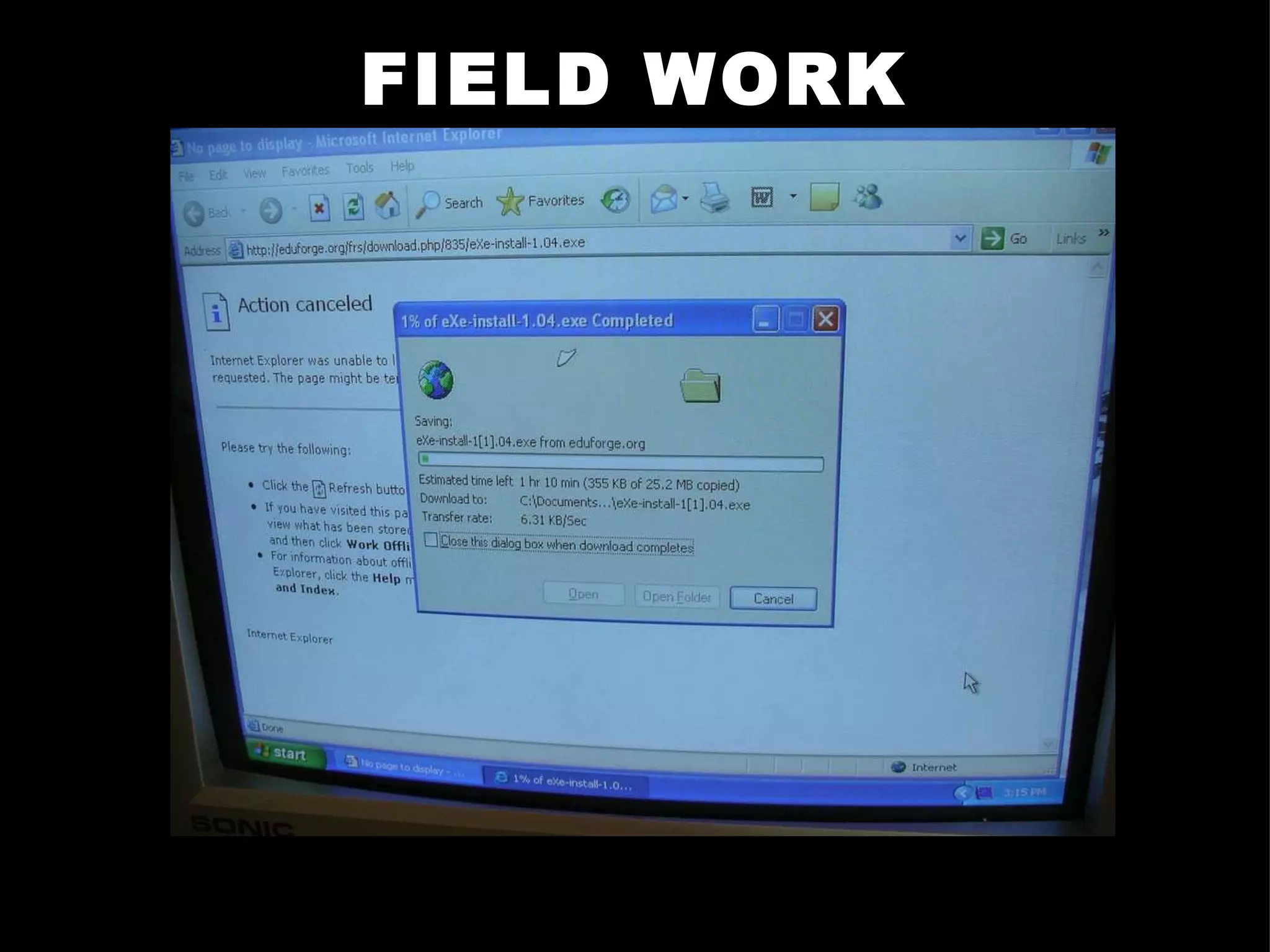
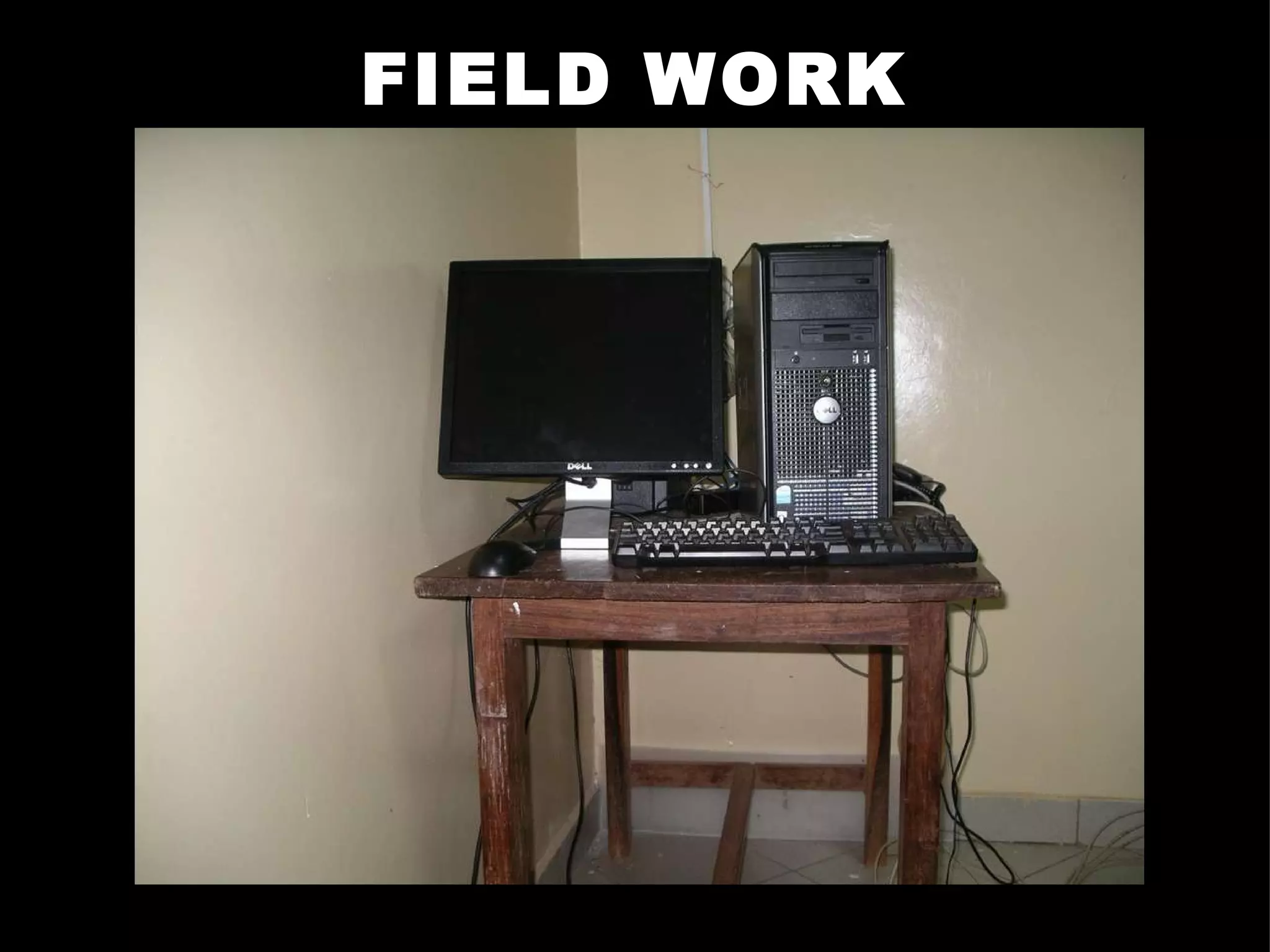
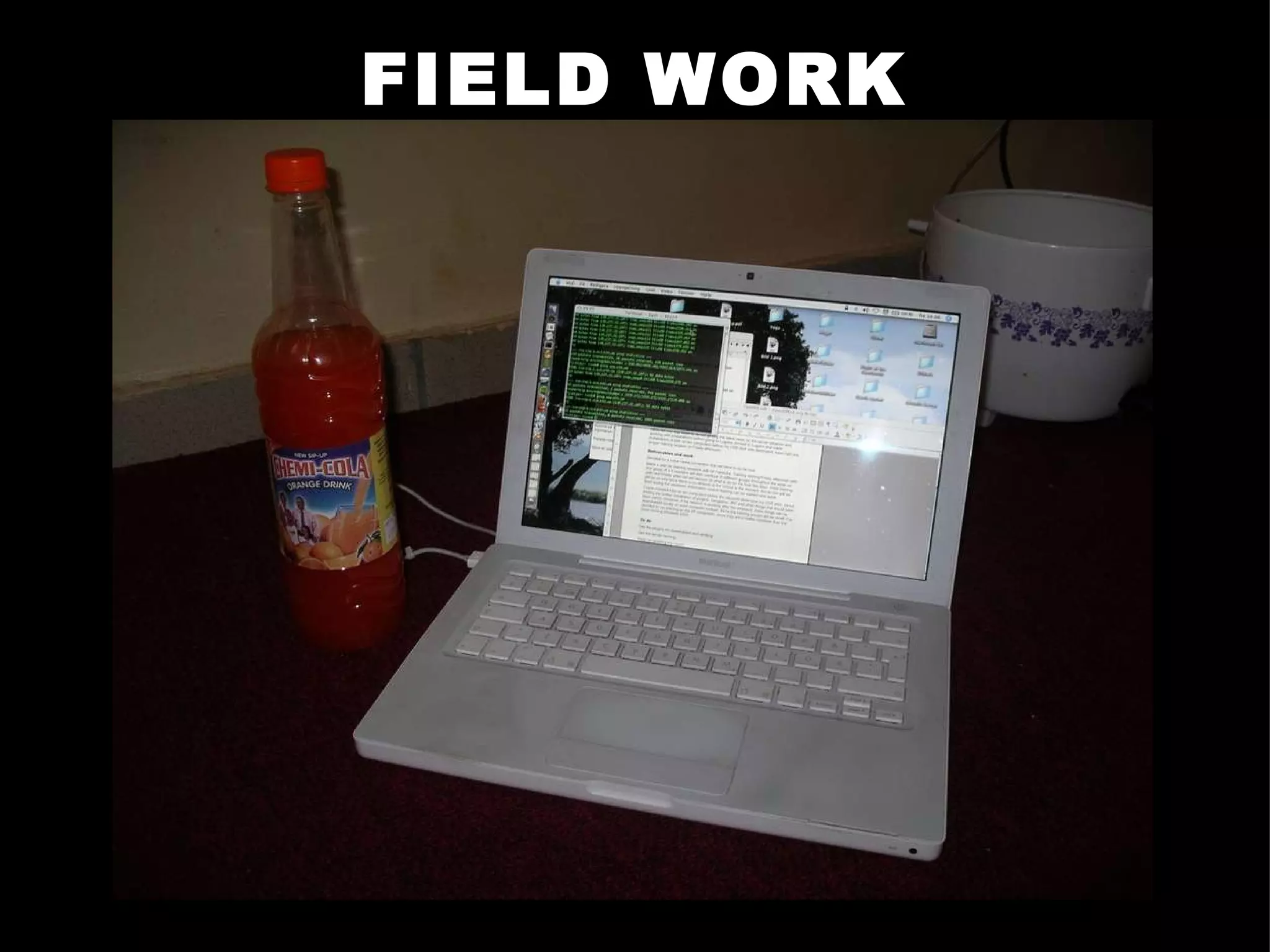
FIELD WORK Observation and informal interviews. Installation, configurations on different OS. Training sessions and workshops. "Open computer room“. Manuals - creation, discarding, starting over.
FIELD WORK
FIELD WORK
FIELD WORK
FIELD WORK
FIELD WORK
RESULT Computer room equipped with software.  Manuals distributed (paper and digitally). Most teachers at least introduced to computers. Some teachers received more advanced training. Some students also received training.
The eLearning paradox:   The teachers would benefit a lot from eLearning initiatives, but they are at the same time the ones that are going to need the most support in getting started.
STUDENT FOCUS Why? Students were in general more interested in taking part of computer classes.  Students were also spending more time in the computer room after school day had ended.       
STUDENT FOCUS What? Programming, networking, web design. Nearly endless possibilities.  Classes for female students.  Information and preparations for careers in ICT.  Sister school projects.    
USER EXPERIENCE Simplify user interfaces. Simplified process for uploading content. Consider tradition - make use of the strong oral tradition. Swahili interface and training.   
OTHER RECOMMENDATIONS Teacher study groups based on prior knowledge. Focus on the teachers with the most experience. External stakeholders such as book companies or software developers. "Driving license" to maintain equipment quality and  avoid viruses.
IF I COULD DO IT OVER… Meeting the teachers for better requirements.  Software that is easier to use. Better manuals (simple!).  Plan B. Plan C. Plan D… Plan  n , Plan  n+1 …
QUESTIONS? COMMENTS? Linda Malmqvist [email_address]

Ideas on increasing the computer literacy in a Tanzanian village

  • 1.
    The eLearning paradox or… Ideas to increase the computer literacy in a Tanzanian village Linda Malmqvist [email_address]
  • 2.
    WHAT IS THEPROBLEM?
  • 3.
    Computer literacy levelsin Tanzania are currently very low.
  • 4.
  • 5.
  • 6.
  • 7.
    Better focus onthe students directly!
  • 8.
    TODAY’S AGENDA ICTin East Africa Lugoba The project Preparations Field work Result Recommendations
  • 9.
    ICT IN EASTAFRICA Low general availability of internet and computers. Internet penetration in Tanzania: about 1 %. Slow satellite connections with high latency.
  • 10.
    ICT IN EASTAFRICA Submarine systems recently launched. Local and national governments responsible for developing regional connections. Internet cafes exist, especially around tourist spots. .
  • 11.
  • 12.
    ICT4RD ICT4RD –ICT For Rural Development. Schools, health centres and local governments. Sida, DIT, COSTECH, KTH. High speed optic fibre at the Wami pilot. Bunda pilot close to Lake Victoria.
  • 13.
    LUGOBA About 150kilometers north of Dar es Salaam. A typical village with a typical secondary school. Teachers between ages 23 and 65. Teachers often underpaid, sometimes undertrained.
  • 14.
    LUGOBA High capacityoptic fiber – satellite internet. Computer classes as part of the curriculum. Teachers trained in general computer skills.
  • 15.
  • 16.
    ELIMU Student projectat KTH 2007 – 2008. Open source learning management system with email services, offline Wikipedia and Moodle. Moodle provides student and course management, discussion forums and wikis. Teachers were trained in using the LMS.
  • 17.
    THE IDEA: AN INTERACTIVE COURSE CREATION MODULE eLimu enhancement. Integrated in normal classes such as English. Quizzes, ”fill in the blanks”, assignments. Flash vs. ready made vs. new software?
  • 18.
    PREPARATIONS Requirements forunknown users. Finding the right software. Learning how to use the software. Preparing study materials and sessions.
  • 19.
    eXe Simple! Open source tool for many standard exercises. Compatible with Moodle and other LMS. Courses can be exported to different useful formats.
  • 20.
  • 21.
    FURTHER PREPARATIONS Creatingsample courses in different subjects. Investigating additional software and plugins. Planning sessions. Not too much planning!
  • 22.
    FIELD WORK Observationand informal interviews. Installation, configurations on different OS. Training sessions and workshops. "Open computer room“. Manuals - creation, discarding, starting over.
  • 23.
  • 24.
  • 25.
  • 26.
  • 27.
  • 28.
    RESULT Computer roomequipped with software.  Manuals distributed (paper and digitally). Most teachers at least introduced to computers. Some teachers received more advanced training. Some students also received training.
  • 29.
    The eLearning paradox:  The teachers would benefit a lot from eLearning initiatives, but they are at the same time the ones that are going to need the most support in getting started.
  • 30.
    STUDENT FOCUS Why?Students were in general more interested in taking part of computer classes.  Students were also spending more time in the computer room after school day had ended.       
  • 31.
    STUDENT FOCUS What?Programming, networking, web design. Nearly endless possibilities. Classes for female students. Information and preparations for careers in ICT.  Sister school projects.    
  • 32.
    USER EXPERIENCE Simplifyuser interfaces. Simplified process for uploading content. Consider tradition - make use of the strong oral tradition. Swahili interface and training.  
  • 33.
    OTHER RECOMMENDATIONS Teacherstudy groups based on prior knowledge. Focus on the teachers with the most experience. External stakeholders such as book companies or software developers. "Driving license" to maintain equipment quality and avoid viruses.
  • 34.
    IF I COULDDO IT OVER… Meeting the teachers for better requirements. Software that is easier to use. Better manuals (simple!). Plan B. Plan C. Plan D… Plan n , Plan n+1 …
  • 35.
    QUESTIONS? COMMENTS? LindaMalmqvist [email_address]