DEVELOPMENT
&HUMANRESOURCES
Presented by:
Justine Nicole Allas
MAINTENANCE,
Personal Effectiveness, Job Enrichment
Motivations
Compensation Policy and Administration
Career Development and Management
WHATISPERSONALEFFECTIVENESS
Personal effectiveness is a branch of the
self-help movement dealing with success,
goals, and related concepts.
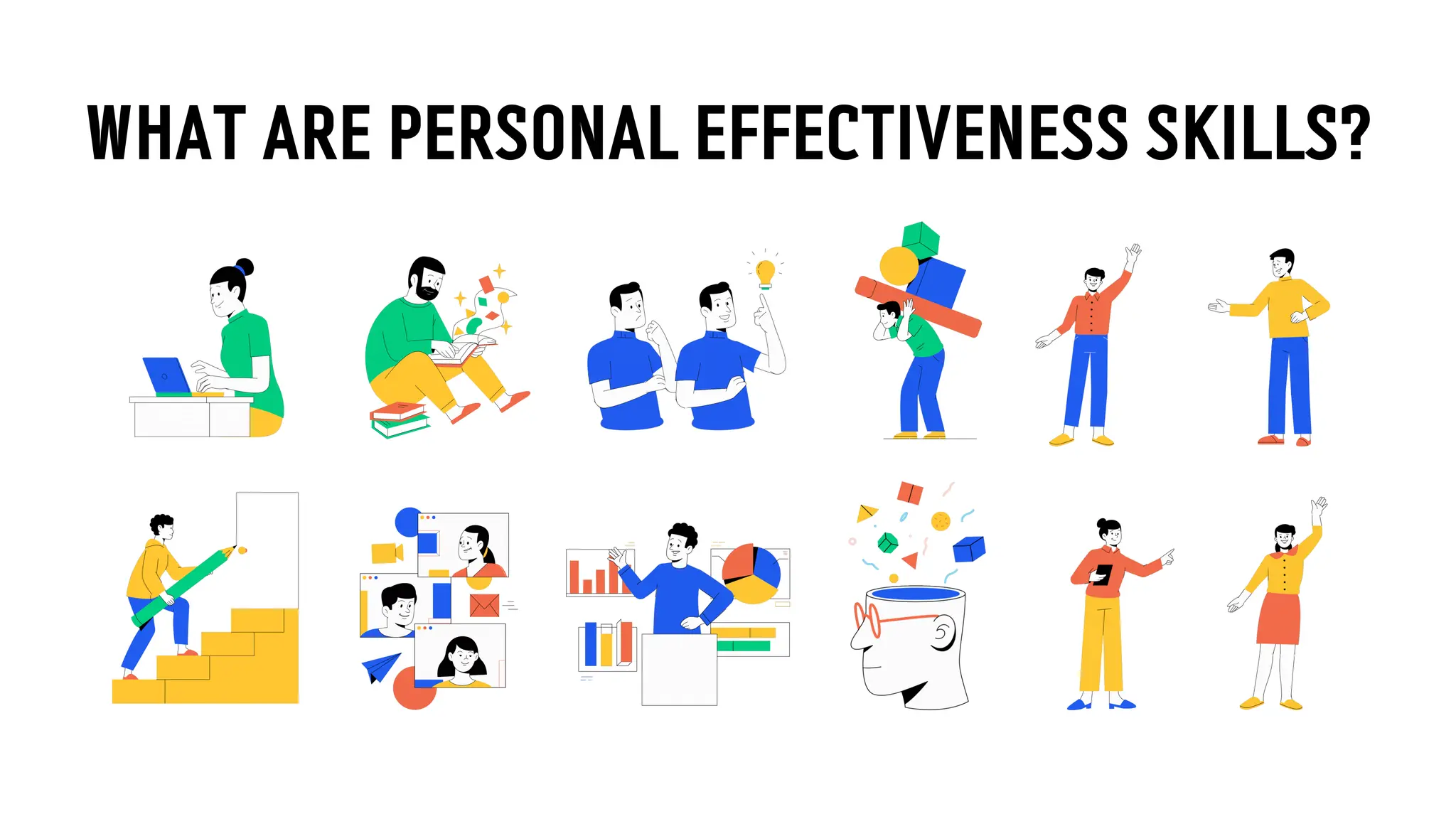
WHAT ARE PERSONAL EFFECTIVENESS SKILLS?
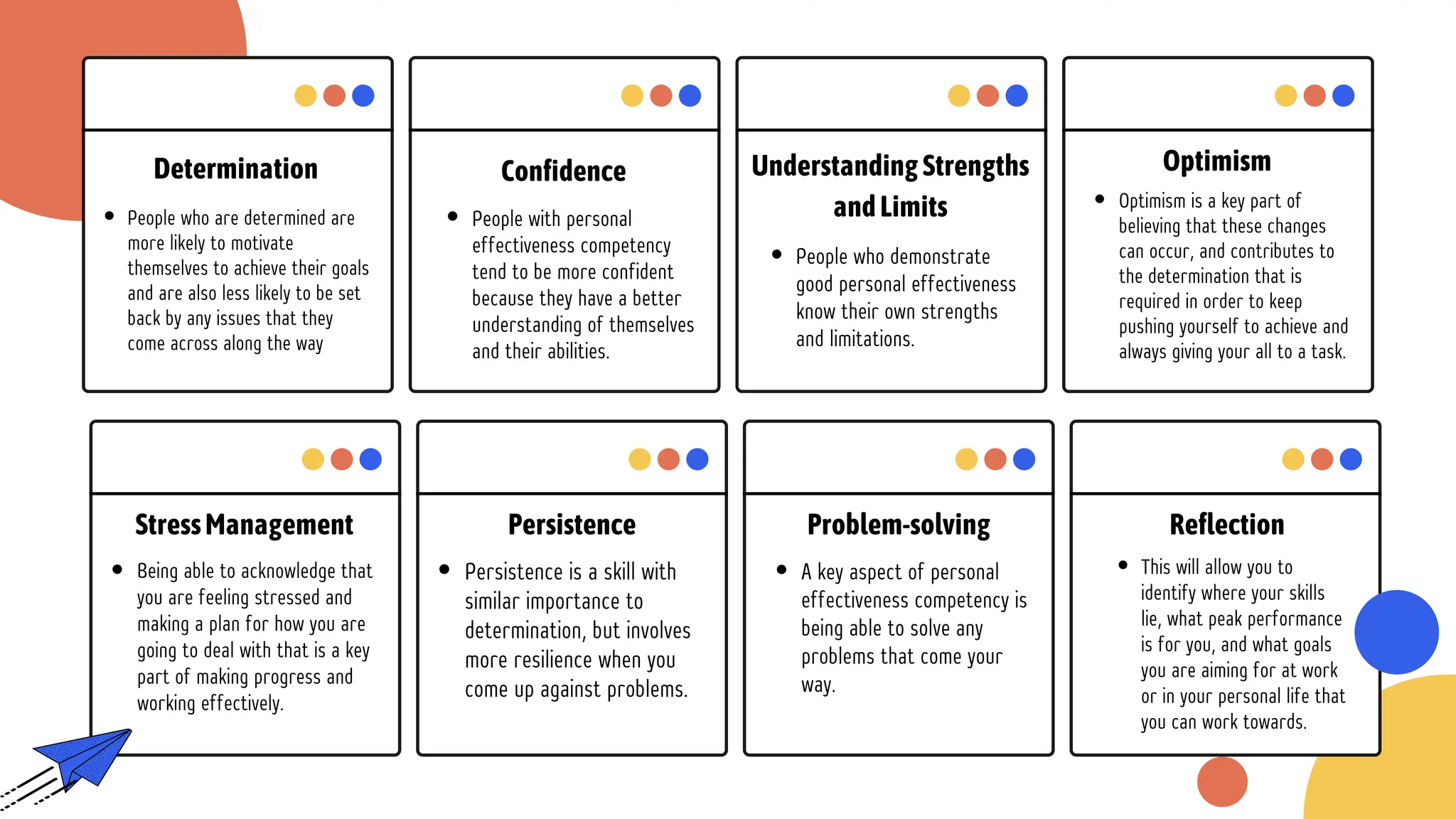
Optimism
Optimism is a key part of
believing that these changes
can occur, and contributes to
the determination that is
required in order to keep
pushing yourself to achieve and
always giving your all to a task.
UnderstandingStrengths
andLimits
Confidence
Determination
People who demonstrate
good personal effectiveness
know their own strengths
and limitations.
People with personal
effectiveness competency
tend to be more confident
because they have a better
understanding of themselves
and their abilities.
People who are determined are
more likely to motivate
themselves to achieve their goals
and are also less likely to be set
back by any issues that they
come across along the way
Reflection
This will allow you to
identify where your skills
lie, what peak performance
is for you, and what goals
you are aiming for at work
or in your personal life that
you can work towards.
Problem-solving
Persistence
StressManagement
A key aspect of personal
effectiveness competency is
being able to solve any
problems that come your
way.
Persistence is a skill with
similar importance to
determination, but involves
more resilience when you
come up against problems.
Being able to acknowledge that
you are feeling stressed and
making a plan for how you are
going to deal with that is a key
part of making progress and
working effectively.
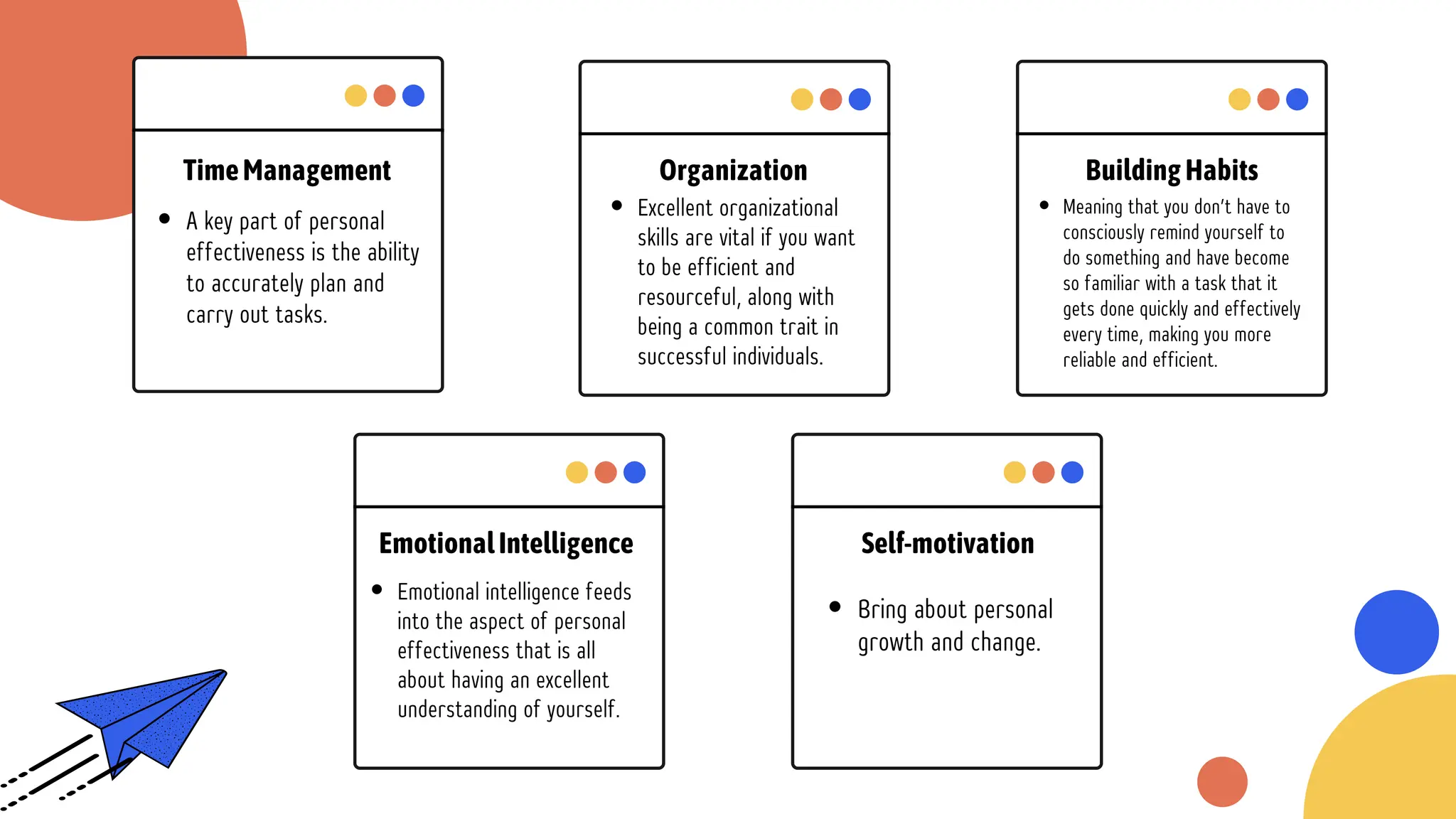
EmotionalIntelligence
Emotional intelligence feeds
into the aspect of personal
effectiveness that is all
about having an excellent
understanding of yourself.
BuildingHabits
Organization
TimeManagement
Meaning that you don’t have to
consciously remind yourself to
do something and have become
so familiar with a task that it
gets done quickly and effectively
every time, making you more
reliable and efficient.
Excellent organizational
skills are vital if you want
to be efficient and
resourceful, along with
being a common trait in
successful individuals.
A key part of personal
effectiveness is the ability
to accurately plan and
carry out tasks.
Self-motivation
Bring about personal
growth and change.
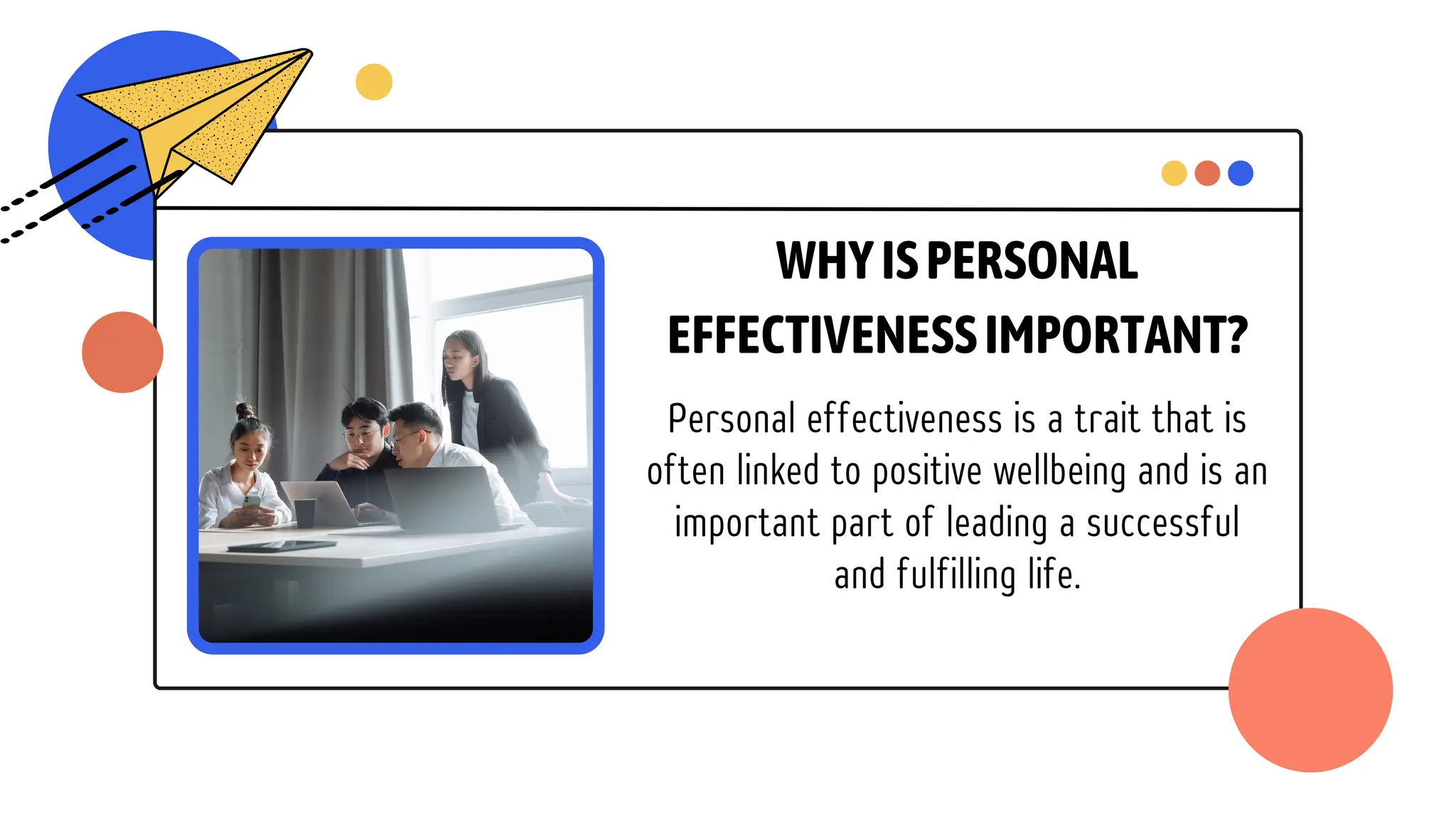
WHYISPERSONAL
EFFECTIVENESSIMPORTANT?
Personal effectiveness is a trait that is
often linked to positive wellbeing and is an
important part of leading a successful
and fulfilling life.
WHAT IS JOB ENRICHMENT?
Isaprocessthatis
characterizedbyadding
dimensionstoexisting
jobstomakethemmore
motivating.
Jobenrichmentexpands
thetasksetthatyou
perform,andtheskills
thatyoucandevelop.
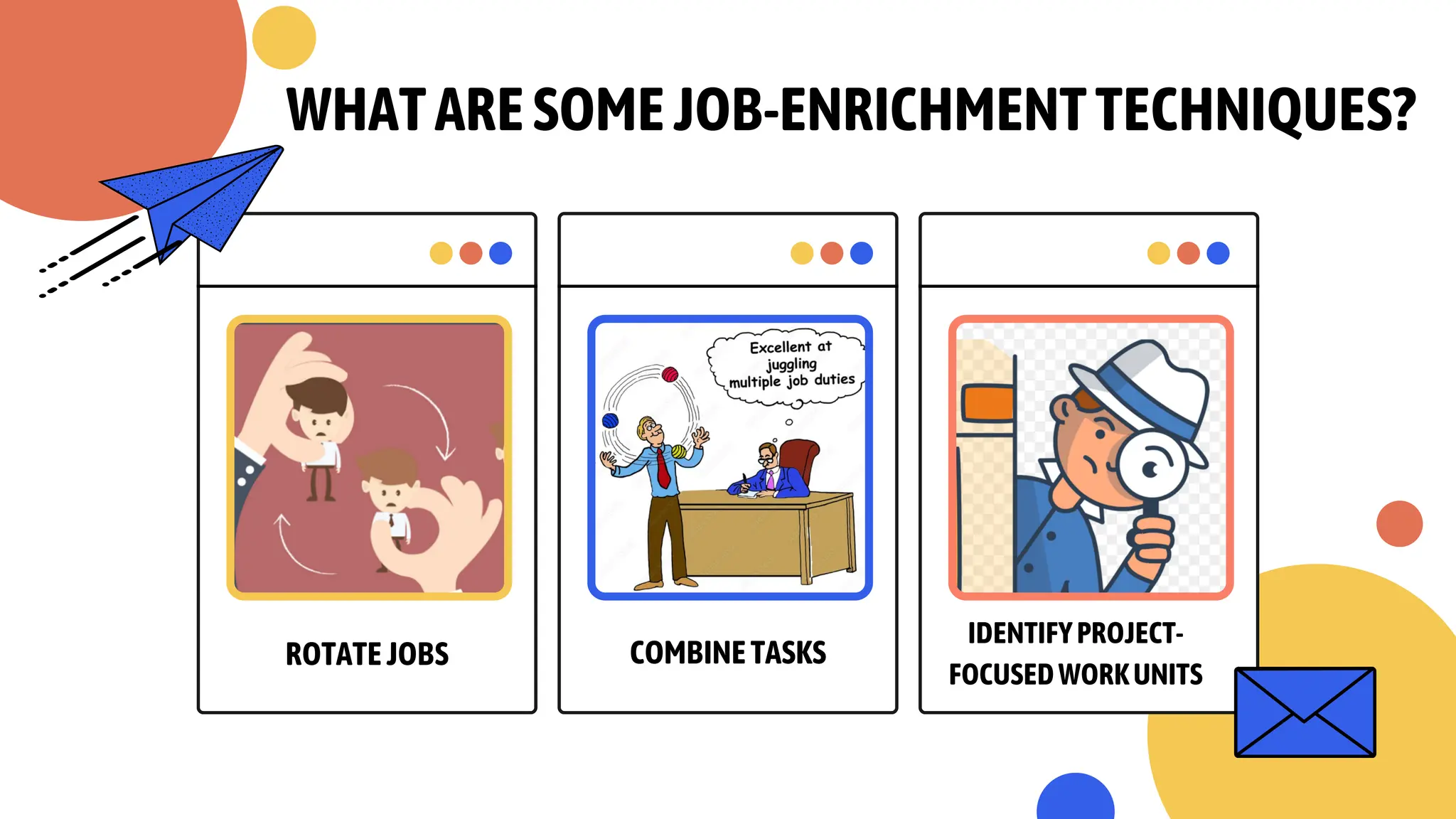
ROTATEJOBS COMBINETASKS
IDENTIFYPROJECT-
FOCUSEDWORKUNITS
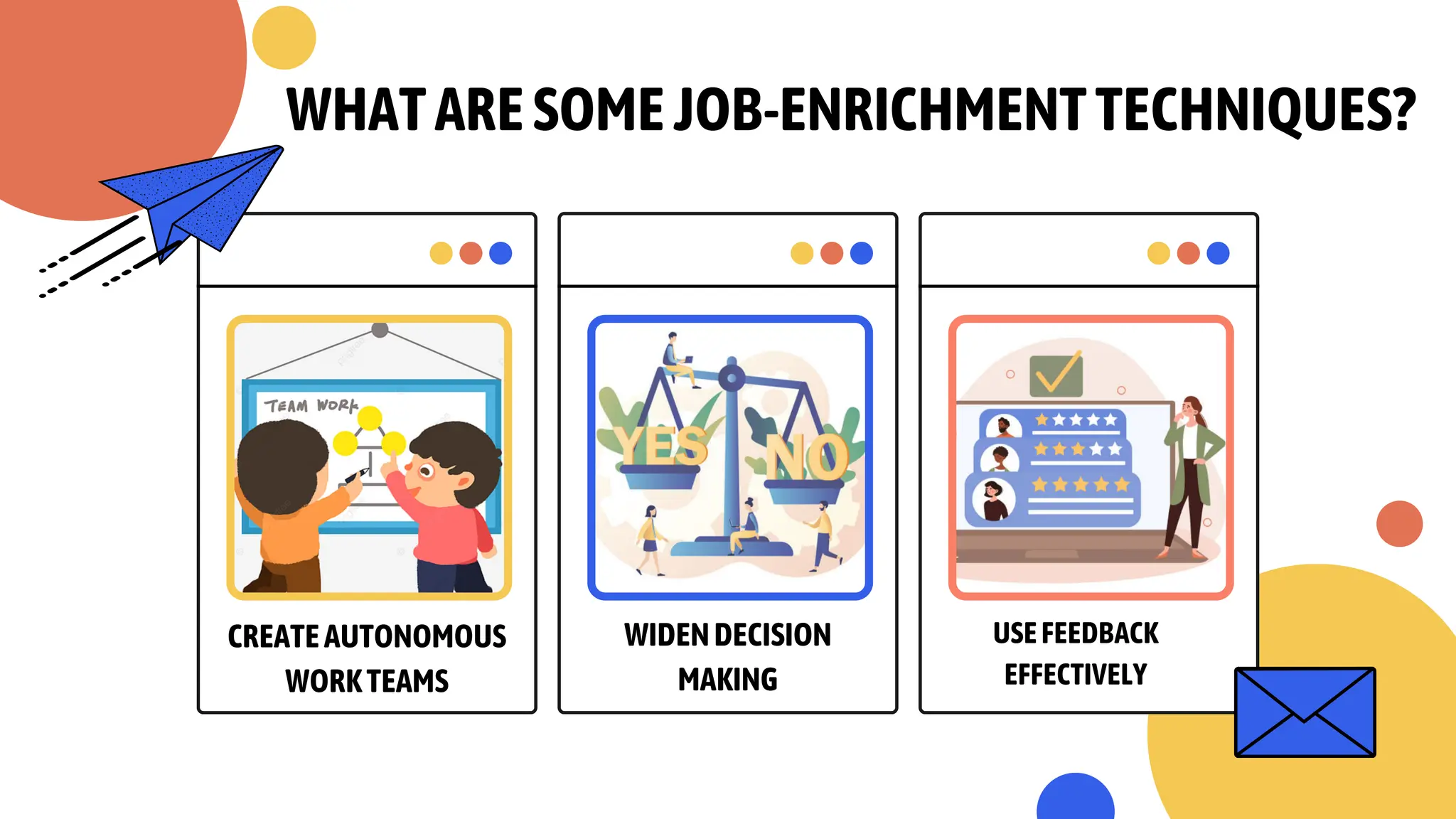
WHATARESOMEJOB-ENRICHMENTTECHNIQUES?
CREATEAUTONOMOUS
WORKTEAMS
WIDENDECISION
MAKING
USEFEEDBACK
EFFECTIVELY
WHATARESOMEJOB-ENRICHMENTTECHNIQUES?
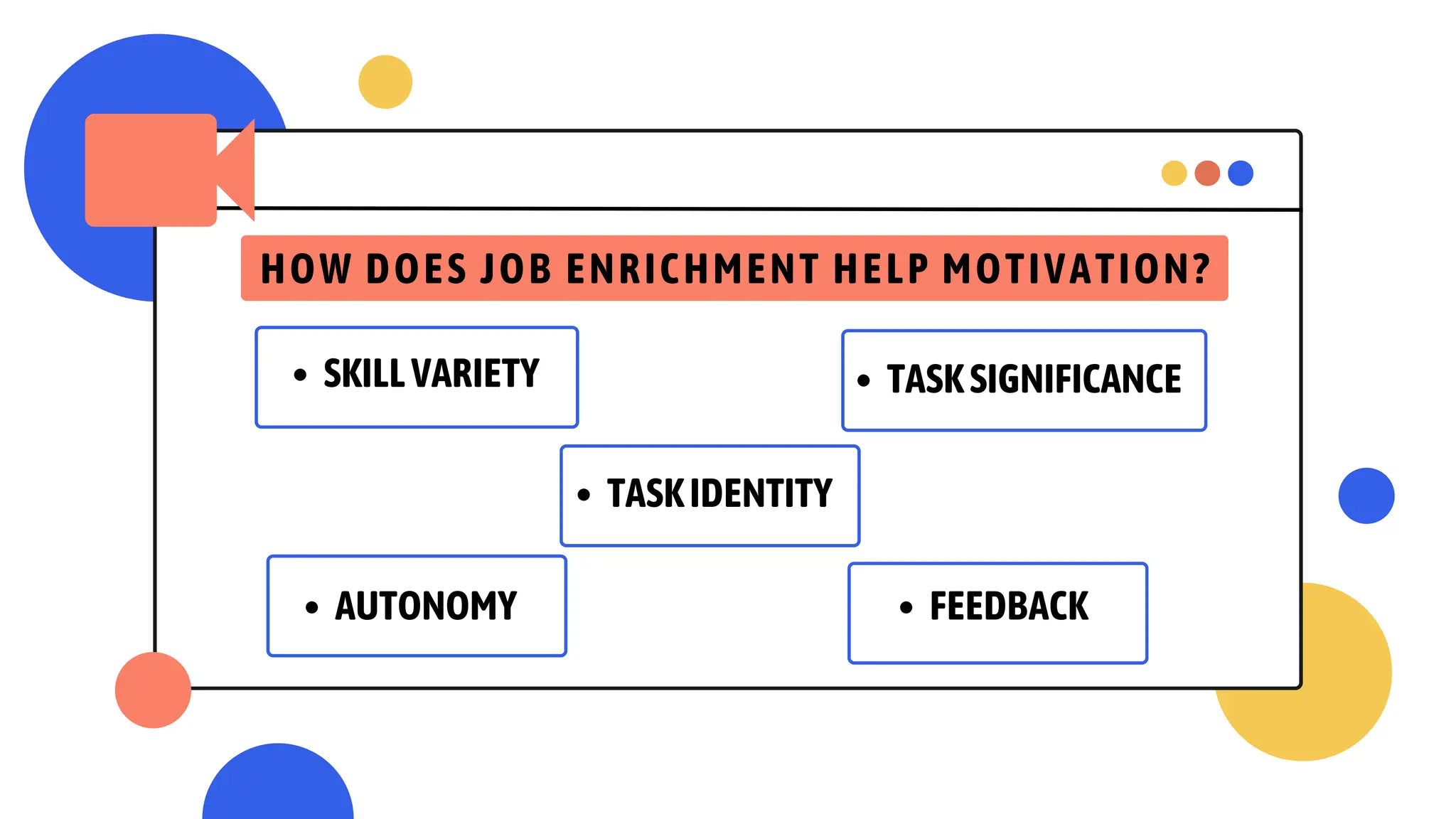
HOW DOES JOB ENRICHMENT HELP MOTIVATION?
SKILLVARIETY
TASKIDENTITY
TASKSIGNIFICANCE
AUTONOMY FEEDBACK
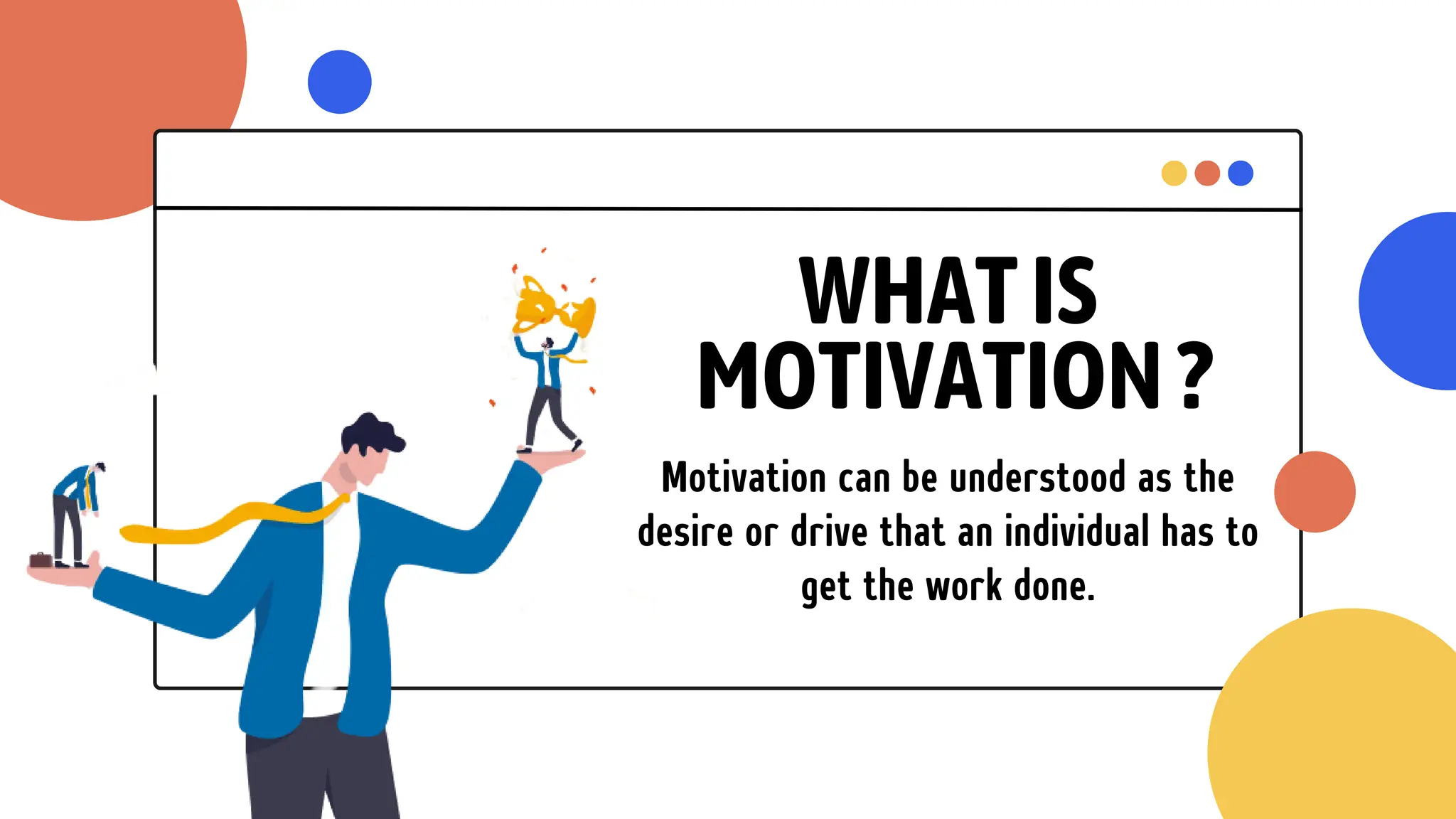
WHATIS
MOTIVATION?
Motivation can be understood as the
desire or drive that an individual has to
get the work done.
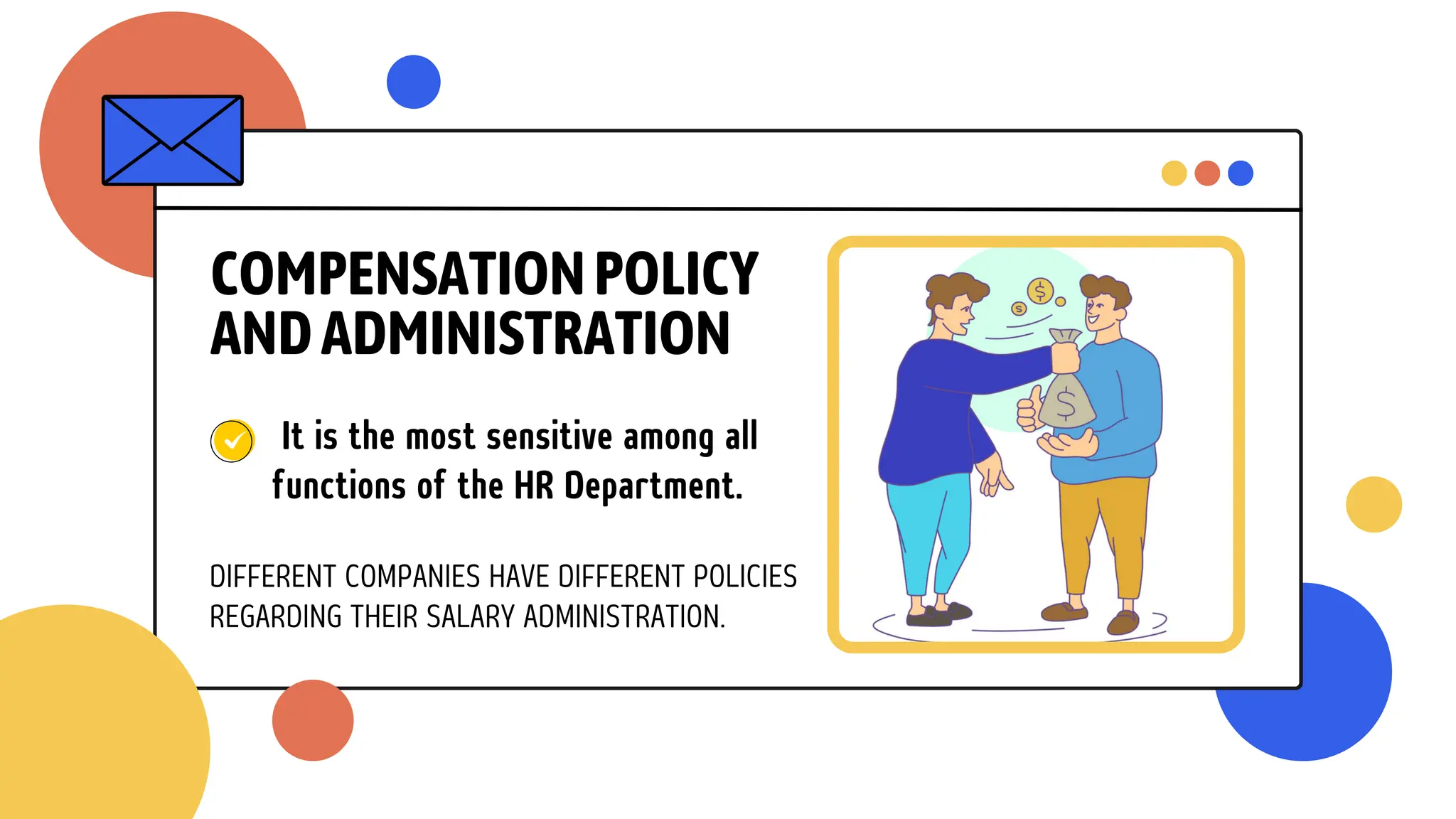
COMPENSATIONPOLICY
ANDADMINISTRATION
It is the most sensitive among all
functions of the HR Department.
DIFFERENT COMPANIES HAVE DIFFERENT POLICIES
REGARDING THEIR SALARY ADMINISTRATION.
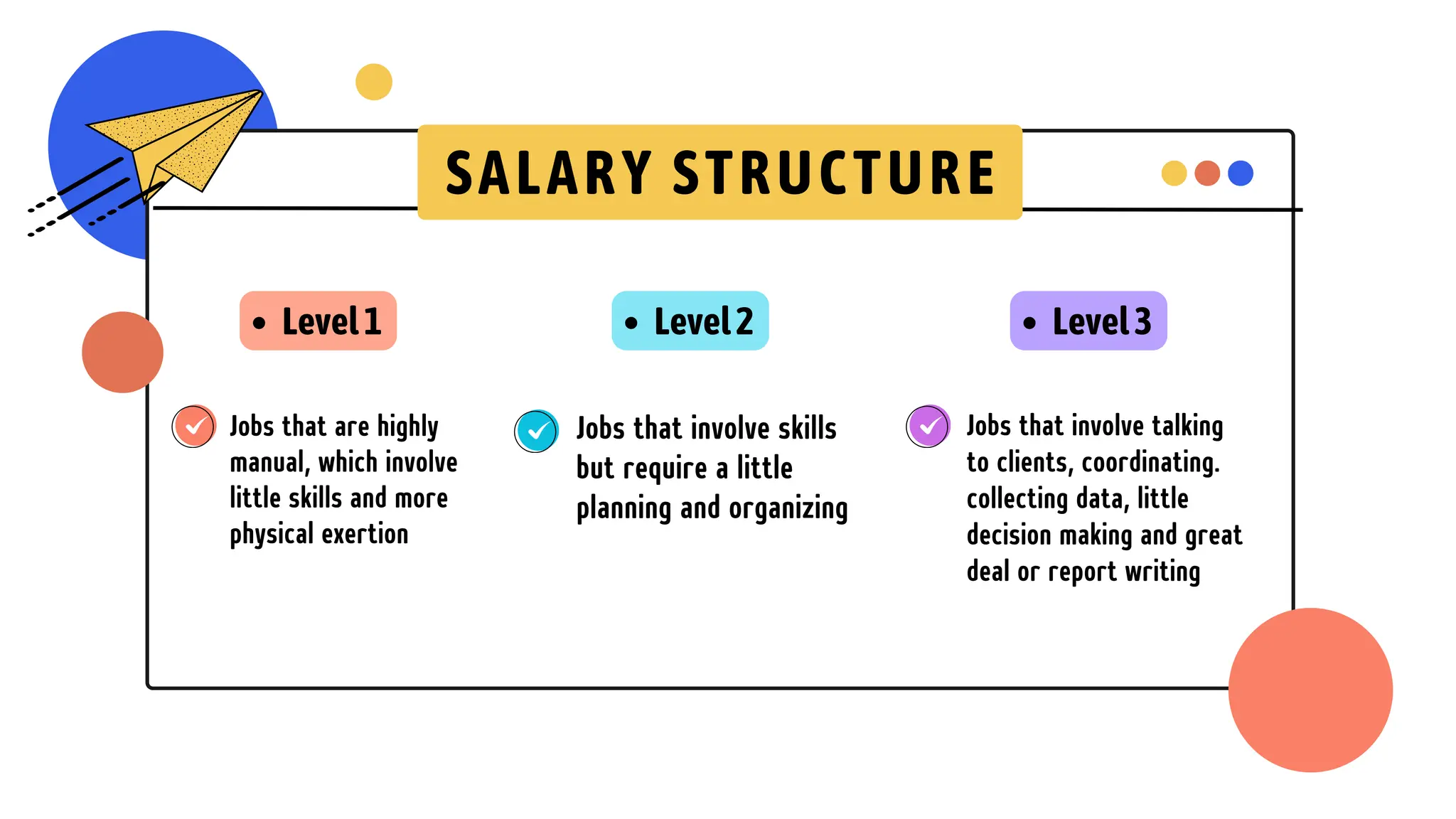
Jobs that are highly
manual, which involve
little skills and more
physical exertion
SALARY STRUCTURE
Level1
Jobs that involve skills
but require a little
planning and organizing
Level2
Jobs that involve talking
to clients, coordinating.
collecting data, little
decision making and great
deal or report writing
Level3
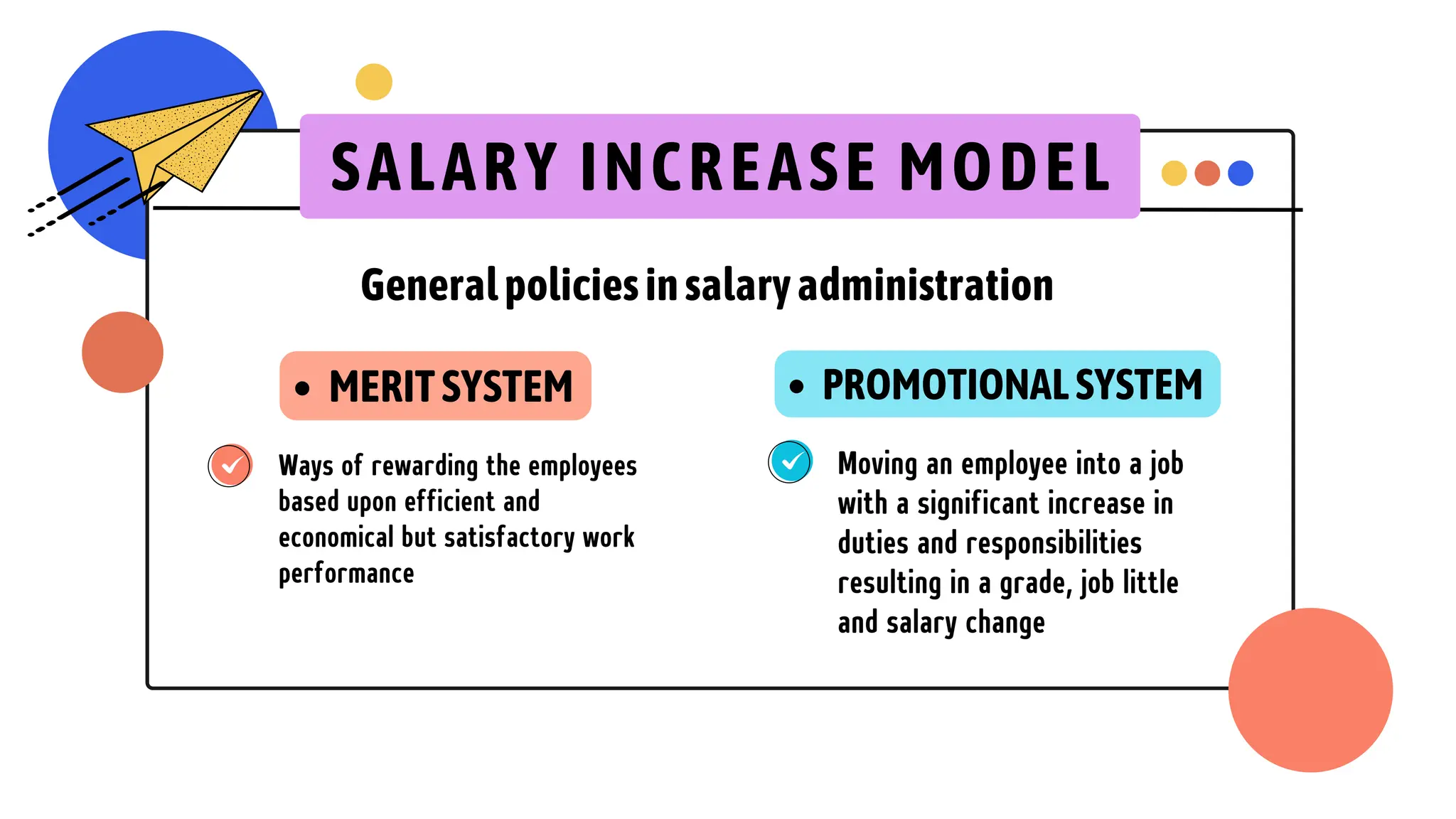
Ways of rewarding the employees
based upon efficient and
economical but satisfactory work
performance
SALARY INCREASE MODEL
MERITSYSTEM
Moving an employee into a job
with a significant increase in
duties and responsibilities
resulting in a grade, job little
and salary change
PROMOTIONALSYSTEM
Generalpoliciesinsalaryadministration
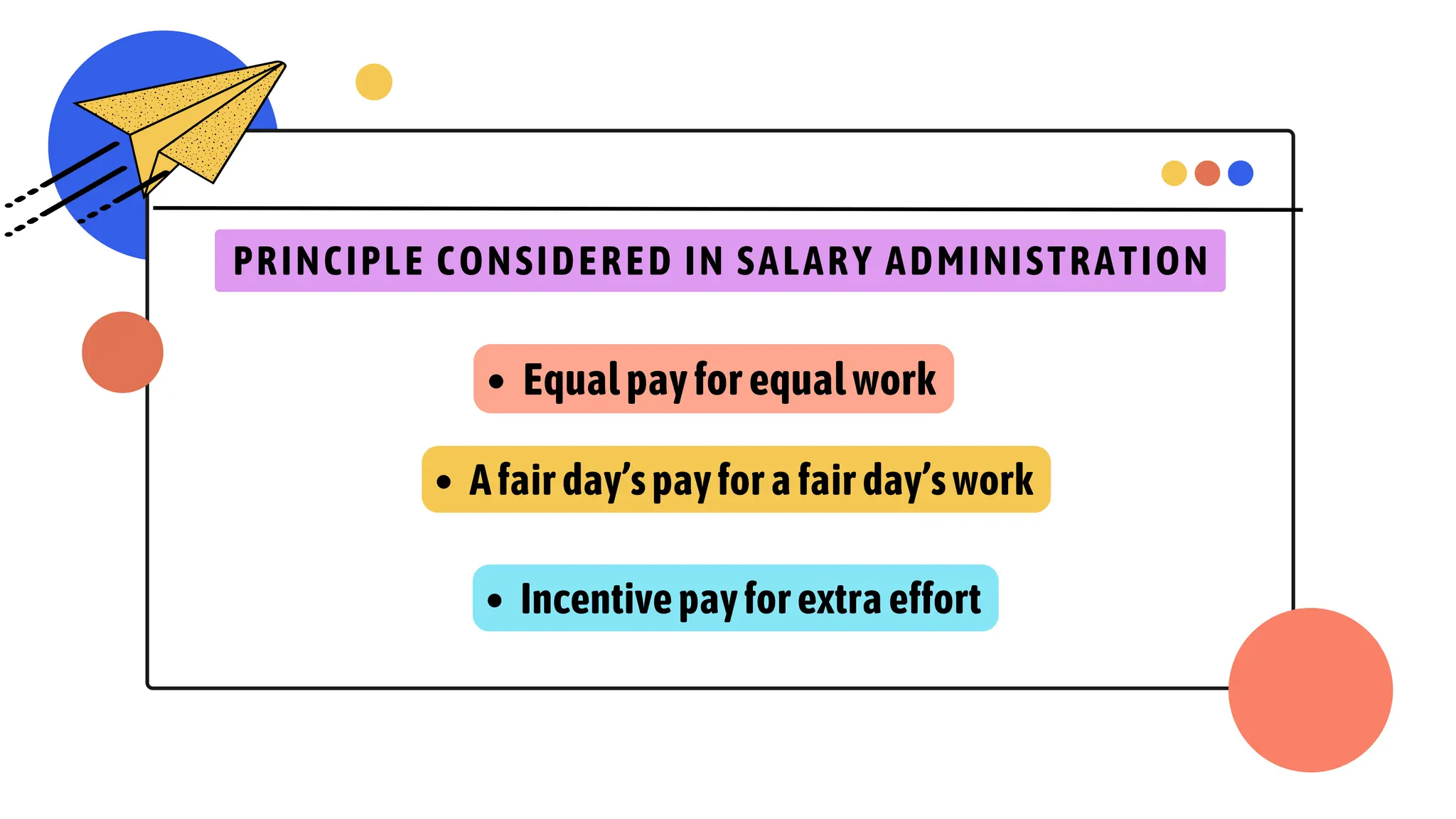
Equalpayforequalwork
Afairday’spayforafairday’swork
PRINCIPLE CONSIDERED IN SALARY ADMINISTRATION
Incentivepayforextraeffort
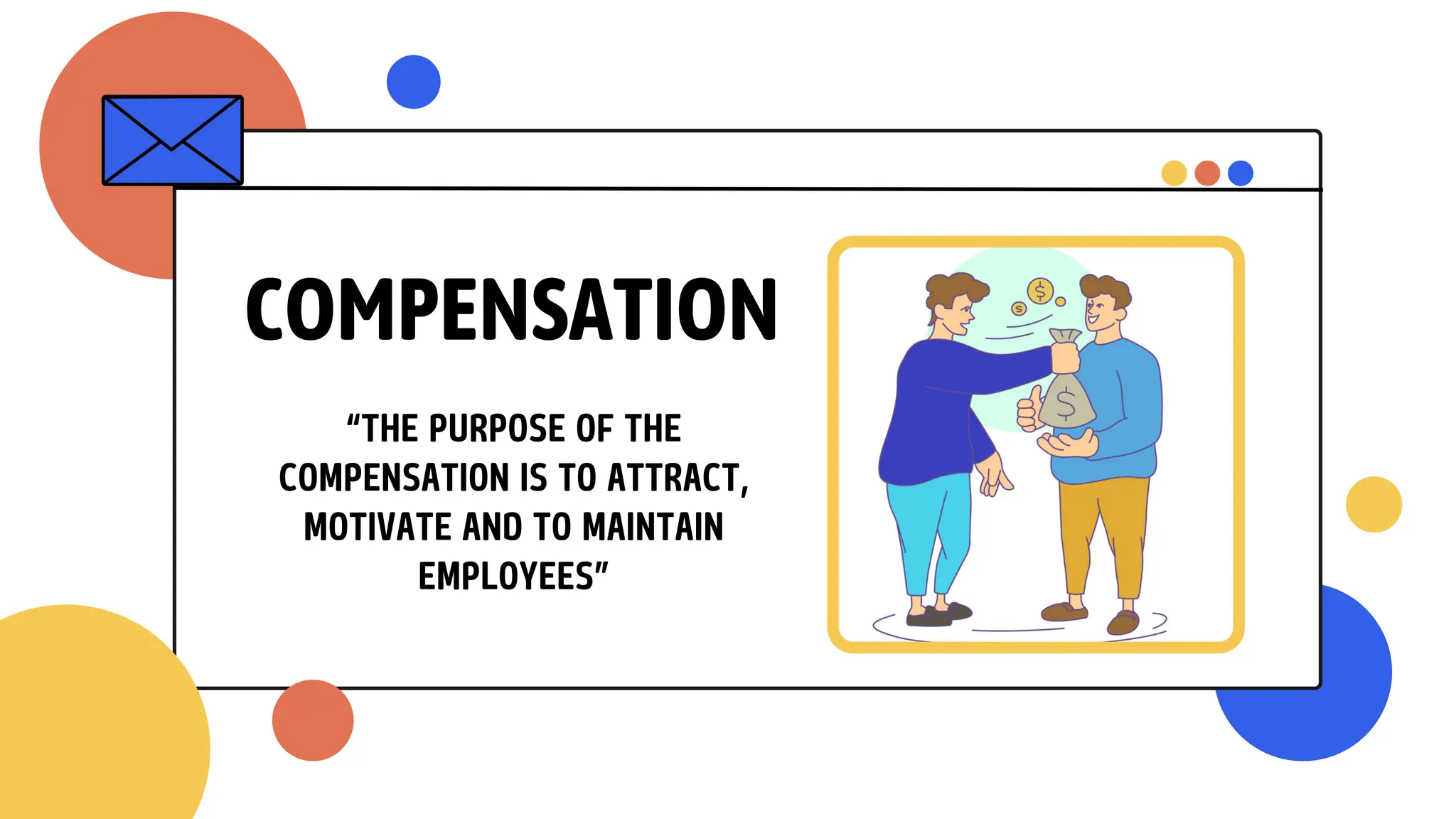
COMPENSATION
“THE PURPOSE OF THE
COMPENSATION IS TO ATTRACT,
MOTIVATE AND TO MAINTAIN
EMPLOYEES”
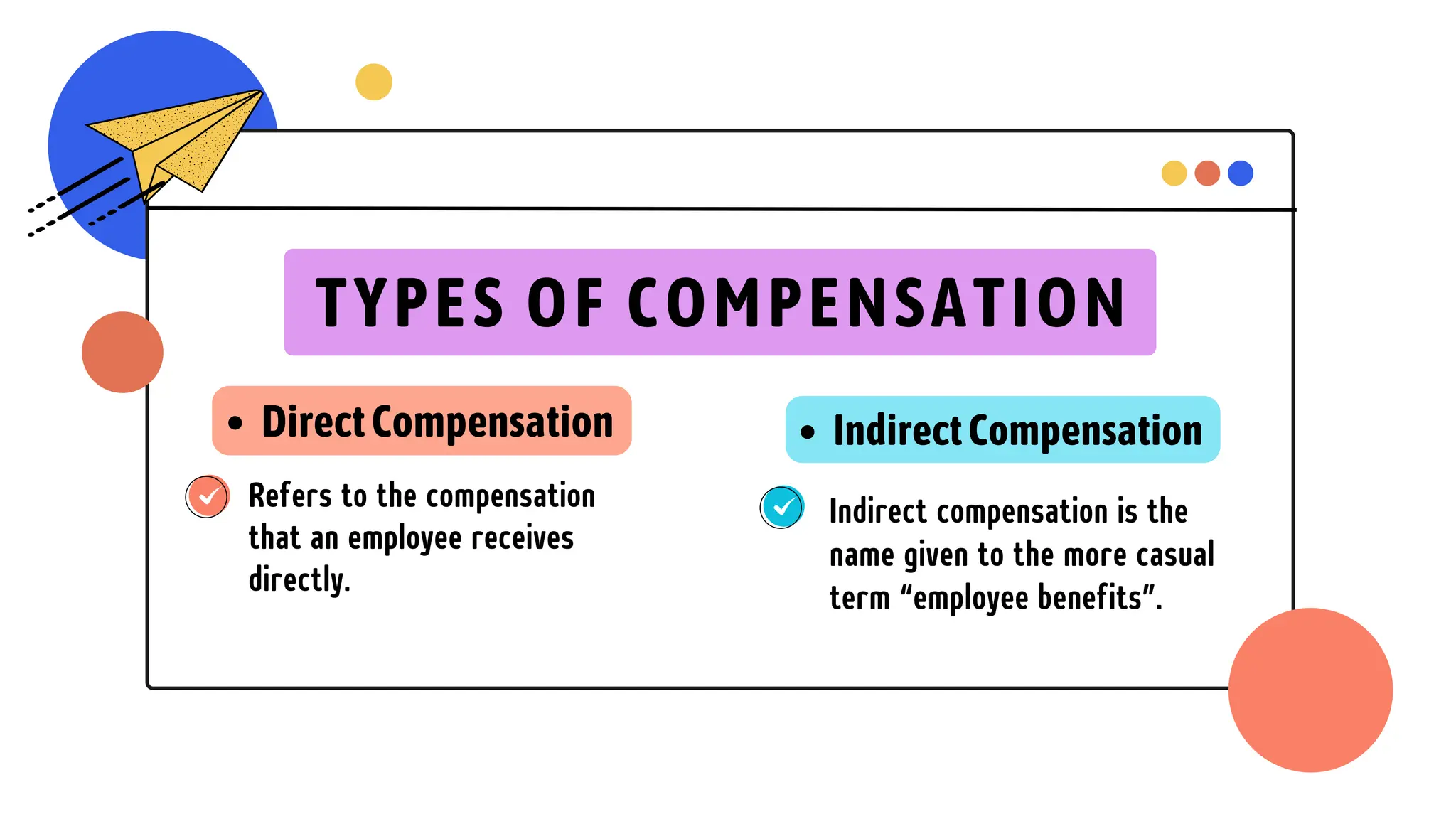
Refers to the compensation
that an employee receives
directly.
TYPES OF COMPENSATION
DirectCompensation
Indirect compensation is the
name given to the more casual
term “employee benefits”.
IndirectCompensation
Some benefits are mandated by law (such as sss, pag-ibig, and
philhealth), others vary from firm to firm or industry to industry.
EMPLOYEE BENEFITS
According to the employee services management association,
employee services encompasses, “recreation programs, community
services, recognition programs, event planning,
childcare/eldercare services, convenience services, and travel
offerings”.
EMPLOYEE SERVICES
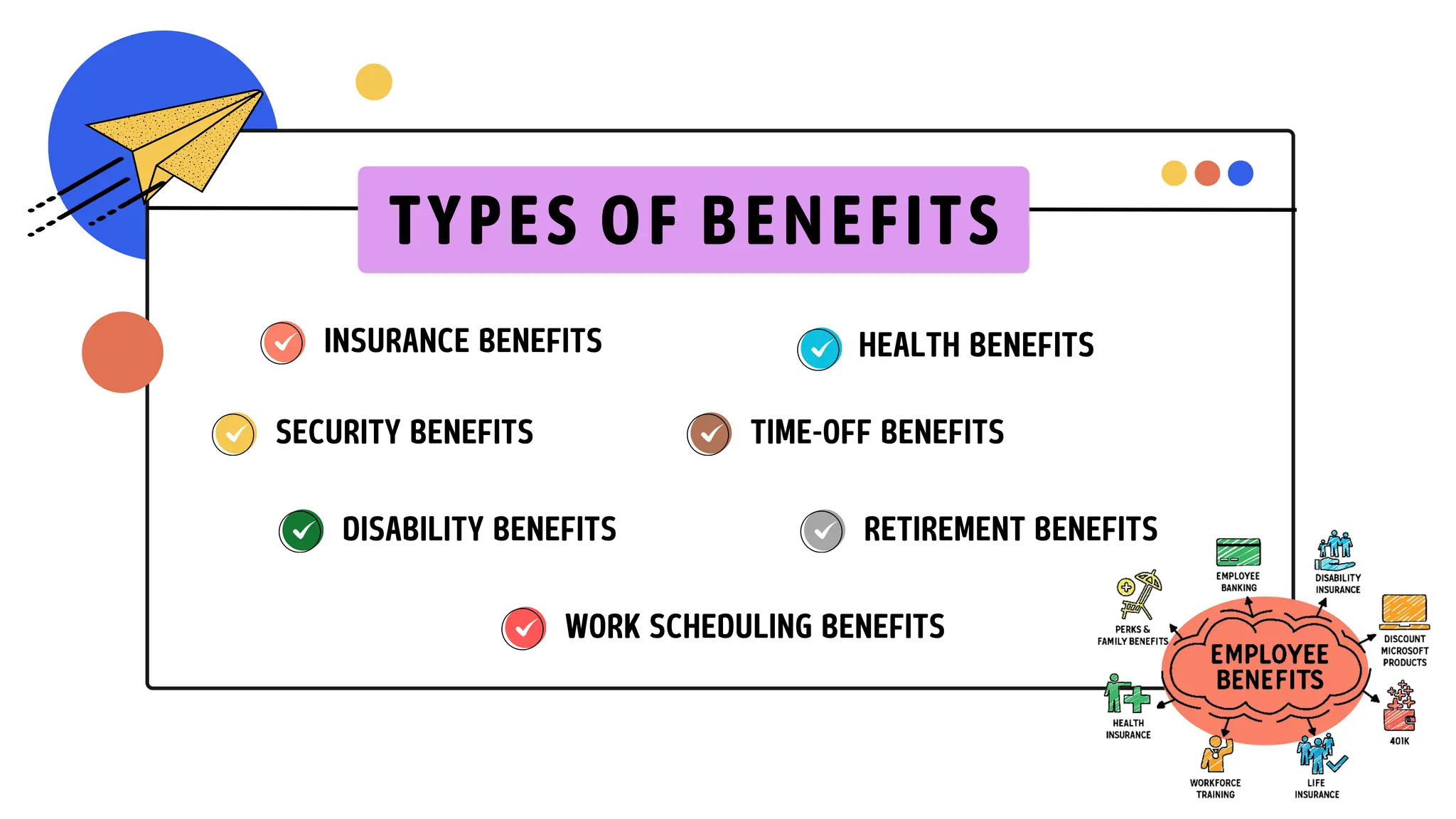
INSURANCE BENEFITS HEALTH BENEFITS
SECURITY BENEFITS TIME-OFF BENEFITS
WORK SCHEDULING BENEFITS
RETIREMENT BENEFITS
DISABILITY BENEFITS
TYPES OF BENEFITS
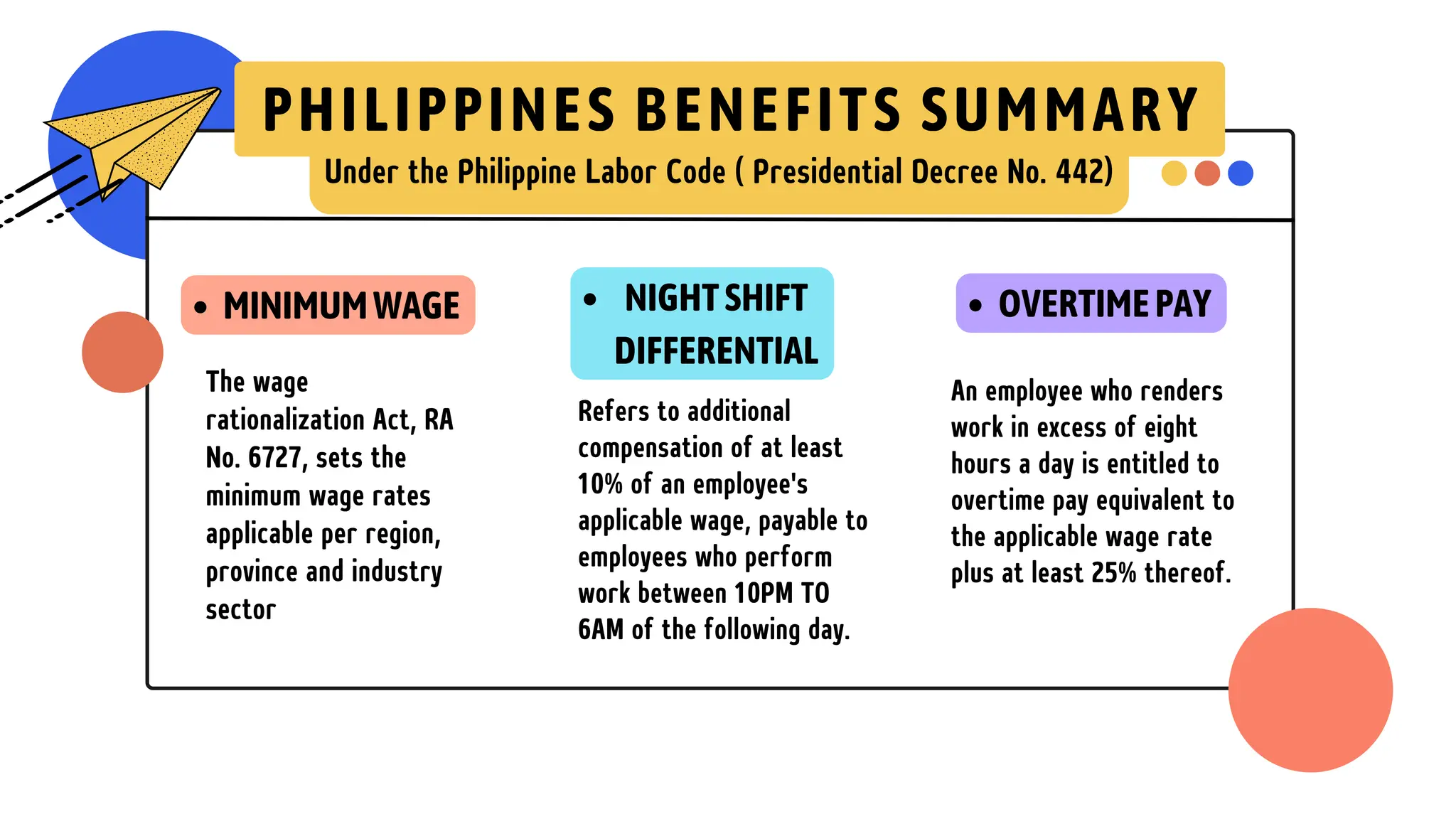
The wage
rationalization Act, RA
No. 6727, sets the
minimum wage rates
applicable per region,
province and industry
sector
PHILIPPINES BENEFITS SUMMARY
MINIMUMWAGE
Refers to additional
compensation of at least
10% of an employee's
applicable wage, payable to
employees who perform
work between 10PM TO
6AM of the following day.
NIGHTSHIFT
DIFFERENTIAL
An employee who renders
work in excess of eight
hours a day is entitled to
overtime pay equivalent to
the applicable wage rate
plus at least 25% thereof.
OVERTIMEPAY
Under the Philippine Labor Code ( Presidential Decree No. 442)
CAREERDEVELOPMENTANDMANAGEMENT
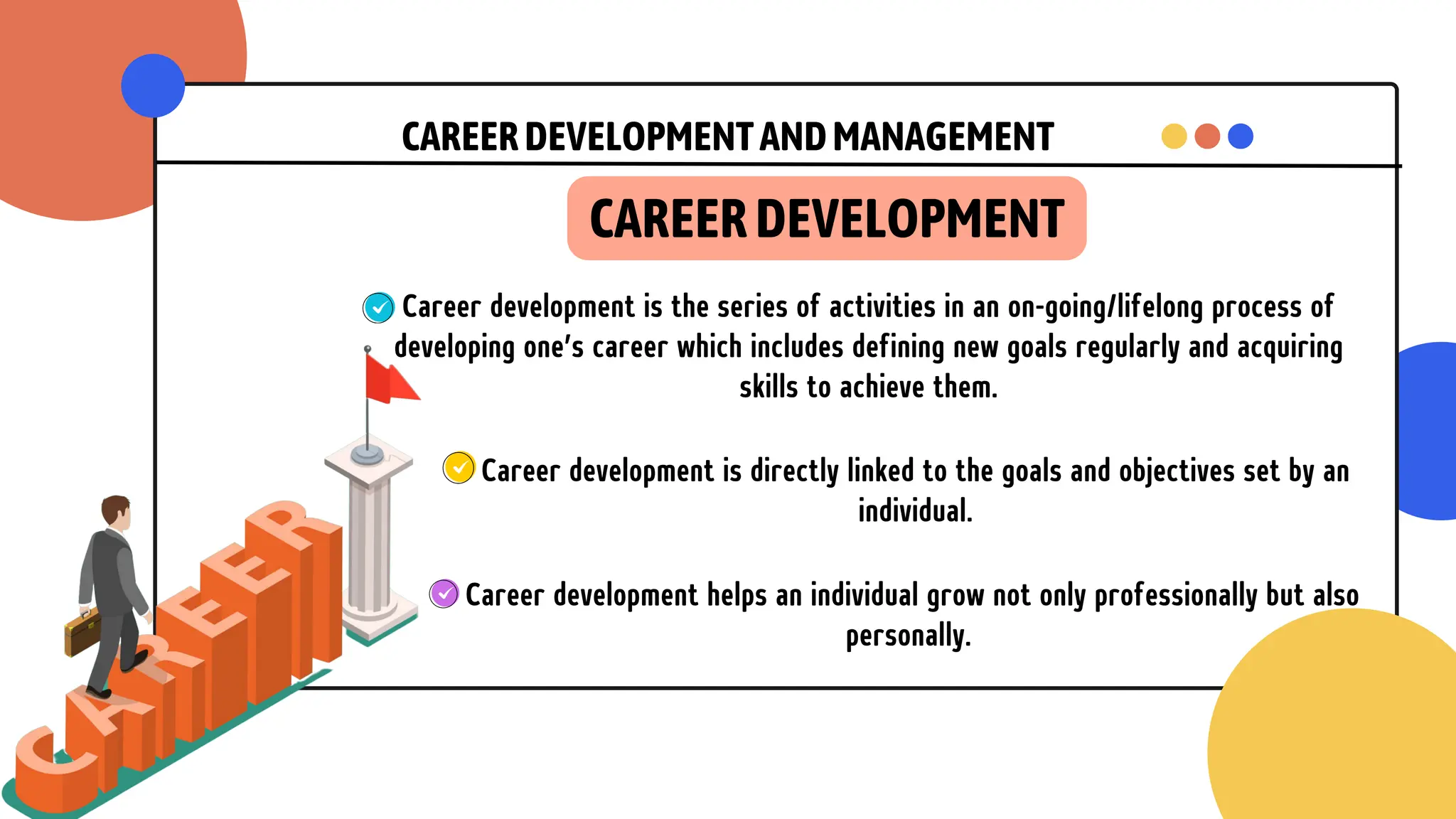
Career development is the series of activities in an on-going/lifelong process of
developing one’s career which includes defining new goals regularly and acquiring
skills to achieve them.
Career development is directly linked to the goals and objectives set by an
individual.
Career development helps an individual grow not only professionally but also
personally.
CAREERDEVELOPMENT
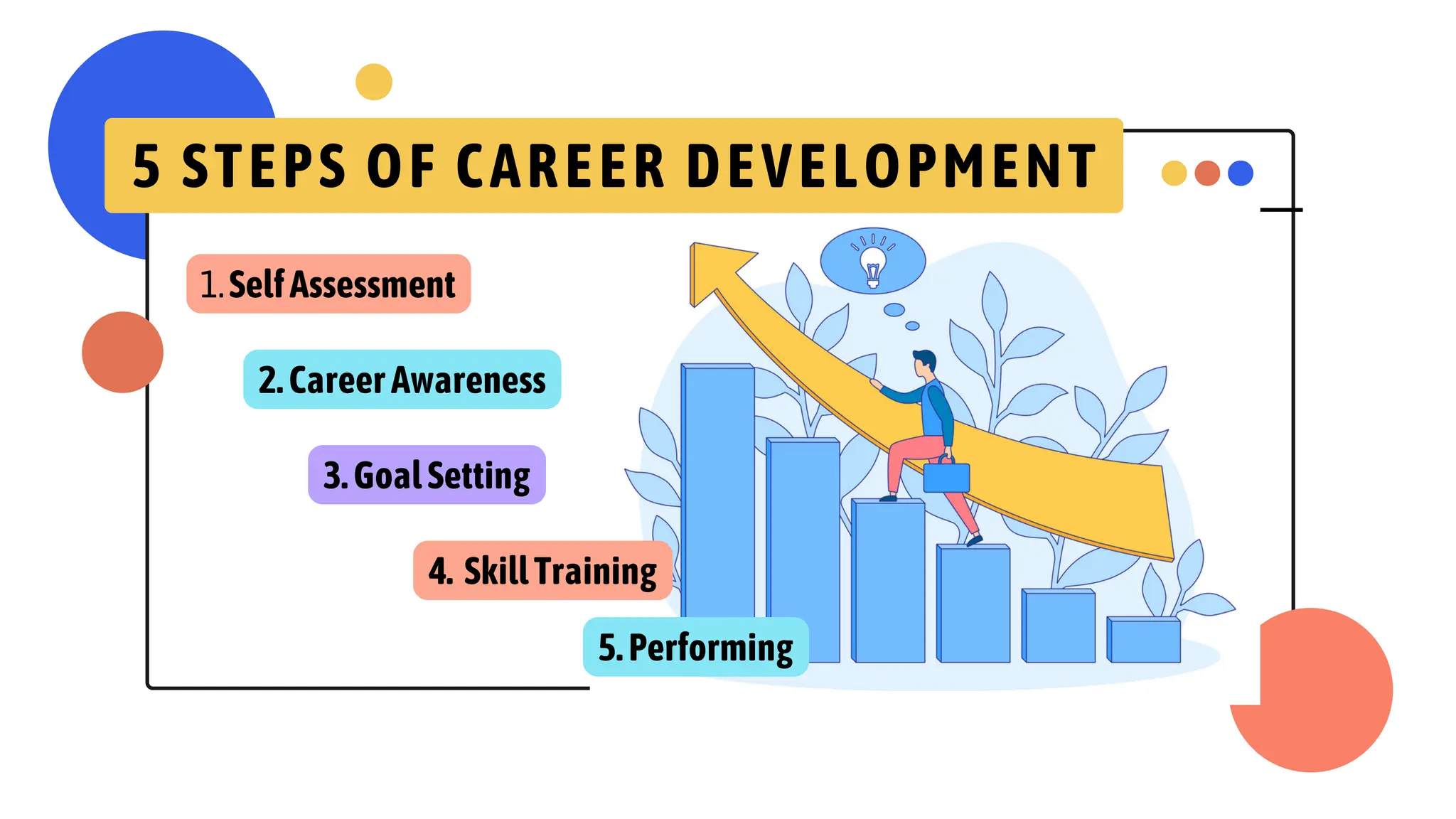
5 STEPS OF CAREER DEVELOPMENT
SelfAssessment
1.
2.CareerAwareness
3.GoalSetting
4. SkillTraining
5.Performing
CAREERDEVELOPMENTANDMANAGEMENT
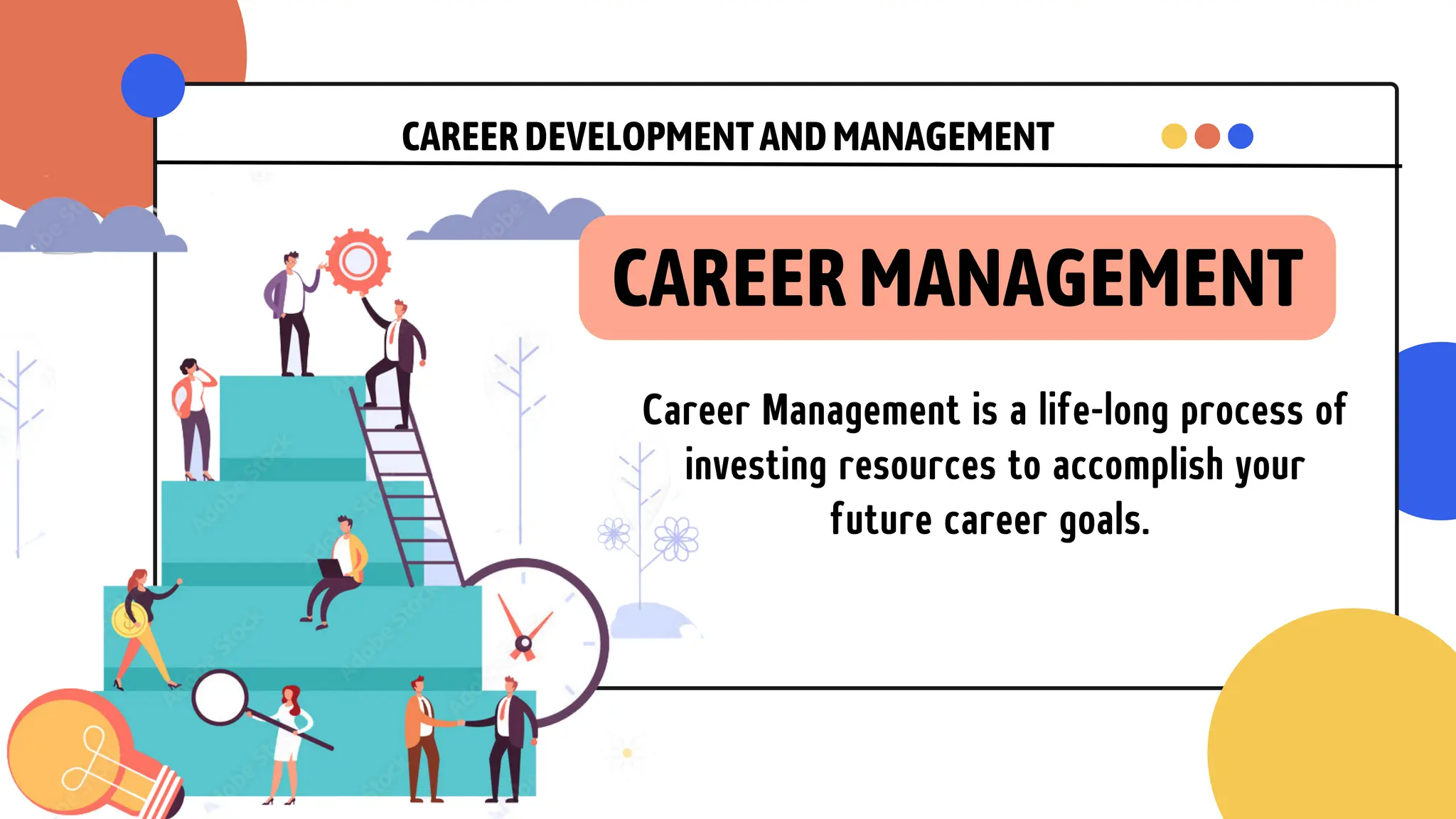
Career Management is a life-long process of
investing resources to accomplish your
future career goals.
CAREERMANAGEMENT
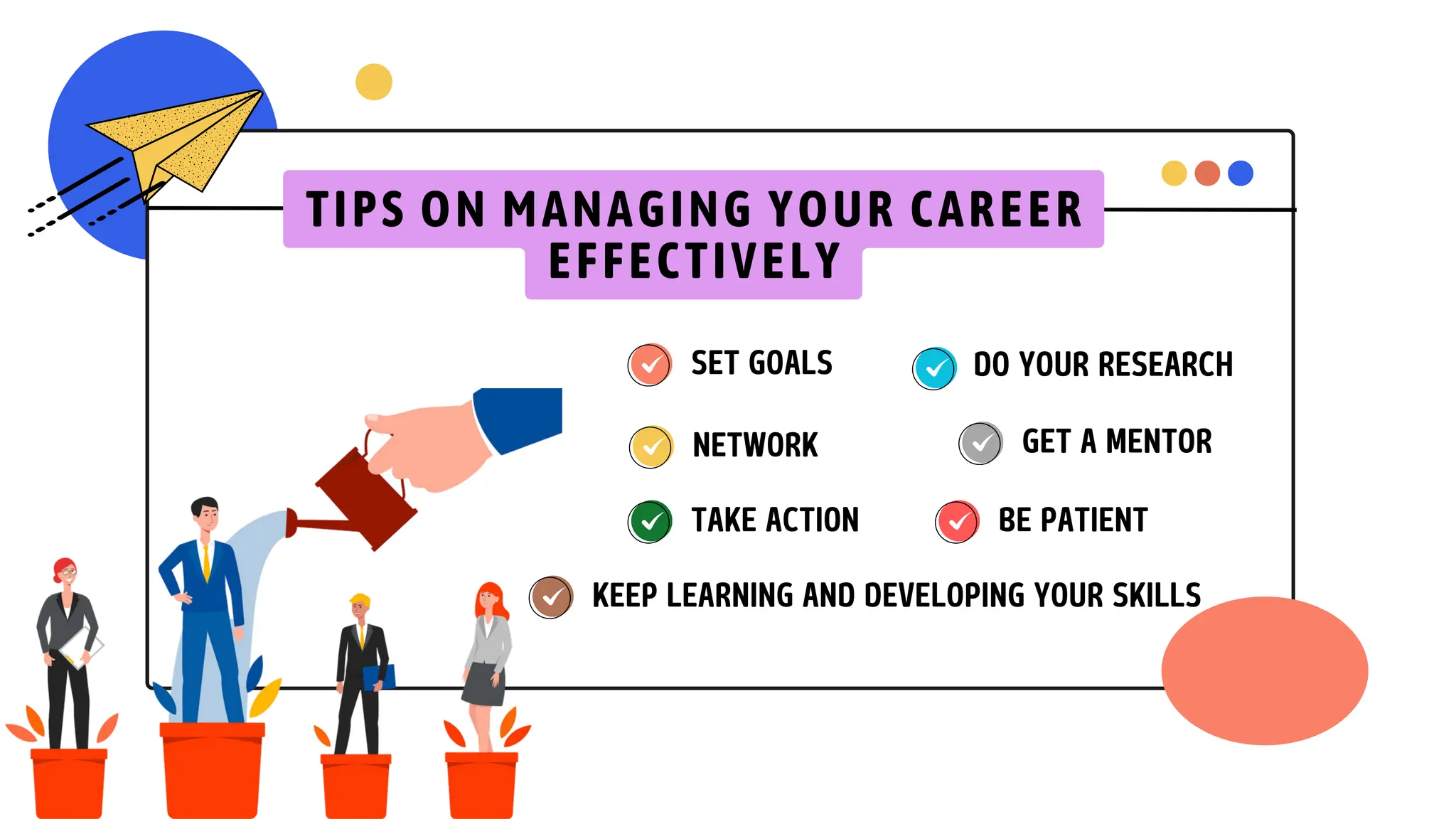
SET GOALS DO YOUR RESEARCH
NETWORK
KEEP LEARNING AND DEVELOPING YOUR SKILLS
BE PATIENT
GET A MENTOR
TAKE ACTION
TIPS ON MANAGING YOUR CAREER
EFFECTIVELY
REFERENCES
What is Personal Effectiveness? | Virtual College (virtual-college.co.uk)
Job Enrichment - 6 Ways to Grow Skills and Responsibilities to Enhance Motivation (mindtools.com)
https://www.managementstudyguide.com/motivation-in-human-resource-development.htm
https://www.slideshare.net/jobitonio/module-10-compensation-policy-and-administration-198273630
https://currandaly.com/career-management-and-career-development-how-to-make-the-most-of-your-
career/#:~:text=your%20chosen%20field.-,What%27s%20the%20difference%20between%20career%20ma
nagement%20and%20career%20development%3F,usually%20through%20learning%20and%20training.
https://www.mbaskool.com/business-concepts/human-resources-hr-terms/1779-career-development.html
THANK
YOU!

Lecture Maintenance & Development of HR.

  • 1.
    DEVELOPMENT &HUMANRESOURCES Presented by: Justine NicoleAllas MAINTENANCE, Personal Effectiveness, Job Enrichment Motivations Compensation Policy and Administration Career Development and Management
  • 2.
    WHATISPERSONALEFFECTIVENESS Personal effectiveness isa branch of the self-help movement dealing with success, goals, and related concepts.
  • 3.
    WHAT ARE PERSONALEFFECTIVENESS SKILLS?
  • 4.
    Optimism Optimism is akey part of believing that these changes can occur, and contributes to the determination that is required in order to keep pushing yourself to achieve and always giving your all to a task. UnderstandingStrengths andLimits Confidence Determination People who demonstrate good personal effectiveness know their own strengths and limitations. People with personal effectiveness competency tend to be more confident because they have a better understanding of themselves and their abilities. People who are determined are more likely to motivate themselves to achieve their goals and are also less likely to be set back by any issues that they come across along the way Reflection This will allow you to identify where your skills lie, what peak performance is for you, and what goals you are aiming for at work or in your personal life that you can work towards. Problem-solving Persistence StressManagement A key aspect of personal effectiveness competency is being able to solve any problems that come your way. Persistence is a skill with similar importance to determination, but involves more resilience when you come up against problems. Being able to acknowledge that you are feeling stressed and making a plan for how you are going to deal with that is a key part of making progress and working effectively.
  • 5.
    EmotionalIntelligence Emotional intelligence feeds intothe aspect of personal effectiveness that is all about having an excellent understanding of yourself. BuildingHabits Organization TimeManagement Meaning that you don’t have to consciously remind yourself to do something and have become so familiar with a task that it gets done quickly and effectively every time, making you more reliable and efficient. Excellent organizational skills are vital if you want to be efficient and resourceful, along with being a common trait in successful individuals. A key part of personal effectiveness is the ability to accurately plan and carry out tasks. Self-motivation Bring about personal growth and change.
  • 6.
    WHYISPERSONAL EFFECTIVENESSIMPORTANT? Personal effectiveness isa trait that is often linked to positive wellbeing and is an important part of leading a successful and fulfilling life.
  • 7.
    WHAT IS JOBENRICHMENT? Isaprocessthatis characterizedbyadding dimensionstoexisting jobstomakethemmore motivating. Jobenrichmentexpands thetasksetthatyou perform,andtheskills thatyoucandevelop.
  • 8.
  • 9.
  • 10.
    HOW DOES JOBENRICHMENT HELP MOTIVATION? SKILLVARIETY TASKIDENTITY TASKSIGNIFICANCE AUTONOMY FEEDBACK
  • 11.
    WHATIS MOTIVATION? Motivation can beunderstood as the desire or drive that an individual has to get the work done.
  • 12.
    COMPENSATIONPOLICY ANDADMINISTRATION It is themost sensitive among all functions of the HR Department. DIFFERENT COMPANIES HAVE DIFFERENT POLICIES REGARDING THEIR SALARY ADMINISTRATION.
  • 13.
    Jobs that arehighly manual, which involve little skills and more physical exertion SALARY STRUCTURE Level1 Jobs that involve skills but require a little planning and organizing Level2 Jobs that involve talking to clients, coordinating. collecting data, little decision making and great deal or report writing Level3
  • 14.
    Ways of rewardingthe employees based upon efficient and economical but satisfactory work performance SALARY INCREASE MODEL MERITSYSTEM Moving an employee into a job with a significant increase in duties and responsibilities resulting in a grade, job little and salary change PROMOTIONALSYSTEM Generalpoliciesinsalaryadministration
  • 15.
  • 16.
    COMPENSATION “THE PURPOSE OFTHE COMPENSATION IS TO ATTRACT, MOTIVATE AND TO MAINTAIN EMPLOYEES”
  • 17.
    Refers to thecompensation that an employee receives directly. TYPES OF COMPENSATION DirectCompensation Indirect compensation is the name given to the more casual term “employee benefits”. IndirectCompensation
  • 18.
    Some benefits aremandated by law (such as sss, pag-ibig, and philhealth), others vary from firm to firm or industry to industry. EMPLOYEE BENEFITS
  • 19.
    According to theemployee services management association, employee services encompasses, “recreation programs, community services, recognition programs, event planning, childcare/eldercare services, convenience services, and travel offerings”. EMPLOYEE SERVICES
  • 20.
    INSURANCE BENEFITS HEALTHBENEFITS SECURITY BENEFITS TIME-OFF BENEFITS WORK SCHEDULING BENEFITS RETIREMENT BENEFITS DISABILITY BENEFITS TYPES OF BENEFITS
  • 21.
    The wage rationalization Act,RA No. 6727, sets the minimum wage rates applicable per region, province and industry sector PHILIPPINES BENEFITS SUMMARY MINIMUMWAGE Refers to additional compensation of at least 10% of an employee's applicable wage, payable to employees who perform work between 10PM TO 6AM of the following day. NIGHTSHIFT DIFFERENTIAL An employee who renders work in excess of eight hours a day is entitled to overtime pay equivalent to the applicable wage rate plus at least 25% thereof. OVERTIMEPAY Under the Philippine Labor Code ( Presidential Decree No. 442)
  • 22.
    CAREERDEVELOPMENTANDMANAGEMENT Career development isthe series of activities in an on-going/lifelong process of developing one’s career which includes defining new goals regularly and acquiring skills to achieve them. Career development is directly linked to the goals and objectives set by an individual. Career development helps an individual grow not only professionally but also personally. CAREERDEVELOPMENT
  • 23.
    5 STEPS OFCAREER DEVELOPMENT SelfAssessment 1. 2.CareerAwareness 3.GoalSetting 4. SkillTraining 5.Performing
  • 24.
    CAREERDEVELOPMENTANDMANAGEMENT Career Management isa life-long process of investing resources to accomplish your future career goals. CAREERMANAGEMENT
  • 25.
    SET GOALS DOYOUR RESEARCH NETWORK KEEP LEARNING AND DEVELOPING YOUR SKILLS BE PATIENT GET A MENTOR TAKE ACTION TIPS ON MANAGING YOUR CAREER EFFECTIVELY
  • 26.
    REFERENCES What is PersonalEffectiveness? | Virtual College (virtual-college.co.uk) Job Enrichment - 6 Ways to Grow Skills and Responsibilities to Enhance Motivation (mindtools.com) https://www.managementstudyguide.com/motivation-in-human-resource-development.htm https://www.slideshare.net/jobitonio/module-10-compensation-policy-and-administration-198273630 https://currandaly.com/career-management-and-career-development-how-to-make-the-most-of-your- career/#:~:text=your%20chosen%20field.-,What%27s%20the%20difference%20between%20career%20ma nagement%20and%20career%20development%3F,usually%20through%20learning%20and%20training. https://www.mbaskool.com/business-concepts/human-resources-hr-terms/1779-career-development.html
  • 27.