Integrated Flipped Classrooms
Flipping the Classroom,
Integrating the Disciplines,
Blending the Learning
Priyia Pusparajah
Badariah Ahmad
Arkendu Sen
Necessity is the Mother of
Invention
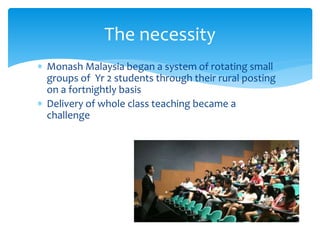
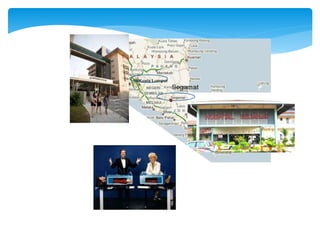
 Monash Malaysia began a system of rotating small
groups of Yr 2 students through their rural posting
on a fortnightly basis
 Delivery of whole class teaching became a
challenge
The necessity
Why not flip?
One question led to many more…
When?
Which discipline?
What
topic?
How?
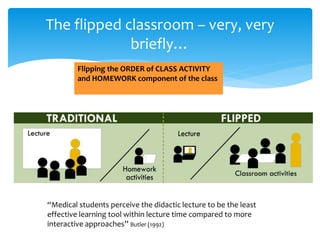
The flipped classroom – very, very
briefly…
“Medical students perceive the didactic lecture to be the least
effective learning tool within lecture time compared to more
interactive approaches” Butler (1992)
Flipping the ORDER of CLASS ACTIVITY
and HOMEWORK component of the class
 A Dhanoa et al (unpublished):
 A single Physiology lecture was delivered via flip classroom
module to the Yr 1 MBBS cohort in Monash Malaysia in
2013
 The response was highly positive and many students
indicated they would like more flip sessions
 Pierce and Fox (2012)
 Flipped classroom module for renal pharmacotherapy
among pharmacy students – utilized live recordings of
previous years lectures for students to view followed by
cased based discussions and simulations in class
 Students expressed a consistently high preference for the
flipped classroom model relative to the traditional
instructor led model
Background
To the best of our knowledge, this is the first attempt to create a flipped
classroom module integrating more than a single discipline in a medical
curriculum.
 Beginning of semester
 crammed timetable
 Students still in the process of adjusting after long
semester break
 Respiratory Module
 very concept heavy for physiology
 Significant overlap in several subtopics for Anatomy
and Physiology (eg Microscopic anatomy (Histology) of
Respiratory tracts as well as Lungs)
What to flip? When to flip?…
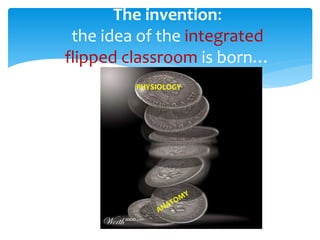
The invention:
the idea of the integrated
flipped classroom is born…
PHYSIOLOGY
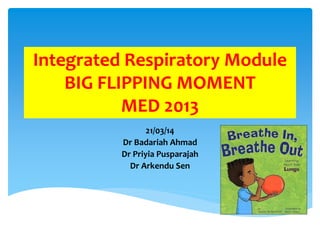
Integrated Respiratory Module
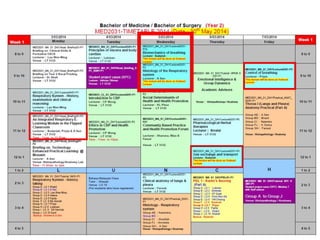
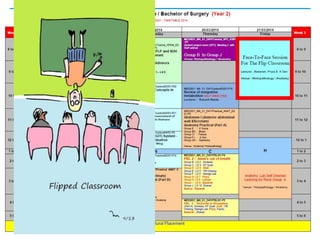
BIG FLIPPING MOMENT
MED 2013
21/03/14
Dr Badariah Ahmad
Dr Priyia Pusparajah
Dr Arkendu Sen
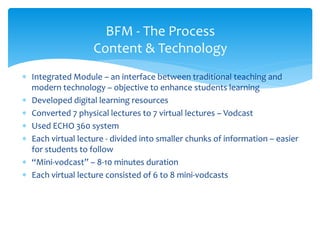
 Integrated Module – an interface between traditional teaching and
modern technology – objective to enhance students learning
 Developed digital learning resources
 Converted 7 physical lectures to 7 virtual lectures – Vodcast
 Used ECHO 360 system
 Each virtual lecture - divided into smaller chunks of information – easier
for students to follow
 “Mini-vodcast” – 8-10 minutes duration
 Each virtual lecture consisted of 6 to 8 mini-vodcasts
BFM - The Process
Content & Technology
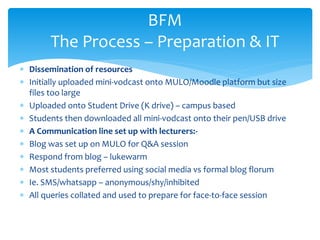
 Dissemination of resources
 Initially uploaded mini-vodcast onto MULO/Moodle platform but size
files too large
 Uploaded onto Student Drive (K drive) – campus based
 Students then downloaded all mini-vodcast onto their pen/USB drive
 A Communication line set up with lecturers:-
 Blog was set up on MULO for Q&A session
 Respond from blog – lukewarm
 Most students preferred using social media vs formal blog florum
 Ie. SMS/whatsapp – anonymous/shy/inhibited
 All queries collated and used to prepare for face-to-face session
BFM
The Process – Preparation & IT
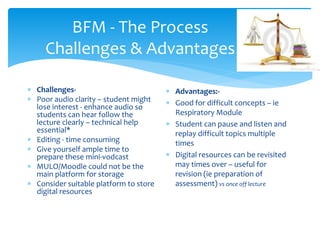
BFM - The Process
Challenges & Advantages
 Challenges-
 Poor audio clarity – student might
lose interest - enhance audio so
students can hear follow the
lecture clearly – technical help
essential*
 Editing - time consuming
 Give yourself ample time to
prepare these mini-vodcast
 MULO/Moodle could not be the
main platform for storage
 Consider suitable platform to store
digital resources
 Advantages:-
 Good for difficult concepts – ie
Respiratory Module
 Student can pause and listen and
replay difficult topics multiple
times
 Digital resources can be revisited
may times over – useful for
revision (ie preparation of
assessment) vs once off lecture
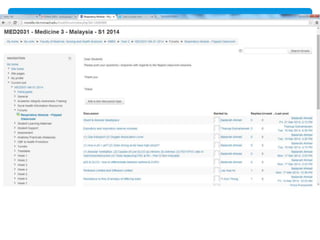
Can we go to moodle and show
our blog forum?
 Campus-based – all students attended
 A 3 hour session with one short tea break (15 minutes)
 All 3 lecturers present there during the session for clarification & discussion
:- Anatomist, Physiologists/Physician
 The content of FLIP session conducted based on questions brought up by
students
 Clicker Questions - help to cover areas which students did not raise but
lecturers thought was significant
 Main objective of face-to-face FLIP session:-
 PROVIDE active discussion platform – by identifying “problematic” or “gap
of information” in students learning/understanding
 Lecturers can give immediate feedback or “plug the hole”
 NOT to duplicate the vodcast
The BFM –
Face-to-face FLIP Session
 Benefits of the Face-to-Face Session & Clickers Questions:-
 For lecturers :- gauge students understanding of the topic
 Poor performing Clicker questions – feedback/clarification can be given
immediately to students – “fill the gap”
 Good performing Clicker questions – go through quickly
 Some “easy questions” did not perform too well – feedback to lecturers
which other areas to cover in following session
 For students :- meet & discuss with lecturers from different disciplines at
one learning session
 Integrated curriculum – student can literally see how different disciplines
can come together with several lecturers giving their input at one learning
session
 More holistic feedback to students– from anatomy, physiology and clinical
point of view
The BFM –
Face-to-face FLIP Session
 Questionnaire
 Content-based – Pre & Post test
 Learning experience of the FLIP Session
 Background
 Information Technology
 Vodcast – quite detailed regarding organisation, understanding,
duration, frequency/# of times watch
 Face-to-face – feedback, duration, enhance learning
 Learning – learning styles
 Focus group session
 Independent colleague – Dr Susan Thomas
 Did student find the teaching method effective
 Benefits and problems student faced with the Integrated Module
Evaluation
 Integrated Curriculum – so actual integration by all
stakeholders:
 Of the curriculum (Disciplines)
 For the students
 By the Lecturers
Advantages
 MBBS curriculum – in many modules where Team of
lecturers think its appropriate to Flip
 Clinical Years with students at multiples sites
 Gippsland and Central – bringing equivalence to
teaching in certain topics
 Grand rounds etc conducted by specialists from
multiple clinical sites without need to travel or be F2F
in all the times
Potential Applications
THANK YOU
Q & A

Integrated Flipped (IF) Classrooms

  • 1.
    Integrated Flipped Classrooms Flippingthe Classroom, Integrating the Disciplines, Blending the Learning Priyia Pusparajah Badariah Ahmad Arkendu Sen
  • 2.
    Necessity is theMother of Invention
  • 3.
     Monash Malaysiabegan a system of rotating small groups of Yr 2 students through their rural posting on a fortnightly basis  Delivery of whole class teaching became a challenge The necessity
  • 6.
  • 7.
    One question ledto many more… When? Which discipline? What topic? How?
  • 8.
    The flipped classroom– very, very briefly… “Medical students perceive the didactic lecture to be the least effective learning tool within lecture time compared to more interactive approaches” Butler (1992) Flipping the ORDER of CLASS ACTIVITY and HOMEWORK component of the class
  • 9.
     A Dhanoaet al (unpublished):  A single Physiology lecture was delivered via flip classroom module to the Yr 1 MBBS cohort in Monash Malaysia in 2013  The response was highly positive and many students indicated they would like more flip sessions  Pierce and Fox (2012)  Flipped classroom module for renal pharmacotherapy among pharmacy students – utilized live recordings of previous years lectures for students to view followed by cased based discussions and simulations in class  Students expressed a consistently high preference for the flipped classroom model relative to the traditional instructor led model Background To the best of our knowledge, this is the first attempt to create a flipped classroom module integrating more than a single discipline in a medical curriculum.
  • 10.
     Beginning ofsemester  crammed timetable  Students still in the process of adjusting after long semester break  Respiratory Module  very concept heavy for physiology  Significant overlap in several subtopics for Anatomy and Physiology (eg Microscopic anatomy (Histology) of Respiratory tracts as well as Lungs) What to flip? When to flip?…
  • 11.
    The invention: the ideaof the integrated flipped classroom is born… PHYSIOLOGY
  • 12.
    Integrated Respiratory Module BIGFLIPPING MOMENT MED 2013 21/03/14 Dr Badariah Ahmad Dr Priyia Pusparajah Dr Arkendu Sen
  • 13.
     Integrated Module– an interface between traditional teaching and modern technology – objective to enhance students learning  Developed digital learning resources  Converted 7 physical lectures to 7 virtual lectures – Vodcast  Used ECHO 360 system  Each virtual lecture - divided into smaller chunks of information – easier for students to follow  “Mini-vodcast” – 8-10 minutes duration  Each virtual lecture consisted of 6 to 8 mini-vodcasts BFM - The Process Content & Technology
  • 14.
     Dissemination ofresources  Initially uploaded mini-vodcast onto MULO/Moodle platform but size files too large  Uploaded onto Student Drive (K drive) – campus based  Students then downloaded all mini-vodcast onto their pen/USB drive  A Communication line set up with lecturers:-  Blog was set up on MULO for Q&A session  Respond from blog – lukewarm  Most students preferred using social media vs formal blog florum  Ie. SMS/whatsapp – anonymous/shy/inhibited  All queries collated and used to prepare for face-to-face session BFM The Process – Preparation & IT
  • 15.
    BFM - TheProcess Challenges & Advantages  Challenges-  Poor audio clarity – student might lose interest - enhance audio so students can hear follow the lecture clearly – technical help essential*  Editing - time consuming  Give yourself ample time to prepare these mini-vodcast  MULO/Moodle could not be the main platform for storage  Consider suitable platform to store digital resources  Advantages:-  Good for difficult concepts – ie Respiratory Module  Student can pause and listen and replay difficult topics multiple times  Digital resources can be revisited may times over – useful for revision (ie preparation of assessment) vs once off lecture
  • 17.
    Can we goto moodle and show our blog forum?
  • 20.
     Campus-based –all students attended  A 3 hour session with one short tea break (15 minutes)  All 3 lecturers present there during the session for clarification & discussion :- Anatomist, Physiologists/Physician  The content of FLIP session conducted based on questions brought up by students  Clicker Questions - help to cover areas which students did not raise but lecturers thought was significant  Main objective of face-to-face FLIP session:-  PROVIDE active discussion platform – by identifying “problematic” or “gap of information” in students learning/understanding  Lecturers can give immediate feedback or “plug the hole”  NOT to duplicate the vodcast The BFM – Face-to-face FLIP Session
  • 21.
     Benefits ofthe Face-to-Face Session & Clickers Questions:-  For lecturers :- gauge students understanding of the topic  Poor performing Clicker questions – feedback/clarification can be given immediately to students – “fill the gap”  Good performing Clicker questions – go through quickly  Some “easy questions” did not perform too well – feedback to lecturers which other areas to cover in following session  For students :- meet & discuss with lecturers from different disciplines at one learning session  Integrated curriculum – student can literally see how different disciplines can come together with several lecturers giving their input at one learning session  More holistic feedback to students– from anatomy, physiology and clinical point of view The BFM – Face-to-face FLIP Session
  • 22.
     Questionnaire  Content-based– Pre & Post test  Learning experience of the FLIP Session  Background  Information Technology  Vodcast – quite detailed regarding organisation, understanding, duration, frequency/# of times watch  Face-to-face – feedback, duration, enhance learning  Learning – learning styles  Focus group session  Independent colleague – Dr Susan Thomas  Did student find the teaching method effective  Benefits and problems student faced with the Integrated Module Evaluation
  • 23.
     Integrated Curriculum– so actual integration by all stakeholders:  Of the curriculum (Disciplines)  For the students  By the Lecturers Advantages
  • 24.
     MBBS curriculum– in many modules where Team of lecturers think its appropriate to Flip  Clinical Years with students at multiples sites  Gippsland and Central – bringing equivalence to teaching in certain topics  Grand rounds etc conducted by specialists from multiple clinical sites without need to travel or be F2F in all the times Potential Applications
  • 25.

Editor's Notes

  • #14 Essentially our module is an interface between traditional teaching & utilising technology that we have now to enhance & improve students learning We developed digital resources by converting 7 physical lectures into virtual lectures/Vodcast
  • #23 Did you find the integrated flip module to be an effective teaching method to deliver lectures when you were not physically on the main campus? What were the benefits did you find you obtained from the integrated flip?  What were the problems you faced with using the integrated flip module? Do you think you would have found it easier to cope with this method of teaching if you were on the main campus? Did you find it easier to view the recorded live lectures or the mini vodcasts in the e-learning module? Do you have any suggestions for how this module can be improved?