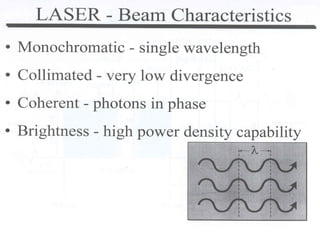
Lasers in Oral & Maxillofacial
           Surgery
L   ight

A   mplification by

S timulated
E mission of
R   adiation
Contents
• Historical background
• Laser physics
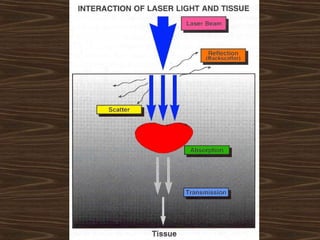
• Photobiology of Lasers
• Laser safety
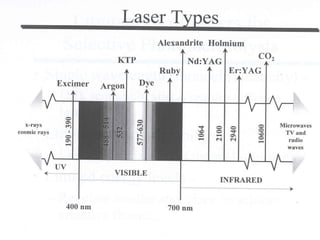
• Types of Lasers
• Clinical Applications
• Medico legal considerations in Laser Surgery
• Future Trends
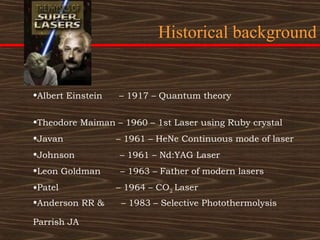
Historical background


•Albert Einstein   – 1917 – Quantum theory

•Theodore Maiman – 1960 – 1st Laser using Ruby crystal
•Javan             – 1961 – HeNe Continuous mode of laser
•Johnson           – 1961 – Nd:YAG Laser
•Leon Goldman      – 1963 – Father of modern lasers
•Patel             – 1964 – CO2 Laser
•Anderson RR &      – 1983 – Selective Photothermolysis

Parrish JA
Laser physics
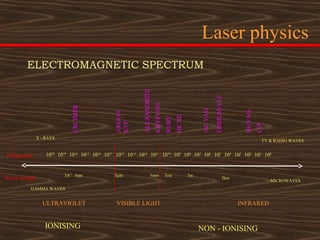
        ELECTROMAGNETIC SPECTRUM


                                                          ALEXANDRITE


                                                                                                                ERBIUM-YLF
                                                                        KRYPYON
                            EXCIMER


                                                                                                      Nd: YAG


                                                                                                                               Ho:YAG
                                              ARGON


                                                                                         HE NE
                                                                                  RUBY
                                              KTP


                                                                                                                                        CO2
              X - RAYS
                                                                                                                                          TV & RADIO WAVES


Frequency         1020 1019 1018 1017 1016 1015 1014 1013 1012 1011 1010 109 108 107 106 105 104 103 102 101 100


                         3AO 3nm              3µm                  3mm            3cm            3m
Wave length                                                                                                             3km
                                                                                                                                              MICROWAVES
         GAMMA WAVES


                ULTRAVIOLET                    VISIBLE LIGHT                                                                  INFRARED


                 IONISING                                                                             NON - IONISING
Generation of Laser Energy
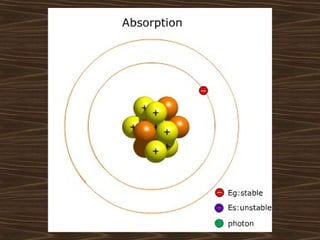
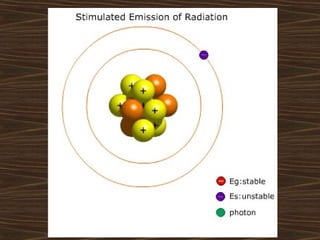
Certain laser medium or LASANT with in the resonator

  space is energized by internal or external energy to

  produce an excited population of atoms, molecules and

  rare gases (SPECIES). The energy with in the resonator
  reaches a population inversion in which the greatest

  cohort of species is in an excited state and in which

  photons are emitted and amplified within a laser cavity.

  The radiant energy is released as a laser beam.
The basic requirements for the laser activity are


   – Active medium – LASANT
   – Energy input – external or internal
   – A population inversion through quantum
     electronics
   – Some form of optical feedback or optical
     resonator
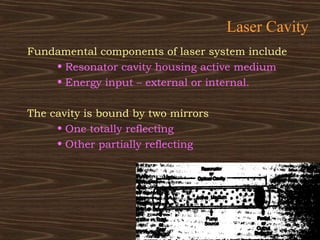
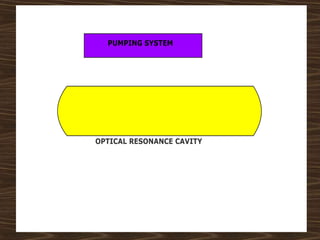
Laser Cavity
Fundamental components of laser system include
    • Resonator cavity housing active medium
    • Energy input – external or internal.

The cavity is bound by two mirrors
     • One totally reflecting
     • Other partially reflecting
• The mirrors are essentially parallel to each other and
  placed at the either end of the cylinder
• The mirrors are separated by a fixed distance (d) forming
  a Fabry-Perot interferometer.
• Principle of interference. Two or more waves
  simultaneously penetrate some material, forms a combied
  wave. Resulting a larger wave.
              » Constructive interference
              » Destructive interference
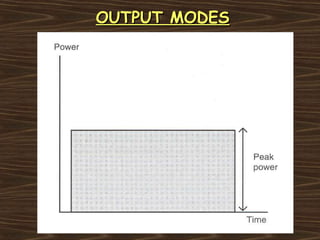
OUTPUT MODES
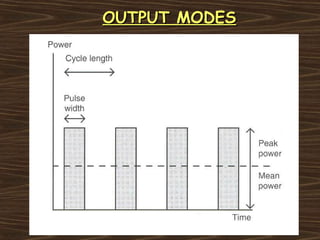
OUTPUT MODES
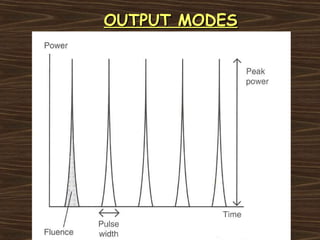
OUTPUT MODES
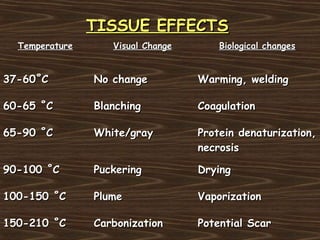
TISSUE EFFECTS
  Temperature      Visual Change       Biological changes


37-60˚C         No change          Warming, welding

60-65 ˚C        Blanching          Coagulation

65-90 ˚C        White/gray         Protein denaturization,
                                   necrosis

90-100 ˚C       Puckering          Drying

100-150 ˚C      Plume              Vaporization

150-210 ˚C      Carbonization      Potential Scar
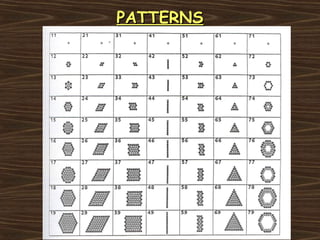
PATTERNS
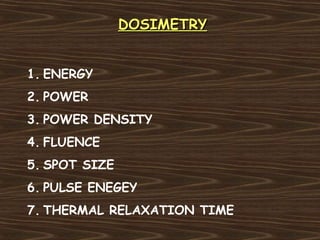
DOSIMETRY


1. ENERGY
2. POWER
3. POWER DENSITY
4. FLUENCE
5. SPOT SIZE
6. PULSE ENEGEY
7. THERMAL RELAXATION TIME
COMPLICATIONS


1. Herpes Simplex
2. Dyschromias
3. Scarring
4. Eye and Teeth Injuries
LASER SAFETY

Reflection
 Electrical
 Pollution
   Fire
 Shutdown
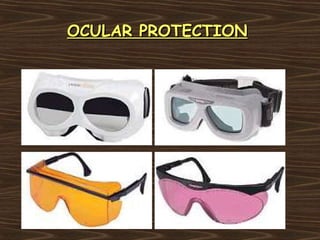
OCULAR PROTECTION
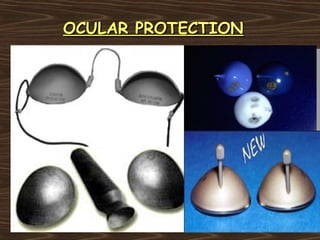
OCULAR PROTECTION
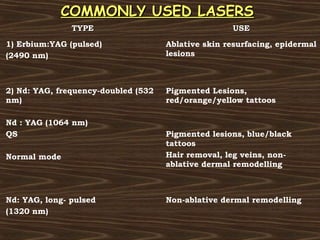
COMMONLY USED LASERS
               TYPE                                  USE
1) Erbium:YAG (pulsed)               Ablative skin resurfacing, epidermal
(2490 nm)                            lesions


2) Nd: YAG, frequency-doubled (532   Pigmented Lesions,
nm)                                  red/orange/yellow tattoos

Nd : YAG (1064 nm)
QS                                   Pigmented lesions, blue/black
                                     tattoos
Normal mode                          Hair removal, leg veins, non-
                                     ablative dermal remodelling


Nd: YAG, long- pulsed                Non-ablative dermal remodelling
(1320 nm)
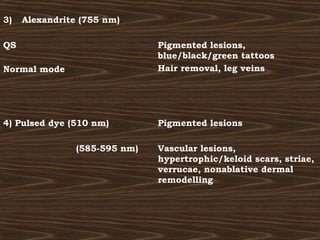
3)   Alexandrite (755 nm)

QS                             Pigmented lesions,
                               blue/black/green tattoos
Normal mode                    Hair removal, leg veins


4) Pulsed dye (510 nm)         Pigmented lesions

                (585-595 nm)   Vascular lesions,
                               hypertrophic/keloid scars, striae,
                               verrucae, nonablative dermal
                               remodelling
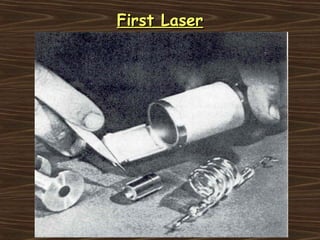
First Laser
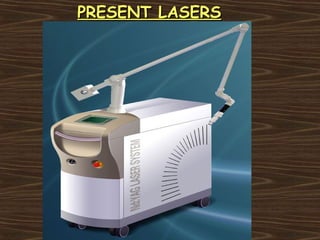
PRESENT LASERS
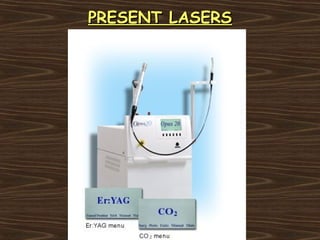
PRESENT LASERS
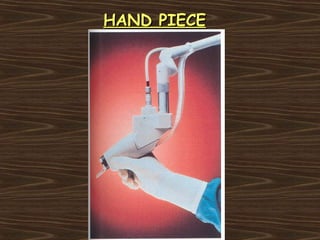
HAND PIECE
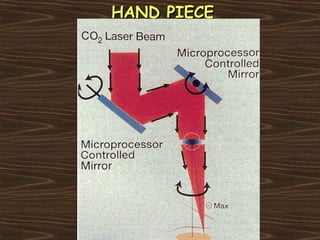
HAND PIECE
RECENT ADVANCES
1. Improvements & Combinations
2. Laser Phototherapy : Vitiligo:examiner laser : 308 nm
3. Non – ablative lasers
    Nd :YAG (1320 nm)
    Diode (1450 nm)
    Er-glass laser (experimental)
4. Optical imaging
   a) Confocal Scanning Laser Microscope - Diagnosis &
            Marginal Clearance without biopsy
   b) Optical Coherence Tomography - Skin Tumours
   and Bullous disease
CLINICAL
APPLICATIONS
FACIAL SKIN RESURFACING
Indications:
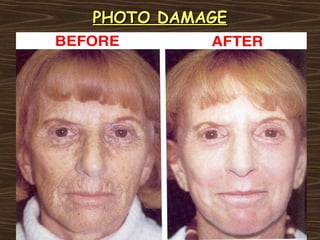
1. Photo damage: Dyschromias & Rhytides
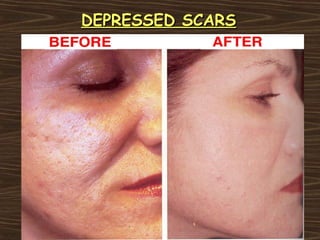
2. Atrophic (depressed) scars : Post acne
Chromophore : water
Mechanism : Thermal ablation of Epidermis &
  papillary dermis
Post op Care
Lasers
  a) Single pass CO2
TECHNIQUE
PHOTO DAMAGE
DEPRESSED SCARS
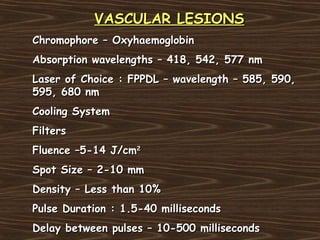
VASCULAR LESIONS
Chromophore – Oxyhaemoglobin
Absorption wavelengths – 418, 542, 577 nm
Laser of Choice : FPPDL – wavelength – 585, 590,
595, 680 nm
Cooling System
Filters
Fluence –5-14 J/cm2
Spot Size – 2-10 mm
Density – Less than 10%
Pulse Duration : 1.5-40 milliseconds
Delay between pulses – 10-500 milliseconds
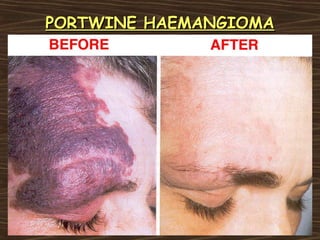
PORTWINE HAEMANGIOMA
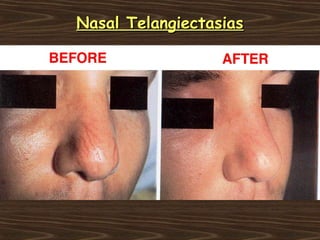
Nasal Telangiectasias
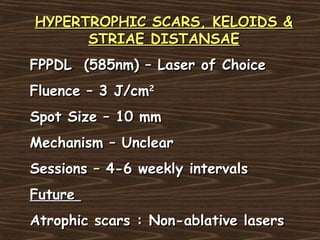
HYPERTROPHIC SCARS, KELOIDS &
      STRIAE DISTANSAE
FPPDL (585nm) – Laser of Choice
Fluence – 3 J/cm2
Spot Size – 10 mm
Mechanism – Unclear
Sessions – 4-6 weekly intervals
Future
Atrophic scars : Non-ablative lasers
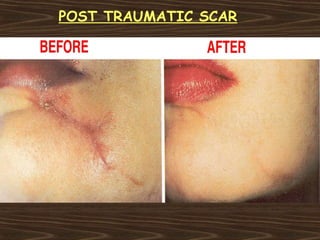
POST TRAUMATIC SCAR
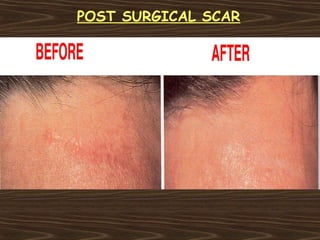
POST SURGICAL SCAR
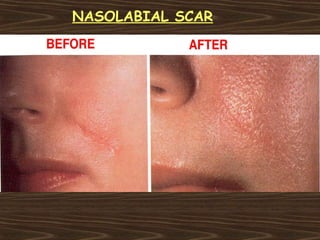
NASOLABIAL SCAR
PIGMENTED LESIONS


    QS Nd: YAG


  QS ALEXANDRITE
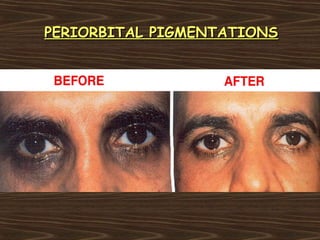
PERIORBITAL PIGMENTATIONS
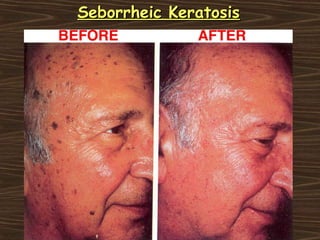
Seborrheic Keratosis
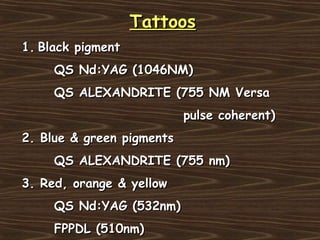
Tattoos
1. Black pigment
     QS Nd:YAG (1046NM)
     QS ALEXANDRITE (755 NM Versa
                           pulse coherent)
2. Blue & green pigments
     QS ALEXANDRITE (755 nm)
3. Red, orange & yellow
     QS Nd:YAG (532nm)
     FPPDL (510nm)
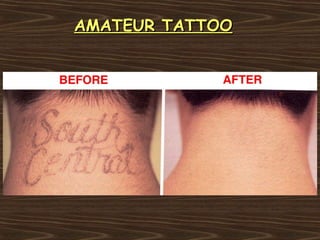
AMATEUR TATTOO
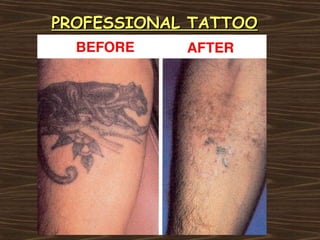
PROFESSIONAL TATTOO
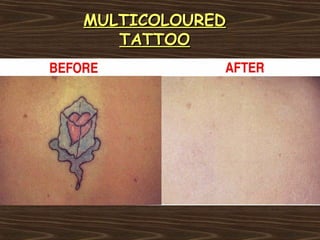
MULTICOLOURED
   TATTOO
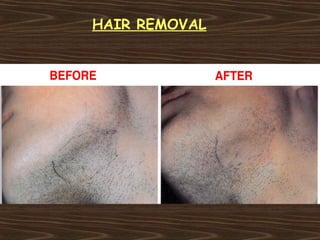
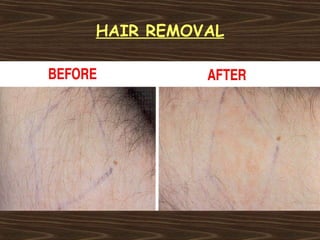
HAIR REMOVAL
Hair follicle thermal relaxation time : 10-
100 milli seconds
Cooling system: Decreases epidermal injury
Lasers & IPL (600-1200nm)
QS & LP Nd:YAG (1064 nm)
LP Alexandrite (775 nm)
Pulsed Diode (800 nm)
IPL (590-1200 nm)
HAIR REMOVAL
HAIR REMOVAL
CONCLUSION

 Principles – simple

  Technique – easy

Applications – unique

Results - outstanding
THANK YOU

Lasers in oral surgery

  • 1.
    Lasers in Oral& Maxillofacial Surgery
  • 2.
    L ight A mplification by S timulated E mission of R adiation
  • 3.
    Contents • Historical background •Laser physics • Photobiology of Lasers • Laser safety • Types of Lasers • Clinical Applications • Medico legal considerations in Laser Surgery • Future Trends
  • 4.
    Historical background •Albert Einstein – 1917 – Quantum theory •Theodore Maiman – 1960 – 1st Laser using Ruby crystal •Javan – 1961 – HeNe Continuous mode of laser •Johnson – 1961 – Nd:YAG Laser •Leon Goldman – 1963 – Father of modern lasers •Patel – 1964 – CO2 Laser •Anderson RR & – 1983 – Selective Photothermolysis Parrish JA
  • 5.
    Laser physics ELECTROMAGNETIC SPECTRUM ALEXANDRITE ERBIUM-YLF KRYPYON EXCIMER Nd: YAG Ho:YAG ARGON HE NE RUBY KTP CO2 X - RAYS TV & RADIO WAVES Frequency 1020 1019 1018 1017 1016 1015 1014 1013 1012 1011 1010 109 108 107 106 105 104 103 102 101 100 3AO 3nm 3µm 3mm 3cm 3m Wave length 3km MICROWAVES GAMMA WAVES ULTRAVIOLET VISIBLE LIGHT INFRARED IONISING NON - IONISING
  • 6.
    Generation of LaserEnergy Certain laser medium or LASANT with in the resonator space is energized by internal or external energy to produce an excited population of atoms, molecules and rare gases (SPECIES). The energy with in the resonator reaches a population inversion in which the greatest cohort of species is in an excited state and in which photons are emitted and amplified within a laser cavity. The radiant energy is released as a laser beam.
  • 7.
    The basic requirementsfor the laser activity are – Active medium – LASANT – Energy input – external or internal – A population inversion through quantum electronics – Some form of optical feedback or optical resonator
  • 8.
    Laser Cavity Fundamental componentsof laser system include • Resonator cavity housing active medium • Energy input – external or internal. The cavity is bound by two mirrors • One totally reflecting • Other partially reflecting
  • 9.
    • The mirrorsare essentially parallel to each other and placed at the either end of the cylinder • The mirrors are separated by a fixed distance (d) forming a Fabry-Perot interferometer. • Principle of interference. Two or more waves simultaneously penetrate some material, forms a combied wave. Resulting a larger wave. » Constructive interference » Destructive interference
  • 14.
  • 15.
  • 16.
  • 18.
    TISSUE EFFECTS Temperature Visual Change Biological changes 37-60˚C No change Warming, welding 60-65 ˚C Blanching Coagulation 65-90 ˚C White/gray Protein denaturization, necrosis 90-100 ˚C Puckering Drying 100-150 ˚C Plume Vaporization 150-210 ˚C Carbonization Potential Scar
  • 19.
  • 20.
    DOSIMETRY 1. ENERGY 2. POWER 3.POWER DENSITY 4. FLUENCE 5. SPOT SIZE 6. PULSE ENEGEY 7. THERMAL RELAXATION TIME
  • 21.
    COMPLICATIONS 1. Herpes Simplex 2.Dyschromias 3. Scarring 4. Eye and Teeth Injuries
  • 22.
    LASER SAFETY Reflection Electrical Pollution Fire Shutdown
  • 23.
  • 24.
  • 26.
    COMMONLY USED LASERS TYPE USE 1) Erbium:YAG (pulsed) Ablative skin resurfacing, epidermal (2490 nm) lesions 2) Nd: YAG, frequency-doubled (532 Pigmented Lesions, nm) red/orange/yellow tattoos Nd : YAG (1064 nm) QS Pigmented lesions, blue/black tattoos Normal mode Hair removal, leg veins, non- ablative dermal remodelling Nd: YAG, long- pulsed Non-ablative dermal remodelling (1320 nm)
  • 27.
    3) Alexandrite (755 nm) QS Pigmented lesions, blue/black/green tattoos Normal mode Hair removal, leg veins 4) Pulsed dye (510 nm) Pigmented lesions (585-595 nm) Vascular lesions, hypertrophic/keloid scars, striae, verrucae, nonablative dermal remodelling
  • 28.
  • 29.
  • 30.
  • 31.
  • 32.
  • 33.
    RECENT ADVANCES 1. Improvements& Combinations 2. Laser Phototherapy : Vitiligo:examiner laser : 308 nm 3. Non – ablative lasers Nd :YAG (1320 nm) Diode (1450 nm) Er-glass laser (experimental) 4. Optical imaging a) Confocal Scanning Laser Microscope - Diagnosis & Marginal Clearance without biopsy b) Optical Coherence Tomography - Skin Tumours and Bullous disease
  • 34.
  • 35.
    FACIAL SKIN RESURFACING Indications: 1.Photo damage: Dyschromias & Rhytides 2. Atrophic (depressed) scars : Post acne Chromophore : water Mechanism : Thermal ablation of Epidermis & papillary dermis Post op Care Lasers a) Single pass CO2
  • 36.
  • 38.
  • 39.
  • 40.
    VASCULAR LESIONS Chromophore –Oxyhaemoglobin Absorption wavelengths – 418, 542, 577 nm Laser of Choice : FPPDL – wavelength – 585, 590, 595, 680 nm Cooling System Filters Fluence –5-14 J/cm2 Spot Size – 2-10 mm Density – Less than 10% Pulse Duration : 1.5-40 milliseconds Delay between pulses – 10-500 milliseconds
  • 41.
  • 42.
  • 43.
    HYPERTROPHIC SCARS, KELOIDS& STRIAE DISTANSAE FPPDL (585nm) – Laser of Choice Fluence – 3 J/cm2 Spot Size – 10 mm Mechanism – Unclear Sessions – 4-6 weekly intervals Future Atrophic scars : Non-ablative lasers
  • 44.
  • 45.
  • 46.
  • 47.
    PIGMENTED LESIONS QS Nd: YAG QS ALEXANDRITE
  • 48.
  • 49.
  • 50.
    Tattoos 1. Black pigment QS Nd:YAG (1046NM) QS ALEXANDRITE (755 NM Versa pulse coherent) 2. Blue & green pigments QS ALEXANDRITE (755 nm) 3. Red, orange & yellow QS Nd:YAG (532nm) FPPDL (510nm)
  • 51.
  • 52.
  • 53.
  • 54.
    HAIR REMOVAL Hair folliclethermal relaxation time : 10- 100 milli seconds Cooling system: Decreases epidermal injury Lasers & IPL (600-1200nm) QS & LP Nd:YAG (1064 nm) LP Alexandrite (775 nm) Pulsed Diode (800 nm) IPL (590-1200 nm)
  • 55.
  • 56.
  • 57.
    CONCLUSION Principles –simple Technique – easy Applications – unique Results - outstanding
  • 58.