An outline of the Cambridge Accountable
        Care Organisation (ACO) concept


          James Morrow, GP, Sawston Medical Practice
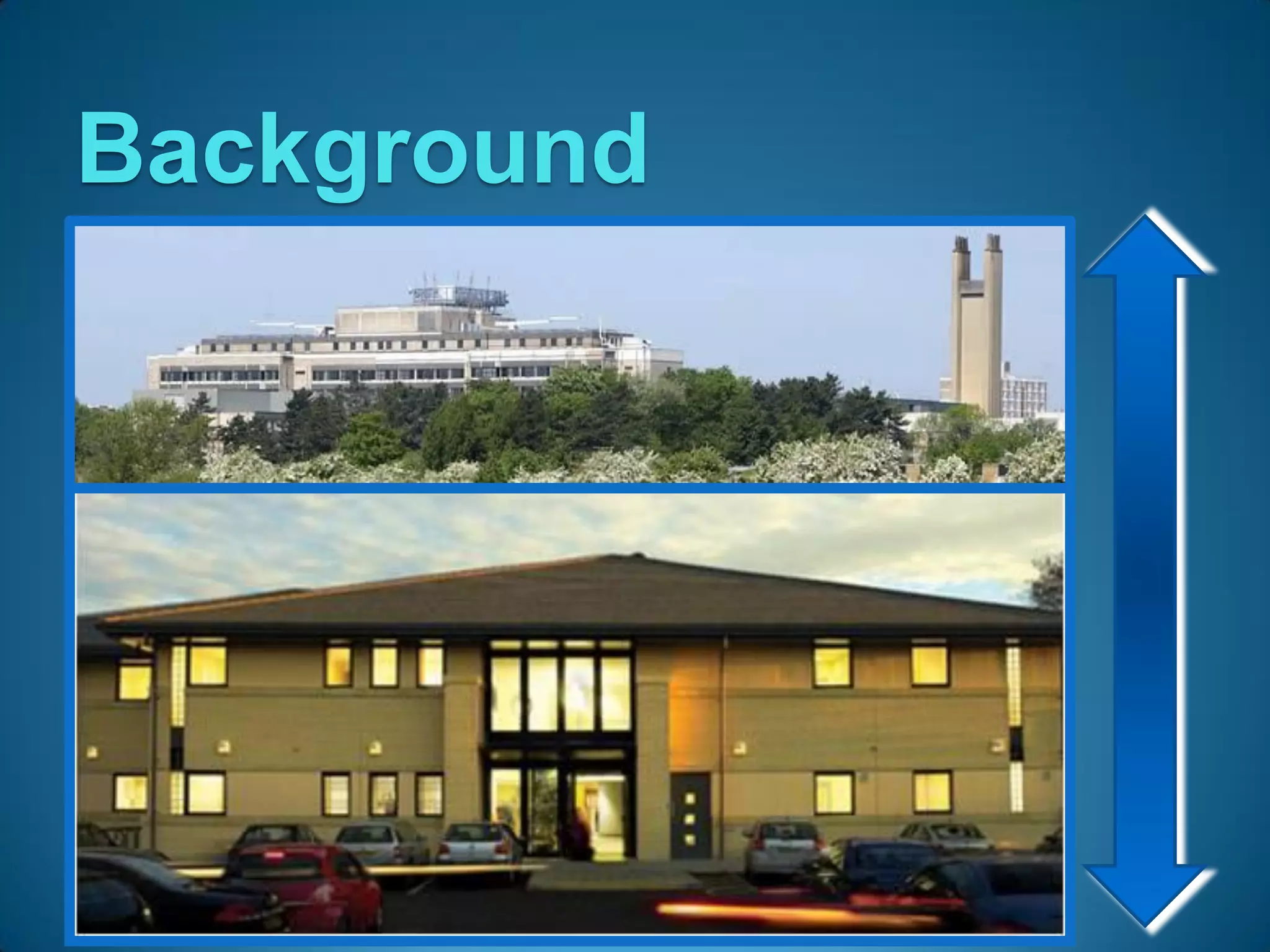
Background
Our Vision
 Partnership between primary and secondary
 care providers to deliver the best possible
 clinical outcomes within a fixed budget
   Clinical teams moving seamlessly from home to community
    centre to hospital

   Shared electronic patient record with patient access

   Financial alignment and risk sharing of a capitated budget

   Transforming academic excellence and research into on-the-
    ground achievements for our population
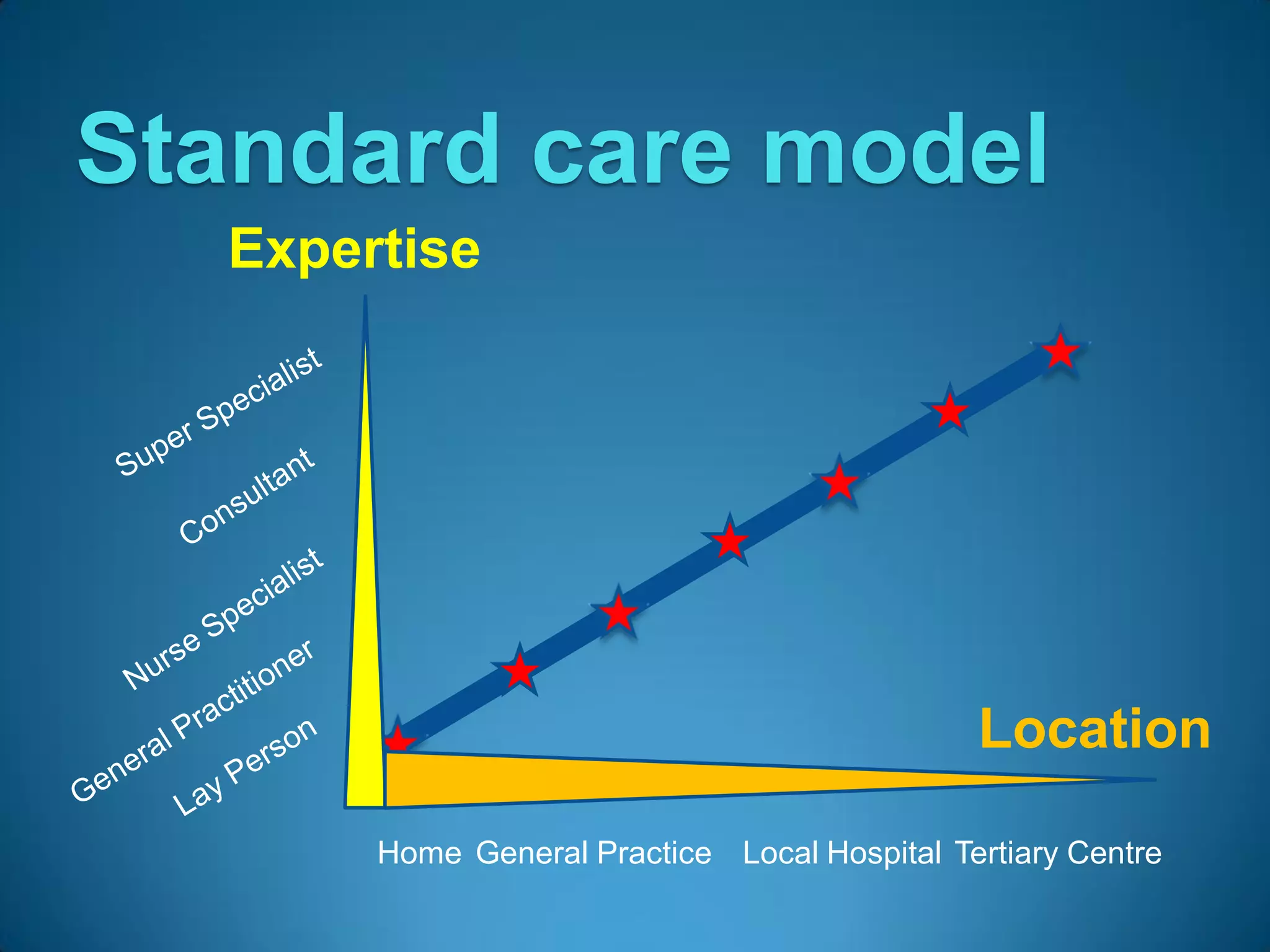
Standard care model
  Expertise


                                              Location

       Home General Practice Local Hospital Tertiary Centre
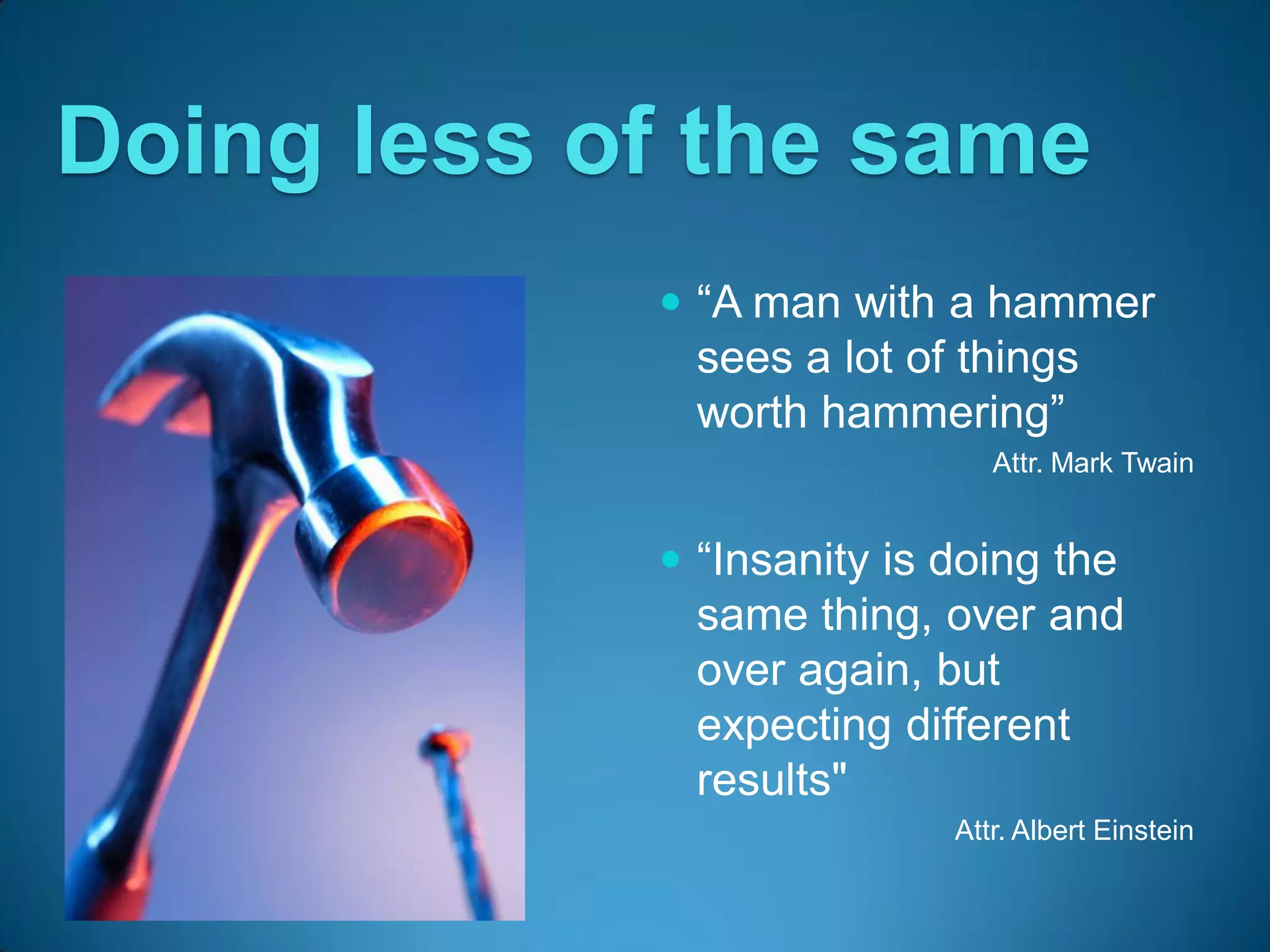
Doing less of the same
             “A man with a hammer
              sees a lot of things
              worth hammering”
                              Attr. Mark Twain


             “Insanity is doing the
              same thing, over and
              over again, but
              expecting different
              results"
                           Attr. Albert Einstein
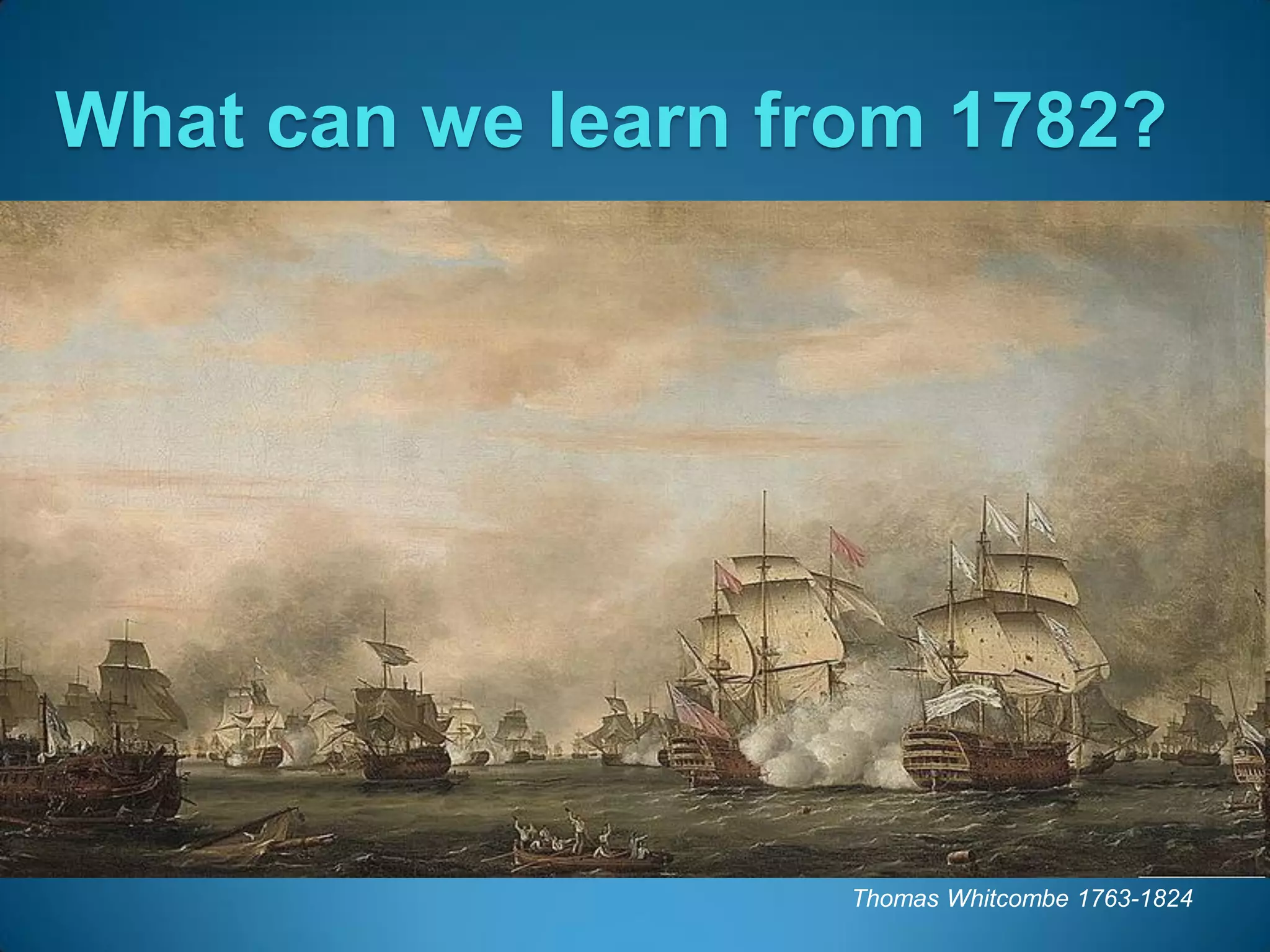
What can we learn from 1782?


                    Thomas Whitcombe 1763-1824
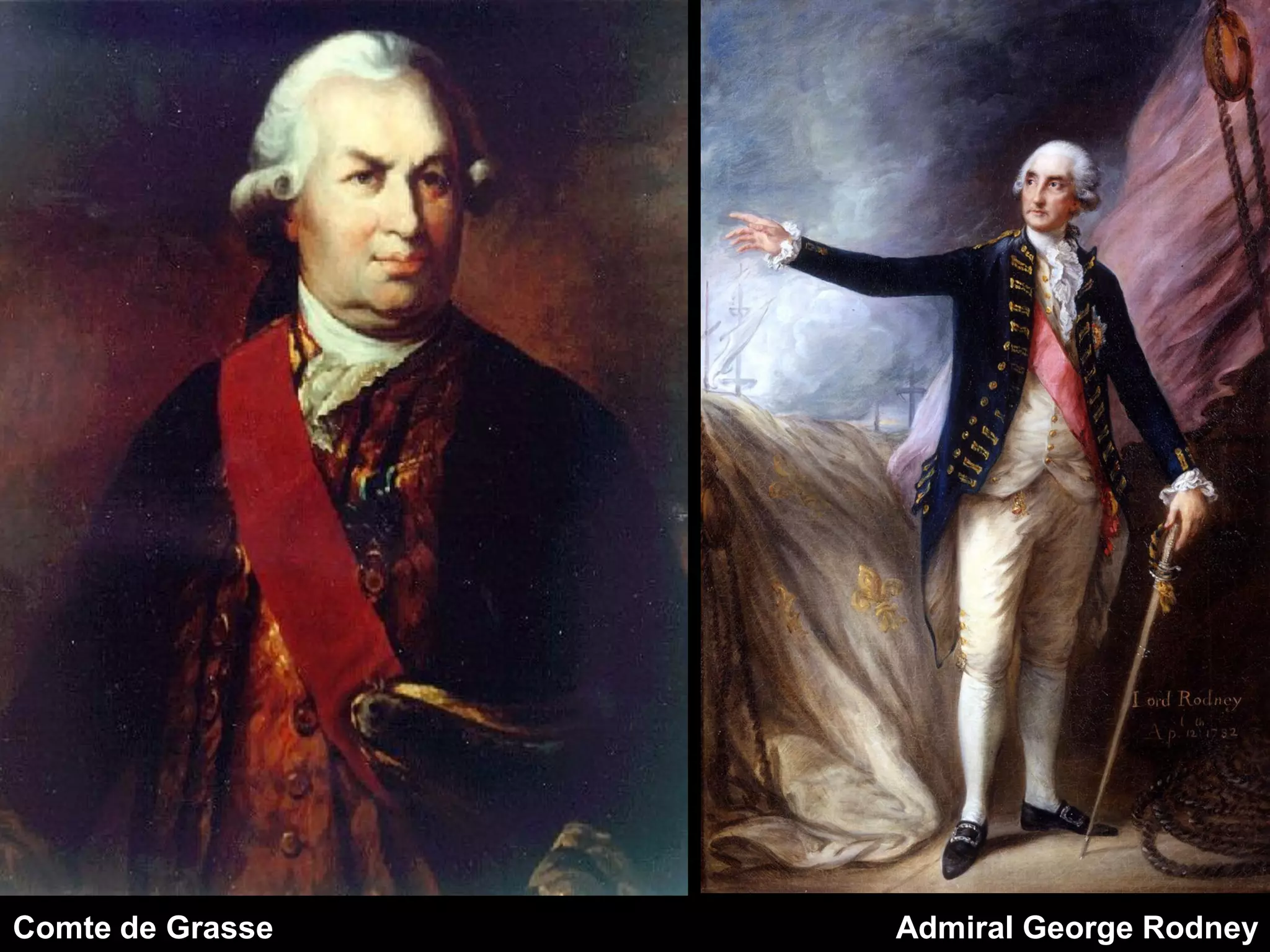
Comte de Grasse   Admiral George Rodney
Accountable Care Model
 A single provider organisation crossing
  primary/secondary care boundaries

 Commissioned by NHS; accountable for outcomes


 Registered primary care population


 Capitated whole population budget


 Financial risk held on provider side
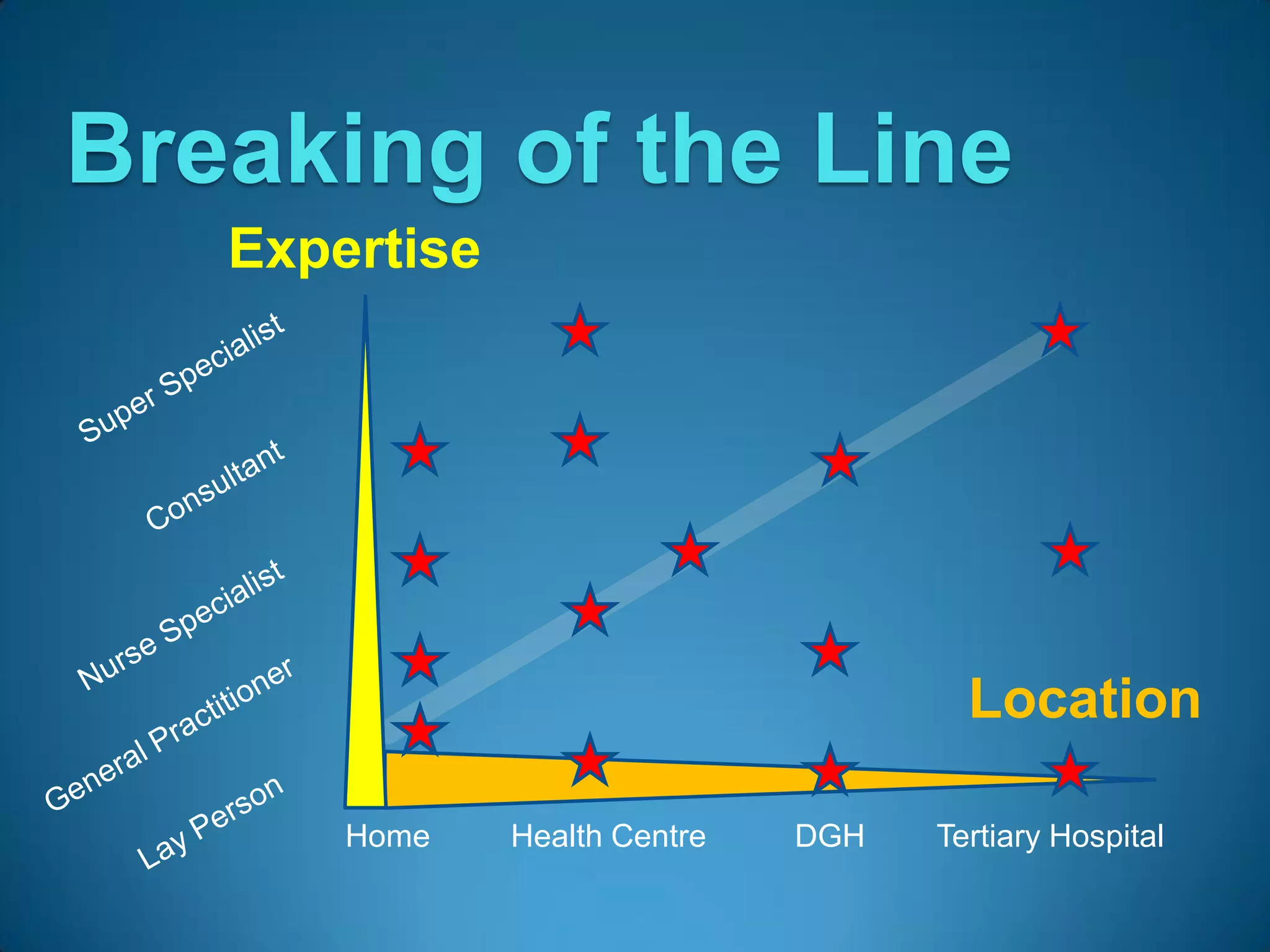
Breaking of the Line
   Expertise


                                       Location

       Home    Health Centre   DGH   Tertiary Hospital
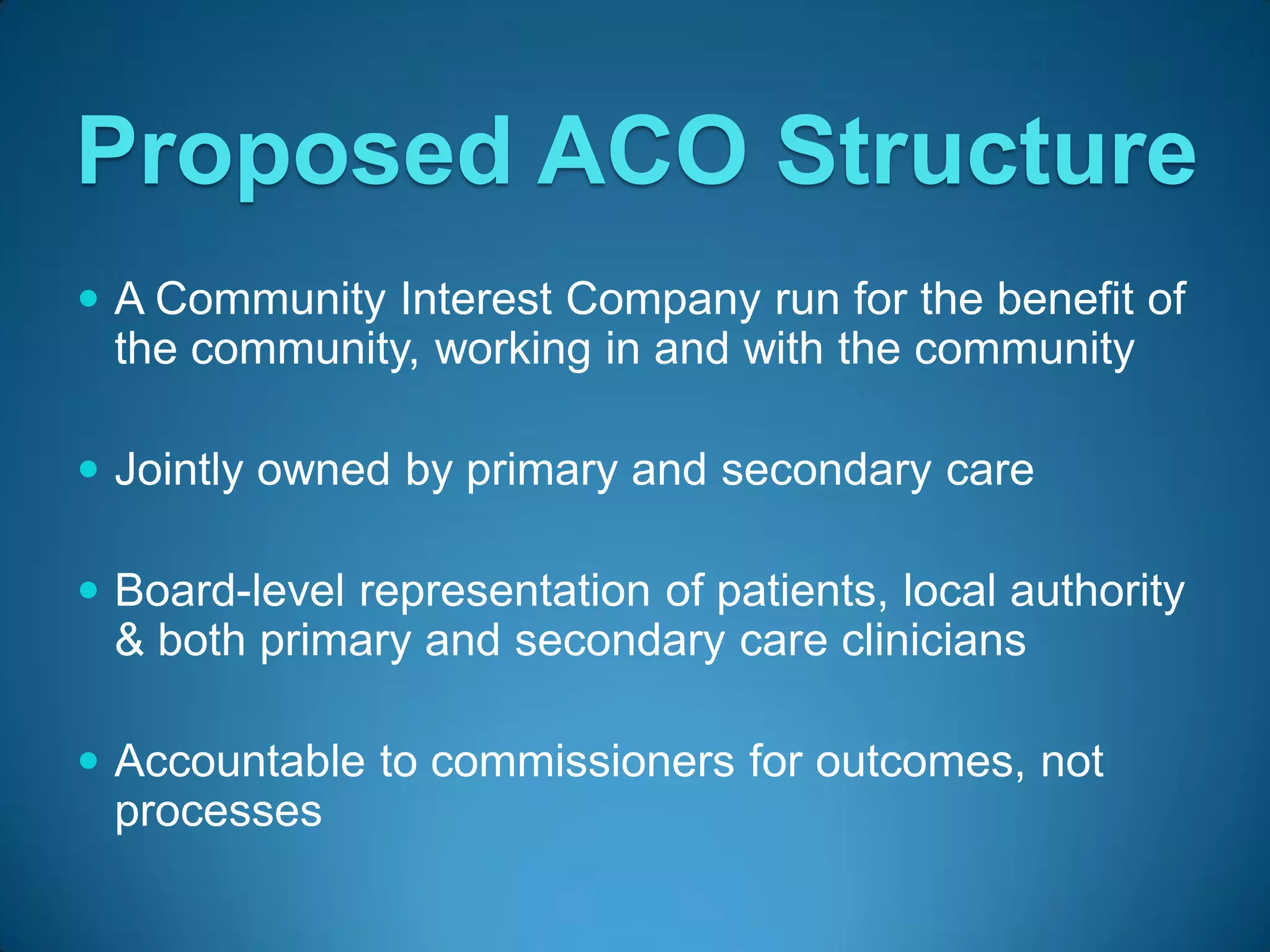
Proposed ACO Structure
 A Community Interest Company run for the benefit of
  the community, working in and with the community

 Jointly owned by primary and secondary care

 Board-level representation of patients, local authority
  & both primary and secondary care clinicians

 Accountable to commissioners for outcomes, not
  processes
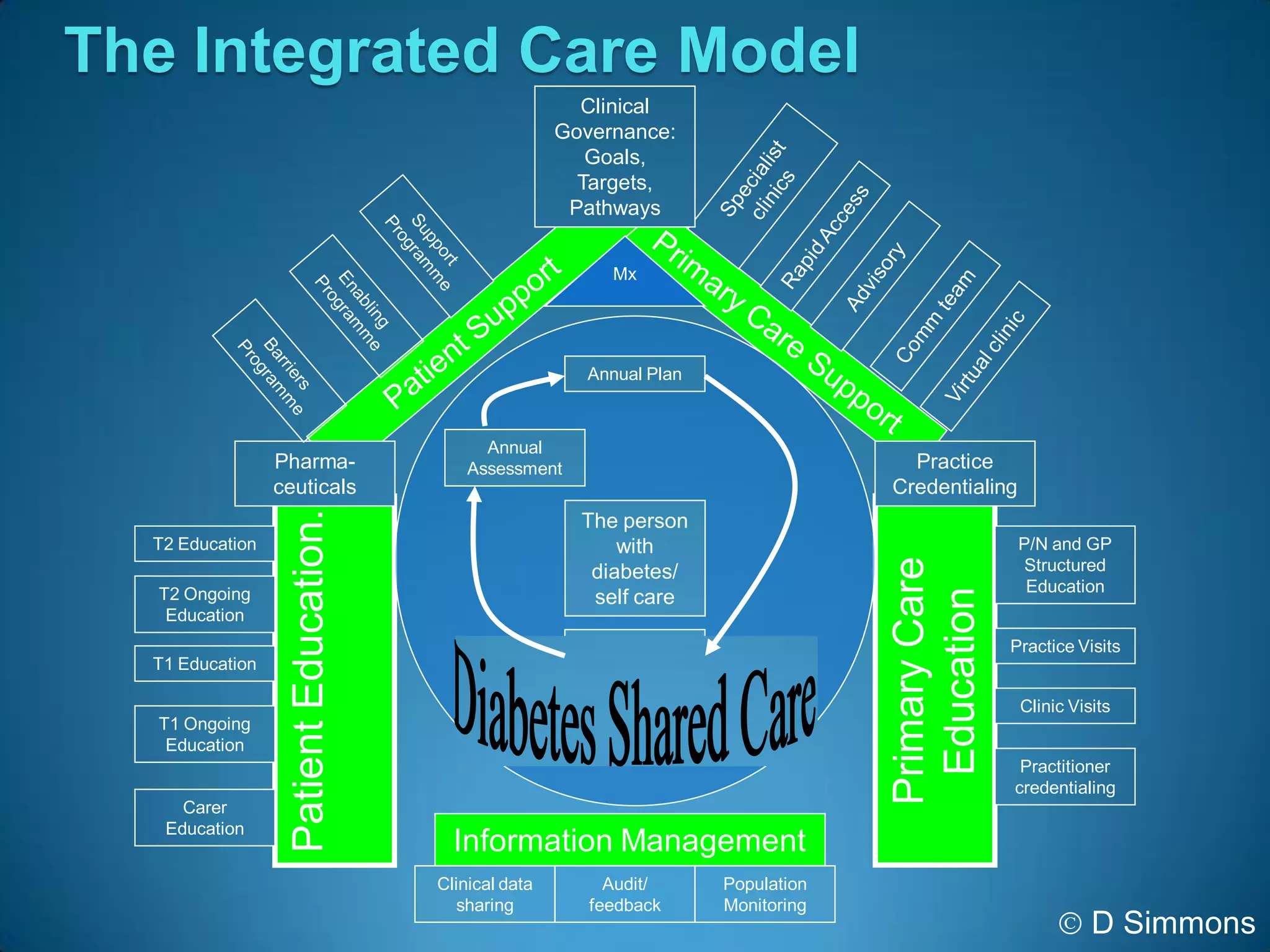
The Integrated Care Model
                                                          Clinical
                                                        Governance:
                                                           Goals,
                                                          Targets,
                                                         Pathways


                                                              Mx


                                                           Annual Plan


                                              Annual
                 Pharma-                    Assessment                                    Practice
                 ceuticals                                                              Credentialing
                   Patient Education.


                                                          The person
  T2 Education                                                with                                      P/N and GP


                                                                                        Primary Care
                                                           diabetes/                                    Structured
                                                                                                         Education


                                                                                         Education
  T2 Ongoing                                               self care
   Education
                                                          Other interval                               Practice Visits
  T1 Education                                               visits

                                                                                                        Clinic Visits
  T1 Ongoing
   Education
                                                                                                        Practitioner
                                                                                                       credentialing
     Carer
   Education
                                          Information Management
                                        Clinical data        Audit/        Population
                                           sharing         feedback        Monitoring
                                                                                                                  D Simmons
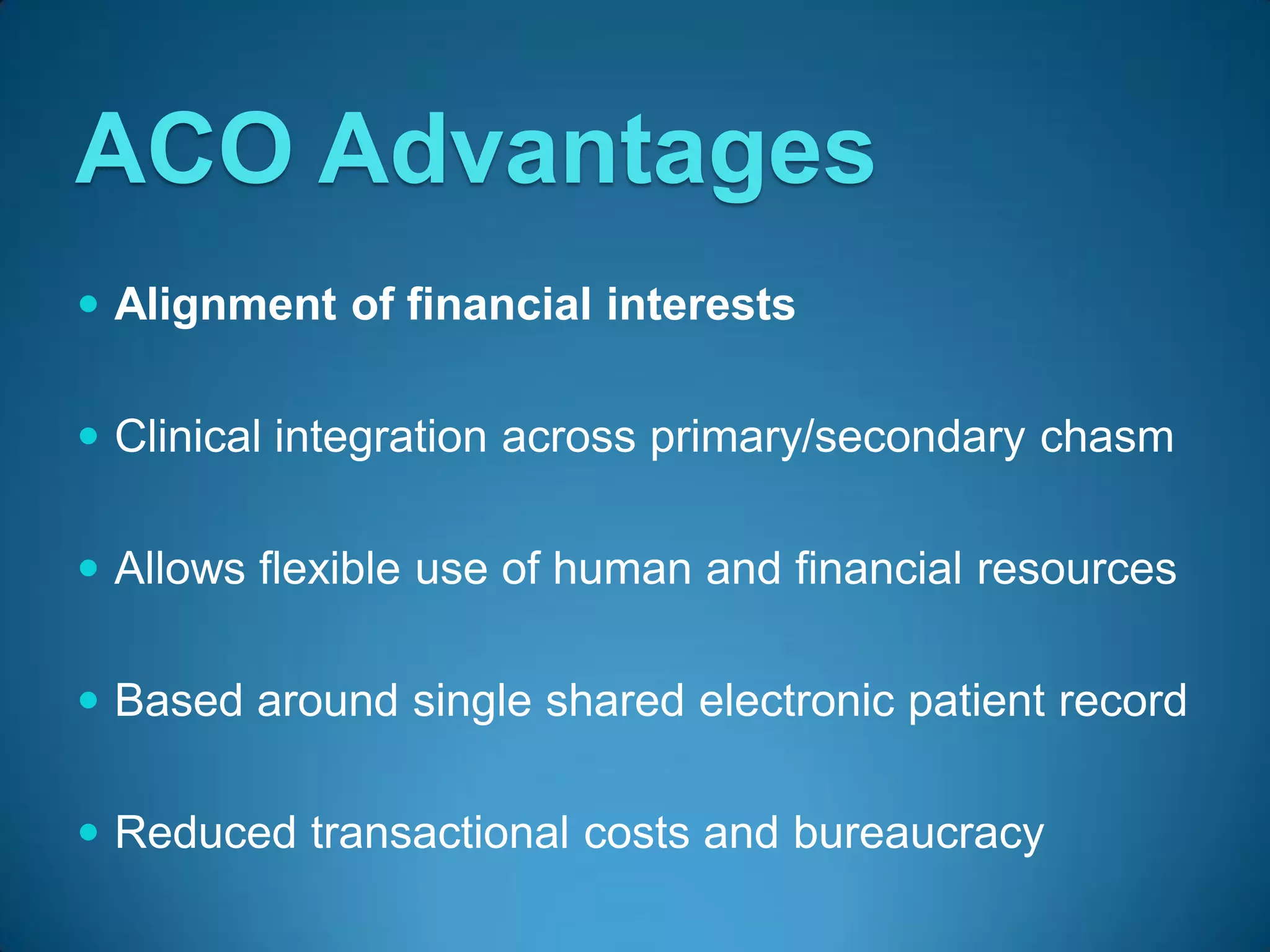
ACO Advantages
 Alignment of financial interests


 Clinical integration across primary/secondary chasm


 Allows flexible use of human and financial resources


 Based around single shared electronic patient record


 Reduced transactional costs and bureaucracy
ACO Priorities
 Living within a finite budget


 Relentless focus on quality of care, safety,
  outcomes, patient experience and careful use of
  resources

 Flexibility around service provision


 Local accountability and shared decision making
Commissioner Benefits
 Simple commissioning structure


 Top-level outcomes specified, not micromanagement
  of individual service specifications

 Capitated budget – transparent, fair and open


 Financial risk sits with provider, not commissioner
System Benefits
 Reduced waste, inefficiencies and transactional costs


 Shared records


 Better data for research, audit and outcome measures


 Better patient outcomes


 Setting the standard by which others are judged
Our Vision – Patient Services
 Local easy access to quality-assured health care


 Extended opening of primary care facilities. Full
  range of diagnostics provided at local level.

 Ability to manage most conditions on-site, using
  specialist knowledge when needed

 Rapid access to specialist opinion using shared
  record
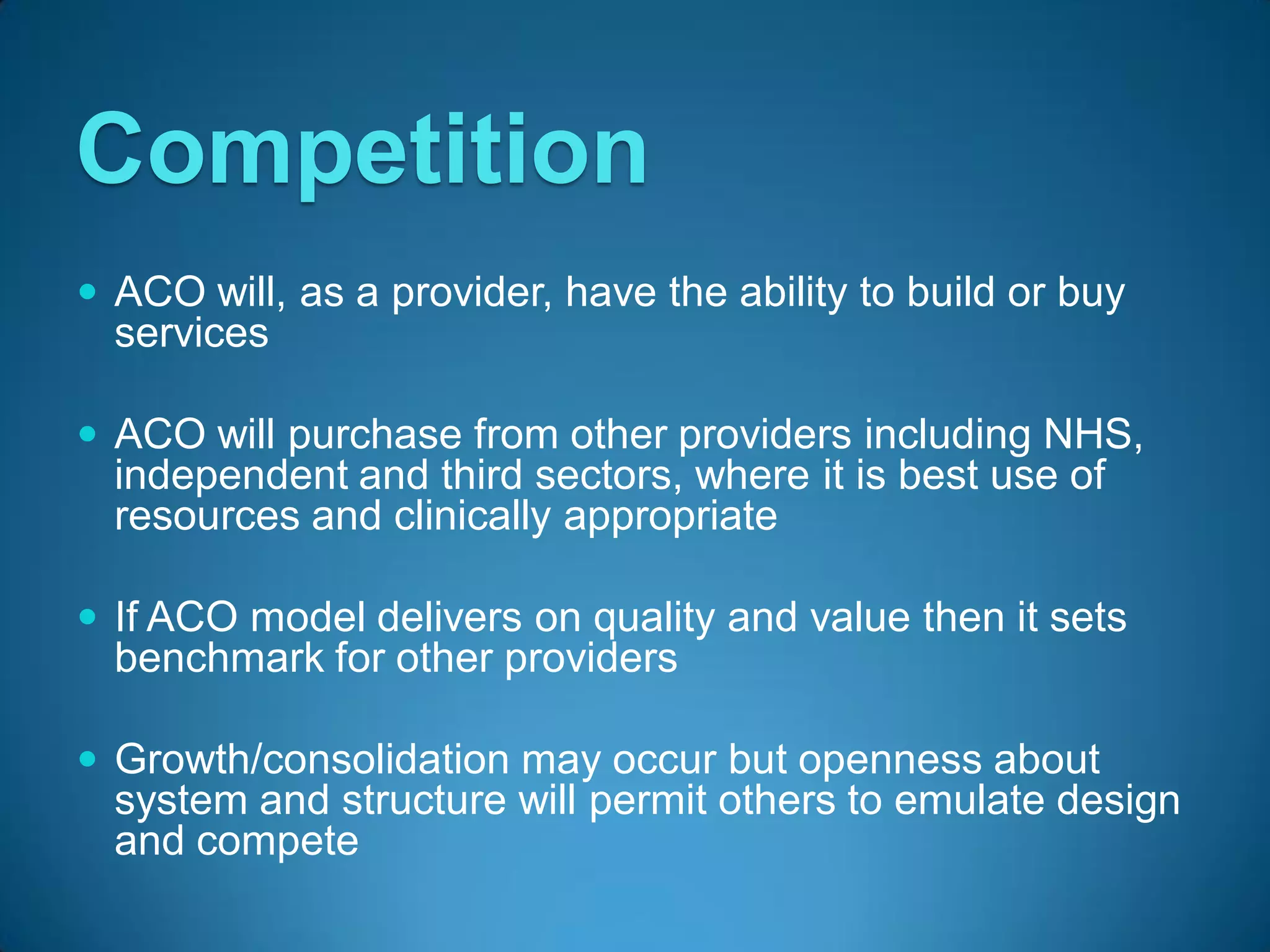
Competition
 ACO will, as a provider, have the ability to build or buy
  services

 ACO will purchase from other providers including NHS,
  independent and third sectors, where it is best use of
  resources and clinically appropriate

 If ACO model delivers on quality and value then it sets
  benchmark for other providers

 Growth/consolidation may occur but openness about
  system and structure will permit others to emulate design
  and compete
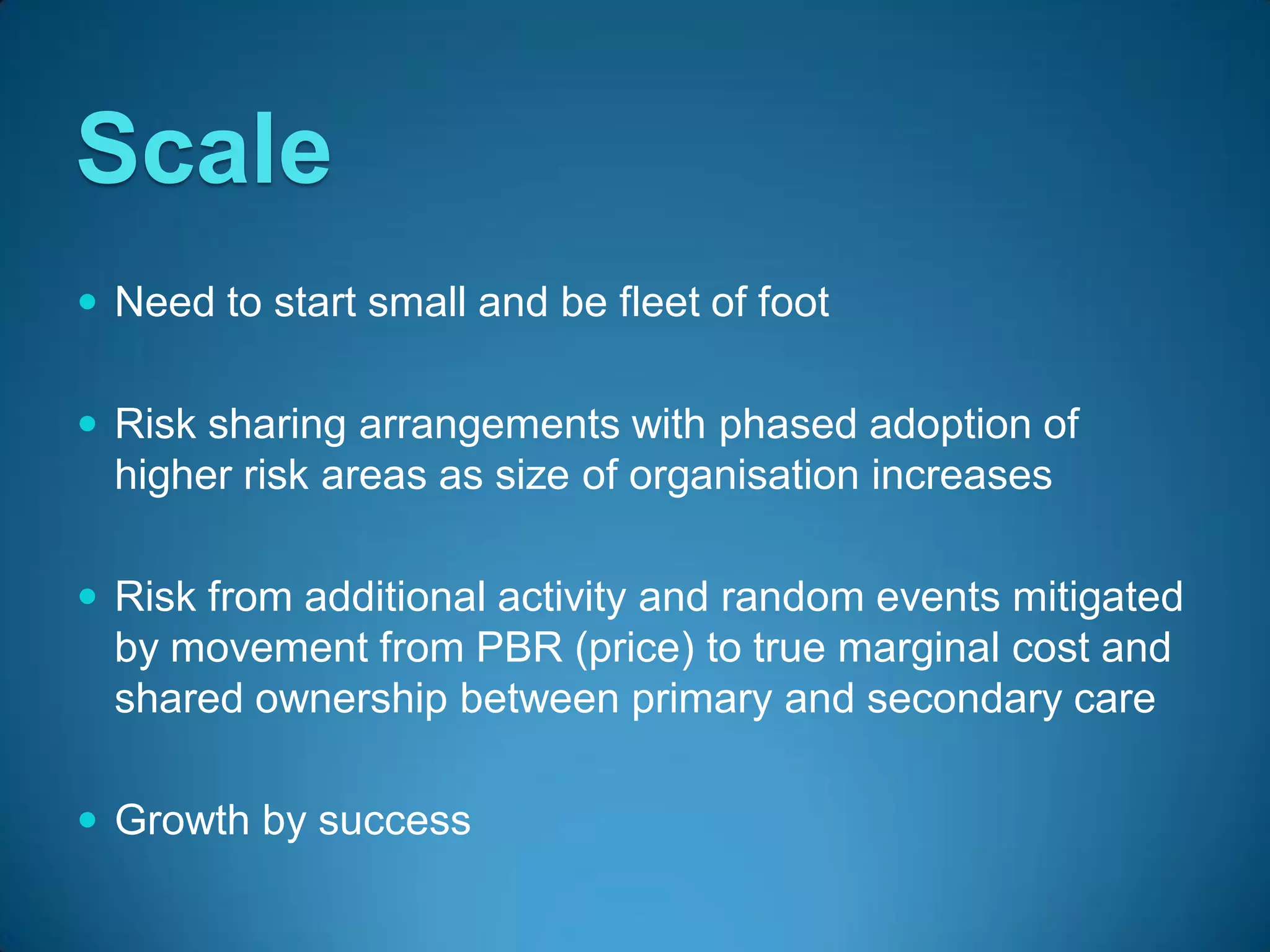
Scale
 Need to start small and be fleet of foot


 Risk sharing arrangements with phased adoption of
  higher risk areas as size of organisation increases

 Risk from additional activity and random events mitigated
  by movement from PBR (price) to true marginal cost and
  shared ownership between primary and secondary care

 Growth by success
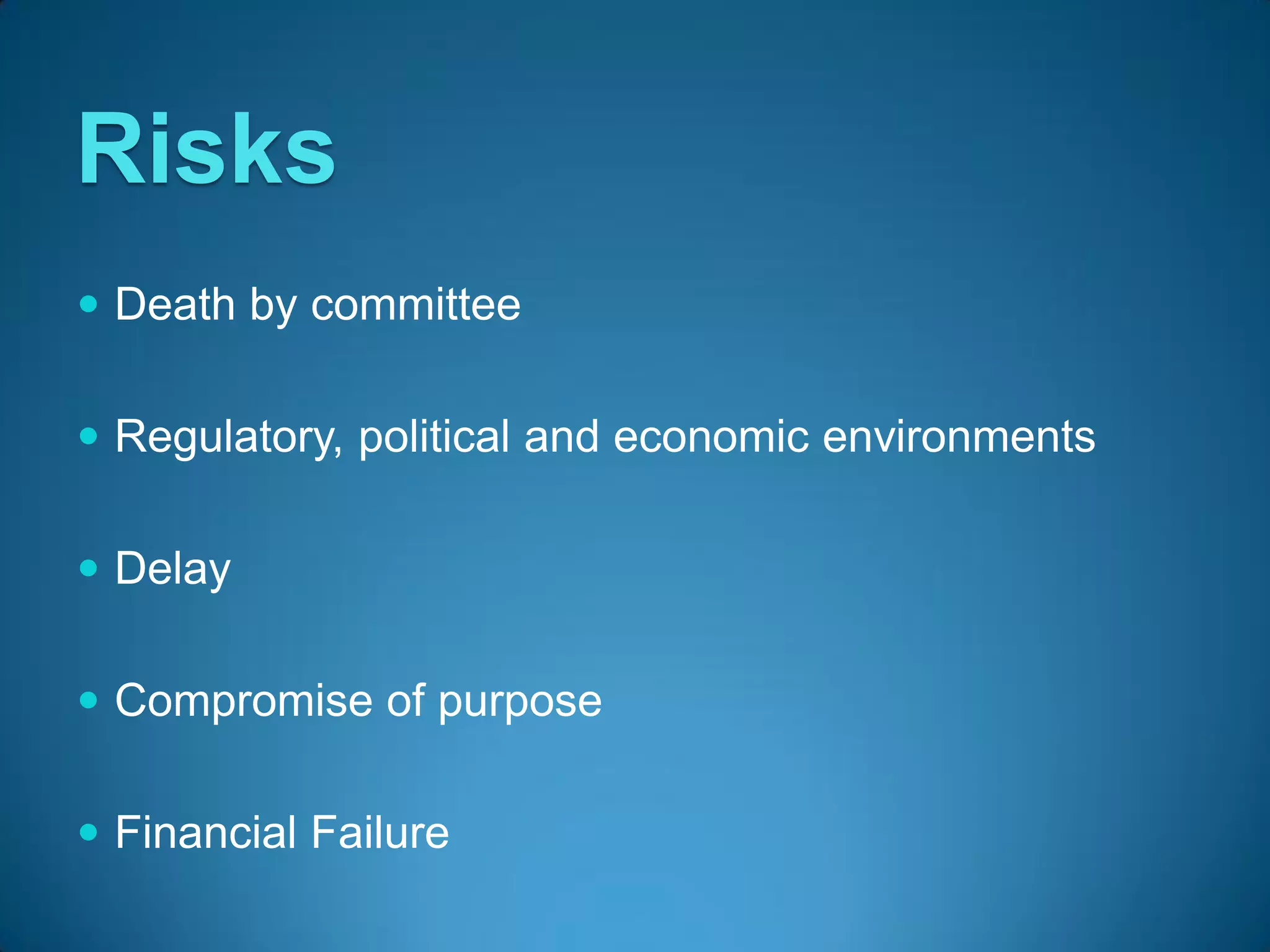
Risks
 Death by committee


 Regulatory, political and economic environments


 Delay


 Compromise of purpose


 Financial Failure
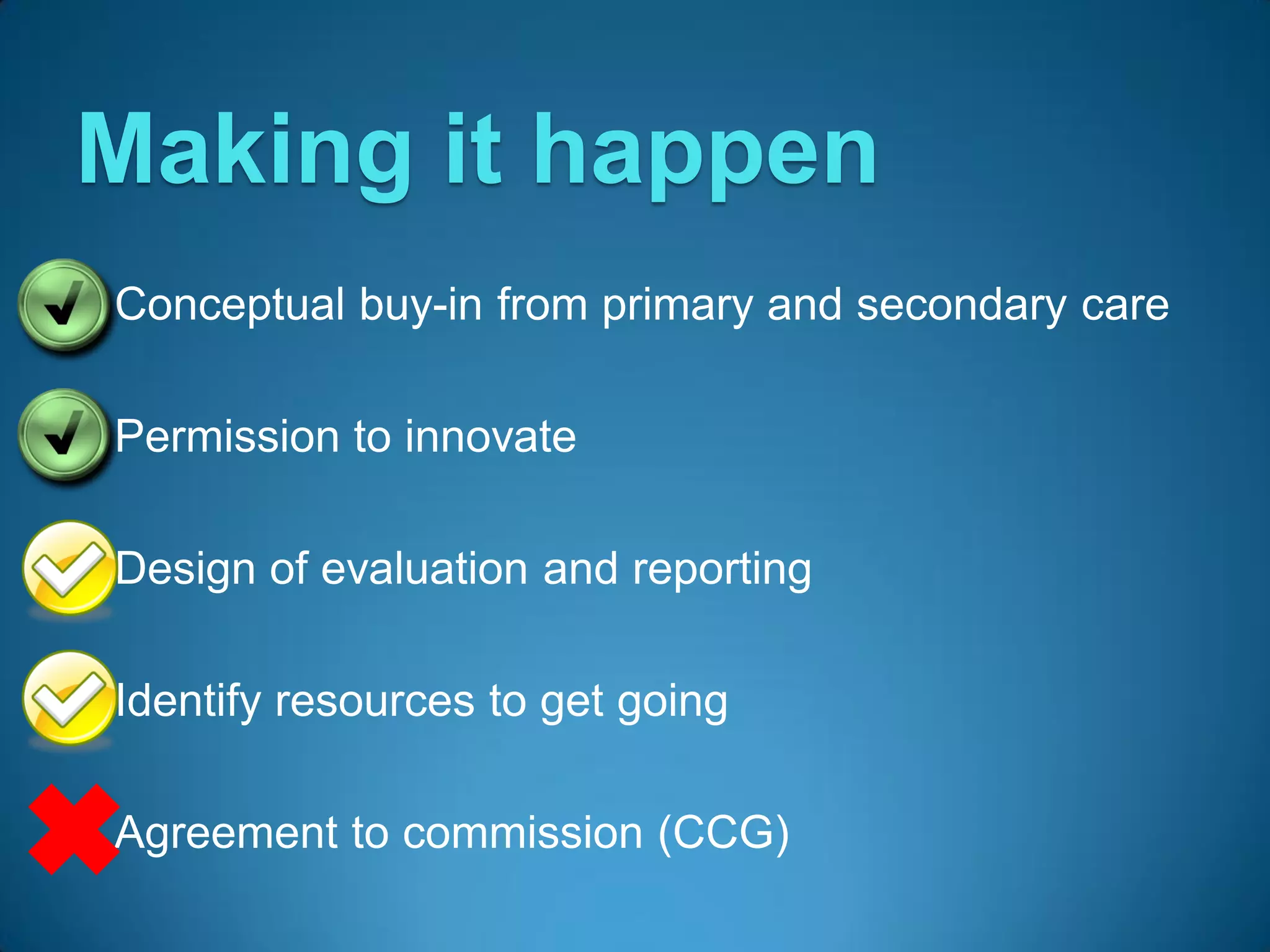
Making it happen
 Conceptual buy-in from primary and secondary care


 Permission to innovate


 Design of evaluation and reporting


 Identify resources to get going


 Agreement to commission (CCG)
Will it fly?
 “... Must ensure that we keep our current focus on
  practice engagement and referral management to
  give us the best chance of breaking even at the end
  of the year...”

 “...We are not clear how your proposed model would
  contribute in resolving this problem.”


                                Local Commissioning Group, August 2011
Our difficulty lies not so much in developing new ideas
 as in escaping from the old ones


                                 John Maynard Keynes
                                                1883-1946
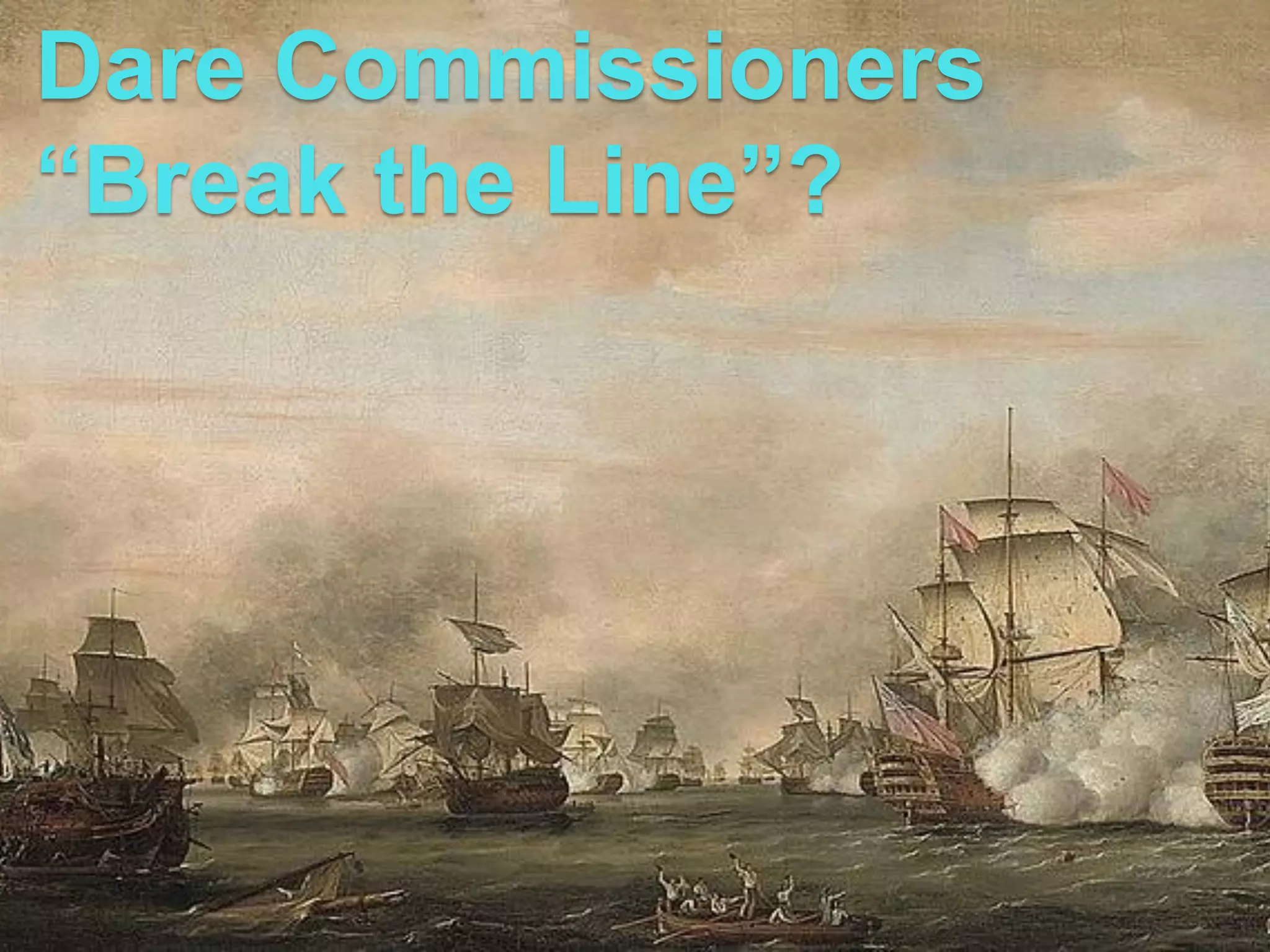
Dare Commissioners
“Break the Line”?


               Thomas Whitcombe 1763-1824

James morrow: Breaking of the line

  • 1.
    An outline ofthe Cambridge Accountable Care Organisation (ACO) concept James Morrow, GP, Sawston Medical Practice
  • 2.
  • 3.
    Our Vision  Partnershipbetween primary and secondary care providers to deliver the best possible clinical outcomes within a fixed budget  Clinical teams moving seamlessly from home to community centre to hospital  Shared electronic patient record with patient access  Financial alignment and risk sharing of a capitated budget  Transforming academic excellence and research into on-the- ground achievements for our population
  • 4.
    Standard care model Expertise Location Home General Practice Local Hospital Tertiary Centre
  • 5.
    Doing less ofthe same  “A man with a hammer sees a lot of things worth hammering” Attr. Mark Twain  “Insanity is doing the same thing, over and over again, but expecting different results" Attr. Albert Einstein
  • 6.
    What can welearn from 1782? Thomas Whitcombe 1763-1824
  • 7.
    Comte de Grasse Admiral George Rodney
  • 8.
    Accountable Care Model A single provider organisation crossing primary/secondary care boundaries  Commissioned by NHS; accountable for outcomes  Registered primary care population  Capitated whole population budget  Financial risk held on provider side
  • 9.
    Breaking of theLine Expertise Location Home Health Centre DGH Tertiary Hospital
  • 10.
    Proposed ACO Structure A Community Interest Company run for the benefit of the community, working in and with the community  Jointly owned by primary and secondary care  Board-level representation of patients, local authority & both primary and secondary care clinicians  Accountable to commissioners for outcomes, not processes
  • 11.
    The Integrated CareModel Clinical Governance: Goals, Targets, Pathways Mx Annual Plan Annual Pharma- Assessment Practice ceuticals Credentialing Patient Education. The person T2 Education with P/N and GP Primary Care diabetes/ Structured Education Education T2 Ongoing self care Education Other interval Practice Visits T1 Education visits Clinic Visits T1 Ongoing Education Practitioner credentialing Carer Education Information Management Clinical data Audit/ Population sharing feedback Monitoring D Simmons
  • 12.
    ACO Advantages  Alignmentof financial interests  Clinical integration across primary/secondary chasm  Allows flexible use of human and financial resources  Based around single shared electronic patient record  Reduced transactional costs and bureaucracy
  • 13.
    ACO Priorities  Livingwithin a finite budget  Relentless focus on quality of care, safety, outcomes, patient experience and careful use of resources  Flexibility around service provision  Local accountability and shared decision making
  • 14.
    Commissioner Benefits  Simplecommissioning structure  Top-level outcomes specified, not micromanagement of individual service specifications  Capitated budget – transparent, fair and open  Financial risk sits with provider, not commissioner
  • 15.
    System Benefits  Reducedwaste, inefficiencies and transactional costs  Shared records  Better data for research, audit and outcome measures  Better patient outcomes  Setting the standard by which others are judged
  • 16.
    Our Vision –Patient Services  Local easy access to quality-assured health care  Extended opening of primary care facilities. Full range of diagnostics provided at local level.  Ability to manage most conditions on-site, using specialist knowledge when needed  Rapid access to specialist opinion using shared record
  • 17.
    Competition  ACO will,as a provider, have the ability to build or buy services  ACO will purchase from other providers including NHS, independent and third sectors, where it is best use of resources and clinically appropriate  If ACO model delivers on quality and value then it sets benchmark for other providers  Growth/consolidation may occur but openness about system and structure will permit others to emulate design and compete
  • 18.
    Scale  Need tostart small and be fleet of foot  Risk sharing arrangements with phased adoption of higher risk areas as size of organisation increases  Risk from additional activity and random events mitigated by movement from PBR (price) to true marginal cost and shared ownership between primary and secondary care  Growth by success
  • 19.
    Risks  Death bycommittee  Regulatory, political and economic environments  Delay  Compromise of purpose  Financial Failure
  • 20.
    Making it happen Conceptual buy-in from primary and secondary care  Permission to innovate  Design of evaluation and reporting  Identify resources to get going  Agreement to commission (CCG)
  • 21.
    Will it fly? “... Must ensure that we keep our current focus on practice engagement and referral management to give us the best chance of breaking even at the end of the year...”  “...We are not clear how your proposed model would contribute in resolving this problem.” Local Commissioning Group, August 2011
  • 22.
    Our difficulty liesnot so much in developing new ideas as in escaping from the old ones John Maynard Keynes 1883-1946
  • 23.
    Dare Commissioners “Break theLine”? Thomas Whitcombe 1763-1824