Is Change Management
Strategic orTactical?
May 5th 2014
Gail Severini
Managing Director, Symphini Change Management Inc.
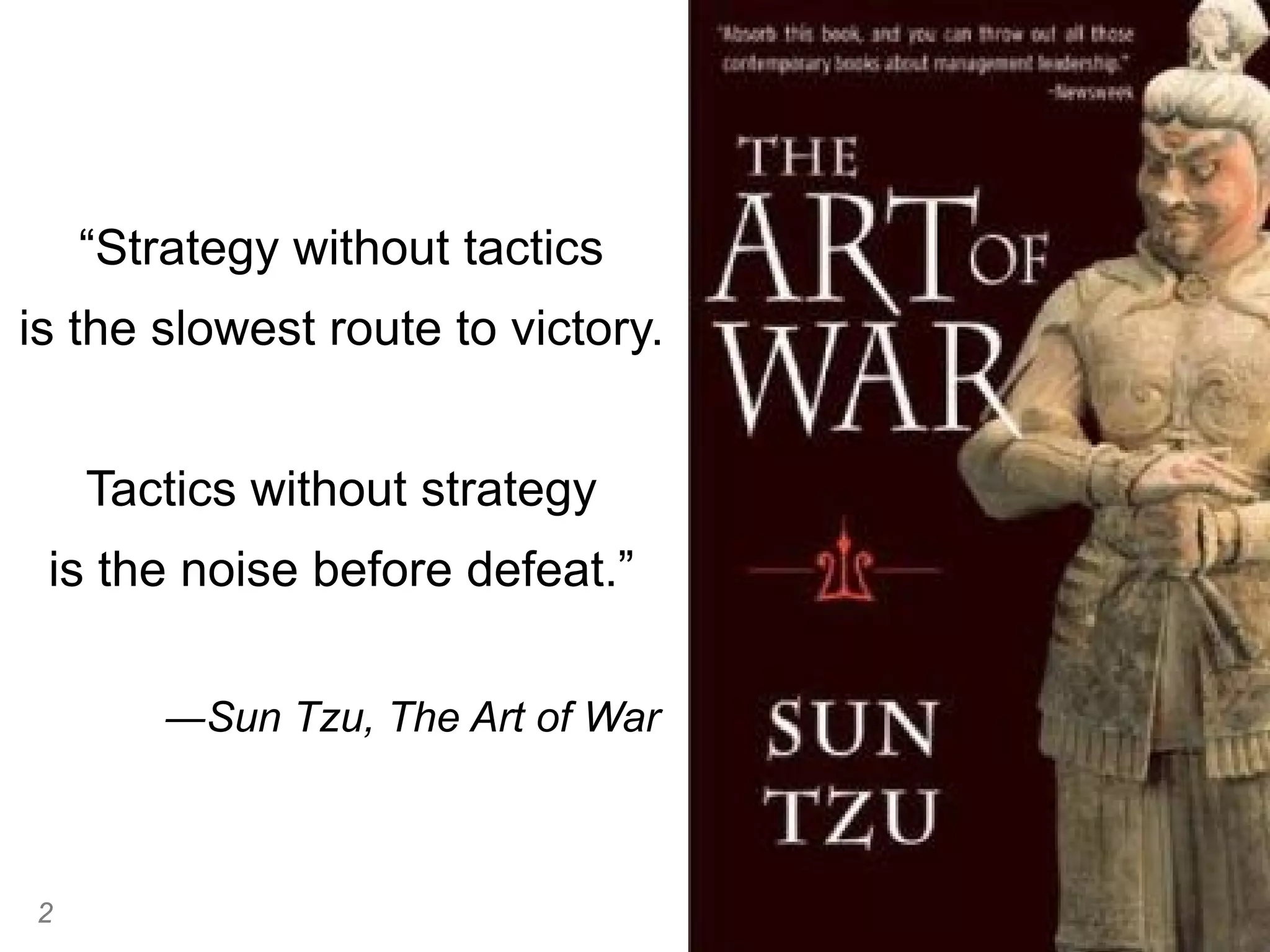
“Strategy without tactics
is the slowest route to victory.
Tactics without strategy
is the noise before defeat.”
―Sun Tzu, The Art of War
2
3
Agenda:
1. Getting perspective: “zoom out” to “zoom in”
2. What does it take to transform an organization?
• The Outperform Model
3. Where is Change Management?
• One perspective: the world according to ACMP
• A second look at the Outperform Model
4. Tactical or Strategic — Characteristics
5. Application: let’s look at CRM
6. Survey says? Strategic or Tactical?
4
5
6
7
8
9
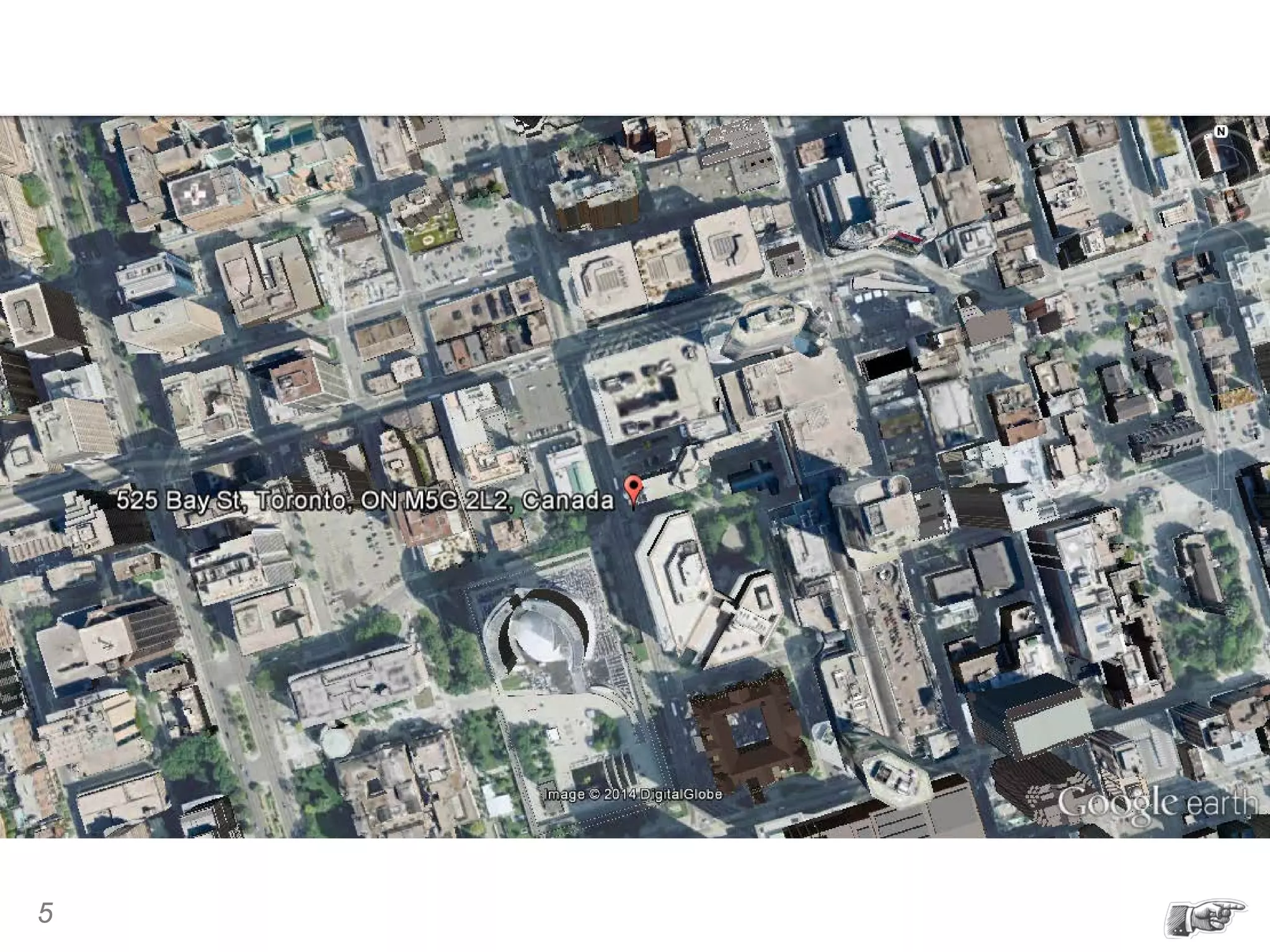
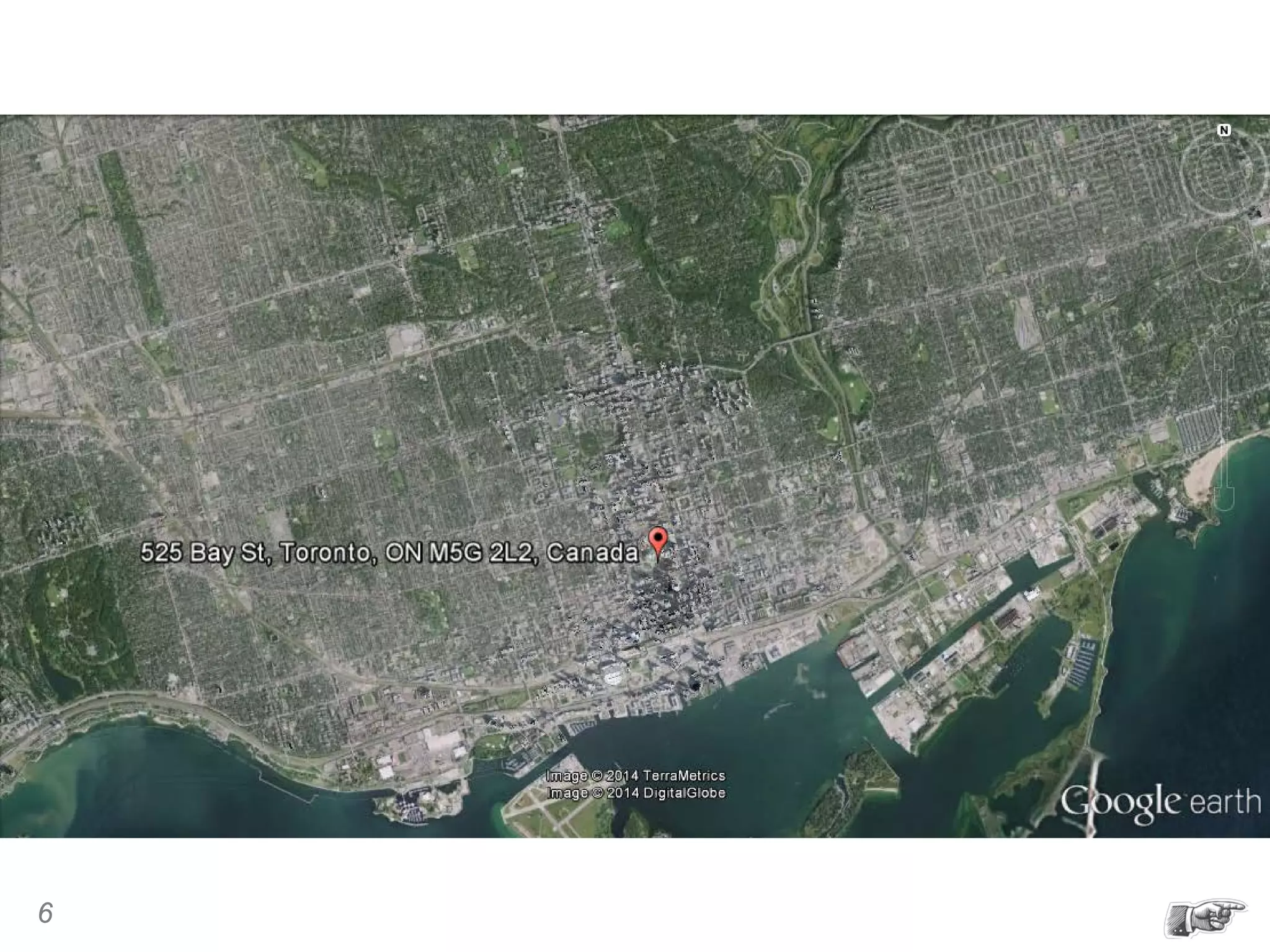
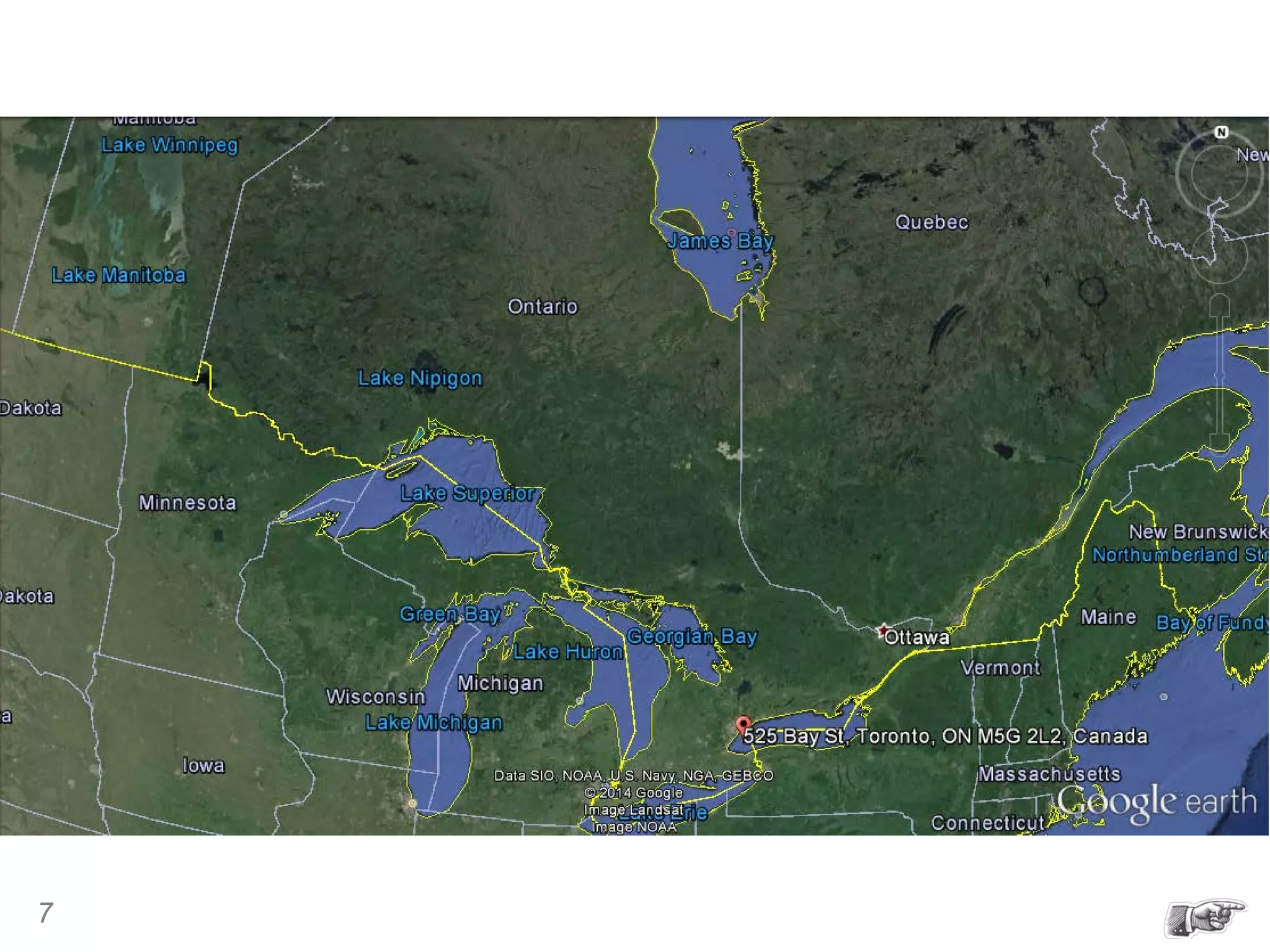
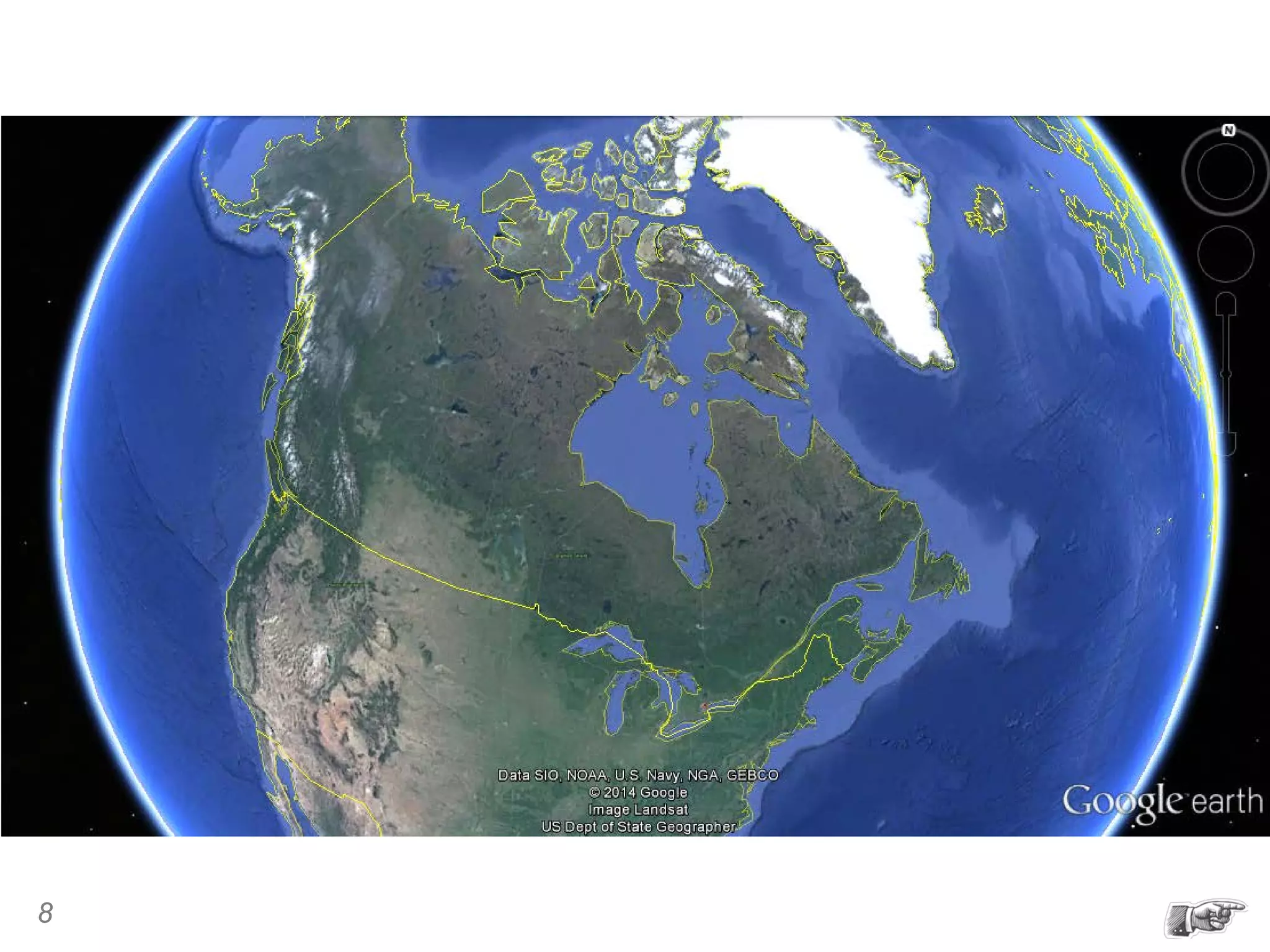
Zoom out to:
“What does it take to
TRANSFORM
an organization?”
Then we can see where
Change Management fits.
10
© Gail Severini, Symphini Change Management Inc., 201411
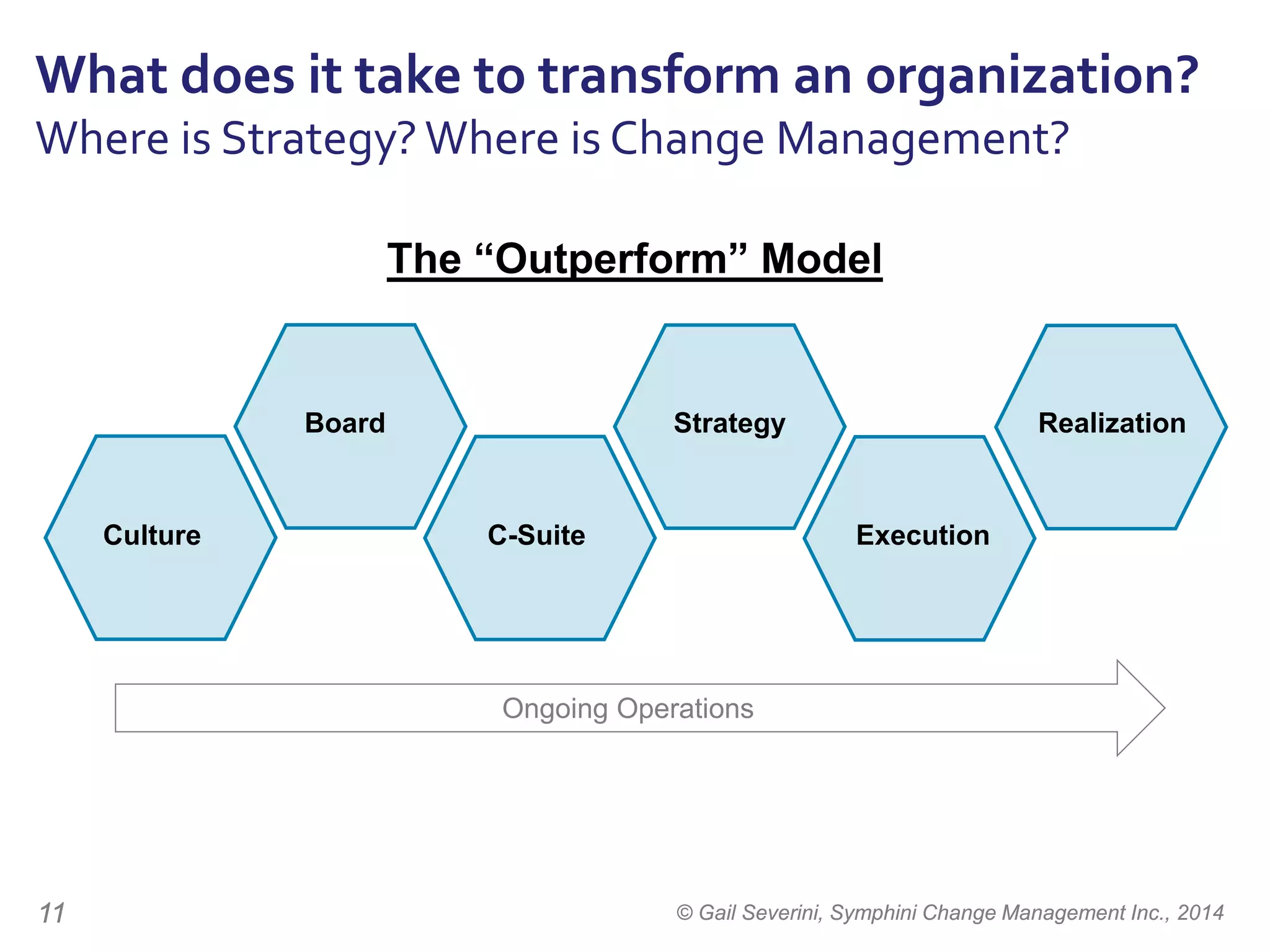
What does it take to transform an organization?
Where is Strategy?Where is Change Management?
Ongoing Operations
RealizationStrategyBoard
ExecutionC-SuiteCulture
The “Outperform” Model
© Gail Severini, Symphini Change Management Inc., 201412
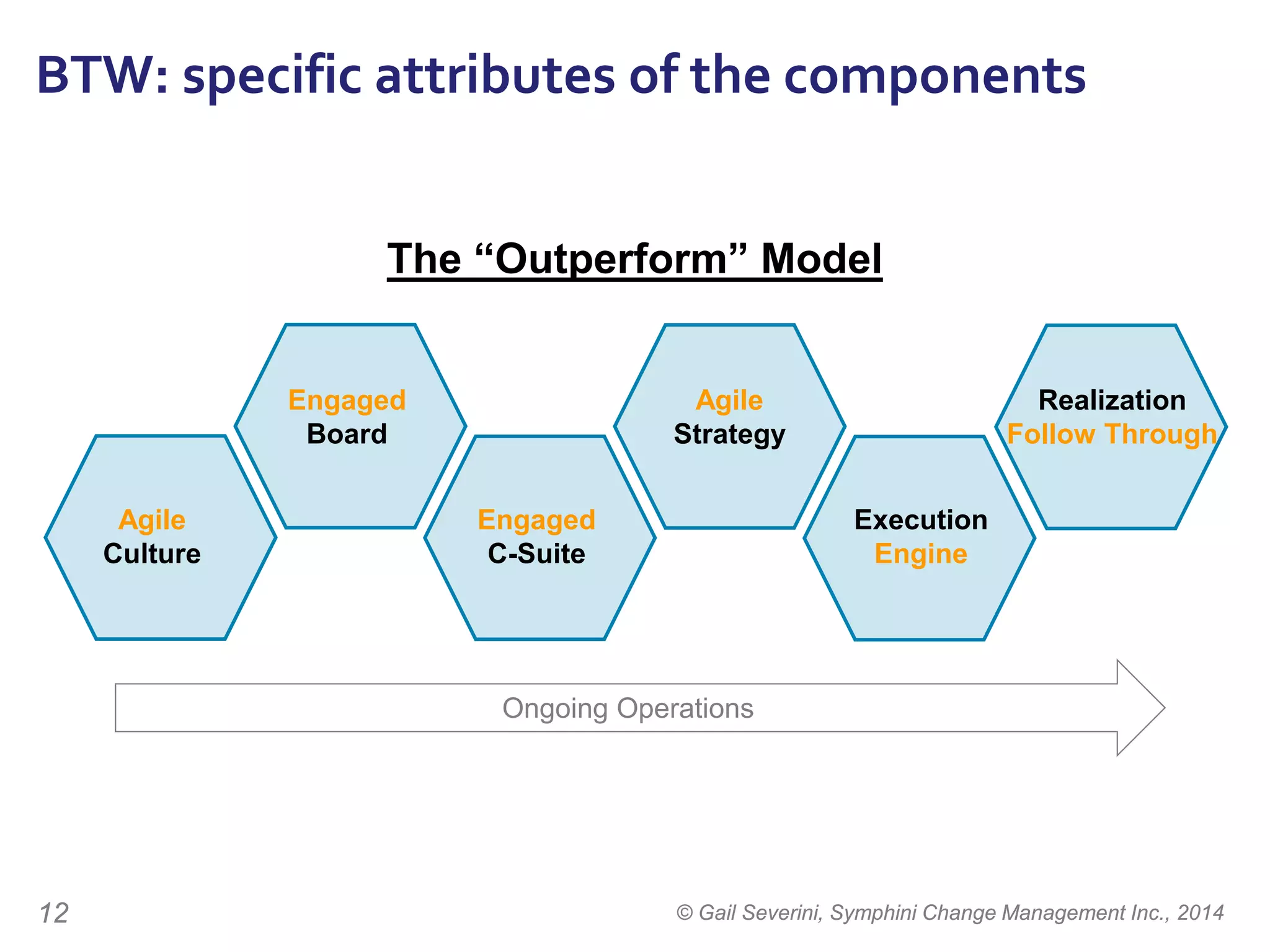
BTW: specific attributes of the components
Ongoing Operations
Realization
Follow Through
Agile
Strategy
Engaged
Board
Execution
Engine
Engaged
C-Suite
Agile
Culture
The “Outperform” Model
OUTPERFORM
Working on any of these components
will improve results ...
The secret is … [and]
and, sub-optimization of any one of them
will hinder your ability
to outperform.
13
So where is Change Management?
14
2012 definition of Change Management:
“The application of
knowledge, skills, abilities, methodologies,
processes, tools, and techniques
to transition an individual or group
from a current state to a desired future state,
such that the desired outcomes
and/or business objectives are achieved.”
15
© Gail Severini, Symphini Change Management Inc., 201416
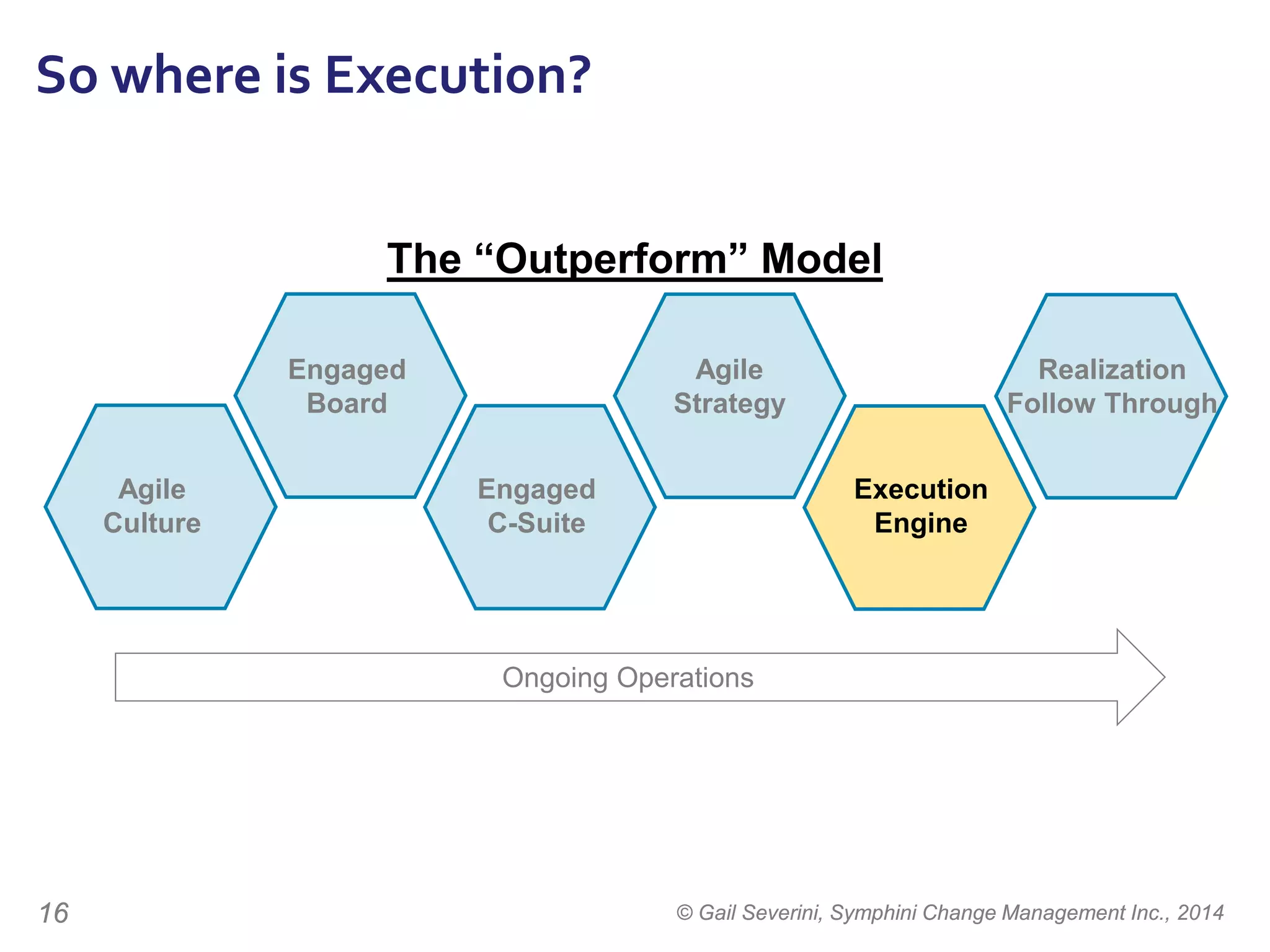
So where is Execution?
Ongoing Operations
Realization
Follow Through
Agile
Strategy
Engaged
Board
Execution
Engine
Engaged
C-Suite
Agile
Culture
The “Outperform” Model
17
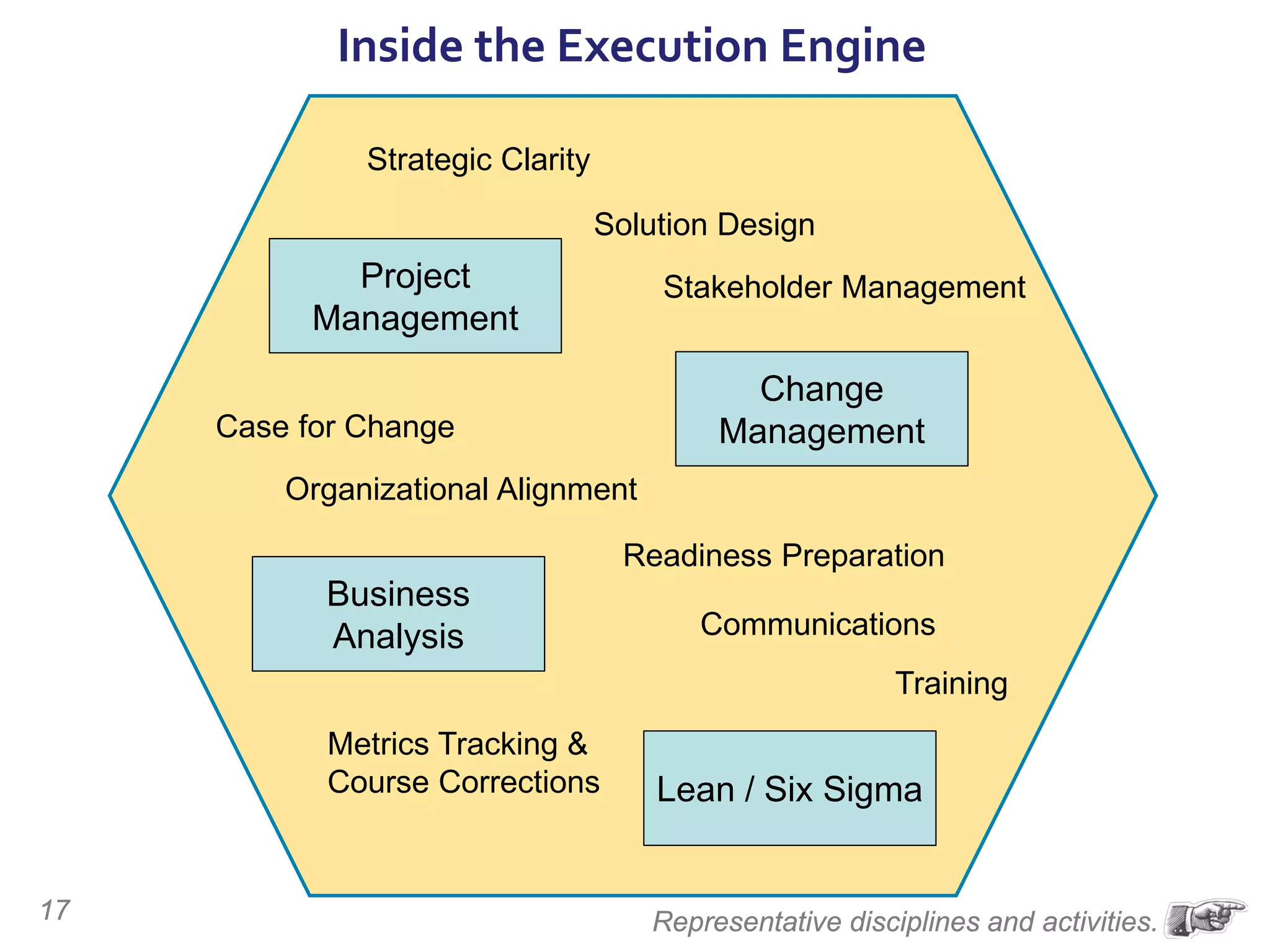
Project
Management
Change
Management
Business
Analysis
Lean / Six Sigma
Stakeholder Management
Strategic Clarity
Communications
Training
Solution Design
Case for Change
Organizational Alignment
Readiness Preparation
Metrics Tracking &
Course Corrections
Inside the Execution Engine
Representative disciplines and activities.
18
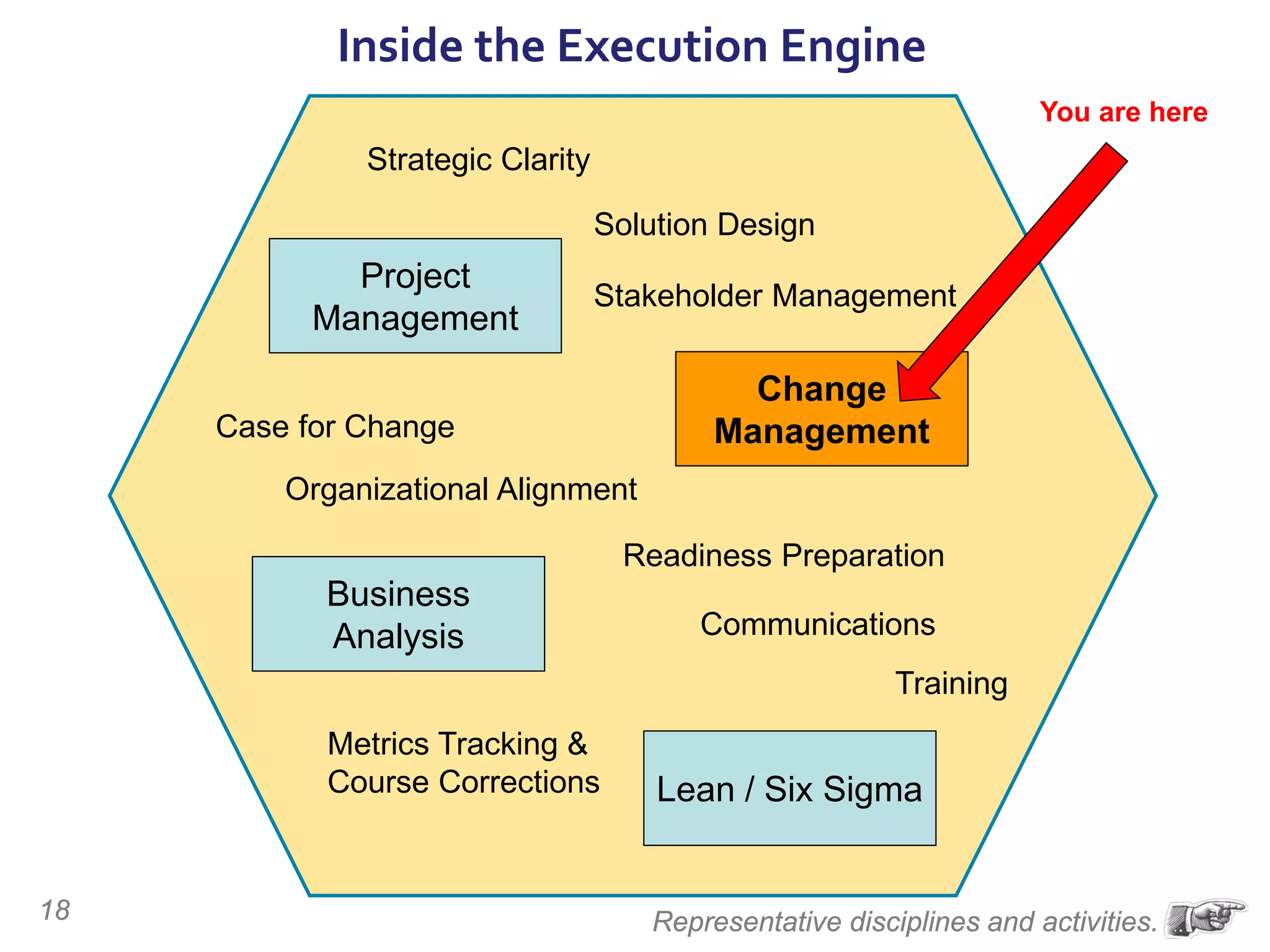
Project
Management
Change
Management
Business
Analysis
Lean / Six Sigma
Stakeholder Management
Strategic Clarity
Communications
Training
Solution Design
Case for Change
Organizational Alignment
Readiness Preparation
Metrics Tracking &
Course Corrections
You are here
Inside the Execution Engine
Representative disciplines and activities.
What does that
look like?
19
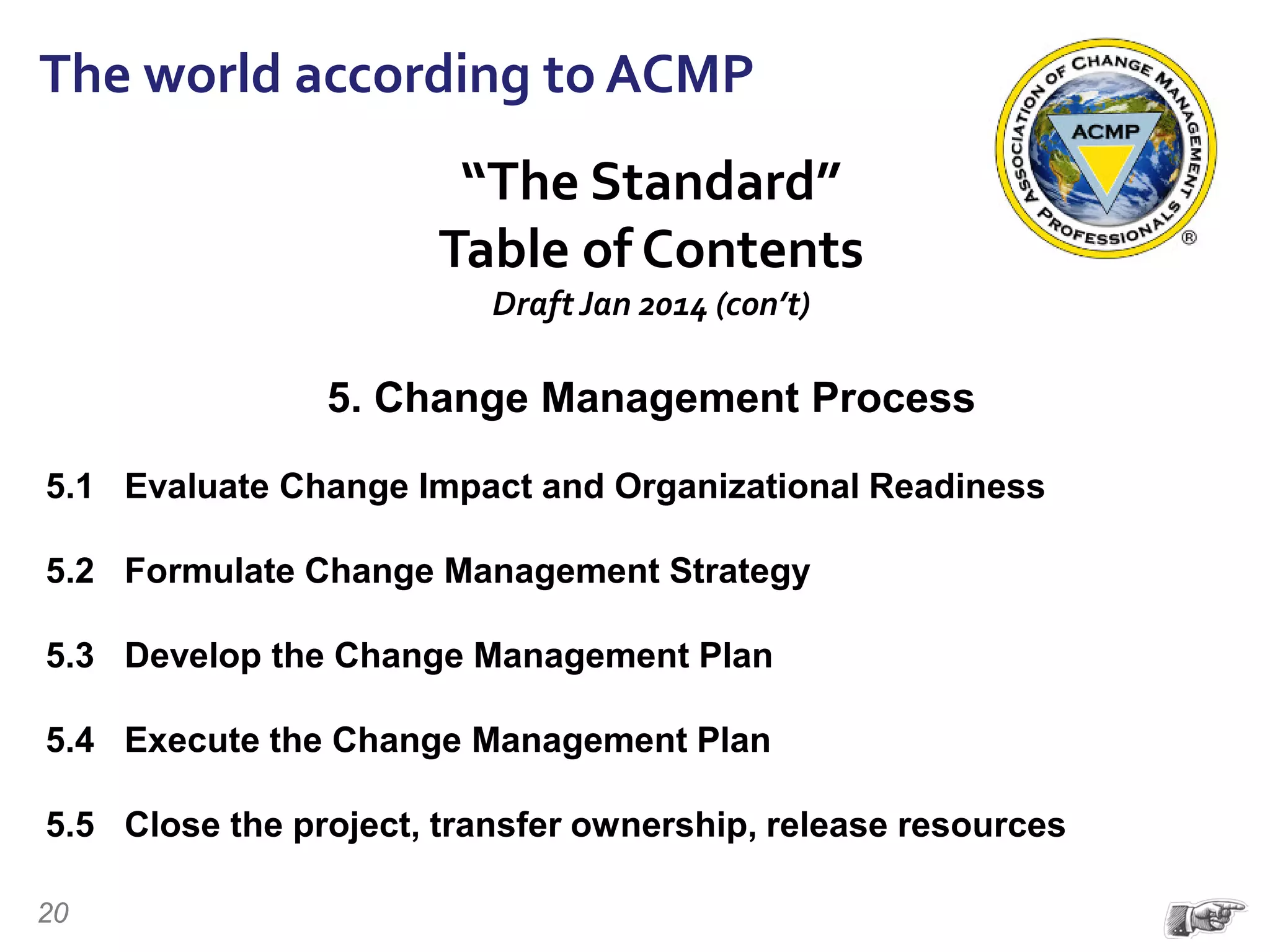
The world according to ACMP
20
“The Standard”
Table of Contents
Draft Jan 2014 (con’t)
5. Change Management Process
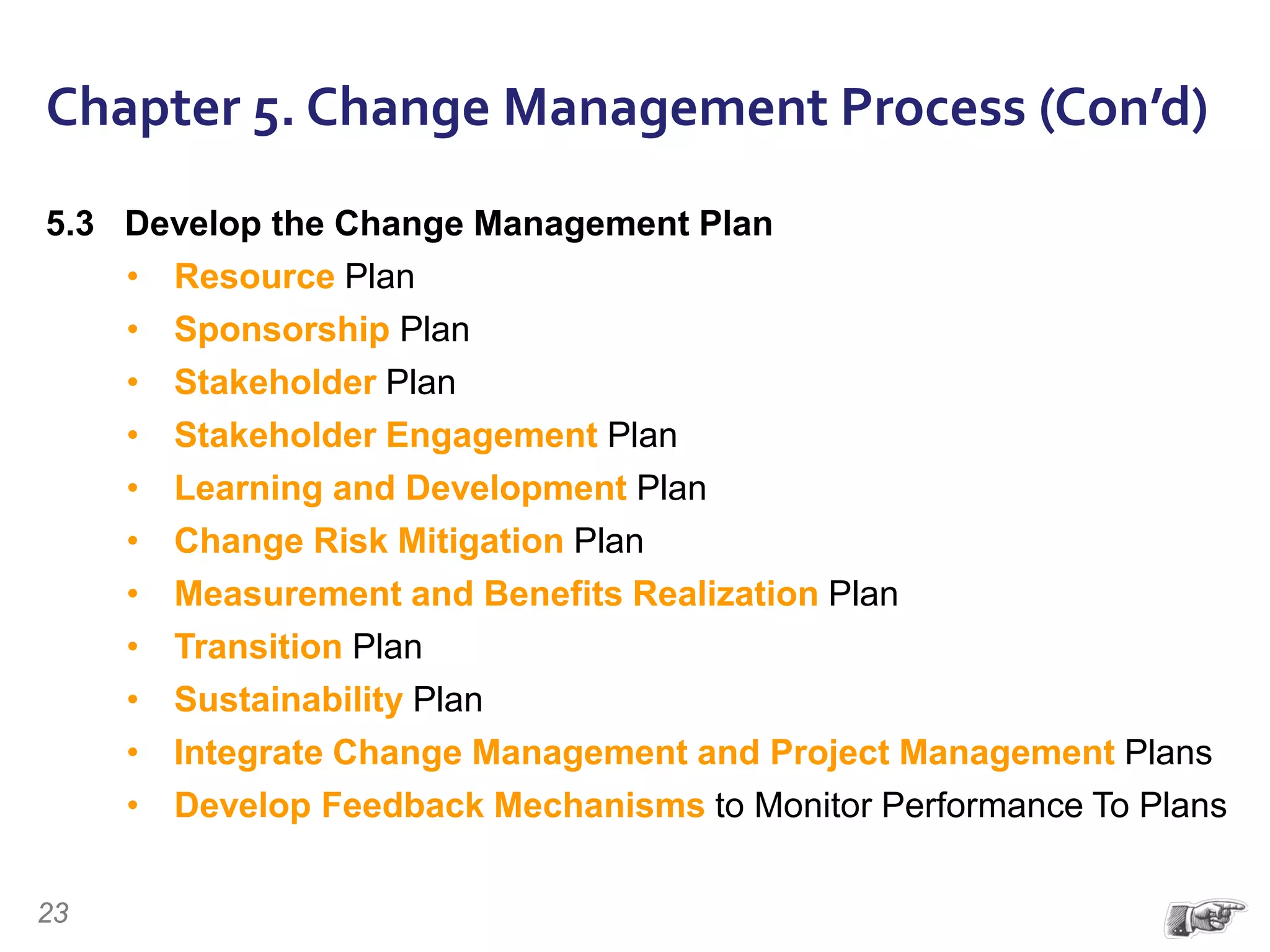
5.1 Evaluate Change Impact and Organizational Readiness
5.2 Formulate Change Management Strategy
5.3 Develop the Change Management Plan
5.4 Execute the Change Management Plan
5.5 Close the project, transfer ownership, release resources
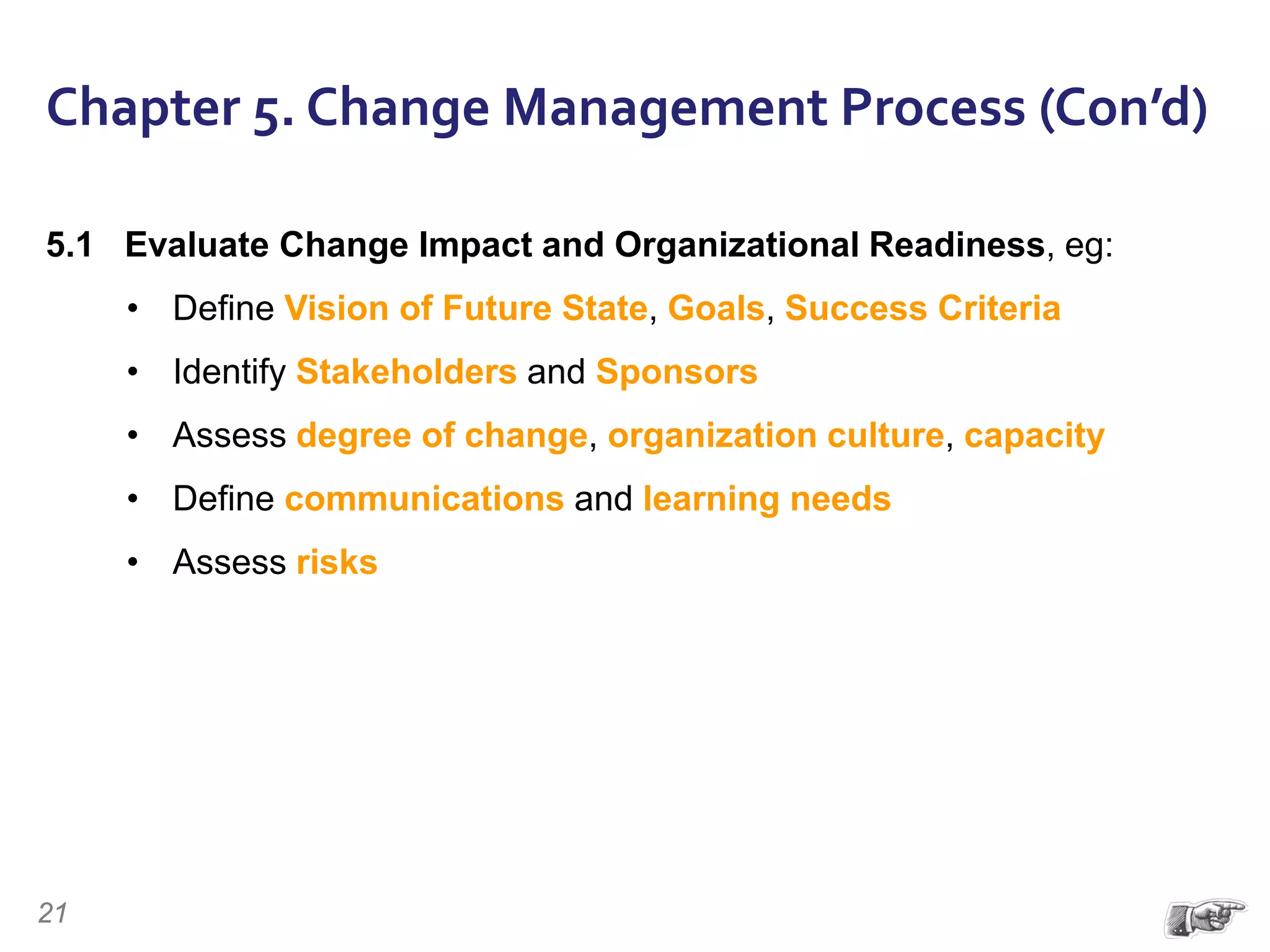
Chapter 5. Change Management Process (Con’d)
5.1 Evaluate Change Impact and Organizational Readiness, eg:
• Define Vision of Future State, Goals, Success Criteria
• Identify Stakeholders and Sponsors
• Assess degree of change, organization culture, capacity
• Define communications and learning needs
• Assess risks
21
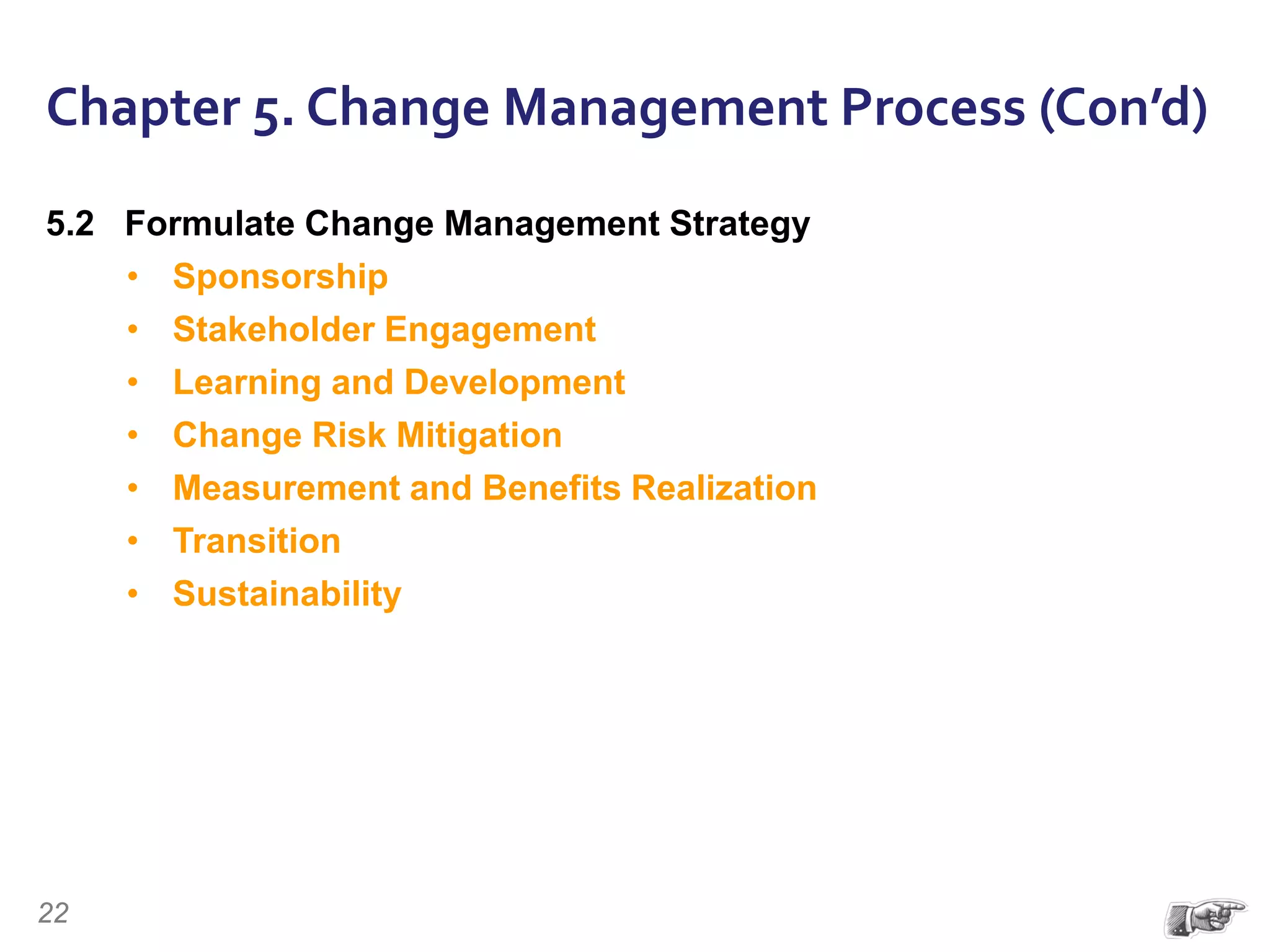
Chapter 5. Change Management Process (Con’d)
5.2 Formulate Change Management Strategy
• Sponsorship
• Stakeholder Engagement
• Learning and Development
• Change Risk Mitigation
• Measurement and Benefits Realization
• Transition
• Sustainability
22
Chapter 5. Change Management Process (Con’d)
5.3 Develop the Change Management Plan
• Resource Plan
• Sponsorship Plan
• Stakeholder Plan
• Stakeholder Engagement Plan
• Learning and Development Plan
• Change Risk Mitigation Plan
• Measurement and Benefits Realization Plan
• Transition Plan
• Sustainability Plan
• Integrate Change Management and Project Management Plans
• Develop Feedback Mechanisms to Monitor Performance To Plans
23
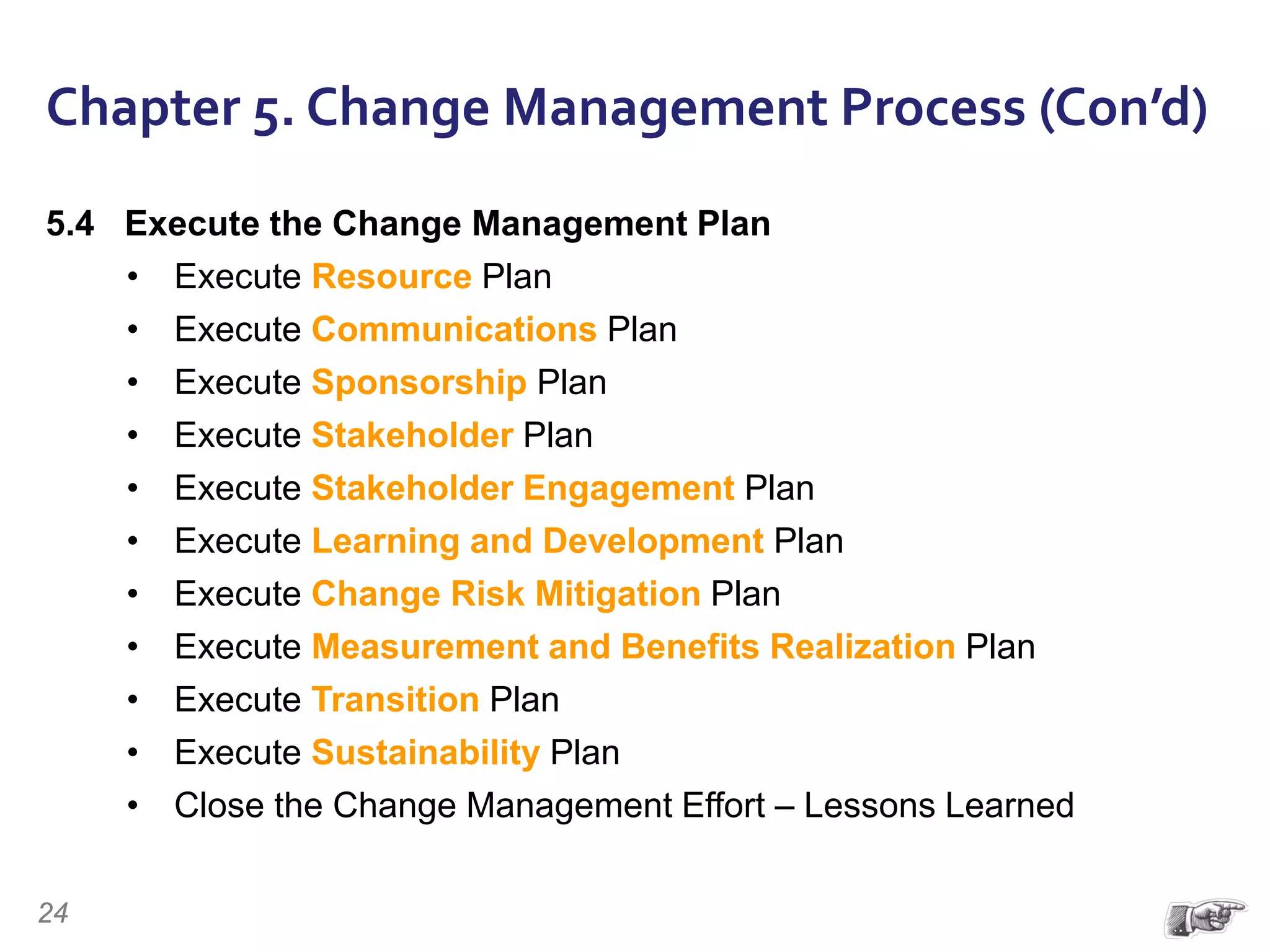
Chapter 5. Change Management Process (Con’d)
5.4 Execute the Change Management Plan
• Execute Resource Plan
• Execute Communications Plan
• Execute Sponsorship Plan
• Execute Stakeholder Plan
• Execute Stakeholder Engagement Plan
• Execute Learning and Development Plan
• Execute Change Risk Mitigation Plan
• Execute Measurement and Benefits Realization Plan
• Execute Transition Plan
• Execute Sustainability Plan
• Close the Change Management Effort – Lessons Learned
24
Chapter 5. Change Management Process (Con’d)
5.5 Close the project, transfer ownership, release resources
25
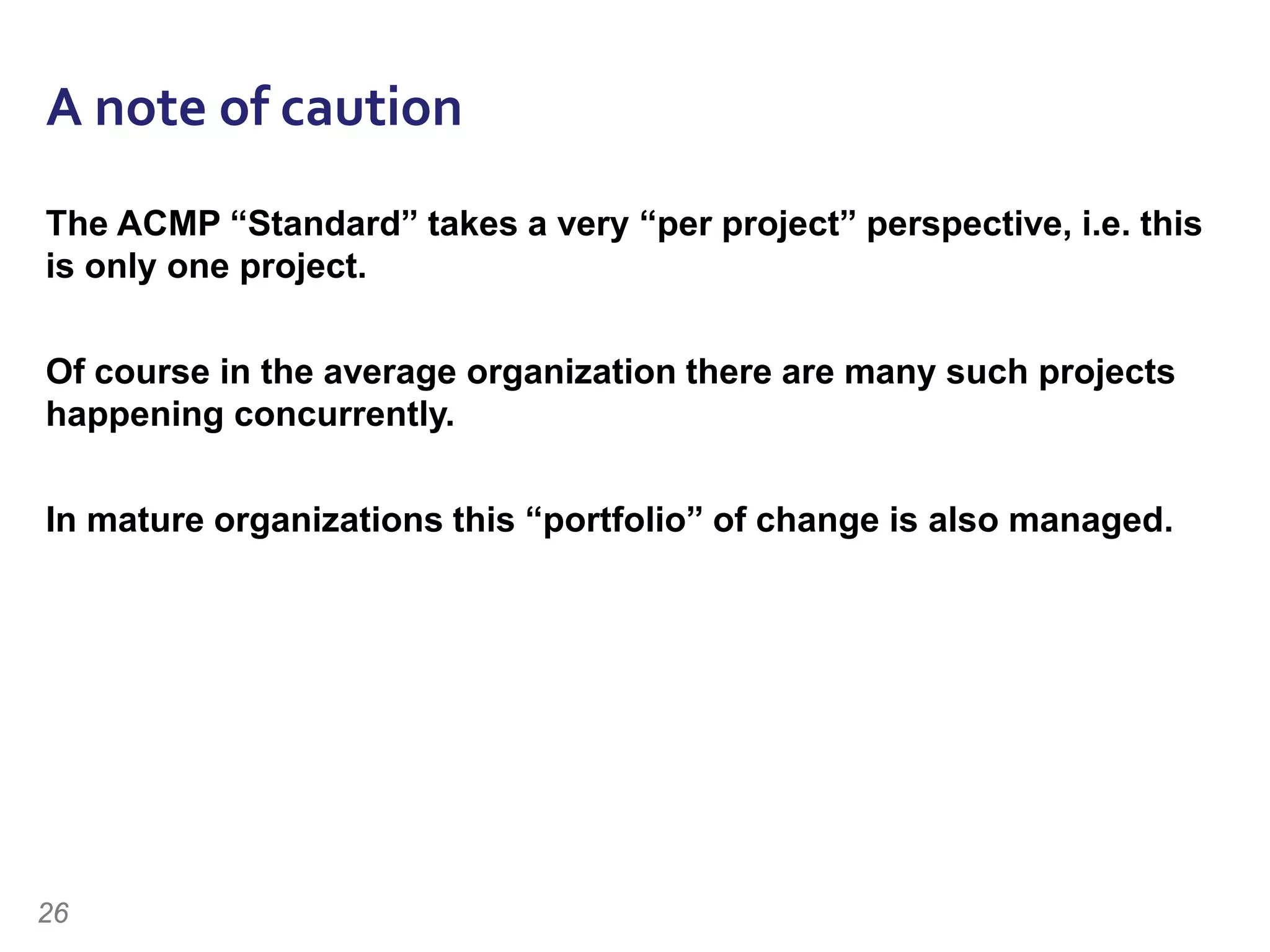
A note of caution
The ACMP “Standard” takes a very “per project” perspective, i.e. this
is only one project.
Of course in the average organization there are many such projects
happening concurrently.
In mature organizations this “portfolio” of change is also managed.
26
© Gail Severini, Symphini Change Management Inc., 201427
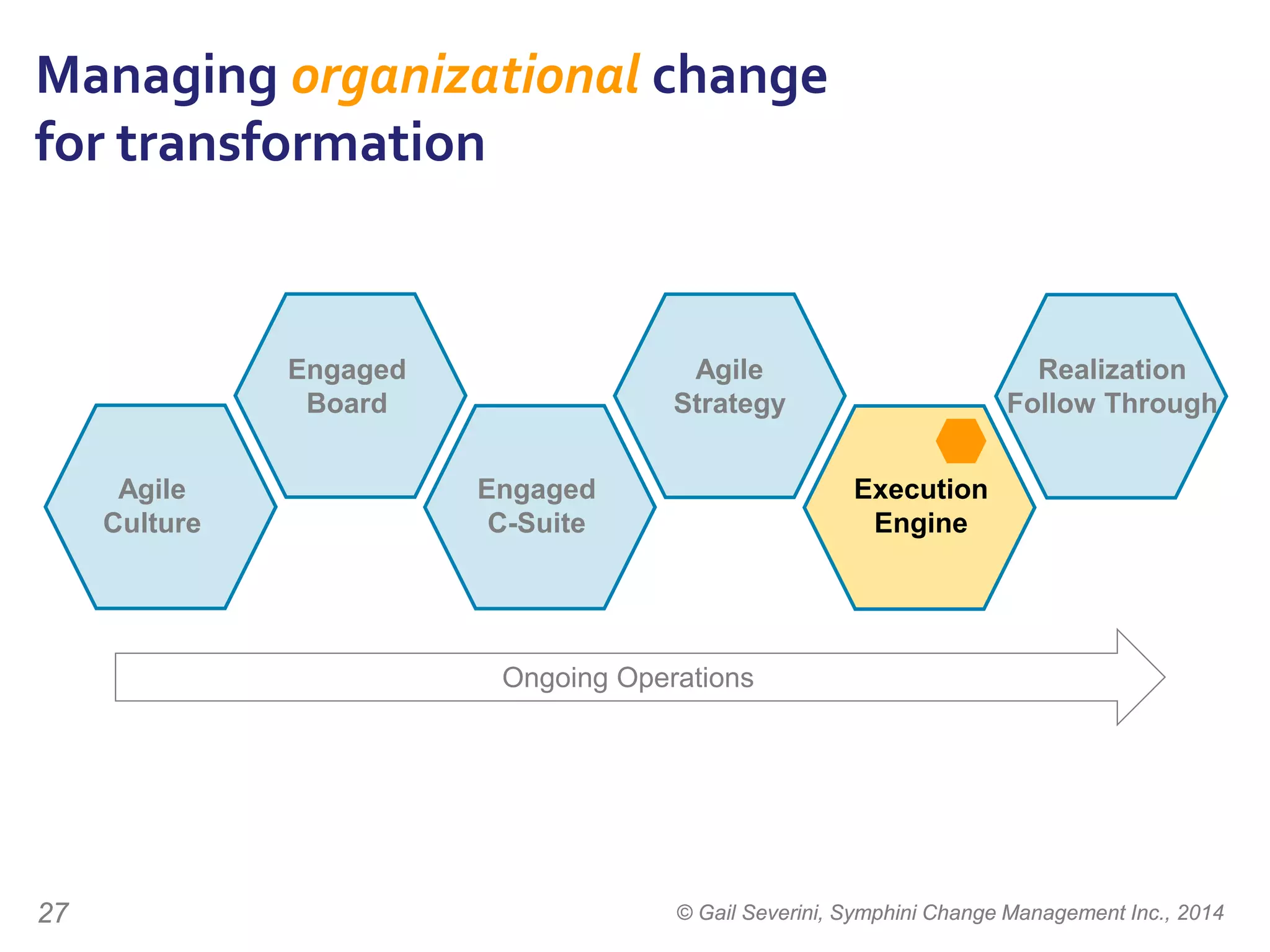
Ongoing Operations
Realization
Follow Through
Agile
Strategy
Engaged
Board
Execution
Engine
Engaged
C-Suite
Agile
Culture
Managing organizational change
for transformation
© Gail Severini, Symphini Change Management Inc., 201428
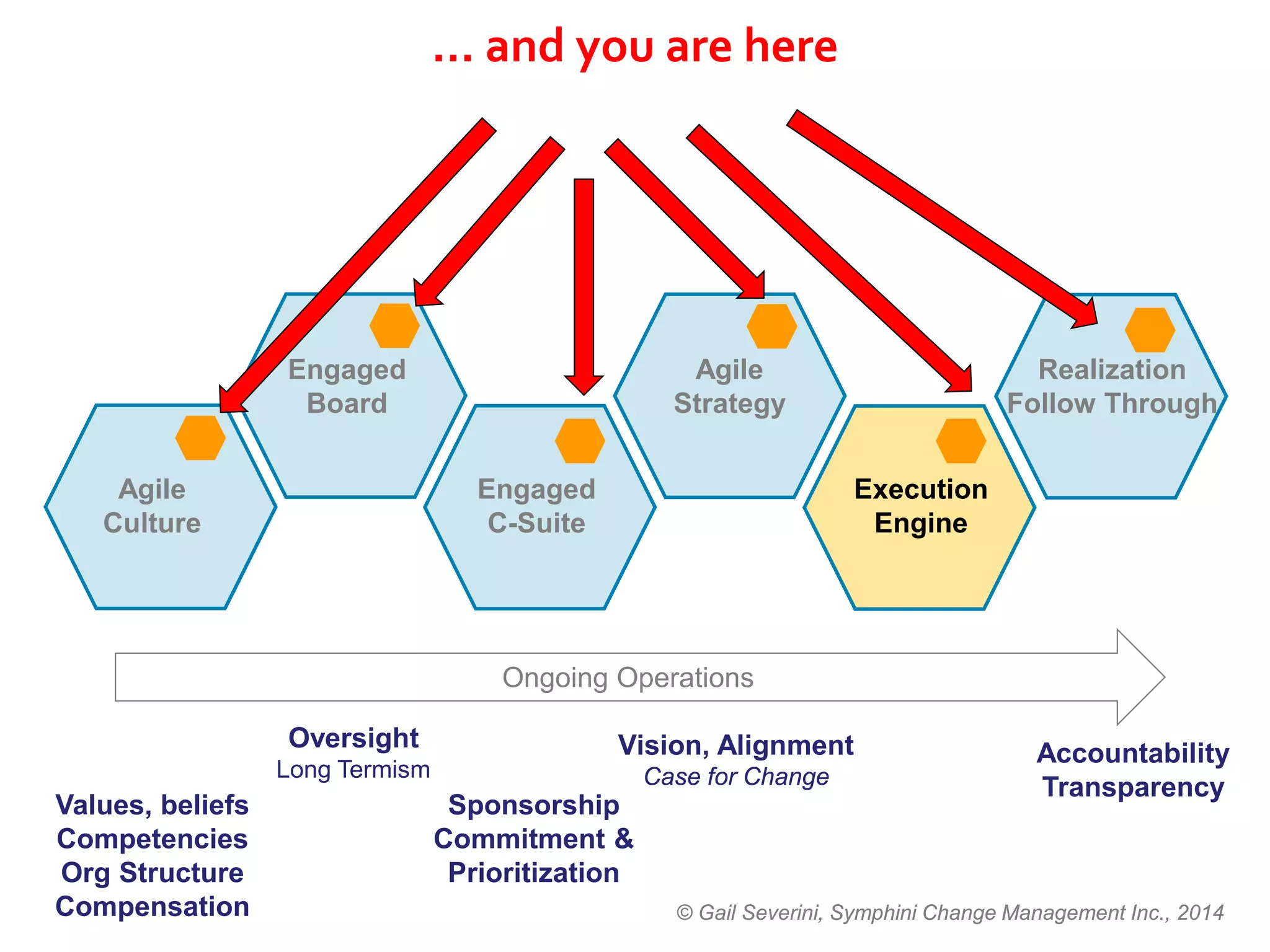
Ongoing Operations
Realization
Follow Through
Agile
Strategy
Engaged
Board
Execution
Engine
Engaged
C-Suite
Agile
Culture
… and you are here
Oversight
Long Termism
Sponsorship
Commitment &
Prioritization
Values, beliefs
Competencies
Org Structure
Compensation
Vision, Alignment
Case for Change
Accountability
Transparency
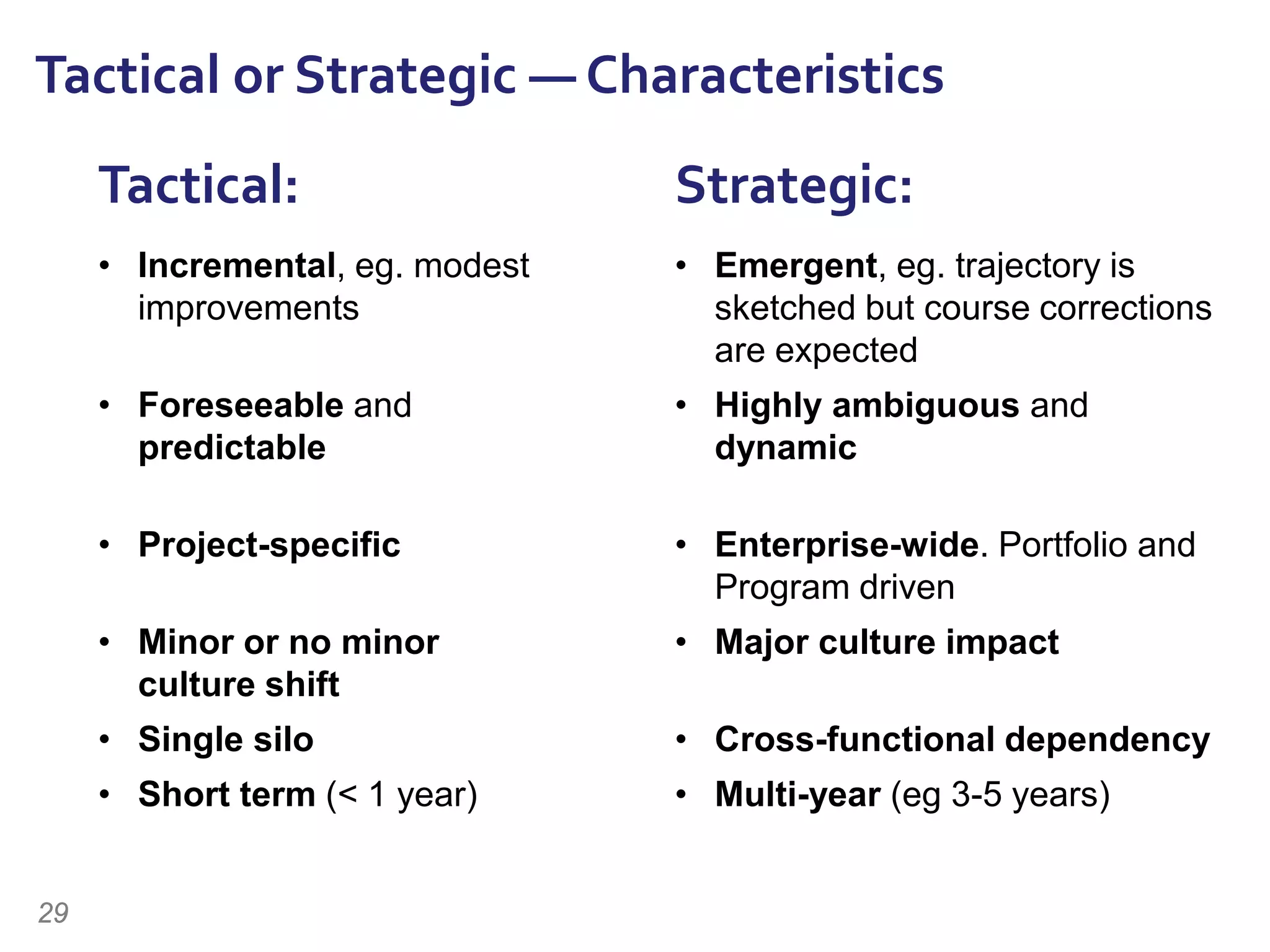
Tactical: Strategic:
• Incremental, eg. modest
improvements
• Emergent, eg. trajectory is
sketched but course corrections
are expected
• Foreseeable and
predictable
• Highly ambiguous and
dynamic
• Project-specific • Enterprise-wide. Portfolio and
Program driven
• Minor or no minor
culture shift
• Major culture impact
• Single silo • Cross-functional dependency
• Short term (< 1 year) • Multi-year (eg 3-5 years)
29
Tactical or Strategic — Characteristics



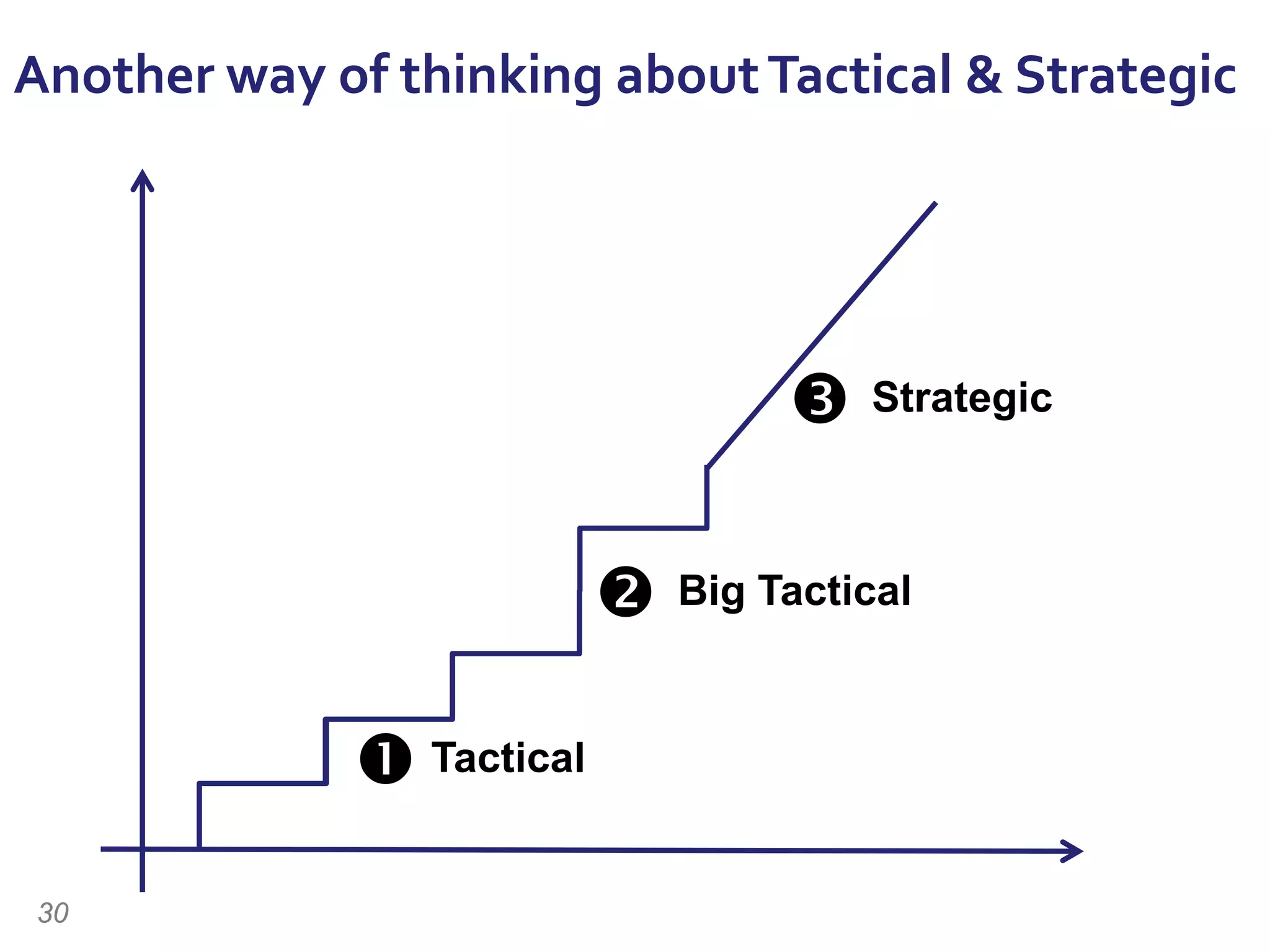
Tactical
Big Tactical
Strategic
Another way of thinking aboutTactical & Strategic
30
Let’s look
at a case
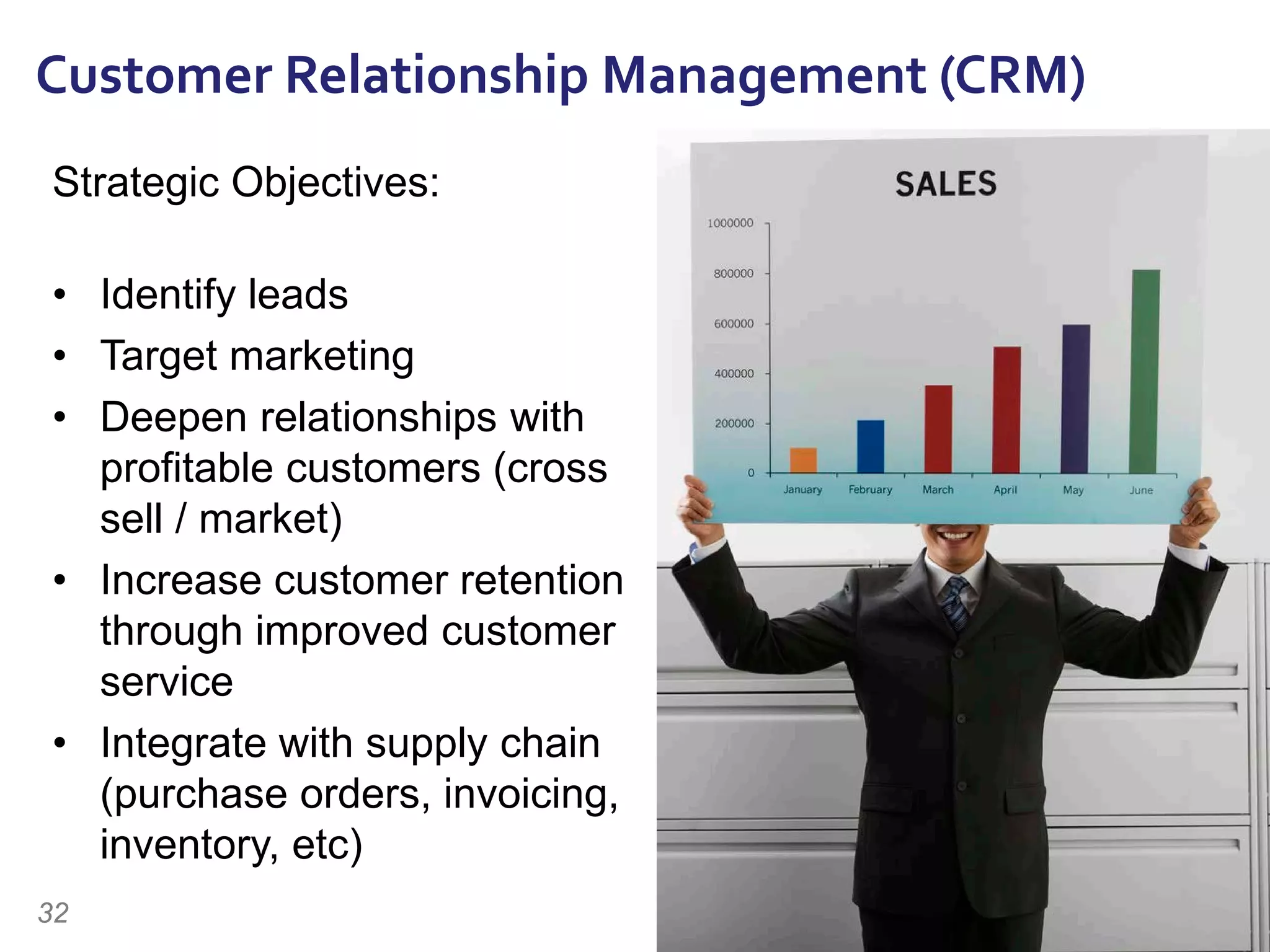
Strategic Objectives:
• Identify leads
• Target marketing
• Deepen relationships with
profitable customers (cross
sell / market)
• Increase customer retention
through improved customer
service
• Integrate with supply chain
(purchase orders, invoicing,
inventory, etc)
Customer Relationship Management (CRM)
32
Implementation:
1. CRM review, selection and vendor contracting
2. CRM system installation and customization
3. Data migration
4. Business Process Re-engineering
5. Organization Alignment (culture shift, organization design,
compensation plan review)
6. Training and support
Customer Relationship Management (CRM)
33
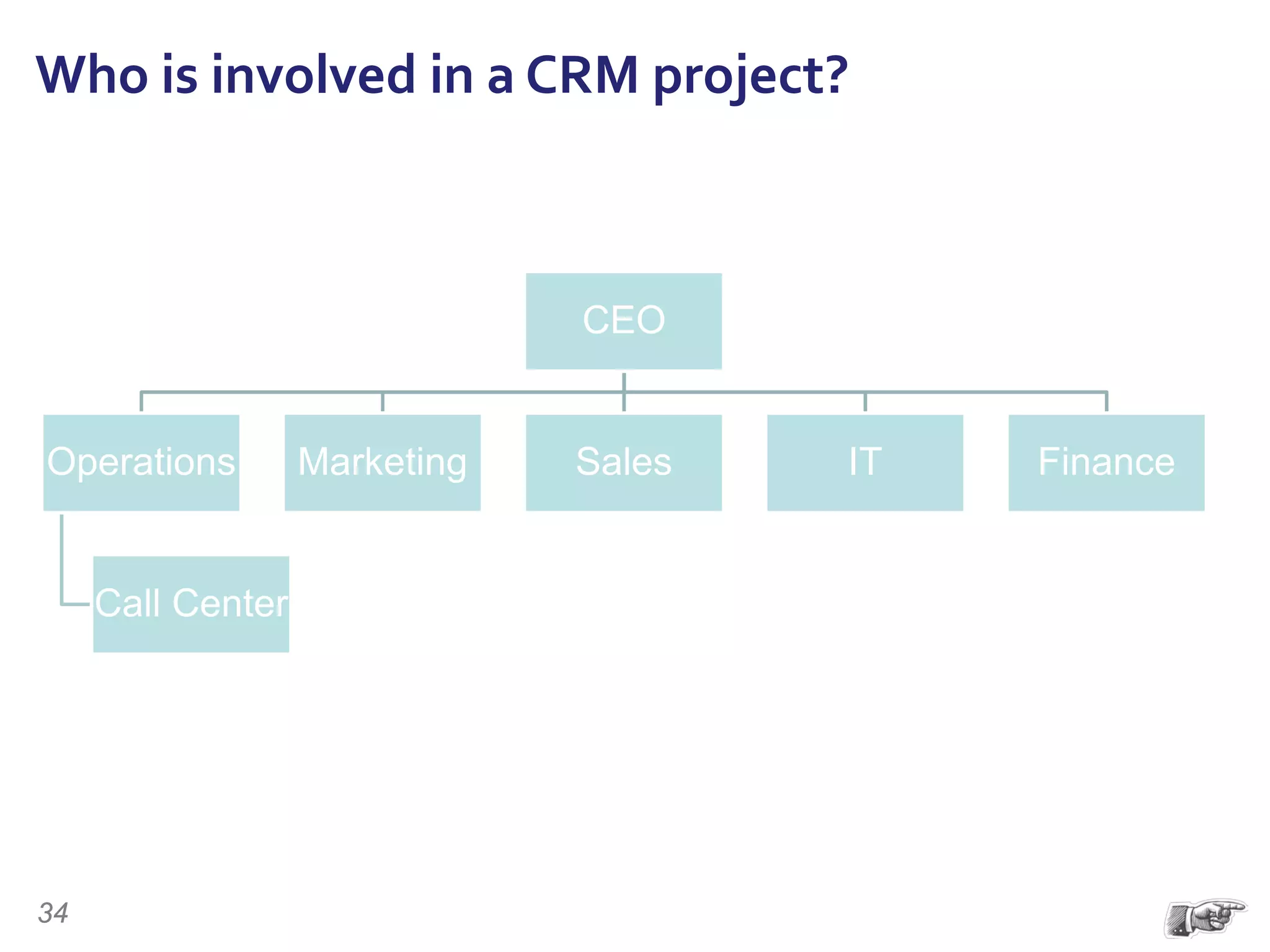
Who is involved in a CRM project?
CEO
Operations
Call Center
Marketing Sales IT Finance
34
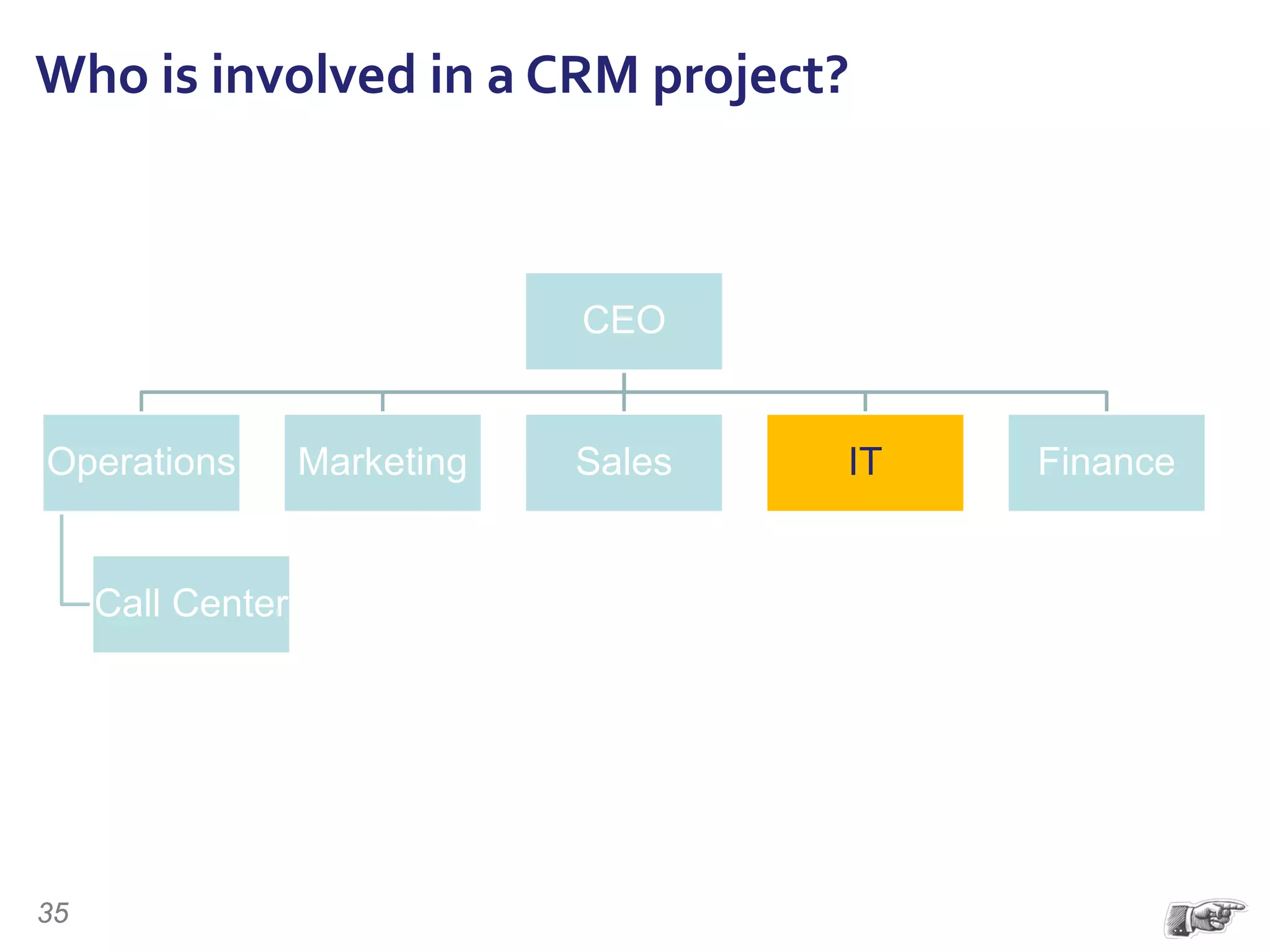
Who is involved in a CRM project?
CEO
Operations
Call Center
Marketing Sales IT Finance
35
Who is involved in a CRM project?
CEO
Operations
Call Center
Marketing Sales IT Finance
36
Who is involved in a CRM project?
CEO
Operations
Call Center
Marketing Sales IT Finance
37
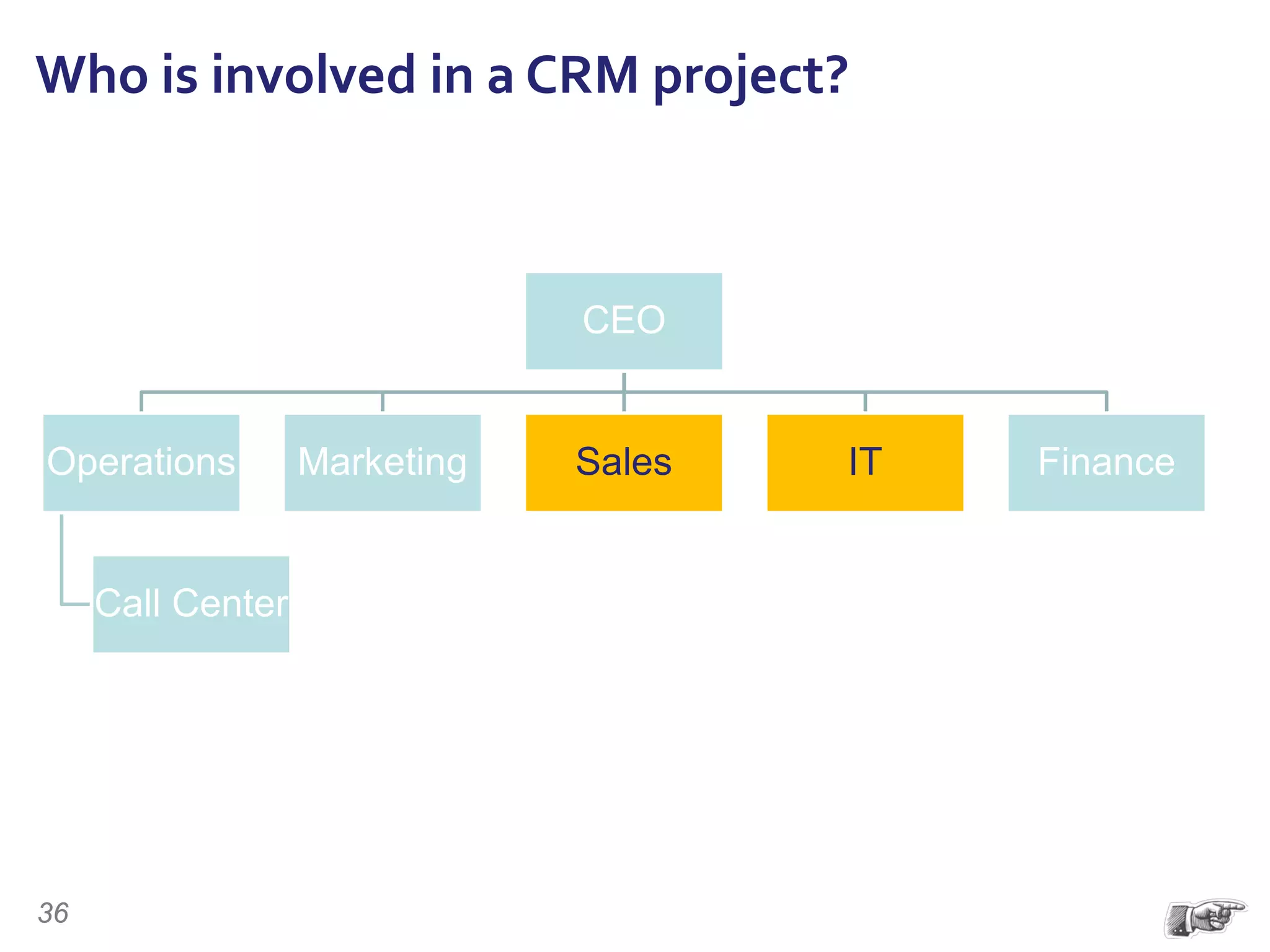
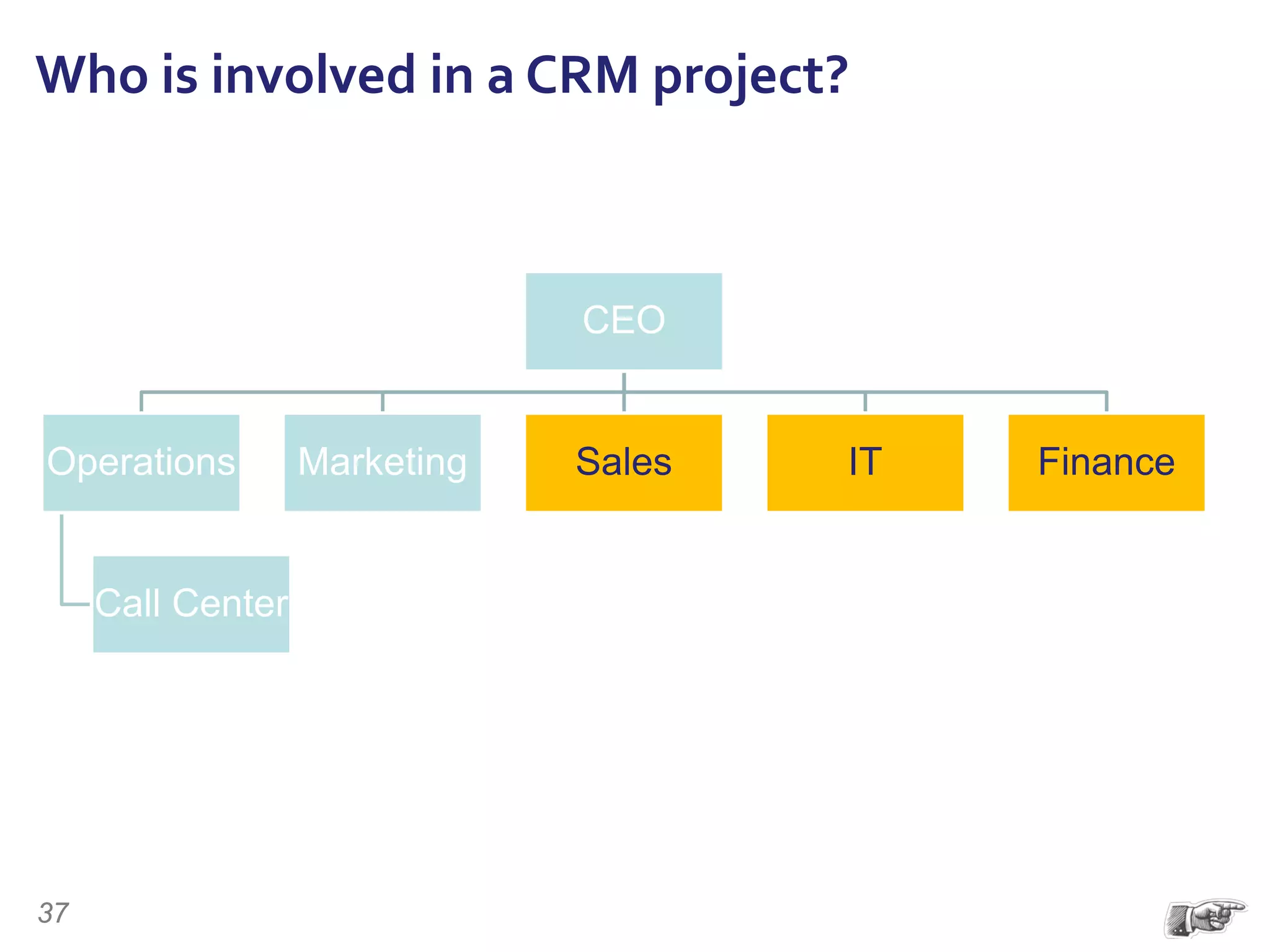
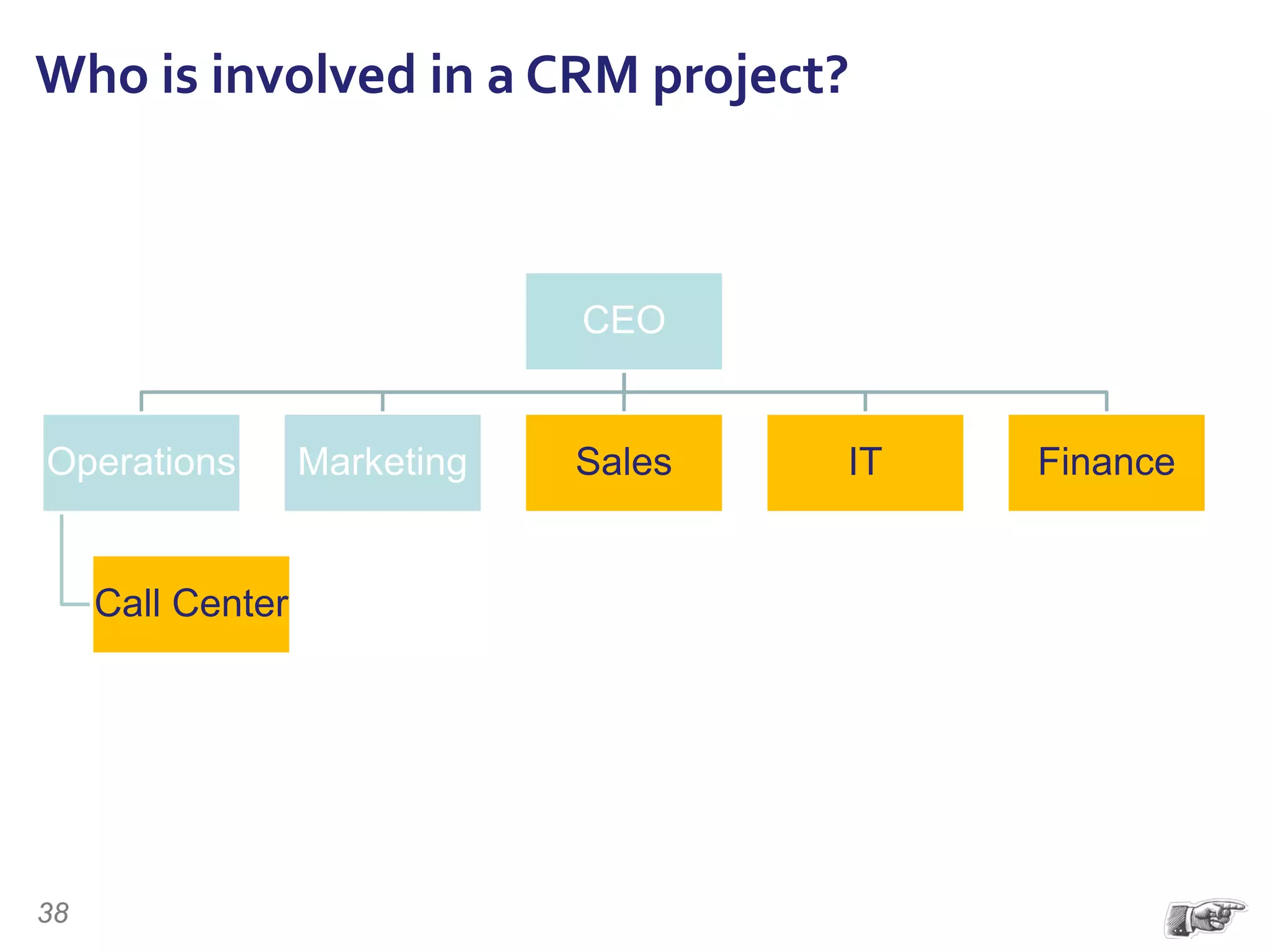
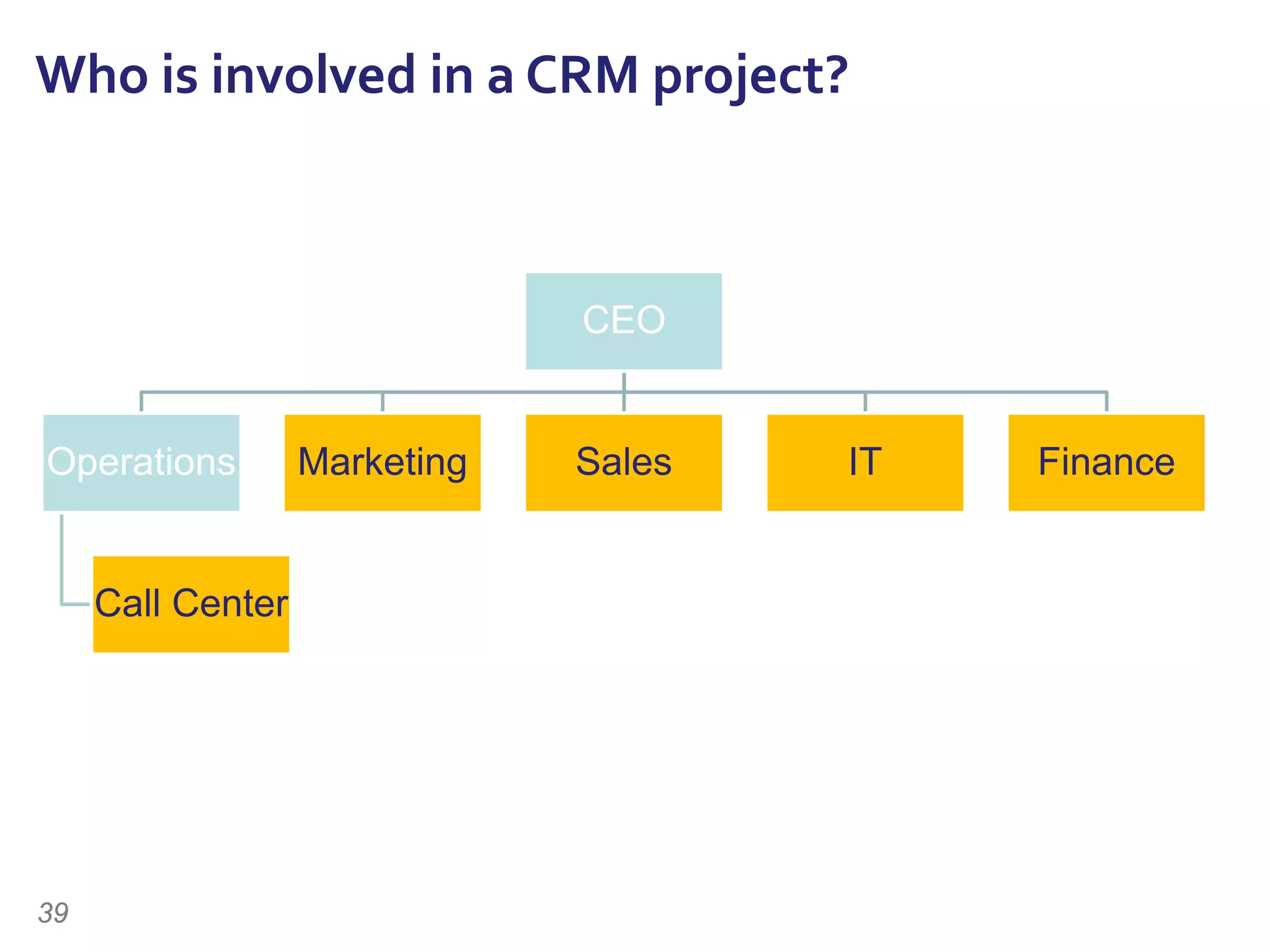
Who is involved in a CRM project?
CEO
Operations
Call Center
Marketing Sales IT Finance
38
Who is involved in a CRM project?
CEO
Operations
Call Center
Marketing Sales IT Finance
39
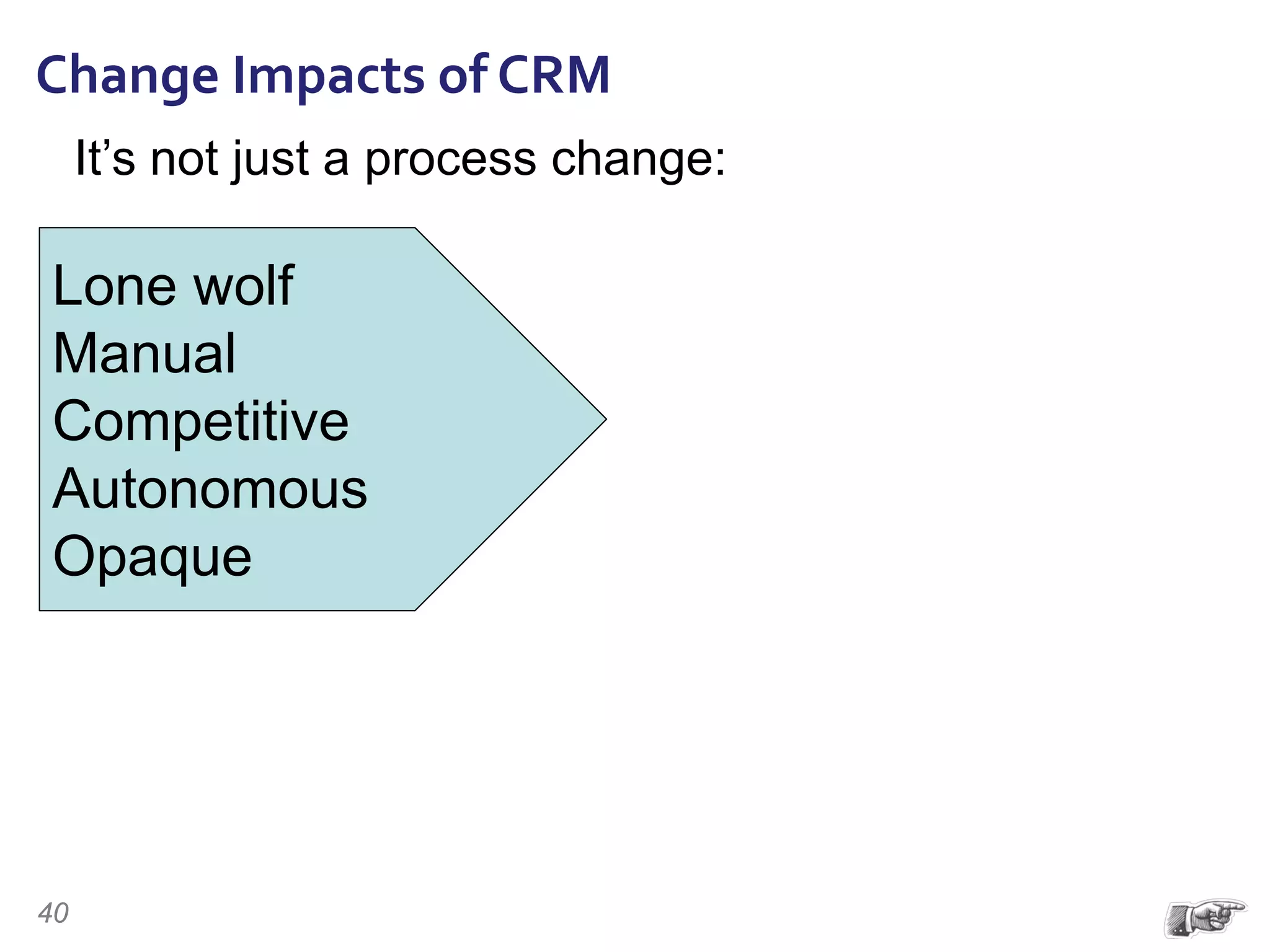
It’s not just a process change:
Lone wolf
Manual
Competitive
Autonomous
Opaque
Change Impacts of CRM
40
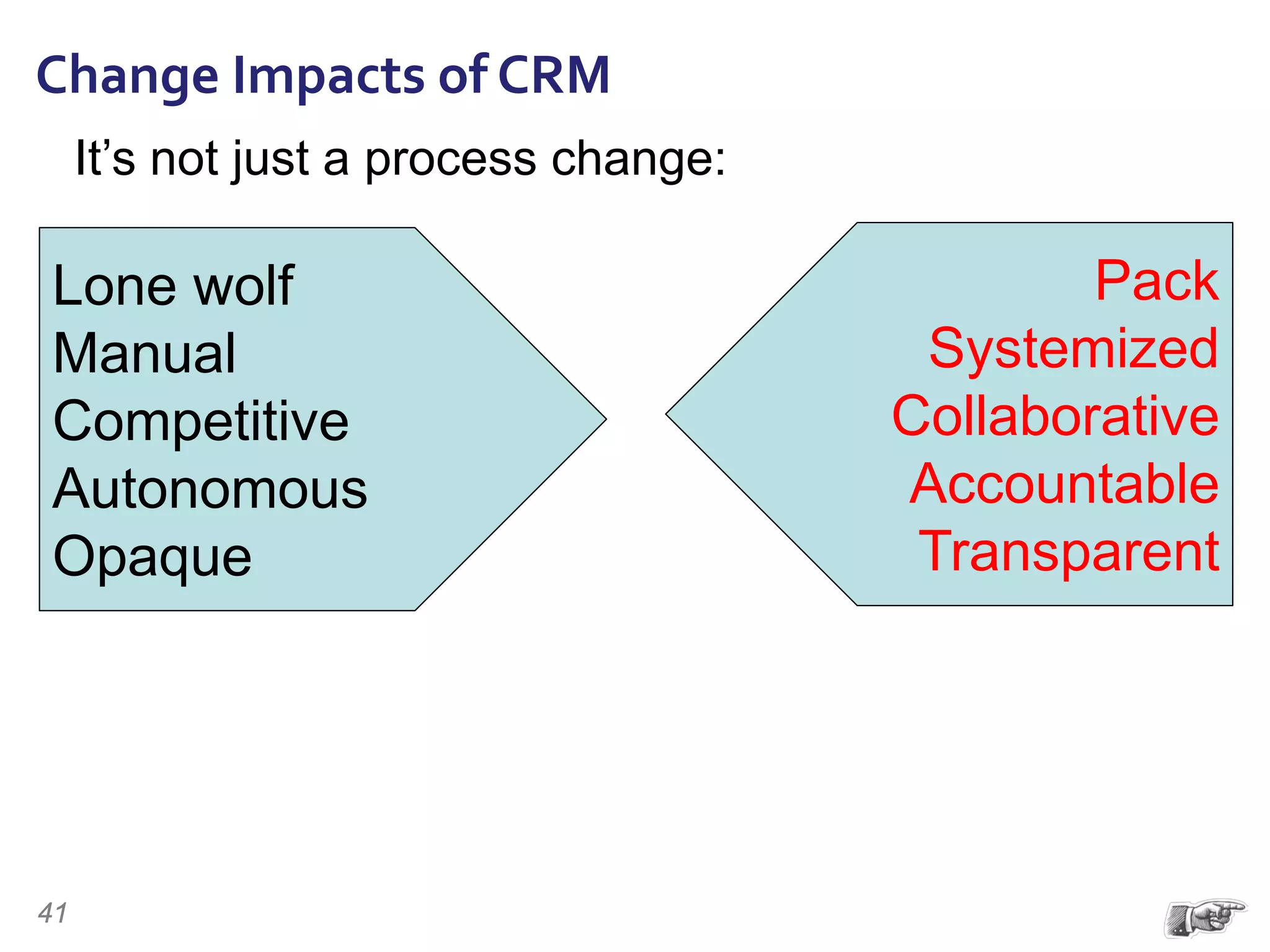
It’s not just a process change:
Lone wolf
Manual
Competitive
Autonomous
Opaque
Pack
Systemized
Collaborative
Accountable
Transparent
41
Change Impacts of CRM
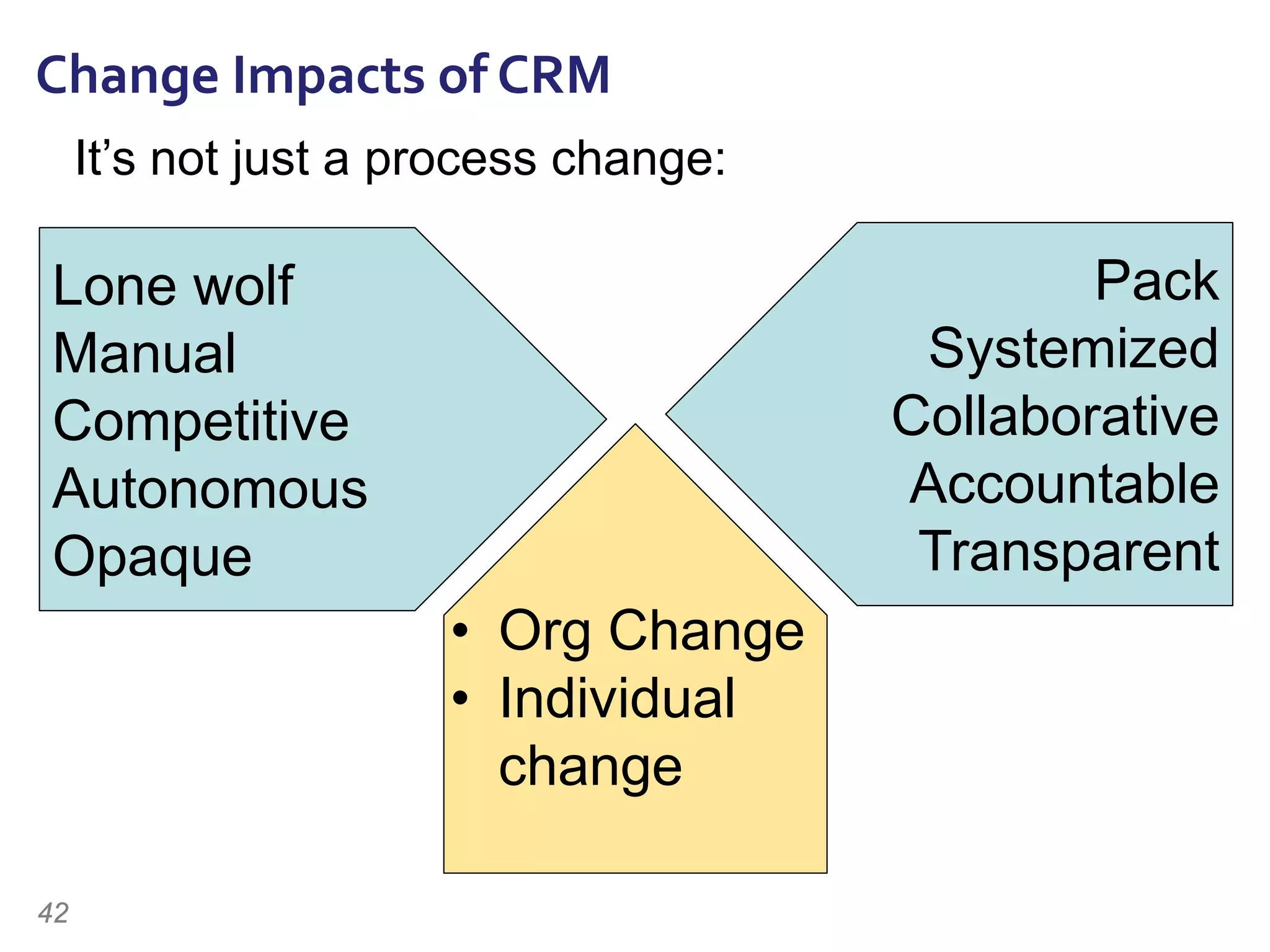
It’s not just a process change:
Lone wolf
Manual
Competitive
Autonomous
Opaque
Pack
Systemized
Collaborative
Accountable
Transparent
• Org Change
• Individual
change
42
Change Impacts of CRM
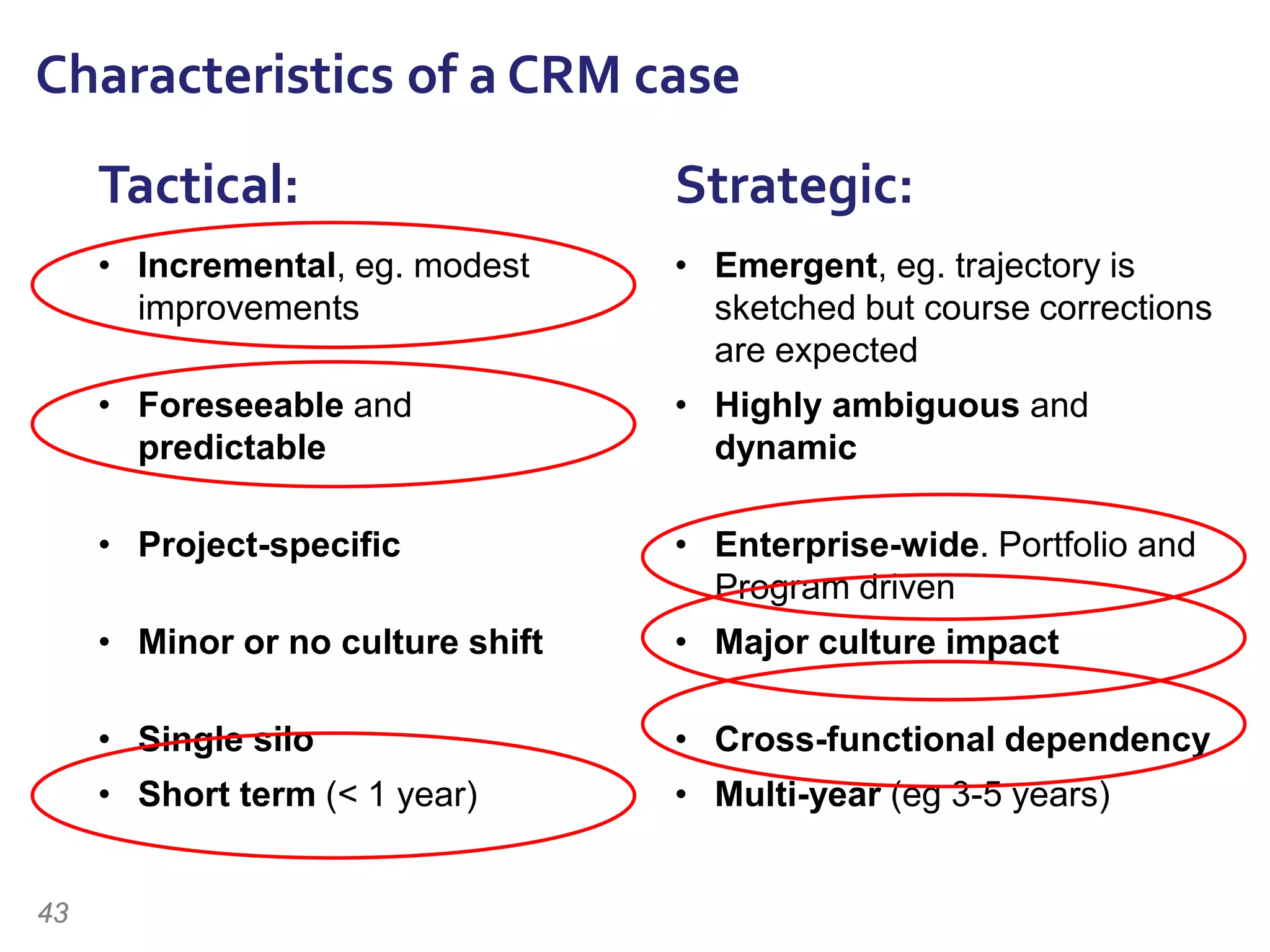
Tactical: Strategic:
• Incremental, eg. modest
improvements
• Emergent, eg. trajectory is
sketched but course corrections
are expected
• Foreseeable and
predictable
• Highly ambiguous and
dynamic
• Project-specific • Enterprise-wide. Portfolio and
Program driven
• Minor or no culture shift • Major culture impact
• Single silo • Cross-functional dependency
• Short term (< 1 year) • Multi-year (eg 3-5 years)
43
Characteristics of a CRM case
Survey says?
www.tv.com
Thank you!
Gail Severini
Symphini Change Management Inc.
gailseverini@symphini.com
416-845-3040
www.symphini.com
ca.linkedin.com/in/gailseverini/
@gailseverini

Is change management tactical or strategic v6

  • 1.
    Is Change Management StrategicorTactical? May 5th 2014 Gail Severini Managing Director, Symphini Change Management Inc.
  • 2.
    “Strategy without tactics isthe slowest route to victory. Tactics without strategy is the noise before defeat.” ―Sun Tzu, The Art of War 2
  • 3.
    3 Agenda: 1. Getting perspective:“zoom out” to “zoom in” 2. What does it take to transform an organization? • The Outperform Model 3. Where is Change Management? • One perspective: the world according to ACMP • A second look at the Outperform Model 4. Tactical or Strategic — Characteristics 5. Application: let’s look at CRM 6. Survey says? Strategic or Tactical?
  • 4.
  • 5.
  • 6.
  • 7.
  • 8.
  • 9.
  • 10.
    Zoom out to: “Whatdoes it take to TRANSFORM an organization?” Then we can see where Change Management fits. 10
  • 11.
    © Gail Severini,Symphini Change Management Inc., 201411 What does it take to transform an organization? Where is Strategy?Where is Change Management? Ongoing Operations RealizationStrategyBoard ExecutionC-SuiteCulture The “Outperform” Model
  • 12.
    © Gail Severini,Symphini Change Management Inc., 201412 BTW: specific attributes of the components Ongoing Operations Realization Follow Through Agile Strategy Engaged Board Execution Engine Engaged C-Suite Agile Culture The “Outperform” Model
  • 13.
    OUTPERFORM Working on anyof these components will improve results ... The secret is … [and] and, sub-optimization of any one of them will hinder your ability to outperform. 13
  • 14.
    So where isChange Management? 14
  • 15.
    2012 definition ofChange Management: “The application of knowledge, skills, abilities, methodologies, processes, tools, and techniques to transition an individual or group from a current state to a desired future state, such that the desired outcomes and/or business objectives are achieved.” 15
  • 16.
    © Gail Severini,Symphini Change Management Inc., 201416 So where is Execution? Ongoing Operations Realization Follow Through Agile Strategy Engaged Board Execution Engine Engaged C-Suite Agile Culture The “Outperform” Model
  • 17.
    17 Project Management Change Management Business Analysis Lean / SixSigma Stakeholder Management Strategic Clarity Communications Training Solution Design Case for Change Organizational Alignment Readiness Preparation Metrics Tracking & Course Corrections Inside the Execution Engine Representative disciplines and activities.
  • 18.
    18 Project Management Change Management Business Analysis Lean / SixSigma Stakeholder Management Strategic Clarity Communications Training Solution Design Case for Change Organizational Alignment Readiness Preparation Metrics Tracking & Course Corrections You are here Inside the Execution Engine Representative disciplines and activities.
  • 19.
  • 20.
    The world accordingto ACMP 20 “The Standard” Table of Contents Draft Jan 2014 (con’t) 5. Change Management Process 5.1 Evaluate Change Impact and Organizational Readiness 5.2 Formulate Change Management Strategy 5.3 Develop the Change Management Plan 5.4 Execute the Change Management Plan 5.5 Close the project, transfer ownership, release resources
  • 21.
    Chapter 5. ChangeManagement Process (Con’d) 5.1 Evaluate Change Impact and Organizational Readiness, eg: • Define Vision of Future State, Goals, Success Criteria • Identify Stakeholders and Sponsors • Assess degree of change, organization culture, capacity • Define communications and learning needs • Assess risks 21
  • 22.
    Chapter 5. ChangeManagement Process (Con’d) 5.2 Formulate Change Management Strategy • Sponsorship • Stakeholder Engagement • Learning and Development • Change Risk Mitigation • Measurement and Benefits Realization • Transition • Sustainability 22
  • 23.
    Chapter 5. ChangeManagement Process (Con’d) 5.3 Develop the Change Management Plan • Resource Plan • Sponsorship Plan • Stakeholder Plan • Stakeholder Engagement Plan • Learning and Development Plan • Change Risk Mitigation Plan • Measurement and Benefits Realization Plan • Transition Plan • Sustainability Plan • Integrate Change Management and Project Management Plans • Develop Feedback Mechanisms to Monitor Performance To Plans 23
  • 24.
    Chapter 5. ChangeManagement Process (Con’d) 5.4 Execute the Change Management Plan • Execute Resource Plan • Execute Communications Plan • Execute Sponsorship Plan • Execute Stakeholder Plan • Execute Stakeholder Engagement Plan • Execute Learning and Development Plan • Execute Change Risk Mitigation Plan • Execute Measurement and Benefits Realization Plan • Execute Transition Plan • Execute Sustainability Plan • Close the Change Management Effort – Lessons Learned 24
  • 25.
    Chapter 5. ChangeManagement Process (Con’d) 5.5 Close the project, transfer ownership, release resources 25
  • 26.
    A note ofcaution The ACMP “Standard” takes a very “per project” perspective, i.e. this is only one project. Of course in the average organization there are many such projects happening concurrently. In mature organizations this “portfolio” of change is also managed. 26
  • 27.
    © Gail Severini,Symphini Change Management Inc., 201427 Ongoing Operations Realization Follow Through Agile Strategy Engaged Board Execution Engine Engaged C-Suite Agile Culture Managing organizational change for transformation
  • 28.
    © Gail Severini,Symphini Change Management Inc., 201428 Ongoing Operations Realization Follow Through Agile Strategy Engaged Board Execution Engine Engaged C-Suite Agile Culture … and you are here Oversight Long Termism Sponsorship Commitment & Prioritization Values, beliefs Competencies Org Structure Compensation Vision, Alignment Case for Change Accountability Transparency
  • 29.
    Tactical: Strategic: • Incremental,eg. modest improvements • Emergent, eg. trajectory is sketched but course corrections are expected • Foreseeable and predictable • Highly ambiguous and dynamic • Project-specific • Enterprise-wide. Portfolio and Program driven • Minor or no minor culture shift • Major culture impact • Single silo • Cross-functional dependency • Short term (< 1 year) • Multi-year (eg 3-5 years) 29 Tactical or Strategic — Characteristics
  • 30.
       Tactical Big Tactical Strategic Another wayof thinking aboutTactical & Strategic 30
  • 31.
  • 32.
    Strategic Objectives: • Identifyleads • Target marketing • Deepen relationships with profitable customers (cross sell / market) • Increase customer retention through improved customer service • Integrate with supply chain (purchase orders, invoicing, inventory, etc) Customer Relationship Management (CRM) 32
  • 33.
    Implementation: 1. CRM review,selection and vendor contracting 2. CRM system installation and customization 3. Data migration 4. Business Process Re-engineering 5. Organization Alignment (culture shift, organization design, compensation plan review) 6. Training and support Customer Relationship Management (CRM) 33
  • 34.
    Who is involvedin a CRM project? CEO Operations Call Center Marketing Sales IT Finance 34
  • 35.
    Who is involvedin a CRM project? CEO Operations Call Center Marketing Sales IT Finance 35
  • 36.
    Who is involvedin a CRM project? CEO Operations Call Center Marketing Sales IT Finance 36
  • 37.
    Who is involvedin a CRM project? CEO Operations Call Center Marketing Sales IT Finance 37
  • 38.
    Who is involvedin a CRM project? CEO Operations Call Center Marketing Sales IT Finance 38
  • 39.
    Who is involvedin a CRM project? CEO Operations Call Center Marketing Sales IT Finance 39
  • 40.
    It’s not justa process change: Lone wolf Manual Competitive Autonomous Opaque Change Impacts of CRM 40
  • 41.
    It’s not justa process change: Lone wolf Manual Competitive Autonomous Opaque Pack Systemized Collaborative Accountable Transparent 41 Change Impacts of CRM
  • 42.
    It’s not justa process change: Lone wolf Manual Competitive Autonomous Opaque Pack Systemized Collaborative Accountable Transparent • Org Change • Individual change 42 Change Impacts of CRM
  • 43.
    Tactical: Strategic: • Incremental,eg. modest improvements • Emergent, eg. trajectory is sketched but course corrections are expected • Foreseeable and predictable • Highly ambiguous and dynamic • Project-specific • Enterprise-wide. Portfolio and Program driven • Minor or no culture shift • Major culture impact • Single silo • Cross-functional dependency • Short term (< 1 year) • Multi-year (eg 3-5 years) 43 Characteristics of a CRM case
  • 44.
  • 45.
    Thank you! Gail Severini SymphiniChange Management Inc. gailseverini@symphini.com 416-845-3040 www.symphini.com ca.linkedin.com/in/gailseverini/ @gailseverini