IOT FOR SMART WORLD
N Pavan Raj
2
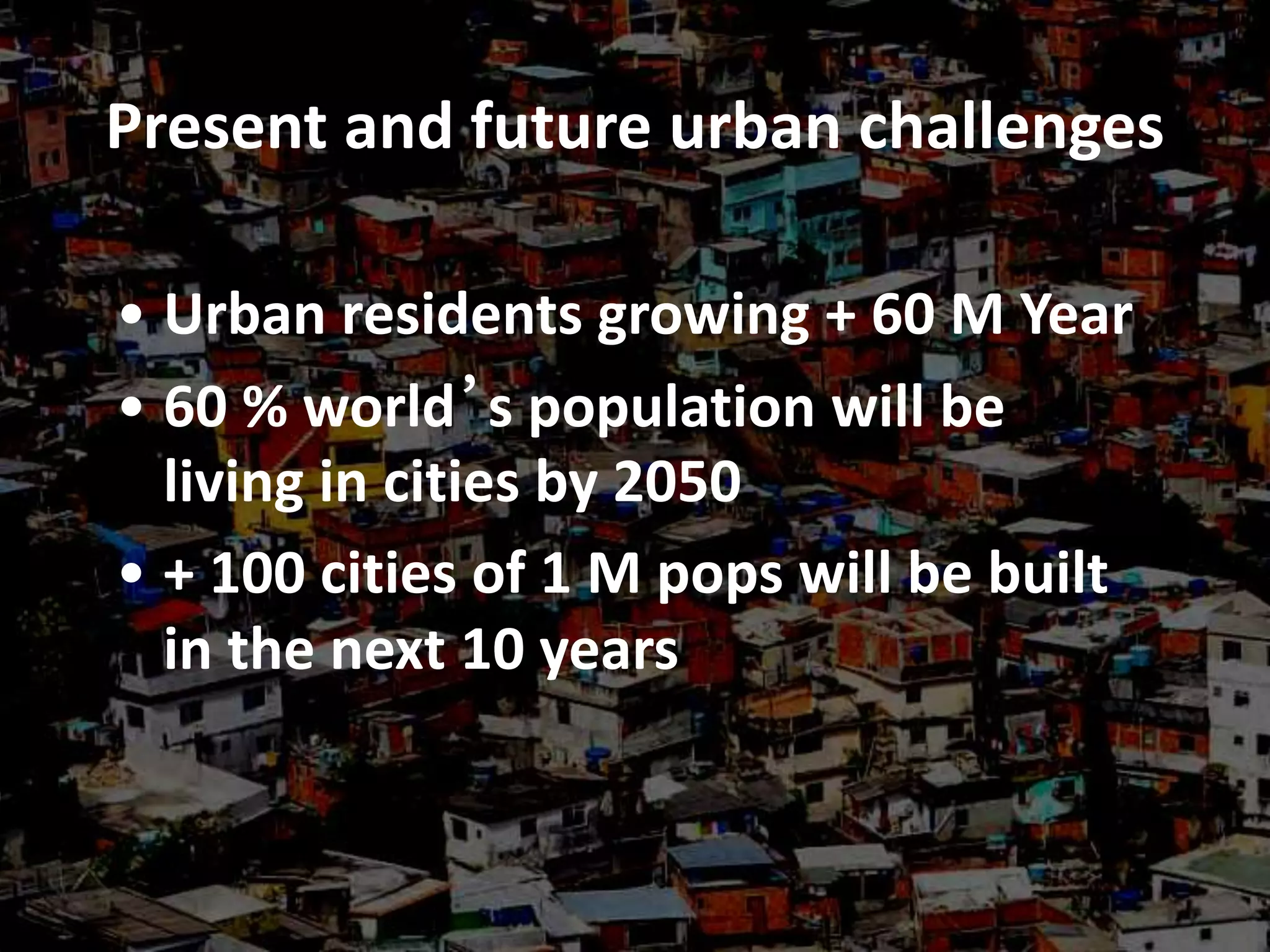
Present and future urban challenges
• Urban residents growing + 60 M Year
• 60 % world’s population will be
living in cities by 2050
• + 100 cities of 1 M pops will be built
in the next 10 years
SUBJECT
Internet of Things
Smart Cities
Ehealth
Cloud Computing
Big Data
Augmented Reality
SMART CITIES INITIATIVE
URBANIZATION CHALLENGE
 Purpose & Scope:
 Assist municipalities in managing this transition to urbanization.
 Raise awareness of the benefits and downsides of technology and help guide
the appropriate uses of technology.
 By engaging with IEEE, municipalities would be assured that the “best of
breed” technologies and standards are being utilized in their projects.
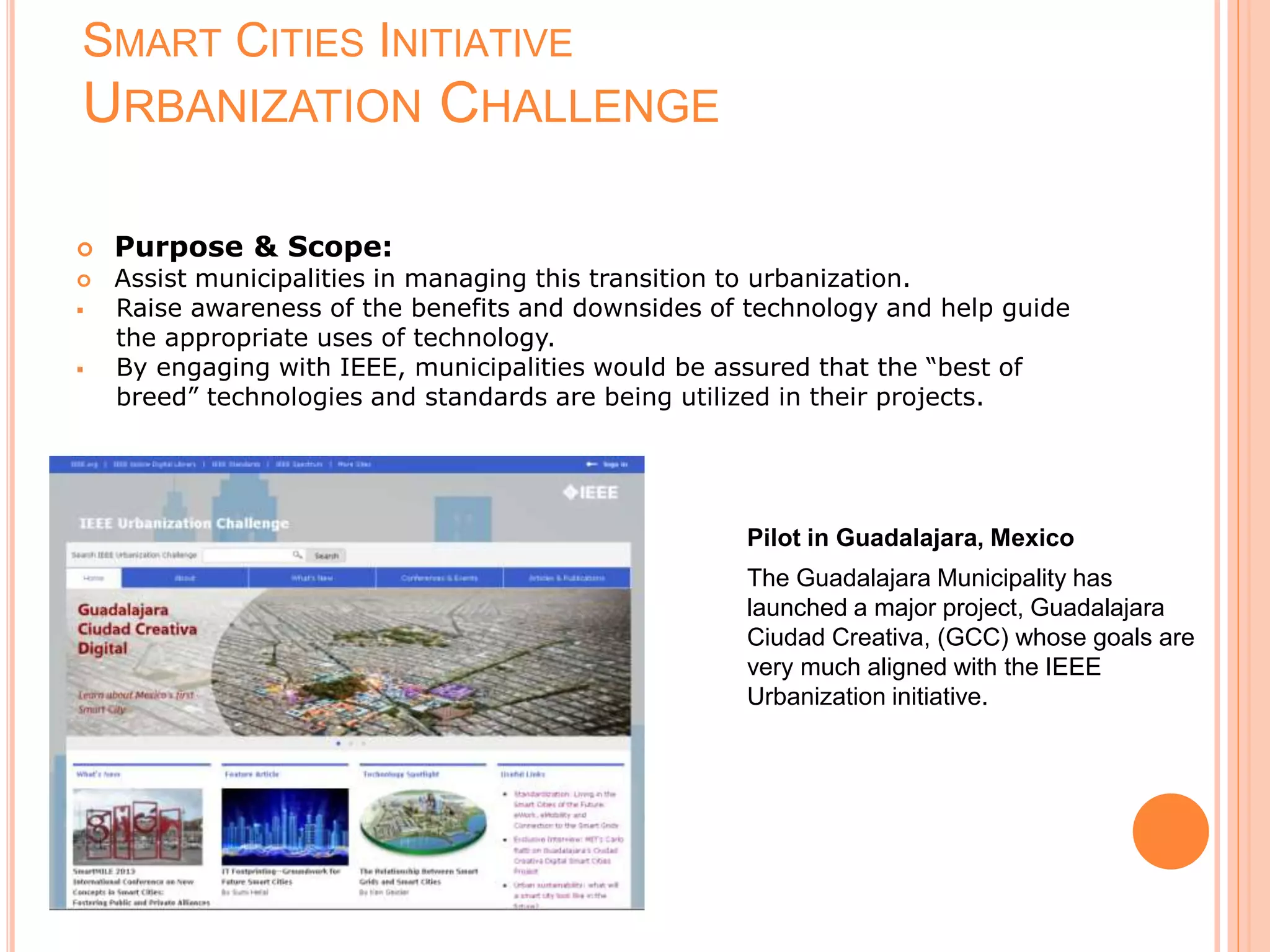
Pilot in Guadalajara, Mexico
The Guadalajara Municipality has
launched a major project, Guadalajara
Ciudad Creativa, (GCC) whose goals are
very much aligned with the IEEE
Urbanization initiative.
INITIATIVE OBJECTIVES
 The IEEE Smart Cities Initiative is a global, multi-disciplinary effort to:
 Create a vibrant and world wide network of cities, providing
education, insights and expertise
 Collaborate to share knowledge, experience and good practices
 Involve local governance, universities, industries and local
IEEE volunteers
 Assist municipalities in managing the transition to urbanization
 Raise awareness of the benefits and downsides of technology
and help guide the appropriate uses of technology
 Build collaboration with organizations
DELIVERABLES
 As a framework for the initiative
 Web Portal
 Knowledge Database : Whitepapers, applications, metrics, use cases, etc.
 On-Line Technical Community
 Dissemination through press releases, newsletter, conferences, social
media…
 For each of the selected cities
 Completion of workshops in cities planning or building a smart city
 Working groups and whitepapers
 Metrics to measure effectiveness of municipality efforts to evolve to Smart
City
 Published theses and doctoral dissertations from university students in each
city
 MOOCs Courses developed by the universities on jointly agreed upon topics
 Follow-on conferences
 Standards
IEEE STANDARDS ON SMART WORLD
INTELLIGENT TRANSPORTATION
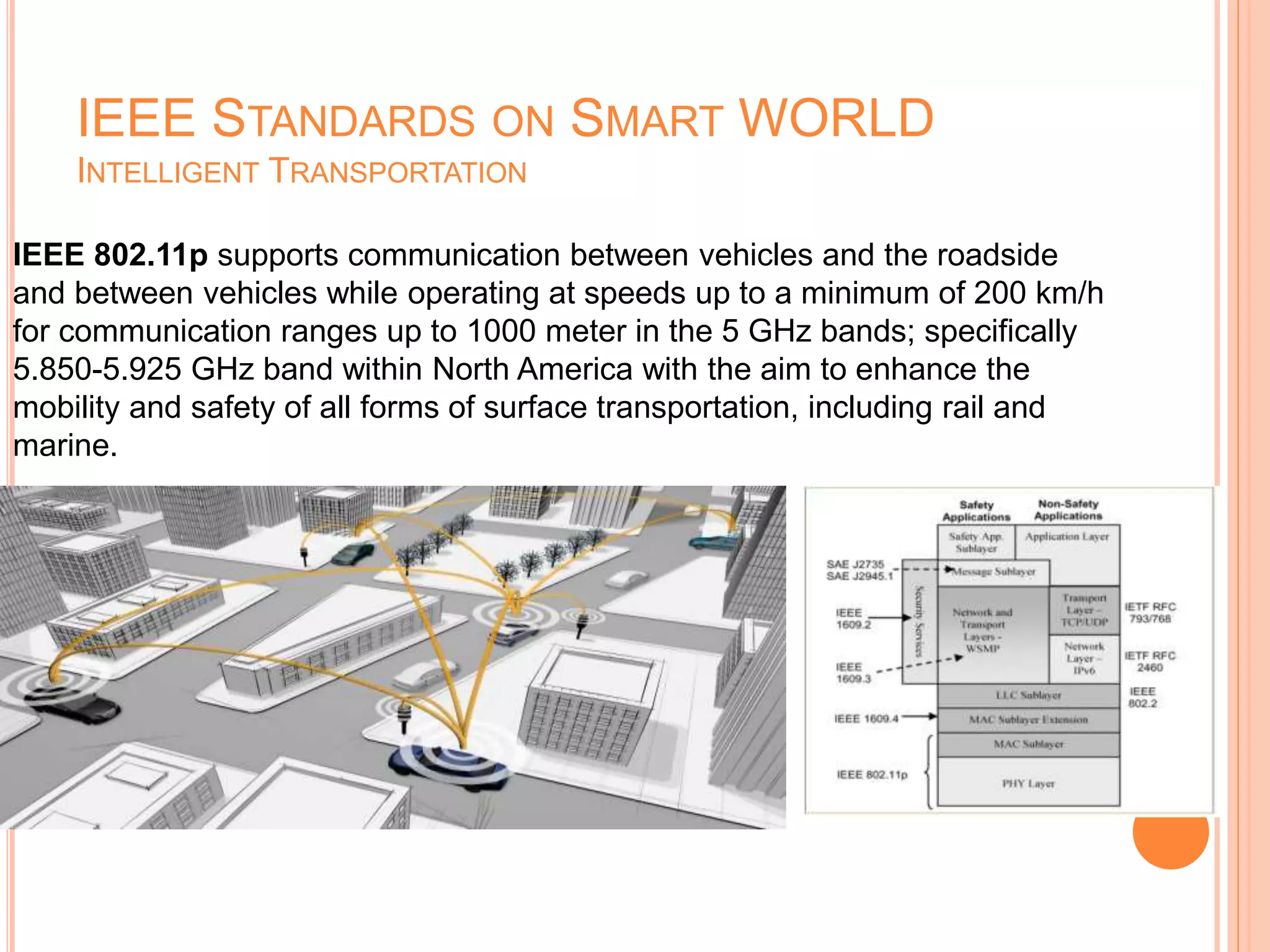
IEEE 802.11p supports communication between vehicles and the roadside
and between vehicles while operating at speeds up to a minimum of 200 km/h
for communication ranges up to 1000 meter in the 5 GHz bands; specifically
5.850-5.925 GHz band within North America with the aim to enhance the
mobility and safety of all forms of surface transportation, including rail and
marine.
IEEE STANDARDS ON SMART WORLD
 IEEE 1609 Family of Standards for Wireless Access in Vehicular Environments
(WAVE) define an architecture and a complementary, standardized set of services and
interfaces that collectively enable secure vehicle-to-vehicle (V2V) and vehicle-to-
infrastructure (V2I) wireless communications.
More information available at https://standards.ieee.org/develop/wg/1609_WG.html
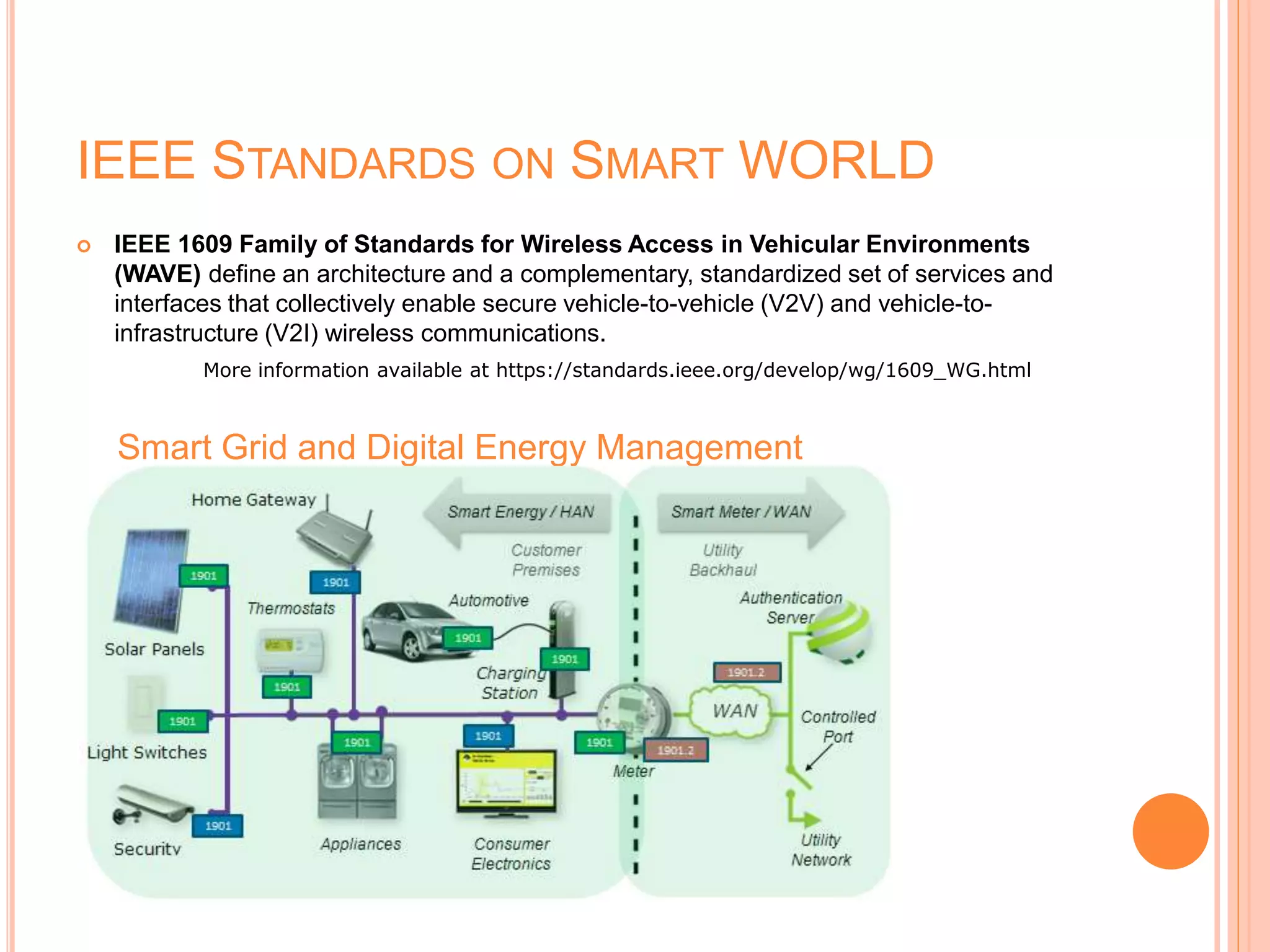
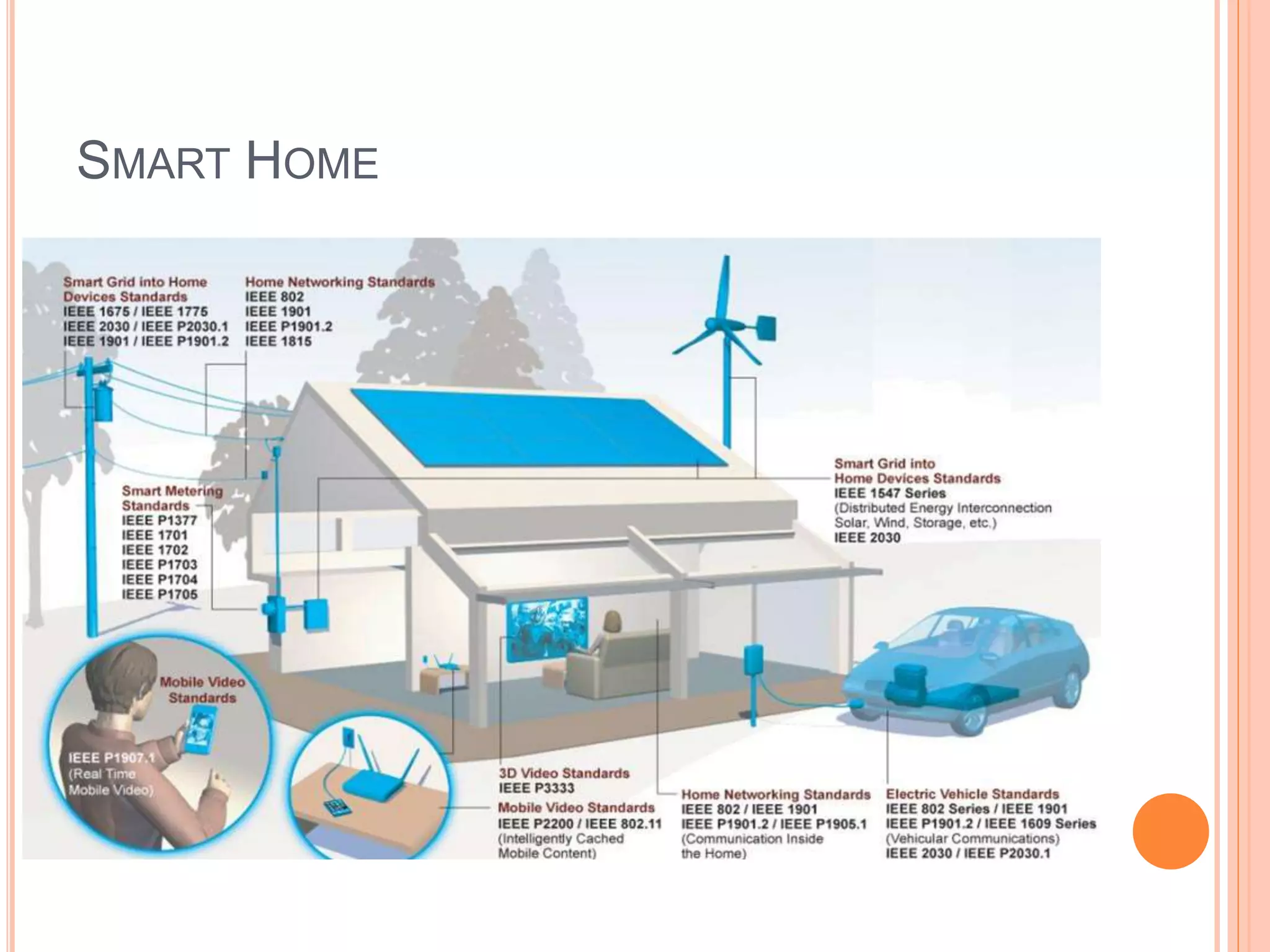
Smart Grid and Digital Energy Management
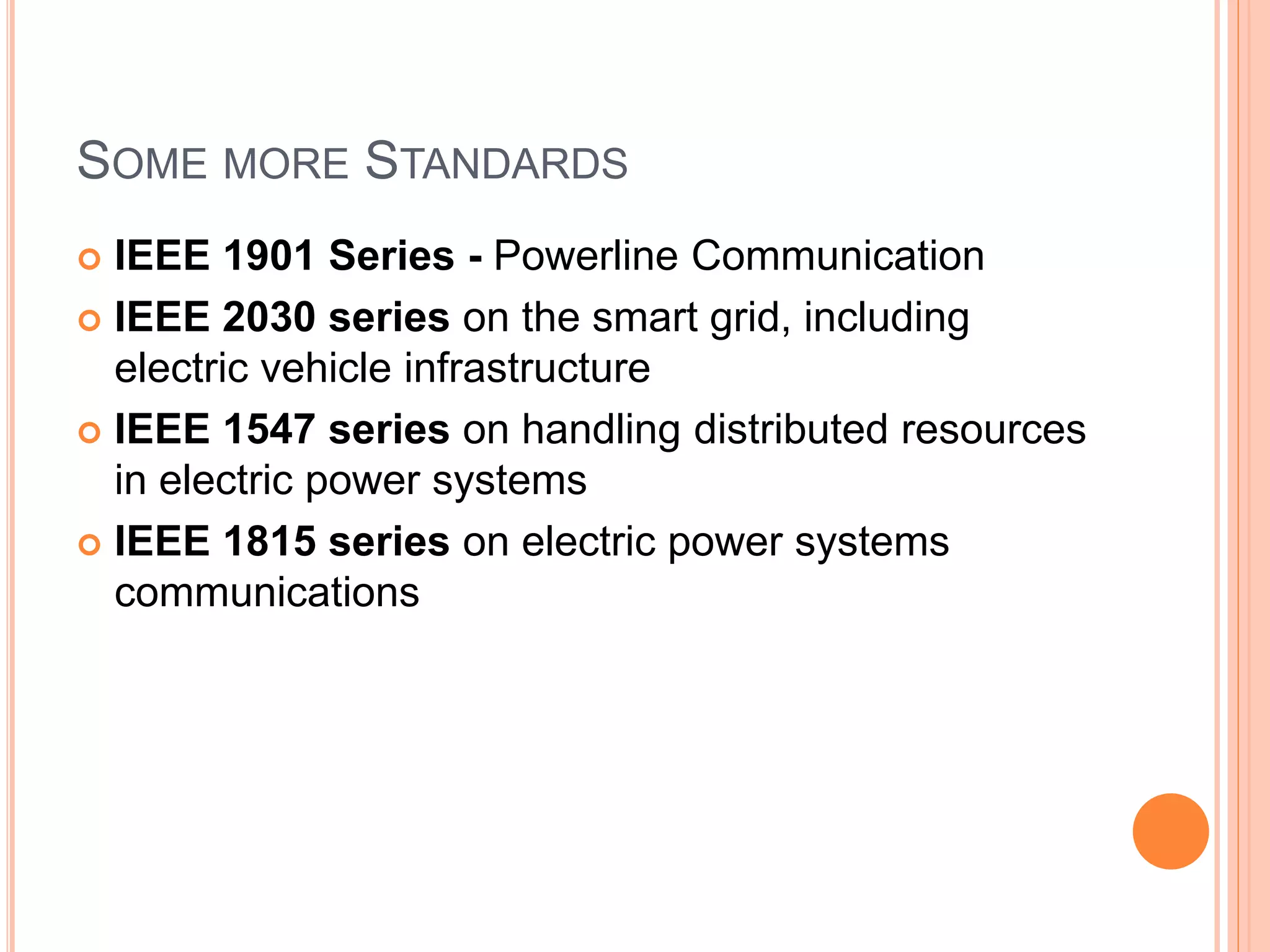
SOME MORE STANDARDS
 IEEE 1901 Series - Powerline Communication
 IEEE 2030 series on the smart grid, including
electric vehicle infrastructure
 IEEE 1547 series on handling distributed resources
in electric power systems
 IEEE 1815 series on electric power systems
communications
SMART HOME
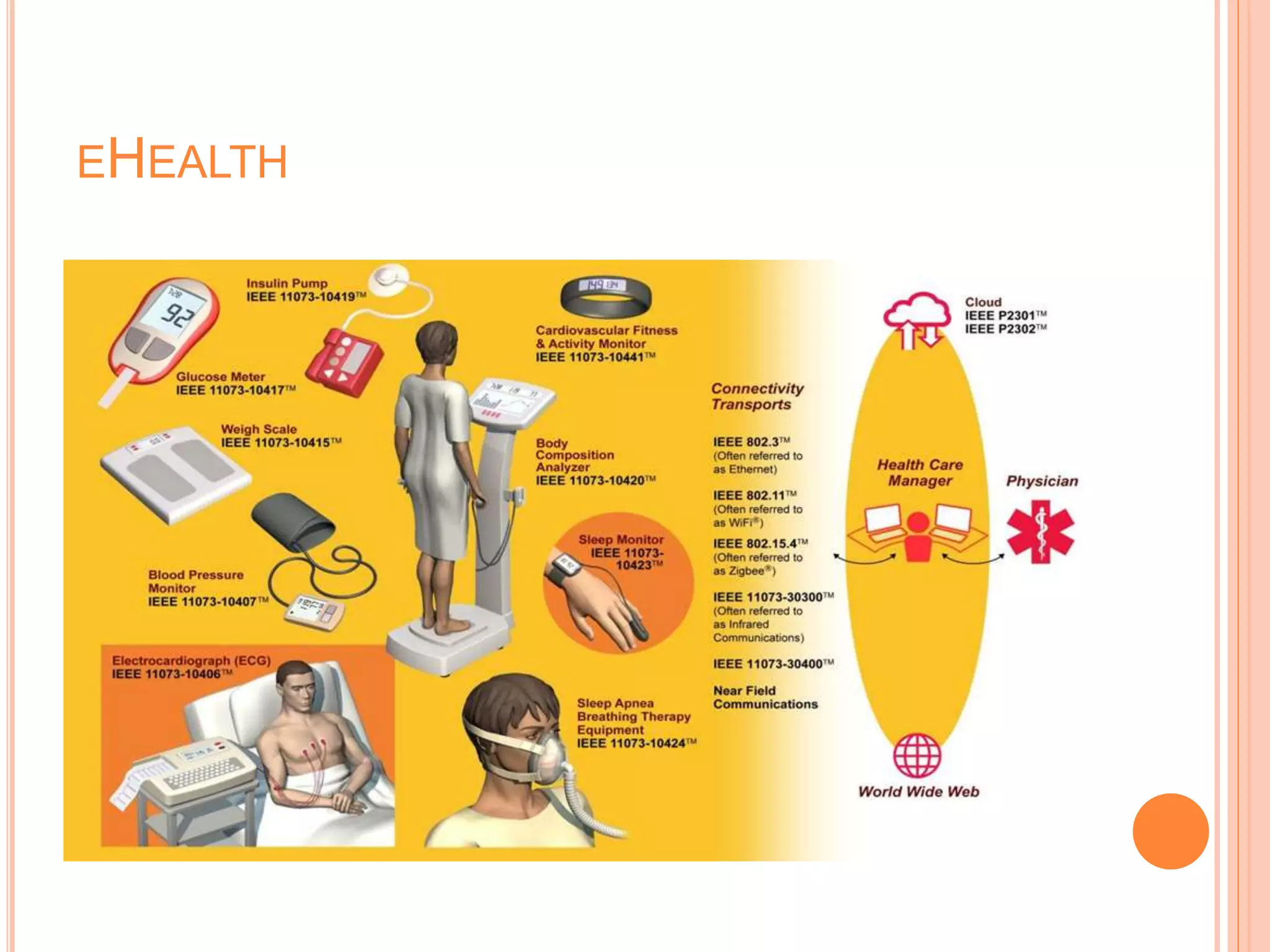
EHEALTH
VISION
To improve the quality of care and
wellbeing for every person globally
through the advancement of healthcare
technologies based on open and
interoperable standards
AR IN YOUR FUTURE
Google VR
Samsung VR
Hololens
Virtual offices and workspaces
Healthcare
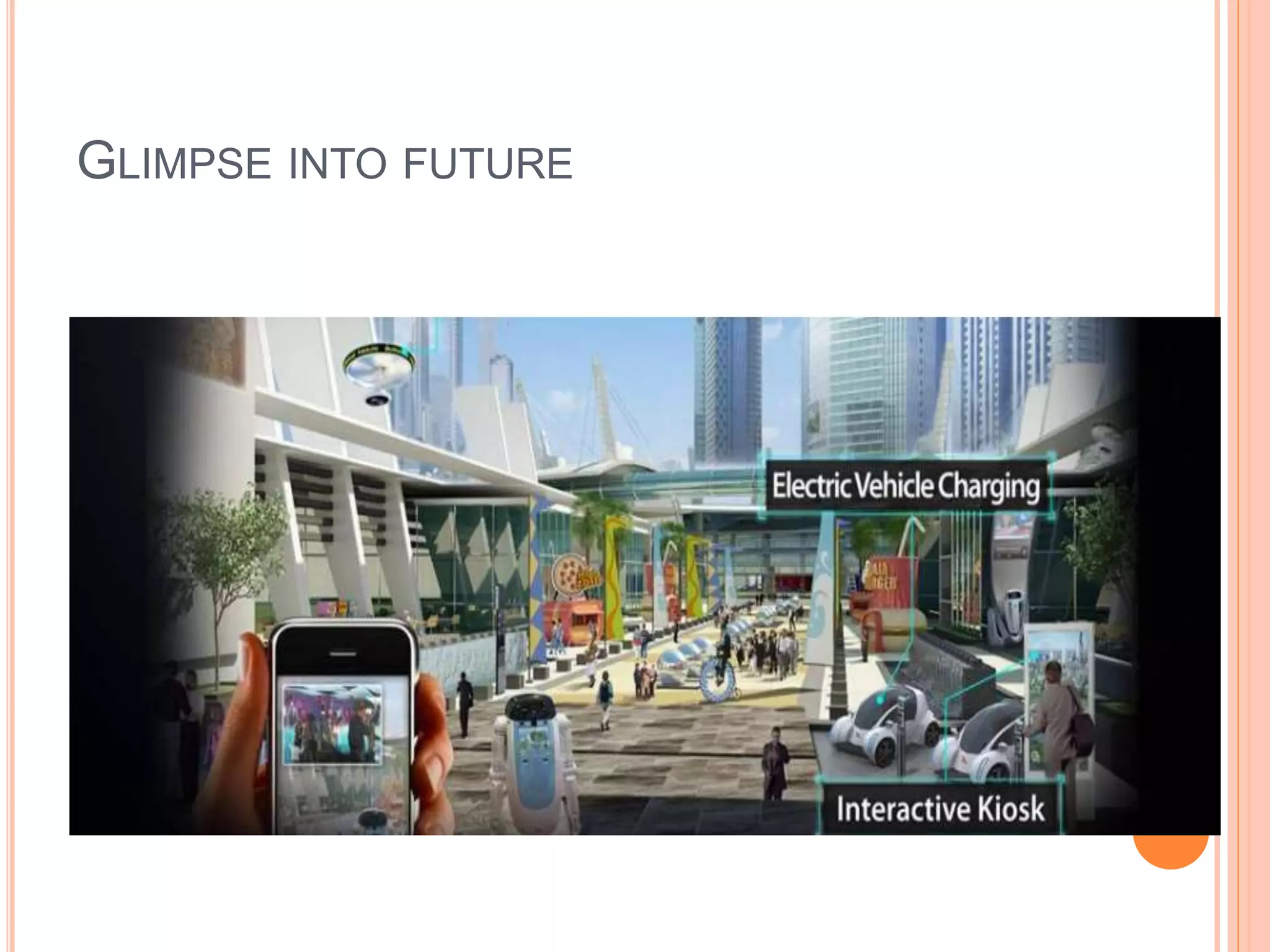
GLIMPSE INTO FUTURE
THANK YOU
Iot for smart world

Iot for smart world

  • 1.
    IOT FOR SMARTWORLD N Pavan Raj
  • 2.
    2 Present and futureurban challenges • Urban residents growing + 60 M Year • 60 % world’s population will be living in cities by 2050 • + 100 cities of 1 M pops will be built in the next 10 years
  • 3.
    SUBJECT Internet of Things SmartCities Ehealth Cloud Computing Big Data Augmented Reality
  • 4.
    SMART CITIES INITIATIVE URBANIZATIONCHALLENGE  Purpose & Scope:  Assist municipalities in managing this transition to urbanization.  Raise awareness of the benefits and downsides of technology and help guide the appropriate uses of technology.  By engaging with IEEE, municipalities would be assured that the “best of breed” technologies and standards are being utilized in their projects. Pilot in Guadalajara, Mexico The Guadalajara Municipality has launched a major project, Guadalajara Ciudad Creativa, (GCC) whose goals are very much aligned with the IEEE Urbanization initiative.
  • 5.
    INITIATIVE OBJECTIVES  TheIEEE Smart Cities Initiative is a global, multi-disciplinary effort to:  Create a vibrant and world wide network of cities, providing education, insights and expertise  Collaborate to share knowledge, experience and good practices  Involve local governance, universities, industries and local IEEE volunteers  Assist municipalities in managing the transition to urbanization  Raise awareness of the benefits and downsides of technology and help guide the appropriate uses of technology  Build collaboration with organizations
  • 6.
    DELIVERABLES  As aframework for the initiative  Web Portal  Knowledge Database : Whitepapers, applications, metrics, use cases, etc.  On-Line Technical Community  Dissemination through press releases, newsletter, conferences, social media…  For each of the selected cities  Completion of workshops in cities planning or building a smart city  Working groups and whitepapers  Metrics to measure effectiveness of municipality efforts to evolve to Smart City  Published theses and doctoral dissertations from university students in each city  MOOCs Courses developed by the universities on jointly agreed upon topics  Follow-on conferences  Standards
  • 7.
    IEEE STANDARDS ONSMART WORLD INTELLIGENT TRANSPORTATION IEEE 802.11p supports communication between vehicles and the roadside and between vehicles while operating at speeds up to a minimum of 200 km/h for communication ranges up to 1000 meter in the 5 GHz bands; specifically 5.850-5.925 GHz band within North America with the aim to enhance the mobility and safety of all forms of surface transportation, including rail and marine.
  • 8.
    IEEE STANDARDS ONSMART WORLD  IEEE 1609 Family of Standards for Wireless Access in Vehicular Environments (WAVE) define an architecture and a complementary, standardized set of services and interfaces that collectively enable secure vehicle-to-vehicle (V2V) and vehicle-to- infrastructure (V2I) wireless communications. More information available at https://standards.ieee.org/develop/wg/1609_WG.html Smart Grid and Digital Energy Management
  • 9.
    SOME MORE STANDARDS IEEE 1901 Series - Powerline Communication  IEEE 2030 series on the smart grid, including electric vehicle infrastructure  IEEE 1547 series on handling distributed resources in electric power systems  IEEE 1815 series on electric power systems communications
  • 10.
  • 11.
  • 12.
    VISION To improve thequality of care and wellbeing for every person globally through the advancement of healthcare technologies based on open and interoperable standards
  • 13.
    AR IN YOURFUTURE Google VR Samsung VR Hololens Virtual offices and workspaces Healthcare
  • 14.
  • 15.