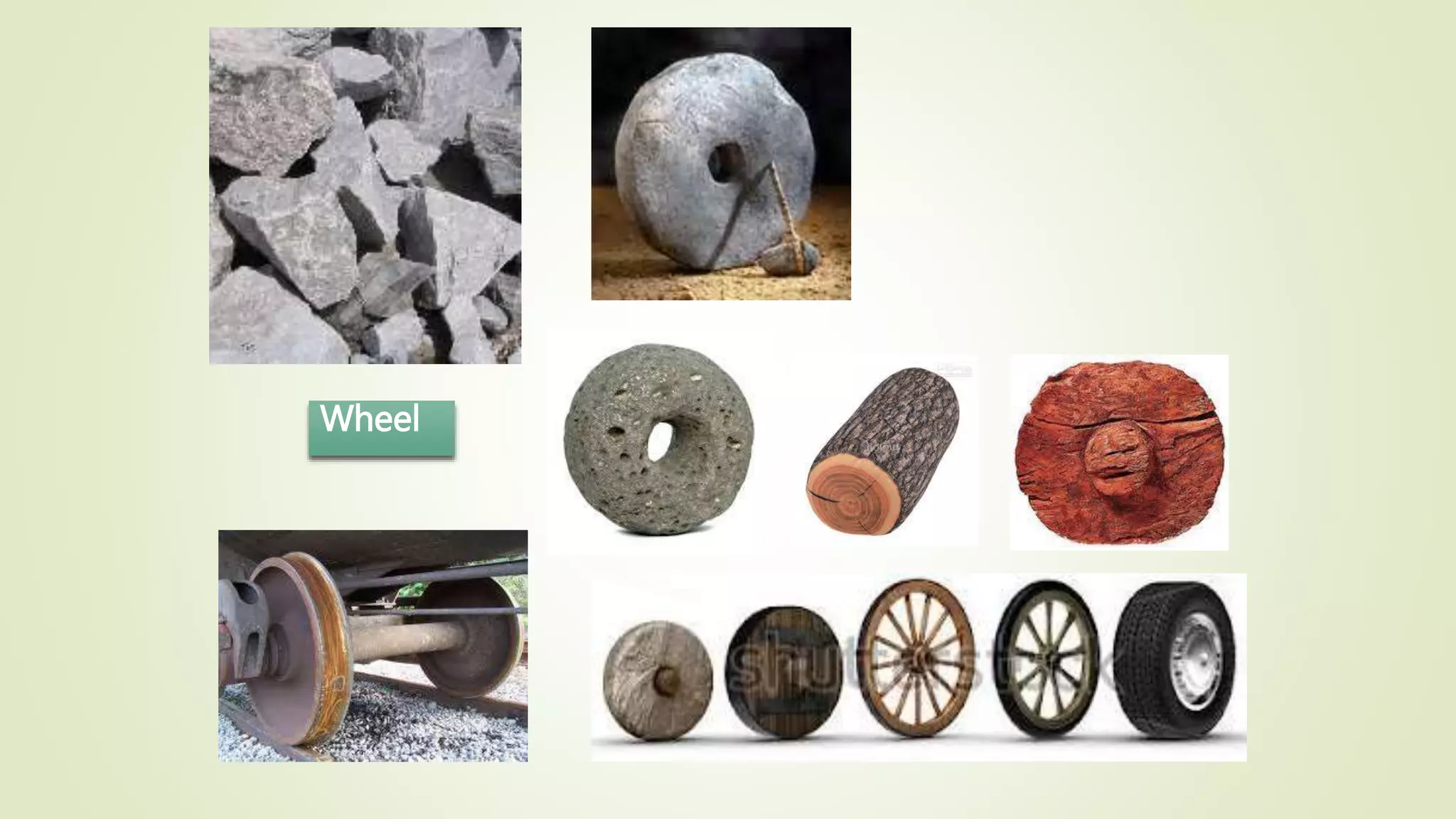
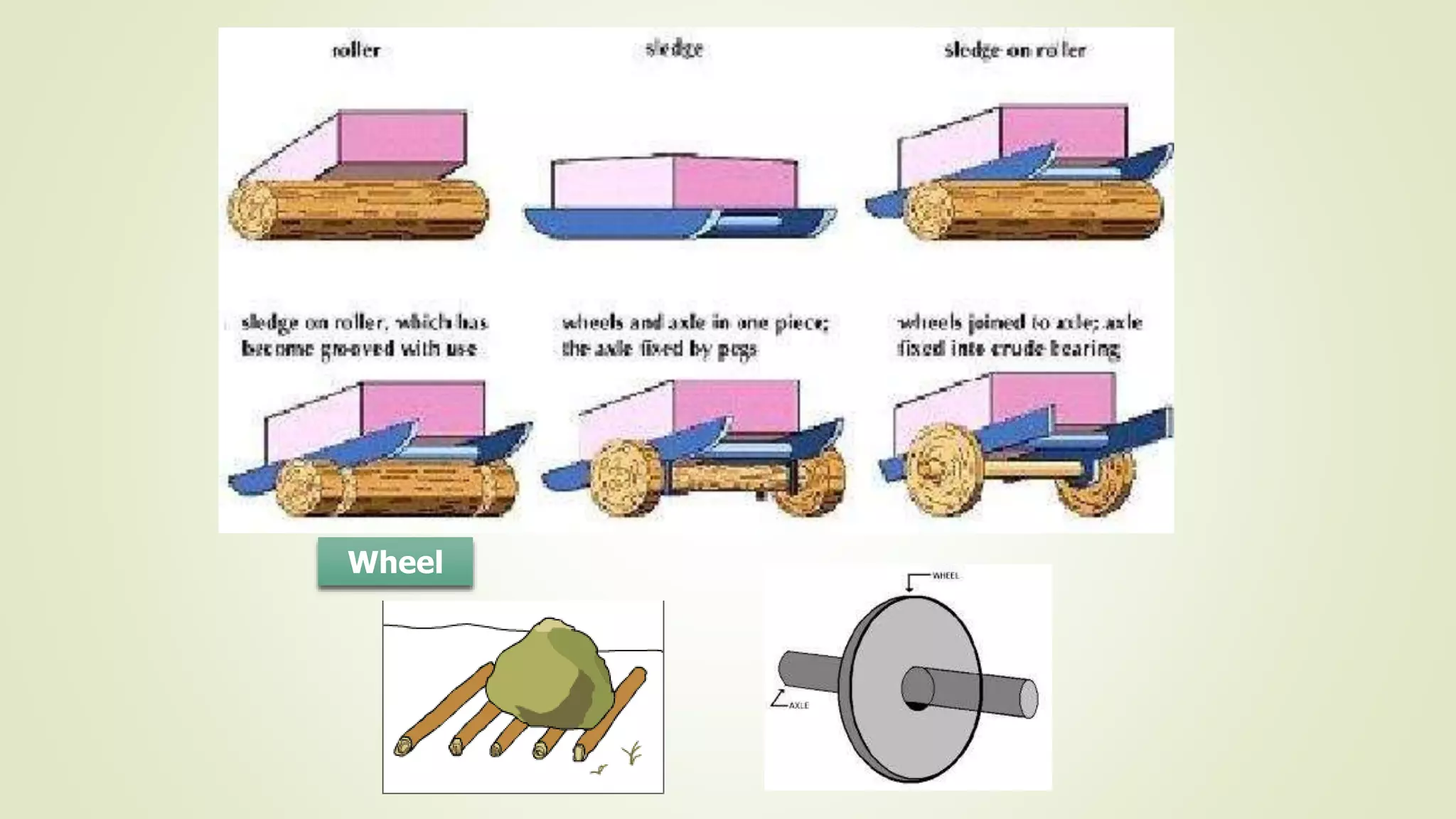
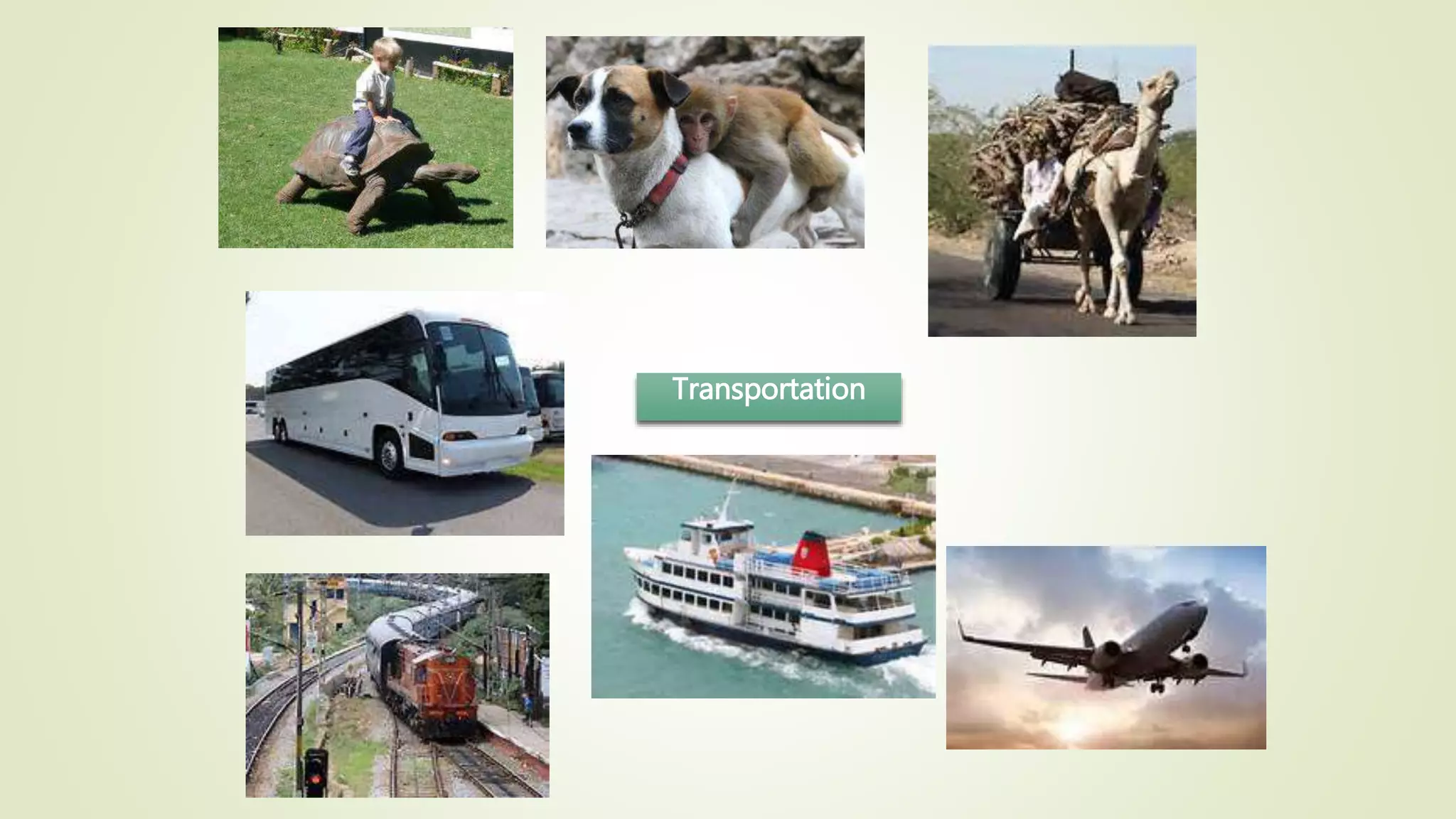
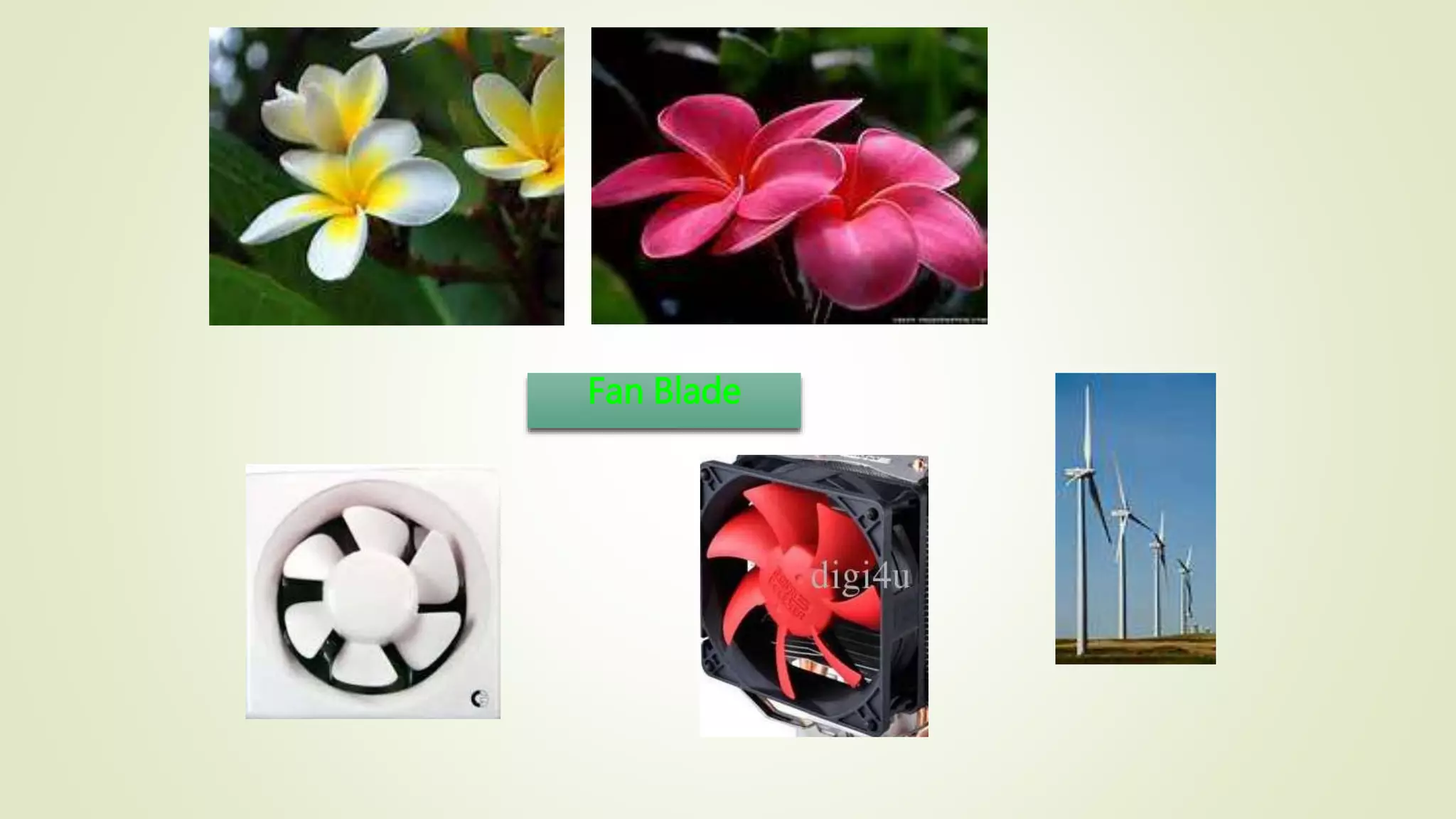
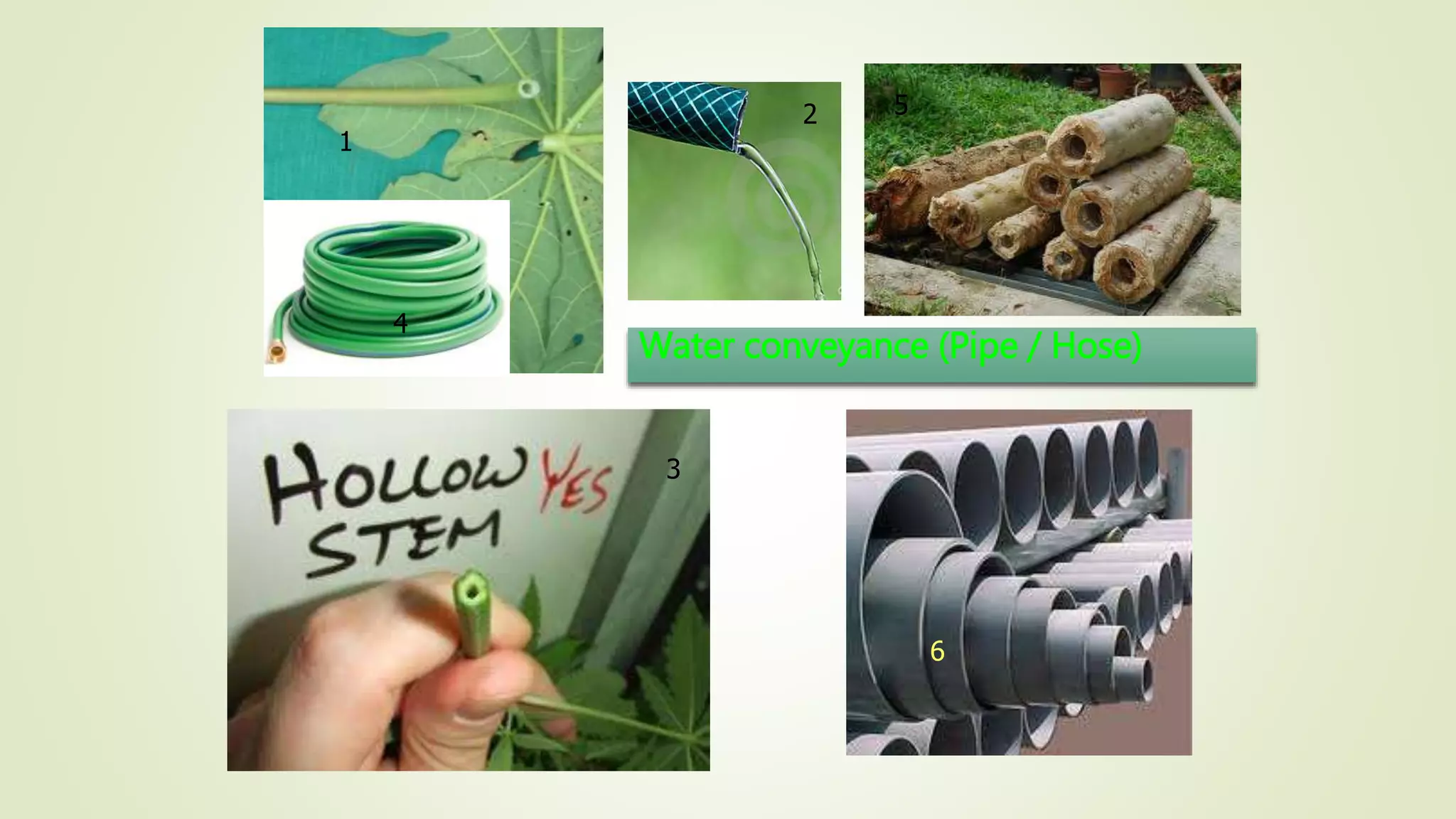
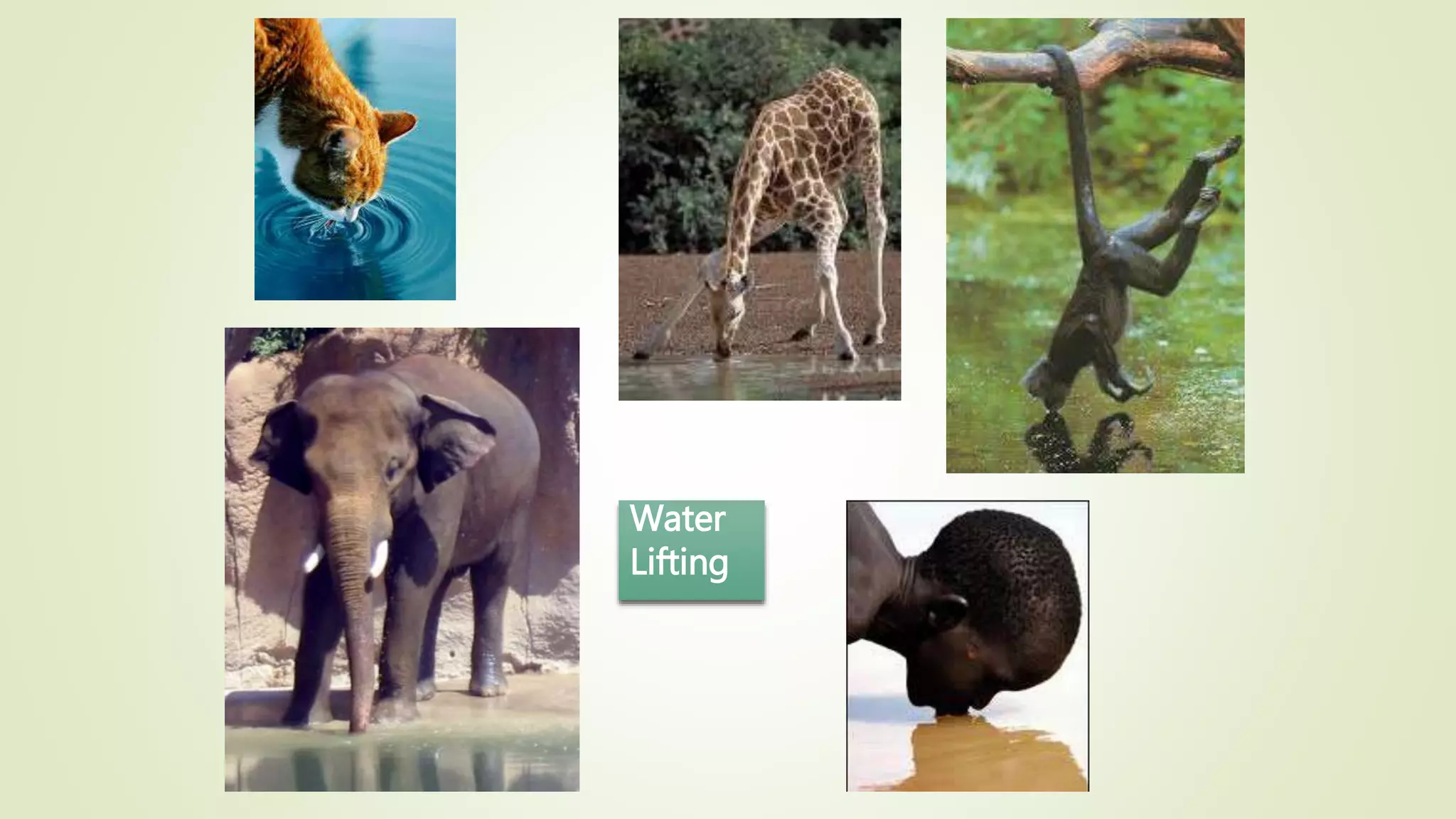
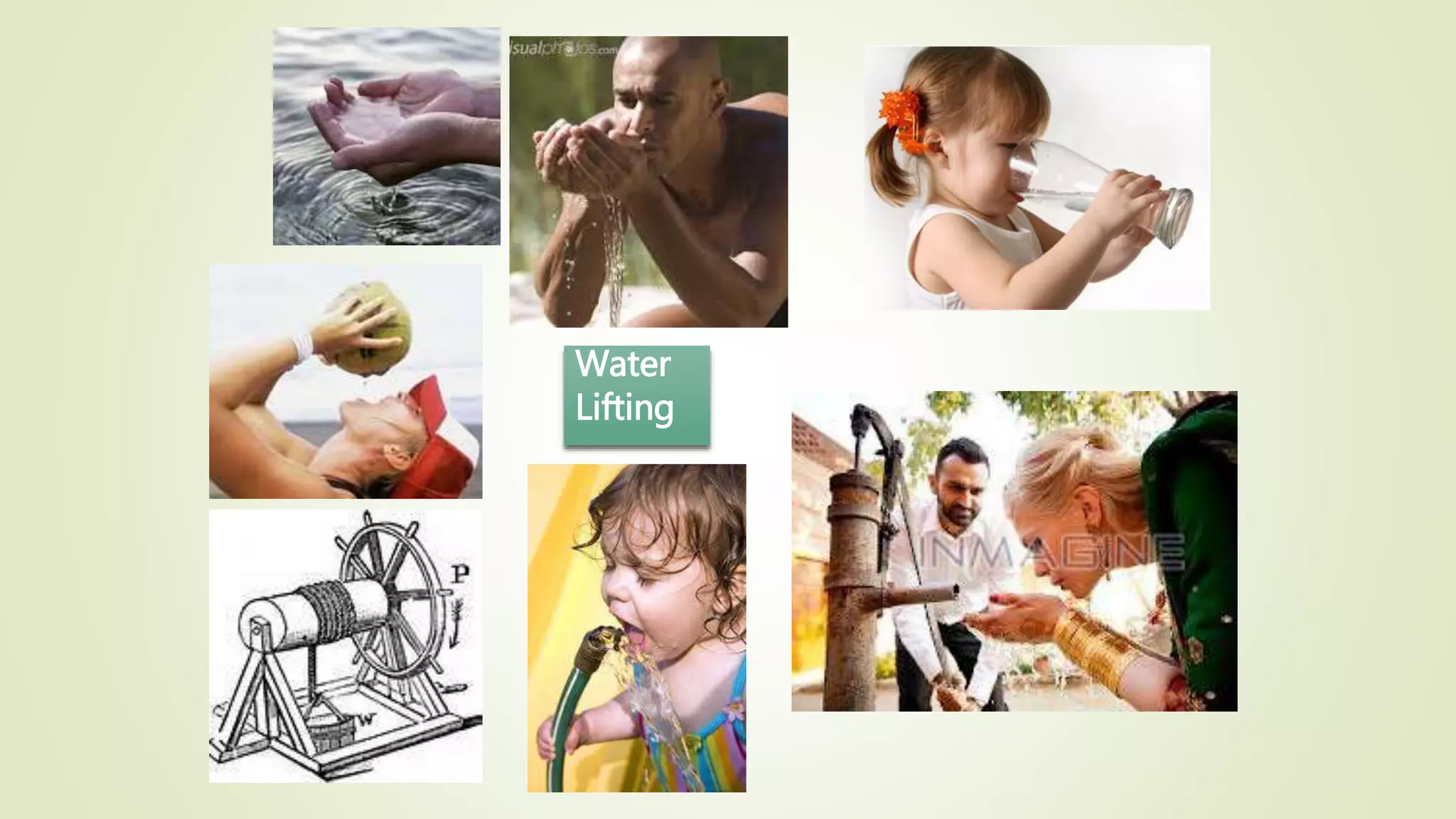
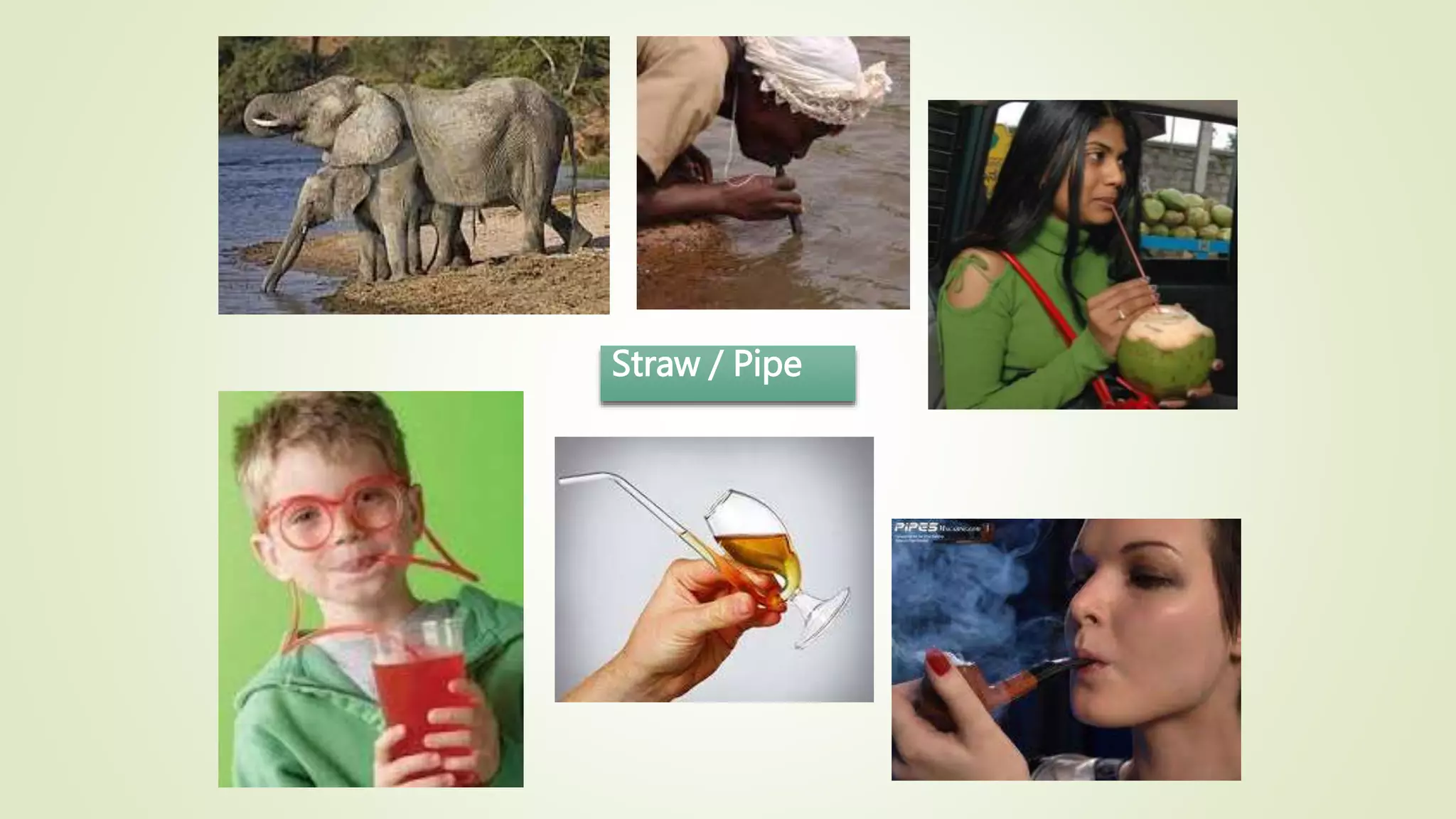
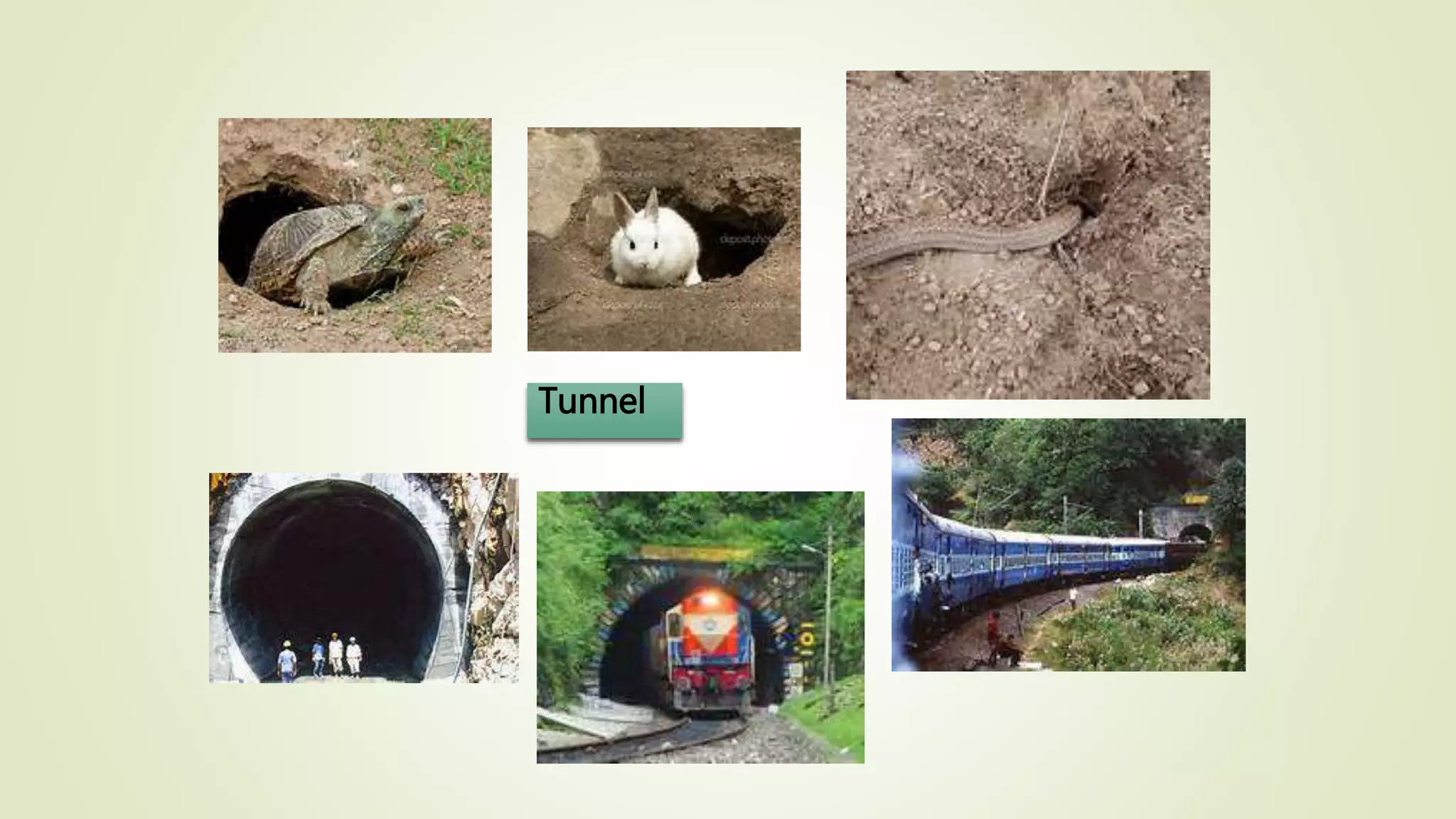
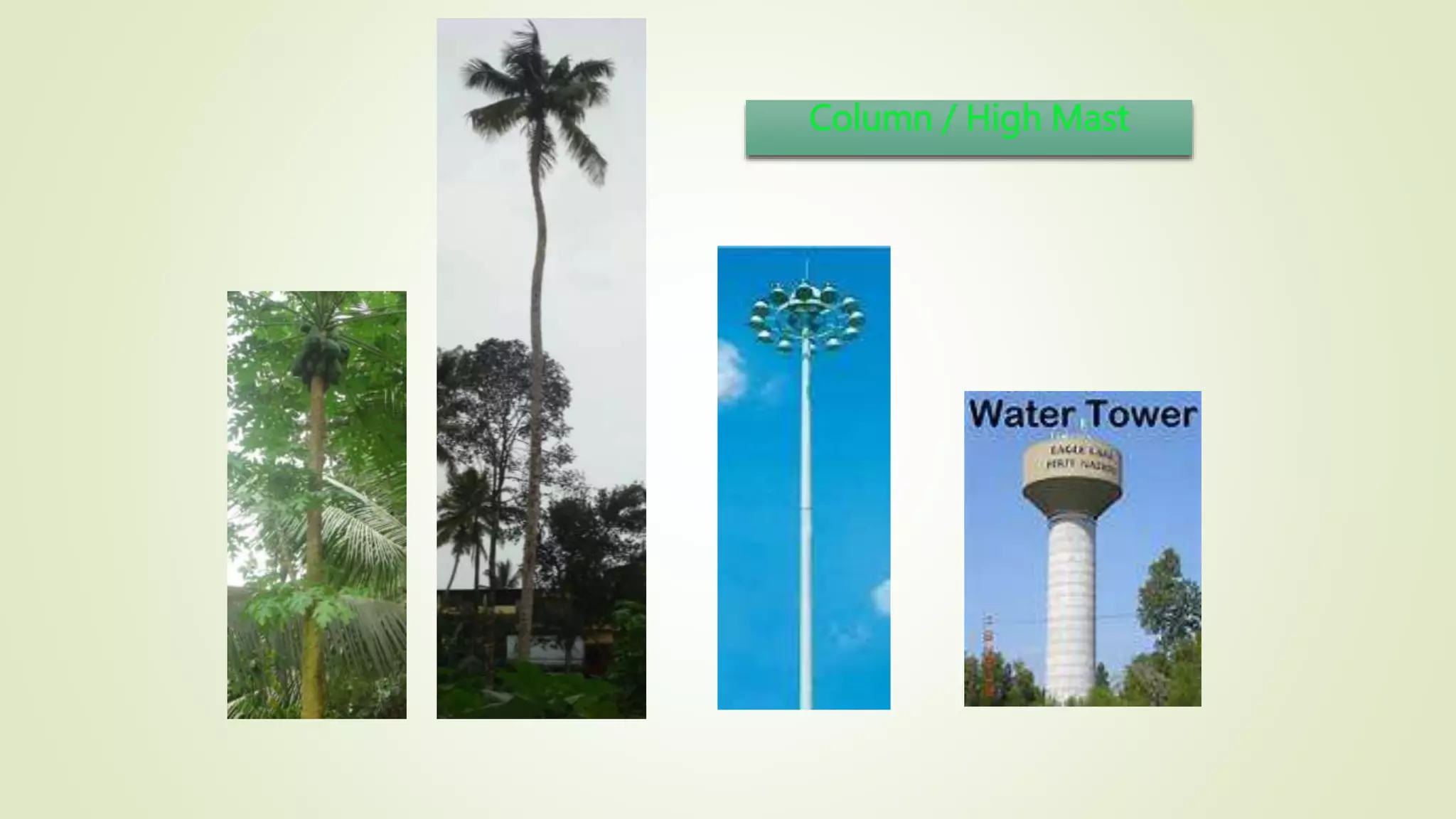
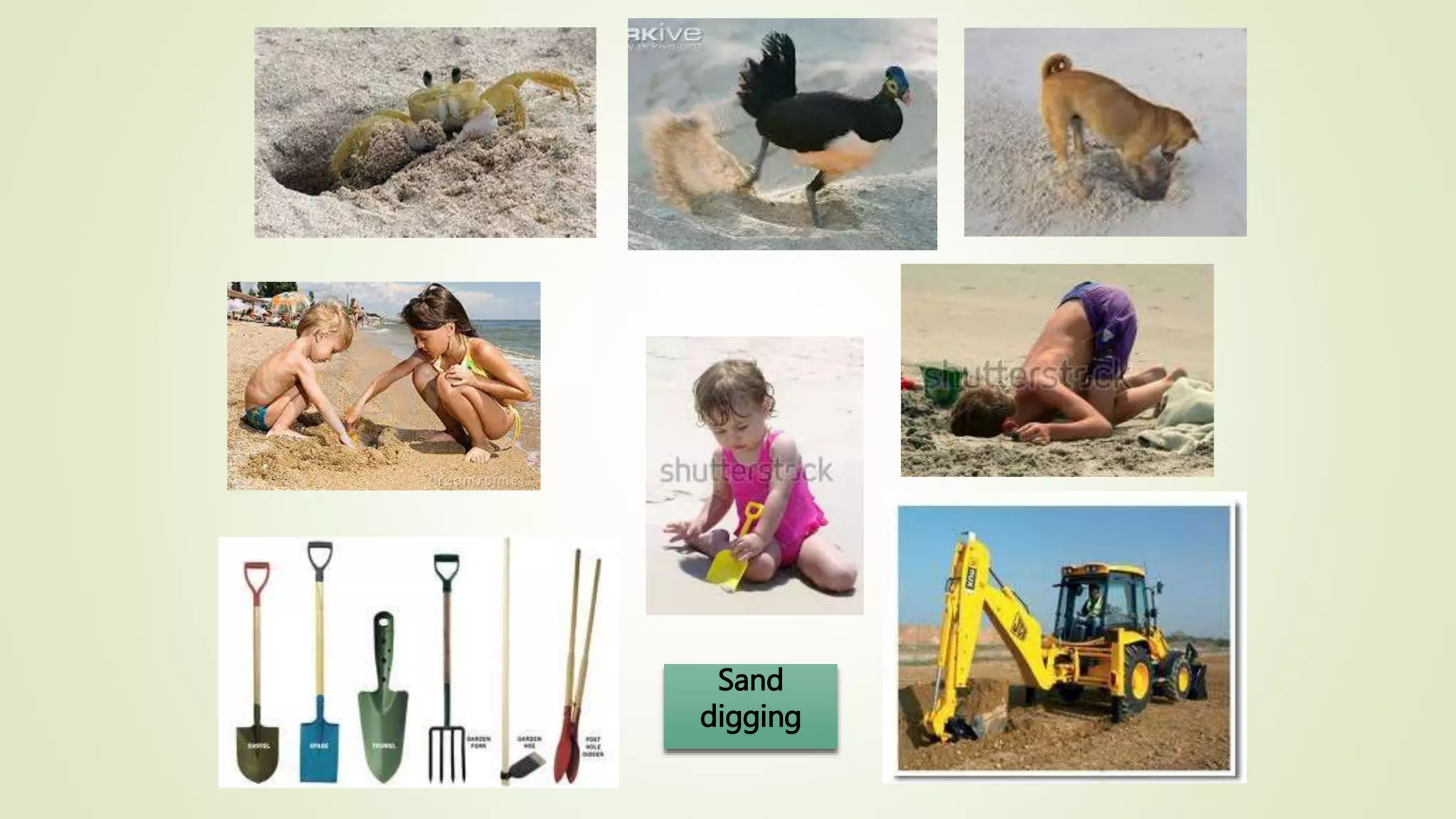
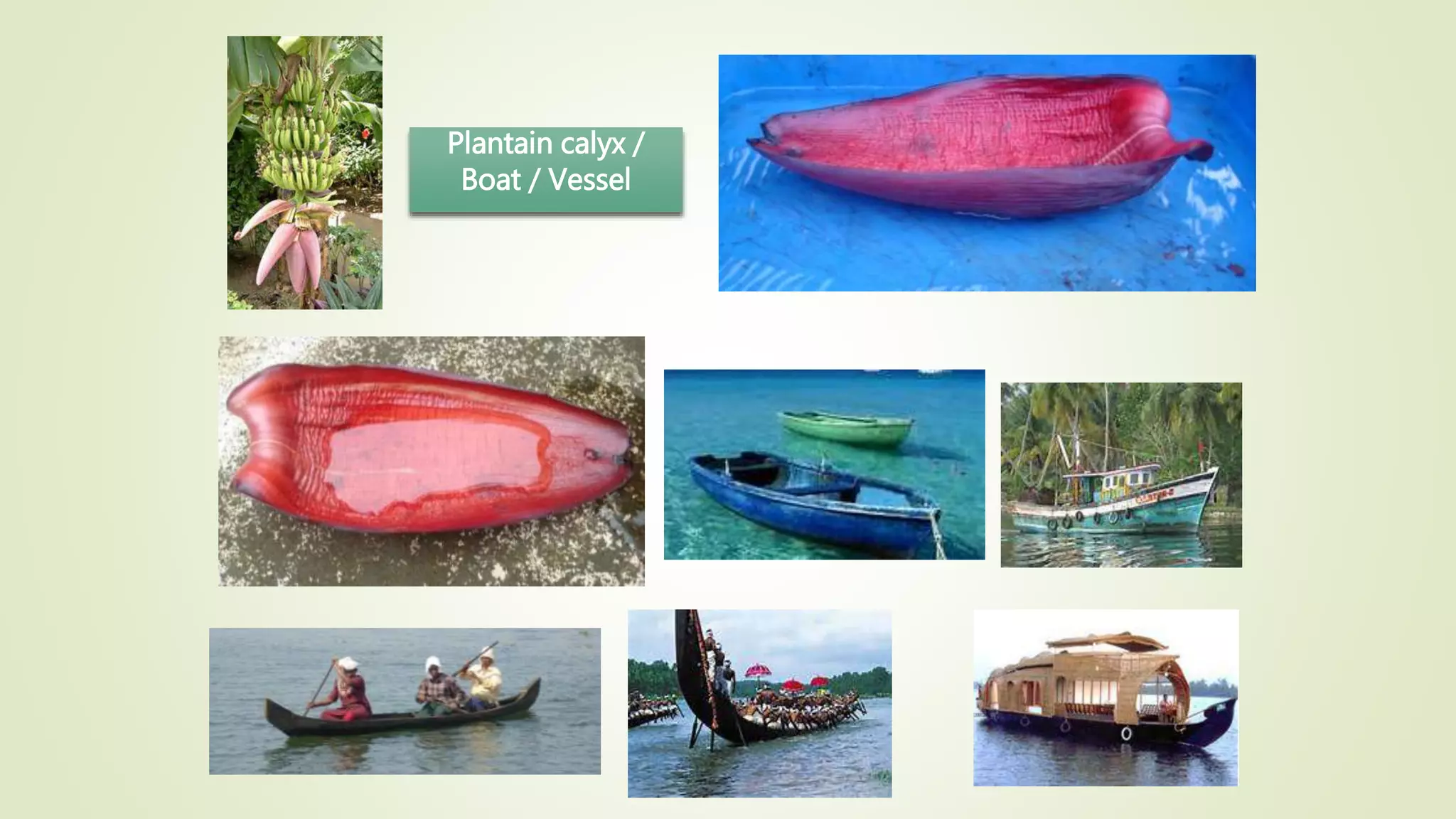
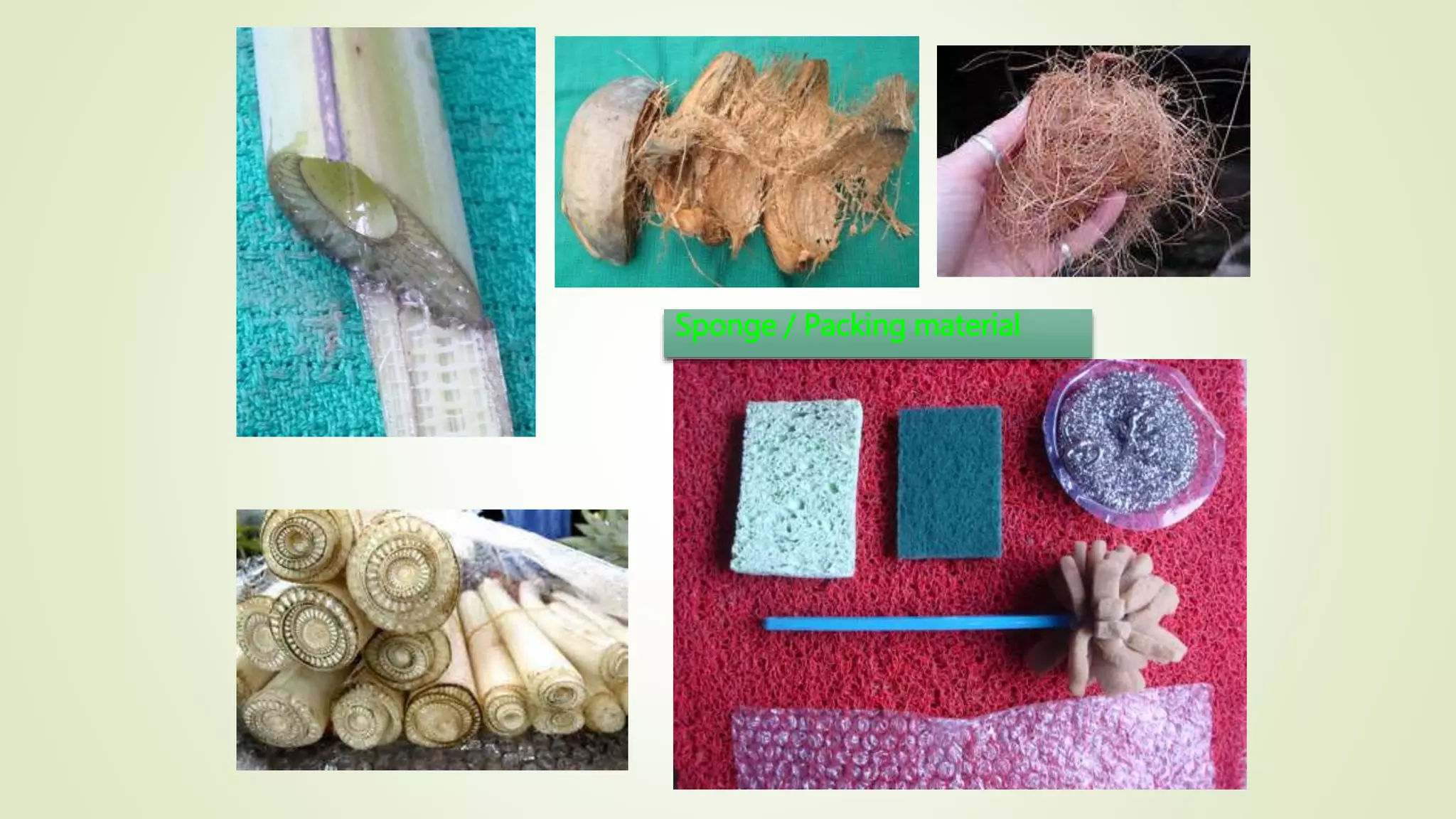
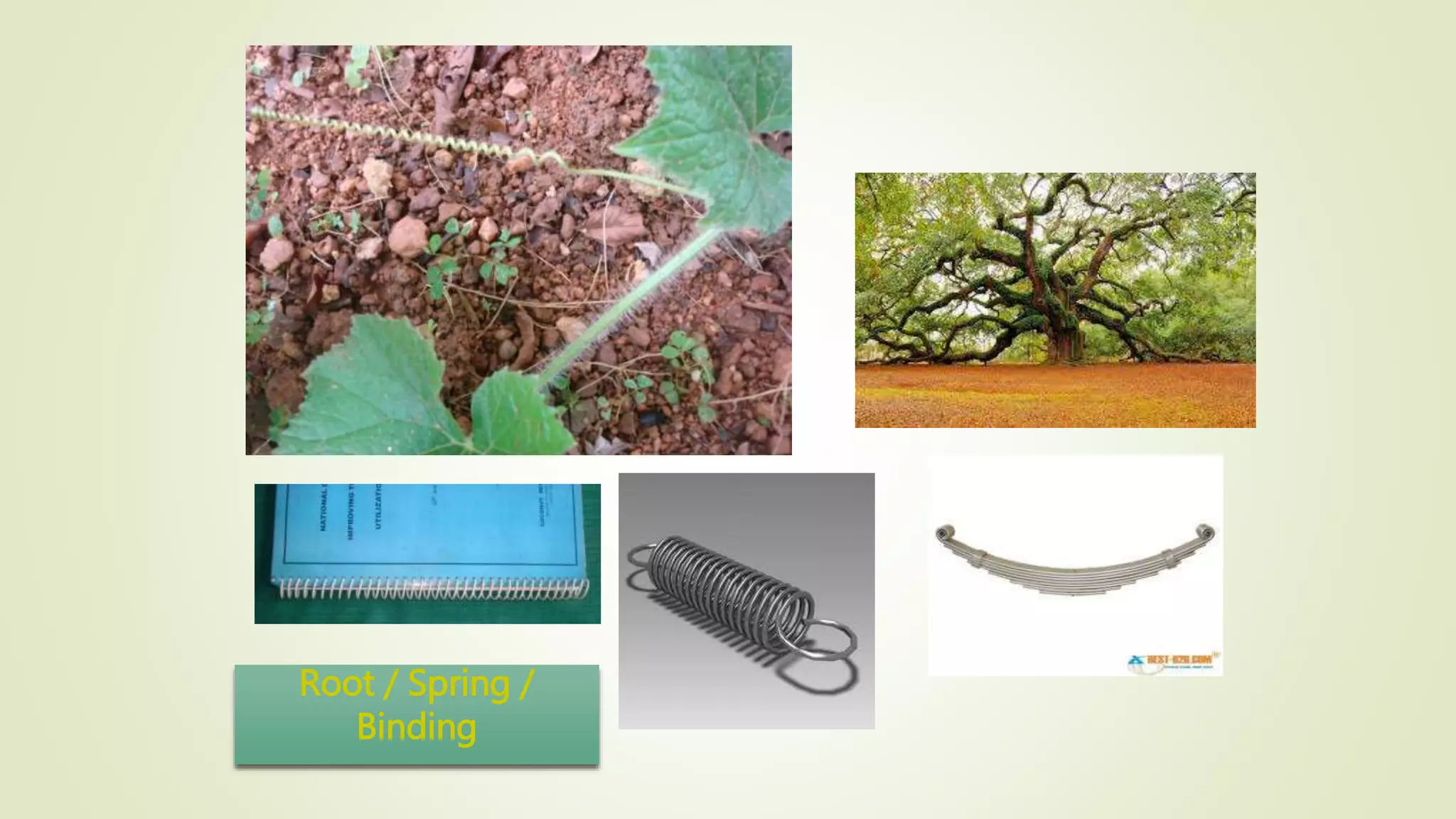
The document discusses the concept of design, emphasizing its presence in various aspects of life and its role as a problem-solving mechanism that integrates science, technology, engineering, and art. It outlines the process of design which involves observation, experimentation, logical thinking, and application of principles, highlighting that design is a dynamic and evolving pursuit. The text also encourages continuous improvement and innovation in design, drawing inspiration from nature and human creativity.

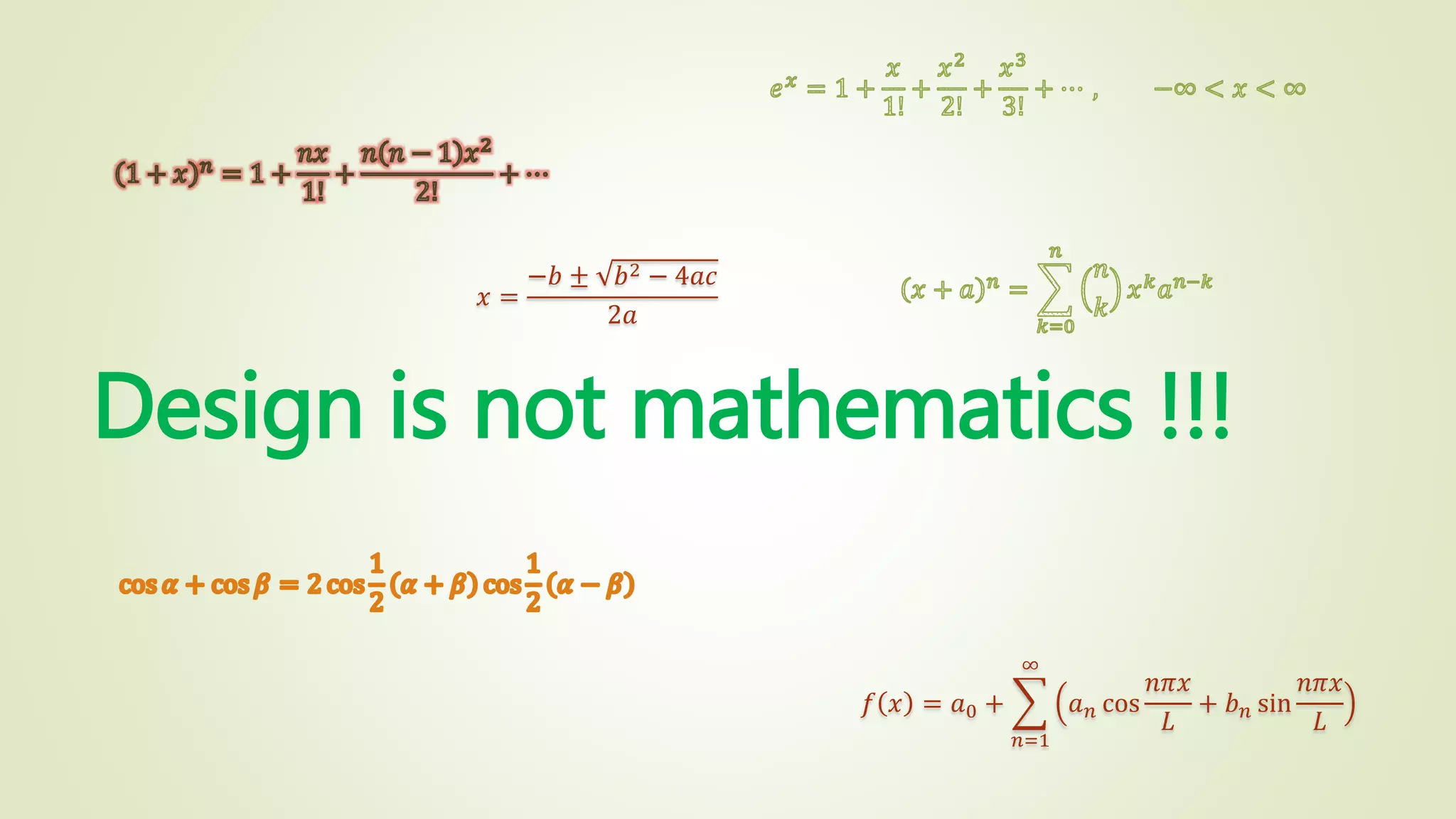
Design is notmathematics !!!
𝑓 𝑥 = 𝑎0 +
𝑛=1
∞
𝑎 𝑛 cos
𝑛𝜋𝑥
𝐿
+ 𝑏 𝑛 sin
𝑛𝜋𝑥
𝐿
𝑥 =
−𝑏 ± 𝑏2 − 4𝑎𝑐
2𝑎
16.
Yes….Design is aScience too
Knowledge ascertained by observation and experiment, critically tested,
systematized, and brought under general principles
17.
Design using technologybut it is not only technology !
Technology is the branch of knowledge which deals with the conversion of raw
materials into articles of utility.
This requires knowledge about:
o Materials
o Methods
o Tools and equipment's
18.
It is not100% Engineering
Engineering is the application of mathematics, empirical evidence and scientific, economic,
social, and practical knowledge in order to invent, innovate, design, build, maintain, research,
and improve structures, machines, tools, systems, components, materials, and processes.
Or
Arts and science of utilizing the forces and materials of nature for the benefit of mankind and for
the direction of man’s activities towards this end.
19.
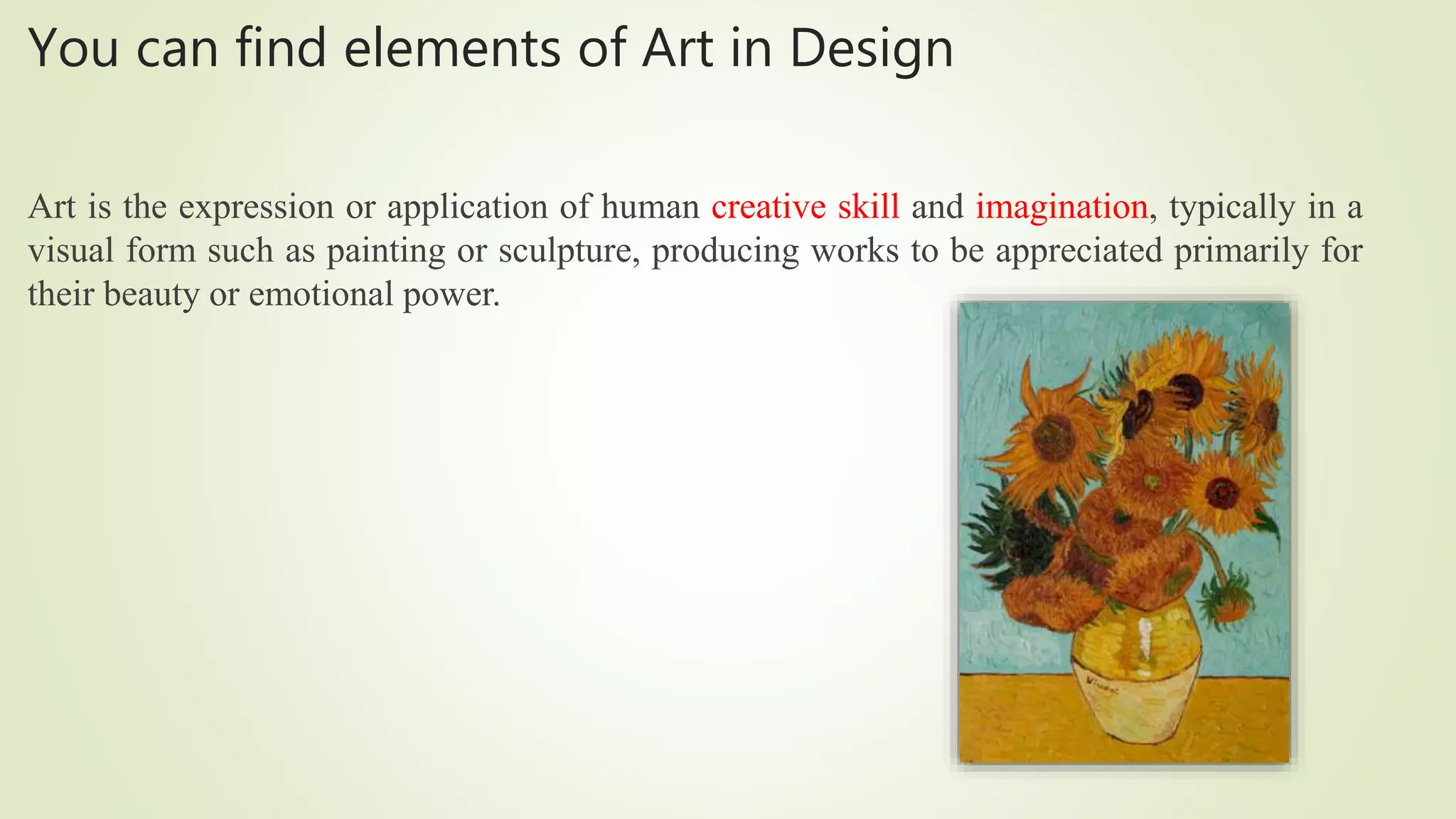
You can findelements of Art in Design
Art is the expression or application of human creative skill and imagination, typically in a
visual form such as painting or sculpture, producing works to be appreciated primarily for
their beauty or emotional power.
20.
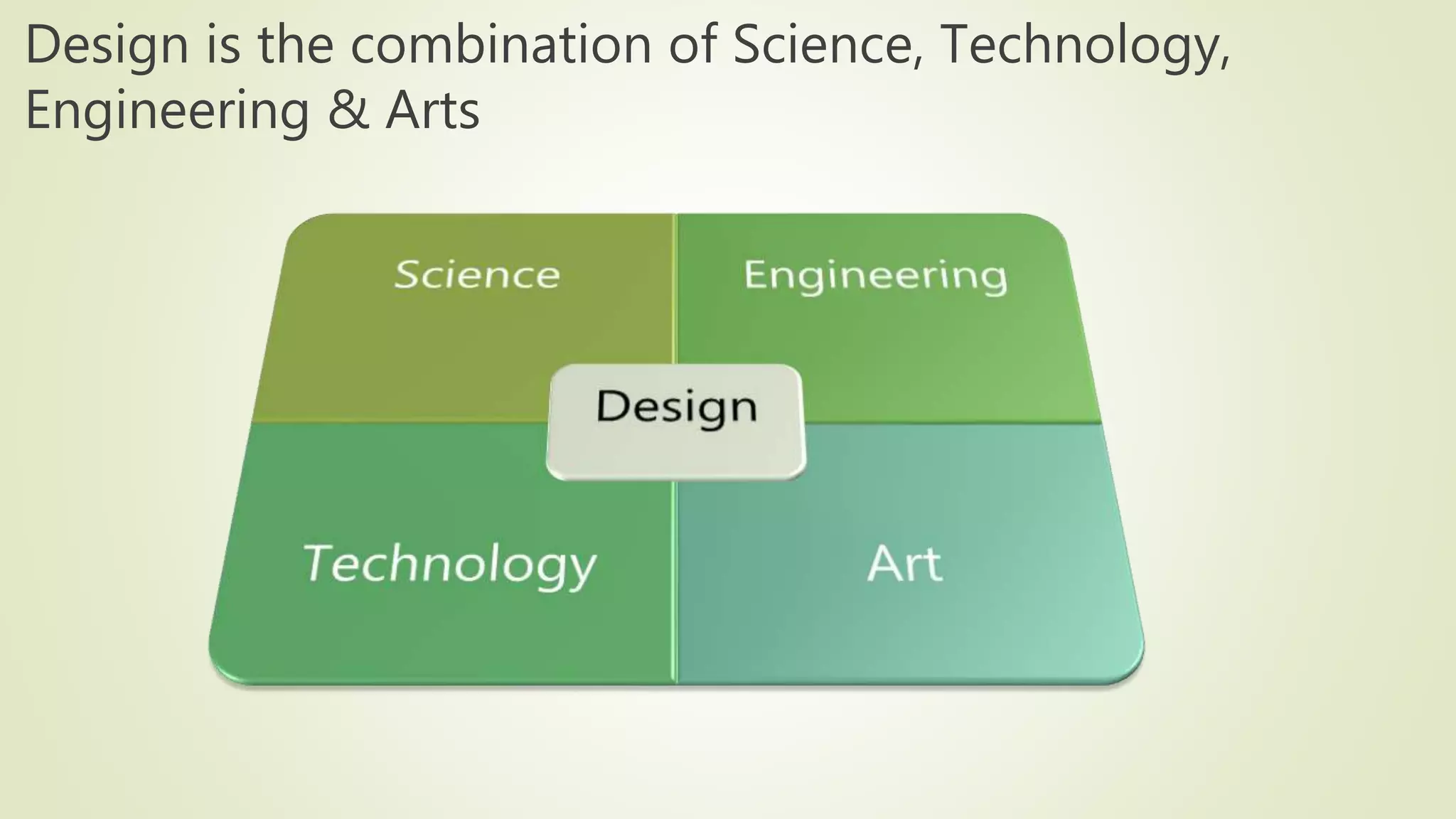
Design is thecombination of Science, Technology,
Engineering & Arts
21.
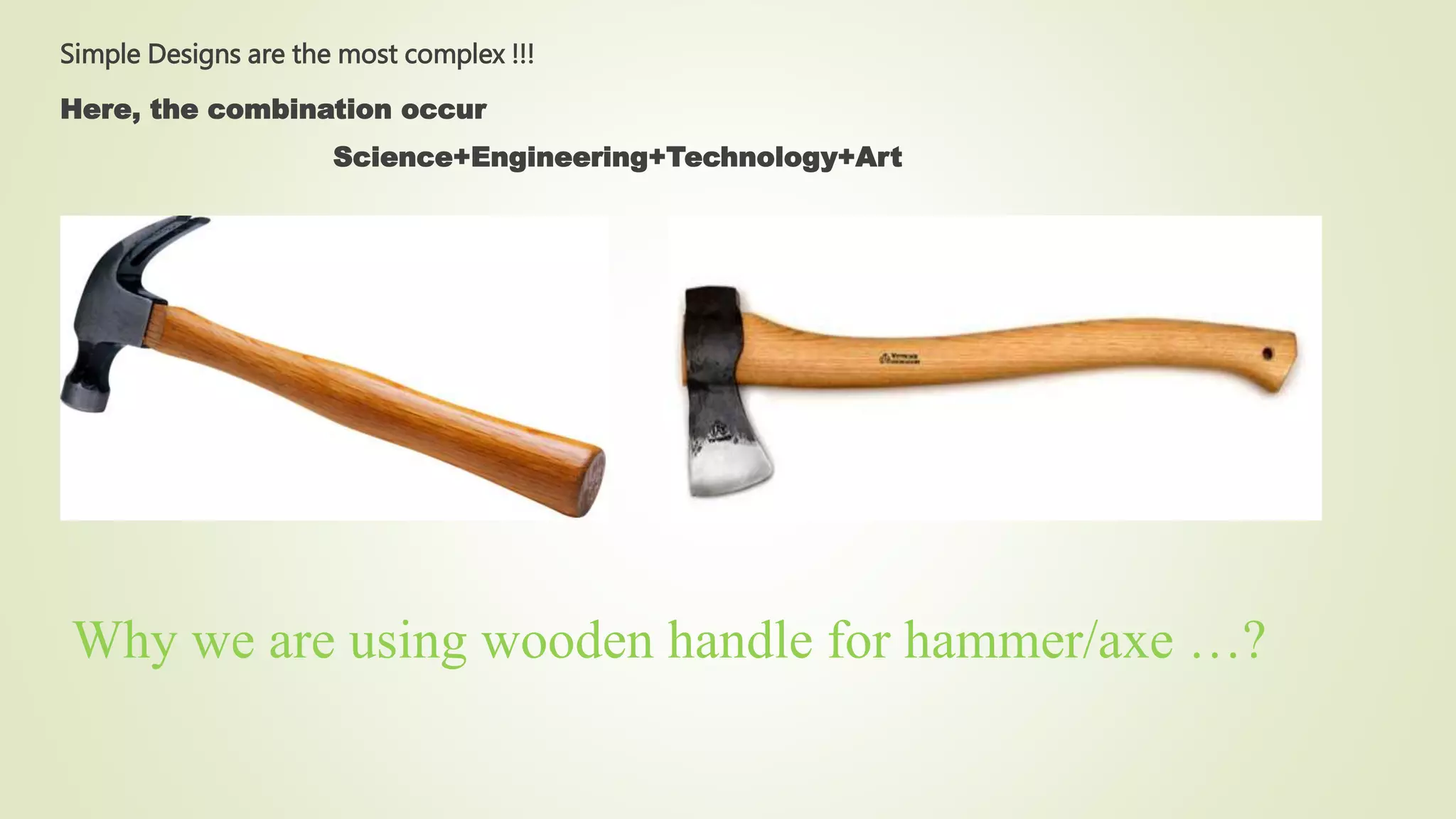
Simple Designs arethe most complex !!!
Here, the combination occur
Science+Engineering+Technology+Art
Why we are using wooden handle for hammer/axe …?
22.
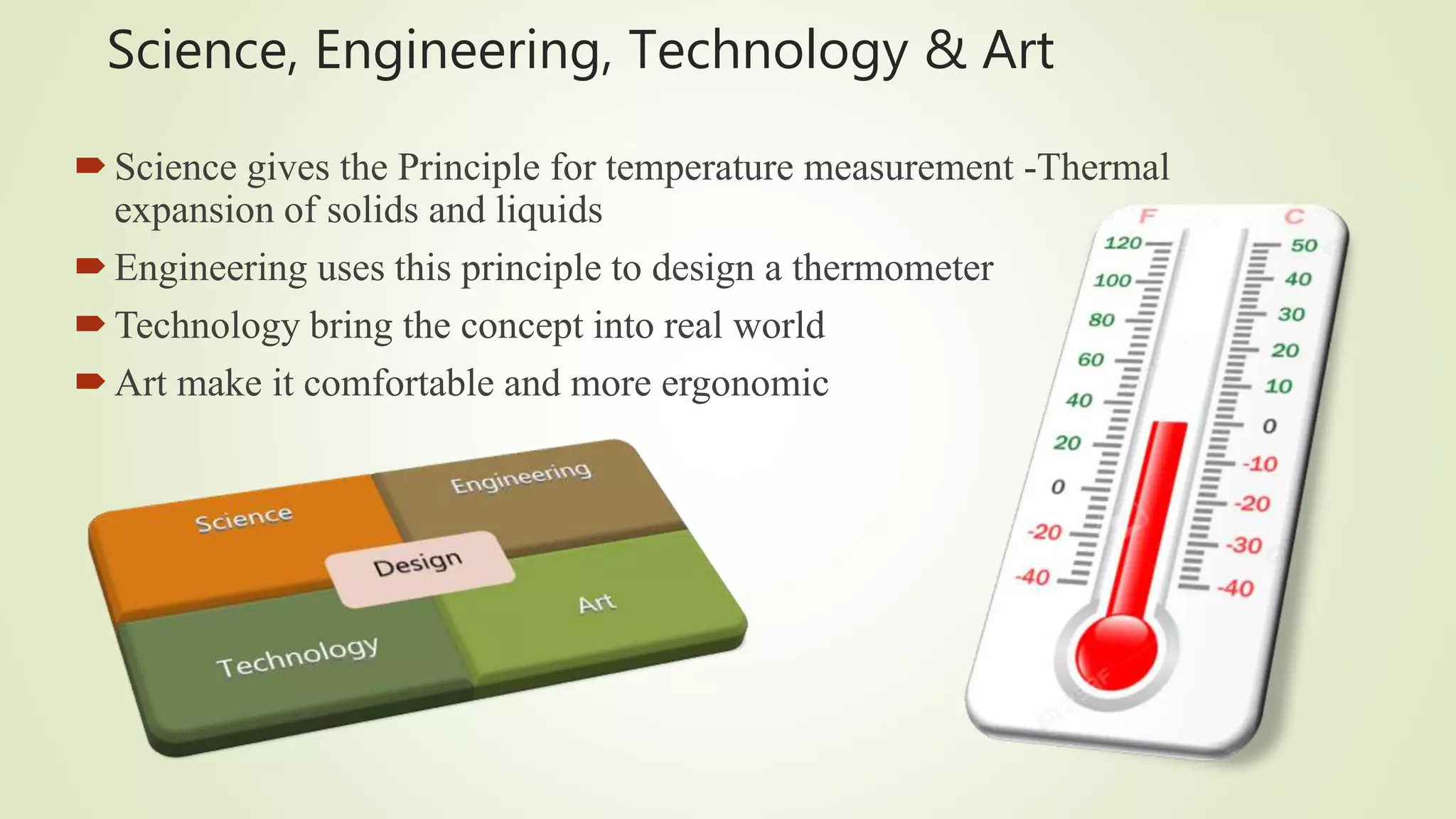
Science, Engineering, Technology& Art
Science gives the Principle for temperature measurement -Thermal
expansion of solids and liquids
Engineering uses this principle to design a thermometer
Technology bring the concept into real world
Art make it comfortable and more ergonomic
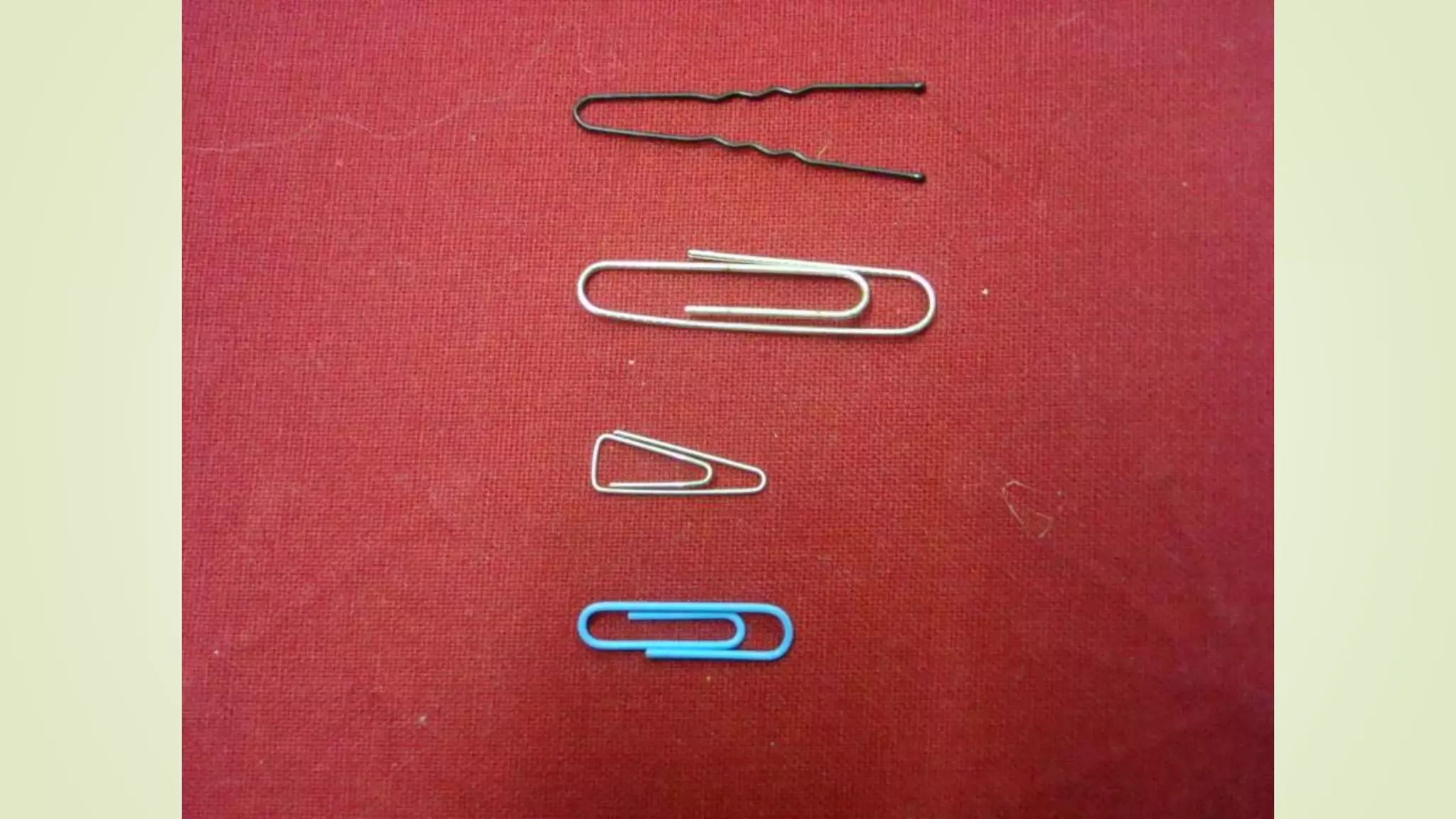
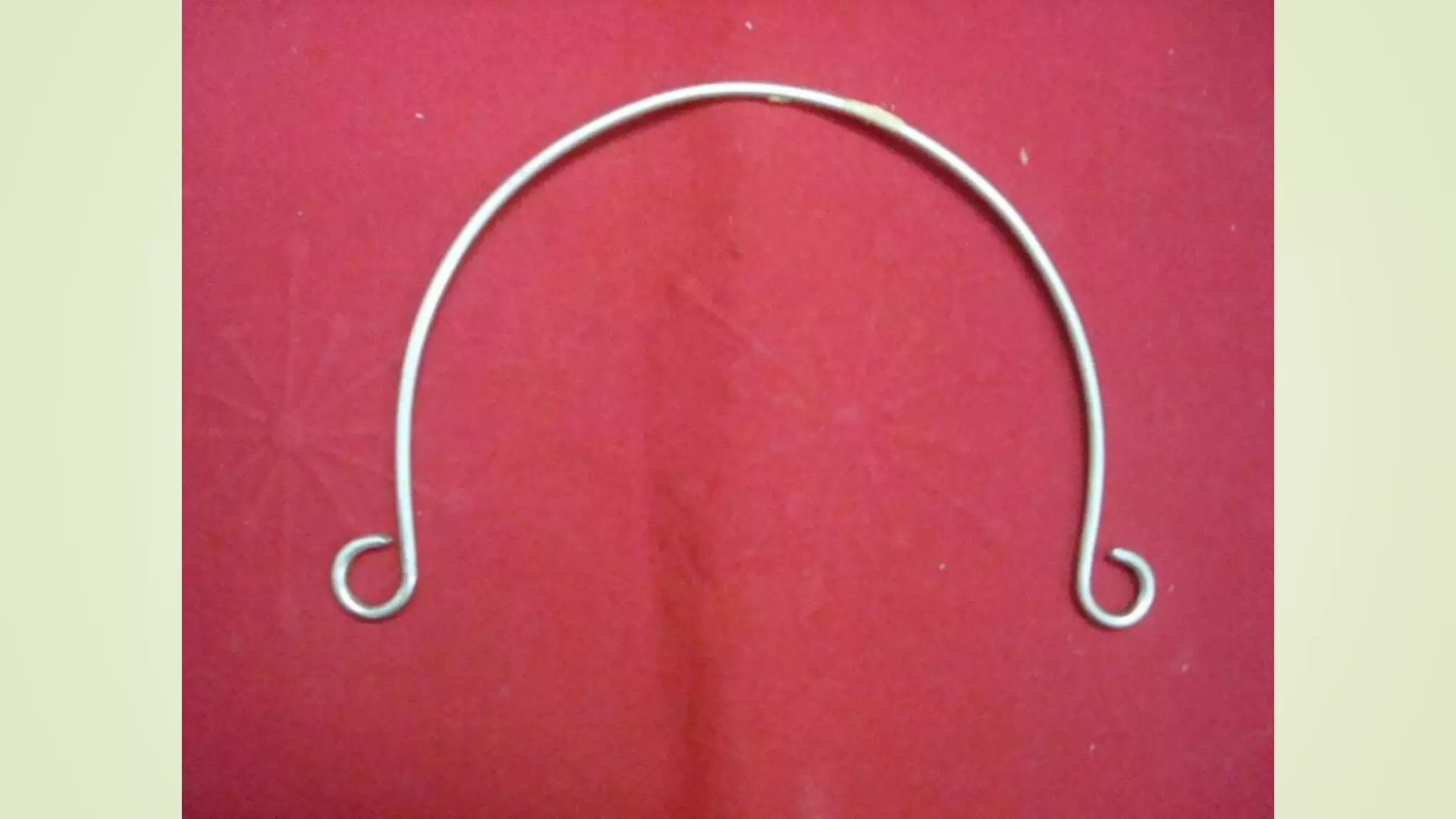
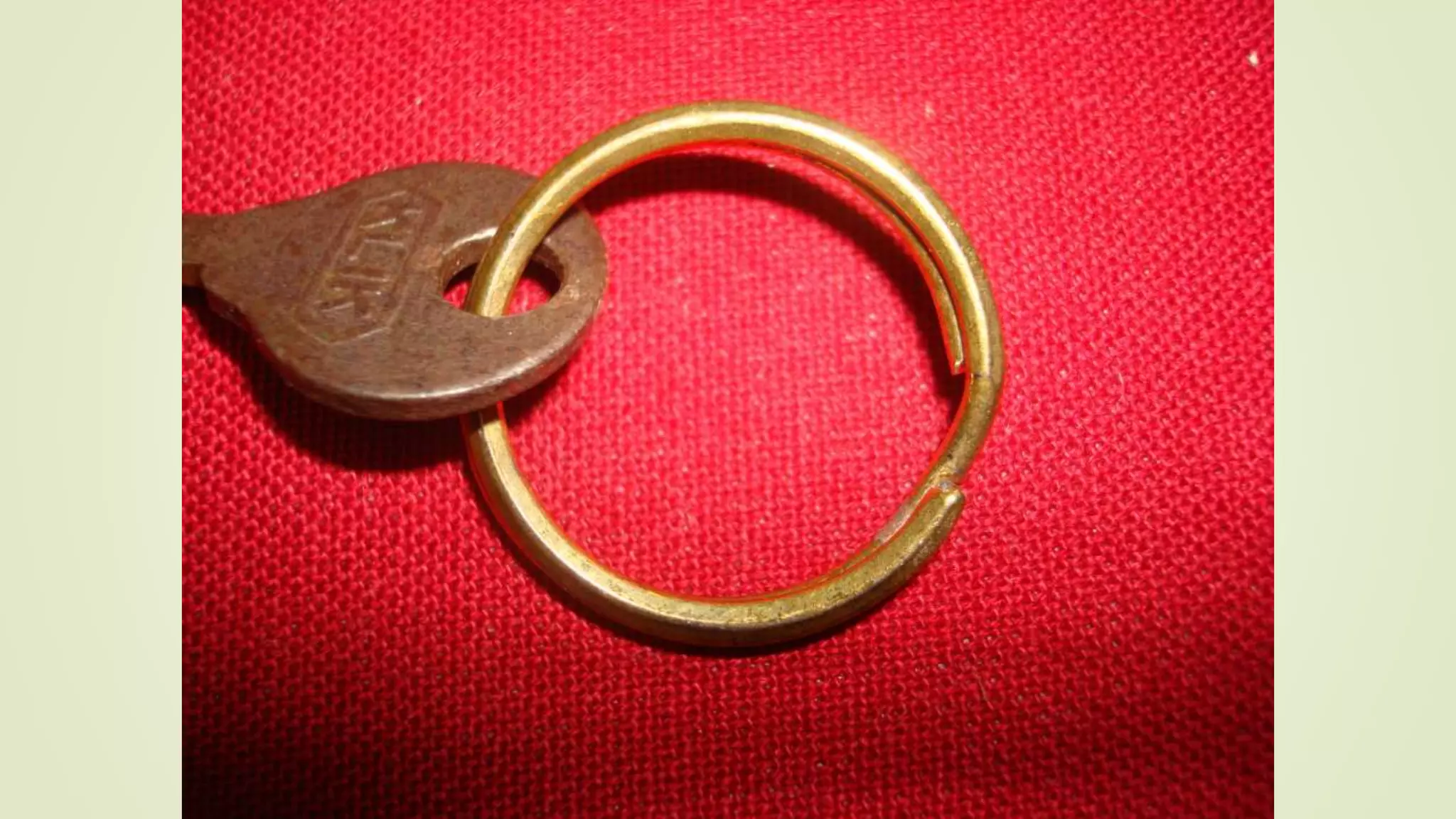
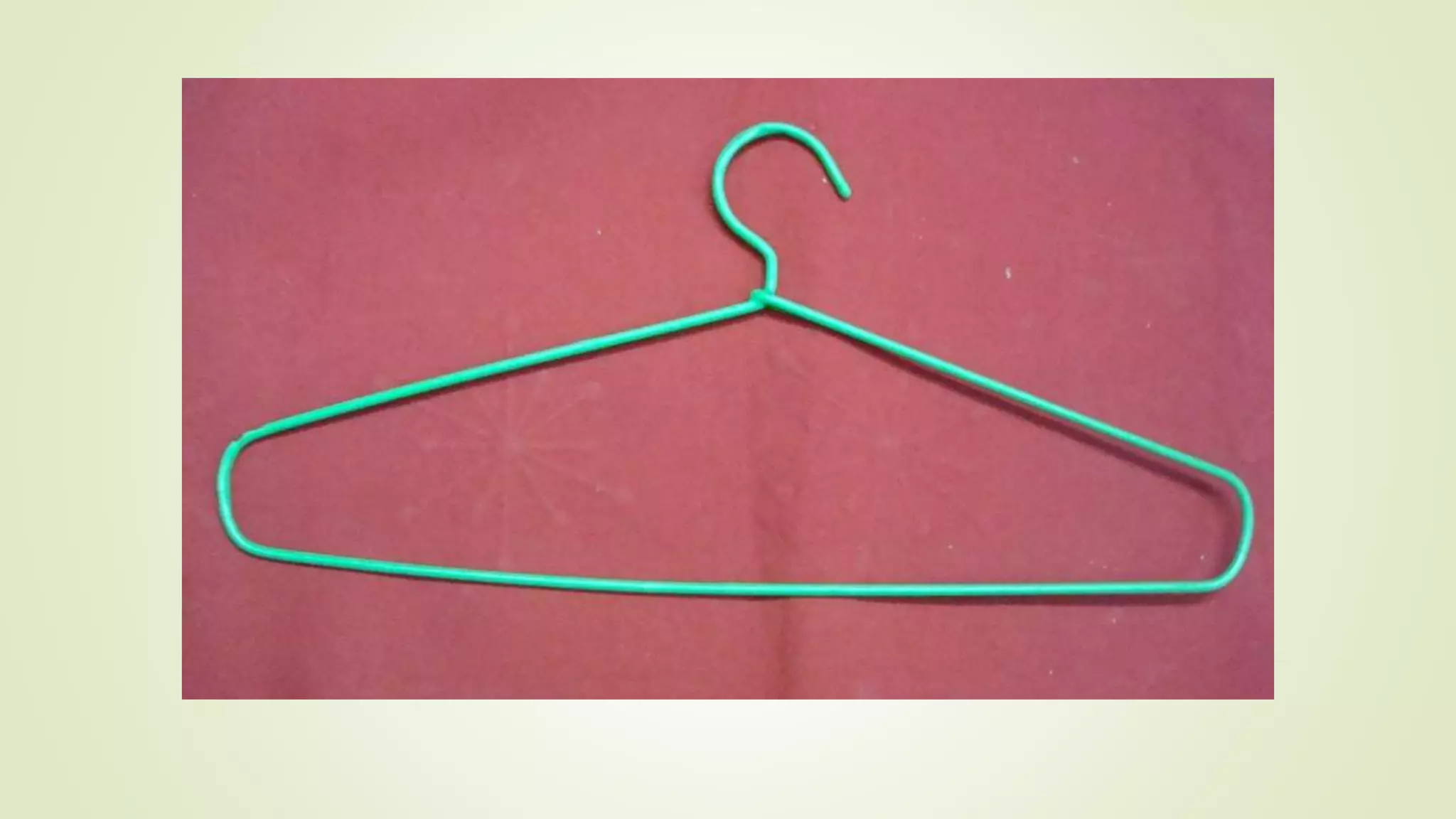
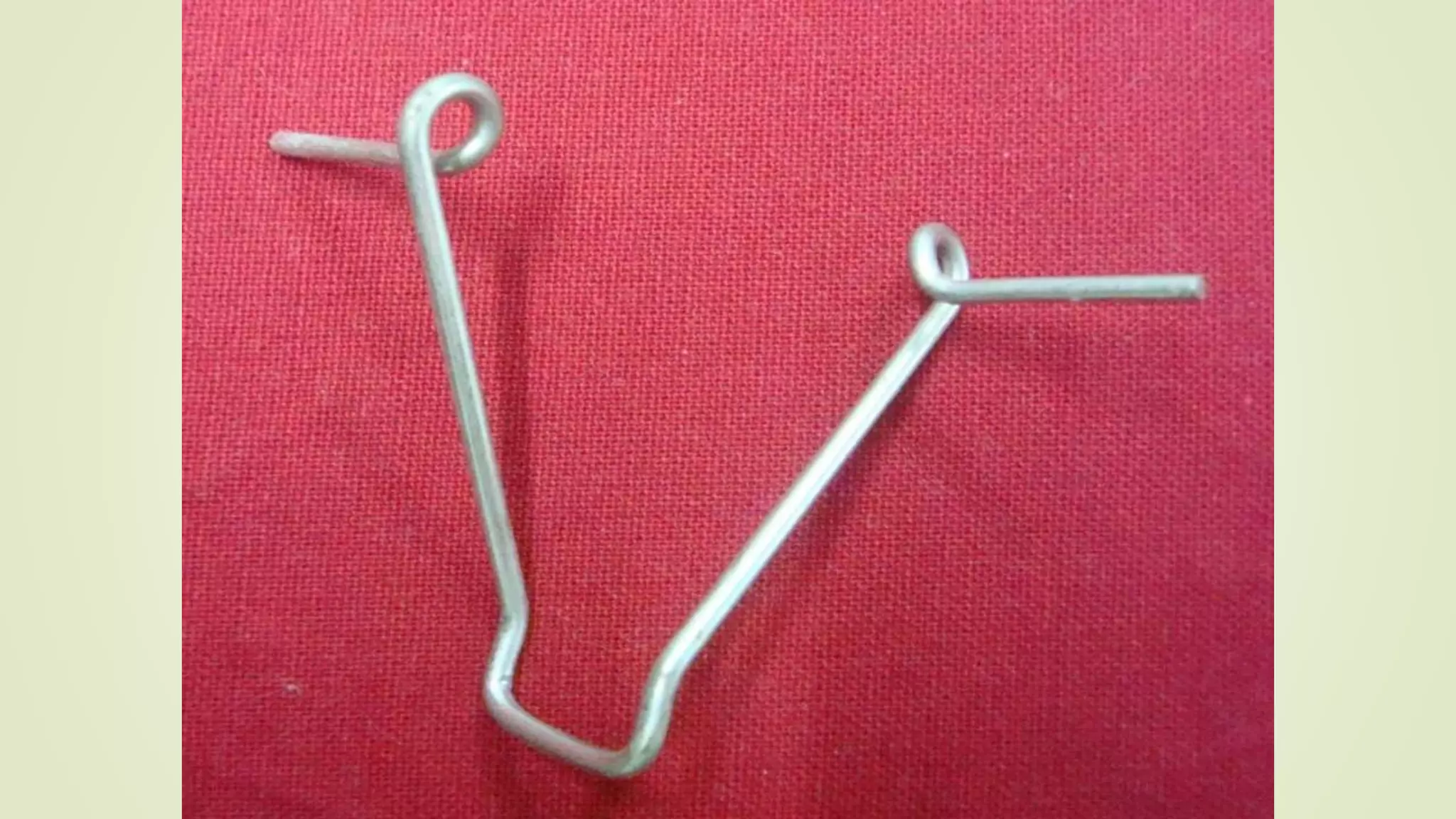
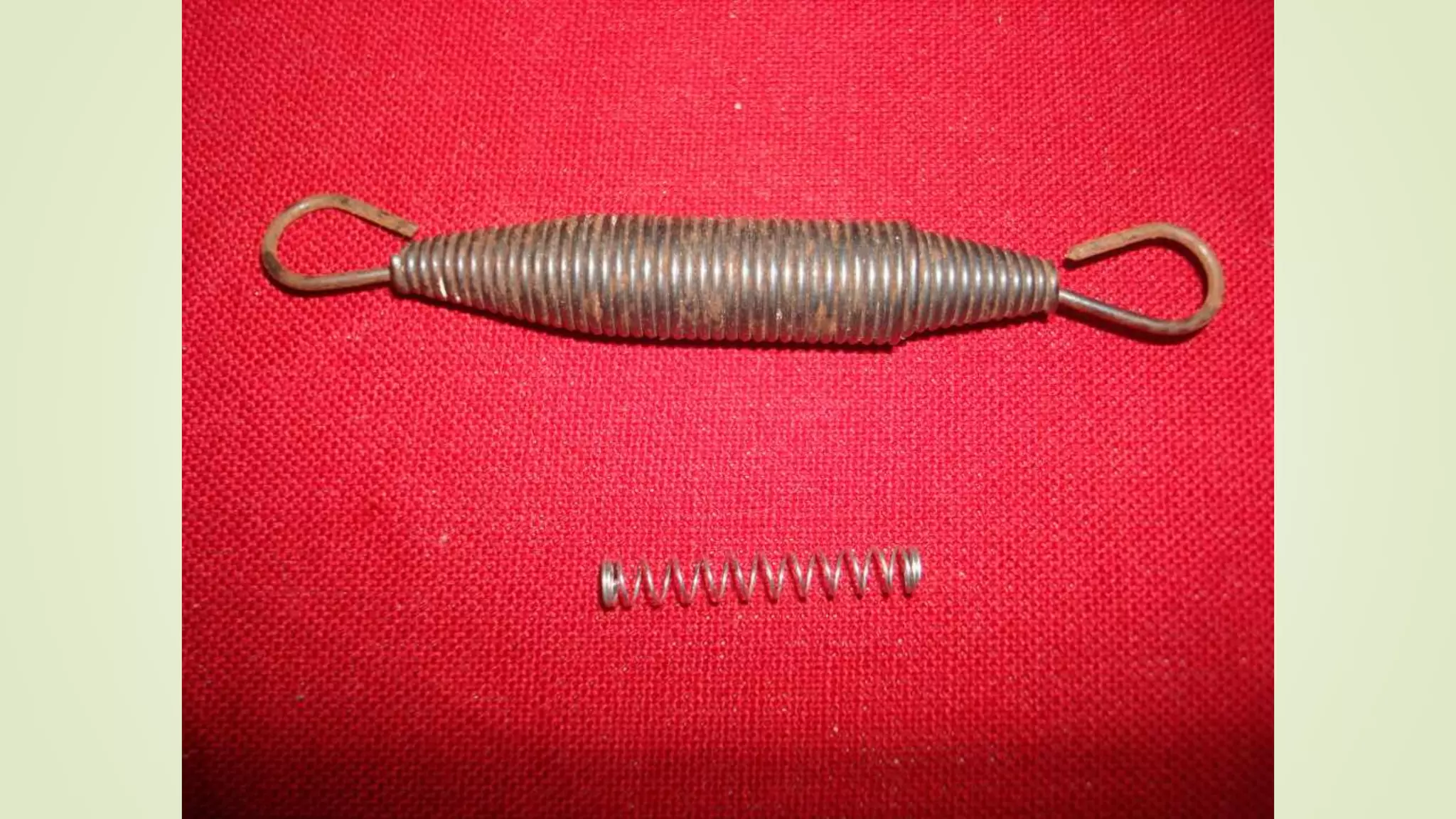
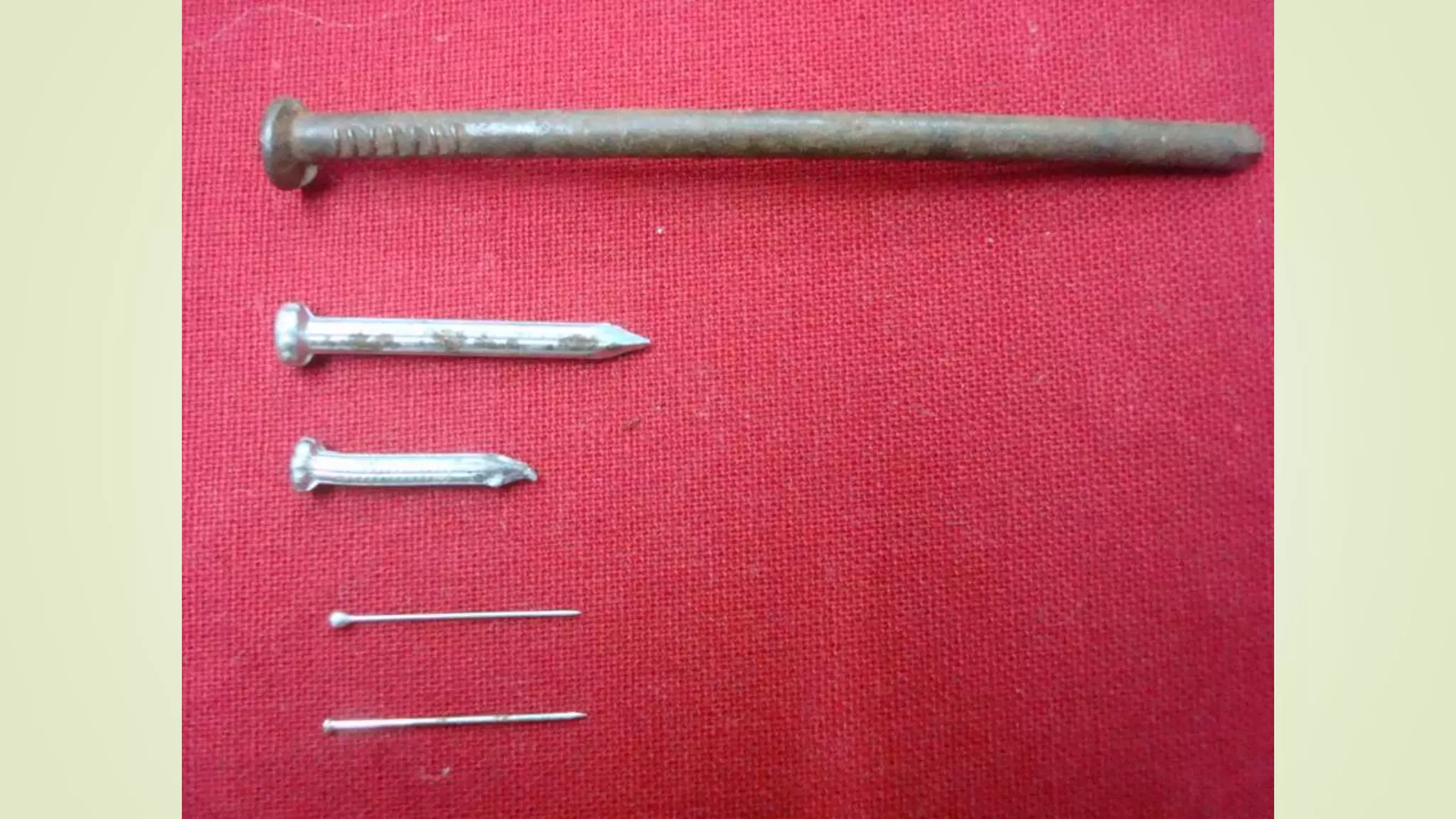
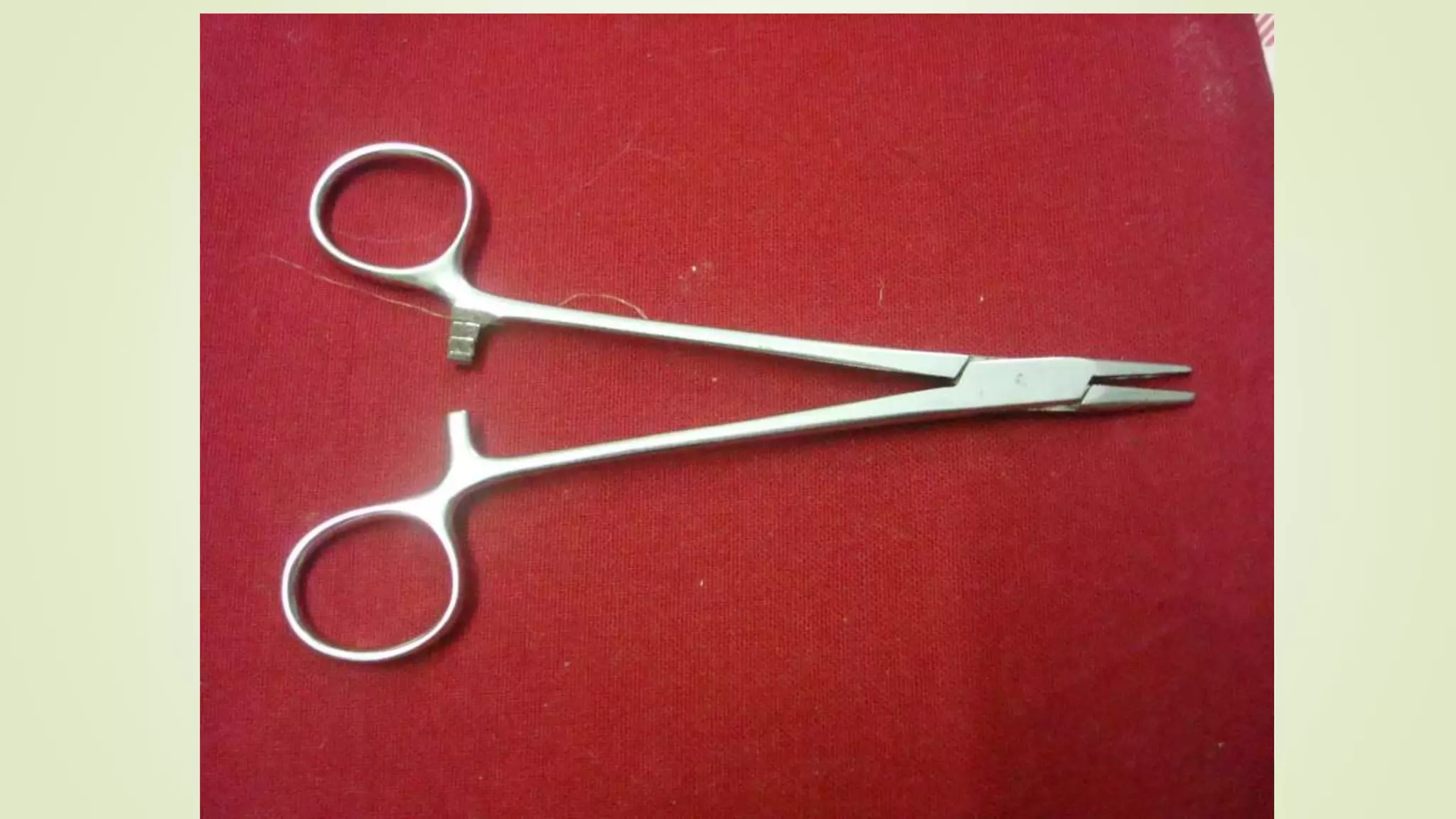
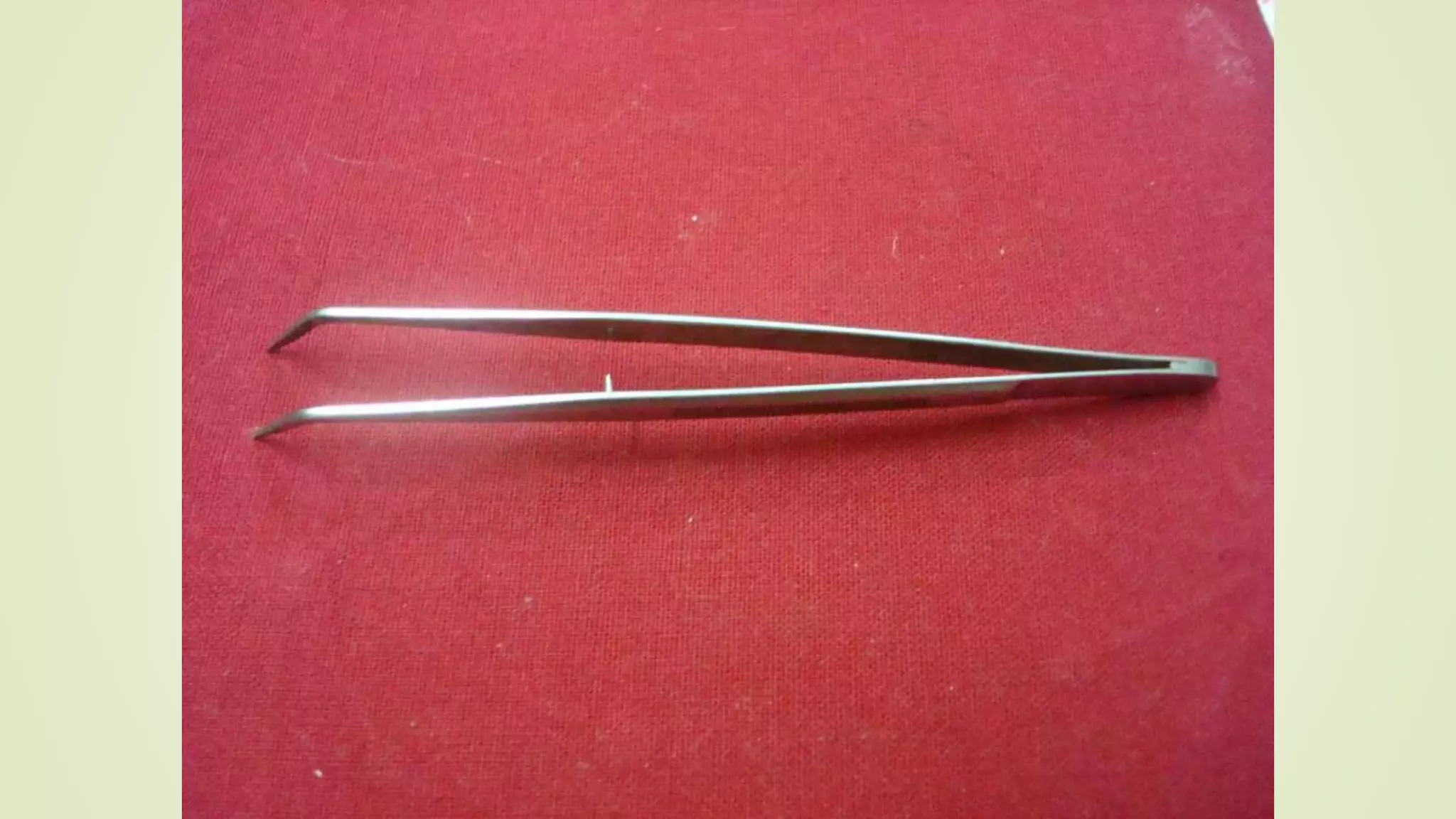
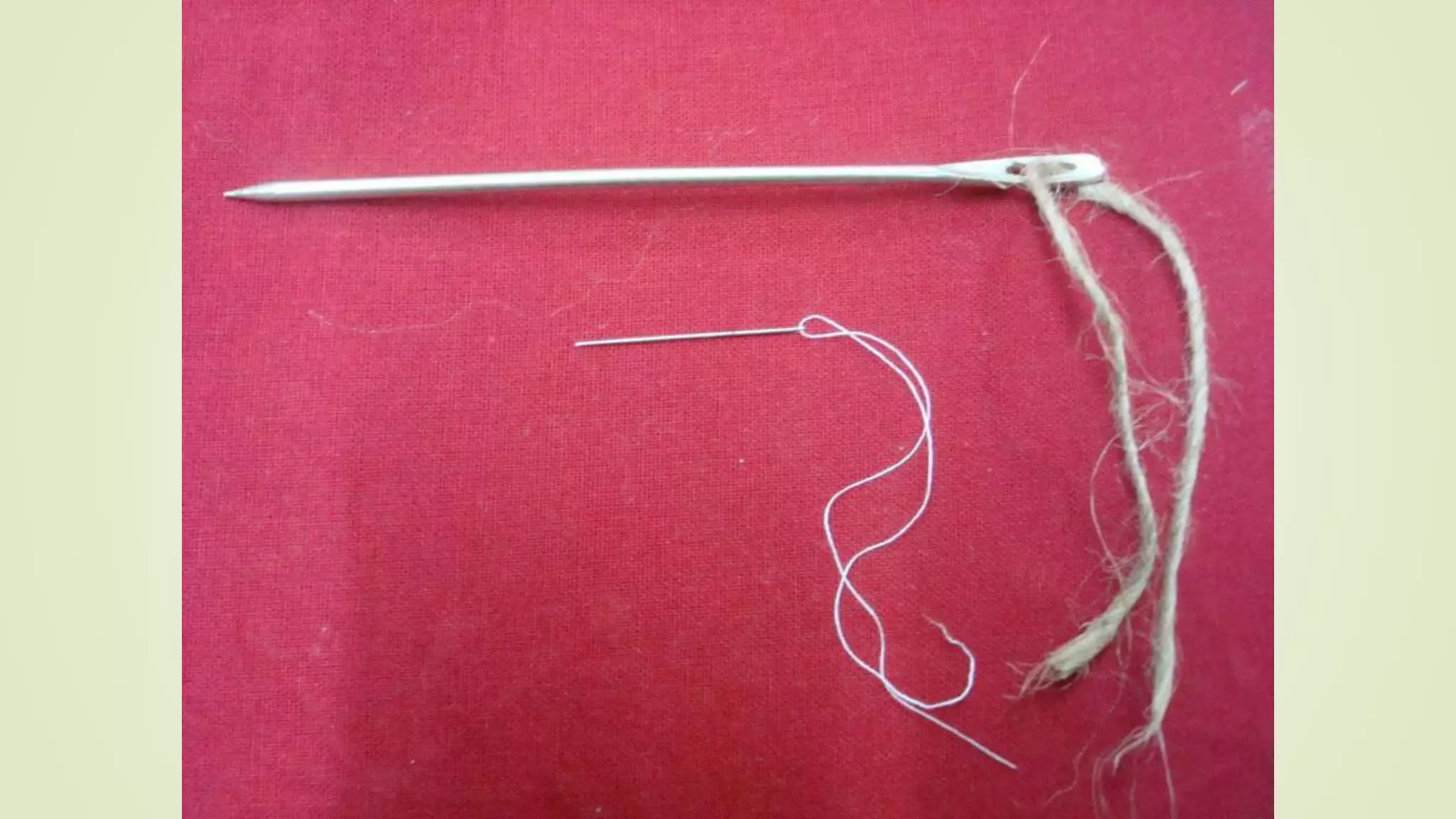
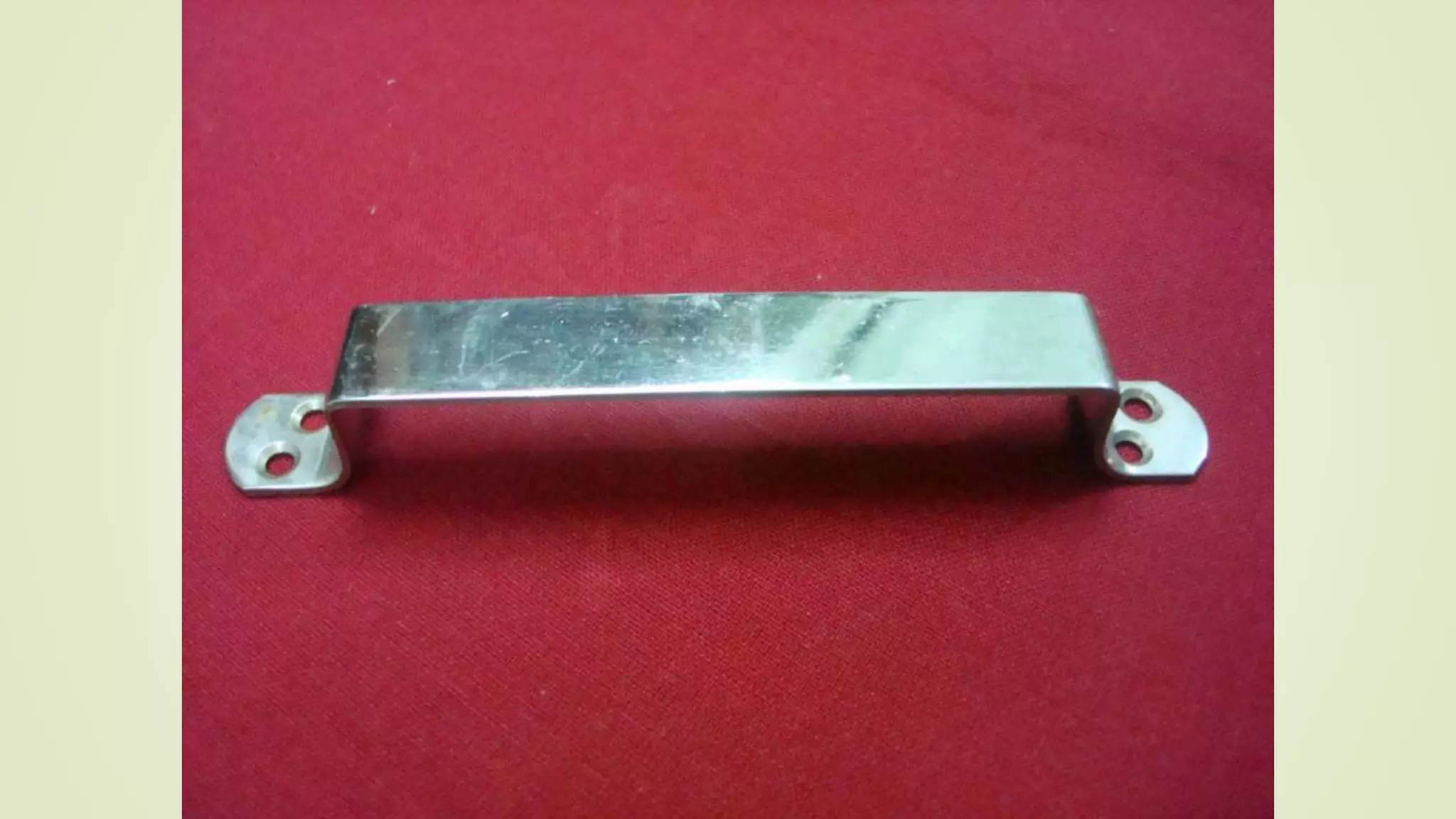
Consider you havea steel wire of 5mm diameter
What you can do with it?
46.
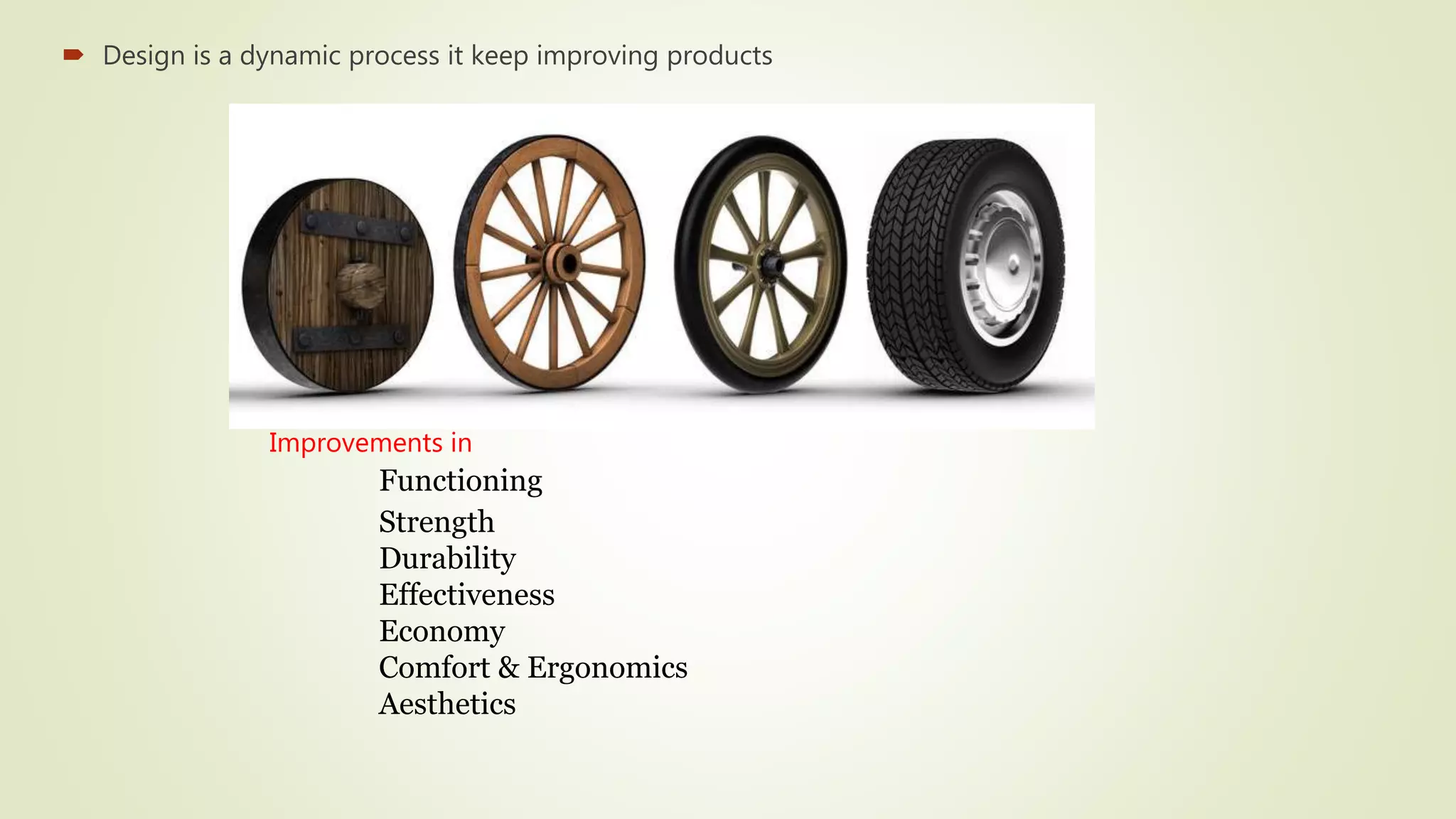
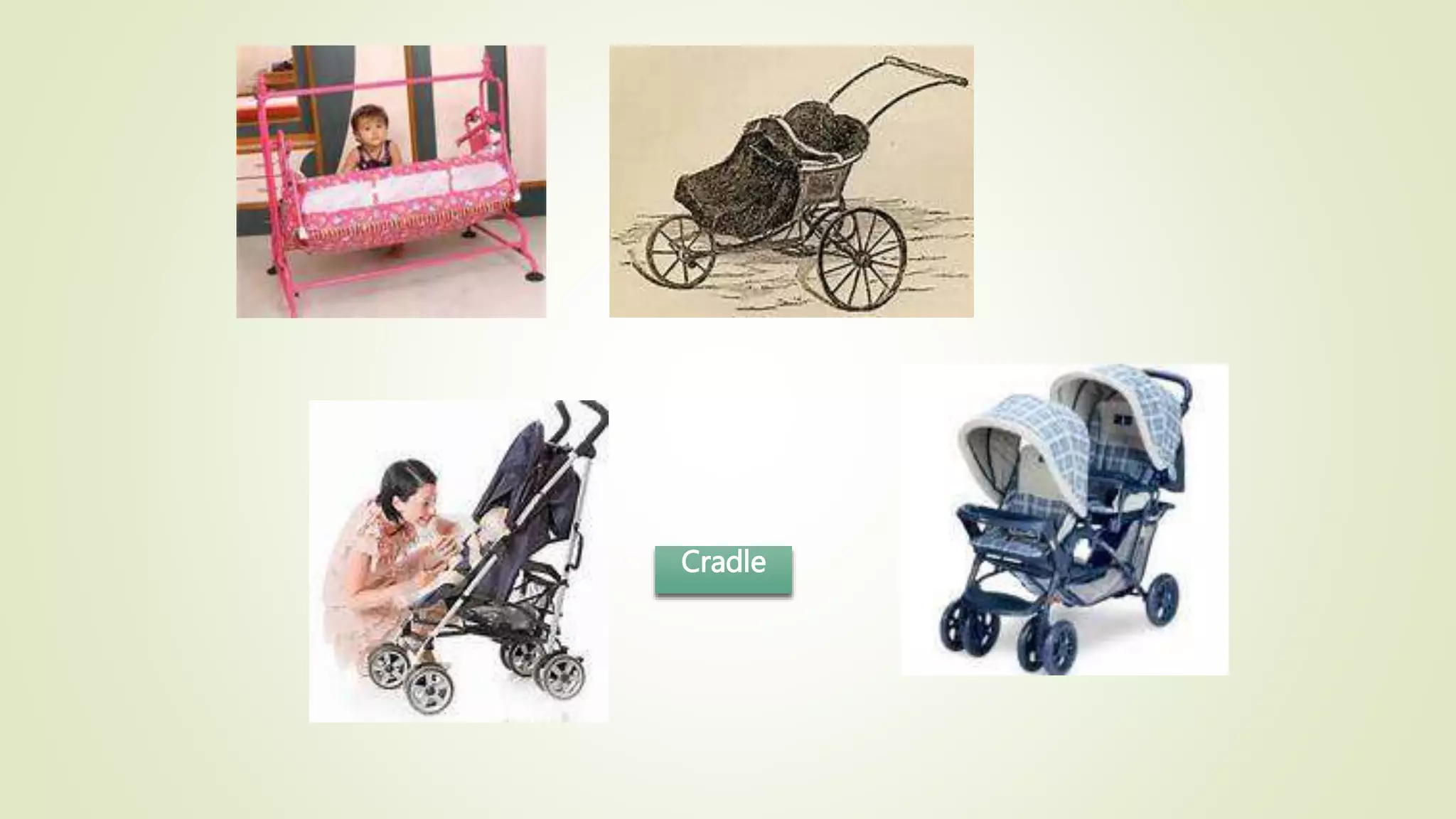
Design isa dynamic process it keep improving products
Improvements in
Functioning
Strength
Durability
Effectiveness
Economy
Comfort & Ergonomics
Aesthetics
50.
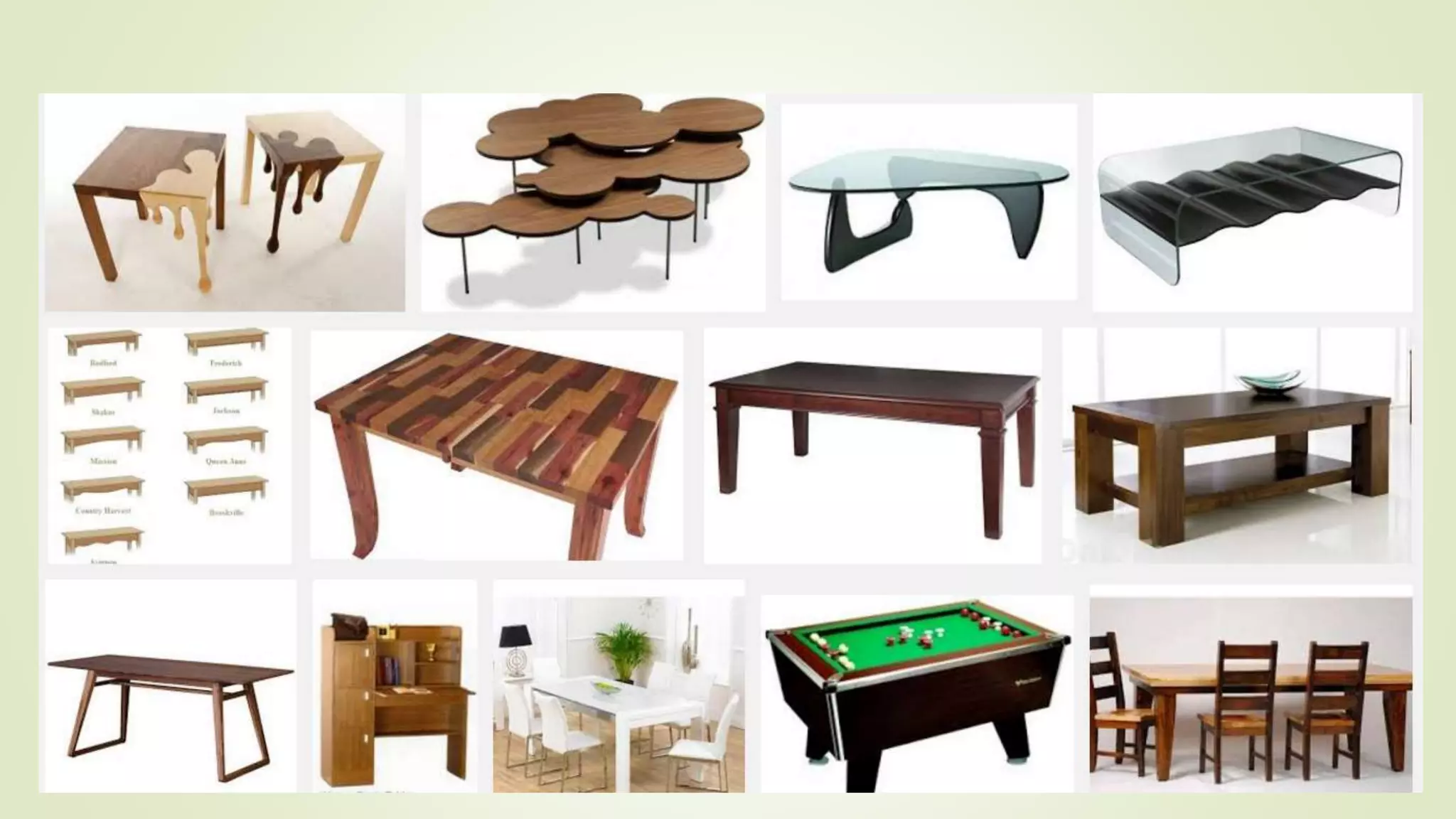
There is noultimate designs !!!
Still you got a chance on everything around you !
Through Human activitiesresulting from
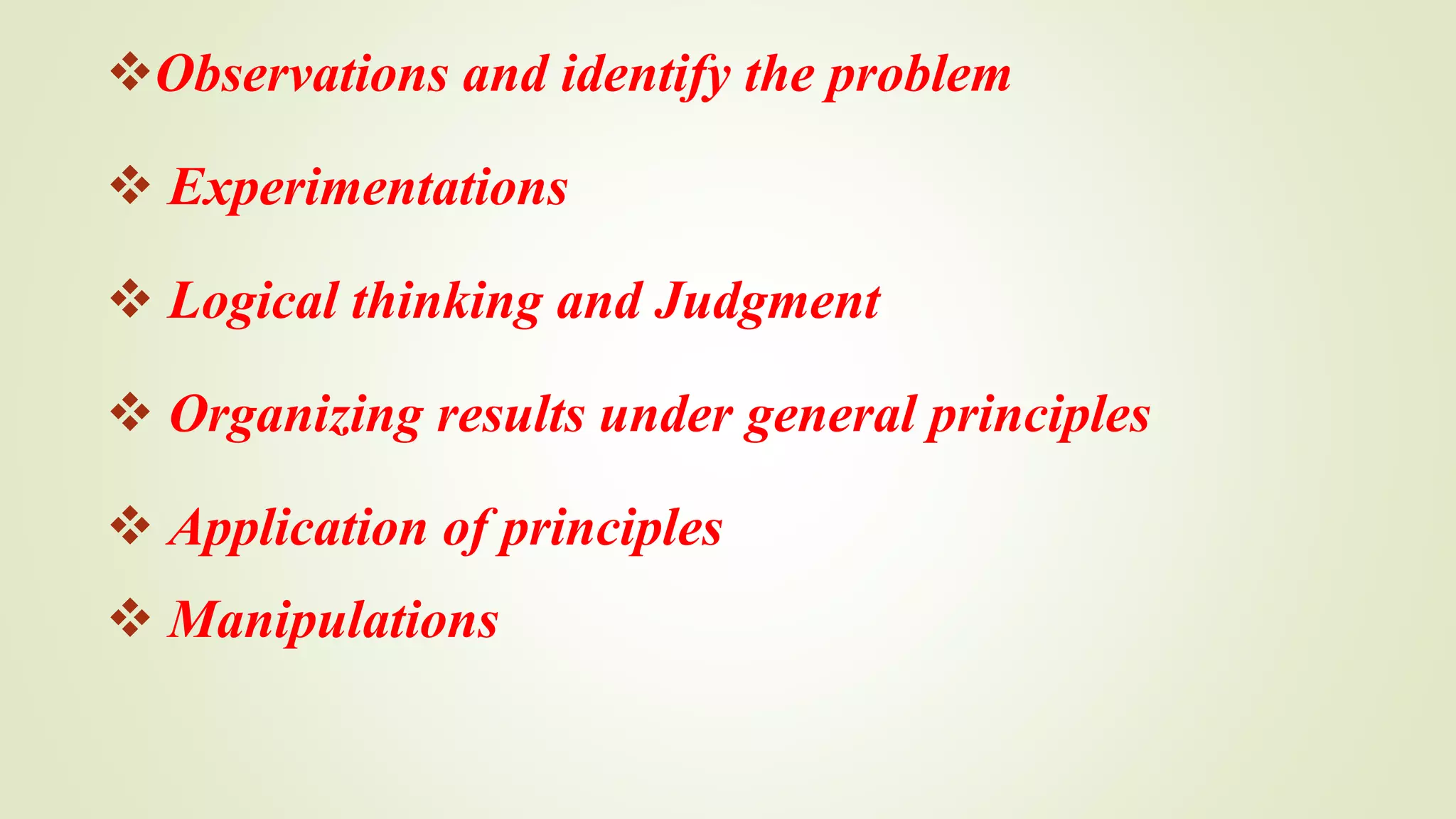
• Observations and identify the problem
• Experimentations
• Logical thinking and Judgment
• Organizing results under general principles
• Application of principles
• Manipulations
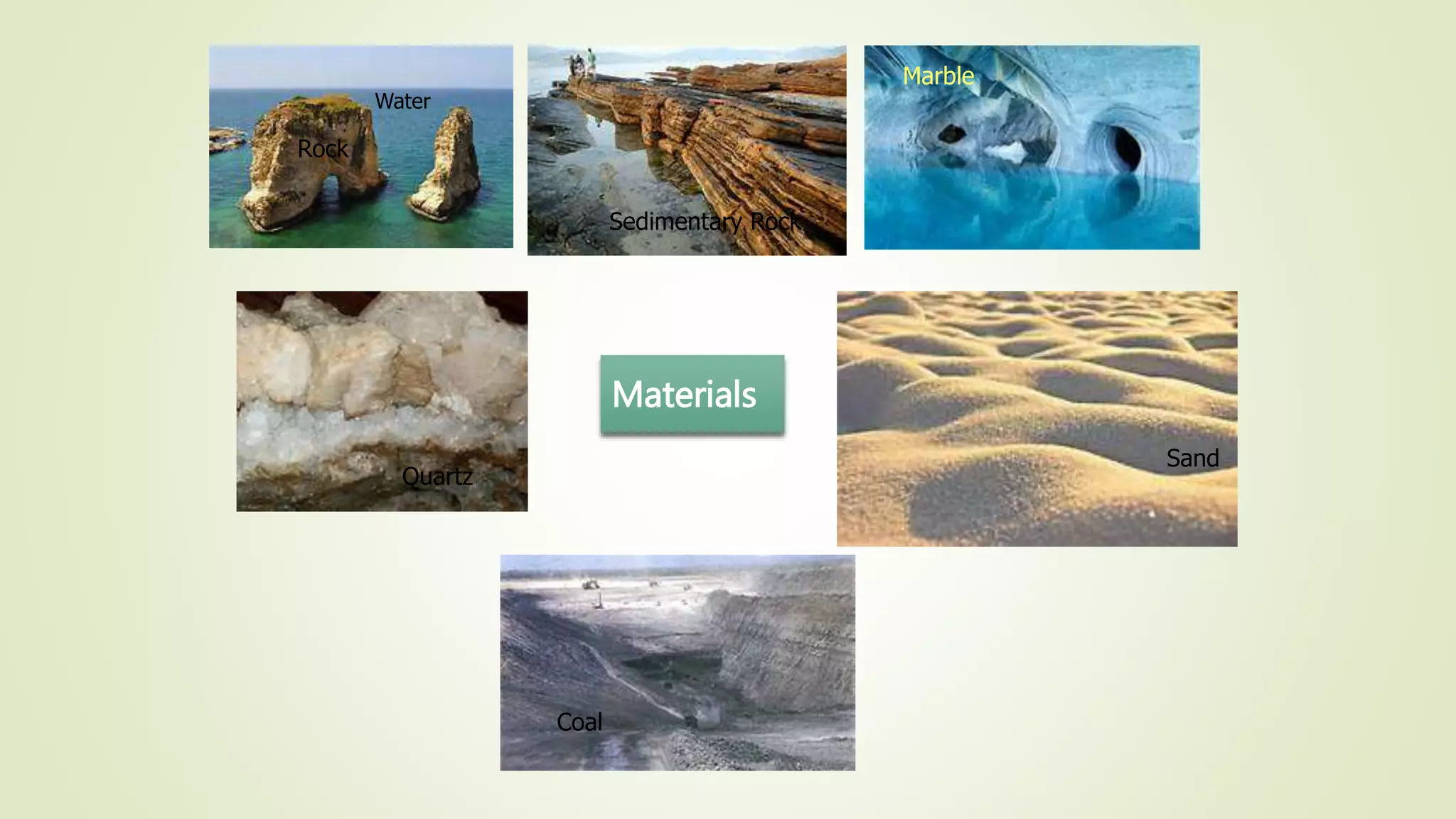
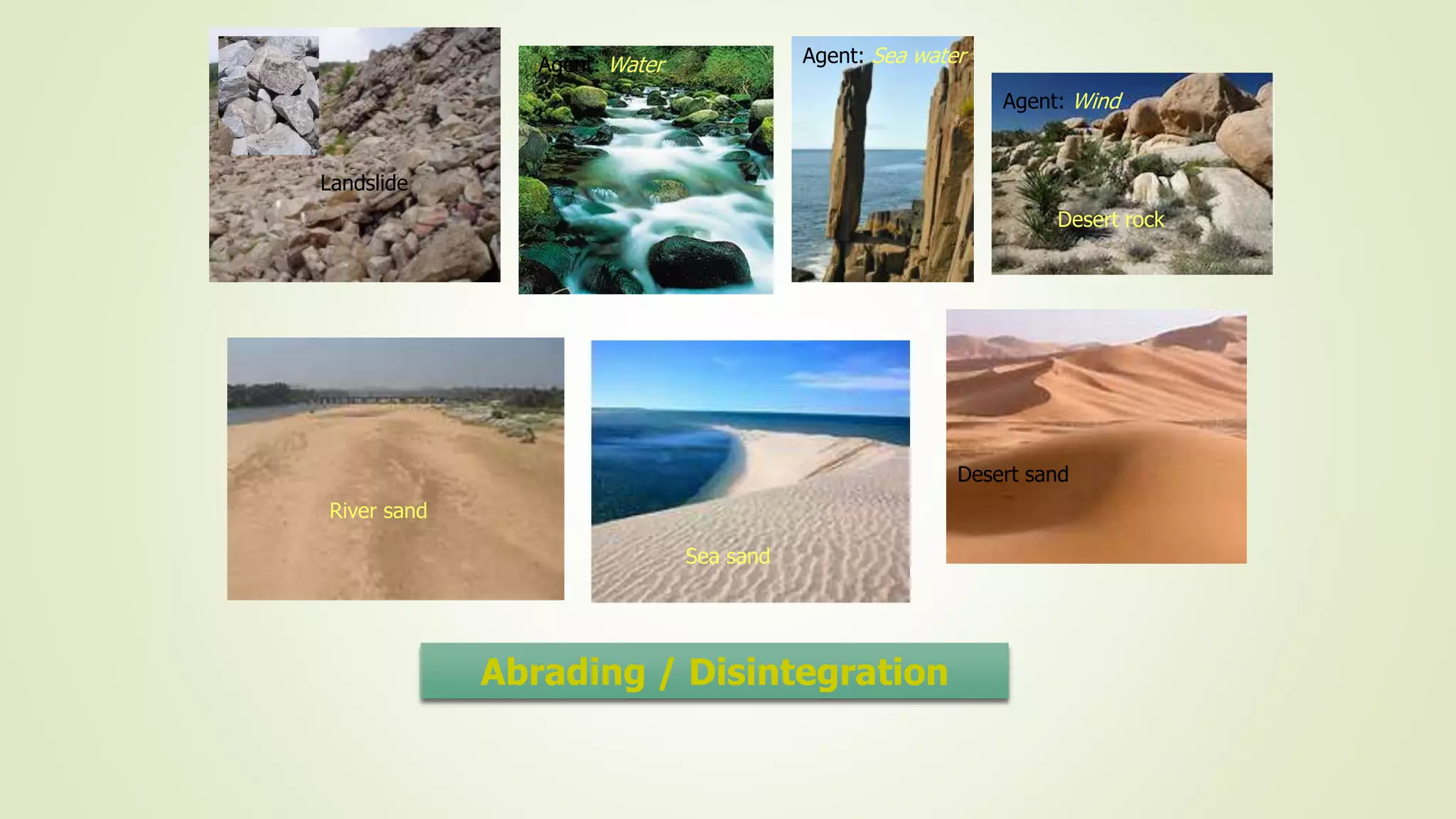
Landslide
Agent: Water Agent:Sea water
Agent: Wind
Desert rock
Desert sand
River sand
Sea sand
Abrading / Disintegration
82.
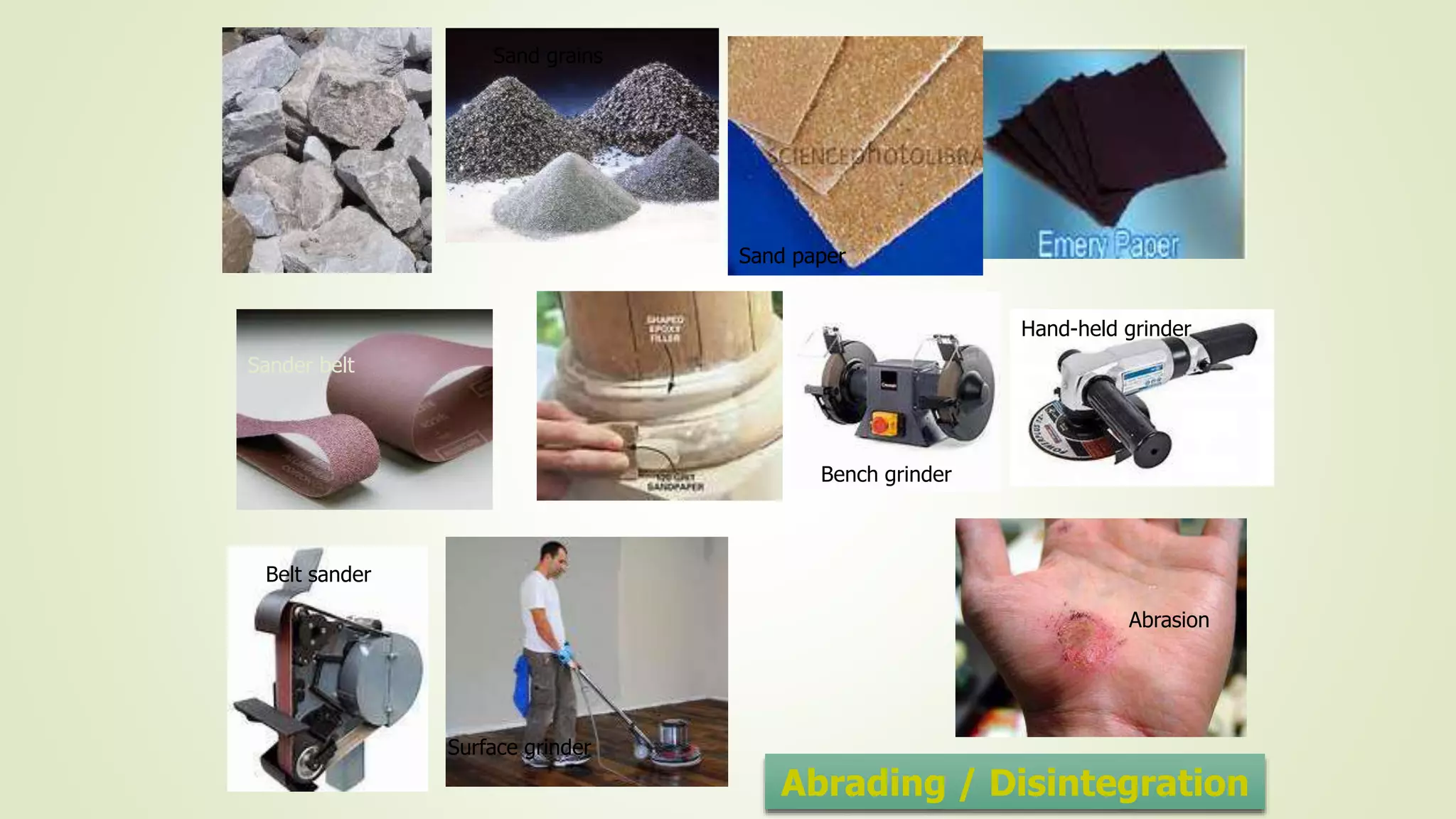
Abrading / Disintegration
Sandgrains
Sand paper
Sander belt
Bench grinder
Hand-held grinder
Belt sander
Surface grinder
Abrasion
83.
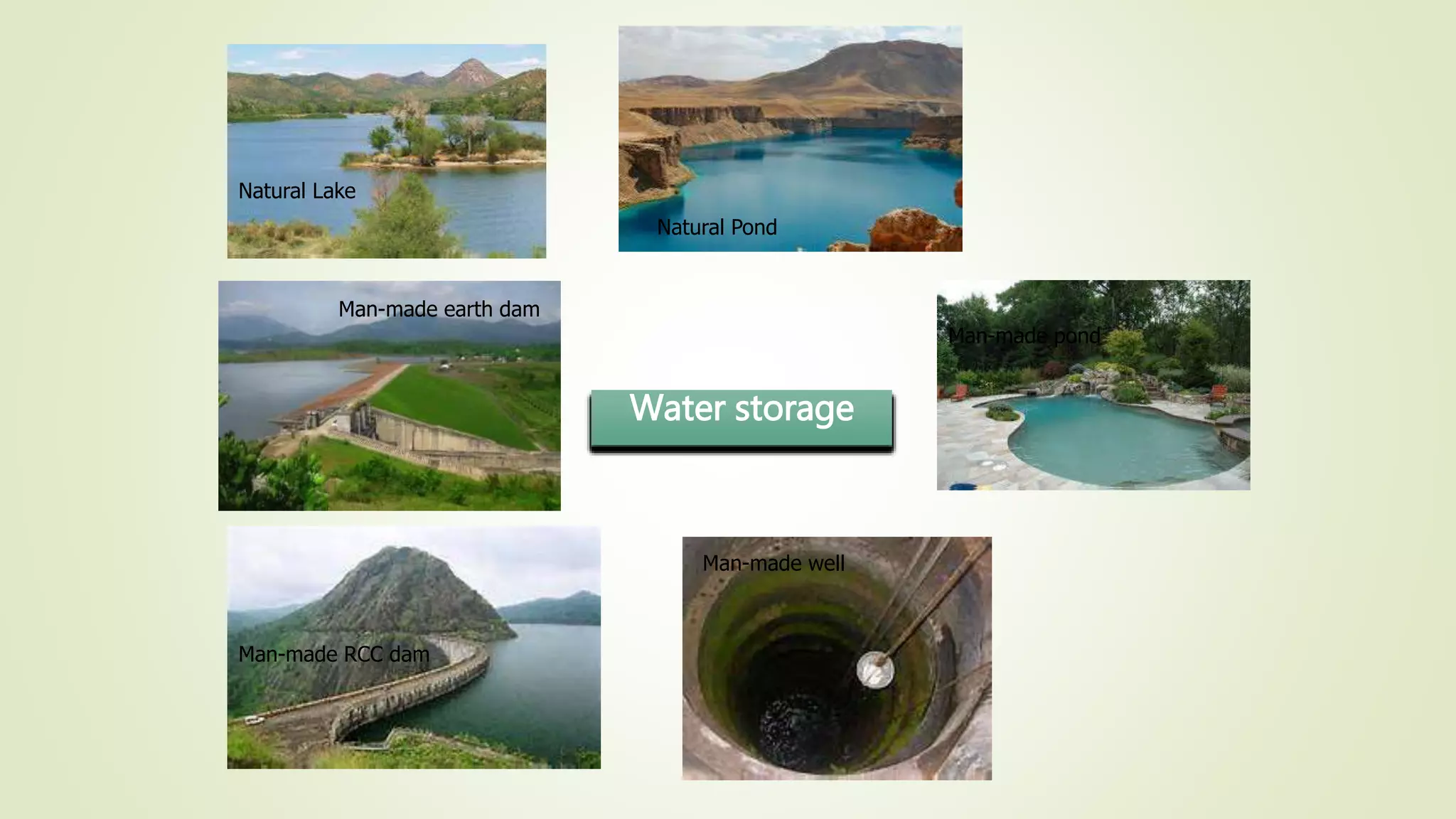
Water storage
Natural Lake
NaturalPond
Man-made earth dam
Man-made pond
Man-made RCC dam
Man-made well
Natural Lake
Natural Pond
Natural Lake
Natural Pond
Natural Lake
Man-made earth dam
Natural Pond
Natural Lake
Water storage
Man-made earth dam
Natural Pond
Natural Lake
Man-made pond
Water storage
Man-made earth dam
Natural Pond
Natural Lake
Man-made pond
Water storage
Man-made earth dam
Natural Pond
Natural Lake
Man-made RCC dam
Man-made pond
Water storage
Man-made earth dam
Natural Pond
Natural Lake
Man-made RCC dam
Man-made pond
Water storage
Man-made earth dam
Natural Pond
Natural Lake
Man-made well
Man-made RCC dam
Man-made pond
Water storage
Man-made earth dam
Natural Pond
Natural Lake
Man-made well
Man-made RCC dam
Man-made pond
Water storage
Man-made earth dam
Natural Pond
Natural Lake
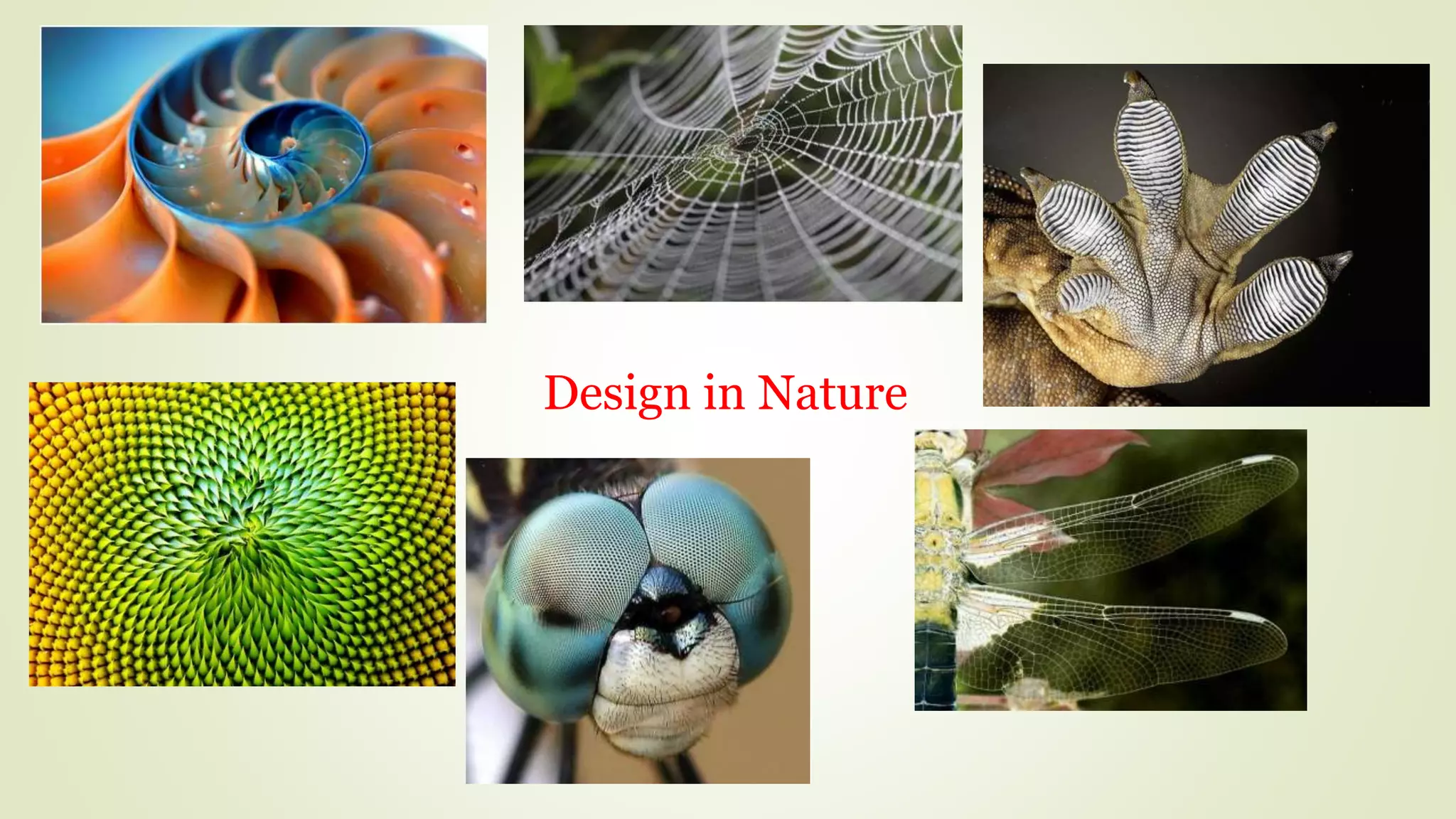
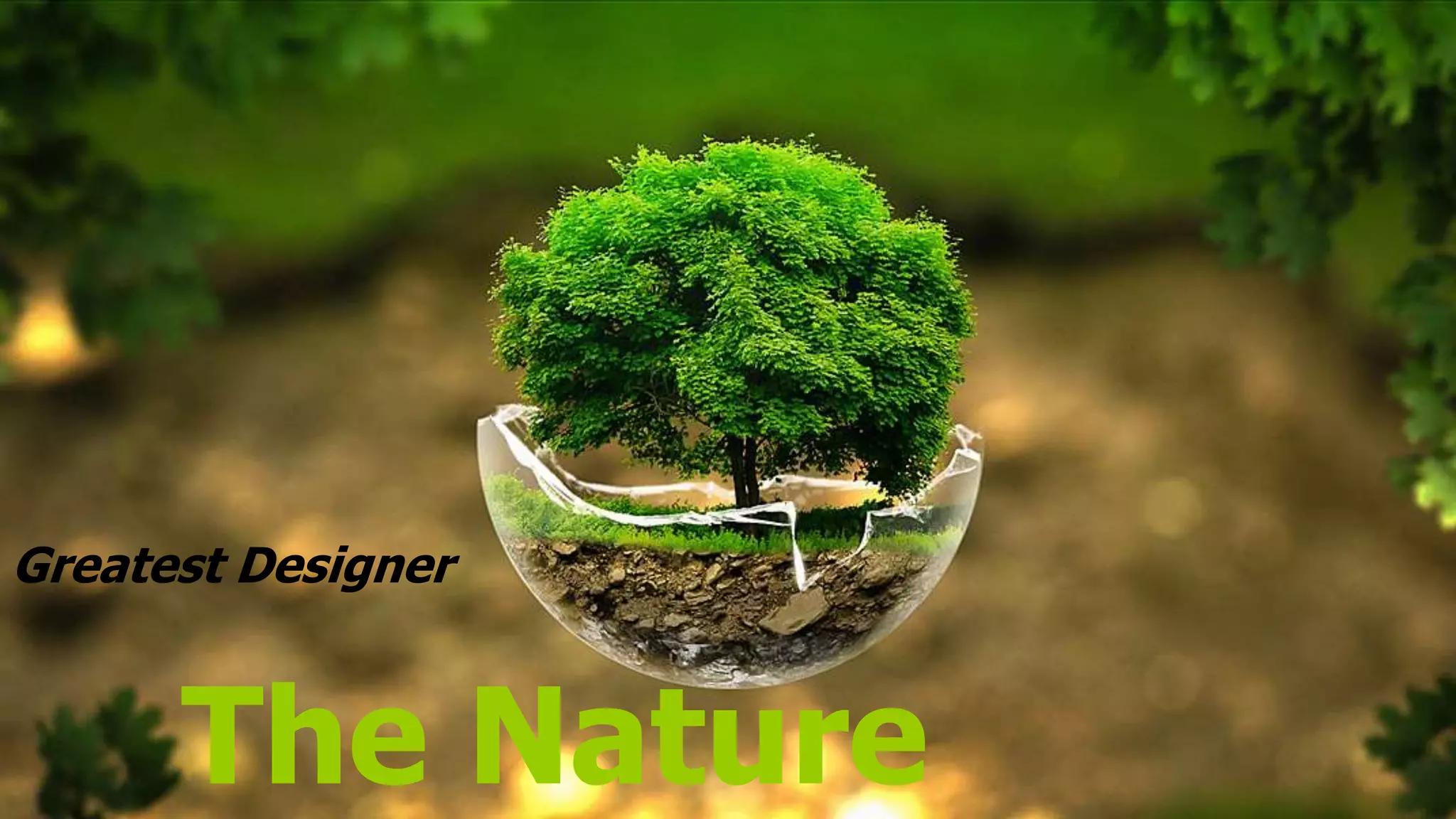
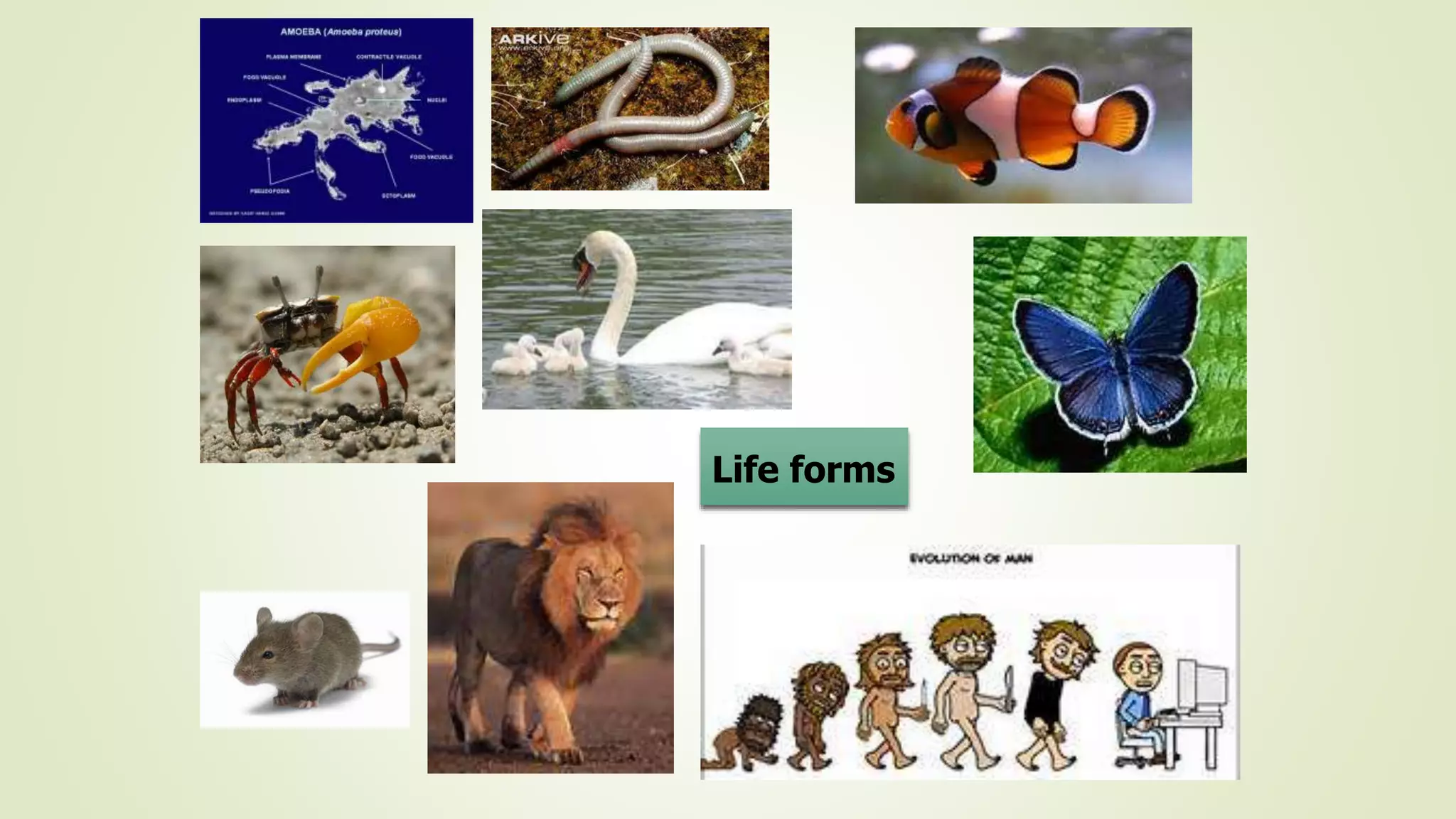
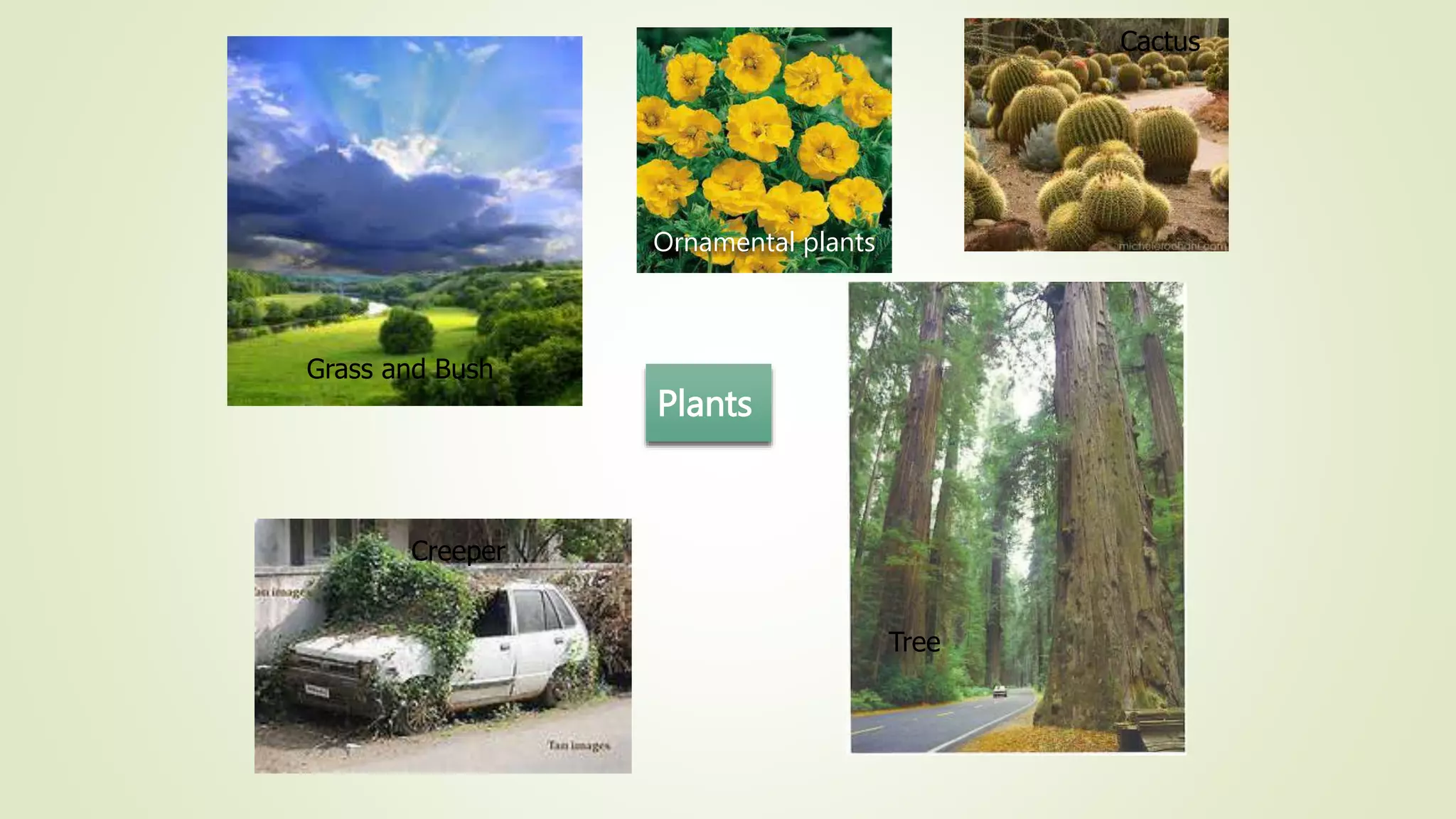
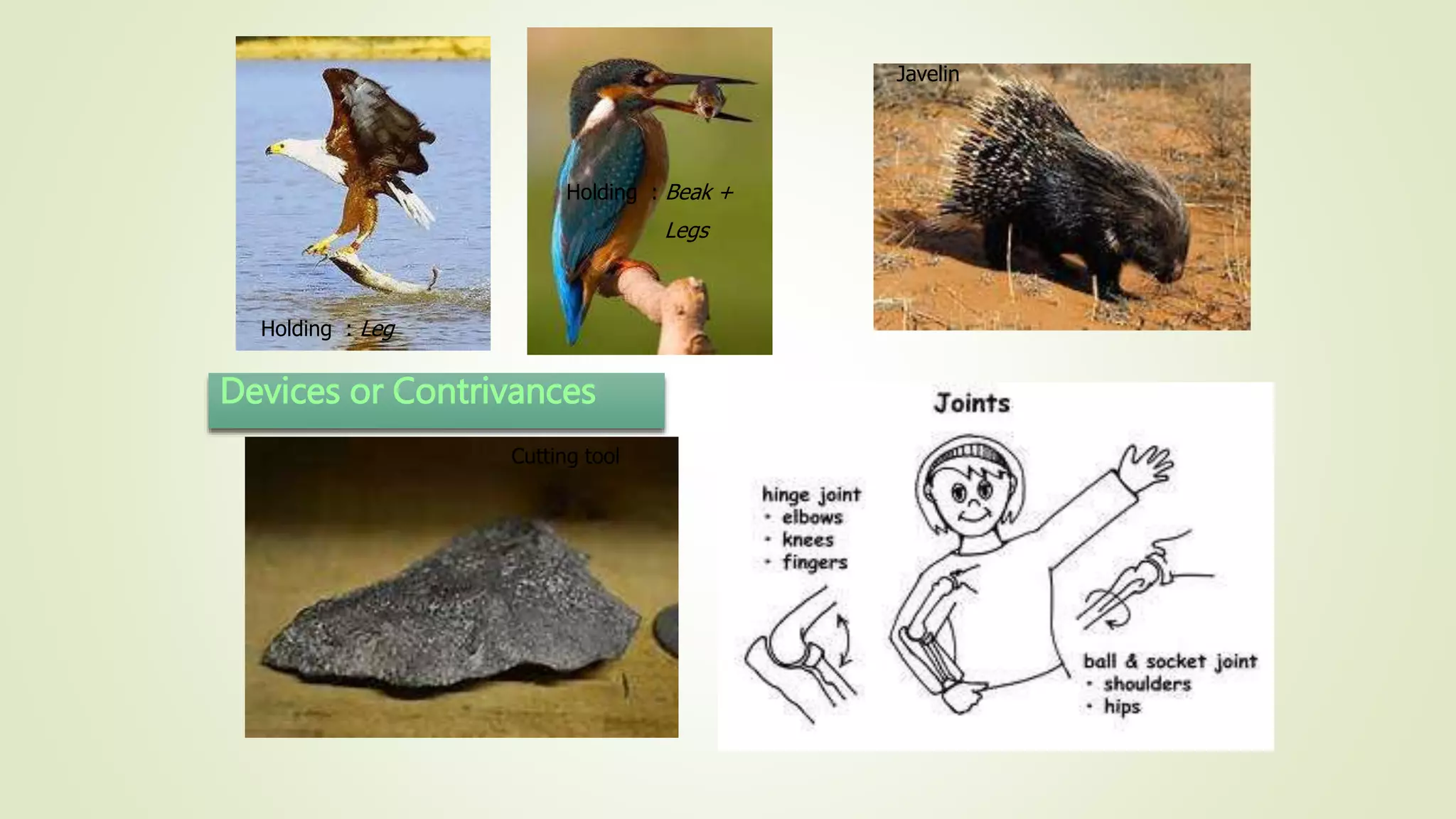
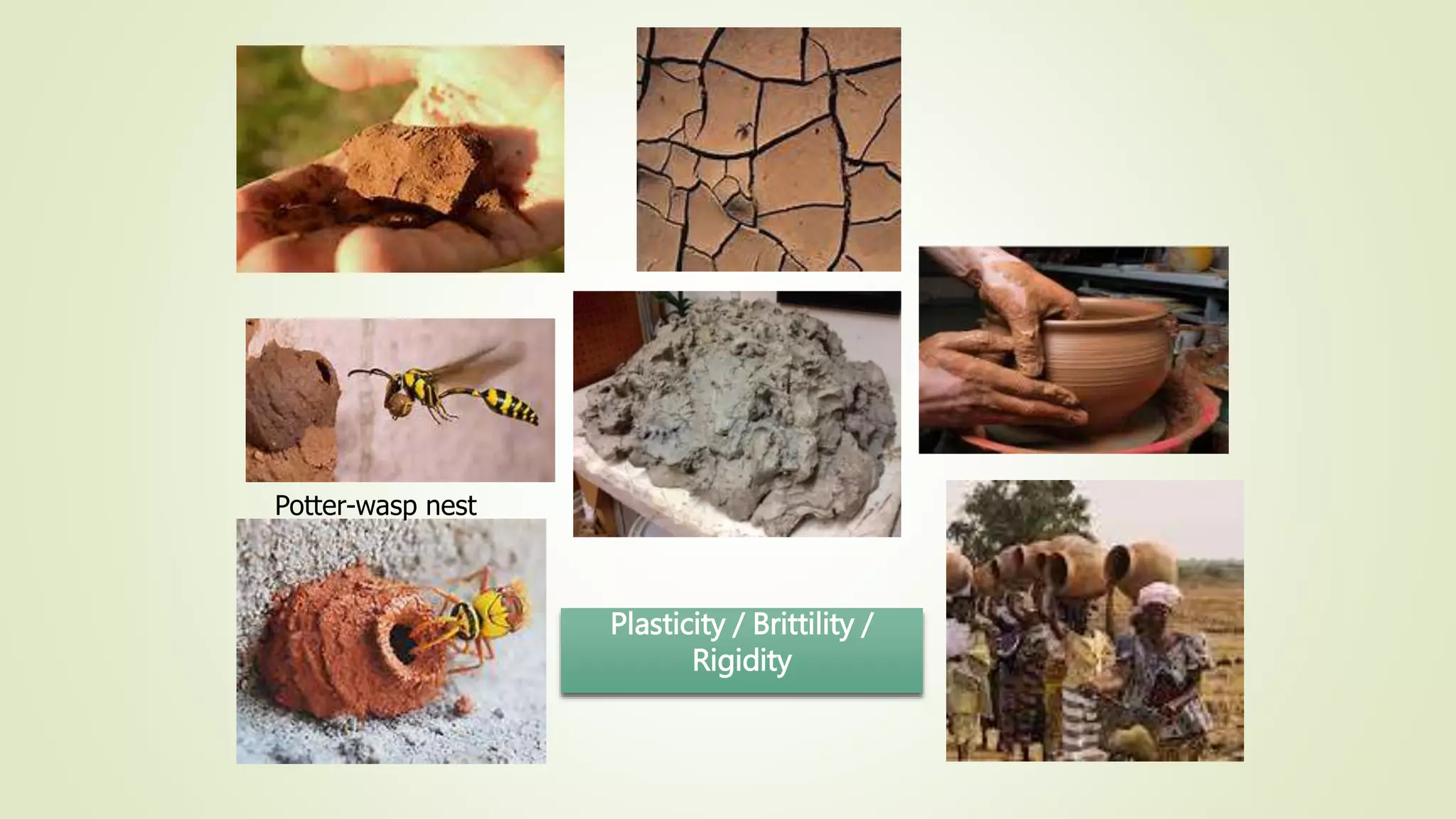
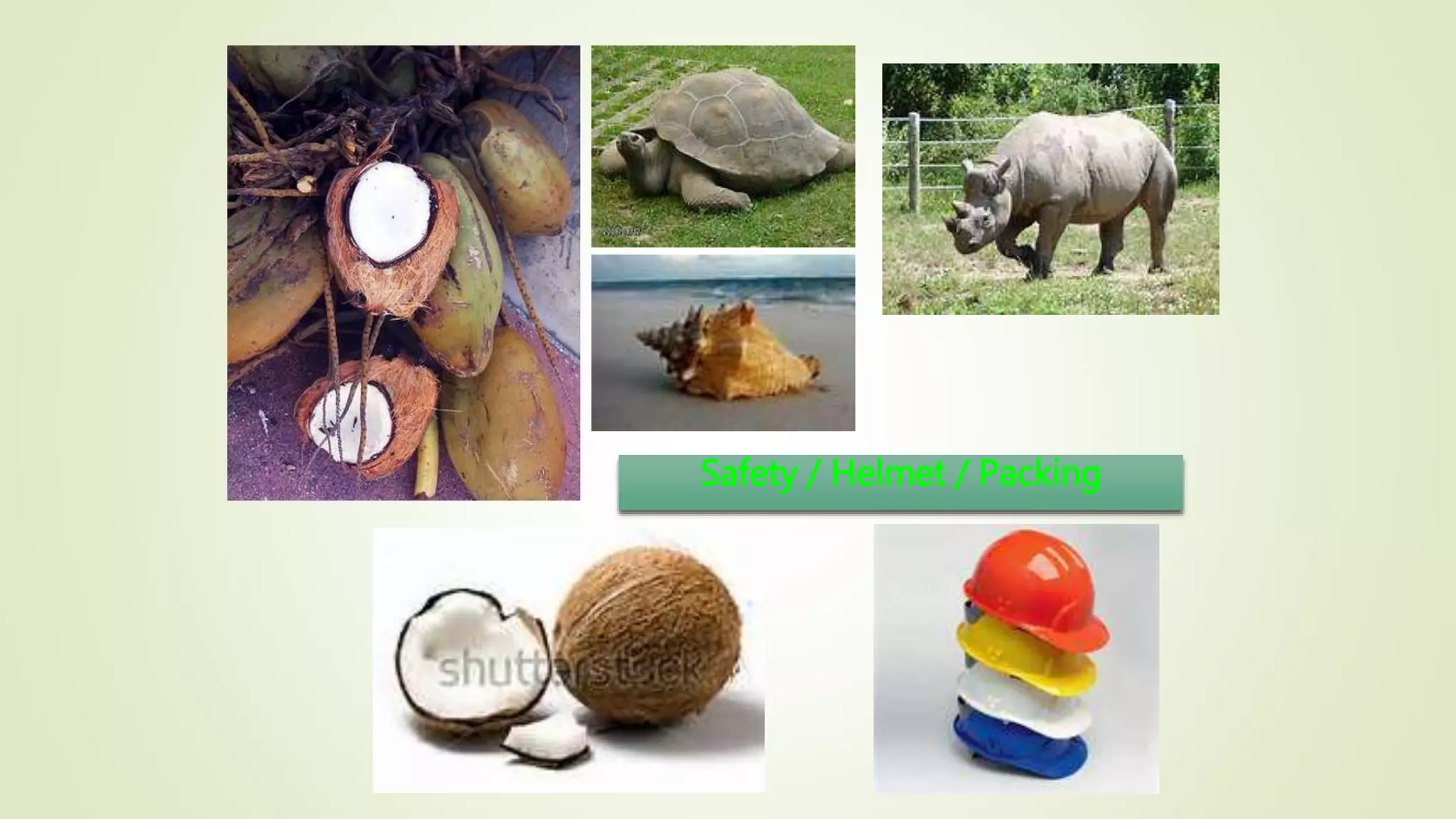
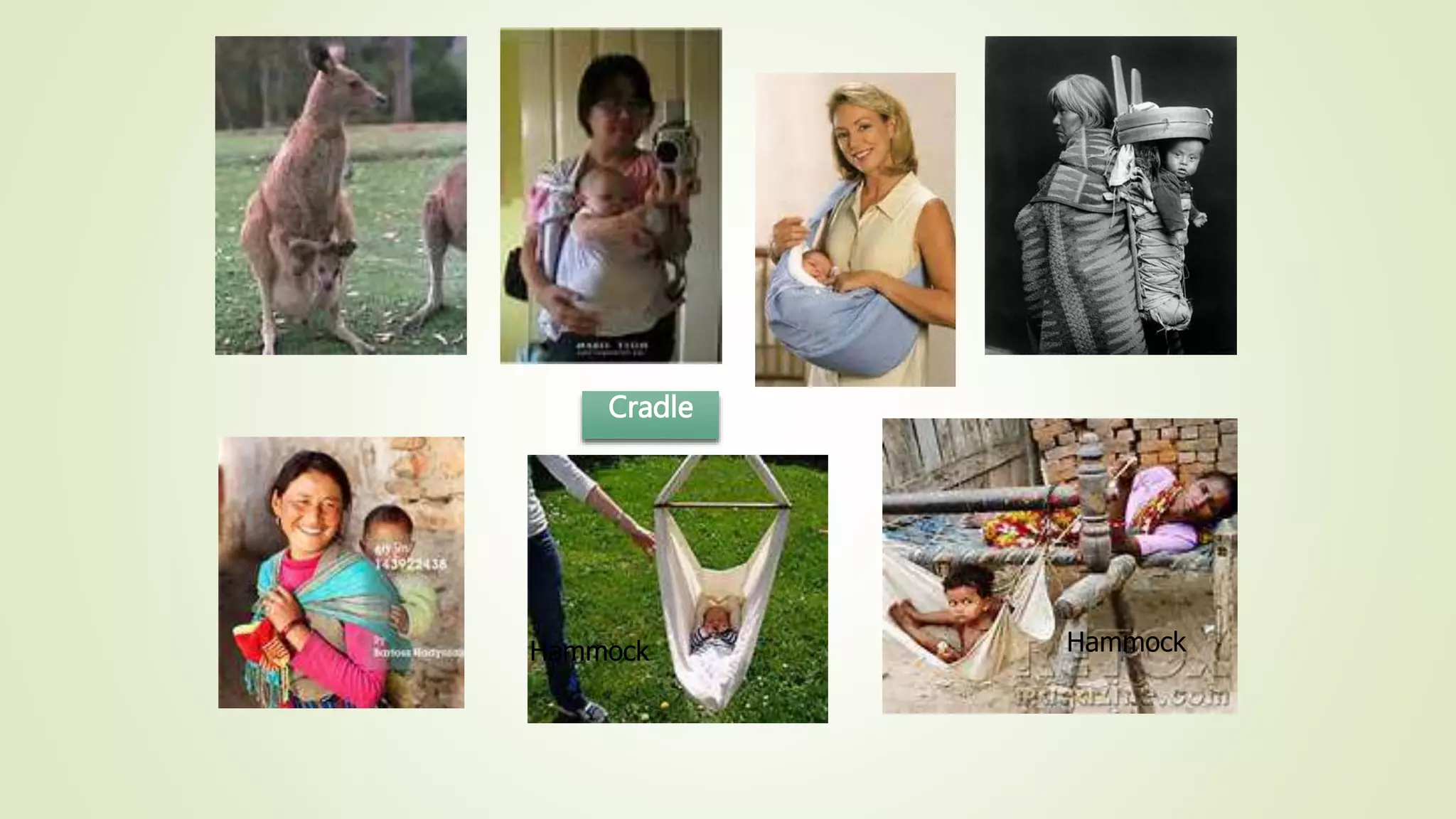
… and so,Humans learned design
basically from the Nature…
and he continues to do so…
Its there in your blood !!!
108.
Experimentations
• It testthe viability of theoretical assumptions
• It trace out possible errors and improve product
• It may leads to new ideas and innovations
109.
Logical thinking andJudgment
Logic requires the act of reasoning by humans in order to form thoug
and opinions, as well as classifications and judgment
110.
Organizing results undergeneral principles
Collective thinking
Mapping requirements and principles
Analyse the results
Re engineer the idea based on results
111.
Application of principles
Lets do it
Integration of Science, Technology & Art through Engineering
Still you may face different problems keep solving issues
After optimization you will have your product
112.
Manipulations
There is noultimate designs keep improving your
product
Integrate added advantages
Try alternate solutions
113.
Observations and identifythe problem
Experimentations
Logical thinking and Judgment
Organizing results under general principles
Application of principles
Manipulations
References
1. Karl TUlrich, Design creation of artifacts in society
2. Balmer, R. T., Keat, W. D., Wise, G., and Kosky, P., Exploring Engineering
3. Don Norman, Design of everything
4. Don Norman, Living with complexity
5. Presentation on ‘Innovation let it ignite a fire on you’ by Dr. Jippu Jacob
6. Ertas, A., Jones, J. C., The Engineering Design Process, John Wiley and Sons, New York, 1996.
7. Lumsdaine, E., Lumsdaine, M., Shelnutt, J. W., Creative Problem Solving and Engineering Design, McGraw-Hill, Inc.,
New York, 1999.
8. Sanders, M. S., McCormick, E. J., Human Factors in Engineering and Design, McGraw-Hill, Inc., New York, 1993.
9. Dym, C. L., Little, P., Engineering Design: A Project-Based Introduction, John Wiley, New York, 1999.
10. Hyman, B., Fundamental of Engineering Design, Prentice Hall, New Jersey, 1998