The principles of
Graphic Design
Applied to
MODERN WEB DEVELOPMENT
Elements of Design
● Lines
● Shapes
● Texture
● Direction
● Size
● Colour
Lines - Why?
● Lines can be used to divide space and direct the viewers eyes.
● Lines can be used to separate content.
● Lines direct the flow of content.
● Can be used to create emphasis on a specific area of your work.
● Can be used as an organizational guide, some examples are:
● Wire-framing in web design / Sketching in logo design
● Properly aligning text and images in web design and graphic design
● The grid system
Source: http://deltadesignz.com/2010/09/design-
principle-lines-in-graphic-design/
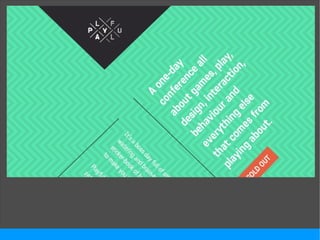
Lines
IBM Design Language Inspiration - Service Catalog
Shape
● Everything is a shape
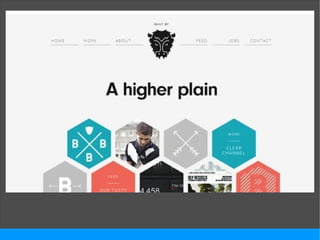
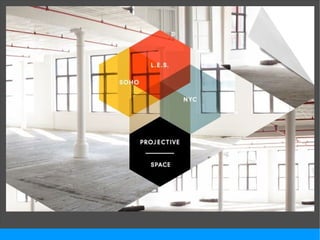
● Shapes add interest in the design
● Used for emphasis
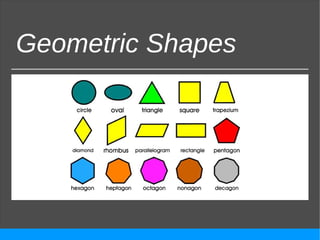
● Geometric and organic shapes
Geometric Shapes
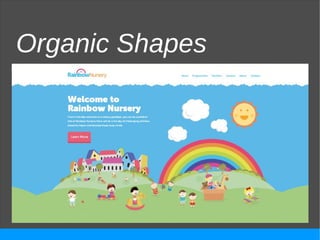
Organic Shapes
Shapes
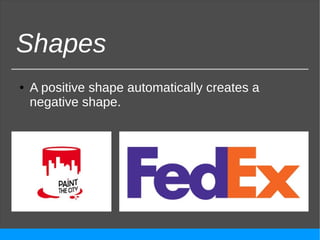
● A positive shape automatically creates a
negative shape.
Texture
● The way a surface feels or is perceived to feel
● With flat design dominating, use textures
smartly (or avoid them)
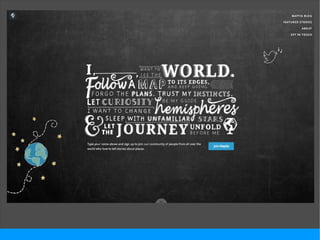
Texture
Direction
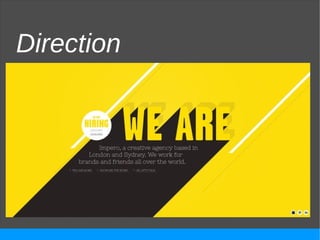
● Horizontal suggests calmness, stability and
tranquillity.
● Vertical gives a feeling of balance, formality and
alertness.
● Oblique suggests movement and action
http://www.j6design.com.au/6-principles-of-design/
Direction
Direction
● Websites scroll vertically (most of the times)
● Visual direction usually form a Z shape in LTR
web designs, a S shape in RTL.
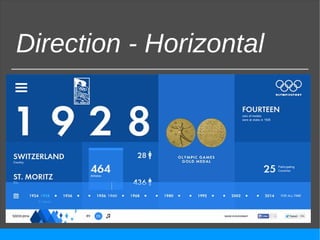
Direction - Horizontal
Size
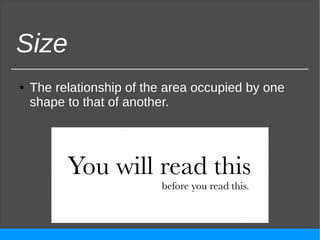
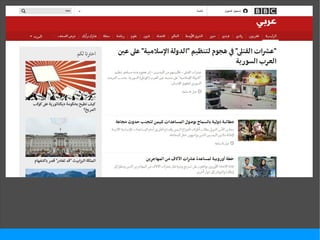
● The relationship of the area occupied by one
shape to that of another.
Size
Colour
● Colour is the visual perceptual property
corresponding in humans to the categories
called red, blue, yellow, etc. [Wikipedia]
Colour
● The 3 main characteristics:
● Hue = Colour's wavelength
● Saturation (or Chroma) = How Sharp or dull a
colour appears
● Brightness (or Value) = is the shade (darkness) or
tint (lightness) of a colour
Color
Colour
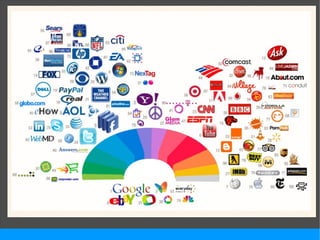
● http://brandcolors.net

Intro to Graphic Design Elements

  • 1.
    The principles of GraphicDesign Applied to MODERN WEB DEVELOPMENT
  • 2.
    Elements of Design ●Lines ● Shapes ● Texture ● Direction ● Size ● Colour
  • 3.
    Lines - Why? ●Lines can be used to divide space and direct the viewers eyes. ● Lines can be used to separate content. ● Lines direct the flow of content. ● Can be used to create emphasis on a specific area of your work. ● Can be used as an organizational guide, some examples are: ● Wire-framing in web design / Sketching in logo design ● Properly aligning text and images in web design and graphic design ● The grid system Source: http://deltadesignz.com/2010/09/design- principle-lines-in-graphic-design/
  • 4.
    Lines IBM Design LanguageInspiration - Service Catalog
  • 6.
    Shape ● Everything isa shape ● Shapes add interest in the design ● Used for emphasis ● Geometric and organic shapes
  • 7.
  • 10.
  • 11.
    Shapes ● A positiveshape automatically creates a negative shape.
  • 12.
    Texture ● The waya surface feels or is perceived to feel ● With flat design dominating, use textures smartly (or avoid them)
  • 13.
  • 14.
    Direction ● Horizontal suggestscalmness, stability and tranquillity. ● Vertical gives a feeling of balance, formality and alertness. ● Oblique suggests movement and action http://www.j6design.com.au/6-principles-of-design/
  • 15.
  • 16.
    Direction ● Websites scrollvertically (most of the times) ● Visual direction usually form a Z shape in LTR web designs, a S shape in RTL.
  • 17.
  • 18.
    Size ● The relationshipof the area occupied by one shape to that of another.
  • 19.
  • 20.
    Colour ● Colour isthe visual perceptual property corresponding in humans to the categories called red, blue, yellow, etc. [Wikipedia]
  • 21.
    Colour ● The 3main characteristics: ● Hue = Colour's wavelength ● Saturation (or Chroma) = How Sharp or dull a colour appears ● Brightness (or Value) = is the shade (darkness) or tint (lightness) of a colour
  • 22.
  • 23.