


1
Integrating Efficiency into Healthcare:
A Life Cycle Approach
Warren Rosebraugh
Director, Solution Architects
Tweet Live!
#SchneiderXE
2
Objectives
Upon Completion of this course, you will be able to
●Define Solution-Based Design Process
●Identify Healthcare System Priorities and Needs
●Lifecycle Considerations
●Identify How Intelligent Infrastructure Impacts
● Functional Areas
● Energy Management
● Business Value
●Identify how Integrated Control Platform Reduces CAPEX and OPEX
●Define Integration “Use Cases”
●Compare Traditional vs. Solution Based Delivery Methods
3
Solution-Based
Design Process
4
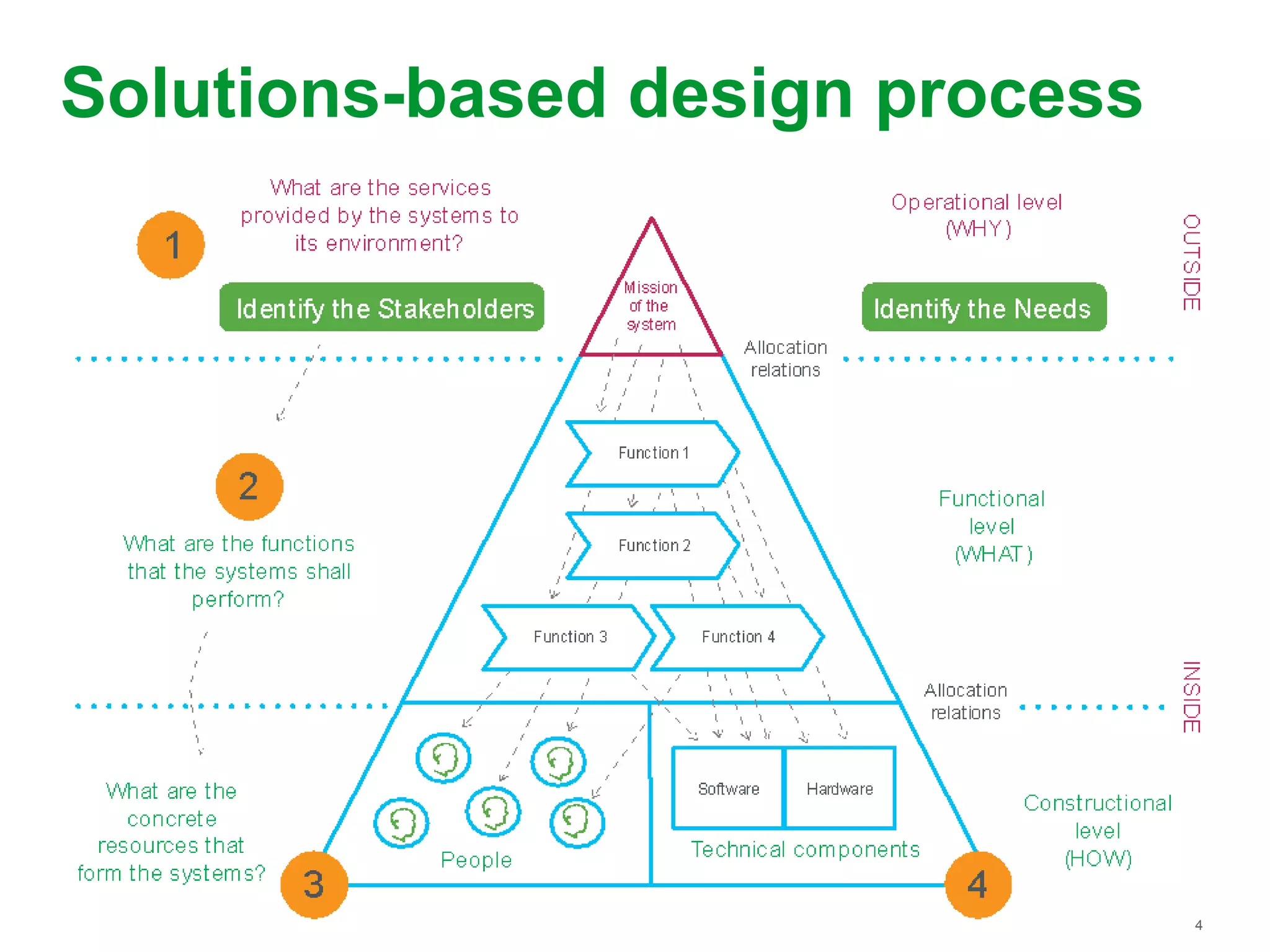
Solutions-based design process
5
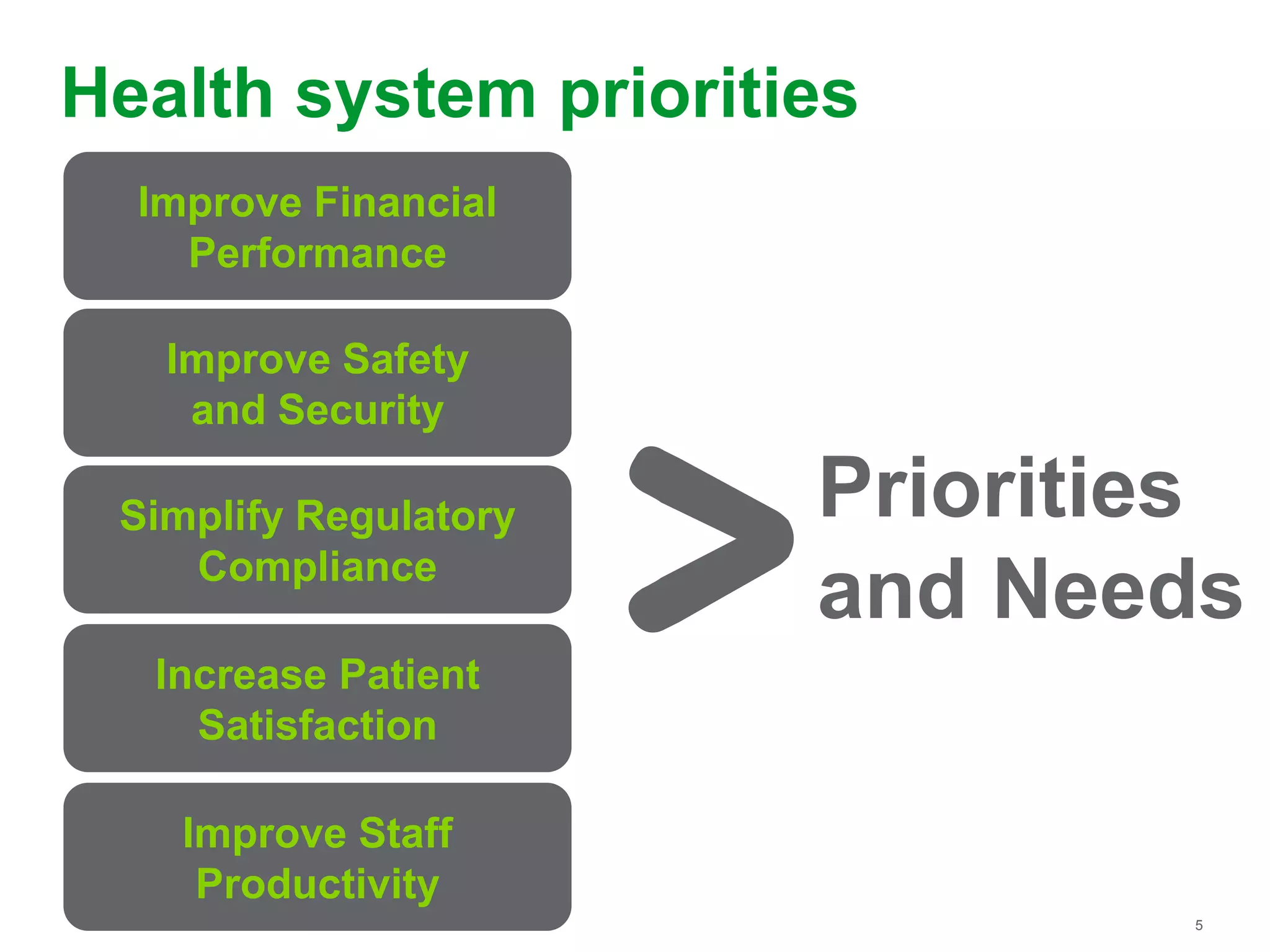
Health system priorities
Improve Financial
Performance
Improve Safety
and Security
Simplify Regulatory
Compliance
Increase Patient
Satisfaction
Improve Staff
Productivity
Priorities
and Needs
6
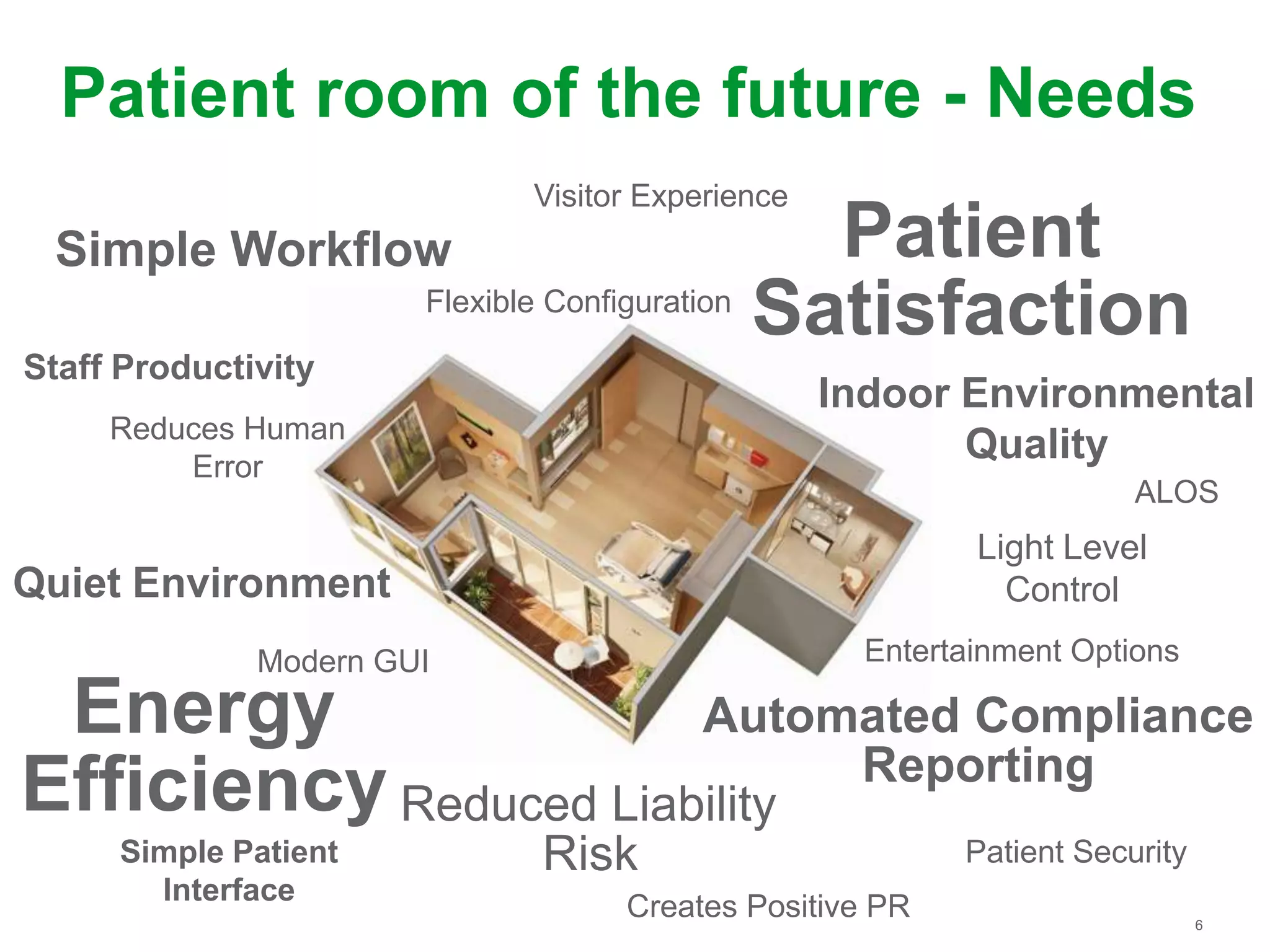
Patient room of the future - Needs
Patient
Satisfaction
Patient Security
ALOS
Indoor Environmental
Quality
Energy
Efficiency
Entertainment Options
Quiet Environment
Simple Patient
Interface
Light Level
Control
Modern GUI
Staff Productivity
Simple Workflow
Automated Compliance
Reporting
Reduced Liability
Risk
Creates Positive PR
Flexible Configuration
Reduces Human
Error
Visitor Experience
7
Lifecycle
Considerations
8
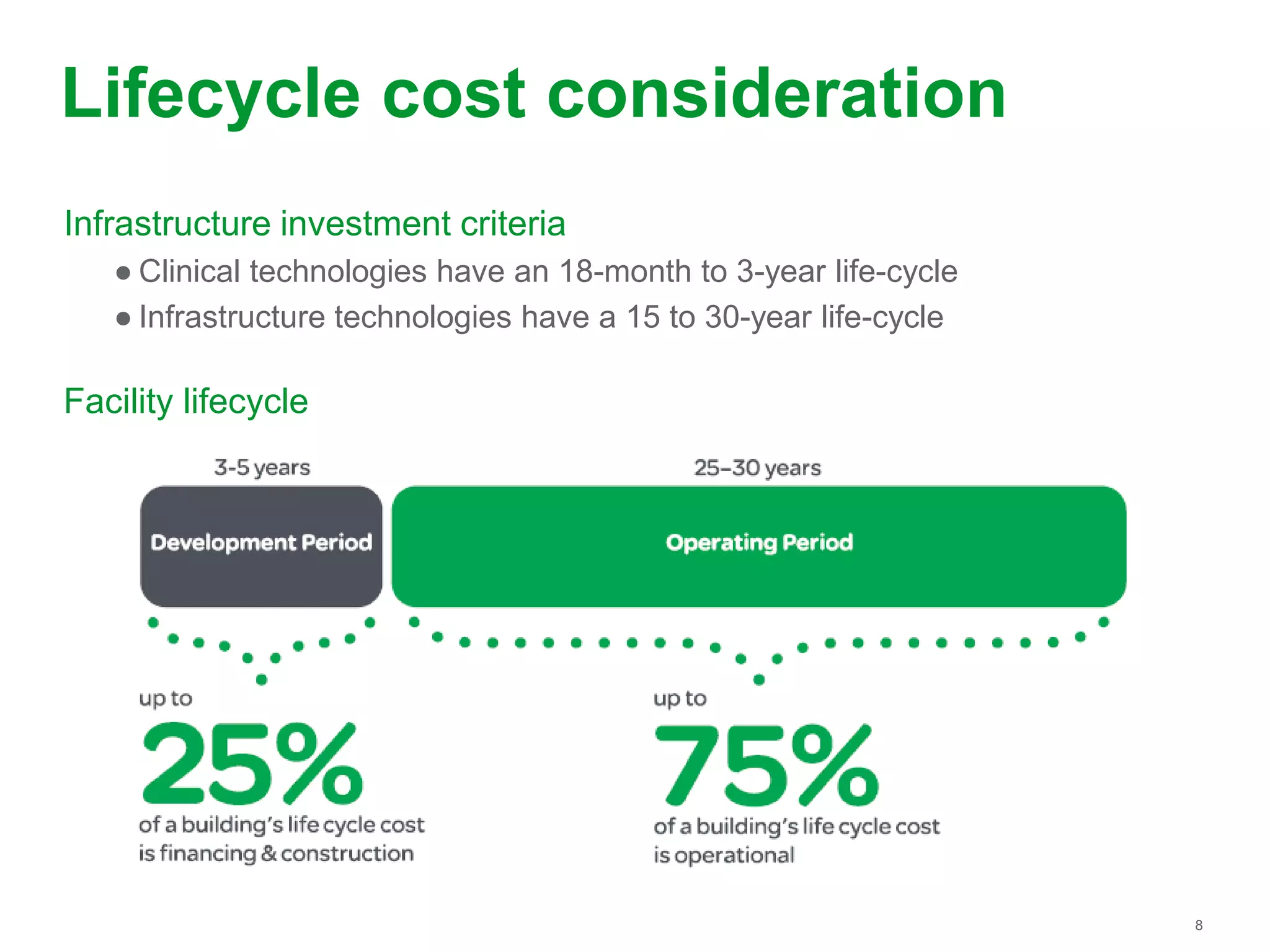
Lifecycle cost consideration
Infrastructure investment criteria
● Clinical technologies have an 18-month to 3-year life-cycle
● Infrastructure technologies have a 15 to 30-year life-cycle
Facility lifecycle
9
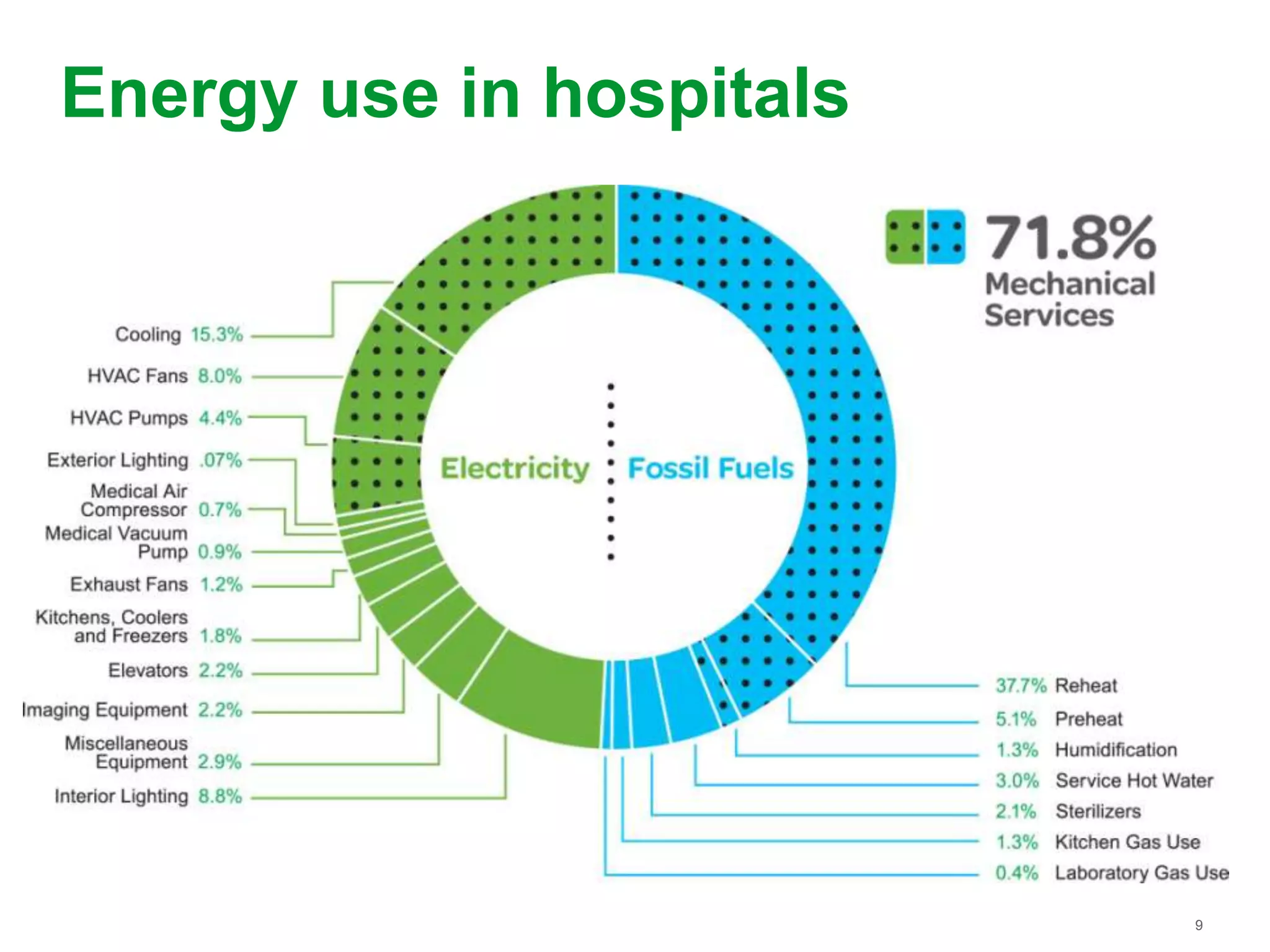
Energy use in hospitals
10
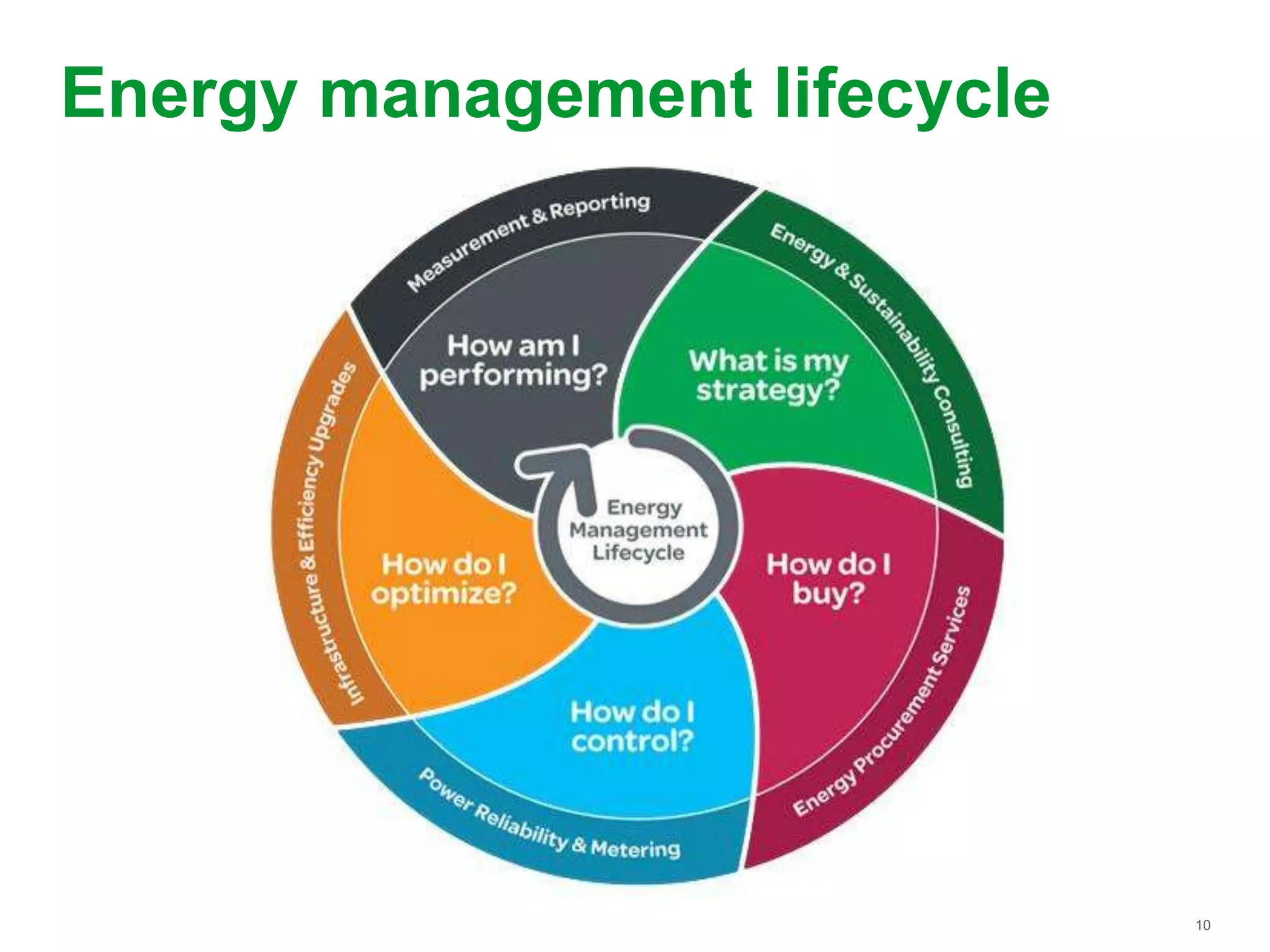
Energy management lifecycle
11
Intelligent
Infrastructures
12
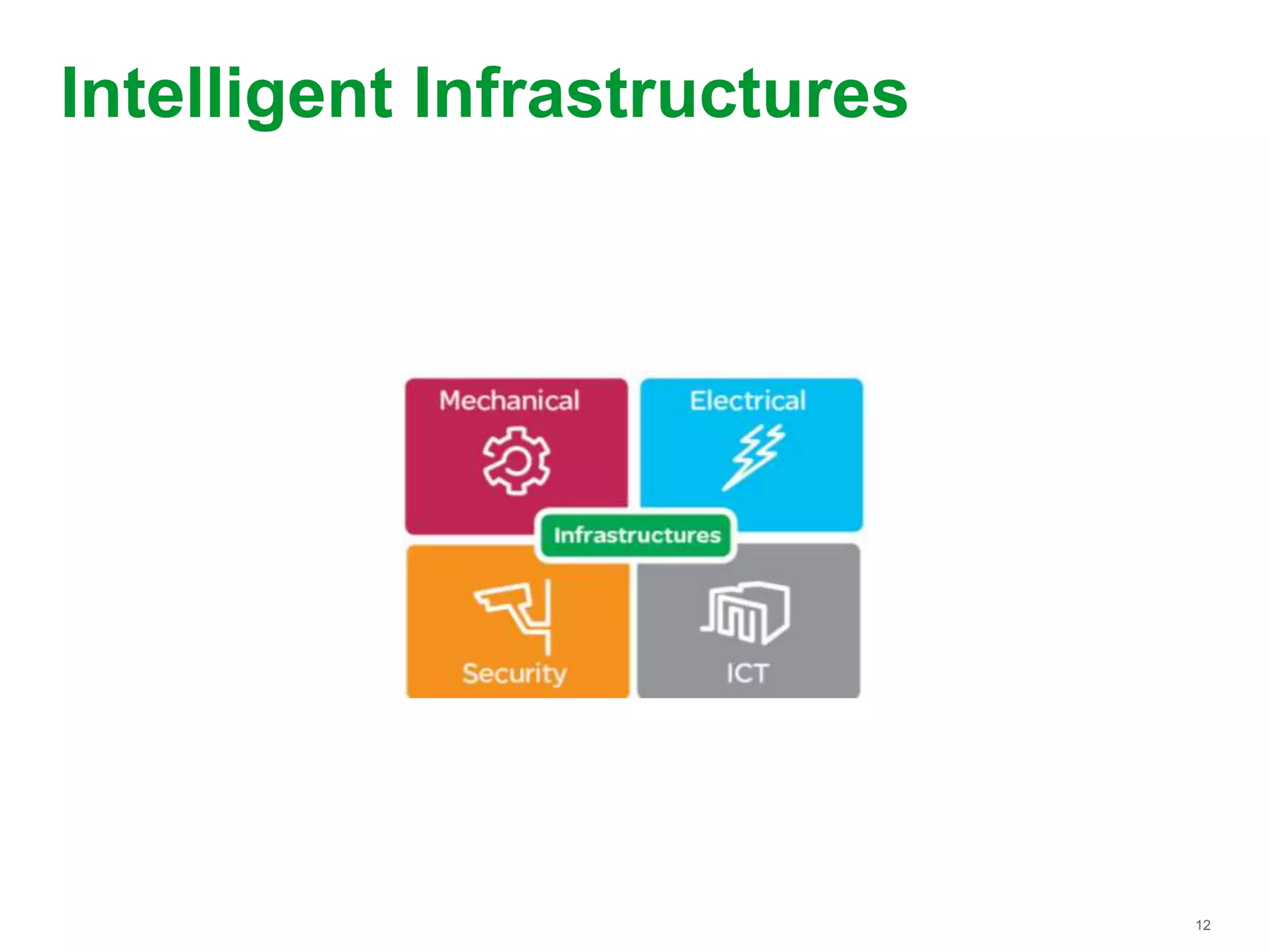
Intelligent Infrastructures
13
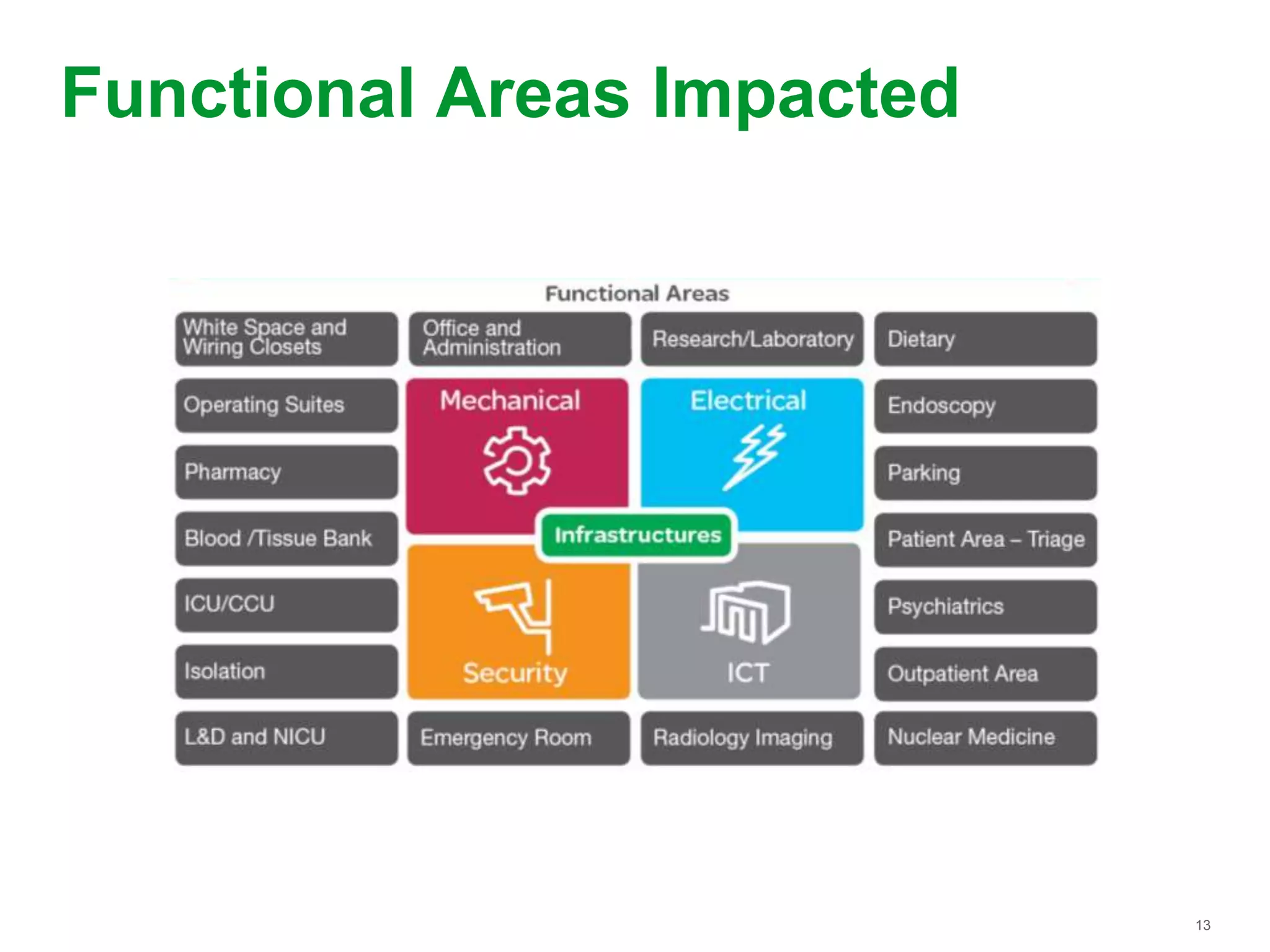
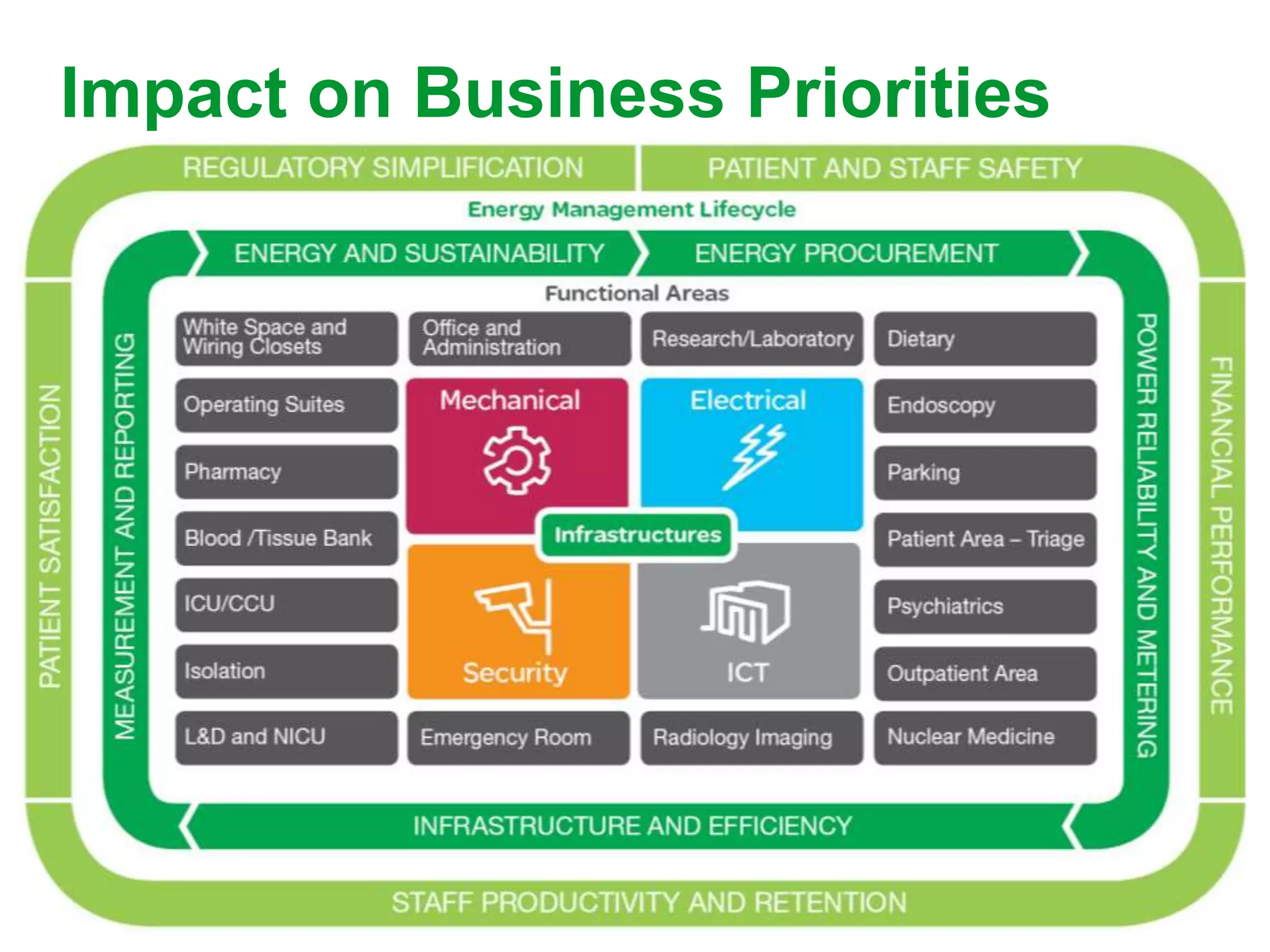
Functional Areas Impacted
14
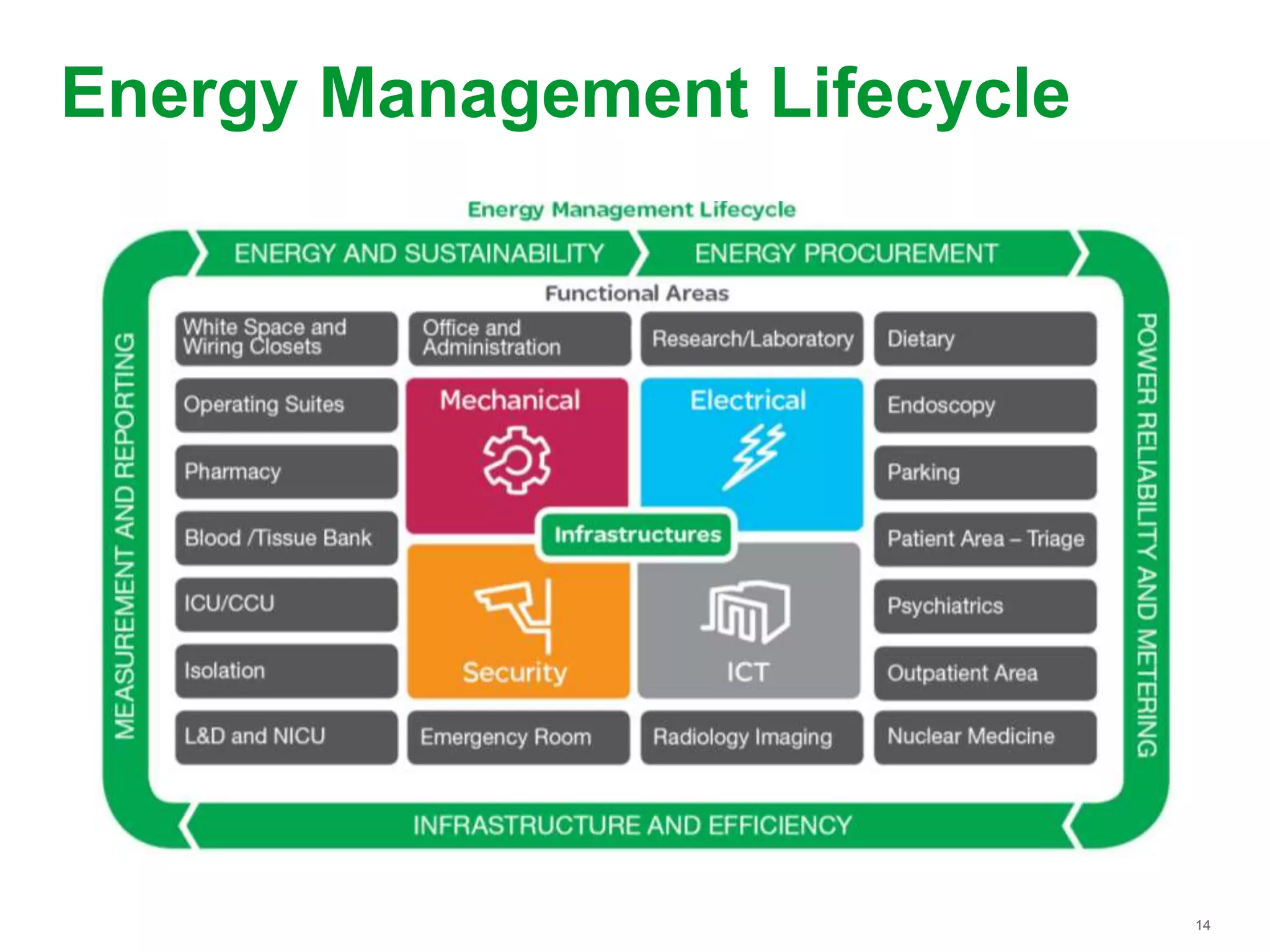
Energy Management Lifecycle
15
Impact on Business Priorities
16
Integrated Control
Platform
17
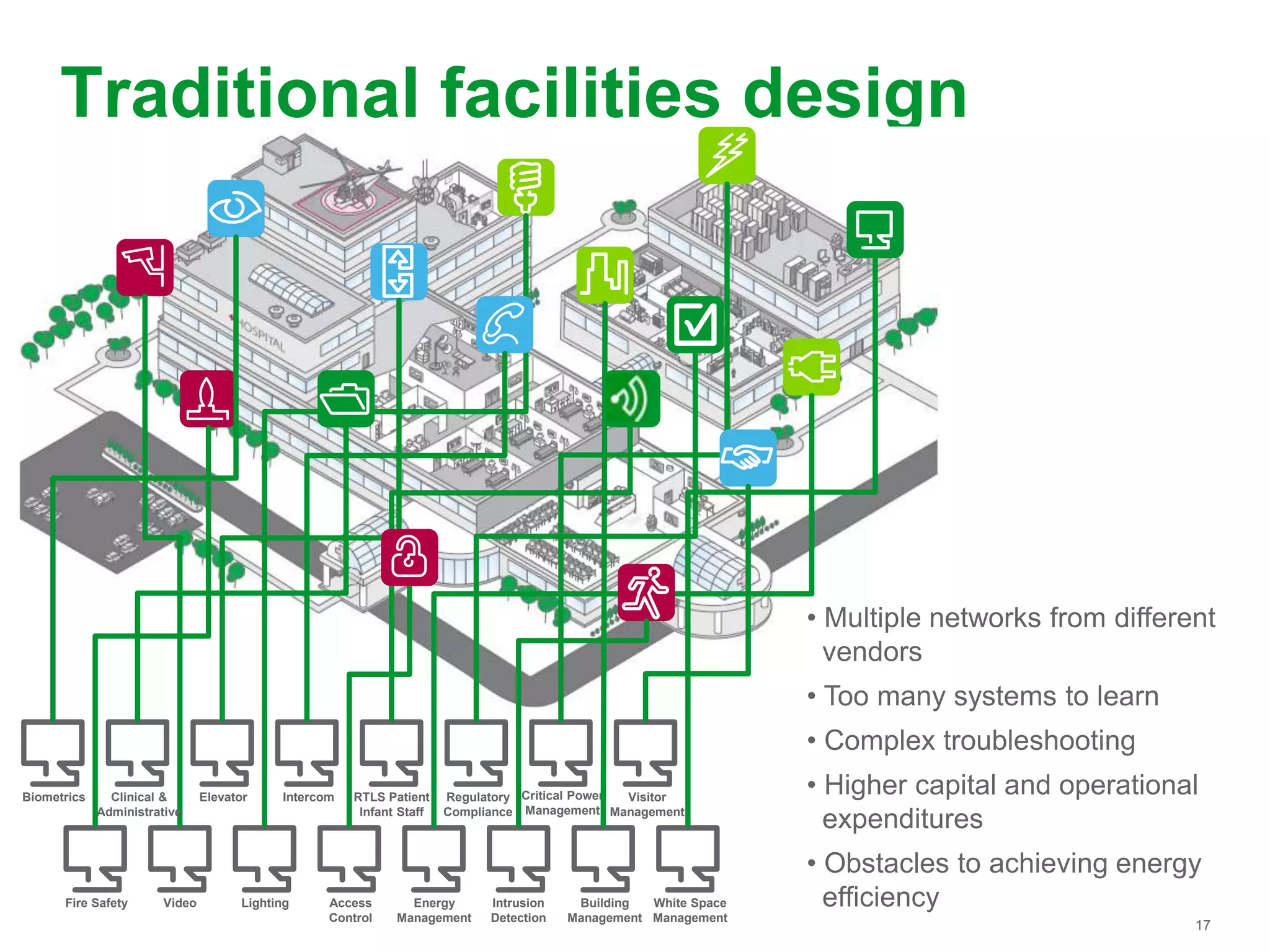
Traditional facilities design
White Space
Management
Critical Power
Management
Intrusion
Detection
Building
Management
LightingVideo Access
Control
Fire Safety Energy
Management
Clinical &
Administrative
RTLS Patient
Infant Staff
Regulatory
Compliance
Biometrics Elevator Intercom Visitor
Management
• Multiple networks from different
vendors
• Too many systems to learn
• Complex troubleshooting
• Higher capital and operational
expenditures
• Obstacles to achieving energy
efficiency
18
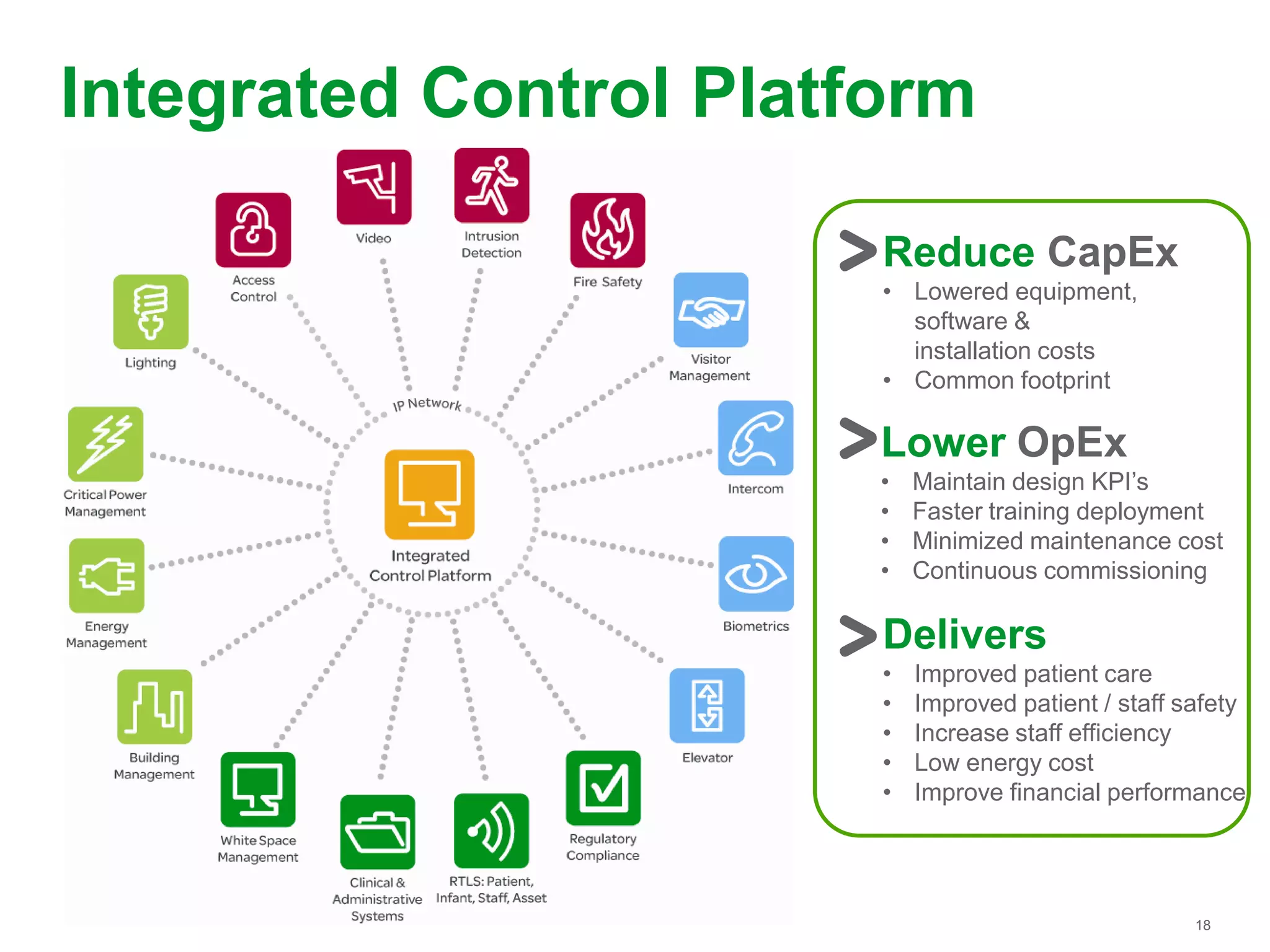
Delivers
• Improved patient care
• Improved patient / staff safety
• Increase staff efficiency
• Low energy cost
• Improve financial performance
Lower OpEx
• Maintain design KPI’s
• Faster training deployment
• Minimized maintenance cost
• Continuous commissioning
Integrated Control Platform
Reduce CapEx
• Lowered equipment,
software &
installation costs
• Common footprint
19
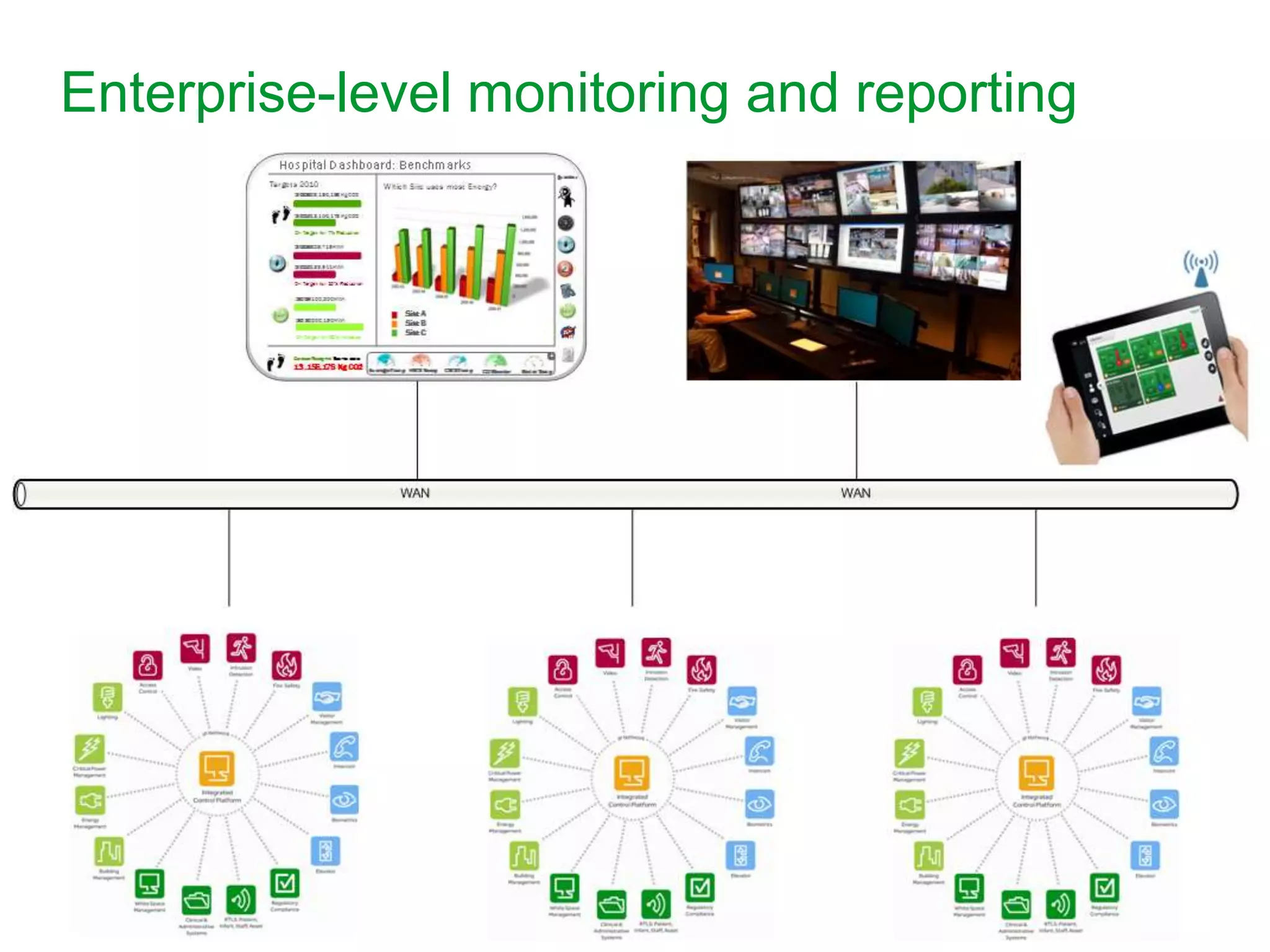
Enterprise-level monitoring and reporting
20
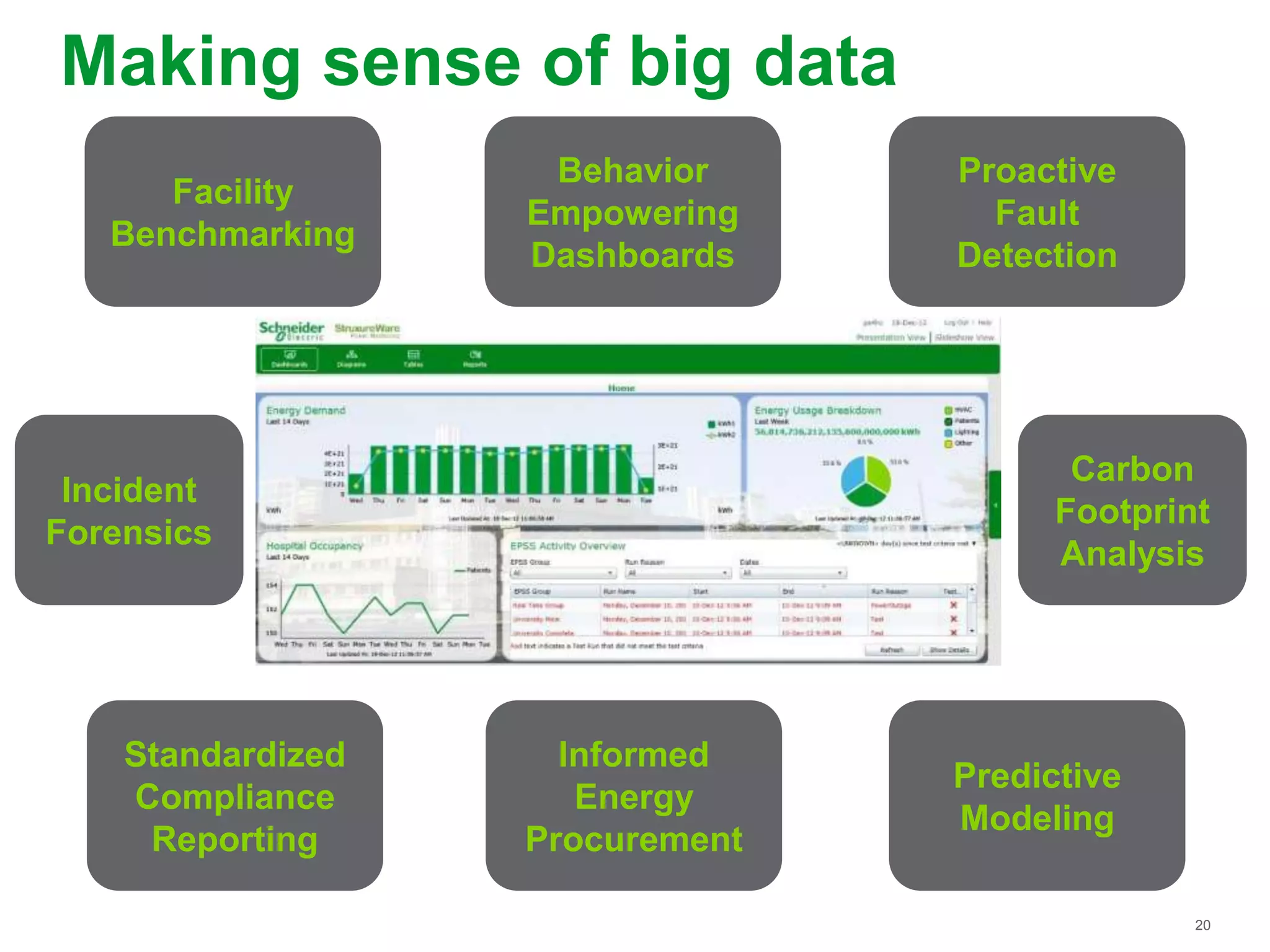
Making sense of big data
Facility
Benchmarking
Behavior
Empowering
Dashboards
Proactive
Fault
Detection
Carbon
Footprint
Analysis
Predictive
Modeling
Informed
Energy
Procurement
Standardized
Compliance
Reporting
Incident
Forensics
21
Use
Cases
22
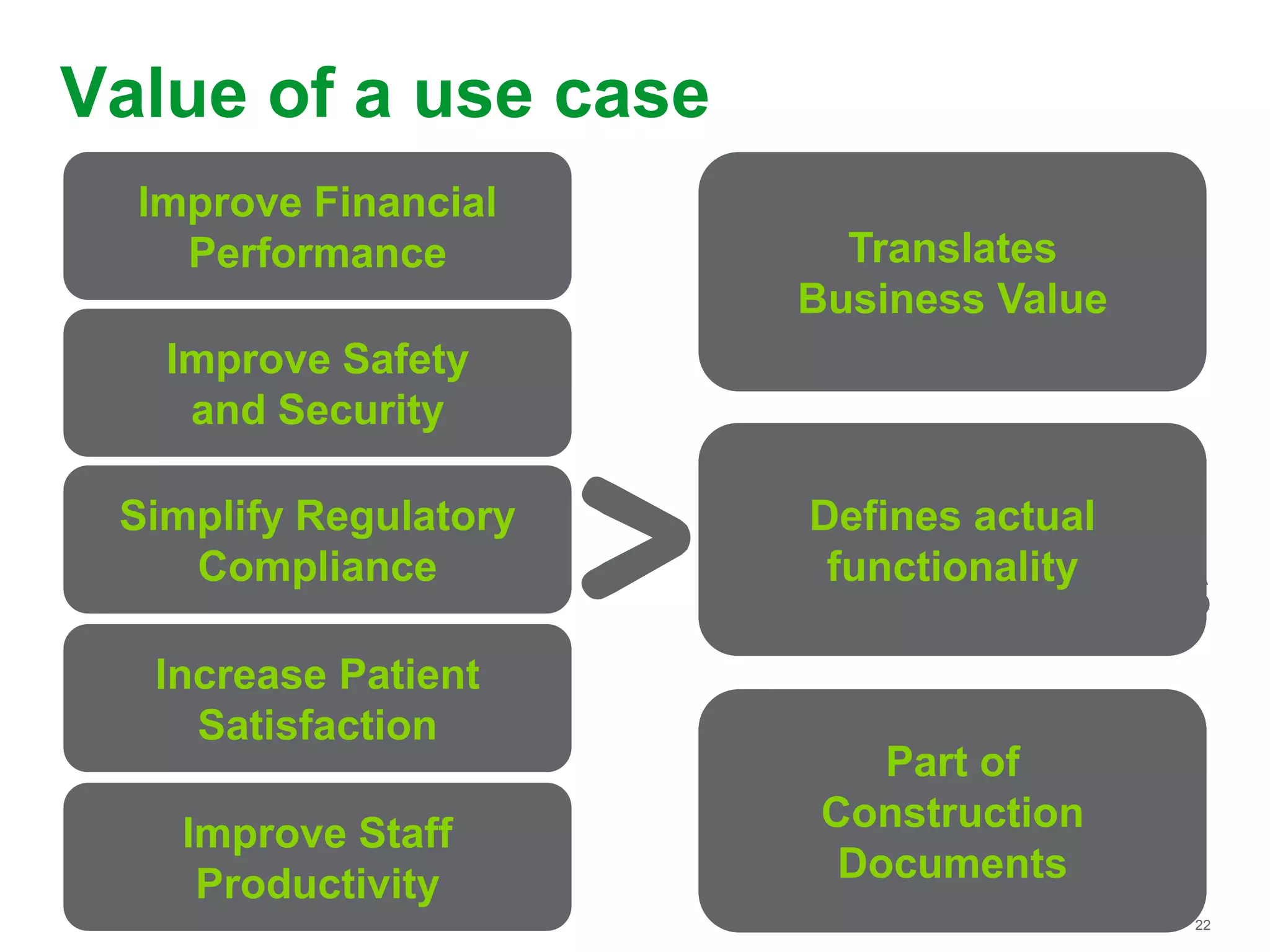
Value of a use case
Improve Financial
Performance
Improve Safety
and Security
Simplify Regulatory
Compliance
Increase Patient
Satisfaction
Improve Staff
Productivity
Priorities
and Needs
Translates
Business Value
Defines actual
functionality
Part of
Construction
Documents
23
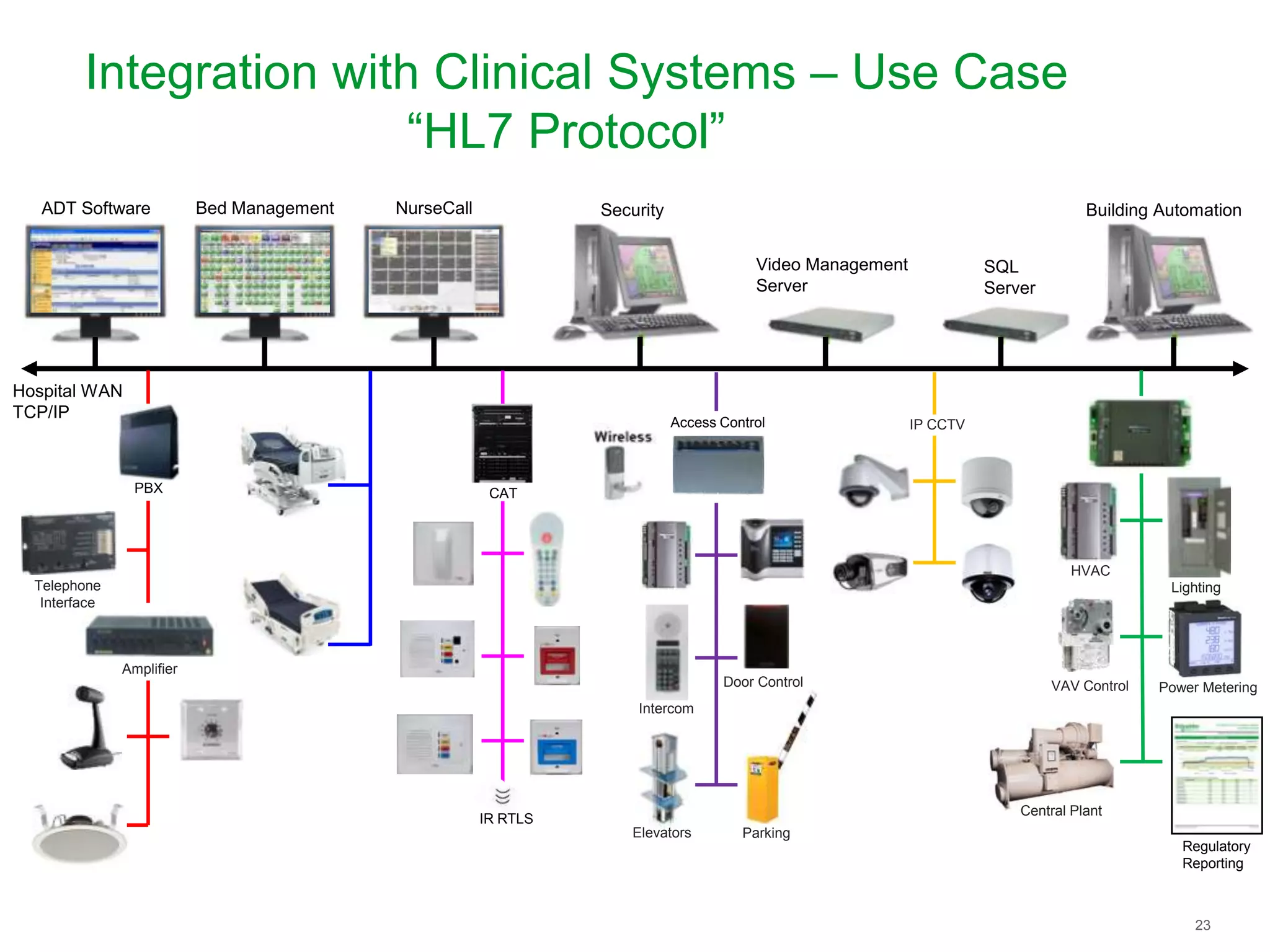
Integration with Clinical Systems – Use Case
“HL7 Protocol”
Hospital WAN
TCP/IP
Bed ManagementADT Software NurseCall
IR RTLS
CAT
Security
Access Control
Intercom
Door Control
ParkingElevators
Video Management
Server
SQL
Server
IP CCTV
Building Automation
VAV Control
Central Plant
Power Metering
Lighting
HVAC
Regulatory
Reporting
Telephone
Interface
Amplifier
PBX
24
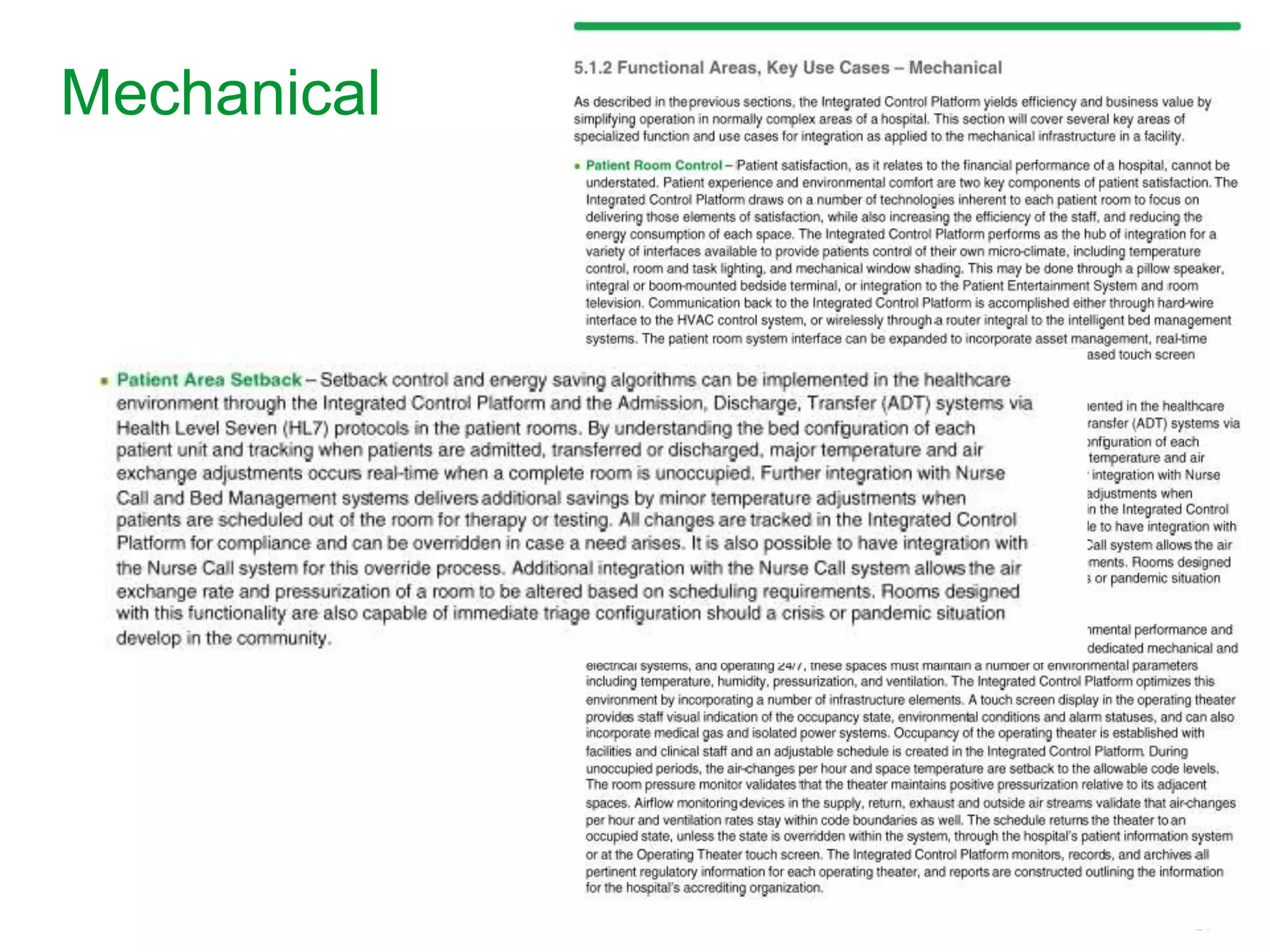
Mechanical
25
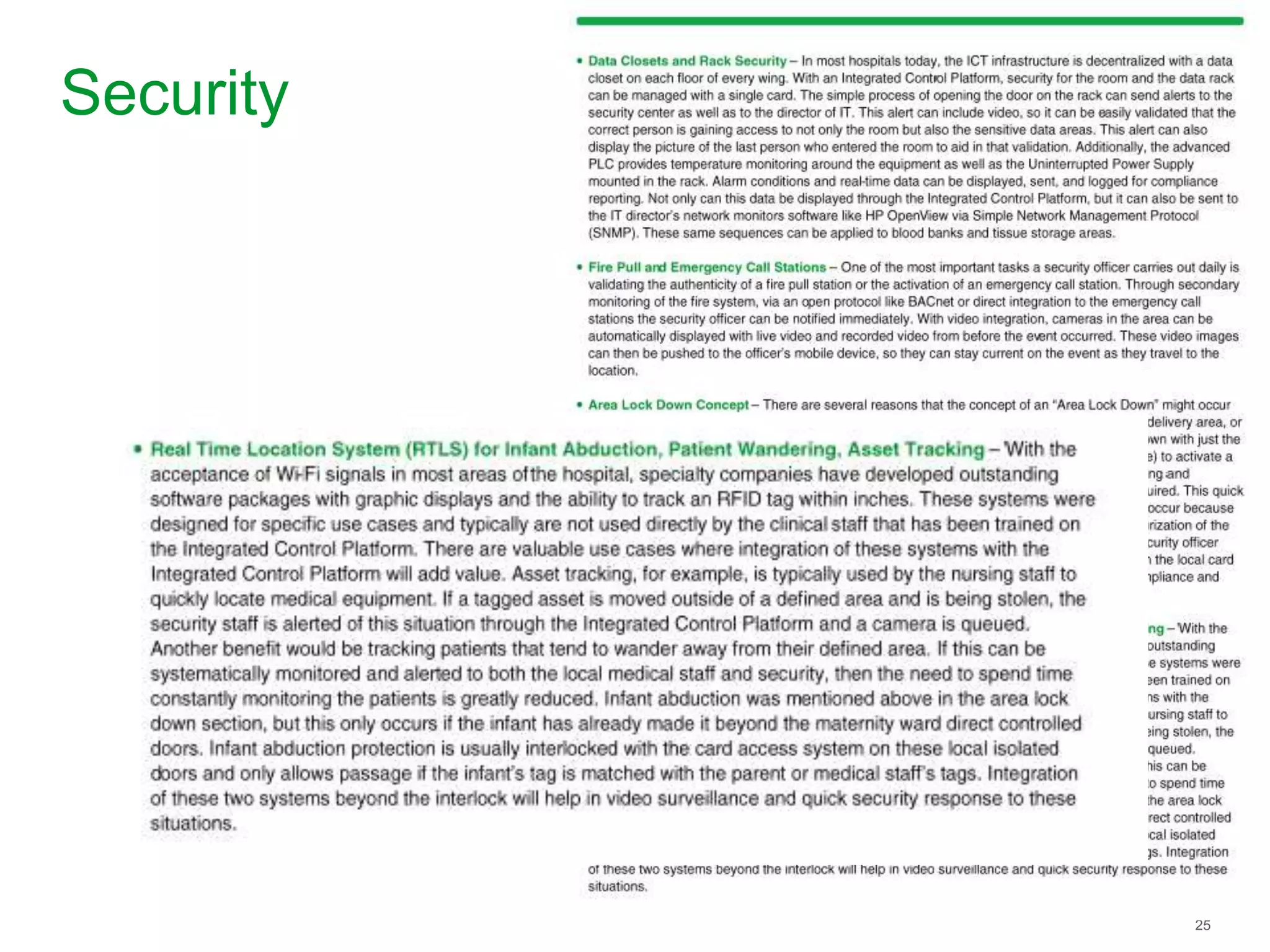
Security
Implementation
27
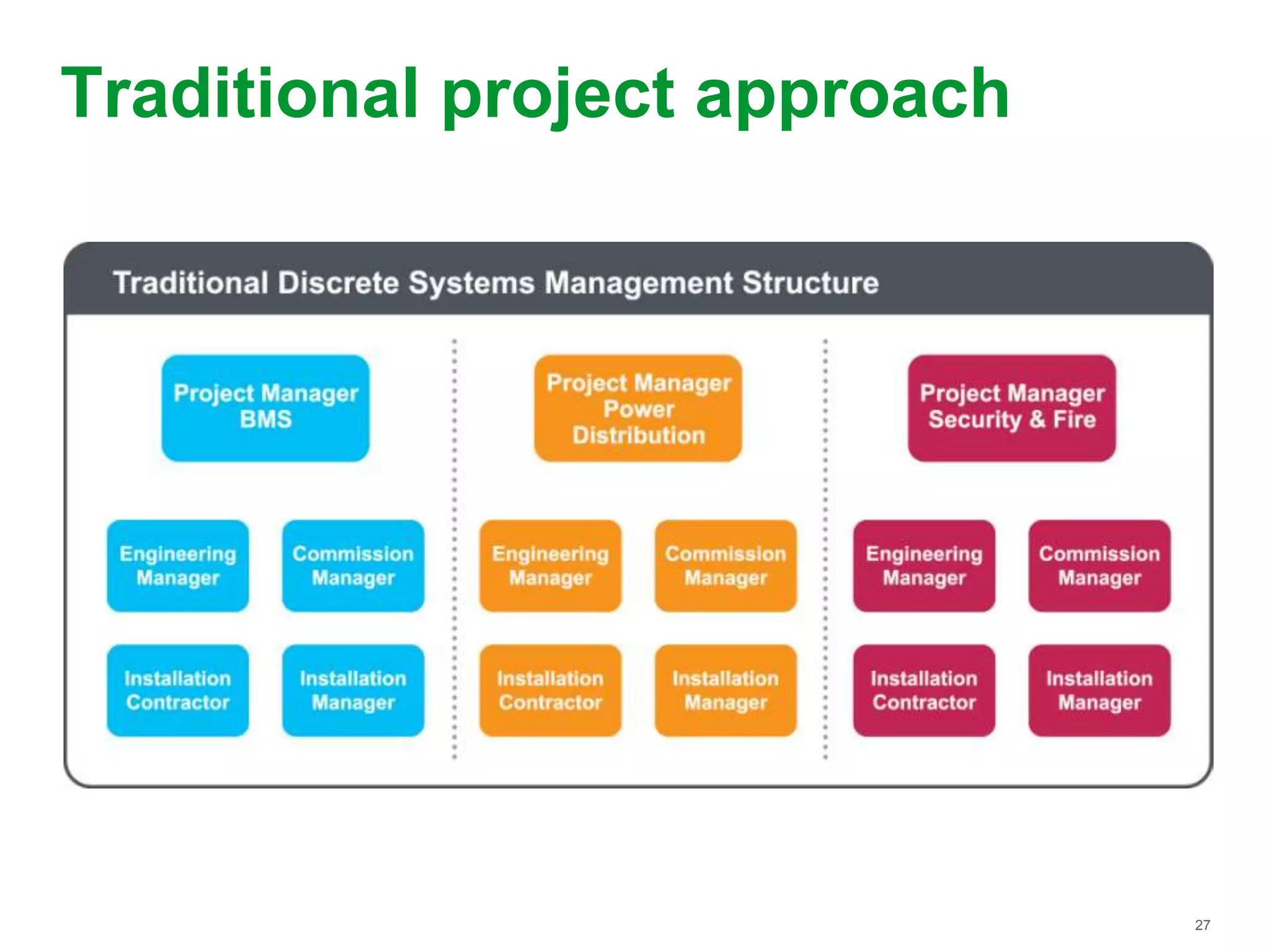
Traditional project approach
28
Solution-based approach
29
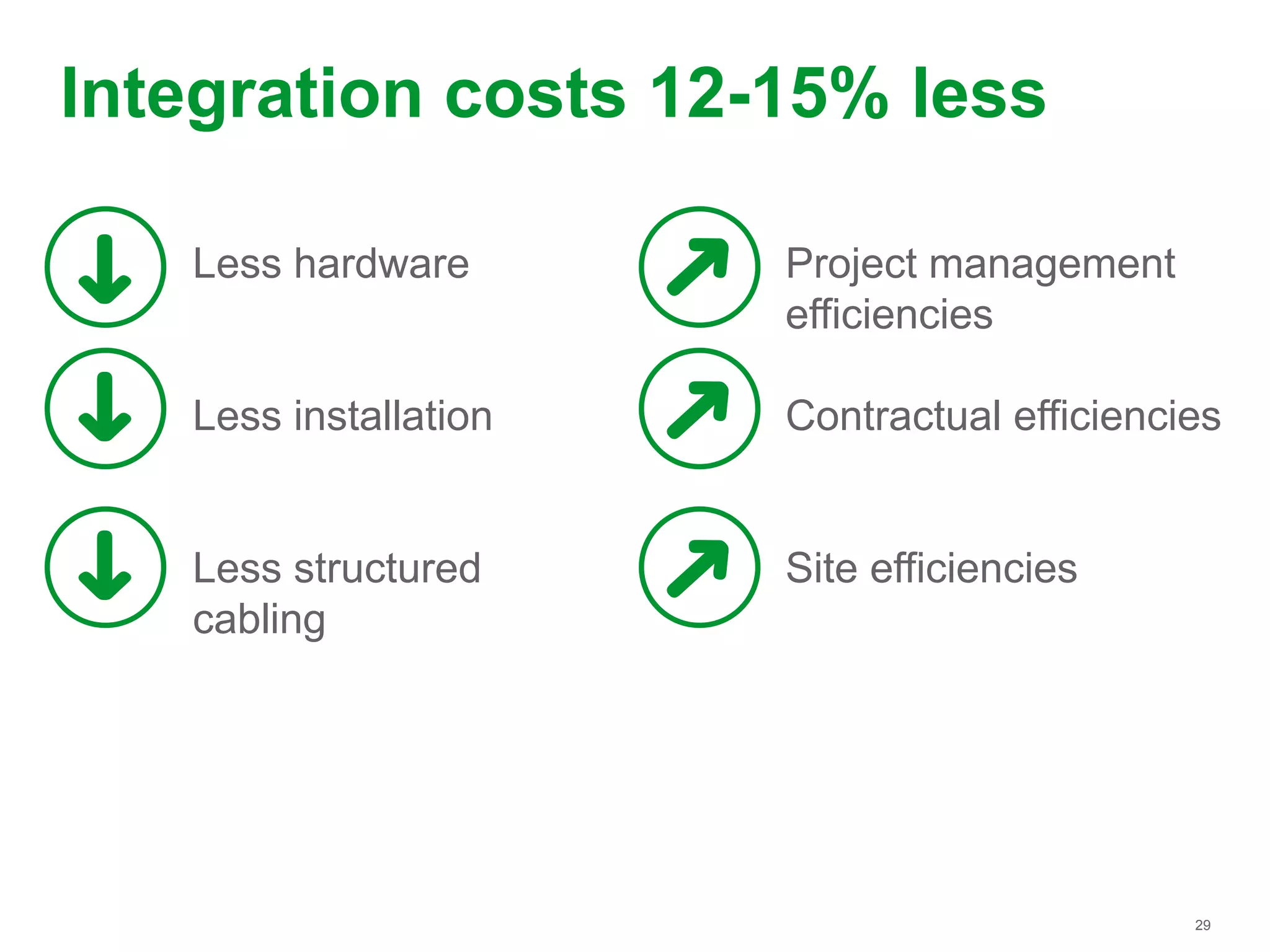
Integration costs 12-15% less
Less hardware
Less installation
Less structured
cabling
Project management
efficiencies
Contractual efficiencies
Site efficiencies
30
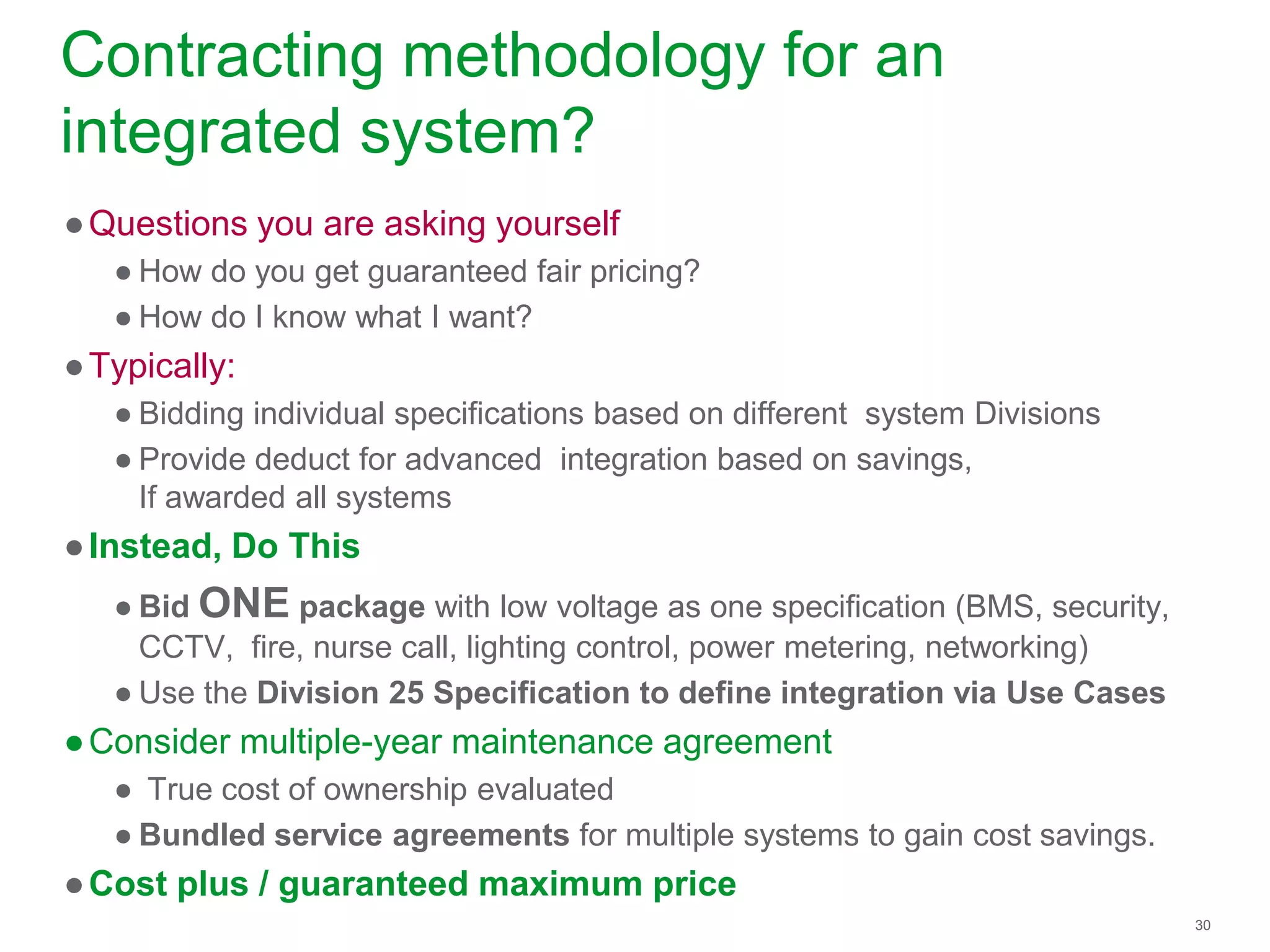
Contracting methodology for an
integrated system?
●Questions you are asking yourself
● How do you get guaranteed fair pricing?
● How do I know what I want?
●Typically:
● Bidding individual specifications based on different system Divisions
● Provide deduct for advanced integration based on savings,
If awarded all systems
●Instead, Do This
● Bid ONE package with low voltage as one specification (BMS, security,
CCTV, fire, nurse call, lighting control, power metering, networking)
● Use the Division 25 Specification to define integration via Use Cases
●Consider multiple-year maintenance agreement
● True cost of ownership evaluated
● Bundled service agreements for multiple systems to gain cost savings.
●Cost plus / guaranteed maximum price
31
Questions?
Thank You

Integrating efficiency into healthcare - a life cycle approach

  • 1.
    1 Integrating Efficiency intoHealthcare: A Life Cycle Approach Warren Rosebraugh Director, Solution Architects Tweet Live! #SchneiderXE
  • 2.
    2 Objectives Upon Completion ofthis course, you will be able to ●Define Solution-Based Design Process ●Identify Healthcare System Priorities and Needs ●Lifecycle Considerations ●Identify How Intelligent Infrastructure Impacts ● Functional Areas ● Energy Management ● Business Value ●Identify how Integrated Control Platform Reduces CAPEX and OPEX ●Define Integration “Use Cases” ●Compare Traditional vs. Solution Based Delivery Methods
  • 3.
  • 4.
  • 5.
    5 Health system priorities ImproveFinancial Performance Improve Safety and Security Simplify Regulatory Compliance Increase Patient Satisfaction Improve Staff Productivity Priorities and Needs
  • 6.
    6 Patient room ofthe future - Needs Patient Satisfaction Patient Security ALOS Indoor Environmental Quality Energy Efficiency Entertainment Options Quiet Environment Simple Patient Interface Light Level Control Modern GUI Staff Productivity Simple Workflow Automated Compliance Reporting Reduced Liability Risk Creates Positive PR Flexible Configuration Reduces Human Error Visitor Experience
  • 7.
  • 8.
    8 Lifecycle cost consideration Infrastructureinvestment criteria ● Clinical technologies have an 18-month to 3-year life-cycle ● Infrastructure technologies have a 15 to 30-year life-cycle Facility lifecycle
  • 9.
    9 Energy use inhospitals
  • 10.
  • 11.
  • 12.
  • 13.
  • 14.
  • 15.
  • 16.
  • 17.
    17 Traditional facilities design WhiteSpace Management Critical Power Management Intrusion Detection Building Management LightingVideo Access Control Fire Safety Energy Management Clinical & Administrative RTLS Patient Infant Staff Regulatory Compliance Biometrics Elevator Intercom Visitor Management • Multiple networks from different vendors • Too many systems to learn • Complex troubleshooting • Higher capital and operational expenditures • Obstacles to achieving energy efficiency
  • 18.
    18 Delivers • Improved patientcare • Improved patient / staff safety • Increase staff efficiency • Low energy cost • Improve financial performance Lower OpEx • Maintain design KPI’s • Faster training deployment • Minimized maintenance cost • Continuous commissioning Integrated Control Platform Reduce CapEx • Lowered equipment, software & installation costs • Common footprint
  • 19.
  • 20.
    20 Making sense ofbig data Facility Benchmarking Behavior Empowering Dashboards Proactive Fault Detection Carbon Footprint Analysis Predictive Modeling Informed Energy Procurement Standardized Compliance Reporting Incident Forensics
  • 21.
  • 22.
    22 Value of ause case Improve Financial Performance Improve Safety and Security Simplify Regulatory Compliance Increase Patient Satisfaction Improve Staff Productivity Priorities and Needs Translates Business Value Defines actual functionality Part of Construction Documents
  • 23.
    23 Integration with ClinicalSystems – Use Case “HL7 Protocol” Hospital WAN TCP/IP Bed ManagementADT Software NurseCall IR RTLS CAT Security Access Control Intercom Door Control ParkingElevators Video Management Server SQL Server IP CCTV Building Automation VAV Control Central Plant Power Metering Lighting HVAC Regulatory Reporting Telephone Interface Amplifier PBX
  • 24.
  • 25.
  • 26.
  • 27.
  • 28.
  • 29.
    29 Integration costs 12-15%less Less hardware Less installation Less structured cabling Project management efficiencies Contractual efficiencies Site efficiencies
  • 30.
    30 Contracting methodology foran integrated system? ●Questions you are asking yourself ● How do you get guaranteed fair pricing? ● How do I know what I want? ●Typically: ● Bidding individual specifications based on different system Divisions ● Provide deduct for advanced integration based on savings, If awarded all systems ●Instead, Do This ● Bid ONE package with low voltage as one specification (BMS, security, CCTV, fire, nurse call, lighting control, power metering, networking) ● Use the Division 25 Specification to define integration via Use Cases ●Consider multiple-year maintenance agreement ● True cost of ownership evaluated ● Bundled service agreements for multiple systems to gain cost savings. ●Cost plus / guaranteed maximum price
  • 31.

Editor's Notes

  • #5 Using a solution-based design process, we help our customers why integration will offer them greater business value, what functions the integration will creation, and how it all comes together through a combination of software, hardware, and expertise.
  • #6 Healthcare facilities are facing conflicting priorities and challenges…Energy Efficiency – Financial PerformancePatient and Staff Safety and SecuritySimplified Regulatory ComplianceWork Flow EfficienciesPatient Satisfaction Sean slide like 4 Key Focus Item for Solutions
  • #7 In addition, using this type of intelligent infrastructure, healthcare facilities can easily overcome their greatest challenges and realize future goals, thanks to open and scalable technology, that is ready to grow and evolve when you are.
  • #9 On top of these challenges, lies the burden of operating costs. Even for new construction, 75% of the hospital’s life cycle costs will be incurred in ongoing operational costs.
  • #10 Energy plays a significant role in those ongoing operating costs. For every dollar that a director of facilities can save in energy, that is $20 in new revenue that the organization does not have to produce. That is significant when the average margin in today’s hospitals is 5%.
  • #11 One of the main roles of the intelligent healthcare infrastructure is in energy management. As we indicated early, energy is a significant component of reducing a hospitals ongoing operating expenses. Our experience shows us that our customers receive the greatest benefit when they utilize the full scope of energy management lifecycle solutions. Insert taufer each piece of lifecycle pie see if warren likes
  • #18 And a hospital’s systems were historically disparate, causing additional challenges in effectively managing the hospital infrastructure
  • #19 Healthcare facilities can tie their various systems into one IP network.This unified platform delivers real tangible results such as reduced capex and opex.
  • #20 It also allows you to monitor your systems at the enterprise level, across all your buildings, campuses, and satelite locations.
  • #21 And provides you with the real-time information you need to make better informed decisions to benefit your patients and your organization as a whole.Building Analytics slide.. All data is available… what can you use with the data
  • #23 Healthcare facilities are facing conflicting priorities and challenges…Energy Efficiency – Financial PerformancePatient and Staff Safety and SecuritySimplified Regulatory ComplianceWork Flow EfficienciesPatient Satisfaction Sean slide like 4 Key Focus Item for Solutions
  • #31 Questions you are asking yourselfHow do you get guaranteed fair pricing?How do I know what I want?Typically Today Bidding individual sections specified for each system Separate defined deduct for advanced integration based on savingsIf awarded all systemsInstead Do ThisPut out to Bid, One package with low voltage as one specification (BMS, Security, CCTV, Fire, Nurse Call, Lighting Control, Power Metering, Networking) (More Direct Approach – Better) – Use the Division 25 IntegrationConsider multiple year (2-5) maintenance agreement True Cost of Ownership can be evaluated. Savings >>>>Bundled service agreements for multiple systems to gain cost savings. Method you can do >>>>Cost Plus / Guaranteed Maximum Price