
The Industrial Revolution
(W. Europe, U.S., Russia, & Japan)
Late 18th century through the
19th century
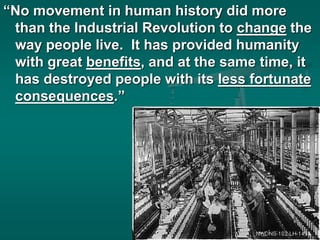
“No movement in human history did more
than the Industrial Revolution to change the
way people live. It has provided humanity
with great benefits, and at the same time, it
has destroyed people with its less fortunate
consequences.”
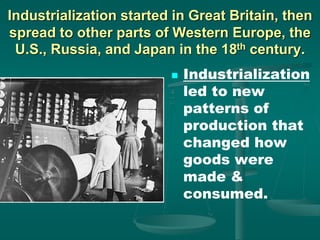
Industrialization started in Great Britain, then
spread to other parts of Western Europe, the
U.S., Russia, and Japan in the 18th century.
 Industrialization
led to new
patterns of
production that
changed how
goods were
made &
consumed.
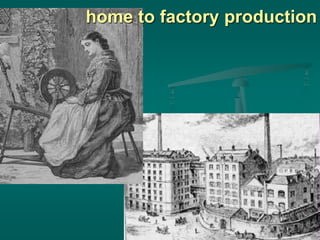
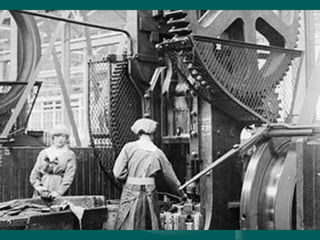
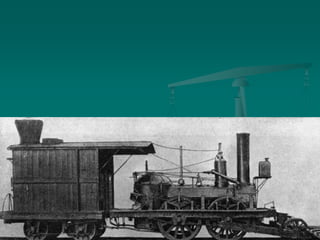
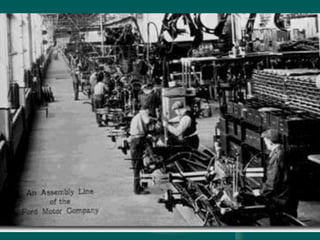
home to factory production
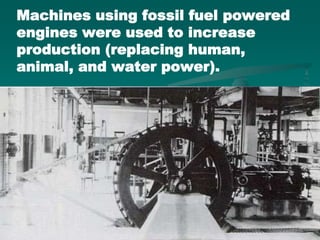
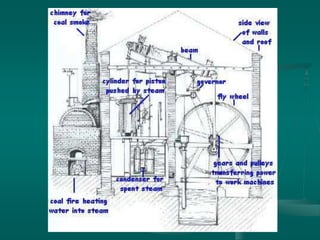
Machines using fossil fuel powered
engines were used to increase
production (replacing human,
animal, and water power).
Factors leading to the rise of
industrial production . . .
 Abundance of waterways and access to
coal, iron, & timber
 And other natural resources
 Improved agricultural production
 Population increase & urbanization
 Increased capital & private investment
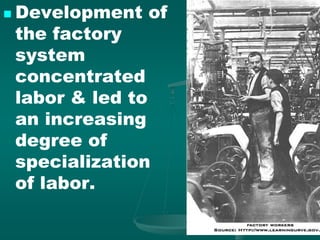
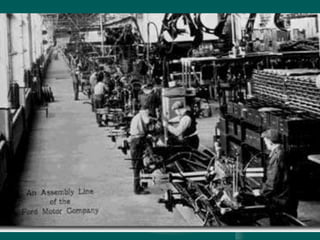
 Development of
the factory
system
concentrated
labor & led to
an increasing
degree of
specialization
of labor.
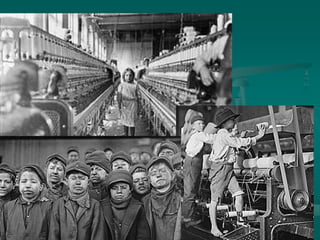
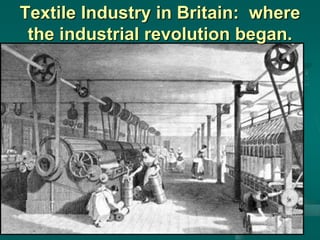
Textile Industry in Britain: where
the industrial revolution began.
WHY BRITAIN?
 Using pages 830-832, work with your
partner to find and write 7 REASONS
that the Industrial Revolution
began in Great Britain?
RESULTS of Industrialization
 changing patterns of labor as workers
moved to urban areas
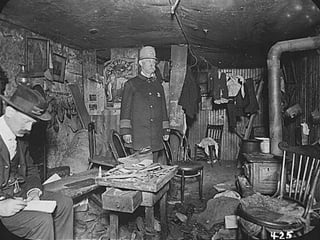
 Urbanization led to problems in sanitation,
crime, and housing
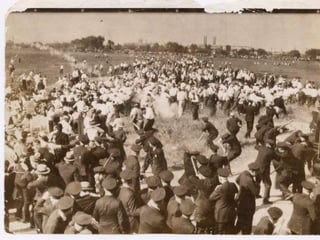
 Labor organizations gained political power
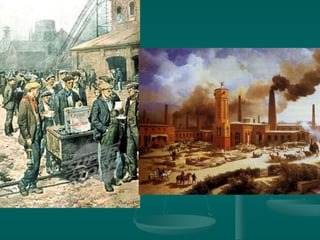
 Mining and factory pollution altered the
environment
 To meet the need
for investments in
all levels of
industry,
financiers
developed
various financial
institutions.
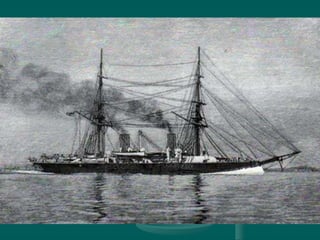
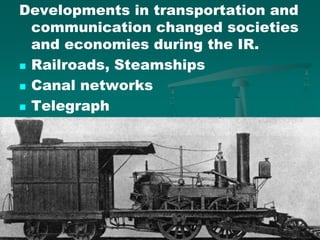
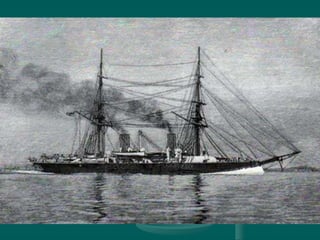
Developments in transportation and
communication changed societies
and economies during the IR.
 Railroads, Steamships
 Canal networks
 Telegraph
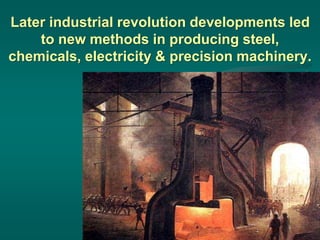
Later industrial revolution developments led
to new methods in producing steel,
chemicals, electricity & precision machinery.
The Bottom Line
 “Industrialized” nations were
able to make better stuff faster
than anywhere else in the
world.
 Global trade changed as
industrialized economies
sought raw materials and new
markets for factory goods.
Some Continuities in many
Industrialized regions…
 Working classes remained in the lower
classes.
 Nobility retained their position in upper
class.
 Land continued to be a source of wealth
and status.
 Agriculture continued to be an important
part of the economy.
TEST REVIEW
 What were the REASONS why industrial
revolution began in Europe and in Britain?
 What fossil fuel was most important?
 What were the changes in social classes as
a result of industrialization? What new
classes/professions were formed?
 Aristocracy
 Middle Class
 Working Class
TEST REVIEW
 What were WOMEN’s ROLES in new
industrialized societies?
 Aristocracy
 Middle Class
 Working Class
 What were the differences in RUSSIAN and
US Industrialization?
 Government control
 Working class and Labor movement
 Karl Marx theories

Industrial Revolution 1750-1900

  • 1.
    The Industrial Revolution (W.Europe, U.S., Russia, & Japan) Late 18th century through the 19th century
  • 2.
    “No movement inhuman history did more than the Industrial Revolution to change the way people live. It has provided humanity with great benefits, and at the same time, it has destroyed people with its less fortunate consequences.”
  • 3.
    Industrialization started inGreat Britain, then spread to other parts of Western Europe, the U.S., Russia, and Japan in the 18th century.  Industrialization led to new patterns of production that changed how goods were made & consumed.
  • 4.
    home to factoryproduction
  • 6.
    Machines using fossilfuel powered engines were used to increase production (replacing human, animal, and water power).
  • 8.
    Factors leading tothe rise of industrial production . . .  Abundance of waterways and access to coal, iron, & timber  And other natural resources  Improved agricultural production  Population increase & urbanization  Increased capital & private investment
  • 9.
     Development of thefactory system concentrated labor & led to an increasing degree of specialization of labor.
  • 15.
    Textile Industry inBritain: where the industrial revolution began.
  • 16.
    WHY BRITAIN?  Usingpages 830-832, work with your partner to find and write 7 REASONS that the Industrial Revolution began in Great Britain?
  • 17.
    RESULTS of Industrialization changing patterns of labor as workers moved to urban areas  Urbanization led to problems in sanitation, crime, and housing  Labor organizations gained political power  Mining and factory pollution altered the environment
  • 21.
     To meetthe need for investments in all levels of industry, financiers developed various financial institutions.
  • 22.
    Developments in transportationand communication changed societies and economies during the IR.  Railroads, Steamships  Canal networks  Telegraph
  • 24.
    Later industrial revolutiondevelopments led to new methods in producing steel, chemicals, electricity & precision machinery.
  • 25.
    The Bottom Line “Industrialized” nations were able to make better stuff faster than anywhere else in the world.  Global trade changed as industrialized economies sought raw materials and new markets for factory goods.
  • 26.
    Some Continuities inmany Industrialized regions…  Working classes remained in the lower classes.  Nobility retained their position in upper class.  Land continued to be a source of wealth and status.  Agriculture continued to be an important part of the economy.
  • 27.
    TEST REVIEW  Whatwere the REASONS why industrial revolution began in Europe and in Britain?  What fossil fuel was most important?  What were the changes in social classes as a result of industrialization? What new classes/professions were formed?  Aristocracy  Middle Class  Working Class
  • 28.
    TEST REVIEW  Whatwere WOMEN’s ROLES in new industrialized societies?  Aristocracy  Middle Class  Working Class  What were the differences in RUSSIAN and US Industrialization?  Government control  Working class and Labor movement  Karl Marx theories