
Ian Gawthrope
SCGH Registrar Teaching 2017
Hyperbaric medicine
2
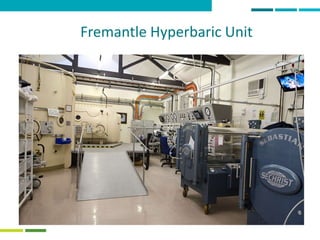
Fremantle Hyperbaric Unit
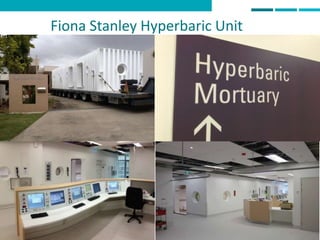
Fiona Stanley Hyperbaric Unit
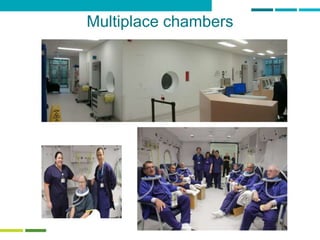
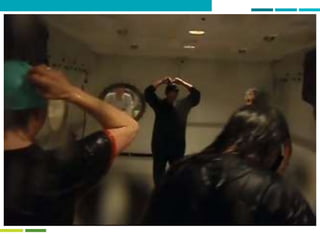
Multiplace chambers
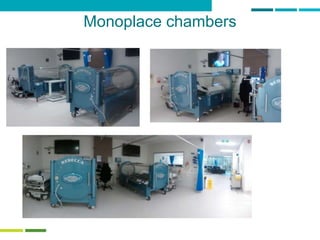
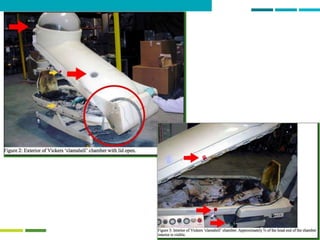
Monoplace chambers
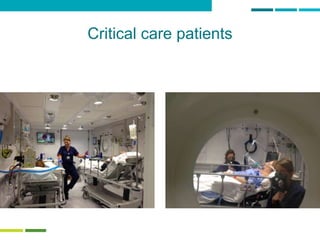
Critical care patients
Registrars!
10
11
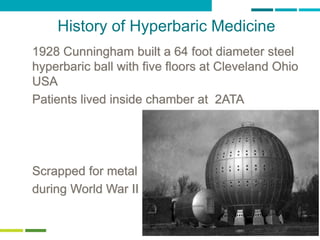
History of Hyperbaric Medicine
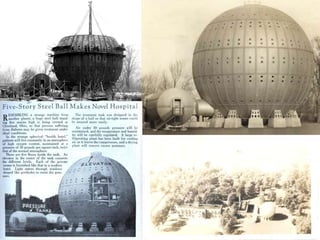
1928 Cunningham built a 64 foot diameter steel
hyperbaric ball with five floors at Cleveland Ohio
USA
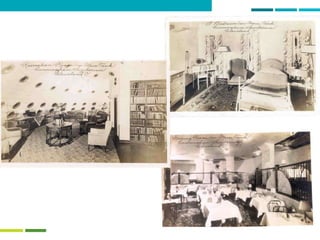
Patients lived inside chamber at 2ATA
Scrapped for metal
during World War II
Hyperbaric Medicine Unit
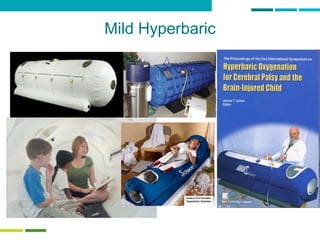
Mild Hyperbaric
15
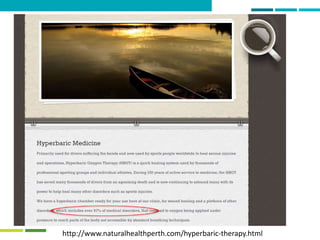
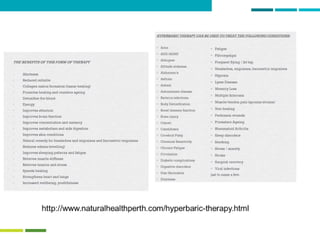
http://www.naturalhealthperth.com/hyperbaric-therapy.html
16
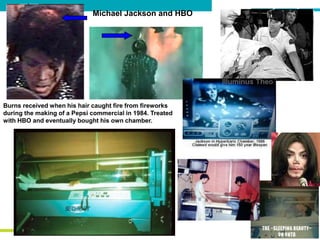
Burns received when his hair caught fire from fireworks
during the making of a Pepsi commercial in 1984. Treated
with HBO and eventually bought his own chamber.
Michael Jackson and HBO
18
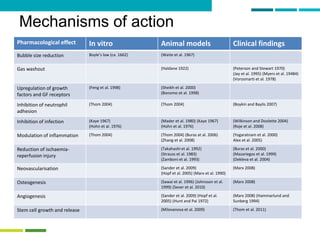
Mechanisms of action
Pharmacological effect In vitro Animal models Clinical findings
Bubble size reduction Boyle’s law (ca. 1662) (Waite et al. 1967)
Gas washout (Haldane 1922) (Peterson and Stewart 1970)
(Jay et al. 1995) (Myers et al. 19484)
(Vorosmarti et al. 1978)
Upregulation of growth
factors and GF receptors
(Feng et al. 1998) (Sheikh et al. 2000)
(Bonomo et al. 1998)
Inhibition of neutrophil
adhesion
(Thom 2004) (Thom 2004) (Boykin and Baylis 2007)
Inhibition of infection (Kaye 1967)
(Hohn et al. 1976)
(Mader et al. 1980) (Kaye 1967)
(Hohn et al. 1976)
(Wilkinson and Doolette 2004)
(Roje et al. 2008)
Modulation of inflammation (Thom 2004) (Thom 2004) (Buras at al. 2006)
(Zhang et al. 2008)
(Yogaratnam et al. 2000)
Alex et al. 2005)
Reduction of ischaemia-
reperfusion injury
(Takahashi et al. 1992)
(Strauss et al. 1983)
(Zamboni et al. 1993)
(Buras et al. 2000)
(Mazariegos et al. 1999)
(Dekleva et al. 2004)
Neovascularisation (Sander et al. 2009)
(Hopf et al. 2005) (Marx et al. 1990)
(Marx 2008)
Osteogenesis (Sawai et al. 1996) (Johnsson et al.
1999) (Sever et al. 2010)
(Marx 2008)
Angiogenesis (Sander et al. 2009) (Hopf et al.
2005) (Hunt and Pai 1972)
(Marx 2008) (Hammarlund and
Sunberg 1994)
Stem cell growth and release (Milovanova et al. 2009) (Thom et al. 2011)
19
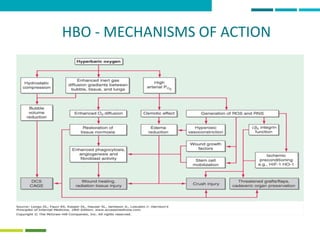
HBO - MECHANISMS OF ACTION
20
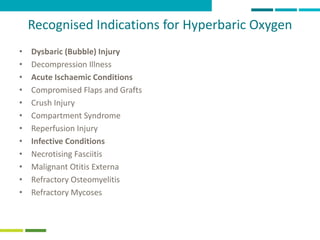
Recognised Indications for Hyperbaric Oxygen
• Dysbaric (Bubble) Injury
• Decompression Illness
• Acute Ischaemic Conditions
• Compromised Flaps and Grafts
• Crush Injury
• Compartment Syndrome
• Reperfusion Injury
• Infective Conditions
• Necrotising Fasciitis
• Malignant Otitis Externa
• Refractory Osteomyelitis
• Refractory Mycoses
21
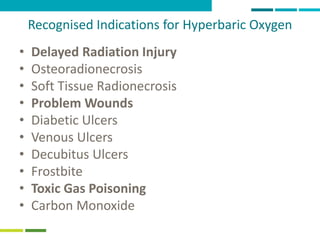
Recognised Indications for Hyperbaric Oxygen
• Delayed Radiation Injury
• Osteoradionecrosis
• Soft Tissue Radionecrosis
• Problem Wounds
• Diabetic Ulcers
• Venous Ulcers
• Decubitus Ulcers
• Frostbite
• Toxic Gas Poisoning
• Carbon Monoxide
22
Absolute contraindications
• Untreated pneumothorax
• Acute severe bronchospasm
• Concomitant treatment with Doxorubicin
• Cardiac toxicity – 87% mortality in rats when chemotherapeutic
agent combined with HBO
• Previous treatment with Bleomycin
• Reports of elevation in FiO2 intraoperatively causing interstitial
pneumonitis even if Bleomycin therapy had ceased years before.
• Probably overstated risk.
• Safe administration of hyperbaric oxygen after bleomycin: a case series of 15 patients.
Undersea Hyperb Med. 2012 Sep-Oct;39(5):873-9. Torp KD1, Carraway MS, Ott MC, Stolp BW,
Moon RE, Piantadosi CA, Freiberger JJ.
23
Relative contraindications
• Concomitant treatment with Cis-Platinum
• HBO increases cytotoxic effect of drug in tissues and impedes wound healing.
• Concomitant treatment with Disulfiram (Antabuse)
• Blocks the production of superoxide dismutase which may increase the risk of oxygen toxicity
• Seizure disorders
• Lowered seizure threshold may increase risk of oxygen toxicity seizures
• COPD with CO2 retention
• Loss of hypoxic drive
• Upper respiratory tract infections and sinusitis
• Risk of barotrauma
• Claustrophobia and anxiety/mental illness
• Consider use of benzodiazepines
• Heart failure
• Risk of pulmonary oedema due to reduction in cardiac output
• Bullous lung disease
• Pregnancy
24
Complications
• Barotrauma (2-4% of treatments)
• Middle ear, sinus squeeze
• Oxygen toxicity seizures
• Pulmonary oxygen toxicity
• Rare with routine daily exposures
• Temporary worsening of short-
sightedness
• Worsening of known cataracts
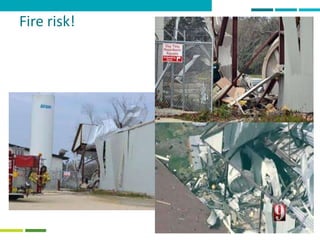
• Fire
25
Barotrauma
• Most common side effect of HBOT
• Incidence of middle ear barotrauma ~ 2%
• Pseudoephedrine has been demonstrated to
be effective in preventing barotitis media
• Brown M et al. Pseudoephedrine for the prevention of barotitis media: a controlled clinical trial in underwater divers. Ann
Emerg Med. 1992;21:849-852
• Sinus squeeze second most complication
• Decongestant/steroid nasal sprays
• Serous otitis media can develop
• Evidence to suggest HBO might cause a reversible derangement in middle ear chemoreceptor reflex arcs that regulate
middle ear aeration
• Typanometry may be helpful to predict
Eustachian tube dysfunction
• Tympanostomy tubes may be required
26
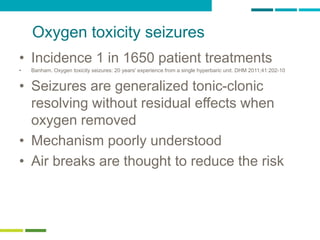
Oxygen toxicity seizures
• Incidence 1 in 1650 patient treatments
• Banham. Oxygen toxicity seizures: 20 years' experience from a single hyperbaric unit. DHM 2011;41:202-10
• Seizures are generalized tonic-clonic
resolving without residual effects when
oxygen removed
• Mechanism poorly understood
• Air breaks are thought to reduce the risk
27
Progressive myopia
• Lenticular in origin
• Due to changes in the refractive index of
the lens
• Evanger K et al. Myopic shift during Hyperbaric Oxygenation attributed to lens index changes. Optom Vis Sci. 2015;
92(11): 1076-84.
• Usually fully reversible within 4-8 weeks
• Isolated case reports of worsening of
known cataracts
• Development of new cataracts very rare
and usually only in patients receiving >150
treatments
• Palmquist et al. Nuclear cataract and myopia during hyperbaric oxygen therapy. Br J Opthal. 1984;68:113-117.
Fire risk!
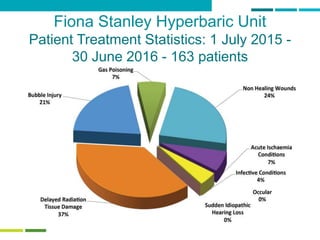
Fiona Stanley Hyperbaric Unit
Patient Treatment Statistics: 1 July 2015 -
30 June 2016 - 163 patients
33
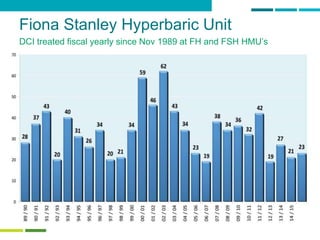
Fiona Stanley Hyperbaric Unit
DCI treated fiscal yearly since Nov 1989 at FH and FSH HMU’s
34
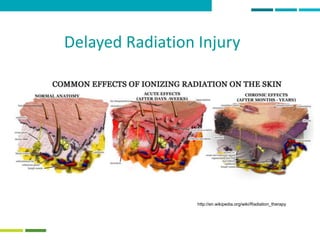
http://en.wikipedia.org/wiki/Radiation_therapy
Delayed Radiation Injury
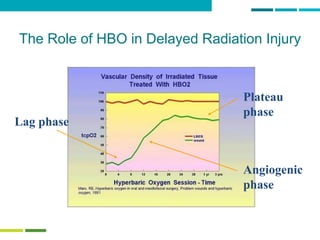
The Role of HBO in Delayed Radiation Injury
Lag phase
Angiogenic
phase
Plateau
phase
36
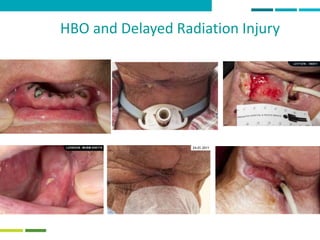
HBO and Delayed Radiation Injury
37
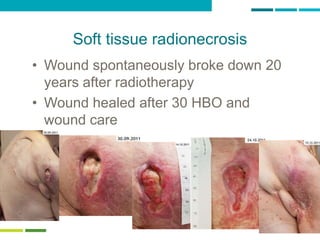
Soft tissue radionecrosis
• Wound spontaneously broke down 20
years after radiotherapy
• Wound healed after 30 HBO and
wound care
38
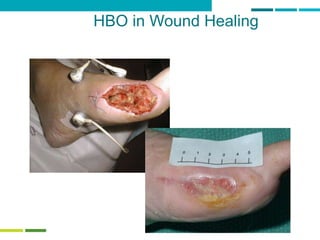
HBO in Wound Healing
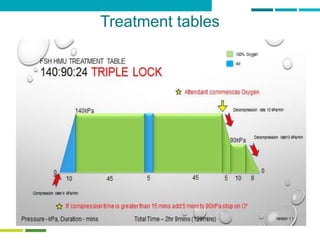
Treatment tables
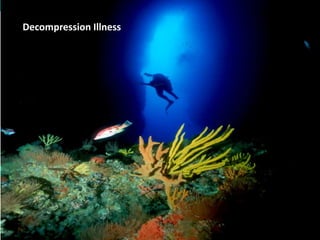
Decompression Illness
41
Definition
• Decompression illness arises in
compressed gas divers, aviators, and
astronauts when bubbles form in blood
and / or in tissues, during or after a
decrease in environmental pressure
42
The Gas Law’s
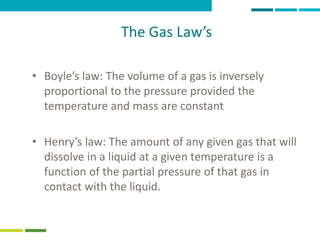
• Boyle’s law: The volume of a gas is inversely
proportional to the pressure provided the
temperature and mass are constant
• Henry’s law: The amount of any given gas that will
dissolve in a liquid at a given temperature is a
function of the partial pressure of that gas in
contact with the liquid.
History of DCI
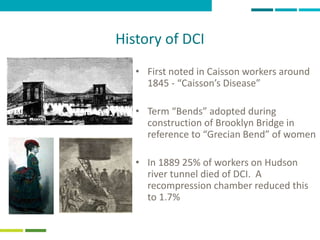
• First noted in Caisson workers around
1845 - “Caisson’s Disease”
• Term “Bends” adopted during
construction of Brooklyn Bridge in
reference to “Grecian Bend” of women
• In 1889 25% of workers on Hudson
river tunnel died of DCI. A
recompression chamber reduced this
to 1.7%
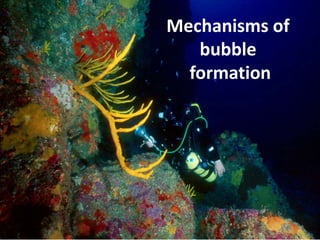
Mechanisms of
bubble
formation
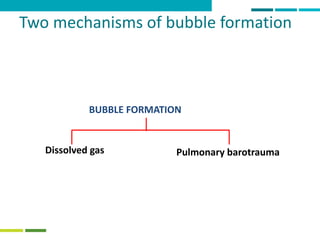
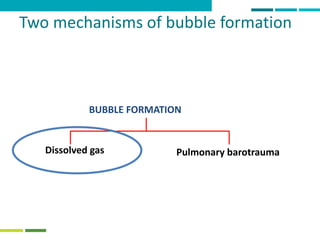
Two mechanisms of bubble formation
BUBBLE FORMATION
Dissolved gas Pulmonary barotrauma
46
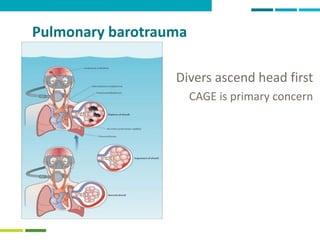
Pulmonary barotrauma
Divers ascend head first
CAGE is primary concern
47
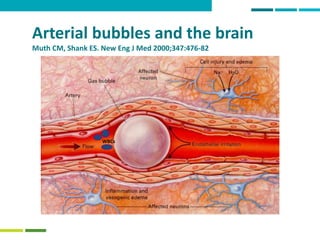
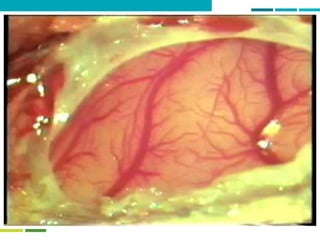
Arterial bubbles and the brain
Muth CM, Shank ES. New Eng J Med 2000;347:476-82
WBCs
49
Presentation of CAGE
• Rapid onset of neurological symptoms
– often immediately at surface
– unconsciousness in 50%
– hemiparesis, monoparesis, sensory changes, visual change,
dysphasia, disorientation, dissociation
50
Natural history of CAGE
• 5 - 10% die early
• 30% static
• 60% spontaneous recovery
• clinical correlate of bubble redistribution
• 50% of those recovering suffer progressive
relapse
• clinical correlate of inflammatory events
Two mechanisms of bubble formation
BUBBLE FORMATION
Dissolved gas Pulmonary barotrauma
53
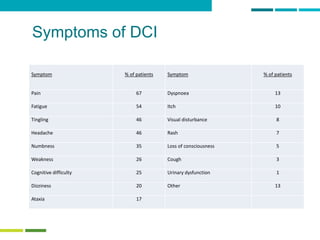
Symptoms of DCI
Symptom % of patients Symptom % of patients
Pain 67 Dyspnoea 13
Fatigue 54 Itch 10
Tingling 46 Visual disturbance 8
Headache 46 Rash 7
Numbness 35 Loss of consciousness 5
Weakness 26 Cough 3
Cognitive difficulty 25 Urinary dysfunction 1
Dizziness 20 Other 13
Ataxia 17
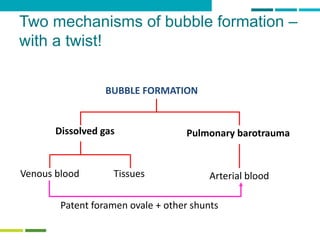
Two mechanisms of bubble formation –
with a twist!
BUBBLE FORMATION
Dissolved gas Pulmonary barotrauma
Venous blood Arterial bloodTissues
Patent foramen ovale + other shunts
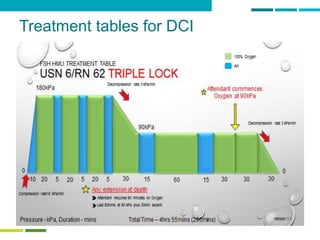
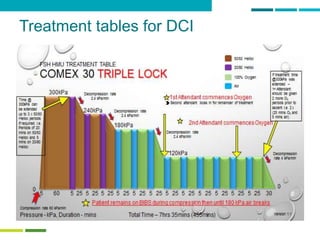
Treatment tables for DCI
58
Case History 1
• 27 year old male
• Recreational diver
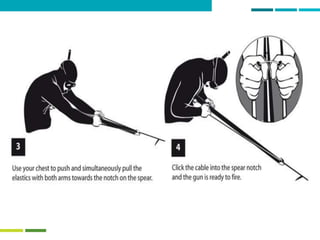
• Spear fishing on surface supply hookah
• 15 metres depth for 15 mins
• Rapid ascent whilst reloading spear gun
– Loss of buoyancy
• Two further attempts with rapid ascents!
60
Case History 1
• Third uncontrolled ascent – on surface
confused, with blurred vision and felt
unable to move limbs
• Rescued to the boat
• Kept supine
• Transferred to Busselton ED
61
Case History 1
• In ED – no neurological symptoms and
felt well
• Complained of chest pain – CT Thorax
was normal
• Creatinine 120
• Self discharged
62
Case History 1
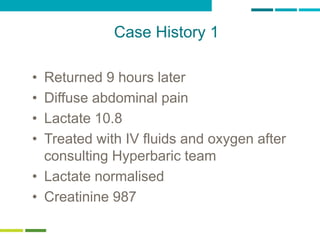
• Returned 9 hours later
• Diffuse abdominal pain
• Lactate 10.8
• Treated with IV fluids and oxygen after
consulting Hyperbaric team
• Lactate normalised
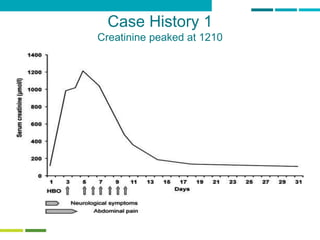
• Creatinine 987
63
Case History 1
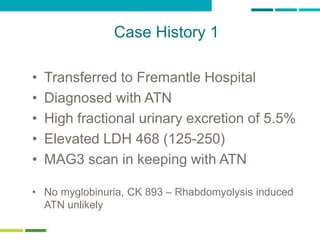
• Transferred to Fremantle Hospital
• Diagnosed with ATN
• High fractional urinary excretion of 5.5%
• Elevated LDH 468 (125-250)
• MAG3 scan in keeping with ATN
• No myglobinuria, CK 893 – Rhabdomyolysis induced
ATN unlikely
Case History 1
Creatinine peaked at 1210
65
Case History 1
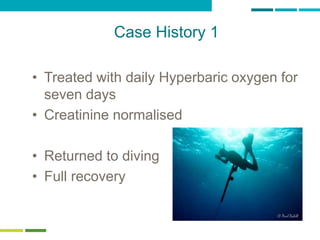
• Treated with daily Hyperbaric oxygen for
seven days
• Creatinine normalised
• Returned to diving
• Full recovery
Questions?

Hyperbaric medicine

  • 1.
    Ian Gawthrope SCGH RegistrarTeaching 2017 Hyperbaric medicine
  • 2.
  • 3.
  • 4.
  • 5.
  • 6.
  • 7.
  • 10.
  • 11.
    11 History of HyperbaricMedicine 1928 Cunningham built a 64 foot diameter steel hyperbaric ball with five floors at Cleveland Ohio USA Patients lived inside chamber at 2ATA Scrapped for metal during World War II
  • 12.
  • 14.
  • 15.
  • 16.
  • 17.
    Burns received whenhis hair caught fire from fireworks during the making of a Pepsi commercial in 1984. Treated with HBO and eventually bought his own chamber. Michael Jackson and HBO
  • 18.
    18 Mechanisms of action Pharmacologicaleffect In vitro Animal models Clinical findings Bubble size reduction Boyle’s law (ca. 1662) (Waite et al. 1967) Gas washout (Haldane 1922) (Peterson and Stewart 1970) (Jay et al. 1995) (Myers et al. 19484) (Vorosmarti et al. 1978) Upregulation of growth factors and GF receptors (Feng et al. 1998) (Sheikh et al. 2000) (Bonomo et al. 1998) Inhibition of neutrophil adhesion (Thom 2004) (Thom 2004) (Boykin and Baylis 2007) Inhibition of infection (Kaye 1967) (Hohn et al. 1976) (Mader et al. 1980) (Kaye 1967) (Hohn et al. 1976) (Wilkinson and Doolette 2004) (Roje et al. 2008) Modulation of inflammation (Thom 2004) (Thom 2004) (Buras at al. 2006) (Zhang et al. 2008) (Yogaratnam et al. 2000) Alex et al. 2005) Reduction of ischaemia- reperfusion injury (Takahashi et al. 1992) (Strauss et al. 1983) (Zamboni et al. 1993) (Buras et al. 2000) (Mazariegos et al. 1999) (Dekleva et al. 2004) Neovascularisation (Sander et al. 2009) (Hopf et al. 2005) (Marx et al. 1990) (Marx 2008) Osteogenesis (Sawai et al. 1996) (Johnsson et al. 1999) (Sever et al. 2010) (Marx 2008) Angiogenesis (Sander et al. 2009) (Hopf et al. 2005) (Hunt and Pai 1972) (Marx 2008) (Hammarlund and Sunberg 1994) Stem cell growth and release (Milovanova et al. 2009) (Thom et al. 2011)
  • 19.
  • 20.
    20 Recognised Indications forHyperbaric Oxygen • Dysbaric (Bubble) Injury • Decompression Illness • Acute Ischaemic Conditions • Compromised Flaps and Grafts • Crush Injury • Compartment Syndrome • Reperfusion Injury • Infective Conditions • Necrotising Fasciitis • Malignant Otitis Externa • Refractory Osteomyelitis • Refractory Mycoses
  • 21.
    21 Recognised Indications forHyperbaric Oxygen • Delayed Radiation Injury • Osteoradionecrosis • Soft Tissue Radionecrosis • Problem Wounds • Diabetic Ulcers • Venous Ulcers • Decubitus Ulcers • Frostbite • Toxic Gas Poisoning • Carbon Monoxide
  • 22.
    22 Absolute contraindications • Untreatedpneumothorax • Acute severe bronchospasm • Concomitant treatment with Doxorubicin • Cardiac toxicity – 87% mortality in rats when chemotherapeutic agent combined with HBO • Previous treatment with Bleomycin • Reports of elevation in FiO2 intraoperatively causing interstitial pneumonitis even if Bleomycin therapy had ceased years before. • Probably overstated risk. • Safe administration of hyperbaric oxygen after bleomycin: a case series of 15 patients. Undersea Hyperb Med. 2012 Sep-Oct;39(5):873-9. Torp KD1, Carraway MS, Ott MC, Stolp BW, Moon RE, Piantadosi CA, Freiberger JJ.
  • 23.
    23 Relative contraindications • Concomitanttreatment with Cis-Platinum • HBO increases cytotoxic effect of drug in tissues and impedes wound healing. • Concomitant treatment with Disulfiram (Antabuse) • Blocks the production of superoxide dismutase which may increase the risk of oxygen toxicity • Seizure disorders • Lowered seizure threshold may increase risk of oxygen toxicity seizures • COPD with CO2 retention • Loss of hypoxic drive • Upper respiratory tract infections and sinusitis • Risk of barotrauma • Claustrophobia and anxiety/mental illness • Consider use of benzodiazepines • Heart failure • Risk of pulmonary oedema due to reduction in cardiac output • Bullous lung disease • Pregnancy
  • 24.
    24 Complications • Barotrauma (2-4%of treatments) • Middle ear, sinus squeeze • Oxygen toxicity seizures • Pulmonary oxygen toxicity • Rare with routine daily exposures • Temporary worsening of short- sightedness • Worsening of known cataracts • Fire
  • 25.
    25 Barotrauma • Most commonside effect of HBOT • Incidence of middle ear barotrauma ~ 2% • Pseudoephedrine has been demonstrated to be effective in preventing barotitis media • Brown M et al. Pseudoephedrine for the prevention of barotitis media: a controlled clinical trial in underwater divers. Ann Emerg Med. 1992;21:849-852 • Sinus squeeze second most complication • Decongestant/steroid nasal sprays • Serous otitis media can develop • Evidence to suggest HBO might cause a reversible derangement in middle ear chemoreceptor reflex arcs that regulate middle ear aeration • Typanometry may be helpful to predict Eustachian tube dysfunction • Tympanostomy tubes may be required
  • 26.
    26 Oxygen toxicity seizures •Incidence 1 in 1650 patient treatments • Banham. Oxygen toxicity seizures: 20 years' experience from a single hyperbaric unit. DHM 2011;41:202-10 • Seizures are generalized tonic-clonic resolving without residual effects when oxygen removed • Mechanism poorly understood • Air breaks are thought to reduce the risk
  • 27.
    27 Progressive myopia • Lenticularin origin • Due to changes in the refractive index of the lens • Evanger K et al. Myopic shift during Hyperbaric Oxygenation attributed to lens index changes. Optom Vis Sci. 2015; 92(11): 1076-84. • Usually fully reversible within 4-8 weeks • Isolated case reports of worsening of known cataracts • Development of new cataracts very rare and usually only in patients receiving >150 treatments • Palmquist et al. Nuclear cataract and myopia during hyperbaric oxygen therapy. Br J Opthal. 1984;68:113-117.
  • 28.
  • 32.
    Fiona Stanley HyperbaricUnit Patient Treatment Statistics: 1 July 2015 - 30 June 2016 - 163 patients
  • 33.
    33 Fiona Stanley HyperbaricUnit DCI treated fiscal yearly since Nov 1989 at FH and FSH HMU’s
  • 34.
  • 35.
    The Role ofHBO in Delayed Radiation Injury Lag phase Angiogenic phase Plateau phase
  • 36.
    36 HBO and DelayedRadiation Injury
  • 37.
    37 Soft tissue radionecrosis •Wound spontaneously broke down 20 years after radiotherapy • Wound healed after 30 HBO and wound care
  • 38.
  • 39.
  • 40.
  • 41.
    41 Definition • Decompression illnessarises in compressed gas divers, aviators, and astronauts when bubbles form in blood and / or in tissues, during or after a decrease in environmental pressure
  • 42.
    42 The Gas Law’s •Boyle’s law: The volume of a gas is inversely proportional to the pressure provided the temperature and mass are constant • Henry’s law: The amount of any given gas that will dissolve in a liquid at a given temperature is a function of the partial pressure of that gas in contact with the liquid.
  • 43.
    History of DCI •First noted in Caisson workers around 1845 - “Caisson’s Disease” • Term “Bends” adopted during construction of Brooklyn Bridge in reference to “Grecian Bend” of women • In 1889 25% of workers on Hudson river tunnel died of DCI. A recompression chamber reduced this to 1.7%
  • 44.
  • 45.
    Two mechanisms ofbubble formation BUBBLE FORMATION Dissolved gas Pulmonary barotrauma
  • 46.
    46 Pulmonary barotrauma Divers ascendhead first CAGE is primary concern
  • 47.
    47 Arterial bubbles andthe brain Muth CM, Shank ES. New Eng J Med 2000;347:476-82 WBCs
  • 49.
    49 Presentation of CAGE •Rapid onset of neurological symptoms – often immediately at surface – unconsciousness in 50% – hemiparesis, monoparesis, sensory changes, visual change, dysphasia, disorientation, dissociation
  • 50.
    50 Natural history ofCAGE • 5 - 10% die early • 30% static • 60% spontaneous recovery • clinical correlate of bubble redistribution • 50% of those recovering suffer progressive relapse • clinical correlate of inflammatory events
  • 51.
    Two mechanisms ofbubble formation BUBBLE FORMATION Dissolved gas Pulmonary barotrauma
  • 53.
    53 Symptoms of DCI Symptom% of patients Symptom % of patients Pain 67 Dyspnoea 13 Fatigue 54 Itch 10 Tingling 46 Visual disturbance 8 Headache 46 Rash 7 Numbness 35 Loss of consciousness 5 Weakness 26 Cough 3 Cognitive difficulty 25 Urinary dysfunction 1 Dizziness 20 Other 13 Ataxia 17
  • 54.
    Two mechanisms ofbubble formation – with a twist! BUBBLE FORMATION Dissolved gas Pulmonary barotrauma Venous blood Arterial bloodTissues Patent foramen ovale + other shunts
  • 56.
  • 57.
  • 58.
    58 Case History 1 •27 year old male • Recreational diver • Spear fishing on surface supply hookah • 15 metres depth for 15 mins • Rapid ascent whilst reloading spear gun – Loss of buoyancy • Two further attempts with rapid ascents!
  • 60.
    60 Case History 1 •Third uncontrolled ascent – on surface confused, with blurred vision and felt unable to move limbs • Rescued to the boat • Kept supine • Transferred to Busselton ED
  • 61.
    61 Case History 1 •In ED – no neurological symptoms and felt well • Complained of chest pain – CT Thorax was normal • Creatinine 120 • Self discharged
  • 62.
    62 Case History 1 •Returned 9 hours later • Diffuse abdominal pain • Lactate 10.8 • Treated with IV fluids and oxygen after consulting Hyperbaric team • Lactate normalised • Creatinine 987
  • 63.
    63 Case History 1 •Transferred to Fremantle Hospital • Diagnosed with ATN • High fractional urinary excretion of 5.5% • Elevated LDH 468 (125-250) • MAG3 scan in keeping with ATN • No myglobinuria, CK 893 – Rhabdomyolysis induced ATN unlikely
  • 64.
  • 65.
    65 Case History 1 •Treated with daily Hyperbaric oxygen for seven days • Creatinine normalised • Returned to diving • Full recovery
  • 66.