Human-Motorcycle Interaction (HMI):
 Issues and research in motorcycle
ergonomics and rider human factors

                  Dr Alex W Stedmon

         alex.stedmon@nottingham.ac.uk


   Centre for Motorcycle Ergonomics & Rider Human Factors
 Dept of Mechanical, Materials, Manufacturing Engineering (M3)
                   University of Nottingham
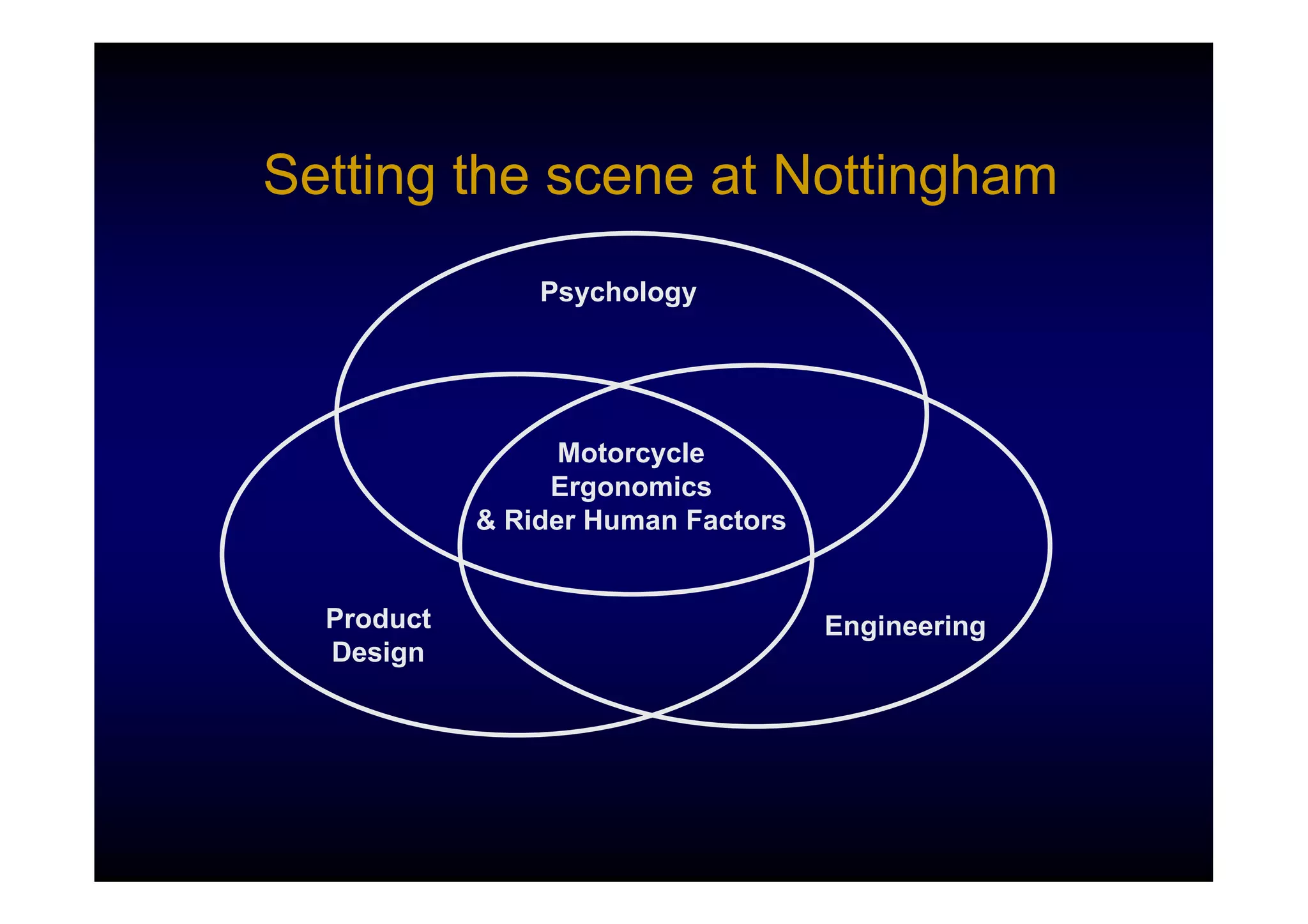
Setting the scene at Nottingham
                Psychology


                  Motorcycle
                 Ergonomics
            & Rider Human Factors


  Product                           Engineering
  Design
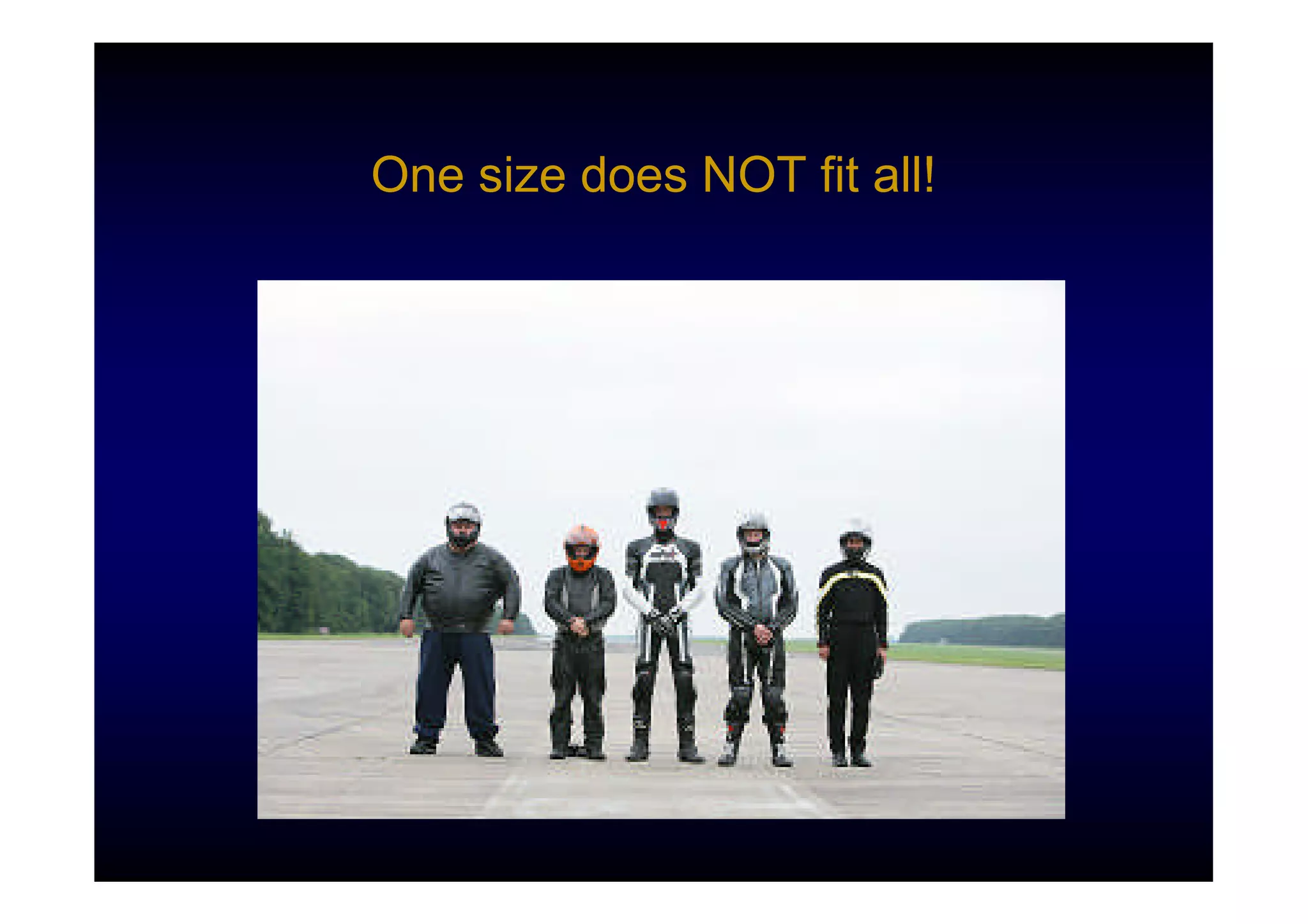
One size does NOT fit all!
Riders getting bigger – bikes getting smaller!
•   Rider anthropometry – ‘larger’ and taller
    •   25-54 years = 4.1kg (Dept of Health, 1993)
    •   motorcyclists tend to be 25mm taller than average
    •   kit manufacturers report on the size increases too

•   Motorbikes product design – smaller, taller and lighter
    •   slimmed down by 20mm
    •   ride height increased 55mm since the 80s (styling)
    •   1993-2003 bikes have lost around 10-15kg

•   Sportsbikes are alienating large riders by being lighter and
    small riders by being larger
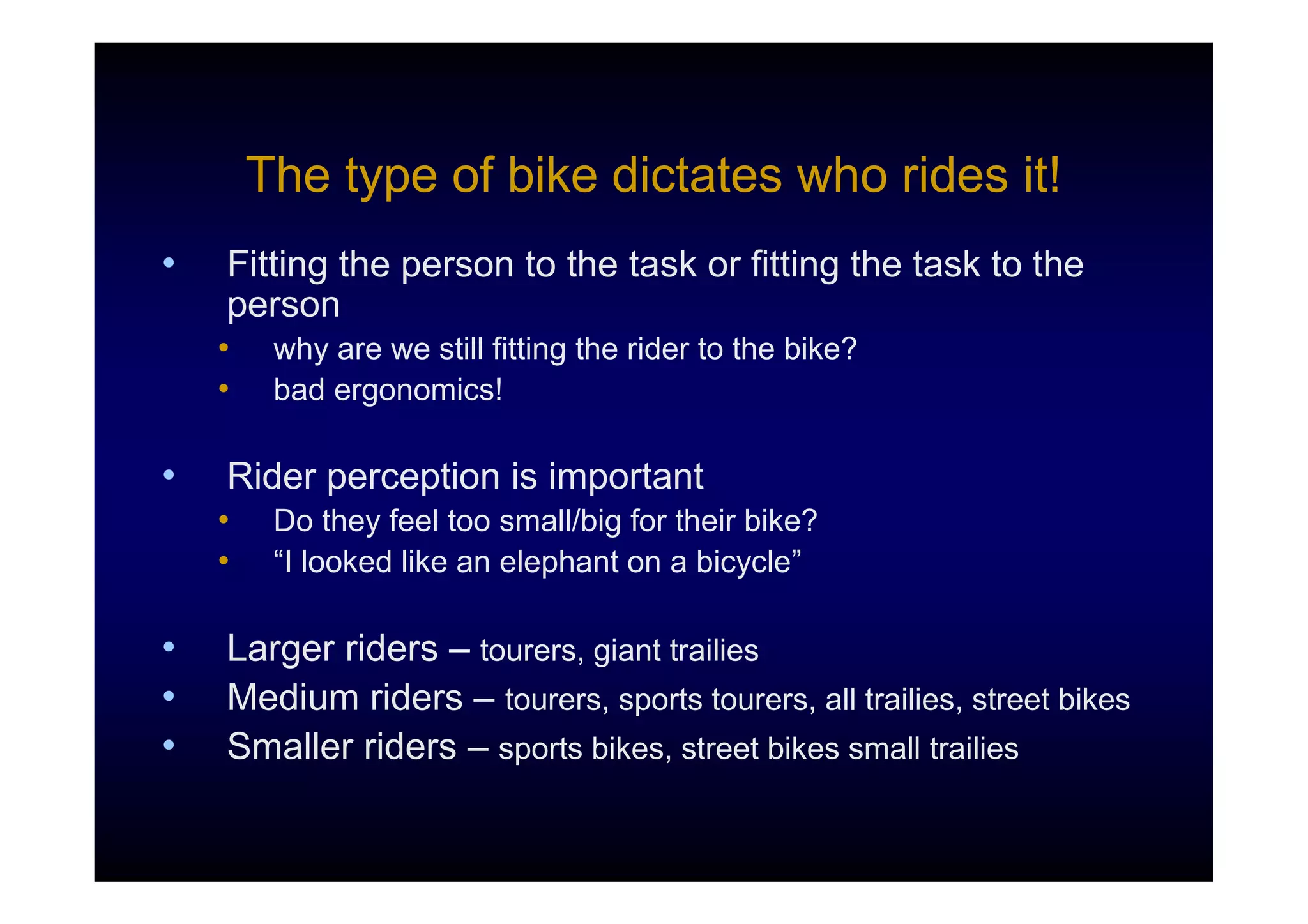
The type of bike dictates who rides it!
•   Fitting the person to the task or fitting the task to the
    person
    •    why are we still fitting the rider to the bike?
    •    bad ergonomics!

•   Rider perception is important
    •    Do they feel too small/big for their bike?
    •    “I looked like an elephant on a bicycle”

•   Larger riders – tourers, giant trailies
•   Medium riders – tourers, sports tourers, all trailies, street bikes
•   Smaller riders – sports bikes, street bikes small trailies
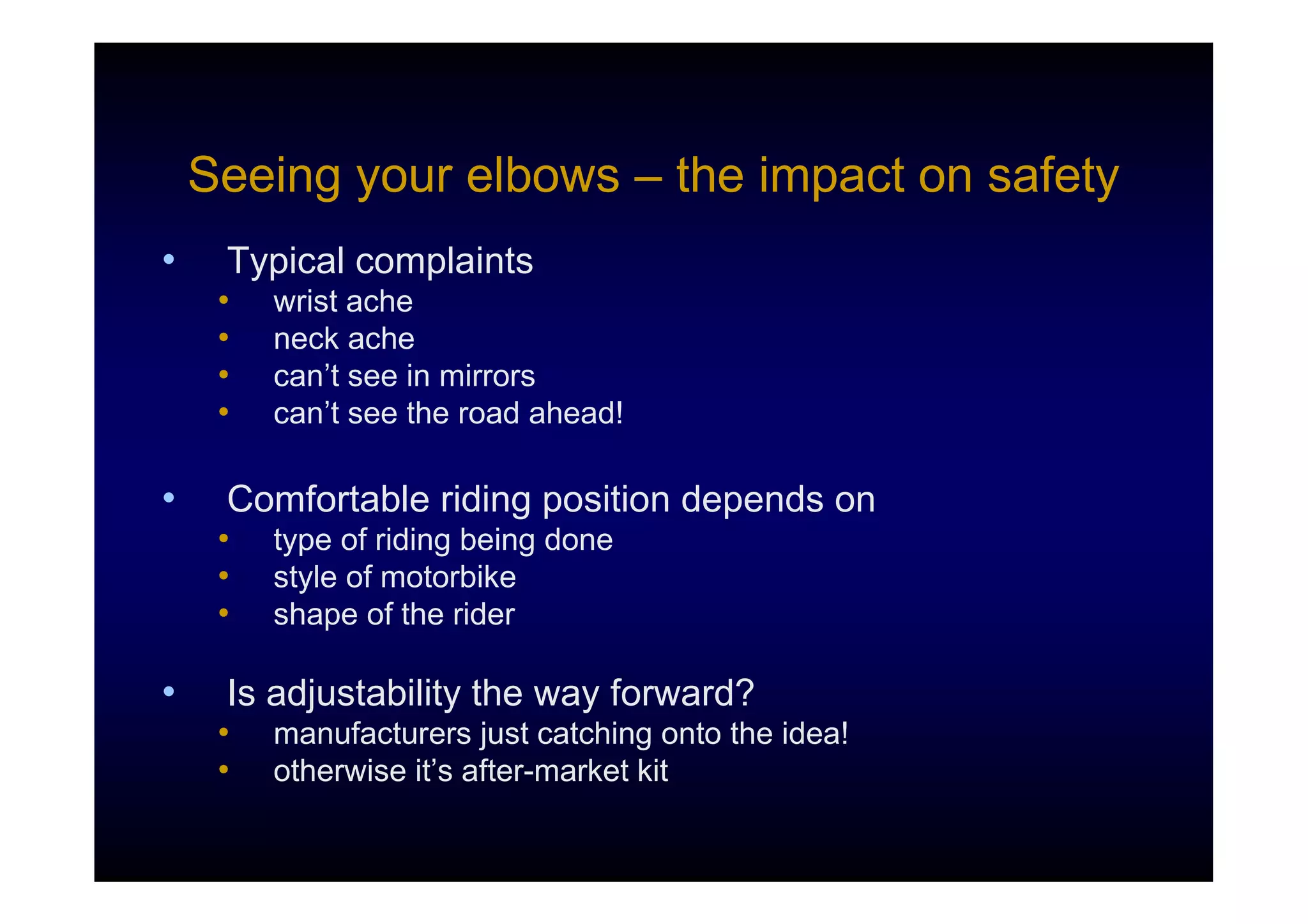
Seeing your elbows – the impact on safety
•    Typical complaints
     •   wrist ache
     •   neck ache
     •   can’t see in mirrors
     •   can’t see the road ahead!

•    Comfortable riding position depends on
     •   type of riding being done
     •   style of motorbike
     •   shape of the rider

•    Is adjustability the way forward?
     •   manufacturers just catching onto the idea!
     •   otherwise it’s after-market kit
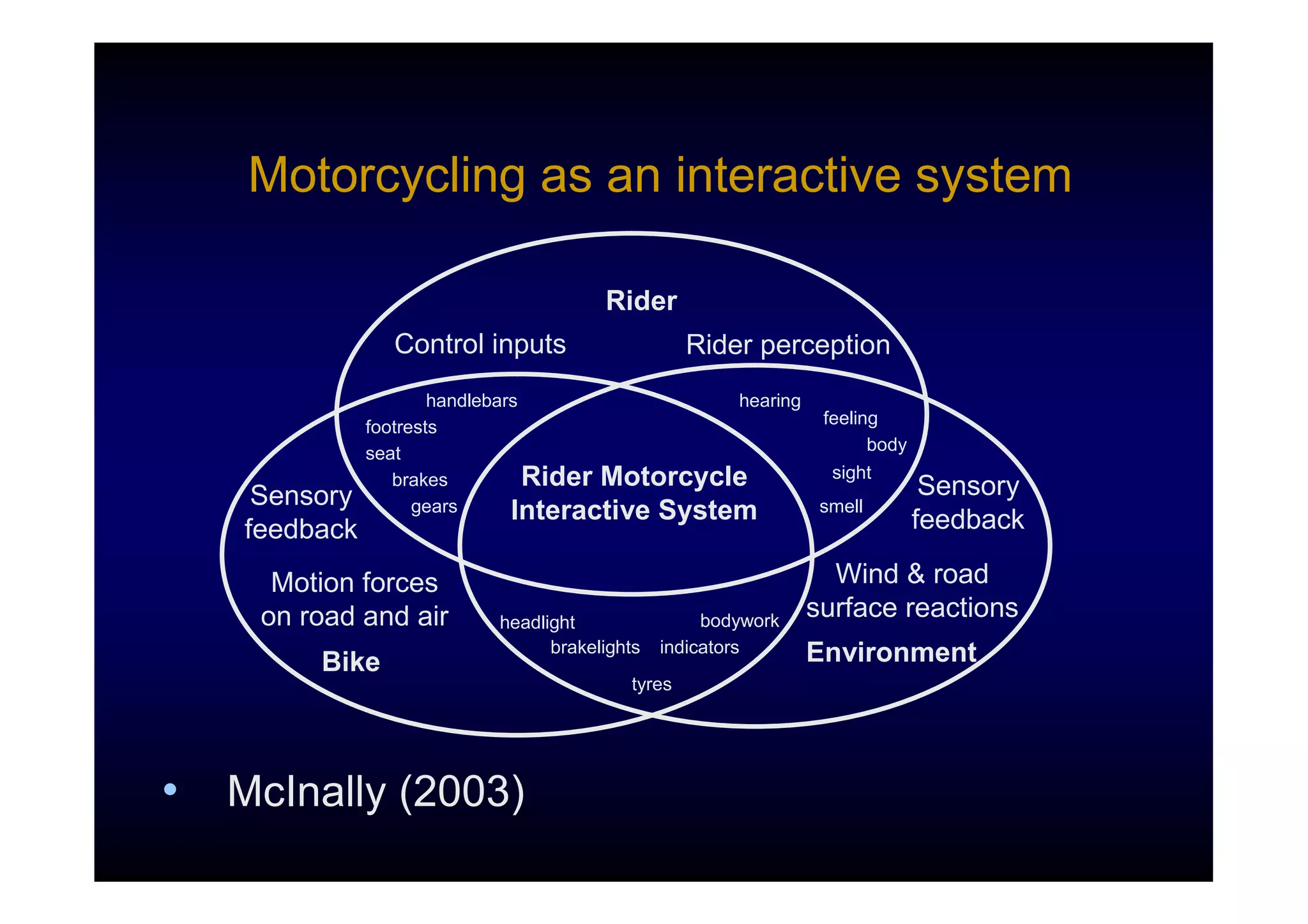
Motorcycling as an interactive system

                                       Rider
                 Control inputs                   Rider perception
                       handlebars                hearing
               footrests                                 feeling
               seat                                            body
                  brakes          Rider Motorcycle        sight
     Sensory                                                            Sensory
                     gears      Interactive System       smell
    feedback                                                           feedback

      Motion forces                                              Wind & road
     on road and air       headlight                bodywork
                                                               surface reactions
                                 brakelights   indicators      Environment
         Bike
                                          tyres


•   McInally (2003)
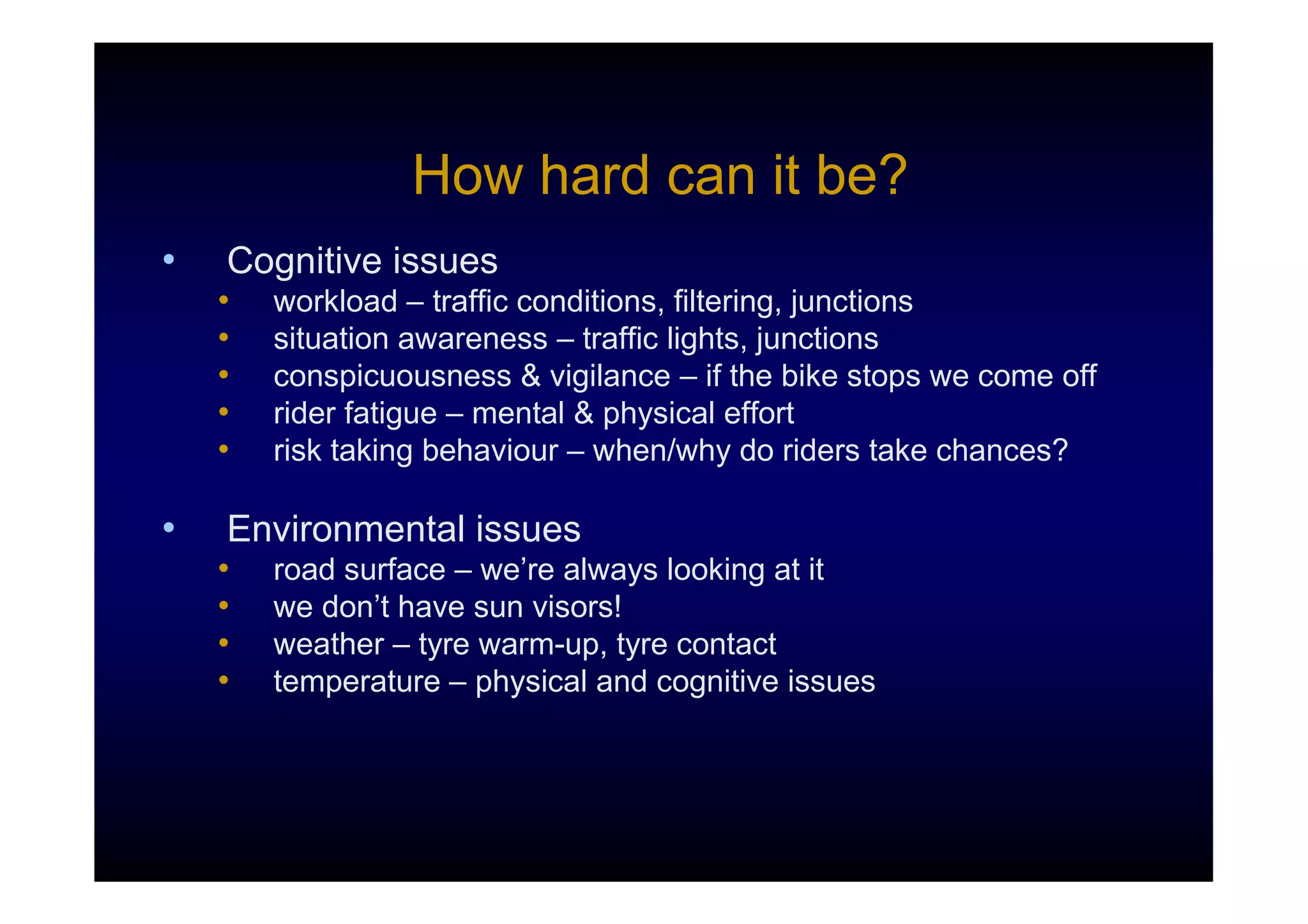
How hard can it be?
•   Cognitive issues
    •   workload – traffic conditions, filtering, junctions
    •   situation awareness – traffic lights, junctions
    •   conspicuousness & vigilance – if the bike stops we come off
    •   rider fatigue – mental & physical effort
    •   risk taking behaviour – when/why do riders take chances?

•   Environmental issues
    •   road surface – we’re always looking at it
    •   we don’t have sun visors!
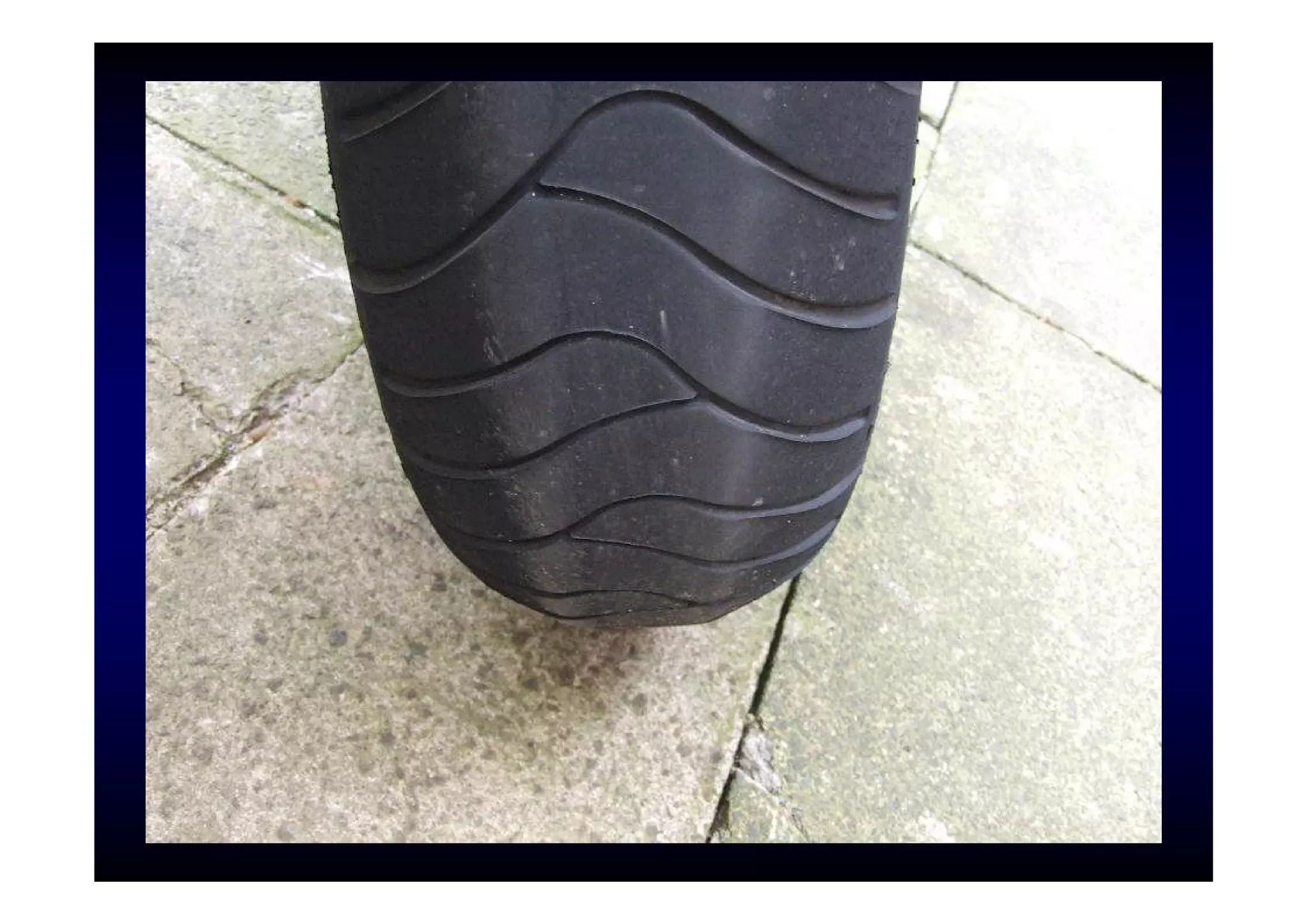
    •   weather – tyre warm-up, tyre contact
    •   temperature – physical and cognitive issues
The future of motorcycling
•   Advanced systems
    •   helmet mounted displays (augmented reality?)
    •   3D audio
    •   speech input
    •   integration of rider aids
        • satnav systems
        • rider information/communication systems
        • entertainment systems
    •   geo-spatial information for riders
        • location based services
        • couriers, paramedics, police
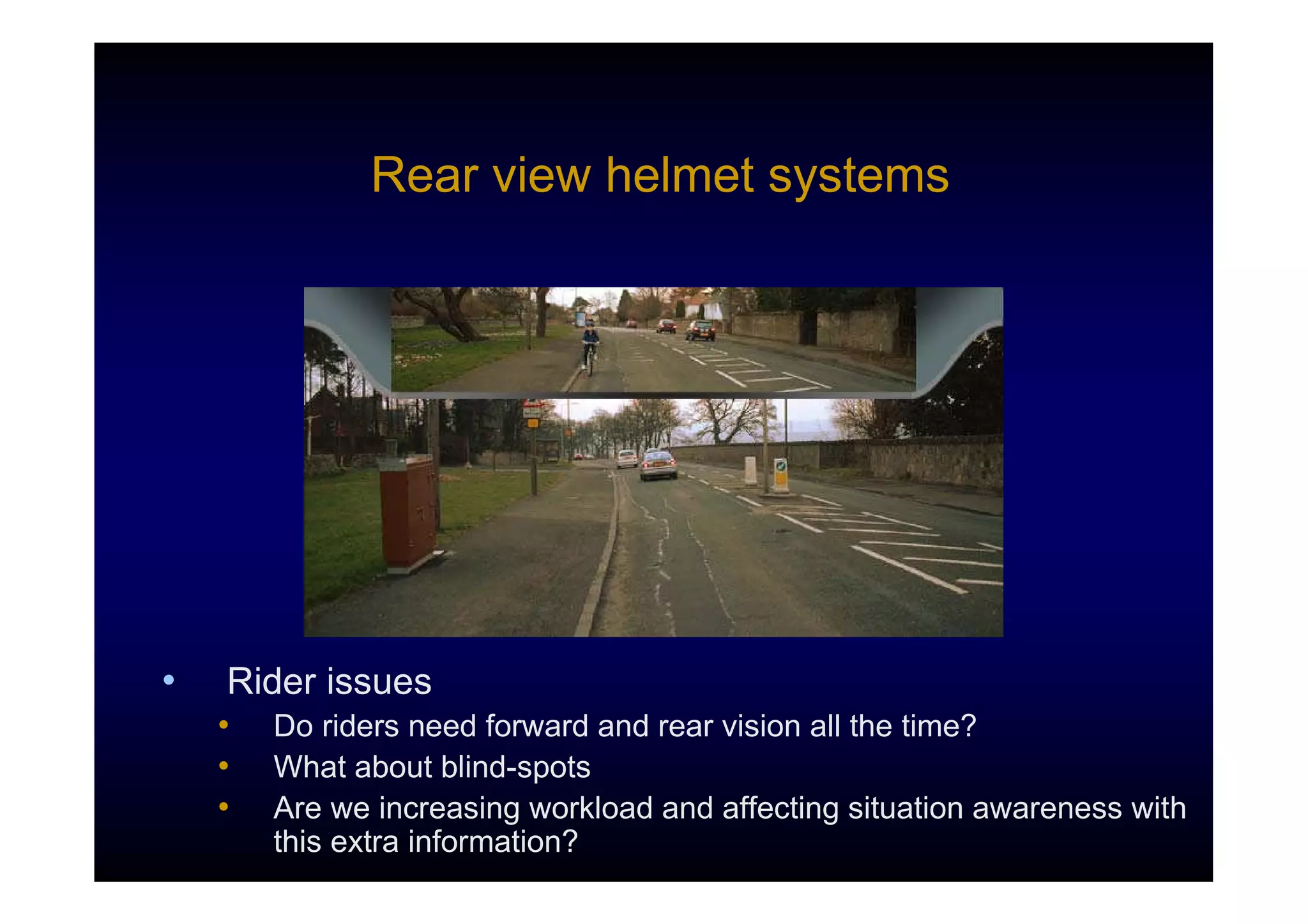
Rear view helmet systems


•   Rider issues
    •   Do riders need forward and rear vision all the time?
    •   What about blind-spots
    •   Are we increasing workload and affecting situation awareness with
        this extra information?
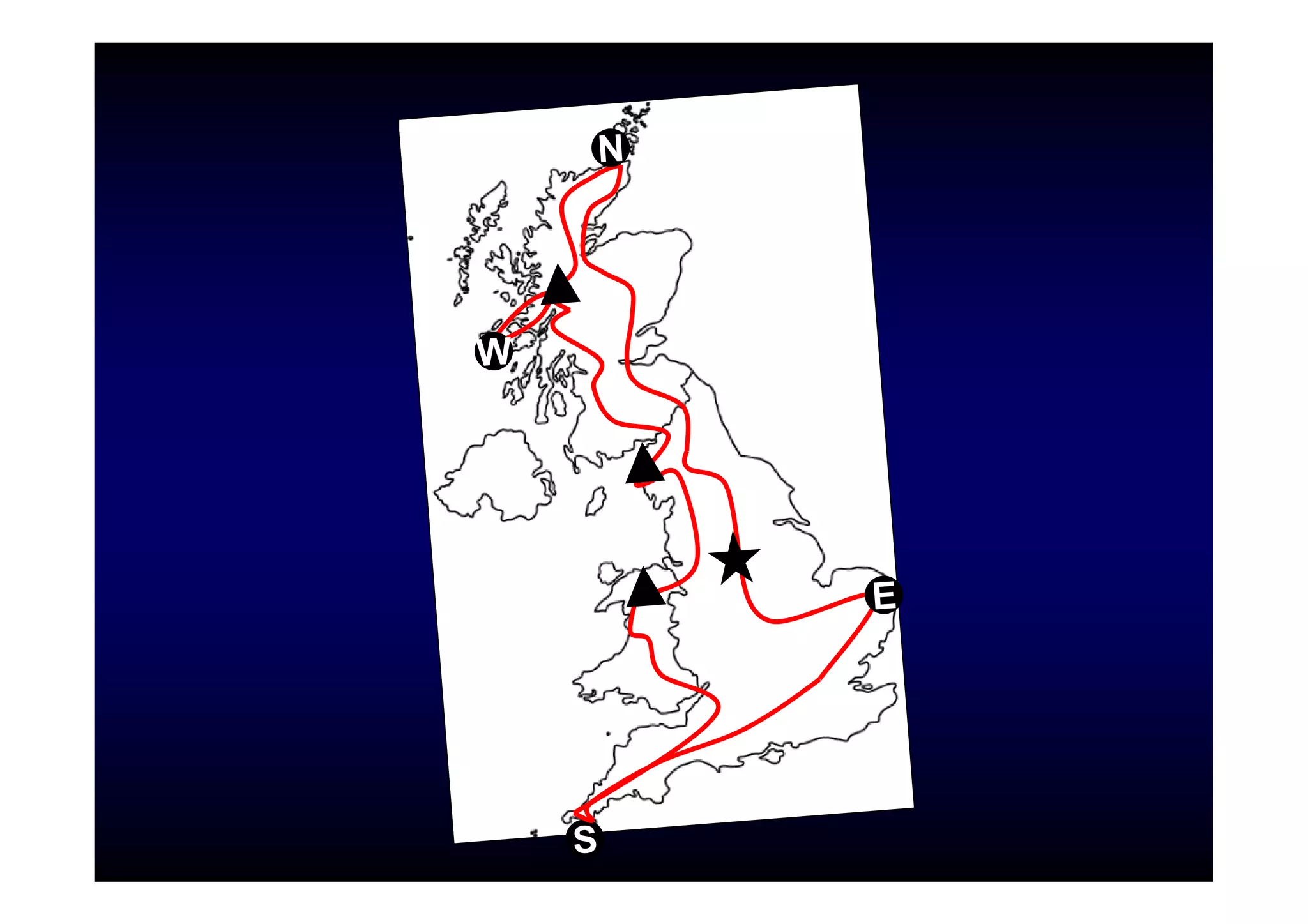
The ‘Long Way Up!’
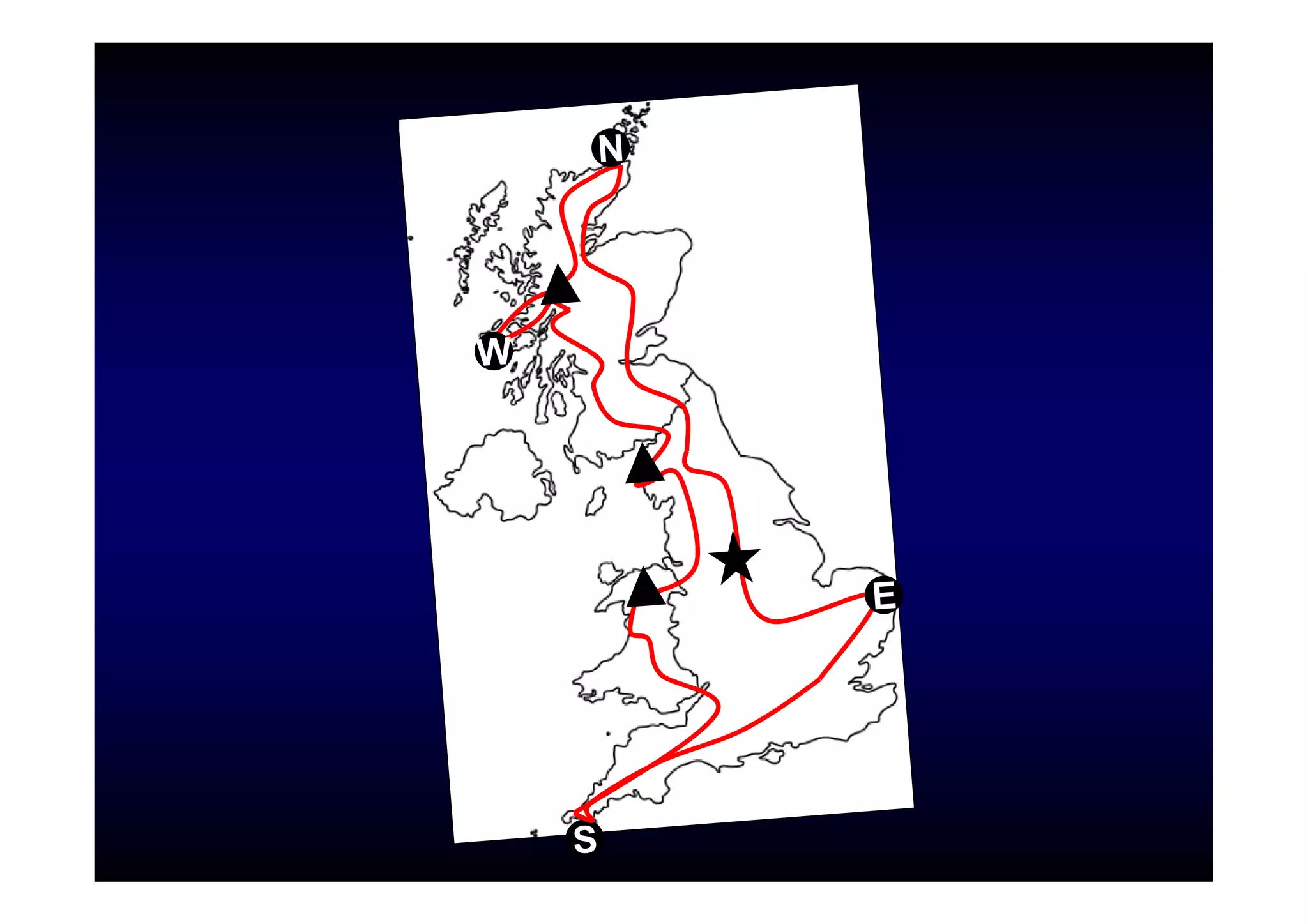
N


W


        E


    S
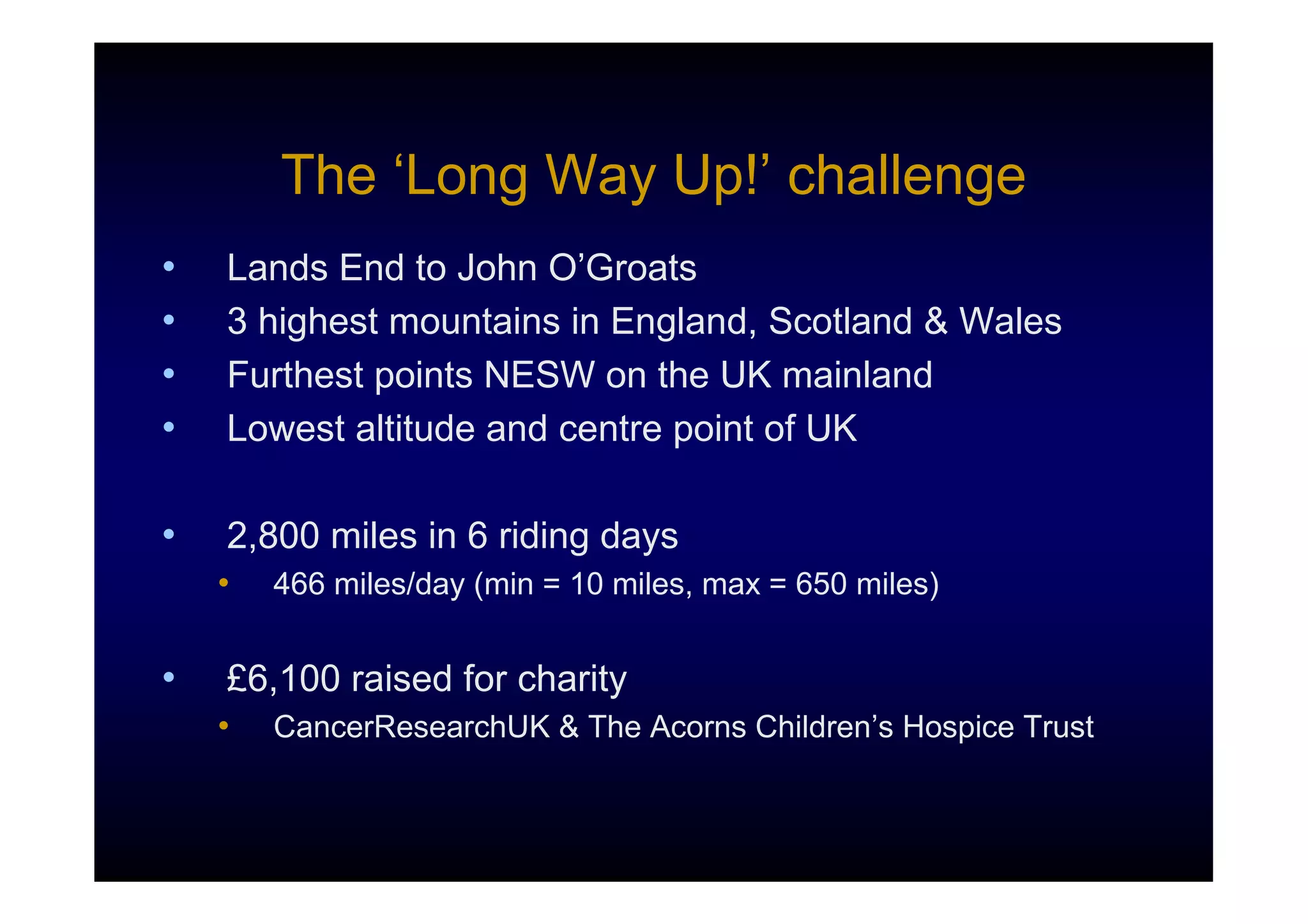
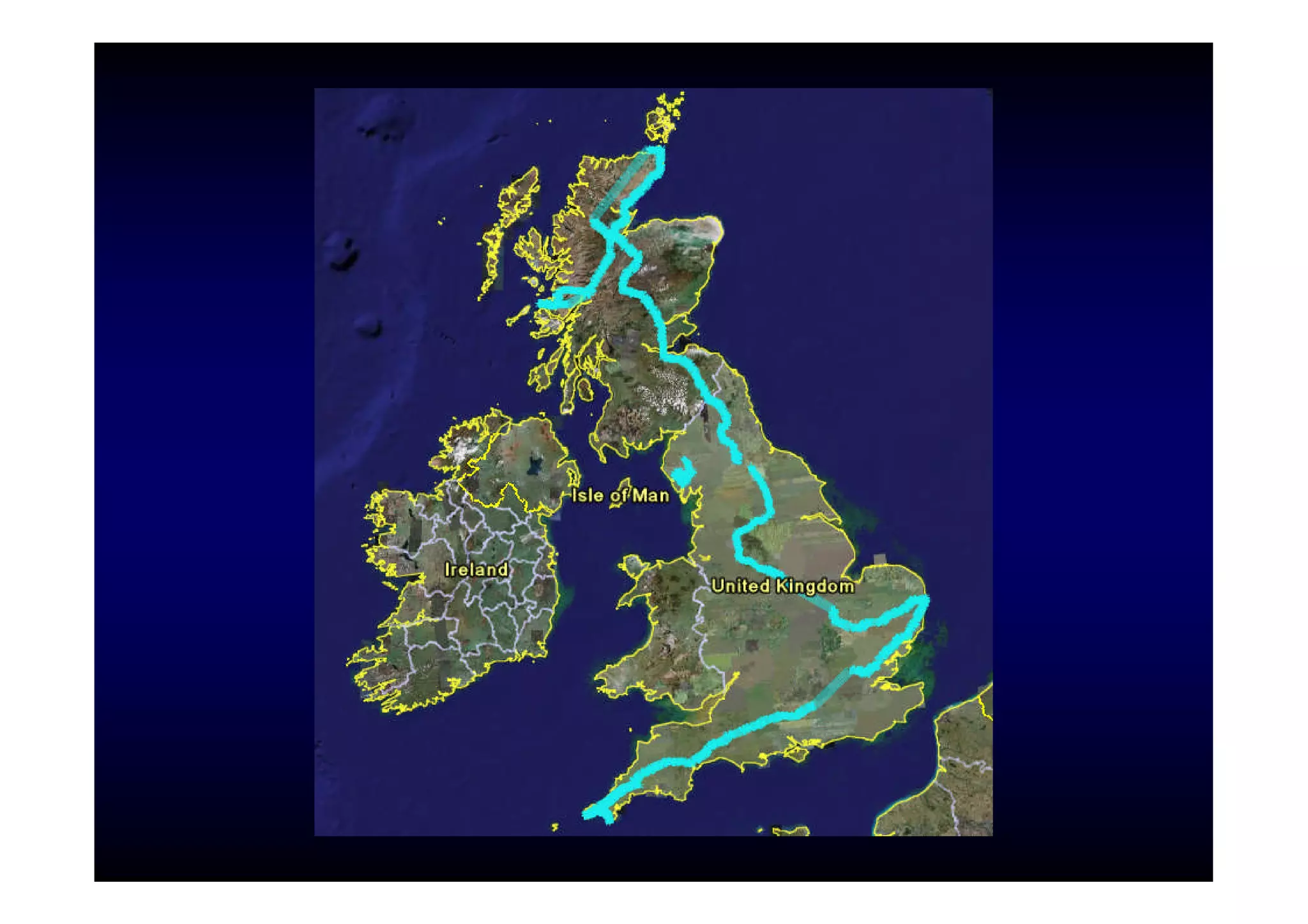
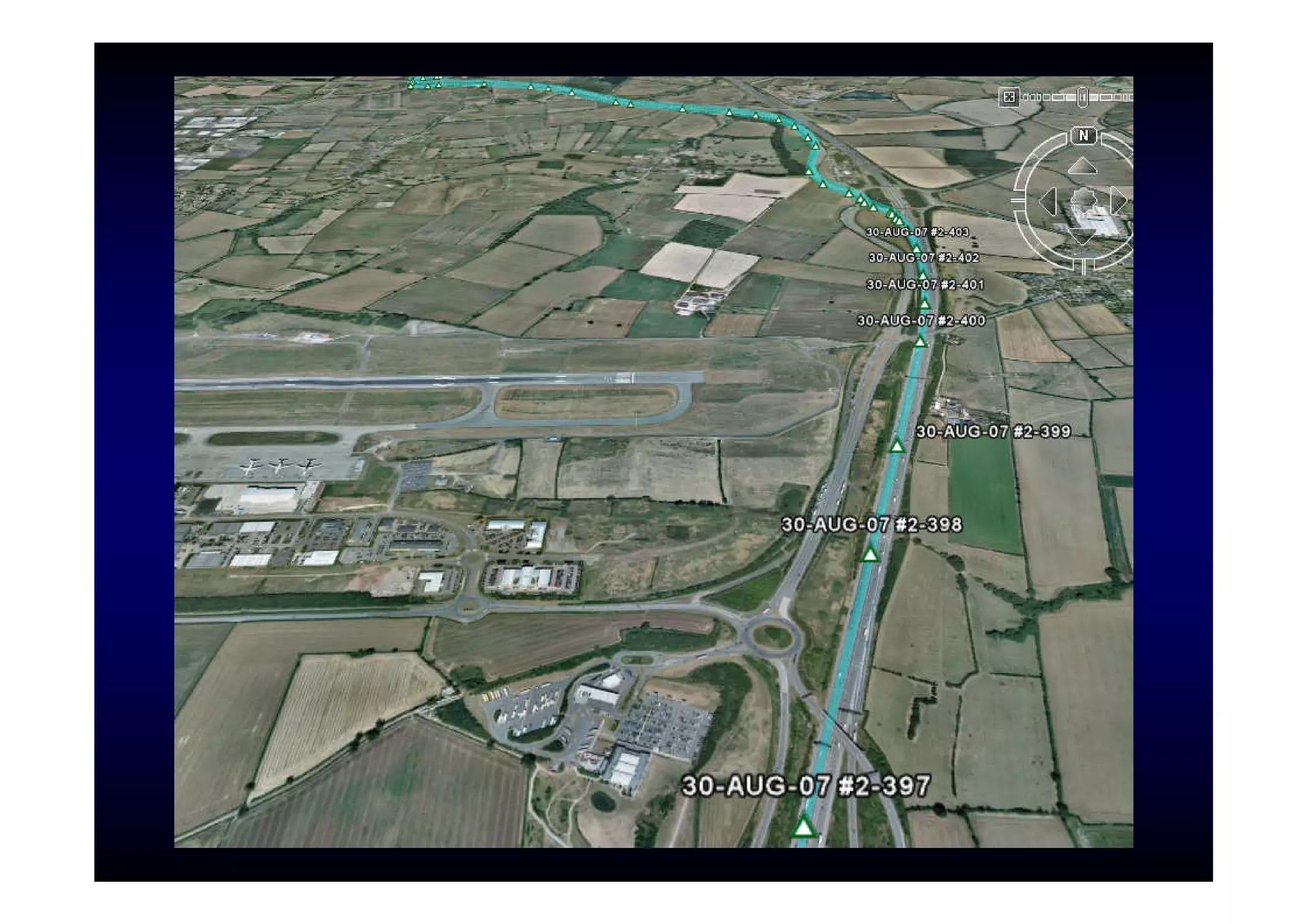
The ‘Long Way Up!’ challenge
•   Lands End to John O’Groats
•   3 highest mountains in England, Scotland & Wales
•   Furthest points NESW on the UK mainland
•   Lowest altitude and centre point of UK

•   2,800 miles in 6 riding days
    •   466 miles/day (min = 10 miles, max = 650 miles)


•   £6,100 raised for charity
    •   CancerResearchUK & The Acorns Children’s Hospice Trust
Our sponsors
N


W


        E


    S
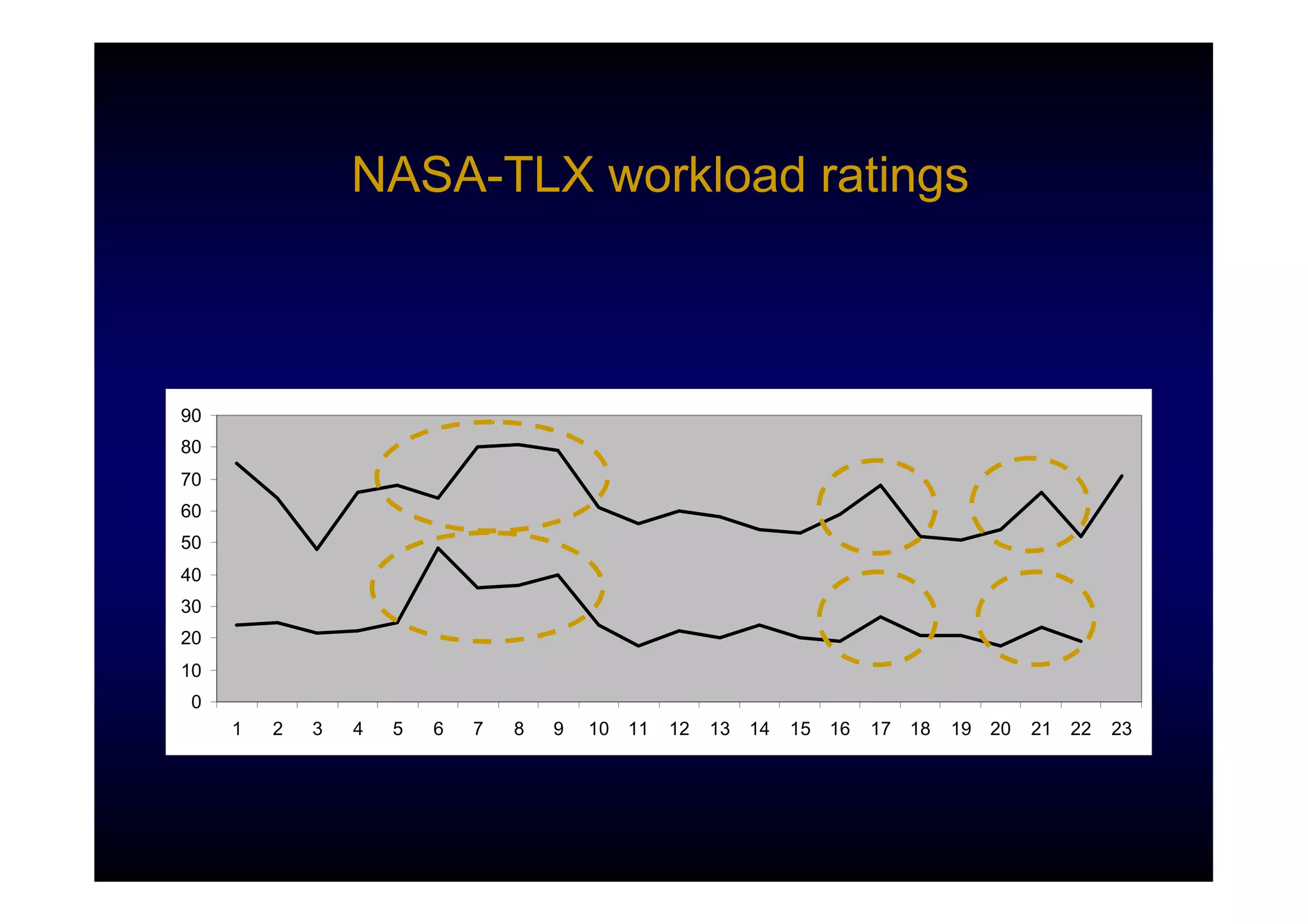
NASA-TLX workload ratings


90
80
70
60
50
40
30
20
10
 0
     1   2   3   4   5   6   7   8   9   10   11   12   13   14   15   16   17   18   19   20   21   22   23
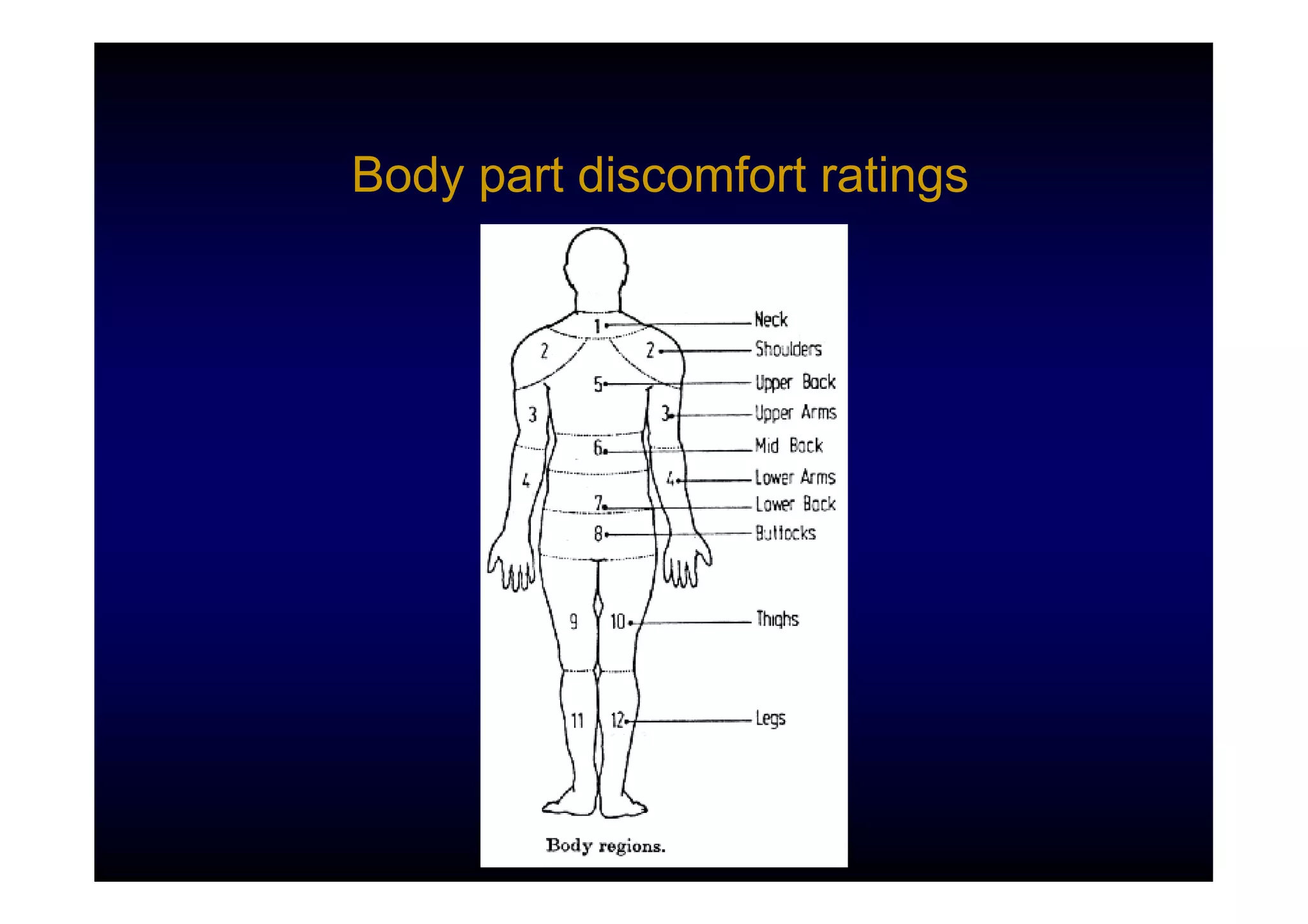
Body part discomfort ratings
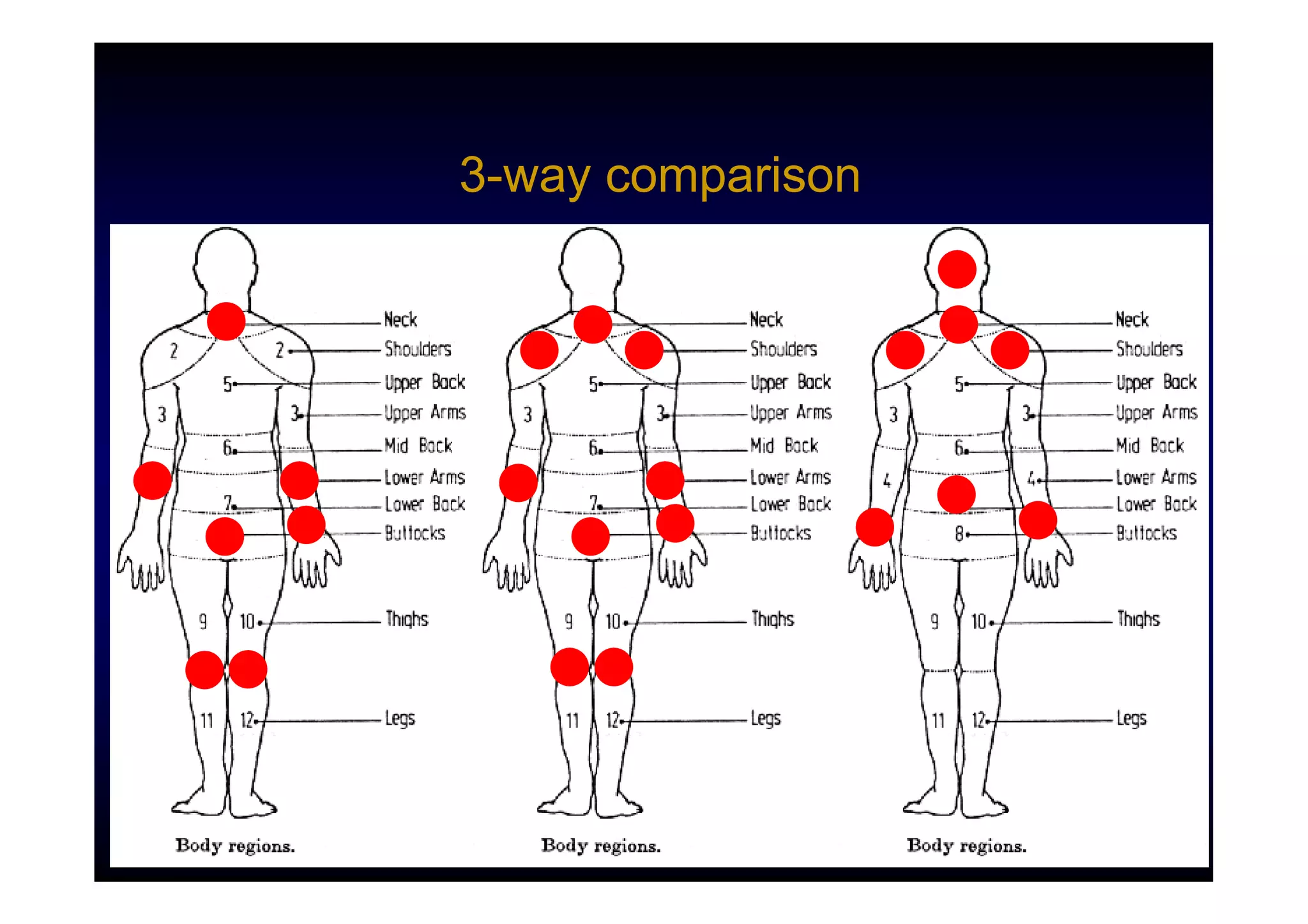
3-way comparison
Motorcycle simulator
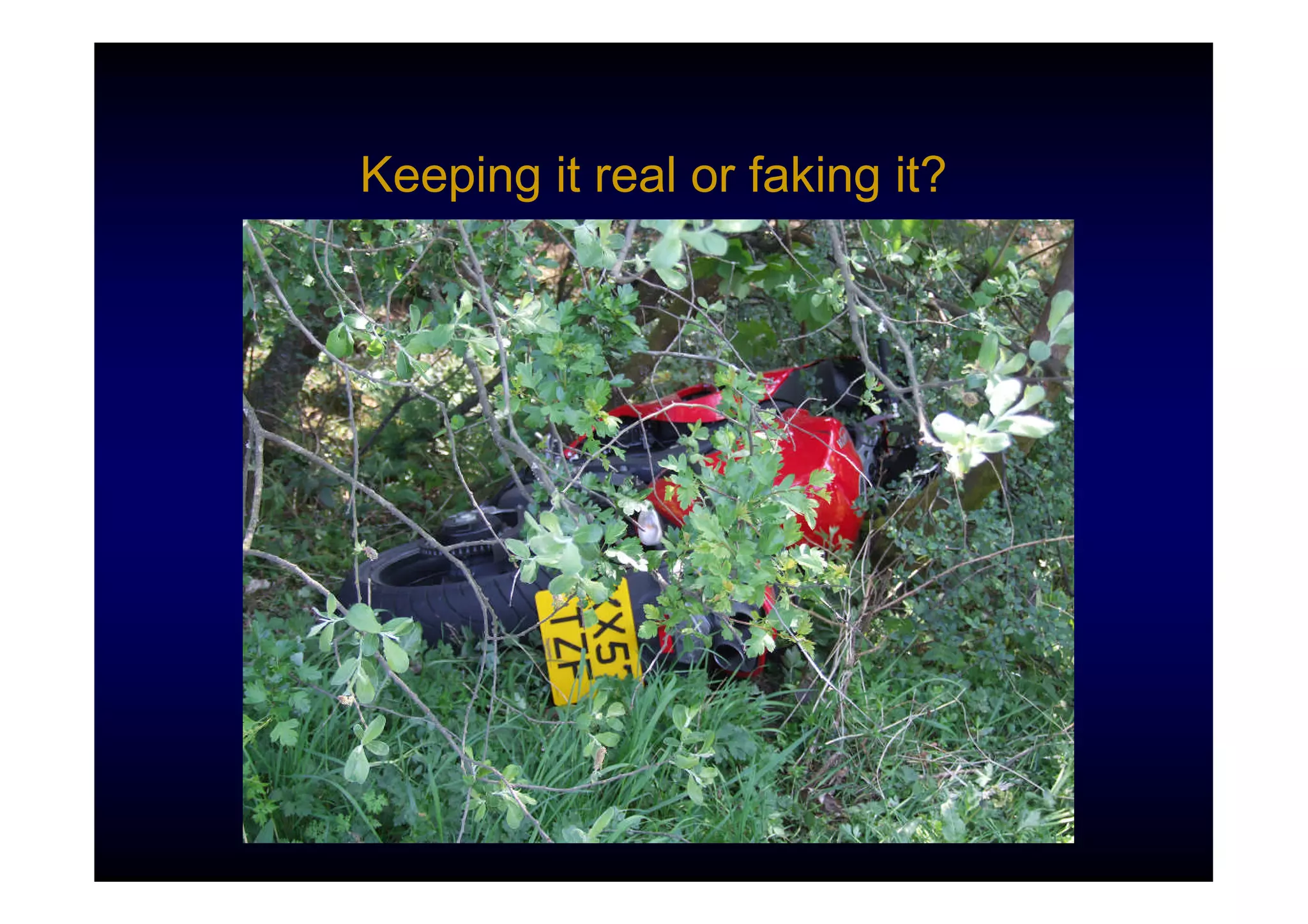
Keeping it real or faking it?
Leading the way in motorcycle ergonomics
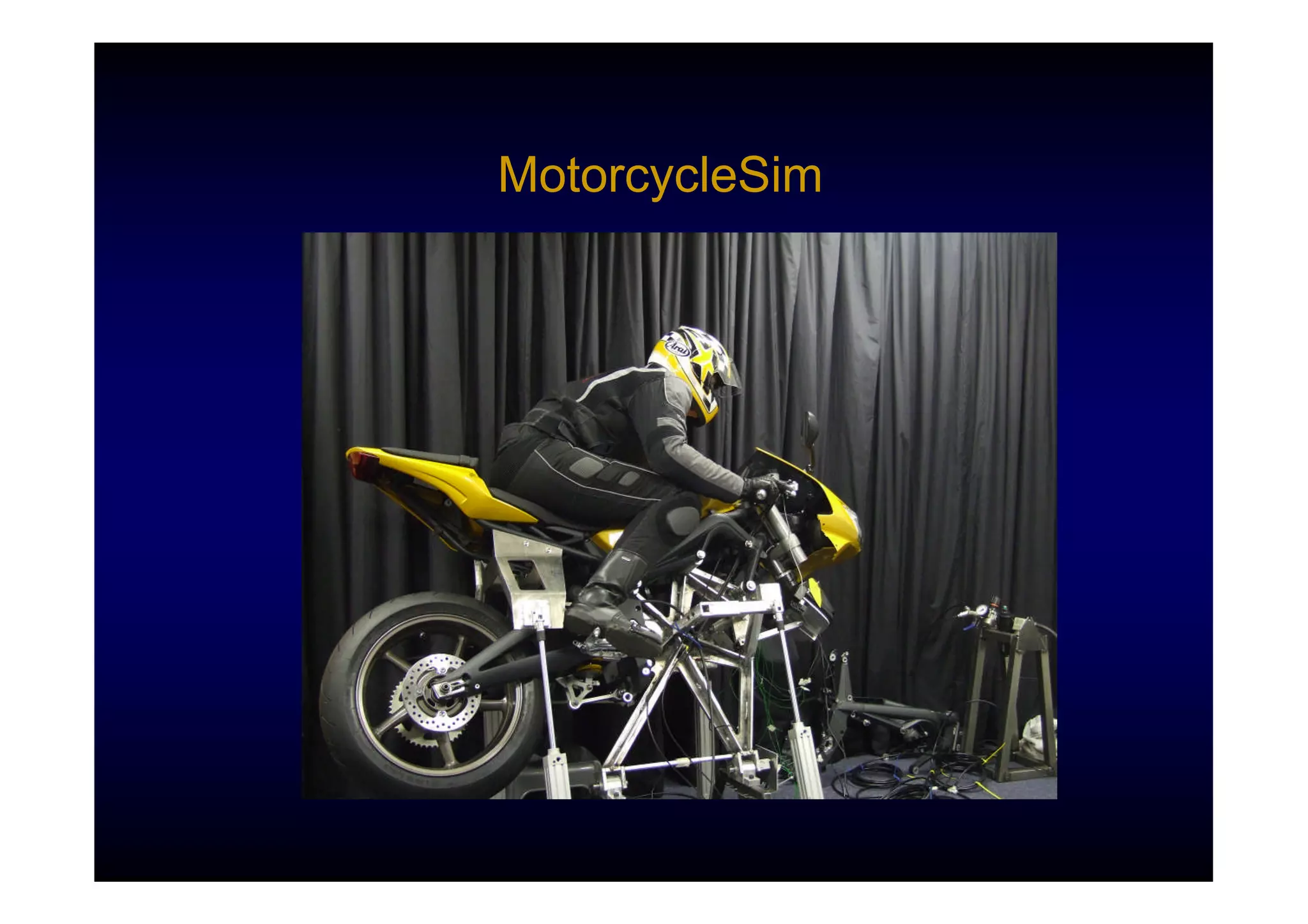
•    Motorcycle simulator
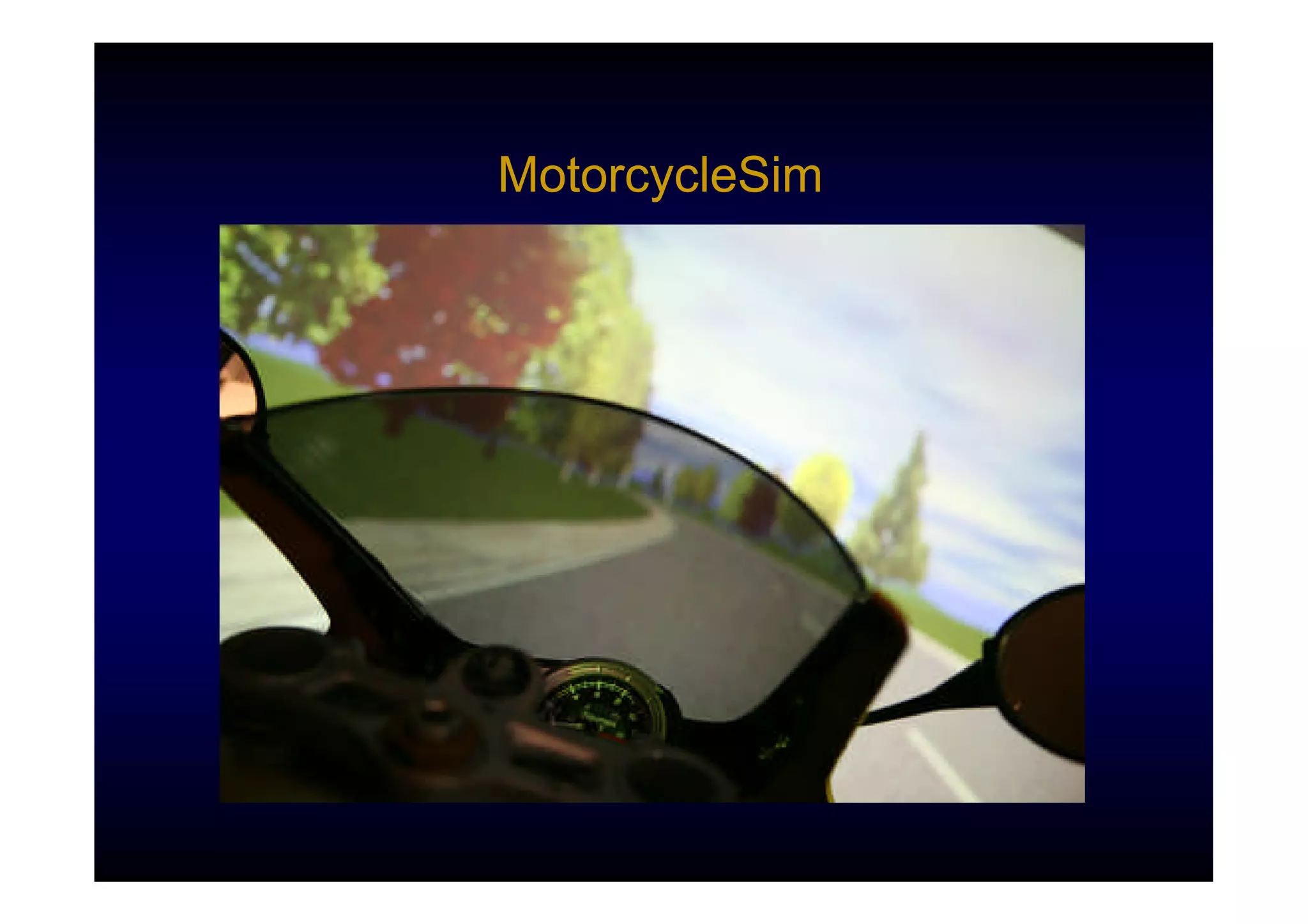
     •   interactive bike and projection screen
     •   reconfigurable scenarios

•    a UK first
     •   no other research simulator of its kind

•    a World first
     •   no other motorcycle simulator is using the same
         software
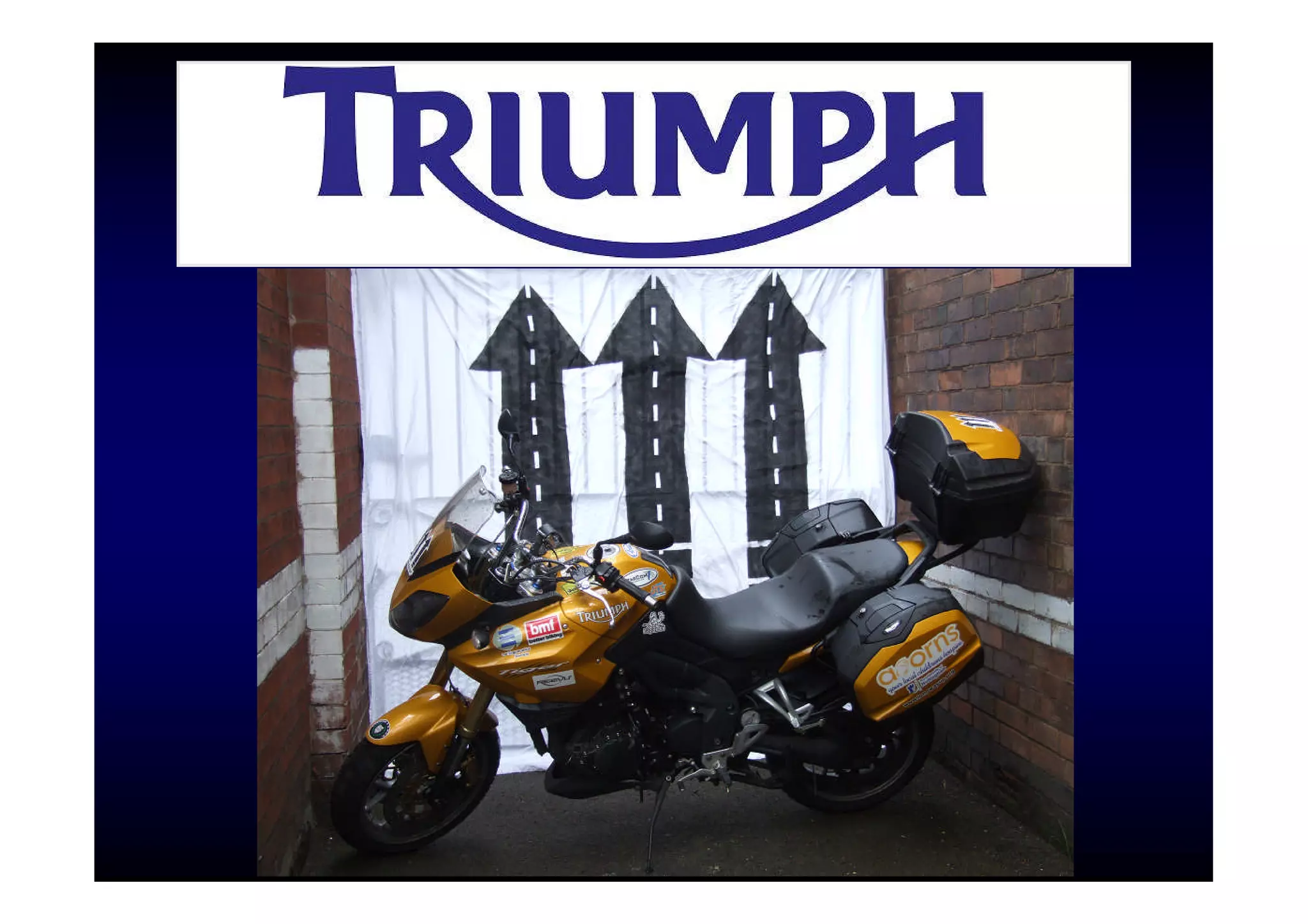
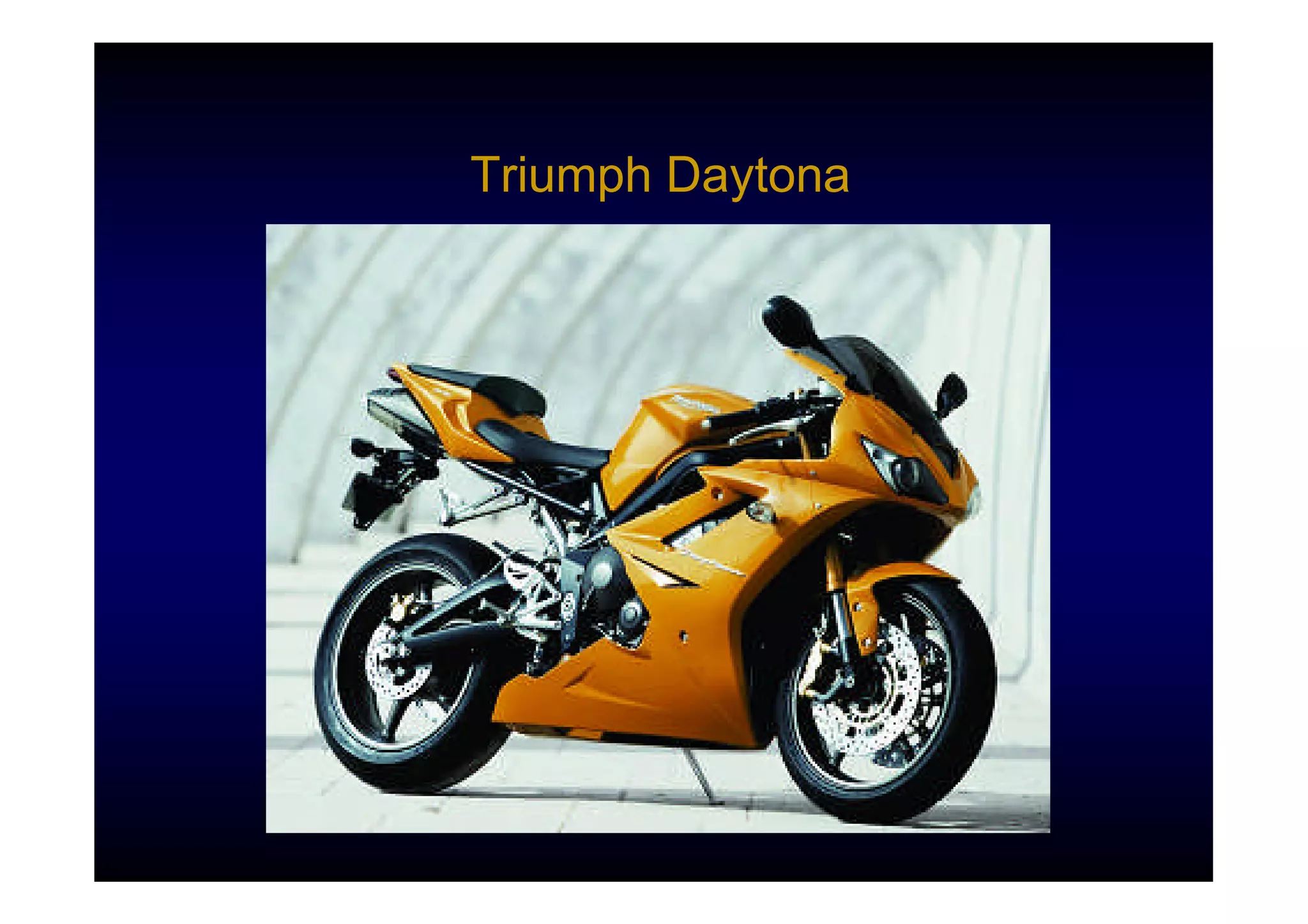
Triumph Daytona
MotorcycleSim
MotorcycleSim
Thank You!


     Dr Alex W Stedmon

alex.stedmon@nottingham.ac.uk

Human-Motorcycle Interaction (HMI): Research issues in motorcycle ergonomics and rider human factors by Alex Stedmon

  • 1.
    Human-Motorcycle Interaction (HMI): Issues and research in motorcycle ergonomics and rider human factors Dr Alex W Stedmon alex.stedmon@nottingham.ac.uk Centre for Motorcycle Ergonomics & Rider Human Factors Dept of Mechanical, Materials, Manufacturing Engineering (M3) University of Nottingham
  • 2.
    Setting the sceneat Nottingham Psychology Motorcycle Ergonomics & Rider Human Factors Product Engineering Design
  • 3.
    One size doesNOT fit all!
  • 4.
    Riders getting bigger– bikes getting smaller! • Rider anthropometry – ‘larger’ and taller • 25-54 years = 4.1kg (Dept of Health, 1993) • motorcyclists tend to be 25mm taller than average • kit manufacturers report on the size increases too • Motorbikes product design – smaller, taller and lighter • slimmed down by 20mm • ride height increased 55mm since the 80s (styling) • 1993-2003 bikes have lost around 10-15kg • Sportsbikes are alienating large riders by being lighter and small riders by being larger
  • 5.
    The type ofbike dictates who rides it! • Fitting the person to the task or fitting the task to the person • why are we still fitting the rider to the bike? • bad ergonomics! • Rider perception is important • Do they feel too small/big for their bike? • “I looked like an elephant on a bicycle” • Larger riders – tourers, giant trailies • Medium riders – tourers, sports tourers, all trailies, street bikes • Smaller riders – sports bikes, street bikes small trailies
  • 6.
    Seeing your elbows– the impact on safety • Typical complaints • wrist ache • neck ache • can’t see in mirrors • can’t see the road ahead! • Comfortable riding position depends on • type of riding being done • style of motorbike • shape of the rider • Is adjustability the way forward? • manufacturers just catching onto the idea! • otherwise it’s after-market kit
  • 7.
    Motorcycling as aninteractive system Rider Control inputs Rider perception handlebars hearing footrests feeling seat body brakes Rider Motorcycle sight Sensory Sensory gears Interactive System smell feedback feedback Motion forces Wind & road on road and air headlight bodywork surface reactions brakelights indicators Environment Bike tyres • McInally (2003)
  • 8.
    How hard canit be? • Cognitive issues • workload – traffic conditions, filtering, junctions • situation awareness – traffic lights, junctions • conspicuousness & vigilance – if the bike stops we come off • rider fatigue – mental & physical effort • risk taking behaviour – when/why do riders take chances? • Environmental issues • road surface – we’re always looking at it • we don’t have sun visors! • weather – tyre warm-up, tyre contact • temperature – physical and cognitive issues
  • 9.
    The future ofmotorcycling • Advanced systems • helmet mounted displays (augmented reality?) • 3D audio • speech input • integration of rider aids • satnav systems • rider information/communication systems • entertainment systems • geo-spatial information for riders • location based services • couriers, paramedics, police
  • 10.
    Rear view helmetsystems • Rider issues • Do riders need forward and rear vision all the time? • What about blind-spots • Are we increasing workload and affecting situation awareness with this extra information?
  • 11.
  • 12.
    N W E S
  • 13.
    The ‘Long WayUp!’ challenge • Lands End to John O’Groats • 3 highest mountains in England, Scotland & Wales • Furthest points NESW on the UK mainland • Lowest altitude and centre point of UK • 2,800 miles in 6 riding days • 466 miles/day (min = 10 miles, max = 650 miles) • £6,100 raised for charity • CancerResearchUK & The Acorns Children’s Hospice Trust
  • 14.
  • 17.
    N W E S
  • 20.
    NASA-TLX workload ratings 90 80 70 60 50 40 30 20 10 0 1 2 3 4 5 6 7 8 9 10 11 12 13 14 15 16 17 18 19 20 21 22 23
  • 21.
  • 22.
  • 23.
  • 24.
    Keeping it realor faking it?
  • 25.
    Leading the wayin motorcycle ergonomics • Motorcycle simulator • interactive bike and projection screen • reconfigurable scenarios • a UK first • no other research simulator of its kind • a World first • no other motorcycle simulator is using the same software
  • 26.
  • 27.
  • 28.
  • 29.
    Thank You! Dr Alex W Stedmon alex.stedmon@nottingham.ac.uk