Download as PDF, PPTX








!["Designers [...] are forever
bound to treat as real that
which exists only in an
imagined future..."](https://image.slidesharecdn.com/hcdpolicydesign1-160922190507/85/Human-Centered-Design-Policy-15-320.jpg)




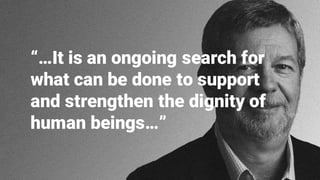
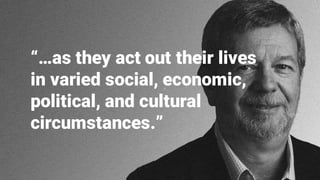






















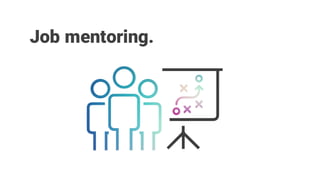













The document discusses human-centered design and policymaking. It explores how ideas become policy and how justice can be designed. The author argues that policymaking is an existential act of designing the future. When creating policy, the focus should be on intentional decision making, changing situations to affirm human dignity, and making people's needs knowable. The document then discusses a case study of using human-centered design to address disparities for young black men in Seattle. It involved career exploration and mentoring through immersive company visits and job workshops. The outcomes included increased diversity, income, and positive feedback from participants.


![ceramic-art-and-pottery [Autosaved].pptx](https://cdn.slidesharecdn.com/ss_thumbnails/ceramic-art-and-potteryautosaved-260113113456-35c55ddb-thumbnail.jpg?width=640&height=640&fit=bounds)


