By Mehwish Manzoor
Health care is an organised way of
medical care concerned with the
maintenance of the health of the whole
body.
It is delivered by the healthcare
providers or professionals in various fields
includes a pharmacy, nursing, medicine,
dentistry, psychology, physicians etc.
 Day by day healthcare facilities got
improved into various corners of the world
and meets the gaming technology.
Healthcare is mainly influenced by the
social, economic conditions & health
policies of the place and varies across
different countries, individuals, groups etc.
In few countries to meet the health needs
of the people, various healthcare
systems are established.
 According to World Health Organization,
health care system requires a well-trained
and adequately paid workforce, deliver
quality medicines and technologies etc.
Every individual has required different care
depending upon their health problem like
some require normal care and some
require extra special care.
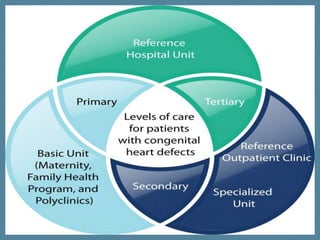
So on the basis of patient condition
healthcare divides into various types.
(i) Primary Healthcare:
(ii) Secondary Healthcare:
(iii) Tertiary Healthcare:
Primary health care mainly focuses on
health equity producing social
policy beyond the traditional healthcare
system. Its main aim is to provide local
care to a patient because professionals
related to primary care are normal
generalists, deals with a broad range of
psychological, physical and social
problems etc rather than specialists in any
particular disease area.
Primary care services rapidly increasing in
both the developed and developing
countries depending upon the increasing
number of adults at greater risk of chronic
noncommunicable disease like diabetes,
asthma, back pain, hypertension, anxiety,
depression etc.
To achieve the ultimate goals of primary
health care., WHO has described five
elements to achieve this goal. Following
are:
Stakeholder participation increased.
Integrate health into all sectors.
According to people need & expectation
organizing healthy services.
Pursuing collaborative models of policy
dialogue.
This healthcare is provided by the medical
specialists and other health problems
who do not have direct contact with a
patient like urologists, dermatologists,
cardiologists etc.
According to National health system policy,
the patient required primary care
professionals referral to proceed further
for secondary care.
Depends on countries to countries, the
patient cannot directly take secondary care
because sometimes health system
imposed a restriction of referral on a
patient in terms of payment.
The systems come under this category is
known as District Health system and
County Health system.
 This system mainly focus on child health
and maternity care. People population of
this system is about 25000 to 50000 and
includes various healthcare centres and
district hospitals.
Healthcare centres receive referrals from
various primary health care and is remain
open for 24 hours every day
. District hospitals include emergency
services, neonatal care, comprehensive
emergency obstetric etc and is remain
open for 24 hours every day.
 Into this system, hospitals receive
referrals from the District & community
health systems. County hospital
provides gynecologic services, general
medicine, obstetrics, general surgery
etc and is remain open for 24 hours every
day.
 This type of healthcare is known as
specialized consultative healthcare usually
for inpatients and on referral from primary
and secondary healthcare for advanced
medical investigation and treatment.
 following examples of tertiary care services
are plastic surgery, burn treatment, cardiac
surgery, cancer management, neurosurgery,
complex medical and surgical interventions
etc.
The main provider of tertiary care
is national Health system consist of
Regional hospitals and National Hospital.
Regional hospitals receive a reference
from various county hospitals and serves
as training sites complementary to the
National referral hospital. It also provides
additional care services and remains open
for 24 hours every day.
Healthcare
Healthcare

Healthcare

  • 2.
  • 3.
    Health care isan organised way of medical care concerned with the maintenance of the health of the whole body.
  • 4.
    It is deliveredby the healthcare providers or professionals in various fields includes a pharmacy, nursing, medicine, dentistry, psychology, physicians etc.  Day by day healthcare facilities got improved into various corners of the world and meets the gaming technology.
  • 5.
    Healthcare is mainlyinfluenced by the social, economic conditions & health policies of the place and varies across different countries, individuals, groups etc.
  • 7.
    In few countriesto meet the health needs of the people, various healthcare systems are established.  According to World Health Organization, health care system requires a well-trained and adequately paid workforce, deliver quality medicines and technologies etc.
  • 8.
    Every individual hasrequired different care depending upon their health problem like some require normal care and some require extra special care. So on the basis of patient condition healthcare divides into various types.
  • 9.
    (i) Primary Healthcare: (ii)Secondary Healthcare: (iii) Tertiary Healthcare:
  • 10.
    Primary health caremainly focuses on health equity producing social policy beyond the traditional healthcare system. Its main aim is to provide local care to a patient because professionals related to primary care are normal generalists, deals with a broad range of psychological, physical and social problems etc rather than specialists in any particular disease area.
  • 11.
    Primary care servicesrapidly increasing in both the developed and developing countries depending upon the increasing number of adults at greater risk of chronic noncommunicable disease like diabetes, asthma, back pain, hypertension, anxiety, depression etc.
  • 13.
    To achieve theultimate goals of primary health care., WHO has described five elements to achieve this goal. Following are: Stakeholder participation increased. Integrate health into all sectors. According to people need & expectation organizing healthy services. Pursuing collaborative models of policy dialogue.
  • 14.
    This healthcare isprovided by the medical specialists and other health problems who do not have direct contact with a patient like urologists, dermatologists, cardiologists etc. According to National health system policy, the patient required primary care professionals referral to proceed further for secondary care.
  • 15.
    Depends on countriesto countries, the patient cannot directly take secondary care because sometimes health system imposed a restriction of referral on a patient in terms of payment. The systems come under this category is known as District Health system and County Health system.
  • 16.
     This systemmainly focus on child health and maternity care. People population of this system is about 25000 to 50000 and includes various healthcare centres and district hospitals. Healthcare centres receive referrals from various primary health care and is remain open for 24 hours every day
  • 17.
    . District hospitalsinclude emergency services, neonatal care, comprehensive emergency obstetric etc and is remain open for 24 hours every day.
  • 18.
     Into thissystem, hospitals receive referrals from the District & community health systems. County hospital provides gynecologic services, general medicine, obstetrics, general surgery etc and is remain open for 24 hours every day.
  • 19.
     This typeof healthcare is known as specialized consultative healthcare usually for inpatients and on referral from primary and secondary healthcare for advanced medical investigation and treatment.  following examples of tertiary care services are plastic surgery, burn treatment, cardiac surgery, cancer management, neurosurgery, complex medical and surgical interventions etc.
  • 20.
    The main providerof tertiary care is national Health system consist of Regional hospitals and National Hospital. Regional hospitals receive a reference from various county hospitals and serves as training sites complementary to the National referral hospital. It also provides additional care services and remains open for 24 hours every day.