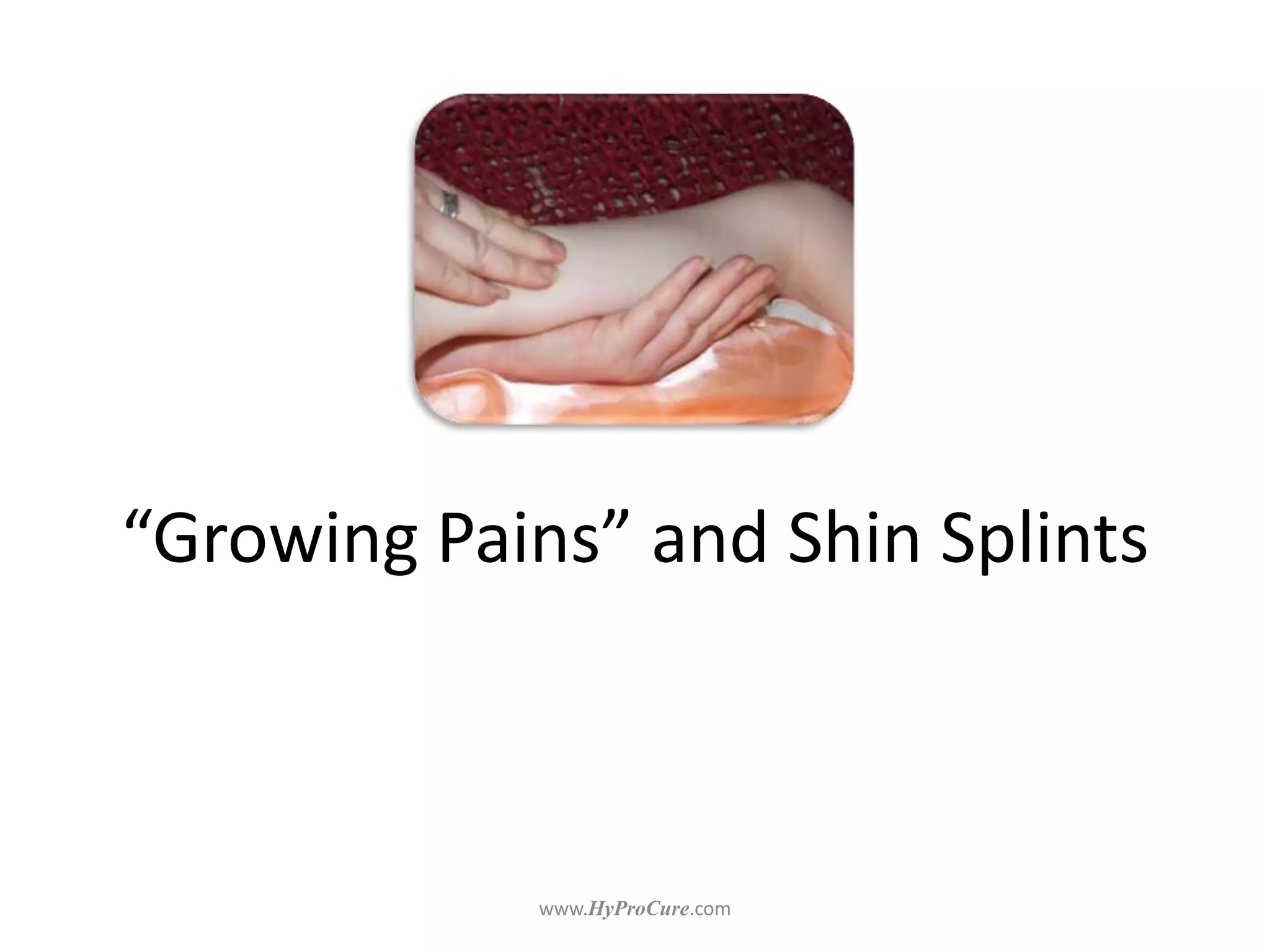
“Growing Pains” and Shin Splints
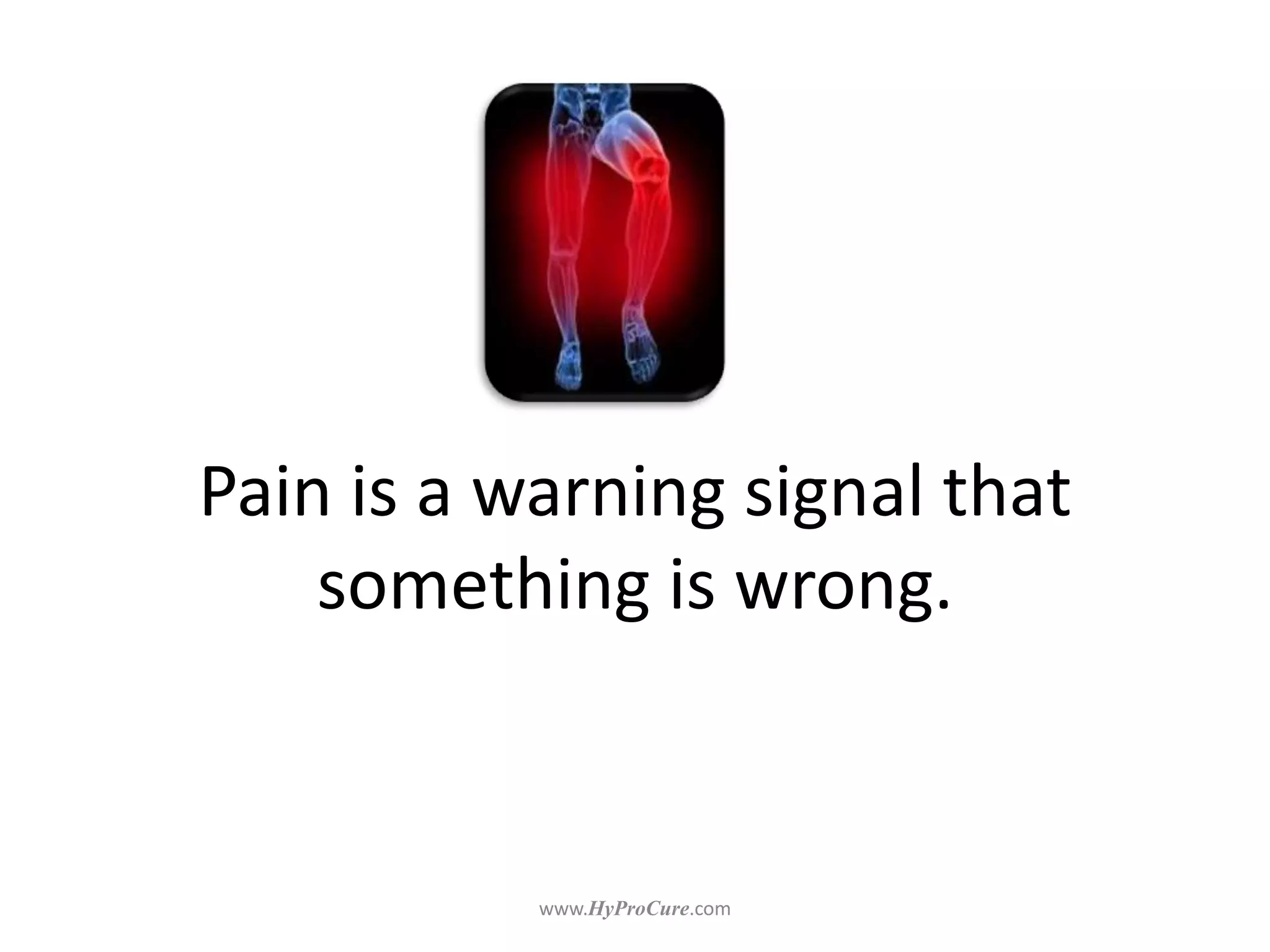
Pain is a warning signal that
something is wrong.
No one ever complains of
arm pain at night,
because our arms
don’t hurt when they grow.
No one ever complains
that their thighs hurt at night
when they are growing.
So why is it that some children
have pain in their legs at night
and they are told
“you have growing pains.”
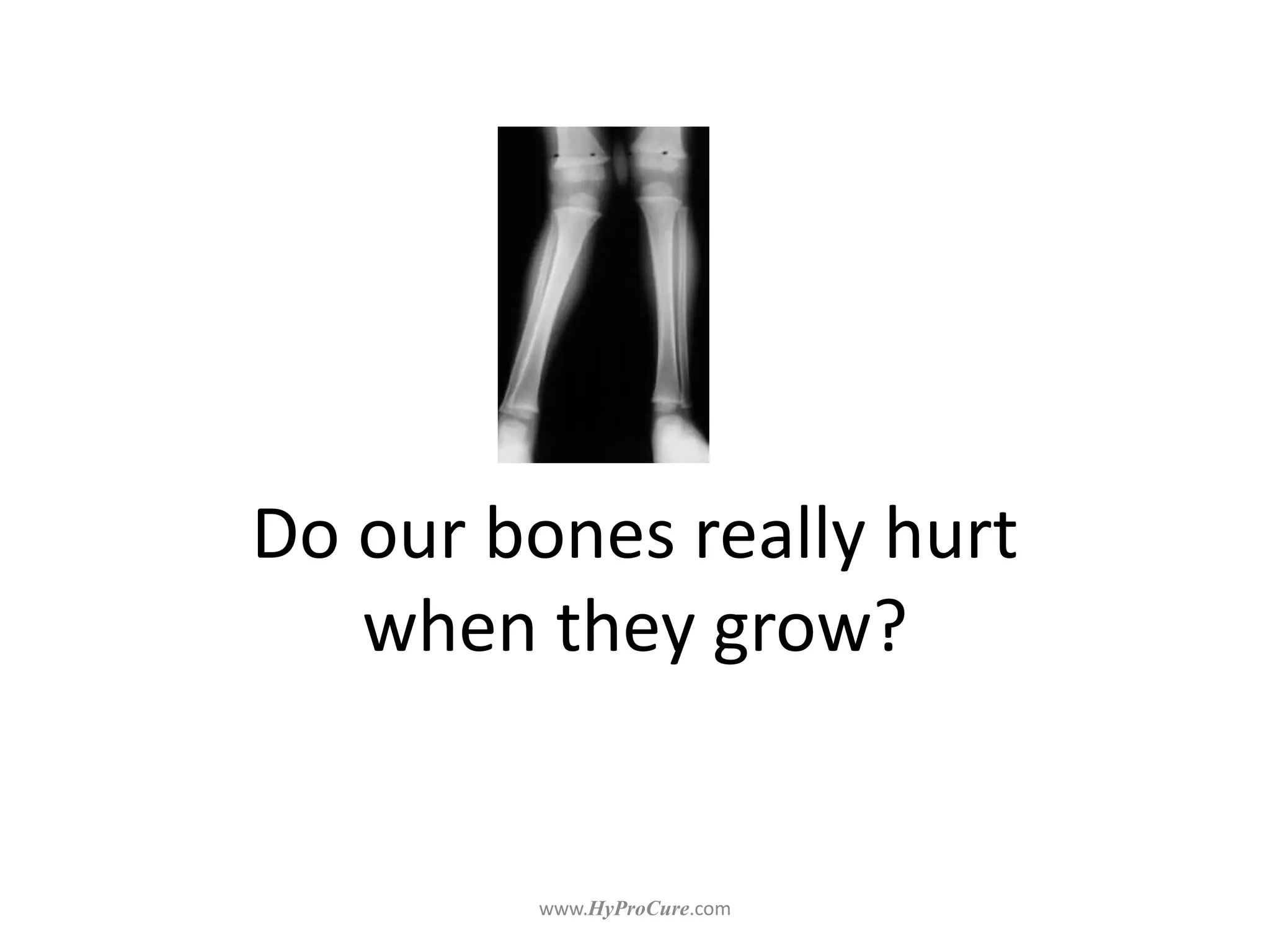
Do our bones really hurt
when they grow?
The answer is no.
The lower leg pain of children is
a symptom.
For every symptom,
there is an underlying cause.
Our goal is to discover
the cause of the symptom
and
to eliminate it!
Not to ignore it.
First,
we will identify and define the
symptom.
SYMPTOM:
pain in the lower legs that occurs at
night, once the child has stopped
walking, running or playing.
The pain is usually generalized;
there isn’t a single pin-point area
where the pain is the worst.
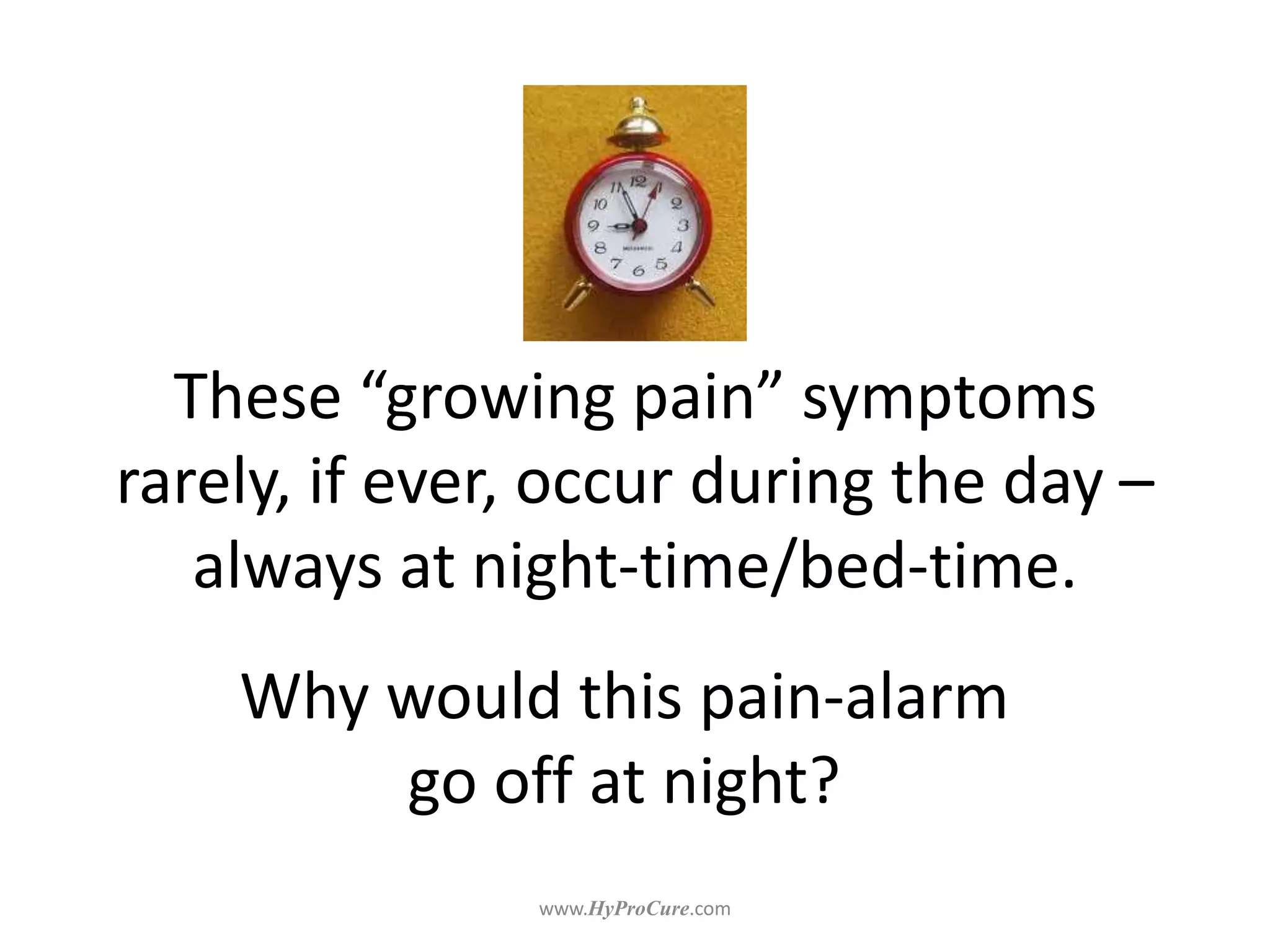
These “growing pain” symptoms
rarely, if ever, occur during the day –
always at night-time/bed-time.
Why would this pain-alarm
go off at night?
The child never wakes up in the
morning with “growing pains” and
never complains of it during the day.
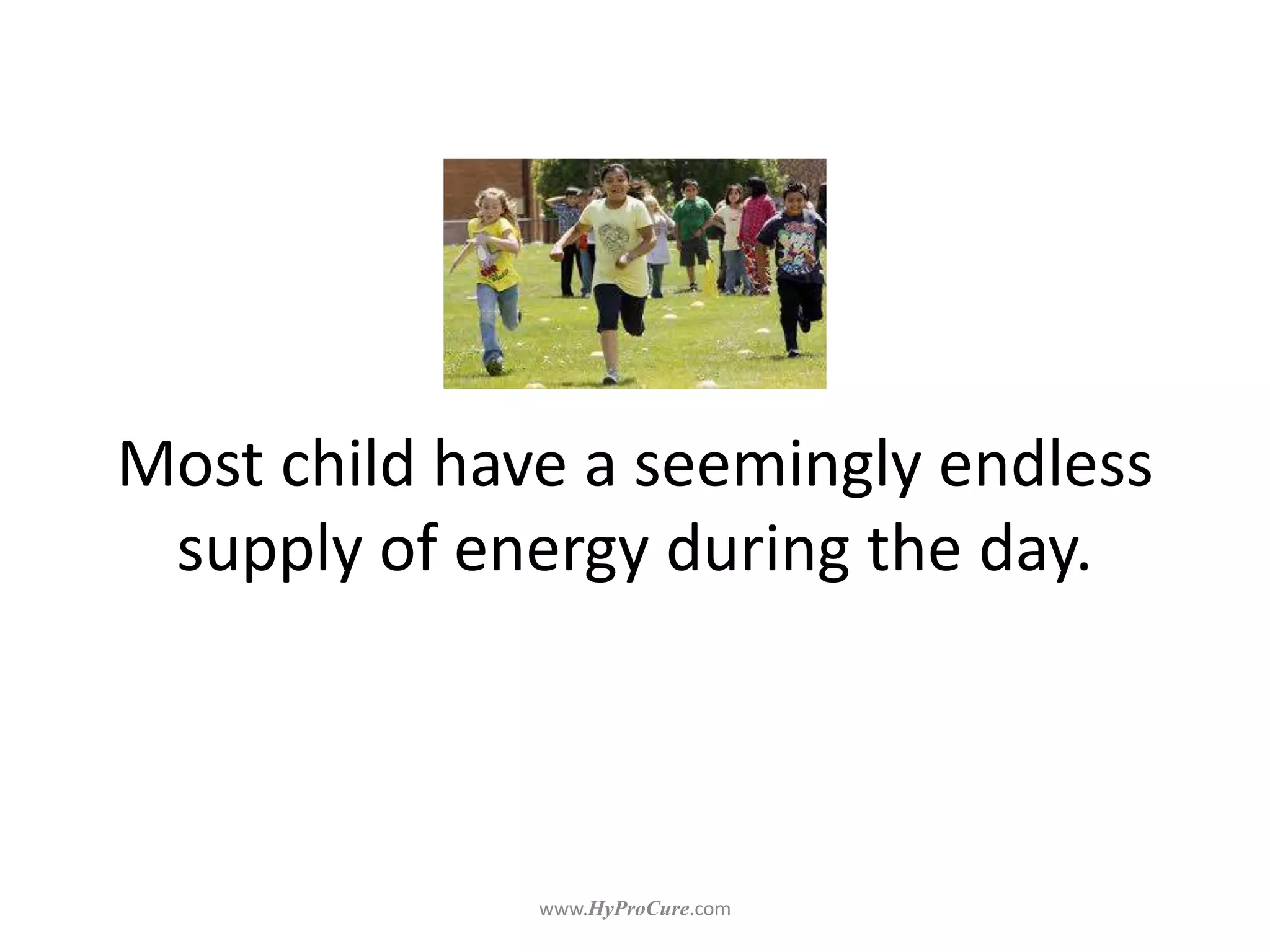
Most child have a seemingly endless
supply of energy during the day.
They will take at least
7,000 steps a day.
So after a long day, their muscles
have been working really hard and
are pulling on the specialized lining
(periosteum) of the leg bones
(tibia/fibula).
If the strain on the tissue is more
than it can handle, the nerve
endings are triggered resulting in
pain.
Eventually, depending on the
amount of damage to the
tissues, the pain signal gradually
goes away.
Why don’t the “growing pains”
occur every night?
It depends on how active the
child was during the day.
You guessed it:
The more active the child = The greater the pain.
Why don’t all children suffer with
“growing pains”?
The answer to that question starts at
the foundation of the body – our feet.
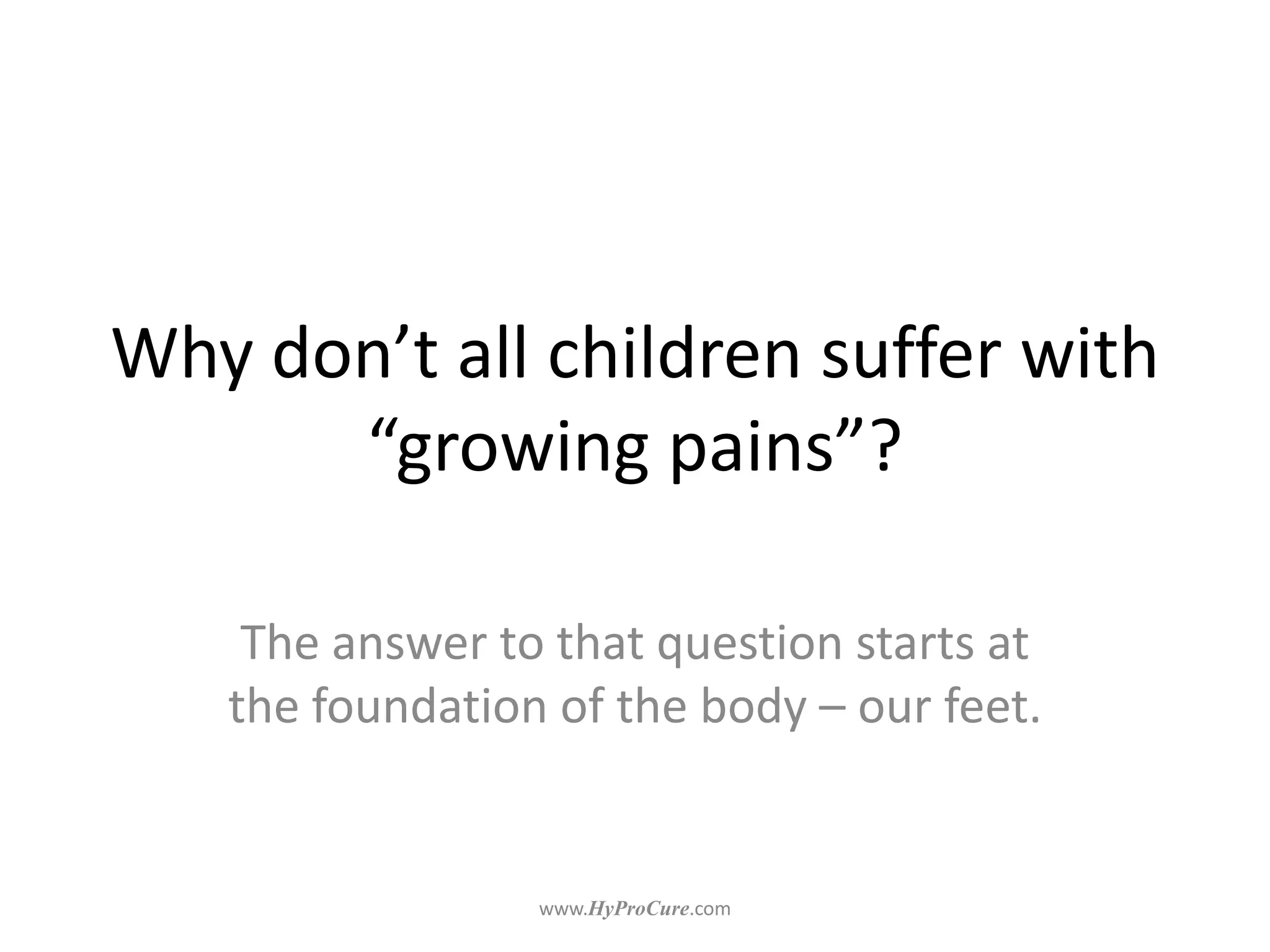
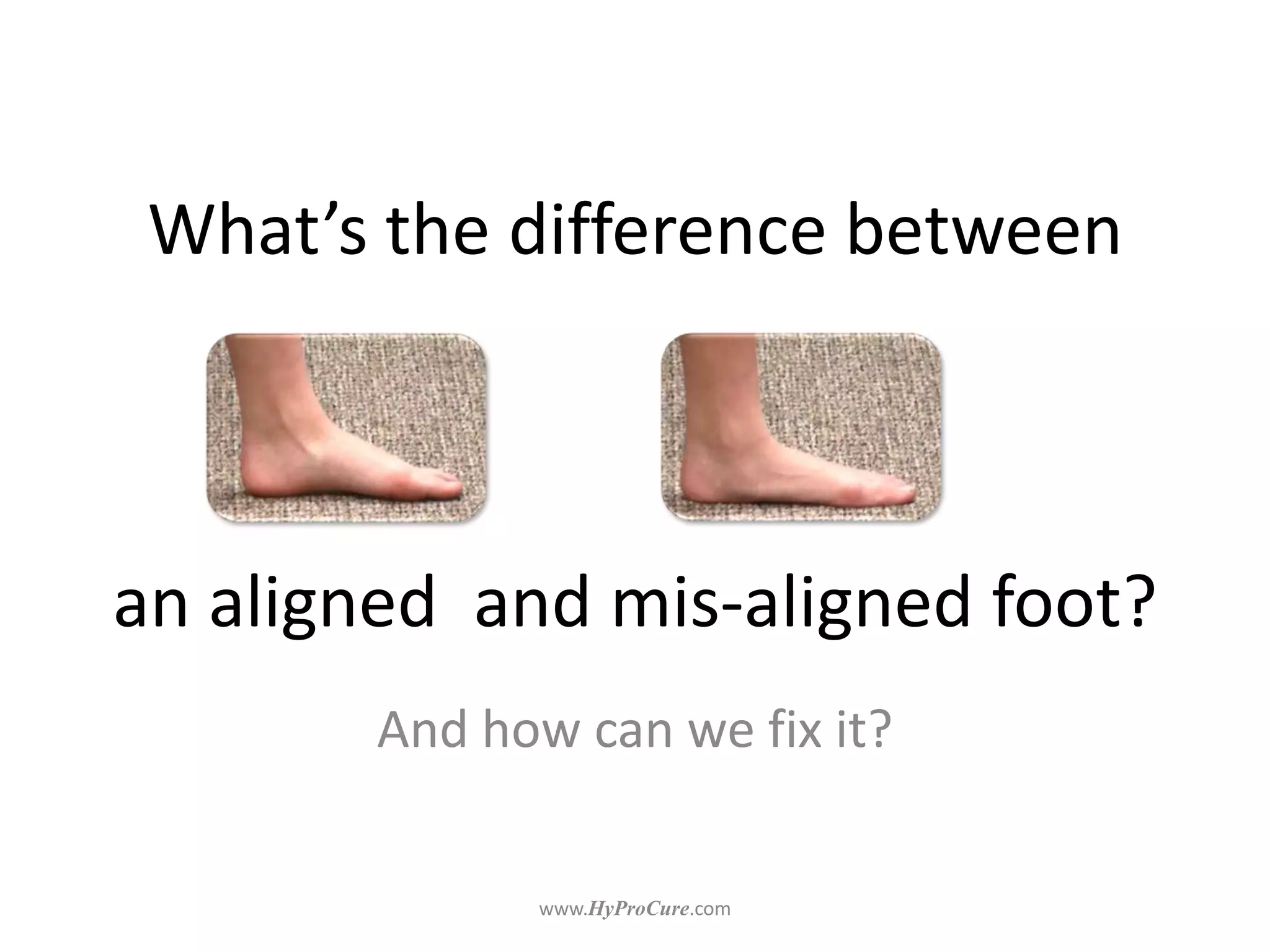
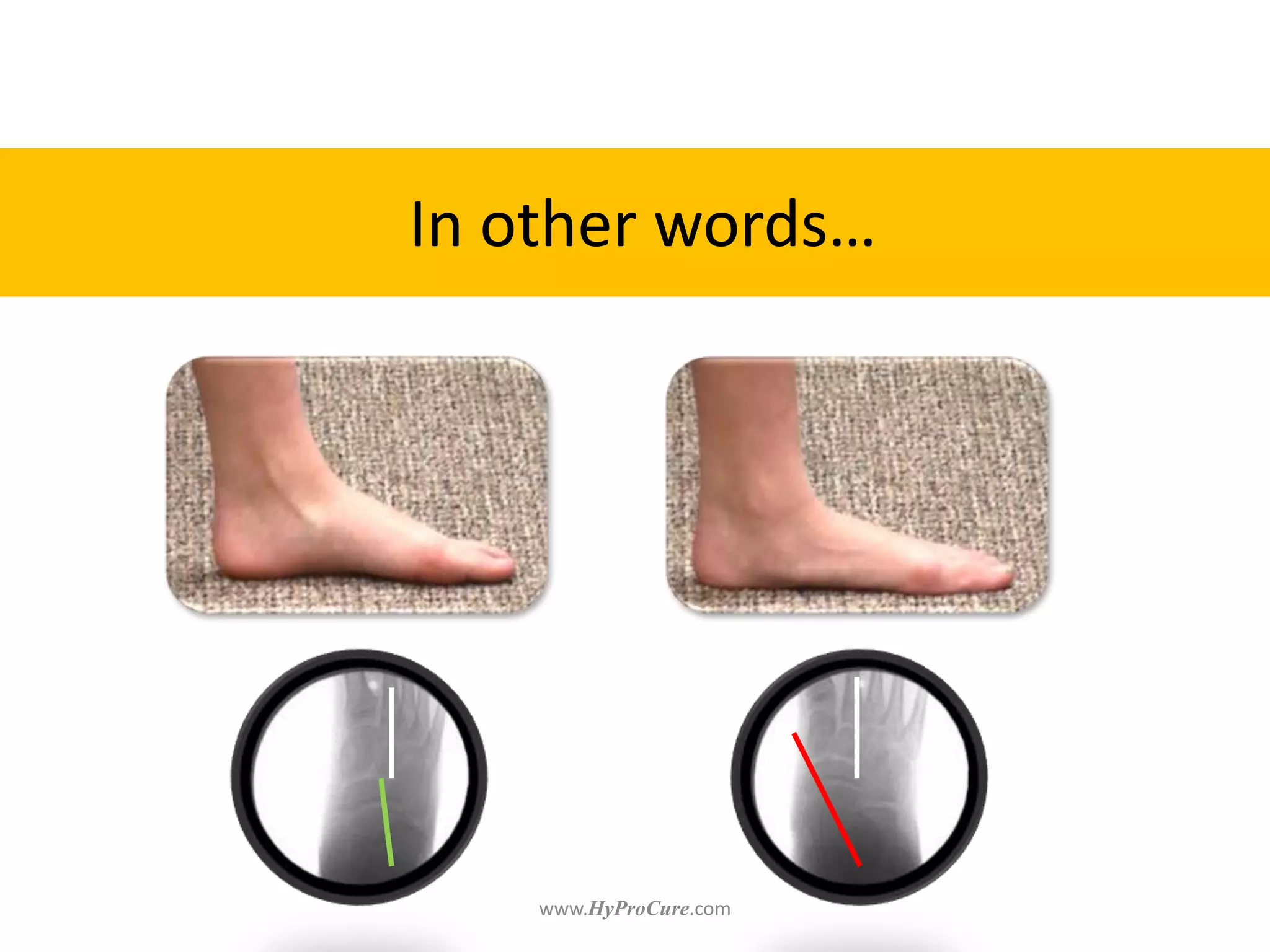
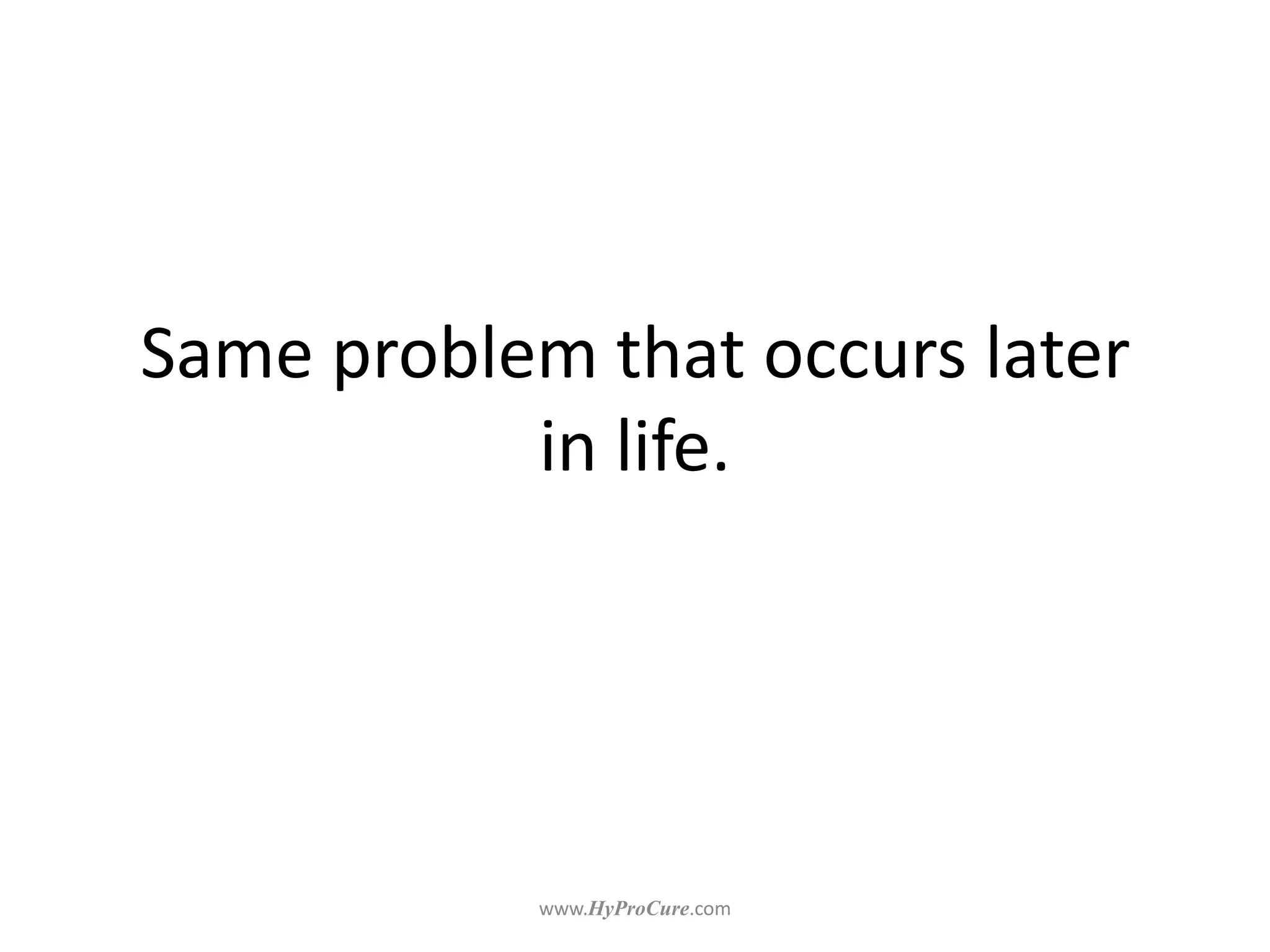
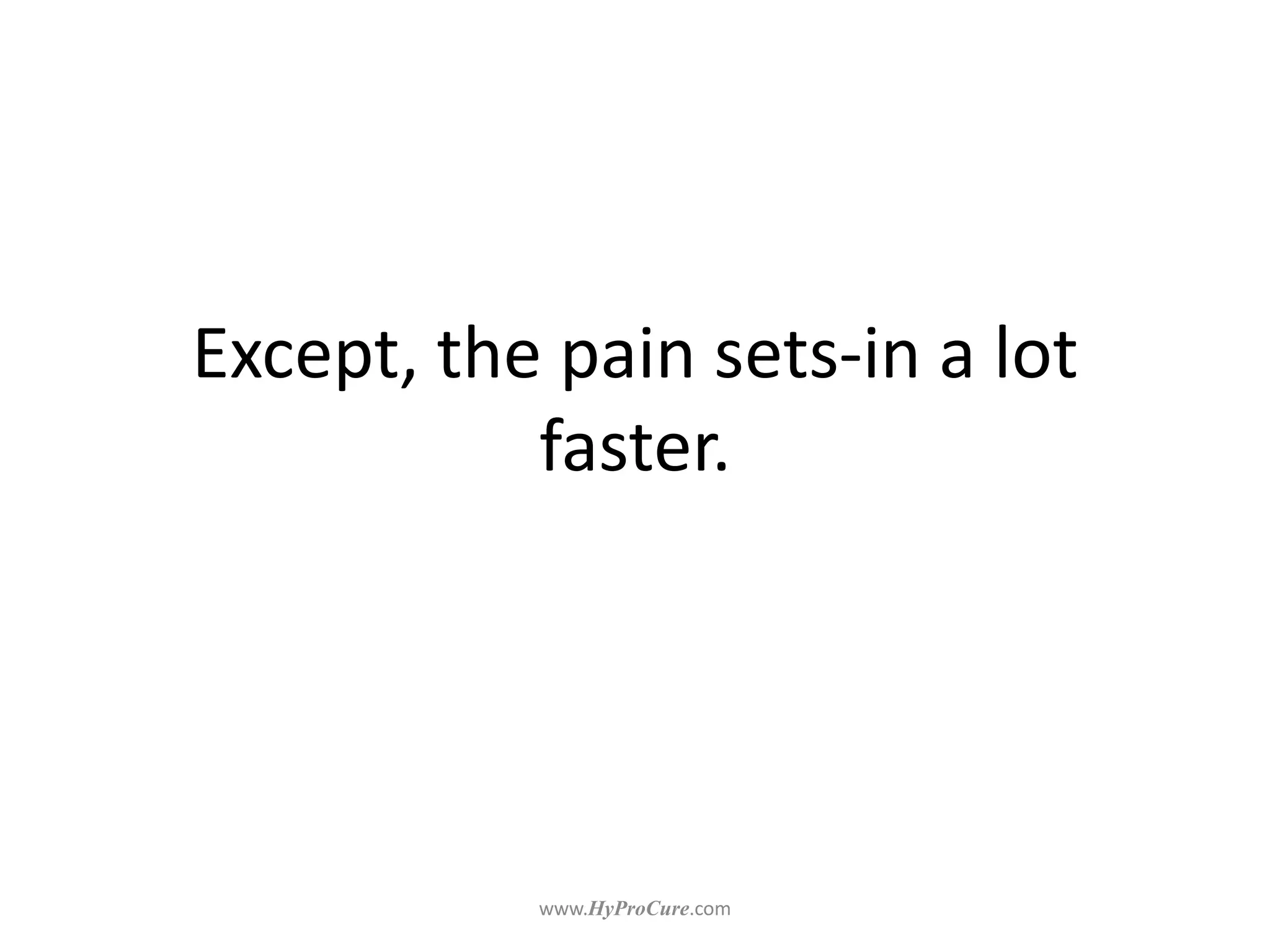
It has to do with the alignment of
the child’s hindfoot.
Aligned Hindfoot Misaligned
Hindfoot
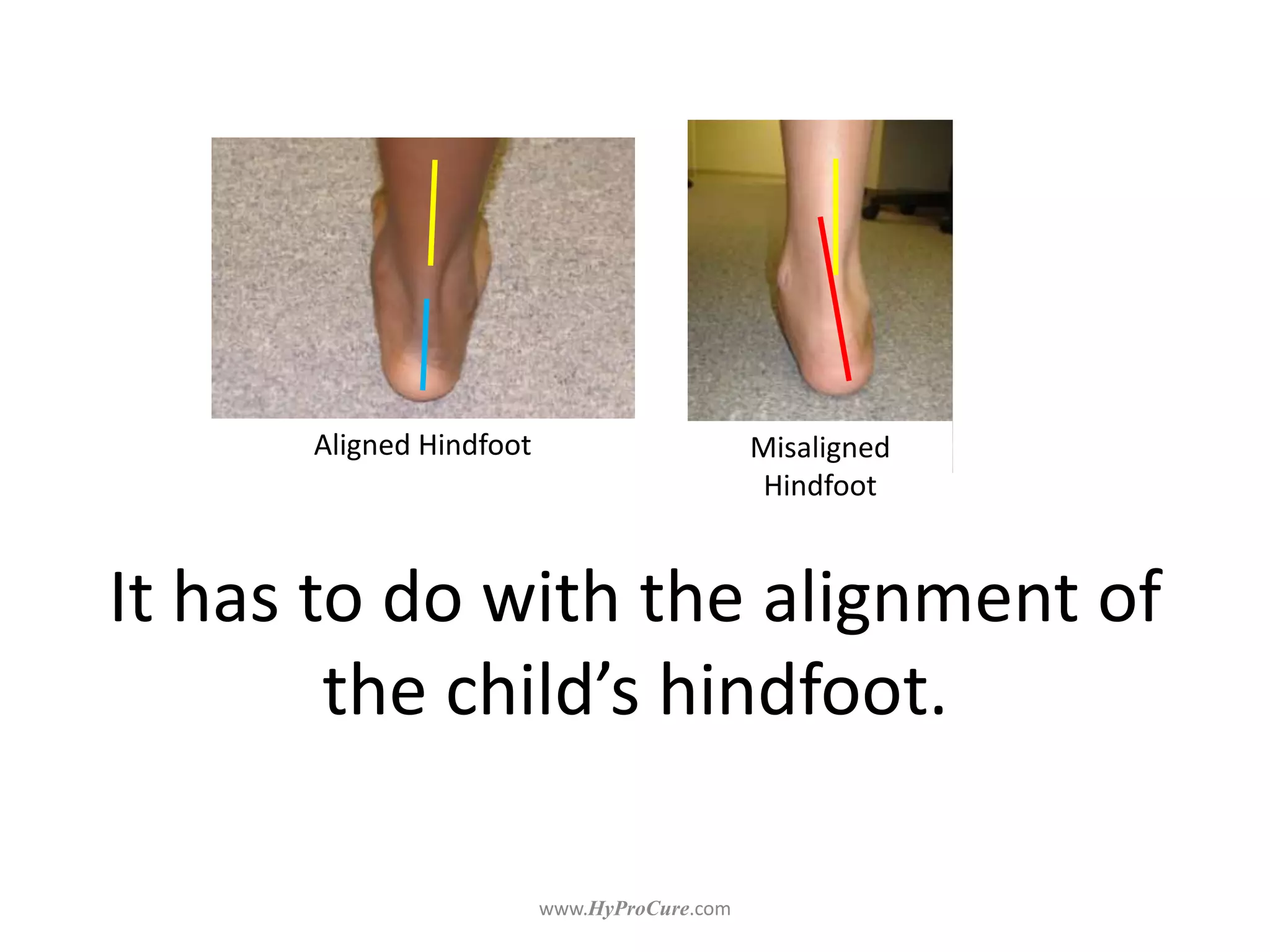
A child whose feet are mis-aligned
has a significantly higher chance of
developing this leg pain.
Note: not all children with mis-aligned hind-feet will
develop this pain, conversely it is extremely rare for a
child with aligned feet to develop this pain.
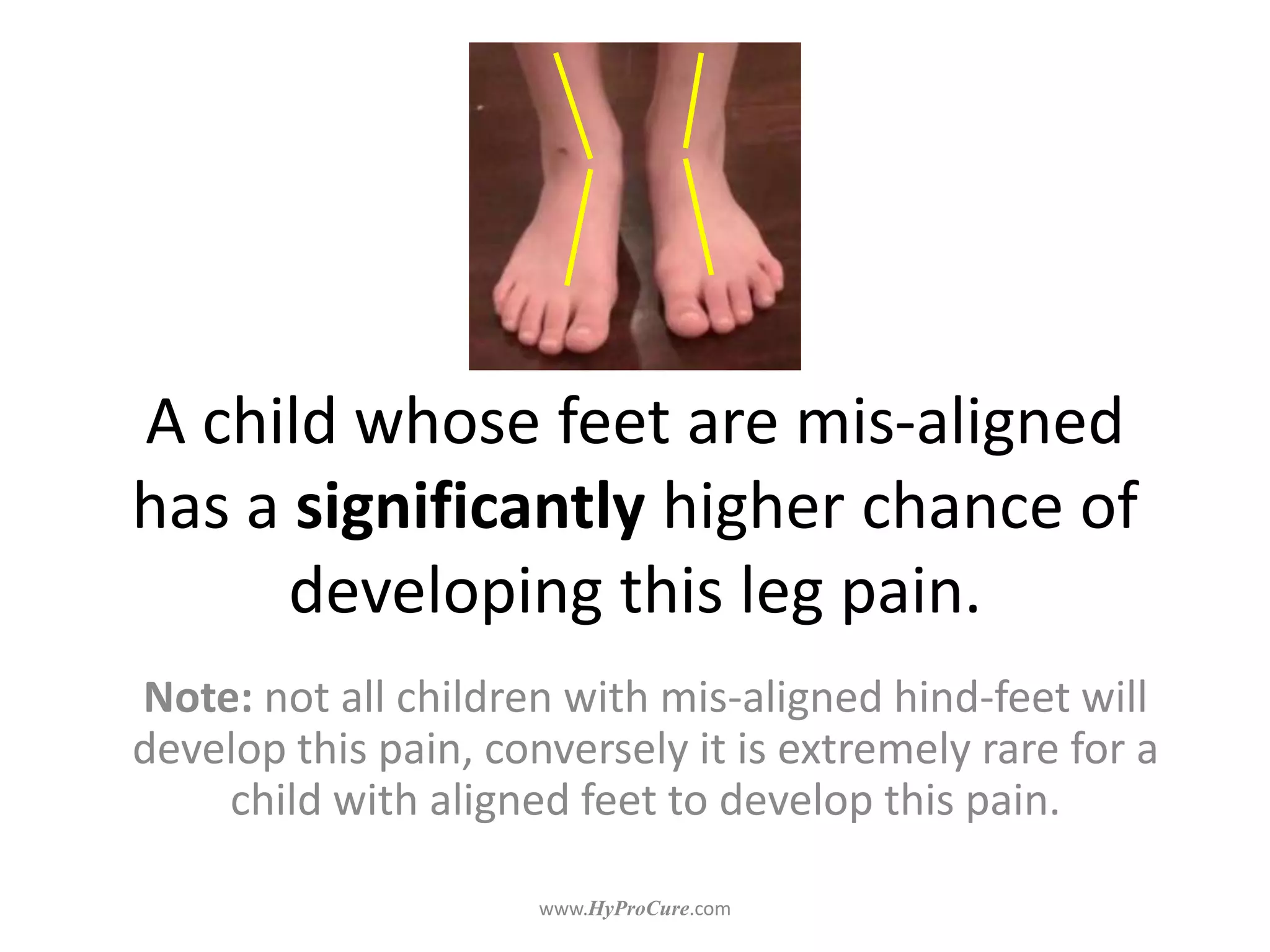
The reason why hind-foot alignment
is so important is because a
mis-aligned foot leads to a very
inefficient biomechanical foot
machine.
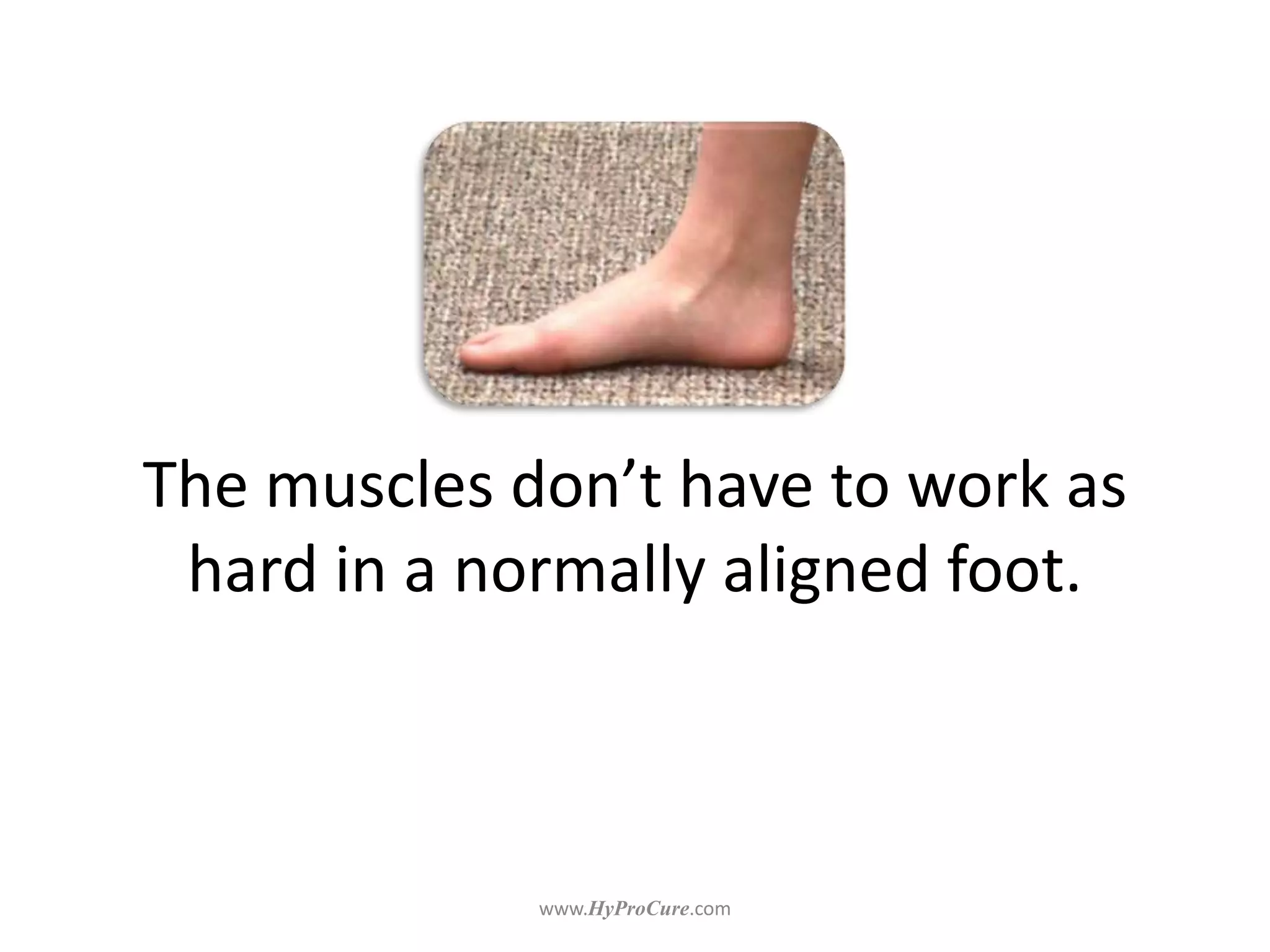
The muscles don’t have to work as
hard in a normally aligned foot.
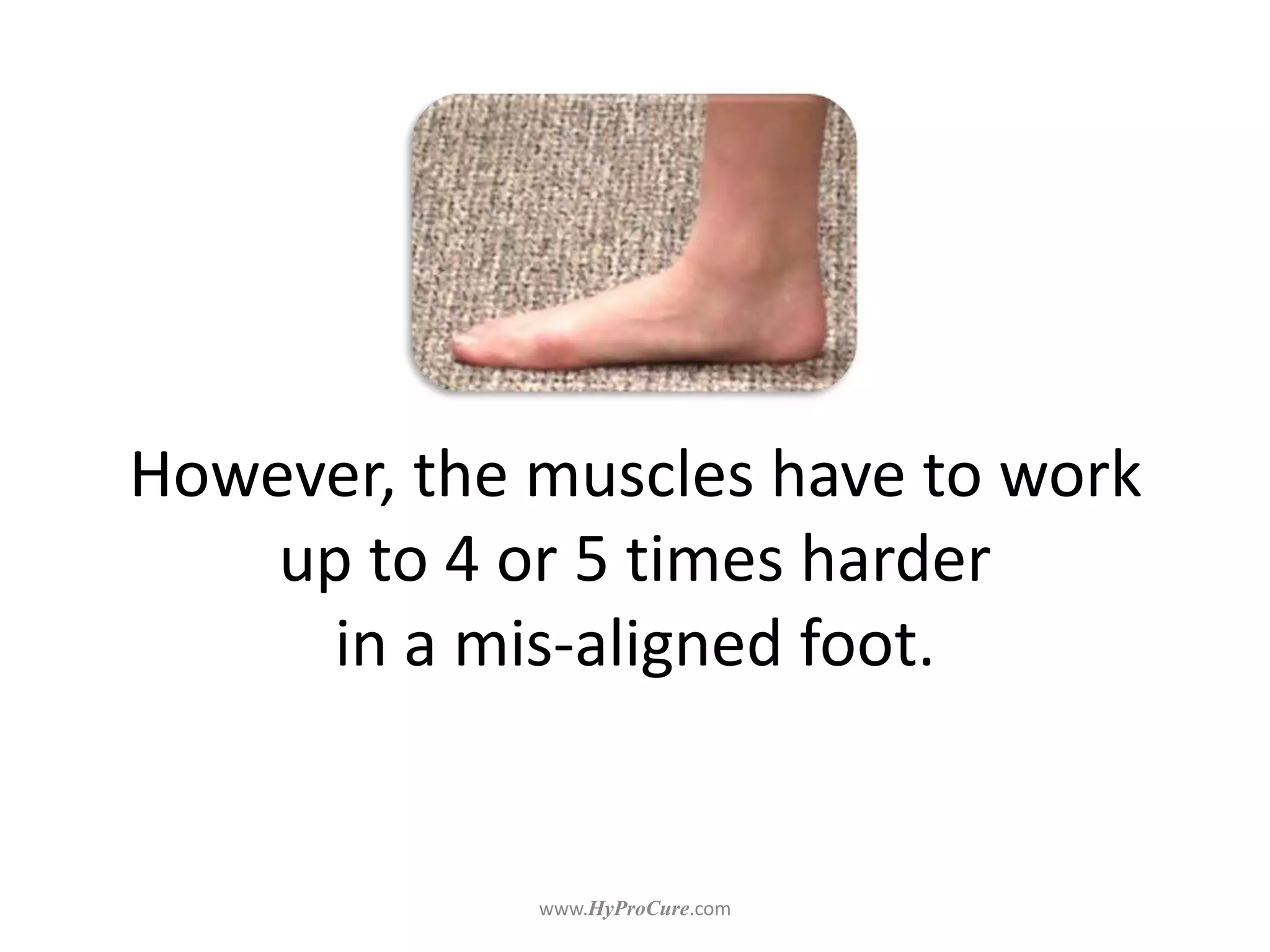
However, the muscles have to work
up to 4 or 5 times harder
in a mis-aligned foot.
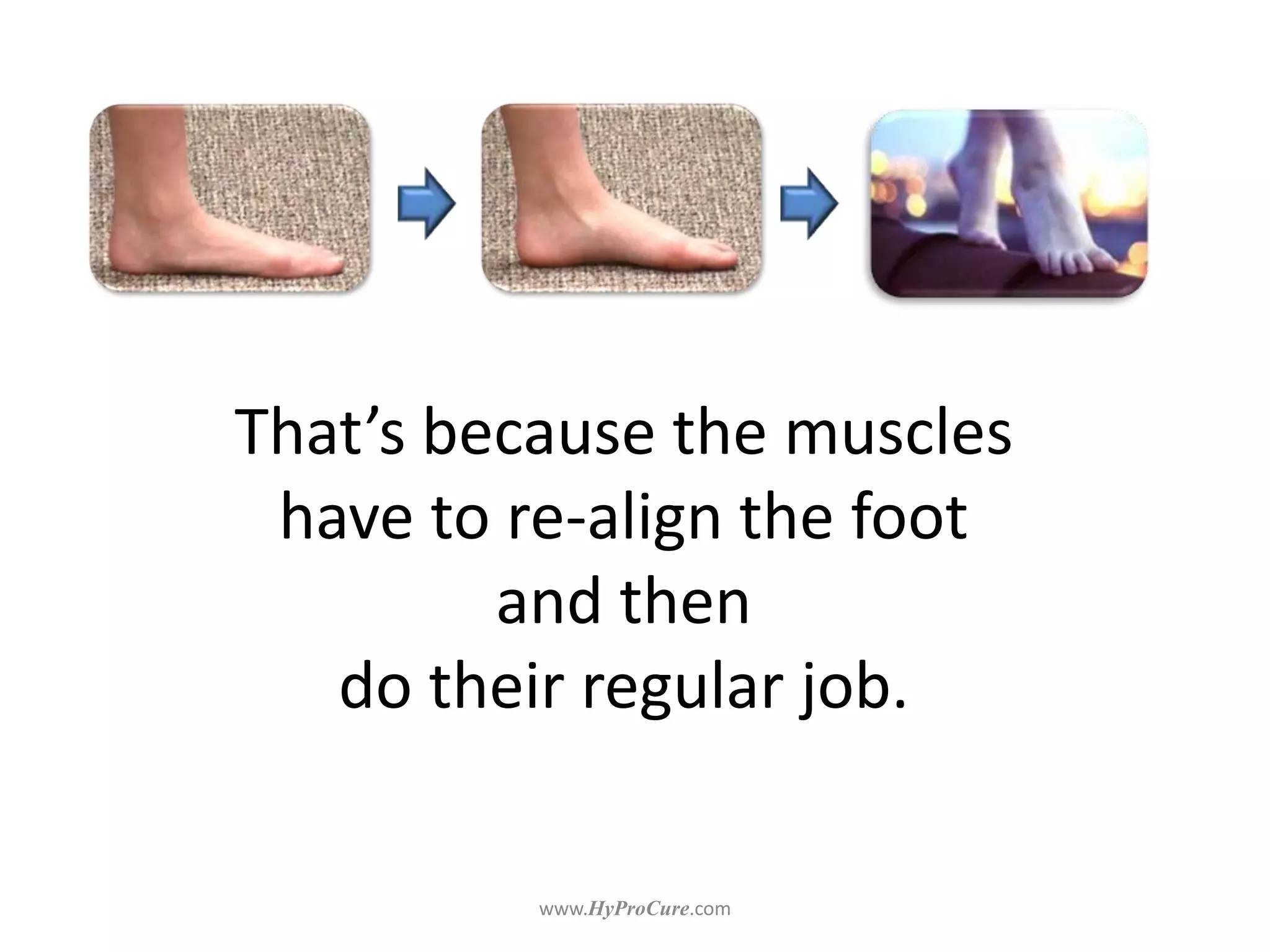
That’s because the muscles
have to re-align the foot
and then
do their regular job.
Children with misaligned feet usually
run much slower then their
classmates.
Think about it:
If the children had to run a mile=
The muscles of the children with aligned feet
only had to run a mile,
Whereas the muscles of the child with
mis-aligned feet feel like they ran 3 miles.
The real cause of pain in children’s
legs at night is due to
excessive muscle fatigue
and
strain of the lining of the leg bones
due to a mis-aligned hindfoot.
What’s the difference between
an aligned and mis-aligned foot?
And how can we fix it?
To find the answer you have to
use your x-ray vision.
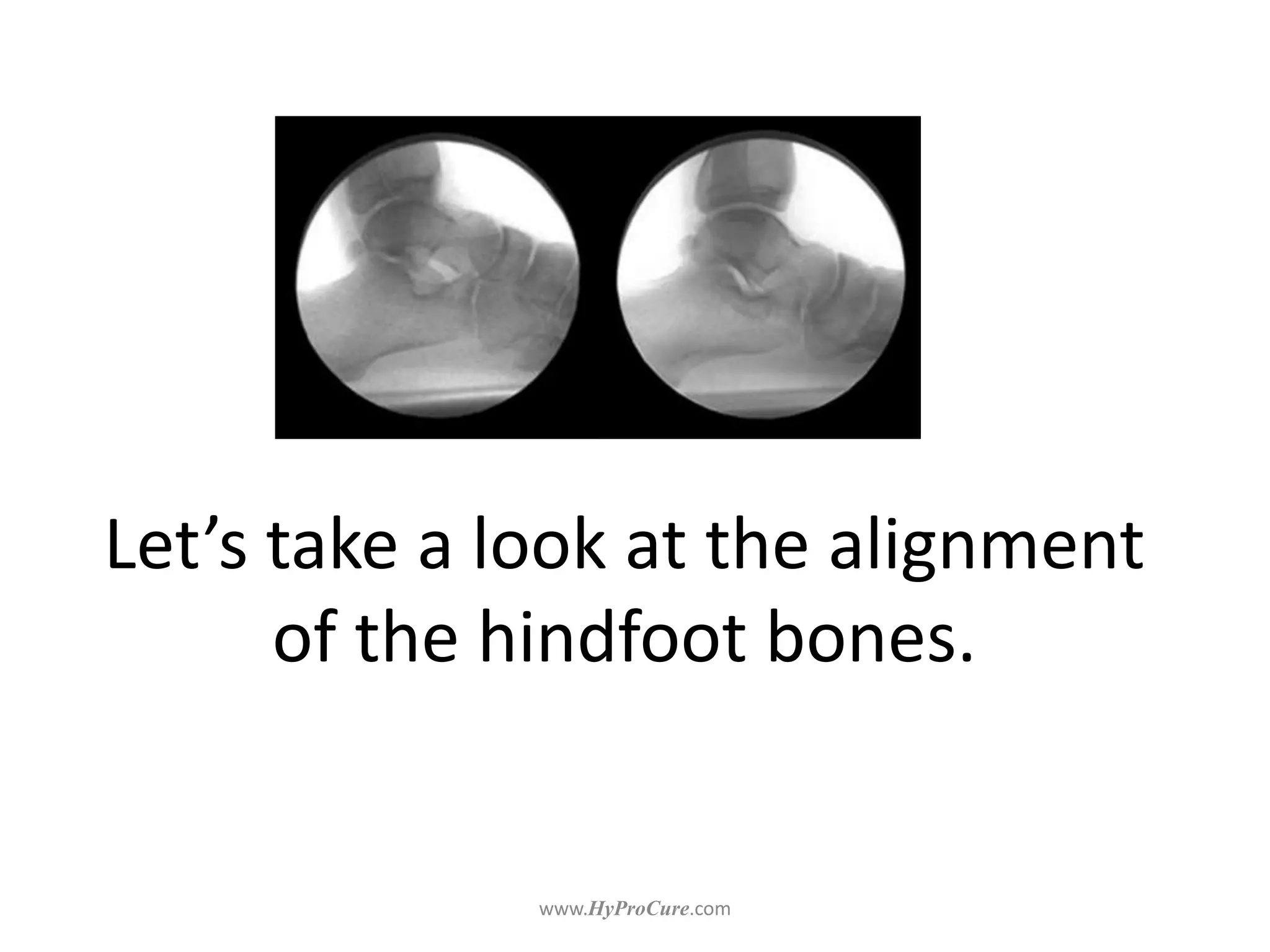
Let’s take a look at the alignment
of the hindfoot bones.
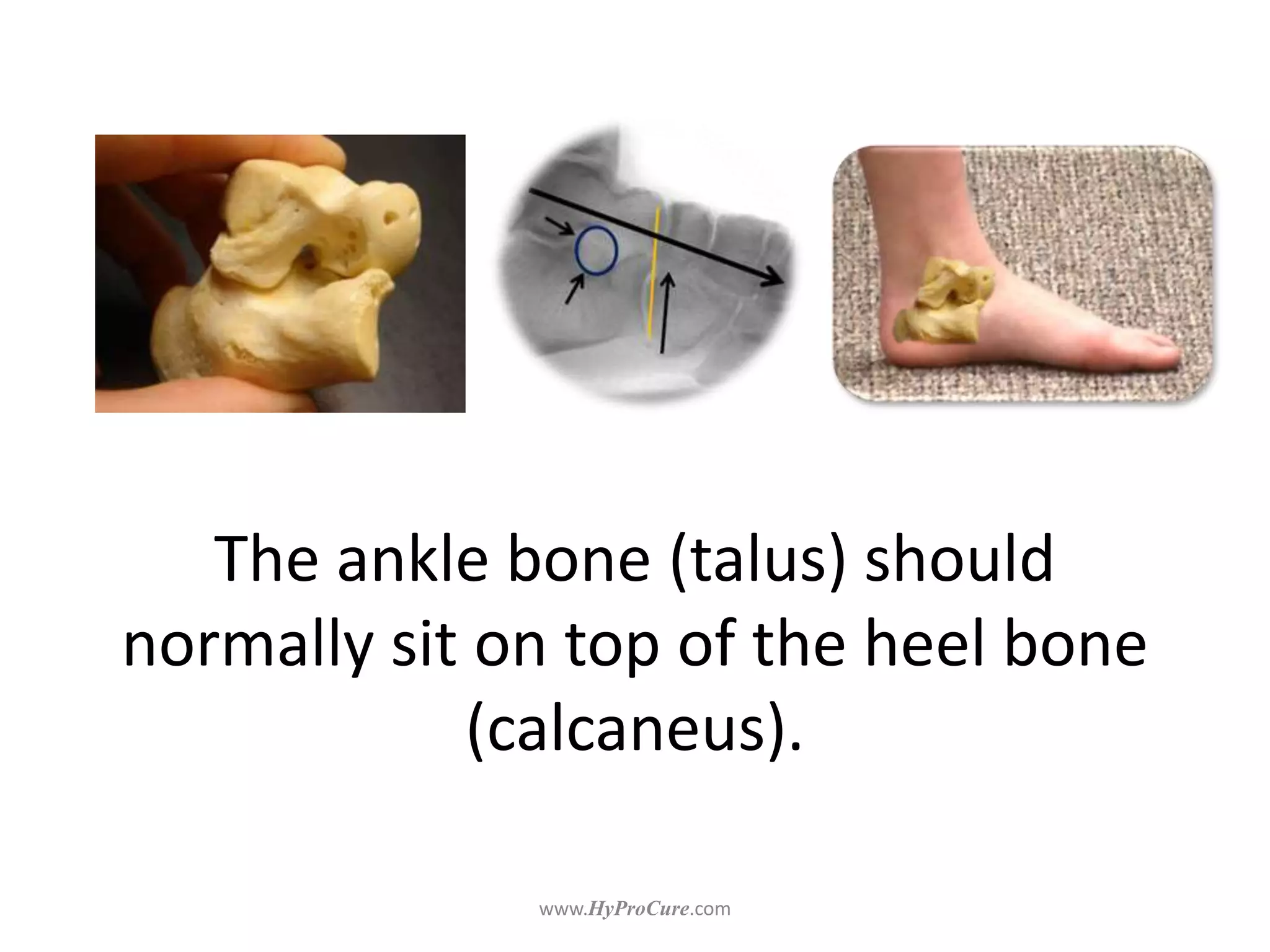
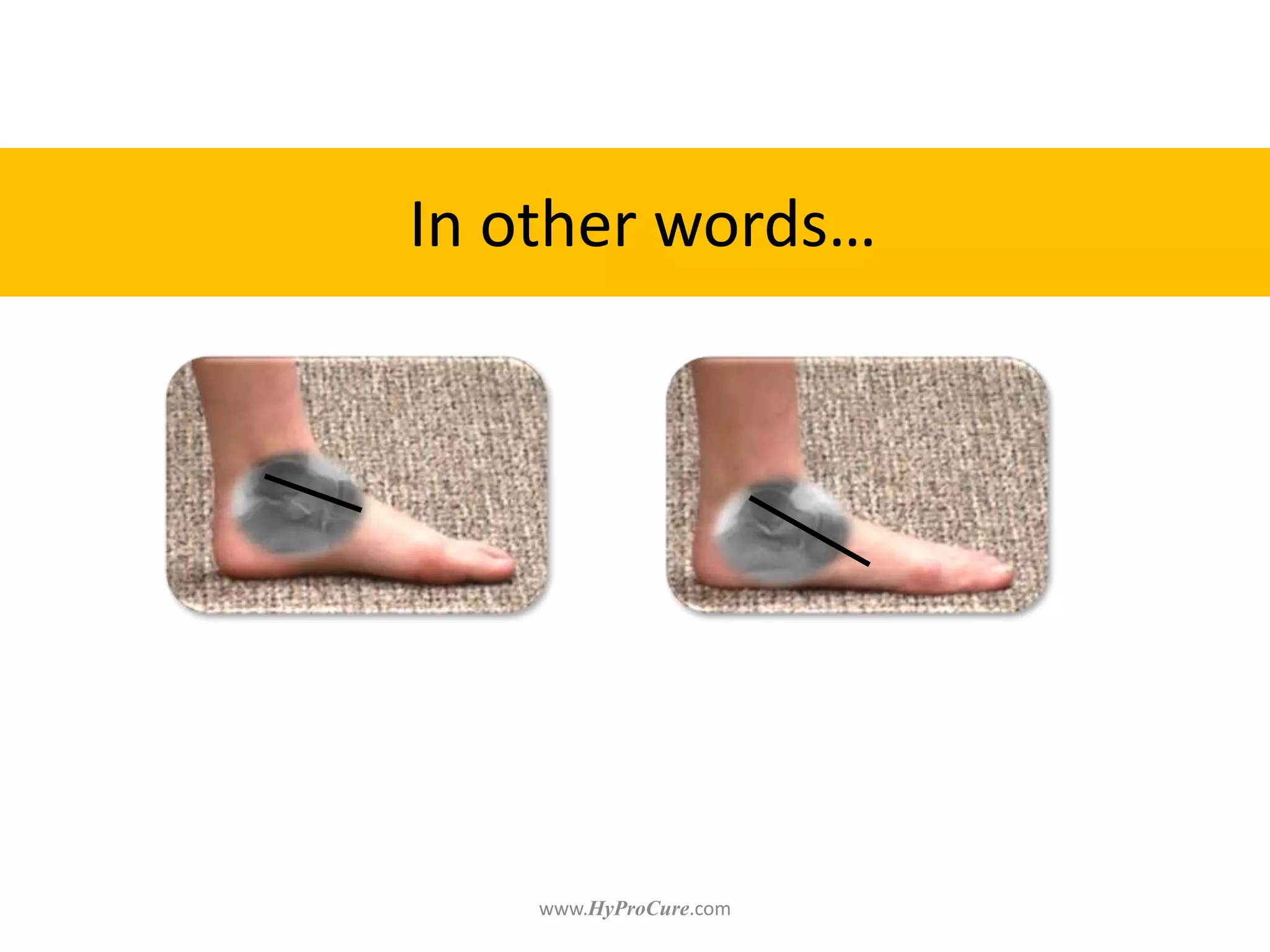
The ankle bone (talus) should
normally sit on top of the heel bone
(calcaneus).
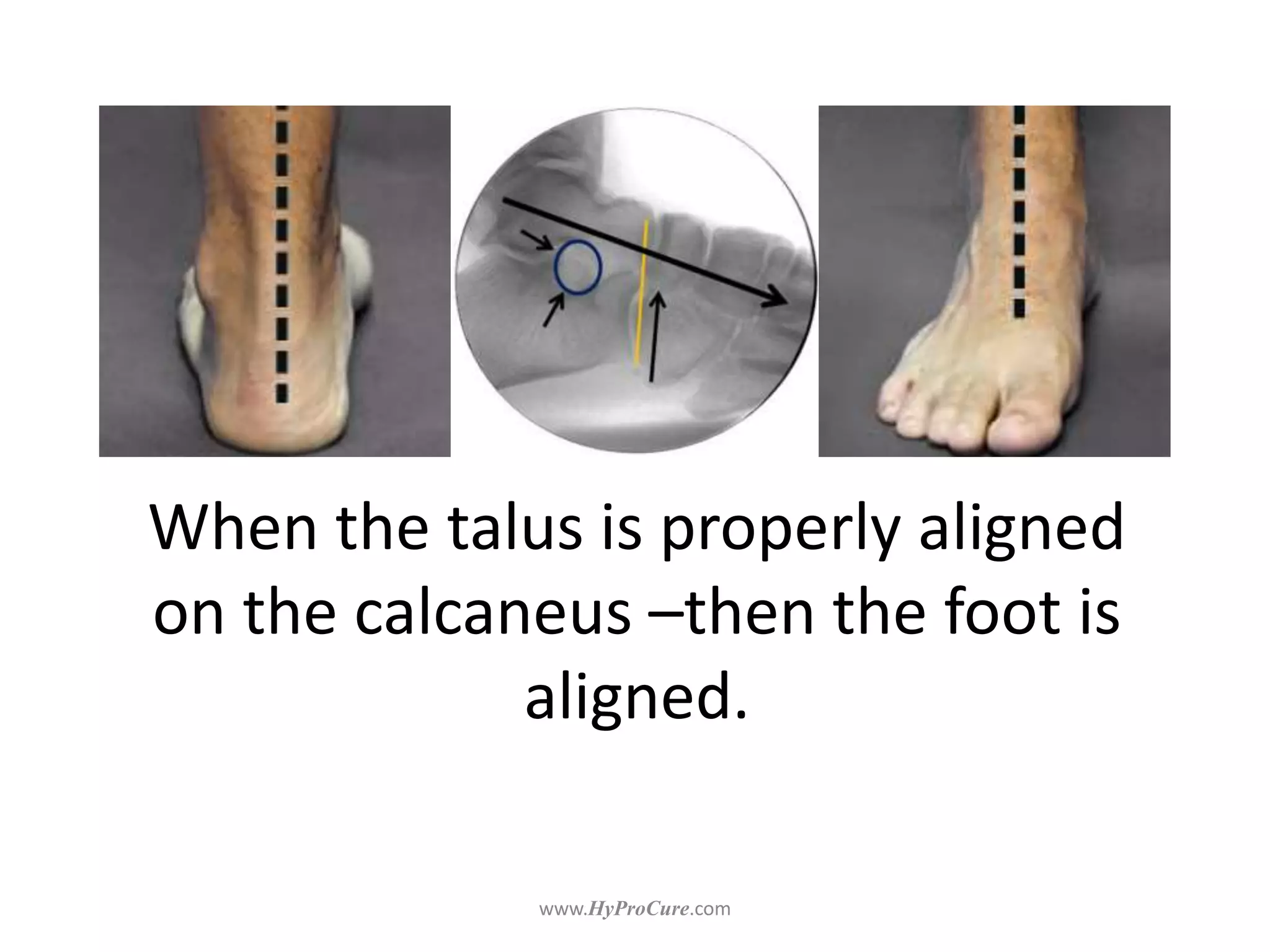
When the talus is properly aligned
on the calcaneus –then the foot is
aligned.
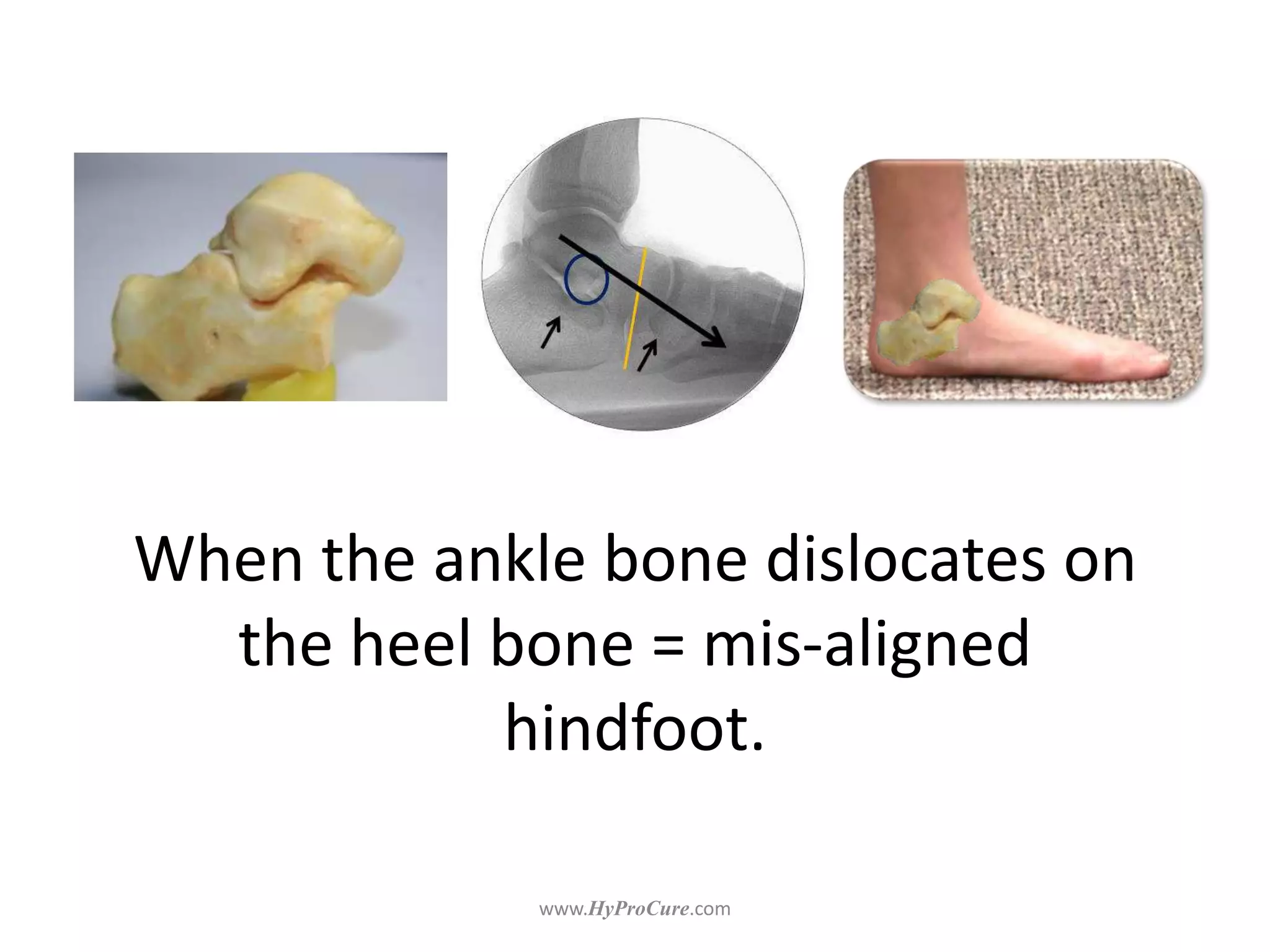
When the ankle bone dislocates on
the heel bone = mis-aligned
hindfoot.
In other words…
In other words…
Seems like it should be important to
stabilize the foundation of our body.
What’s the fix?
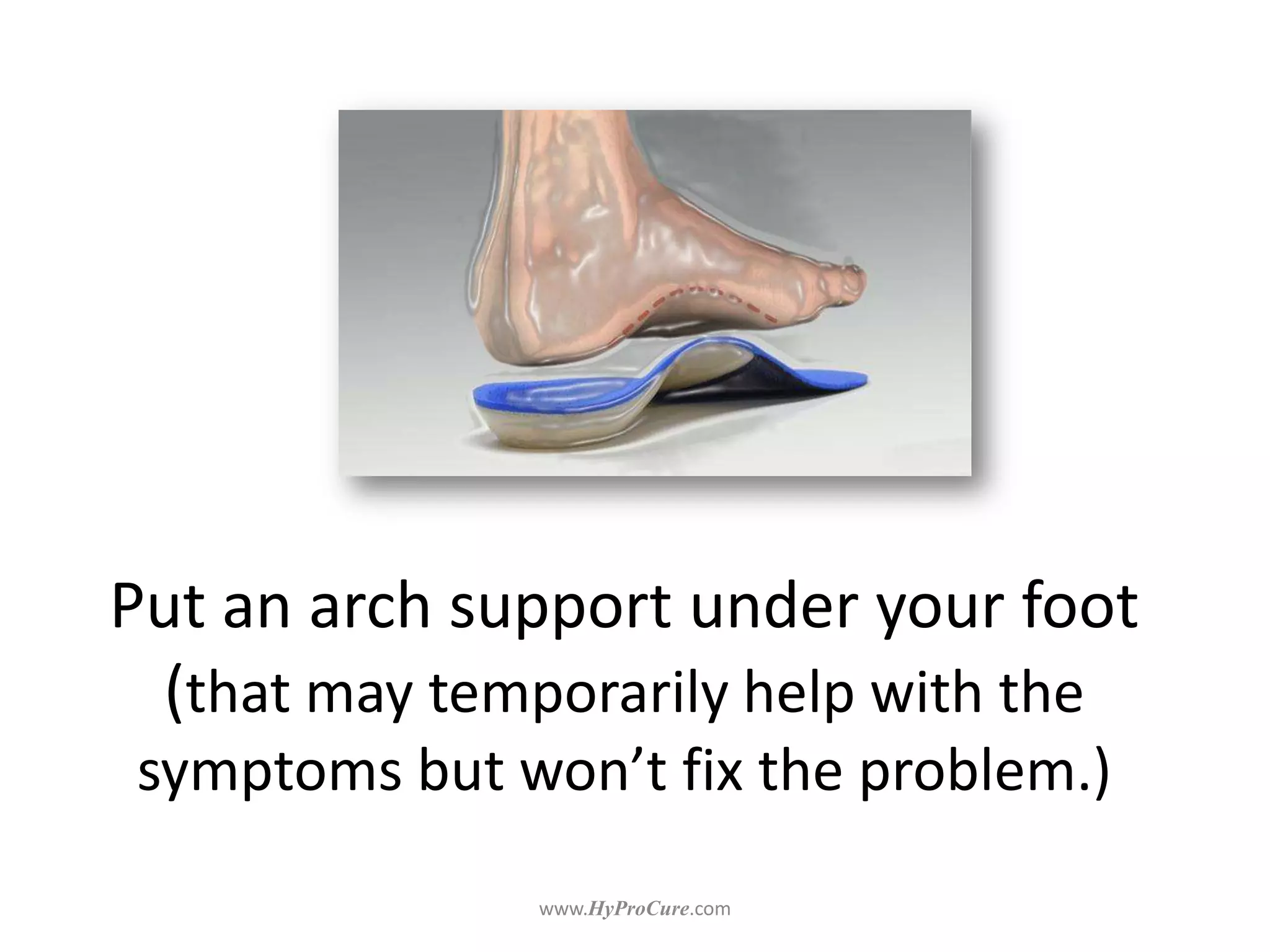
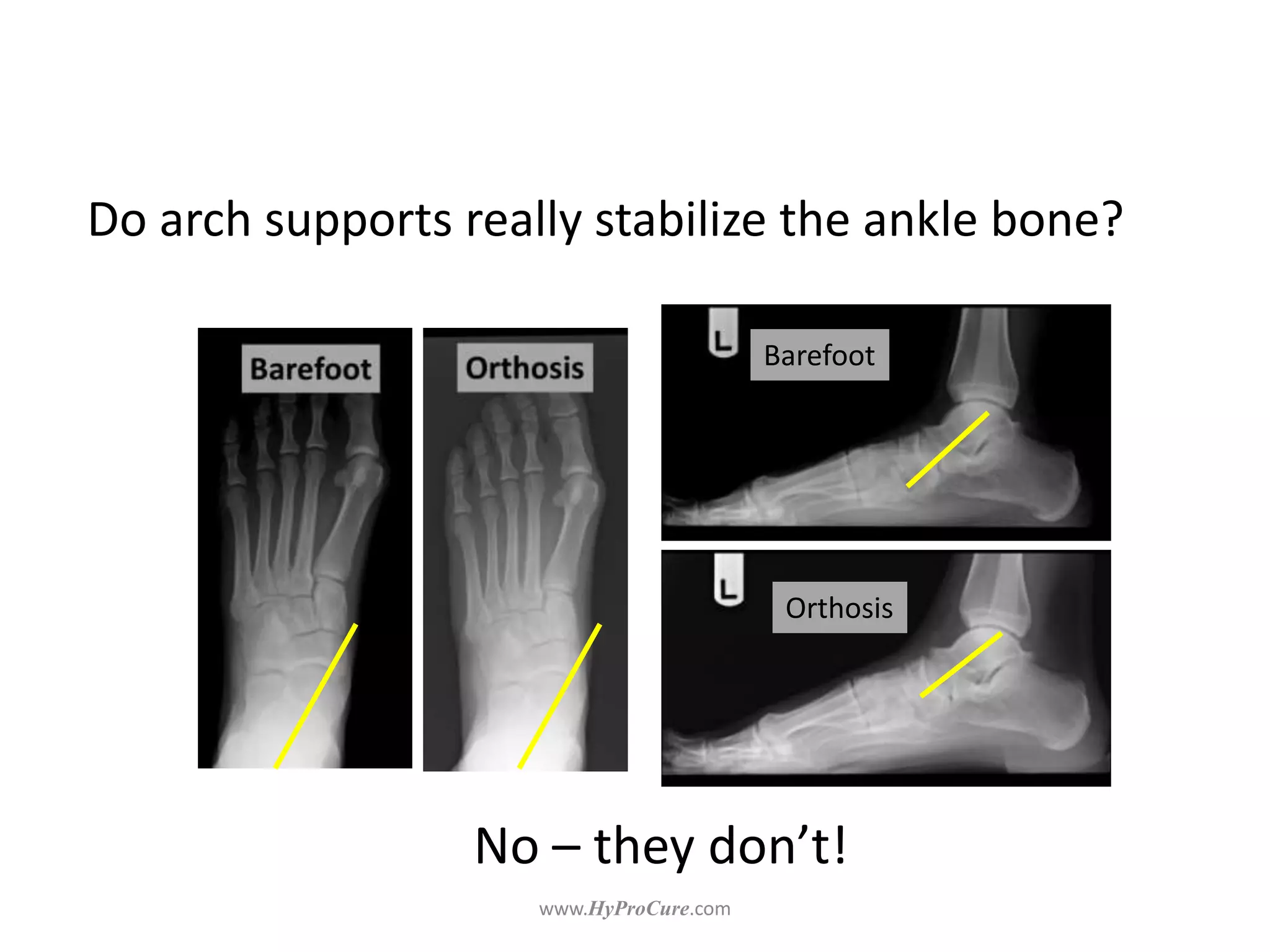
Putting an arch support under your
foot (that may temporarily help with the
symptoms but won’t fix the problem.)
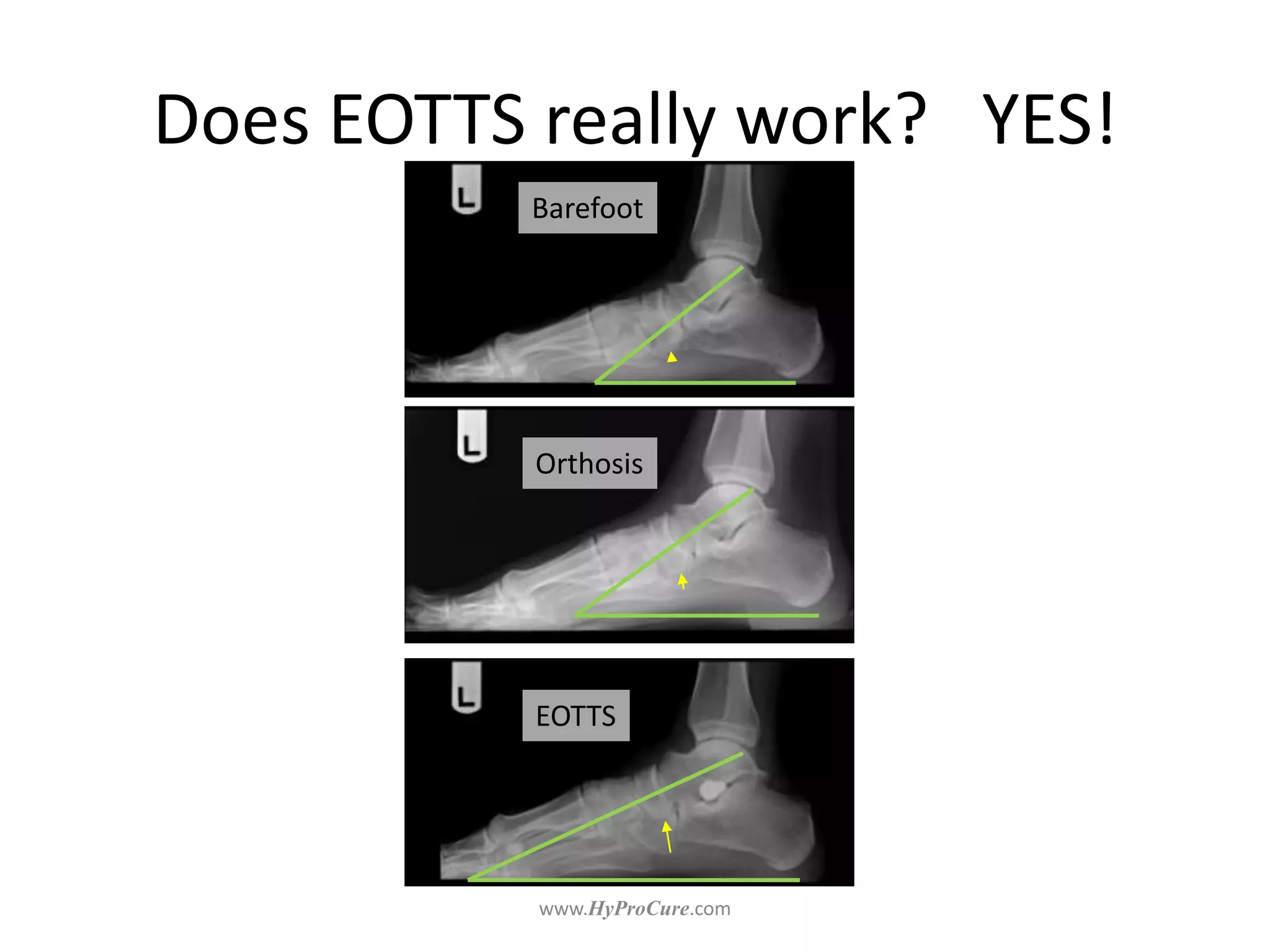
Do arch supports really stabilize the ankle bone?
Barefoot
Orthosis
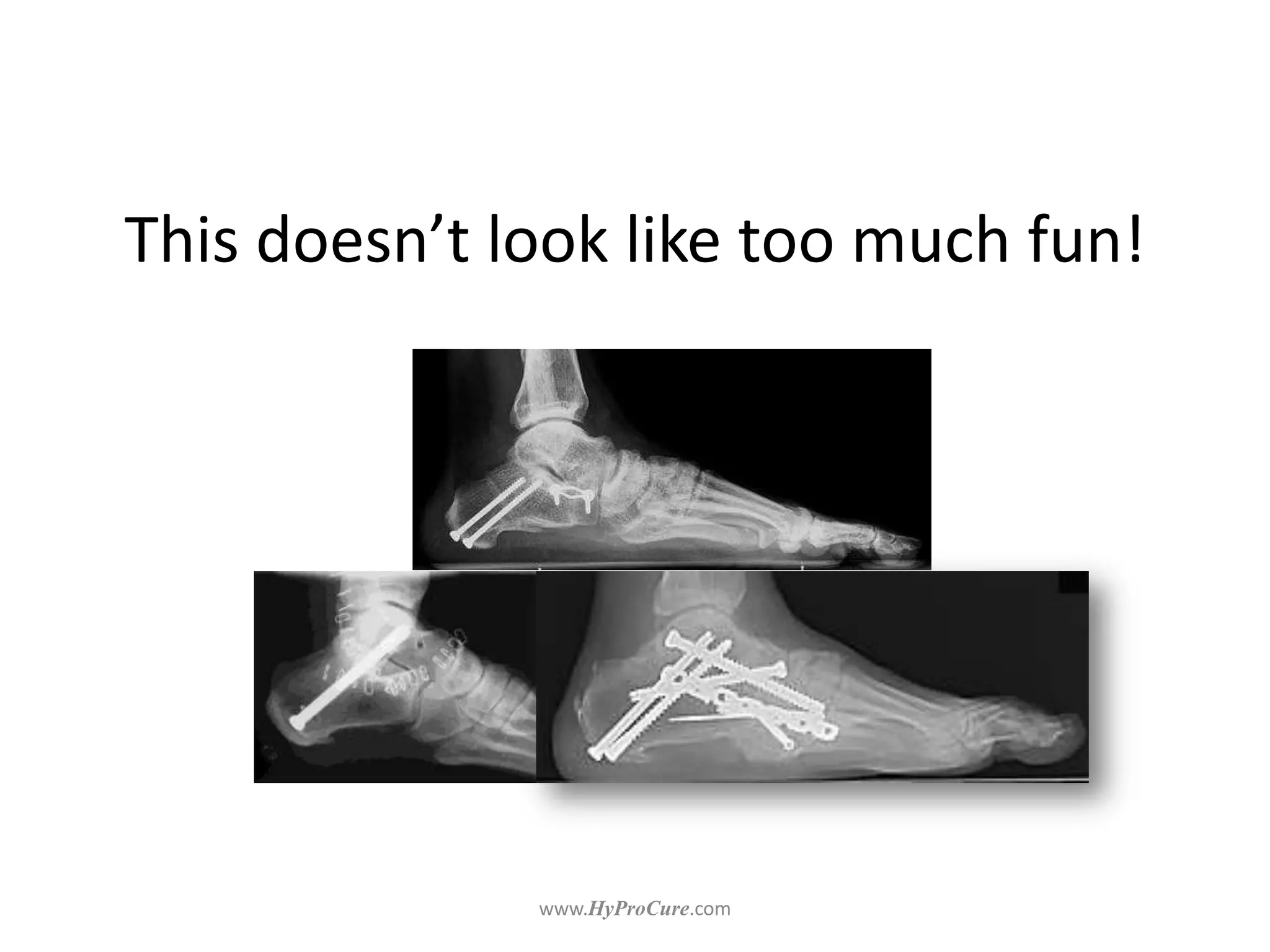
This doesn’t look like too much fun!
But when those treatments don’t
work or are too aggressive,
what else can be done?
EOTTS - HyProCure
Internal stabilization for this internal deformity.
HyProCure®
has been used safely and effectively in thousands
of pediatric and adult patients since 2004.
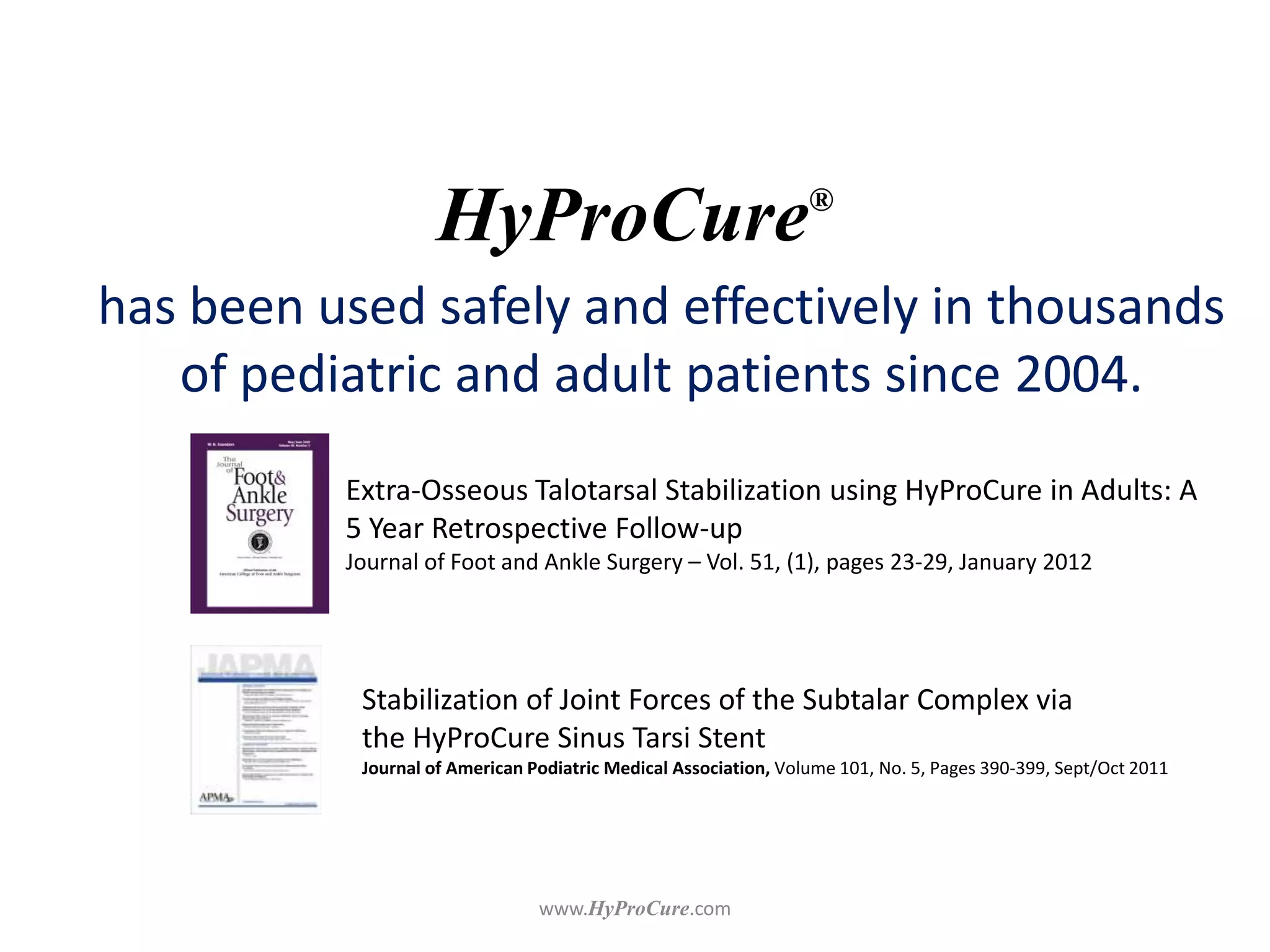
Stabilization of Joint Forces of the Subtalar Complex via
the HyProCure Sinus Tarsi Stent
Journal of American Podiatric Medical Association, Volume 101, No. 5, Pages 390-399, Sept/Oct 2011
Extra-Osseous Talotarsal Stabilization using HyProCure in Adults: A
5 Year Retrospective Follow-up
Journal of Foot and Ankle Surgery – Vol. 51, (1), pages 23-29, January 2012
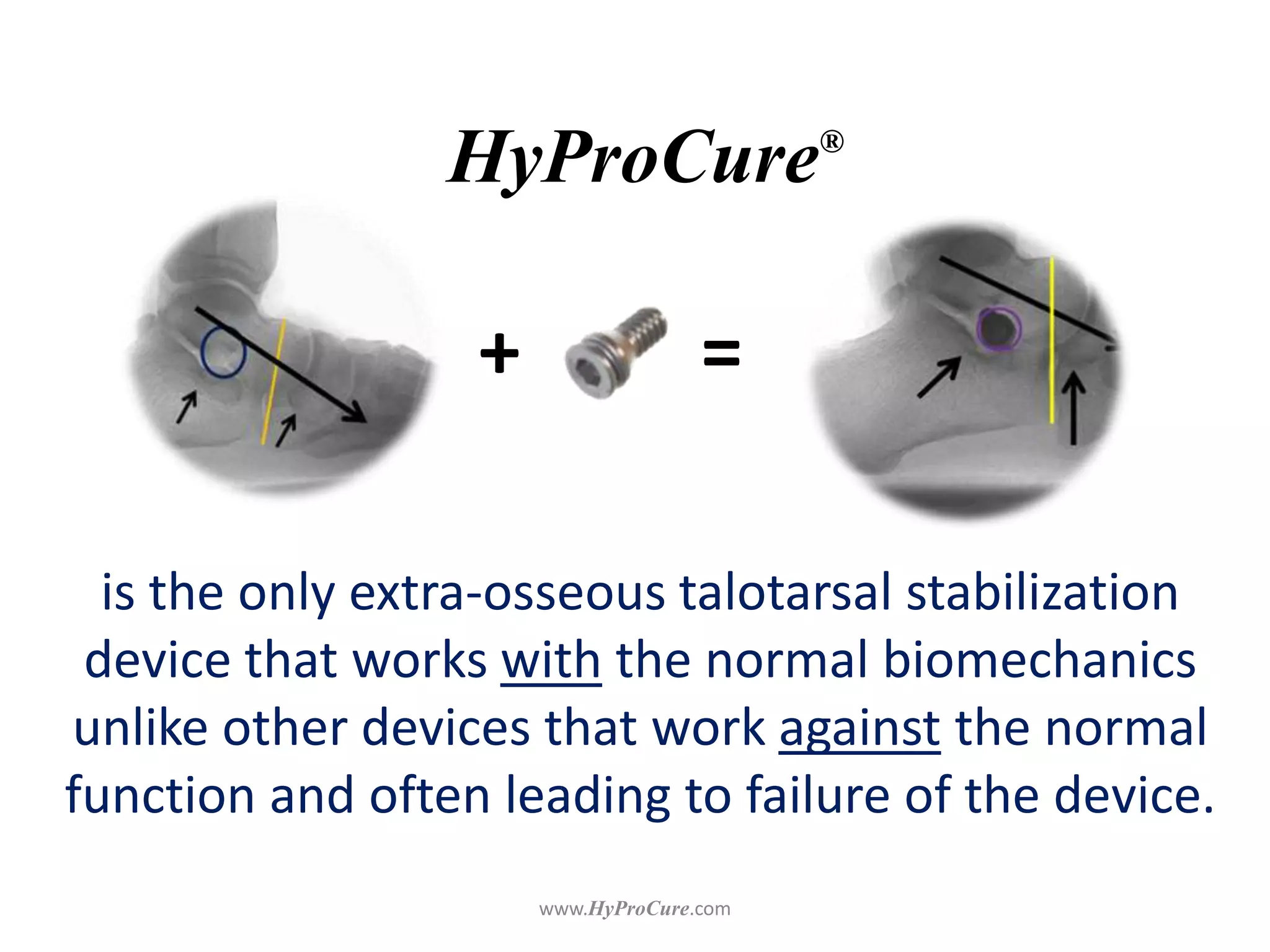
HyProCure®
is the only extra-osseous talotarsal stabilization
device that works with the normal
biomechanics unlike other devices that work
against the normal function and often leading
to failure of the device.
+ =
Does EOTTS really work? YES!
Barefoot
Orthosis
EOTTS
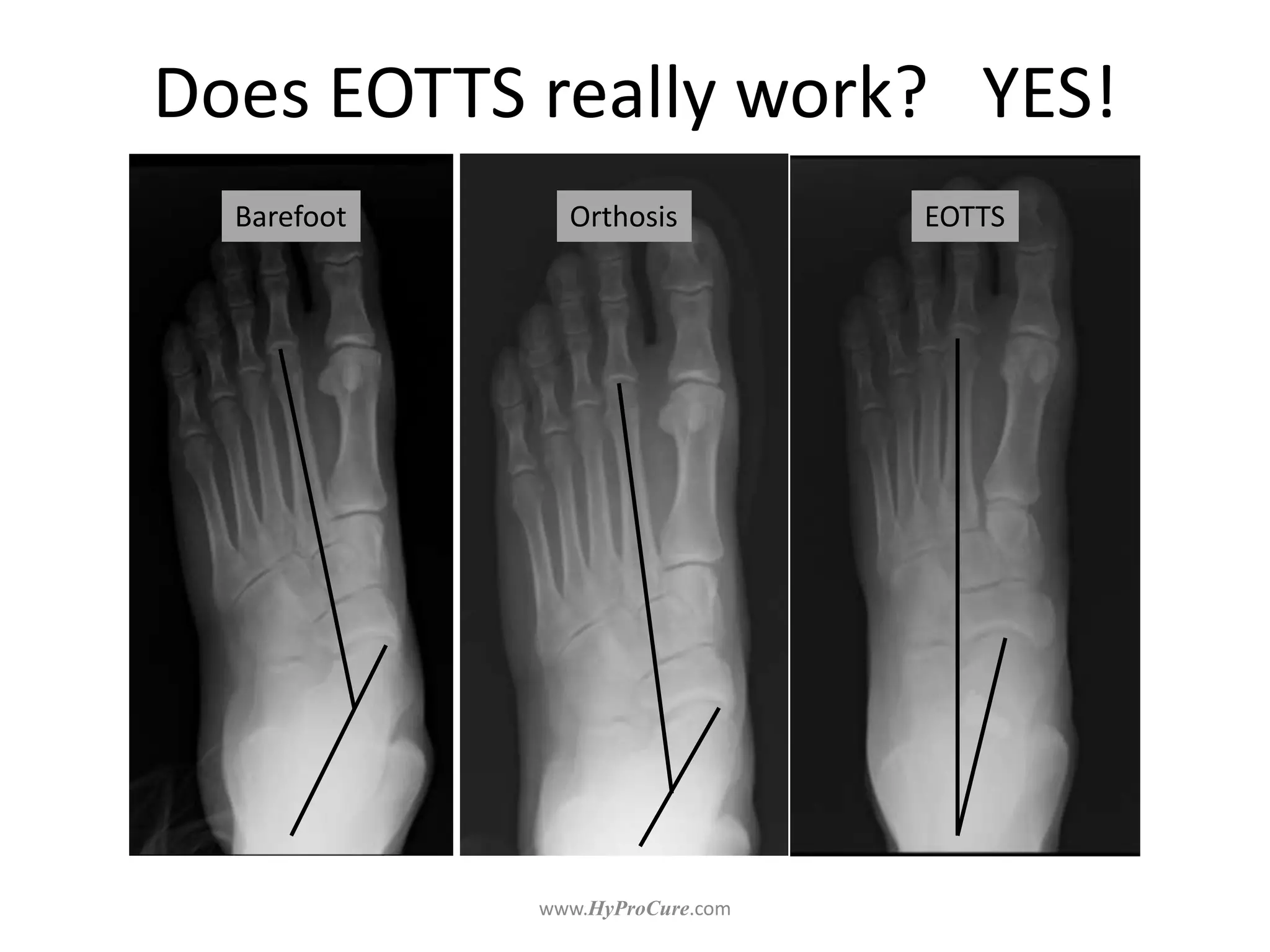
Barefoot Orthosis EOTTS
Does EOTTS really work? YES!
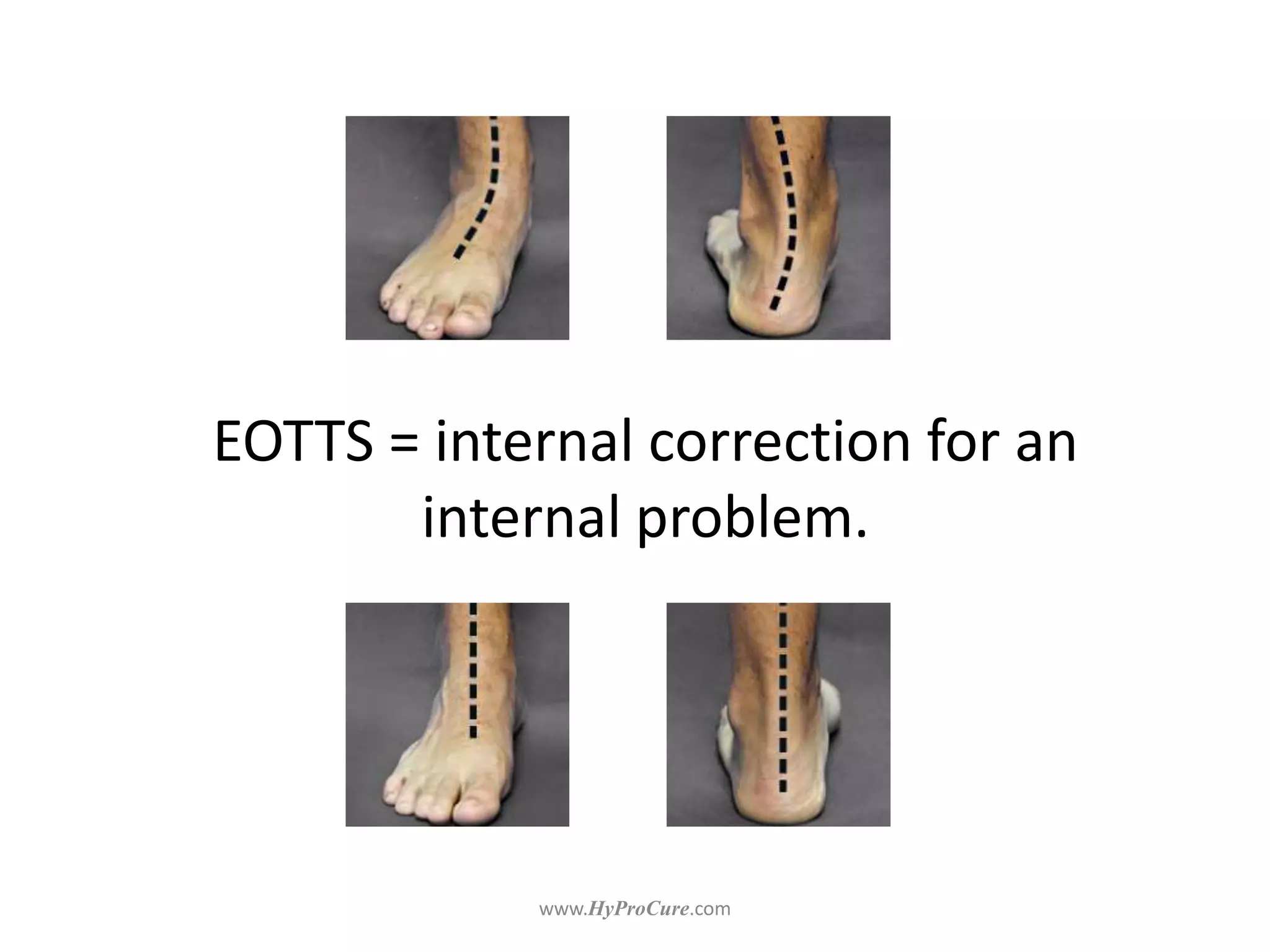
EOTTS = internal correction for an
internal problem.
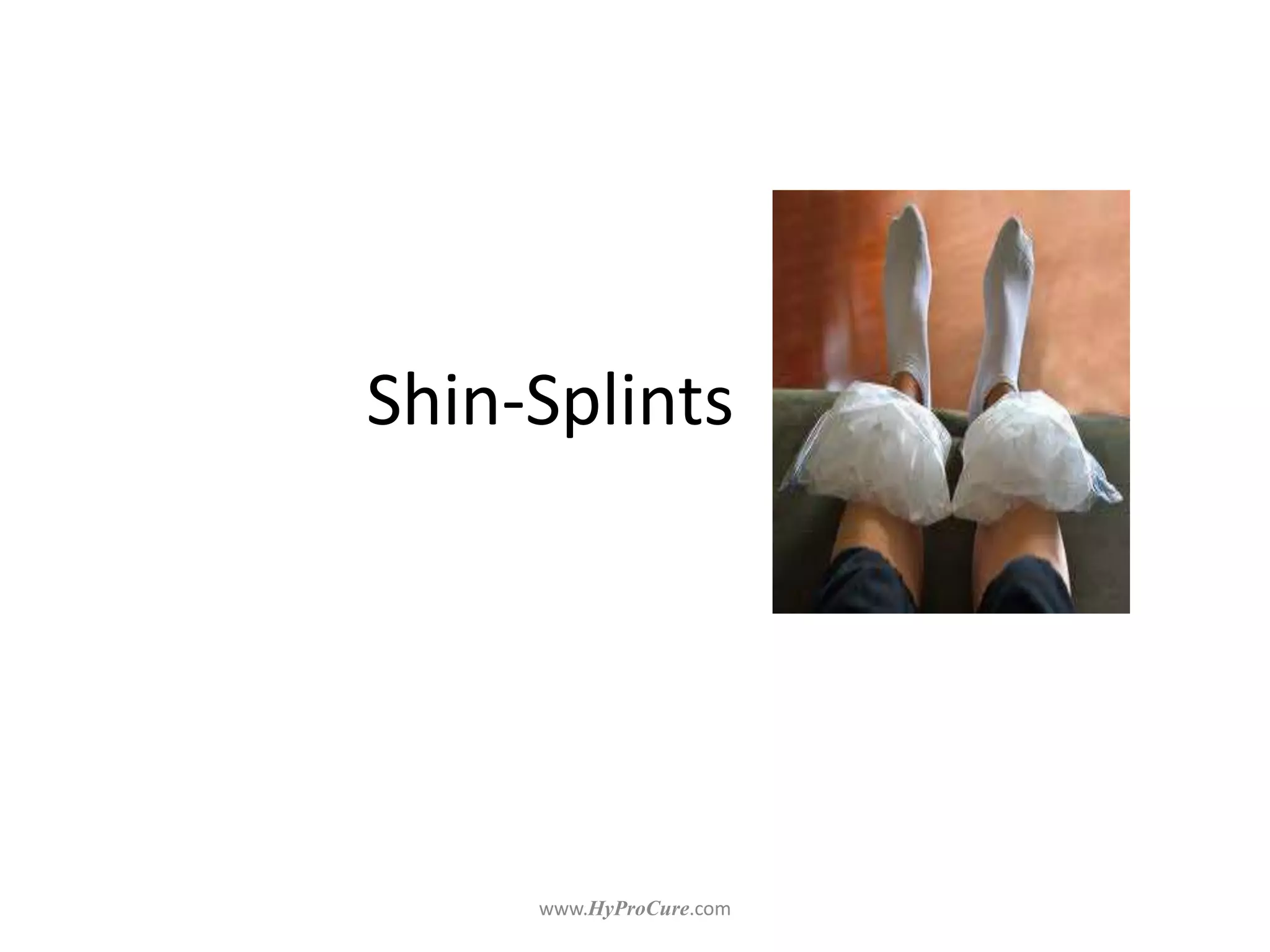
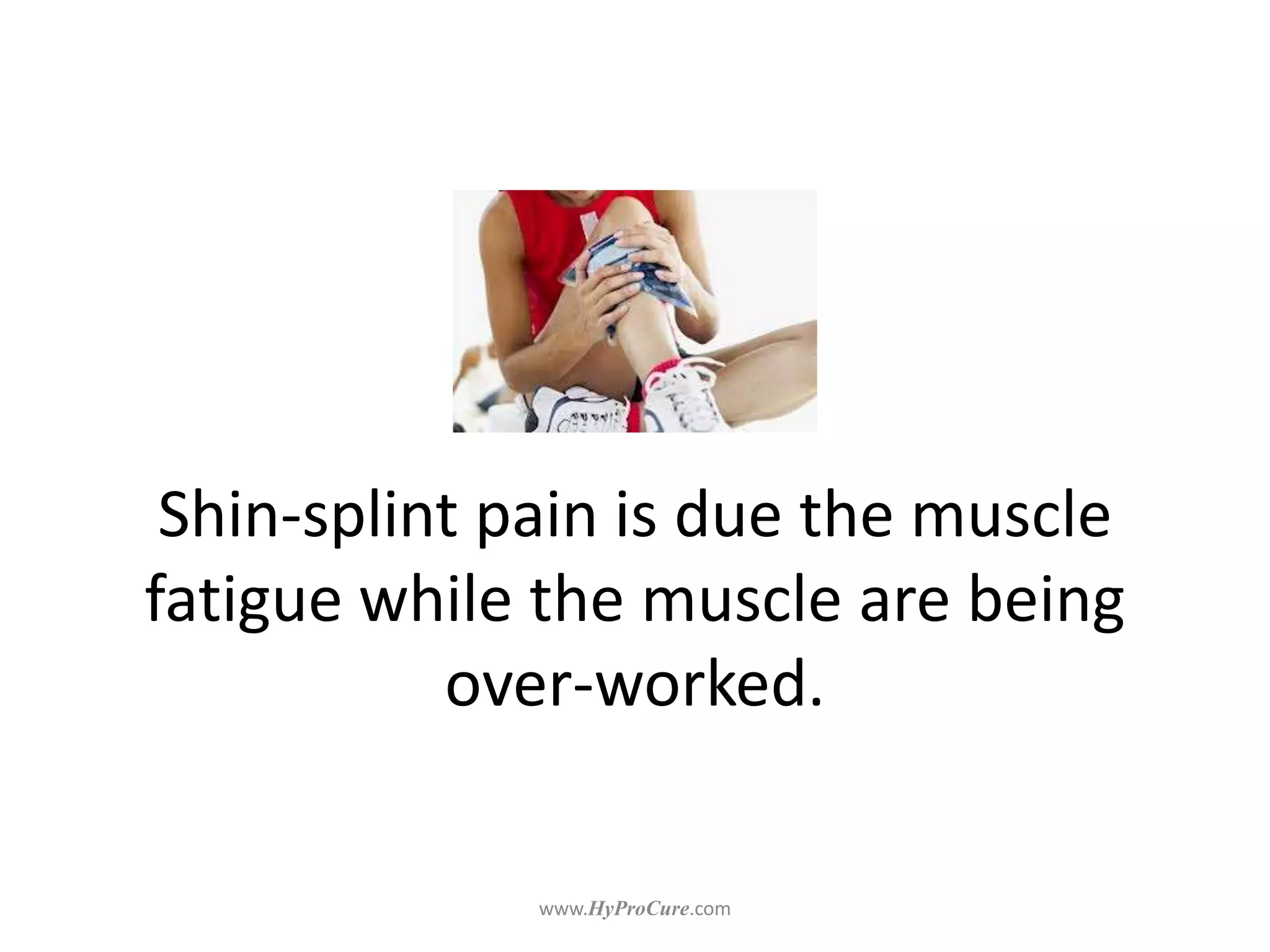
Shin-Splints
Same problem that occurs later
in life.
Except, the pain sets-in a lot
faster.
Shin-splint pain is due the muscle
fatigue while the muscle are being
over-worked.
Stop walking/running
And the pain goes away.
Go back to walking/running
And it comes right back.
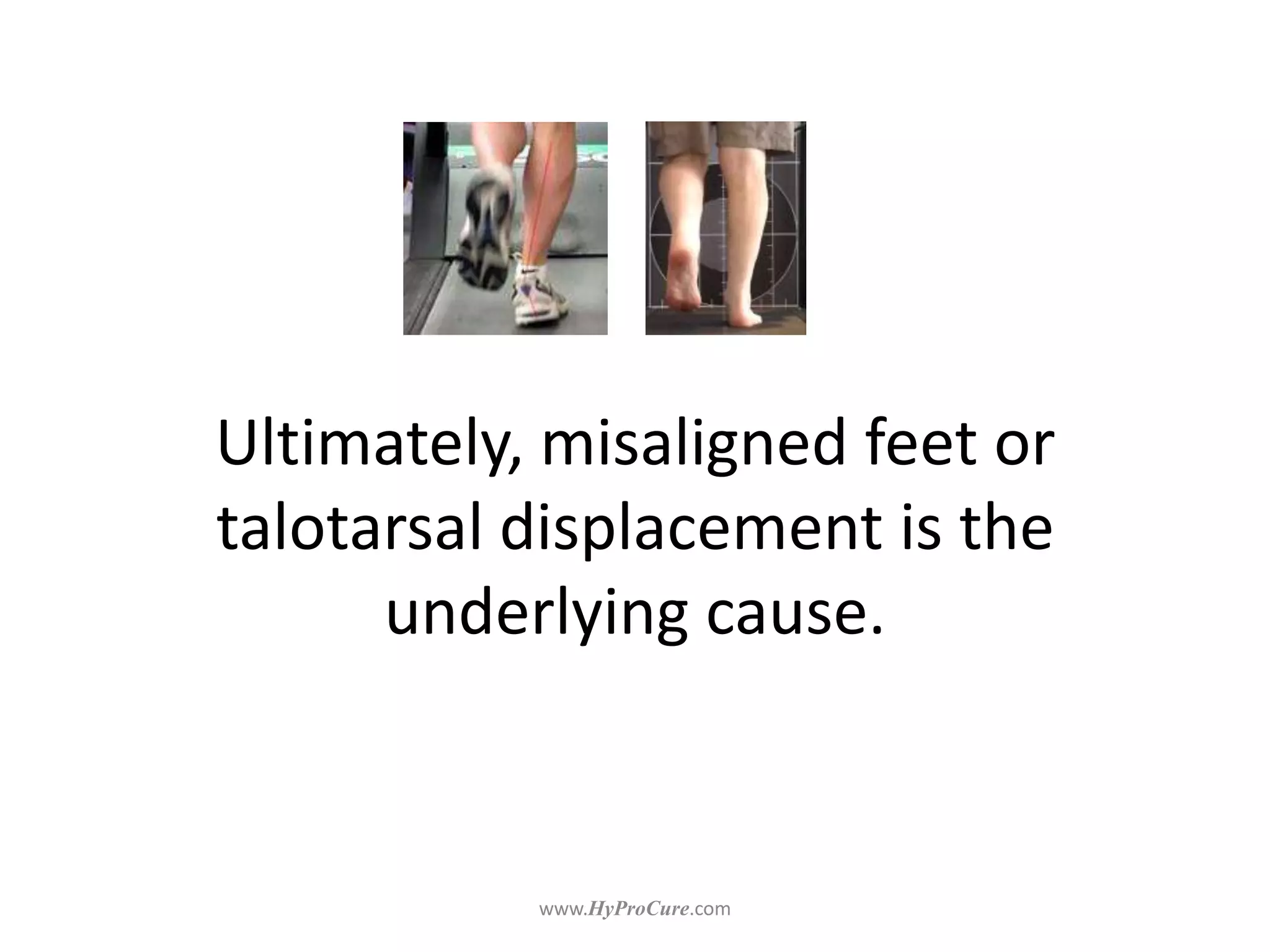
Ultimately, misaligned feet or
talotarsal displacement is the
underlying cause.
Conclusion:
Pain is a warning signal that
something is wrong.
When it comes to pain in our legs, it
is usually associated with partial
ankle bone displacement.
EOTTS is a viable option to internally
fix this internal dislocation deformity.

Growing Pains and Shin Splints

  • 1.
  • 2.
    Pain is awarning signal that something is wrong.
  • 3.
    No one evercomplains of arm pain at night, because our arms don’t hurt when they grow.
  • 4.
    No one evercomplains that their thighs hurt at night when they are growing.
  • 5.
    So why isit that some children have pain in their legs at night and they are told “you have growing pains.”
  • 6.
    Do our bonesreally hurt when they grow?
  • 7.
  • 8.
    The lower legpain of children is a symptom. For every symptom, there is an underlying cause.
  • 9.
    Our goal isto discover the cause of the symptom and to eliminate it! Not to ignore it.
  • 10.
    First, we will identifyand define the symptom.
  • 11.
    SYMPTOM: pain in thelower legs that occurs at night, once the child has stopped walking, running or playing. The pain is usually generalized; there isn’t a single pin-point area where the pain is the worst.
  • 12.
    These “growing pain”symptoms rarely, if ever, occur during the day – always at night-time/bed-time. Why would this pain-alarm go off at night?
  • 13.
    The child neverwakes up in the morning with “growing pains” and never complains of it during the day.
  • 14.
    Most child havea seemingly endless supply of energy during the day.
  • 15.
    They will takeat least 7,000 steps a day.
  • 16.
    So after along day, their muscles have been working really hard and are pulling on the specialized lining (periosteum) of the leg bones (tibia/fibula).
  • 17.
    If the strainon the tissue is more than it can handle, the nerve endings are triggered resulting in pain.
  • 18.
    Eventually, depending onthe amount of damage to the tissues, the pain signal gradually goes away.
  • 19.
    Why don’t the“growing pains” occur every night?
  • 20.
    It depends onhow active the child was during the day. You guessed it: The more active the child = The greater the pain.
  • 21.
    Why don’t allchildren suffer with “growing pains”? The answer to that question starts at the foundation of the body – our feet.
  • 22.
    It has todo with the alignment of the child’s hindfoot. Aligned Hindfoot Misaligned Hindfoot
  • 23.
    A child whosefeet are mis-aligned has a significantly higher chance of developing this leg pain. Note: not all children with mis-aligned hind-feet will develop this pain, conversely it is extremely rare for a child with aligned feet to develop this pain.
  • 24.
    The reason whyhind-foot alignment is so important is because a mis-aligned foot leads to a very inefficient biomechanical foot machine.
  • 25.
    The muscles don’thave to work as hard in a normally aligned foot.
  • 26.
    However, the muscleshave to work up to 4 or 5 times harder in a mis-aligned foot.
  • 27.
    That’s because themuscles have to re-align the foot and then do their regular job.
  • 28.
    Children with misalignedfeet usually run much slower then their classmates.
  • 29.
    Think about it: Ifthe children had to run a mile= The muscles of the children with aligned feet only had to run a mile, Whereas the muscles of the child with mis-aligned feet feel like they ran 3 miles.
  • 30.
    The real causeof pain in children’s legs at night is due to excessive muscle fatigue and strain of the lining of the leg bones due to a mis-aligned hindfoot.
  • 31.
    What’s the differencebetween an aligned and mis-aligned foot? And how can we fix it?
  • 32.
    To find theanswer you have to use your x-ray vision.
  • 33.
    Let’s take alook at the alignment of the hindfoot bones.
  • 34.
    The ankle bone(talus) should normally sit on top of the heel bone (calcaneus).
  • 35.
    When the talusis properly aligned on the calcaneus –then the foot is aligned.
  • 36.
    When the anklebone dislocates on the heel bone = mis-aligned hindfoot.
  • 37.
  • 38.
  • 39.
    Seems like itshould be important to stabilize the foundation of our body. What’s the fix?
  • 40.
    Putting an archsupport under your foot (that may temporarily help with the symptoms but won’t fix the problem.)
  • 41.
    Do arch supportsreally stabilize the ankle bone? Barefoot Orthosis
  • 42.
    This doesn’t looklike too much fun!
  • 43.
    But when thosetreatments don’t work or are too aggressive, what else can be done?
  • 44.
    EOTTS - HyProCure Internalstabilization for this internal deformity.
  • 45.
    HyProCure® has been usedsafely and effectively in thousands of pediatric and adult patients since 2004. Stabilization of Joint Forces of the Subtalar Complex via the HyProCure Sinus Tarsi Stent Journal of American Podiatric Medical Association, Volume 101, No. 5, Pages 390-399, Sept/Oct 2011 Extra-Osseous Talotarsal Stabilization using HyProCure in Adults: A 5 Year Retrospective Follow-up Journal of Foot and Ankle Surgery – Vol. 51, (1), pages 23-29, January 2012
  • 46.
    HyProCure® is the onlyextra-osseous talotarsal stabilization device that works with the normal biomechanics unlike other devices that work against the normal function and often leading to failure of the device. + =
  • 47.
    Does EOTTS reallywork? YES! Barefoot Orthosis EOTTS
  • 48.
    Barefoot Orthosis EOTTS DoesEOTTS really work? YES!
  • 49.
    EOTTS = internalcorrection for an internal problem.
  • 50.
  • 51.
    Same problem thatoccurs later in life.
  • 52.
    Except, the painsets-in a lot faster.
  • 53.
    Shin-splint pain isdue the muscle fatigue while the muscle are being over-worked.
  • 54.
  • 55.
    And the paingoes away.
  • 56.
    Go back towalking/running
  • 57.
    And it comesright back.
  • 58.
    Ultimately, misaligned feetor talotarsal displacement is the underlying cause.
  • 59.
    Conclusion: Pain is awarning signal that something is wrong. When it comes to pain in our legs, it is usually associated with partial ankle bone displacement. EOTTS is a viable option to internally fix this internal dislocation deformity.