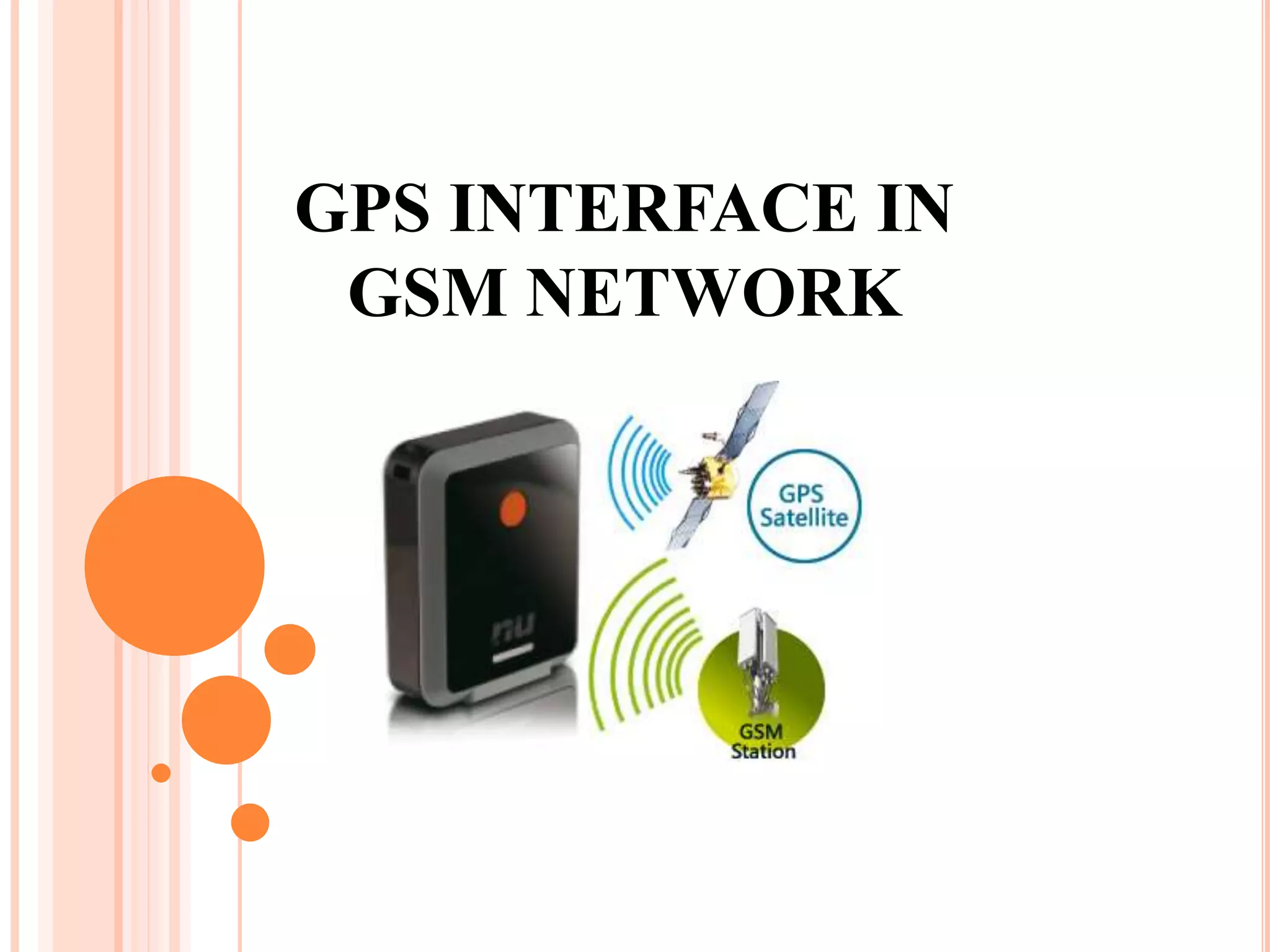
GPS INTERFACE IN
GSM NETWORK
CONTENTS
 INTRODUCTION
 GPS
 GSM
 IMPORTANCE OF GSM
 IMPORTANCE OF GSP
 WORKING PRINCIPLE
 ADVANTAGES
 FUTURE SCOPE
INTRODUCTION
 In this urban life transportation is very common.
A lot of things occur on the road every day .
 Therefore the need of security and monitoring is
developed.
 To resolve such problems, a system is developed
using GPS and GSM technologies and an
application is introduced in this research work.
VARIOUS PROBLEMS THAT WE FACE:
 1. In critical condition (when vehicle is stolen),
one is confused what to do
 2. If one has something expensive and he wants
to check it regularly
 3. To find the shortest path available
. All these problems are overcome by the
system.
 This system has Global Positioning System
(GPS) which will receive the coordinates from
the satellites among other critical information.
 Tracking system is very important in modern
world. This can be useful in soldier monitoring,
tracking of the theft vehicle and various other
applications.
 The system is microcontroller based that consists
of a global positioning system (GPS) and global
system for mobile communication (GSM).
 GSM modem, provided with a SIM card uses the
same communication process as we are using in
regular phone
GLOBAL POSITIONING SYSTEM(GPS)
 The GPS concept is based on time and the
known position of specialized satellites.
 The satellites carry very stable atomic
clocks that are synchronized with one another
and to ground clocks.
 Any drift from true time maintained on the
ground is corrected daily. Likewise, the
satellite locations are known with great
precision.
CONT.
 GPS satellites continuously transmit their current time
and position. A GPS receiver monitors multiple satellites
and solves equations to determine the precise position of
the receiver and its deviation from true time.
 At a minimum, four satellites must be in view of the
receiver for it to compute four unknown quantities (three
position coordinates and clock deviation from satellite
time).
.
.
 Global Positioning Satellites (GPS) enable the
tracking of all kinds of mobile assets accurately
and provide their real time positions to the owners
24 x 7.
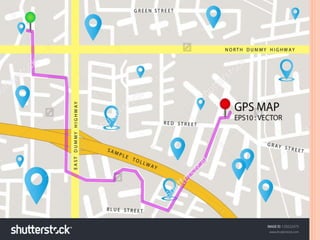
 GPS provides the latitude/longitude information of
the mobile at a given time, this information can be
transmitted to any place using the GSM/GPRS
radio link.
GLOBAL SYSTEM FOR MOBILE
COMMUNICATION(GSM)
.
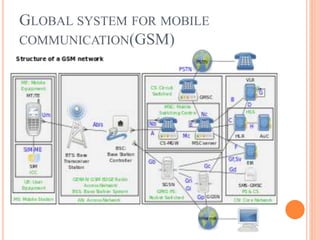
Network structure
 The network is structured into a number of
discrete sections:
 Base station subsystem – the base stations and
their controllers explained
 Network and Switching Subsystem – the part
of the network most similar to a fixed network,
sometimes just called the "core network"
 GPRS Core Network – the optional part which
allows packet-based Internet connections
 Operations support system (OSS) – network
maintenance
IMPORTANCE OF GSM
GSM (Global System for Mobile
communications).
GSM is a digital cellular
communications system.
It is used for transmitting mobile
voice and data services.
International roaming capability.
Better security against fraud
GSM MODEM
 GSM modem is used for transmitting and
receiving the data. SIM 300 is a tri-band
GSM/GPRS engine.
 It works on various frequencies i.e; EGSM
900MHZ, DCS 1800MHZ and PCS 1900mhz
IMPORTANCE OF GPS
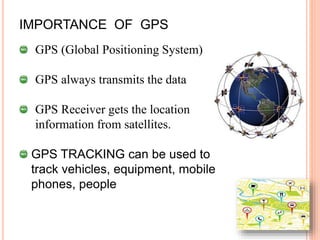
GPS (Global Positioning System)
GPS always transmits the data
GPS Receiver gets the location
information from satellites.
GPS TRACKING can be used to
track vehicles, equipment, mobile
phones, people
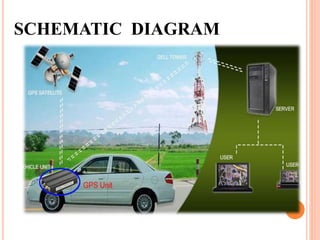
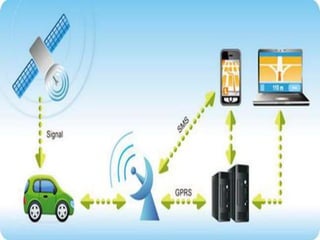
SYSTEM ARCHITECTURE
 It consists of two units :
 Transmitting side (vehicle unit)
 Monitoring side.
TRANSMISSION
 GPS GIVES INFORMATION ABOUT:
 1) MESSAGE TRANSMISSION TIME
 2) POSITION AT THAT TIME
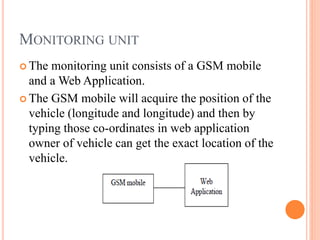
MONITORING UNIT
 The monitoring unit consists of a GSM mobile
and a Web Application.
 The GSM mobile will acquire the position of the
vehicle (longitude and longitude) and then by
typing those co-ordinates in web application
owner of vehicle can get the exact location of the
vehicle.
SCHEMATIC DIAGRAM
WORKING PRINCIPLE
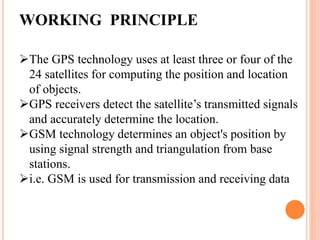
The GPS technology uses at least three or four of the
24 satellites for computing the position and location
of objects.
GPS receivers detect the satellite’s transmitted signals
and accurately determine the location.
GSM technology determines an object's position by
using signal strength and triangulation from base
stations.
i.e. GSM is used for transmission and receiving data
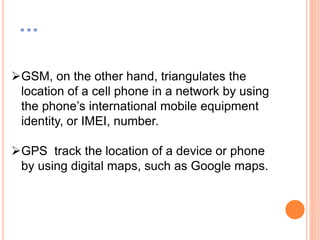
GSM, on the other hand, triangulates the
location of a cell phone in a network by using
the phone’s international mobile equipment
identity, or IMEI, number.
GPS track the location of a device or phone
by using digital maps, such as Google maps.
…
ADVANTAGES
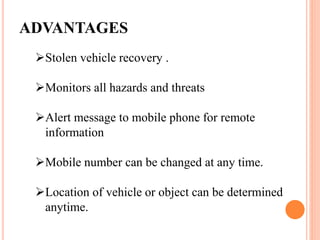
Stolen vehicle recovery .
Monitors all hazards and threats
Alert message to mobile phone for remote
information
Mobile number can be changed at any time.
Location of vehicle or object can be determined
anytime.
DIS ADVANTAGES
 The liberty of the person gets restricted.
 This may lead to business owner to measure the
performance of the employee by these stats only
and there leaves no room for human analysis.
 Thus technology carries its whites and blues. It
depends on the user how to make it.
SCOPE IN FUTURE
 If anybody steals our car we can easily find our
car around the globe and the vehicle can be
turned off by only with a simple SMS.
 To track animals in jungles.
 Delivery services.
CONCLUSION
The system is about making vehicle more
Secure by the use of GPS, GSM
technology and a web application.
REFERENCES
 http://en.wikipedia.org/wiki/Sevensegment_Disp
lay
 http://www.gsm-modem.de/
 http://www.datasheetsite.com/datasheet/MAX23
2
 http://www.rentron.com/rf_remote_control.htm
Gps inerface in gsm network

Gps inerface in gsm network

  • 1.
  • 2.
    CONTENTS  INTRODUCTION  GPS GSM  IMPORTANCE OF GSM  IMPORTANCE OF GSP  WORKING PRINCIPLE  ADVANTAGES  FUTURE SCOPE
  • 3.
    INTRODUCTION  In thisurban life transportation is very common. A lot of things occur on the road every day .  Therefore the need of security and monitoring is developed.  To resolve such problems, a system is developed using GPS and GSM technologies and an application is introduced in this research work.
  • 4.
    VARIOUS PROBLEMS THATWE FACE:  1. In critical condition (when vehicle is stolen), one is confused what to do  2. If one has something expensive and he wants to check it regularly  3. To find the shortest path available
  • 5.
    . All theseproblems are overcome by the system.  This system has Global Positioning System (GPS) which will receive the coordinates from the satellites among other critical information.  Tracking system is very important in modern world. This can be useful in soldier monitoring, tracking of the theft vehicle and various other applications.
  • 6.
     The systemis microcontroller based that consists of a global positioning system (GPS) and global system for mobile communication (GSM).  GSM modem, provided with a SIM card uses the same communication process as we are using in regular phone
  • 7.
    GLOBAL POSITIONING SYSTEM(GPS) The GPS concept is based on time and the known position of specialized satellites.  The satellites carry very stable atomic clocks that are synchronized with one another and to ground clocks.  Any drift from true time maintained on the ground is corrected daily. Likewise, the satellite locations are known with great precision.
  • 8.
    CONT.  GPS satellitescontinuously transmit their current time and position. A GPS receiver monitors multiple satellites and solves equations to determine the precise position of the receiver and its deviation from true time.  At a minimum, four satellites must be in view of the receiver for it to compute four unknown quantities (three position coordinates and clock deviation from satellite time).
  • 9.
  • 10.
    .  Global PositioningSatellites (GPS) enable the tracking of all kinds of mobile assets accurately and provide their real time positions to the owners 24 x 7.  GPS provides the latitude/longitude information of the mobile at a given time, this information can be transmitted to any place using the GSM/GPRS radio link.
  • 11.
    GLOBAL SYSTEM FORMOBILE COMMUNICATION(GSM)
  • 12.
    . Network structure  Thenetwork is structured into a number of discrete sections:  Base station subsystem – the base stations and their controllers explained  Network and Switching Subsystem – the part of the network most similar to a fixed network, sometimes just called the "core network"  GPRS Core Network – the optional part which allows packet-based Internet connections  Operations support system (OSS) – network maintenance
  • 13.
    IMPORTANCE OF GSM GSM(Global System for Mobile communications). GSM is a digital cellular communications system. It is used for transmitting mobile voice and data services. International roaming capability. Better security against fraud
  • 14.
    GSM MODEM  GSMmodem is used for transmitting and receiving the data. SIM 300 is a tri-band GSM/GPRS engine.  It works on various frequencies i.e; EGSM 900MHZ, DCS 1800MHZ and PCS 1900mhz
  • 15.
    IMPORTANCE OF GPS GPS(Global Positioning System) GPS always transmits the data GPS Receiver gets the location information from satellites. GPS TRACKING can be used to track vehicles, equipment, mobile phones, people
  • 16.
    SYSTEM ARCHITECTURE  Itconsists of two units :  Transmitting side (vehicle unit)  Monitoring side.
  • 17.
    TRANSMISSION  GPS GIVESINFORMATION ABOUT:  1) MESSAGE TRANSMISSION TIME  2) POSITION AT THAT TIME
  • 18.
    MONITORING UNIT  Themonitoring unit consists of a GSM mobile and a Web Application.  The GSM mobile will acquire the position of the vehicle (longitude and longitude) and then by typing those co-ordinates in web application owner of vehicle can get the exact location of the vehicle.
  • 19.
  • 20.
    WORKING PRINCIPLE The GPStechnology uses at least three or four of the 24 satellites for computing the position and location of objects. GPS receivers detect the satellite’s transmitted signals and accurately determine the location. GSM technology determines an object's position by using signal strength and triangulation from base stations. i.e. GSM is used for transmission and receiving data
  • 21.
    GSM, on theother hand, triangulates the location of a cell phone in a network by using the phone’s international mobile equipment identity, or IMEI, number. GPS track the location of a device or phone by using digital maps, such as Google maps. …
  • 23.
    ADVANTAGES Stolen vehicle recovery. Monitors all hazards and threats Alert message to mobile phone for remote information Mobile number can be changed at any time. Location of vehicle or object can be determined anytime.
  • 24.
    DIS ADVANTAGES  Theliberty of the person gets restricted.  This may lead to business owner to measure the performance of the employee by these stats only and there leaves no room for human analysis.  Thus technology carries its whites and blues. It depends on the user how to make it.
  • 25.
    SCOPE IN FUTURE If anybody steals our car we can easily find our car around the globe and the vehicle can be turned off by only with a simple SMS.  To track animals in jungles.  Delivery services.
  • 26.
    CONCLUSION The system isabout making vehicle more Secure by the use of GPS, GSM technology and a web application.
  • 27.
    REFERENCES  http://en.wikipedia.org/wiki/Sevensegment_Disp lay  http://www.gsm-modem.de/ http://www.datasheetsite.com/datasheet/MAX23 2  http://www.rentron.com/rf_remote_control.htm