Downloaded 14 times



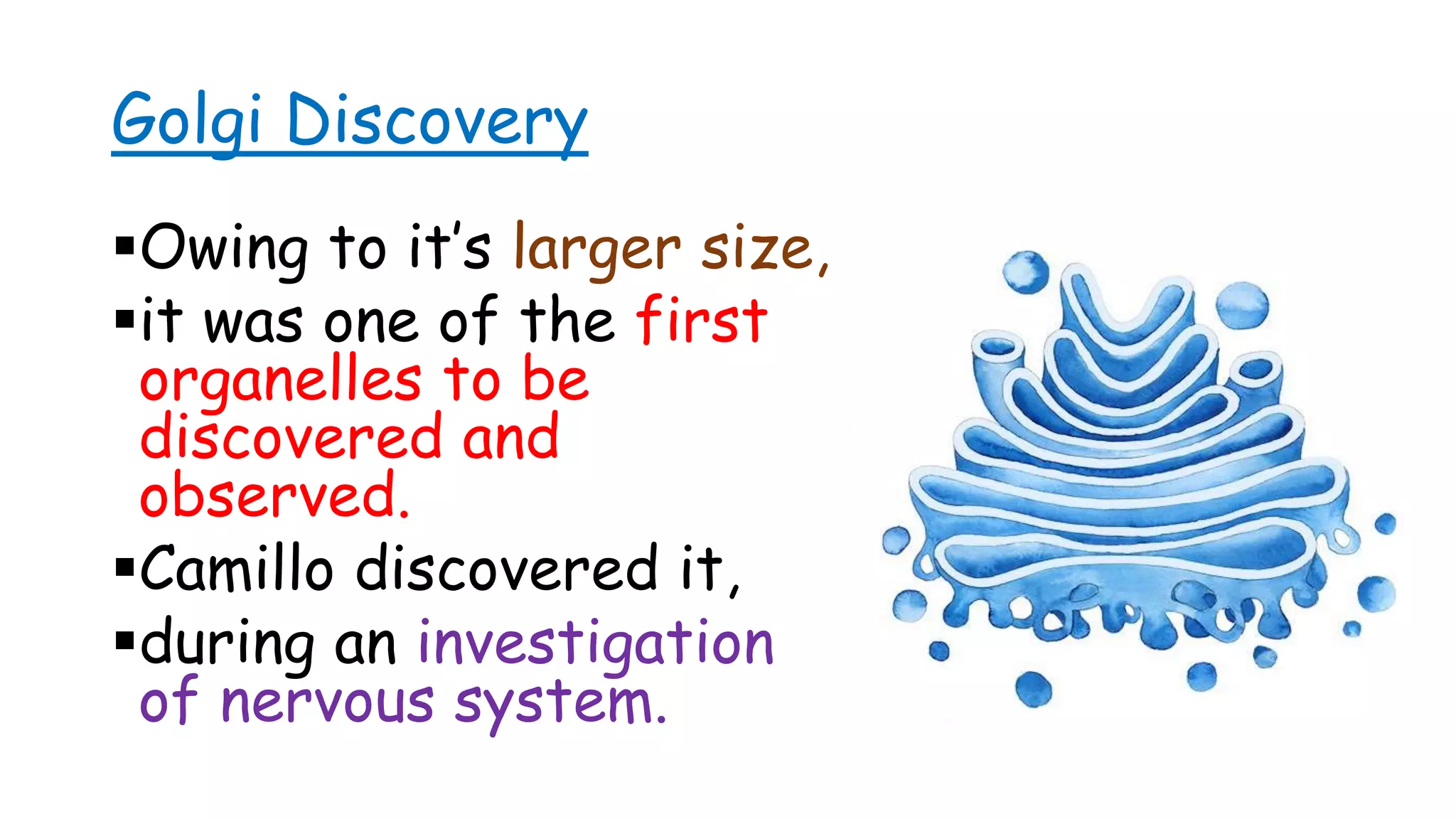


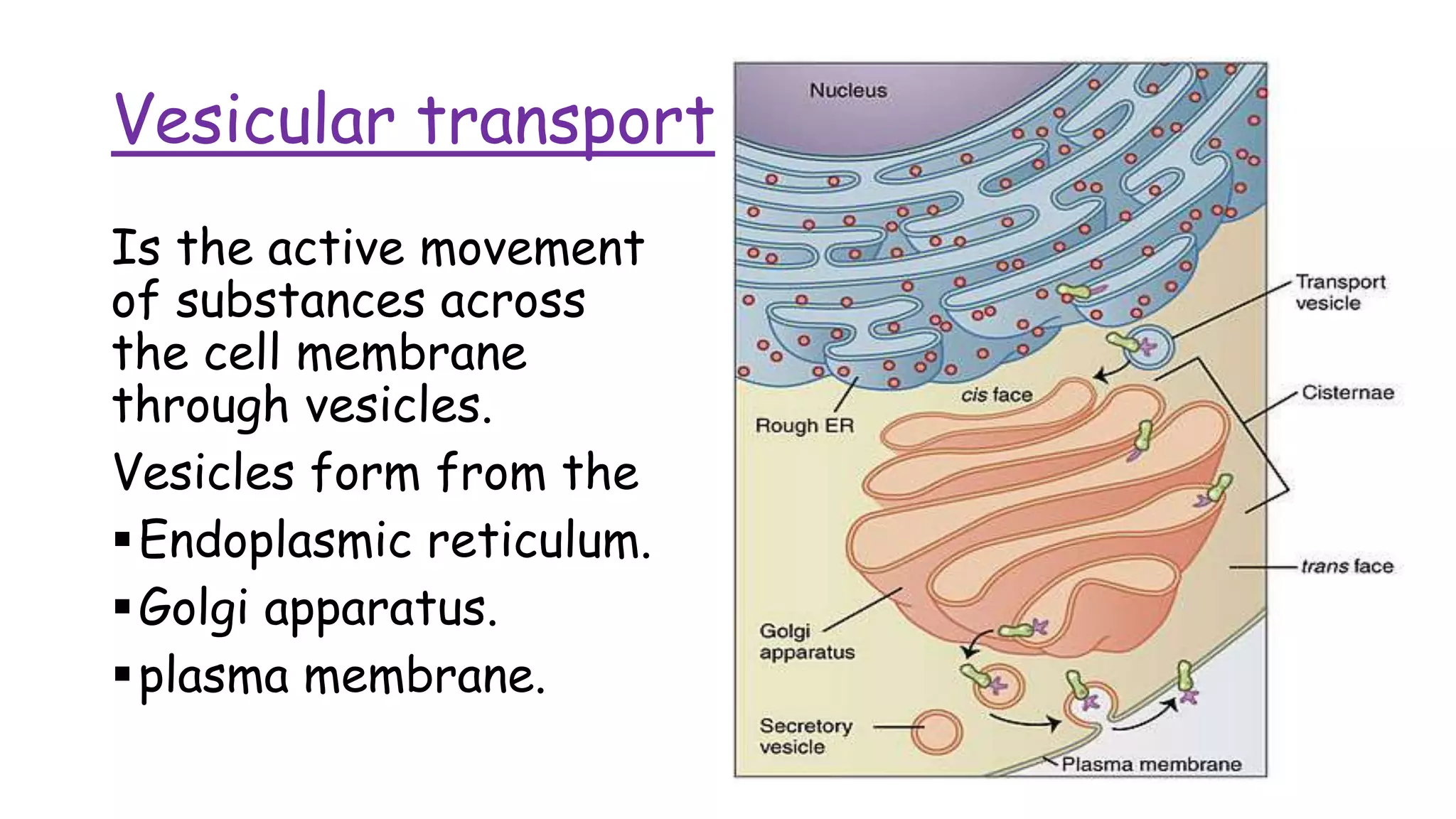


The Golgi apparatus was discovered in 1897 by Italian physician Camillo Golgi during his investigation of the nervous system. It is an organelle found in most eukaryotic cells that modifies and packages macromolecules. The Golgi apparatus consists of a series of flattened disks called cisternae that are organized into stacks. Vesicles bud off the endoplasmic reticulum and fuse with the cis Golgi network, and vesicles then bud off the trans Golgi network to transport cargo to other parts of the cell or for secretion. The Golgi apparatus is responsible for modifying and sorting macromolecules synthesized by the cell.


