YEAR 10 GEOGRAPHY
GLACIAL LANDSCAPE
12. GLACIATION
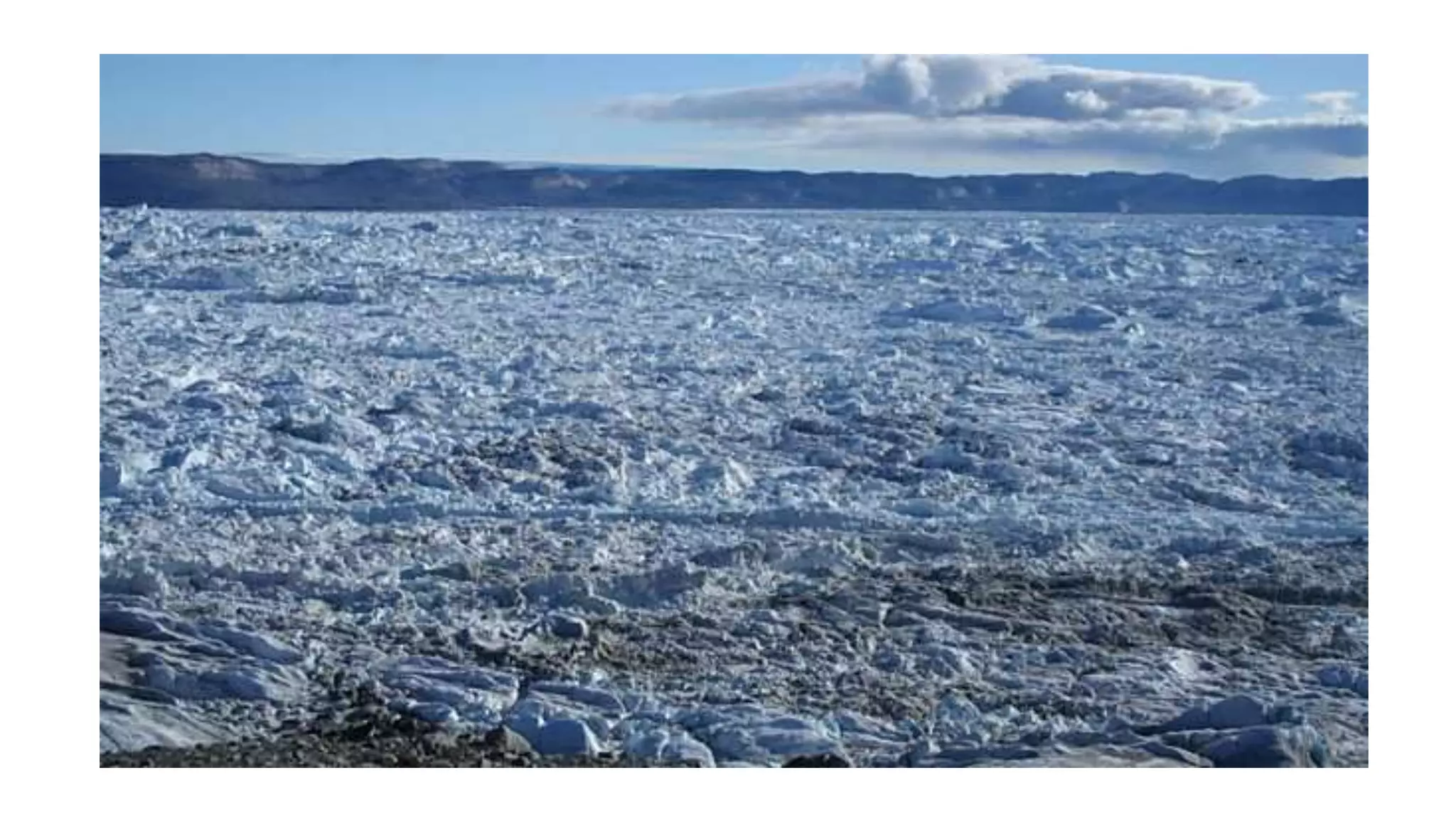
Ice covered 30 per cent of the world's land 18,000 years ago.
The formation of glaciers and the process by which they
shape the landscape around them is called glaciation.
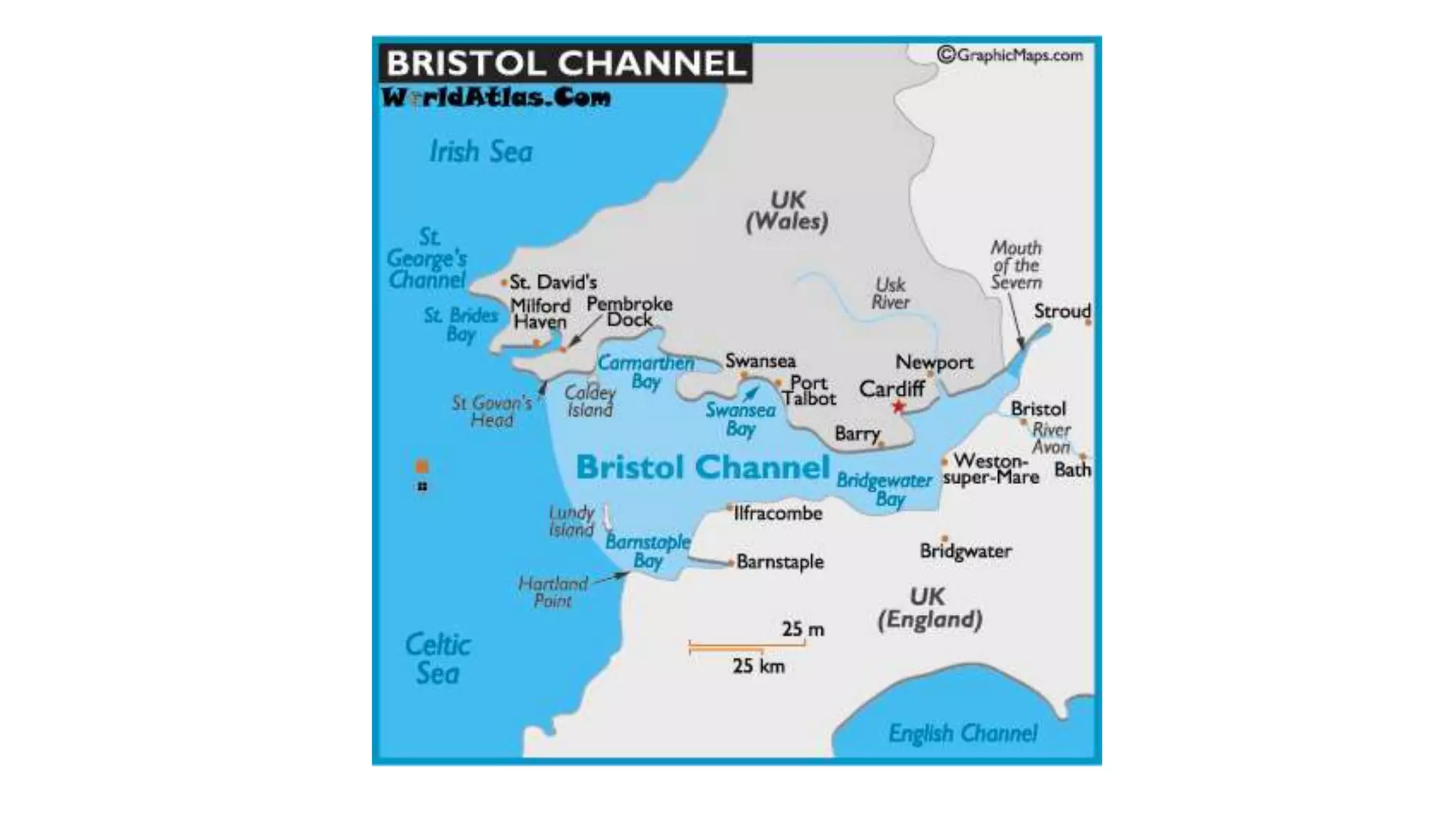
In Britain, ice covered land as far as the Bristol Channel.
During the last ice age the temperature remained below 0°C
which allowed the ice to remain on the land all year.
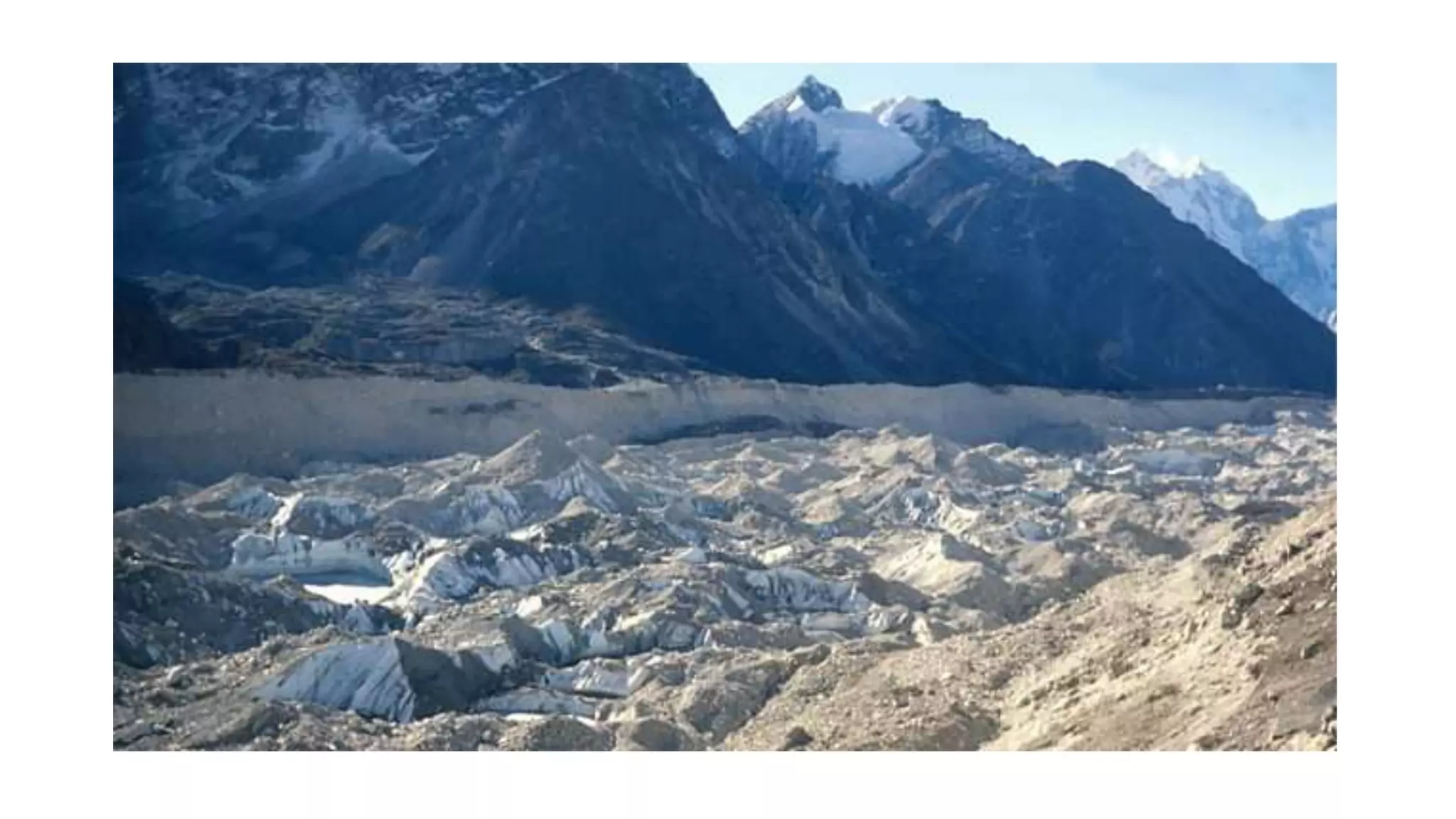
Glaciers once covered large areas of the Earth and shaped the
landscape around them.
The legacy of ancient glaciers lives on - for example in areas
such as the Lake District.
There are three processes by which glaciation affects the
landscape - erosion, transportation, and deposition.
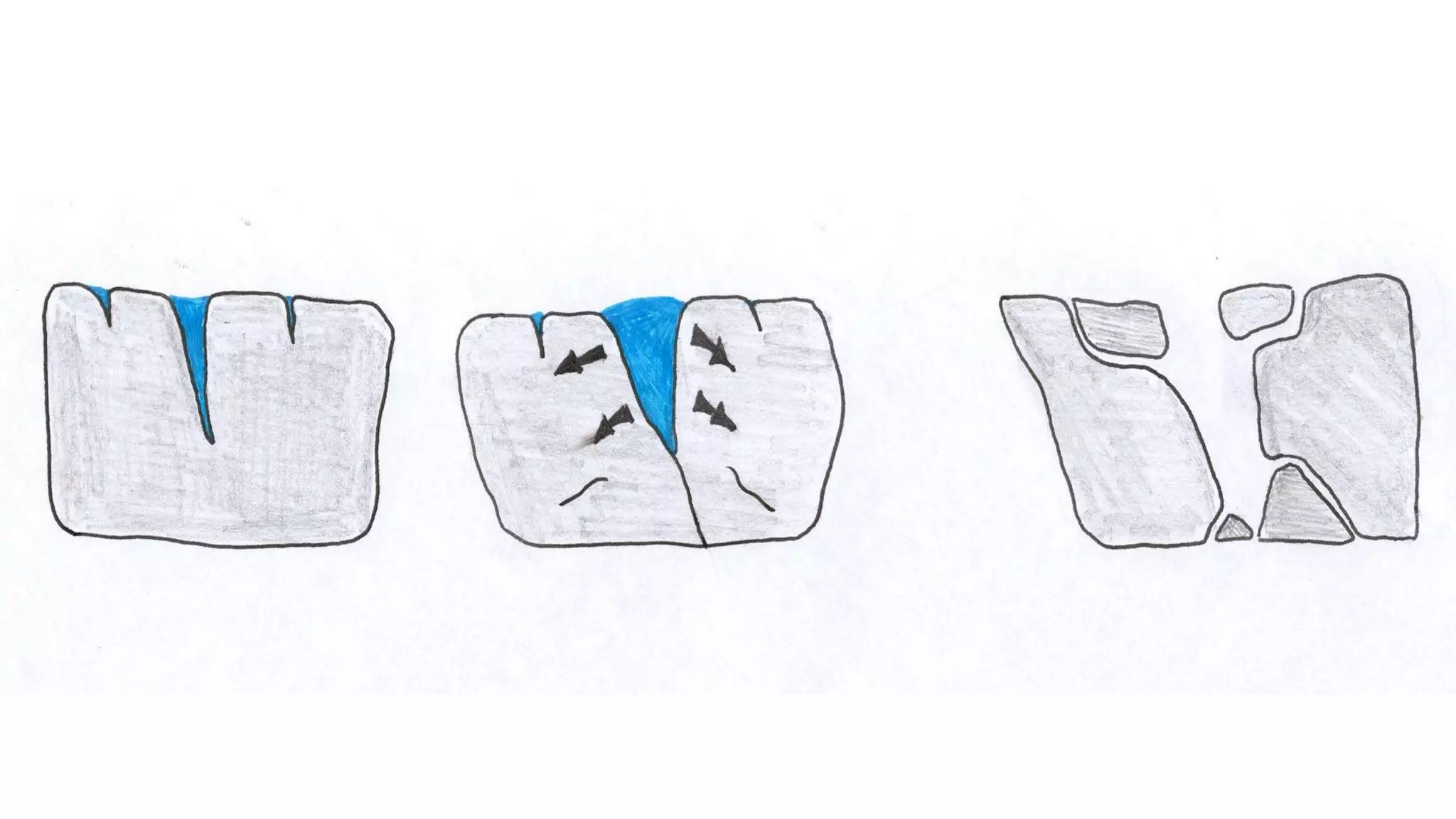
The predominant process is freeze-thaw weathering.
Freeze-thaw describes the action of glacial meltwater on joints,
cracks and hollows in rock.
When the temperature reaches freezing point, the water inside
cracks freezes, expands and causes the cracks to widen.
When the temperature rises, the water thaws and contracts.
This eventually causes rocks to break up.
For freeze-thaw to take effect, the air temperature needs to
fluctuate around freezing point.
Freeze-thaw weathering produces angular rock fragments.
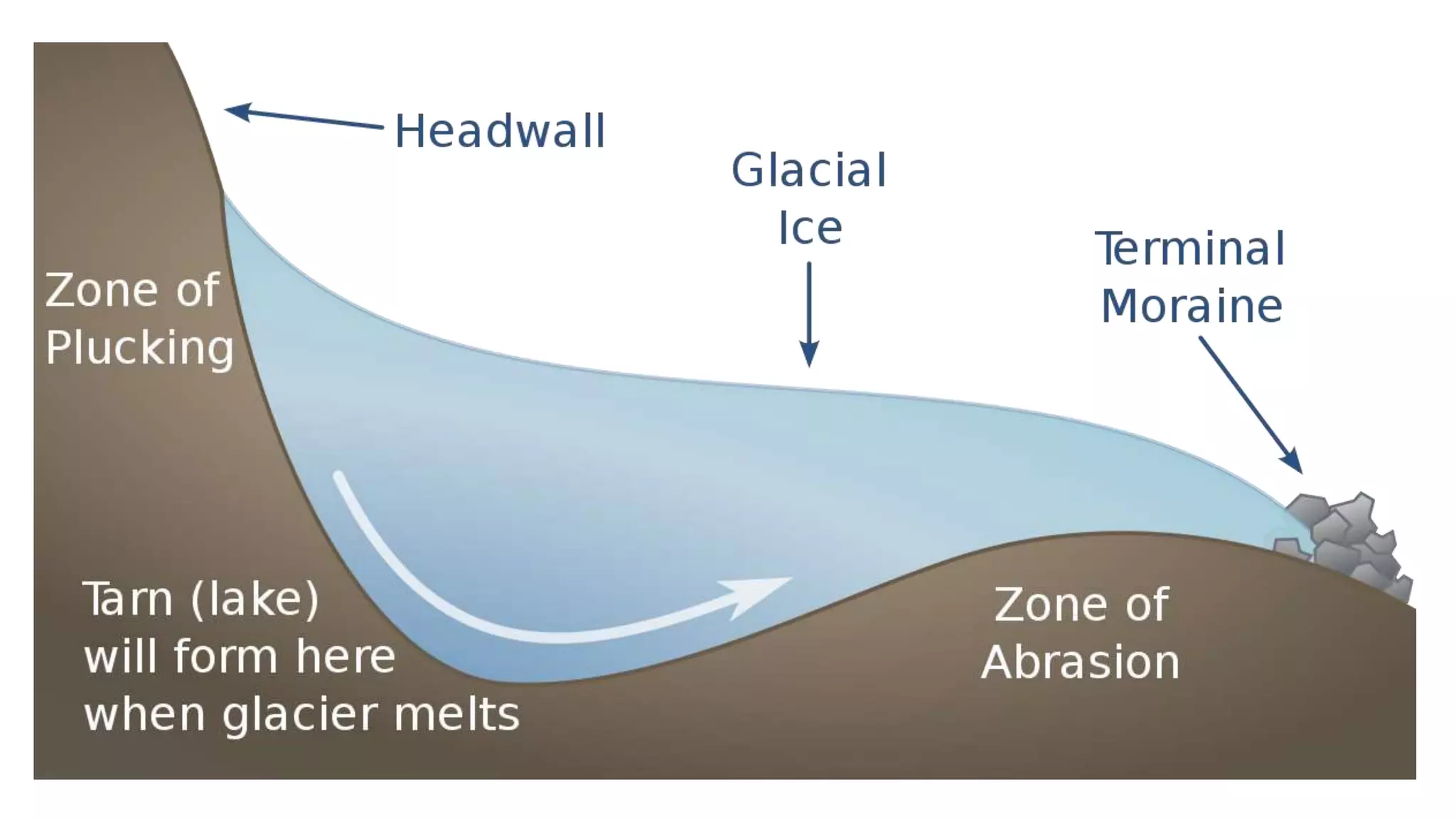
Plucking occurs when rocks and stones become frozen to the
base or sides of the glacier and are plucked from the ground or
rock face as the glacier moves.
This leaves behind a jagged landscape.
Abrasion occurs when rocks and stones become embedded in
the base and sides of the glacier.
These are then rubbed against the bedrock (at the bottom of
the glacier) and rock faces (at the sides of the glacier) as the
glacier moves.
GEOGRAPHY YEAR 10: GLACIAL LANDSCAPE. GLACIATION.

GEOGRAPHY YEAR 10: GLACIAL LANDSCAPE. GLACIATION.

  • 1.
    YEAR 10 GEOGRAPHY GLACIALLANDSCAPE 12. GLACIATION
  • 2.
    Ice covered 30per cent of the world's land 18,000 years ago. The formation of glaciers and the process by which they shape the landscape around them is called glaciation.
  • 4.
    In Britain, icecovered land as far as the Bristol Channel. During the last ice age the temperature remained below 0°C which allowed the ice to remain on the land all year.
  • 6.
    Glaciers once coveredlarge areas of the Earth and shaped the landscape around them. The legacy of ancient glaciers lives on - for example in areas such as the Lake District. There are three processes by which glaciation affects the landscape - erosion, transportation, and deposition.
  • 8.
    The predominant processis freeze-thaw weathering. Freeze-thaw describes the action of glacial meltwater on joints, cracks and hollows in rock. When the temperature reaches freezing point, the water inside cracks freezes, expands and causes the cracks to widen. When the temperature rises, the water thaws and contracts. This eventually causes rocks to break up. For freeze-thaw to take effect, the air temperature needs to fluctuate around freezing point. Freeze-thaw weathering produces angular rock fragments.
  • 10.
    Plucking occurs whenrocks and stones become frozen to the base or sides of the glacier and are plucked from the ground or rock face as the glacier moves. This leaves behind a jagged landscape. Abrasion occurs when rocks and stones become embedded in the base and sides of the glacier. These are then rubbed against the bedrock (at the bottom of the glacier) and rock faces (at the sides of the glacier) as the glacier moves.