SYEDA AMBER FATIMA
2140
MAM JAVERIA ATTA
Formation of three germ layers occur and primary
organ rudiments.
CLEAVAGE
The act of dividing cell in the early embryo.
1. Sea urchin eggs are treated with the
parthogenetic agents which causes activation of
eggs.
2. cleavage leads to morula stage
3. irregular blastula
4. mRNA production
5. Uridine labeled recording and measurement.10
fold increase within hour in the frog xenopus
laevis.
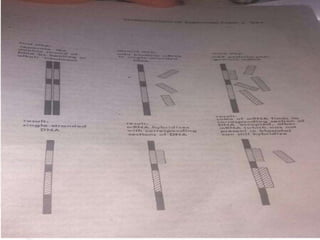
1. sample of mRNA is mixed with the DNA , the RNA
molecule will hybridize with the corresponding
sections of the DNA.
2. An alternative method is also used in which both
samples of mRNA are added to same preparation
of dna at a time.if similar mRNA moleculse are in
the two samples they will compete and
proportion of molecules hybridizing with the
DNA is reduced in diiferent case hybridization is
not inhibited.
1. Using first variation,it was found that previous
hybridization with blastula mRNA reduces
subsequent binding of mRNA from late gastrula
less than previous hybridization with late
gastrula.reason was that the gatrula mRNA was
different from blastula mRNA and they occupied
another position on the DNA.
2. this means that some of genes are activated now
in gastrula stage.
1. proof of new kind of mRNA is provided by protein
synthesis.
2. Immunology method is applied to prove that .
3. different antibodies are produced which were
not present before.
1. firstly, protein is passed from gel in which pH is
maintained 3.5 to 10.5 in “isoelectrical focusing”
proteins migrate according to charge.
2. then mixture is applied with acrylamide and
sodium dodecyl sulphate and their migration is
dependent upon molecular weight.
3. so proteins are distributed.
1. In one experiment using this method, mRNA was
extracted from the xenopus embryos in mid cleavage
stage and in mid gastrula stage.
2. mRNAs were then allowed to protein synthesis in vitro,
with amino acids containing reticulocyte lysate
medium.flourograms were obtained showed that two
spots were same were present in both stages and
different showing that they were not present before.
3. gastrula flourogram was obtained in shorter time
1. new kinds of mRNA,tRNA and rRNA were
produced.
2. if one of factor is excluded what will be effect?
3. in mutated xenopus section of DNA coding for
the rRNA is missing.Individuals were devoid of
nucleoli, no ribosomes and no protein synthesis.
1. the mutation can be perpetuated by the
heterozygous state,in which the non mutant
chromosme set provides the locus for rRNA
transcription and thus for protein synthesis.
2. Homozygous individuals ,produced by two
heterozygous parents, start their lives normally,
since enough ribosomes are supplied in the egg
by the heterozygous genotype of the female to
take embryo through cleavage and early
gastrulation stages.
1. The production of new rRNA and thus of new
ribosomes can not takes place.
2. protein synthesis as a result slow to halt and
embryo die in the early tadpole stage.
Gene activity during gastrulation

Gene activity during gastrulation

  • 2.
  • 4.
    Formation of threegerm layers occur and primary organ rudiments. CLEAVAGE The act of dividing cell in the early embryo.
  • 5.
    1. Sea urchineggs are treated with the parthogenetic agents which causes activation of eggs. 2. cleavage leads to morula stage 3. irregular blastula 4. mRNA production 5. Uridine labeled recording and measurement.10 fold increase within hour in the frog xenopus laevis.
  • 6.
    1. sample ofmRNA is mixed with the DNA , the RNA molecule will hybridize with the corresponding sections of the DNA. 2. An alternative method is also used in which both samples of mRNA are added to same preparation of dna at a time.if similar mRNA moleculse are in the two samples they will compete and proportion of molecules hybridizing with the DNA is reduced in diiferent case hybridization is not inhibited.
  • 8.
    1. Using firstvariation,it was found that previous hybridization with blastula mRNA reduces subsequent binding of mRNA from late gastrula less than previous hybridization with late gastrula.reason was that the gatrula mRNA was different from blastula mRNA and they occupied another position on the DNA. 2. this means that some of genes are activated now in gastrula stage.
  • 9.
    1. proof ofnew kind of mRNA is provided by protein synthesis. 2. Immunology method is applied to prove that . 3. different antibodies are produced which were not present before.
  • 10.
    1. firstly, proteinis passed from gel in which pH is maintained 3.5 to 10.5 in “isoelectrical focusing” proteins migrate according to charge. 2. then mixture is applied with acrylamide and sodium dodecyl sulphate and their migration is dependent upon molecular weight. 3. so proteins are distributed.
  • 11.
    1. In oneexperiment using this method, mRNA was extracted from the xenopus embryos in mid cleavage stage and in mid gastrula stage. 2. mRNAs were then allowed to protein synthesis in vitro, with amino acids containing reticulocyte lysate medium.flourograms were obtained showed that two spots were same were present in both stages and different showing that they were not present before. 3. gastrula flourogram was obtained in shorter time
  • 12.
    1. new kindsof mRNA,tRNA and rRNA were produced. 2. if one of factor is excluded what will be effect? 3. in mutated xenopus section of DNA coding for the rRNA is missing.Individuals were devoid of nucleoli, no ribosomes and no protein synthesis.
  • 13.
    1. the mutationcan be perpetuated by the heterozygous state,in which the non mutant chromosme set provides the locus for rRNA transcription and thus for protein synthesis. 2. Homozygous individuals ,produced by two heterozygous parents, start their lives normally, since enough ribosomes are supplied in the egg by the heterozygous genotype of the female to take embryo through cleavage and early gastrulation stages.
  • 14.
    1. The productionof new rRNA and thus of new ribosomes can not takes place. 2. protein synthesis as a result slow to halt and embryo die in the early tadpole stage.