Game Concept
Design of Computer Games
Martin Sillaots
Aug 6 2019
# 4
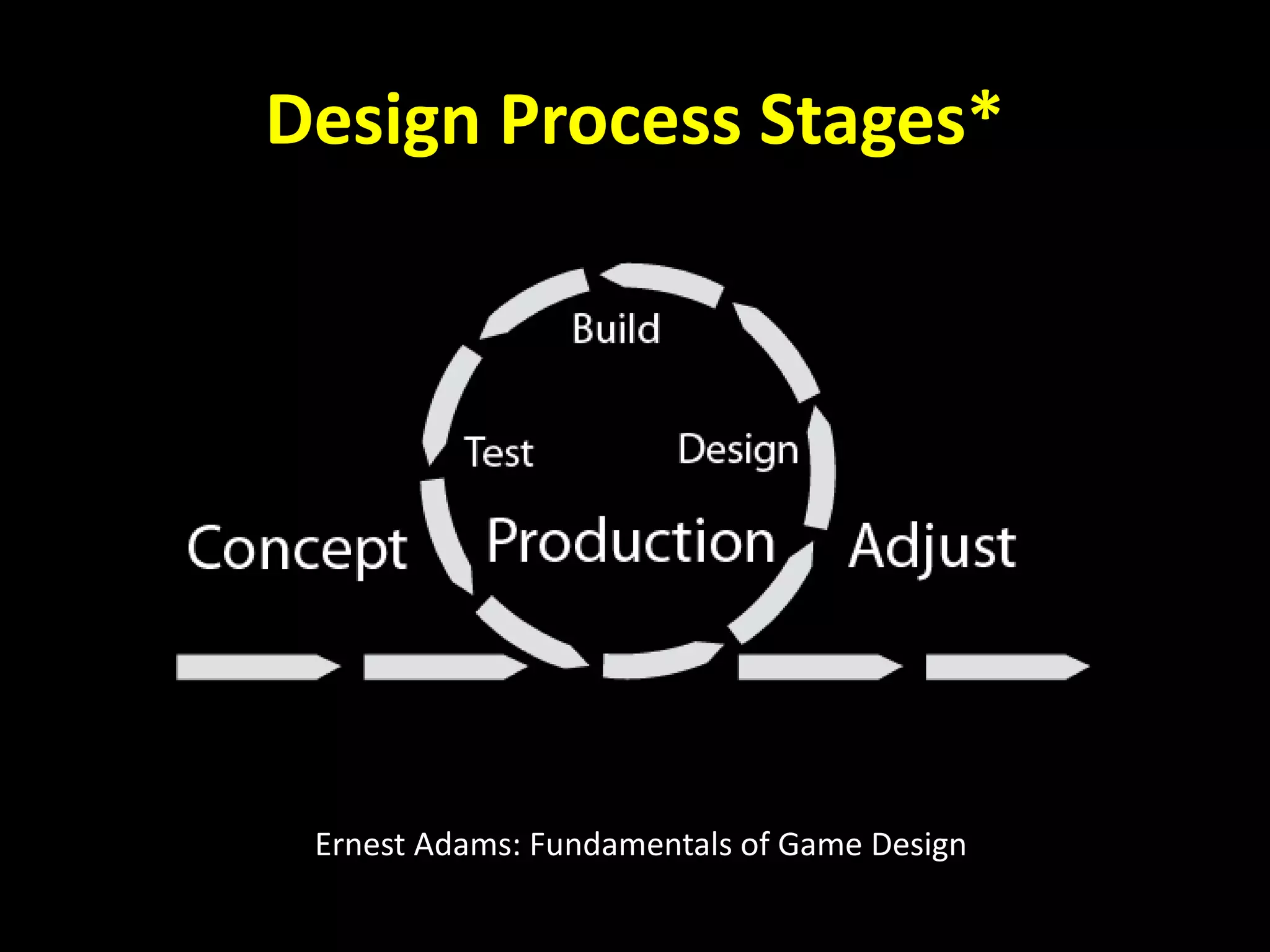
Design Process Stages*
Ernest Adams: Fundamentals of Game Design
Game Concept
General idea how to entertain?
Also first game design document
And a first stage of game design process
Game Concept Document
• Description
• Players role
• Gameplay mode
• Genre
• Target audience
• Hardware platform
• Competition -
Collaboration mode
• Game world
• License
• Unique selling points
• Marketing strategy
Game Concept Description
• Game idea
• Progression
• Ideas for levels, missions, story
Players Role
• Avatar
• Role
• Back story
• Overall activities
Gameplay Modes
• Gameplay
– Challenges
– Actions
• Different phases (scenes) in the game
• Limited actions in scenes
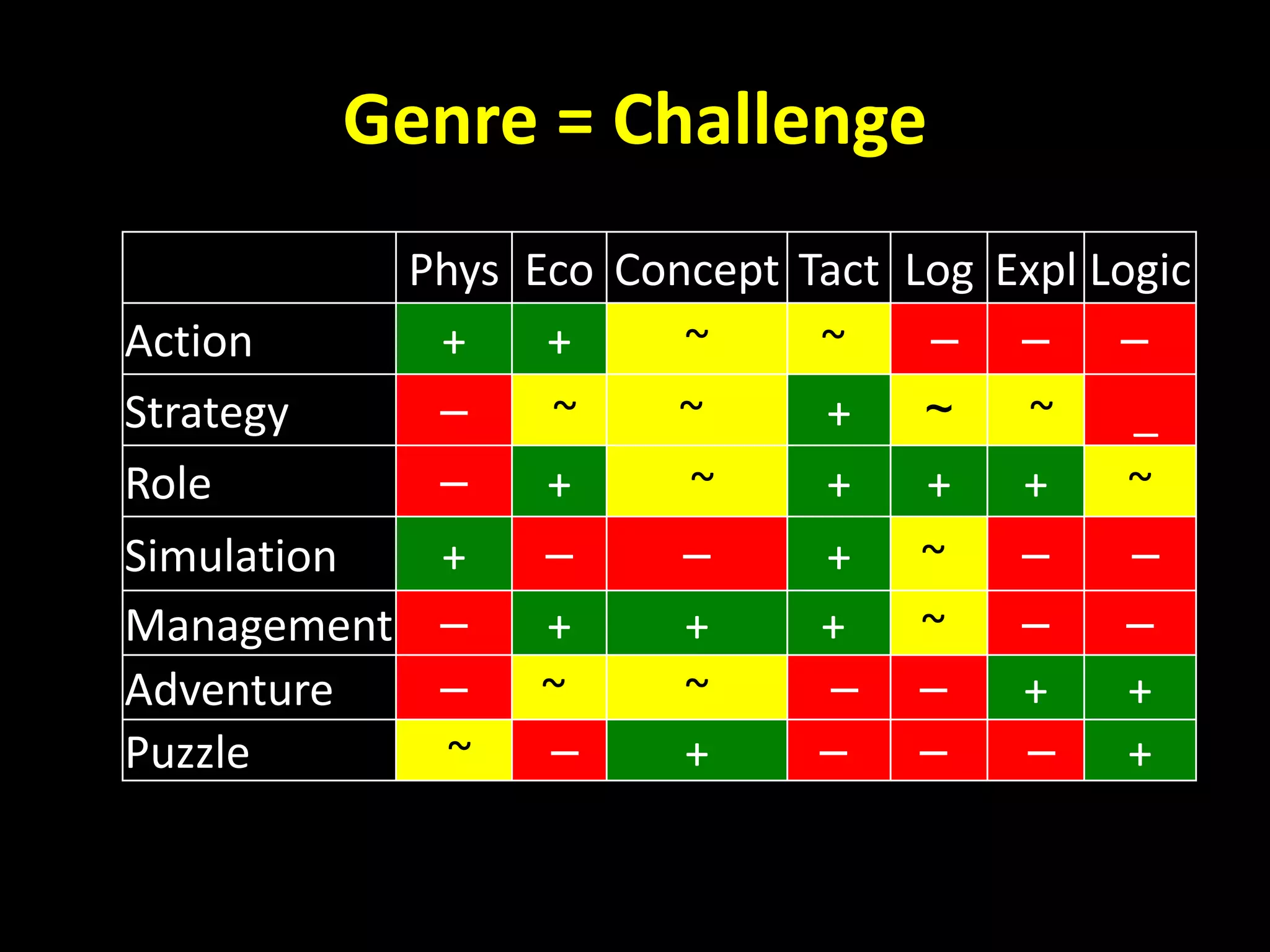
Genre = Challenge
Phys Eco Concept Tact Log Expl Logic
Action + + ~ ~ – – –
Strategy – ~ ~ + ~ ~ _
Role – + ~ + + + ~
Simulation + – – + ~ – –
Management – + + + ~ – –
Adventure – ~ ~ – – + +
Puzzle ~ – + – – – +
General Challenges
• Physical coordination – e.g. hand-eye coordination
• Economic – accumulating resources
• Conceptual Reasoning (puzzle) – e.g. puzzles where
external knowledge is needed
• Tactical or strategy - planning, systematic reasoning,
guessing, probability (RTS), executing plan, respond
unexpected events,
• Logistic - supporting execution (weapon production,
food, what to carry?)
• Exploration – finding hidden objects
• Formal logic (puzzle) – e.g. puzzles where no
additional information needed
Target Audience
• Player characteristics
• What challenges they enjoy?
• Hardcore or casual
• Men or women
• Children or adult
• Boy or Girl
• Special needs
• Culture background
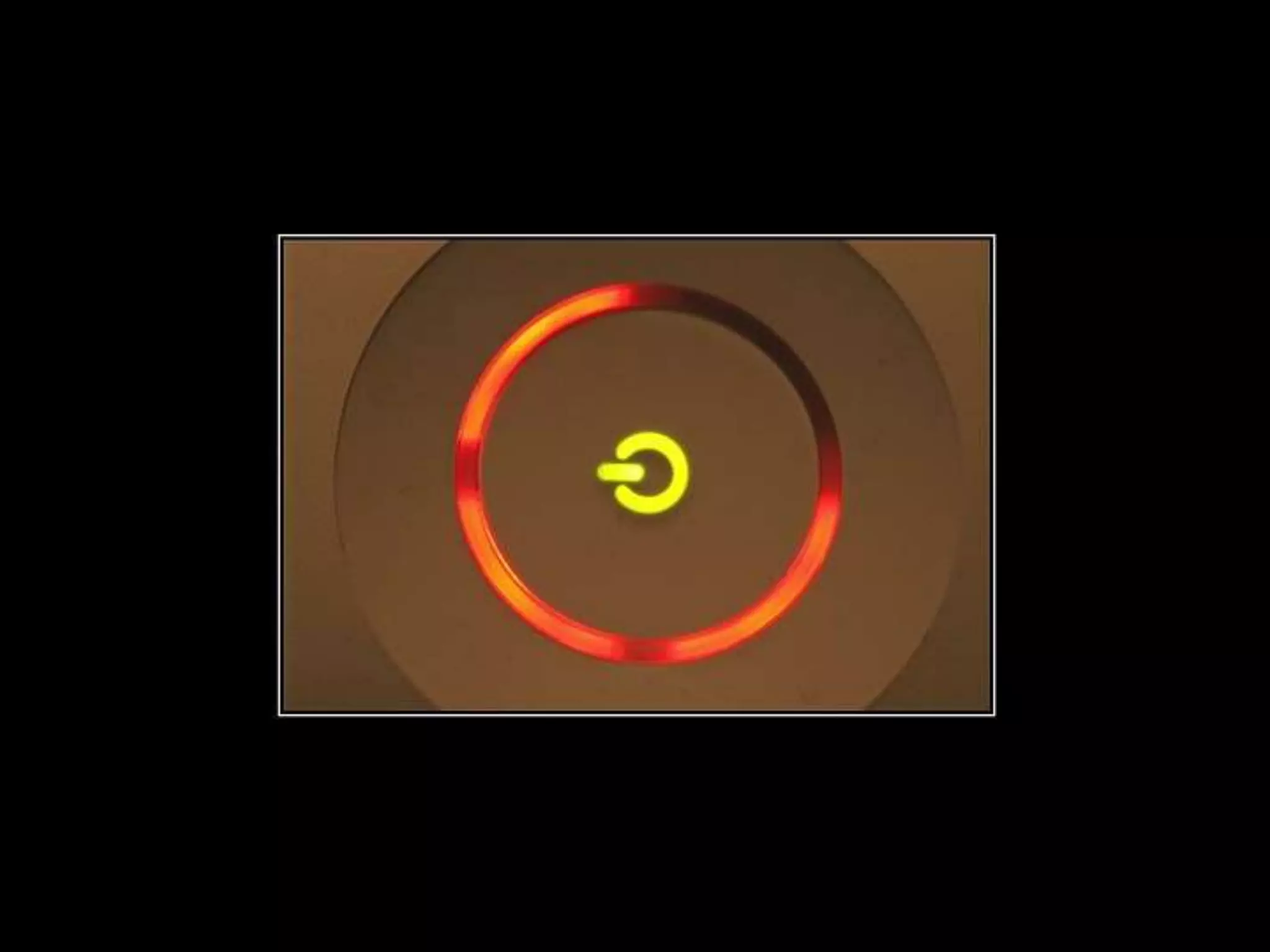
Hardcore Player
motivateasnot.com
Game Platforms
• TV consoles
• PC
• Online
• Handhelds
• Smart phone
• Other devices
• Multi-platform
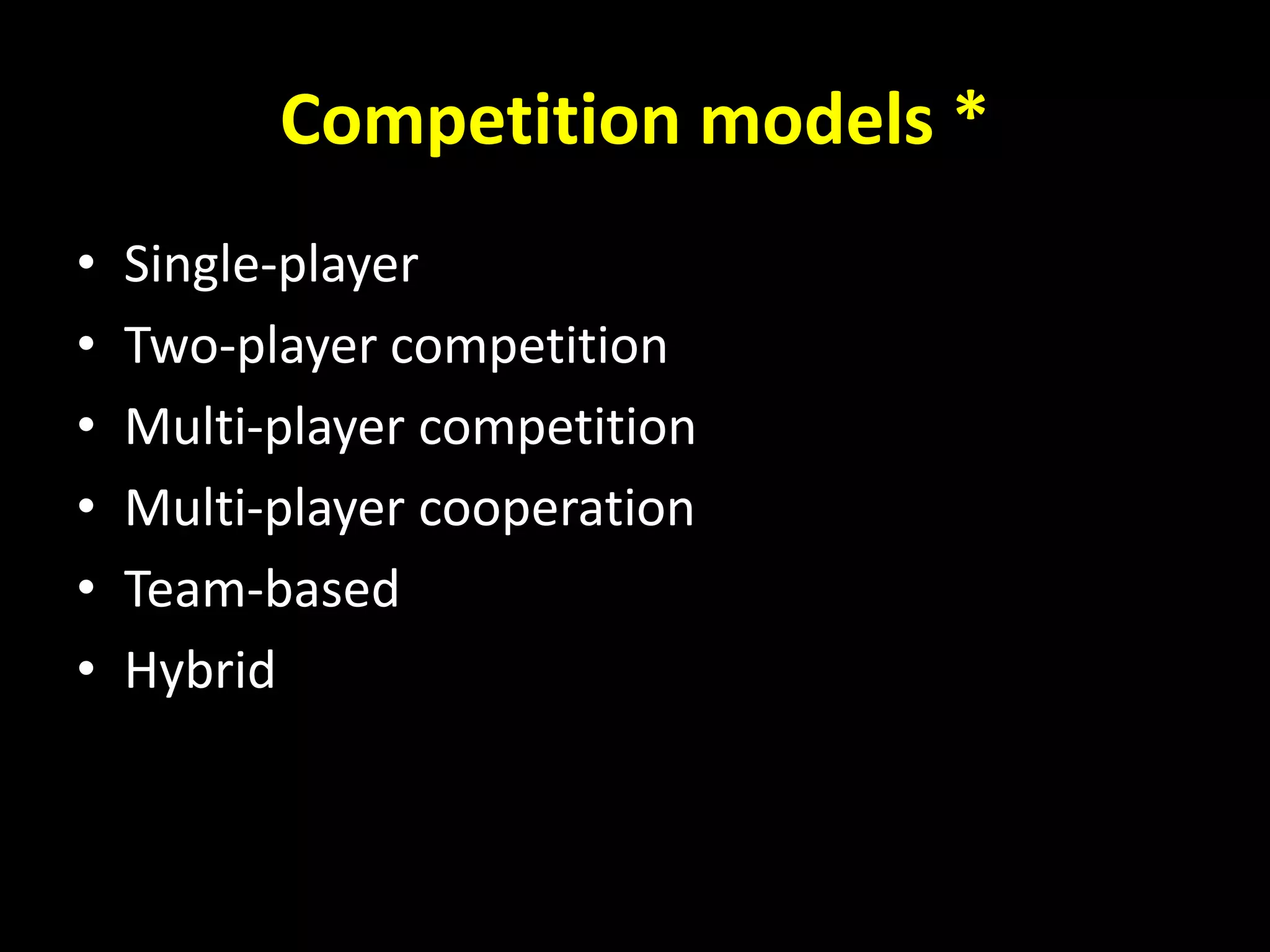
Competition models *
• Single-player
• Two-player competition
• Multi-player competition
• Multi-player cooperation
• Team-based
• Hybrid
Business Models
• Premium
• Fremium
– free to play
– in game purchases
– advergame
– pay to win
• Money tournaments
Marketing Strategy
• Product or Service
• Premium of Fremium
• Target audience - how to reach to them? *
• Platform *
• Geography – countries
• Budget - how much can be spent for marketing?
• Channels
• Measurement - what return you are getting from
various channels?
Mission # 4
Game Concept
Game Concept Mission Details
• ALL teams craft game concept document:
– Idea description
– Players role
– Gameplay main mode
– Genre
– Target audience
– Hardware platform
– Competition/Collaboration mode
– Game world
– Unique selling points
– Marketing strategy
• ALL teams will present concepts
Example
Time Mesh
e.g. Time Mesh Game Concept
• Idea – Game reality is different from the real reality.
Something went wrong in the history. Player has to go
back in time and find out what went wrong?
• Players’ role – Player has to go back in time and fix the
history. Avatar based game
• Challenges – Learn history, understand conditions, collect
information and objects, solve puzzles, …
• Actions – Walk, talk, pick up items, use items, …
• Genre – Adventure, 2D, 3rd person view
• Target audience – Primary school kids (6th – 9th grades)
• Hardware platform – Online
• Competition mode – Single player
• Game world – e.g. WW2 40’s + WB rough stile
www.timemesh.eu
e.g. Time Mesh Game World
Game Concept

Game Concept

  • 1.
    Game Concept Design ofComputer Games Martin Sillaots Aug 6 2019 # 4
  • 2.
    Design Process Stages* ErnestAdams: Fundamentals of Game Design
  • 3.
    Game Concept General ideahow to entertain? Also first game design document And a first stage of game design process
  • 4.
    Game Concept Document •Description • Players role • Gameplay mode • Genre • Target audience • Hardware platform • Competition - Collaboration mode • Game world • License • Unique selling points • Marketing strategy
  • 5.
    Game Concept Description •Game idea • Progression • Ideas for levels, missions, story
  • 6.
    Players Role • Avatar •Role • Back story • Overall activities
  • 7.
    Gameplay Modes • Gameplay –Challenges – Actions • Different phases (scenes) in the game • Limited actions in scenes
  • 8.
    Genre = Challenge PhysEco Concept Tact Log Expl Logic Action + + ~ ~ – – – Strategy – ~ ~ + ~ ~ _ Role – + ~ + + + ~ Simulation + – – + ~ – – Management – + + + ~ – – Adventure – ~ ~ – – + + Puzzle ~ – + – – – +
  • 9.
    General Challenges • Physicalcoordination – e.g. hand-eye coordination • Economic – accumulating resources • Conceptual Reasoning (puzzle) – e.g. puzzles where external knowledge is needed • Tactical or strategy - planning, systematic reasoning, guessing, probability (RTS), executing plan, respond unexpected events, • Logistic - supporting execution (weapon production, food, what to carry?) • Exploration – finding hidden objects • Formal logic (puzzle) – e.g. puzzles where no additional information needed
  • 10.
    Target Audience • Playercharacteristics • What challenges they enjoy? • Hardcore or casual • Men or women • Children or adult • Boy or Girl • Special needs • Culture background
  • 11.
  • 12.
    Game Platforms • TVconsoles • PC • Online • Handhelds • Smart phone • Other devices • Multi-platform
  • 13.
    Competition models * •Single-player • Two-player competition • Multi-player competition • Multi-player cooperation • Team-based • Hybrid
  • 14.
    Business Models • Premium •Fremium – free to play – in game purchases – advergame – pay to win • Money tournaments
  • 15.
    Marketing Strategy • Productor Service • Premium of Fremium • Target audience - how to reach to them? * • Platform * • Geography – countries • Budget - how much can be spent for marketing? • Channels • Measurement - what return you are getting from various channels?
  • 16.
  • 17.
    Game Concept MissionDetails • ALL teams craft game concept document: – Idea description – Players role – Gameplay main mode – Genre – Target audience – Hardware platform – Competition/Collaboration mode – Game world – Unique selling points – Marketing strategy • ALL teams will present concepts
  • 18.
  • 19.
    e.g. Time MeshGame Concept • Idea – Game reality is different from the real reality. Something went wrong in the history. Player has to go back in time and find out what went wrong? • Players’ role – Player has to go back in time and fix the history. Avatar based game • Challenges – Learn history, understand conditions, collect information and objects, solve puzzles, … • Actions – Walk, talk, pick up items, use items, … • Genre – Adventure, 2D, 3rd person view • Target audience – Primary school kids (6th – 9th grades) • Hardware platform – Online • Competition mode – Single player • Game world – e.g. WW2 40’s + WB rough stile
  • 20.

Editor's Notes

  • #3 Concept – general idea Production - elaboration Adjustment – tuning – feature lock – no new ideas
  • #4 General idea Document
  • #6 Idea – 2 – 3 Sentences Progression – game from beginning to end Levels – needed? Related? Story – needed? - Gameplay first (challenges, actions) - Story later
  • #7 Is it role centric game? If role is difficult to describe … concept can be wrong
  • #8 e.g. rally game - tuning, racing, …* One at the time
  • #9 Physical coordination – e.g. hand-eye coordination Economic – accumulating resources Conceptual Reasoning (puzzle) – e.g. puzzles where external knowledge is needed Tactical or strategy - planning, systematic reasoning vs chance, guessing, probability (RTS), executing plan, respond unexpected events, Logistic - supporting execution (Strategy - weapon production, not food. Role games - what to carry?) Exploration – finding hidden objects Formal logic (puzzle) – e.g. puzzles where no additional information needed
  • #11 Who will buy? Who will like? Try to be inclusive, not universal Hardcore – life stile, heavy challenges needed Casual – for fun, rapid progress needed (level of complex editable) Men – not so different Boy – girls like beautiful art work Special – games for autistic kids Culture – Asia
  • #13 TV consoles Player too far from the screen – small details not visible Simple graphics Multiplayer – same screen Motion Sensitive Controllers Les resources (RAM, CPU) than PC Bigger market Strict licensing and publishing policies PC Open platform High resolution Input device precise pointing Network Solitary use Compatibility problems Lot of resources (rich fast games) Smaller market Online Compatible to all PC-s Low resources (No 3D) Java, Actions script, Flash Handhelds PSP Smaller storage – limited artwork Focus on gameplay, then content License Smart phone Lack of standardisation (screens, processor, OS) Portable network play Licence not needed … Except Apple ???
  • #14 Eelmises esitluses räägitud Single-player - solitaire Two-player competition - checkers Multi-player competition - monopoly Multi-player cooperation – Lego star wars (2 player coo), Gauntle (4 player coo) Team-based - soccer Hybrid - diplomacy
  • #15 - Premium - product - Fremium - service