

From user research
to ideation

Workshop on fast paced,
guerrilla user research,
synthesis and ideation


Maruša Novak & Damjan Obal @ blok_blok / Mladi.info / Mb, October 2012
“The creation and synchronization
of the elements that affect users’
experience with a particular
company, with the intent of
influencing their perception and
behavior.”
                          Unger & Chandler
“The creation and synchronization
of the elements that affect users’

            UX
experience with a particular
company, with the intent of
influencing their perception and
behavior.”
                          Unger & Chandler
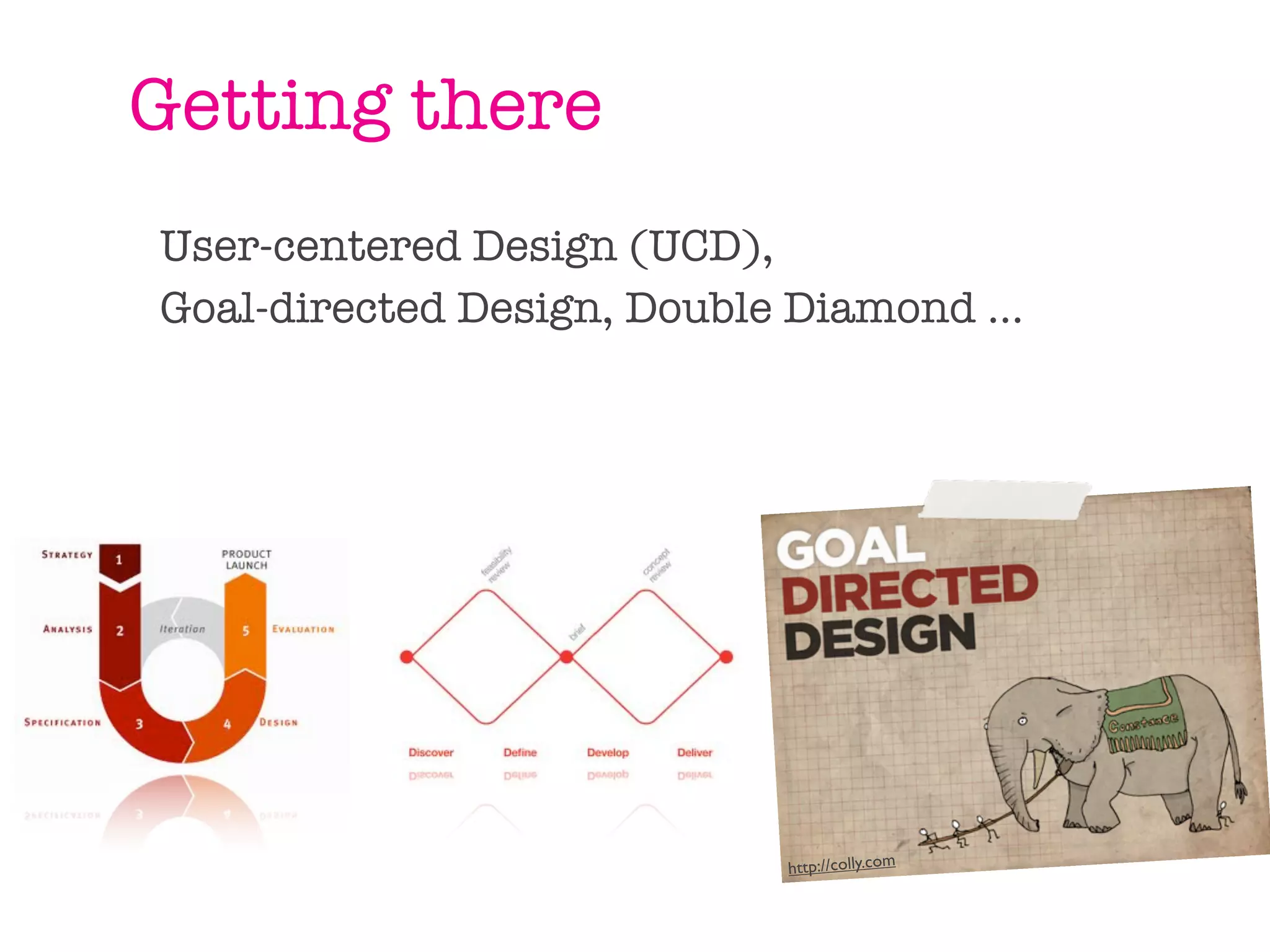
Getting there
User-centered Design (UCD),
Goal-directed Design, Double Diamond ...


                             http://colly.com
The Undercover Manifesto*
★ Introducing UX from the ground up
★ Change comes through small victories

★ Delivery, not deliverables

★ Good design today is better than great design


 next year
★ Working with people, not against them

★ Action, not words


                                     * Bowles & Box
The Undercover Manifesto*
★


                     r i lla
  Introducing UX from the ground up


         e         r
★ Change comes through small victories


       u
     g
★ Delivery, not deliverables

★ Good design today is better than great design


           I Y
 next year


          D
★ Working with people, not against them

★ Action, not words


                                     * Bowles & Box
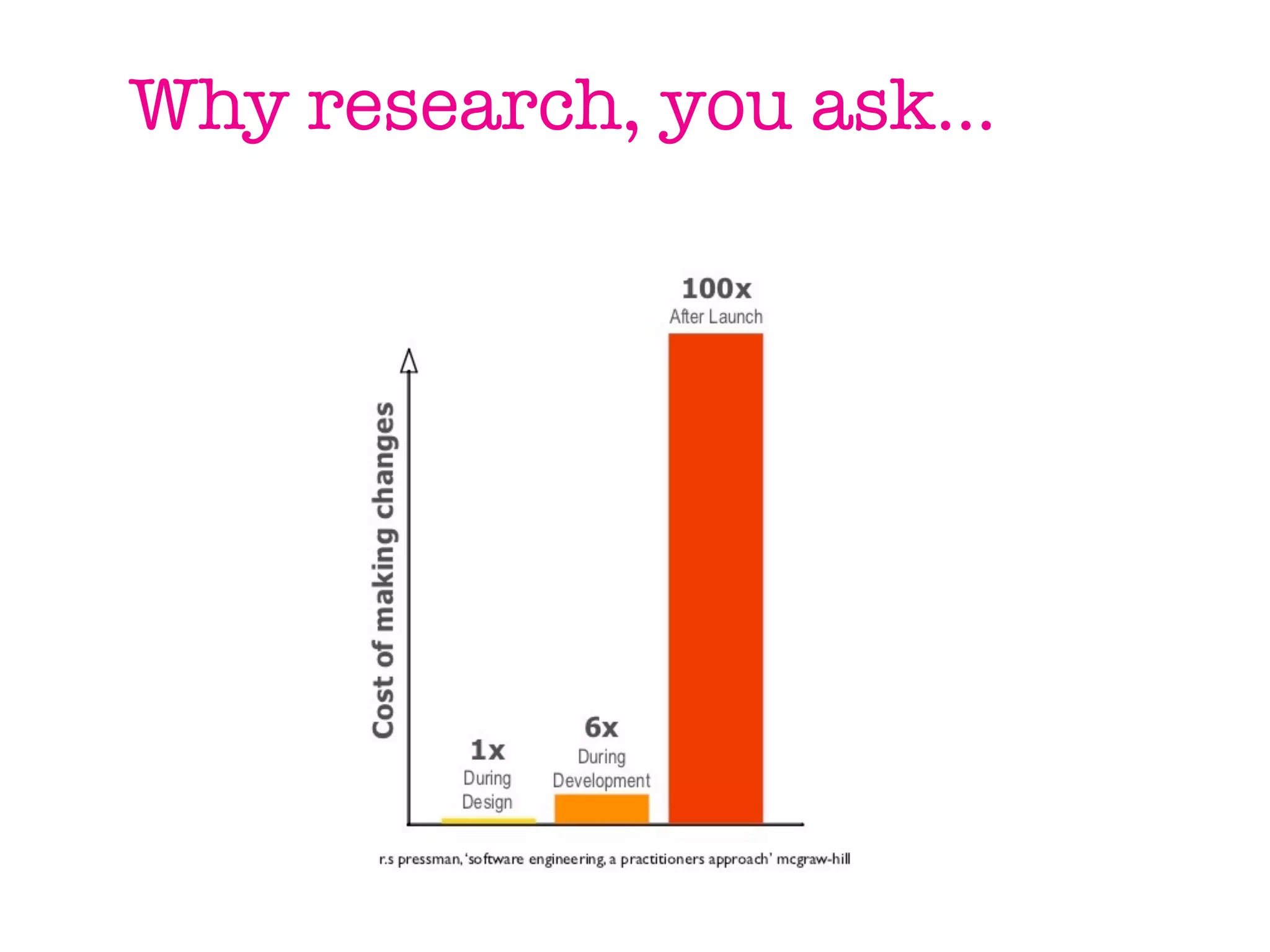
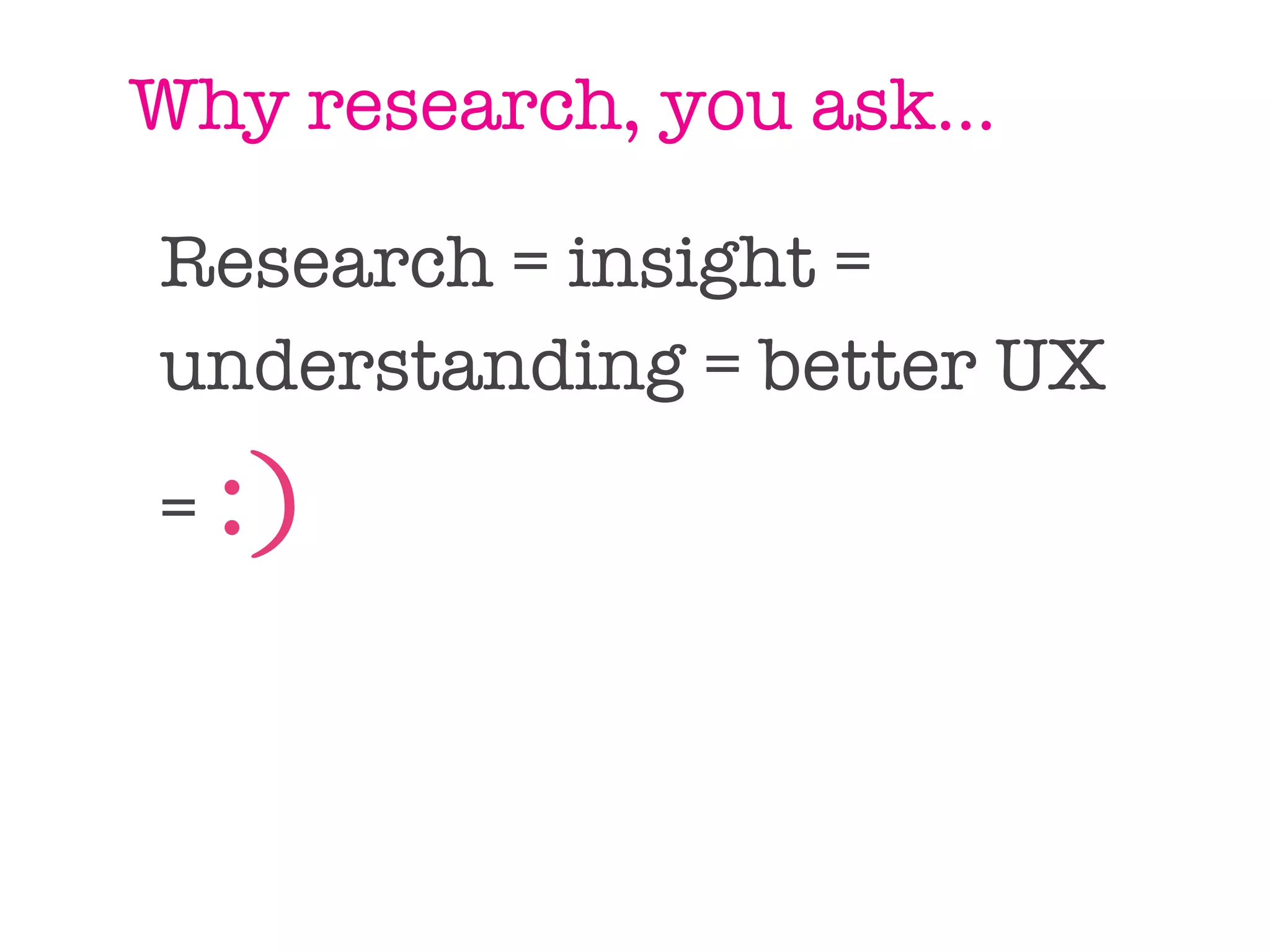
Why research, you ask...

Research = insight =
understanding = better UX
=   :)
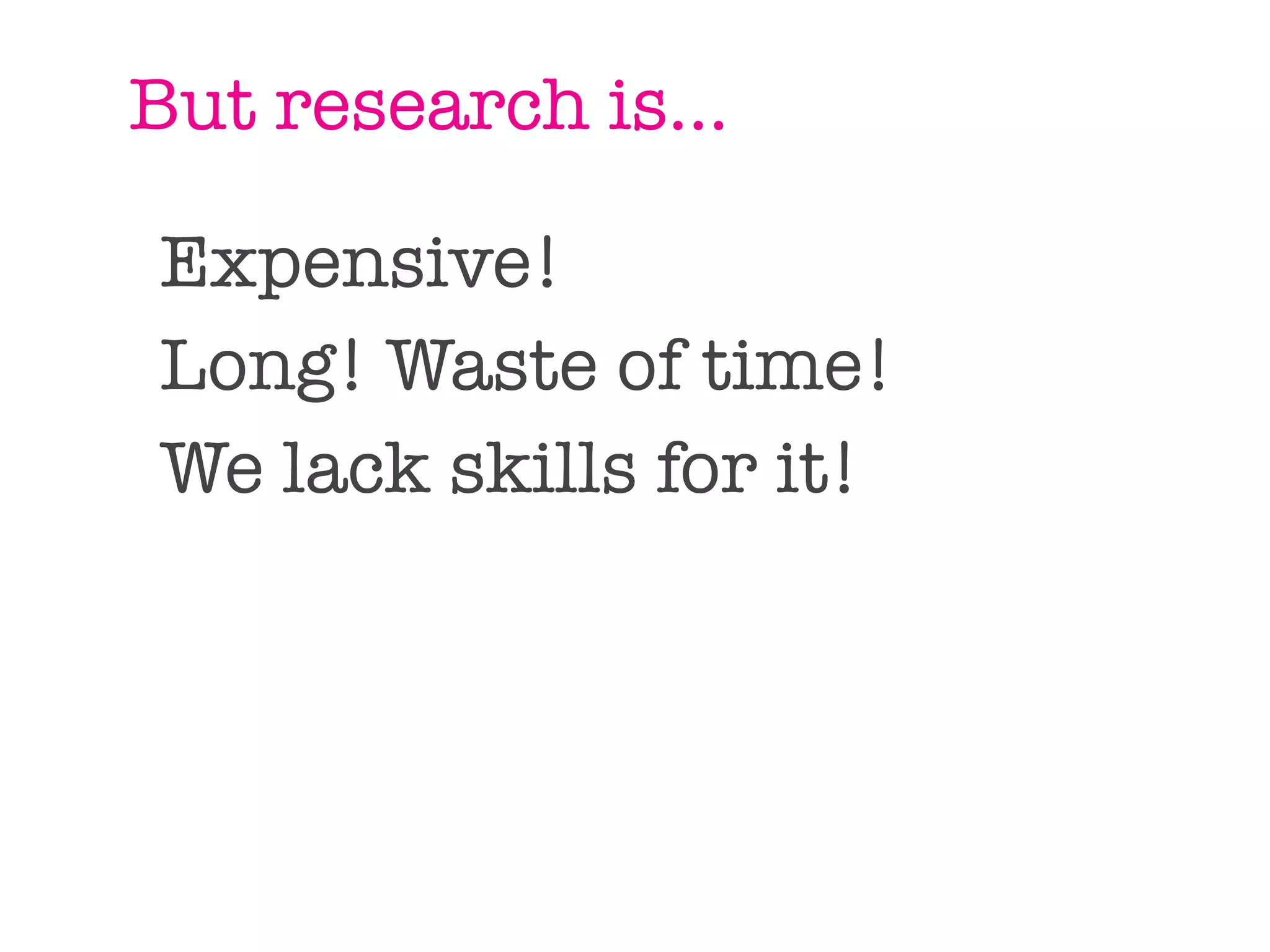
But research is...

Expensive!
Long! Waste of time!
We lack skills for it!
But research is...

Expensive!
          s it ?
        i
Long! Waste of time!
We lack skills for it!
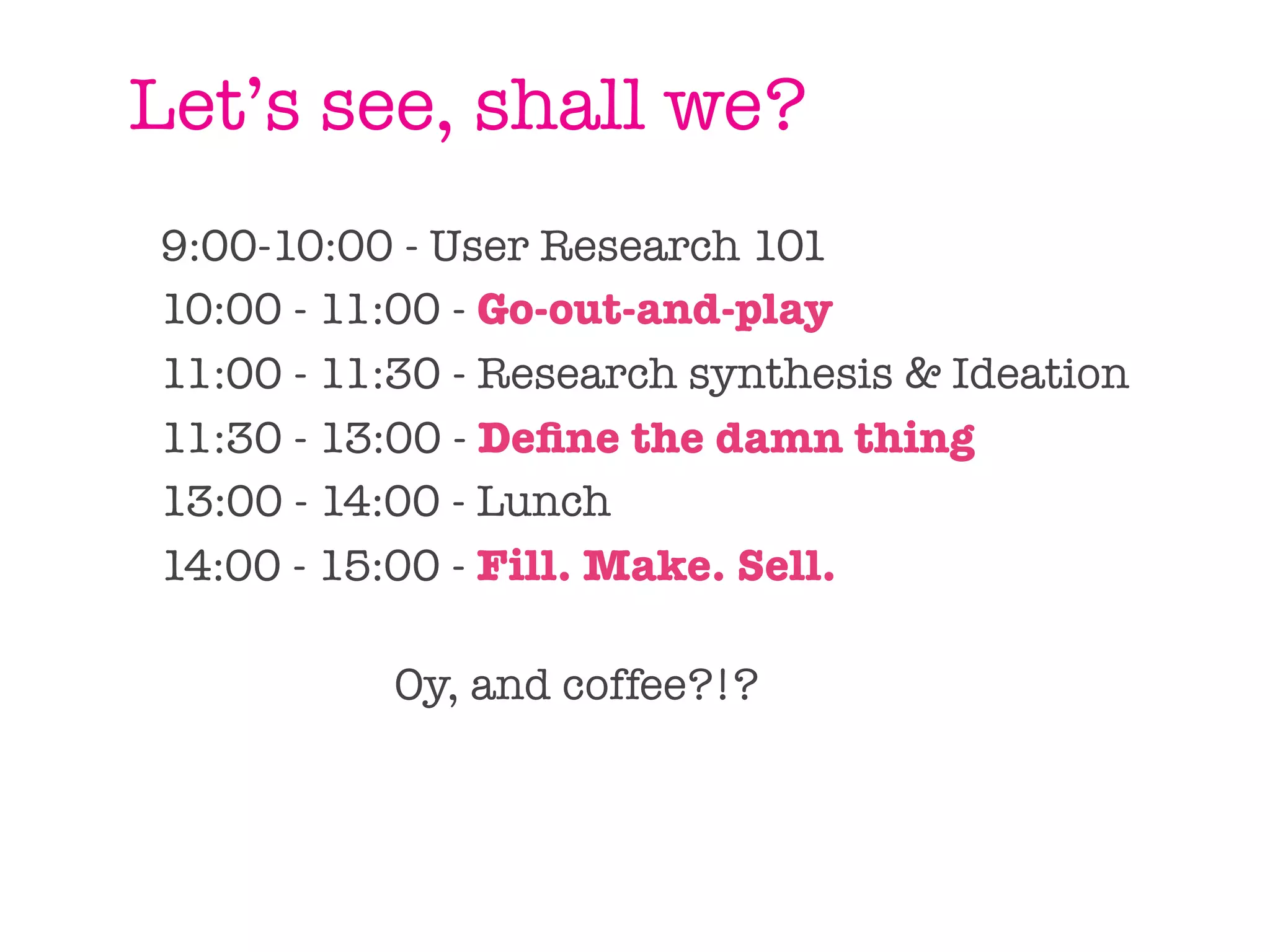
Let’s see, shall we?
9:00-10:00 - User Research 101
10:00 - 11:00 - Go-out-and-play
11:00 - 11:30 - Research synthesis & Ideation
11:30 - 13:00 - Define the damn thing
13:00 - 14:00 - Lunch
14:00 - 15:00 - Fill. Make. Sell.

          Oy, and coffee?!?
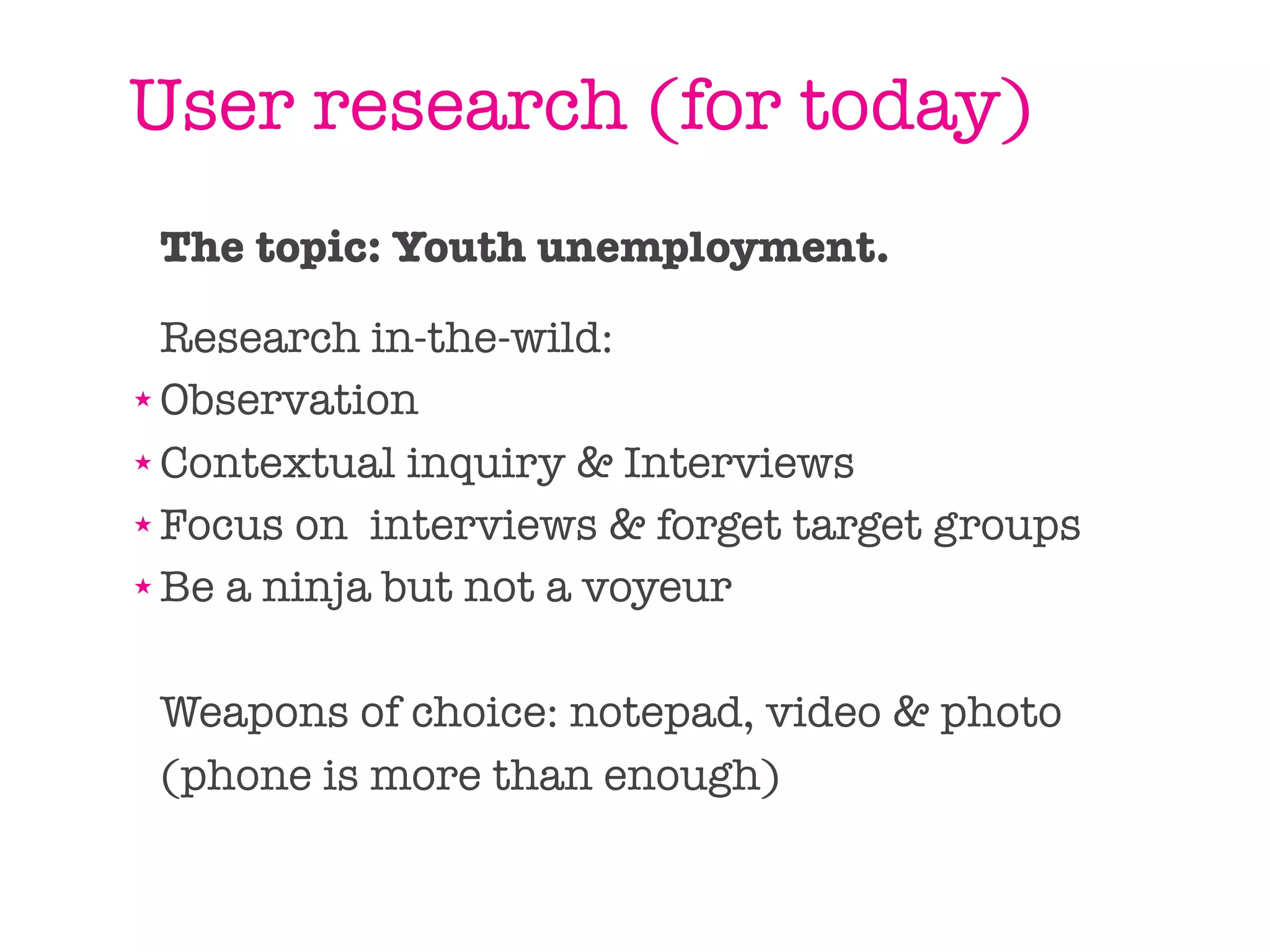
User research (for today)
 The topic: Youth unemployment.

  Research in-the-wild:
★ Observation

★ Contextual inquiry & Interviews

★ Focus on interviews & forget target groups

★ Be a ninja but not a voyeur


 Weapons of choice: notepad, video & photo
 (phone is more than enough)
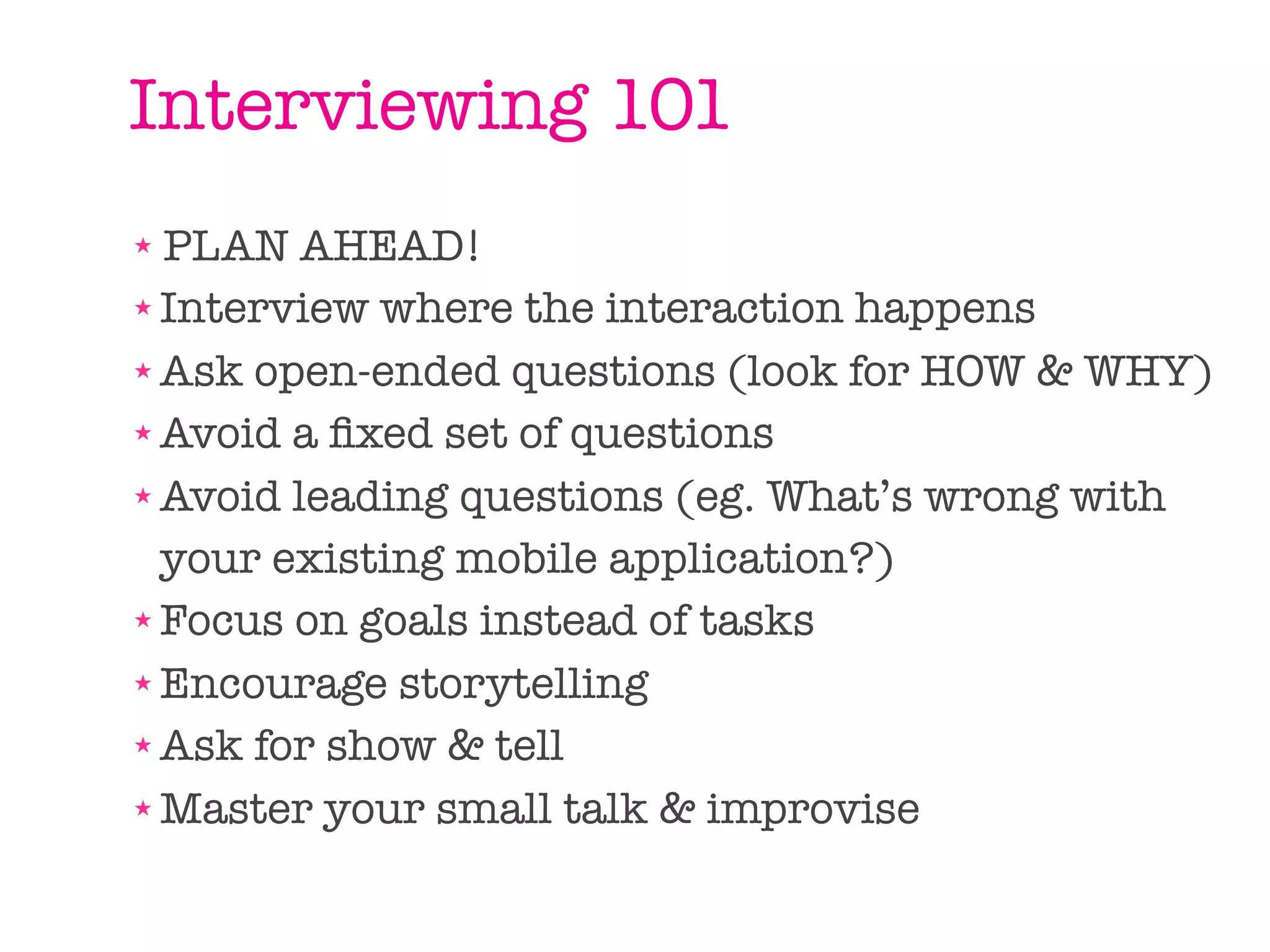
Interviewing 101
★ PLAN AHEAD!
★ Interview where the interaction happens

★ Ask open-ended questions (look for HOW & WHY)

★ Avoid a fixed set of questions

★ Avoid leading questions (eg. What’s wrong with


  your existing mobile application?)
★ Focus on goals instead of tasks

★ Encourage storytelling

★ Ask for show & tell

★ Master your small talk & improvise
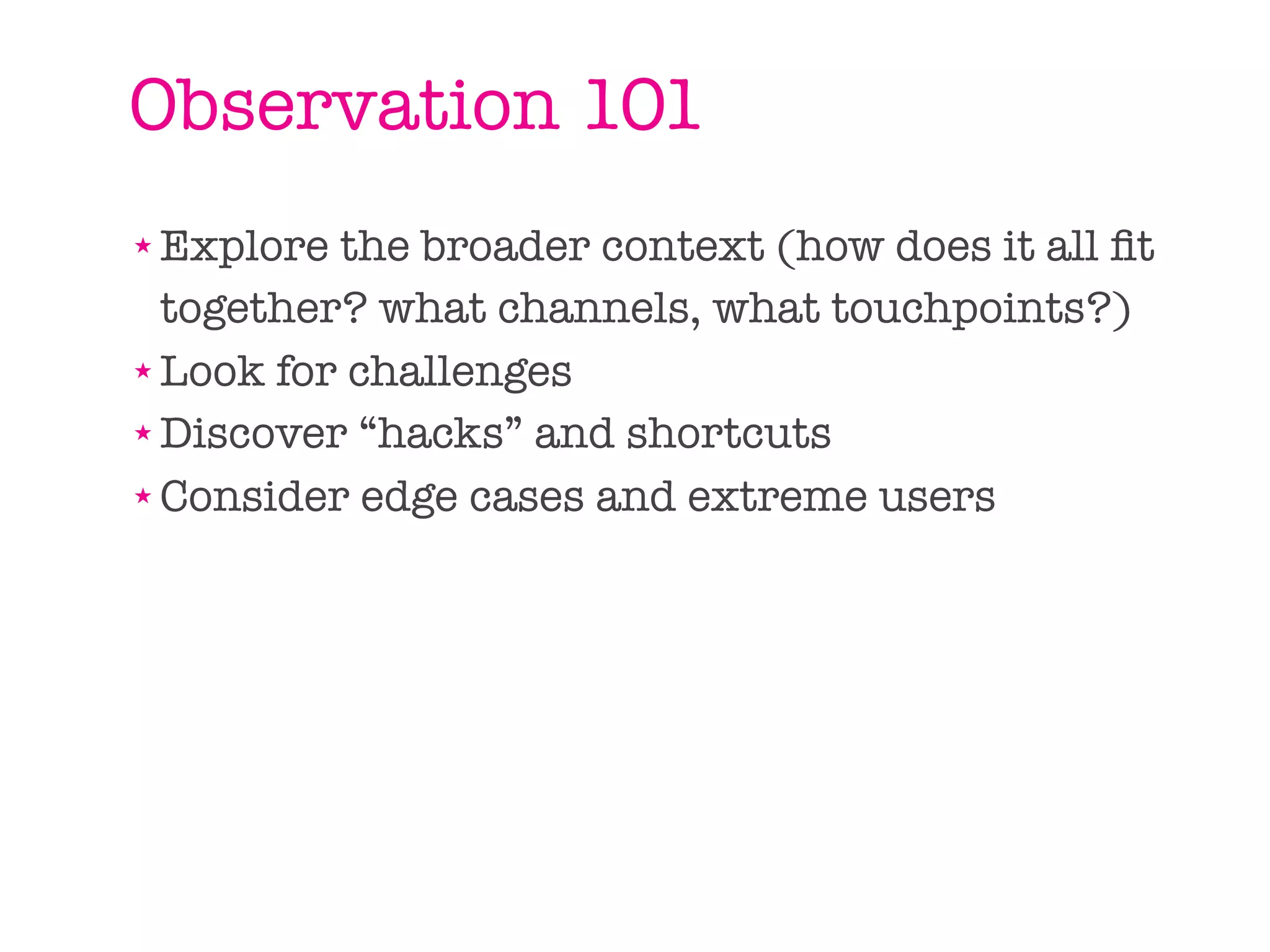
Observation 101
★ Explore the broader context (how does it all fit
  together? what channels, what touchpoints?)
★ Look for challenges

★ Discover “hacks” and shortcuts

★ Consider edge cases and extreme users
Observation 101

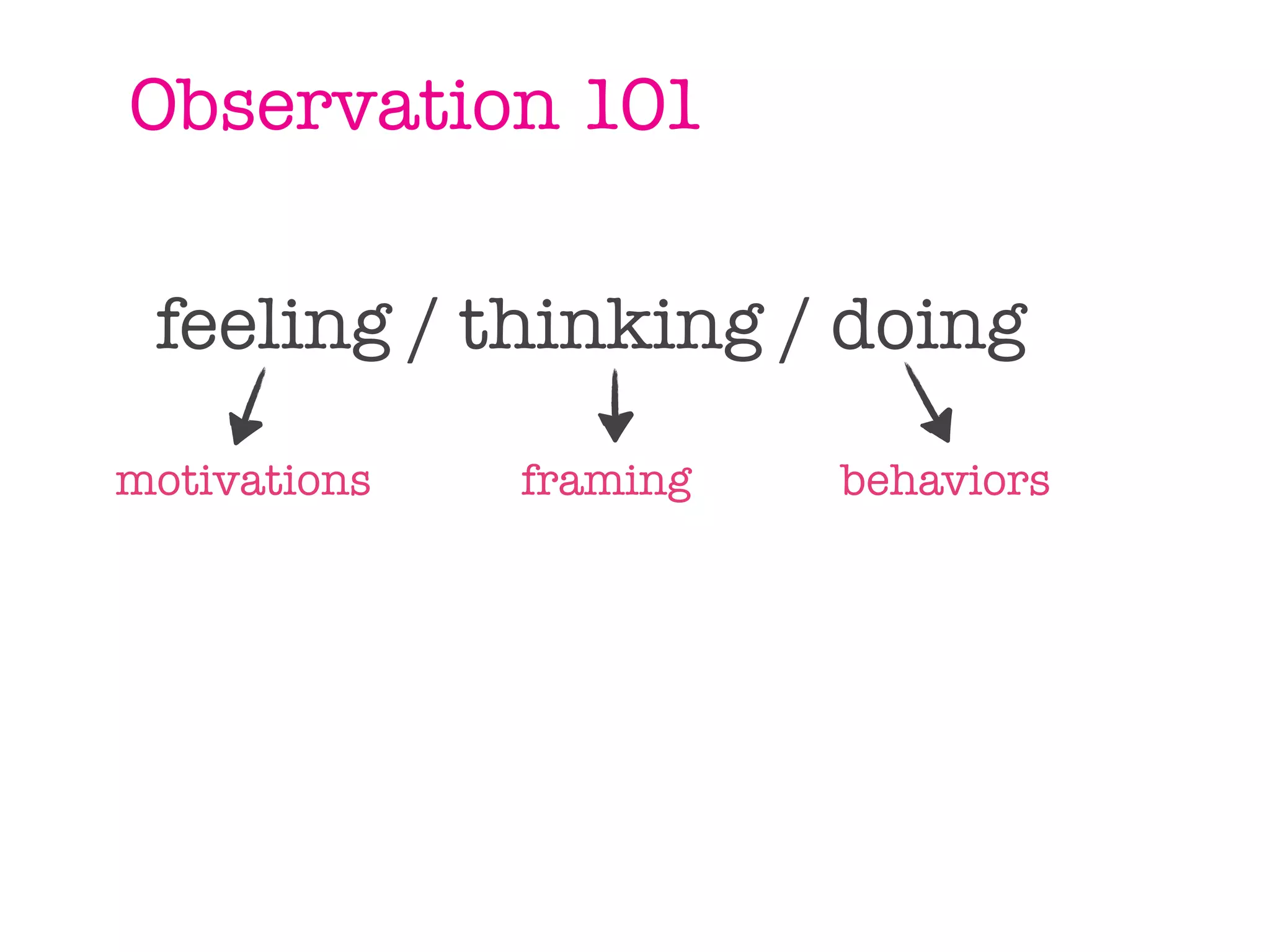
 feeling / thinking / doing
motivations   framing   behaviors
Your turn / Interview Exercise
Topic: What was your first working
experience like?
Time: 2 minute each
Roles: Interviewed / Interviewer / Observer
Your turn. Again.

Go out and play. Explore.
Observe. Talk. Interact.
Take notes. Discover.
& be back by 11:00
Get it all out
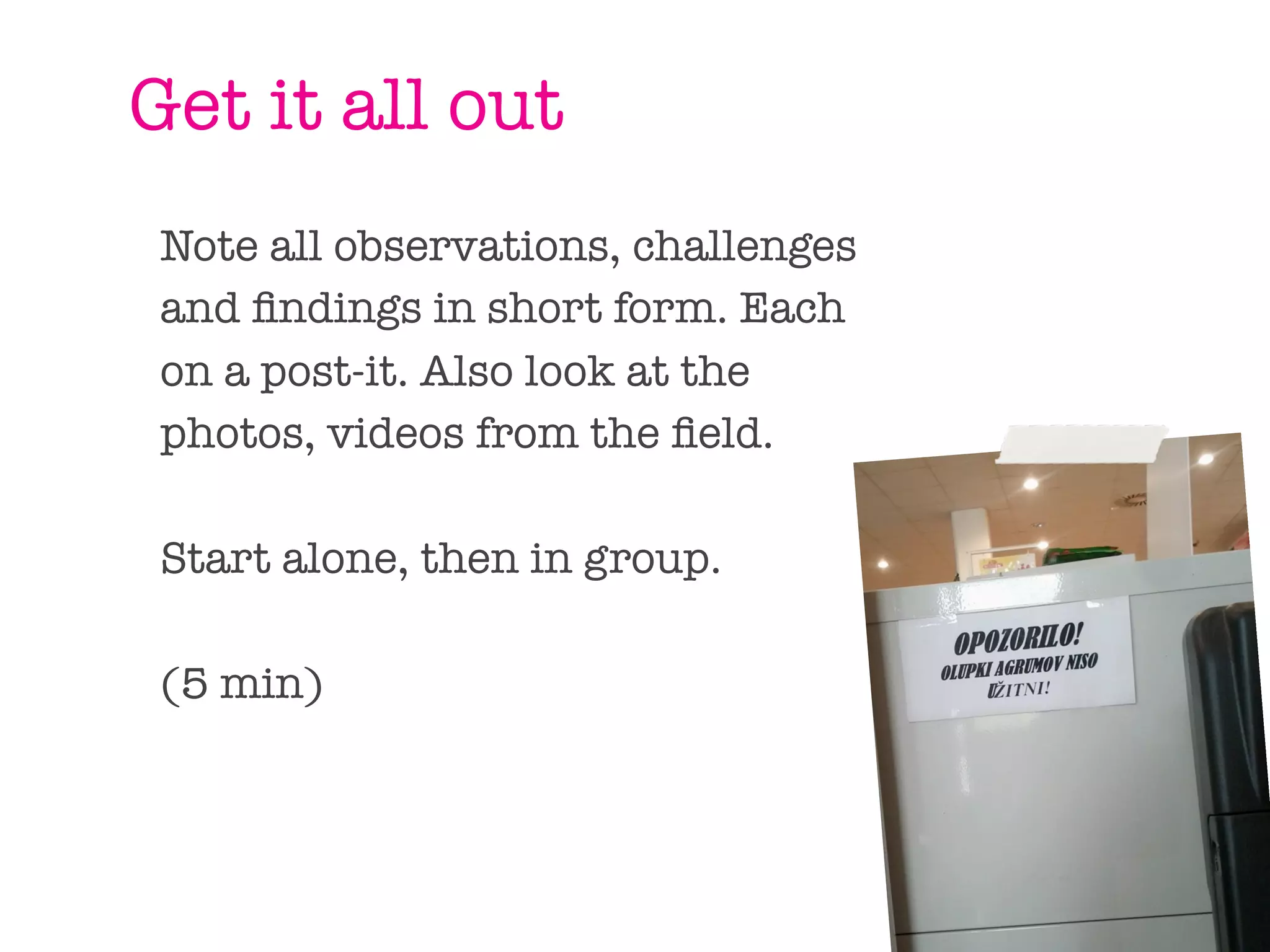
Note all observations, challenges
and findings in short form. Each
on a post-it. Also look at the
photos, videos from the field.

Start alone, then in group.

(5 min)
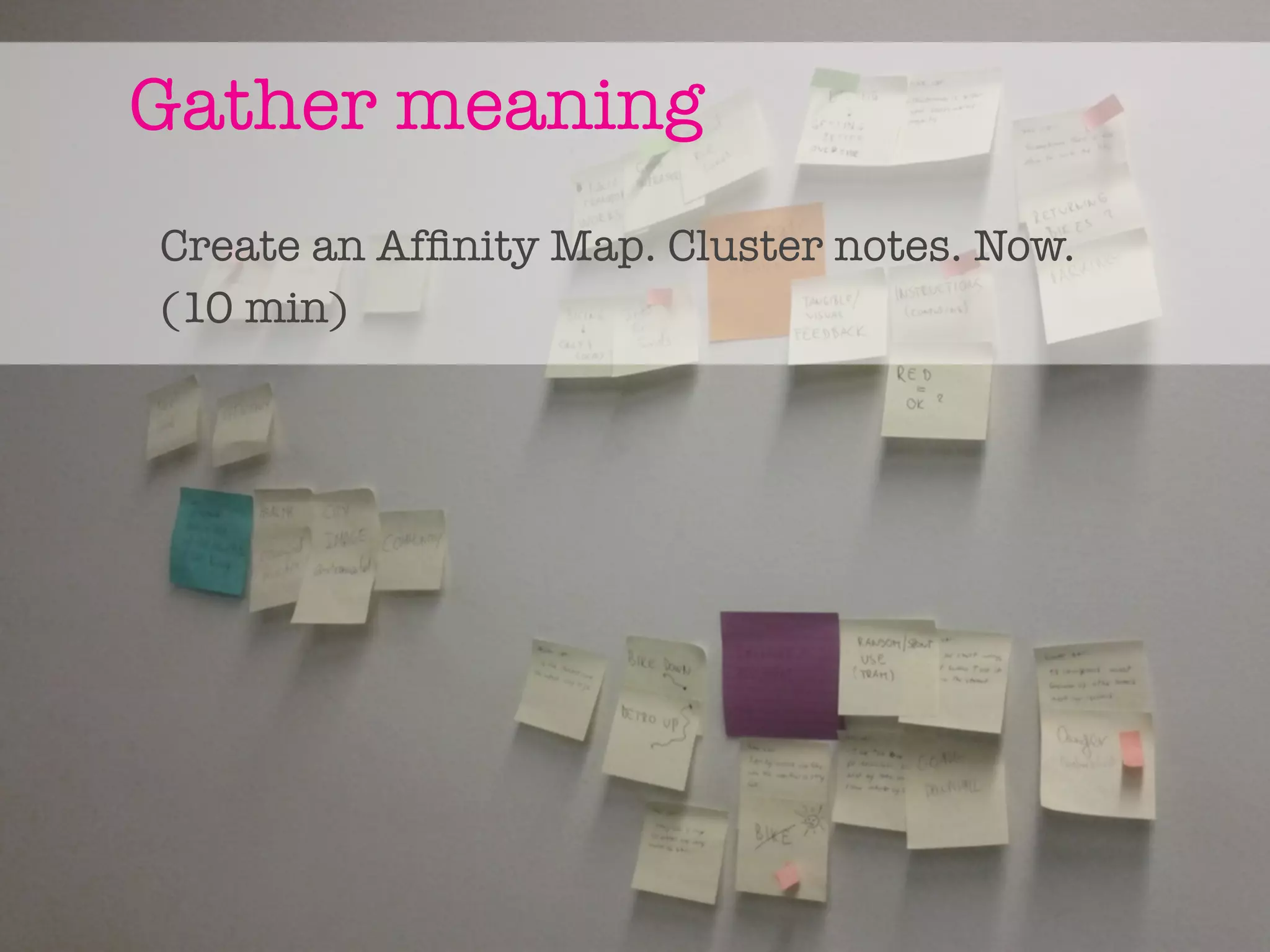
Gather meaning
Create an Affinity Map. Cluster notes. Now.
(10 min)
Research synthesis
    Synthesis = sense-making through an iterative
    process of refining gathered data*
★ Identify opportunities (generative, change we
  can envision. Opportunities = solutions)
★ Identify patterns

★ Discover the stories


                     * borrowed from Steve Portigal. Thanks Steve :)
Towards Ideation
From findings(it is hard to get a job) to
opportunities (improve the recruiting
experience) to ideation questions (how can we
improve...?) to strategies (connect youth with
jobs) to solutions (mobile job board).

Only ideas - not refined yet!
Your turn. Ideate!
Define:

From findings(it is hard to get a job) to
opportunities (improve the recruiting
experience) to ideation questions (how can we
improve...?) to strategies (connect youth with
jobs) to solutions (mobile job board).

(20 min)
Tell stories.
Part 1: The hero.
    Persona - user model, a composite archetype
    based on research with real users.
★ Personifications, presented as a real person
★ Persona vs. Stereotype

★ Distinct set of behavior patterns

★ Can represent nonusers

★ Persona types: Primary, secondary,


  supplemental, customer, served, negative
Part 1: The hero. Persona.
    A design tool that also helps resolve the issue of:
★ The elastic user
★ Self-referential design

★ Edge cases
Tell stories.
Part 2: Goals.
    Goals are drivers behind behaviors.
★ Motivate usage patterns
★ Don’t ask for goals. Reconstruct them.

★ Each goal in a simple sentence.

★ Three types of goals:

  ★ experience goals (have fun)

  ★ end goals (find a job)

  ★ life goals (be successful in...)
Tell stories.
Part 3: Scenarios.
    Narrative as a design tool.

    Scenarios vs. Journey Map vs. Experience Map

★ Context scenario
★ Key path scenario

★ Validation scenario
Part 3: Scenarios.
Touchpoints vs. Channels
Channel: A medium of interaction with users.
(TV, Mobile, Internet, Newspaper)

Touchpoint: A point of interaction involving a
specific human need in a specific time and place
Your turn. Design personas.
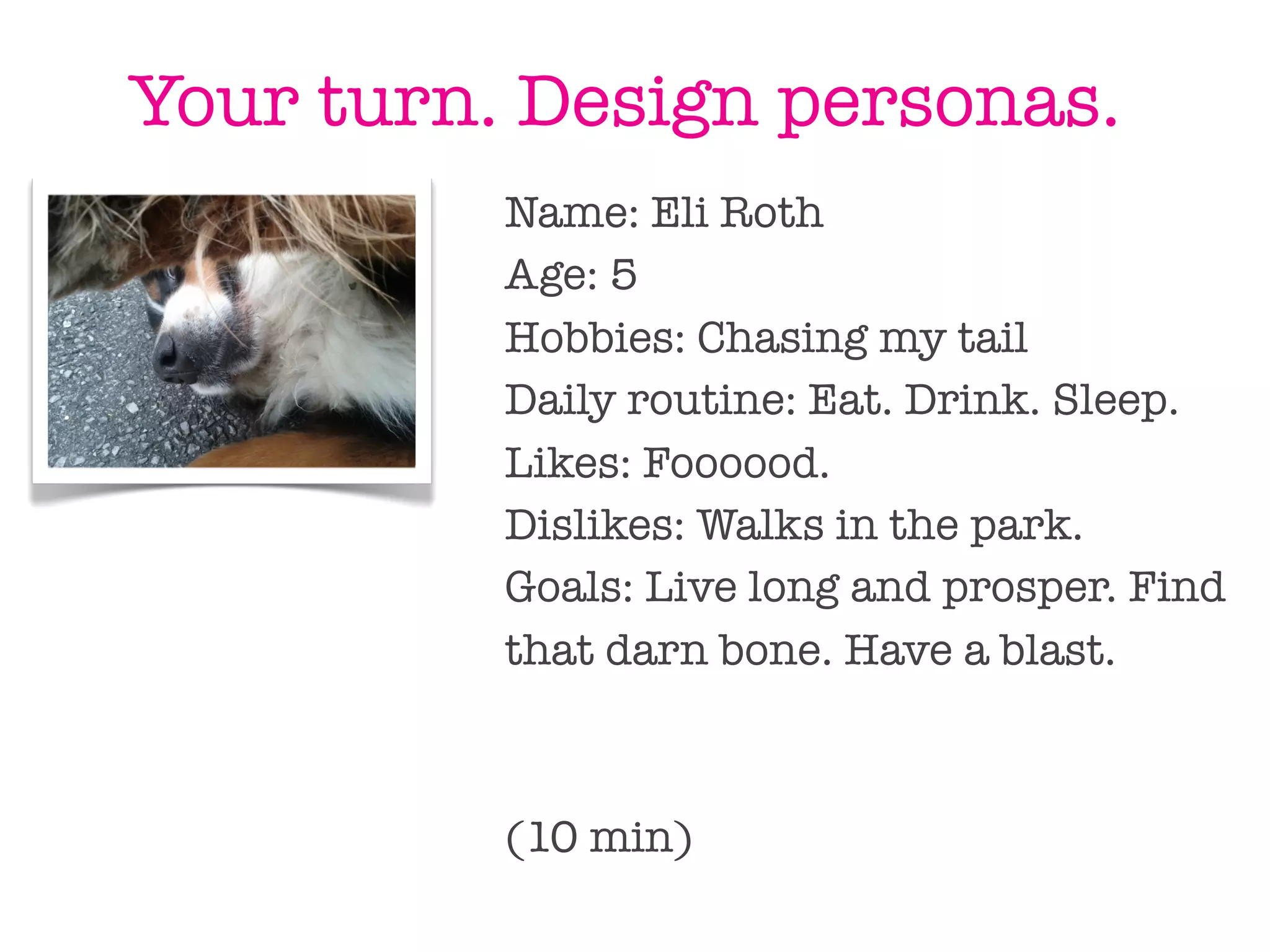
          Name: Eli Roth
          Age: 5
          Hobbies: Chasing my tail
          Daily routine: Eat. Drink. Sleep.
          Likes: Foooood.
          Dislikes: Walks in the park.
          Goals: Live long and prosper. Find
          that darn bone. Have a blast.


          (10 min)
Your turn.
Tell/sketch the story.
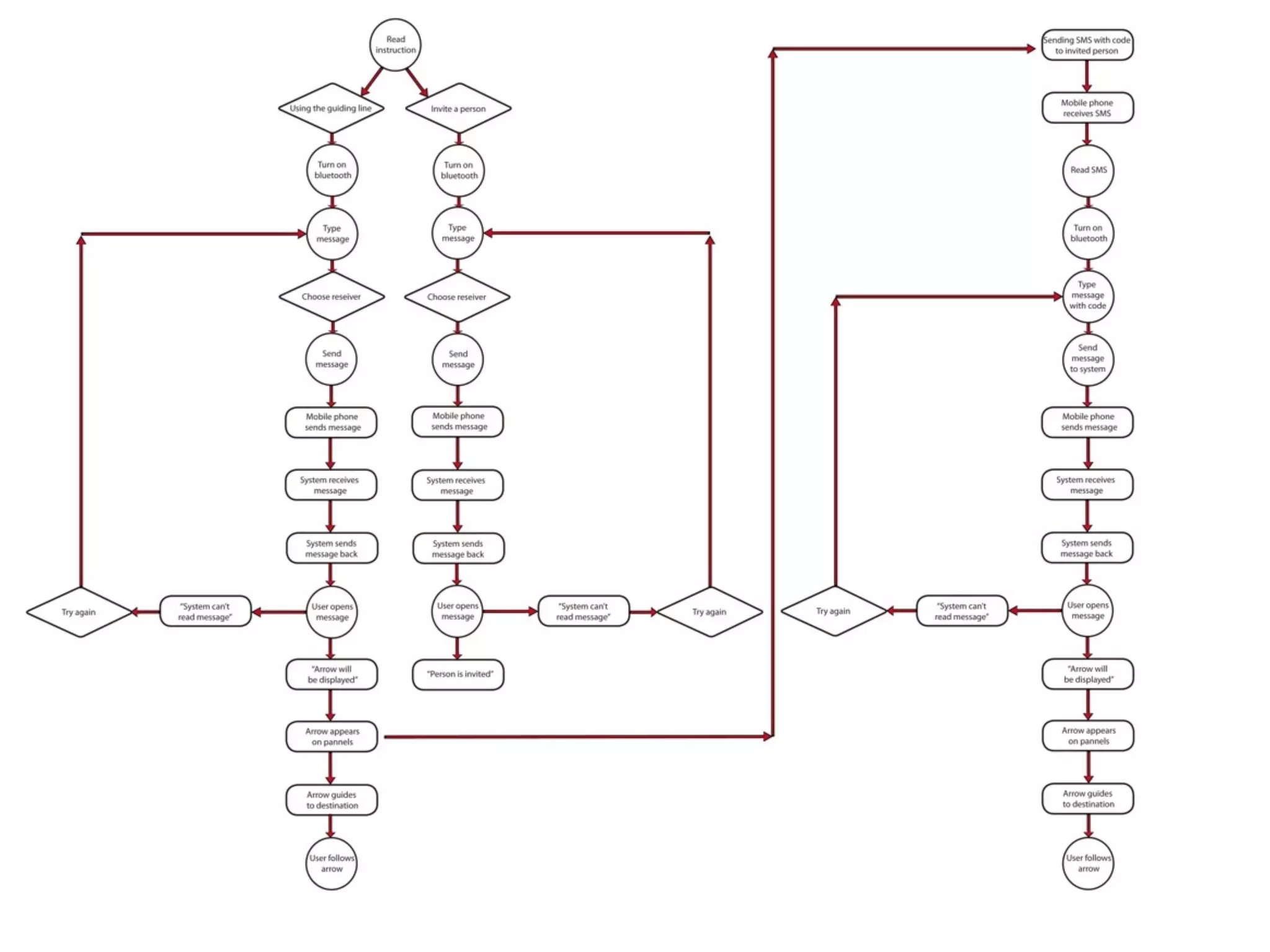
Pair context scenario with a storyboard and
introduce your solution(s).

How is your persona tackling the everyday
challenges of work, volunteering, education...
with the help of your solution?

Sketch & combine.

(30 min)
n o t
Your turn.
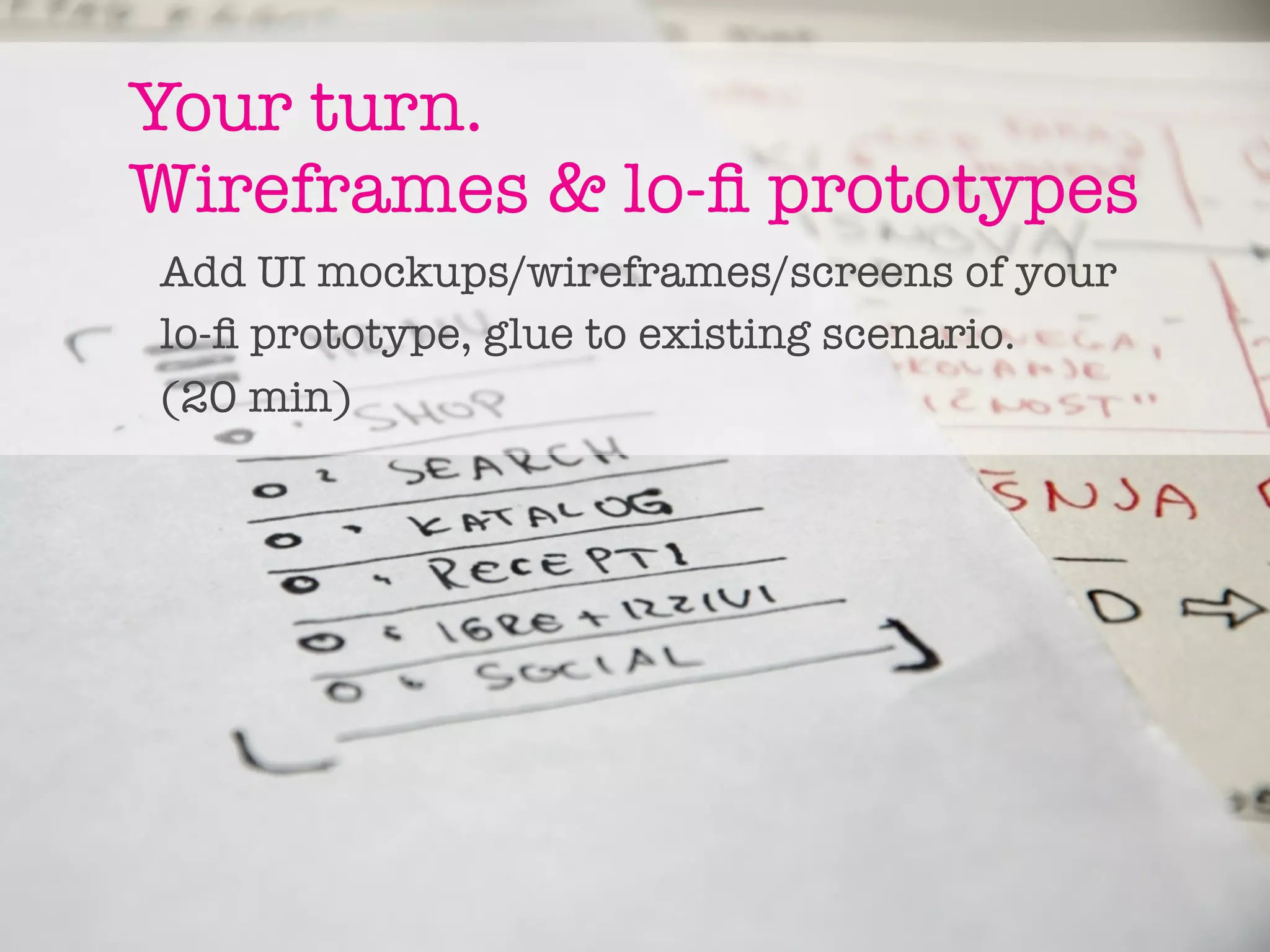
Wireframes & lo-fi prototypes
Add UI mockups/wireframes/screens of your
lo-fi prototype, glue to existing scenario.
(20 min)
Lunch
 Back at 14:00
Your turn.
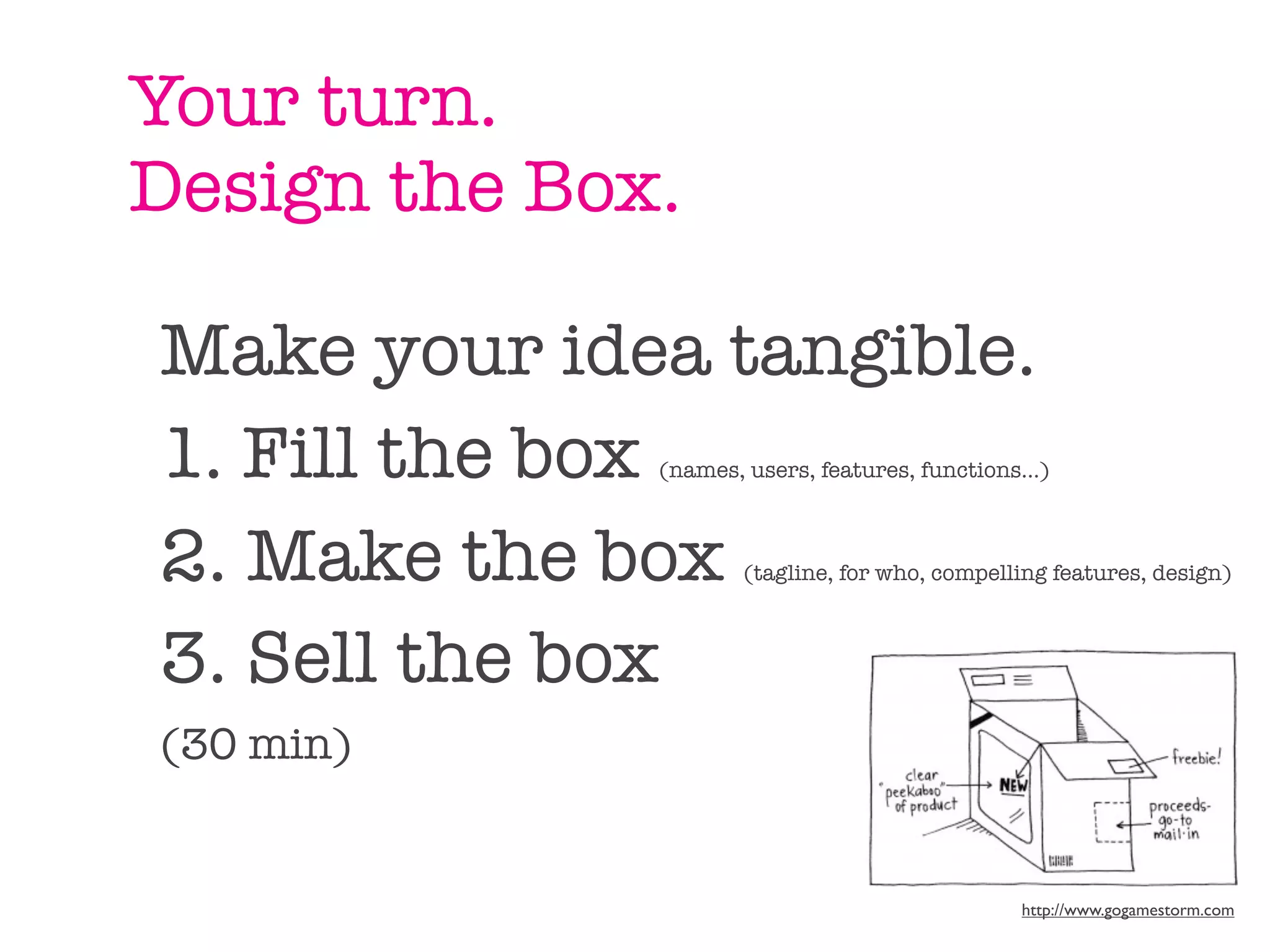
Design the Box.

Make your idea tangible.
1. Fill the box
              (names, users, features, functions...)


2. Make the box       (tagline, for who, compelling features, design)


3. Sell the box
(30 min)


                                                 http://www.gogamestorm.com
Fun?
Maruša Novak / @marusanovak
Damjan Obal / @damjanobal
blok_blok

From research to ideation

  • 1.
    From user research toideation Workshop on fast paced, guerrilla user research, synthesis and ideation Maruša Novak & Damjan Obal @ blok_blok / Mladi.info / Mb, October 2012
  • 2.
    “The creation andsynchronization of the elements that affect users’ experience with a particular company, with the intent of influencing their perception and behavior.” Unger & Chandler
  • 3.
    “The creation andsynchronization of the elements that affect users’ UX experience with a particular company, with the intent of influencing their perception and behavior.” Unger & Chandler
  • 4.
    Getting there User-centered Design(UCD), Goal-directed Design, Double Diamond ... http://colly.com
  • 5.
    The Undercover Manifesto* ★Introducing UX from the ground up ★ Change comes through small victories ★ Delivery, not deliverables ★ Good design today is better than great design next year ★ Working with people, not against them ★ Action, not words * Bowles & Box
  • 6.
    The Undercover Manifesto* ★ r i lla Introducing UX from the ground up e r ★ Change comes through small victories u g ★ Delivery, not deliverables ★ Good design today is better than great design I Y next year D ★ Working with people, not against them ★ Action, not words * Bowles & Box
  • 8.
  • 9.
    Why research, youask... Research = insight = understanding = better UX = :)
  • 10.
    But research is... Expensive! Long!Waste of time! We lack skills for it!
  • 11.
    But research is... Expensive! s it ? i Long! Waste of time! We lack skills for it!
  • 12.
    Let’s see, shallwe? 9:00-10:00 - User Research 101 10:00 - 11:00 - Go-out-and-play 11:00 - 11:30 - Research synthesis & Ideation 11:30 - 13:00 - Define the damn thing 13:00 - 14:00 - Lunch 14:00 - 15:00 - Fill. Make. Sell. Oy, and coffee?!?
  • 13.
    User research (fortoday) The topic: Youth unemployment. Research in-the-wild: ★ Observation ★ Contextual inquiry & Interviews ★ Focus on interviews & forget target groups ★ Be a ninja but not a voyeur Weapons of choice: notepad, video & photo (phone is more than enough)
  • 14.
    Interviewing 101 ★ PLANAHEAD! ★ Interview where the interaction happens ★ Ask open-ended questions (look for HOW & WHY) ★ Avoid a fixed set of questions ★ Avoid leading questions (eg. What’s wrong with your existing mobile application?) ★ Focus on goals instead of tasks ★ Encourage storytelling ★ Ask for show & tell ★ Master your small talk & improvise
  • 15.
    Observation 101 ★ Explorethe broader context (how does it all fit together? what channels, what touchpoints?) ★ Look for challenges ★ Discover “hacks” and shortcuts ★ Consider edge cases and extreme users
  • 16.
    Observation 101 feeling/ thinking / doing motivations framing behaviors
  • 17.
    Your turn /Interview Exercise Topic: What was your first working experience like? Time: 2 minute each Roles: Interviewed / Interviewer / Observer
  • 18.
    Your turn. Again. Goout and play. Explore. Observe. Talk. Interact. Take notes. Discover. & be back by 11:00
  • 19.
    Get it allout Note all observations, challenges and findings in short form. Each on a post-it. Also look at the photos, videos from the field. Start alone, then in group. (5 min)
  • 20.
    Gather meaning Create anAffinity Map. Cluster notes. Now. (10 min)
  • 21.
    Research synthesis Synthesis = sense-making through an iterative process of refining gathered data* ★ Identify opportunities (generative, change we can envision. Opportunities = solutions) ★ Identify patterns ★ Discover the stories * borrowed from Steve Portigal. Thanks Steve :)
  • 22.
    Towards Ideation From findings(itis hard to get a job) to opportunities (improve the recruiting experience) to ideation questions (how can we improve...?) to strategies (connect youth with jobs) to solutions (mobile job board). Only ideas - not refined yet!
  • 23.
    Your turn. Ideate! Define: Fromfindings(it is hard to get a job) to opportunities (improve the recruiting experience) to ideation questions (how can we improve...?) to strategies (connect youth with jobs) to solutions (mobile job board). (20 min)
  • 24.
    Tell stories. Part 1:The hero. Persona - user model, a composite archetype based on research with real users. ★ Personifications, presented as a real person ★ Persona vs. Stereotype ★ Distinct set of behavior patterns ★ Can represent nonusers ★ Persona types: Primary, secondary, supplemental, customer, served, negative
  • 25.
    Part 1: Thehero. Persona. A design tool that also helps resolve the issue of: ★ The elastic user ★ Self-referential design ★ Edge cases
  • 26.
    Tell stories. Part 2:Goals. Goals are drivers behind behaviors. ★ Motivate usage patterns ★ Don’t ask for goals. Reconstruct them. ★ Each goal in a simple sentence. ★ Three types of goals: ★ experience goals (have fun) ★ end goals (find a job) ★ life goals (be successful in...)
  • 27.
    Tell stories. Part 3:Scenarios. Narrative as a design tool. Scenarios vs. Journey Map vs. Experience Map ★ Context scenario ★ Key path scenario ★ Validation scenario
  • 28.
    Part 3: Scenarios. Touchpointsvs. Channels Channel: A medium of interaction with users. (TV, Mobile, Internet, Newspaper) Touchpoint: A point of interaction involving a specific human need in a specific time and place
  • 29.
    Your turn. Designpersonas. Name: Eli Roth Age: 5 Hobbies: Chasing my tail Daily routine: Eat. Drink. Sleep. Likes: Foooood. Dislikes: Walks in the park. Goals: Live long and prosper. Find that darn bone. Have a blast. (10 min)
  • 30.
    Your turn. Tell/sketch thestory. Pair context scenario with a storyboard and introduce your solution(s). How is your persona tackling the everyday challenges of work, volunteering, education... with the help of your solution? Sketch & combine. (30 min)
  • 32.
  • 33.
    Your turn. Wireframes &lo-fi prototypes Add UI mockups/wireframes/screens of your lo-fi prototype, glue to existing scenario. (20 min)
  • 34.
  • 35.
    Your turn. Design theBox. Make your idea tangible. 1. Fill the box (names, users, features, functions...) 2. Make the box (tagline, for who, compelling features, design) 3. Sell the box (30 min) http://www.gogamestorm.com
  • 36.
    Fun? Maruša Novak /@marusanovak Damjan Obal / @damjanobal blok_blok