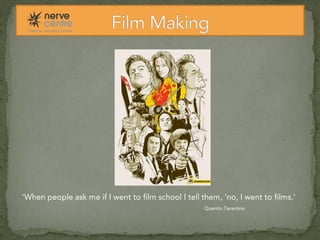

‘When people ask me if I went to film school I tell them, 'no, I went to films.'
Quentin Tarantino
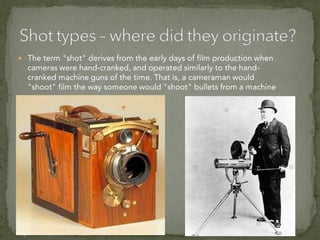
 The term "shot" derives from the early days of film production when
cameras were hand-cranked, and operated similarly to the hand-
cranked machine guns of the time. That is, a cameraman would
"shoot" film the way someone would "shoot" bullets from a machine
gun.
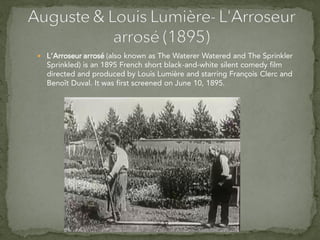
 L'Arroseur arrosé (also known as The Waterer Watered and The Sprinkler
Sprinkled) is an 1895 French short black-and-white silent comedy film
directed and produced by Louis Lumière and starring François Clerc and
Benoît Duval. It was first screened on June 10, 1895.
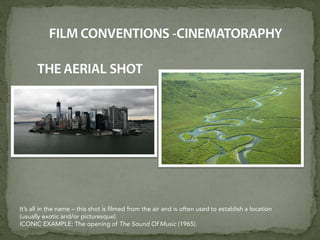
It’s all in the name – this shot is filmed from the air and is often used to establish a location
(usually exotic and/or picturesque).
ICONIC EXAMPLE: The opening of The Sound Of Music (1965).
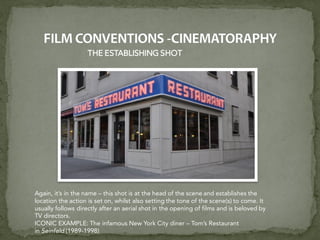
THE ESTABLISHING SHOT
Again, it’s in the name – this shot is at the head of the scene and establishes the
location the action is set on, whilst also setting the tone of the scene(s) to come. It
usually follows directly after an aerial shot in the opening of films and is beloved by
TV directors.
ICONIC EXAMPLE: The infamous New York City diner – Tom’s Restaurant
in Seinfeld (1989-1998)
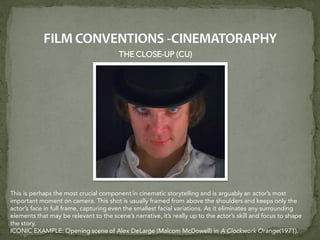
THE CLOSE-UP (CU)
This is perhaps the most crucial component in cinematic storytelling and is arguably an actor’s most
important moment on camera. This shot is usually framed from above the shoulders and keeps only the
actor’s face in full frame, capturing even the smallest facial variations. As it eliminates any surrounding
elements that may be relevant to the scene’s narrative, it’s really up to the actor’s skill and focus to shape
the story.
ICONIC EXAMPLE: Opening scene of Alex DeLarge (Malcom McDowell) in A Clockwork Orange(1971).
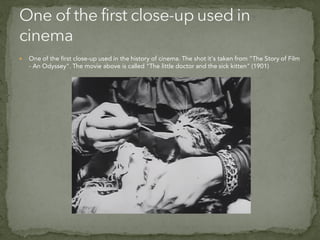
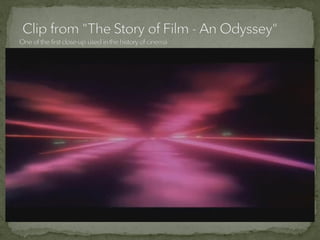
 One of the first close-up used in the history of cinema. The shot it's taken from "The Story of Film
- An Odyssey". The movie above is called "The little doctor and the sick kitten" (1901)
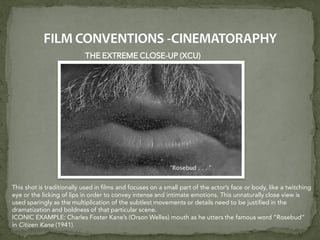
THE EXTREME CLOSE-UP (XCU)
This shot is traditionally used in films and focuses on a small part of the actor’s face or body, like a twitching
eye or the licking of lips in order to convey intense and intimate emotions. This unnaturally close view is
used sparingly as the multiplication of the subtlest movements or details need to be justified in the
dramatization and boldness of that particular scene.
ICONIC EXAMPLE: Charles Foster Kane’s (Orson Welles) mouth as he utters the famous word “Rosebud”
in Citizen Kane (1941).
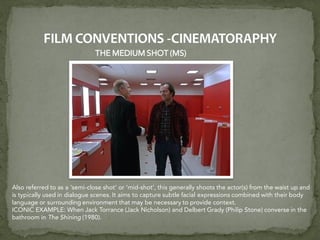
THE MEDIUM SHOT (MS)
Also referred to as a ‘semi-close shot’ or ‘mid-shot’, this generally shoots the actor(s) from the waist up and
is typically used in dialogue scenes. It aims to capture subtle facial expressions combined with their body
language or surrounding environment that may be necessary to provide context.
ICONIC EXAMPLE: When Jack Torrance (Jack Nicholson) and Delbert Grady (Philip Stone) converse in the
bathroom in The Shining (1980).
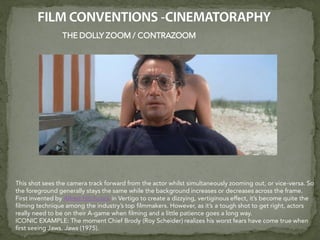
THE DOLLY ZOOM / CONTRAZOOM
This shot sees the camera track forward from the actor whilst simultaneously zooming out, or vice-versa. So
the foreground generally stays the same while the background increases or decreases across the frame.
First invented by Alfred Hitchcock in Vertigo to create a dizzying, vertiginous effect, it’s become quite the
filming technique among the industry’s top filmmakers. However, as it’s a tough shot to get right, actors
really need to be on their A-game when filming and a little patience goes a long way.
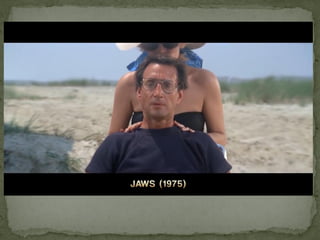
ICONIC EXAMPLE: The moment Chief Brody (Roy Scheider) realizes his worst fears have come true when
first seeing Jaws. Jaws (1975).
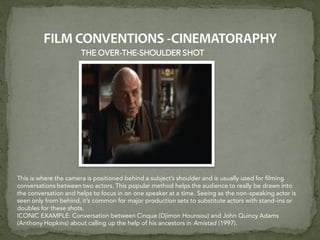
THE OVER-THE-SHOULDER SHOT
This is where the camera is positioned behind a subject’s shoulder and is usually used for filming
conversations between two actors. This popular method helps the audience to really be drawn into
the conversation and helps to focus in on one speaker at a time. Seeing as the non-speaking actor is
seen only from behind, it’s common for major production sets to substitute actors with stand-ins or
doubles for these shots.
ICONIC EXAMPLE: Conversation between Cinque (Djimon Hounsou) and John Quincy Adams
(Anthony Hopkins) about calling up the help of his ancestors in Amistad (1997).
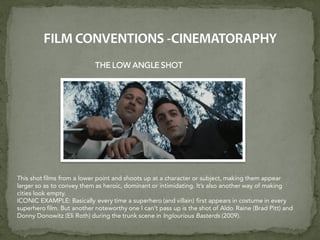
THE LOW ANGLE SHOT
This shot films from a lower point and shoots up at a character or subject, making them appear
larger so as to convey them as heroic, dominant or intimidating. It’s also another way of making
cities look empty.
ICONIC EXAMPLE: Basically every time a superhero (and villain) first appears in costume in every
superhero film. But another noteworthy one I can’t pass up is the shot of Aldo Raine (Brad Pitt) and
Donny Donowitz (Eli Roth) during the trunk scene in Inglourious Basterds (2009).
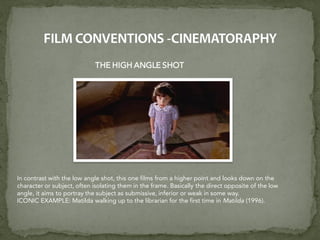
THE HIGH ANGLE SHOT
In contrast with the low angle shot, this one films from a higher point and looks down on the
character or subject, often isolating them in the frame. Basically the direct opposite of the low
angle, it aims to portray the subject as submissive, inferior or weak in some way.
ICONIC EXAMPLE: Matilda walking up to the librarian for the first time in Matilda (1996).
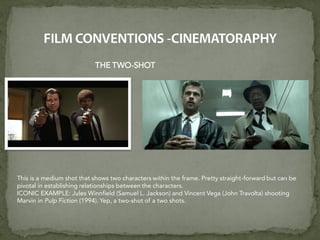
THE TWO-SHOT
This is a medium shot that shows two characters within the frame. Pretty straight-forward but can be
pivotal in establishing relationships between the characters.
ICONIC EXAMPLE: Jules Winnfield (Samuel L. Jackson) and Vincent Vega (John Travolta) shooting
Marvin in Pulp Fiction (1994). Yep, a two-shot of a two shots.
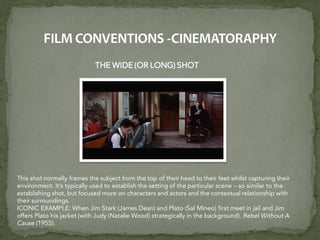
THE WIDE (OR LONG) SHOT
This shot normally frames the subject from the top of their head to their feet whilst capturing their
environment. It’s typically used to establish the setting of the particular scene – so similar to the
establishing shot, but focused more on characters and actors and the contextual relationship with
their surroundings.
ICONIC EXAMPLE: When Jim Stark (James Dean) and Plato (Sal Mineo) first meet in jail and Jim
offers Plato his jacket (with Judy (Natalie Wood) strategically in the background). Rebel Without A
Cause (1955).
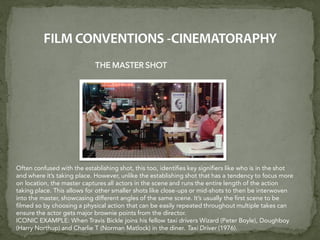
THE MASTER SHOT
Often confused with the establishing shot, this too, identifies key signifiers like who is in the shot
and where it’s taking place. However, unlike the establishing shot that has a tendency to focus more
on location, the master captures all actors in the scene and runs the entire length of the action
taking place. This allows for other smaller shots like close-ups or mid-shots to then be interwoven
into the master, showcasing different angles of the same scene. It’s usually the first scene to be
filmed so by choosing a physical action that can be easily repeated throughout multiple takes can
ensure the actor gets major brownie points from the director.
ICONIC EXAMPLE: When Travis Bickle joins his fellow taxi drivers Wizard (Peter Boyle), Doughboy
(Harry Northup) and Charlie T (Norman Matlock) in the diner. Taxi Driver (1976).
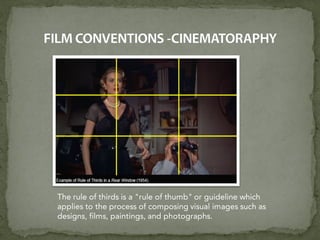
The rule of thirds is a "rule of thumb" or guideline which
applies to the process of composing visual images such as
designs, films, paintings, and photographs.
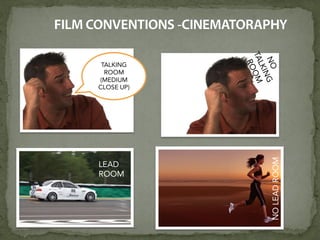
NOLEADROOM
TALKING
ROOM
(MEDIUM
CLOSE UP)
LEAD
ROOM
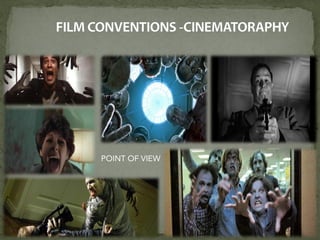
POINT OF VIEW
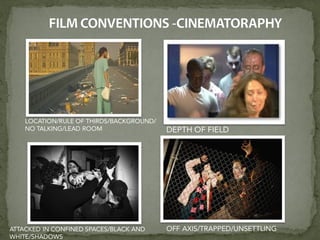
LOCATION/RULE OF THIRDS/BACKGROUND/
NO TALKING/LEAD ROOM
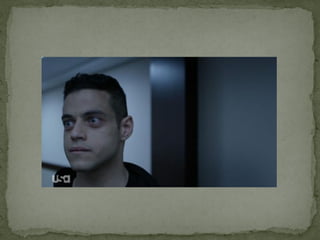
ATTACKED IN CONFINED SPACES/BLACK AND
WHITE/SHADOWS
DEPTH OF FIELD
OFF AXIS/TRAPPED/UNSETTLING
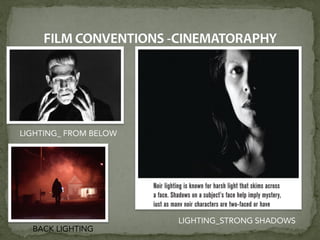
LIGHTING_ FROM BELOW
BACK LIGHTING
LIGHTING_STRONG SHADOWS
•
•
•
•
•
•
•
•
•
•
•
•
•
•
•
•
 Sound effects can give the illusion that there is
more going on in your film than you can afford to
show.
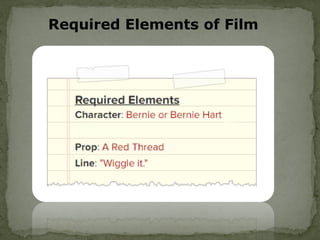
Required Elements of Film
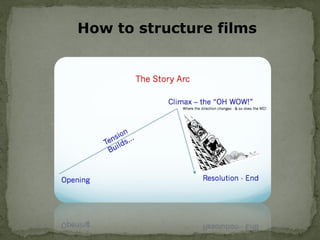
How to structure films
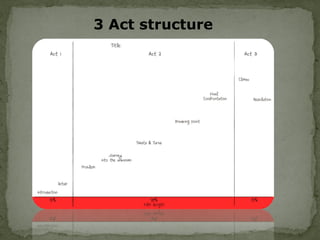
3 Act structure
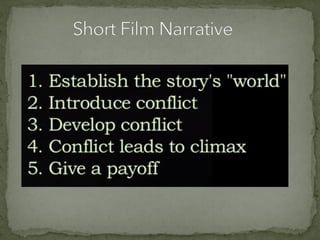
Short Film Narrative
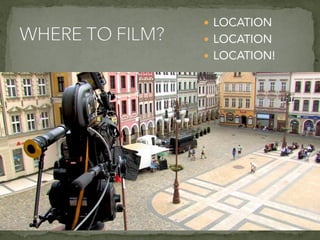
 LOCATION
 LOCATION
 LOCATION!
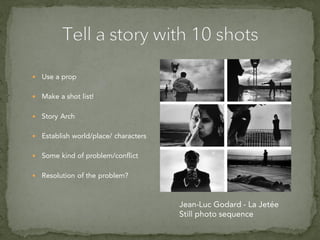
 Use a prop
 Make a shot list!
 Story Arch
 Establish world/place/ characters
 Some kind of problem/conflict
 Resolution of the problem?
Jean-Luc Godard - La Jetée
Still photo sequence
 Discuss camera techniques
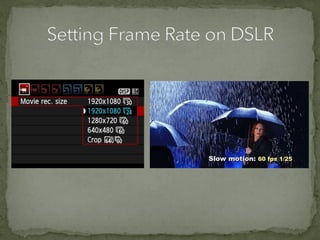
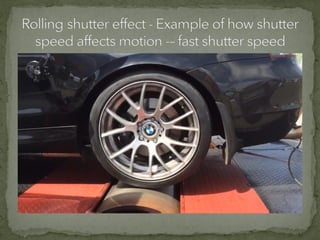
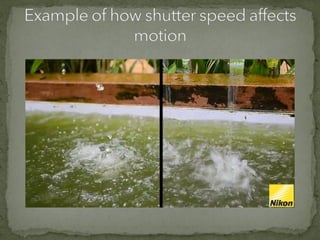
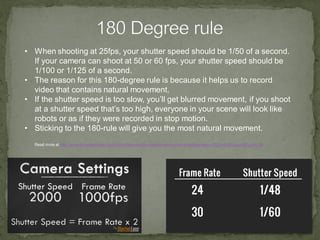
• When shooting at 25fps, your shutter speed should be 1/50 of a second.
If your camera can shoot at 50 or 60 fps, your shutter speed should be
1/100 or 1/125 of a second.
• The reason for this 180-degree rule is because it helps us to record
video that contains natural movement.
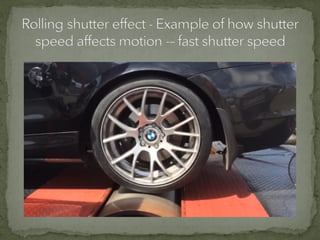
• If the shutter speed is too slow, you’ll get blurred movement, if you shoot
at a shutter speed that’s too high, everyone in your scene will look like
robots or as if they were recorded in stop motion.
• Sticking to the 180-rule will give you the most natural movement.
Read more at http://www.thevideomode.com/tuition/how-shutter-speeds-work-when-shooting-video-263/#uEvEEbpuyiZFup5R.99
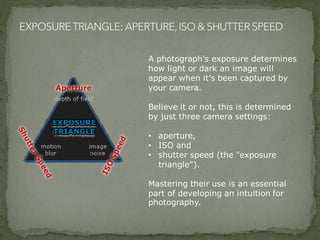
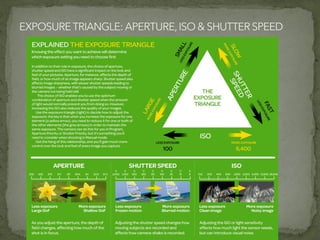
A photograph's exposure determines
how light or dark an image will
appear when it's been captured by
your camera.
Believe it or not, this is determined
by just three camera settings:
• aperture,
• ISO and
• shutter speed (the "exposure
triangle").
Mastering their use is an essential
part of developing an intuition for
photography.
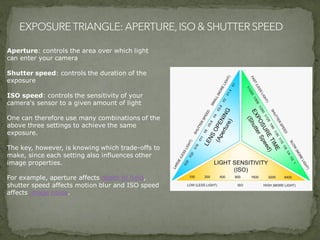
Aperture: controls the area over which light
can enter your camera
Shutter speed: controls the duration of the
exposure
ISO speed: controls the sensitivity of your
camera's sensor to a given amount of light
One can therefore use many combinations of the
above three settings to achieve the same
exposure.
The key, however, is knowing which trade-offs to
make, since each setting also influences other
image properties.
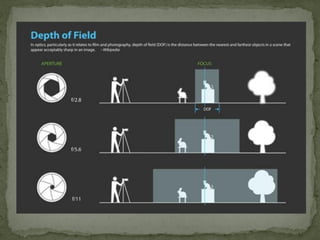
For example, aperture affects depth of field,
shutter speed affects motion blur and ISO speed
affects image noise.
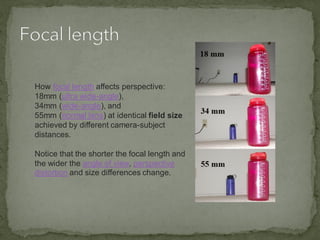
How focal length affects perspective:
18mm (ultra wide-angle),
34mm (wide-angle), and
55mm (normal lens) at identical field size
achieved by different camera-subject
distances.
Notice that the shorter the focal length and
the wider the angle of view, perspective
distortion and size differences change.
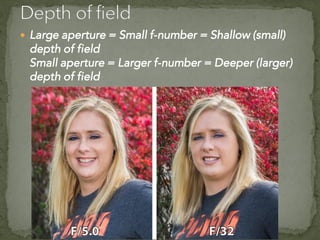
 Large aperture = Small f-number = Shallow (small)
depth of field
Small aperture = Larger f-number = Deeper (larger)
depth of field
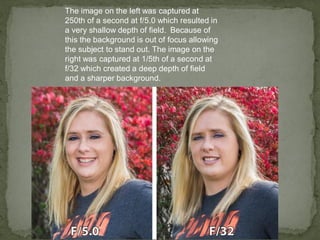
The image on the left was captured at
250th of a second at f/5.0 which resulted in
a very shallow depth of field. Because of
this the background is out of focus allowing
the subject to stand out. The image on the
right was captured at 1/5th of a second at
f/32 which created a deep depth of field
and a sharper background.
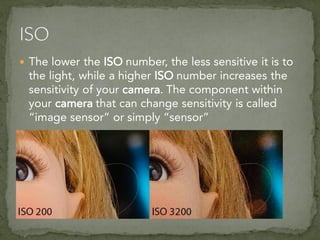
 The lower the ISO number, the less sensitive it is to
the light, while a higher ISO number increases the
sensitivity of your camera. The component within
your camera that can change sensitivity is called
“image sensor” or simply “sensor”
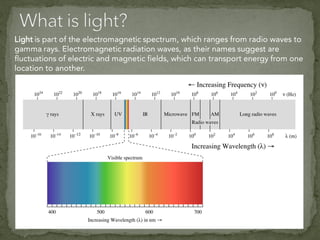
Light is part of the electromagnetic spectrum, which ranges from radio waves to
gamma rays. Electromagnetic radiation waves, as their names suggest are
fluctuations of electric and magnetic fields, which can transport energy from one
location to another.
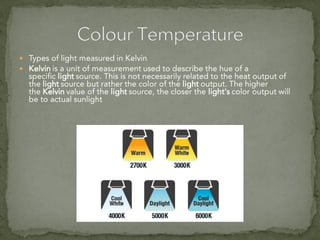
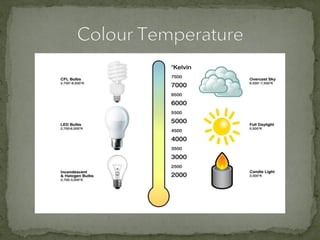
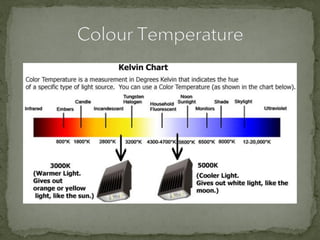
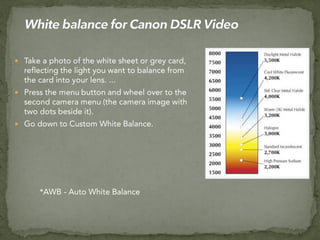
 Types of light measured in Kelvin
 Kelvin is a unit of measurement used to describe the hue of a
specific light source. This is not necessarily related to the heat output of
the light source but rather the color of the light output. The higher
the Kelvin value of the light source, the closer the light's color output will
be to actual sunlight
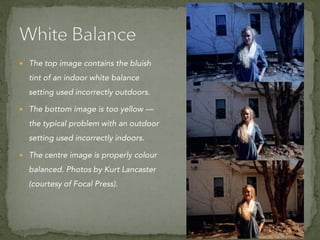
 The top image contains the bluish
tint of an indoor white balance
setting used incorrectly outdoors.
 The bottom image is too yellow —
the typical problem with an outdoor
setting used incorrectly indoors.
 The centre image is properly colour
balanced. Photos by Kurt Lancaster
(courtesy of Focal Press).
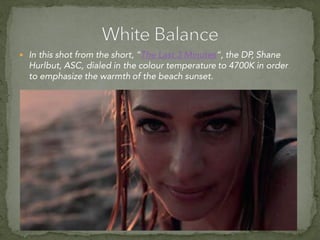
 In this shot from the short, “The Last 3 Minutes“, the DP, Shane
Hurlbut, ASC, dialed in the colour temperature to 4700K in order
to emphasize the warmth of the beach sunset.
 Take a photo of the white sheet or grey card,
reflecting the light you want to balance from
the card into your lens. ...
 Press the menu button and wheel over to the
second camera menu (the camera image with
two dots beside it).
 Go down to Custom White Balance.
*AWB - Auto White Balance
 Proper White Balance Ep 117: DSLR | Video Skills with Rich
Harrington: Adorama Photography TV
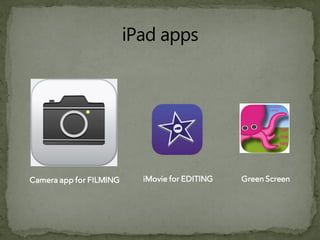
iMovie for EDITING Green ScreenCamera app for FILMING
•
•
•
•
•
•
•
•
•
•
•
•
•
•
Filmmaking Workshop
Filmmaking Workshop

Filmmaking Workshop

  • 1.
    ‘When people askme if I went to film school I tell them, 'no, I went to films.' Quentin Tarantino
  • 5.
     The term"shot" derives from the early days of film production when cameras were hand-cranked, and operated similarly to the hand- cranked machine guns of the time. That is, a cameraman would "shoot" film the way someone would "shoot" bullets from a machine gun.
  • 6.
     L'Arroseur arrosé(also known as The Waterer Watered and The Sprinkler Sprinkled) is an 1895 French short black-and-white silent comedy film directed and produced by Louis Lumière and starring François Clerc and Benoît Duval. It was first screened on June 10, 1895.
  • 8.
    It’s all inthe name – this shot is filmed from the air and is often used to establish a location (usually exotic and/or picturesque). ICONIC EXAMPLE: The opening of The Sound Of Music (1965).
  • 9.
    THE ESTABLISHING SHOT Again,it’s in the name – this shot is at the head of the scene and establishes the location the action is set on, whilst also setting the tone of the scene(s) to come. It usually follows directly after an aerial shot in the opening of films and is beloved by TV directors. ICONIC EXAMPLE: The infamous New York City diner – Tom’s Restaurant in Seinfeld (1989-1998)
  • 10.
    THE CLOSE-UP (CU) Thisis perhaps the most crucial component in cinematic storytelling and is arguably an actor’s most important moment on camera. This shot is usually framed from above the shoulders and keeps only the actor’s face in full frame, capturing even the smallest facial variations. As it eliminates any surrounding elements that may be relevant to the scene’s narrative, it’s really up to the actor’s skill and focus to shape the story. ICONIC EXAMPLE: Opening scene of Alex DeLarge (Malcom McDowell) in A Clockwork Orange(1971).
  • 11.
     One ofthe first close-up used in the history of cinema. The shot it's taken from "The Story of Film - An Odyssey". The movie above is called "The little doctor and the sick kitten" (1901)
  • 13.
    THE EXTREME CLOSE-UP(XCU) This shot is traditionally used in films and focuses on a small part of the actor’s face or body, like a twitching eye or the licking of lips in order to convey intense and intimate emotions. This unnaturally close view is used sparingly as the multiplication of the subtlest movements or details need to be justified in the dramatization and boldness of that particular scene. ICONIC EXAMPLE: Charles Foster Kane’s (Orson Welles) mouth as he utters the famous word “Rosebud” in Citizen Kane (1941).
  • 14.
    THE MEDIUM SHOT(MS) Also referred to as a ‘semi-close shot’ or ‘mid-shot’, this generally shoots the actor(s) from the waist up and is typically used in dialogue scenes. It aims to capture subtle facial expressions combined with their body language or surrounding environment that may be necessary to provide context. ICONIC EXAMPLE: When Jack Torrance (Jack Nicholson) and Delbert Grady (Philip Stone) converse in the bathroom in The Shining (1980).
  • 15.
    THE DOLLY ZOOM/ CONTRAZOOM This shot sees the camera track forward from the actor whilst simultaneously zooming out, or vice-versa. So the foreground generally stays the same while the background increases or decreases across the frame. First invented by Alfred Hitchcock in Vertigo to create a dizzying, vertiginous effect, it’s become quite the filming technique among the industry’s top filmmakers. However, as it’s a tough shot to get right, actors really need to be on their A-game when filming and a little patience goes a long way. ICONIC EXAMPLE: The moment Chief Brody (Roy Scheider) realizes his worst fears have come true when first seeing Jaws. Jaws (1975).
  • 17.
    THE OVER-THE-SHOULDER SHOT Thisis where the camera is positioned behind a subject’s shoulder and is usually used for filming conversations between two actors. This popular method helps the audience to really be drawn into the conversation and helps to focus in on one speaker at a time. Seeing as the non-speaking actor is seen only from behind, it’s common for major production sets to substitute actors with stand-ins or doubles for these shots. ICONIC EXAMPLE: Conversation between Cinque (Djimon Hounsou) and John Quincy Adams (Anthony Hopkins) about calling up the help of his ancestors in Amistad (1997).
  • 18.
    THE LOW ANGLESHOT This shot films from a lower point and shoots up at a character or subject, making them appear larger so as to convey them as heroic, dominant or intimidating. It’s also another way of making cities look empty. ICONIC EXAMPLE: Basically every time a superhero (and villain) first appears in costume in every superhero film. But another noteworthy one I can’t pass up is the shot of Aldo Raine (Brad Pitt) and Donny Donowitz (Eli Roth) during the trunk scene in Inglourious Basterds (2009).
  • 20.
    THE HIGH ANGLESHOT In contrast with the low angle shot, this one films from a higher point and looks down on the character or subject, often isolating them in the frame. Basically the direct opposite of the low angle, it aims to portray the subject as submissive, inferior or weak in some way. ICONIC EXAMPLE: Matilda walking up to the librarian for the first time in Matilda (1996).
  • 21.
    THE TWO-SHOT This isa medium shot that shows two characters within the frame. Pretty straight-forward but can be pivotal in establishing relationships between the characters. ICONIC EXAMPLE: Jules Winnfield (Samuel L. Jackson) and Vincent Vega (John Travolta) shooting Marvin in Pulp Fiction (1994). Yep, a two-shot of a two shots.
  • 22.
    THE WIDE (ORLONG) SHOT This shot normally frames the subject from the top of their head to their feet whilst capturing their environment. It’s typically used to establish the setting of the particular scene – so similar to the establishing shot, but focused more on characters and actors and the contextual relationship with their surroundings. ICONIC EXAMPLE: When Jim Stark (James Dean) and Plato (Sal Mineo) first meet in jail and Jim offers Plato his jacket (with Judy (Natalie Wood) strategically in the background). Rebel Without A Cause (1955).
  • 23.
    THE MASTER SHOT Oftenconfused with the establishing shot, this too, identifies key signifiers like who is in the shot and where it’s taking place. However, unlike the establishing shot that has a tendency to focus more on location, the master captures all actors in the scene and runs the entire length of the action taking place. This allows for other smaller shots like close-ups or mid-shots to then be interwoven into the master, showcasing different angles of the same scene. It’s usually the first scene to be filmed so by choosing a physical action that can be easily repeated throughout multiple takes can ensure the actor gets major brownie points from the director. ICONIC EXAMPLE: When Travis Bickle joins his fellow taxi drivers Wizard (Peter Boyle), Doughboy (Harry Northup) and Charlie T (Norman Matlock) in the diner. Taxi Driver (1976).
  • 24.
    The rule ofthirds is a "rule of thumb" or guideline which applies to the process of composing visual images such as designs, films, paintings, and photographs.
  • 25.
  • 27.
  • 30.
    LOCATION/RULE OF THIRDS/BACKGROUND/ NOTALKING/LEAD ROOM ATTACKED IN CONFINED SPACES/BLACK AND WHITE/SHADOWS DEPTH OF FIELD OFF AXIS/TRAPPED/UNSETTLING
  • 31.
    LIGHTING_ FROM BELOW BACKLIGHTING LIGHTING_STRONG SHADOWS
  • 32.
  • 37.
     Sound effectscan give the illusion that there is more going on in your film than you can afford to show.
  • 40.
  • 41.
  • 42.
  • 44.
  • 46.
  • 47.
     Use aprop  Make a shot list!  Story Arch  Establish world/place/ characters  Some kind of problem/conflict  Resolution of the problem? Jean-Luc Godard - La Jetée Still photo sequence
  • 48.
  • 56.
    • When shootingat 25fps, your shutter speed should be 1/50 of a second. If your camera can shoot at 50 or 60 fps, your shutter speed should be 1/100 or 1/125 of a second. • The reason for this 180-degree rule is because it helps us to record video that contains natural movement. • If the shutter speed is too slow, you’ll get blurred movement, if you shoot at a shutter speed that’s too high, everyone in your scene will look like robots or as if they were recorded in stop motion. • Sticking to the 180-rule will give you the most natural movement. Read more at http://www.thevideomode.com/tuition/how-shutter-speeds-work-when-shooting-video-263/#uEvEEbpuyiZFup5R.99
  • 59.
    A photograph's exposuredetermines how light or dark an image will appear when it's been captured by your camera. Believe it or not, this is determined by just three camera settings: • aperture, • ISO and • shutter speed (the "exposure triangle"). Mastering their use is an essential part of developing an intuition for photography.
  • 60.
    Aperture: controls thearea over which light can enter your camera Shutter speed: controls the duration of the exposure ISO speed: controls the sensitivity of your camera's sensor to a given amount of light One can therefore use many combinations of the above three settings to achieve the same exposure. The key, however, is knowing which trade-offs to make, since each setting also influences other image properties. For example, aperture affects depth of field, shutter speed affects motion blur and ISO speed affects image noise.
  • 62.
    How focal lengthaffects perspective: 18mm (ultra wide-angle), 34mm (wide-angle), and 55mm (normal lens) at identical field size achieved by different camera-subject distances. Notice that the shorter the focal length and the wider the angle of view, perspective distortion and size differences change.
  • 63.
     Large aperture= Small f-number = Shallow (small) depth of field Small aperture = Larger f-number = Deeper (larger) depth of field
  • 64.
    The image onthe left was captured at 250th of a second at f/5.0 which resulted in a very shallow depth of field. Because of this the background is out of focus allowing the subject to stand out. The image on the right was captured at 1/5th of a second at f/32 which created a deep depth of field and a sharper background.
  • 66.
     The lowerthe ISO number, the less sensitive it is to the light, while a higher ISO number increases the sensitivity of your camera. The component within your camera that can change sensitivity is called “image sensor” or simply “sensor”
  • 67.
    Light is partof the electromagnetic spectrum, which ranges from radio waves to gamma rays. Electromagnetic radiation waves, as their names suggest are fluctuations of electric and magnetic fields, which can transport energy from one location to another.
  • 68.
     Types oflight measured in Kelvin  Kelvin is a unit of measurement used to describe the hue of a specific light source. This is not necessarily related to the heat output of the light source but rather the color of the light output. The higher the Kelvin value of the light source, the closer the light's color output will be to actual sunlight
  • 69.
     The topimage contains the bluish tint of an indoor white balance setting used incorrectly outdoors.  The bottom image is too yellow — the typical problem with an outdoor setting used incorrectly indoors.  The centre image is properly colour balanced. Photos by Kurt Lancaster (courtesy of Focal Press).
  • 70.
     In thisshot from the short, “The Last 3 Minutes“, the DP, Shane Hurlbut, ASC, dialed in the colour temperature to 4700K in order to emphasize the warmth of the beach sunset.
  • 73.
     Take aphoto of the white sheet or grey card, reflecting the light you want to balance from the card into your lens. ...  Press the menu button and wheel over to the second camera menu (the camera image with two dots beside it).  Go down to Custom White Balance. *AWB - Auto White Balance
  • 74.
     Proper WhiteBalance Ep 117: DSLR | Video Skills with Rich Harrington: Adorama Photography TV
  • 76.
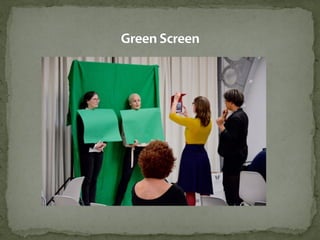
    iMovie for EDITINGGreen ScreenCamera app for FILMING
  • 78.