Standards Of Care &
Ethical Issues
Louise Stanger Ed.D, LCSW

▪ Director All About
Interventions
▪ Faculty SDSU
▪ Member NII, AIS
▪ MINT Trainer
▪ Author, Falling Up-A
Memoir of Renewal
▪ & Learn to Thrive
Objectives
▪ Describe and Define Standard of Care &
Ethics
▪ Describe and Define Laws
▪ Identify Top Ethical Issues visa vie Snowball
Sample
▪ Recommend Ethical Decision Making Models
▪ CARE Challenge Providers to Develop
Mission, and Ethics Statements for Behavioral
Health Care Centers
Getting to Know You
▪ What brings you
here today?
▪ What groups do
you represent?
Standards of Care
Definitions
▪ Tort Law- The level at which the average
provider in a given community would
practice
▪ A diagnostic and treatment process that a
clinician would follow for a certain type of
patient, illness or clinical circumstance -
New England Journal of Medicine 2004
Benefits Of JACHO
▪ Organize ad Strengthen patient safety efforts
▪ Strengthens community confidence in quality of
care
▪ Provides Competitive Edge in Marketplace
▪ Improves Risk Management and risk reduction
▪ May reduce Liability Insurance Costs
▪ Provides education to improve business operations
▪ Provides professional advice and counsel
▪ Provides customized and intensive review
▪ Enhances staff review and recruitment
▪ Provides deeming authority for medicare
▪ Provides a framework for organizational
structure and management
▪ May fulfill regulatory requirements
▪ Provides practical tool to strengthen
▪ Aligns health care organizations 603-792-5000
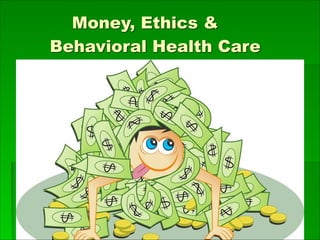
Money, Ethics &
Behavioral Health Care
What are Ethics ??????
▪ Ethics are the beliefs
an individual or group
maintains about what
constitutes correct or
proper behavior
▪ Standards of conduct
an individual uses to
make decisions.
LAWS

What do you stand for ?
▪ Folks that do not
understand the laws
▪ Folks that
understand the laws
they do not have a
strong sense of
ethics
Ethical Issues 

▪ Individual
▪ Group
▪ Organizational
▪ Societal
How do Ethical Problems
Occur ?
▪ People are human they make mistakes
▪ Clients misreport
▪ Inexperience
▪ Ignorance
▪ Unpredictable /Unforeseen situations
▪ Inadequate Agency Policies
▪ Guidelines not adequate for situation
▪ Ethics in conflict with law
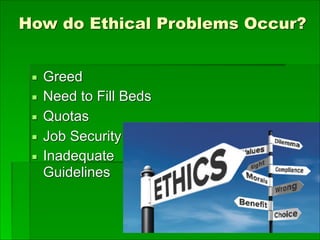
How do Ethical Problems Occur?

▪ Greed
▪ Need to Fill Beds
▪ Quotas
▪ Job Security
▪ Inadequate
Guidelines
What’s Your Codes of Ethics
▪ American Association of Advertising
Agencies
▪ Direct Marketing Association
▪ Public Relations Society of America
▪ American Marketing Association
▪ Foundation for Public Affairs
▪ American Hospital Association
▪ NATAP
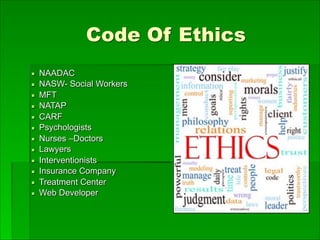
Code Of Ethics
▪ NAADAC
▪ NASW- Social Workers
▪ MFT
▪ NATAP
▪ CARF
▪ Psychologists
▪ Nurses –Doctors
▪ Lawyers
▪ Interventionists
▪ Insurance Company
▪ Treatment Center
▪ Web Developer
Code of Ethics
▪ Association of
Intervention Specialists
( AIS)
▪ Network of Independent
Interventionists (NII)
▪ Recovery Coaches
▪ Certified Rehabilitation
Counselors
▪ Hayes-Davidson Ethics
Pledge
What are your top 3
Ethical Concerns
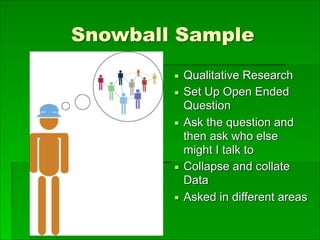
Snowball Sample
▪ Qualitative Research
▪ Set Up Open Ended
Question
▪ Ask the question and
then ask who else
might I talk to
▪ Collapse and collate
Data
▪ Asked in different areas
Areas Covered
▪ CEOS
▪ Marketers
▪ Admissions
▪ Web Designers
▪ Clinicians
▪ Interventionists
▪ Thought Leaders
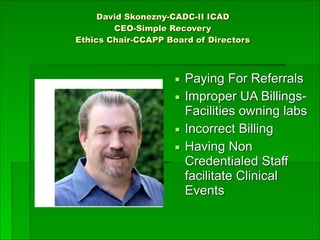
David Skonezny-CADC-II ICAD
CEO-Simple Recovery
Ethics Chair-CCAPP Board of Directors

▪ Paying For Referrals
▪ Improper UA Billings-
Facilities owning labs
▪ Incorrect Billing
▪ Having Non
Credentialed Staff
facilitate Clinical
Events
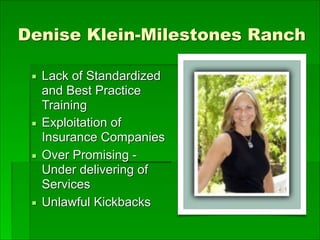
Denise Klein-Milestones Ranch
▪ Lack of Standardized
and Best Practice
Training
▪ Exploitation of
Insurance Companies
▪ Over Promising -
Under delivering of
Services
▪ Unlawful Kickbacks
Marsha Stone 

BRC Recovery
▪ Competence
▪ Misrepresentation
of Services
▪ Lack of
Compassion
▪ Folks do Not
Understand Laws
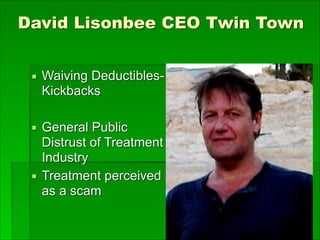
David Lisonbee CEO Twin Town

▪ Waiving Deductibles-
Kickbacks
▪ General Public
Distrust of Treatment
Industry
▪ Treatment perceived
as a scam
Paul Alexander CEO 

Northbound
▪ Accreditation and
Standardization of
Care
▪ “CURES”
Promised as
opposed to Solution
▪ Mission and Code
of Ethics


Incredible Marketing :Wes Jones CEO
▪ Misrepresenting
treatment modalities
in website content
▪ Accepting Clients that
are not a fit
▪ Misrepresenting
Culture
More About The Web
▪ Misrepresenting Location
▪ Adding Fake locations
▪ Using high end photos
▪ Misrepresenting amenities
▪ Fake Positive reviews
▪ Buying Competitions Keywords
▪ Referrals based on
▪ Kickbacks
▪ Reciprocation
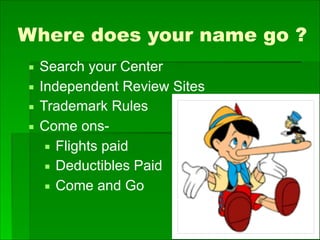
Where does your name go ?
▪ Search your Center
▪ Independent Review Sites
▪ Trademark Rules
▪ Come ons-
▪ Flights paid
▪ Deductibles Paid
▪ Come and Go
Questionable Practices
▪ Internet marketing
scams
▪ Using Brain scans
with other unproven
treatments and
billing the patient
▪ AP, March 2013
Questionable Practices
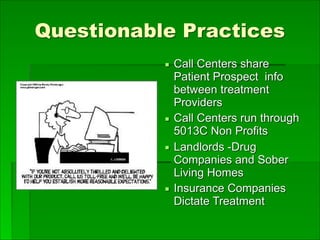
▪ Call Centers share
Patient Prospect info
between treatment
Providers
▪ Call Centers run through
5013C Non Profits
▪ Landlords -Drug
Companies and Sober
Living Homes
▪ Insurance Companies
Dictate Treatment
Paying Kickbacks
▪ To Interventionists
▪ Paying bounties to for
referrals
▪ Claiming to take a
patient’s insurance
when reimbursement
is low
▪ To Labs
Kickbacks-Federal Laws
Anti-Kick Back Statue
Criminal offense for
anyone to give a
kickback with the
Intent of influencing
referral of patients
Stark Law
Physicians Self referral
law Kickback occurs
when a physician refers
a patient to a facility
he owns or family
has financial interest
Trips , hotels, gifts
Whistleblower –False Claim
Act
▪ False Claims Act
▪ Unlawful for anyone
knowingly or
willingly submit or
cause a fraudulent
claim to the
government for
payment
Questionable Practices
▪ Promising a cure
▪ Using nutrient
supplements that
are proprietary and
billing the patient
Historical Context
▪ In Nazi Germany 1945-1946
and 1935 American Public
Health research African
American men
▪ 1966 Public Health Services
established ethical regulation
▪ 1979 Belmont Report
(Protection of Human
Subjects)
▪ 1970s bio ethics emerged
▪ 1980s Watergate
▪ 1996 Revised Codes
▪ As professions grow code
of ethics are formed
Do not confuse Ethics and
Morality !!!!!
▪ The word Morality comes from Latin word
MORES which translates into custom or
values
▪ Morality involves the judgment or
evaluation of an ethical system, decision,
or action based on socialcultural or
religious norm
Ethical Principles
▪ Autonomy
▪ Beneficence- To do
Good-To Do No Harm
▪ Confidentiality
▪ Fidelity _To keep ones
promise or word, Duty to
report , honesty,
trustworthiness
▪ Gratitude
▪ Justice ( treat all fairly)
▪ Nonmalefience :The duty
to cause no harm
▪ Reparation –duty to make
up for a wrong
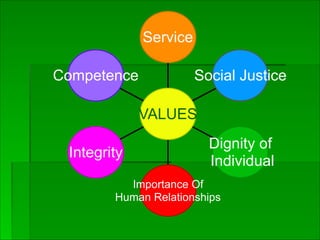
Competence
Integrity
Importance Of
Human Relationships
Dignity of
Individual
Social Justice
Service
VALUES
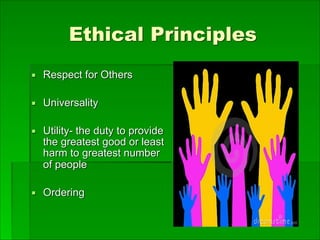
Ethical Principles
▪ Respect for Others
▪ Universality
▪ Utility- the duty to provide
the greatest good or least
harm to greatest number
of people
▪ Ordering
Ethical Considerations
■ Fiduciary
Relationships with
Providers
■ Call Centers
■ Pay per click
■ Truth in advertising
■ Gifts & Kickbacks
■ Internet Marketing
scams
Ethical Principles
▪ Veracity –To tell the
Truth
▪ Herein lies dilemmas
▪ Between self, IP,
agency and outside
world
Ethical Responsibilities
▪ To Clients
▪ To Colleagues
▪ To Practice Settings
▪ As Professionals
▪ To Professional
Affiliations
▪ To Broader Society
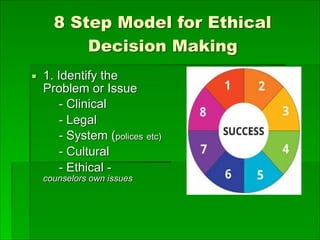
8 Step Model for Ethical
Decision Making
▪ 1. Identify the
Problem or Issue
- Clinical
- Legal
- System (polices etc)
- Cultural
- Ethical -
counselors own issues
Steps 2-4
▪ Apply a code of
ethics
▪ Determine Nature
and Dimensions of
Dilemena
▪ Pros and Cons
Steps 5-8
▪ Choose Course of
Action
▪ Implement a
Course of Action
▪ Evaluate the
Outcome
▪ Evaluate the
implications
Congress Ethic Model
▪ Examine
▪ Think
▪ Hypothesize
▪ Identify
▪ Consult
CONFIDENTIALITY
▪ Hallmark of
Therapeutic
Relationship
▪ Consent Forms
▪ Mandated Reporting-
Duty to Warn
▪ Exceptions ( Drug
Court, federally
assisted treatment
programs
Confidentiality and Minors
▪ Age of Consent
▪ Being Familiar with
state laws
▪ Can Clara or parents
know everything if
they are under 18?
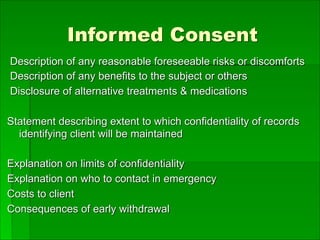
Informed Consent
Description of any reasonable foreseeable risks or discomforts
Description of any benefits to the subject or others
Disclosure of alternative treatments & medications
Statement describing extent to which confidentiality of records
identifying client will be maintained
Explanation on limits of confidentiality
Explanation on who to contact in emergency
Costs to client
Consequences of early withdrawal
Record Keeping
▪ Client prior hx of services
▪ Present reason for call
▪ Dx of bio-psycho-social
▪ Documentation of any changes
since assessment
▪ Treatment plan goals & objectives
(changes in Tx)
▪ Duration & frequency of service
▪ Progress notes
▪ Rec for further treatment-
discharge plans
▪ Doc. Of fees charged and paid
▪ HIPPA Forms
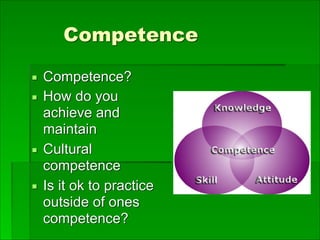
Competence
▪ Competence?
▪ How do you
achieve and
maintain
▪ Cultural
competence
▪ Is it ok to practice
outside of ones
competence?
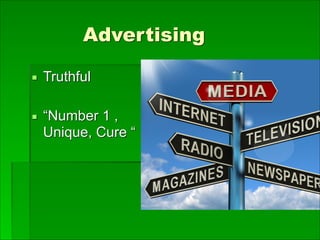
Advertising
▪ Truthful
▪ “Number 1 ,
Unique, Cure “
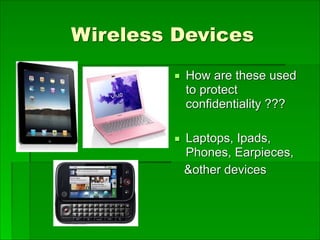
Wireless Devices
■ How are these used
to protect
confidentiality ???
■ Laptops, Ipads,
Phones, Earpieces,
&other devices
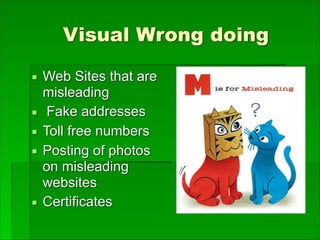
Visual Wrong doing
▪ Web Sites that are
misleading
▪ Fake addresses
▪ Toll free numbers
▪ Posting of photos
on misleading
websites
▪ Certificates
Social Media
■ Written Materials
■ Business Cards
■ Letterhead etc
■ Website
■ Mailings
■ Texting
■ Facebook, Twitter and
Linked In
BOUNDARIES
▪ Length of counseling, self disclosure by counselor,
confidentiality, giving of gifts, touch or personal
communication between counselor and client and client,
counselor and supervisor’
▪ Intimate relationships
▪ Personal benefit ( monetary goods , services)
▪ Emotional dependency needs of counselor
▪ Altruistic gestures which can be misinterpreted
▪ Unexpected situations such as meeting sisters new
boyfriend who turns out to be a client
DUAL RELATIONSHIPS
▪ Friendships between client and counselor,
supervisor and supervisee
▪ Sexual Relationships
▪ Professional –where client and counselor are
professional colleagues
▪ Business dual relationships where counselor and
client are business partners or have an employee/
employer relationship
▪ Communal –where both belong to same community
(AA, NA, Alanon, SA etc.)
Hiring Practices
▪ Former counselor
calls to ask if she or
he can hire a
former client of
hers and mine from
a different
treatment center
that has less then a
year recovery
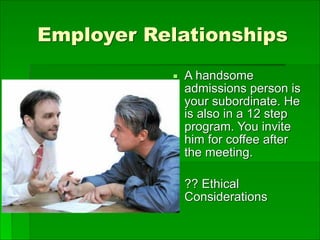
Employer Relationships
▪ A handsome
admissions person is
your subordinate. He
is also in a 12 step
program. You invite
him for coffee after
the meeting.
▪ ?? Ethical
Considerations
Business Temptations
Money for Admits
▪ An admissions
officer offers you
money for referrals
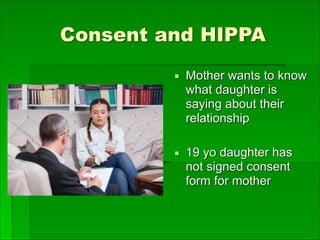
Consent and HIPPA
▪ Mother wants to know
what daughter is
saying about their
relationship
▪ 19 yo daughter has
not signed consent
form for mother
Other Considerations
▪ You are a substance abuse/mental
business professional and are attending
the same 12 step meeting as your client
do you need to share, what do you do??
▪ Organizations referral practices
▪ Organizations billing practices
▪ Other Examples
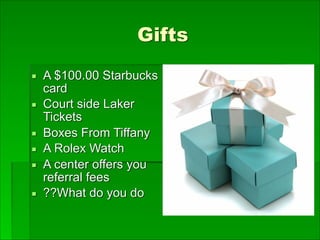
Gifts
▪ A $100.00 Starbucks
card
▪ Court side Laker
Tickets
▪ Boxes From Tiffany
▪ A Rolex Watch
▪ A center offers you
referral fees
▪ ??What do you do
Standard of Care Challenge
▪ Develop Mission Statement for your
Organizations
▪ Articulate the Organizations Values
▪ Revisit or Develop Organizations Ethical
Code
▪ Obtain Appropriate Licensure
▪ The World Know-Mission, Values and
Ethical Statement
Standard of CARE
▪ Review Your Professional Code of Ethics
▪ Engage in Appropriate Continuing
Education
▪ Sign Hayes-Davidson Pledge
▪ Work tirelessly to elevate Behavioral
Health Care Field
Let Me Know
▪ Meet me Oct 13 & 14
▪ Admissions and Marketing Seminar
▪ Tell the world what you are doing
▪ Send me ( drstanger@me.com) your
Mission, Values and Organizational Ethics
and I will share on my
www.allaboutinterventions.com and on
my blog
It Takes A Village
Questions
Resources
▪ The Ethics of an Addiction Counselor
▪ The Ethics of an Addiction Counselor , The Association of
Addiction Professionals
▪ NASW Code Of Ethics
▪ NII Code of Ethics
▪ AIS Code of Ethics
▪ Ethics Updates http://ethics.sandiego.edu
▪ The Elements of Ethics for Professionals-Brad Johnson
▪ Center for the Study of Ethics in the Professions
▪ National Board for Certified Counselors; The Practice of
Internet Counseling http://www.nbcc.org/assest/ethics/
internetcounseling.pdf
▪ http://www.mentalhealthlaw.us/10/Practice_Dilemmas.html
Resources
▪ Hayes- Davidson Ethics Hayes -http://www.hayes-
davidson-ethicspledge.org
▪ Northbound Code Of http://www.livingsober.com/about-
us/northbound-code-of-ethics/
▪ Dreamscape Marketing Code of https://
www.dreamscapemarketing.com/about-dreamscape-
marketing/code-of-ethics/
▪ Twin Town http://twintowntreatmentcenters.com/about-
twin-town-tc/our-mission/
▪ Cinga http://www.cigna.com/about-us/corporate-
governance/code-of-ethics
Resources
▪ Joint Commission on Accreditation of Rehabilitation Facilities
▪ JACHO Accreditation http://www.jointcomission.org
▪ http://www.ncbi.nlm.nih.gov/pmc/articles/PMC3088386/The
Standard
▪ http//:www.carf.org./home/ for Commission on Accreditation of
Rehabilitation Facilities
▪ National Council for Recovery Residences http://narronline.org
▪ Trauma -Informed Care in Behavioral Health Services TIP 57
▪ The ASAM National Practice Guideline for Use of Medications in
The Treatment of Addiction Opioid USE
▪ http://www.jcrinc.com/2016-cambhc-behavioral-heath
Dr. Louise Stanger 

Ed.D, LCSW, BRI II, CIP
▪ Faculty SDSU Interwork Institute
▪ Member NII
▪ Member AIS
▪ MINT Trainer of Trainers
▪ Director All About Interventions
▪ http://www.allaboutinterventions.com
▪ Falling Up-A Memoir of Renewal -Amazon
▪ 619-507-1699
▪ DrStanger@allaboutinterventions.com
▪ 619-507-1699
Ethics and Behavioral Health Care

Ethics and Behavioral Health Care

  • 1.
    Standards Of Care& Ethical Issues
  • 2.
    Louise Stanger Ed.D,LCSW
 ▪ Director All About Interventions ▪ Faculty SDSU ▪ Member NII, AIS ▪ MINT Trainer ▪ Author, Falling Up-A Memoir of Renewal ▪ & Learn to Thrive
  • 3.
    Objectives ▪ Describe andDefine Standard of Care & Ethics ▪ Describe and Define Laws ▪ Identify Top Ethical Issues visa vie Snowball Sample ▪ Recommend Ethical Decision Making Models ▪ CARE Challenge Providers to Develop Mission, and Ethics Statements for Behavioral Health Care Centers
  • 4.
    Getting to KnowYou ▪ What brings you here today? ▪ What groups do you represent?
  • 5.
  • 7.
    Definitions ▪ Tort Law-The level at which the average provider in a given community would practice ▪ A diagnostic and treatment process that a clinician would follow for a certain type of patient, illness or clinical circumstance - New England Journal of Medicine 2004
  • 8.
    Benefits Of JACHO ▪Organize ad Strengthen patient safety efforts ▪ Strengthens community confidence in quality of care ▪ Provides Competitive Edge in Marketplace ▪ Improves Risk Management and risk reduction ▪ May reduce Liability Insurance Costs ▪ Provides education to improve business operations ▪ Provides professional advice and counsel ▪ Provides customized and intensive review
  • 9.
    ▪ Enhances staffreview and recruitment ▪ Provides deeming authority for medicare ▪ Provides a framework for organizational structure and management ▪ May fulfill regulatory requirements ▪ Provides practical tool to strengthen ▪ Aligns health care organizations 603-792-5000
  • 10.
  • 11.
    What are Ethics?????? ▪ Ethics are the beliefs an individual or group maintains about what constitutes correct or proper behavior ▪ Standards of conduct an individual uses to make decisions.
  • 12.
    LAWS
 What do youstand for ? ▪ Folks that do not understand the laws ▪ Folks that understand the laws they do not have a strong sense of ethics
  • 13.
    Ethical Issues 
 ▪Individual ▪ Group ▪ Organizational ▪ Societal
  • 14.
    How do EthicalProblems Occur ? ▪ People are human they make mistakes ▪ Clients misreport ▪ Inexperience ▪ Ignorance ▪ Unpredictable /Unforeseen situations ▪ Inadequate Agency Policies ▪ Guidelines not adequate for situation ▪ Ethics in conflict with law
  • 15.
    How do EthicalProblems Occur?
 ▪ Greed ▪ Need to Fill Beds ▪ Quotas ▪ Job Security ▪ Inadequate Guidelines
  • 16.
    What’s Your Codesof Ethics ▪ American Association of Advertising Agencies ▪ Direct Marketing Association ▪ Public Relations Society of America ▪ American Marketing Association ▪ Foundation for Public Affairs ▪ American Hospital Association ▪ NATAP
  • 17.
    Code Of Ethics ▪NAADAC ▪ NASW- Social Workers ▪ MFT ▪ NATAP ▪ CARF ▪ Psychologists ▪ Nurses –Doctors ▪ Lawyers ▪ Interventionists ▪ Insurance Company ▪ Treatment Center ▪ Web Developer
  • 18.
    Code of Ethics ▪Association of Intervention Specialists ( AIS) ▪ Network of Independent Interventionists (NII) ▪ Recovery Coaches ▪ Certified Rehabilitation Counselors ▪ Hayes-Davidson Ethics Pledge
  • 19.
    What are yourtop 3 Ethical Concerns
  • 20.
    Snowball Sample ▪ QualitativeResearch ▪ Set Up Open Ended Question ▪ Ask the question and then ask who else might I talk to ▪ Collapse and collate Data ▪ Asked in different areas
  • 21.
    Areas Covered ▪ CEOS ▪Marketers ▪ Admissions ▪ Web Designers ▪ Clinicians ▪ Interventionists ▪ Thought Leaders
  • 22.
    David Skonezny-CADC-II ICAD CEO-SimpleRecovery Ethics Chair-CCAPP Board of Directors
 ▪ Paying For Referrals ▪ Improper UA Billings- Facilities owning labs ▪ Incorrect Billing ▪ Having Non Credentialed Staff facilitate Clinical Events
  • 23.
    Denise Klein-Milestones Ranch ▪Lack of Standardized and Best Practice Training ▪ Exploitation of Insurance Companies ▪ Over Promising - Under delivering of Services ▪ Unlawful Kickbacks
  • 24.
    Marsha Stone 
 BRCRecovery ▪ Competence ▪ Misrepresentation of Services ▪ Lack of Compassion ▪ Folks do Not Understand Laws
  • 25.
    David Lisonbee CEOTwin Town
 ▪ Waiving Deductibles- Kickbacks ▪ General Public Distrust of Treatment Industry ▪ Treatment perceived as a scam
  • 26.
    Paul Alexander CEO
 Northbound ▪ Accreditation and Standardization of Care ▪ “CURES” Promised as opposed to Solution ▪ Mission and Code of Ethics
  • 27.
    
 Incredible Marketing :WesJones CEO ▪ Misrepresenting treatment modalities in website content ▪ Accepting Clients that are not a fit ▪ Misrepresenting Culture
  • 28.
    More About TheWeb ▪ Misrepresenting Location ▪ Adding Fake locations ▪ Using high end photos ▪ Misrepresenting amenities ▪ Fake Positive reviews ▪ Buying Competitions Keywords ▪ Referrals based on ▪ Kickbacks ▪ Reciprocation
  • 29.
    Where does yourname go ? ▪ Search your Center ▪ Independent Review Sites ▪ Trademark Rules ▪ Come ons- ▪ Flights paid ▪ Deductibles Paid ▪ Come and Go
  • 30.
    Questionable Practices ▪ Internetmarketing scams ▪ Using Brain scans with other unproven treatments and billing the patient ▪ AP, March 2013
  • 31.
    Questionable Practices ▪ CallCenters share Patient Prospect info between treatment Providers ▪ Call Centers run through 5013C Non Profits ▪ Landlords -Drug Companies and Sober Living Homes ▪ Insurance Companies Dictate Treatment
  • 32.
    Paying Kickbacks ▪ ToInterventionists ▪ Paying bounties to for referrals ▪ Claiming to take a patient’s insurance when reimbursement is low ▪ To Labs
  • 33.
    Kickbacks-Federal Laws Anti-Kick BackStatue Criminal offense for anyone to give a kickback with the Intent of influencing referral of patients Stark Law Physicians Self referral law Kickback occurs when a physician refers a patient to a facility he owns or family has financial interest Trips , hotels, gifts
  • 34.
    Whistleblower –False Claim Act ▪False Claims Act ▪ Unlawful for anyone knowingly or willingly submit or cause a fraudulent claim to the government for payment
  • 35.
    Questionable Practices ▪ Promisinga cure ▪ Using nutrient supplements that are proprietary and billing the patient
  • 36.
    Historical Context ▪ InNazi Germany 1945-1946 and 1935 American Public Health research African American men ▪ 1966 Public Health Services established ethical regulation ▪ 1979 Belmont Report (Protection of Human Subjects) ▪ 1970s bio ethics emerged ▪ 1980s Watergate ▪ 1996 Revised Codes ▪ As professions grow code of ethics are formed
  • 37.
    Do not confuseEthics and Morality !!!!! ▪ The word Morality comes from Latin word MORES which translates into custom or values ▪ Morality involves the judgment or evaluation of an ethical system, decision, or action based on socialcultural or religious norm
  • 38.
    Ethical Principles ▪ Autonomy ▪Beneficence- To do Good-To Do No Harm ▪ Confidentiality ▪ Fidelity _To keep ones promise or word, Duty to report , honesty, trustworthiness ▪ Gratitude ▪ Justice ( treat all fairly) ▪ Nonmalefience :The duty to cause no harm ▪ Reparation –duty to make up for a wrong
  • 39.
    Competence Integrity Importance Of Human Relationships Dignityof Individual Social Justice Service VALUES
  • 40.
    Ethical Principles ▪ Respectfor Others ▪ Universality ▪ Utility- the duty to provide the greatest good or least harm to greatest number of people ▪ Ordering
  • 41.
    Ethical Considerations ■ Fiduciary Relationshipswith Providers ■ Call Centers ■ Pay per click ■ Truth in advertising ■ Gifts & Kickbacks ■ Internet Marketing scams
  • 42.
    Ethical Principles ▪ Veracity–To tell the Truth ▪ Herein lies dilemmas ▪ Between self, IP, agency and outside world
  • 43.
    Ethical Responsibilities ▪ ToClients ▪ To Colleagues ▪ To Practice Settings ▪ As Professionals ▪ To Professional Affiliations ▪ To Broader Society
  • 44.
    8 Step Modelfor Ethical Decision Making ▪ 1. Identify the Problem or Issue - Clinical - Legal - System (polices etc) - Cultural - Ethical - counselors own issues
  • 45.
    Steps 2-4 ▪ Applya code of ethics ▪ Determine Nature and Dimensions of Dilemena ▪ Pros and Cons
  • 46.
    Steps 5-8 ▪ ChooseCourse of Action ▪ Implement a Course of Action ▪ Evaluate the Outcome ▪ Evaluate the implications
  • 47.
    Congress Ethic Model ▪Examine ▪ Think ▪ Hypothesize ▪ Identify ▪ Consult
  • 48.
    CONFIDENTIALITY ▪ Hallmark of Therapeutic Relationship ▪Consent Forms ▪ Mandated Reporting- Duty to Warn ▪ Exceptions ( Drug Court, federally assisted treatment programs
  • 49.
    Confidentiality and Minors ▪Age of Consent ▪ Being Familiar with state laws ▪ Can Clara or parents know everything if they are under 18?
  • 50.
    Informed Consent Description ofany reasonable foreseeable risks or discomforts Description of any benefits to the subject or others Disclosure of alternative treatments & medications Statement describing extent to which confidentiality of records identifying client will be maintained Explanation on limits of confidentiality Explanation on who to contact in emergency Costs to client Consequences of early withdrawal
  • 51.
    Record Keeping ▪ Clientprior hx of services ▪ Present reason for call ▪ Dx of bio-psycho-social ▪ Documentation of any changes since assessment ▪ Treatment plan goals & objectives (changes in Tx) ▪ Duration & frequency of service ▪ Progress notes ▪ Rec for further treatment- discharge plans ▪ Doc. Of fees charged and paid ▪ HIPPA Forms
  • 52.
    Competence ▪ Competence? ▪ Howdo you achieve and maintain ▪ Cultural competence ▪ Is it ok to practice outside of ones competence?
  • 53.
  • 54.
    Wireless Devices ■ Howare these used to protect confidentiality ??? ■ Laptops, Ipads, Phones, Earpieces, &other devices
  • 56.
    Visual Wrong doing ▪Web Sites that are misleading ▪ Fake addresses ▪ Toll free numbers ▪ Posting of photos on misleading websites ▪ Certificates
  • 57.
    Social Media ■ WrittenMaterials ■ Business Cards ■ Letterhead etc ■ Website ■ Mailings ■ Texting ■ Facebook, Twitter and Linked In
  • 58.
    BOUNDARIES ▪ Length ofcounseling, self disclosure by counselor, confidentiality, giving of gifts, touch or personal communication between counselor and client and client, counselor and supervisor’ ▪ Intimate relationships ▪ Personal benefit ( monetary goods , services) ▪ Emotional dependency needs of counselor ▪ Altruistic gestures which can be misinterpreted ▪ Unexpected situations such as meeting sisters new boyfriend who turns out to be a client
  • 59.
    DUAL RELATIONSHIPS ▪ Friendshipsbetween client and counselor, supervisor and supervisee ▪ Sexual Relationships ▪ Professional –where client and counselor are professional colleagues ▪ Business dual relationships where counselor and client are business partners or have an employee/ employer relationship ▪ Communal –where both belong to same community (AA, NA, Alanon, SA etc.)
  • 60.
    Hiring Practices ▪ Formercounselor calls to ask if she or he can hire a former client of hers and mine from a different treatment center that has less then a year recovery
  • 61.
    Employer Relationships ▪ Ahandsome admissions person is your subordinate. He is also in a 12 step program. You invite him for coffee after the meeting. ▪ ?? Ethical Considerations
  • 62.
  • 63.
    Money for Admits ▪An admissions officer offers you money for referrals
  • 64.
    Consent and HIPPA ▪Mother wants to know what daughter is saying about their relationship ▪ 19 yo daughter has not signed consent form for mother
  • 65.
    Other Considerations ▪ Youare a substance abuse/mental business professional and are attending the same 12 step meeting as your client do you need to share, what do you do?? ▪ Organizations referral practices ▪ Organizations billing practices ▪ Other Examples
  • 66.
    Gifts ▪ A $100.00Starbucks card ▪ Court side Laker Tickets ▪ Boxes From Tiffany ▪ A Rolex Watch ▪ A center offers you referral fees ▪ ??What do you do
  • 67.
    Standard of CareChallenge ▪ Develop Mission Statement for your Organizations ▪ Articulate the Organizations Values ▪ Revisit or Develop Organizations Ethical Code ▪ Obtain Appropriate Licensure ▪ The World Know-Mission, Values and Ethical Statement
  • 68.
    Standard of CARE ▪Review Your Professional Code of Ethics ▪ Engage in Appropriate Continuing Education ▪ Sign Hayes-Davidson Pledge ▪ Work tirelessly to elevate Behavioral Health Care Field
  • 69.
    Let Me Know ▪Meet me Oct 13 & 14 ▪ Admissions and Marketing Seminar ▪ Tell the world what you are doing ▪ Send me ( drstanger@me.com) your Mission, Values and Organizational Ethics and I will share on my www.allaboutinterventions.com and on my blog
  • 70.
    It Takes AVillage
  • 71.
  • 72.
    Resources ▪ The Ethicsof an Addiction Counselor ▪ The Ethics of an Addiction Counselor , The Association of Addiction Professionals ▪ NASW Code Of Ethics ▪ NII Code of Ethics ▪ AIS Code of Ethics ▪ Ethics Updates http://ethics.sandiego.edu ▪ The Elements of Ethics for Professionals-Brad Johnson ▪ Center for the Study of Ethics in the Professions ▪ National Board for Certified Counselors; The Practice of Internet Counseling http://www.nbcc.org/assest/ethics/ internetcounseling.pdf ▪ http://www.mentalhealthlaw.us/10/Practice_Dilemmas.html
  • 73.
    Resources ▪ Hayes- DavidsonEthics Hayes -http://www.hayes- davidson-ethicspledge.org ▪ Northbound Code Of http://www.livingsober.com/about- us/northbound-code-of-ethics/ ▪ Dreamscape Marketing Code of https:// www.dreamscapemarketing.com/about-dreamscape- marketing/code-of-ethics/ ▪ Twin Town http://twintowntreatmentcenters.com/about- twin-town-tc/our-mission/ ▪ Cinga http://www.cigna.com/about-us/corporate- governance/code-of-ethics
  • 74.
    Resources ▪ Joint Commissionon Accreditation of Rehabilitation Facilities ▪ JACHO Accreditation http://www.jointcomission.org ▪ http://www.ncbi.nlm.nih.gov/pmc/articles/PMC3088386/The Standard ▪ http//:www.carf.org./home/ for Commission on Accreditation of Rehabilitation Facilities ▪ National Council for Recovery Residences http://narronline.org ▪ Trauma -Informed Care in Behavioral Health Services TIP 57 ▪ The ASAM National Practice Guideline for Use of Medications in The Treatment of Addiction Opioid USE ▪ http://www.jcrinc.com/2016-cambhc-behavioral-heath
  • 75.
    Dr. Louise Stanger
 Ed.D, LCSW, BRI II, CIP ▪ Faculty SDSU Interwork Institute ▪ Member NII ▪ Member AIS ▪ MINT Trainer of Trainers ▪ Director All About Interventions ▪ http://www.allaboutinterventions.com ▪ Falling Up-A Memoir of Renewal -Amazon ▪ 619-507-1699 ▪ DrStanger@allaboutinterventions.com ▪ 619-507-1699