The Early National Period 
1789-1848 
1
Early Politics 
The Rise of Political Parties 
2
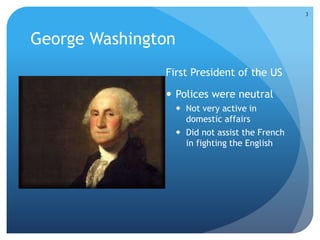
George Washington 
First President of the US 
 Polices were neutral 
 Not very active in 
domestic affairs 
 Did not assist the French 
in fighting the English 
3
George Washington 
Controversies of the Washington years 
The National Bank 
 Alexander Hamilton (Secretary of Treasury) 
wanted to create a national bank 
 Would require a strong national government 
and the nation going into debt 
 Many questioned the constitutionality of the 
bank 
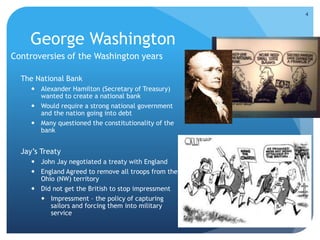
Jay’s Treaty 
 John Jay negotiated a treaty with England 
 England Agreed to remove all troops from the 
Ohio (NW) territory 
 Did not get the British to stop impressment 
 Impressment – the policy of capturing 
sailors and forcing them into military 
service 
4
George Washington 
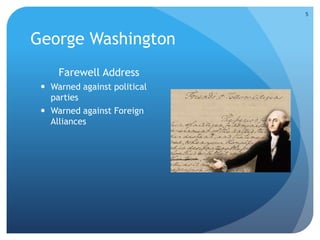
Farewell Address 
 Warned against political 
parties 
 Warned against Foreign 
Alliances 
5
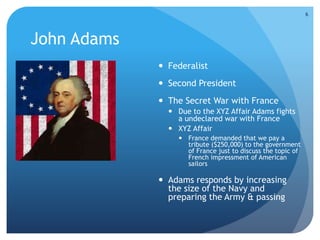
John Adams 
 Federalist 
 Second President 
 The Secret War with France 
 Due to the XYZ Affair Adams fights 
a undeclared war with France 
 XYZ Affair 
 France demanded that we pay a 
tribute ($250,000) to the government 
of France just to discuss the topic of 
French impressment of American 
sailors 
 Adams responds by increasing 
the size of the Navy and 
preparing the Army & passing 
6
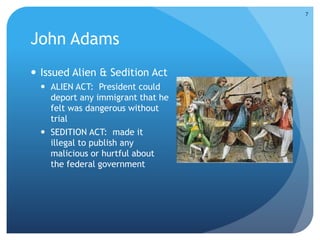
John Adams 
 Issued Alien & Sedition Act 
 ALIEN ACT: President could 
deport any immigrant that he 
felt was dangerous without 
trial 
 SEDITION ACT: made it 
illegal to publish any 
malicious or hurtful about 
the federal government 
7
The First Political Parties 
• During the last years of the Washington 
presidency the country began diving 
up into political parties 
• the Federalist & Democratic- 
Republicans 
• Controversy over the for the Bank of 
the United States, the Jay Treaty, and 
the undeclared war on France 
contributed to the emergence of an 
organized political parties 
8
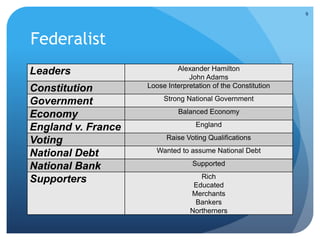
Federalist 
Leaders Alexander Hamilton 
John Adams 
Constitution Loose Interpretation of the Constitution 
Government Strong National Government 
Economy Balanced Economy 
England v. France England 
Voting Raise Voting Qualifications 
National Debt Wanted to assume National Debt 
National Bank Supported 
Supporters Rich 
Educated 
Merchants 
Bankers 
Northerners 
9
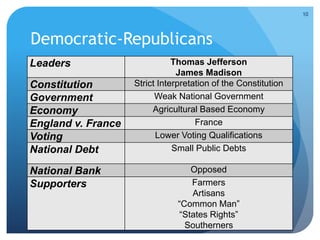
Democratic-Republicans 
Leaders Thomas Jefferson 
James Madison 
Constitution Strict Interpretation of the Constitution 
Government Weak National Government 
Economy Agricultural Based Economy 
England v. France France 
Voting Lower Voting Qualifications 
National Debt Small Public Debts 
National Bank Opposed 
Supporters Farmers 
Artisans 
“Common Man” 
“States Rights” 
Southerners 
10
The Election of 1800 
The Revolution of 1800 
11
12
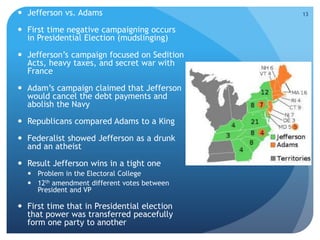
 Jefferson vs. Adams 
 First time negative campaigning occurs 
in Presidential Election (mudslinging) 
 Jefferson’s campaign focused on Sedition 
Acts, heavy taxes, and secret war with 
France 
 Adam’s campaign claimed that Jefferson 
would cancel the debt payments and 
abolish the Navy 
 Republicans compared Adams to a King 
 Federalist showed Jefferson as a drunk 
and an atheist 
 Result Jefferson wins in a tight one 
 Problem in the Electoral College 
 12th amendment different votes between 
President and VP 
 First time that in Presidential election 
that power was transferred peacefully 
form one party to another 
13
The Marshall Court 
Hey we a have a supreme court 
14
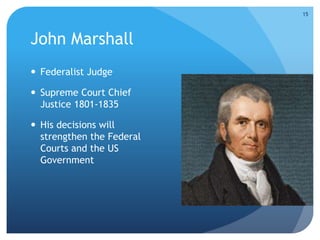
John Marshall 
 Federalist Judge 
 Supreme Court Chief 
Justice 1801-1835 
 His decisions will 
strengthen the Federal 
Courts and the US 
Government 
15
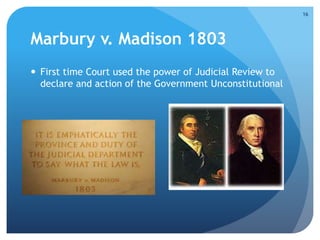
Marbury v. Madison 1803 
 First time Court used the power of Judicial Review to 
declare and action of the Government Unconstitutional 
16
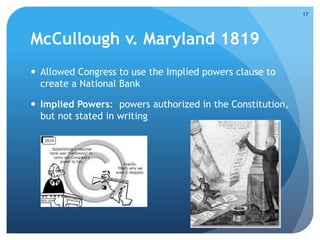
McCullough v. Maryland 1819 
 Allowed Congress to use the Implied powers clause to 
create a National Bank 
 Implied Powers: powers authorized in the Constitution, 
but not stated in writing 
17
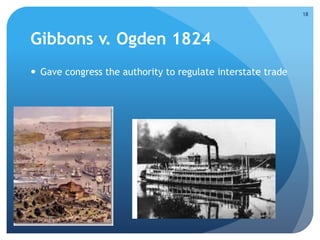
Gibbons v. Ogden 1824 
 Gave congress the authority to regulate interstate trade 
18
Results 
 Made the Supreme Court a 3 and equal branch of 
Government 
 Increased the power of the National Government 
19
The Louisiana Purchase 
1803 
20
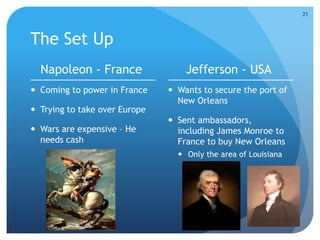
The Set Up 
Napoleon - France 
 Coming to power in France 
 Trying to take over Europe 
 Wars are expensive – He 
needs cash 
Jefferson - USA 
 Wants to secure the port of 
New Orleans 
 Sent ambassadors, 
including James Monroe to 
France to buy New Orleans 
 Only the area of Louisiana 
21
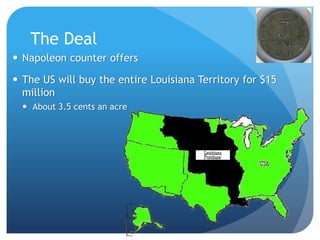
The Deal 
 Napoleon counter offers 
 The US will buy the entire Louisiana Territory for $15 
million 
 About 3.5 cents an acre 
22
The Problem 
Could Jefferson legally do this? 
 Constitution did not specifically say 
that the government could buy new 
lands 
 But benefits outweighed the 
possible violation of the 
Constitution 
 so the treaty passed 
Jefferson latter said 
 He stretched his Presidential power 
until it cracked 
23
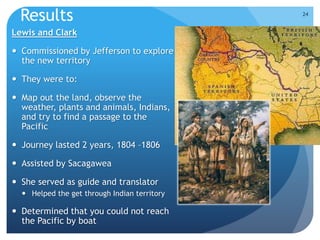
Results 
Lewis and Clark 
 Commissioned by Jefferson to explore 
the new territory 
 They were to: 
 Map out the land, observe the 
weather, plants and animals, Indians, 
and try to find a passage to the 
Pacific 
 Journey lasted 2 years, 1804 –1806 
 Assisted by Sacagawea 
 She served as guide and translator 
 Helped the get through Indian territory 
 Determined that you could not reach 
the Pacific by boat 
24
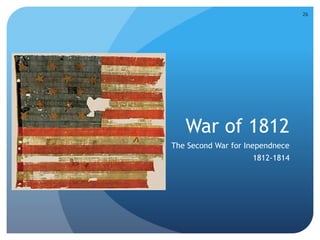
What is this? 
Oh, say, can you see, by the dawn's early light, 
What so proudly we hail'd at the twilight's last gleaming? 
Whose broad stripes and bright stars, thro' the perilous fight, 
O'er the ramparts we watch'd, were so gallantly streaming? 
And the rockets' red glare, the bombs bursting in air, 
Gave proof thro' the night that our flag was still there. 
O say, does that star-spangled banner yet wave 
O'er the land of the free and the home of the brave? 
On the shore dimly seen thro' the mists of the deep, 
Where the foe's haughty host in dread silence reposes, 
What is that which the breeze, o'er the towering steep, 
As it fitfully blows, half conceals, half discloses? 
Now it catches the gleam of the morning's first beam, 
In full glory reflected, now shines on the stream: 
'T is the star-spangled banner: O, long may it wave 
O'er the land of the free and the home of the brave!
26 
War of 1812 
The Second War for Inependnece 
1812-1814
Causes 
27 
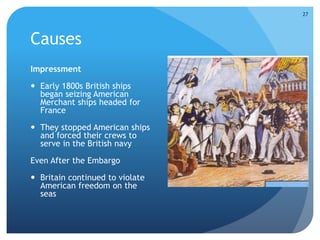
Impressment 
 Early 1800s British ships 
began seizing American 
Merchant ships headed for 
France 
 They stopped American ships 
and forced their crews to 
serve in the British navy 
Even After the Embargo 
 Britain continued to violate 
American freedom on the 
seas
Causes 
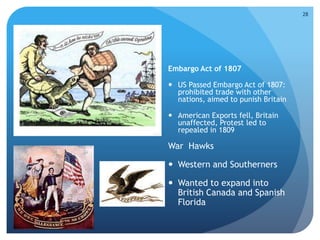
Embargo Act of 1807 
 US Passed Embargo Act of 1807: 
prohibited trade with other 
nations, aimed to punish Britain 
 American Exports fell, Britain 
unaffected, Protest led to 
repealed in 1809 
28 
War Hawks 
 Western and Southerners 
 Wanted to expand into 
British Canada and Spanish 
Florida
War Declared 
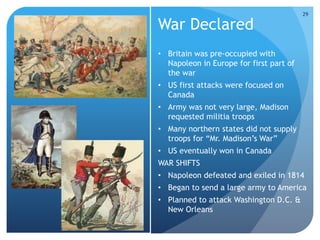
• Britain was pre-occupied with 
Napoleon in Europe for first part of 
the war 
• US first attacks were focused on 
Canada 
• Army was not very large, Madison 
requested militia troops 
• Many northern states did not supply 
troops for “Mr. Madison’s War” 
• US eventually won in Canada 
WAR SHIFTS 
• Napoleon defeated and exiled in 1814 
• Began to send a large army to America 
• Planned to attack Washington D.C. & 
New Orleans 
29
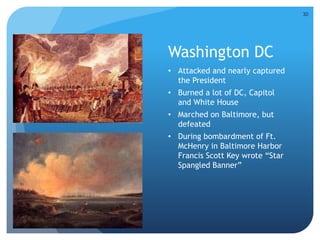
Washington DC 
• Attacked and nearly captured 
the President 
• Burned a lot of DC, Capitol 
and White House 
• Marched on Baltimore, but 
defeated 
• During bombardment of Ft. 
McHenry in Baltimore Harbor 
Francis Scott Key wrote “Star 
Spangled Banner” 
30
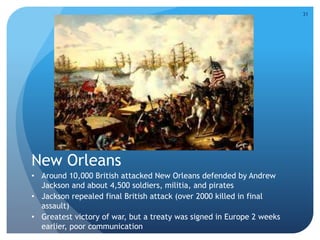
New Orleans 
• Around 10,000 British attacked New Orleans defended by Andrew 
Jackson and about 4,500 soldiers, militia, and pirates 
• Jackson repealed final British attack (over 2000 killed in final 
assault) 
• Greatest victory of war, but a treaty was signed in Europe 2 weeks 
earlier, poor communication 
31
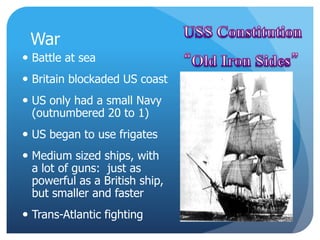
War 
 Battle at sea 
 Britain blockaded US coast 
 US only had a small Navy 
(outnumbered 20 to 1) 
 US began to use frigates 
 Medium sized ships, with 
a lot of guns: just as 
powerful as a British ship, 
but smaller and faster 
 Trans-Atlantic fighting
Results 
Treaty of Ghent 
 Signed on Christmas Eve 
1814, unanimously ratified 
by Senate in February 
 Returned to a pre war 
“status quo” 
 Meaning nothing lost or 
gained 
More 
A. The war reinforced American 
belief that a policy of neutrality 
regarding European affairs was 
justified 
B. Native American tribes in West 
lost ally, Britain, and were much less 
able to stand up to American 
Expansion 
C. American manufacturing began to 
grow, particularly in New England, 
when the US was cut off from imports 
from Europe 
D. Opposing the war weakened the 
Federalist Party, soon ceased to be a 
major factor in US government 
E. Andrew Jackson, William Henry 
Harrison, became national heroes 
F. Produced an American claim to the 
Oregon Territory, and increased 
migration of American settlers into 
Florida, which was later acquired by 
treaty from Spain 
33
Technology: Advancing 
America 
This will helps us expand
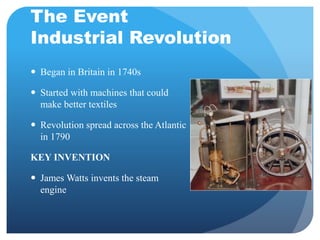
The Event 
Industrial Revolution 
 Began in Britain in 1740s 
 Started with machines that could 
make better textiles 
 Revolution spread across the Atlantic 
in 1790 
KEY INVENTION 
 James Watts invents the steam 
engine
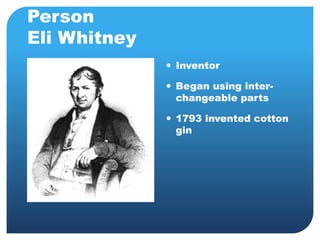
Person 
Eli Whitney 
 Inventor 
 Began using inter-changeable 
parts 
 1793 invented cotton 
gin
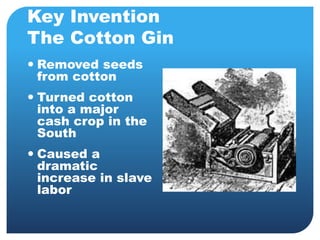
Key Invention 
The Cotton Gin 
 Removed seeds 
from cotton 
 Turned cotton 
into a major 
cash crop in the 
South 
 Caused a 
dramatic 
increase in slave 
labor
The invention of the 
steam engine 
changed water and 
land transportation
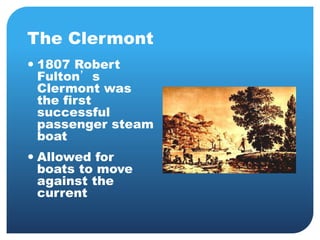
The Clermont 
 1807 Robert 
Fulton’s 
Clermont was 
the first 
successful 
passenger steam 
boat 
 Allowed for 
boats to move 
against the 
current
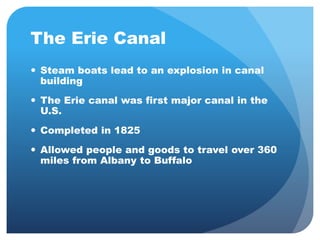
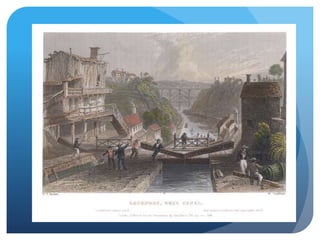
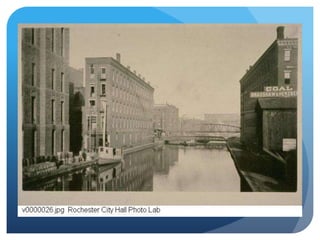
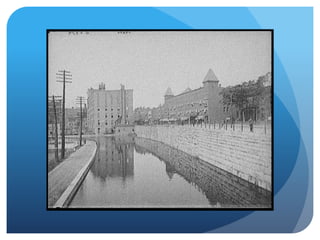
The Erie Canal 
 Steam boats lead to an explosion in canal 
building 
 The Erie canal was first major canal in the 
U.S. 
 Completed in 1825 
 Allowed people and goods to travel over 360 
miles from Albany to Buffalo
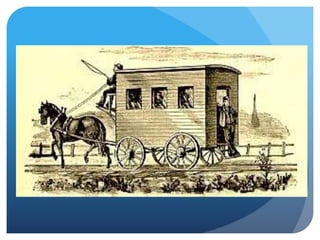
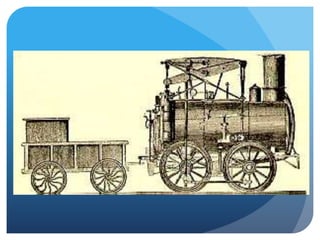
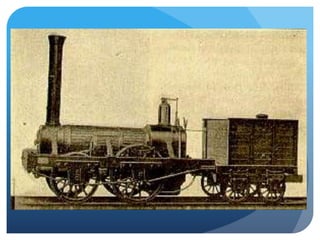
Railroads 
 RR construction began in the 1830s 
 They were faster and cheaper to build than 
canals 
 Allowed communities far from the water to 
grow 
 Earliest were short and linked cities together
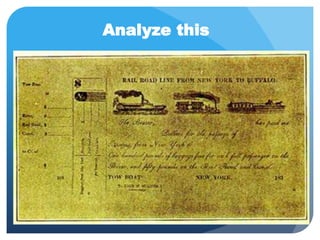
Analyze this
How did all of 
these events 
change our 
country?
50 
Technology will help 
facilitate economic 
expansion and unite this vast 
country, but the cotton gin 
will begin to lead to the 
increased use of slave labor 
and bitterly divide the 
nation.
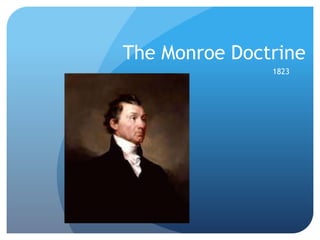
The Monroe Doctrine 
1823
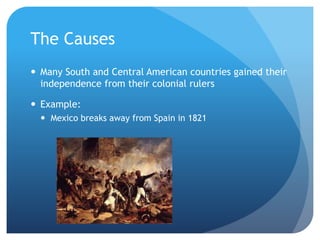
The Causes 
 Many South and Central American countries gained their 
independence from their colonial rulers 
 Example: 
 Mexico breaks away from Spain in 1821
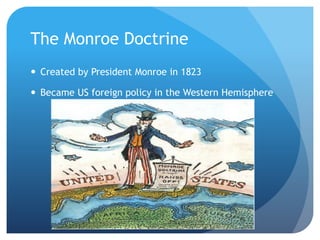
The Monroe Doctrine 
 Created by President Monroe in 1823 
 Became US foreign policy in the Western Hemisphere
The Monroe Doctrine 
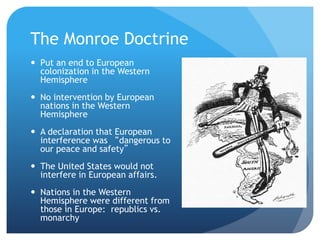
 Put an end to European 
colonization in the Western 
Hemisphere 
 No intervention by European 
nations in the Western 
Hemisphere 
 A declaration that European 
interference was “dangerous to 
our peace and safety” 
 The United States would not 
interfere in European affairs. 
 Nations in the Western 
Hemisphere were different from 
those in Europe: republics vs. 
monarchy
Did it work? 
 In 1823 US lacked power to enforce this, but Britain 
agreed to help out with their Navy 
 By 1900 we were capable of enforcing it on our own
Manifest Destiny 
We begin to expand, just like after Thanksgiving Dinner
Manifest Destiny 
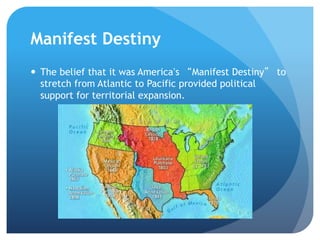
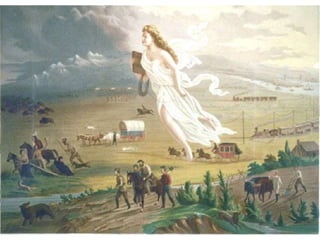
 The belief that it was America’s “Manifest Destiny” to 
stretch from Atlantic to Pacific provided political 
support for territorial expansion.
Manifest Destiny 
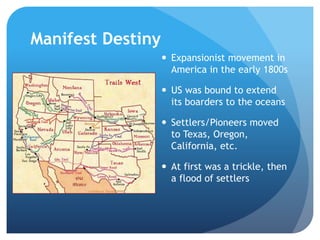
 Expansionist movement in 
America in the early 1800s 
 US was bound to extend 
its boarders to the oceans 
 Settlers/Pioneers moved 
to Texas, Oregon, 
California, etc. 
 At first was a trickle, then 
a flood of settlers
Results 
 Arguments 
Slavery? 
 Annexation 
 New States 
 Wars 
 Texas/Mexico 
 Native Americans 
 Live with/relocate
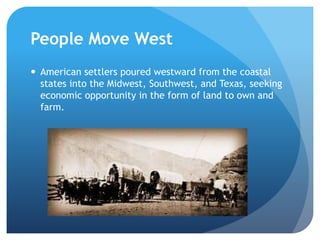
People Move West 
 American settlers poured westward from the coastal 
states into the Midwest, Southwest, and Texas, seeking 
economic opportunity in the form of land to own and 
farm.
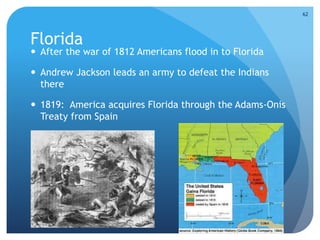
Florida 
 After the war of 1812 Americans flood in to Florida 
 Andrew Jackson leads an army to defeat the Indians 
there 
 1819: America acquires Florida through the Adams-Onis 
Treaty from Spain 
62
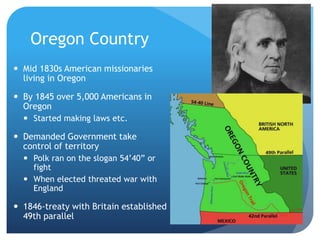
Oregon Country 
 Mid 1830s American missionaries 
living in Oregon 
 By 1845 over 5,000 Americans in 
Oregon 
 Started making laws etc. 
 Demanded Government take 
control of territory 
 Polk ran on the slogan 54’40” or 
fight 
 When elected threated war with 
England 
 1846-treaty with Britain established 
49th parallel
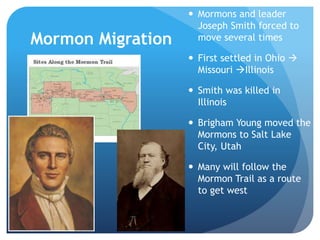
Mormon Migration 
 Mormons and leader 
Joseph Smith forced to 
move several times 
 First settled in Ohio  
Missouri Illinois 
 Smith was killed in 
Illinois 
 Brigham Young moved the 
Mormons to Salt Lake 
City, Utah 
 Many will follow the 
Mormon Trail as a route 
to get west
Texas 
The home of more guns than people and big belt buckles 
65
The Beginning 
 1821 Mexico breaks away 
from Spain 
 Mexico wanted immigrants 
to come and develop 
Texas 
 1822 Stephen Austin takes 
land grant 
 Southern American 
 1830 almost 30,000 
American in Texas 
 Outnumbered Mexicans 10 
to 1 in territory
Troubles 
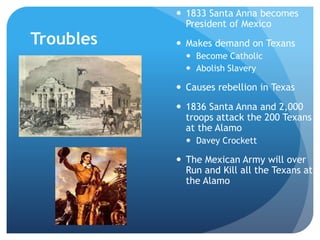
 1833 Santa Anna becomes 
President of Mexico 
 Makes demand on Texans 
 Become Catholic 
 Abolish Slavery 
 Causes rebellion in Texas 
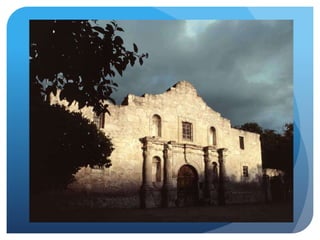
 1836 Santa Anna and 2,000 
troops attack the 200 Texans 
at the Alamo 
 Davey Crockett 
 The Mexican Army will over 
Run and Kill all the Texans at 
the Alamo
Independence 
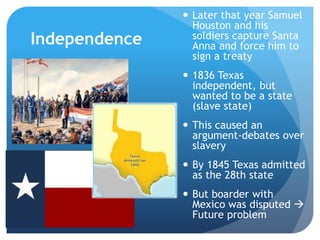
 Later that year Samuel 
Houston and his 
soldiers capture Santa 
Anna and force him to 
sign a treaty 
 1836 Texas 
independent, but 
wanted to be a state 
(slave state) 
 This caused an 
argument-debates over 
slavery 
 By 1845 Texas admitted 
as the 28th state 
 But boarder with 
Mexico was disputed  
Future problem
The Mexican War
1 
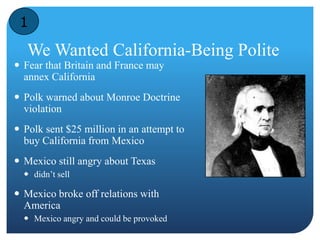
We Wanted California-Being Polite 
 Fear that Britain and France may 
annex California 
 Polk warned about Monroe Doctrine 
violation 
 Polk sent $25 million in an attempt to 
buy California from Mexico 
 Mexico still angry about Texas 
 didn’t sell 
 Mexico broke off relations with 
America 
 Mexico angry and could be provoked
2 
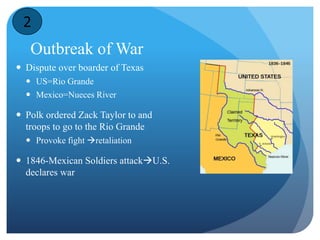
Outbreak of War 
 Dispute over boarder of Texas 
 US=Rio Grande 
 Mexico=Nueces River 
 Polk ordered Zack Taylor to and 
troops to go to the Rio Grande 
 Provoke fight retaliation 
 1846-Mexican Soldiers attackU.S. 
declares war
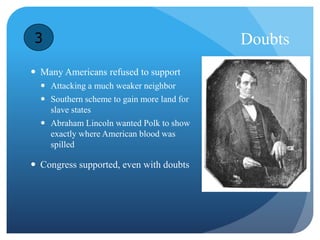
Doubts 
3 
 Many Americans refused to support 
 Attacking a much weaker neighbor 
 Southern scheme to gain more land for 
slave states 
 Abraham Lincoln wanted Polk to show 
exactly where American blood was 
spilled 
 Congress supported, even with doubts
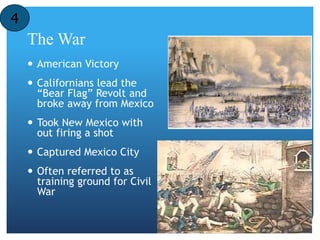
The War 
 American Victory 
 Californians lead the 
“Bear Flag” Revolt and 
broke away from Mexico 
 Took New Mexico with 
out firing a shot 
 Captured Mexico City 
 Often referred to as 
training ground for Civil 
War 
4
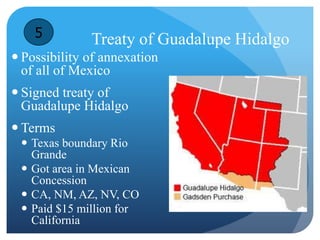
Treaty of Guadalupe Hidalgo 
5 
 Possibility of annexation 
of all of Mexico 
 Signed treaty of 
Guadalupe Hidalgo 
 Terms 
 Texas boundary Rio 
Grande 
 Got area in Mexican 
Concession 
 CA, NM, AZ, NV, CO 
 Paid $15 million for 
California
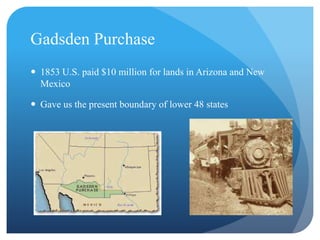
Gadsden Purchase 
 1853 U.S. paid $10 million for lands in Arizona and New 
Mexico 
 Gave us the present boundary of lower 48 states
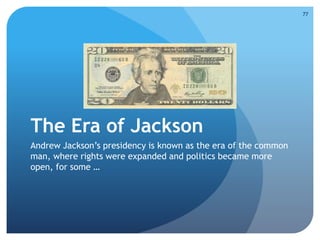
The Era of Jackson 
Andrew Jackson’s presidency is known as the era of the common 
man, where rights were expanded and politics became more 
open, for some … 
77
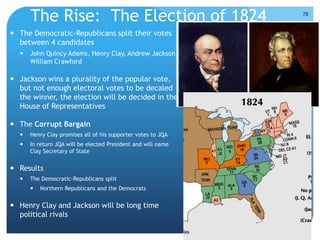
The Rise: The Election of 1824 
 The Democratic-Republicans split their votes 
between 4 candidates 
 John Quincy Adams, Henry Clay, Andrew Jackson, 
William Crawford 
 Jackson wins a plurality of the popular vote, 
but not enough electoral votes to be decaled 
the winner, the election will be decided in the 
House of Representatives 
 The Corrupt Bargain 
 Henry Clay promises all of his supporter votes to JQA 
 In return JQA will be elected President and will name 
Clay Secretary of State 
 Results 
 The Democratic-Republicans split 
 Northern Republicans and the Democrats 
 Henry Clay and Jackson will be long time 
political rivals 
78
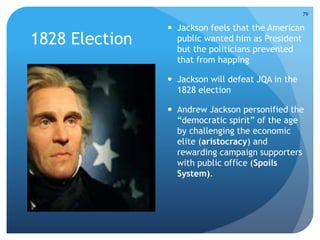
1828 Election 
 Jackson feels that the American 
public wanted him as President 
but the politicians prevented 
that from happing 
 Jackson will defeat JQA in the 
1828 election 
 Andrew Jackson personified the 
“democratic spirit” of the age 
by challenging the economic 
elite (aristocracy) and 
rewarding campaign supporters 
with public office (Spoils 
System). 
79
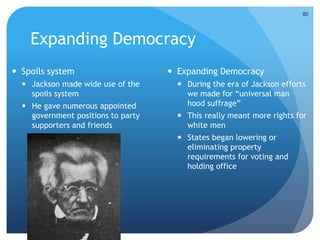
Expanding Democracy 
 Spoils system 
 Jackson made wide use of the 
spoils system 
 He gave numerous appointed 
government positions to party 
supporters and friends 
 Expanding Democracy 
 During the era of Jackson efforts 
we made for “universal man 
hood suffrage” 
 This really meant more rights for 
white men 
 States began lowering or 
eliminating property 
requirements for voting and 
holding office 
80
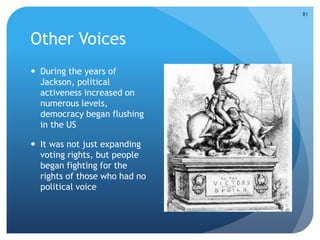
Other Voices 
 During the years of 
Jackson, political 
activeness increased on 
numerous levels, 
democracy began flushing 
in the US 
 It was not just expanding 
voting rights, but people 
began fighting for the 
rights of those who had no 
political voice 
81
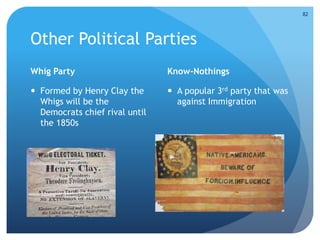
Other Political Parties 
Whig Party 
 Formed by Henry Clay the 
Whigs will be the 
Democrats chief rival until 
the 1850s 
Know-Nothings 
 A popular 3rd party that was 
against Immigration 
82
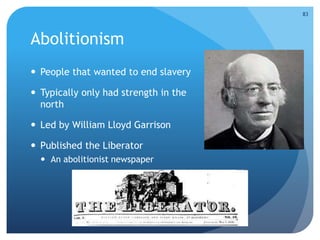
Abolitionism 
 People that wanted to end slavery 
 Typically only had strength in the 
north 
 Led by William Lloyd Garrison 
 Published the Liberator 
 An abolitionist newspaper 
83
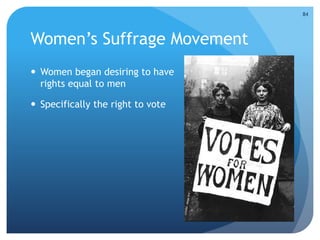
Women’s Suffrage Movement 
 Women began desiring to have 
rights equal to men 
 Specifically the right to vote 
84
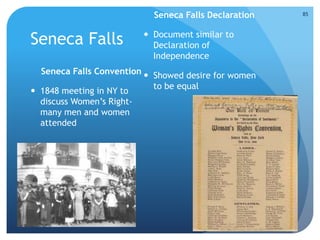
Seneca Falls 
Seneca Falls Convention 
 1848 meeting in NY to 
discuss Women’s Right-many 
men and women 
attended 
Seneca Falls Declaration 
 Document similar to 
Declaration of 
Independence 
 Showed desire for women 
to be equal 
85
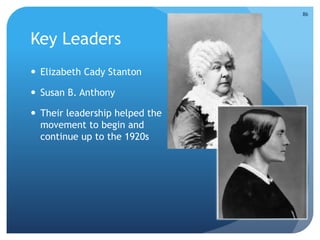
Key Leaders 
 Elizabeth Cady Stanton 
 Susan B. Anthony 
 Their leadership helped the 
movement to begin and 
continue up to the 1920s 
86
87 
Jackson & Controversies
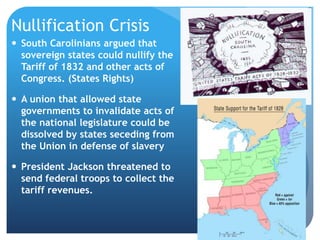
Nullification Crisis 
 South Carolinians argued that 
sovereign states could nullify the 
Tariff of 1832 and other acts of 
Congress. (States Rights) 
 A union that allowed state 
governments to invalidate acts of 
the national legislature could be 
dissolved by states seceding from 
the Union in defense of slavery 
 President Jackson threatened to 
send federal troops to collect the 
tariff revenues. 
88
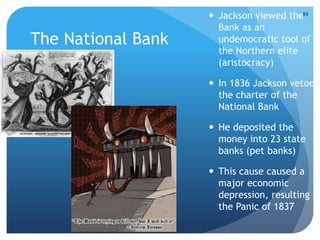
The National Bank 
 Jackson viewed the 
89 
Bank as an 
undemocratic tool of 
the Northern elite 
(aristocracy) 
 In 1836 Jackson vetoed 
the charter of the 
National Bank 
 He deposited the 
money into 23 state 
banks (pet banks) 
 This cause caused a 
major economic 
depression, resulting in 
the Panic of 1837
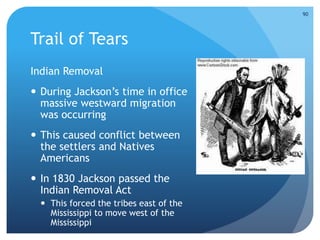
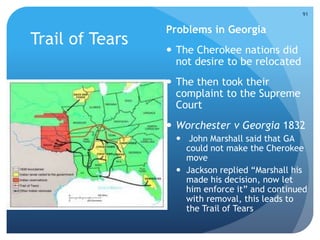
Trail of Tears 
Indian Removal 
 During Jackson’s time in office 
massive westward migration 
was occurring 
 This caused conflict between 
the settlers and Natives 
Americans 
 In 1830 Jackson passed the 
Indian Removal Act 
 This forced the tribes east of the 
Mississippi to move west of the 
Mississippi 
90
Trail of Tears 
Problems in Georgia 
 The Cherokee nations did 
not desire to be relocated 
 The then took their 
complaint to the Supreme 
Court 
91 
 Worchester v Georgia 1832 
 John Marshall said that GA 
could not make the Cherokee 
move 
 Jackson replied “Marshall his 
made his decision, now let 
him enforce it” and continued 
with removal, this leads to 
the Trail of Tears
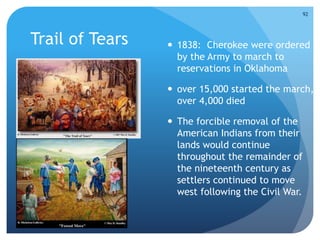
Trail of Tears  1838: Cherokee were ordered 
by the Army to march to 
reservations in Oklahoma 
 over 15,000 started the march, 
over 4,000 died 
 The forcible removal of the 
American Indians from their 
lands would continue 
throughout the remainder of 
the nineteenth century as 
settlers continued to move 
west following the Civil War. 
92

Early National Period

  • 1.
    The Early NationalPeriod 1789-1848 1
  • 2.
    Early Politics TheRise of Political Parties 2
  • 3.
    George Washington FirstPresident of the US  Polices were neutral  Not very active in domestic affairs  Did not assist the French in fighting the English 3
  • 4.
    George Washington Controversiesof the Washington years The National Bank  Alexander Hamilton (Secretary of Treasury) wanted to create a national bank  Would require a strong national government and the nation going into debt  Many questioned the constitutionality of the bank Jay’s Treaty  John Jay negotiated a treaty with England  England Agreed to remove all troops from the Ohio (NW) territory  Did not get the British to stop impressment  Impressment – the policy of capturing sailors and forcing them into military service 4
  • 5.
    George Washington FarewellAddress  Warned against political parties  Warned against Foreign Alliances 5
  • 6.
    John Adams Federalist  Second President  The Secret War with France  Due to the XYZ Affair Adams fights a undeclared war with France  XYZ Affair  France demanded that we pay a tribute ($250,000) to the government of France just to discuss the topic of French impressment of American sailors  Adams responds by increasing the size of the Navy and preparing the Army & passing 6
  • 7.
    John Adams Issued Alien & Sedition Act  ALIEN ACT: President could deport any immigrant that he felt was dangerous without trial  SEDITION ACT: made it illegal to publish any malicious or hurtful about the federal government 7
  • 8.
    The First PoliticalParties • During the last years of the Washington presidency the country began diving up into political parties • the Federalist & Democratic- Republicans • Controversy over the for the Bank of the United States, the Jay Treaty, and the undeclared war on France contributed to the emergence of an organized political parties 8
  • 9.
    Federalist Leaders AlexanderHamilton John Adams Constitution Loose Interpretation of the Constitution Government Strong National Government Economy Balanced Economy England v. France England Voting Raise Voting Qualifications National Debt Wanted to assume National Debt National Bank Supported Supporters Rich Educated Merchants Bankers Northerners 9
  • 10.
    Democratic-Republicans Leaders ThomasJefferson James Madison Constitution Strict Interpretation of the Constitution Government Weak National Government Economy Agricultural Based Economy England v. France France Voting Lower Voting Qualifications National Debt Small Public Debts National Bank Opposed Supporters Farmers Artisans “Common Man” “States Rights” Southerners 10
  • 11.
    The Election of1800 The Revolution of 1800 11
  • 12.
  • 13.
     Jefferson vs.Adams  First time negative campaigning occurs in Presidential Election (mudslinging)  Jefferson’s campaign focused on Sedition Acts, heavy taxes, and secret war with France  Adam’s campaign claimed that Jefferson would cancel the debt payments and abolish the Navy  Republicans compared Adams to a King  Federalist showed Jefferson as a drunk and an atheist  Result Jefferson wins in a tight one  Problem in the Electoral College  12th amendment different votes between President and VP  First time that in Presidential election that power was transferred peacefully form one party to another 13
  • 14.
    The Marshall Court Hey we a have a supreme court 14
  • 15.
    John Marshall Federalist Judge  Supreme Court Chief Justice 1801-1835  His decisions will strengthen the Federal Courts and the US Government 15
  • 16.
    Marbury v. Madison1803  First time Court used the power of Judicial Review to declare and action of the Government Unconstitutional 16
  • 17.
    McCullough v. Maryland1819  Allowed Congress to use the Implied powers clause to create a National Bank  Implied Powers: powers authorized in the Constitution, but not stated in writing 17
  • 18.
    Gibbons v. Ogden1824  Gave congress the authority to regulate interstate trade 18
  • 19.
    Results  Madethe Supreme Court a 3 and equal branch of Government  Increased the power of the National Government 19
  • 20.
  • 21.
    The Set Up Napoleon - France  Coming to power in France  Trying to take over Europe  Wars are expensive – He needs cash Jefferson - USA  Wants to secure the port of New Orleans  Sent ambassadors, including James Monroe to France to buy New Orleans  Only the area of Louisiana 21
  • 22.
    The Deal Napoleon counter offers  The US will buy the entire Louisiana Territory for $15 million  About 3.5 cents an acre 22
  • 23.
    The Problem CouldJefferson legally do this?  Constitution did not specifically say that the government could buy new lands  But benefits outweighed the possible violation of the Constitution  so the treaty passed Jefferson latter said  He stretched his Presidential power until it cracked 23
  • 24.
    Results Lewis andClark  Commissioned by Jefferson to explore the new territory  They were to:  Map out the land, observe the weather, plants and animals, Indians, and try to find a passage to the Pacific  Journey lasted 2 years, 1804 –1806  Assisted by Sacagawea  She served as guide and translator  Helped the get through Indian territory  Determined that you could not reach the Pacific by boat 24
  • 25.
    What is this? Oh, say, can you see, by the dawn's early light, What so proudly we hail'd at the twilight's last gleaming? Whose broad stripes and bright stars, thro' the perilous fight, O'er the ramparts we watch'd, were so gallantly streaming? And the rockets' red glare, the bombs bursting in air, Gave proof thro' the night that our flag was still there. O say, does that star-spangled banner yet wave O'er the land of the free and the home of the brave? On the shore dimly seen thro' the mists of the deep, Where the foe's haughty host in dread silence reposes, What is that which the breeze, o'er the towering steep, As it fitfully blows, half conceals, half discloses? Now it catches the gleam of the morning's first beam, In full glory reflected, now shines on the stream: 'T is the star-spangled banner: O, long may it wave O'er the land of the free and the home of the brave!
  • 26.
    26 War of1812 The Second War for Inependnece 1812-1814
  • 27.
    Causes 27 Impressment  Early 1800s British ships began seizing American Merchant ships headed for France  They stopped American ships and forced their crews to serve in the British navy Even After the Embargo  Britain continued to violate American freedom on the seas
  • 28.
    Causes Embargo Actof 1807  US Passed Embargo Act of 1807: prohibited trade with other nations, aimed to punish Britain  American Exports fell, Britain unaffected, Protest led to repealed in 1809 28 War Hawks  Western and Southerners  Wanted to expand into British Canada and Spanish Florida
  • 29.
    War Declared •Britain was pre-occupied with Napoleon in Europe for first part of the war • US first attacks were focused on Canada • Army was not very large, Madison requested militia troops • Many northern states did not supply troops for “Mr. Madison’s War” • US eventually won in Canada WAR SHIFTS • Napoleon defeated and exiled in 1814 • Began to send a large army to America • Planned to attack Washington D.C. & New Orleans 29
  • 30.
    Washington DC •Attacked and nearly captured the President • Burned a lot of DC, Capitol and White House • Marched on Baltimore, but defeated • During bombardment of Ft. McHenry in Baltimore Harbor Francis Scott Key wrote “Star Spangled Banner” 30
  • 31.
    New Orleans •Around 10,000 British attacked New Orleans defended by Andrew Jackson and about 4,500 soldiers, militia, and pirates • Jackson repealed final British attack (over 2000 killed in final assault) • Greatest victory of war, but a treaty was signed in Europe 2 weeks earlier, poor communication 31
  • 32.
    War  Battleat sea  Britain blockaded US coast  US only had a small Navy (outnumbered 20 to 1)  US began to use frigates  Medium sized ships, with a lot of guns: just as powerful as a British ship, but smaller and faster  Trans-Atlantic fighting
  • 33.
    Results Treaty ofGhent  Signed on Christmas Eve 1814, unanimously ratified by Senate in February  Returned to a pre war “status quo”  Meaning nothing lost or gained More A. The war reinforced American belief that a policy of neutrality regarding European affairs was justified B. Native American tribes in West lost ally, Britain, and were much less able to stand up to American Expansion C. American manufacturing began to grow, particularly in New England, when the US was cut off from imports from Europe D. Opposing the war weakened the Federalist Party, soon ceased to be a major factor in US government E. Andrew Jackson, William Henry Harrison, became national heroes F. Produced an American claim to the Oregon Territory, and increased migration of American settlers into Florida, which was later acquired by treaty from Spain 33
  • 34.
    Technology: Advancing America This will helps us expand
  • 35.
    The Event IndustrialRevolution  Began in Britain in 1740s  Started with machines that could make better textiles  Revolution spread across the Atlantic in 1790 KEY INVENTION  James Watts invents the steam engine
  • 36.
    Person Eli Whitney  Inventor  Began using inter-changeable parts  1793 invented cotton gin
  • 37.
    Key Invention TheCotton Gin  Removed seeds from cotton  Turned cotton into a major cash crop in the South  Caused a dramatic increase in slave labor
  • 38.
    The invention ofthe steam engine changed water and land transportation
  • 39.
    The Clermont 1807 Robert Fulton’s Clermont was the first successful passenger steam boat  Allowed for boats to move against the current
  • 40.
    The Erie Canal  Steam boats lead to an explosion in canal building  The Erie canal was first major canal in the U.S.  Completed in 1825  Allowed people and goods to travel over 360 miles from Albany to Buffalo
  • 44.
    Railroads  RRconstruction began in the 1830s  They were faster and cheaper to build than canals  Allowed communities far from the water to grow  Earliest were short and linked cities together
  • 48.
  • 49.
    How did allof these events change our country?
  • 50.
    50 Technology willhelp facilitate economic expansion and unite this vast country, but the cotton gin will begin to lead to the increased use of slave labor and bitterly divide the nation.
  • 51.
  • 52.
    The Causes Many South and Central American countries gained their independence from their colonial rulers  Example:  Mexico breaks away from Spain in 1821
  • 53.
    The Monroe Doctrine  Created by President Monroe in 1823  Became US foreign policy in the Western Hemisphere
  • 54.
    The Monroe Doctrine  Put an end to European colonization in the Western Hemisphere  No intervention by European nations in the Western Hemisphere  A declaration that European interference was “dangerous to our peace and safety”  The United States would not interfere in European affairs.  Nations in the Western Hemisphere were different from those in Europe: republics vs. monarchy
  • 55.
    Did it work?  In 1823 US lacked power to enforce this, but Britain agreed to help out with their Navy  By 1900 we were capable of enforcing it on our own
  • 56.
    Manifest Destiny Webegin to expand, just like after Thanksgiving Dinner
  • 57.
    Manifest Destiny The belief that it was America’s “Manifest Destiny” to stretch from Atlantic to Pacific provided political support for territorial expansion.
  • 58.
    Manifest Destiny Expansionist movement in America in the early 1800s  US was bound to extend its boarders to the oceans  Settlers/Pioneers moved to Texas, Oregon, California, etc.  At first was a trickle, then a flood of settlers
  • 60.
    Results  Arguments Slavery?  Annexation  New States  Wars  Texas/Mexico  Native Americans  Live with/relocate
  • 61.
    People Move West  American settlers poured westward from the coastal states into the Midwest, Southwest, and Texas, seeking economic opportunity in the form of land to own and farm.
  • 62.
    Florida  Afterthe war of 1812 Americans flood in to Florida  Andrew Jackson leads an army to defeat the Indians there  1819: America acquires Florida through the Adams-Onis Treaty from Spain 62
  • 63.
    Oregon Country Mid 1830s American missionaries living in Oregon  By 1845 over 5,000 Americans in Oregon  Started making laws etc.  Demanded Government take control of territory  Polk ran on the slogan 54’40” or fight  When elected threated war with England  1846-treaty with Britain established 49th parallel
  • 64.
    Mormon Migration Mormons and leader Joseph Smith forced to move several times  First settled in Ohio  Missouri Illinois  Smith was killed in Illinois  Brigham Young moved the Mormons to Salt Lake City, Utah  Many will follow the Mormon Trail as a route to get west
  • 65.
    Texas The homeof more guns than people and big belt buckles 65
  • 66.
    The Beginning 1821 Mexico breaks away from Spain  Mexico wanted immigrants to come and develop Texas  1822 Stephen Austin takes land grant  Southern American  1830 almost 30,000 American in Texas  Outnumbered Mexicans 10 to 1 in territory
  • 67.
    Troubles  1833Santa Anna becomes President of Mexico  Makes demand on Texans  Become Catholic  Abolish Slavery  Causes rebellion in Texas  1836 Santa Anna and 2,000 troops attack the 200 Texans at the Alamo  Davey Crockett  The Mexican Army will over Run and Kill all the Texans at the Alamo
  • 68.
    Independence  Laterthat year Samuel Houston and his soldiers capture Santa Anna and force him to sign a treaty  1836 Texas independent, but wanted to be a state (slave state)  This caused an argument-debates over slavery  By 1845 Texas admitted as the 28th state  But boarder with Mexico was disputed  Future problem
  • 70.
  • 71.
    1 We WantedCalifornia-Being Polite  Fear that Britain and France may annex California  Polk warned about Monroe Doctrine violation  Polk sent $25 million in an attempt to buy California from Mexico  Mexico still angry about Texas  didn’t sell  Mexico broke off relations with America  Mexico angry and could be provoked
  • 72.
    2 Outbreak ofWar  Dispute over boarder of Texas  US=Rio Grande  Mexico=Nueces River  Polk ordered Zack Taylor to and troops to go to the Rio Grande  Provoke fight retaliation  1846-Mexican Soldiers attackU.S. declares war
  • 73.
    Doubts 3 Many Americans refused to support  Attacking a much weaker neighbor  Southern scheme to gain more land for slave states  Abraham Lincoln wanted Polk to show exactly where American blood was spilled  Congress supported, even with doubts
  • 74.
    The War American Victory  Californians lead the “Bear Flag” Revolt and broke away from Mexico  Took New Mexico with out firing a shot  Captured Mexico City  Often referred to as training ground for Civil War 4
  • 75.
    Treaty of GuadalupeHidalgo 5  Possibility of annexation of all of Mexico  Signed treaty of Guadalupe Hidalgo  Terms  Texas boundary Rio Grande  Got area in Mexican Concession  CA, NM, AZ, NV, CO  Paid $15 million for California
  • 76.
    Gadsden Purchase 1853 U.S. paid $10 million for lands in Arizona and New Mexico  Gave us the present boundary of lower 48 states
  • 77.
    The Era ofJackson Andrew Jackson’s presidency is known as the era of the common man, where rights were expanded and politics became more open, for some … 77
  • 78.
    The Rise: TheElection of 1824  The Democratic-Republicans split their votes between 4 candidates  John Quincy Adams, Henry Clay, Andrew Jackson, William Crawford  Jackson wins a plurality of the popular vote, but not enough electoral votes to be decaled the winner, the election will be decided in the House of Representatives  The Corrupt Bargain  Henry Clay promises all of his supporter votes to JQA  In return JQA will be elected President and will name Clay Secretary of State  Results  The Democratic-Republicans split  Northern Republicans and the Democrats  Henry Clay and Jackson will be long time political rivals 78
  • 79.
    1828 Election Jackson feels that the American public wanted him as President but the politicians prevented that from happing  Jackson will defeat JQA in the 1828 election  Andrew Jackson personified the “democratic spirit” of the age by challenging the economic elite (aristocracy) and rewarding campaign supporters with public office (Spoils System). 79
  • 80.
    Expanding Democracy Spoils system  Jackson made wide use of the spoils system  He gave numerous appointed government positions to party supporters and friends  Expanding Democracy  During the era of Jackson efforts we made for “universal man hood suffrage”  This really meant more rights for white men  States began lowering or eliminating property requirements for voting and holding office 80
  • 81.
    Other Voices During the years of Jackson, political activeness increased on numerous levels, democracy began flushing in the US  It was not just expanding voting rights, but people began fighting for the rights of those who had no political voice 81
  • 82.
    Other Political Parties Whig Party  Formed by Henry Clay the Whigs will be the Democrats chief rival until the 1850s Know-Nothings  A popular 3rd party that was against Immigration 82
  • 83.
    Abolitionism  Peoplethat wanted to end slavery  Typically only had strength in the north  Led by William Lloyd Garrison  Published the Liberator  An abolitionist newspaper 83
  • 84.
    Women’s Suffrage Movement  Women began desiring to have rights equal to men  Specifically the right to vote 84
  • 85.
    Seneca Falls SenecaFalls Convention  1848 meeting in NY to discuss Women’s Right-many men and women attended Seneca Falls Declaration  Document similar to Declaration of Independence  Showed desire for women to be equal 85
  • 86.
    Key Leaders Elizabeth Cady Stanton  Susan B. Anthony  Their leadership helped the movement to begin and continue up to the 1920s 86
  • 87.
    87 Jackson &Controversies
  • 88.
    Nullification Crisis South Carolinians argued that sovereign states could nullify the Tariff of 1832 and other acts of Congress. (States Rights)  A union that allowed state governments to invalidate acts of the national legislature could be dissolved by states seceding from the Union in defense of slavery  President Jackson threatened to send federal troops to collect the tariff revenues. 88
  • 89.
    The National Bank  Jackson viewed the 89 Bank as an undemocratic tool of the Northern elite (aristocracy)  In 1836 Jackson vetoed the charter of the National Bank  He deposited the money into 23 state banks (pet banks)  This cause caused a major economic depression, resulting in the Panic of 1837
  • 90.
    Trail of Tears Indian Removal  During Jackson’s time in office massive westward migration was occurring  This caused conflict between the settlers and Natives Americans  In 1830 Jackson passed the Indian Removal Act  This forced the tribes east of the Mississippi to move west of the Mississippi 90
  • 91.
    Trail of Tears Problems in Georgia  The Cherokee nations did not desire to be relocated  The then took their complaint to the Supreme Court 91  Worchester v Georgia 1832  John Marshall said that GA could not make the Cherokee move  Jackson replied “Marshall his made his decision, now let him enforce it” and continued with removal, this leads to the Trail of Tears
  • 92.
    Trail of Tears 1838: Cherokee were ordered by the Army to march to reservations in Oklahoma  over 15,000 started the march, over 4,000 died  The forcible removal of the American Indians from their lands would continue throughout the remainder of the nineteenth century as settlers continued to move west following the Civil War. 92