Globalization                                Digital enterprise                        Collaboration

    Business insight             Time to market                                    Business process
                                                             Privacy                improvement
Innovation                              Multigenerational
                                           workforce                            Device
                 Customer                                                    proliferation
                 acquisition                       Customer retention
                                                                                         New business

 Workforce               Environmental                   Cost reductions                   models
                          sustainability
productivity                             Mergers and acquisitions
                                                                                               Employee
             Security and risk                                                                recruitment
                                         Distributed
              management
                                         workforce
                                                              Regulations                    and retention


     Information                                    Information protection
                                                                                   Emerging
     management                                                                   competitors
                                       Changing expectations
  Digital
 marketing                   Compliance                              Efficiency              Mobility
Business must                           The CIO needs to know the Business and consistently
                        treat IT as a value                     convey a shared vision, expressing how an integrated
                        contributing                            IT and Business strategy will lead to improved
                        partner                                 performance across the entire organization.


                        IT and Business
                        alignment
                        matters to the
                        bottom line

Source: Deloitte, - IT-Business Balance Survey 2011 - Finding common ground, Jan. 2011
Entry at any
             point in the
Enterprise    IT lifecycle
 Strategy
             Consulting
              Services
                             Premier
                             Support
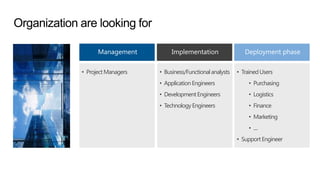
Management          Implementation                 Deployment phase

• Project Managers   • Business/Functional analysts   • Trained Users
                     • Application Engineers               • Purchasing
                     • Development Engineers               • Logistics
                     • Technology Engineers                • Finance
                                                           • Marketing
                                                           • ....
                                                      • Support Engineer
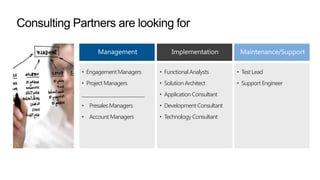
Management                    Implementation         Maintenance/Support

• Engagement Managers           • Functional Analysts      • Test Lead
• Project Managers              • Solution Architect       • Support Engineer
_____________________________   • Application Consultant
• Presales Managers             • Development Consultant
• Account Managers              • Technology Consultant
Microsoft Dynamics Academic Alliance: Job Roles

Microsoft Dynamics Academic Alliance: Job Roles

  • 2.
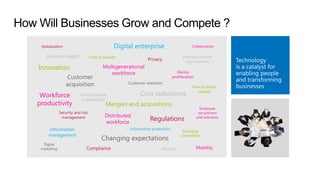
    Globalization Digital enterprise Collaboration Business insight Time to market Business process Privacy improvement Innovation Multigenerational workforce Device Customer proliferation acquisition Customer retention New business Workforce Environmental Cost reductions models sustainability productivity Mergers and acquisitions Employee Security and risk recruitment Distributed management workforce Regulations and retention Information Information protection Emerging management competitors Changing expectations Digital marketing Compliance Efficiency Mobility
  • 3.
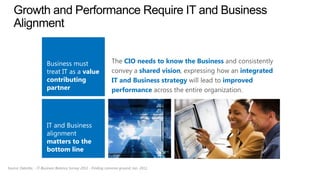
    Business must The CIO needs to know the Business and consistently treat IT as a value convey a shared vision, expressing how an integrated contributing IT and Business strategy will lead to improved partner performance across the entire organization. IT and Business alignment matters to the bottom line Source: Deloitte, - IT-Business Balance Survey 2011 - Finding common ground, Jan. 2011
  • 4.
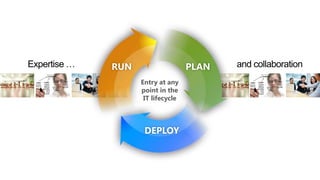
    Entry at any point in the Enterprise IT lifecycle Strategy Consulting Services Premier Support
  • 5.
    Management Implementation Deployment phase • Project Managers • Business/Functional analysts • Trained Users • Application Engineers • Purchasing • Development Engineers • Logistics • Technology Engineers • Finance • Marketing • .... • Support Engineer
  • 6.
    Management Implementation Maintenance/Support • Engagement Managers • Functional Analysts • Test Lead • Project Managers • Solution Architect • Support Engineer _____________________________ • Application Consultant • Presales Managers • Development Consultant • Account Managers • Technology Consultant

Editor's Notes

  • #3 Key Points:In economic downturn, it is extremely important that business are able to strengthen their competitive advantage, be agile - Technology can serve as a catalyst for enabling people and transforming businesses. As dynamics is integrated in Microsoft platform, it will be one of the key components that will help make the difference. Script:Many pressures—often competing—drive the need for a strategy for growth or innovation. (Use examples that would resonate with your customers like the examples below):Most businesses have a multigenerational workforce all bringing different expectations, work styles, and attitudes towards technology with them to their work. Businesses today are under pressure to support an increasingly mobile and distributed workforce. Many are looking for new ways to improve productivity and empower their employees to do their best work. Most businesses are also wresting an “information explosion.” According to IDC, the “Digital Universe”—or “the amount of digital information created and replicated in a year”—set a new record last year by growing 62 percent to nearly 800,000 petabytes. They liken it to “a stack of DVDs reaching from the earth to the moon and back.” This explosive growth will mean that “by 2020, our Digital Universe will be 44 TIMES AS BIG as it was in 2009.” As IDC describes it, that “stack of DVDs would now reach halfway to Mars.”IDC source: John Gantz and David Reinsel, "The Digital Universe Decade - Are You Ready?", IDC IVIEW, sponsored by EMC, May 2010Technology is key to managing information and making it easier to navigate and use, as well as the need to adequately protect proprietary information, both for regulatory purposes and competitive advantage.Technology can also contribute to the business’s ability to grow and compete, by:Finding new ways to inspire and nurture innovation.Getting to market as fast as possible.Anticipating and proactively addressing the challenges represented by emerging competitors.Effectively managing mergers and acquisitions. Transition point: The people and business impact of technology in profound. IT and business are intertwined in a way that positions IT as a strategic partner in driving growth and competition. Presenter Guidance:Customize the challenge words in this slide to reflect the specific interests of your customer. For example, apply bold to emphasize the most relevant terms and/or replace less relevant terms with those that reflect your customer’s acknowledged goals or challenges. Note: Slide contains animation, so if you add new text boxes, you will need to add the animation as well.
  • #4 Key Points: CIOs need to know their businesses, business must treat IT as a partner – and that alignment is vital to any org’s bottom line.Script: The importance of business and IT alignment is well documented and well known. That doesn’t mean it its always happening – but the competitive pressure to align is serving as a forcing function. Surveys like this one confirm that companies with a combined business and IT strategy perform better and improve their overall bottom line.What that means for the CIO is that the opportunity to drive growth and competitive advantage has never been better. The flip side is how to deliver on those responsibilities for growth while driving your own operational efficiencies.Source: Source: Deloitte, - IT-Business Balance Survey 2011 - Finding common ground, Jan. 2011 http://www.deloitte.com/view/en_GX/global/services/enterprise-risk-services/e24a0289f8f7d210VgnVCM3000001c56f00aRCRD.htm
  • #5 Different skills and job roles according to the IT implementation lifecyclePlan phase : Functional analysis / business skillsIT requirements / architecture skillsDeploy phaseIT consulting / IT-skillsTestingCommunication&Training skills (for end-users)Run phaseTraining end & communicationIT supportChange managementOverall : Project management
  • #6 Key Points: Enterprise Strategy offerings put “Business before Technology” and provides key business outcomes.Script: Our Enterprise Services offerings place “Business before Technology” by helping customers leverage technology as a powerful means to achieve their business goals. The approach includes:Designated one or more dedicated senior Microsoft Enterprise Architects (part-time or full time based on customer need) with many years of industry experienceA Network of subject matter experts throughout Microsoft, including the product groups, account team, consulting, and support.An intellectual asset Library of tools, methodologies, EPG campaign-aligned content, and Enterprise Architecture IP that are all informed by focused Industry Insights content.A proprietary Value Realization Framework and aligned Methodology based on best practices that provide a process for realizing value from Microsoft products.Other Benefits such as Strategy Briefings, Envisioning Workshops, and Customer Connection opportunities including those relating to Whitespace. Through these offerings, Microsoft Services helps your IT organizationassume the role of a proactive strategic partner with your business, instead of functioning in a reactive support model. Our architects start with fundamental issues that drive your decisions. For instance, before advising you on how to remodel your kitchen they would first help you decide how long it’s advantageousto own the house.By doing so we help you maximize your ROI and the value of your existing EA (Enterprise Agreement)--and no one can elicit more value from your Microsoft products and services.
  • #7 Key Points: Our consultants utilize the best solutions based on Microsoft technologies and worldwide experience and deliver the outcomes you need with the least risk and best return on investment. Script: Microsoft Consulting Services, along with Enterprise Strategy and Premier Support, can help you mitigate the risk of your most complex initiatives, improve your organizational agility, and increase your efficiency because of the strength of our best practices on the Microsoft platform and our ability to help you innovate using the latest technology advancements. Our experience and expertise across industries allows us to apply our knowledge to your business challenges so we can best design, deploy, and optimize your mission critical solutions, with each phase supported by integrated proactive services to mitigate risk. Our deep understanding of the Microsoft platform and our access to Microsoft product groups accelerates time to market and aligns your initiatives with Microsoft’s roadmap and innovations. Our ability to innovate using the latest advancements on Microsoft’s platform enables us to unlock unique value to address your specific business needs and improve IT service for your users.We extend our expertise and best practices by collaborating with your vendors to meet your business objectives. You benefit from choice and flexibility in your vendor model without sacrificing accountability because we provide oversight and governance across all stages of the solution lifecycle.