Downloaded 109 times























The document discusses the importance of designing ethical artificial intelligence by focusing on human behavior, societal impacts, and the need for transparency and accountability in data science. It emphasizes human-centered approaches, the relationship between humans and machines, and the significance of addressing bias and ethical standards in AI development. Key areas include ensuring trust, collaboration, and enhancing human potential while considering the broader societal consequences of AI technology.
The presentation introduces the theme of designing ethical AI by Jivan Virdee and Hollie Lubbock.
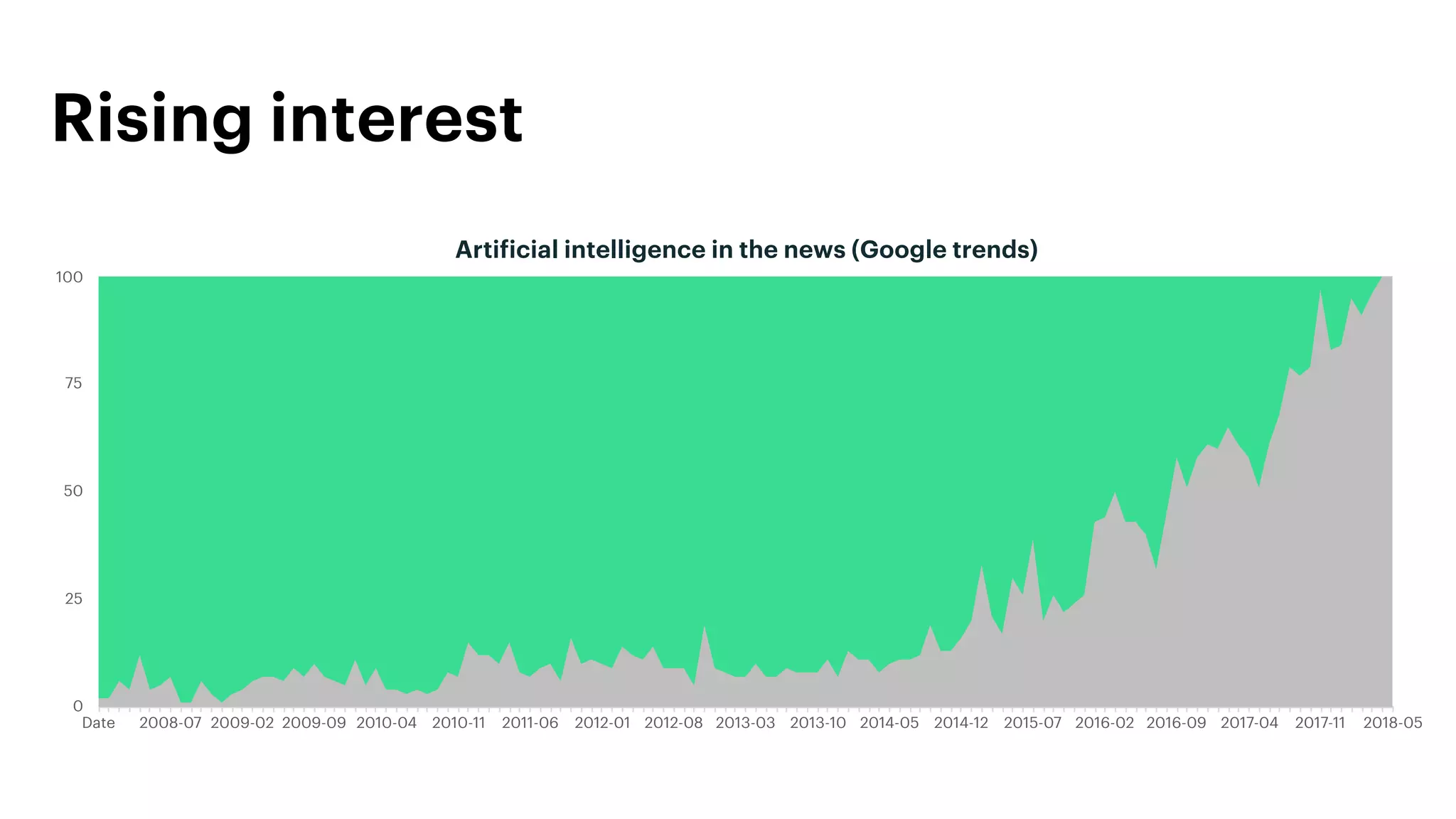
Discussion on AI's rising interest over time and the backlash highlighted by a Guardian article.
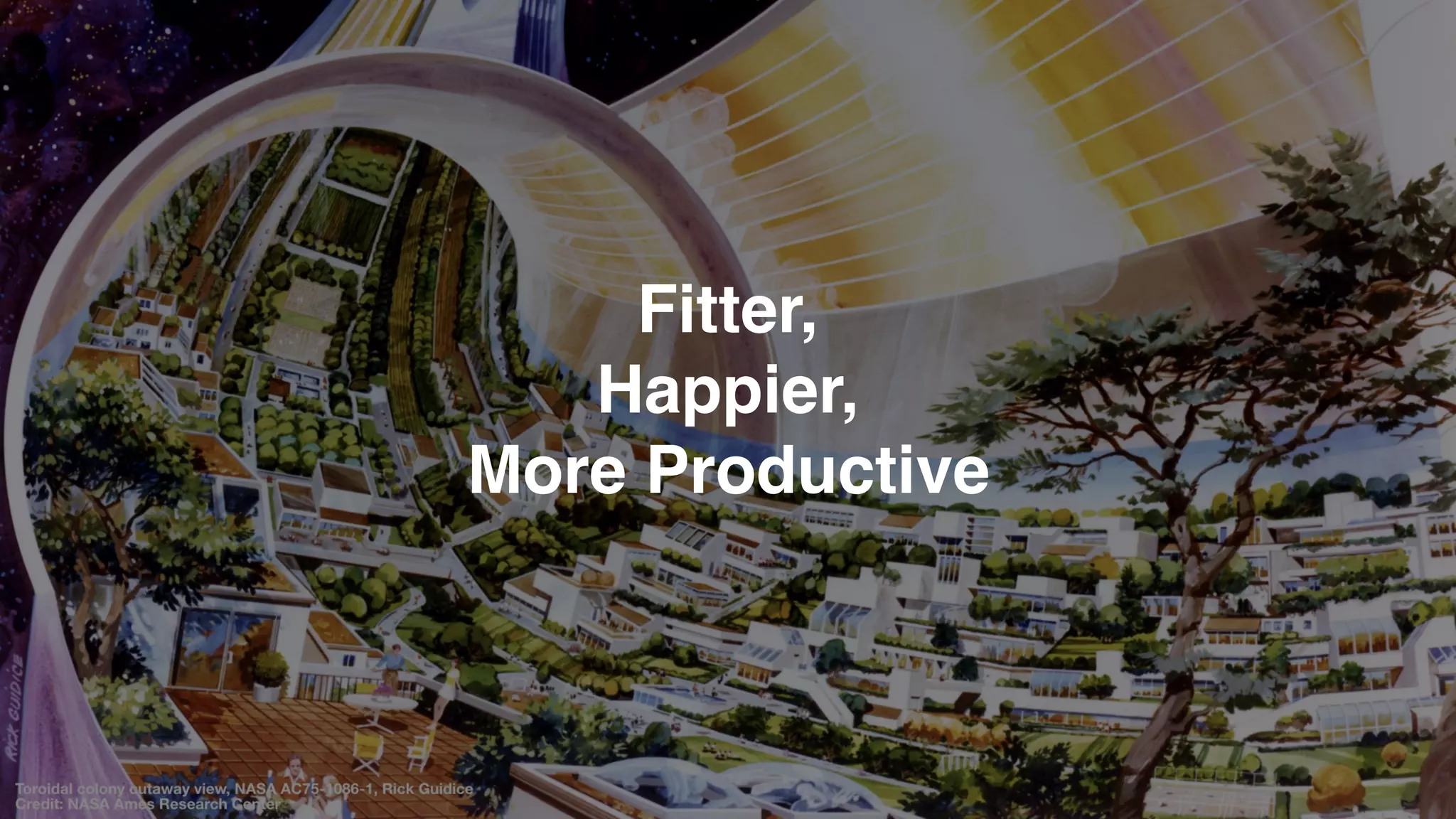
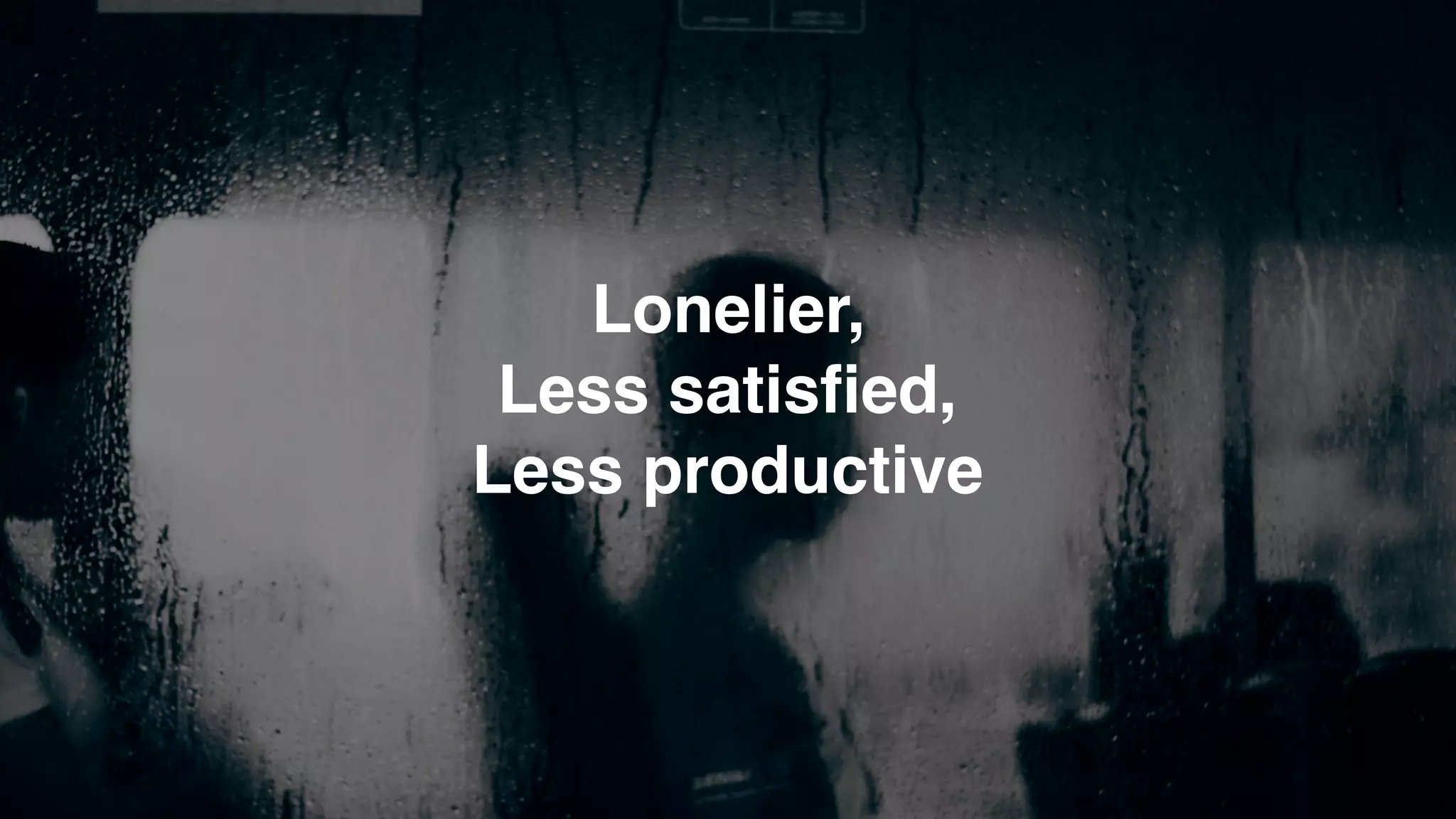
Contrasting themes of productivity vs. satisfaction with AI playing a role in human experiences.
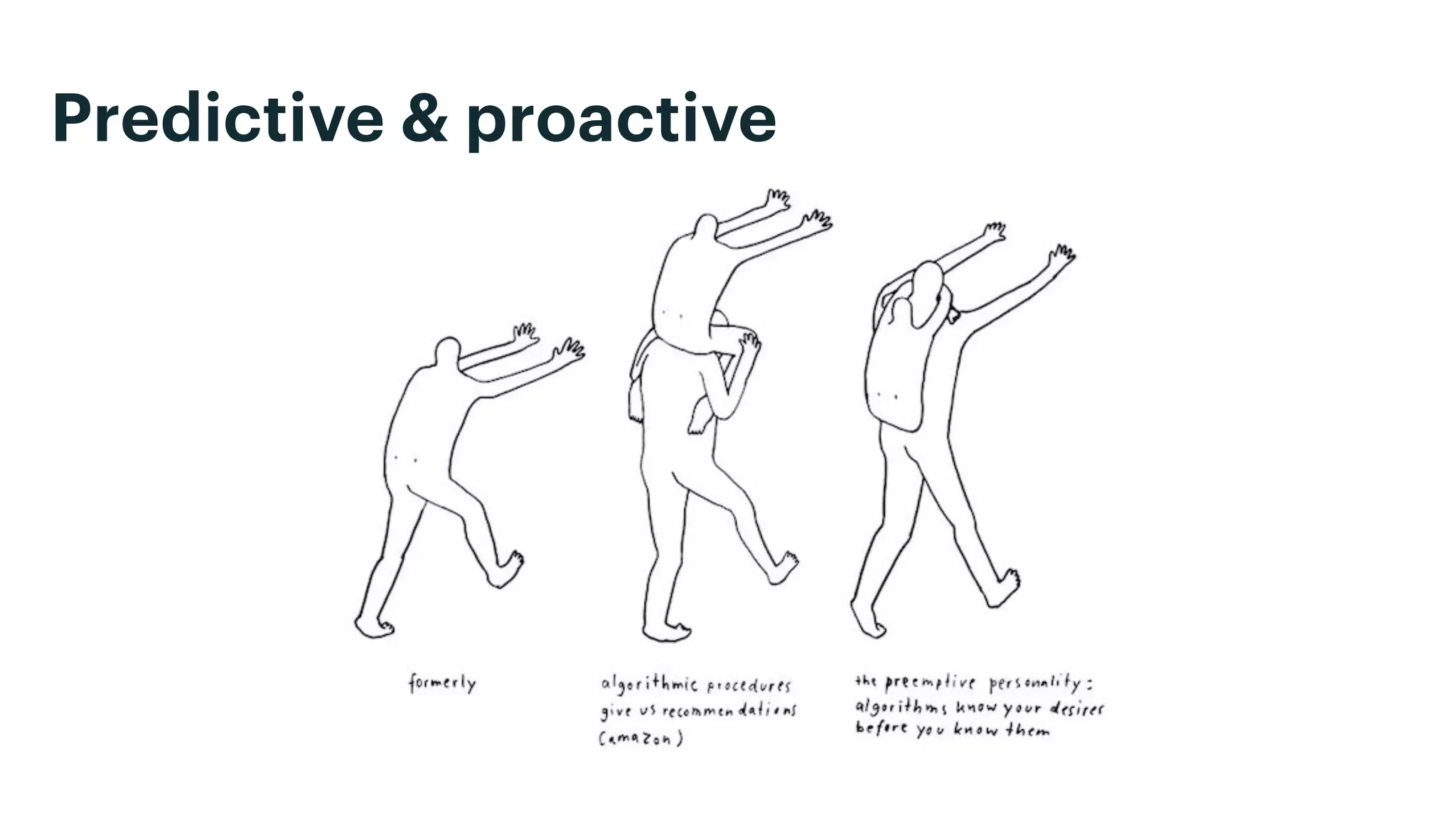
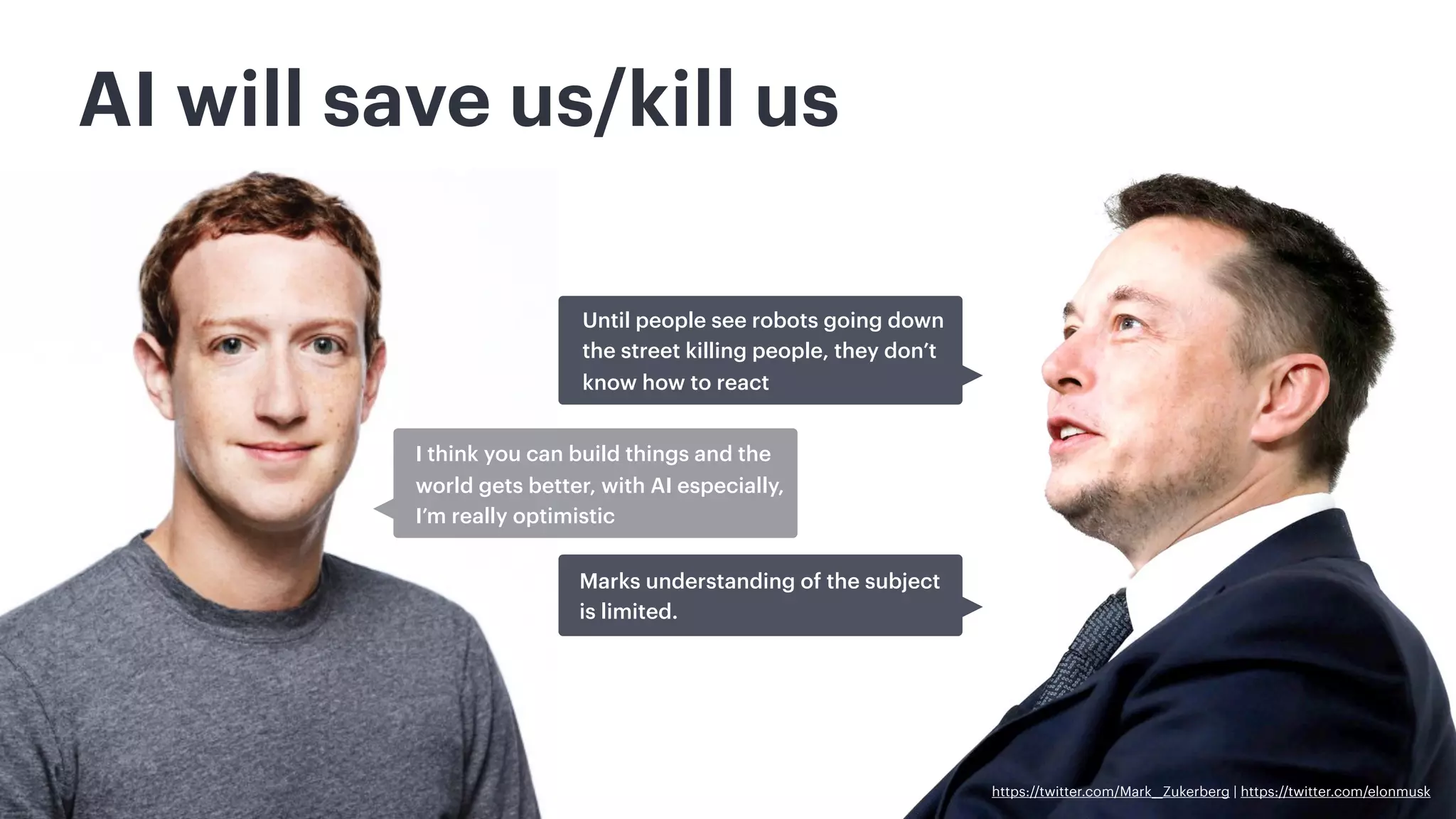
Exploration of predictive capabilities, dark patterns, and the dichotomy of AI's potential benefits and threats.
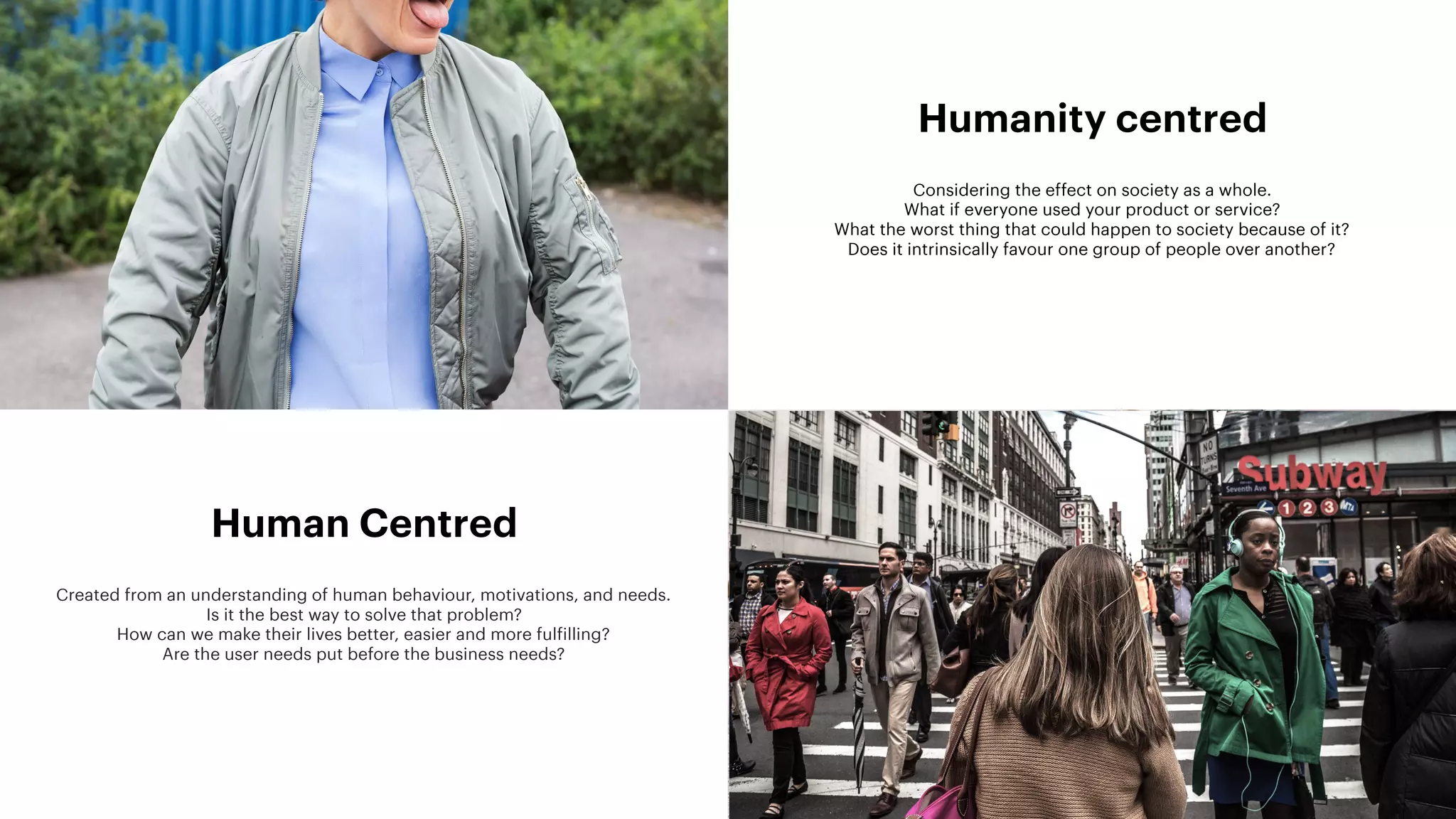
Emphasizes human and societal considerations in AI design, prioritizing user needs and potential societal impacts.
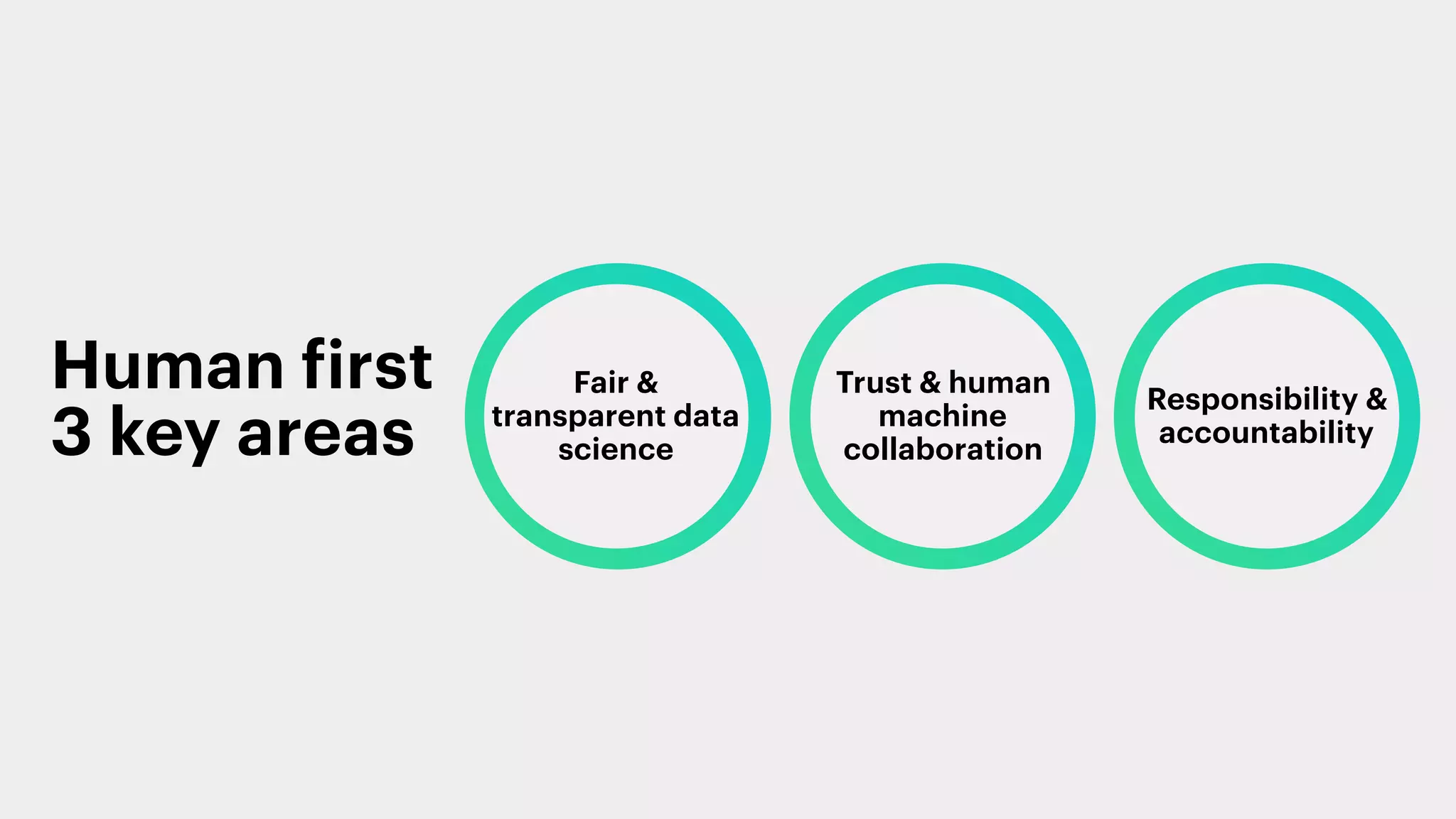
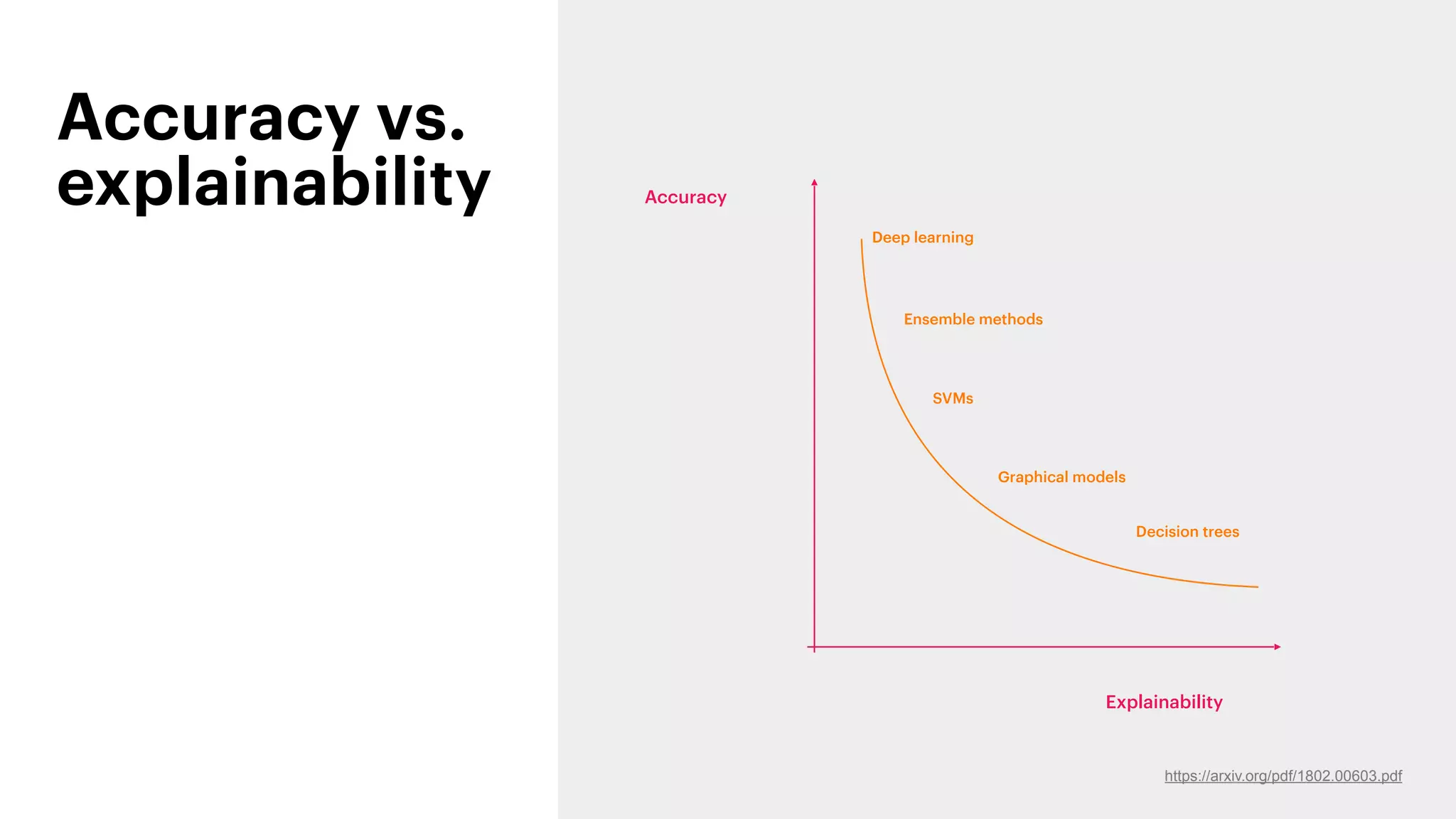
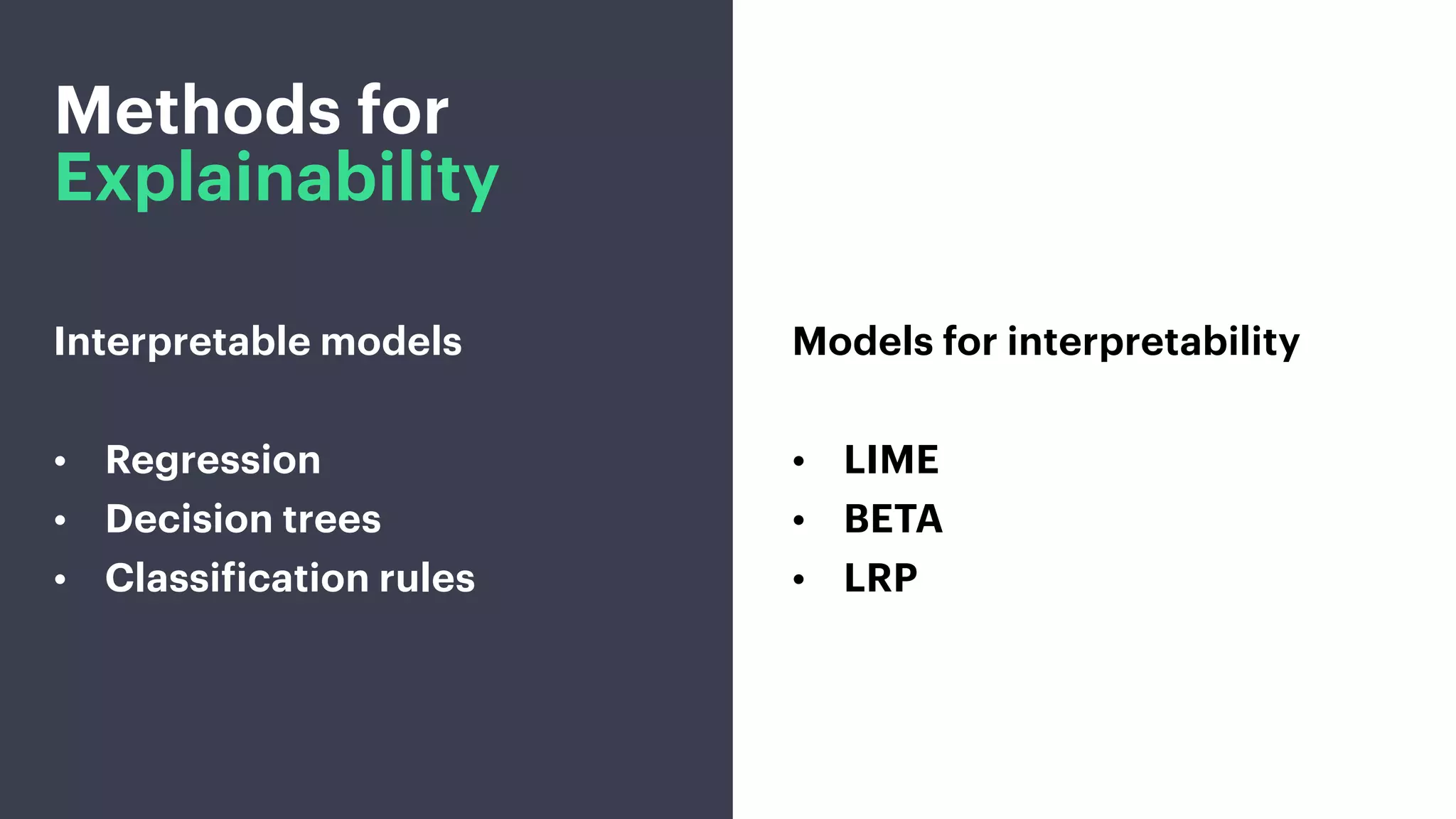
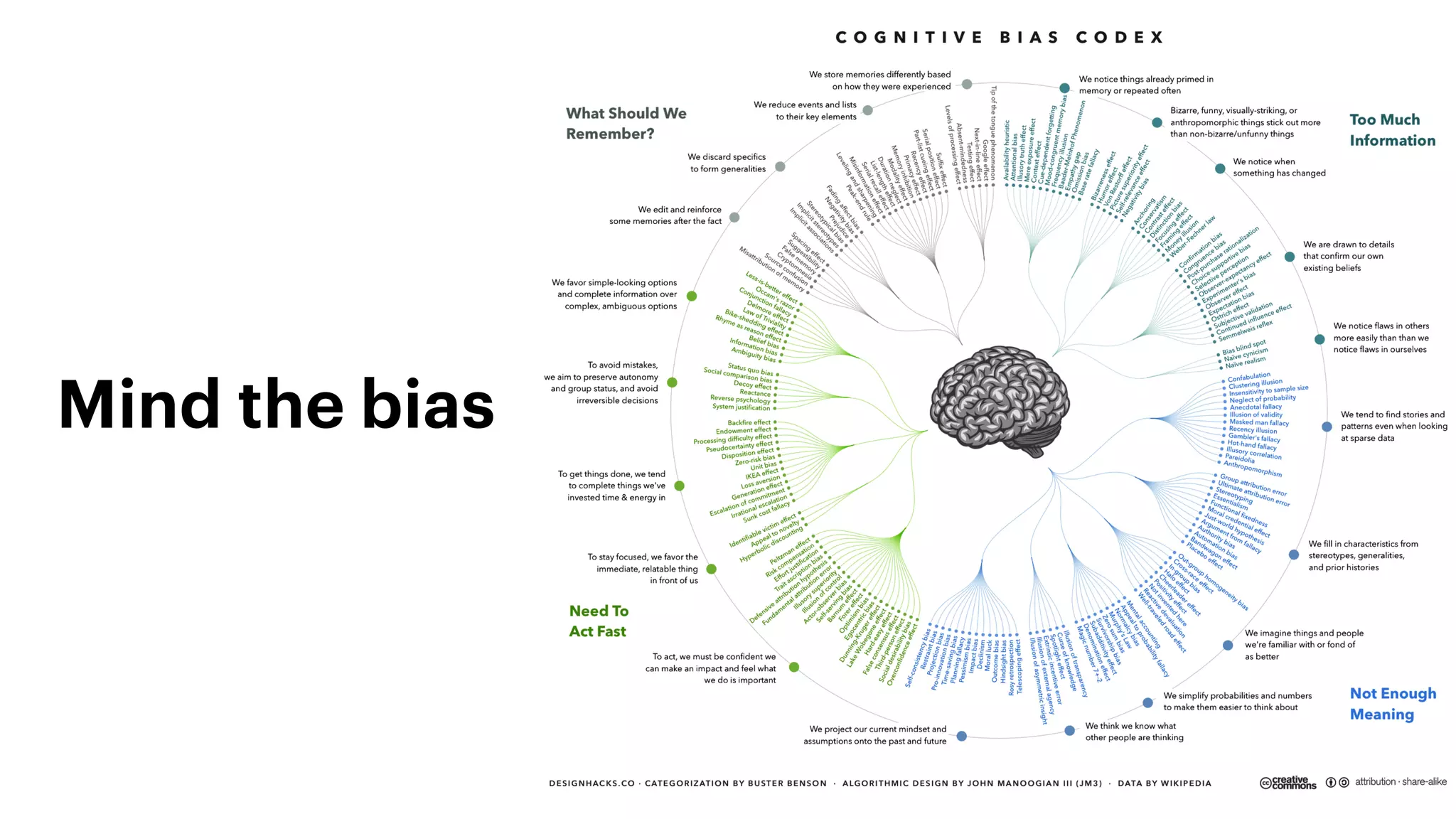
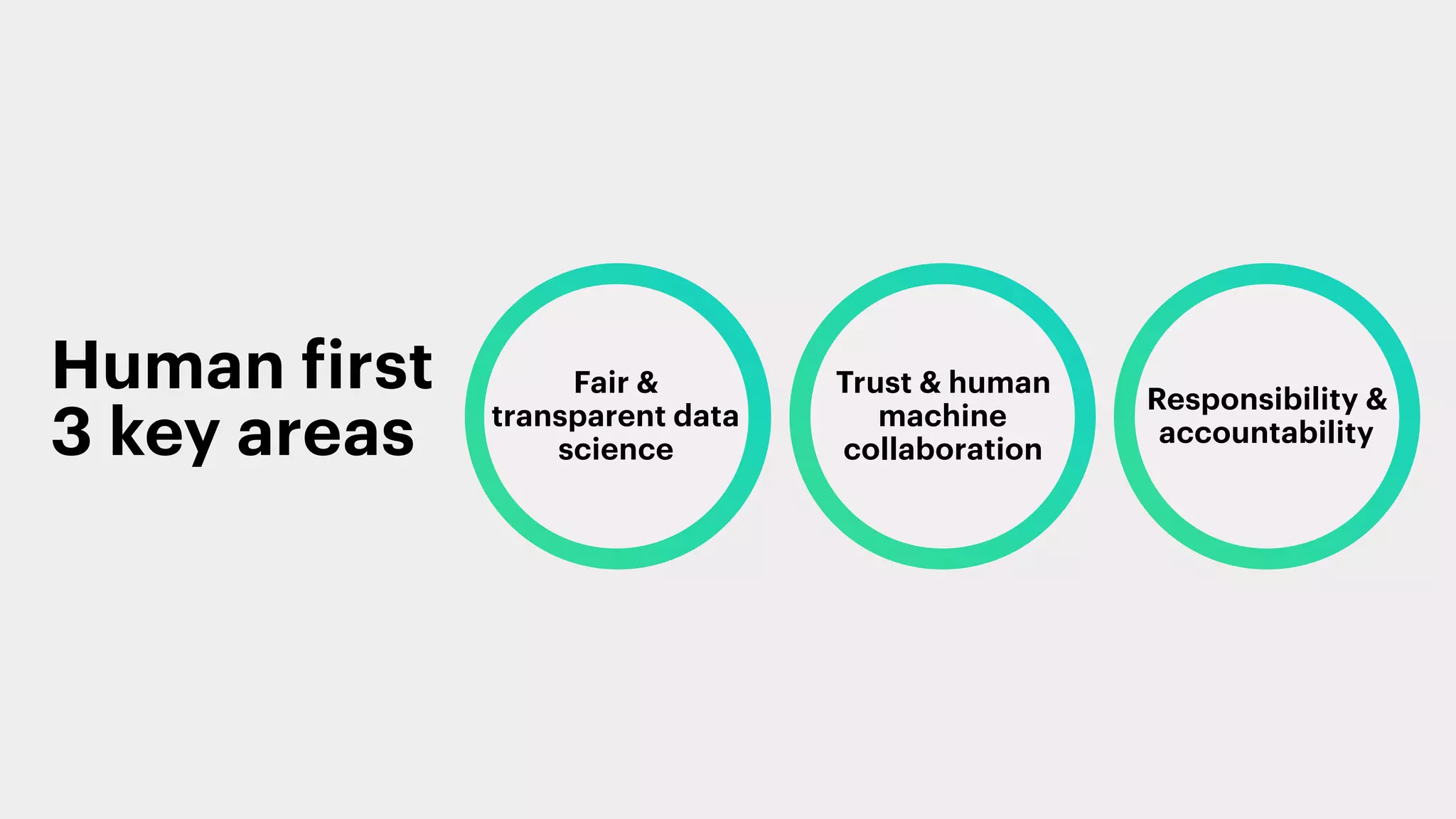
Breaks down three key areas: fairness in data science, accountability, and explainability in AI.
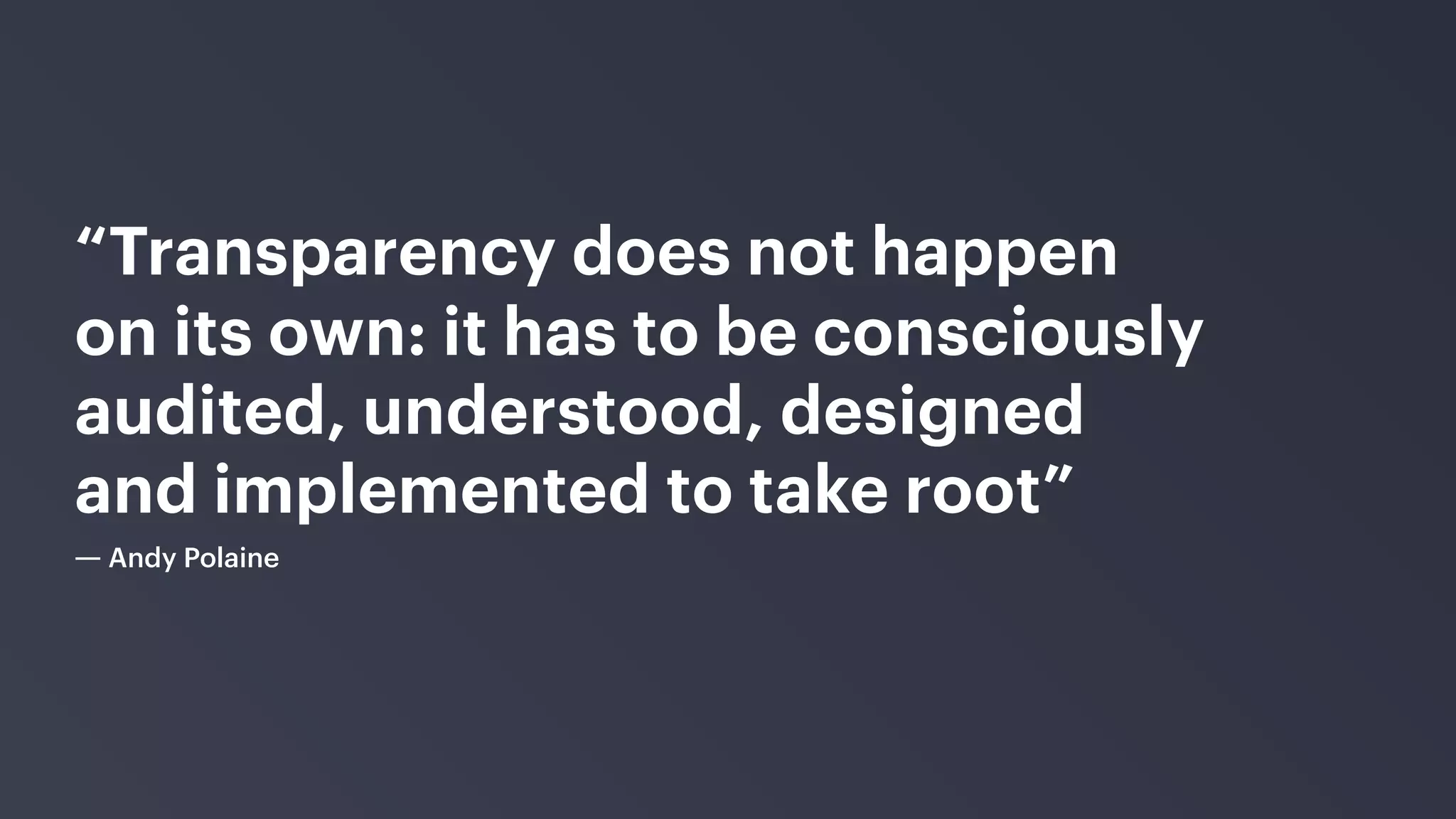
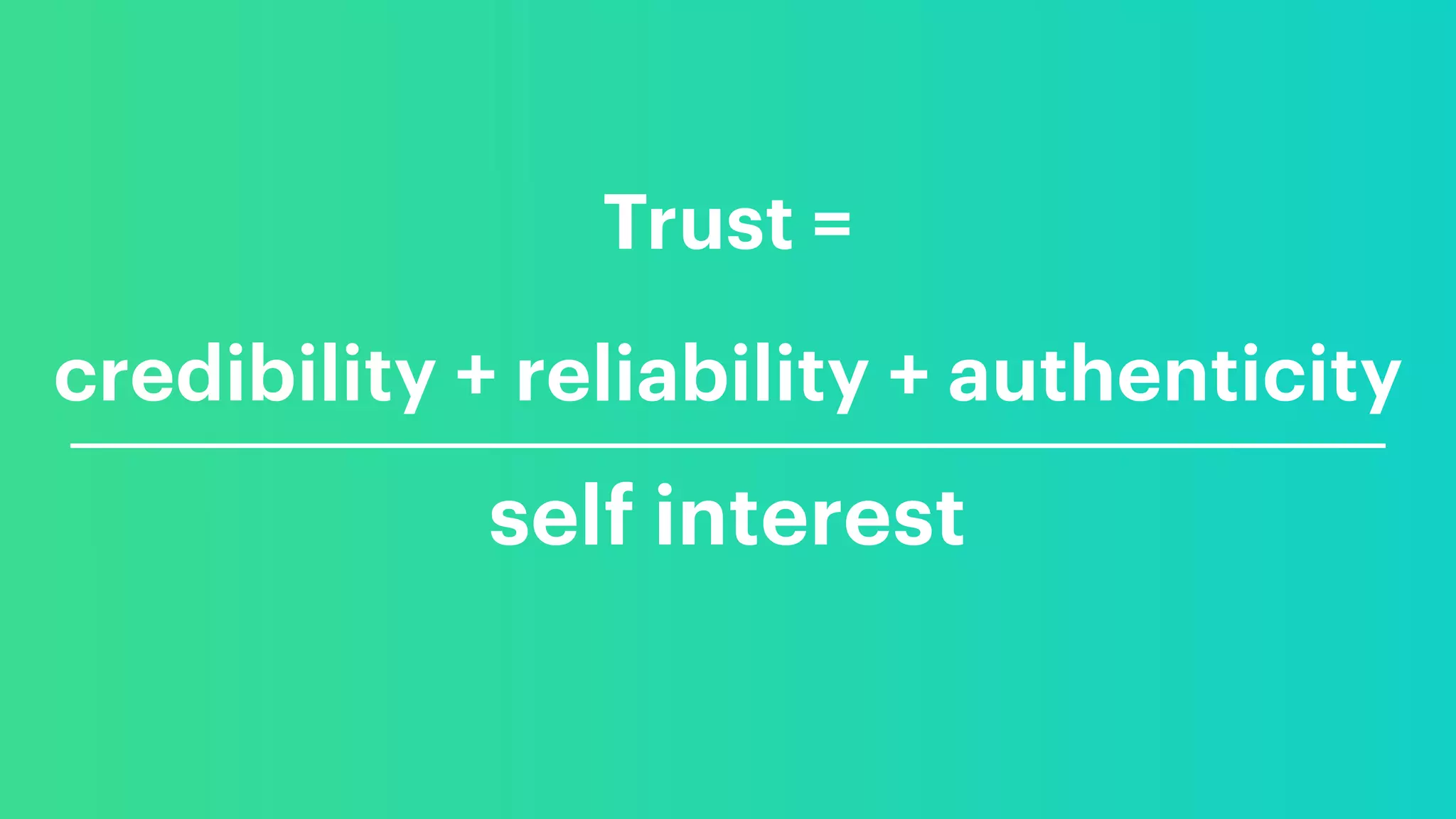
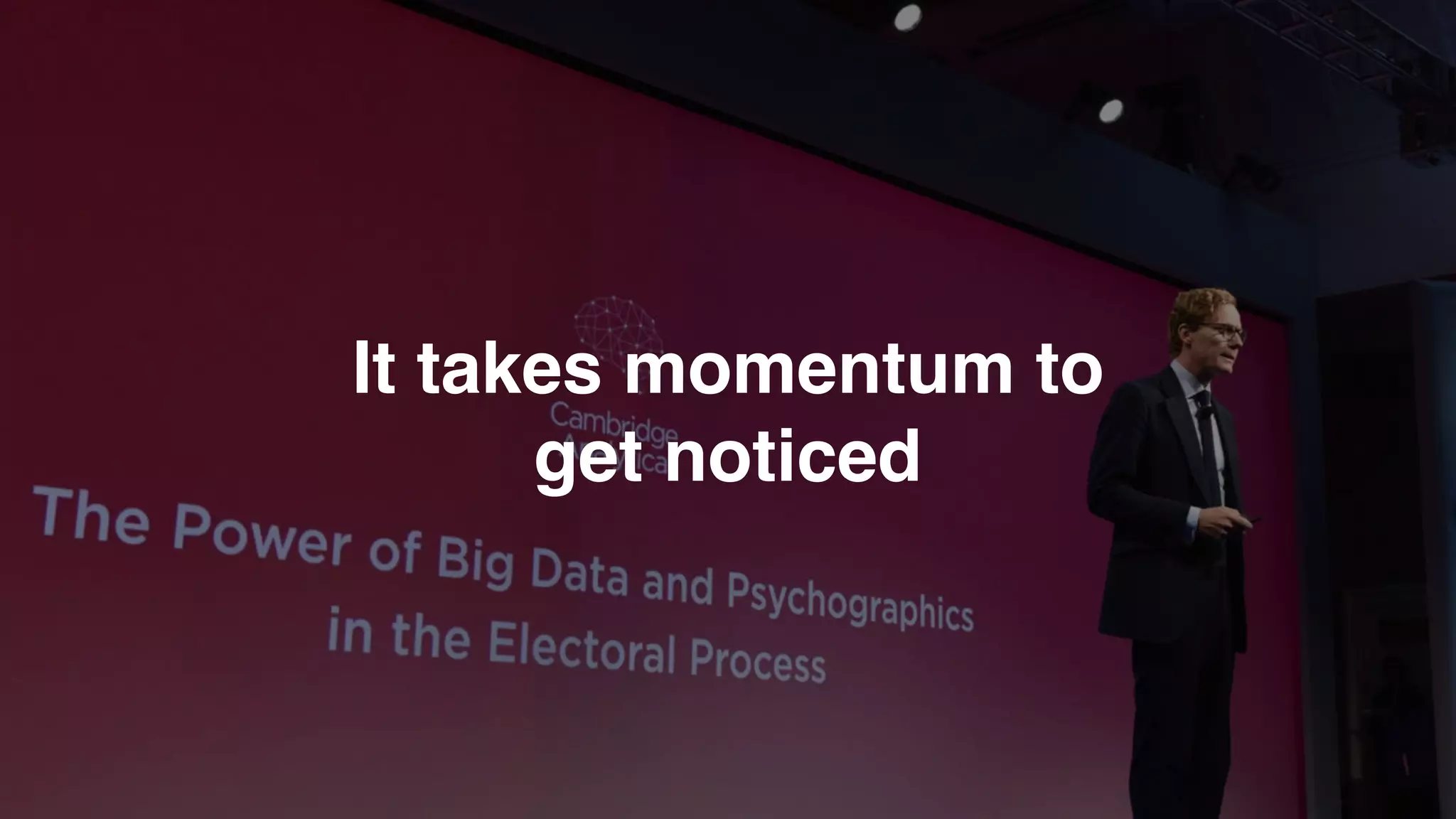
The importance of context and transparency to foster trust in AI systems, citing significant quotes.
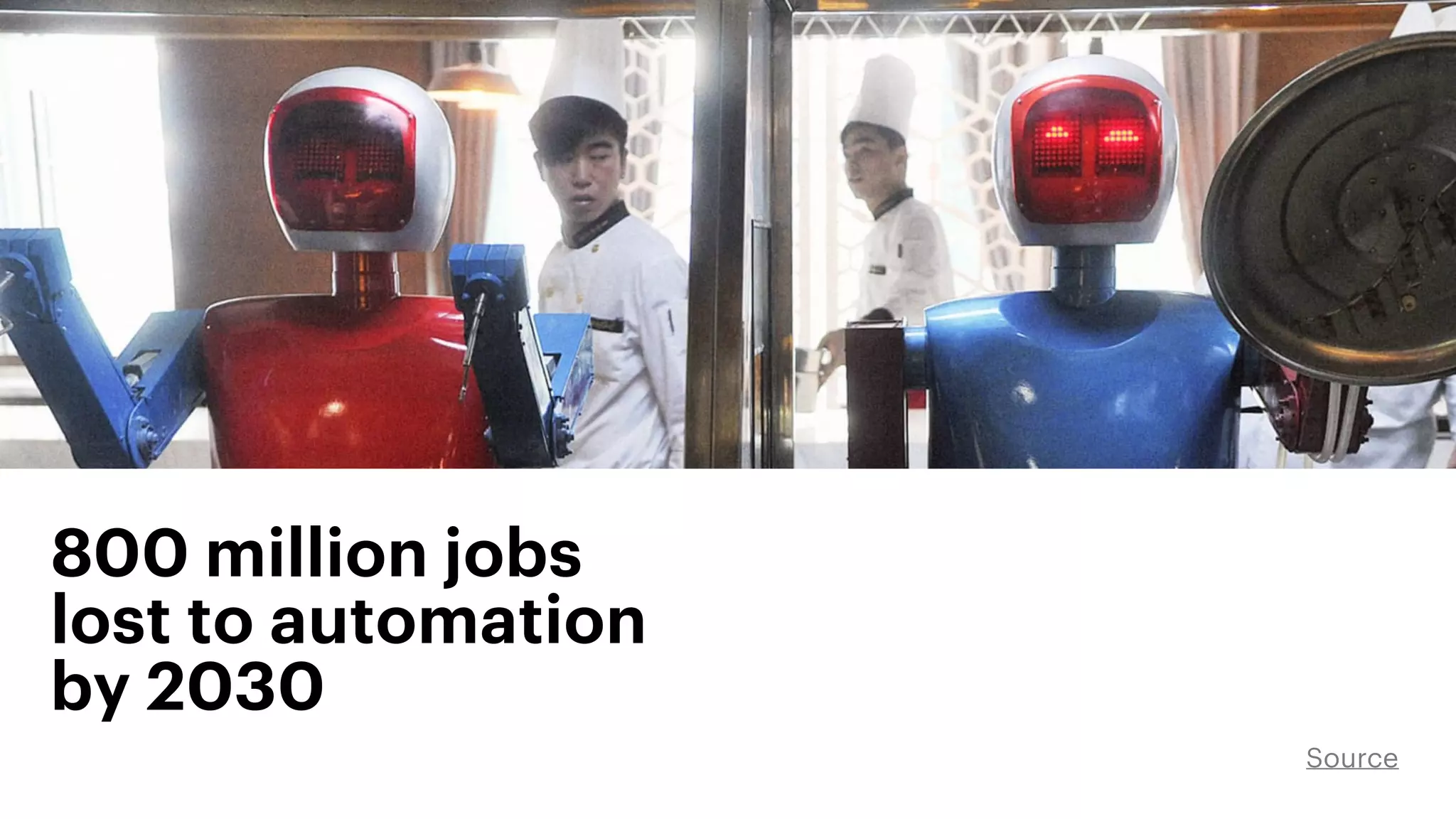
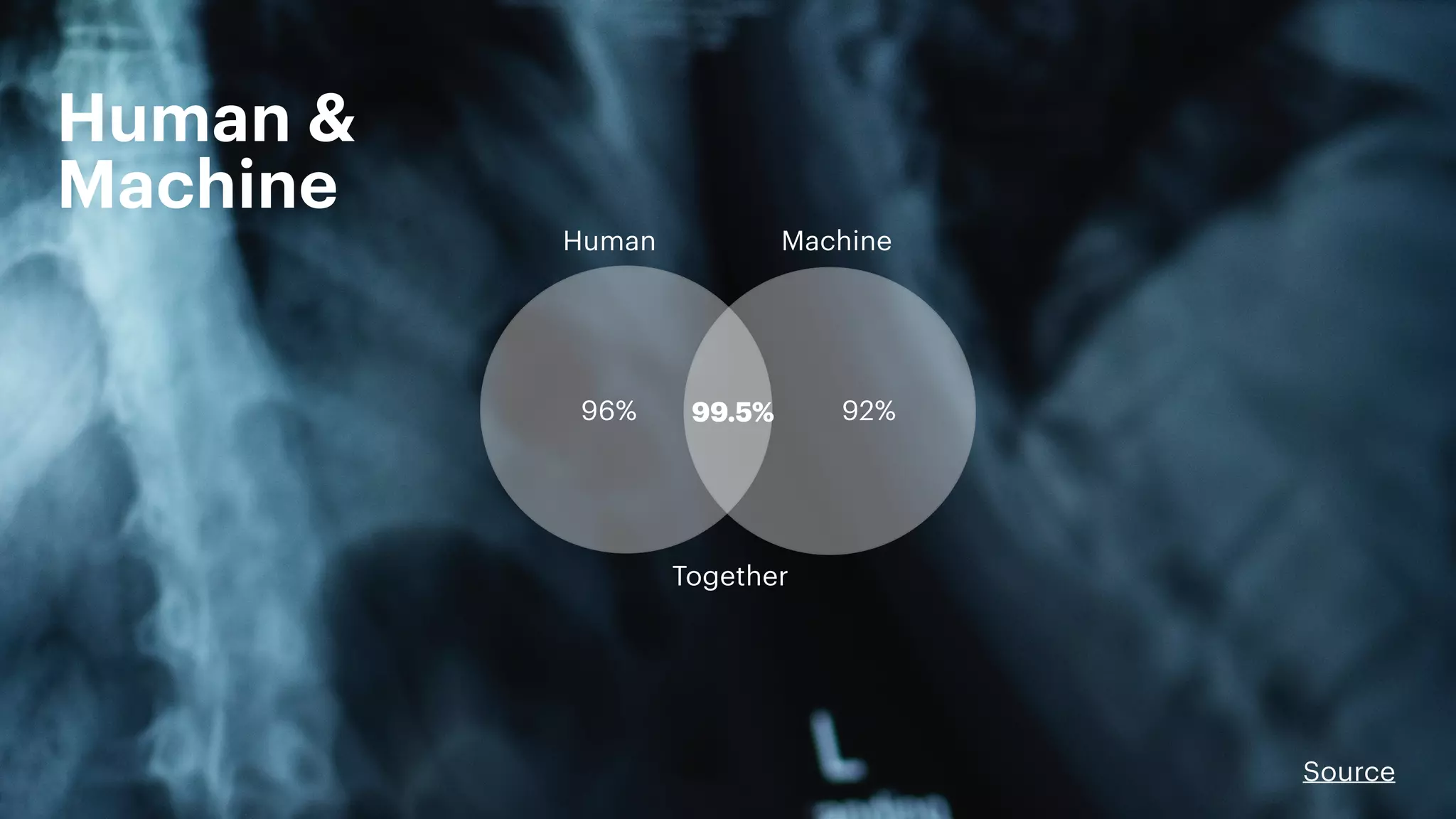
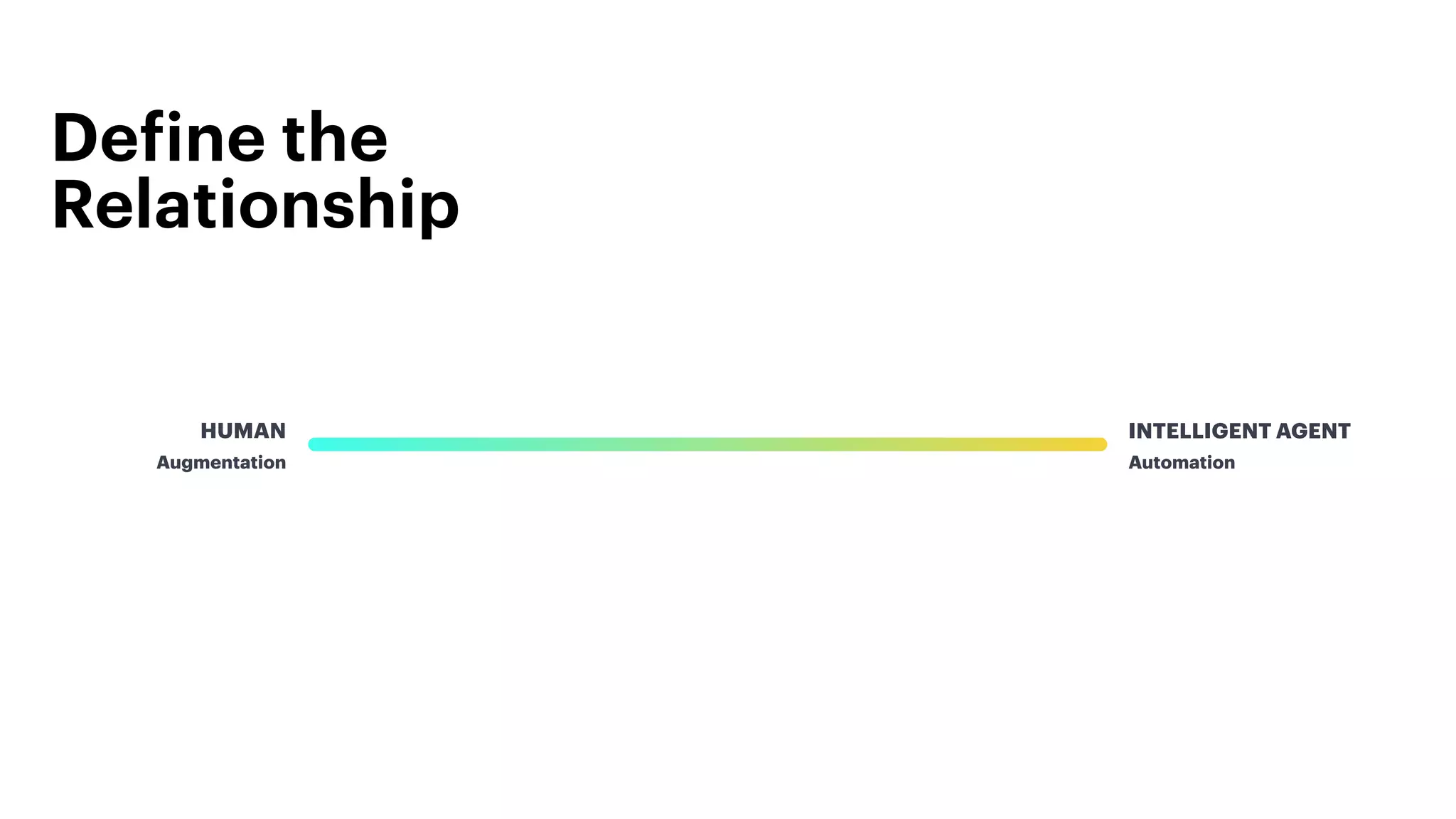
Focuses on trust and collaboration, noting potential job loss due to automation and the stats shared.
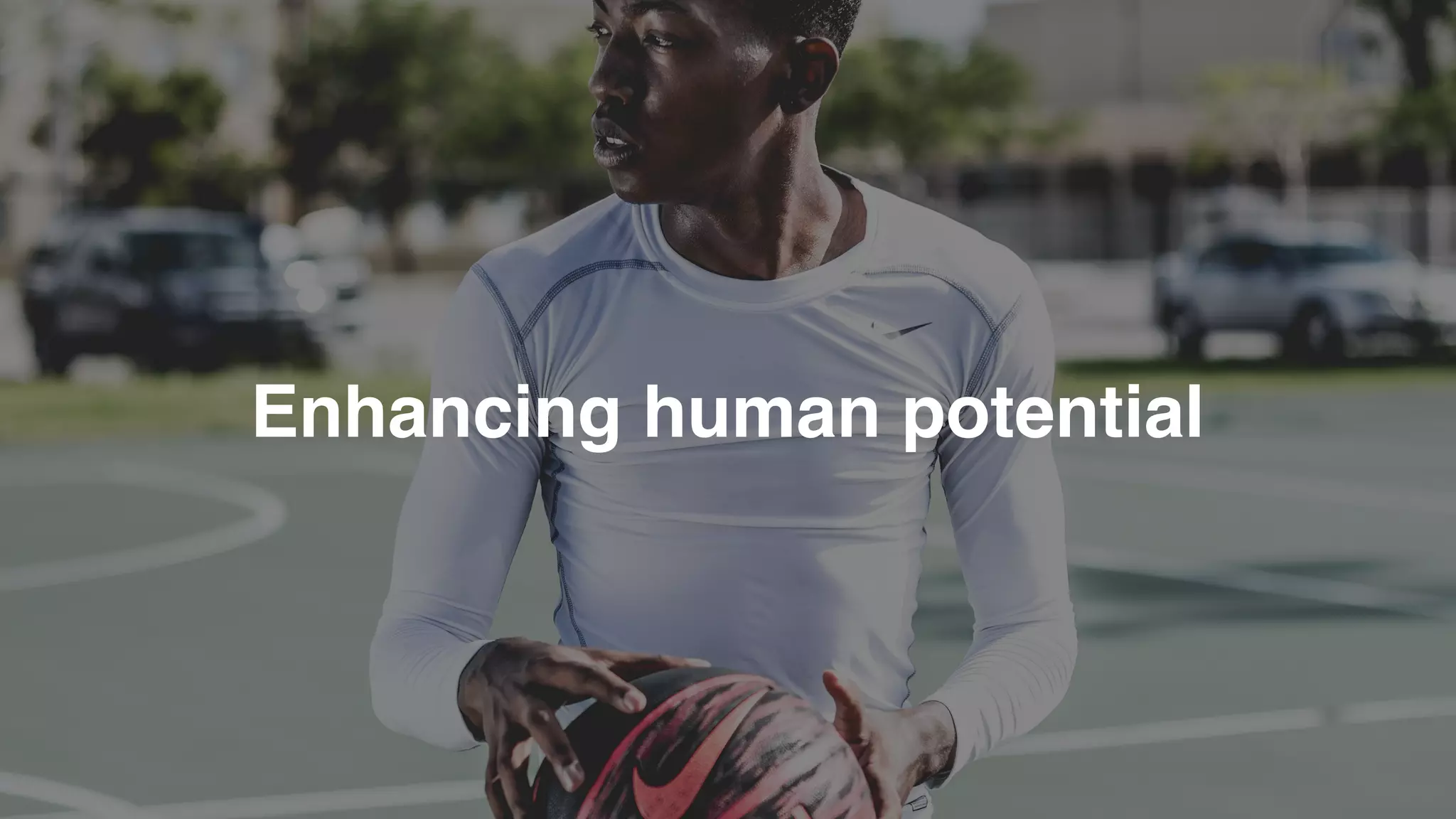
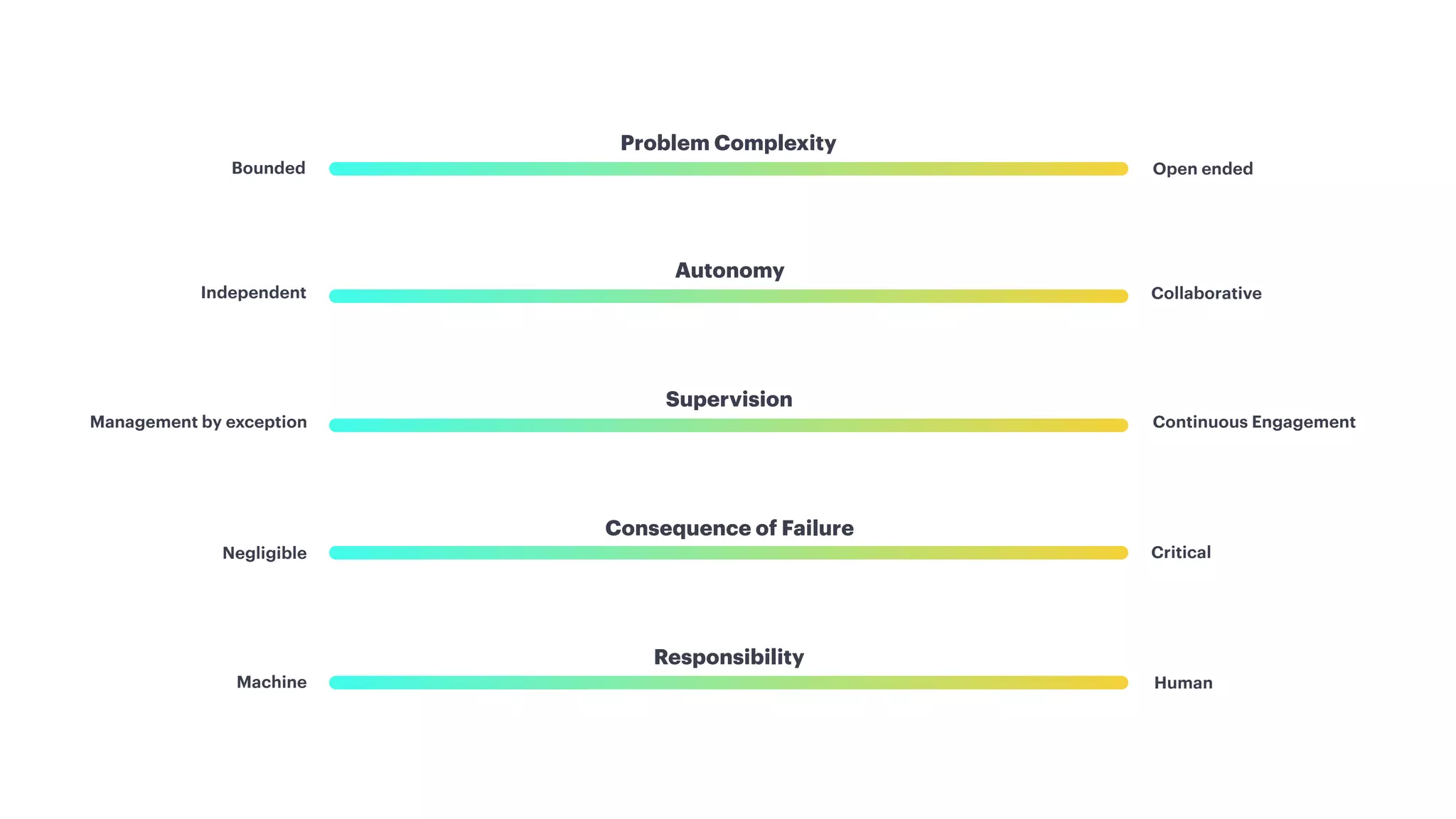
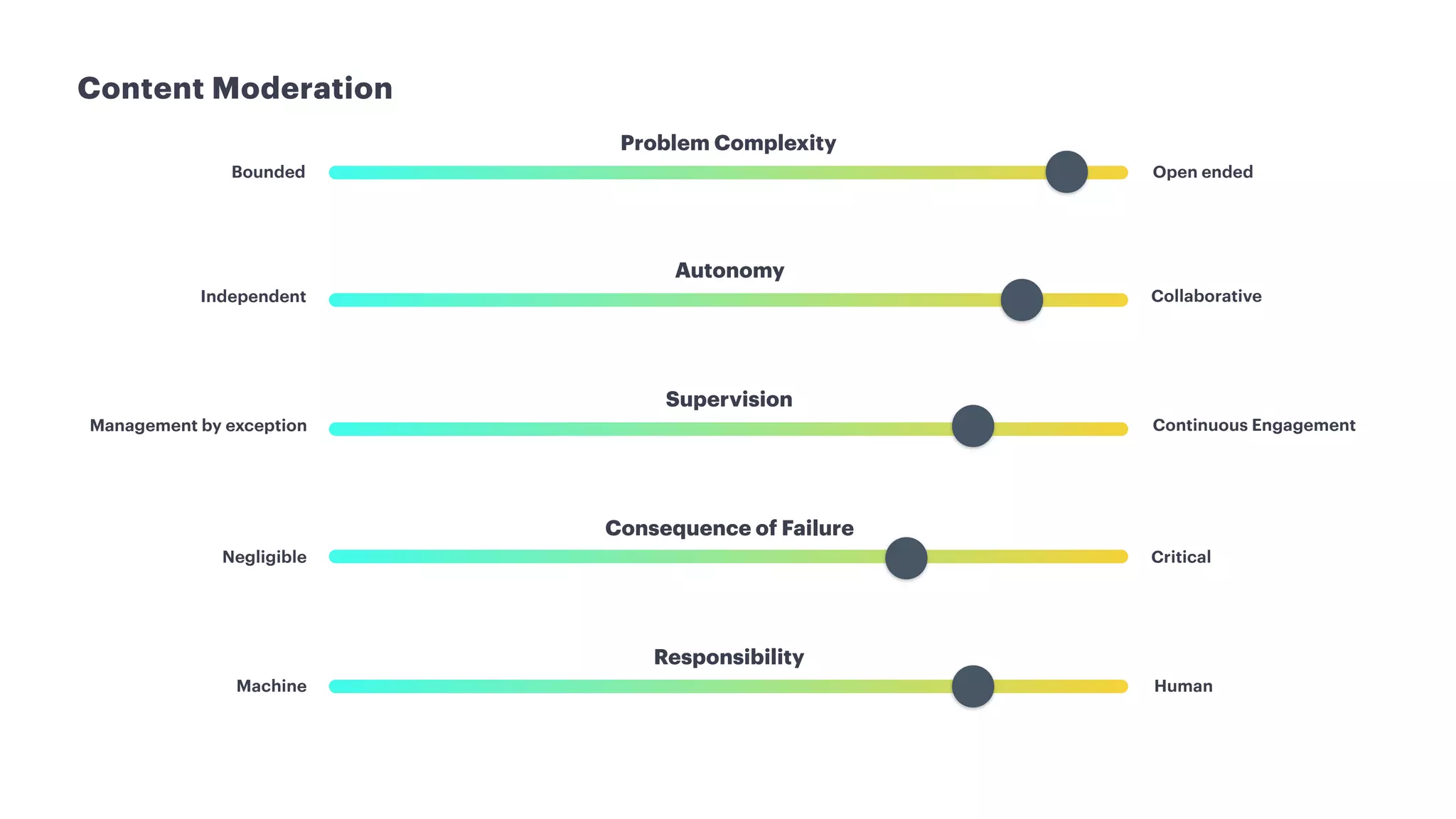
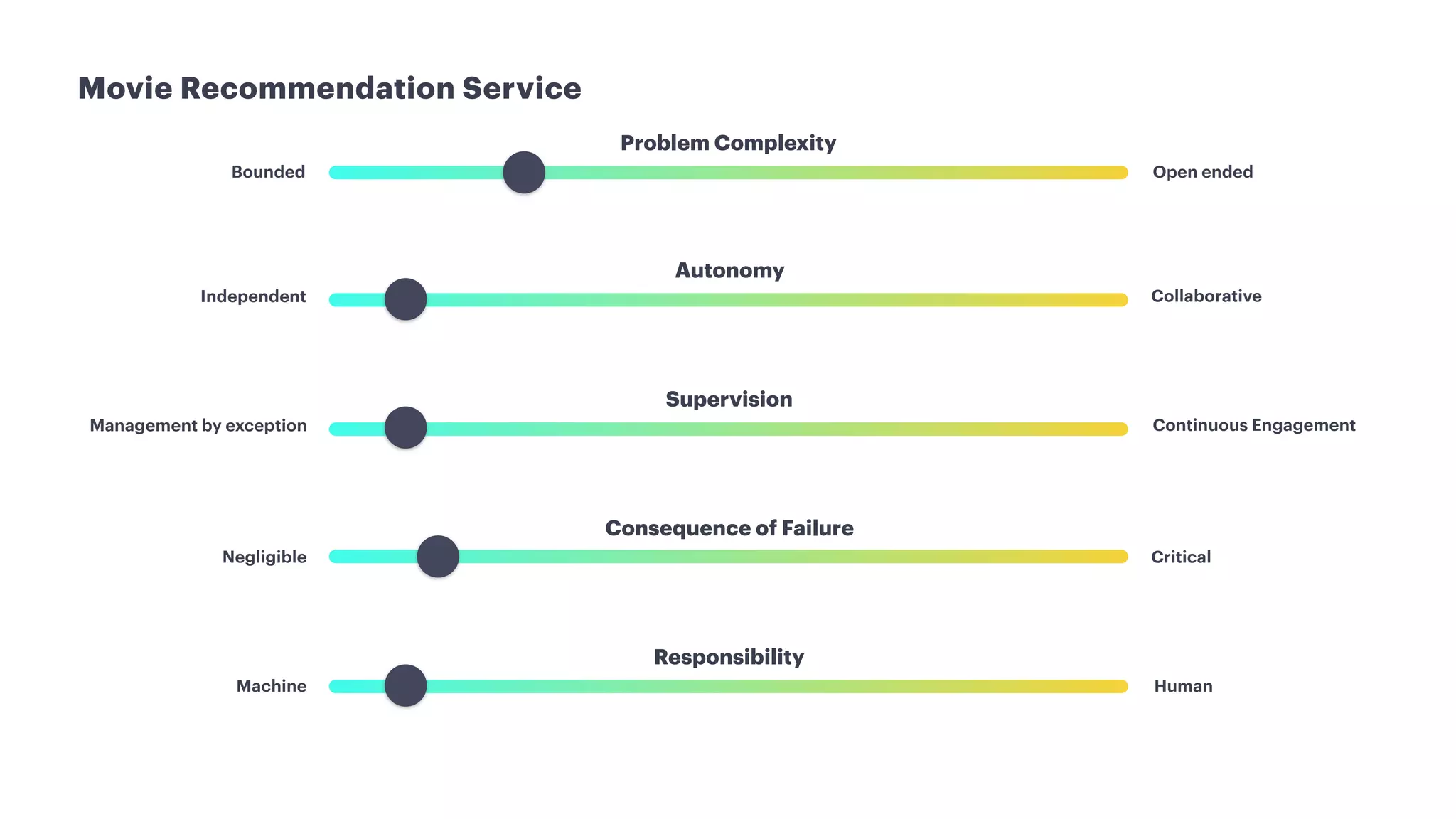
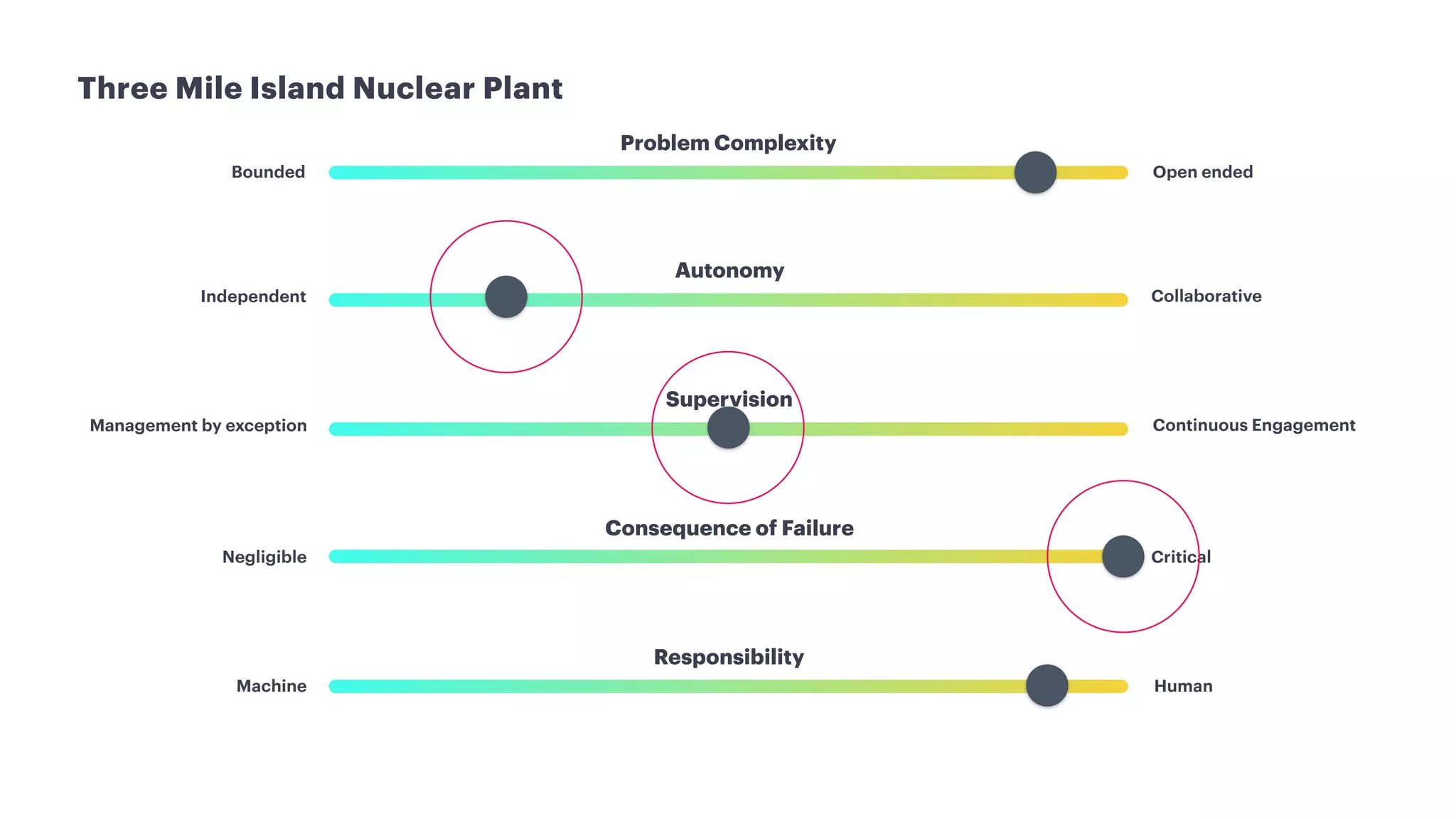
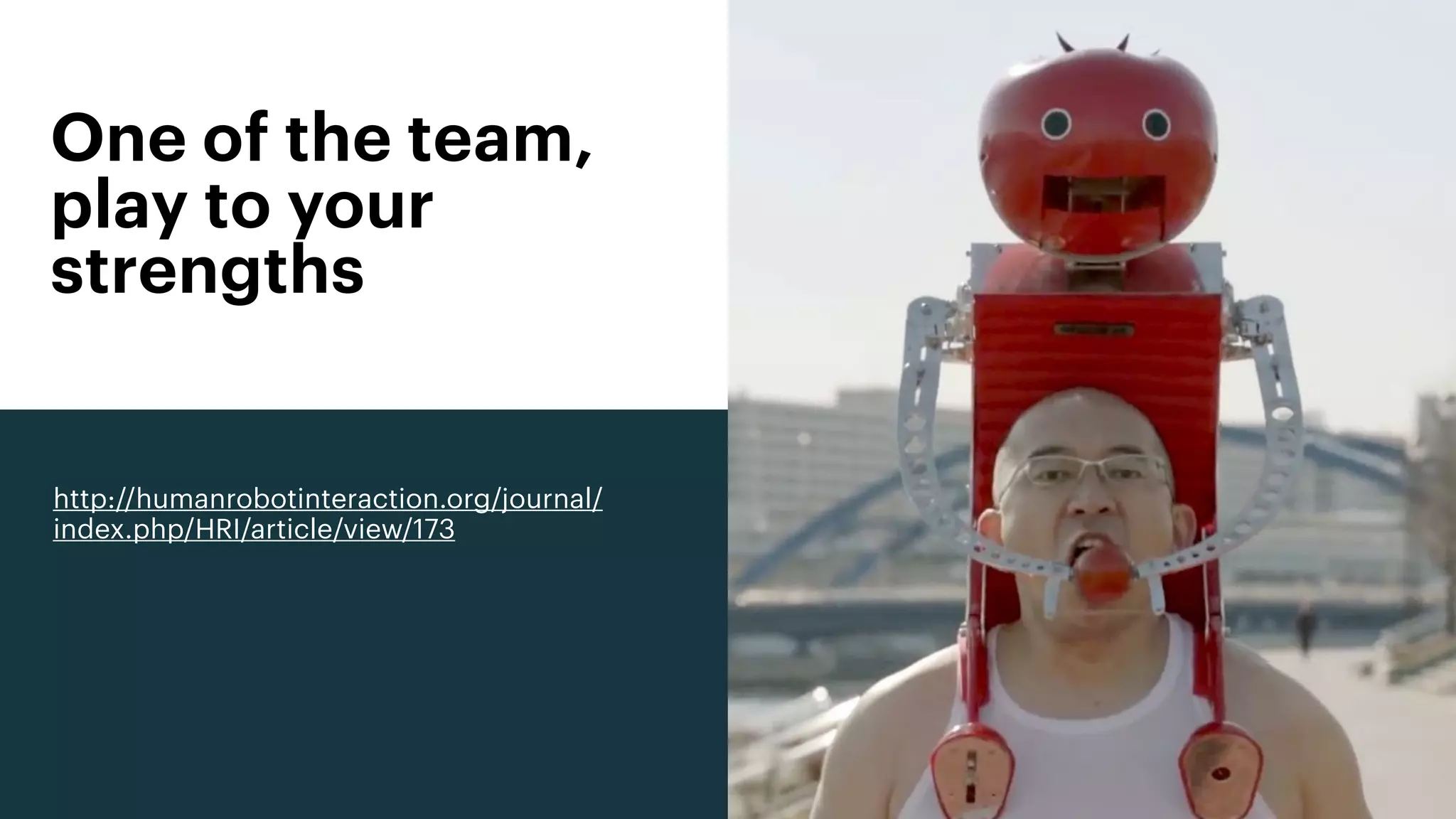
Discusses how AI could enhance human capabilities and the significance of a collaborative approach with machines.
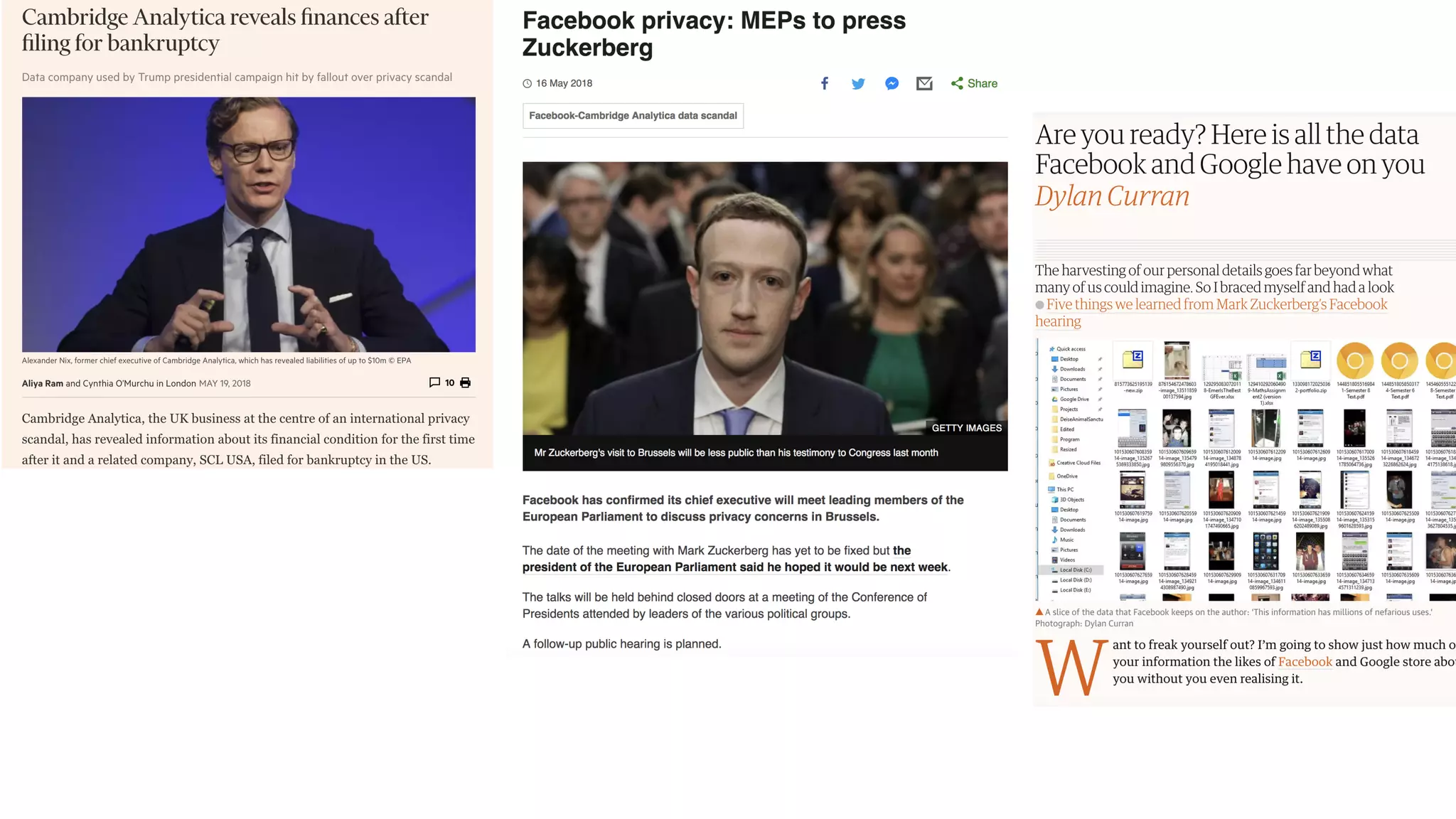
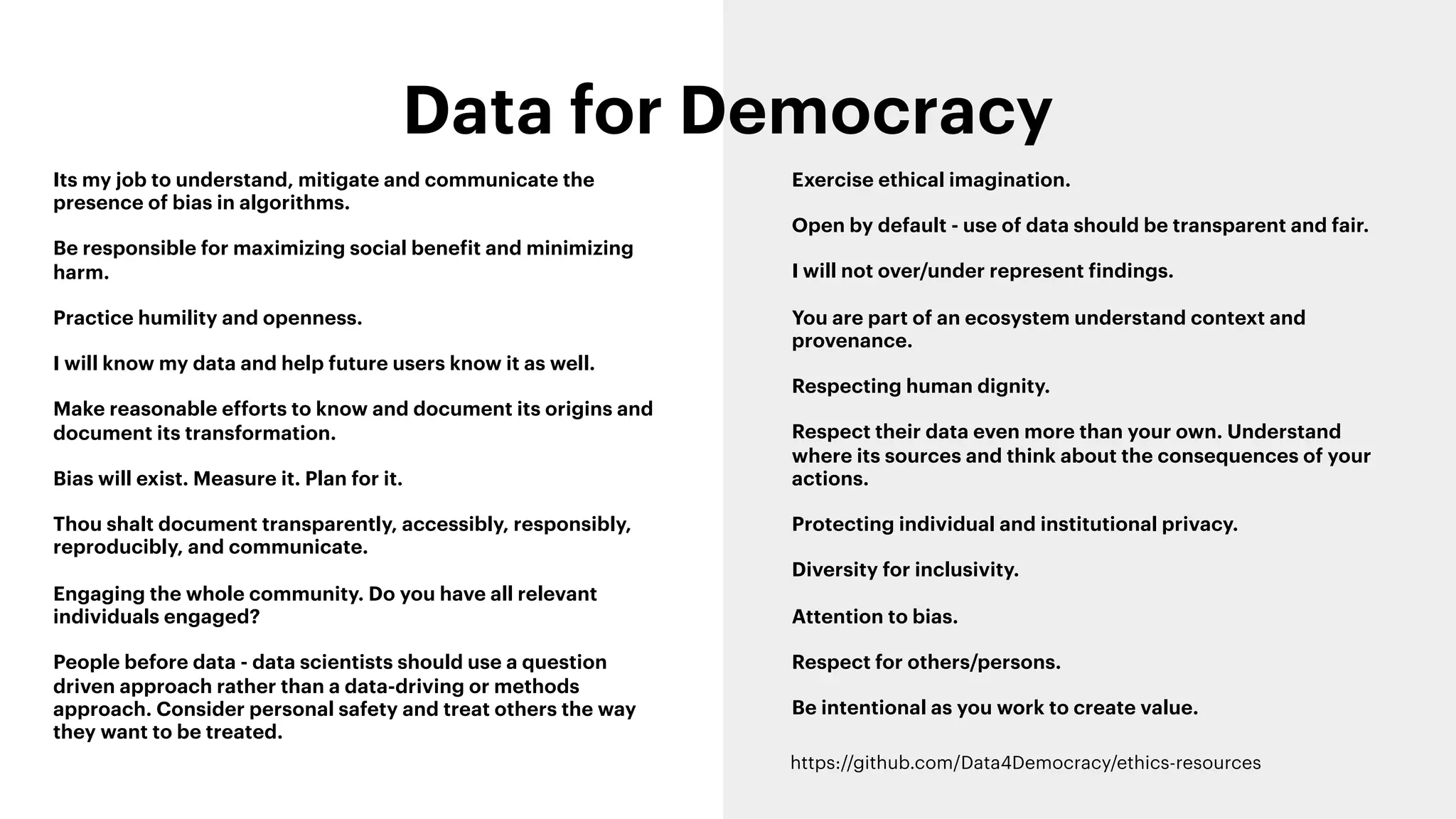
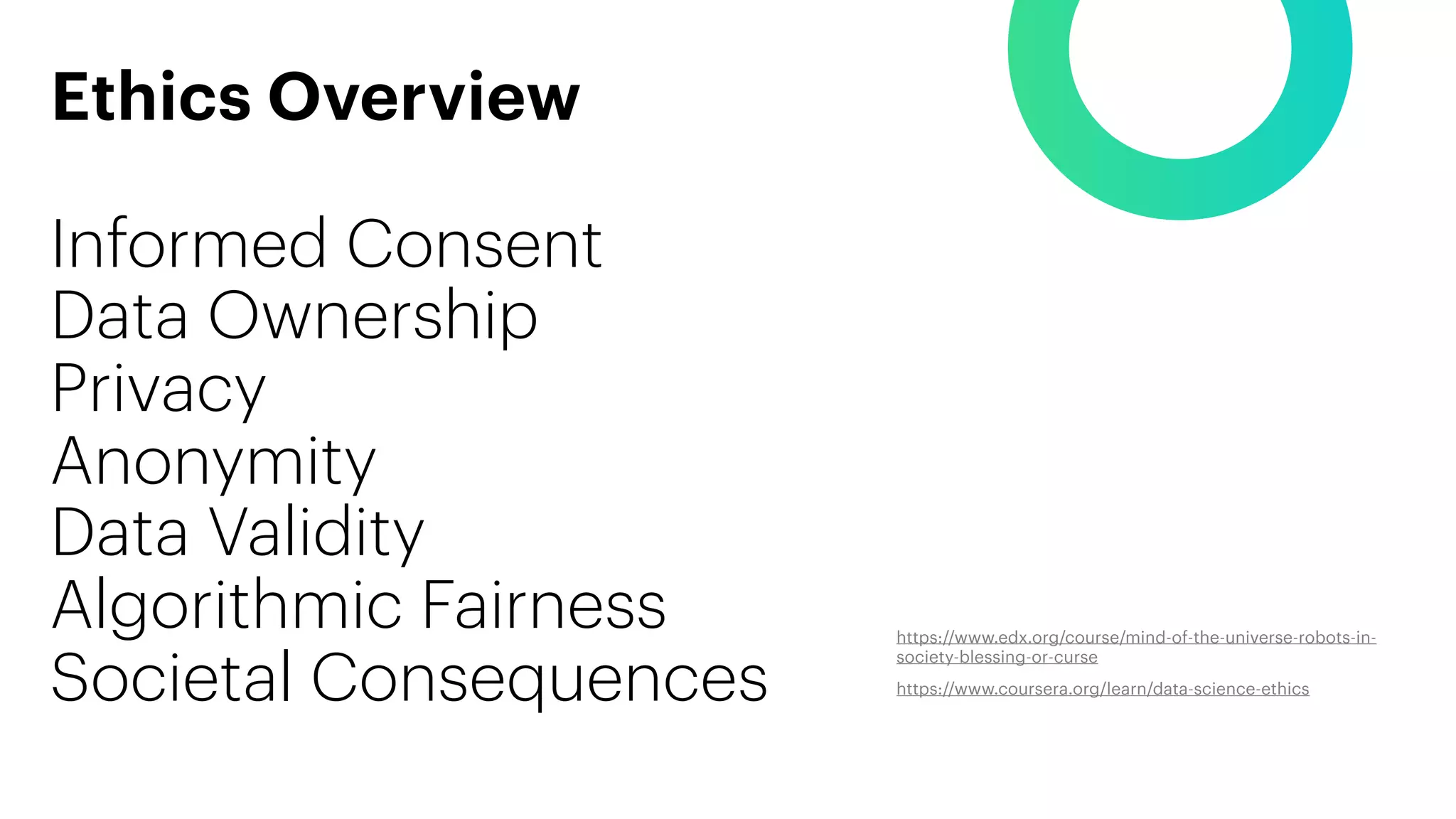
Highlights ethical responsibilities, accountability, and a framework for practicing ethical behavior and considerations in AI.
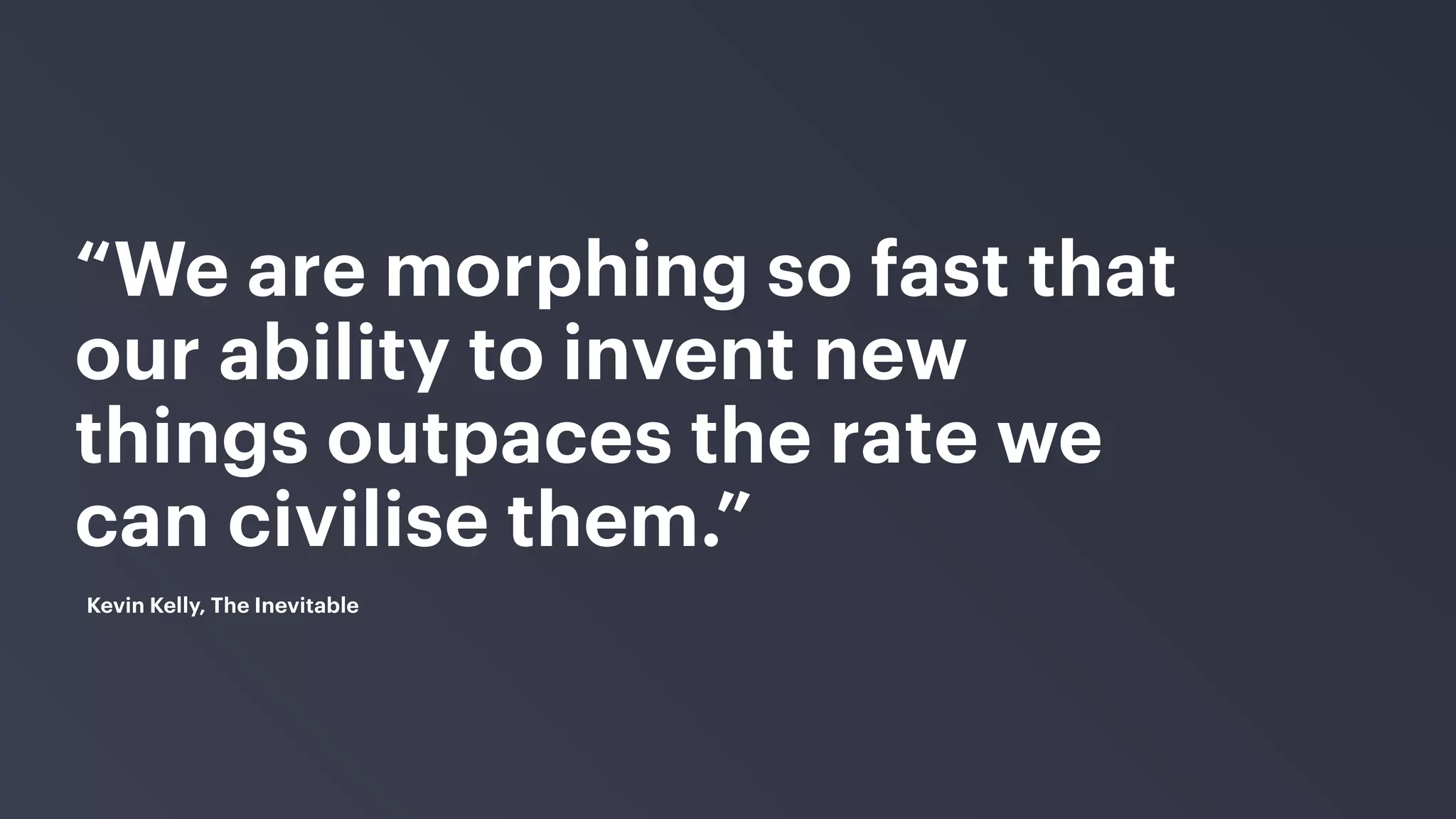
Final thoughts on the collective responsibility in ethical AI design, reiterating key principles shared throughout.


![[DSC Europe 25] Dragan Vucic - Building the Learning Organization - How AI Tr...](https://cdn.slidesharecdn.com/ss_thumbnails/8brigo2sbu6qur6gxrra-7-251205085715-6ae07d24-thumbnail.jpg?width=640&height=640&fit=bounds)
![[DSC Europe 25] Andy Cotgreave - Nothing is new in analytics.pptx](https://cdn.slidesharecdn.com/ss_thumbnails/mba4vzcurvoh5lfrd5zw-6-251205194645-341bbbbe-thumbnail.jpg?width=640&height=640&fit=bounds)
![[DSC Europe 25] Jim Sterne - Adopting Generative AI Capabilities Into the Ent...](https://cdn.slidesharecdn.com/ss_thumbnails/sxhpofuorcagxsaulkmt-3-251204082258-7e66bc48-thumbnail.jpg?width=640&height=640&fit=bounds)


![[DSC Europe 25] Dusan Jovicic - AI Story: From on-prem to cloud and back agai...](https://cdn.slidesharecdn.com/ss_thumbnails/8kp49m6uq22ifnbwhfnk-2-251205085715-964d11a6-thumbnail.jpg?width=640&height=640&fit=bounds)


![[DSC Europe 25] Goran Obradovic - The Rise of Sovereign AI: Building the Regi...](https://cdn.slidesharecdn.com/ss_thumbnails/7nw2xxixrxqdxvrb5wca-6-251205085714-ab09a2ac-thumbnail.jpg?width=640&height=640&fit=bounds)


