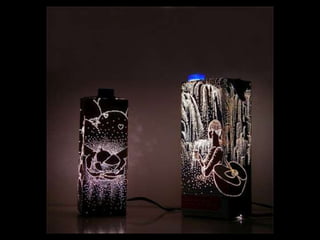
Art and its creative process.
• Vertical thinking VS Lateral Thinking.

• Thinking skills.

• Edward de Bono/ Raths and creative thinking.

• Art project.
• La bodega de ana. Gaby Fdz.
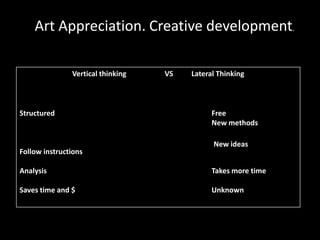
Art Appreciation. Creative development.

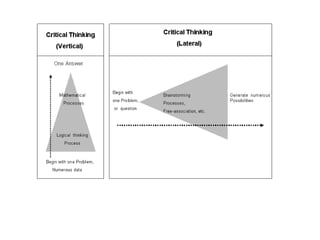
               Vertical thinking   VS   Lateral Thinking


Structured                                    Free
                                              New methods

                                              New ideas
Follow instructions

Analysis                                      Takes more time

Saves time and $                              Unknown
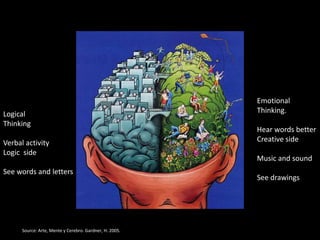
Emotional
Logical                                                  Thinking.
Thinking
                                                         Hear words better
Verbal activity                                          Creative side
Logic side
                                                         Music and sound
See words and letters
                                                         See drawings


      Source: Arte, Mente y Cerebro. Gardner, H. 2005.
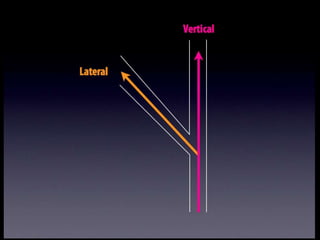
Lateral thinking=


Think out of the box
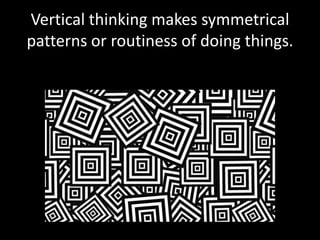
Vertical thinking makes symmetrical
patterns or routiness of doing things.
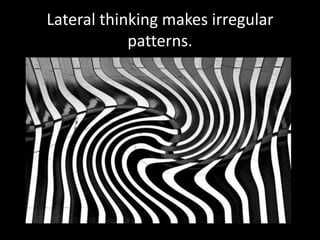
Lateral thinking makes irregular
            patterns.
Exercise. Make a drawing representing
         one kind of thinking.
• Regular= Vertical thinking.

• Irregular= Lateral thinking.

• Use ruler.
Exercise. Draw a line without using
              your hands.
Name the line.
Represent the line with your body.
Creativity always involves:


Why?

How?

When?

What?

Who?
Edward De Bono
                   (1982)
           6 Hat Technique from De Bono.
•   Red – emotion, intuition.
•   Blue – Begins and ends process, lays out what
    hats to use, time, agenda, etc.
•   Yellow – value, benefit, satisfaction.
•   Black - negative, analysis.
•   Green - creative thinking
•   White – available information
Louis Raths
            (1977) Thinking processes.
*Percieve: Action of receiving and making, at nervous levels given data
trough senses. Sight.

*Observe: Describe and discover the world around us. Pay attention and see
an object or circumstance.

*Interpret: Explain meaning of an experience. Going to a museum.

*Analyze: Is to distribute and separate a whole into pieces.

*Asociate: Relate one thing or elemnt with other to join ideas.

*Classify: Organize elements and group them according certain principles and
categories.
*Compare: To establish similarities and differences to relate
data, facts or concepts to get conclusions.

*Express: Show trough oral and written language in a
comprehensible way.

*Sinthetize: Compose a whole taking on account all its parts.
*Deduct: Way ot reazoning parting from a general principle
in a mechanic way.

*Evaluate: Determine wether the evaluated situation or
thing has a value or not according to certain criteria.
L. Raths excercise
• From the painting you see on the board we are going to read the image
  according to Raths theory.

• Apply at least 5 thinking processes to decode the painting.

• Write the kind of process and your interpretation.

• Write down the name of the painting, the painter, year, format, etc.

• Hand in with name, group, etc.
Exercise. Write down the problem and the possible solution.

• There is a man who lives on the top floor of a very tall building. Everyday he
  gets the elevator down to the ground floor to leave the building to go to
  work. Upon returning from work though, he can only travel half way up in
  the lift and has to walk the rest of the way unless it's raining! Why?


• A man and his son are in a car accident. The father dies on the scene, but the
  child is rushed to the hospital. When he arrives the surgeon says, "I can't
  operate on this boy, he is my son! " How can this be?


• A man is wearing black. Black shoes, socks, trousers, coat, gloves and ski
  mask. He is walking down a back street with all the street lamps off. A black
  car is coming towards him with its light off but somehow manages to stop in
  time. How did the driver see the man
Solutions.

• The man is very, very short and can only reach halfway up the elevator
  buttons. However, if it is raining then he will have his umbrella with him and
  can press the higher buttons with it.


• The surgeon was his mother.


• It was day time.
In the artistic process might take more than 15 years to achieve
the creative process as an artist.

This process begins with the idea, conception, investigation,
plannification, sketching or scale moduling, testing, making or
creating, final finish, exhibition, evaluation or critique.


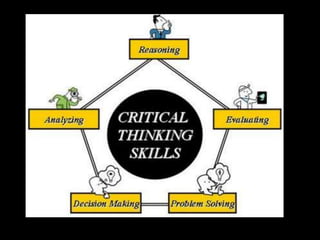
Some thinking skills like reflection or logical thinking are needed
by the artist to focus the fantasy side of the creative thinking.
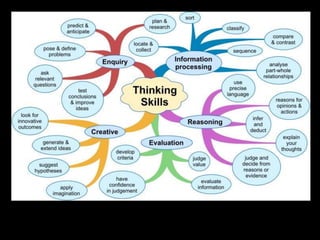
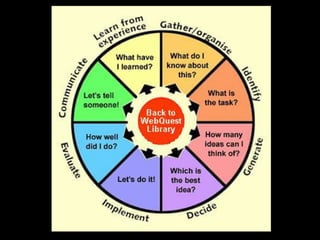
Thinking skills
• The human capacity to think in conscious ways to achieve certain
  purposes, like remembering, questioning, forming concepts,
  planning, reasoning, imagining, solving problems, making decisions
  and judgements.

• A skill is a practical ability in doing something or succeeding in a task.

• A thinking skill is a practical ability to think in ways that are judged to
  be more or less effective or skilled. They are the habits of intelligent
  behaviour learned through practice.

• Thinking skills are the mental capacities we use to investigate the
  world, to solve problems and make judgements .

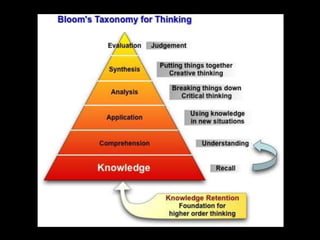
• The key skills in human thinking, and the most famous of these is
  Bloom’s Taxonomy
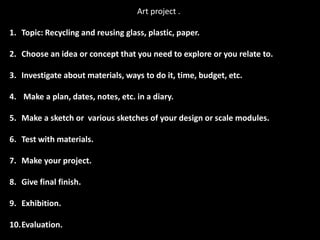
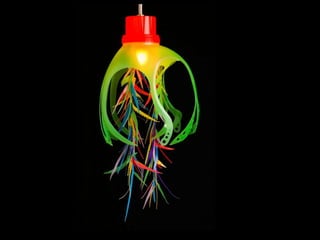
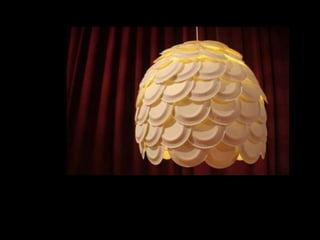
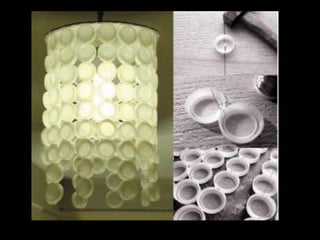
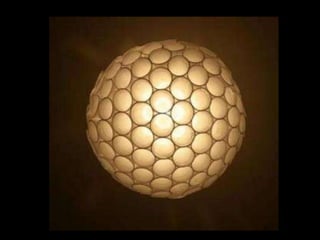
Art project .

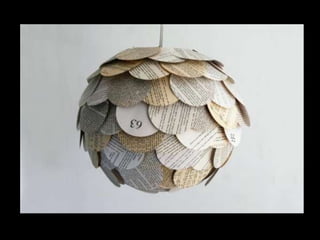
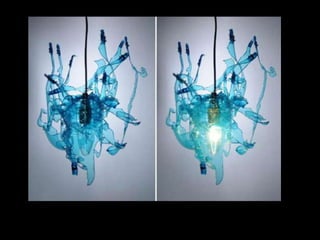
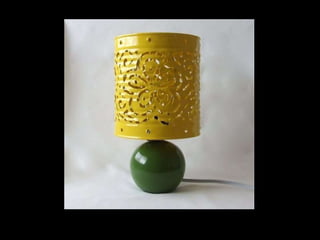
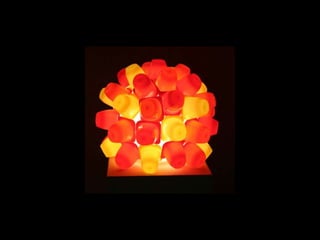
1. Topic: Recycling and reusing glass, plastic, paper.

2. Choose an idea or concept that you need to explore or you relate to.

3. Investigate about materials, ways to do it, time, budget, etc.

4. Make a plan, dates, notes, etc. in a diary.

5. Make a sketch or various sketches of your design or scale modules.

6. Test with materials.

7. Make your project.

8. Give final finish.

9. Exhibition.

10.Evaluation.
Guidelines

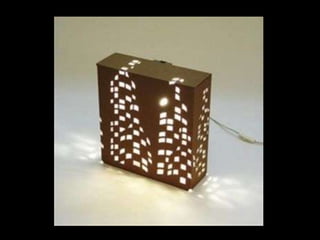
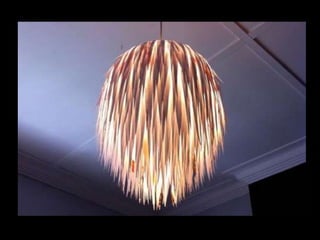
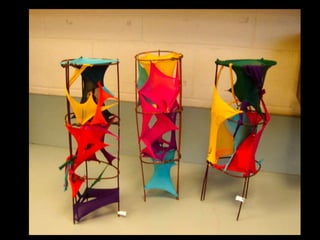
• Work has to be tridimensional.

• Work has to be presented on a base.

• The base has to be covered, painted or similar.

• You have to present written investigation, plan, diary, sketch and
  PICTURES OF ALL PROCESS.

• Letter size or A4 format.

• 1.5 space between lines.

• Font Arial 12

• Official cover from UVM

• Black and white is Ok.
Creative thinking
Creative thinking
Creative thinking
Creative thinking
Creative thinking
Creative thinking
Creative thinking
Creative thinking
Creative thinking
Creative thinking
Creative thinking
Creative thinking

Creative thinking

  • 1.
    Art and itscreative process. • Vertical thinking VS Lateral Thinking. • Thinking skills. • Edward de Bono/ Raths and creative thinking. • Art project. • La bodega de ana. Gaby Fdz.
  • 2.
    Art Appreciation. Creativedevelopment. Vertical thinking VS Lateral Thinking Structured Free New methods New ideas Follow instructions Analysis Takes more time Saves time and $ Unknown
  • 3.
    Emotional Logical Thinking. Thinking Hear words better Verbal activity Creative side Logic side Music and sound See words and letters See drawings Source: Arte, Mente y Cerebro. Gardner, H. 2005.
  • 5.
  • 7.
    Vertical thinking makessymmetrical patterns or routiness of doing things.
  • 8.
    Lateral thinking makesirregular patterns.
  • 9.
    Exercise. Make adrawing representing one kind of thinking. • Regular= Vertical thinking. • Irregular= Lateral thinking. • Use ruler.
  • 10.
    Exercise. Draw aline without using your hands. Name the line. Represent the line with your body.
  • 11.
  • 12.
    Edward De Bono (1982) 6 Hat Technique from De Bono. • Red – emotion, intuition. • Blue – Begins and ends process, lays out what hats to use, time, agenda, etc. • Yellow – value, benefit, satisfaction. • Black - negative, analysis. • Green - creative thinking • White – available information
  • 13.
    Louis Raths (1977) Thinking processes. *Percieve: Action of receiving and making, at nervous levels given data trough senses. Sight. *Observe: Describe and discover the world around us. Pay attention and see an object or circumstance. *Interpret: Explain meaning of an experience. Going to a museum. *Analyze: Is to distribute and separate a whole into pieces. *Asociate: Relate one thing or elemnt with other to join ideas. *Classify: Organize elements and group them according certain principles and categories.
  • 14.
    *Compare: To establishsimilarities and differences to relate data, facts or concepts to get conclusions. *Express: Show trough oral and written language in a comprehensible way. *Sinthetize: Compose a whole taking on account all its parts. *Deduct: Way ot reazoning parting from a general principle in a mechanic way. *Evaluate: Determine wether the evaluated situation or thing has a value or not according to certain criteria.
  • 15.
    L. Raths excercise •From the painting you see on the board we are going to read the image according to Raths theory. • Apply at least 5 thinking processes to decode the painting. • Write the kind of process and your interpretation. • Write down the name of the painting, the painter, year, format, etc. • Hand in with name, group, etc.
  • 16.
    Exercise. Write downthe problem and the possible solution. • There is a man who lives on the top floor of a very tall building. Everyday he gets the elevator down to the ground floor to leave the building to go to work. Upon returning from work though, he can only travel half way up in the lift and has to walk the rest of the way unless it's raining! Why? • A man and his son are in a car accident. The father dies on the scene, but the child is rushed to the hospital. When he arrives the surgeon says, "I can't operate on this boy, he is my son! " How can this be? • A man is wearing black. Black shoes, socks, trousers, coat, gloves and ski mask. He is walking down a back street with all the street lamps off. A black car is coming towards him with its light off but somehow manages to stop in time. How did the driver see the man
  • 17.
    Solutions. • The manis very, very short and can only reach halfway up the elevator buttons. However, if it is raining then he will have his umbrella with him and can press the higher buttons with it. • The surgeon was his mother. • It was day time.
  • 18.
    In the artisticprocess might take more than 15 years to achieve the creative process as an artist. This process begins with the idea, conception, investigation, plannification, sketching or scale moduling, testing, making or creating, final finish, exhibition, evaluation or critique. Some thinking skills like reflection or logical thinking are needed by the artist to focus the fantasy side of the creative thinking.
  • 19.
    Thinking skills • Thehuman capacity to think in conscious ways to achieve certain purposes, like remembering, questioning, forming concepts, planning, reasoning, imagining, solving problems, making decisions and judgements. • A skill is a practical ability in doing something or succeeding in a task. • A thinking skill is a practical ability to think in ways that are judged to be more or less effective or skilled. They are the habits of intelligent behaviour learned through practice. • Thinking skills are the mental capacities we use to investigate the world, to solve problems and make judgements . • The key skills in human thinking, and the most famous of these is Bloom’s Taxonomy
  • 24.
    Art project . 1.Topic: Recycling and reusing glass, plastic, paper. 2. Choose an idea or concept that you need to explore or you relate to. 3. Investigate about materials, ways to do it, time, budget, etc. 4. Make a plan, dates, notes, etc. in a diary. 5. Make a sketch or various sketches of your design or scale modules. 6. Test with materials. 7. Make your project. 8. Give final finish. 9. Exhibition. 10.Evaluation.
  • 25.
    Guidelines • Work hasto be tridimensional. • Work has to be presented on a base. • The base has to be covered, painted or similar. • You have to present written investigation, plan, diary, sketch and PICTURES OF ALL PROCESS. • Letter size or A4 format. • 1.5 space between lines. • Font Arial 12 • Official cover from UVM • Black and white is Ok.