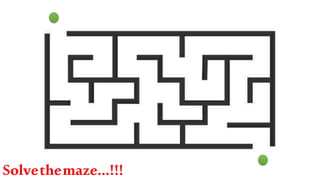
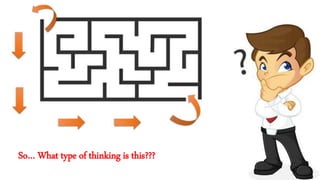
Solvethemaze…!!!
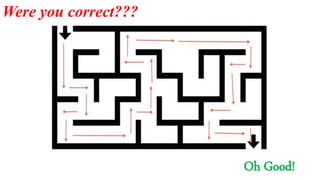
Were you correct???
Oh Good!
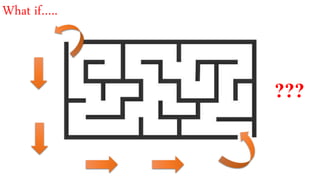
What if…..
???
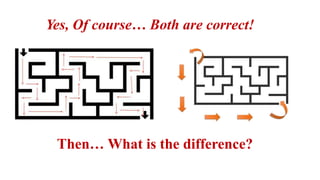
Yes, Of course… Both are correct!
Then… What is the difference?
Vertical Thinking
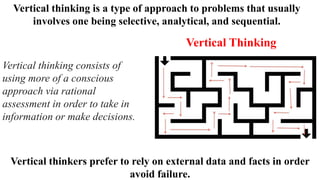
Vertical thinking is a type of approach to problems that usually
involves one being selective, analytical, and sequential.
Vertical thinkers prefer to rely on external data and facts in order
avoid failure.
Vertical thinking consists of
using more of a conscious
approach via rational
assessment in order to take in
information or make decisions.
So… What type of thinking is this???
LATERAL THINKING
AEX 201 Communication Skills and
Personality Devlopment
Definition:
• Lateral thinking is a manner of solving problems using an
indirect and creative approach via reasoning that is not
immediately obvious.
• It involves ideas that may not be obtainable using only
traditional step-by-step logic.
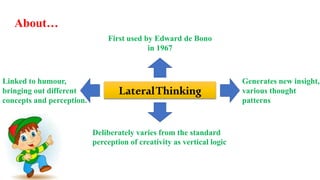
About…
LateralThinking
First used by Edward de Bono
in 1967
Linked to humour,
bringing out different
concepts and perception.
Generates new insight,
various thought
patterns
Deliberately varies from the standard
perception of creativity as vertical logic
A classic example cited by Edward for Lateral Thinking is the
“Judgement of Solomon.”
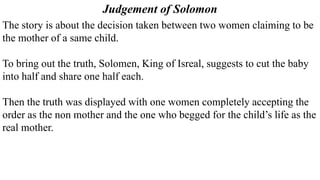
The story is about the decision taken between two women claiming to be
the mother of a same child.
To bring out the truth, Solomen, King of Isreal, suggests to cut the baby
into half and share one half each.
Then the truth was displayed with one women completely accepting the
order as the non mother and the one who begged for the child’s life as the
real mother.
Judgement of Solomon
Tools for Lateral Thinking:
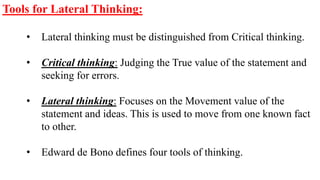
• Lateral thinking must be distinguished from Critical thinking.
• Critical thinking: Judging the True value of the statement and
seeking for errors.
• Lateral thinking: Focuses on the Movement value of the
statement and ideas. This is used to move from one known fact
to other.
• Edward de Bono defines four tools of thinking.
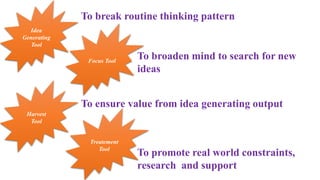
Idea
Generating
Tool
Focus Tool
Harvest
Tool
Treatement
Tool
To break routine thinking pattern
To broaden mind to search for new
ideas
To ensure value from idea generating output
To promote real world constraints,
research and support
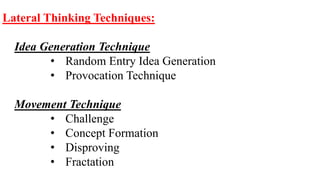
Lateral Thinking Techniques:
Idea Generation Technique
• Random Entry Idea Generation
• Provocation Technique
Movement Technique
• Challenge
• Concept Formation
• Disproving
• Fractation
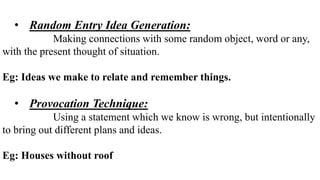
Idea Generation Technique
• Random Entry Idea Generation:
Making connections with some random object, word or any,
with the present thought of situation.
Eg: Ideas we make to relate and remember things.
• Provocation Technique:
Using a statement which we know is wrong, but intentionally
to bring out different plans and ideas.
Eg: Houses without roof
Movement
Technique
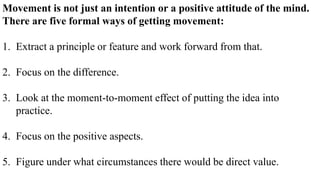
Movement is not just an intention or a positive attitude of the mind.
There are five formal ways of getting movement:
1. Extract a principle or feature and work forward from that.
2. Focus on the difference.
3. Look at the moment-to-moment effect of putting the idea into
practice.
4. Focus on the positive aspects.
5. Figure under what circumstances there would be direct value.
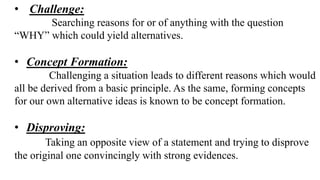
• Challenge:
Searching reasons for or of anything with the question
“WHY” which could yield alternatives.
• Concept Formation:
Challenging a situation leads to different reasons which would
all be derived from a basic principle. As the same, forming concepts
for our own alternative ideas is known to be concept formation.
• Disproving:
Taking an opposite view of a statement and trying to disprove
the original one convincingly with strong evidences.
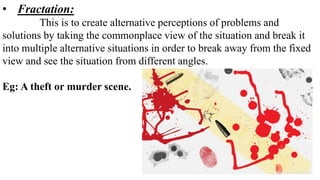
• Fractation:
This is to create alternative perceptions of problems and
solutions by taking the commonplace view of the situation and break it
into multiple alternative situations in order to break away from the fixed
view and see the situation from different angles.
Eg: A theft or murder scene.
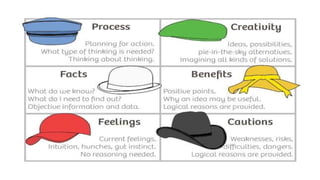
Strategic System for Lateral Thinking:
Edward de Bono, based on his theory, structured a system of
methodological thinking called…
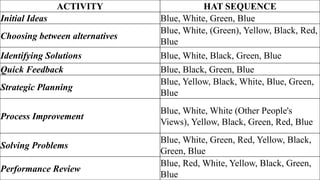
TheSixThinkingHatsSystem
ACTIVITY HAT SEQUENCE
Initial Ideas Blue, White, Green, Blue
Choosing between alternatives
Blue, White, (Green), Yellow, Black, Red,
Blue
Identifying Solutions Blue, White, Black, Green, Blue
Quick Feedback Blue, Black, Green, Blue
Strategic Planning
Blue, Yellow, Black, White, Blue, Green,
Blue
Process Improvement
Blue, White, White (Other People's
Views), Yellow, Black, Green, Red, Blue
Solving Problems
Blue, White, Green, Red, Yellow, Black,
Green, Blue
Performance Review
Blue, Red, White, Yellow, Black, Green,
Blue
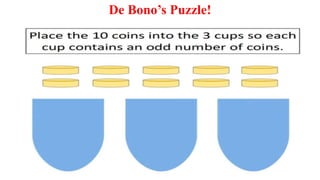
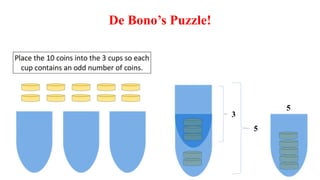
De Bono’s Puzzle!
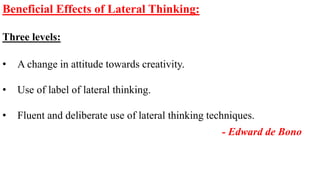
Beneficial Effects of Lateral Thinking:
Three levels:
• A change in attitude towards creativity.
• Use of label of lateral thinking.
• Fluent and deliberate use of lateral thinking techniques.
- Edward de Bono
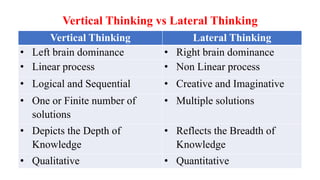
Vertical Thinking Lateral Thinking
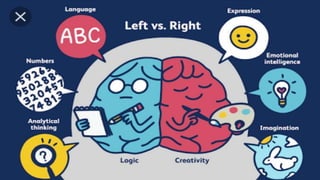
• Left brain dominance • Right brain dominance
• Linear process • Non Linear process
• Logical and Sequential • Creative and Imaginative
• One or Finite number of
solutions
• Multiple solutions
• Depicts the Depth of
Knowledge
• Reflects the Breadth of
Knowledge
• Qualitative • Quantitative
Vertical Thinking vs Lateral Thinking
De Bono’s Puzzle!
3
5
5
THANK YOU
S. Krupesh

Lateral Thinking

  • 1.
  • 2.
  • 3.
  • 4.
    Yes, Of course…Both are correct! Then… What is the difference?
  • 6.
    Vertical Thinking Vertical thinkingis a type of approach to problems that usually involves one being selective, analytical, and sequential. Vertical thinkers prefer to rely on external data and facts in order avoid failure. Vertical thinking consists of using more of a conscious approach via rational assessment in order to take in information or make decisions.
  • 7.
    So… What typeof thinking is this???
  • 8.
    LATERAL THINKING AEX 201Communication Skills and Personality Devlopment
  • 9.
    Definition: • Lateral thinkingis a manner of solving problems using an indirect and creative approach via reasoning that is not immediately obvious. • It involves ideas that may not be obtainable using only traditional step-by-step logic.
  • 10.
    About… LateralThinking First used byEdward de Bono in 1967 Linked to humour, bringing out different concepts and perception. Generates new insight, various thought patterns Deliberately varies from the standard perception of creativity as vertical logic
  • 11.
    A classic examplecited by Edward for Lateral Thinking is the “Judgement of Solomon.”
  • 12.
    The story isabout the decision taken between two women claiming to be the mother of a same child. To bring out the truth, Solomen, King of Isreal, suggests to cut the baby into half and share one half each. Then the truth was displayed with one women completely accepting the order as the non mother and the one who begged for the child’s life as the real mother. Judgement of Solomon
  • 13.
    Tools for LateralThinking: • Lateral thinking must be distinguished from Critical thinking. • Critical thinking: Judging the True value of the statement and seeking for errors. • Lateral thinking: Focuses on the Movement value of the statement and ideas. This is used to move from one known fact to other. • Edward de Bono defines four tools of thinking.
  • 14.
    Idea Generating Tool Focus Tool Harvest Tool Treatement Tool To breakroutine thinking pattern To broaden mind to search for new ideas To ensure value from idea generating output To promote real world constraints, research and support
  • 15.
    Lateral Thinking Techniques: IdeaGeneration Technique • Random Entry Idea Generation • Provocation Technique Movement Technique • Challenge • Concept Formation • Disproving • Fractation
  • 16.
  • 17.
    • Random EntryIdea Generation: Making connections with some random object, word or any, with the present thought of situation. Eg: Ideas we make to relate and remember things. • Provocation Technique: Using a statement which we know is wrong, but intentionally to bring out different plans and ideas. Eg: Houses without roof
  • 18.
  • 19.
    Movement is notjust an intention or a positive attitude of the mind. There are five formal ways of getting movement: 1. Extract a principle or feature and work forward from that. 2. Focus on the difference. 3. Look at the moment-to-moment effect of putting the idea into practice. 4. Focus on the positive aspects. 5. Figure under what circumstances there would be direct value.
  • 20.
    • Challenge: Searching reasonsfor or of anything with the question “WHY” which could yield alternatives. • Concept Formation: Challenging a situation leads to different reasons which would all be derived from a basic principle. As the same, forming concepts for our own alternative ideas is known to be concept formation. • Disproving: Taking an opposite view of a statement and trying to disprove the original one convincingly with strong evidences.
  • 21.
    • Fractation: This isto create alternative perceptions of problems and solutions by taking the commonplace view of the situation and break it into multiple alternative situations in order to break away from the fixed view and see the situation from different angles. Eg: A theft or murder scene.
  • 22.
    Strategic System forLateral Thinking: Edward de Bono, based on his theory, structured a system of methodological thinking called… TheSixThinkingHatsSystem
  • 24.
    ACTIVITY HAT SEQUENCE InitialIdeas Blue, White, Green, Blue Choosing between alternatives Blue, White, (Green), Yellow, Black, Red, Blue Identifying Solutions Blue, White, Black, Green, Blue Quick Feedback Blue, Black, Green, Blue Strategic Planning Blue, Yellow, Black, White, Blue, Green, Blue Process Improvement Blue, White, White (Other People's Views), Yellow, Black, Green, Red, Blue Solving Problems Blue, White, Green, Red, Yellow, Black, Green, Blue Performance Review Blue, Red, White, Yellow, Black, Green, Blue
  • 25.
  • 26.
    Beneficial Effects ofLateral Thinking: Three levels: • A change in attitude towards creativity. • Use of label of lateral thinking. • Fluent and deliberate use of lateral thinking techniques. - Edward de Bono
  • 27.
    Vertical Thinking LateralThinking • Left brain dominance • Right brain dominance • Linear process • Non Linear process • Logical and Sequential • Creative and Imaginative • One or Finite number of solutions • Multiple solutions • Depicts the Depth of Knowledge • Reflects the Breadth of Knowledge • Qualitative • Quantitative Vertical Thinking vs Lateral Thinking
  • 29.
  • 30.