PRICE
SPEED TIME
CORRELATION
is a statistical technique used to
determine the degree to which two
variables are related.
POSITIVE CORRELATION
 implies a direct relationship between the
variables, that is, as one increases (or decreases),
the other also increases (or decreases).
NEGATIVE CORRELATION
 implies an inverse relationship such that as one
variable increases, the other decreases.
PRICE
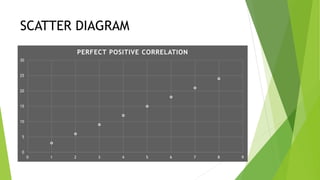
SCATTER DIAGRAM
0
5
10
15
20
25
30
0 1 2 3 4 5 6 7 8 9
PERFECT POSITIVE CORRELATION
0
5
10
15
20
25
30
35
0 1 2 3 4 5 6 7 8 9
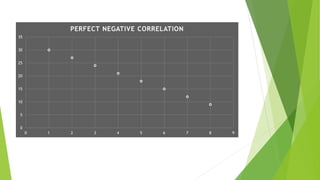
PERFECT NEGATIVE CORRELATION
0
2
4
6
8
10
12
14
16
18
20
0 2 4 6 8 10 12
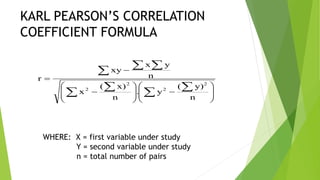
KARL PEARSON’S CORRELATION
COEFFICIENT FORMULA
WHERE: X = first variable under study
Y = second variable under study
n = total number of pairs



















  
  
n
y)(
y.
n
x)(
x
n
yx
xy
r
2
2
2
2
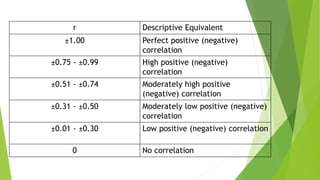
r Descriptive Equivalent
±1.00 Perfect positive (negative)
correlation
±0.75 - ±0.99 High positive (negative)
correlation
±0.51 - ±0.74 Moderately high positive
(negative) correlation
±0.31 - ±0.50 Moderately low positive (negative)
correlation
±0.01 - ±0.30 Low positive (negative) correlation
0 No correlation
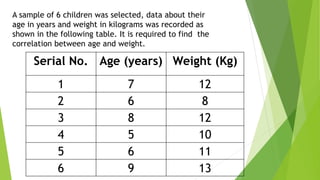
Serial No. Age (years) Weight (Kg)
1 7 12
2 6 8
3 8 12
4 5 10
5 6 11
6 9 13
A sample of 6 children was selected, data about their
age in years and weight in kilograms was recorded as
shown in the following table. It is required to find the
correlation between age and weight.
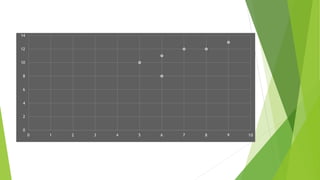
0
2
4
6
8
10
12
14
0 1 2 3 4 5 6 7 8 9 10
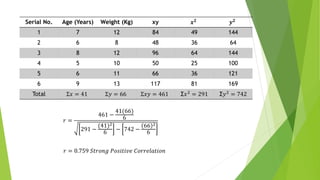
Serial No. Age (Years) Weight (Kg) xy 𝒙 𝟐
𝒚 𝟐
1 7 12 84 49 144
2 6 8 48 36 64
3 8 12 96 64 144
4 5 10 50 25 100
5 6 11 66 36 121
6 9 13 117 81 169
Total Σ𝑥 = 41 Σ𝑦 = 66 Σ𝑥𝑦 = 461 Σ𝑥2
= 291 Σ𝑦2
= 742
𝑟 =
461 −
41(66)
6
291 −
(41)2
6
− 742 −
66 2
6
𝑟 = 0.759 𝑆𝑡𝑟𝑜𝑛𝑔 𝑃𝑜𝑠𝑖𝑡𝑖𝑣𝑒 𝐶𝑜𝑟𝑟𝑒𝑙𝑎𝑡𝑖𝑜𝑛
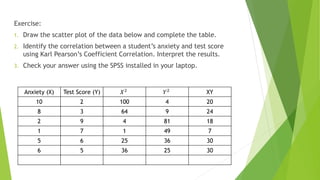
Exercise:
1. Draw the scatter plot of the data below and complete the table.
2. Identify the correlation between a student’s anxiety and test score
using Karl Pearson’s Coefficient Correlation. Interpret the results.
3. Check your answer using the SPSS installed in your laptop.
Anxiety (X) Test Score (Y) 𝑋2
𝑌2
XY
10 2 100 4 20
8 3 64 9 24
2 9 4 81 18
1 7 1 49 7
5 6 25 36 30
6 5 36 25 30
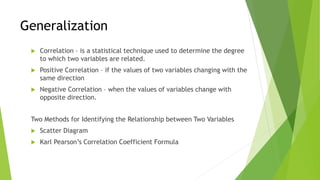
Generalization
 Correlation – is a statistical technique used to determine the degree
to which two variables are related.
 Positive Correlation – if the values of two variables changing with the
same direction
 Negative Correlation – when the values of variables change with
opposite direction.
Two Methods for Identifying the Relationship between Two Variables
 Scatter Diagram
 Karl Pearson’s Correlation Coefficient Formula

Correlation

  • 4.
  • 5.
  • 6.
    CORRELATION is a statisticaltechnique used to determine the degree to which two variables are related.
  • 7.
    POSITIVE CORRELATION  impliesa direct relationship between the variables, that is, as one increases (or decreases), the other also increases (or decreases). NEGATIVE CORRELATION  implies an inverse relationship such that as one variable increases, the other decreases.
  • 8.
  • 9.
    SCATTER DIAGRAM 0 5 10 15 20 25 30 0 12 3 4 5 6 7 8 9 PERFECT POSITIVE CORRELATION
  • 10.
    0 5 10 15 20 25 30 35 0 1 23 4 5 6 7 8 9 PERFECT NEGATIVE CORRELATION
  • 11.
  • 12.
    KARL PEARSON’S CORRELATION COEFFICIENTFORMULA WHERE: X = first variable under study Y = second variable under study n = total number of pairs                          n y)( y. n x)( x n yx xy r 2 2 2 2
  • 13.
    r Descriptive Equivalent ±1.00Perfect positive (negative) correlation ±0.75 - ±0.99 High positive (negative) correlation ±0.51 - ±0.74 Moderately high positive (negative) correlation ±0.31 - ±0.50 Moderately low positive (negative) correlation ±0.01 - ±0.30 Low positive (negative) correlation 0 No correlation
  • 14.
    Serial No. Age(years) Weight (Kg) 1 7 12 2 6 8 3 8 12 4 5 10 5 6 11 6 9 13 A sample of 6 children was selected, data about their age in years and weight in kilograms was recorded as shown in the following table. It is required to find the correlation between age and weight.
  • 15.
    0 2 4 6 8 10 12 14 0 1 23 4 5 6 7 8 9 10
  • 16.
    Serial No. Age(Years) Weight (Kg) xy 𝒙 𝟐 𝒚 𝟐 1 7 12 84 49 144 2 6 8 48 36 64 3 8 12 96 64 144 4 5 10 50 25 100 5 6 11 66 36 121 6 9 13 117 81 169 Total Σ𝑥 = 41 Σ𝑦 = 66 Σ𝑥𝑦 = 461 Σ𝑥2 = 291 Σ𝑦2 = 742 𝑟 = 461 − 41(66) 6 291 − (41)2 6 − 742 − 66 2 6 𝑟 = 0.759 𝑆𝑡𝑟𝑜𝑛𝑔 𝑃𝑜𝑠𝑖𝑡𝑖𝑣𝑒 𝐶𝑜𝑟𝑟𝑒𝑙𝑎𝑡𝑖𝑜𝑛
  • 17.
    Exercise: 1. Draw thescatter plot of the data below and complete the table. 2. Identify the correlation between a student’s anxiety and test score using Karl Pearson’s Coefficient Correlation. Interpret the results. 3. Check your answer using the SPSS installed in your laptop. Anxiety (X) Test Score (Y) 𝑋2 𝑌2 XY 10 2 100 4 20 8 3 64 9 24 2 9 4 81 18 1 7 1 49 7 5 6 25 36 30 6 5 36 25 30
  • 18.
    Generalization  Correlation –is a statistical technique used to determine the degree to which two variables are related.  Positive Correlation – if the values of two variables changing with the same direction  Negative Correlation – when the values of variables change with opposite direction. Two Methods for Identifying the Relationship between Two Variables  Scatter Diagram  Karl Pearson’s Correlation Coefficient Formula

Editor's Notes

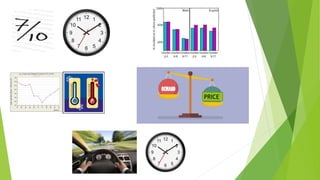
  • #2 So based on the picture, Is there a relationship between the scores and the hours spent in studying? The more we spent our time in studying the Higher the score we can get.
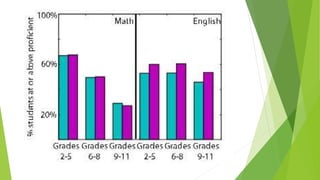
  • #3 Another situation, Is there a relationship between the performance of a student in Math and in English? When the student is good in math, she/he is not good in English.
  • #4 How about the ice cream sales and temperature? Is there a relationship between them? Yes, when the temperature is cold the sales of ice cream will be low. And vice versa.
  • #5 How bout the Demand and the Price of the daily needs of the consumer? When the demand is HIGHER THE PRICE WILL BE HIGHER. And vice versa.
  • #6 And lastly, Is there a relationship between the speed and time? In the five situations that I ask, How strong do you think the relationship is? When the speed is fast the less the time will be consume.
  • #7 So the five situations that I show, talks about CORRELATION. When you hear the word RELATION, What comes in your mind? RELATION- is the connections of the two or more things that work together.
  • #8 Thus the correlation is said to be positive correlation if the values of two variables changing with the same direction. And it said to be Negative Correlation when the values of variables change with opposite direction.
  • #9 Determine whether the following situations is a POSITIVE CORRELATION or a NEGATIVE CORRELATION. POSITIVE CORRELATION NEGATIVE CORRELATION POSITIVE CORRELATION POSITIVE CORRELATION POSITIVE CORRELATION CAN YOU GIVE OTHER EXAMPLES BASED ON THE SITUATIONS THAT I GAVE. WE HAVE THE TWO METHODS FOR IDENTIFYING THE RELATIONSHIP OF THE TWO VARIABLES. 1. FIRST IS THE SCATTER DIAGRAM
  • #10 WHAT CAN YOU OBSERVE IN THE DIAGRAM? As shown in the scatter diagram we designate one variable X and the other Y. FOR EVERY ONE UNIT INCREASES ON X, THERE IS A CORRESPONDING INCREASE OF THREE UNITS ON Y. A STRAIGHT LINE CAN BE POSSIBLY DRAWN WHICH RUNS FROM THE LOWER LEFT TO THE UPPER RIGHT. THIS IS AN EXAMPLE OF A PERFECT POSTIVE CORRELATION OR A CORRELATION COEFFICIENT OF +1.00
  • #11 HOW ABOUT THIS DIAGRAM? Observe that for every increase of 1 unit on the x values, there is a corresponding decrease of 3 units in the y values. The points clearly fall in a straight line from the upper left to the lower right portion. The scatter diagram below illustrates a perfect negative correlation, that is, a correlation coefficient equal to -1.00
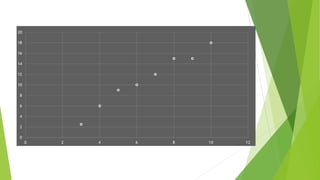
  • #12 What can you observe in the scatter diagram? It illustrates a high positive relationship. The points do not cluster along a straight line but they rise in a general direction. SO BASED ON THE THREE SCATTER DIAGRAM THAT I SHOW YOU. WHAT IS A SCATTER DIAGRAM? -Scatter Diagram shows a graphic visualization of the relationship between the x and y variables also known as bivariate.
  • #13 Sir Karl Pearson developed a rigorous mathematical treatment to describe relationship between two variables now known as the Pearson Product-Moment Coefficient of Correlation, denoted by r, with the following formula;
  • #14 It is important to note that an r-value is meaningless if not interpreted. In statistics, for every numerical value obtained, there is an equivalent descriptive interpretation. The value of the Pearson Product-Moment Coefficient of Correlation (r) can be interpreted as follows:
  • #15 Let’s have an activity regarding to Pearson Formula.
  • #16 Using the Scatter Diagram. What can you observe in the diagram?
  • #17 Interpretation, Age greatly affects the weight of a person. The older you are, the heavier you are.
  • #18 To assess the extent of your understanding of the lesson.