COMPUTATIONAL MODELING
OF DRUG DISPOSITION
PRESENTED BY:
Supriya Hiremath
M. Pharm 2 semester
Dept. of Pharmaceutics
HSKCOP, Bagalkot
FACILITATED TO:
Dr. Laxman Vijapur
Professor
Dept. of Pharmaceutics
HSKCOP, Bagalkot
1
Contents:
• Introduction.
• Modeling techniques.
1. Absorption
2. Distribution
3. Excretion
2
Introduction
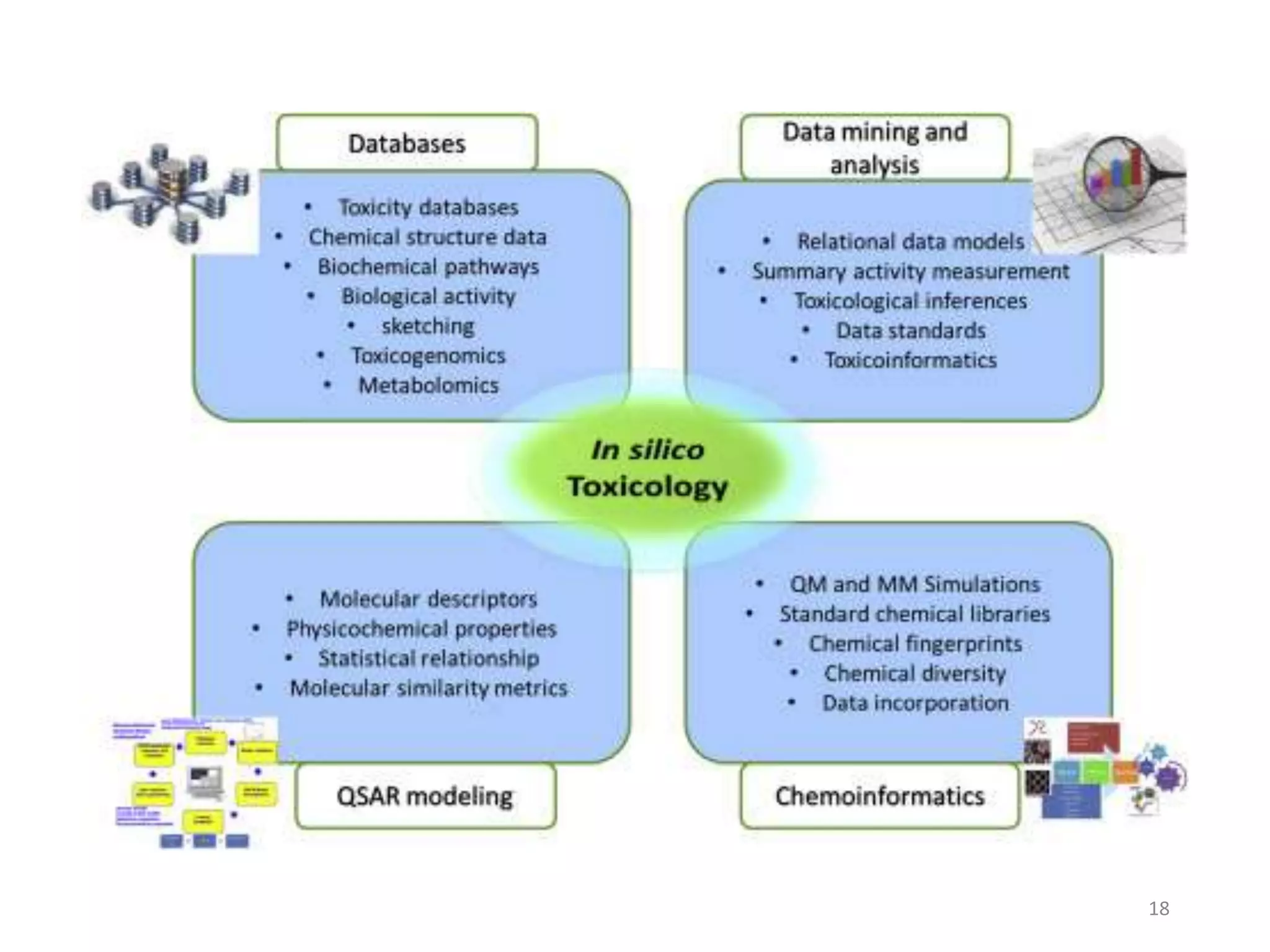
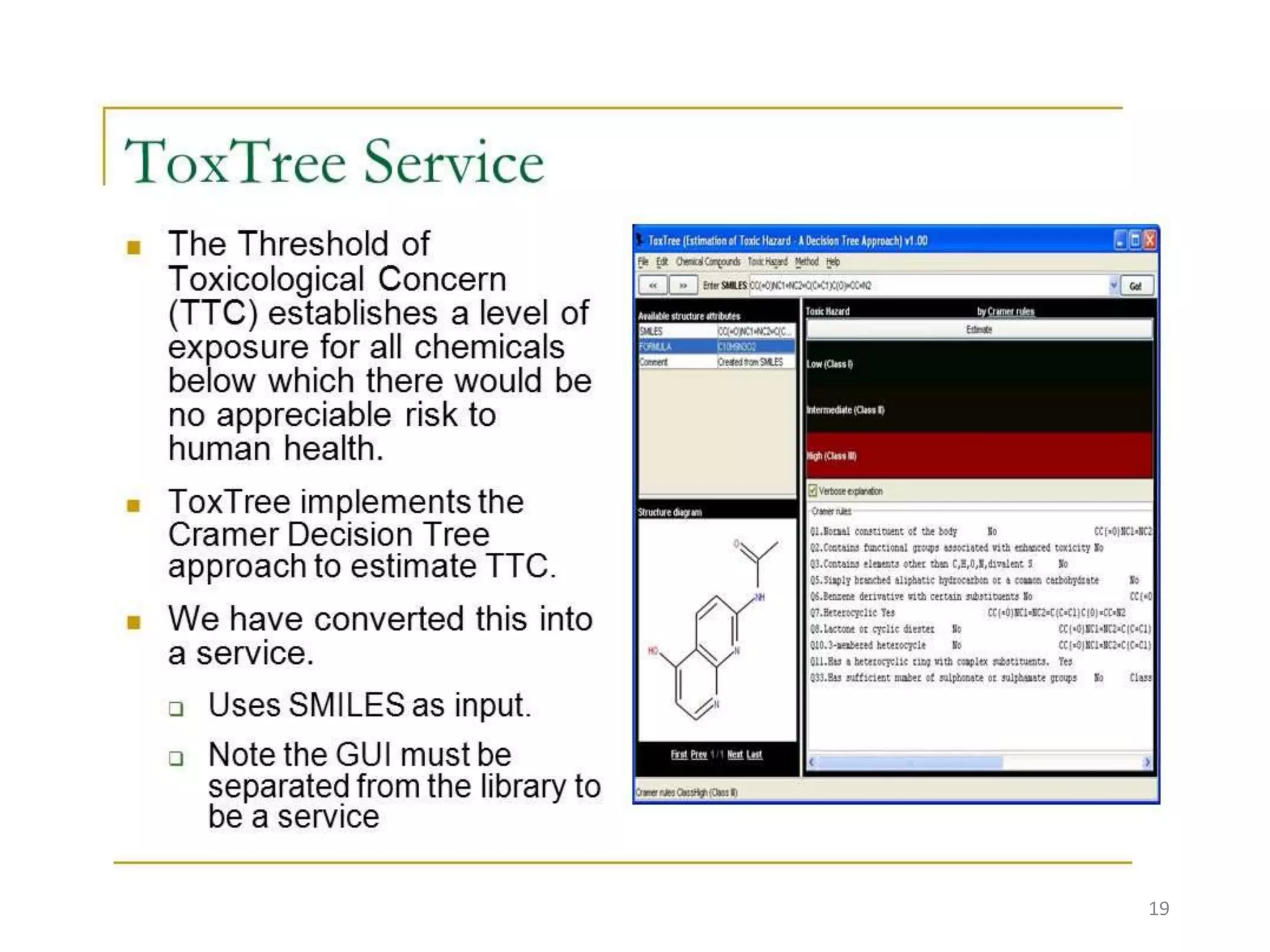
• Drug discovery has focused almost exclusively on
efficacy and selectivity against the biological target. Half
of drug candidates fail at phase II and phase III clinical
trials because of undesirable drug pharmacokinetics
properties, including absorption, distribution,
metabolism, excretion, and toxicity (ADMET).
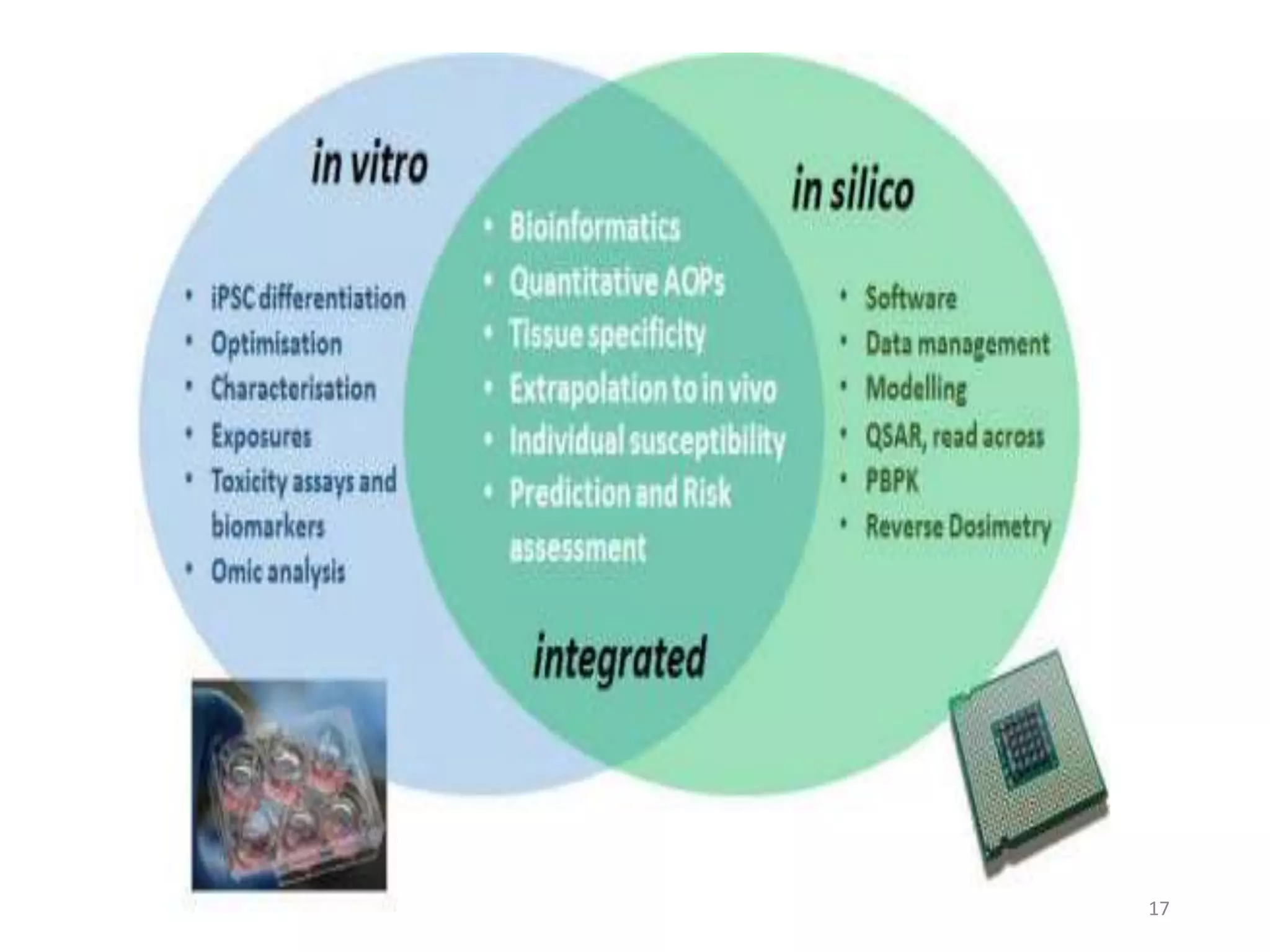
• Caco-2 and MDCK cell monolayers are widely used to
simulate membrane permeability as an in vitro
estimation of in vivo absorption. These in vitro results
have enabled the training of in silico models, which
could be applied to predict the ADMET properties of
compounds even before they are synthesized.
3
• Fueled by the ever-increasing computational power
and significant advances of in silico modeling
algorithms, numerous computational programs that
aim at modeling drug ADMET properties have
emerged.
• A comprehensive list of available commercial ADMET
modeling software has been provided previously by
van de Waterbeemd and Gifford.
4
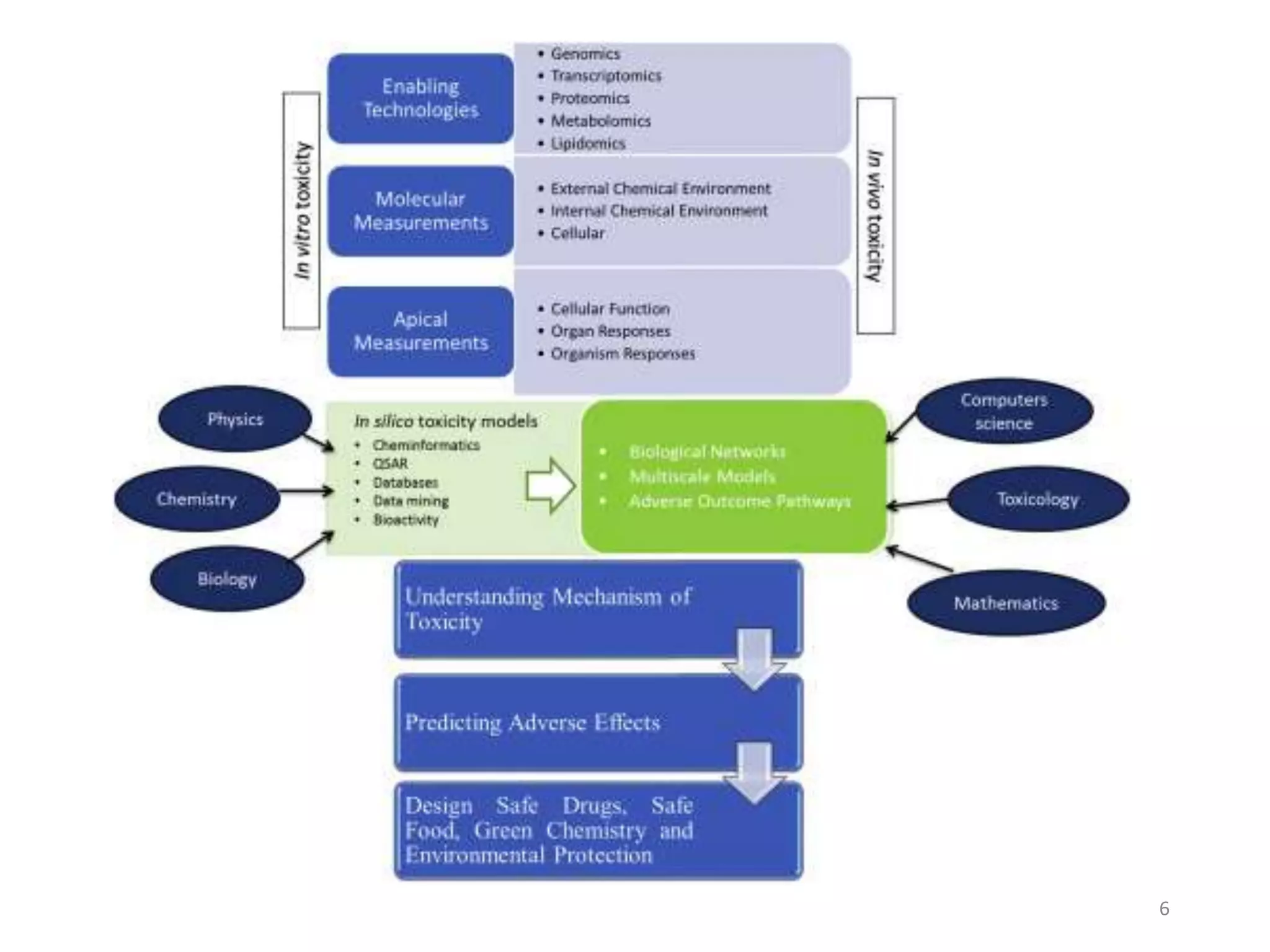
DRUG DISPOSITION
• Any alternation in the drug’s bioavailability is
reflected in its pharmacological effects. Others
processes that play a role in the therapeutic activity
of a drug are distribution and elimination. Together,
they are known as drug disposition.
5
6
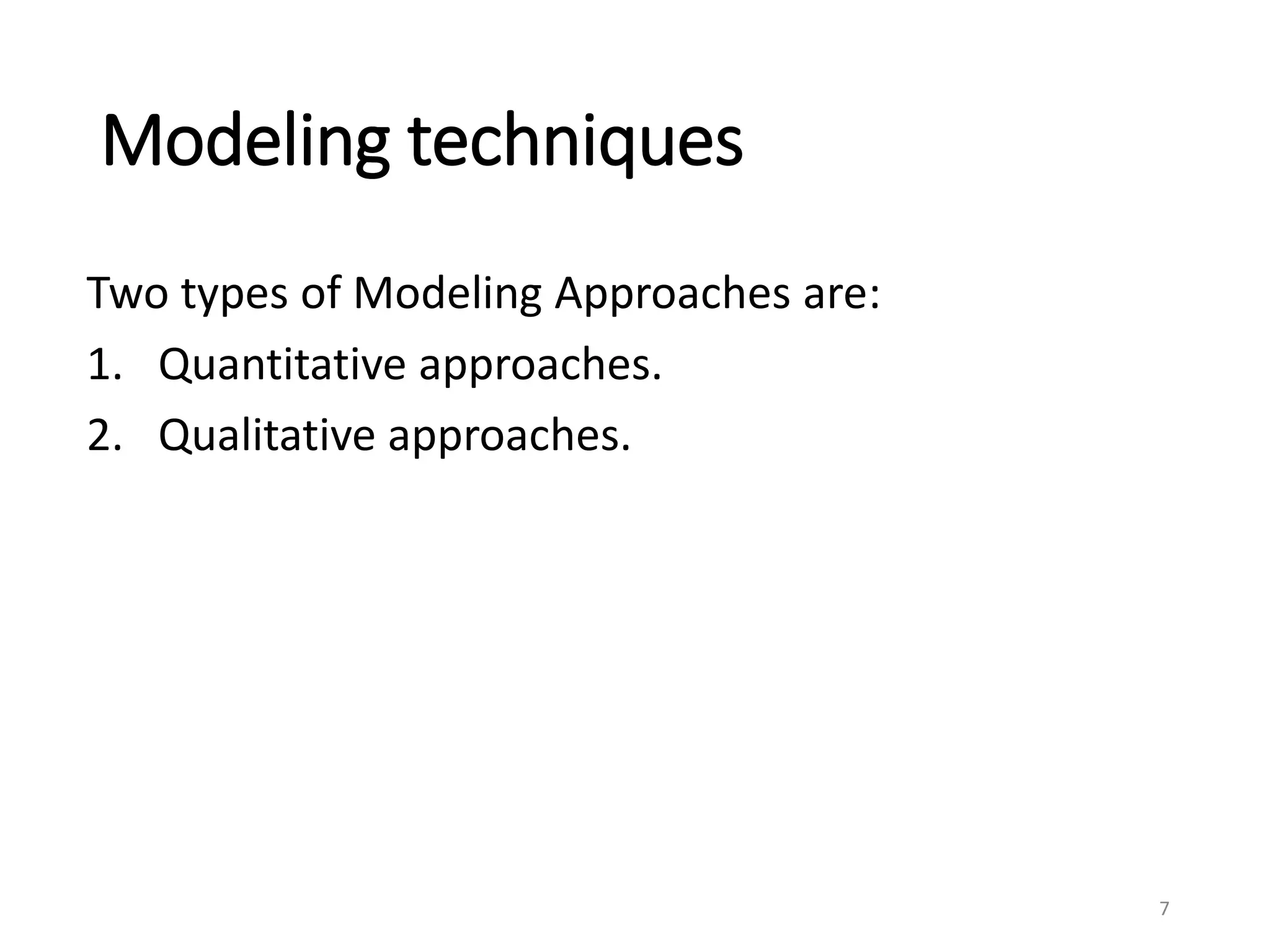
Modeling techniques
Two types of Modeling Approaches are:
1. Quantitative approaches.
2. Qualitative approaches.
7
Quantitative approaches
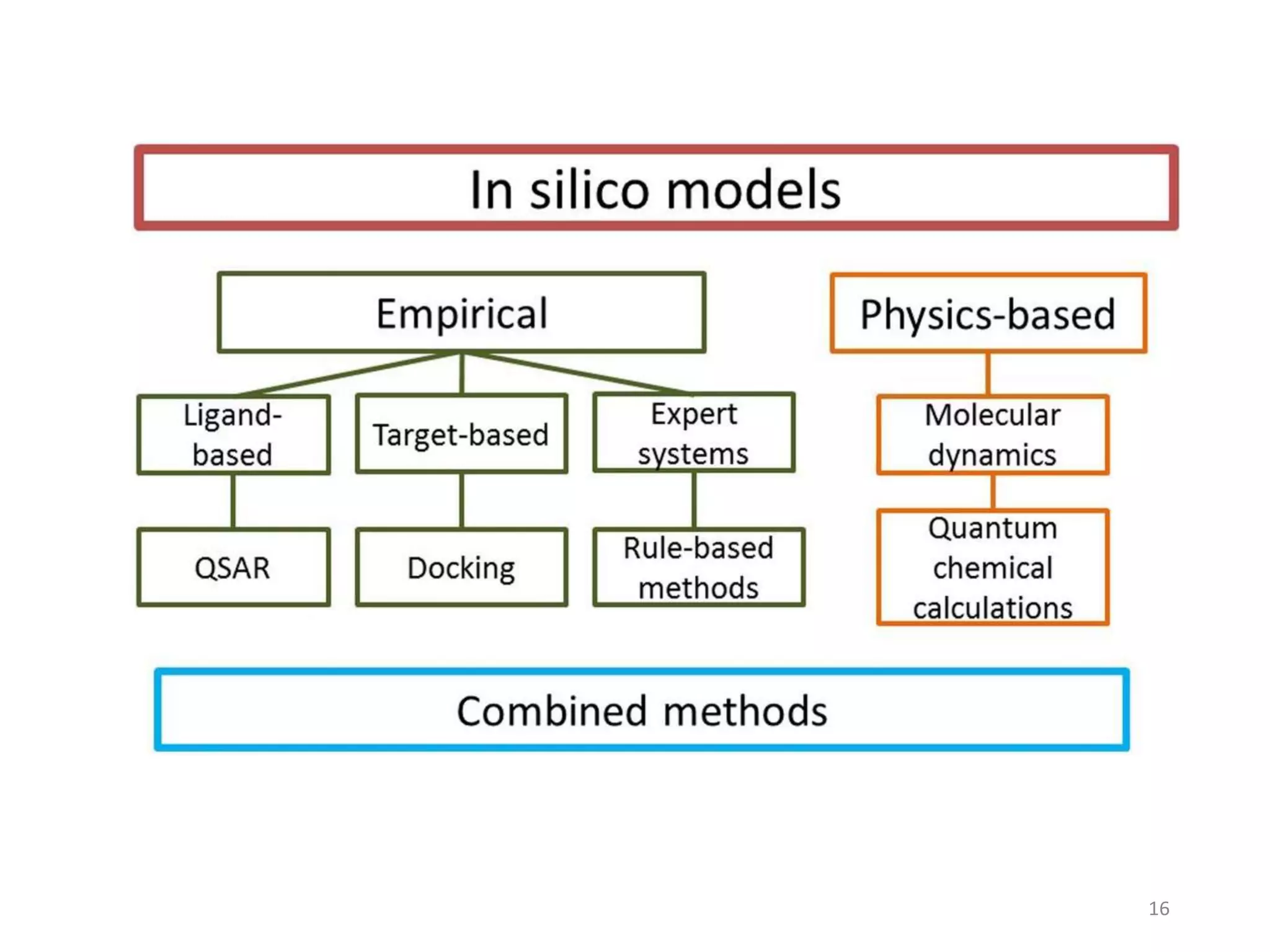
• It is represented by pharmacophore modeling and flexible
docking studies investigate the structural requirements for
the interaction between drugs and the targets that are
involved in ADMET processes.
• These are especially useful when there is an accumulation of
knowledge against a certain target.
• For example: a set of drugs known to be transported by a
transporter would enable a pharmacophore study to
elucidate the minimum required structural features for
transport.
• The availability of a protein’s 3-D structure, from either X-ray
crystallisation or homology modeling, would assist flexible
docking of the active ligand to derive important interactions
between the protein and the ligand.
8
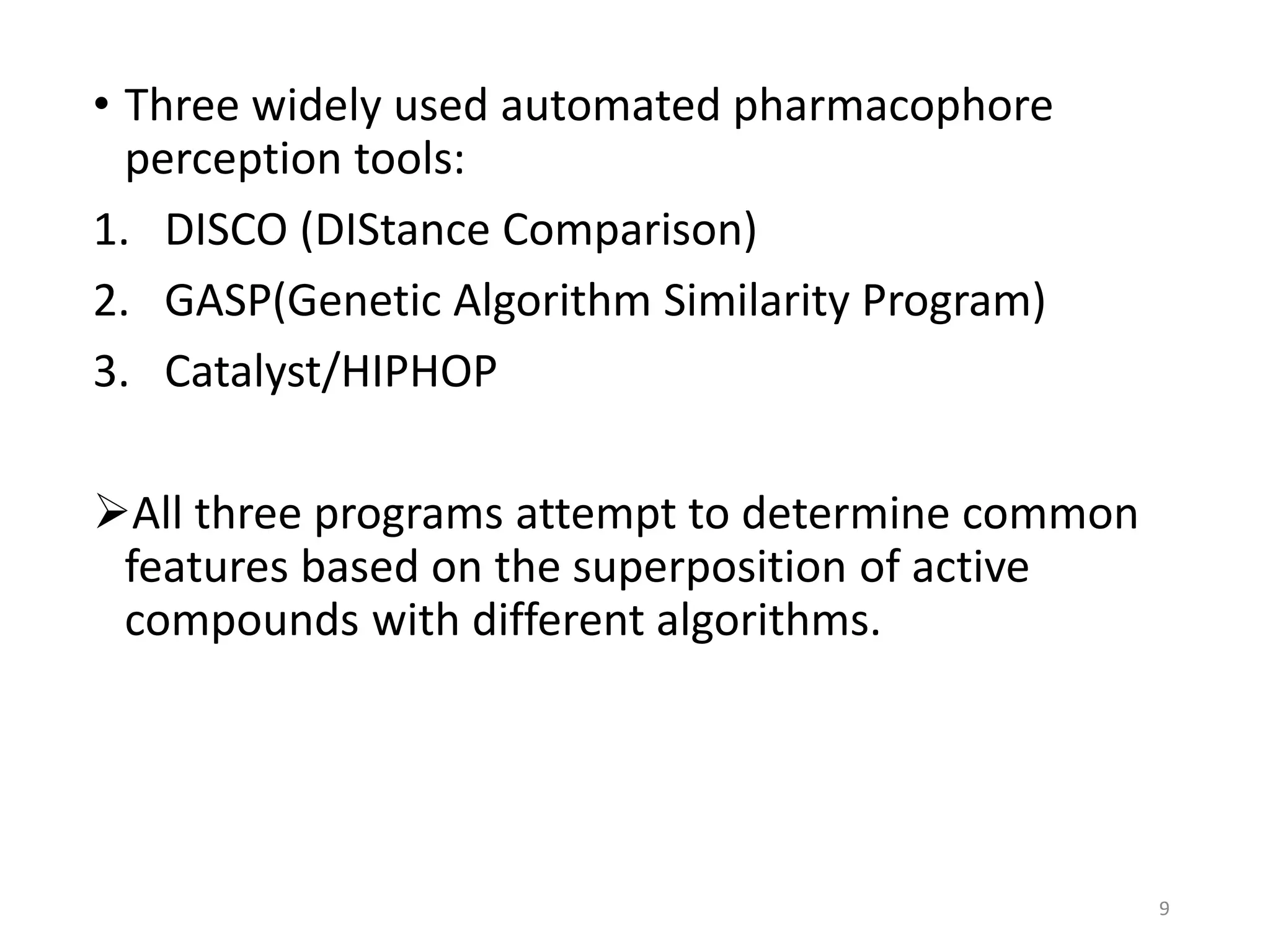
• Three widely used automated pharmacophore
perception tools:
1. DISCO (DIStance Comparison)
2. GASP(Genetic Algorithm Similarity Program)
3. Catalyst/HIPHOP
All three programs attempt to determine common
features based on the superposition of active
compounds with different algorithms.
9
10
Docking Types
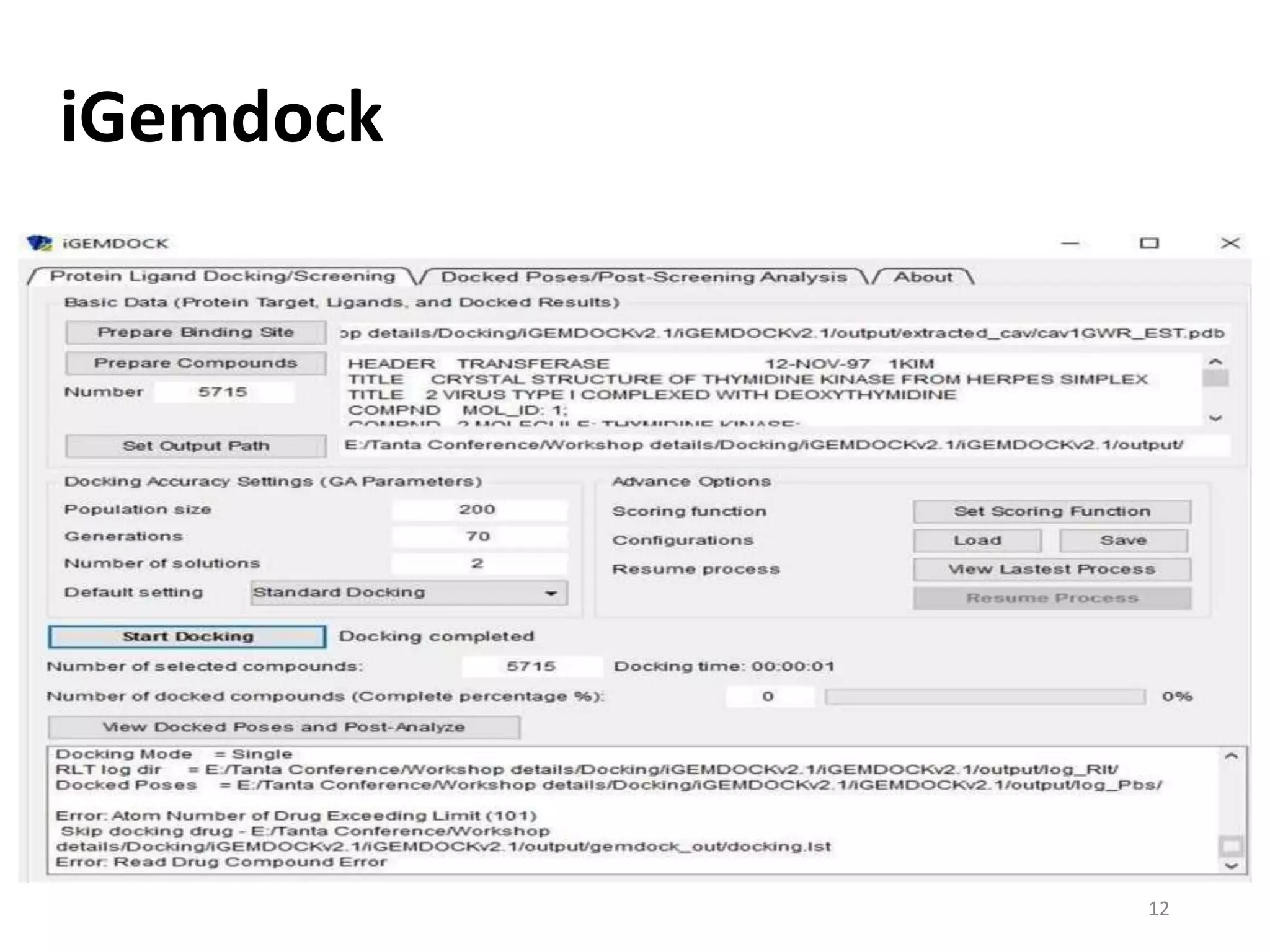
• Autodock
• DOCK
• GOLD
• SwissDock
• DockingServer
• 1-ClickDocking
• iGemdock
11
12
iGemdock
Qualitative approaches
• It is represented by quantitative structure activity
relationship (QSAR) and quantitative structure property
relationship(QSPR) studies utilize multivariate analysis to
correlate molecular descriptors with ADMET- related
properties.
• A diverse range of molecular descriptors can be calculated
based on the drug structure.
• Some of these descriptors are closely related to a physical
property and are easy to comprehend (e.g. Molecular
weight) whereas the majority of the descriptors are of
quantum mechanical concepts or interaction energies at
dispersed space points that are beyond simple
physicochemical parameters.
13
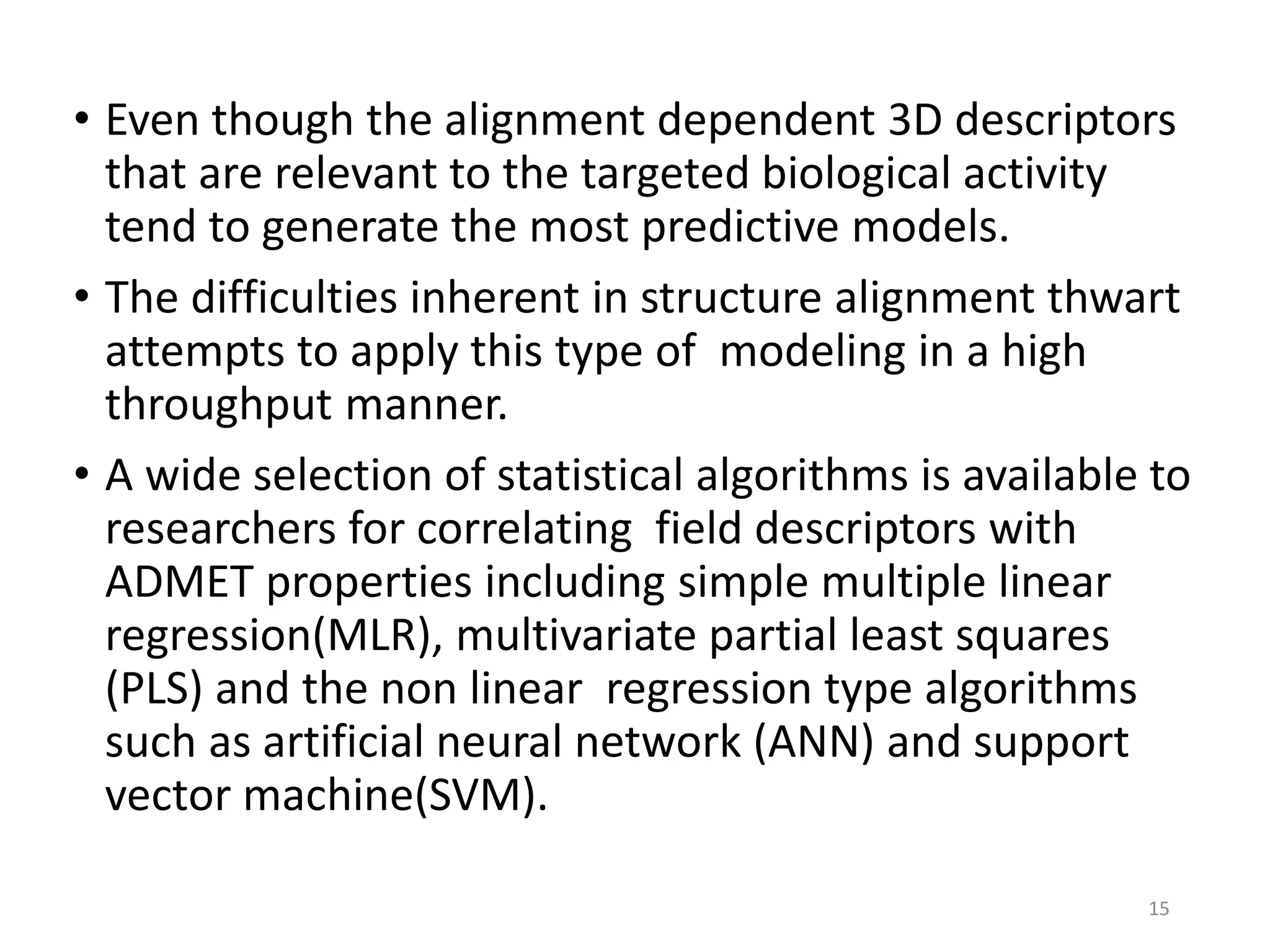
• When calculating correlations, it is important to select the
molecular descriptors that represents the type of
interactions contributing to the targeted biological
property.
• A set of descriptors that specifically target ADME related
properties has been proposed by Cruciani and
colleagues.
• The majority of published ADMET models are generated
based on 2D descriptors.
14
• Even though the alignment dependent 3D descriptors
that are relevant to the targeted biological activity
tend to generate the most predictive models.
• The difficulties inherent in structure alignment thwart
attempts to apply this type of modeling in a high
throughput manner.
• A wide selection of statistical algorithms is available to
researchers for correlating field descriptors with
ADMET properties including simple multiple linear
regression(MLR), multivariate partial least squares
(PLS) and the non linear regression type algorithms
such as artificial neural network (ANN) and support
vector machine(SVM).
15
16
17
18
19
1) Drug absorption
• Because of its convenience and good patient
compliance, oral administration is the most preferred
drug delivery form.
• As a result, much of the attention of in silico
approaches is focused on modelling drug oral
absorption, which mainly occurs in the human
intestine.
• In general, drug bioavailability and absorption is the
result of the interplay between drug solubility and
intestinal permeability.
20
A. Solubility
• A drug generally must dissolve before it can be absorbed from the
intestinal lumen.
• By measuring a drug’s log P ( log of partition co efficient of compound
between water and n-octanol) and its melting point, one could indirectly
estimate solubility using ‘ general solubility equation’.
• To predict the solubility of compound even before synthesizing it, in
silico modeling can be implemented.
• There are mainly two approaches to model solubility:
1) Based on the underlying physiological processes
2) Other is an empirical approach
• The dissolution process involves the breaking up of solute from its
crystal lattice and the association of the solute with solvent molecules.
• Empirical approaches represented by QSPR utilize multivariate analysis
to identify correlations between molecular descriptors and solubility.
21
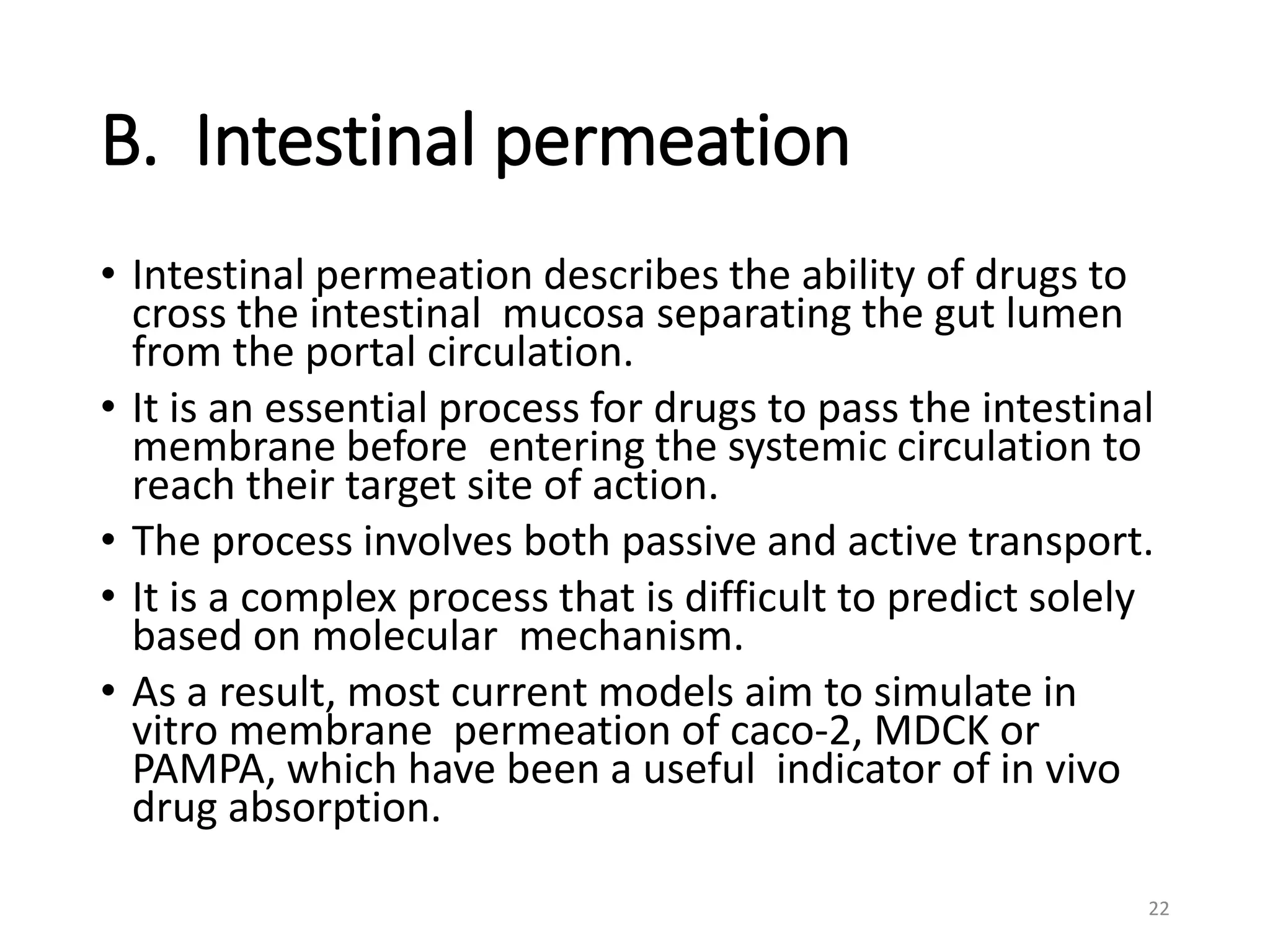
B. Intestinal permeation
• Intestinal permeation describes the ability of drugs to
cross the intestinal mucosa separating the gut lumen
from the portal circulation.
• It is an essential process for drugs to pass the intestinal
membrane before entering the systemic circulation to
reach their target site of action.
• The process involves both passive and active transport.
• It is a complex process that is difficult to predict solely
based on molecular mechanism.
• As a result, most current models aim to simulate in
vitro membrane permeation of caco-2, MDCK or
PAMPA, which have been a useful indicator of in vivo
drug absorption.
22
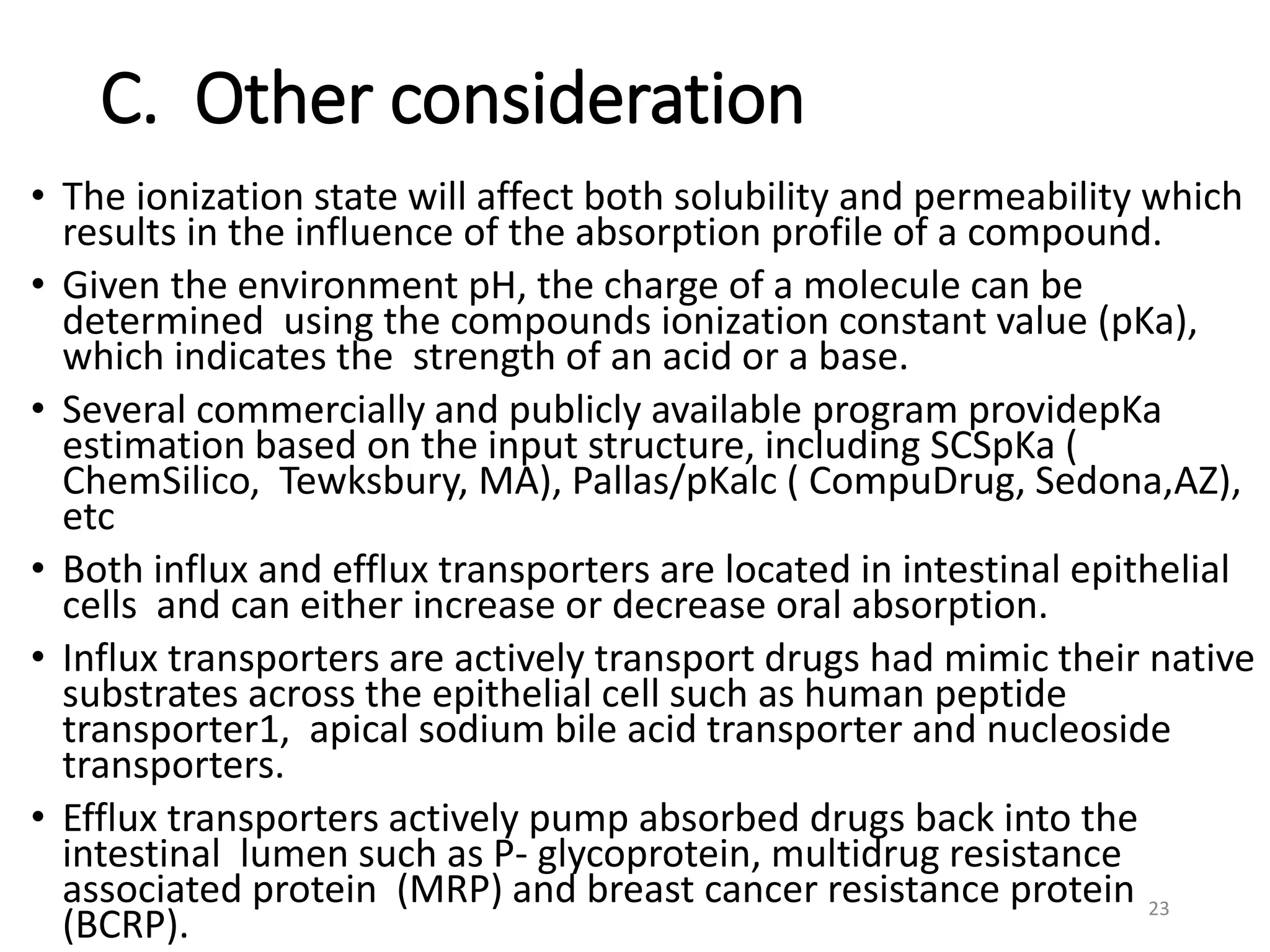
C. Other consideration
• The ionization state will affect both solubility and permeability which
results in the influence of the absorption profile of a compound.
• Given the environment pH, the charge of a molecule can be
determined using the compounds ionization constant value (pKa),
which indicates the strength of an acid or a base.
• Several commercially and publicly available program providepKa
estimation based on the input structure, including SCSpKa (
ChemSilico, Tewksbury, MA), Pallas/pKalc ( CompuDrug, Sedona,AZ),
etc
• Both influx and efflux transporters are located in intestinal epithelial
cells and can either increase or decrease oral absorption.
• Influx transporters are actively transport drugs had mimic their native
substrates across the epithelial cell such as human peptide
transporter1, apical sodium bile acid transporter and nucleoside
transporters.
• Efflux transporters actively pump absorbed drugs back into the
intestinal lumen such as P- glycoprotein, multidrug resistance
associated protein (MRP) and breast cancer resistance protein
(BCRP).
23
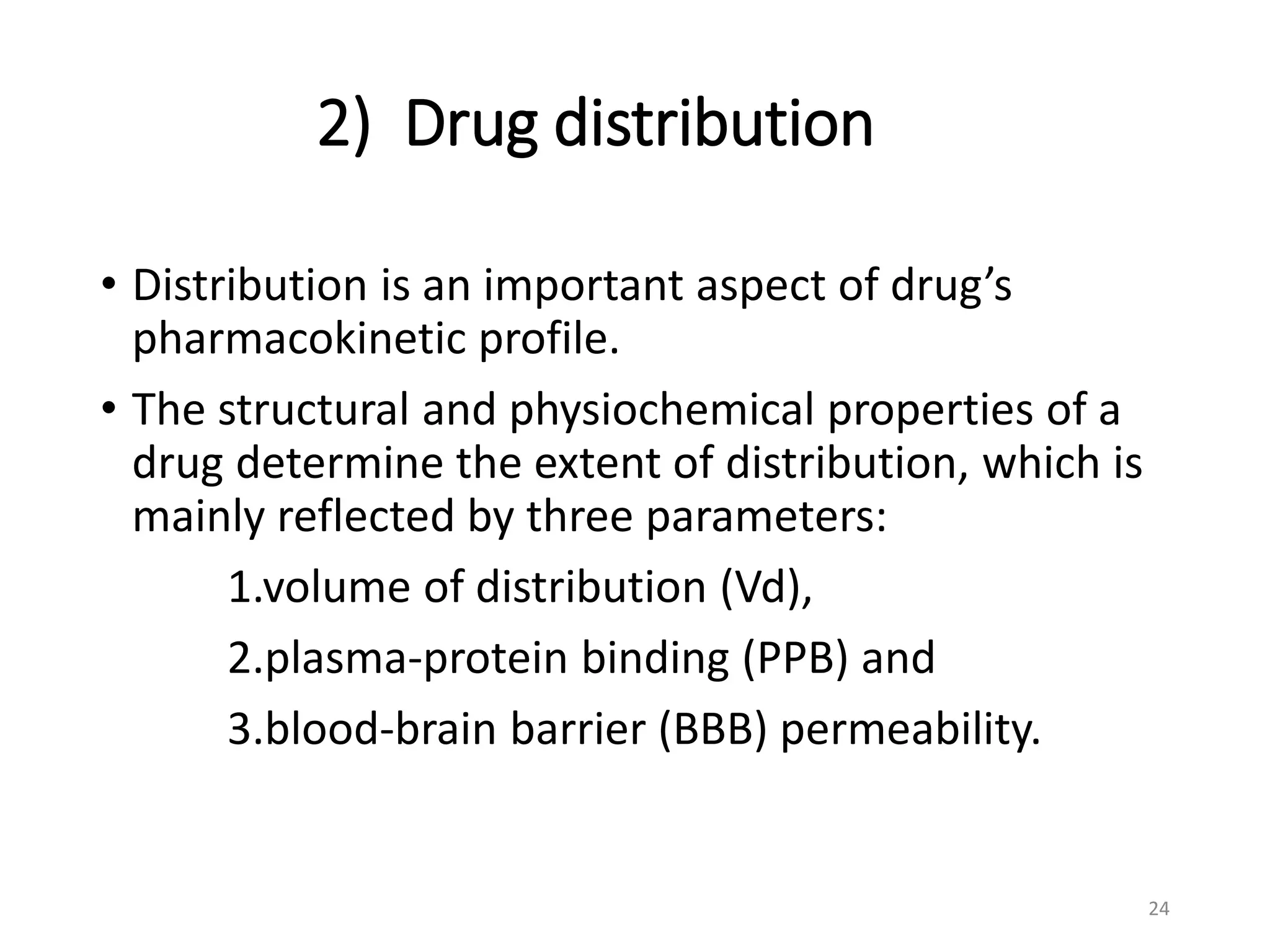
2) Drug distribution
• Distribution is an important aspect of drug’s
pharmacokinetic profile.
• The structural and physiochemical properties of a
drug determine the extent of distribution, which is
mainly reflected by three parameters:
1.volume of distribution (Vd),
2.plasma-protein binding (PPB) and
3.blood-brain barrier (BBB) permeability.
24
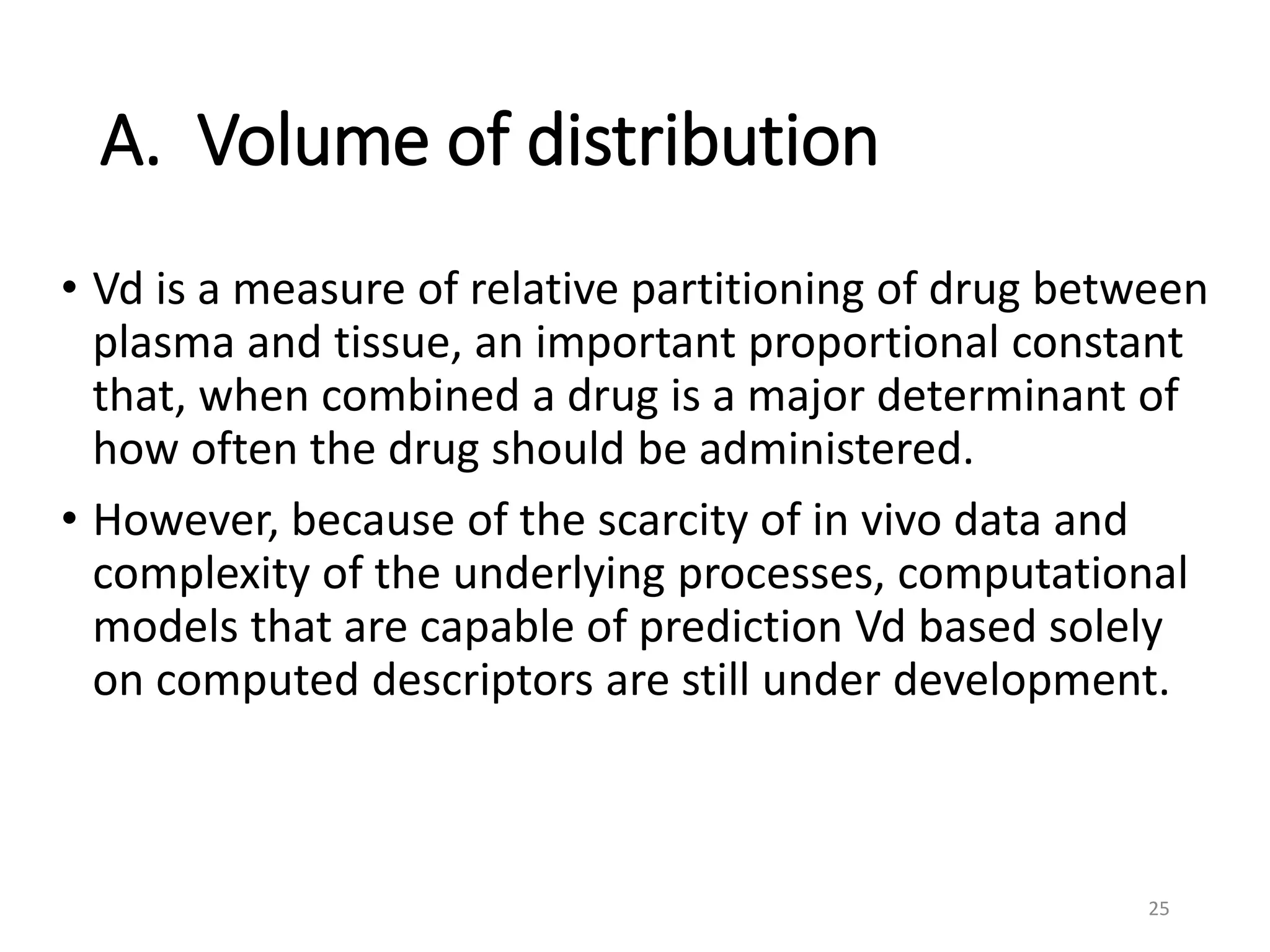
A. Volume of distribution
• Vd is a measure of relative partitioning of drug between
plasma and tissue, an important proportional constant
that, when combined a drug is a major determinant of
how often the drug should be administered.
• However, because of the scarcity of in vivo data and
complexity of the underlying processes, computational
models that are capable of prediction Vd based solely
on computed descriptors are still under development.
25
B. Plasma protein binding
• Drugs binding to a variety of plasma proteins such
as serum albumin, as unbound drug primarily
contributes to pharmacological efficacy.
• The effect of PPB is an important consideration
when evaluating the effective (unbound) drug
plasma concentration.
• The models proposed to predict PPB should not
rely on the binding data of only one protein when
predicting plasma protein binding because it is a
composite parameter reflecting interactions with
multiple protein.
26
C. Blood Brain Barrier
• The BBB maintains the restricted extracellular
environment in the central nerve system.
• The evaluation of drug penetration through the BBB is an
integral part of drug discovery and development process.
• Again, because of the few experimental data derived from
inconsistent protocols, most BBB permeation prediction
models are of limited practical use despite intensive
efforts.
• Most approaches model log blood/brain (logBB), which is
a measurement of the drug partitioning between blood
and brain tissue.
• The measurement is an indirect implication of BBB
permeability, which does not discriminate between free
and plasma protein-bound solute.
27
3) Drug excretion
• The excretion or clearance of a drug is quantified by plasma
clearance, which is defined as plasma volume that has been
cleared completely free of drug per unit of time.
• Together with Vd, it can assist in the calculation of drug half-
life, thus determining the dosage regimen.
• Hepatic and renal clearances are the two main components of
plasma clearance.
• No model has been reported that is capable of predicting
plasma clearance solely from computed drug structures.
• Current modeling efforts are mainly focused on estimating in
vivo clearance from in vitro data.
• Just like other pharmacokinetic aspects, the hepatic and renal
clearance process is also complicated by presence of active
transporters.
28
29
30
REFERENCE
• Computer Applications in Pharmaceutical Research
and Development, Sean Ekins,2006, John Wiley
and Sons.
• https://hemonc.mhmedical.com/content.aspx?boo
kid=1810&sectionid=124489864 (9th Mar, 2019).
31

Computational modeling of drug disposition

  • 1.
    COMPUTATIONAL MODELING OF DRUGDISPOSITION PRESENTED BY: Supriya Hiremath M. Pharm 2 semester Dept. of Pharmaceutics HSKCOP, Bagalkot FACILITATED TO: Dr. Laxman Vijapur Professor Dept. of Pharmaceutics HSKCOP, Bagalkot 1
  • 2.
    Contents: • Introduction. • Modelingtechniques. 1. Absorption 2. Distribution 3. Excretion 2
  • 3.
    Introduction • Drug discoveryhas focused almost exclusively on efficacy and selectivity against the biological target. Half of drug candidates fail at phase II and phase III clinical trials because of undesirable drug pharmacokinetics properties, including absorption, distribution, metabolism, excretion, and toxicity (ADMET). • Caco-2 and MDCK cell monolayers are widely used to simulate membrane permeability as an in vitro estimation of in vivo absorption. These in vitro results have enabled the training of in silico models, which could be applied to predict the ADMET properties of compounds even before they are synthesized. 3
  • 4.
    • Fueled bythe ever-increasing computational power and significant advances of in silico modeling algorithms, numerous computational programs that aim at modeling drug ADMET properties have emerged. • A comprehensive list of available commercial ADMET modeling software has been provided previously by van de Waterbeemd and Gifford. 4
  • 5.
    DRUG DISPOSITION • Anyalternation in the drug’s bioavailability is reflected in its pharmacological effects. Others processes that play a role in the therapeutic activity of a drug are distribution and elimination. Together, they are known as drug disposition. 5
  • 6.
  • 7.
    Modeling techniques Two typesof Modeling Approaches are: 1. Quantitative approaches. 2. Qualitative approaches. 7
  • 8.
    Quantitative approaches • Itis represented by pharmacophore modeling and flexible docking studies investigate the structural requirements for the interaction between drugs and the targets that are involved in ADMET processes. • These are especially useful when there is an accumulation of knowledge against a certain target. • For example: a set of drugs known to be transported by a transporter would enable a pharmacophore study to elucidate the minimum required structural features for transport. • The availability of a protein’s 3-D structure, from either X-ray crystallisation or homology modeling, would assist flexible docking of the active ligand to derive important interactions between the protein and the ligand. 8
  • 9.
    • Three widelyused automated pharmacophore perception tools: 1. DISCO (DIStance Comparison) 2. GASP(Genetic Algorithm Similarity Program) 3. Catalyst/HIPHOP All three programs attempt to determine common features based on the superposition of active compounds with different algorithms. 9
  • 10.
  • 11.
    Docking Types • Autodock •DOCK • GOLD • SwissDock • DockingServer • 1-ClickDocking • iGemdock 11
  • 12.
  • 13.
    Qualitative approaches • Itis represented by quantitative structure activity relationship (QSAR) and quantitative structure property relationship(QSPR) studies utilize multivariate analysis to correlate molecular descriptors with ADMET- related properties. • A diverse range of molecular descriptors can be calculated based on the drug structure. • Some of these descriptors are closely related to a physical property and are easy to comprehend (e.g. Molecular weight) whereas the majority of the descriptors are of quantum mechanical concepts or interaction energies at dispersed space points that are beyond simple physicochemical parameters. 13
  • 14.
    • When calculatingcorrelations, it is important to select the molecular descriptors that represents the type of interactions contributing to the targeted biological property. • A set of descriptors that specifically target ADME related properties has been proposed by Cruciani and colleagues. • The majority of published ADMET models are generated based on 2D descriptors. 14
  • 15.
    • Even thoughthe alignment dependent 3D descriptors that are relevant to the targeted biological activity tend to generate the most predictive models. • The difficulties inherent in structure alignment thwart attempts to apply this type of modeling in a high throughput manner. • A wide selection of statistical algorithms is available to researchers for correlating field descriptors with ADMET properties including simple multiple linear regression(MLR), multivariate partial least squares (PLS) and the non linear regression type algorithms such as artificial neural network (ANN) and support vector machine(SVM). 15
  • 16.
  • 17.
  • 18.
  • 19.
  • 20.
    1) Drug absorption •Because of its convenience and good patient compliance, oral administration is the most preferred drug delivery form. • As a result, much of the attention of in silico approaches is focused on modelling drug oral absorption, which mainly occurs in the human intestine. • In general, drug bioavailability and absorption is the result of the interplay between drug solubility and intestinal permeability. 20
  • 21.
    A. Solubility • Adrug generally must dissolve before it can be absorbed from the intestinal lumen. • By measuring a drug’s log P ( log of partition co efficient of compound between water and n-octanol) and its melting point, one could indirectly estimate solubility using ‘ general solubility equation’. • To predict the solubility of compound even before synthesizing it, in silico modeling can be implemented. • There are mainly two approaches to model solubility: 1) Based on the underlying physiological processes 2) Other is an empirical approach • The dissolution process involves the breaking up of solute from its crystal lattice and the association of the solute with solvent molecules. • Empirical approaches represented by QSPR utilize multivariate analysis to identify correlations between molecular descriptors and solubility. 21
  • 22.
    B. Intestinal permeation •Intestinal permeation describes the ability of drugs to cross the intestinal mucosa separating the gut lumen from the portal circulation. • It is an essential process for drugs to pass the intestinal membrane before entering the systemic circulation to reach their target site of action. • The process involves both passive and active transport. • It is a complex process that is difficult to predict solely based on molecular mechanism. • As a result, most current models aim to simulate in vitro membrane permeation of caco-2, MDCK or PAMPA, which have been a useful indicator of in vivo drug absorption. 22
  • 23.
    C. Other consideration •The ionization state will affect both solubility and permeability which results in the influence of the absorption profile of a compound. • Given the environment pH, the charge of a molecule can be determined using the compounds ionization constant value (pKa), which indicates the strength of an acid or a base. • Several commercially and publicly available program providepKa estimation based on the input structure, including SCSpKa ( ChemSilico, Tewksbury, MA), Pallas/pKalc ( CompuDrug, Sedona,AZ), etc • Both influx and efflux transporters are located in intestinal epithelial cells and can either increase or decrease oral absorption. • Influx transporters are actively transport drugs had mimic their native substrates across the epithelial cell such as human peptide transporter1, apical sodium bile acid transporter and nucleoside transporters. • Efflux transporters actively pump absorbed drugs back into the intestinal lumen such as P- glycoprotein, multidrug resistance associated protein (MRP) and breast cancer resistance protein (BCRP). 23
  • 24.
    2) Drug distribution •Distribution is an important aspect of drug’s pharmacokinetic profile. • The structural and physiochemical properties of a drug determine the extent of distribution, which is mainly reflected by three parameters: 1.volume of distribution (Vd), 2.plasma-protein binding (PPB) and 3.blood-brain barrier (BBB) permeability. 24
  • 25.
    A. Volume ofdistribution • Vd is a measure of relative partitioning of drug between plasma and tissue, an important proportional constant that, when combined a drug is a major determinant of how often the drug should be administered. • However, because of the scarcity of in vivo data and complexity of the underlying processes, computational models that are capable of prediction Vd based solely on computed descriptors are still under development. 25
  • 26.
    B. Plasma proteinbinding • Drugs binding to a variety of plasma proteins such as serum albumin, as unbound drug primarily contributes to pharmacological efficacy. • The effect of PPB is an important consideration when evaluating the effective (unbound) drug plasma concentration. • The models proposed to predict PPB should not rely on the binding data of only one protein when predicting plasma protein binding because it is a composite parameter reflecting interactions with multiple protein. 26
  • 27.
    C. Blood BrainBarrier • The BBB maintains the restricted extracellular environment in the central nerve system. • The evaluation of drug penetration through the BBB is an integral part of drug discovery and development process. • Again, because of the few experimental data derived from inconsistent protocols, most BBB permeation prediction models are of limited practical use despite intensive efforts. • Most approaches model log blood/brain (logBB), which is a measurement of the drug partitioning between blood and brain tissue. • The measurement is an indirect implication of BBB permeability, which does not discriminate between free and plasma protein-bound solute. 27
  • 28.
    3) Drug excretion •The excretion or clearance of a drug is quantified by plasma clearance, which is defined as plasma volume that has been cleared completely free of drug per unit of time. • Together with Vd, it can assist in the calculation of drug half- life, thus determining the dosage regimen. • Hepatic and renal clearances are the two main components of plasma clearance. • No model has been reported that is capable of predicting plasma clearance solely from computed drug structures. • Current modeling efforts are mainly focused on estimating in vivo clearance from in vitro data. • Just like other pharmacokinetic aspects, the hepatic and renal clearance process is also complicated by presence of active transporters. 28
  • 29.
  • 30.
  • 31.
    REFERENCE • Computer Applicationsin Pharmaceutical Research and Development, Sean Ekins,2006, John Wiley and Sons. • https://hemonc.mhmedical.com/content.aspx?boo kid=1810&sectionid=124489864 (9th Mar, 2019). 31