








Composition
in Painting
The Arrangement of Shapes
to Keep the Eye Moving
with Pleasure
Glenn Hirsch, Instructor
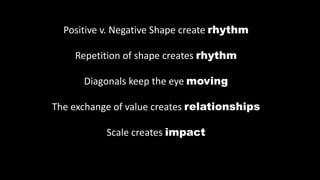
Positive v. Negative Shape create rhythm
Repetition of shape creates rhythm
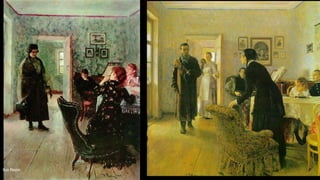
Diagonals keep the eye moving
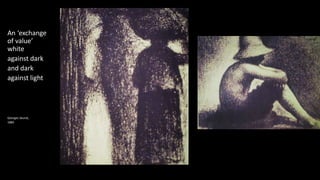
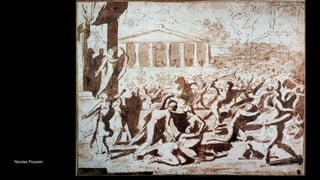
The exchange of value creates relationships
Scale creates impact
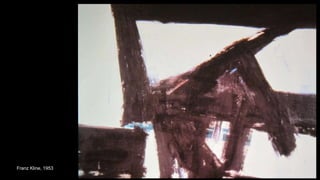
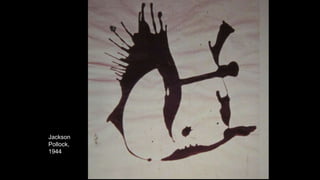
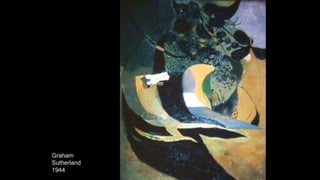
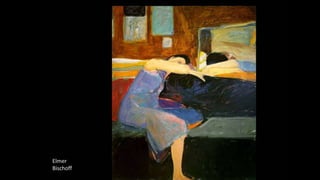
Positive v. Negative Shapes
create rhythm
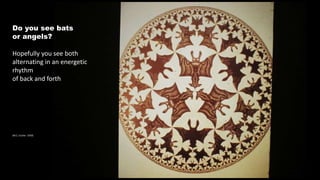
Do you see bats
or angels?
Hopefully you see both
alternating in an energetic
rhythm
of back and forth
(M.C. Escher 1930)
Franz Kline, 1953
Henri Matisse
Jackson
Pollock,
1944
Gustav
Courbet,
1855
Graham
Sutherland
1944
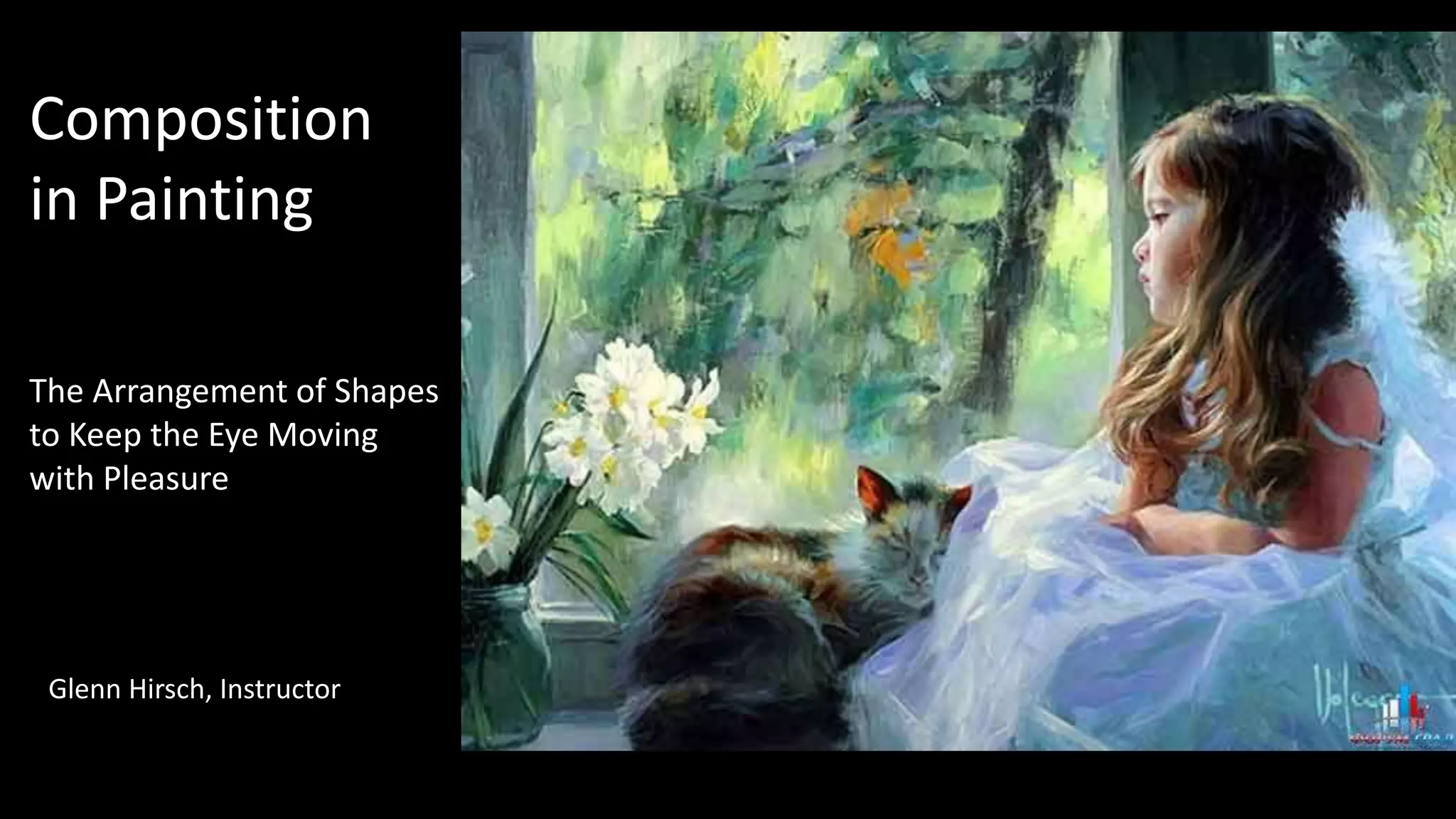
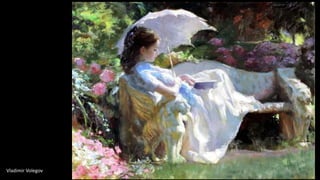
Vladimir Volegov
DIAGONALS keep the eye moving
Theodore Gericault
Study for Raft of the Medusa
1819
Ilya Repin
Anders Zorn
watercolor
Anders Zorn, watercolor
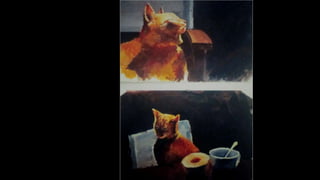
Stephen Scott Young, watercolor
watercolor and colored pencil
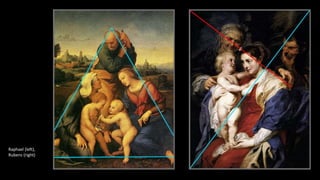
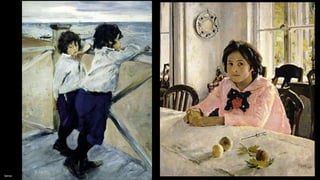
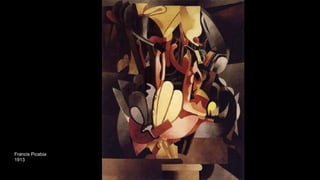
SCALE unites smaller shapes into large
shapes to create more power
Adam Hirsch
Raphael (left),
Rubens (right)
Serov
Francis Picabia
1913
Exchange of value
dark on top of light
vs.
light on top of dark
An ‘exchange
of value’
white
against dark
and dark
against light
Georges Seurat,
1885
Nicolas Poussin
Mo Seder
Vladimir Volegov
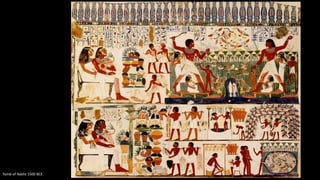
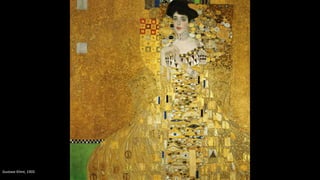
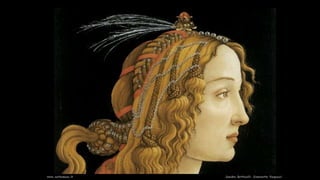
Pattern creates rhythm
through repetition
Tomb of Nakht 1500 BCE
Gustave Klimt, 1905
Evenly spaced
Deborah Oropallo 1989
Staggered, uneven
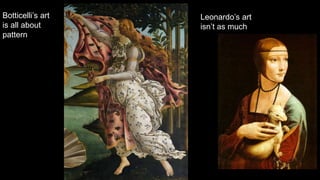
Leonardo’s art
isn’t as much
Botticelli’s art
is all about
pattern
Botticelli detail from
The Trials of Moses
Sistine Chapel
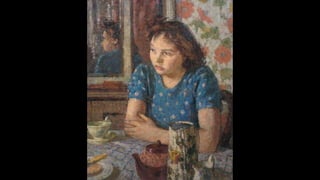
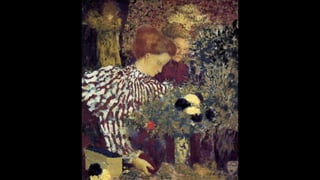
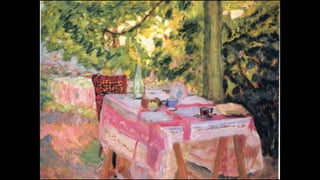
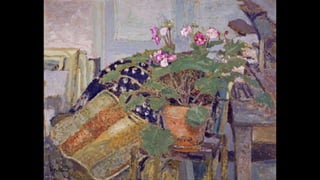
Édouard Vuillard
(French, 1868-1940)
Vuillard lived with his mother, a dressmaker, and was very familiar
with pattern.
His art is decorative with intricate patterns marked by a gentle humor
and executed in a delicate, soft color to create soft and complex
rhythms.
Composition in Painting - To Keep the Eye Moving

Composition in Painting - To Keep the Eye Moving