March 20Abstraction & Realism I
March 27Abstraction & Realism II
April 3 Mixed Media Collage I
April 10 Mixed Media Collage II
April 17 Assemblage & Found Objects
April 24 Crit
Abstract and
Real
DAY TWO
Glenn Hirsch, Instructor
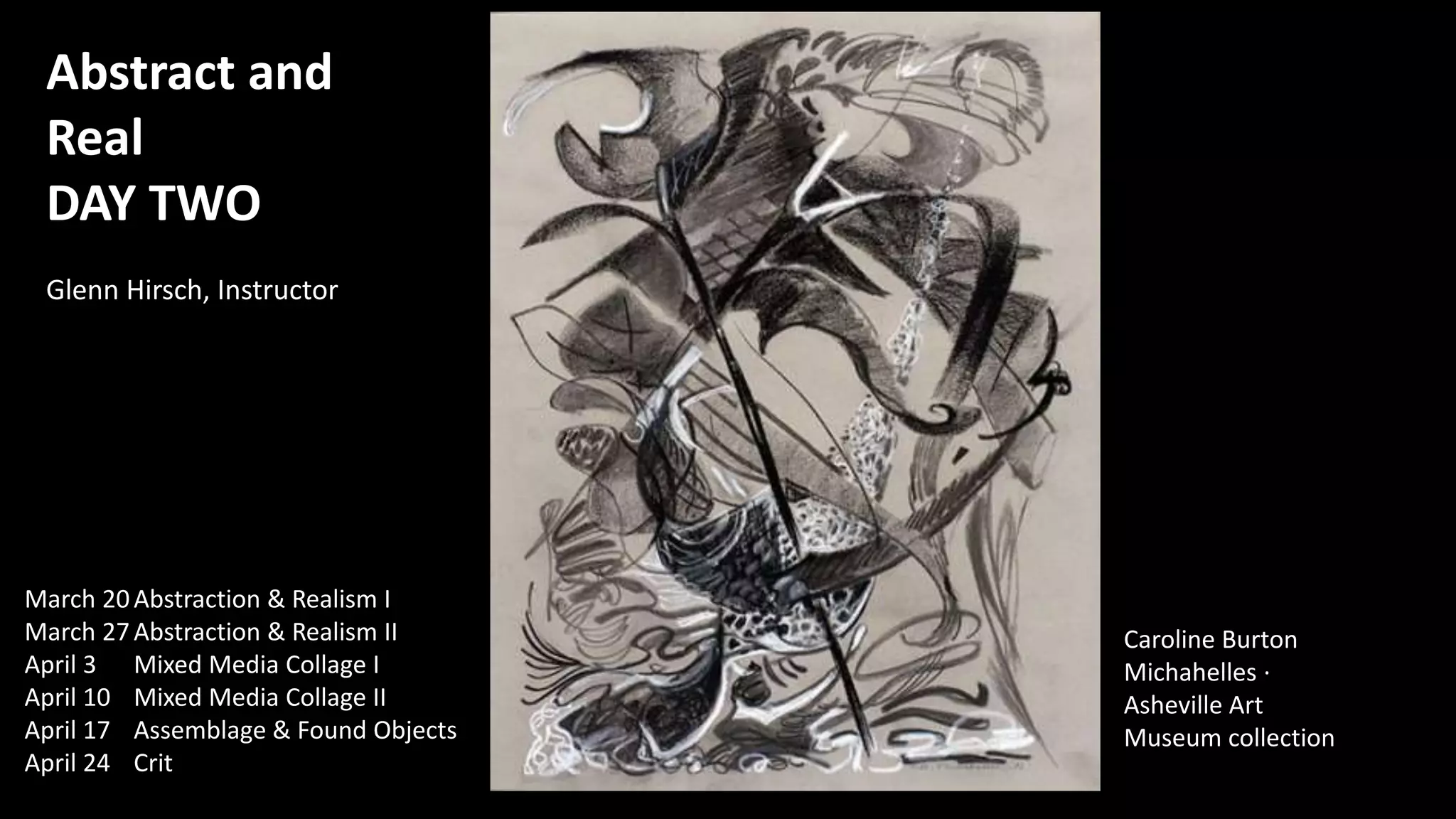
Caroline Burton
Michahelles ·
Asheville Art
Museum collection
“Abstract Expressionism”
An art movement that originated in New York in
the 1940s and 1950s and aimed at subjective
emotional expression with particular emphasis
on the creative spontaneous act (e.g., action
painting).
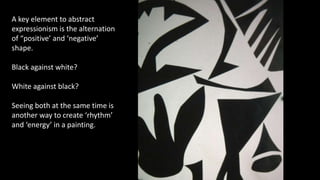
A key element to abstract
expressionism is the alternation
of “positive’ and ‘negative’
shape.
Black against white?
White against black?
Seeing both at the same time is
another way to create ‘rhythm’
and ‘energy’ in a painting.
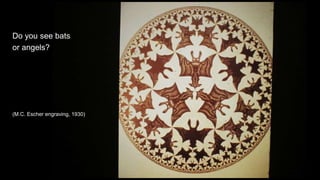
Do you see bats
or angels?
(M.C. Escher engraving, 1930)
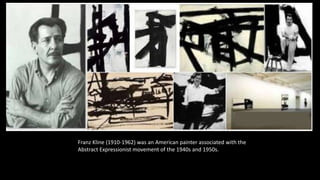
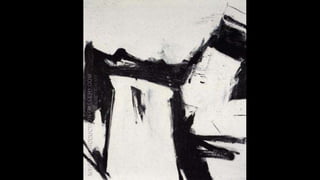
Franz Kline (1910-1962) was an American painter associated with the
Abstract Expressionist movement of the 1940s and 1950s.
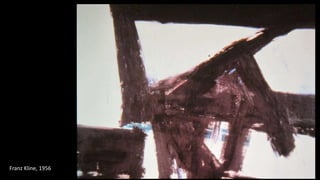
Franz Kline, 1956
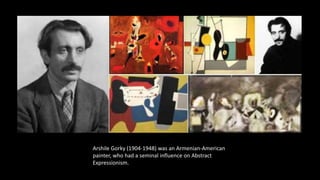
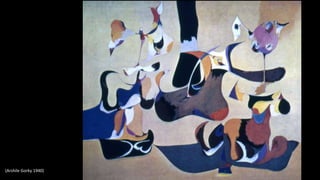
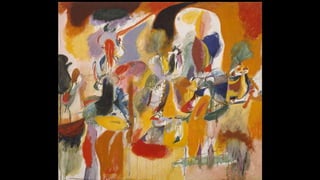
Arshile Gorky (1904-1948) was an Armenian-American
painter, who had a seminal influence on Abstract
Expressionism.
(Arshile Gorky 1940)
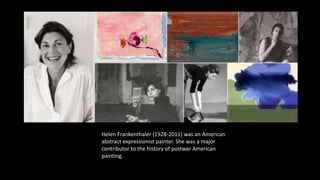
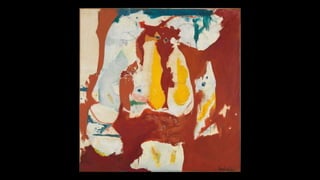
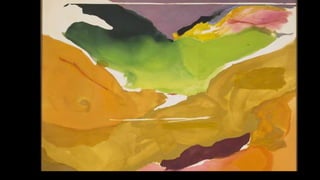
Helen Frankenthaler (1928-2011) was an American
abstract expressionist painter. She was a major
contributor to the history of postwar American
painting.
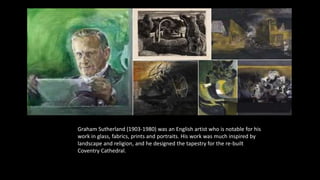
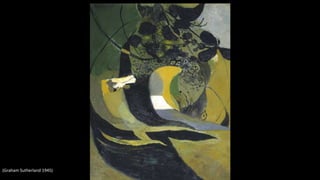
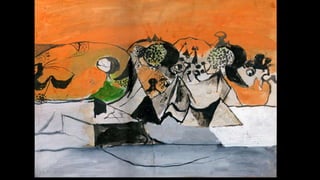
Graham Sutherland (1903-1980) was an English artist who is notable for his
work in glass, fabrics, prints and portraits. His work was much inspired by
landscape and religion, and he designed the tapestry for the re-built
Coventry Cathedral.
(Graham Sutherland 1945)
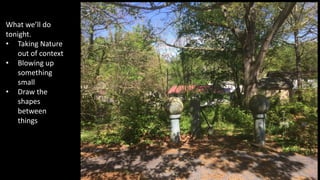
What we’ll do
tonight.
• Taking Nature
out of context
• Blowing up
something
small
• Draw the
shapes
between
things
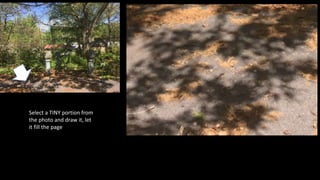
Select a TINY portion from
the photo and draw it, let
it fill the page
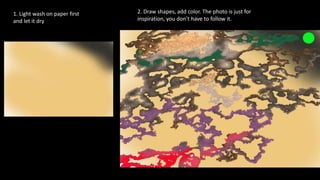
1. Light wash on paper first
and let it dry
2. Draw shapes, add color. The photo is just for
inspiration, you don’t have to follow it.
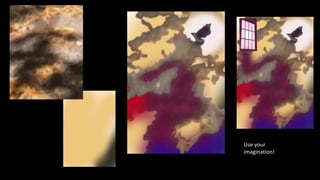
Use your
imagination!
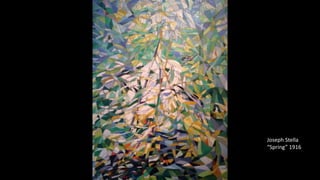
Joseph Stella
“Spring” 1916
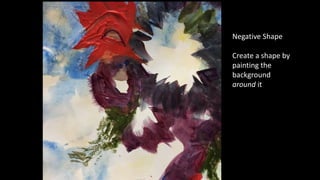
Negative Shape
Create a shape by
painting the
background
around it

Abstraction & Realism - Day Two

  • 1.
    March 20Abstraction &Realism I March 27Abstraction & Realism II April 3 Mixed Media Collage I April 10 Mixed Media Collage II April 17 Assemblage & Found Objects April 24 Crit Abstract and Real DAY TWO Glenn Hirsch, Instructor Caroline Burton Michahelles · Asheville Art Museum collection
  • 2.
    “Abstract Expressionism” An artmovement that originated in New York in the 1940s and 1950s and aimed at subjective emotional expression with particular emphasis on the creative spontaneous act (e.g., action painting).
  • 3.
    A key elementto abstract expressionism is the alternation of “positive’ and ‘negative’ shape. Black against white? White against black? Seeing both at the same time is another way to create ‘rhythm’ and ‘energy’ in a painting.
  • 4.
    Do you seebats or angels? (M.C. Escher engraving, 1930)
  • 5.
    Franz Kline (1910-1962)was an American painter associated with the Abstract Expressionist movement of the 1940s and 1950s.
  • 6.
  • 9.
    Arshile Gorky (1904-1948)was an Armenian-American painter, who had a seminal influence on Abstract Expressionism.
  • 10.
  • 12.
    Helen Frankenthaler (1928-2011)was an American abstract expressionist painter. She was a major contributor to the history of postwar American painting.
  • 15.
    Graham Sutherland (1903-1980)was an English artist who is notable for his work in glass, fabrics, prints and portraits. His work was much inspired by landscape and religion, and he designed the tapestry for the re-built Coventry Cathedral.
  • 16.
  • 18.
    What we’ll do tonight. •Taking Nature out of context • Blowing up something small • Draw the shapes between things
  • 19.
    Select a TINYportion from the photo and draw it, let it fill the page
  • 20.
    1. Light washon paper first and let it dry 2. Draw shapes, add color. The photo is just for inspiration, you don’t have to follow it.
  • 21.
  • 22.
  • 23.
    Negative Shape Create ashape by painting the background around it