How to Communicate
in High Stress
Situations*
Rusty Cawley, APR | TheColdCrisis.com
* Condensed from the National Center for Food Protection and Defense’s
“Risk Communicator Training for Food Defense Preparedness, Response &
Recovery,” module 3, topic 1.
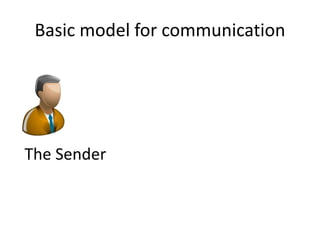
Basic model for communication
The Sender
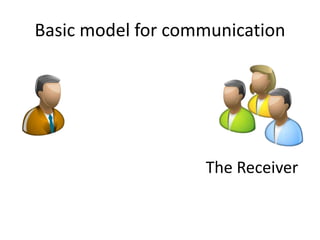
Basic model for communication
The Receiver
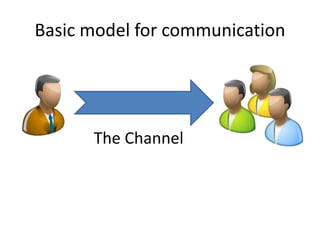
Basic model for communication
The Channel
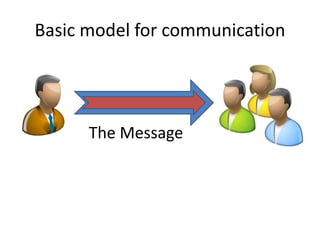
Basic model for communication
The Message
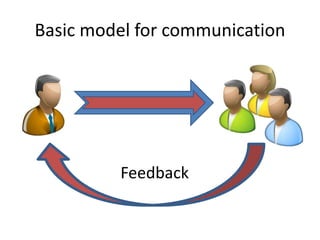
Basic model for communication
Feedback
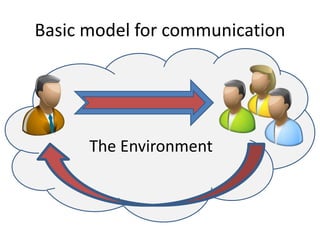
Basic model for communication
The Environment
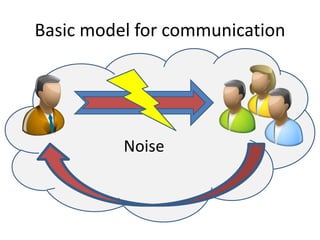
Basic model for communication
Noise
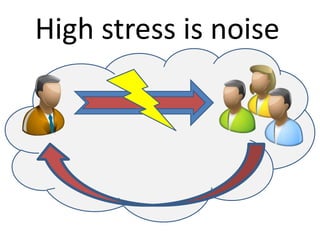
High stress is noise
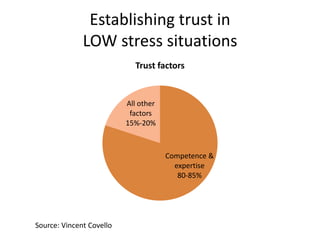
Establishing trust in
LOW stress situations
Competence &
expertise
80-85%
All other
factors
15%-20%
Trust factors
Source: Vincent Covello
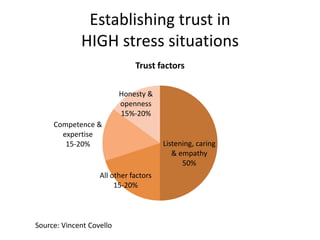
Establishing trust in
HIGH stress situations
Listening, caring
& empathy
50%
Honesty &
openness
15%-20%
Competence &
expertise
15-20%
All other factors
15-20%
Trust factors
Source: Vincent Covello
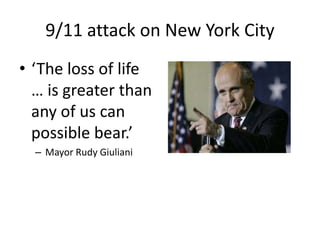
9/11 attack on New York City
• ‘The loss of life
… is greater than
any of us can
possible bear.’
– Mayor Rudy Giuliani
Impact of high stress
• The sender must emphasize
caring and openness.
• The receiver loses some
capacity to understand and
recall messages.
• Listening carefully to
feedback becomes crucial.
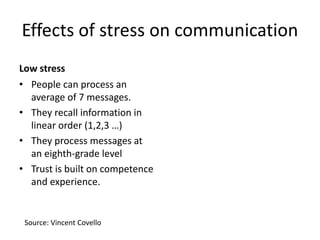
Effects of stress on communication
Low stress
• People can process an
average of 7 messages.
• They recall information in
linear order (1,2,3 …)
• They process messages at
an eighth-grade level
• Trust is built on competence
and experience.
Source: Vincent Covello
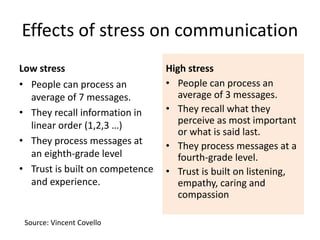
Effects of stress on communication
Low stress
• People can process an
average of 7 messages.
• They recall information in
linear order (1,2,3 …)
• They process messages at
an eighth-grade level
• Trust is built on competence
and experience.
High stress
• People can process an
average of 3 messages.
• They recall what they
perceive as most important
or what is said last.
• They process messages at a
fourth-grade level.
• Trust is built on listening,
empathy, caring and
compassion
Source: Vincent Covello
How do we adjust
for high stress?
1. Send simple messages
• Maximum: 3 messages.
• Use short sentences.
• Blend empathy with action.
• Use numbers sparingly.
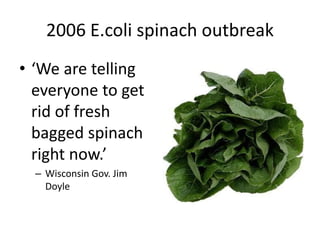
2006 E.coli spinach outbreak
• ‘We are telling
everyone to get
rid of fresh
bagged spinach
right now.’
– Wisconsin Gov. Jim
Doyle
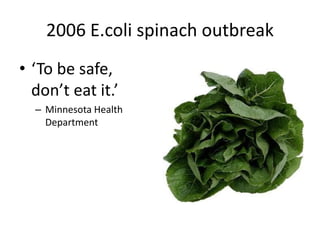
2006 E.coli spinach outbreak
• ‘To be safe,
don’t eat it.’
– Minnesota Health
Department
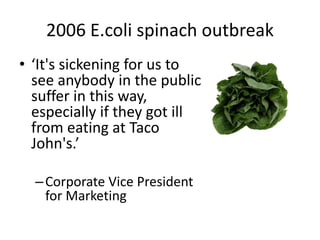
2006 E.coli spinach outbreak
• ‘It's sickening for us to
see anybody in the public
suffer in this way,
especially if they got ill
from eating at Taco
John's.’
–Corporate Vice President
for Marketing
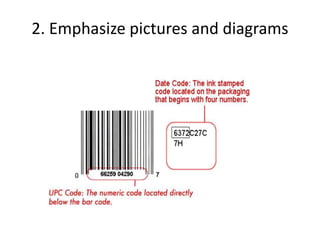
2. Emphasize pictures and diagrams
To learn more,
visit TheColdCrisis.com
Search: #COLDCRISIS

Communicating in high stress situations

  • 1.
    How to Communicate inHigh Stress Situations* Rusty Cawley, APR | TheColdCrisis.com * Condensed from the National Center for Food Protection and Defense’s “Risk Communicator Training for Food Defense Preparedness, Response & Recovery,” module 3, topic 1.
  • 2.
    Basic model forcommunication The Sender
  • 3.
    Basic model forcommunication The Receiver
  • 4.
    Basic model forcommunication The Channel
  • 5.
    Basic model forcommunication The Message
  • 6.
    Basic model forcommunication Feedback
  • 7.
    Basic model forcommunication The Environment
  • 8.
    Basic model forcommunication Noise
  • 9.
  • 10.
    Establishing trust in LOWstress situations Competence & expertise 80-85% All other factors 15%-20% Trust factors Source: Vincent Covello
  • 11.
    Establishing trust in HIGHstress situations Listening, caring & empathy 50% Honesty & openness 15%-20% Competence & expertise 15-20% All other factors 15-20% Trust factors Source: Vincent Covello
  • 12.
    9/11 attack onNew York City • ‘The loss of life … is greater than any of us can possible bear.’ – Mayor Rudy Giuliani
  • 13.
    Impact of highstress • The sender must emphasize caring and openness. • The receiver loses some capacity to understand and recall messages. • Listening carefully to feedback becomes crucial.
  • 14.
    Effects of stresson communication Low stress • People can process an average of 7 messages. • They recall information in linear order (1,2,3 …) • They process messages at an eighth-grade level • Trust is built on competence and experience. Source: Vincent Covello
  • 15.
    Effects of stresson communication Low stress • People can process an average of 7 messages. • They recall information in linear order (1,2,3 …) • They process messages at an eighth-grade level • Trust is built on competence and experience. High stress • People can process an average of 3 messages. • They recall what they perceive as most important or what is said last. • They process messages at a fourth-grade level. • Trust is built on listening, empathy, caring and compassion Source: Vincent Covello
  • 16.
    How do weadjust for high stress?
  • 17.
    1. Send simplemessages • Maximum: 3 messages. • Use short sentences. • Blend empathy with action. • Use numbers sparingly.
  • 18.
    2006 E.coli spinachoutbreak • ‘We are telling everyone to get rid of fresh bagged spinach right now.’ – Wisconsin Gov. Jim Doyle
  • 19.
    2006 E.coli spinachoutbreak • ‘To be safe, don’t eat it.’ – Minnesota Health Department
  • 20.
    2006 E.coli spinachoutbreak • ‘It's sickening for us to see anybody in the public suffer in this way, especially if they got ill from eating at Taco John's.’ –Corporate Vice President for Marketing
  • 21.
  • 22.
    To learn more, visitTheColdCrisis.com Search: #COLDCRISIS