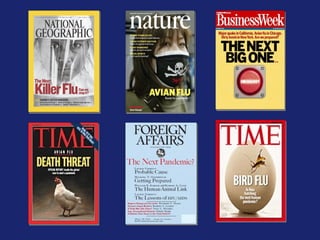
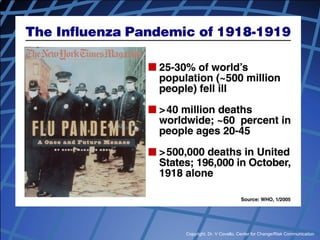
Copyright, Dr. V Covello, Center for Change/Risk Communication
Core Slides
Dr. Vincent T. Covello
Director
Center for Risk Communication
New York, New York
Email: vincentcovello@ix.netcom.com
vcovello@centerforriskcommunication.org
Copyright, Dr. V Covello, Center for Change/Risk Communication
Definitions
Risks: Definition
“Threats to that which we value.”
Risk Communication: Definition
“The exchange of information about
risks.”
Copyright, Dr. V Covello, Center for Change/Risk Communication
Risk Communication Goals
• enhance knowledge and
understanding
• build trust and credibility
• encourage appropriate behaviors
and levels of concern
Risk Communication:
Media Goals (CDC)
• Be first, be right, be credible
• Inform, not inflame
• Address rumors, inaccuracies, and
misperceptions quickly
Copyright, Dr. V Covello, Center for Change/Risk Communication
Risk Communication Hypotheses
“Most of the concerns and questions of
upset people can be predicted in
advance.”
“When people are stressed and upset,
they typically want to know that you
care before they care what you know.”
“When people are stressed or upset,
they often have difficulty hearing,
understanding, and remembering
information.”
Copyright, Dr. V Covello, Center for Change/Risk Communication
Risk Communication Hypotheses
“Most of the concerns and questions of
upset people can be predicted in
advance.”
“When people are stressed and upset,
they typically want to know that you
care before they care what you know.”
“When people are stressed or upset,
they often have difficulty hearing,
understanding, and remembering
information.”
Copyright, Dr. V Covello, Center for Change/Risk Communication
“When people are stressed or upset,
they often have difficulty hearing,
understanding, and remembering
information.”
=========
Rule of 3
“When people are stress or upset, they
typically can only process 3 messages
at a time.”
Copyright, Dr. V Covello, Center for Change/Risk Communication
Risk Communication Hypotheses
“Most of the concerns and questions of
upset people can be predicted in
advance.”
“When people are stressed and upset,
they typically want to know that you
care before they care what you know.”
“When people are stressed or upset,
they often have difficulty hearing,
understanding, and remembering
information.”
Copyright, Dr. V Covello, Center for Change/Risk Communication
Stakeholder Predictability
“50 Most Frequently Asked Questions
by Terminally Ill Patients”
Copyright, Dr. V Covello, Center for Change/Risk Communication
Stakeholder Predictability
• “50 Most Frequently Asked
Questions by Terminally Ill
Patients”
• “77 Most Frequently Asked
Questions by Journalists in a
Disaster”
Copyright, Dr. V Covello, Center for Change/Risk Communication
Stakeholder Predictability
• “50 Most Frequently Asked Questions
by Terminally Ill Patients”
• “77 Most Frequently Asked Questions
by Journalists in a Disaster”
• “65 Most Frequently Asked Questions
about Bird Flu and Pandemic
Influenza” (pandemicflu.gov)
Copyright, Dr. V Covello, Center for Change/Risk Communication
Exercise
Copyright, Dr. V Covello, Center for Change/Risk Communication
“77 Most Frequently Asked
Questions by Journalists and
the Public in a Disaster”
Types of Questions:
• Factual Questions
• Emotionally Charged Questions
• Challenge, Trap, and Pitfall
Questions
Copyright, Dr. V Covello, Center for Change/Risk Communication
Types of Questions
• Factual Questions
• Emotionally Charged Questions
• Challenge, Trap, and Pitfall
Questions
Copyright, Dr. V Covello, Center for Change/Risk Communication
Challenges/Traps/Pitfalls
• False Negative Questions
• Guarantee Questions
• What If (Worst Case Scenario)
Questions
Copyright, Dr. V Covello, Center for Change/Risk Communication
Challenge Questions:
Do’s and Don’ts
Don’t repeat a false negative
Do repeat the opposite of the false
negative
Copyright, Dr. V Covello, Center for Change/Risk Communication
• Risk communication is a science-
based discipline
• High stress situations change the
rules of communication
• The key to risk communication
success is anticipation, preparation,
and practice
Risk Communication:
Key Messages
Copyright, Dr. V Covello, Center for Change/Risk Communication
• Risk communication is a science-
based discipline
• High stress situations change the
rules of communication
• The key to risk communication
success is anticipation, preparation,
and practice
Risk Communication:
Key Messages
Copyright, Dr. V Covello, Center for Change/Risk Communication
• 8000 Articles in Peer Reviewed
Scientific Journals
• 2000 Books
• Reviews of the Literature by Major
Scientific Organizations
(e.g., National Academy of Sciences)
Risk Communication Literature
Copyright, Dr. V Covello, Center for Change/Risk Communication
Risk Communication Literature:
Research Based Resources
Dr. R. Hyer and Dr. V. Covello
Effective Media Communication During
Public Health Emergencies:
A World Health Organization Handbook
World Health Organization, United
Nations: Geneva, April 2007
(www.who.int/bookorders)
Copyright, Dr. V Covello, Center for Change/Risk Communication
Resources
Effective Media Communication
During Public Health Emergencies
• A Comprehensive Bibliography of Peer
Reviewed Articles
• Over 1000 Do’s and Don’ts (With
Explanations)
• A Section on Message Mapping
Copyright, Dr. V Covello, Center for Change/Risk Communication
Resources
Effective Media Communication During
Public Health Emergencies
• A Comprehensive Bibliography of Peer
Reviewed Articles
• Over 1000 Do’s and Don’ts (With
Explanations)
• A Section on Message Mapping and
Message Mapping Templates
Copyright, Dr. V Covello, Center for Change/Risk Communication
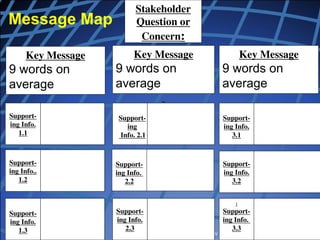
Message Map
Stakeholder
Question or
Concern:
Key Message
9 words on
average
Key Message
9 words on
average
Key Message
9 words on
average
Support-
ing Info.
1.1
Support-
ing Info.
1.3
Support-
ing Info..
1.2
Support-
ing
Info. 2.1
Support-
ing Info.
2.2
Support-
ing Info.
2.3
Support-
ing Info.
3.1
Support-
ing Info.
3.2
:
Support-
ing Info.
3.3
Copyright, Dr. V Covello, Center for Change/Risk Communication
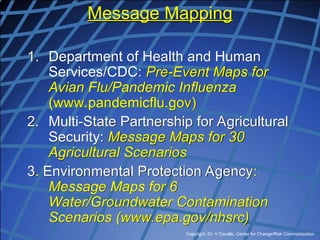
Message Mapping
1. Department of Health and Human
Services/CDC: Pre-Event Maps for
Avian Flu/Pandemic Influenza
(www.pandemicflu.gov)
2. Multi-State Partnership for Agricultural
Security: Message Maps for 30
Agricultural Scenarios
3. Environmental Protection Agency:
Message Maps for 6
Water/Groundwater Contamination
Scenarios (www.epa.gov/nhsrc)
Copyright, Dr. V Covello, Center for Change/Risk Communication
KDG Template
(Overarching Message Map)
(Know, Do, Go)
Key Message 1: What is most important for
people to know
Key Message 2: What is most important for
people to do
Key Message 3: Where can people go to get
credible information
Copyright, Dr. V Covello, Center for Change/Risk Communication
Risk Communication
Templates
• KDG
• APP
• CCO
• 27/9/3
• TBC
===
• Primacy/Recency
• AGL-4
• 1N=3P
Copyright, Dr. V Covello, Center for Change/Risk Communication
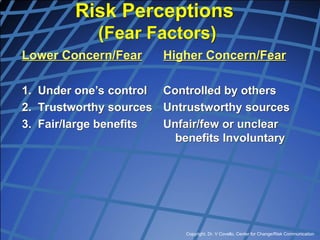
Risk Perceptions
(Fear Factors)
Lower Concern/Fear
1. Under one’s control
2. Trustworthy sources
3. Fair/large benefits
Higher Concern/Fear
Controlled by others
Untrustworthy sources
Unfair/few or unclear
benefits Involuntary
Copyright, Dr. V Covello, Center for Change/Risk Communication
Message Mapping Exercise
Copyright, Dr. V Covello, Center for Change/Risk Communication
• 8000 Articles in Peer Reviewed
Scientific Journals
• 2000 Books
• Reviews of the Literature by Major
Scientific Organizations
(e.g., National Academy of Sciences)
Risk Communication Literature
Copyright, Dr. V Covello, Center for Change/Risk Communication
Risk Communication
Literature: Templates
• KDG
• APP
• CCO
• 27/9/3
• TBC
===
• Primacy/Recency
• AGL-4
• 1N=3P
Copyright, Dr. V Covello, Center for Change/Risk Communication
Risk Communication
Literature: Templates
• KDG
• APP
• CCO
• 27/9/3
• TBC
===
• Primacy/Recency
• AGL-4
• 1N=3P
Copyright, Dr. V Covello, Center for Change/Risk Communication
The APP Template
1. Anticipate
2. Prepare
3. Practice
Copyright, Dr. V Covello, Center for Change/Risk Communication
The APP Template
Planning and Preparation
“If I had all day to cut down a
large tree, I would use most
of the day sharpening my
axe.”
Abraham Lincoln
Copyright, Dr. V Covello, Center for Change/Risk Communication
Stakeholder Predictability
“For most high stress situations, over
95 percent of stakeholder concerns and
questions can be predicted in
advance.”
Copyright, Dr. V Covello, Center for Change/Risk Communication
Communication Regret
Copyright, Dr. V Covello, Center for Change/Risk Communication
The APP Template
1. Anticipate
2. Prepare
3. Practice
Copyright, Dr. V Covello, Center for Change/Risk Communication
Anticipate
1. Scenarios
2. Stakeholders/Partners
3. Stakeholder Questions and
Concerns
Copyright, Dr. V Covello, Center for Change/Risk Communication
The APP Template
1. Anticipate
2. Prepare
3. Practice
Copyright, Dr. V Covello, Center for Change/Risk Communication
Prepare
1. Messages
2. Messengers
3. Means
APP Template
Copyright, Dr. V Covello, Center for Change/Risk Communication
Prepare
1. Messages
2. Messengers
3. Means
APP Template
Copyright, Dr. V Covello, Center for Change/Risk Communication
Prepare Messages
1. Overarching Message
(e.g., KDG)
1. Informational Messages
2. Challenge Question
Messages
Copyright, Dr. V Covello, Center for Change/Risk Communication
Risk Communication
Literature: Templates
• KDG
• APP
• CCO
• 27/9/3
• TBC
===
• Primacy/Recency
• AGL-4
• 1N=3P
Copyright, Dr. V Covello, Center for Change/Risk Communication
The CCO Template
• Compassion
• Conviction
• Optimism
Copyright, Dr. V Covello, Center for Change/Risk Communication
Caring/Empathy
“When people are stressed and
upset, they want to know that
you care before they care what
you know.”
Copyright, Dr. V Covello, Center for Change/Risk Communication
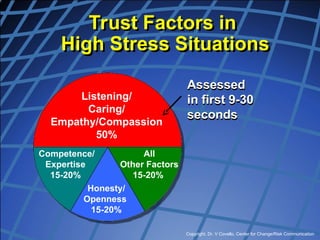
Assessed
in first 9-30
seconds
Listening/
Caring/
Empathy/Compassion
50%
Competence/
Expertise
15-20%
Honesty/
Openness
15-20%
All
Other Factors
15-20%
Trust Factors in
High Stress Situations
Copyright, Dr. V Covello, Center for Change/Risk Communication
Risk Communication Models
• The Trust Determination Model
• The Attention Span/Mental Noise
Model
• The Negative Dominance Model
Copyright, Dr. V Covello, Center for Change/Risk Communication
The CCO Template
• Compassion
• Conviction
• Optimism
Copyright, Dr. V Covello, Center for Change/Risk Communication
Mayor Giuliani, 9/11
“The number of casualties is more
than any of us can bear
ultimately.”
Copyright, Dr. V Covello, Center for Change/Risk Communication
Risk Communication
Literature: Templates
• KDG
• APP
• CCO
• 27/9/3
• TBC
===
• Primacy/Recency
• AGL-4
• 1N=3P
Copyright, Dr. V Covello, Center for Change/Risk Communication
The 27/9/3 Template
• 27 words
• 9 seconds
• 3 messages
Copyright, Dr. V Covello, Center for Change/Risk Communication
Attention Span/Mental Noise
“When people are stressed or upset, they
often have difficulty hearing,
understanding, and remembering
information.”
=========
Rule of 3
“When people are stress or upset, they
typically can only process 3 messages at a
time.”
Copyright, Dr. V Covello, Center for Change/Risk Communication
“The Magic Number Seven, Plus or
Minus Two: Some Limits on Our
Capacity for Processing Information”
George A. Miller (Department of
Psychology, Princeton University)
The Psychological Review, 1956, vol. 63,
pp. 81-97
Risk Communication: Attention
Span Research
Copyright, Dr. V Covello, Center for Change/Risk Communication
Risk Communication:
Attention Span Research
“The Magic Number Three, Plus or
Minus Two:
Some Limits on Our Capacity for
Receiving, Processing, and
Remembering Information in High
Stress Situations”
Copyright, Dr. V Covello, Center for Change/Risk Communication
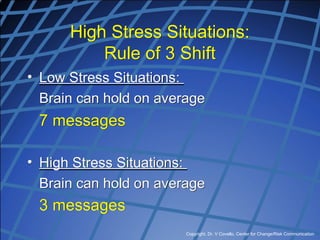
High Stress Situations:
Rule of 3 Shift
• Low Stress Situations:
Brain can hold on average
7 messages
• High Stress Situations:
Brain can hold on average
3 messages
Copyright, Dr. V Covello, Center for Change/Risk Communication
The 27/9/3 Template
• 27 words
• 9 seconds
• 3 messages
Copyright, Dr. V Covello, Center for Change/Risk Communication
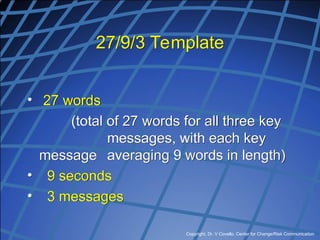
27/9/3 Template
• 27 words
(total of 27 words for all three key
messages, with each key
message averaging 9 words in length)
• 9 seconds
• 3 messages
Copyright, Dr. V Covello, Center for Change/Risk Communication
27/9/3 Exercise:
Tony Blair, Prime Minister
7/7/05 London Terrorist Bombing
Copyright, Dr. V Covello, Center for Change/Risk Communication
Risk Communication
Literature: Templates
• KDG
• APP
• CCO
• 27/9/3
• TBC
===
• Primacy/Recency
• AGL-4
• 1N=3P
Copyright, Dr. V Covello, Center for Change/Risk Communication
Risk Perceptions
TBC Template (Trust, Benefits, Control)
Key Message 1: Trust Message
Key Message 2: Benefits Message
Key Message 3: Control Message
Copyright, Dr. V Covello, Center for Change/Risk Communication
Risk Perception Literature
Copyright, Dr. V Covello, Center for Change/Risk Communication
Risk Perceptions
“Perception equals reality.”
“That which is perceived as real is real in its
consequences.”
Copyright, Dr. V Covello, Center for Change/Risk Communication
“Facts about risk appear to play
little or no role in determining
public fears, perceptions, and
concerns about risks.”
Copyright, Dr. V Covello, Center for Change/Risk Communication
Risk Perceptions
(Fear Factors)
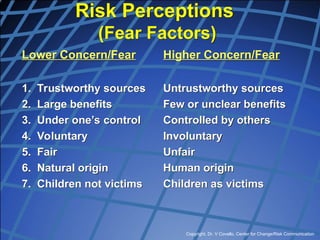
Lower Concern/Fear
1. Trustworthy sources
2. Large benefits
3. Under one’s control
4. Voluntary
5. Fair
6. Natural origin
7. Children not victims
Higher Concern/Fear
Untrustworthy sources
Few or unclear benefits
Controlled by others
Involuntary
Unfair
Human origin
Children as victims
Copyright, Dr. V Covello, Center for Change/Risk Communication
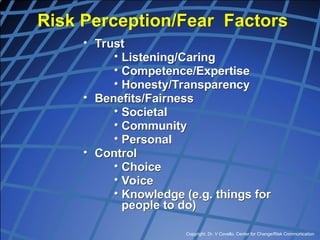
Risk Perception/Fear Factors
• Trust
• Listening/Caring
• Competence/Expertise
• Honesty/Transparency
• Benefits/Fairness
• Societal
• Community
• Personal
• Control
• Choice
• Voice
• Knowledge (e.g. things for
people to do)
Copyright, Dr. V Covello, Center for Change/Risk Communication
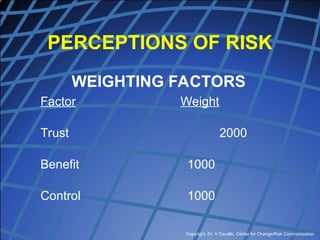
PERCEPTIONS OF RISK
WEIGHTING FACTORS
Factor Weight
Trust 2000
Benefit 1000
Control 1000
Copyright, Dr. V Covello, Center for Change/Risk Communication
Risk Perceptions
“The more you can do to increase
perceived trust, the less the
concern, worry, and anxiety.”
Copyright, Dr. V Covello, Center for Change/Risk Communication
Risk Perceptions
“The more you can do to increase
perceived benefits and fairness,
the less the concern, worry,
and anxiety.”
Copyright, Dr. V Covello, Center for Change/Risk Communication
Risk Perceptions
“The more you can do to increase
perceived control, the less the
concern, worry, and anxiety.”
Copyright, Dr. V Covello, Center for Change/Risk Communication
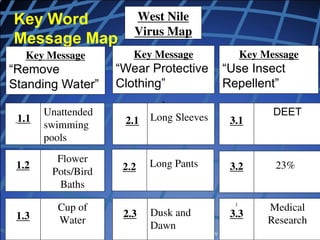
Key Word
Message Map
West Nile
Virus Map
Key Message
“Remove
Standing Water”
Key Message
“Wear Protective
Clothing”
Key Message
“Use Insect
Repellent”
1.1
1.3
1.2
2.1
2.2
2.3
3.1
3.2
:
3.3
Unattended
swimming
pools
Long Sleeves
Cup of
Water
Flower
Pots/Bird
Baths
Long Pants
Dusk and
Dawn
DEET
23%
Medical
Research
Copyright, Dr. V Covello, Center for Change/Risk Communication
Seven Step Model
1. Empathy/Caring
2. Key Messages (3)
3. Key Message 1
4. Key Message 2
5. Key Message 3
6. Repeat Key Messages (3)
7. Sources of Further Information
Copyright, Dr. V Covello, Center for Change/Risk Communication
Risk Communication
Literature: Templates
• KDG
• APP
• CCO
• 27/9/3
• TBC
===
• Primacy/Recency
• AGL-4
• 1N=3P
Copyright, Dr. V Covello, Center for Change/Risk Communication
Risk Communication
Templates
• APP
• CCO
• 27/9/3
• KDG
• TBC
===
• Primacy/Recency
• AGL-4
• 1N=3P
Copyright, Dr. V Covello, Center for Change/Risk Communication
Risk Communication
Literature: Templates
• KDG
• APP
• CCO
• 27/9/3
• TBC
===
• Primacy/Recency
• AGL-4
• 1N=3P
Copyright, Dr. V Covello, Center for Change/Risk Communication
Risk Communication
Templates
• APP
• CCO
• 27/9/3
• KDG
• TBC
===
• Primacy/Recency
• AGL-4
• 1N=3P
Copyright, Dr. V Covello, Center for Change/Risk Communication
Risk Communication
Templates
• APP
• CCO
• 27/9/3
• KDG
• TBC
===
• Primacy/Recency
• AGL-4
• 1N=3P
Copyright, Dr. V Covello, Center for Change/Risk Communication
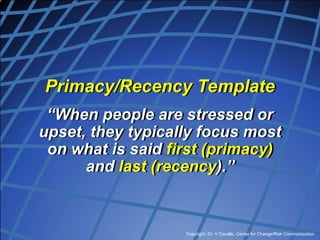
Primacy/Recency Template
“When people are stressed or
upset, they typically focus most
on what is said first (primacy)
and last (recency).”
Copyright, Dr. V Covello, Center for Change/Risk Communication
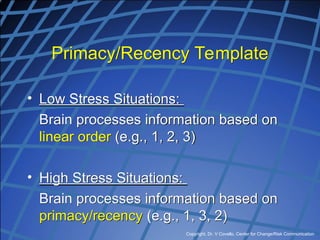
Primacy/Recency Template
• Low Stress Situations:
Brain processes information based on
linear order (e.g., 1, 2, 3)
• High Stress Situations:
Brain processes information based on
primacy/recency (e.g., 1, 3, 2)
Copyright, Dr. V Covello, Center for Change/Risk Communication
Risk Communication
Templates
• APP
• CCO
• 27/9/3
• KDG
• TBC
===
• Primacy/Recency
• AGL-4
• 1N=3P
Copyright, Dr. V Covello, Center for Change/Risk Communication
AGL-4 Template
=======
AGL (Average Grade Level)
Minus 4 (Four Grade Levels)
Template
“When people are stressed or
upset, they typically process
information at four grade levels
below their average grade
level.”
Copyright, Dr. V Covello, Center for Change/Risk Communication
AGL-4 Shift
• Low Stress Situations:
Brain processes information at
AGL (average grade level)
• High Stress Situations:
Brain processes information at
AGL-4 (average grade level minus 4 grade
levels)
Copyright, Dr. V Covello, Center for Change/Risk Communication
Risk Communication
Templates
• APP
• CCO
• 27/9/3
• KDG
• TBC
===
• Primacy/Recency
• AGL-4
• 1N=3P
Copyright, Dr. V Covello, Center for Change/Risk Communication
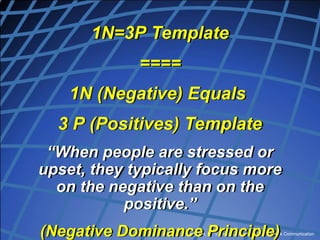
1N=3P Template
====
1N (Negative) Equals
3 P (Positives) Template
“When people are stressed or
upset, they typically focus more
on the negative than on the
positive.”
(Negative Dominance Principle)
Copyright, Dr. V Covello, Center for Change/Risk Communication
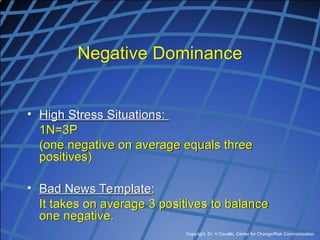
Negative Dominance
• High Stress Situations:
1N=3P
(one negative on average equals three
positives)
• Bad News Template:
It takes on average 3 positives to balance
one negative.
Copyright, Dr. V Covello, Center for Change/Risk Communication
Negatives
====
No, Not, Never, Nothing,
None
Copyright, Dr. V Covello, Center for Change/Risk Communication
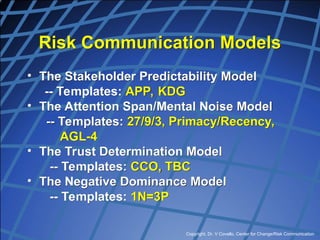
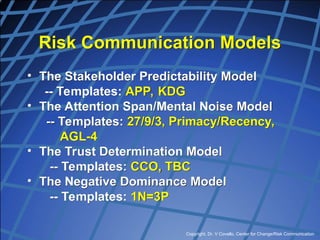
Risk Communication Models
• The Stakeholder Predictability Model
-- Templates: APP, KDG
• The Attention Span/Mental Noise Model
-- Templates: 27/9/3, Primacy/Recency,
AGL-4
• The Trust Determination Model
-- Templates: CCO, TBC
• The Negative Dominance Model
-- Templates: 1N=3P
Copyright, Dr. V Covello, Center for Change/Risk Communication
Message Enhancements
• Visuals
• Credible sources
• Non-verbal communication
• Bridging
• IDK
Copyright, Dr. V Covello, Center for Change/Risk Communication
Message Enhancements
• Visuals
• Credible sources
• Non-verbal communication
• Bridging
• IDK
Copyright, Dr. V Covello, Center for Change/Risk Communication
Message Enhancements
Visuals
“When people are stressed or upset, a
well constructed and presented
visual can increase message
attention, understanding, and recall
by over 50 percent.”
Copyright, Dr. V Covello, Center for Change/Risk Communication
Visuals
• Graphics
• Analogies
• Story Telling
Copyright, Dr. V Covello, Center for Change/Risk Communication
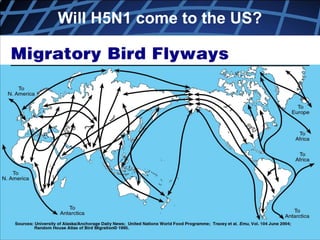
Will H5N1 come to the US?
Copyright, Dr. V Covello, Center for Change/Risk Communication
Resource Materials - Visuals
Prof. Edward Tufte (Yale University)
• “Visual Explanations”
• “The Visual Display of Quantitative
Information.”
• “Envisioning Information.”
Copyright, Dr. V Covello, Center for Change/Risk Communication
Message Enhancements
• Visuals
• Credible sources
• Non-verbal communication
• Bridging
• IDK
Copyright, Dr. V Covello, Center for Change/Risk Communication
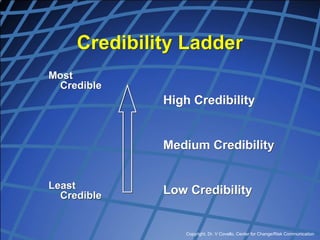
Credibility Ladder
Most
Credible
Least
Credible
High Credibility
Medium Credibility
Low Credibility
Copyright, Dr. V Covello, Center for Change/Risk Communication
Credibility Transference
“A lower credible source takes on
the credibility of the highest
credible source that agrees with
its position on an issue.”
Copyright, Dr. V Covello, Center for Change/Risk Communication
Credibility Reversal
“When a lower source attacks the
credibility of a higher source, the
lower source loses further credibility.
The only information source that can
effectively attack the credibility of
another source is one of equal or
higher credibility.”
Copyright, Dr. V Covello, Center for Change/Risk Communication
Message Enhancements
• Visuals
• Credible sources
• Non-verbal communication
• Bridging
• IDK
Copyright, Dr. V Covello, Center for Change/Risk Communication
Non-Verbal Communications in
High Stress Situations
• Provide up to 75 percent of message
content
• Are intensely and quickly noticed
• Typically override verbal content
• Are typically interpreted negatively
Copyright, Dr. V Covello, Center for Change/Risk Communication
Resource Materials:
Non-Verbal Communincation
• Prof. D. Morris, “Body Talk: A
Dictionary of Human Gestures”
• Prof. P. Ekman, “Telling Lies: Clues to
Deception”
• Prof. P. Ekman, “Emotions Revealed”
Copyright, Dr. V Covello, Center for Change/Risk Communication
Message Enhancements
• Visuals
• Credible sources
• Non-verbal communication
• Bridging
• IDK
Copyright, Dr. V Covello, Center for Change/Risk Communication
Bridging
Copyright, Dr. V Covello, Center for Change/Risk Communication
Bridging Statements
Examples:
1.“The most important thing
for people to know is…”
2.“What all this boils down
to is…”
3.“What needs to be
emphasized is…”
Copyright, Dr. V Covello, Center for Change/Risk Communication
Message Enhancements
• Visuals
• Credible sources
• Non-verbal communication
• Bridging
• IDK
Copyright, Dr. V Covello, Center for Change/Risk Communication
I.D.K. (I Don’t Know) Template
(Repeat the Question)
Say You Don’t Know/Can’t
Answer/Wish You Could Answer*
Give the Reason(s) Why You Don’t
Know or Can’t Answer*
Indicate Follow Up with Deadline*
(Bridge to What You Can Say, Such
as Overarching Message)
Copyright, Dr. V Covello, Center for Change/Risk Communication
• Risk communication is a science-
based discipline
• High stress situations change the
rules of communication
• The key to risk communication
success is anticipation, preparation,
and practice
Risk Communication:
Key Messages
Copyright, Dr. V Covello, Center for Change/Risk Communication
Risk Communication Models
• The Stakeholder Predictability Model
-- Templates: APP, KDG
• The Attention Span/Mental Noise Model
-- Templates: 27/9/3, Primacy/Recency,
AGL-4
• The Trust Determination Model
-- Templates: CCO, TBC
• The Negative Dominance Model
-- Templates: 1N=3P

covello_risk communication principles and science

  • 1.
    Copyright, Dr. VCovello, Center for Change/Risk Communication Core Slides Dr. Vincent T. Covello Director Center for Risk Communication New York, New York Email: vincentcovello@ix.netcom.com vcovello@centerforriskcommunication.org
  • 2.
    Copyright, Dr. VCovello, Center for Change/Risk Communication Definitions Risks: Definition “Threats to that which we value.” Risk Communication: Definition “The exchange of information about risks.”
  • 3.
    Copyright, Dr. VCovello, Center for Change/Risk Communication Risk Communication Goals • enhance knowledge and understanding • build trust and credibility • encourage appropriate behaviors and levels of concern
  • 4.
    Risk Communication: Media Goals(CDC) • Be first, be right, be credible • Inform, not inflame • Address rumors, inaccuracies, and misperceptions quickly
  • 5.
    Copyright, Dr. VCovello, Center for Change/Risk Communication Risk Communication Hypotheses “Most of the concerns and questions of upset people can be predicted in advance.” “When people are stressed and upset, they typically want to know that you care before they care what you know.” “When people are stressed or upset, they often have difficulty hearing, understanding, and remembering information.”
  • 6.
    Copyright, Dr. VCovello, Center for Change/Risk Communication Risk Communication Hypotheses “Most of the concerns and questions of upset people can be predicted in advance.” “When people are stressed and upset, they typically want to know that you care before they care what you know.” “When people are stressed or upset, they often have difficulty hearing, understanding, and remembering information.”
  • 7.
    Copyright, Dr. VCovello, Center for Change/Risk Communication “When people are stressed or upset, they often have difficulty hearing, understanding, and remembering information.” ========= Rule of 3 “When people are stress or upset, they typically can only process 3 messages at a time.”
  • 8.
    Copyright, Dr. VCovello, Center for Change/Risk Communication Risk Communication Hypotheses “Most of the concerns and questions of upset people can be predicted in advance.” “When people are stressed and upset, they typically want to know that you care before they care what you know.” “When people are stressed or upset, they often have difficulty hearing, understanding, and remembering information.”
  • 9.
    Copyright, Dr. VCovello, Center for Change/Risk Communication Stakeholder Predictability “50 Most Frequently Asked Questions by Terminally Ill Patients”
  • 10.
    Copyright, Dr. VCovello, Center for Change/Risk Communication Stakeholder Predictability • “50 Most Frequently Asked Questions by Terminally Ill Patients” • “77 Most Frequently Asked Questions by Journalists in a Disaster”
  • 11.
    Copyright, Dr. VCovello, Center for Change/Risk Communication Stakeholder Predictability • “50 Most Frequently Asked Questions by Terminally Ill Patients” • “77 Most Frequently Asked Questions by Journalists in a Disaster” • “65 Most Frequently Asked Questions about Bird Flu and Pandemic Influenza” (pandemicflu.gov)
  • 12.
    Copyright, Dr. VCovello, Center for Change/Risk Communication Exercise
  • 13.
    Copyright, Dr. VCovello, Center for Change/Risk Communication “77 Most Frequently Asked Questions by Journalists and the Public in a Disaster” Types of Questions: • Factual Questions • Emotionally Charged Questions • Challenge, Trap, and Pitfall Questions
  • 14.
    Copyright, Dr. VCovello, Center for Change/Risk Communication Types of Questions • Factual Questions • Emotionally Charged Questions • Challenge, Trap, and Pitfall Questions
  • 15.
    Copyright, Dr. VCovello, Center for Change/Risk Communication Challenges/Traps/Pitfalls • False Negative Questions • Guarantee Questions • What If (Worst Case Scenario) Questions
  • 16.
    Copyright, Dr. VCovello, Center for Change/Risk Communication Challenge Questions: Do’s and Don’ts Don’t repeat a false negative Do repeat the opposite of the false negative
  • 17.
    Copyright, Dr. VCovello, Center for Change/Risk Communication • Risk communication is a science- based discipline • High stress situations change the rules of communication • The key to risk communication success is anticipation, preparation, and practice Risk Communication: Key Messages
  • 18.
    Copyright, Dr. VCovello, Center for Change/Risk Communication • Risk communication is a science- based discipline • High stress situations change the rules of communication • The key to risk communication success is anticipation, preparation, and practice Risk Communication: Key Messages
  • 19.
    Copyright, Dr. VCovello, Center for Change/Risk Communication • 8000 Articles in Peer Reviewed Scientific Journals • 2000 Books • Reviews of the Literature by Major Scientific Organizations (e.g., National Academy of Sciences) Risk Communication Literature
  • 20.
    Copyright, Dr. VCovello, Center for Change/Risk Communication Risk Communication Literature: Research Based Resources Dr. R. Hyer and Dr. V. Covello Effective Media Communication During Public Health Emergencies: A World Health Organization Handbook World Health Organization, United Nations: Geneva, April 2007 (www.who.int/bookorders)
  • 21.
    Copyright, Dr. VCovello, Center for Change/Risk Communication Resources Effective Media Communication During Public Health Emergencies • A Comprehensive Bibliography of Peer Reviewed Articles • Over 1000 Do’s and Don’ts (With Explanations) • A Section on Message Mapping
  • 22.
    Copyright, Dr. VCovello, Center for Change/Risk Communication Resources Effective Media Communication During Public Health Emergencies • A Comprehensive Bibliography of Peer Reviewed Articles • Over 1000 Do’s and Don’ts (With Explanations) • A Section on Message Mapping and Message Mapping Templates
  • 23.
    Copyright, Dr. VCovello, Center for Change/Risk Communication Message Map Stakeholder Question or Concern: Key Message 9 words on average Key Message 9 words on average Key Message 9 words on average Support- ing Info. 1.1 Support- ing Info. 1.3 Support- ing Info.. 1.2 Support- ing Info. 2.1 Support- ing Info. 2.2 Support- ing Info. 2.3 Support- ing Info. 3.1 Support- ing Info. 3.2 : Support- ing Info. 3.3
  • 24.
    Copyright, Dr. VCovello, Center for Change/Risk Communication Message Mapping 1. Department of Health and Human Services/CDC: Pre-Event Maps for Avian Flu/Pandemic Influenza (www.pandemicflu.gov) 2. Multi-State Partnership for Agricultural Security: Message Maps for 30 Agricultural Scenarios 3. Environmental Protection Agency: Message Maps for 6 Water/Groundwater Contamination Scenarios (www.epa.gov/nhsrc)
  • 25.
    Copyright, Dr. VCovello, Center for Change/Risk Communication KDG Template (Overarching Message Map) (Know, Do, Go) Key Message 1: What is most important for people to know Key Message 2: What is most important for people to do Key Message 3: Where can people go to get credible information
  • 26.
    Copyright, Dr. VCovello, Center for Change/Risk Communication Risk Communication Templates • KDG • APP • CCO • 27/9/3 • TBC === • Primacy/Recency • AGL-4 • 1N=3P
  • 27.
    Copyright, Dr. VCovello, Center for Change/Risk Communication Risk Perceptions (Fear Factors) Lower Concern/Fear 1. Under one’s control 2. Trustworthy sources 3. Fair/large benefits Higher Concern/Fear Controlled by others Untrustworthy sources Unfair/few or unclear benefits Involuntary
  • 28.
    Copyright, Dr. VCovello, Center for Change/Risk Communication Message Mapping Exercise
  • 29.
    Copyright, Dr. VCovello, Center for Change/Risk Communication • 8000 Articles in Peer Reviewed Scientific Journals • 2000 Books • Reviews of the Literature by Major Scientific Organizations (e.g., National Academy of Sciences) Risk Communication Literature
  • 30.
    Copyright, Dr. VCovello, Center for Change/Risk Communication Risk Communication Literature: Templates • KDG • APP • CCO • 27/9/3 • TBC === • Primacy/Recency • AGL-4 • 1N=3P
  • 31.
    Copyright, Dr. VCovello, Center for Change/Risk Communication Risk Communication Literature: Templates • KDG • APP • CCO • 27/9/3 • TBC === • Primacy/Recency • AGL-4 • 1N=3P
  • 32.
    Copyright, Dr. VCovello, Center for Change/Risk Communication The APP Template 1. Anticipate 2. Prepare 3. Practice
  • 33.
    Copyright, Dr. VCovello, Center for Change/Risk Communication The APP Template Planning and Preparation “If I had all day to cut down a large tree, I would use most of the day sharpening my axe.” Abraham Lincoln
  • 34.
    Copyright, Dr. VCovello, Center for Change/Risk Communication Stakeholder Predictability “For most high stress situations, over 95 percent of stakeholder concerns and questions can be predicted in advance.”
  • 35.
    Copyright, Dr. VCovello, Center for Change/Risk Communication Communication Regret
  • 36.
    Copyright, Dr. VCovello, Center for Change/Risk Communication The APP Template 1. Anticipate 2. Prepare 3. Practice
  • 37.
    Copyright, Dr. VCovello, Center for Change/Risk Communication Anticipate 1. Scenarios 2. Stakeholders/Partners 3. Stakeholder Questions and Concerns
  • 38.
    Copyright, Dr. VCovello, Center for Change/Risk Communication The APP Template 1. Anticipate 2. Prepare 3. Practice
  • 39.
    Copyright, Dr. VCovello, Center for Change/Risk Communication Prepare 1. Messages 2. Messengers 3. Means APP Template
  • 40.
    Copyright, Dr. VCovello, Center for Change/Risk Communication Prepare 1. Messages 2. Messengers 3. Means APP Template
  • 41.
    Copyright, Dr. VCovello, Center for Change/Risk Communication Prepare Messages 1. Overarching Message (e.g., KDG) 1. Informational Messages 2. Challenge Question Messages
  • 42.
    Copyright, Dr. VCovello, Center for Change/Risk Communication Risk Communication Literature: Templates • KDG • APP • CCO • 27/9/3 • TBC === • Primacy/Recency • AGL-4 • 1N=3P
  • 43.
    Copyright, Dr. VCovello, Center for Change/Risk Communication The CCO Template • Compassion • Conviction • Optimism
  • 44.
    Copyright, Dr. VCovello, Center for Change/Risk Communication Caring/Empathy “When people are stressed and upset, they want to know that you care before they care what you know.”
  • 45.
    Copyright, Dr. VCovello, Center for Change/Risk Communication Assessed in first 9-30 seconds Listening/ Caring/ Empathy/Compassion 50% Competence/ Expertise 15-20% Honesty/ Openness 15-20% All Other Factors 15-20% Trust Factors in High Stress Situations
  • 46.
    Copyright, Dr. VCovello, Center for Change/Risk Communication Risk Communication Models • The Trust Determination Model • The Attention Span/Mental Noise Model • The Negative Dominance Model
  • 47.
    Copyright, Dr. VCovello, Center for Change/Risk Communication The CCO Template • Compassion • Conviction • Optimism
  • 48.
    Copyright, Dr. VCovello, Center for Change/Risk Communication Mayor Giuliani, 9/11 “The number of casualties is more than any of us can bear ultimately.”
  • 49.
    Copyright, Dr. VCovello, Center for Change/Risk Communication Risk Communication Literature: Templates • KDG • APP • CCO • 27/9/3 • TBC === • Primacy/Recency • AGL-4 • 1N=3P
  • 50.
    Copyright, Dr. VCovello, Center for Change/Risk Communication The 27/9/3 Template • 27 words • 9 seconds • 3 messages
  • 51.
    Copyright, Dr. VCovello, Center for Change/Risk Communication Attention Span/Mental Noise “When people are stressed or upset, they often have difficulty hearing, understanding, and remembering information.” ========= Rule of 3 “When people are stress or upset, they typically can only process 3 messages at a time.”
  • 52.
    Copyright, Dr. VCovello, Center for Change/Risk Communication “The Magic Number Seven, Plus or Minus Two: Some Limits on Our Capacity for Processing Information” George A. Miller (Department of Psychology, Princeton University) The Psychological Review, 1956, vol. 63, pp. 81-97 Risk Communication: Attention Span Research
  • 53.
    Copyright, Dr. VCovello, Center for Change/Risk Communication Risk Communication: Attention Span Research “The Magic Number Three, Plus or Minus Two: Some Limits on Our Capacity for Receiving, Processing, and Remembering Information in High Stress Situations”
  • 54.
    Copyright, Dr. VCovello, Center for Change/Risk Communication High Stress Situations: Rule of 3 Shift • Low Stress Situations: Brain can hold on average 7 messages • High Stress Situations: Brain can hold on average 3 messages
  • 55.
    Copyright, Dr. VCovello, Center for Change/Risk Communication The 27/9/3 Template • 27 words • 9 seconds • 3 messages
  • 56.
    Copyright, Dr. VCovello, Center for Change/Risk Communication 27/9/3 Template • 27 words (total of 27 words for all three key messages, with each key message averaging 9 words in length) • 9 seconds • 3 messages
  • 57.
    Copyright, Dr. VCovello, Center for Change/Risk Communication 27/9/3 Exercise: Tony Blair, Prime Minister 7/7/05 London Terrorist Bombing
  • 58.
    Copyright, Dr. VCovello, Center for Change/Risk Communication Risk Communication Literature: Templates • KDG • APP • CCO • 27/9/3 • TBC === • Primacy/Recency • AGL-4 • 1N=3P
  • 59.
    Copyright, Dr. VCovello, Center for Change/Risk Communication Risk Perceptions TBC Template (Trust, Benefits, Control) Key Message 1: Trust Message Key Message 2: Benefits Message Key Message 3: Control Message
  • 60.
    Copyright, Dr. VCovello, Center for Change/Risk Communication Risk Perception Literature
  • 61.
    Copyright, Dr. VCovello, Center for Change/Risk Communication Risk Perceptions “Perception equals reality.” “That which is perceived as real is real in its consequences.”
  • 62.
    Copyright, Dr. VCovello, Center for Change/Risk Communication “Facts about risk appear to play little or no role in determining public fears, perceptions, and concerns about risks.”
  • 63.
    Copyright, Dr. VCovello, Center for Change/Risk Communication Risk Perceptions (Fear Factors) Lower Concern/Fear 1. Trustworthy sources 2. Large benefits 3. Under one’s control 4. Voluntary 5. Fair 6. Natural origin 7. Children not victims Higher Concern/Fear Untrustworthy sources Few or unclear benefits Controlled by others Involuntary Unfair Human origin Children as victims
  • 64.
    Copyright, Dr. VCovello, Center for Change/Risk Communication Risk Perception/Fear Factors • Trust • Listening/Caring • Competence/Expertise • Honesty/Transparency • Benefits/Fairness • Societal • Community • Personal • Control • Choice • Voice • Knowledge (e.g. things for people to do)
  • 65.
    Copyright, Dr. VCovello, Center for Change/Risk Communication PERCEPTIONS OF RISK WEIGHTING FACTORS Factor Weight Trust 2000 Benefit 1000 Control 1000
  • 66.
    Copyright, Dr. VCovello, Center for Change/Risk Communication Risk Perceptions “The more you can do to increase perceived trust, the less the concern, worry, and anxiety.”
  • 67.
    Copyright, Dr. VCovello, Center for Change/Risk Communication Risk Perceptions “The more you can do to increase perceived benefits and fairness, the less the concern, worry, and anxiety.”
  • 68.
    Copyright, Dr. VCovello, Center for Change/Risk Communication Risk Perceptions “The more you can do to increase perceived control, the less the concern, worry, and anxiety.”
  • 69.
    Copyright, Dr. VCovello, Center for Change/Risk Communication Key Word Message Map West Nile Virus Map Key Message “Remove Standing Water” Key Message “Wear Protective Clothing” Key Message “Use Insect Repellent” 1.1 1.3 1.2 2.1 2.2 2.3 3.1 3.2 : 3.3 Unattended swimming pools Long Sleeves Cup of Water Flower Pots/Bird Baths Long Pants Dusk and Dawn DEET 23% Medical Research
  • 70.
    Copyright, Dr. VCovello, Center for Change/Risk Communication Seven Step Model 1. Empathy/Caring 2. Key Messages (3) 3. Key Message 1 4. Key Message 2 5. Key Message 3 6. Repeat Key Messages (3) 7. Sources of Further Information
  • 71.
    Copyright, Dr. VCovello, Center for Change/Risk Communication Risk Communication Literature: Templates • KDG • APP • CCO • 27/9/3 • TBC === • Primacy/Recency • AGL-4 • 1N=3P
  • 72.
    Copyright, Dr. VCovello, Center for Change/Risk Communication Risk Communication Templates • APP • CCO • 27/9/3 • KDG • TBC === • Primacy/Recency • AGL-4 • 1N=3P
  • 73.
    Copyright, Dr. VCovello, Center for Change/Risk Communication Risk Communication Literature: Templates • KDG • APP • CCO • 27/9/3 • TBC === • Primacy/Recency • AGL-4 • 1N=3P
  • 74.
    Copyright, Dr. VCovello, Center for Change/Risk Communication Risk Communication Templates • APP • CCO • 27/9/3 • KDG • TBC === • Primacy/Recency • AGL-4 • 1N=3P
  • 75.
    Copyright, Dr. VCovello, Center for Change/Risk Communication Risk Communication Templates • APP • CCO • 27/9/3 • KDG • TBC === • Primacy/Recency • AGL-4 • 1N=3P
  • 76.
    Copyright, Dr. VCovello, Center for Change/Risk Communication Primacy/Recency Template “When people are stressed or upset, they typically focus most on what is said first (primacy) and last (recency).”
  • 77.
    Copyright, Dr. VCovello, Center for Change/Risk Communication Primacy/Recency Template • Low Stress Situations: Brain processes information based on linear order (e.g., 1, 2, 3) • High Stress Situations: Brain processes information based on primacy/recency (e.g., 1, 3, 2)
  • 78.
    Copyright, Dr. VCovello, Center for Change/Risk Communication Risk Communication Templates • APP • CCO • 27/9/3 • KDG • TBC === • Primacy/Recency • AGL-4 • 1N=3P
  • 79.
    Copyright, Dr. VCovello, Center for Change/Risk Communication AGL-4 Template ======= AGL (Average Grade Level) Minus 4 (Four Grade Levels) Template “When people are stressed or upset, they typically process information at four grade levels below their average grade level.”
  • 80.
    Copyright, Dr. VCovello, Center for Change/Risk Communication AGL-4 Shift • Low Stress Situations: Brain processes information at AGL (average grade level) • High Stress Situations: Brain processes information at AGL-4 (average grade level minus 4 grade levels)
  • 81.
    Copyright, Dr. VCovello, Center for Change/Risk Communication Risk Communication Templates • APP • CCO • 27/9/3 • KDG • TBC === • Primacy/Recency • AGL-4 • 1N=3P
  • 82.
    Copyright, Dr. VCovello, Center for Change/Risk Communication 1N=3P Template ==== 1N (Negative) Equals 3 P (Positives) Template “When people are stressed or upset, they typically focus more on the negative than on the positive.” (Negative Dominance Principle)
  • 83.
    Copyright, Dr. VCovello, Center for Change/Risk Communication Negative Dominance • High Stress Situations: 1N=3P (one negative on average equals three positives) • Bad News Template: It takes on average 3 positives to balance one negative.
  • 84.
    Copyright, Dr. VCovello, Center for Change/Risk Communication Negatives ==== No, Not, Never, Nothing, None
  • 85.
    Copyright, Dr. VCovello, Center for Change/Risk Communication Risk Communication Models • The Stakeholder Predictability Model -- Templates: APP, KDG • The Attention Span/Mental Noise Model -- Templates: 27/9/3, Primacy/Recency, AGL-4 • The Trust Determination Model -- Templates: CCO, TBC • The Negative Dominance Model -- Templates: 1N=3P
  • 86.
    Copyright, Dr. VCovello, Center for Change/Risk Communication Message Enhancements • Visuals • Credible sources • Non-verbal communication • Bridging • IDK
  • 87.
    Copyright, Dr. VCovello, Center for Change/Risk Communication Message Enhancements • Visuals • Credible sources • Non-verbal communication • Bridging • IDK
  • 88.
    Copyright, Dr. VCovello, Center for Change/Risk Communication Message Enhancements Visuals “When people are stressed or upset, a well constructed and presented visual can increase message attention, understanding, and recall by over 50 percent.”
  • 89.
    Copyright, Dr. VCovello, Center for Change/Risk Communication Visuals • Graphics • Analogies • Story Telling
  • 90.
    Copyright, Dr. VCovello, Center for Change/Risk Communication
  • 91.
    Copyright, Dr. VCovello, Center for Change/Risk Communication Will H5N1 come to the US?
  • 92.
    Copyright, Dr. VCovello, Center for Change/Risk Communication
  • 93.
    Copyright, Dr. VCovello, Center for Change/Risk Communication
  • 94.
    Copyright, Dr. VCovello, Center for Change/Risk Communication Resource Materials - Visuals Prof. Edward Tufte (Yale University) • “Visual Explanations” • “The Visual Display of Quantitative Information.” • “Envisioning Information.”
  • 95.
    Copyright, Dr. VCovello, Center for Change/Risk Communication Message Enhancements • Visuals • Credible sources • Non-verbal communication • Bridging • IDK
  • 96.
    Copyright, Dr. VCovello, Center for Change/Risk Communication Credibility Ladder Most Credible Least Credible High Credibility Medium Credibility Low Credibility
  • 97.
    Copyright, Dr. VCovello, Center for Change/Risk Communication Credibility Transference “A lower credible source takes on the credibility of the highest credible source that agrees with its position on an issue.”
  • 98.
    Copyright, Dr. VCovello, Center for Change/Risk Communication Credibility Reversal “When a lower source attacks the credibility of a higher source, the lower source loses further credibility. The only information source that can effectively attack the credibility of another source is one of equal or higher credibility.”
  • 99.
    Copyright, Dr. VCovello, Center for Change/Risk Communication Message Enhancements • Visuals • Credible sources • Non-verbal communication • Bridging • IDK
  • 100.
    Copyright, Dr. VCovello, Center for Change/Risk Communication Non-Verbal Communications in High Stress Situations • Provide up to 75 percent of message content • Are intensely and quickly noticed • Typically override verbal content • Are typically interpreted negatively
  • 101.
    Copyright, Dr. VCovello, Center for Change/Risk Communication Resource Materials: Non-Verbal Communincation • Prof. D. Morris, “Body Talk: A Dictionary of Human Gestures” • Prof. P. Ekman, “Telling Lies: Clues to Deception” • Prof. P. Ekman, “Emotions Revealed”
  • 102.
    Copyright, Dr. VCovello, Center for Change/Risk Communication Message Enhancements • Visuals • Credible sources • Non-verbal communication • Bridging • IDK
  • 103.
    Copyright, Dr. VCovello, Center for Change/Risk Communication Bridging
  • 104.
    Copyright, Dr. VCovello, Center for Change/Risk Communication Bridging Statements Examples: 1.“The most important thing for people to know is…” 2.“What all this boils down to is…” 3.“What needs to be emphasized is…”
  • 105.
    Copyright, Dr. VCovello, Center for Change/Risk Communication Message Enhancements • Visuals • Credible sources • Non-verbal communication • Bridging • IDK
  • 106.
    Copyright, Dr. VCovello, Center for Change/Risk Communication I.D.K. (I Don’t Know) Template (Repeat the Question) Say You Don’t Know/Can’t Answer/Wish You Could Answer* Give the Reason(s) Why You Don’t Know or Can’t Answer* Indicate Follow Up with Deadline* (Bridge to What You Can Say, Such as Overarching Message)
  • 107.
    Copyright, Dr. VCovello, Center for Change/Risk Communication • Risk communication is a science- based discipline • High stress situations change the rules of communication • The key to risk communication success is anticipation, preparation, and practice Risk Communication: Key Messages
  • 108.
    Copyright, Dr. VCovello, Center for Change/Risk Communication Risk Communication Models • The Stakeholder Predictability Model -- Templates: APP, KDG • The Attention Span/Mental Noise Model -- Templates: 27/9/3, Primacy/Recency, AGL-4 • The Trust Determination Model -- Templates: CCO, TBC • The Negative Dominance Model -- Templates: 1N=3P

Editor's Notes

  • #27 Teaching Points: Twenty risk perception variables have been studied Depending upon the presence or absence of these factors, people will likely find the associated risks either acceptable or unacceptable Decisions about the acceptability of risks are value based, not data based These factors are cumulative in effect and can serve to either diminish or amplify the perception of a risk
  • #63 Teaching Points: Twenty risk perception variables have been studied Depending upon the presence or absence of these factors, people will likely find the associated risks either acceptable or unacceptable Decisions about the acceptability of risks are value based, not data based These factors are cumulative in effect and can serve to either diminish or amplify the perception of a risk
  • #65 Teaching Points: These are the three most powerful risk perception factors In many cases these can be managed to mitigate toward more effective communication Give example
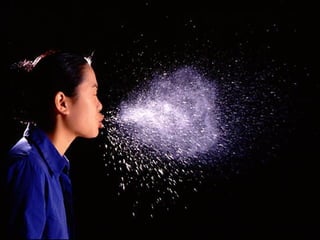
  • #93 Influenza viruses are spread from person to person, primarily through respiratory droplet transmission (e.g., when an infected person coughs or sneezes in close proximity to an uninfected person)
  • #96 Teaching Points: Trust takes the form of credibility in communication A credibility ladder, based on research, is essential in planning for and conducting high concern communications This is an example of a credibility ladder – nationwide survey, EHS topic Why would this ranking work out this way? Why would this be important?
  • #97 Teaching Points: This is fairly intuitive, we see it every day This is the basis of celebrity endorsements in advertising and politics From what position on the credibility ladder are endorsers drawn?
  • #98 Teaching Points: This is not so intuitive What is our reflexive response when our position is publicly attacked – often erroneously? What is the result when we attempt to “set the record straight” from a lower position on the credibility ladder? What are our options for being more effective?