Coastal Management
Large scale development of coastal areas will bring about problems if development is  not properly planned and managed. Proper  coastal management and protection  are needed to preserve quality of coastal environment.
Lost Villages Due to Coastal Erosion
Types of Approach Hard engineering Refers to the  construction of physical structures  to defend against the erosive power of waves. -  Also known as the  structural approach .
Types of Approach Soft Engineering -  Focuses on  planning and management  so that both coastal areas and properties will not be damaged by erosion.  -  Also aims to  change individual behaviour   or attitude  towards coastal protection by encouraging minimal human interference and allowing nature to take its course. -  Also known as the  non-structural approach.
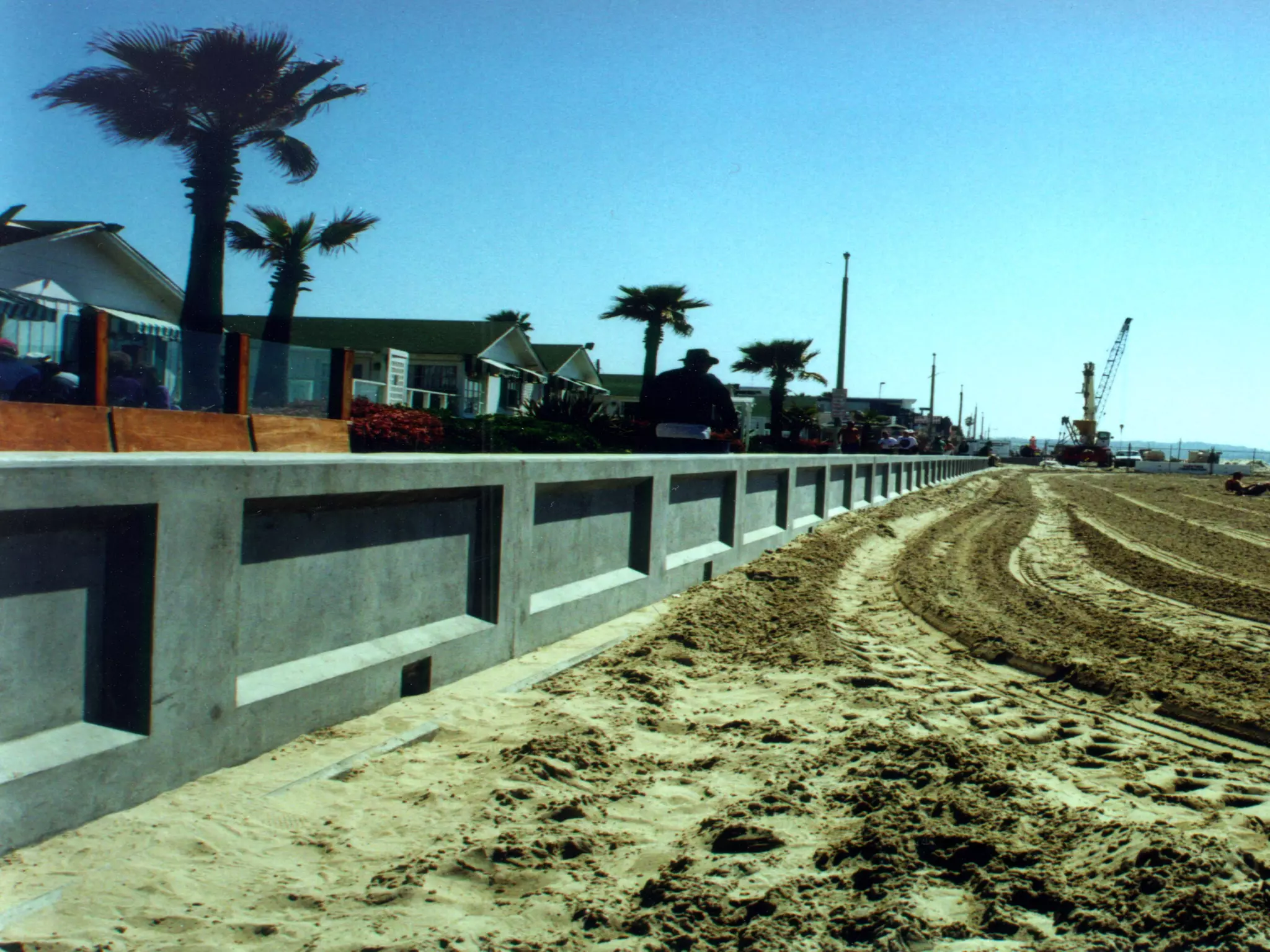
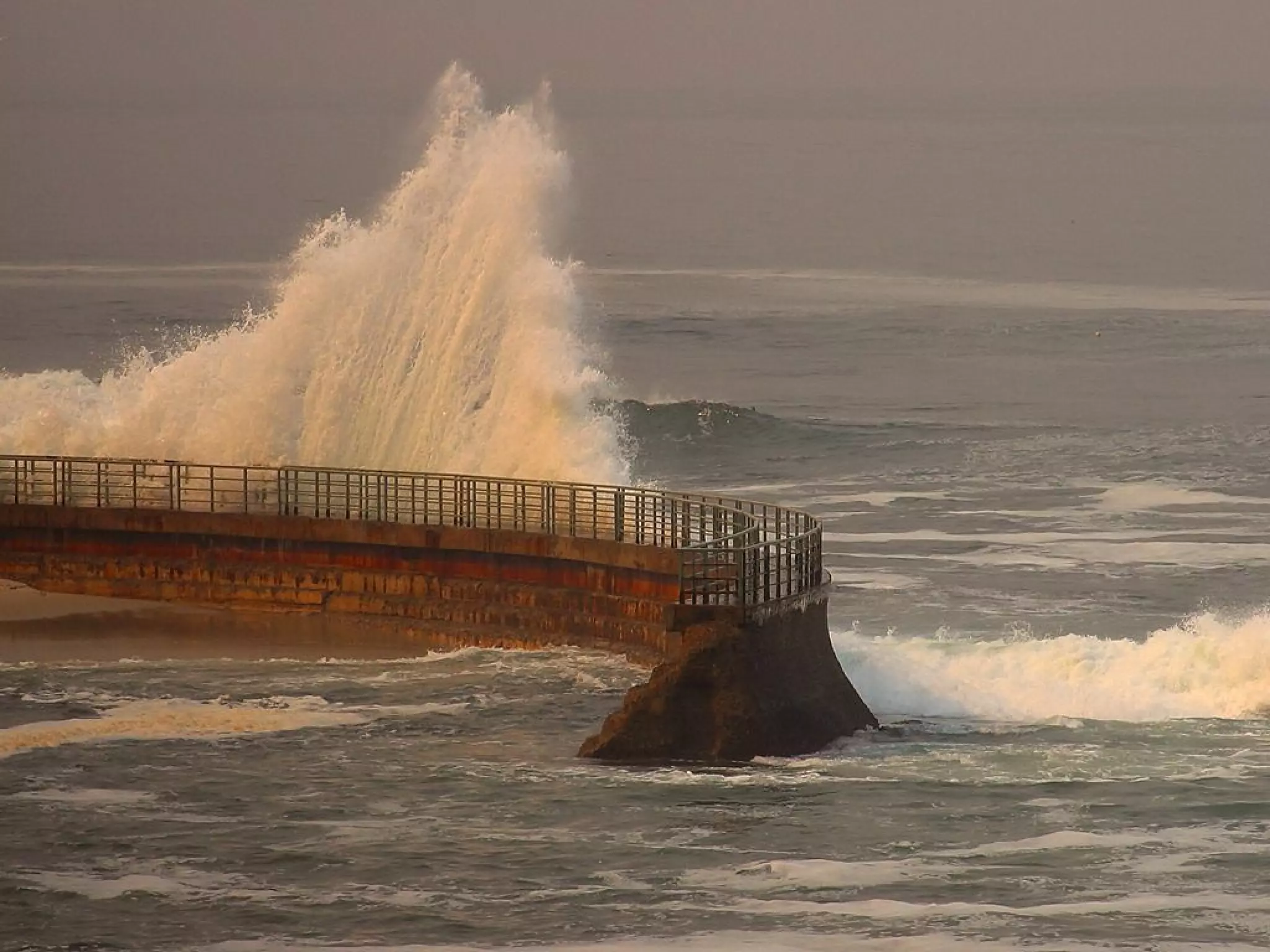
Hard Engineering Measures Seawalls (+) Seawalls  absorb the energy of waves  before they can erode away loose materials. Seawalls can be made of  concrete, rocks or wood. They are effective in  protecting cliffs from erosion.
 
Hard Engineering Measures Seawalls (-) -  They can only absorb the energy of oncoming waves.  They  do not prevent the powerful backwash  of refracted waves from washing away the beach materials beneath the walls.
Hard Engineering Measures Seawalls (-) -  Base of seawalls will be  undermined  (weakened) and leads to their collapse. -  Seawalls are  costly to build and maintain  as constant repairs have to be made to prevent their collapse.
 
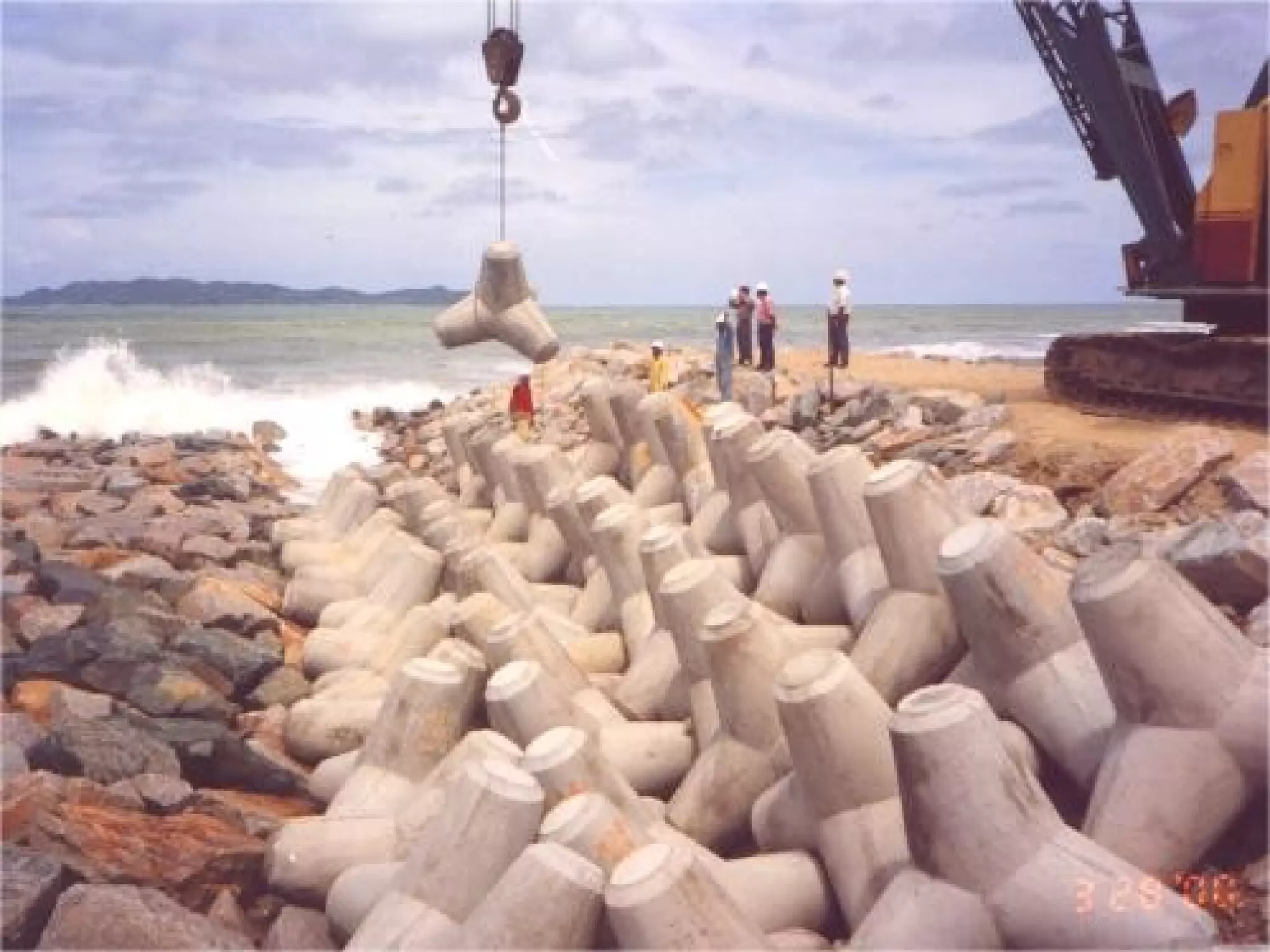
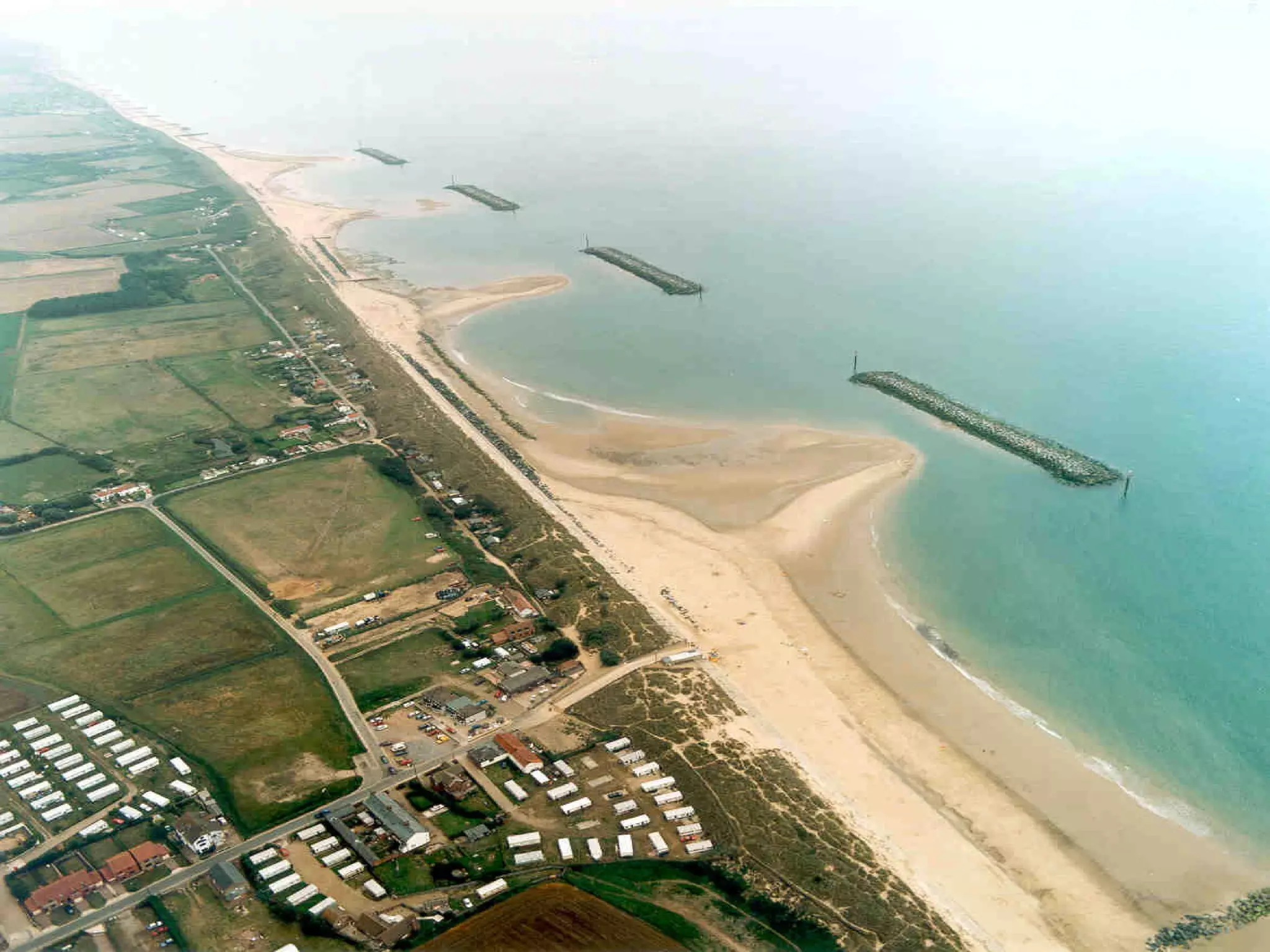
Hard Engineering Measures Breakwaters Protect coast and harbour by  reducing force of high energy waves before they reach the shore. They can either be built with one end attached to the coast or built away from coast.
 
Hard Engineering Measures Breakwaters (+) Breakwaters Protect coast and harbour by  reducing force of high energy waves before they reach the shore. They can either be built with one end attached to the coast or built away from coast.
 
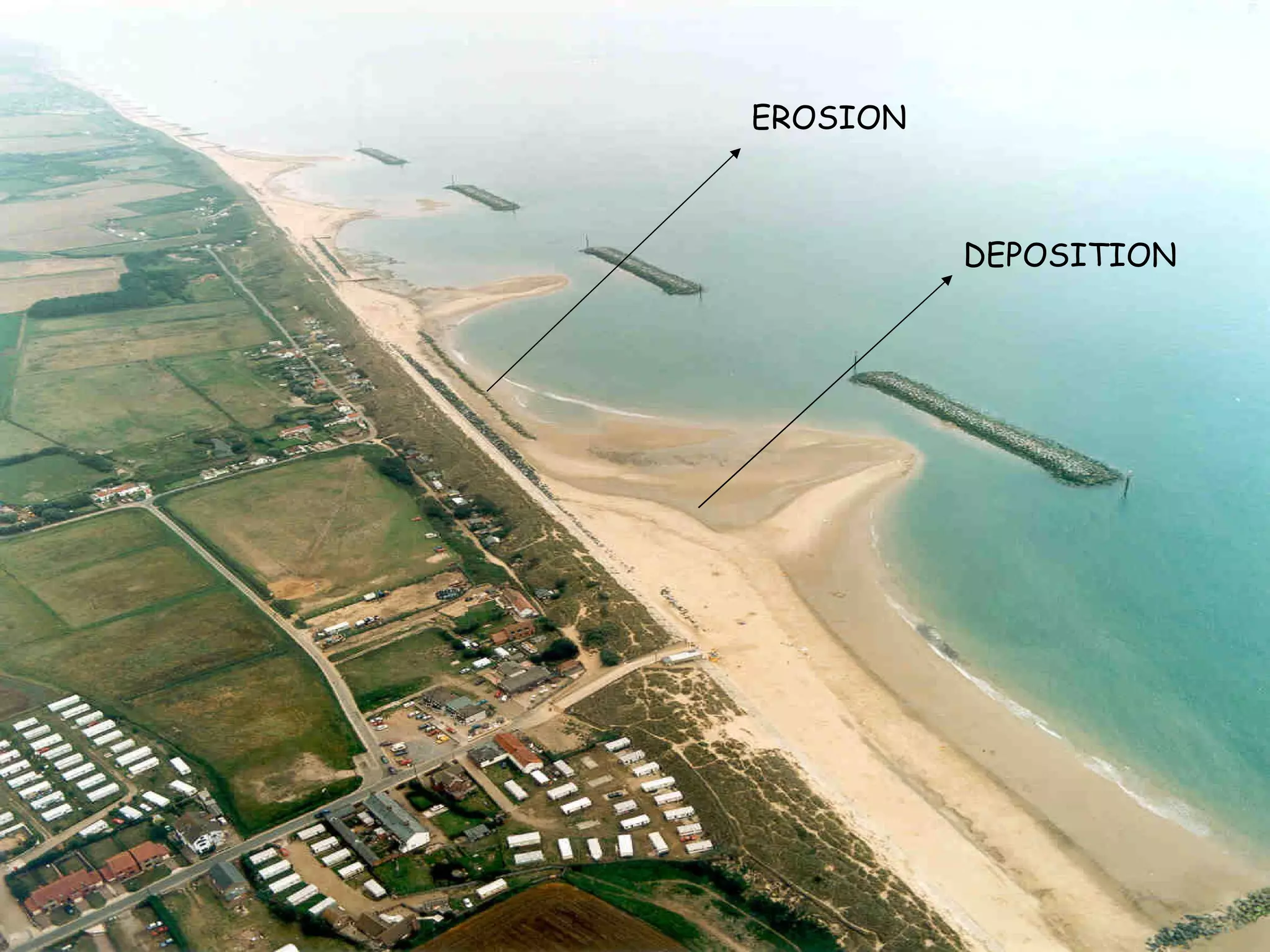
Hard Engineering Measures Breakwaters (-) Materials deposited in the zones behind the breakwater are protected while those in the zones located away from the breakwater are not. Zones will not receive any new supply and thus be  eroded away .
DEPOSITION EROSION
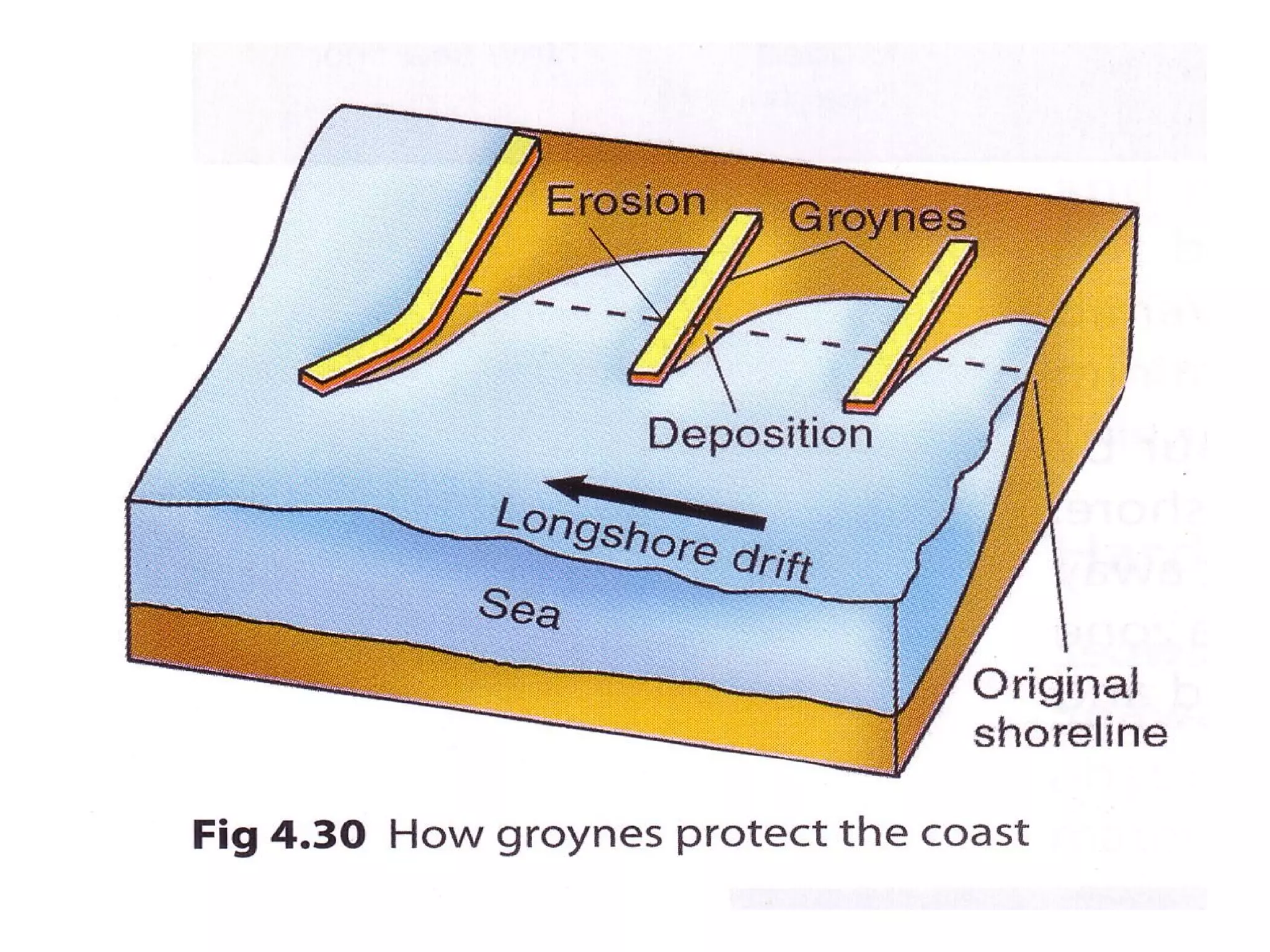
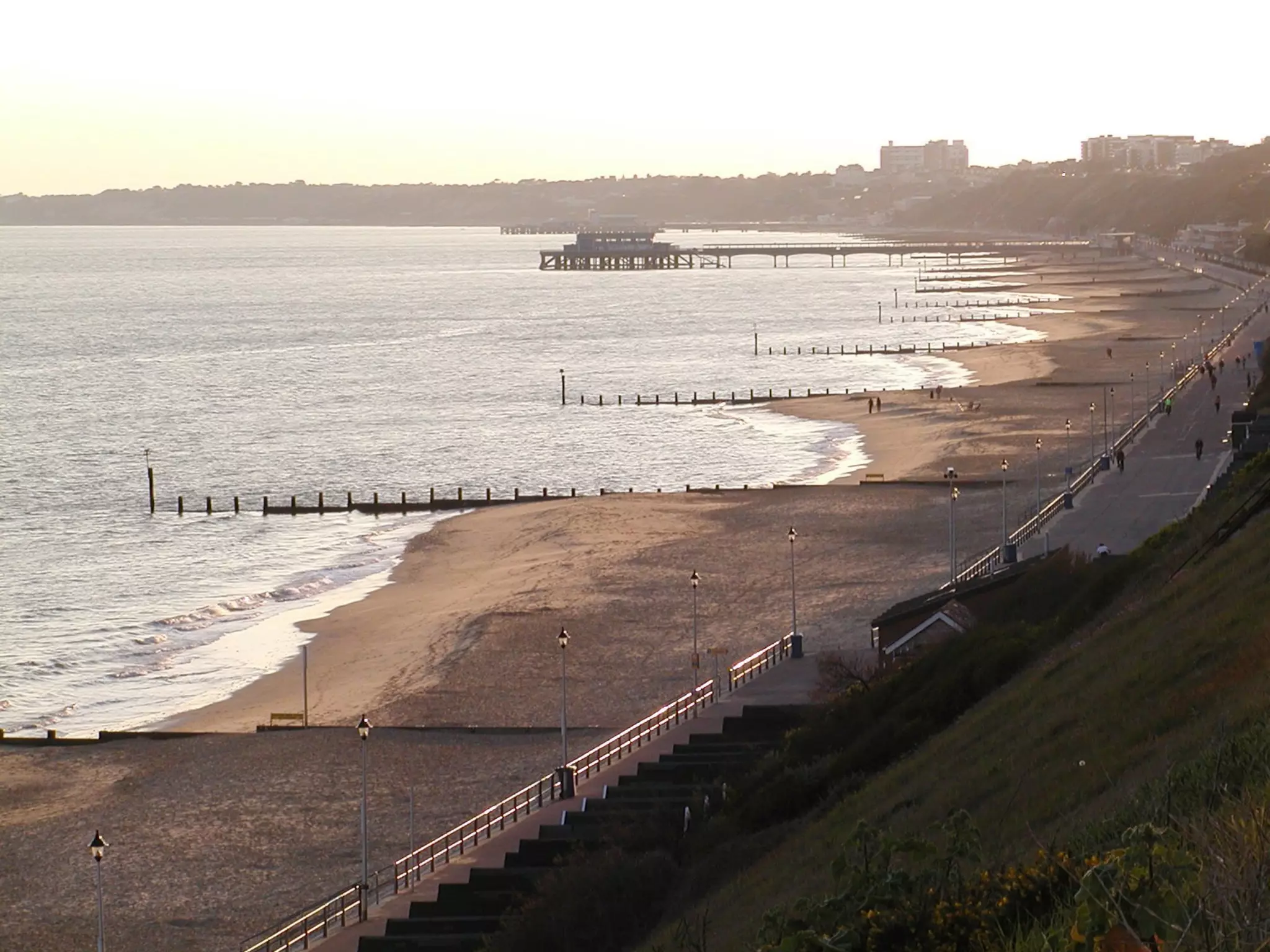
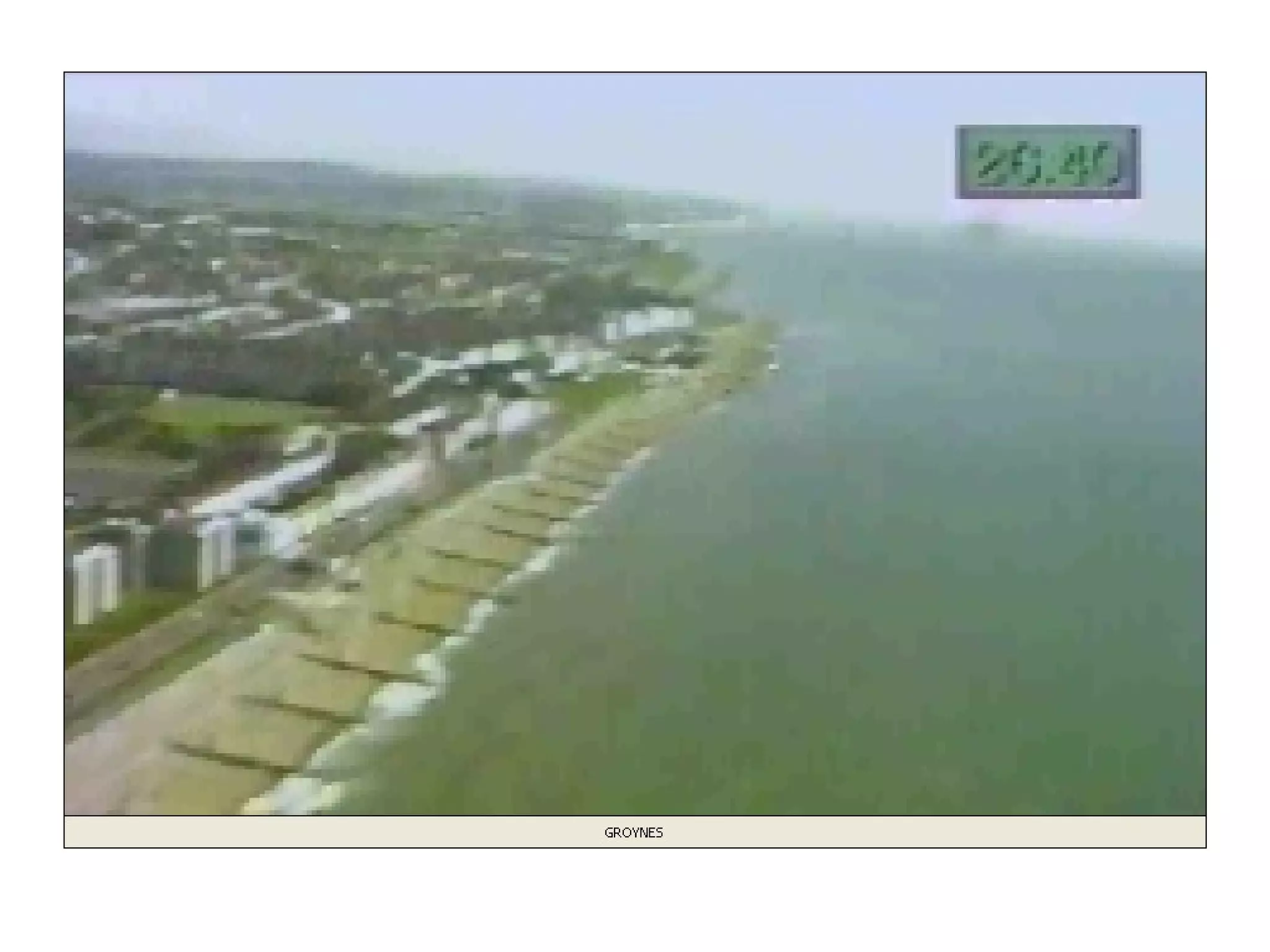
Hard Engineering Measures Groynes Built at  right angles to the shore  to  prevent longshore drift . These structures absorb or reduce the energy of the waves and cause materials to be deposited on the side of the groyne  facing the longshore drift.
 
Hard Engineering Measures Groynes (-) Erosion  can still take place on the part of the coast that is not protected by groynes.
 
 
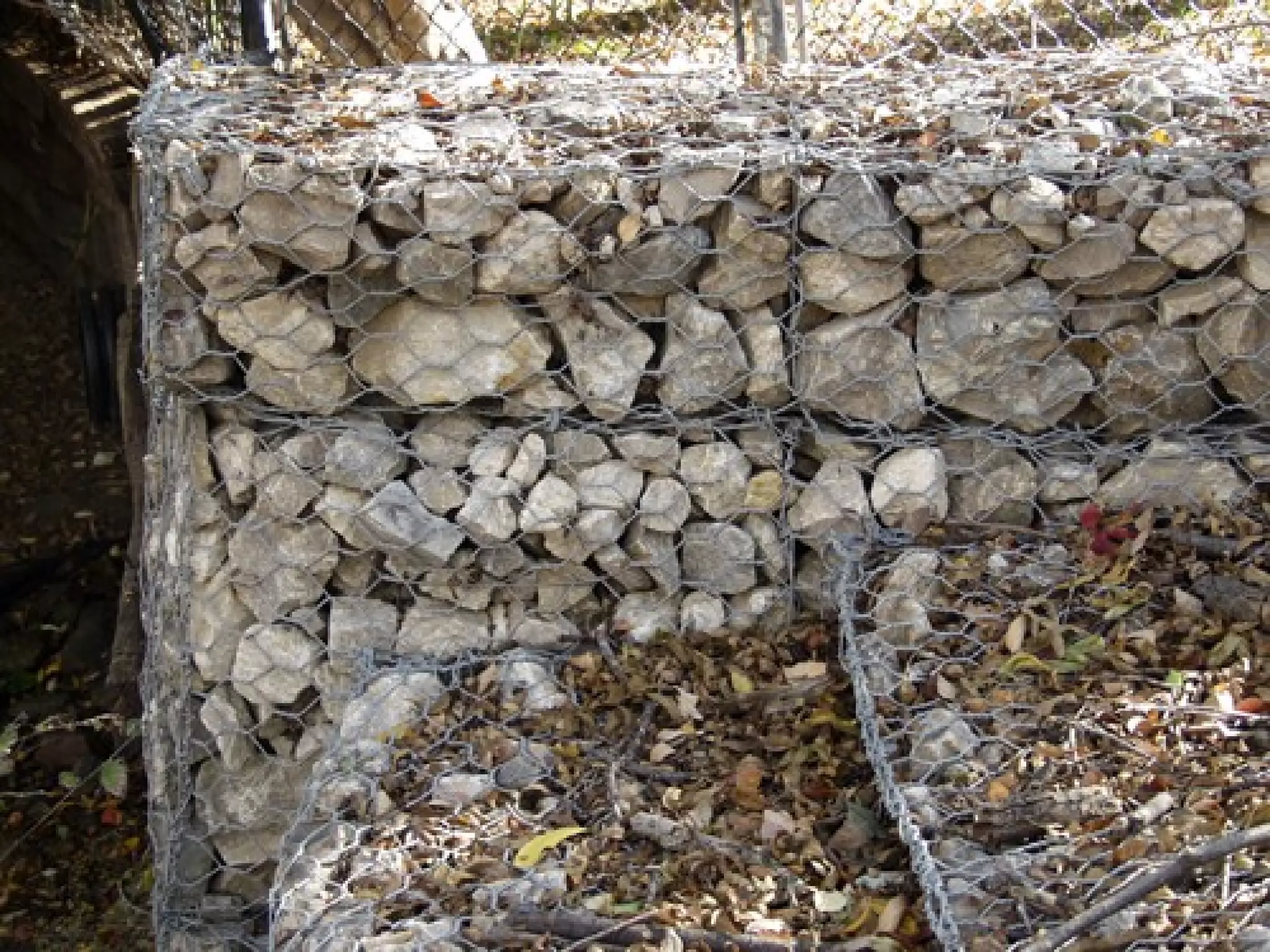
Hard Engineering Measures Gabions -  Gabions are  wire cages usually filled with crushed rocks , and then piled up along the shore to prevent or reduce coastal erosion by weakening wave energy.
 
Hard Engineering Measures Gabions (-) This method offers only  short-term protection  (about five to ten years). Wire cages need  regular maintenance  as they are easily corroded by sea water. Affected by  excessive trampling and vandalism.
Hard Engineering Measures Gabions (-) -  Can be  unsightly  and become a  danger  along the beach.
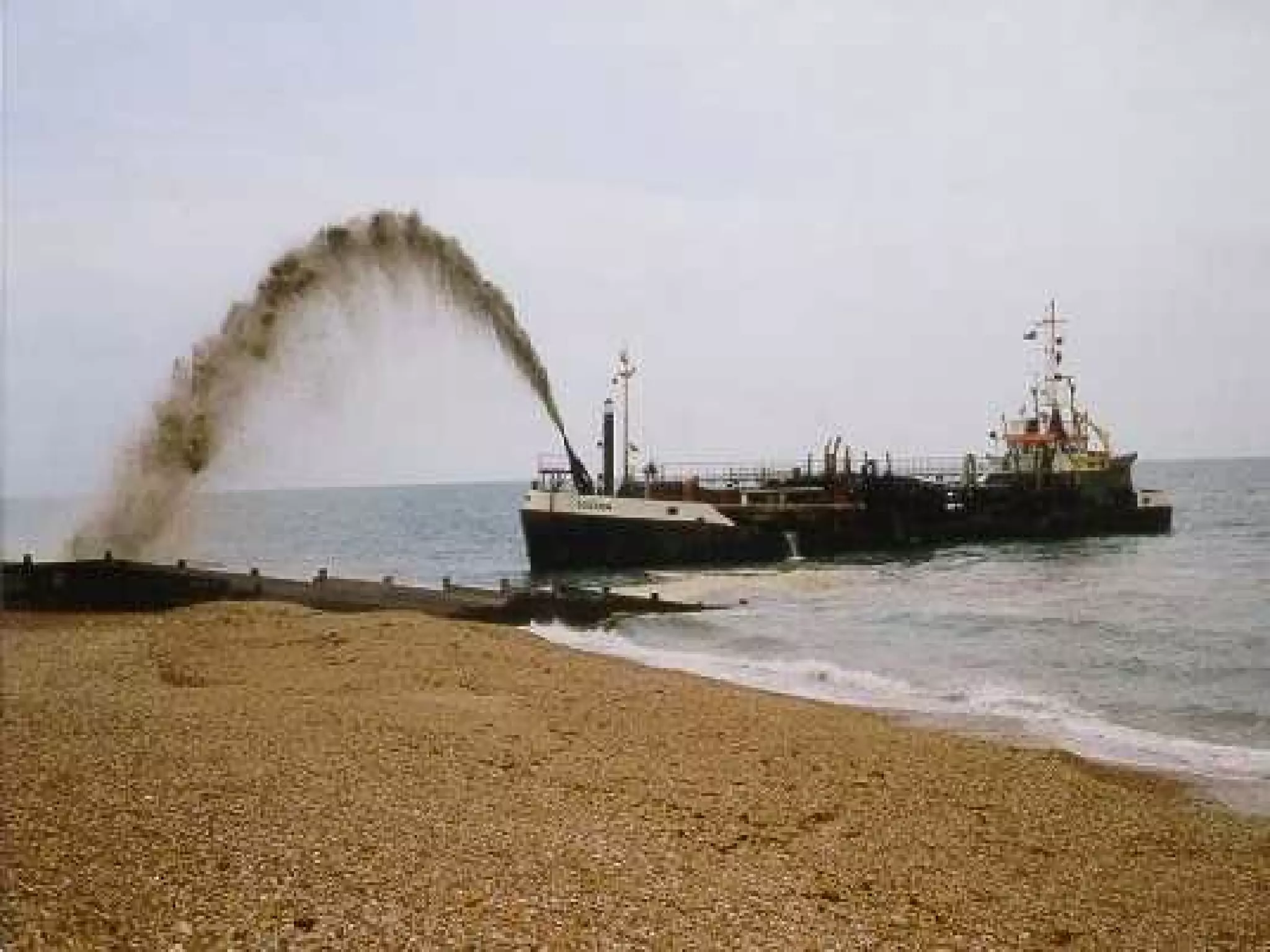
Soft Engineering Measures Beach nourishment Refers to  constant replenishment of large quantities of sand  to the beach system. Beach is therefore extended seawards, leading to improvement of both beach quality and storm protection.
 
Soft Engineering Measures Beach nourishment (-) Very expensive  and  impractical  to constantly transport large quantities of sand to fill up beach.  Imported sand that can be continuously eroded and transported away could have  serious consequences on wildlife living within coastal environment .
Soft Engineering Measures Beach nourishment (-) E.g.  Coral reefs at Waikiki Beach of Hawaii  are destroyed as imported sand gets washed out to sea and covers the corals. Corals are deprived of sunlight they need to survive
Soft Engineering Measures Beach nourishment (-) E.g.  Singapore  – Large scale land reclamation along coast has led to  muddy and polluted water and has destroyed coral reefs.
Soft Engineering Measures Relocation of Property Coastal planners protect man-made structures (e.g. buildings) by relocating them and  letting nature reclaim the beach in its own time. No building of new properties of structures would be allowed  in coastal areas that are vulnerable to coastal erosion.
Soft Engineering Measures Relocation of Property -  E.g.  England  –  “Green Line” policy  which discourages any building beyond a given line.  Any properties built beyond the given line will not be defended or protected should they be threatened by coastal erosion.
Soft Engineering Measures Relocation of Property (-) Opposition by people with  considerable investments in coastal areas .  This approach will be important in future coastal management due to  rising sea level  as a result of global warming.
Soft Engineering Measures Planting of Mangroves Mangroves have long and curved roots that prop up from soil.  It  traps sediments and reduce coastal erosion .  Mangoves can  secure and trap enough sediments to form small islands  – extend coastal land seawards.
 
Soft Engineering Measures Planting of Mangroves E.g.  Aceh  – More than 5,000 mangrove seedlings were planted to rehabilitate coast devastated by 2004 tsunami.
Soft Engineering Measures Planting of Mangroves (-) Not all coastal regions can support mangroves, especially in  coastal regions with destructive waves. As sediments build up along coast after planting mangroves,  depth of coast may become shallower  and thus affect  port activities  – (E.g. Pose a problem for countries like Singapore that depends heavily on maritime trade.)
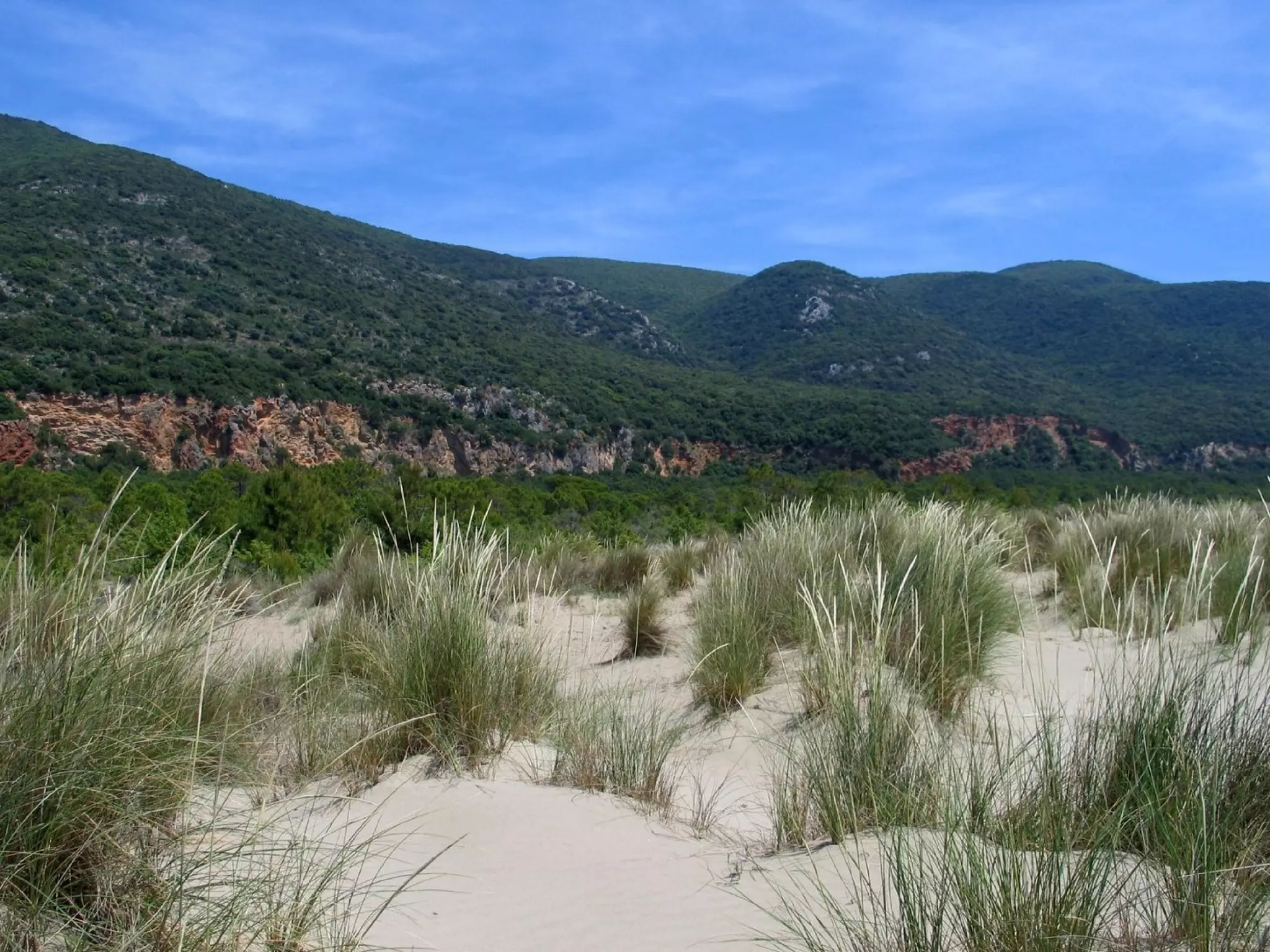
Soft Engineering Measures Stabilising dunes Dunes are so fragile that delicate shrubs struggle to hold them in place. Access points to the beach should be controlled and designated  so as to prevent dunes from being disturbed by human traffic.
 
Soft Engineering Measures Stabilising dunes -  Shrubs and trees can be planted to stabilise dunes because  roots can reach downwards to tap groundwater and thereby anchoring the sand.
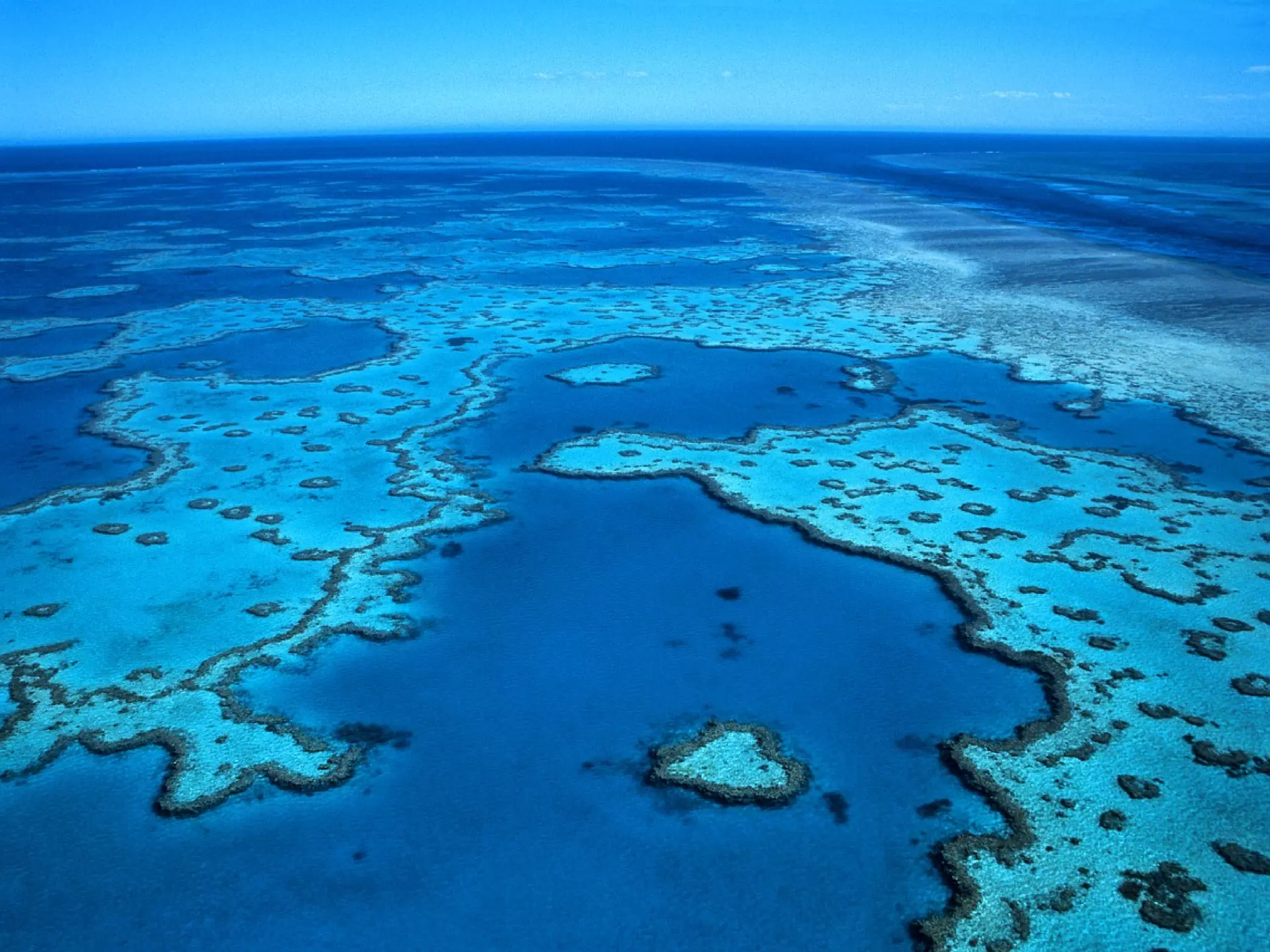
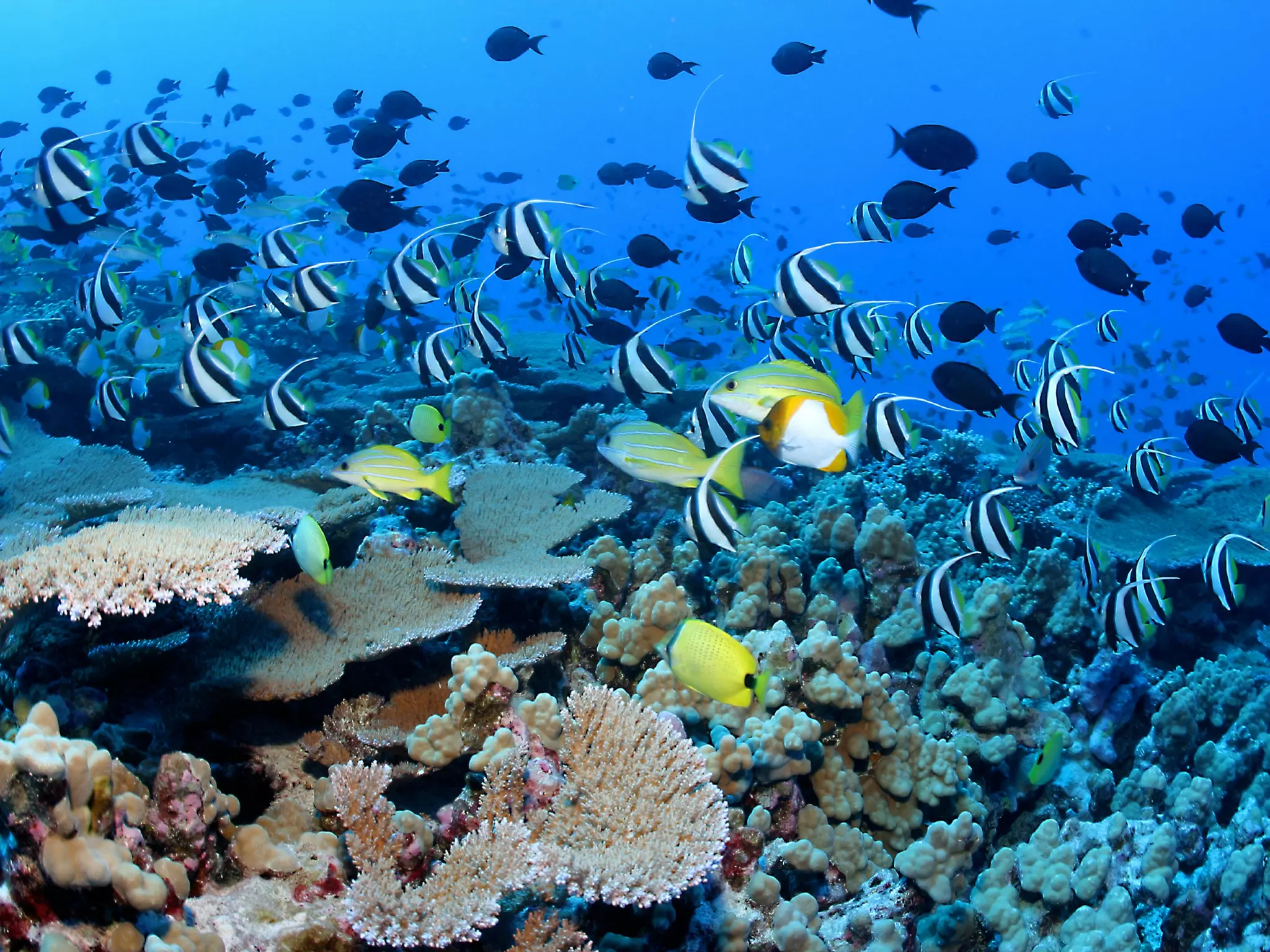
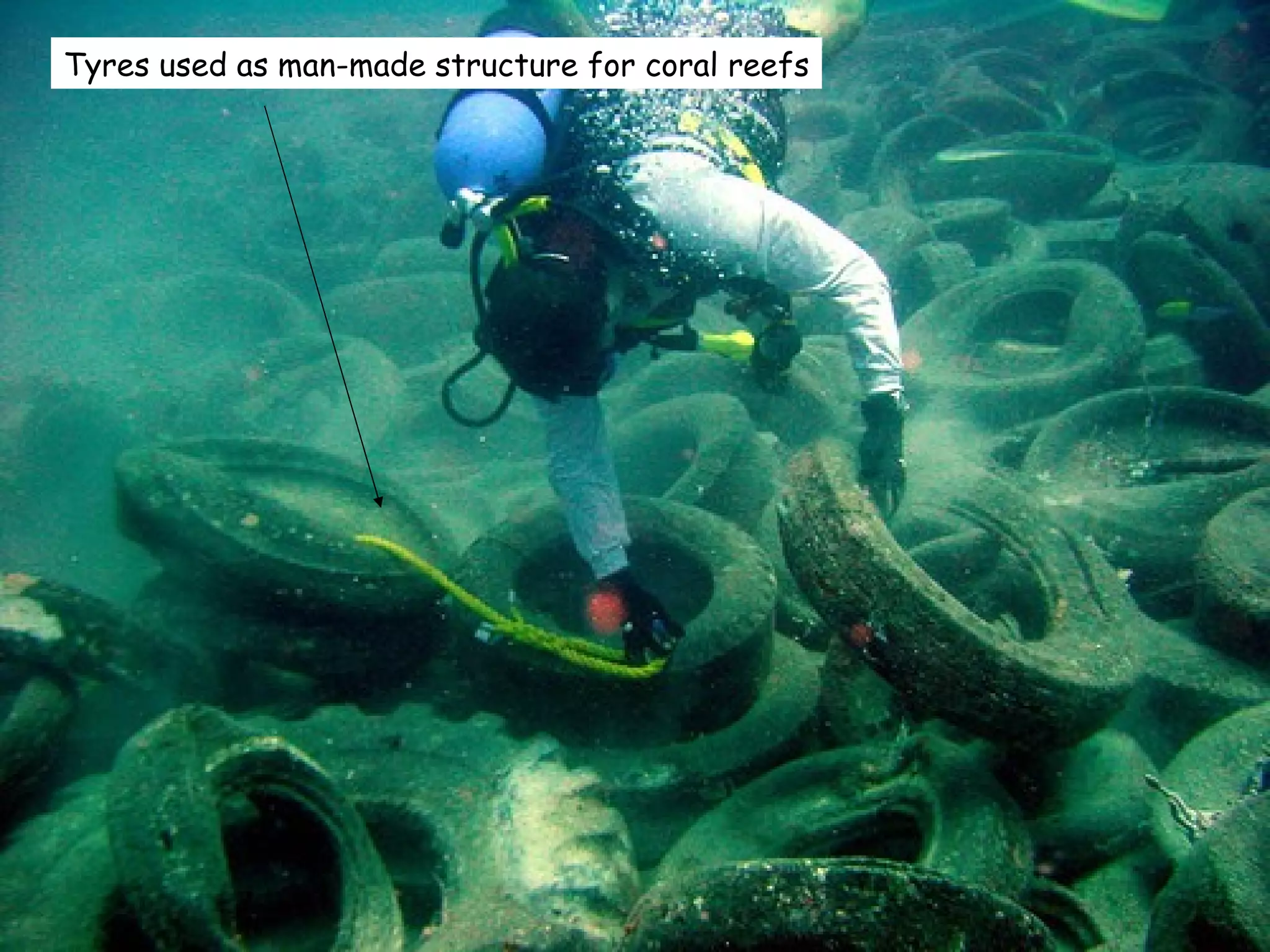
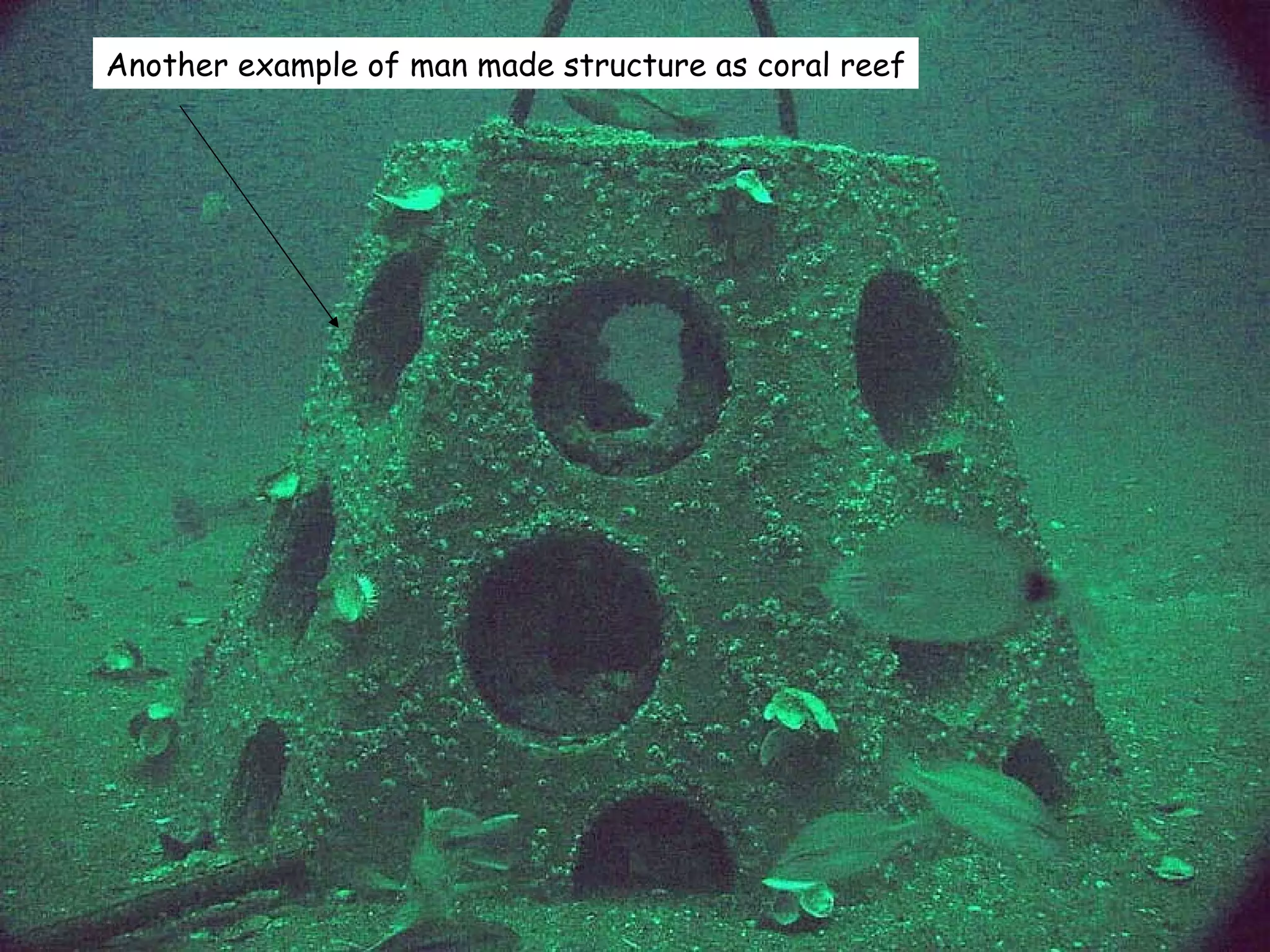
Soft Engineering Measures Growth of coral reefs Coral reefs weaken wave energy.  Artificial reefs  can be created along coast by placing environmentally friendly and durable materials such as  steel or concrete  on sea floor.
 
Soft Engineering Measures Growth of coral reefs -  These man-made reefs  enhance fishing opportunities  and serve as  undersea barriers  to reduce impact of wave energy.
 
Tyres used as man-made structure for coral reefs
Another example of man made structure as coral reef

Coastal Management 4

  • 1.
  • 2.
    Large scale developmentof coastal areas will bring about problems if development is not properly planned and managed. Proper coastal management and protection are needed to preserve quality of coastal environment.
  • 3.
    Lost Villages Dueto Coastal Erosion
  • 4.
    Types of ApproachHard engineering Refers to the construction of physical structures to defend against the erosive power of waves. - Also known as the structural approach .
  • 5.
    Types of ApproachSoft Engineering - Focuses on planning and management so that both coastal areas and properties will not be damaged by erosion. - Also aims to change individual behaviour or attitude towards coastal protection by encouraging minimal human interference and allowing nature to take its course. - Also known as the non-structural approach.
  • 6.
    Hard Engineering MeasuresSeawalls (+) Seawalls absorb the energy of waves before they can erode away loose materials. Seawalls can be made of concrete, rocks or wood. They are effective in protecting cliffs from erosion.
  • 7.
  • 8.
    Hard Engineering MeasuresSeawalls (-) - They can only absorb the energy of oncoming waves. They do not prevent the powerful backwash of refracted waves from washing away the beach materials beneath the walls.
  • 9.
    Hard Engineering MeasuresSeawalls (-) - Base of seawalls will be undermined (weakened) and leads to their collapse. - Seawalls are costly to build and maintain as constant repairs have to be made to prevent their collapse.
  • 10.
  • 11.
    Hard Engineering MeasuresBreakwaters Protect coast and harbour by reducing force of high energy waves before they reach the shore. They can either be built with one end attached to the coast or built away from coast.
  • 12.
  • 13.
    Hard Engineering MeasuresBreakwaters (+) Breakwaters Protect coast and harbour by reducing force of high energy waves before they reach the shore. They can either be built with one end attached to the coast or built away from coast.
  • 14.
  • 15.
    Hard Engineering MeasuresBreakwaters (-) Materials deposited in the zones behind the breakwater are protected while those in the zones located away from the breakwater are not. Zones will not receive any new supply and thus be eroded away .
  • 16.
  • 17.
    Hard Engineering MeasuresGroynes Built at right angles to the shore to prevent longshore drift . These structures absorb or reduce the energy of the waves and cause materials to be deposited on the side of the groyne facing the longshore drift.
  • 18.
  • 19.
    Hard Engineering MeasuresGroynes (-) Erosion can still take place on the part of the coast that is not protected by groynes.
  • 20.
  • 21.
  • 22.
    Hard Engineering MeasuresGabions - Gabions are wire cages usually filled with crushed rocks , and then piled up along the shore to prevent or reduce coastal erosion by weakening wave energy.
  • 23.
  • 24.
    Hard Engineering MeasuresGabions (-) This method offers only short-term protection (about five to ten years). Wire cages need regular maintenance as they are easily corroded by sea water. Affected by excessive trampling and vandalism.
  • 25.
    Hard Engineering MeasuresGabions (-) - Can be unsightly and become a danger along the beach.
  • 26.
    Soft Engineering MeasuresBeach nourishment Refers to constant replenishment of large quantities of sand to the beach system. Beach is therefore extended seawards, leading to improvement of both beach quality and storm protection.
  • 27.
  • 28.
    Soft Engineering MeasuresBeach nourishment (-) Very expensive and impractical to constantly transport large quantities of sand to fill up beach. Imported sand that can be continuously eroded and transported away could have serious consequences on wildlife living within coastal environment .
  • 29.
    Soft Engineering MeasuresBeach nourishment (-) E.g. Coral reefs at Waikiki Beach of Hawaii are destroyed as imported sand gets washed out to sea and covers the corals. Corals are deprived of sunlight they need to survive
  • 30.
    Soft Engineering MeasuresBeach nourishment (-) E.g. Singapore – Large scale land reclamation along coast has led to muddy and polluted water and has destroyed coral reefs.
  • 31.
    Soft Engineering MeasuresRelocation of Property Coastal planners protect man-made structures (e.g. buildings) by relocating them and letting nature reclaim the beach in its own time. No building of new properties of structures would be allowed in coastal areas that are vulnerable to coastal erosion.
  • 32.
    Soft Engineering MeasuresRelocation of Property - E.g. England – “Green Line” policy which discourages any building beyond a given line. Any properties built beyond the given line will not be defended or protected should they be threatened by coastal erosion.
  • 33.
    Soft Engineering MeasuresRelocation of Property (-) Opposition by people with considerable investments in coastal areas . This approach will be important in future coastal management due to rising sea level as a result of global warming.
  • 34.
    Soft Engineering MeasuresPlanting of Mangroves Mangroves have long and curved roots that prop up from soil. It traps sediments and reduce coastal erosion . Mangoves can secure and trap enough sediments to form small islands – extend coastal land seawards.
  • 35.
  • 36.
    Soft Engineering MeasuresPlanting of Mangroves E.g. Aceh – More than 5,000 mangrove seedlings were planted to rehabilitate coast devastated by 2004 tsunami.
  • 37.
    Soft Engineering MeasuresPlanting of Mangroves (-) Not all coastal regions can support mangroves, especially in coastal regions with destructive waves. As sediments build up along coast after planting mangroves, depth of coast may become shallower and thus affect port activities – (E.g. Pose a problem for countries like Singapore that depends heavily on maritime trade.)
  • 38.
    Soft Engineering MeasuresStabilising dunes Dunes are so fragile that delicate shrubs struggle to hold them in place. Access points to the beach should be controlled and designated so as to prevent dunes from being disturbed by human traffic.
  • 39.
  • 40.
    Soft Engineering MeasuresStabilising dunes - Shrubs and trees can be planted to stabilise dunes because roots can reach downwards to tap groundwater and thereby anchoring the sand.
  • 41.
    Soft Engineering MeasuresGrowth of coral reefs Coral reefs weaken wave energy. Artificial reefs can be created along coast by placing environmentally friendly and durable materials such as steel or concrete on sea floor.
  • 42.
  • 43.
    Soft Engineering MeasuresGrowth of coral reefs - These man-made reefs enhance fishing opportunities and serve as undersea barriers to reduce impact of wave energy.
  • 44.
  • 45.
    Tyres used asman-made structure for coral reefs
  • 46.
    Another example ofman made structure as coral reef