





CNS Stimulants
By
Dr. Sajjad Ali
Senior Lecturer Pharmacology
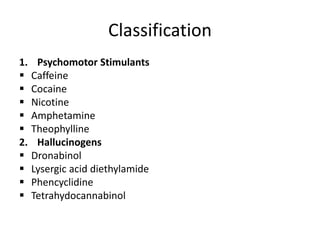
Classification
1. Psychomotor Stimulants
 Caffeine
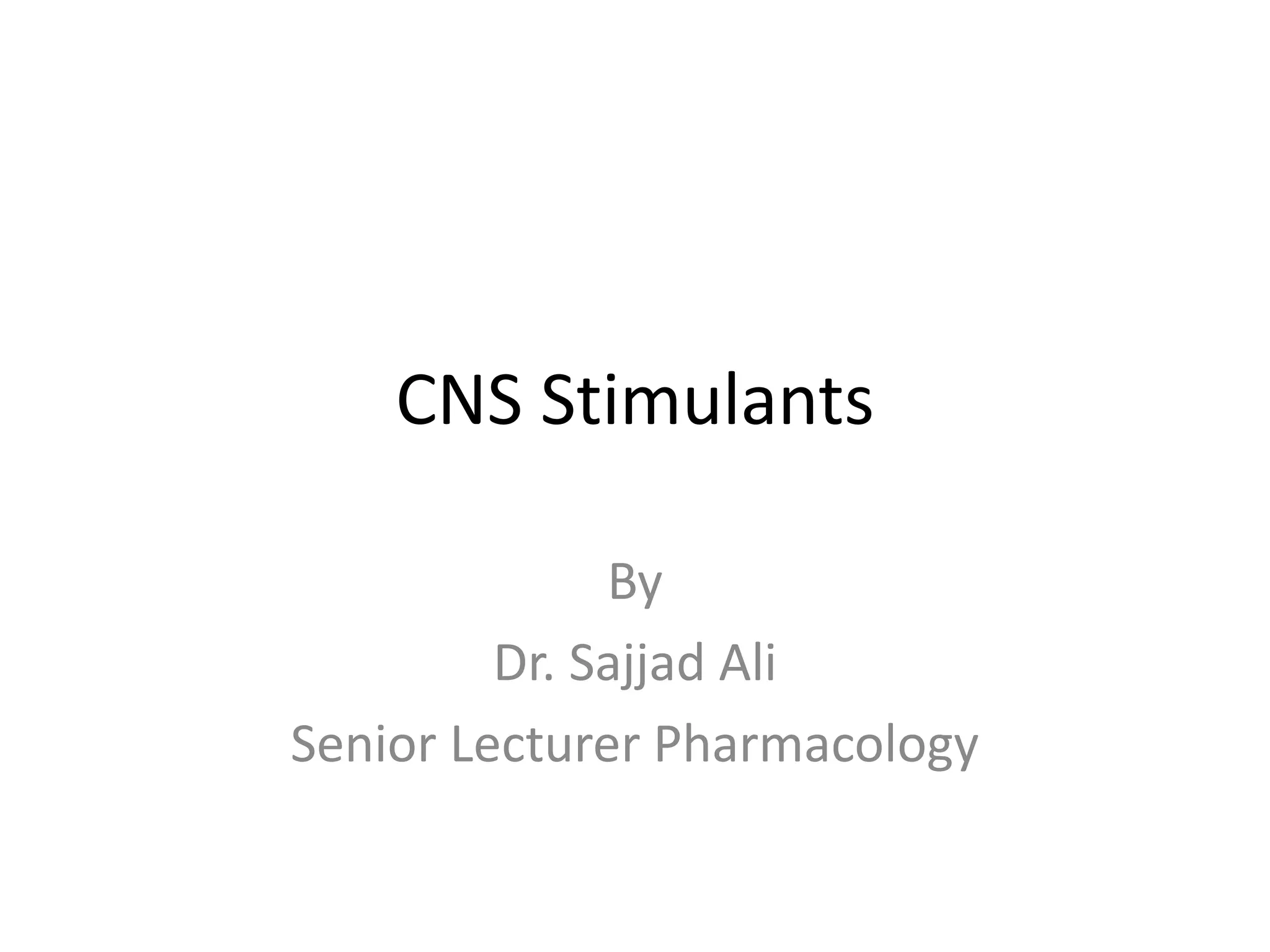
 Cocaine
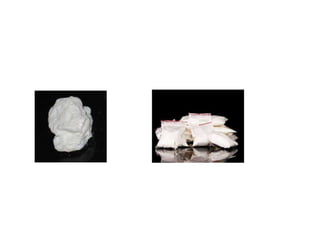
 Nicotine
 Amphetamine
 Theophylline
2. Hallucinogens
 Dronabinol
 Lysergic acid diethylamide
 Phencyclidine
 Tetrahydocannabinol
Psychomotor Stimulants
 These agents produces euphoria
 Cause excitement
 Decrease fatigue
Methylxanthines
• Methylxanthines includes;
• theophylline which is found
in tea
• Theobromine found in
cocoa
• Caffeine found mainly in
coffee
Mechanism of Action of
Methylxanthine
• Methylxanthines inhibit phosphodiesterase
(PDE), the enzyme that degrades cAMP to AMP
• Thus by inhibiting enzyme PDE , the intracellular
conc. Of cAMP increases as a result
bronchodilation occurs
• Moreover methylxanthine also block adenosine
receptors in CNS, but relation between this action
and the bronchodilating effect is not known
Other effects of methylxanthines
• Other effects of methylxanthine which can
occur at therapeutic doses include;
CNS stimulation
Cardiac stimulation
Vasodilation
Slightly increase in B.P.
Diuresis
Increased GIT motility
Dose related effects of caffeine
Very high doses of caffeine (2-5 g of
caffeine ) causes stimulation of spinal
cord and more severe CNS as well as
peripheral effects
Tolerance:
 Tolerance can develop rapidly to the
stimulating properties of caffeine
 Withdrawal reactions consist of feeling
fatigue and sedation
Dose related effects of caffeine
100-200 mg of caffeine which is contained
in one to two cups of coffee have following
effects;
1. Decrease fatigue
2. Increase mental alertness by stimulating
cortex and other areas of brain
Consumption of 1.5 g of coffee which is
contained in 12-15 cups of coffee causes;
1. Tremors
2. anxiety
Clinical uses
1) Aminophylline salt is most commonly used
for the treatment of;
Asthma
COPD
2) Caffeine is commonly used for its diuretic
effects
Pharmacokinetics
• Methylxanthines are well absorbed orally
• Distributes throughout the body
including brain
• These drugs can cross placenta to the
fetus and secreted into mother’s milk
• All methylxanthines are metabolized in
liver generally via CYP1A2
• Metabolites are excreted in urine
Adverse effects
 Peptic ulcer
Moderate doses cause;
 Insomnia
 Agitation
High doses cause;
 Emesis
 Convulsions
Lethal doses cause(10 g of caffeine/ about 100 cups
of coffee);
 Cardiac arrhythmia
 Death
Cocaine
 It is widely available and
highly addictive drug that is
currently abused daily by
more than 3 million people
in US
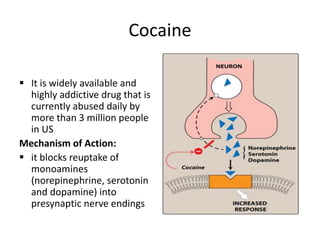
Mechanism of Action:
 it blocks reuptake of
monoamines
(norepinephrine, serotonin
and dopamine) into
presynaptic nerve endings
Actions
CNS:
 It causes stimulation of the cortex and
brainstem
 It increases mental awareness and produces a
feeling of well being and euphoria
 It also produces hallucinations and delusions
 It increases convulsions and tremors
Sympathetic Nervous system
 Peripherally it potentiates the action of action
of norepinephrine, and it produces the fight
and flight syndrome
 It causes hyperthermia
Therapeutic Uses:
 It has local anesthetic effects
 It is applied topically
Adverse effects
 Anxiety
 Seizures
 Arrhythmias
 Respiratory failure
 Hypertension
 Agitation
 Death (R.I.P)
Amphetamine
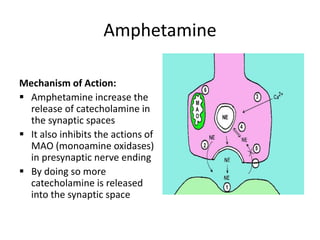
Mechanism of Action:
 Amphetamine increase the
release of catecholamine in
the synaptic spaces
 It also inhibits the actions of
MAO (monoamine oxidases)
in presynaptic nerve ending
 By doing so more
catecholamine is released
into the synaptic space
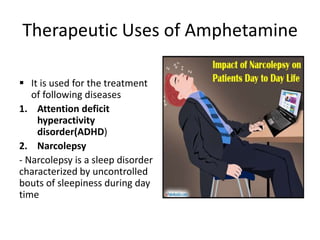
Therapeutic Uses of Amphetamine
 It is used for the treatment
of following diseases
1. Attention deficit
hyperactivity
disorder(ADHD)
2. Narcolepsy
- Narcolepsy is a sleep disorder
characterized by uncontrolled
bouts of sleepiness during day
time
Pharmacokinetics
 It is completely absorbed from the GIT Tract,
metabolized by liver and excreted by urine
 Amphetamine abusers often administer the
drug Via IV route
 Euphoria caused by amphetamine lasts 4-
hours
Adverse effects
 Vertigo
 Hypertension
 Insomnia
 Confusion
 Potential for addiction
 Nausea
 Diarrhea
Nicotine
 It is the active ingredient in tobacco
 It is not currently used therapeutically
 It is second only to the caffeine as the most
widely used CNS stimulant
 It is second only to alcohol as the most abused
drug
Mechanism of Action
 In low doses, it causes ganglionic stimulation by
depolarization
 At high doses, it causes ganglionic blockade
Actions:
CNS:
 It is highly lipid soluble and readily crosses the
blood brain barrier
 At low dosing it produces euphoria and arousal
 It improves attention, learning, problem solving
and reaction time
 At high doses it causes respiratory paralysis
and severe hypotension caused by medullary
paralysis
 It is appetite suppressant
Peripheral effects:
 It stimulates sympathetic nervous system as a
result B.P. and H.R. increases
 It also stimulates parasympathetic ganglia as a
result motor activity in GIT increases
Pharmacokinetics
 It is highly lipid soluble
 The acute lethal dose is 60mg
 1-2mg of nicotine per cigarette
 It is metabolized in lungs and liver
 It is excreted via urine
 Tolerance develops rapidly
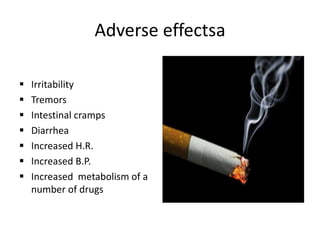
Adverse effectsa
 Irritability
 Tremors
 Intestinal cramps
 Diarrhea
 Increased H.R.
 Increased B.P.
 Increased metabolism of a
number of drugs
Withdrawal Syndrome
 Nicotine produces physical dependence as it is a
substance having additive potential
 Withdrawal symptoms are;
Irritability
Restlessness
Anxiety
Difficulty in concentrating
Headaches
GIT pain
Varenicline
 It is a partial agonist at neuronal nicotinic
receptors in CNS
 It produces less euphoric effects than that by
nicotine
 It is useful in management of smoking
cessation
Hallucinogens
Lysergic acid diethylamide:
 It exhibits serotonin agonist activity at presynaptic 5-HT1
receptors in the mid brain it also stimulates 5-HT2
receptors
 It is taken orally
 It causes;
i. Pupillary dilation
ii. Increased B.P.
iii. Increased body temperature
iv. It induces hallucination with brilliant colors
v. It alters mood
vi. Tolerance and physical dependence occurs
Adverse effects:
 Hyperreflexia
 Nausea
 Muscular weakness
Tetrahydrocannabinol
 The main psychoactive agent contained in
marijuana is tetrahydrocannabinol
 Tetrahydrocannabinol is available as dronabinol
 This product is prescribed to treat emesis and to
stimulate appetite
 Dronabinol can produce euphoria
 Drowsiness
 Relaxation
 THC decreases muscle strength and impairs
highly skilled motor activity such as that
required to drive a car
 THC has following side effects;
1. Tachycardia
2. Hypertension
3. Hallucination
Phencyclidine (PCP)
 It is also known as angel dust
 It inhibits the reuptake of dopamine, 5-HT and
norepinephrine neurotransmitters into the
presynaptic nerve endings
 It is an analog of ketamine, which produces
dissociative anesthesia (insensitivity to pain
without loss of consciousness) and analgesia
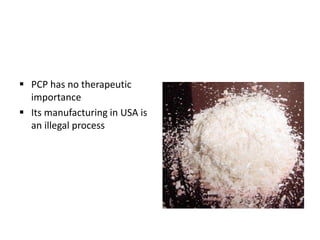
 PCP has no therapeutic
importance
 Its manufacturing in USA is
an illegal process
THE END

Cns stimulants

  • 1.
    CNS Stimulants By Dr. SajjadAli Senior Lecturer Pharmacology
  • 6.
    Classification 1. Psychomotor Stimulants Caffeine  Cocaine  Nicotine  Amphetamine  Theophylline 2. Hallucinogens  Dronabinol  Lysergic acid diethylamide  Phencyclidine  Tetrahydocannabinol
  • 7.
    Psychomotor Stimulants  Theseagents produces euphoria  Cause excitement  Decrease fatigue
  • 8.
    Methylxanthines • Methylxanthines includes; •theophylline which is found in tea • Theobromine found in cocoa • Caffeine found mainly in coffee
  • 9.
    Mechanism of Actionof Methylxanthine • Methylxanthines inhibit phosphodiesterase (PDE), the enzyme that degrades cAMP to AMP • Thus by inhibiting enzyme PDE , the intracellular conc. Of cAMP increases as a result bronchodilation occurs • Moreover methylxanthine also block adenosine receptors in CNS, but relation between this action and the bronchodilating effect is not known
  • 10.
    Other effects ofmethylxanthines • Other effects of methylxanthine which can occur at therapeutic doses include; CNS stimulation Cardiac stimulation Vasodilation Slightly increase in B.P. Diuresis Increased GIT motility
  • 11.
    Dose related effectsof caffeine Very high doses of caffeine (2-5 g of caffeine ) causes stimulation of spinal cord and more severe CNS as well as peripheral effects Tolerance:  Tolerance can develop rapidly to the stimulating properties of caffeine  Withdrawal reactions consist of feeling fatigue and sedation
  • 12.
    Dose related effectsof caffeine 100-200 mg of caffeine which is contained in one to two cups of coffee have following effects; 1. Decrease fatigue 2. Increase mental alertness by stimulating cortex and other areas of brain Consumption of 1.5 g of coffee which is contained in 12-15 cups of coffee causes; 1. Tremors 2. anxiety
  • 13.
    Clinical uses 1) Aminophyllinesalt is most commonly used for the treatment of; Asthma COPD 2) Caffeine is commonly used for its diuretic effects
  • 14.
    Pharmacokinetics • Methylxanthines arewell absorbed orally • Distributes throughout the body including brain • These drugs can cross placenta to the fetus and secreted into mother’s milk • All methylxanthines are metabolized in liver generally via CYP1A2 • Metabolites are excreted in urine
  • 15.
    Adverse effects  Pepticulcer Moderate doses cause;  Insomnia  Agitation High doses cause;  Emesis  Convulsions Lethal doses cause(10 g of caffeine/ about 100 cups of coffee);  Cardiac arrhythmia  Death
  • 16.
    Cocaine  It iswidely available and highly addictive drug that is currently abused daily by more than 3 million people in US Mechanism of Action:  it blocks reuptake of monoamines (norepinephrine, serotonin and dopamine) into presynaptic nerve endings
  • 17.
    Actions CNS:  It causesstimulation of the cortex and brainstem  It increases mental awareness and produces a feeling of well being and euphoria  It also produces hallucinations and delusions  It increases convulsions and tremors
  • 18.
    Sympathetic Nervous system Peripherally it potentiates the action of action of norepinephrine, and it produces the fight and flight syndrome  It causes hyperthermia Therapeutic Uses:  It has local anesthetic effects  It is applied topically
  • 19.
    Adverse effects  Anxiety Seizures  Arrhythmias  Respiratory failure  Hypertension  Agitation  Death (R.I.P)
  • 20.
    Amphetamine Mechanism of Action: Amphetamine increase the release of catecholamine in the synaptic spaces  It also inhibits the actions of MAO (monoamine oxidases) in presynaptic nerve ending  By doing so more catecholamine is released into the synaptic space
  • 21.
    Therapeutic Uses ofAmphetamine  It is used for the treatment of following diseases 1. Attention deficit hyperactivity disorder(ADHD) 2. Narcolepsy - Narcolepsy is a sleep disorder characterized by uncontrolled bouts of sleepiness during day time
  • 23.
    Pharmacokinetics  It iscompletely absorbed from the GIT Tract, metabolized by liver and excreted by urine  Amphetamine abusers often administer the drug Via IV route  Euphoria caused by amphetamine lasts 4- hours
  • 24.
    Adverse effects  Vertigo Hypertension  Insomnia  Confusion  Potential for addiction  Nausea  Diarrhea
  • 25.
    Nicotine  It isthe active ingredient in tobacco  It is not currently used therapeutically  It is second only to the caffeine as the most widely used CNS stimulant  It is second only to alcohol as the most abused drug
  • 26.
    Mechanism of Action In low doses, it causes ganglionic stimulation by depolarization  At high doses, it causes ganglionic blockade Actions: CNS:  It is highly lipid soluble and readily crosses the blood brain barrier  At low dosing it produces euphoria and arousal  It improves attention, learning, problem solving and reaction time
  • 27.
     At highdoses it causes respiratory paralysis and severe hypotension caused by medullary paralysis  It is appetite suppressant Peripheral effects:  It stimulates sympathetic nervous system as a result B.P. and H.R. increases  It also stimulates parasympathetic ganglia as a result motor activity in GIT increases
  • 28.
    Pharmacokinetics  It ishighly lipid soluble  The acute lethal dose is 60mg  1-2mg of nicotine per cigarette  It is metabolized in lungs and liver  It is excreted via urine  Tolerance develops rapidly
  • 29.
    Adverse effectsa  Irritability Tremors  Intestinal cramps  Diarrhea  Increased H.R.  Increased B.P.  Increased metabolism of a number of drugs
  • 30.
    Withdrawal Syndrome  Nicotineproduces physical dependence as it is a substance having additive potential  Withdrawal symptoms are; Irritability Restlessness Anxiety Difficulty in concentrating Headaches GIT pain
  • 31.
    Varenicline  It isa partial agonist at neuronal nicotinic receptors in CNS  It produces less euphoric effects than that by nicotine  It is useful in management of smoking cessation
  • 32.
    Hallucinogens Lysergic acid diethylamide: It exhibits serotonin agonist activity at presynaptic 5-HT1 receptors in the mid brain it also stimulates 5-HT2 receptors  It is taken orally  It causes; i. Pupillary dilation ii. Increased B.P. iii. Increased body temperature iv. It induces hallucination with brilliant colors v. It alters mood vi. Tolerance and physical dependence occurs
  • 33.
    Adverse effects:  Hyperreflexia Nausea  Muscular weakness
  • 34.
    Tetrahydrocannabinol  The mainpsychoactive agent contained in marijuana is tetrahydrocannabinol  Tetrahydrocannabinol is available as dronabinol  This product is prescribed to treat emesis and to stimulate appetite  Dronabinol can produce euphoria  Drowsiness  Relaxation
  • 37.
     THC decreasesmuscle strength and impairs highly skilled motor activity such as that required to drive a car  THC has following side effects; 1. Tachycardia 2. Hypertension 3. Hallucination
  • 38.
    Phencyclidine (PCP)  Itis also known as angel dust  It inhibits the reuptake of dopamine, 5-HT and norepinephrine neurotransmitters into the presynaptic nerve endings  It is an analog of ketamine, which produces dissociative anesthesia (insensitivity to pain without loss of consciousness) and analgesia
  • 39.
     PCP hasno therapeutic importance  Its manufacturing in USA is an illegal process
  • 40.