“You shall not have
other Gods besides me”
Christian Living Experience 10: Christian Morality
Exodus 20: 3-4
"I am the LORD your God, who brought you out of
the land of Egypt, out of the house of slavery. "You
shall have no other Gods before Me. "You shall not
make for yourself an idol, or any likeness of what is in
heaven above or on the earth beneath or in the water
under the Earth.”
Exodus 20: 23
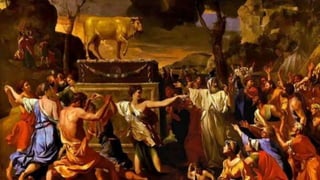
“You shall not make other Gods besides me;
gods of silver or gods of gold, you shall not
make for yourselves.”
The first commandment embraces faith, hope, and charity. When we
say 'God' we confess a constant, unchangeable being, always the
same, faithful and just, without any evil. It follows that we must
necessarily accept his words and have complete faith in him and
acknowledge his authority. He is almighty, merciful, and infinitely
beneficent. Who could not place all hope in him? Who could not love
him when contemplating the treasures of goodness and love he has
poured out on us? Hence the formula God employs in the Scripture at
the beginning and end of his commandments: 'I am the LORD.’
- CCC 2086
First Commandment:
• Became the basis or foundation of the other
succeeding commandments
• Monotheism = One God
• Helps us to keep the Great Commandment of
God’s love because it commands us to adore
Him alone
First Commandment:
• We must not have other persons or things that
will distract us or prevent us from loving God
more closely.
First Commandment:
• Faith is what God wanted us to have. He wanted
us to trust in Him that He could properly guide us
in our lives
True Worshipping of
God:• Taking good care of creation as God’s
handiwork
• Respecting the image of God in every person
• Using our gifts (our bodies, our intellect and
freewill, our money, our talents and skills) in
glorifying God.
True Worshipping of
God:• Veneration – act of honouring a saint or Mama
Mary
• Adoration – the worship and homage that is
rightly offered to God alone. It is the
manifestation of submission to Him.
• Sacrifice – a sign of adoration and gratitude to
God
VIOLATIONS
AGAINST THE FIRST
COMMANDMENT:
1. Idolatry
• It is the worshipping of a god in the form of a physical
image
• Invokes polytheism = worshipping many Gods
• A constant temptation of faith and it consists in divinizing
what is not God
• Worshipping or Reveres a creature aside from God,
power, pleasure, race, ancestors, and money
2. Apostasy
• It is the rejection of Christ by someone who
has been a Christian
3. Divination and Magic
• Divination – seeking future knowledge or the unknown by
supernatural means
• All practices of magic or sorcery, by which one attempts to tame
occult powers, so as to place them at one's service and have a
supernatural power over others - even if this were for the sake of
restoring their health - are gravely contrary to the virtue of
religion. These practices are even more to be condemned when
accompanied by the intention of harming someone, or when they
have recourse to the intervention of demons. Wearing charms is
also reprehensible.
4. Sacrilege and Simony
• Sacrilege – violation or form of irreverence to
sacred persons, place or things
• Simony – buying or selling of ecclesiastical
privilege; any exchange of spiritual things for
temporal things
5. Atheism
Since it rejects or denies the existence of God, atheism is a sin
against the virtue of religion. The imputability of this offense can be
significantly diminished in virtue of the intentions and the
circumstances. "Believers can have more than a little to do with the
rise of atheism. To the extent that they are careless about their
instruction in the faith, or present its teaching falsely, or even fail in
their religious, moral, or social life, they must be said to conceal
rather than to reveal the true nature of God and of religion.“
- CCC 2125
6. Despair
By despair, man ceases to hope for his personal
salvation from God, for help in attaining it or for the
forgiveness of his sins. Despair is contrary to God's
goodness, to his justice - for the Lord is faithful to his
promises - and to his mercy.
-CCC 2091
7. Ingratitude
• It is defined as not appreciating or valuing what
you have, or have been given by God.
• Failure to give thanks to God = Failure to show
appreciation and love to God
8. Superstition
Superstition is the deviation of religious feeling and of the
practices this feeling imposes. It can even affect the worship
we offer the true God, e.g., when one attributes an importance
in some way magical to certain practices otherwise lawful or
necessary. To attribute the efficacy of prayers or of
sacramental signs to their mere external performance, apart
from the interior dispositions that they demand, is to fall into
superstition.
- CCC 2111

Christian Living Experience 10 - First Commandment

  • 1.
    “You shall nothave other Gods besides me” Christian Living Experience 10: Christian Morality
  • 3.
    Exodus 20: 3-4 "Iam the LORD your God, who brought you out of the land of Egypt, out of the house of slavery. "You shall have no other Gods before Me. "You shall not make for yourself an idol, or any likeness of what is in heaven above or on the earth beneath or in the water under the Earth.”
  • 4.
    Exodus 20: 23 “Youshall not make other Gods besides me; gods of silver or gods of gold, you shall not make for yourselves.”
  • 6.
    The first commandmentembraces faith, hope, and charity. When we say 'God' we confess a constant, unchangeable being, always the same, faithful and just, without any evil. It follows that we must necessarily accept his words and have complete faith in him and acknowledge his authority. He is almighty, merciful, and infinitely beneficent. Who could not place all hope in him? Who could not love him when contemplating the treasures of goodness and love he has poured out on us? Hence the formula God employs in the Scripture at the beginning and end of his commandments: 'I am the LORD.’ - CCC 2086
  • 7.
    First Commandment: • Becamethe basis or foundation of the other succeeding commandments • Monotheism = One God • Helps us to keep the Great Commandment of God’s love because it commands us to adore Him alone
  • 8.
    First Commandment: • Wemust not have other persons or things that will distract us or prevent us from loving God more closely.
  • 10.
    First Commandment: • Faithis what God wanted us to have. He wanted us to trust in Him that He could properly guide us in our lives
  • 11.
    True Worshipping of God:•Taking good care of creation as God’s handiwork • Respecting the image of God in every person • Using our gifts (our bodies, our intellect and freewill, our money, our talents and skills) in glorifying God.
  • 12.
    True Worshipping of God:•Veneration – act of honouring a saint or Mama Mary • Adoration – the worship and homage that is rightly offered to God alone. It is the manifestation of submission to Him. • Sacrifice – a sign of adoration and gratitude to God
  • 13.
  • 14.
    1. Idolatry • Itis the worshipping of a god in the form of a physical image • Invokes polytheism = worshipping many Gods • A constant temptation of faith and it consists in divinizing what is not God • Worshipping or Reveres a creature aside from God, power, pleasure, race, ancestors, and money
  • 15.
    2. Apostasy • Itis the rejection of Christ by someone who has been a Christian
  • 16.
    3. Divination andMagic • Divination – seeking future knowledge or the unknown by supernatural means • All practices of magic or sorcery, by which one attempts to tame occult powers, so as to place them at one's service and have a supernatural power over others - even if this were for the sake of restoring their health - are gravely contrary to the virtue of religion. These practices are even more to be condemned when accompanied by the intention of harming someone, or when they have recourse to the intervention of demons. Wearing charms is also reprehensible.
  • 17.
    4. Sacrilege andSimony • Sacrilege – violation or form of irreverence to sacred persons, place or things • Simony – buying or selling of ecclesiastical privilege; any exchange of spiritual things for temporal things
  • 18.
    5. Atheism Since itrejects or denies the existence of God, atheism is a sin against the virtue of religion. The imputability of this offense can be significantly diminished in virtue of the intentions and the circumstances. "Believers can have more than a little to do with the rise of atheism. To the extent that they are careless about their instruction in the faith, or present its teaching falsely, or even fail in their religious, moral, or social life, they must be said to conceal rather than to reveal the true nature of God and of religion.“ - CCC 2125
  • 19.
    6. Despair By despair,man ceases to hope for his personal salvation from God, for help in attaining it or for the forgiveness of his sins. Despair is contrary to God's goodness, to his justice - for the Lord is faithful to his promises - and to his mercy. -CCC 2091
  • 20.
    7. Ingratitude • Itis defined as not appreciating or valuing what you have, or have been given by God. • Failure to give thanks to God = Failure to show appreciation and love to God
  • 21.
    8. Superstition Superstition isthe deviation of religious feeling and of the practices this feeling imposes. It can even affect the worship we offer the true God, e.g., when one attributes an importance in some way magical to certain practices otherwise lawful or necessary. To attribute the efficacy of prayers or of sacramental signs to their mere external performance, apart from the interior dispositions that they demand, is to fall into superstition. - CCC 2111