Chapter 12 Byzantium Gardner’s Art Through the Ages, 12e
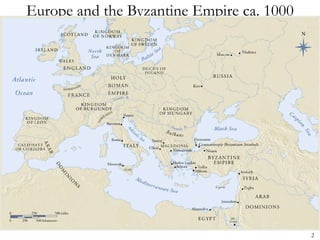
Europe and the Byzantine Empire ca. 1000
Goals Understand Constantine’s move to the east and the extent of the  Roman Empire in the east .  Understand the  cultural mix  of Roman, Christian, and eastern influences in the art of Byzantium. Define  distinct characteristics  in art from various periods of the Byzantine Empire. Define distinct characteristics in architecture of this period, particularly Hagia Sophia and San  Vitale .   Understand the form and iconography of the early  Byzantine mosaics . Understand the  religious controversies related to the use of images .
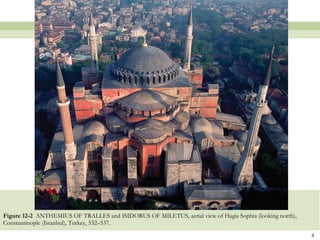
Figure 12-2  ANTHEMIUS OF TRALLES and ISIDORUS OF MILETUS, aerial view of Hagia Sophia (looking north), Constantinople (Istanbul), Turkey, 532–537.
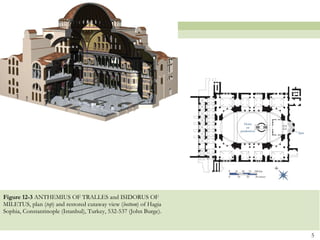
Figure 12-3  ANTHEMIUS OF TRALLES and ISIDORUS OF MILETUS, plan ( top ) and restored cutaway view ( bottom ) of Hagia Sophia, Constantinople (Istanbul), Turkey, 532-537 (John Burge).
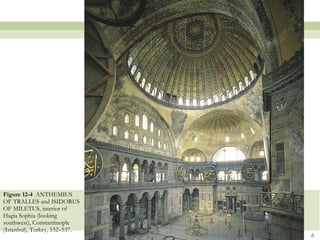
Figure 12-4  ANTHEMIUS OF TRALLES and ISIDORUS OF MILETUS, interior of Hagia Sophia (looking southwest), Constantinople (Istanbul), Turkey, 532–537.
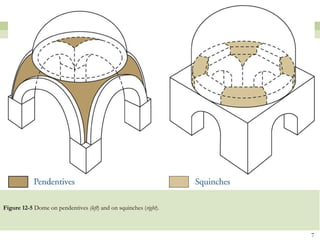
Figure 12-5  Dome on pendentives  (left ) and on squinches ( right ).
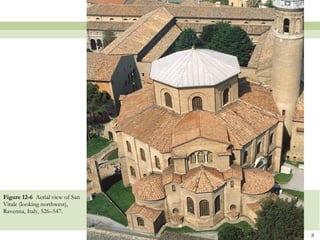
Figure 12-6  Aerial view of San Vitale (looking northwest), Ravenna, Italy, 526–547.
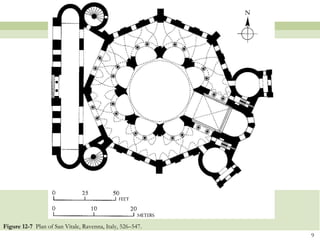
Figure 12-7   Plan of San Vitale, Ravenna, Italy, 526–547.
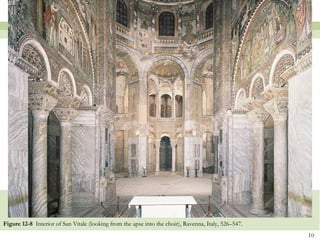
Figure 12-8  Interior of San Vitale (looking from the apse into the choir), Ravenna, Italy, 526–547.
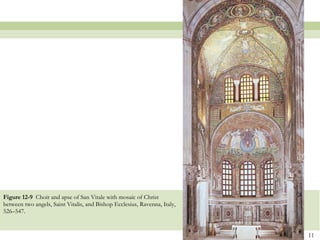
Figure 12-9  Choir and apse of San Vitale with mosaic of Christ between two angels, Saint Vitalis, and Bishop Ecclesius, Ravenna, Italy, 526–547.
Byzantine Mosaics Understand the form and iconography of the early Byzantine mosaics. Understand the religious controversies related to the use of images.
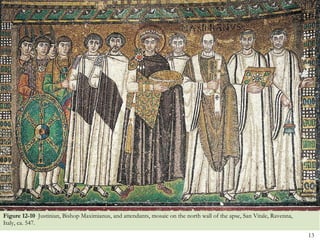
Figure 12-10  Justinian, Bishop Maximianus, and attendants, mosaic on the north wall of the apse, San Vitale, Ravenna, Italy, ca. 547.
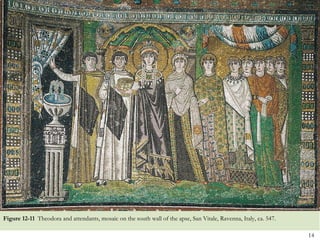
Figure 12-11  Theodora and attendants, mosaic on the south wall of the apse, San Vitale, Ravenna, Italy, ca. 547.
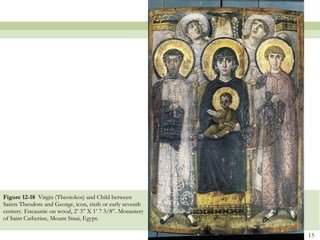
Figure 12-18  Virgin (Theotokos) and Child between Saints Theodore and George, icon, sixth or early seventh century. Encaustic on wood, 2’ 3” X 1’ 7 3/8”. Monastery of Saint Catherine, Mount Sinai, Egypt.
Art of the Middle Byzantine Period Define the  iconoclasm .  Understand the triumph of the  iconophiles   and the rejection of western politics and art. Describe the common stylistic characteristics, themes and materials in the art of the middle Byzantine period.
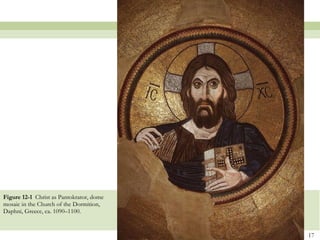
Figure 12-1  Christ as Pantokrator, dome mosaic in the Church of the Dormition, Daphni, Greece, ca. 1090–1100.
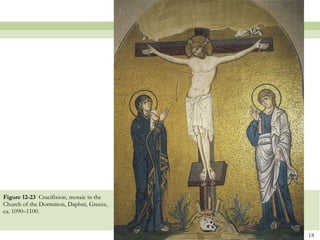
Figure 12-23  Crucifixion, mosaic in the Church of the Dormition, Daphni, Greece, ca. 1090–1100.
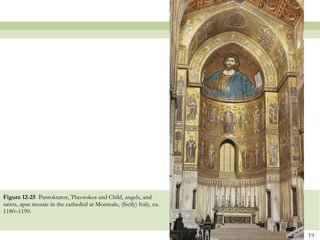
Figure 12-25  Pantokrator, Theotokos and Child, angels, and saints, apse mosaic in the cathedral at Monreale, (Sicily) Italy, ca. 1180–1190.
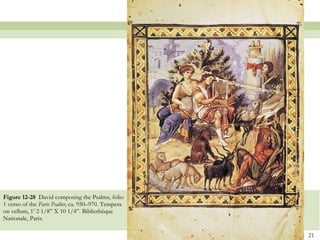
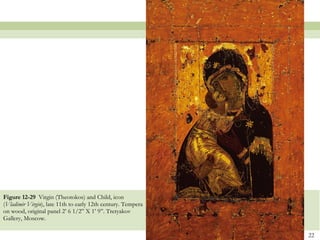
Byzantine Luxury Understand why luxury materials like gold and ivory are used to portray  hieratic formality  and  solemnity  in art.
Figure 12-28  David composing the Psalms, folio 1 verso of the  Paris Psalter , ca. 950–970. Tempera on vellum, 1’ 2 1/8” X 10 1/4”. Bibliothèque Nationale, Paris.
Figure 12-29  Virgin (Theotokos) and Child, icon ( Vladimir Virgin ), late 11th to early 12th century. Tempera on wood, original panel 2’ 6 1/2” X 1’ 9”. Tretyakov Gallery, Moscow.
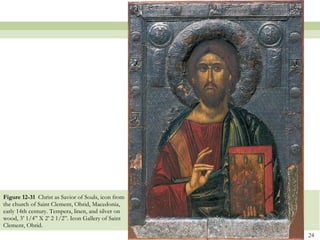
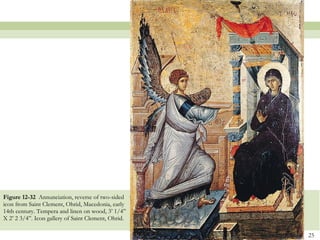
12.3  Late Byzantine Examine Western Crusader destruction and subsequent influence in art and architecture.  Describe the Byzantine view of “conventional vision of a spiritual world unsusceptible to change.” Examine the purpose of the icon and the style and methods of Russian icon painting.
Figure 12-31  Christ as Savior of Souls, icon from the church of Saint Clement, Ohrid, Macedonia, early 14th century. Tempera, linen, and silver on wood, 3’ 1/4” X 2’ 2 1/2”. Icon Gallery of Saint Clement, Ohrid.
Figure 12-32  Annunciation, reverse of two-sided icon from Saint Clement, Ohrid, Macedonia, early 14th century. Tempera and linen on wood, 3’ 1/4” X 2’ 2 3/4”. Icon gallery of Saint Clement, Ohrid.
Discussion Questions What influences from Imperial Roman art are seen in Early, Middle, and Late Byzantine? How does the context change? What are some specific ways that spiritual ideas are expressed in Byzantine art? What do you think are the most significant qualities of Byzantine art?

Chapter12

  • 1.
    Chapter 12 ByzantiumGardner’s Art Through the Ages, 12e
  • 2.
    Europe and theByzantine Empire ca. 1000
  • 3.
    Goals Understand Constantine’smove to the east and the extent of the Roman Empire in the east . Understand the cultural mix of Roman, Christian, and eastern influences in the art of Byzantium. Define distinct characteristics in art from various periods of the Byzantine Empire. Define distinct characteristics in architecture of this period, particularly Hagia Sophia and San Vitale .   Understand the form and iconography of the early Byzantine mosaics . Understand the religious controversies related to the use of images .
  • 4.
    Figure 12-2 ANTHEMIUS OF TRALLES and ISIDORUS OF MILETUS, aerial view of Hagia Sophia (looking north), Constantinople (Istanbul), Turkey, 532–537.
  • 5.
    Figure 12-3 ANTHEMIUS OF TRALLES and ISIDORUS OF MILETUS, plan ( top ) and restored cutaway view ( bottom ) of Hagia Sophia, Constantinople (Istanbul), Turkey, 532-537 (John Burge).
  • 6.
    Figure 12-4 ANTHEMIUS OF TRALLES and ISIDORUS OF MILETUS, interior of Hagia Sophia (looking southwest), Constantinople (Istanbul), Turkey, 532–537.
  • 7.
    Figure 12-5 Dome on pendentives (left ) and on squinches ( right ).
  • 8.
    Figure 12-6 Aerial view of San Vitale (looking northwest), Ravenna, Italy, 526–547.
  • 9.
    Figure 12-7 Plan of San Vitale, Ravenna, Italy, 526–547.
  • 10.
    Figure 12-8 Interior of San Vitale (looking from the apse into the choir), Ravenna, Italy, 526–547.
  • 11.
    Figure 12-9 Choir and apse of San Vitale with mosaic of Christ between two angels, Saint Vitalis, and Bishop Ecclesius, Ravenna, Italy, 526–547.
  • 12.
    Byzantine Mosaics Understandthe form and iconography of the early Byzantine mosaics. Understand the religious controversies related to the use of images.
  • 13.
    Figure 12-10 Justinian, Bishop Maximianus, and attendants, mosaic on the north wall of the apse, San Vitale, Ravenna, Italy, ca. 547.
  • 14.
    Figure 12-11 Theodora and attendants, mosaic on the south wall of the apse, San Vitale, Ravenna, Italy, ca. 547.
  • 15.
    Figure 12-18 Virgin (Theotokos) and Child between Saints Theodore and George, icon, sixth or early seventh century. Encaustic on wood, 2’ 3” X 1’ 7 3/8”. Monastery of Saint Catherine, Mount Sinai, Egypt.
  • 16.
    Art of theMiddle Byzantine Period Define the iconoclasm . Understand the triumph of the iconophiles and the rejection of western politics and art. Describe the common stylistic characteristics, themes and materials in the art of the middle Byzantine period.
  • 17.
    Figure 12-1 Christ as Pantokrator, dome mosaic in the Church of the Dormition, Daphni, Greece, ca. 1090–1100.
  • 18.
    Figure 12-23 Crucifixion, mosaic in the Church of the Dormition, Daphni, Greece, ca. 1090–1100.
  • 19.
    Figure 12-25 Pantokrator, Theotokos and Child, angels, and saints, apse mosaic in the cathedral at Monreale, (Sicily) Italy, ca. 1180–1190.
  • 20.
    Byzantine Luxury Understandwhy luxury materials like gold and ivory are used to portray hieratic formality and solemnity in art.
  • 21.
    Figure 12-28 David composing the Psalms, folio 1 verso of the Paris Psalter , ca. 950–970. Tempera on vellum, 1’ 2 1/8” X 10 1/4”. Bibliothèque Nationale, Paris.
  • 22.
    Figure 12-29 Virgin (Theotokos) and Child, icon ( Vladimir Virgin ), late 11th to early 12th century. Tempera on wood, original panel 2’ 6 1/2” X 1’ 9”. Tretyakov Gallery, Moscow.
  • 23.
    12.3 LateByzantine Examine Western Crusader destruction and subsequent influence in art and architecture. Describe the Byzantine view of “conventional vision of a spiritual world unsusceptible to change.” Examine the purpose of the icon and the style and methods of Russian icon painting.
  • 24.
    Figure 12-31 Christ as Savior of Souls, icon from the church of Saint Clement, Ohrid, Macedonia, early 14th century. Tempera, linen, and silver on wood, 3’ 1/4” X 2’ 2 1/2”. Icon Gallery of Saint Clement, Ohrid.
  • 25.
    Figure 12-32 Annunciation, reverse of two-sided icon from Saint Clement, Ohrid, Macedonia, early 14th century. Tempera and linen on wood, 3’ 1/4” X 2’ 2 3/4”. Icon gallery of Saint Clement, Ohrid.
  • 26.
    Discussion Questions Whatinfluences from Imperial Roman art are seen in Early, Middle, and Late Byzantine? How does the context change? What are some specific ways that spiritual ideas are expressed in Byzantine art? What do you think are the most significant qualities of Byzantine art?