Management of Carcinoma
Endometrium
Dr Kiran
EPIDEMIOLOGY AND RISK FACTORS
• Endometrial cancer is the most common gynecologic cancer and the
fourth most frequently diagnosed cancer in women in the developed
countries.
• Probability of 1 in every 35 women (2.8%) developing it during her
lifetime
Carcinoma of the Endometrium 3
Classification of Uterine Corpus Cancer
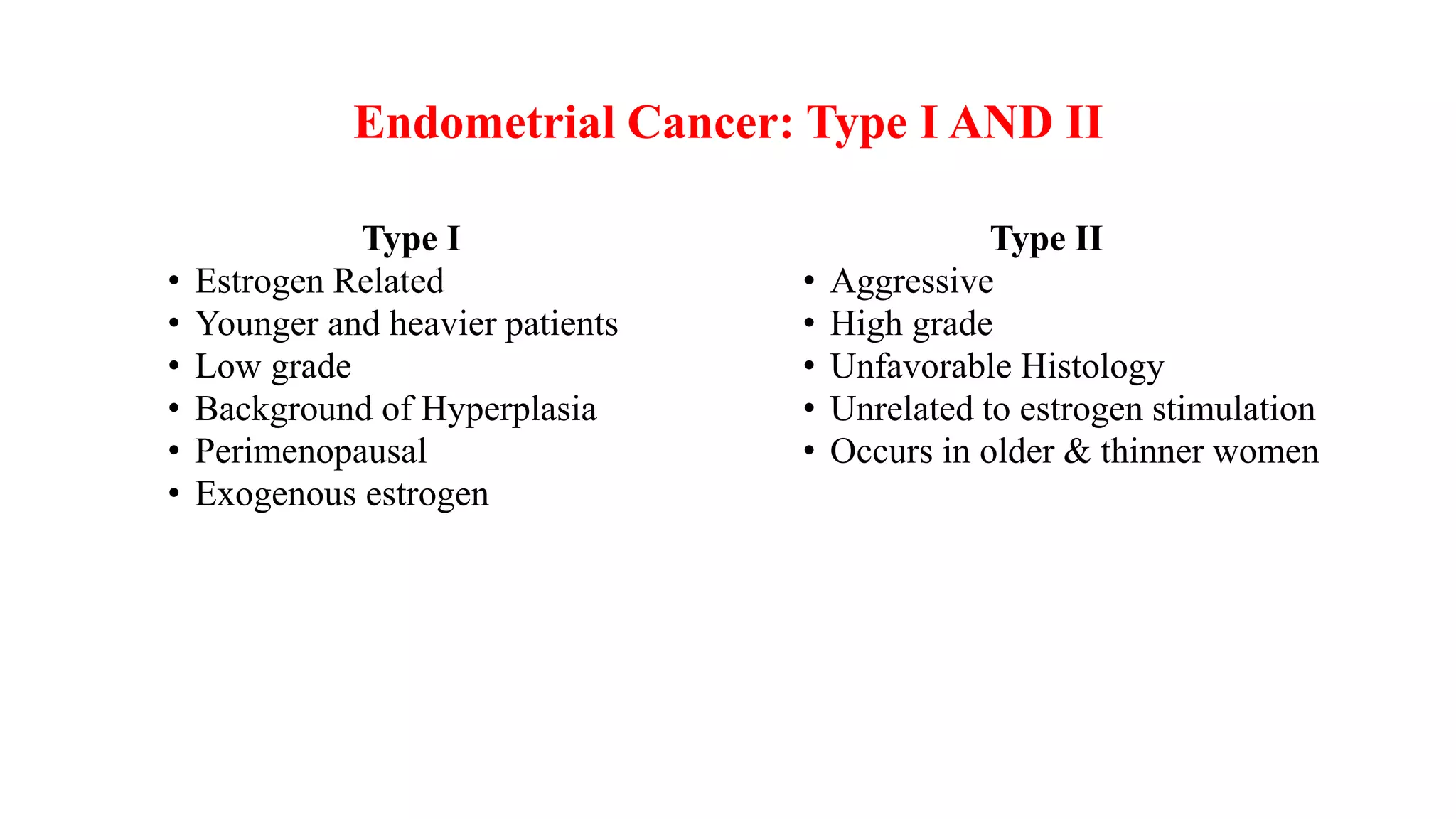
Endometrial Cancer: Type I AND II
Type I
• Estrogen Related
• Younger and heavier patients
• Low grade
• Background of Hyperplasia
• Perimenopausal
• Exogenous estrogen
Type II
• Aggressive
• High grade
• Unfavorable Histology
• Unrelated to estrogen stimulation
• Occurs in older & thinner women
CLINICAL PRESENTATION
• The most common presentation for endometrial cancer is postmenopausal
vaginal bleeding (80% to 90%)
• Incidence of endometrial cancer in women presenting with postmenopausal
bleeding range from 1% up to 25%, depending on patient age and the presence of
other risk factors .
• Other patterns of presentations include vaginal discharge, abnormal Papanicolaou
smear, or thickened endometrium on routine transvaginal ultrasound
• with advanced disease, they may present with urinary or rectal bleeding,
constipation, pain, lower extremity lymphedema, abdominal distension due to
ascites, and cough and/or hemoptysis.
DIAGNOSTIC WORKUP
• Endometrial tissue sampling remains the gold standard-achieved via
biopsy or dilation and curettage (D&C)
• Endometrial biopsy-sensitivity in detecting endometrial cancer in
postmenopausal women is 99.6% compared to 91% in premenopausal
women specificity is >98% for both groups
• D&C-, if symptoms persist, the office sampling is inadequate, or the
patient is being considered for conservative fertility-sparing approaches
• Transvaginal ultrasonography (TVU)-Normal endometrium looks thin and
homogeneously hyperechoic, but it is thickened and heterogeneous, with
hyperplasia, polyps, and cancer
• Thickness of 5 mm or greater as being abnormal.
• in premenopausal women, for whom the accuracy of TVU is limited
because the endometrial thickness fluctuates, depending on the level of
female hormones other methods are considered .
• Magnetic resonance imaging (MRI) -most accurate imaging study to assess
tumor extension in endometrial cancer, especially myometrial invasion,
tumor extension into the cervix .
• The reported sensitivity of MRI in detecting lymph node metastasis is on
average 43.5% and the specificity is 95.9% .
• CEA-125
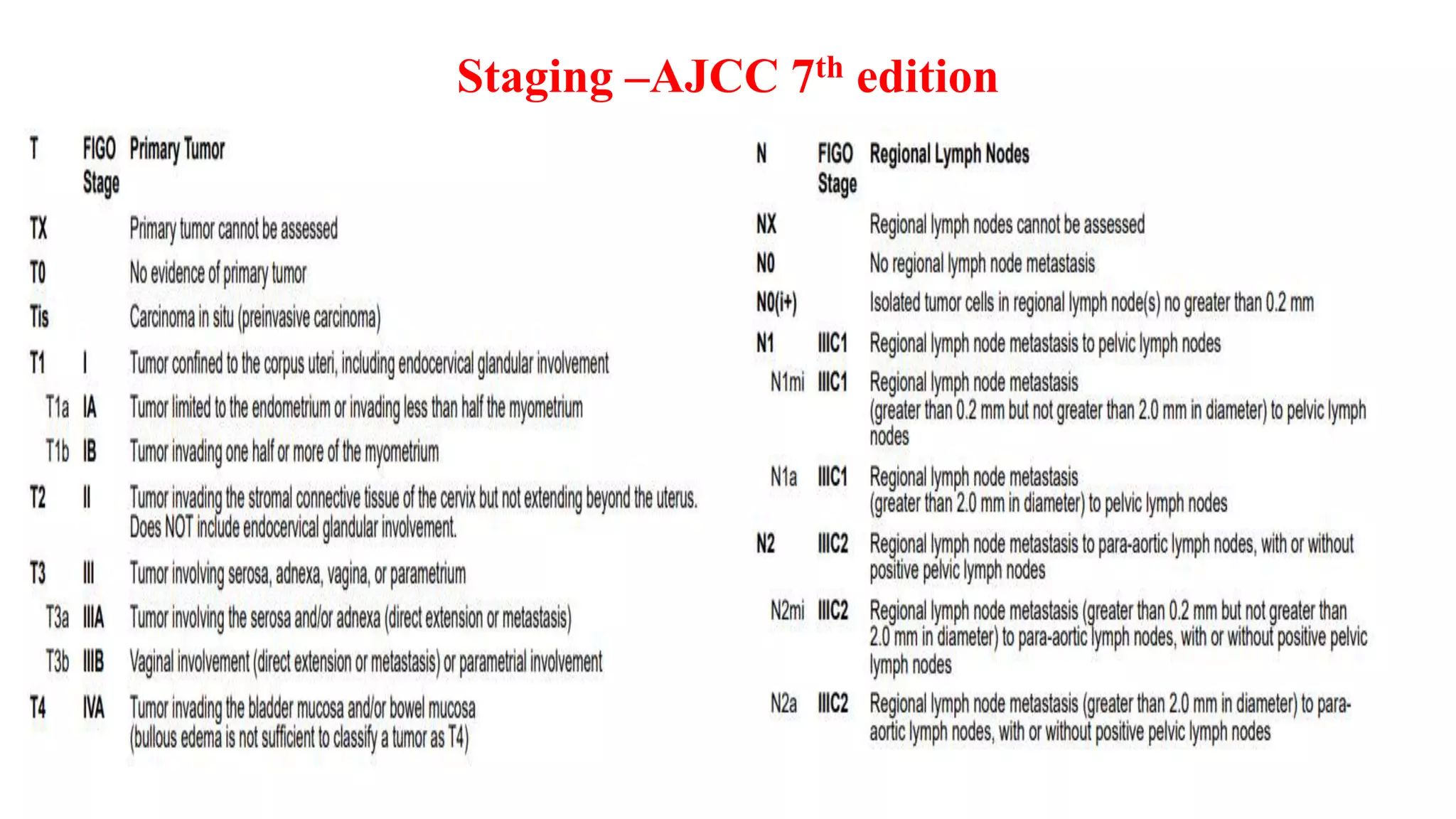
Staging –AJCC 7th edition
Perez and Brady's Textbook of Radiation Oncology 7th edition
SURGICAL MANAGEMENT
• Surgery is the primary treatment of both
localized and advanced disease, the
adequate surgical staging and
pathological review.
• Total abdominal hysterectomy/BSO
(TAH/BSO) is the most prevalent and
time-tested form of simple hysterectomy
in endometrial cancer.
• Minimally invasive surgery-
laparoscopically or robotically.
Surgical Assessment of Lymph Nodes
• Lymphadenectomy-limit nodal assessment to
inspection and removal of any
enlarged/suspicious pelvic or paraaortic nodes.
• Lack of documented survival advantages to
lymphadenectomy.
• full-pelvic and para-aortic lymph node
sampling-surgical staging is the most accurate
method to assess the extent of disease.
• Sentinel lymph node biopsy
Medical Research Council [MRC]/A Study in the Treatment of Endometrial Cancer [ASTEC]
Risk Stratification
ESGO/ESTRO/ESP guidelines for the management of patients with endometrial carcinoma-2020
Low risk
• For patients with low-risk endometrial carcinoma, no adjuvant treatment is
recommended (I, A).
When molecular classification is known:
• For patients with endometrial carcinoma stage I–II, low-risk based on pathogenic
POLE-mutation, omission of adjuvant treatment should be considered (III, A).
Role of RT in Stages I and II
• Observation Versus Pelvic RT
• Portec 1 -715 patients after TAH and BSO to observation VS pelvic RT
• Inclusion – IB-grade Ii and iii ,ic-grade I and ii
• No lymph node sampling , pelvic rt dose was 46gy in 2gy
• 5yr vaginal / pelvic recurrence was 14% and 4% (p value <0.001) and os
was 81%(rt) vs 85%(surgery) p value not significant
• Patient who relapsed locally after surgery were salvaged with subsequent
rt
Pelvic RT Versus Intravaginal RT
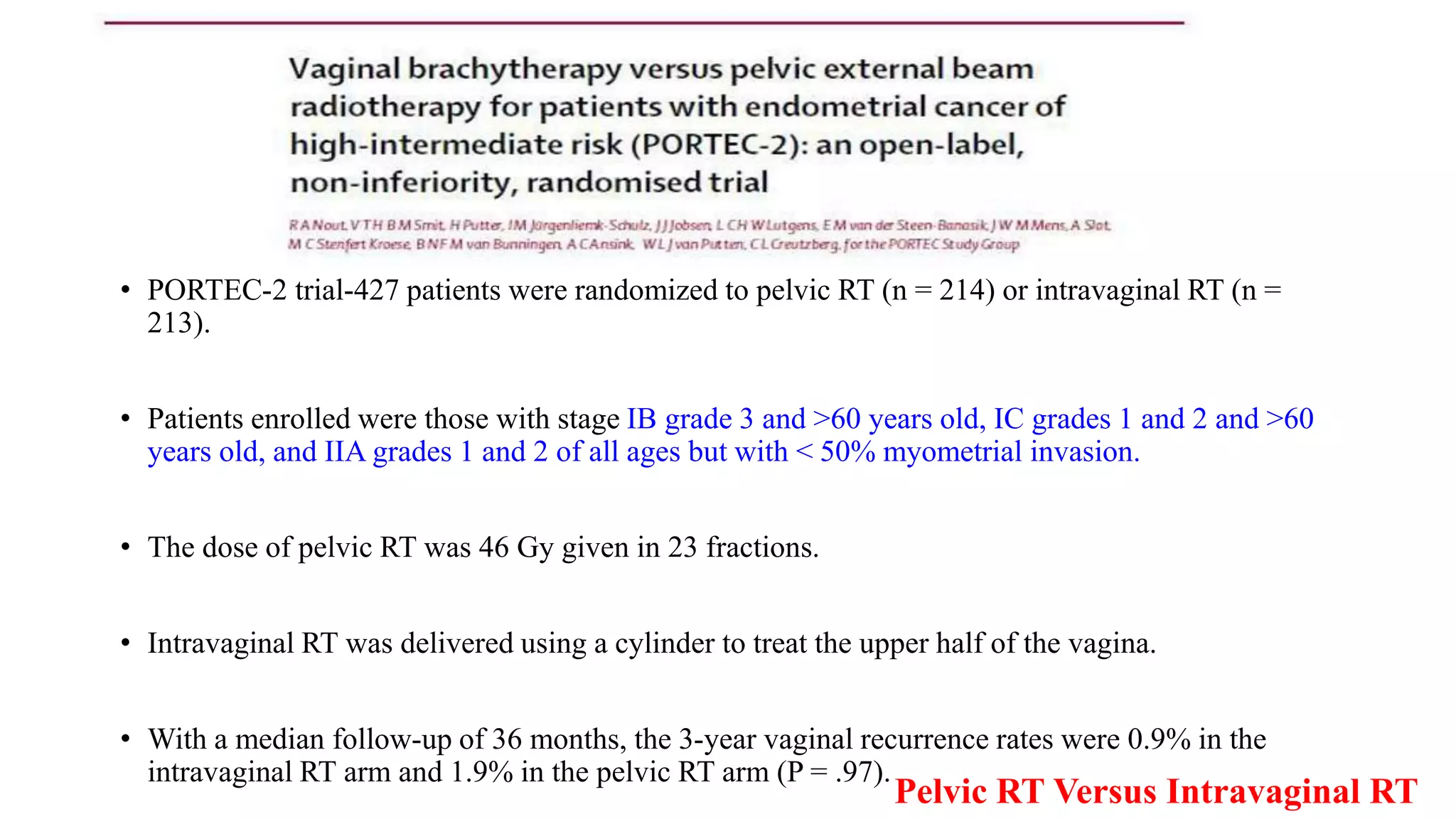
• PORTEC-2 trial-427 patients were randomized to pelvic RT (n = 214) or intravaginal RT (n =
213).
• Patients enrolled were those with stage IB grade 3 and >60 years old, IC grades 1 and 2 and >60
years old, and IIA grades 1 and 2 of all ages but with < 50% myometrial invasion.
• The dose of pelvic RT was 46 Gy given in 23 fractions.
• Intravaginal RT was delivered using a cylinder to treat the upper half of the vagina.
• With a median follow-up of 36 months, the 3-year vaginal recurrence rates were 0.9% in the
intravaginal RT arm and 1.9% in the pelvic RT arm (P = .97).
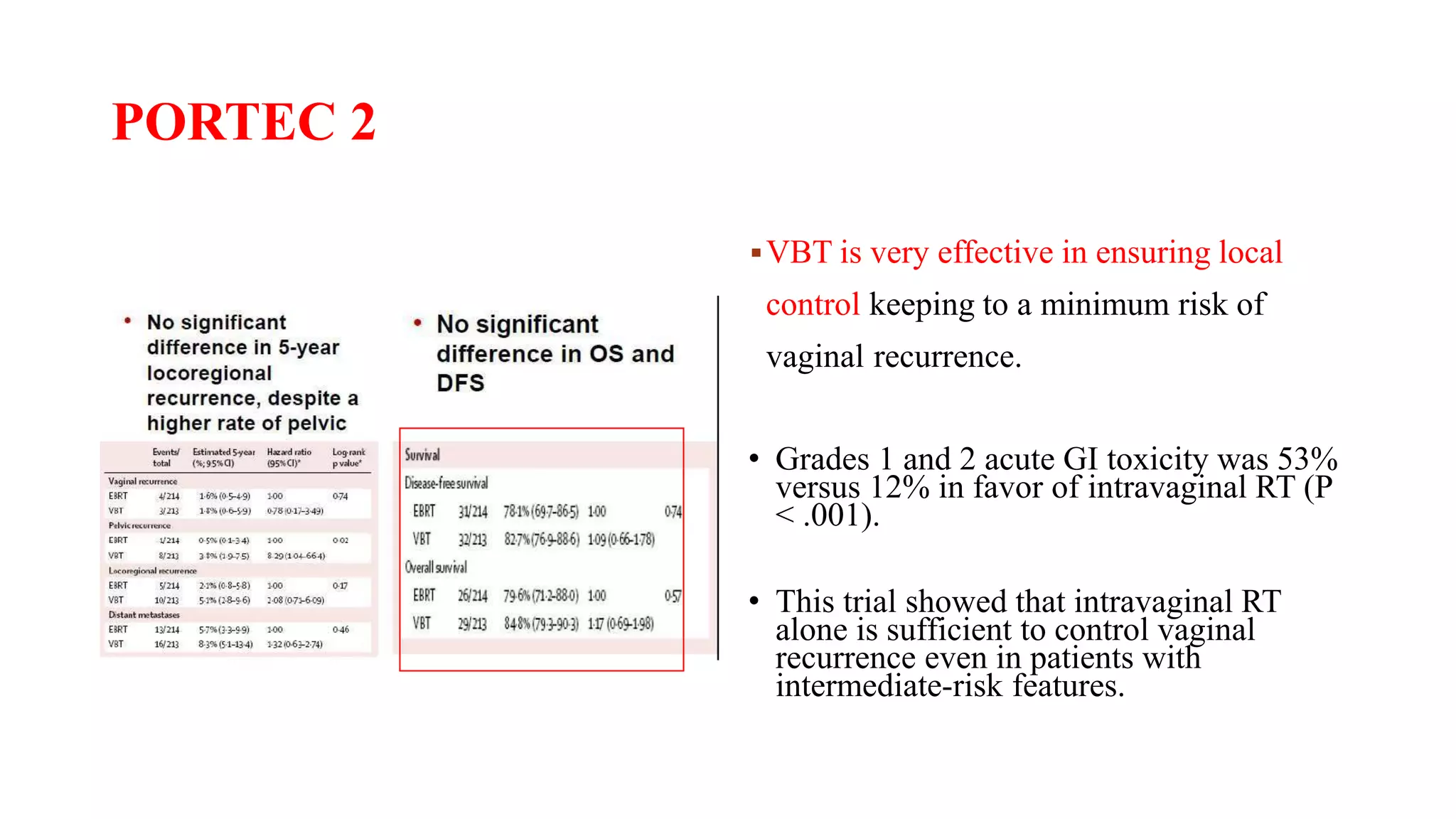
PORTEC 2
VBT is very effective in ensuring local
control keeping to a minimum risk of
vaginal recurrence.
• Grades 1 and 2 acute GI toxicity was 53%
versus 12% in favor of intravaginal RT (P
< .001).
• This trial showed that intravaginal RT
alone is sufficient to control vaginal
recurrence even in patients with
intermediate-risk features.
Intermediate Risk
• Adjuvant brachytherapy can be recommended to decrease vaginal recurrence (I,
A).
• Omission of adjuvant brachytherapy can be considered (III, C), especially for
patients aged <60 years (II, A).
• When molecular classification is known, POLE mut and p53abn with myometrial
invasion have specific recommendations (see respective recommendations for
low- and high-risk).
• For p53abn carcinomas restricted to a polyp or without myometrial invasion,
adjuvant therapy is generally not recommended (III, C).
High Intermediate Risk
• Adjuvant brachytherapy can be recommended to decrease vaginal recurrence.
• EBRT can be considered for substantial LVSI and for stage II(I, B).
• Adjuvant chemotherapy can be considered, especially for high-grade and/or
substantial LVSI (II, C).
• Omission of any adjuvant treatment is an option (IV, C).
• When molecular classification is known, POLE mut and p53abn have specific
recommendations.
GOG-249
ASTRO 2017:
GOG-249 Confirms
Adjuvant Pelvic
Radiation as Standard
of Care for High-Risk,
Early-Stage
Endometrial Cancer.
Adjuvant vaginal cuff brachytherapy plus
chemotherapy was compared with standard
adjuvant pelvic radiation therapy.
At a median follow-up of 53 months, 82% of
patients were alive and recurrence-free at 3
years.
Pelvic and para-aortic nodal recurrence at 5
years was greater in brachytherapy and
chemotherapy group.
Adjuvant pelvic radiation should remain the
standard of care for high-risk, early-stage
endometrial cancer patients.
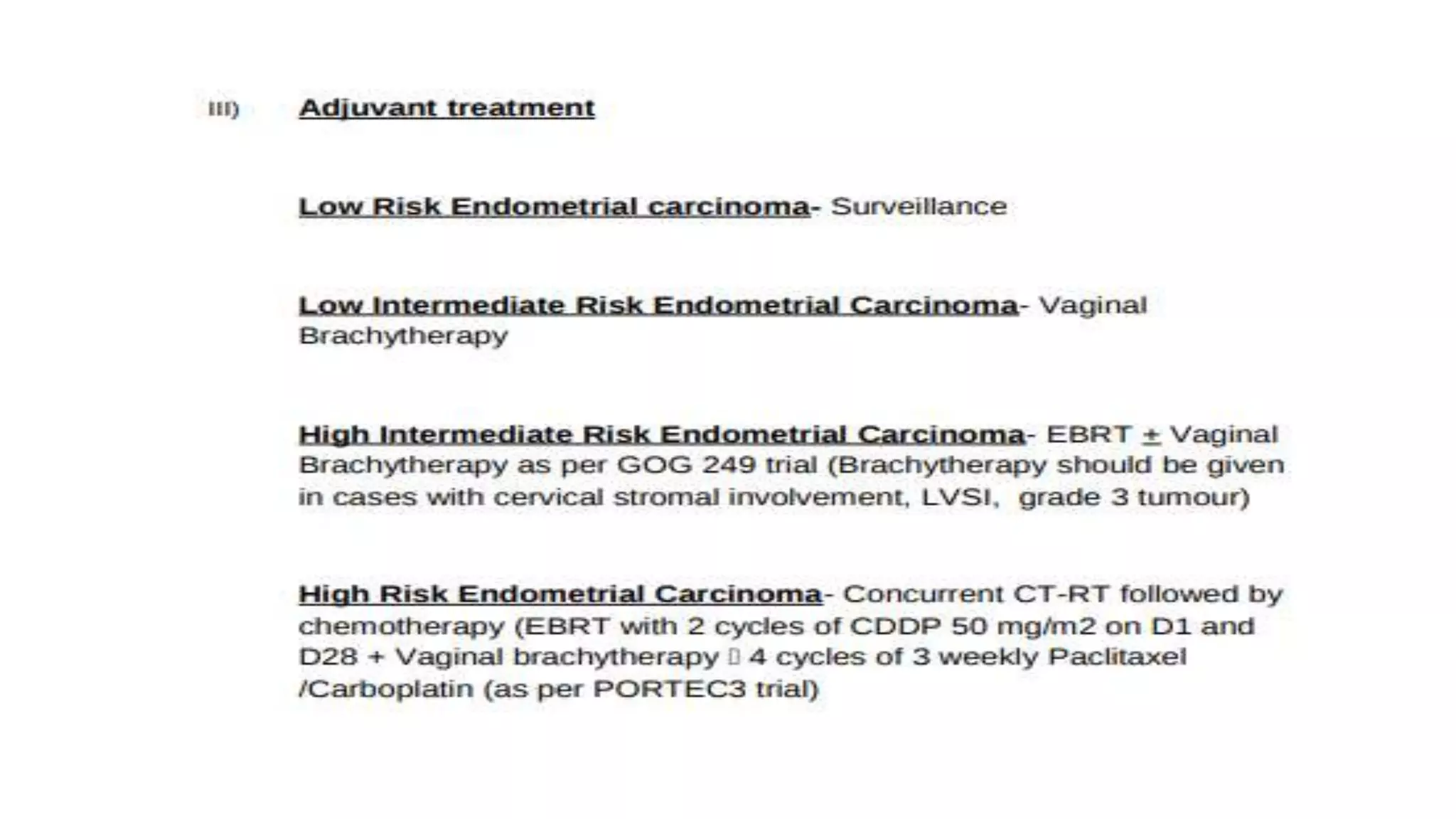
High Risk
• EBRT with concurrent and adjuvant chemotherapy (I, A) or alternatively
sequential chemotherapy and radiotherapy is recommended (I, B).
• Chemotherapy alone is an alternative option (I, B).
• Carcinosarcomas should be treated as high-risk carcinomas (not as sarcomas) (IV,
B).
• When the molecular classification is known, p53abn carcinomas without
myometrial invasion and POLE mut have specific recommendations (see
respective recommendations for lowand intermediate-risk)(III, C)
Phase III, international, open-label,multicentre, randomised trial at 103 centers
686 patients of high risk endometrial cancer enrolled
Nov 2006 to Dec 2013
Randomised to CHEMORADIOTHERPY vs RADIOTHERPAY alone (1:1)
Medain follow-up 60.2 months
 Given in both treatment group
 Total dose 48.6 Gy 1.8 Gy fractions , 5 days a week
 In case of cervical involvement (glandular, stromal, or both), a brachytherapy boost was given to
the vaginal vault.
 Brachytherapy dose was equivalent to 14 Gy in 2 Gy fractions (with recommended scheme of 10
Gy high-dose rate [HDR] in fractions of 5 Gy), specified at 5 mm from the vaginal vault surface.
• Two cycles of intravenous cisplatin 50 mg/m2 in the first and fourth week of external beam pelvic
radiotherapy, followed by four cycles of intravenous carboplatin AUC5 and paclitaxel 175 mg/m2
at 21-day intervals
TREATMENT
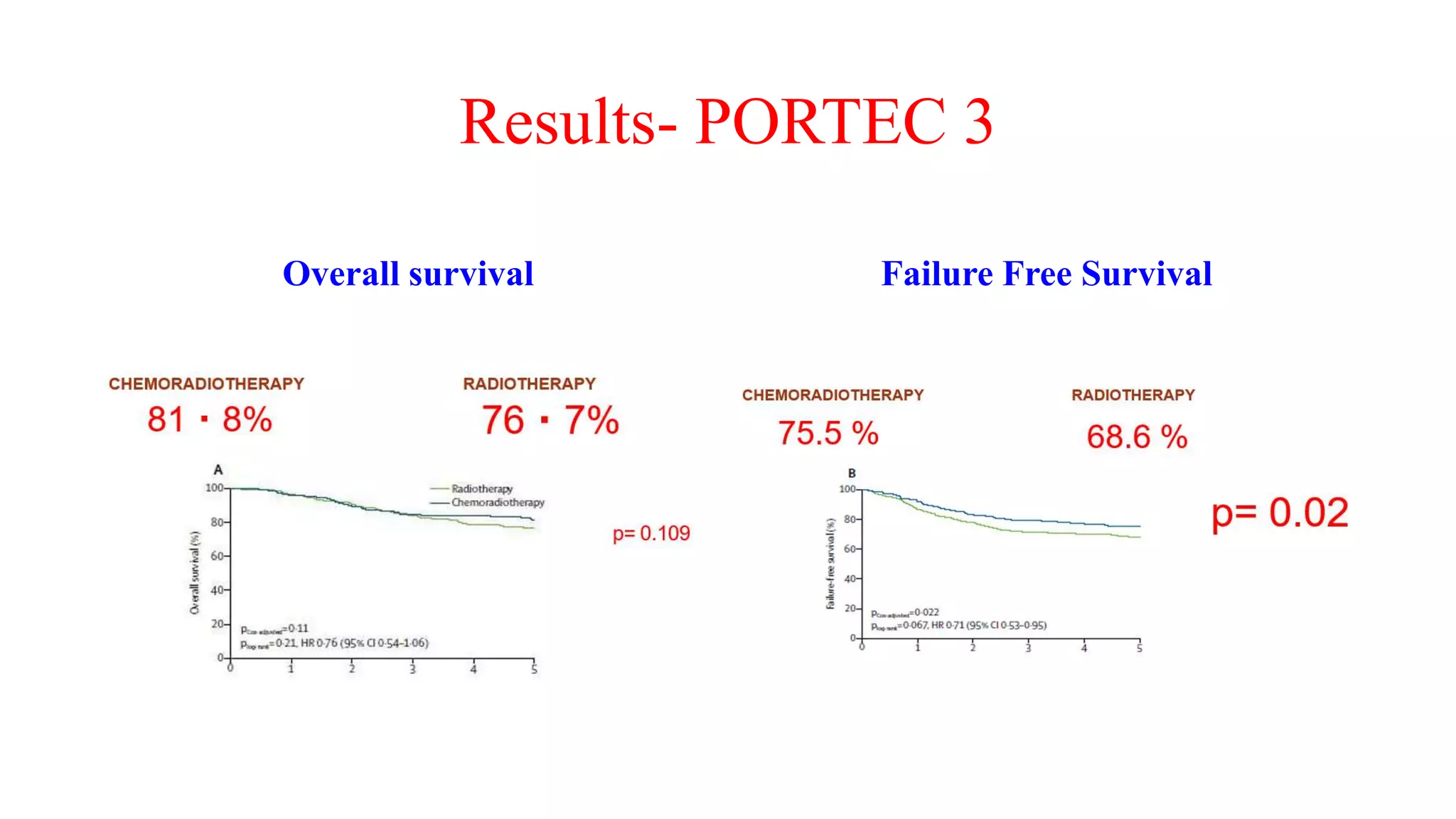
Results- PORTEC 3
Overall survival Failure Free Survival
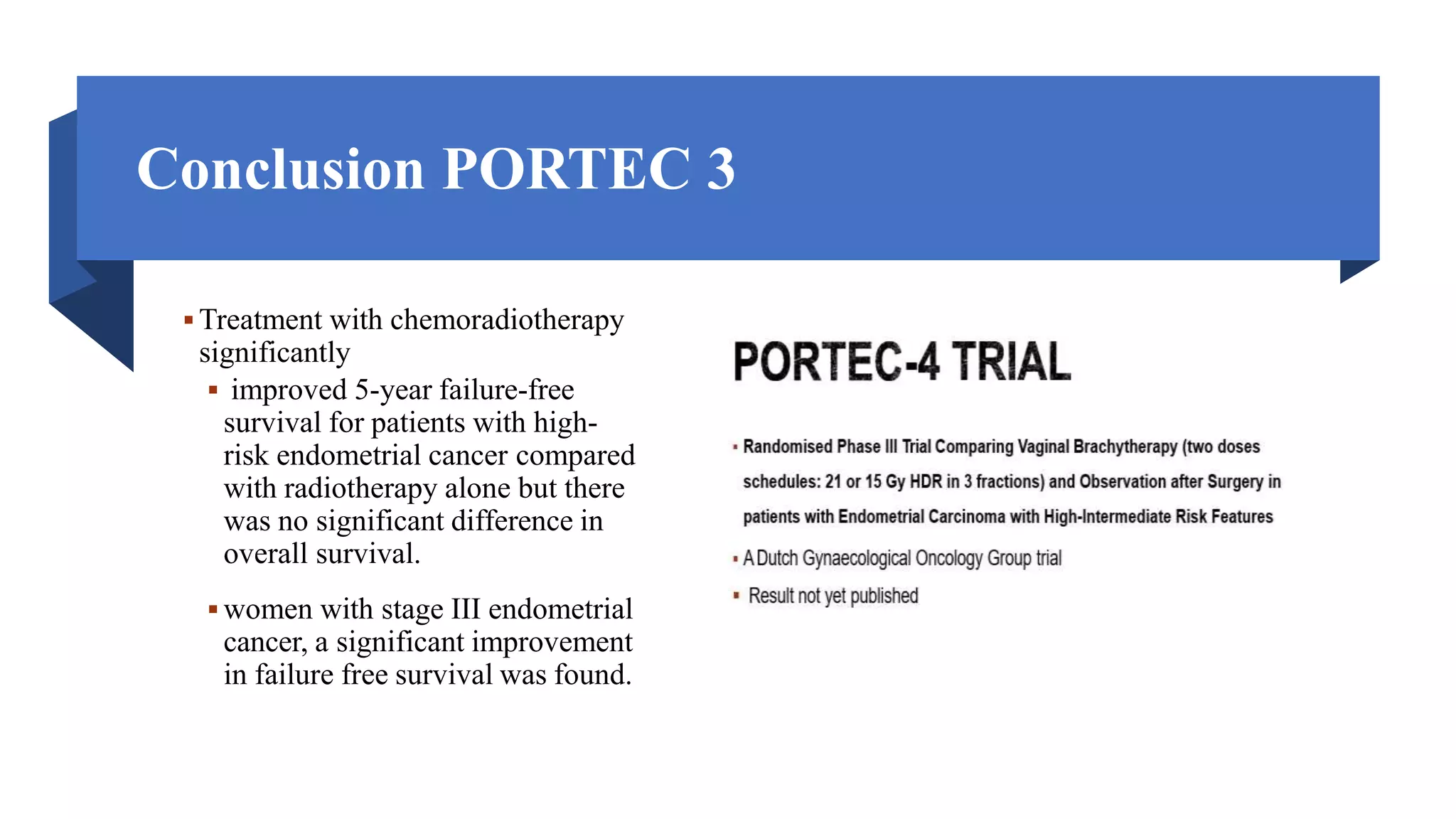
Conclusion PORTEC 3
 Treatment with chemoradiotherapy
significantly
 improved 5-year failure-free
survival for patients with high-
risk endometrial cancer compared
with radiotherapy alone but there
was no significant difference in
overall survival.
 women with stage III endometrial
cancer, a significant improvement
in failure free survival was found.
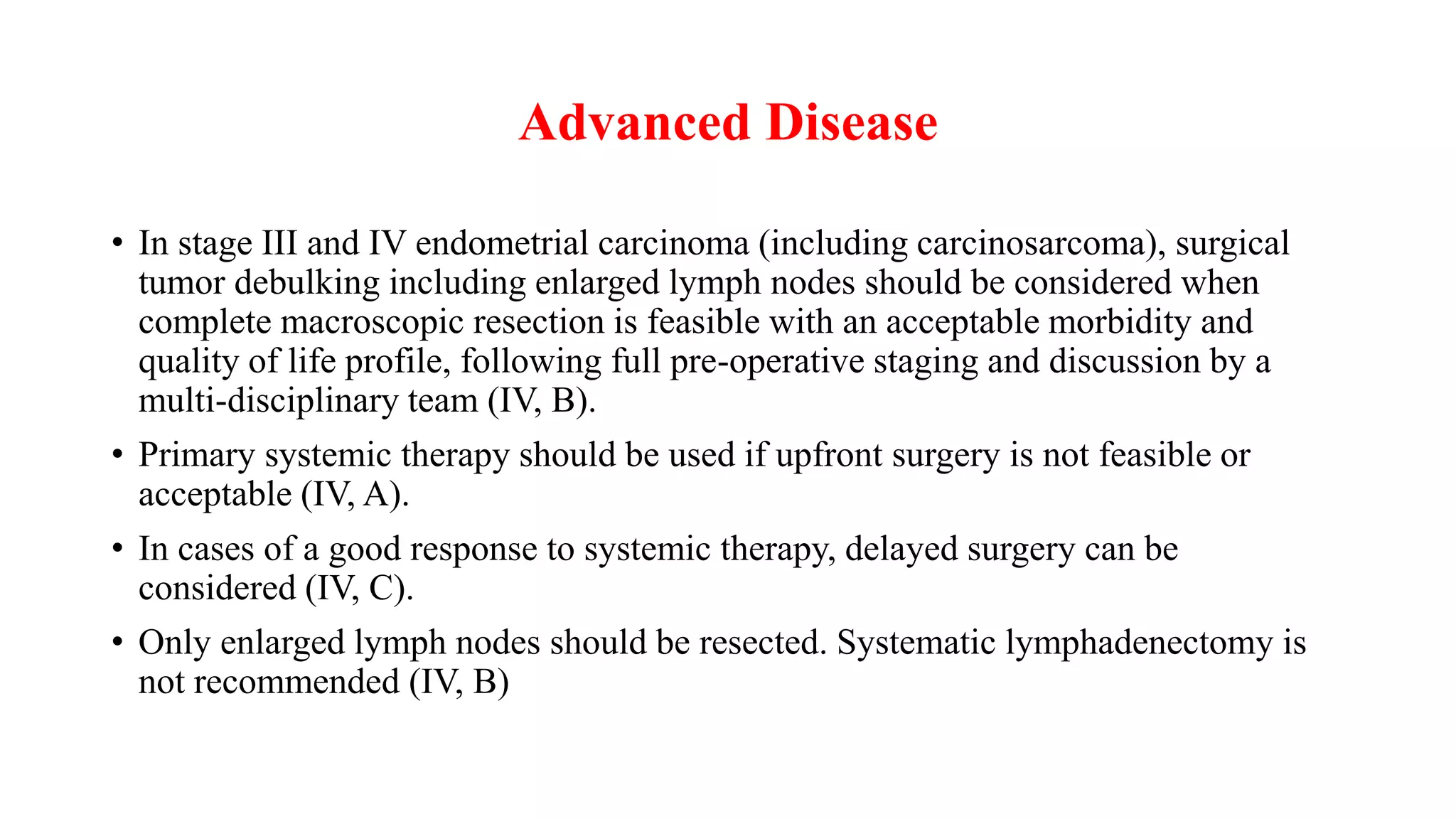
Advanced Disease
• In stage III and IV endometrial carcinoma (including carcinosarcoma), surgical
tumor debulking including enlarged lymph nodes should be considered when
complete macroscopic resection is feasible with an acceptable morbidity and
quality of life profile, following full pre-operative staging and discussion by a
multi-disciplinary team (IV, B).
• Primary systemic therapy should be used if upfront surgery is not feasible or
acceptable (IV, A).
• In cases of a good response to systemic therapy, delayed surgery can be
considered (IV, C).
• Only enlarged lymph nodes should be resected. Systematic lymphadenectomy is
not recommended (IV, B)
Unresectable disease
• For unresectable tumours, multi-disciplinary team discussion should consider
definitive radiotherapy with EBRT and intrauterine brachytherapy, or neoadjuvant
chemotherapy prior to surgical resection or definitive radiotherapy, depending on
response (IV, C).
• Image-guided brachytherapy is recommended to boost intrauterine, parametrial,
or vaginal disease (IV, A).
• Chemotherapy should be considered after definitive radiotherapy (IV, B).
Recurrence
• Patients with recurrent disease (including peritoneal and lymph node relapse)
should be considered for surgery only if it is anticipated that complete removal of
macroscopic disease can be achieved with acceptable morbidity. Systemic and/or
radiation therapy should be considered post-operatively
• Depending on the extent and pattern of relapse and the amount of residual disease
(IV, C).
• In selected cases, palliative surgery can be performed to alleviate symptoms (eg,
bleeding, fistula, bowel obstruction) (IV, B). For locoregional recurrence, the
preferred primary therapy should be EBRT.
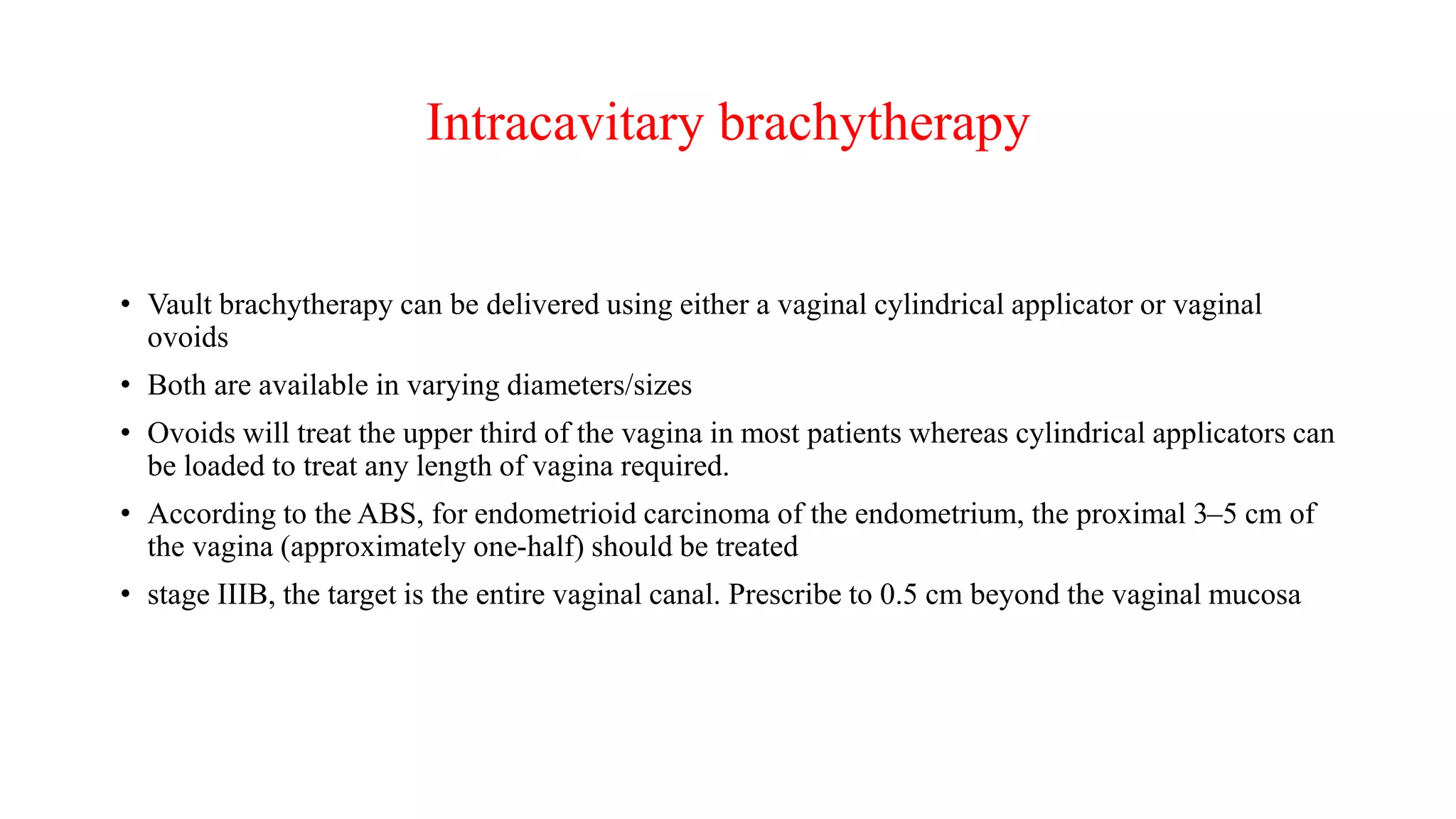
Intracavitary brachytherapy
• Vault brachytherapy can be delivered using either a vaginal cylindrical applicator or vaginal
ovoids
• Both are available in varying diameters/sizes
• Ovoids will treat the upper third of the vagina in most patients whereas cylindrical applicators can
be loaded to treat any length of vagina required.
• According to the ABS, for endometrioid carcinoma of the endometrium, the proximal 3–5 cm of
the vagina (approximately one-half) should be treated
• stage IIIB, the target is the entire vaginal canal. Prescribe to 0.5 cm beyond the vaginal mucosa
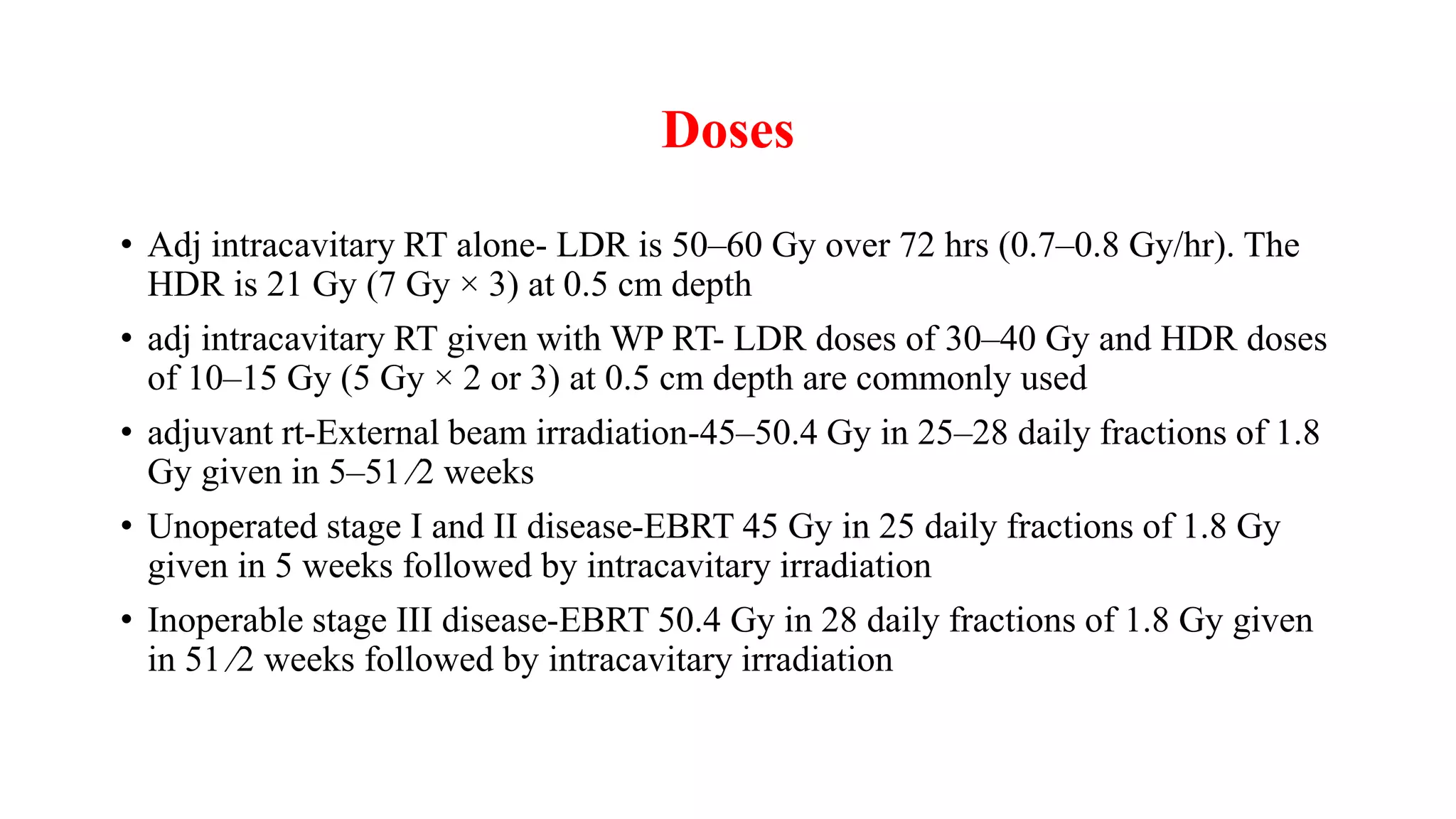
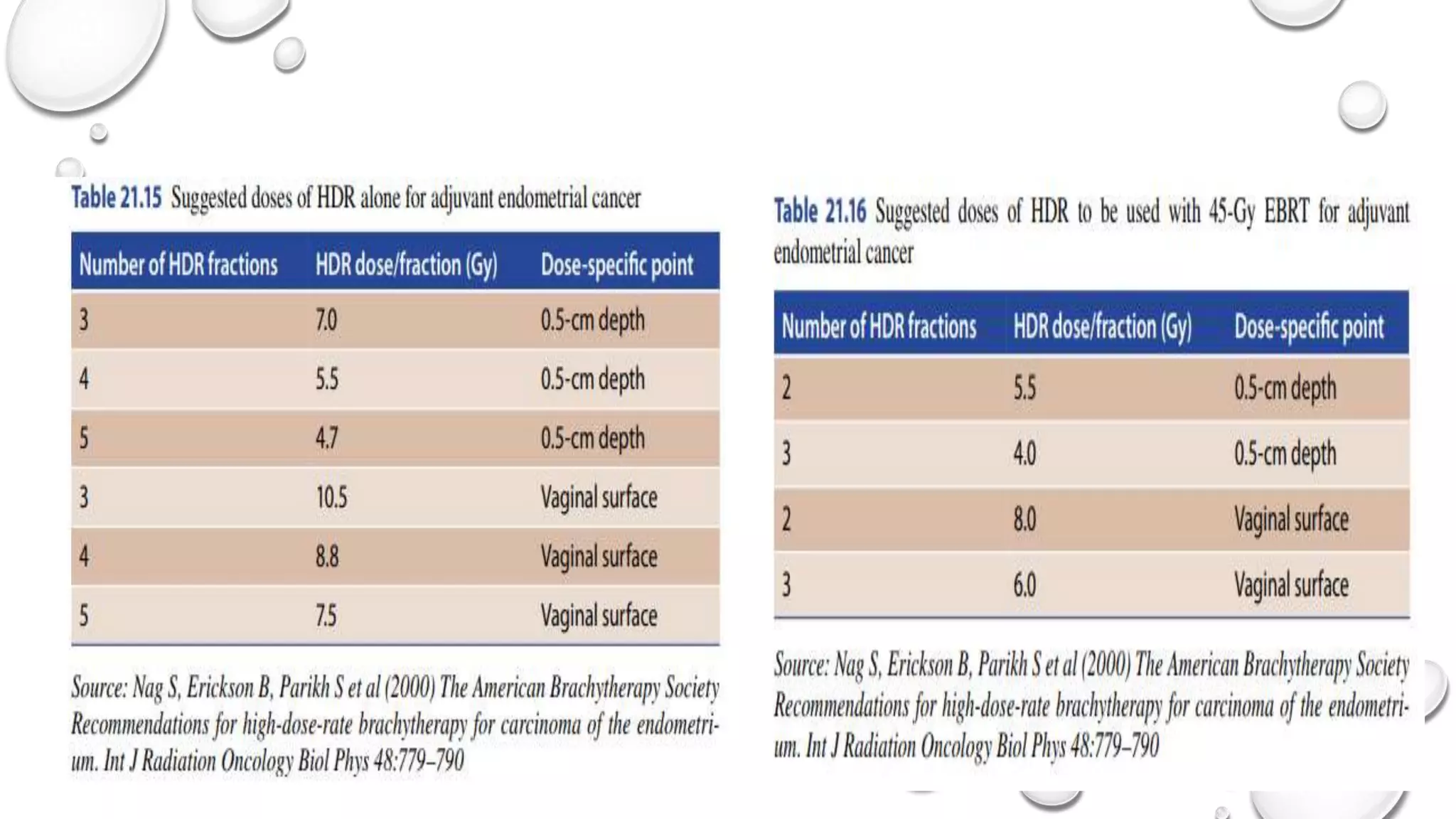
Doses
• Adj intracavitary RT alone- LDR is 50–60 Gy over 72 hrs (0.7–0.8 Gy/hr). The
HDR is 21 Gy (7 Gy × 3) at 0.5 cm depth
• adj intracavitary RT given with WP RT- LDR doses of 30–40 Gy and HDR doses
of 10–15 Gy (5 Gy × 2 or 3) at 0.5 cm depth are commonly used
• adjuvant rt-External beam irradiation-45–50.4 Gy in 25–28 daily fractions of 1.8
Gy given in 5–51 ⁄2 weeks
• Unoperated stage I and II disease-EBRT 45 Gy in 25 daily fractions of 1.8 Gy
given in 5 weeks followed by intracavitary irradiation
• Inoperable stage III disease-EBRT 50.4 Gy in 28 daily fractions of 1.8 Gy given
in 51 ⁄2 weeks followed by intracavitary irradiation
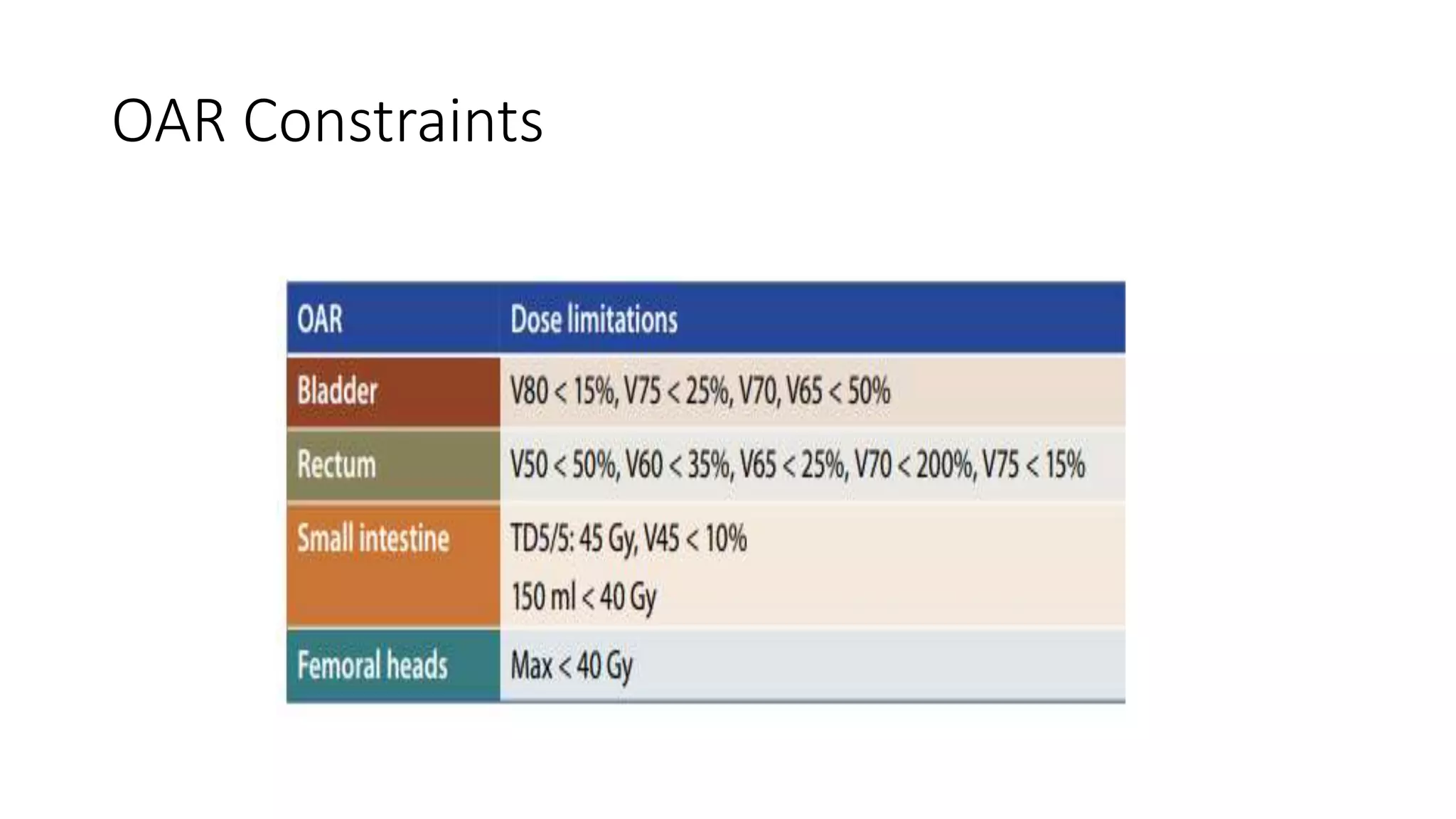
OAR Constraints
Toxicities/complications
Radiation:
• Acute toxicities-diarrhea, proctitis, abdominal cramps, fatigue, bladder irritation,
drop in blood counts
• Late toxicities-vaginal dryness and atrophy, pubic hair loss, vaginal stenosis and
fibrosis (recommend vaginal dilators), urethral stricture, fistula formation, SBO,
chronic urinary and bowel frequency
• Surgical complications:leg edema (5% to 10%), lymphocysts (symptomatic in
5% to 7%), increased rates of deep vein thrombosis (2%) and small bowel
obstruction (up to 5%), and increased blood loss and higher transfusion rates (5%
to 10%)
Survival
• The 5-year survival rate is 80% to 90% for patients with stage I
endometrial carcinoma.
• 60% to 80% for stage II.
• 30% to 80% for stage III disease because of the diverse extent of and
prognosis for tumors classified as stage III.
Summary
• TAH+BSO is the standard surgery.
•Thank u

CA ENDOMETRIUM.pptx

  • 1.
  • 2.
    EPIDEMIOLOGY AND RISKFACTORS • Endometrial cancer is the most common gynecologic cancer and the fourth most frequently diagnosed cancer in women in the developed countries. • Probability of 1 in every 35 women (2.8%) developing it during her lifetime
  • 3.
    Carcinoma of theEndometrium 3
  • 4.
  • 5.
    Endometrial Cancer: TypeI AND II Type I • Estrogen Related • Younger and heavier patients • Low grade • Background of Hyperplasia • Perimenopausal • Exogenous estrogen Type II • Aggressive • High grade • Unfavorable Histology • Unrelated to estrogen stimulation • Occurs in older & thinner women
  • 6.
    CLINICAL PRESENTATION • Themost common presentation for endometrial cancer is postmenopausal vaginal bleeding (80% to 90%) • Incidence of endometrial cancer in women presenting with postmenopausal bleeding range from 1% up to 25%, depending on patient age and the presence of other risk factors . • Other patterns of presentations include vaginal discharge, abnormal Papanicolaou smear, or thickened endometrium on routine transvaginal ultrasound • with advanced disease, they may present with urinary or rectal bleeding, constipation, pain, lower extremity lymphedema, abdominal distension due to ascites, and cough and/or hemoptysis.
  • 7.
    DIAGNOSTIC WORKUP • Endometrialtissue sampling remains the gold standard-achieved via biopsy or dilation and curettage (D&C) • Endometrial biopsy-sensitivity in detecting endometrial cancer in postmenopausal women is 99.6% compared to 91% in premenopausal women specificity is >98% for both groups • D&C-, if symptoms persist, the office sampling is inadequate, or the patient is being considered for conservative fertility-sparing approaches • Transvaginal ultrasonography (TVU)-Normal endometrium looks thin and homogeneously hyperechoic, but it is thickened and heterogeneous, with hyperplasia, polyps, and cancer
  • 8.
    • Thickness of5 mm or greater as being abnormal. • in premenopausal women, for whom the accuracy of TVU is limited because the endometrial thickness fluctuates, depending on the level of female hormones other methods are considered . • Magnetic resonance imaging (MRI) -most accurate imaging study to assess tumor extension in endometrial cancer, especially myometrial invasion, tumor extension into the cervix . • The reported sensitivity of MRI in detecting lymph node metastasis is on average 43.5% and the specificity is 95.9% . • CEA-125
  • 9.
  • 10.
    Perez and Brady'sTextbook of Radiation Oncology 7th edition
  • 11.
    SURGICAL MANAGEMENT • Surgeryis the primary treatment of both localized and advanced disease, the adequate surgical staging and pathological review. • Total abdominal hysterectomy/BSO (TAH/BSO) is the most prevalent and time-tested form of simple hysterectomy in endometrial cancer. • Minimally invasive surgery- laparoscopically or robotically.
  • 12.
    Surgical Assessment ofLymph Nodes • Lymphadenectomy-limit nodal assessment to inspection and removal of any enlarged/suspicious pelvic or paraaortic nodes. • Lack of documented survival advantages to lymphadenectomy. • full-pelvic and para-aortic lymph node sampling-surgical staging is the most accurate method to assess the extent of disease. • Sentinel lymph node biopsy Medical Research Council [MRC]/A Study in the Treatment of Endometrial Cancer [ASTEC]
  • 14.
    Risk Stratification ESGO/ESTRO/ESP guidelinesfor the management of patients with endometrial carcinoma-2020
  • 15.
    Low risk • Forpatients with low-risk endometrial carcinoma, no adjuvant treatment is recommended (I, A). When molecular classification is known: • For patients with endometrial carcinoma stage I–II, low-risk based on pathogenic POLE-mutation, omission of adjuvant treatment should be considered (III, A).
  • 16.
    Role of RTin Stages I and II • Observation Versus Pelvic RT • Portec 1 -715 patients after TAH and BSO to observation VS pelvic RT • Inclusion – IB-grade Ii and iii ,ic-grade I and ii • No lymph node sampling , pelvic rt dose was 46gy in 2gy • 5yr vaginal / pelvic recurrence was 14% and 4% (p value <0.001) and os was 81%(rt) vs 85%(surgery) p value not significant • Patient who relapsed locally after surgery were salvaged with subsequent rt
  • 18.
    Pelvic RT VersusIntravaginal RT • PORTEC-2 trial-427 patients were randomized to pelvic RT (n = 214) or intravaginal RT (n = 213). • Patients enrolled were those with stage IB grade 3 and >60 years old, IC grades 1 and 2 and >60 years old, and IIA grades 1 and 2 of all ages but with < 50% myometrial invasion. • The dose of pelvic RT was 46 Gy given in 23 fractions. • Intravaginal RT was delivered using a cylinder to treat the upper half of the vagina. • With a median follow-up of 36 months, the 3-year vaginal recurrence rates were 0.9% in the intravaginal RT arm and 1.9% in the pelvic RT arm (P = .97).
  • 19.
    PORTEC 2 VBT isvery effective in ensuring local control keeping to a minimum risk of vaginal recurrence. • Grades 1 and 2 acute GI toxicity was 53% versus 12% in favor of intravaginal RT (P < .001). • This trial showed that intravaginal RT alone is sufficient to control vaginal recurrence even in patients with intermediate-risk features.
  • 20.
    Intermediate Risk • Adjuvantbrachytherapy can be recommended to decrease vaginal recurrence (I, A). • Omission of adjuvant brachytherapy can be considered (III, C), especially for patients aged <60 years (II, A). • When molecular classification is known, POLE mut and p53abn with myometrial invasion have specific recommendations (see respective recommendations for low- and high-risk). • For p53abn carcinomas restricted to a polyp or without myometrial invasion, adjuvant therapy is generally not recommended (III, C).
  • 21.
    High Intermediate Risk •Adjuvant brachytherapy can be recommended to decrease vaginal recurrence. • EBRT can be considered for substantial LVSI and for stage II(I, B). • Adjuvant chemotherapy can be considered, especially for high-grade and/or substantial LVSI (II, C). • Omission of any adjuvant treatment is an option (IV, C). • When molecular classification is known, POLE mut and p53abn have specific recommendations.
  • 22.
  • 23.
    ASTRO 2017: GOG-249 Confirms AdjuvantPelvic Radiation as Standard of Care for High-Risk, Early-Stage Endometrial Cancer. Adjuvant vaginal cuff brachytherapy plus chemotherapy was compared with standard adjuvant pelvic radiation therapy. At a median follow-up of 53 months, 82% of patients were alive and recurrence-free at 3 years. Pelvic and para-aortic nodal recurrence at 5 years was greater in brachytherapy and chemotherapy group. Adjuvant pelvic radiation should remain the standard of care for high-risk, early-stage endometrial cancer patients.
  • 24.
    High Risk • EBRTwith concurrent and adjuvant chemotherapy (I, A) or alternatively sequential chemotherapy and radiotherapy is recommended (I, B). • Chemotherapy alone is an alternative option (I, B). • Carcinosarcomas should be treated as high-risk carcinomas (not as sarcomas) (IV, B). • When the molecular classification is known, p53abn carcinomas without myometrial invasion and POLE mut have specific recommendations (see respective recommendations for lowand intermediate-risk)(III, C)
  • 25.
    Phase III, international,open-label,multicentre, randomised trial at 103 centers 686 patients of high risk endometrial cancer enrolled Nov 2006 to Dec 2013 Randomised to CHEMORADIOTHERPY vs RADIOTHERPAY alone (1:1) Medain follow-up 60.2 months
  • 26.
     Given inboth treatment group  Total dose 48.6 Gy 1.8 Gy fractions , 5 days a week  In case of cervical involvement (glandular, stromal, or both), a brachytherapy boost was given to the vaginal vault.  Brachytherapy dose was equivalent to 14 Gy in 2 Gy fractions (with recommended scheme of 10 Gy high-dose rate [HDR] in fractions of 5 Gy), specified at 5 mm from the vaginal vault surface. • Two cycles of intravenous cisplatin 50 mg/m2 in the first and fourth week of external beam pelvic radiotherapy, followed by four cycles of intravenous carboplatin AUC5 and paclitaxel 175 mg/m2 at 21-day intervals TREATMENT
  • 27.
    Results- PORTEC 3 Overallsurvival Failure Free Survival
  • 28.
    Conclusion PORTEC 3 Treatment with chemoradiotherapy significantly  improved 5-year failure-free survival for patients with high- risk endometrial cancer compared with radiotherapy alone but there was no significant difference in overall survival.  women with stage III endometrial cancer, a significant improvement in failure free survival was found.
  • 29.
    Advanced Disease • Instage III and IV endometrial carcinoma (including carcinosarcoma), surgical tumor debulking including enlarged lymph nodes should be considered when complete macroscopic resection is feasible with an acceptable morbidity and quality of life profile, following full pre-operative staging and discussion by a multi-disciplinary team (IV, B). • Primary systemic therapy should be used if upfront surgery is not feasible or acceptable (IV, A). • In cases of a good response to systemic therapy, delayed surgery can be considered (IV, C). • Only enlarged lymph nodes should be resected. Systematic lymphadenectomy is not recommended (IV, B)
  • 30.
    Unresectable disease • Forunresectable tumours, multi-disciplinary team discussion should consider definitive radiotherapy with EBRT and intrauterine brachytherapy, or neoadjuvant chemotherapy prior to surgical resection or definitive radiotherapy, depending on response (IV, C). • Image-guided brachytherapy is recommended to boost intrauterine, parametrial, or vaginal disease (IV, A). • Chemotherapy should be considered after definitive radiotherapy (IV, B).
  • 31.
    Recurrence • Patients withrecurrent disease (including peritoneal and lymph node relapse) should be considered for surgery only if it is anticipated that complete removal of macroscopic disease can be achieved with acceptable morbidity. Systemic and/or radiation therapy should be considered post-operatively • Depending on the extent and pattern of relapse and the amount of residual disease (IV, C). • In selected cases, palliative surgery can be performed to alleviate symptoms (eg, bleeding, fistula, bowel obstruction) (IV, B). For locoregional recurrence, the preferred primary therapy should be EBRT.
  • 33.
    Intracavitary brachytherapy • Vaultbrachytherapy can be delivered using either a vaginal cylindrical applicator or vaginal ovoids • Both are available in varying diameters/sizes • Ovoids will treat the upper third of the vagina in most patients whereas cylindrical applicators can be loaded to treat any length of vagina required. • According to the ABS, for endometrioid carcinoma of the endometrium, the proximal 3–5 cm of the vagina (approximately one-half) should be treated • stage IIIB, the target is the entire vaginal canal. Prescribe to 0.5 cm beyond the vaginal mucosa
  • 34.
    Doses • Adj intracavitaryRT alone- LDR is 50–60 Gy over 72 hrs (0.7–0.8 Gy/hr). The HDR is 21 Gy (7 Gy × 3) at 0.5 cm depth • adj intracavitary RT given with WP RT- LDR doses of 30–40 Gy and HDR doses of 10–15 Gy (5 Gy × 2 or 3) at 0.5 cm depth are commonly used • adjuvant rt-External beam irradiation-45–50.4 Gy in 25–28 daily fractions of 1.8 Gy given in 5–51 ⁄2 weeks • Unoperated stage I and II disease-EBRT 45 Gy in 25 daily fractions of 1.8 Gy given in 5 weeks followed by intracavitary irradiation • Inoperable stage III disease-EBRT 50.4 Gy in 28 daily fractions of 1.8 Gy given in 51 ⁄2 weeks followed by intracavitary irradiation
  • 36.
  • 37.
    Toxicities/complications Radiation: • Acute toxicities-diarrhea,proctitis, abdominal cramps, fatigue, bladder irritation, drop in blood counts • Late toxicities-vaginal dryness and atrophy, pubic hair loss, vaginal stenosis and fibrosis (recommend vaginal dilators), urethral stricture, fistula formation, SBO, chronic urinary and bowel frequency • Surgical complications:leg edema (5% to 10%), lymphocysts (symptomatic in 5% to 7%), increased rates of deep vein thrombosis (2%) and small bowel obstruction (up to 5%), and increased blood loss and higher transfusion rates (5% to 10%)
  • 38.
    Survival • The 5-yearsurvival rate is 80% to 90% for patients with stage I endometrial carcinoma. • 60% to 80% for stage II. • 30% to 80% for stage III disease because of the diverse extent of and prognosis for tumors classified as stage III.
  • 39.
    Summary • TAH+BSO isthe standard surgery.
  • 40.