Inspiration and Expiration
 Inspiration: breathing in (a.k.a.,
inhalation; not motivation) Always an
active process Caused by muscular
contraction, mainly of the diaphragm
intercostal muscles
Expiration: breathing out (a.k.a.,
exhalation; not dying!) Typically a
passive process mainly caused by
elastic recoil of the diaphragm
relaxation of the intercostal muscles
Diaphragmatic Breathing
 The diaphragm is the most efficient
muscle of breathing. It is a large,
dome-shaped muscle located at the
base of the lungs. Your abdominal
muscles help move the diaphragm
and give you more power to empty
your lungs. But chronic obstructive
pulmonary disease (COPD) may
prevent the diaphragm from working
effectively
 When you have pulmonary disease, air
often becomes trapped in the lungs,
pushing down on the diaphragm.
 The neck and chest muscles must then
assume an increased share of the work of
breathing.
 This can leave the diaphragm weakened
and flattened, causing it to work less
efficiently.
Use of DBE
 Strengthen the diaphragm
 Decrease the work of breathing by
slowing your breathing rate
 Decrease oxygen demand
 Use less effort and energy to breathe
Diaphragmatic breathing
technique
 Lie on your back on a flat surface or
in bed, with your knees bent and your
head supported. You can use a pillow
under your knees to support your
legs. Place one hand on your upper
chest and the other just below your
rib cage. This will allow you to feel
your diaphragm move as you
breathe.
 Breathe in slowly through your nose so that
your stomach moves out against your
hand. The hand on your chest should
remain as still as possible
 Tighten your stomach muscles, letting them
fall inward as you exhale through pursed
lips (see "Pursed Lip Breathing Technique").
The hand on your upper chest must remain
as still as possible.
How often should I practice this
exercise?
 At first, practice this exercise 5-10
minutes about 3-4 times per day.
Gradually increase the amount of
time you spend doing this exercise,
and perhaps even increase the effort
of the exercise by placing a book on
your abdomen
Pursed Lip Breathing
 Pursed lip breathing is one of the
simplest ways to control shortness of
breath. It provides a quick and easy
way to slow your pace of breathing,
making each breath more effective.
Use Pursed-Lip Breathing To Get
Out of Your Lungs
Relax. Let your neck and shoulders droop.
Breathe in slowly.
Purse your lips in a whistling position, and
blow out slowly and evenly. Try to take at
least twice as long to blow out as you did
breathing in.
Relax and repeat the pursed-lip breathing
until you no longer feel breathless. If you
begin to feel dizzy, rest for a few breaths.
 Perform Pursed-Lip Breathing When
You Are Breathless
 Use pursed-lip breathing whenever you do
anything that makes you short of breath,
such as climbing stairs, bathing, or doing
housework. If you're short of breath, do
pursed-lip breathing to help free your lungs
of stale air; then, you can breathe in more
fresh air.
Glossopharyngeal breathing
 is a means of forcing extra air into the
lungs to expand the chest and achieve a
functional cough.
 The technique involves the use of the
glottis to add to an inspiratory effort by
gulping boluses of air into the lungs.
 It can be beneficial for individuals with
weak inspiratory muscles and no ability to
breathe normally on their own.
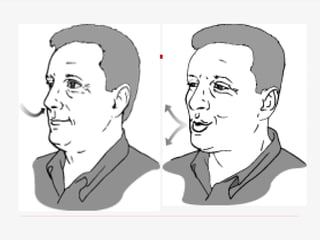
 Frog breathing, or technically speaking, glossopharyngeal
breathing (GPB) is a learned skill that can be used as a
substitute (voluntary) method of breathing.
 It can produce adequate ventilation for either short or long
periods of time even when there is total paralysis of the
respiratory muscles. Frog breathing uses the muscles of the
tongue (the glossa) and the throat (pharyngeal muscles) to
force air into the trachea and lungs through a repetitious
process.
 This process involves using the tongue and throat muscles
as a pumping mechanism to force air into the lungs. (See
diagram below.) This pumping action is sometimes referred
to as a stroke. It is important to remember not to swallow,
or air will enter the stomach. The muscles of the tongue,
soft palate, pharynx and larynx must be functional.
Segmental Breathing
 Patient is asked to ventilate specific areas of the lungs
 Place your hand or the patient’s hand over surface
landmark of the lung segments to be ventilated
 Ask patient to try to push the hand up on inspiration
 The tactile input and stretch will enable a deeper
inspiration
Lateral costal breathing
 Unilateral or bilateral costal breathing
exercises increase ventilation to the
lower lobes and aid diaphragmatic
breathing
 Used when patient cannot tolerate
the hand on the abdomen, e.g.,
abdominal surgery, pregnancy

BREATHING EXERCISE.pdf

  • 1.
    Inspiration and Expiration Inspiration: breathing in (a.k.a., inhalation; not motivation) Always an active process Caused by muscular contraction, mainly of the diaphragm intercostal muscles Expiration: breathing out (a.k.a., exhalation; not dying!) Typically a passive process mainly caused by elastic recoil of the diaphragm relaxation of the intercostal muscles
  • 4.
    Diaphragmatic Breathing  Thediaphragm is the most efficient muscle of breathing. It is a large, dome-shaped muscle located at the base of the lungs. Your abdominal muscles help move the diaphragm and give you more power to empty your lungs. But chronic obstructive pulmonary disease (COPD) may prevent the diaphragm from working effectively
  • 5.
     When youhave pulmonary disease, air often becomes trapped in the lungs, pushing down on the diaphragm.  The neck and chest muscles must then assume an increased share of the work of breathing.  This can leave the diaphragm weakened and flattened, causing it to work less efficiently.
  • 6.
    Use of DBE Strengthen the diaphragm  Decrease the work of breathing by slowing your breathing rate  Decrease oxygen demand  Use less effort and energy to breathe
  • 7.
    Diaphragmatic breathing technique  Lieon your back on a flat surface or in bed, with your knees bent and your head supported. You can use a pillow under your knees to support your legs. Place one hand on your upper chest and the other just below your rib cage. This will allow you to feel your diaphragm move as you breathe.
  • 8.
     Breathe inslowly through your nose so that your stomach moves out against your hand. The hand on your chest should remain as still as possible  Tighten your stomach muscles, letting them fall inward as you exhale through pursed lips (see "Pursed Lip Breathing Technique"). The hand on your upper chest must remain as still as possible.
  • 10.
    How often shouldI practice this exercise?  At first, practice this exercise 5-10 minutes about 3-4 times per day. Gradually increase the amount of time you spend doing this exercise, and perhaps even increase the effort of the exercise by placing a book on your abdomen
  • 12.
    Pursed Lip Breathing Pursed lip breathing is one of the simplest ways to control shortness of breath. It provides a quick and easy way to slow your pace of breathing, making each breath more effective.
  • 13.
    Use Pursed-Lip BreathingTo Get Out of Your Lungs Relax. Let your neck and shoulders droop. Breathe in slowly. Purse your lips in a whistling position, and blow out slowly and evenly. Try to take at least twice as long to blow out as you did breathing in. Relax and repeat the pursed-lip breathing until you no longer feel breathless. If you begin to feel dizzy, rest for a few breaths.
  • 14.
     Perform Pursed-LipBreathing When You Are Breathless  Use pursed-lip breathing whenever you do anything that makes you short of breath, such as climbing stairs, bathing, or doing housework. If you're short of breath, do pursed-lip breathing to help free your lungs of stale air; then, you can breathe in more fresh air.
  • 16.
    Glossopharyngeal breathing  isa means of forcing extra air into the lungs to expand the chest and achieve a functional cough.  The technique involves the use of the glottis to add to an inspiratory effort by gulping boluses of air into the lungs.  It can be beneficial for individuals with weak inspiratory muscles and no ability to breathe normally on their own.
  • 17.
     Frog breathing,or technically speaking, glossopharyngeal breathing (GPB) is a learned skill that can be used as a substitute (voluntary) method of breathing.  It can produce adequate ventilation for either short or long periods of time even when there is total paralysis of the respiratory muscles. Frog breathing uses the muscles of the tongue (the glossa) and the throat (pharyngeal muscles) to force air into the trachea and lungs through a repetitious process.  This process involves using the tongue and throat muscles as a pumping mechanism to force air into the lungs. (See diagram below.) This pumping action is sometimes referred to as a stroke. It is important to remember not to swallow, or air will enter the stomach. The muscles of the tongue, soft palate, pharynx and larynx must be functional.
  • 19.
    Segmental Breathing  Patientis asked to ventilate specific areas of the lungs  Place your hand or the patient’s hand over surface landmark of the lung segments to be ventilated  Ask patient to try to push the hand up on inspiration  The tactile input and stretch will enable a deeper inspiration
  • 20.
    Lateral costal breathing Unilateral or bilateral costal breathing exercises increase ventilation to the lower lobes and aid diaphragmatic breathing  Used when patient cannot tolerate the hand on the abdomen, e.g., abdominal surgery, pregnancy