Transfusion in Sickle
Cell Disease
Learning objectives
Learning objectives
You should be able to
 Discuss the indications for blood transfusion in sickle
Discuss the indications for blood transfusion in sickle
cell disease
cell disease
 Compare and contrast ‘top up’ and exchange
Compare and contrast ‘top up’ and exchange
transfusion
transfusion
 Explain the disadvantages of blood transfusion in this
Explain the disadvantages of blood transfusion in this
patient group
patient group
 Explain what specific precautions are necessary if
Explain what specific precautions are necessary if
patients with sickle cell disease require transfusion
 Discuss the role of a chronic transfusion programme
Discuss the role of a chronic transfusion programme
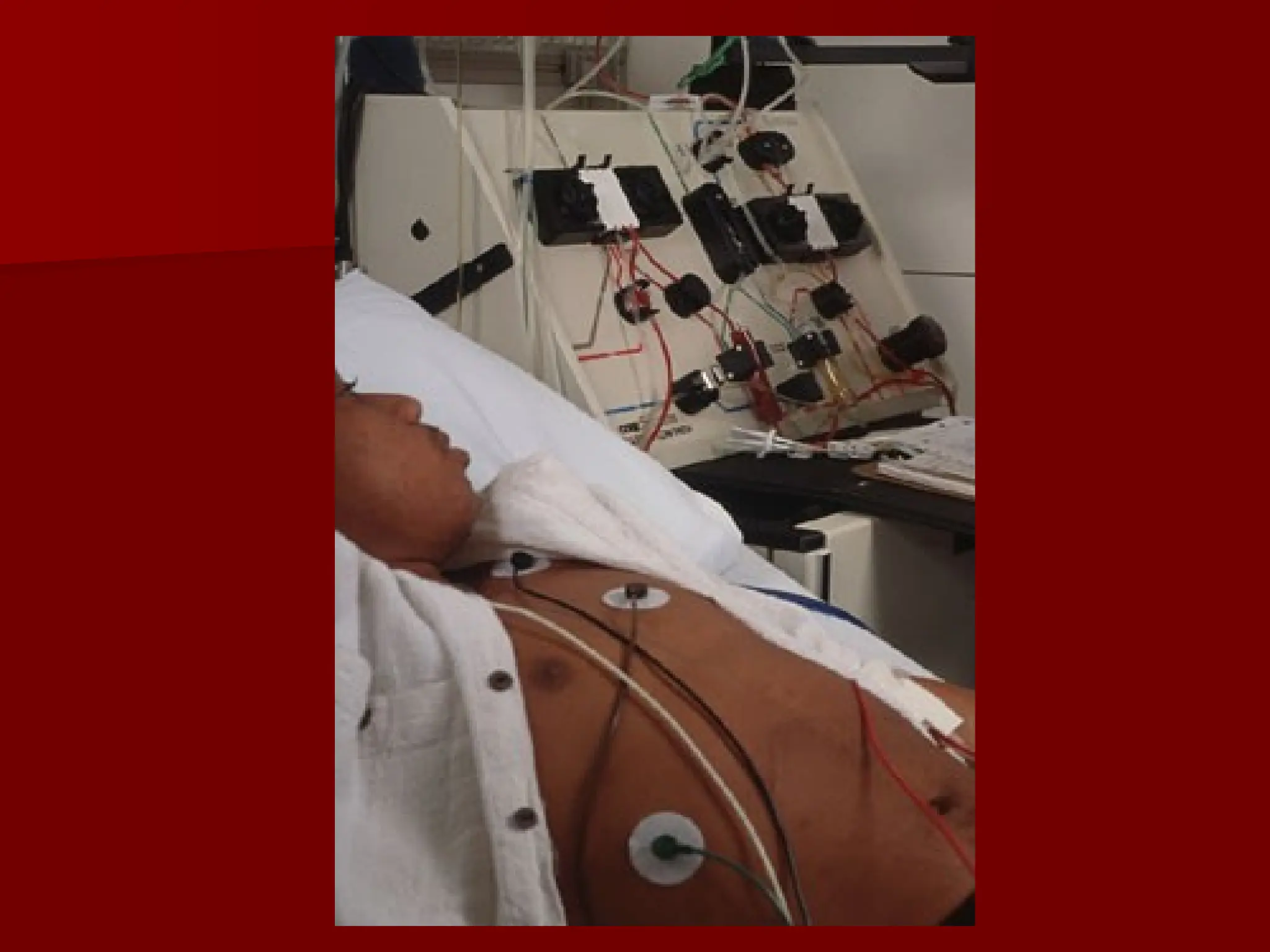
in the prevention of stroke in sickle cell disease
Case
Case
 30-year-old F known HbSS
30-year-old F known HbSS
 Moderately frequent painful crises
Moderately frequent painful crises
 1 previous chest crisis requiring exchange
1 previous chest crisis requiring exchange
transfusion
transfusion
 Diffuse lymphadenopathy for months
Diffuse lymphadenopathy for months
 Admitted as day case under surgeons for
Admitted as day case under surgeons for
biopsy of cervical lymph node
 Hb 6.2 g/dl
Hb 6.2 g/dl
TRANSFUSE??....
TRANSFUSE??....
Case …
Case …
 Baseline Hb 5-6 g/dl
Baseline Hb 5-6 g/dl
 Well preoperatively
Well preoperatively
 Not transfused, managed with good
Not transfused, managed with good
hydration and oxygenation
 Discharged well post op
Discharged well post op
Case …
Case …
 Readmitted via A+E 5 days later with swelling
Readmitted via A+E 5 days later with swelling
of neck and fevers
of neck and fevers
 Seen by ENT team, started antibiotics and
Seen by ENT team, started antibiotics and
steroids because of concerns re airway
compromise
compromise
 Later O
Later O2
2 sats 89% on air, increasingly
sats 89% on air, increasingly
breathless but sats improve with oxygen
 Hb 6.1 g/dl
Hb 6.1 g/dl
TRANSFUSE??....
TRANSFUSE??....
Case …
Case …
 Transfused 2 units
Transfused 2 units
 Later in day sats dropping on oxygen, tiring,
Later in day sats dropping on oxygen, tiring,
CXR shows bilateral patchy shadowing
 Concerns re airway compromise
Concerns re airway compromise
 Worsening respiratory parameters
Worsening respiratory parameters
 Reviewed by ITU > for semi-elective intubation
Reviewed by ITU > for semi-elective intubation
 On ITU intubated
On ITU intubated
 Hb 8.4 g/dl
Hb 8.4 g/dl
TRANSFUSE??....
TRANSFUSE??....
Case …
Case …
 HbS 46%
HbS 46%
 Treated as chest crisis
Treated as chest crisis
 Aiming for what HbS percentage??....
Aiming for what HbS percentage??....
Case …
Case …
 HbS 46%
HbS 46%
 Treated as chest crisis
Treated as chest crisis
 Aiming for HbS <30%
Aiming for HbS <30%
 Exchanged 3 units
Exchanged 3 units
 Over following days improving from sepsis
Over following days improving from sepsis
point of view
point of view
 Weaned from ventilator
Weaned from ventilator
 HbS maintained at <30% via intermittent top
HbS maintained at <30% via intermittent top
up transfusions
up transfusions
Types/Aims of Transfusion
1.
1. Simple/ “top up” transfusion
Simple/ “top up” transfusion
 Used to treat severe anaemia in SCD
Used to treat severe anaemia in SCD
 Examples of situations??....
Examples of situations??....
Types/Aims of Transfusion
1.
1. Simple/ “top up” transfusion
Simple/ “top up” transfusion
 Used to treat severe anaemia in SCD
Used to treat severe anaemia in SCD
– In situations as in general population eg. GI
In situations as in general population eg. GI
bleeding, trauma
bleeding, trauma
– Aplastic crisis – parvovirus B19
Aplastic crisis – parvovirus B19
– Haemolytic crises
Haemolytic crises
– Splenic (and liver) sequestration > transfusion
Splenic (and liver) sequestration > transfusion
can be life saving
can be life saving
– Anaemia associated with renal failure in older
Anaemia associated with renal failure in older
patients with sickle cell disease
 Used to dilute HbS % if anaemic
Used to dilute HbS % if anaemic
Types/Aims of Transfusion 2
2. Exchange Transfusion
 Used to reduce HbS % in patients who are not
Used to reduce HbS % in patients who are not
significantly anaemic
– Stroke/neurological syndromes
Stroke/neurological syndromes
– Chest crisis
Chest crisis
– Persistent or recurrent priapism
Persistent or recurrent priapism
– Pre-surgery (not necessary for minor operations)
Pre-surgery (not necessary for minor operations)
 Keep normovolaemic
Keep normovolaemic
 Manual or cell separator
Manual or cell separator
Types/Aims of Transfusion 3
3. Transfusion/exchange transfusion
programmes
programmes
 Regular transfusion/exchange aiming to
Regular transfusion/exchange aiming to
suppress HbS % in the longer term
– Severe anaemia
Severe anaemia
– Frequent crises esp. if severe e.g. Chest crises
Frequent crises esp. if severe e.g. Chest crises
– CVA/abnormal brain scan
CVA/abnormal brain scan
– In children to prevent stroke in those found to be
In children to prevent stroke in those found to be
at high risk by transcranial doppler ultrasound
screening
screening
Reminders
Reminders
 In HbSS homozygotes, normal Hb 6-9 g/dl,
In HbSS homozygotes, normal Hb 6-9 g/dl,
sometimes even lower
 No need to transfuse to a “normal Hb” unless
No need to transfuse to a “normal Hb” unless
symptomatic, large drop in Hb or other indication to
do so
do so
 Anaemia is chronic and very well tolerated – why??...
Anaemia is chronic and very well tolerated – why??...
Reminders
Reminders
 In HbSS homozygotes, normal Hb 6-9 g/dl,
In HbSS homozygotes, normal Hb 6-9 g/dl,
sometimes even lower
 No need to transfuse to a “normal Hb” unless
No need to transfuse to a “normal Hb” unless
symptomatic, large drop in Hb or other indication to
do so
do so
 Anaemia is chronic and very well tolerated, partly due
Anaemia is chronic and very well tolerated, partly due
to decreased O
to decreased O2
2 affinity of HbS
affinity of HbS
 All HbSS patients should be on long term folic acid
All HbSS patients should be on long term folic acid
 Dose??....
Dose??....
 Why??....
Why??....
Reminders
Reminders
 In HbSS homozygotes, normal Hb 6-9 g/dl,
In HbSS homozygotes, normal Hb 6-9 g/dl,
sometimes even lower
 No need to transfuse to a “normal Hb” unless
No need to transfuse to a “normal Hb” unless
symptomatic, large drop in Hb or other indication to
do so
do so
 Anaemia is chronic and very well tolerated, partly due
Anaemia is chronic and very well tolerated, partly due
to decreased O2 affinity of HbS
 All HbSS patients should be on long term folic acid
All HbSS patients should be on long term folic acid
– Dose 5 mg OD
Dose 5 mg OD
– Can easily become deficient due to increased rate of red cell
Can easily become deficient due to increased rate of red cell
turnover
turnover
 Don’t forget>> sickle cell patients can become more
Don’t forget>> sickle cell patients can become more
anaemic for the same reasons as other patients too
– Do not overlook possibility of GI bleeding etc.
Do not overlook possibility of GI bleeding etc.
Complications of Transfusion
 As with any transfusion
As with any transfusion
– Transmission of viruses and ??prions
Transmission of viruses and ??prions
– Acute or delayed haemolytic transfusion reactions
Acute or delayed haemolytic transfusion reactions
– Bacterial contamination
Bacterial contamination
– TRALI
TRALI
– Fluid overload
Fluid overload
– Acute allergic reaction/anaphylaxis
Acute allergic reaction/anaphylaxis
– PTP
PTP
 Increased viscosity (more later…)
Increased viscosity (more later…)
 Iron overload (more later…)
Iron overload (more later…)
 Alloimmunisation (more later…)
Alloimmunisation (more later…)
Increased Viscosity
Increased Viscosity
 Can exacerbate problems in sickle cell crisis
Can exacerbate problems in sickle cell crisis
 Blood transfused has significantly higher
Blood transfused has significantly higher
haematocrit then blood in circulation
 Topping up sickle cell patients with a relatively
Topping up sickle cell patients with a relatively
good Hb during a crisis is hazardous
 Aim to maintain haematocrit at reasonable
Aim to maintain haematocrit at reasonable
level
level
– Also give crystalloids/colloid if necessary
Also give crystalloids/colloid if necessary
– Exchange transfuse as alternative
Exchange transfuse as alternative
– Monitor haematocrit regularly during exchange
Monitor haematocrit regularly during exchange
– As a rough guide, post transfusion Hb should be
As a rough guide, post transfusion Hb should be
less than 12 g/dl
less than 12 g/dl
Iron Overload
Iron Overload
 A big problem!
A big problem!
 Can lead to
Can lead to
– Cardiomyopathy, heart failure, arrhythmias, death
Cardiomyopathy, heart failure, arrhythmias, death
– Hepatic dysfunction, cirrhosis, hepatocellular
Hepatic dysfunction, cirrhosis, hepatocellular
carcinoma
carcinoma
– Endocrine dysfunction
Endocrine dysfunction
 Diabetes mellitus
Diabetes mellitus
 Hypogonadism
Hypogonadism
 Hypothyroidism/hypoparathyroidism
Hypothyroidism/hypoparathyroidism
– Arthropathy (chondrocalcinosis with
Arthropathy (chondrocalcinosis with
pyrophosphate deposition), osteoporosis
 Increased iron in > no mechanism for
Increased iron in > no mechanism for
increased excretion
increased excretion
 More transfusions > more iron overload
More transfusions > more iron overload
 Monitoring iron overload
Monitoring iron overload
– Tests of body iron burden (total body iron)
Tests of body iron burden (total body iron)
 Ferritin – simple test, imprecise, useful to
Ferritin – simple test, imprecise, useful to
monitor changes
monitor changes
 Serum iron, % transferrin saturation
Serum iron, % transferrin saturation
– Tests of organ iron loading
Tests of organ iron loading
 Liver iron
Liver iron
– Biopsy
Biopsy
– SQUID
SQUID
– MRI T2*
MRI T2*
 Cardiac iron
Cardiac iron
– MRI T2*
MRI T2*
– Tests of function of sensitive organs
Tests of function of sensitive organs
 ECG, echocardiography, 24 hour monitor, MUGA
ECG, echocardiography, 24 hour monitor, MUGA
 Liver function tests
Liver function tests
 DEXA scan
DEXA scan
 Glucose, thyroid and other endocrine function
Glucose, thyroid and other endocrine function
tests
tests
 No clear national guidelines on when to
No clear national guidelines on when to
start treatment
start treatment
 Generally aim for ferritin <1000 mcg/l
Generally aim for ferritin <1000 mcg/l
 Deferoxamine (desferrioxamine, Desferral)
Deferoxamine (desferrioxamine, Desferral)
– Not absorbed orally, very short t1/2
Not absorbed orally, very short t1/2
– Given sc by infusion overnight (8-12 hrs) most
Given sc by infusion overnight (8-12 hrs) most
nights a week, inconvenient, affects quality of
life
life
– Also sometimes given iv at time of blood
Also sometimes given iv at time of blood
transfusion or continuously if severe cardiac
disease
disease
– Give with ascorbic acid (vitamin C) – increases
Give with ascorbic acid (vitamin C) – increases
urinary iron excretion
– Removal of liver iron more rapid than
Removal of liver iron more rapid than
removal of cardiac iron
– Can reverse much of the damage over time,
Can reverse much of the damage over time,
endocrine dysfunction often permanent
– Improvement of cardiac function and survival
Improvement of cardiac function and survival
– Compliance is a MAJOR problem
Compliance is a MAJOR problem
– Turin study
Turin study
 95% compliant patients alive after 30 years
95% compliant patients alive after 30 years
 12% non-compliant
12% non-compliant
– Side effects
Side effects
 Sensitivity reactions, pain at infusion site
Sensitivity reactions, pain at infusion site
 Exacerbation of infections esp. Yersinia
Exacerbation of infections esp. Yersinia
– Consider this in patients with diarrhoea on
Consider this in patients with diarrhoea on
deferoxamine
deferoxamine
 Auditory toxicity
Auditory toxicity
 Visual and neurotoxicity
Visual and neurotoxicity
 Growth and bone defects
Growth and bone defects
 Deferiprone
Deferiprone
– Given orally 3 times daily
Given orally 3 times daily
– Effective with very high starting levels (eg
Effective with very high starting levels (eg
ferritin >3000)
ferritin >3000)
– Less so if starting at lower iron load
Less so if starting at lower iron load
– Side effects can be serious
Side effects can be serious
 Agranulocytosis – need for freq monitoring
Agranulocytosis – need for freq monitoring
 Joint pains
Joint pains
 GI side effects
GI side effects
– Can give in combination with deferoxamine
Can give in combination with deferoxamine
 Deferasirox, recently licensed
Deferasirox, recently licensed
– Given orally once daily
Given orally once daily
– As effective as deferriprone for unloading
As effective as deferriprone for unloading
liver iron
liver iron
– Little data yet re effect on cardiac iron
Little data yet re effect on cardiac iron
– No need for regular blood count
No need for regular blood count
monitoring
monitoring
Alloimmunisation
Alloimmunisation
What is it??....
What is it??....
Alloimmunisation
Alloimmunisation
 Blood donor population genetically very different from
Blood donor population genetically very different from
sickle population
sickle population
 Frequent transfusion increases risk of development of
Frequent transfusion increases risk of development of
alloantibodies to minor antigens
 Sickle cell population more prone to developing
Sickle cell population more prone to developing
alloantibodies
alloantibodies
 Can become a big problem for transfusion in the future
Can become a big problem for transfusion in the future
 Use “phenotyped” blood in all patients with sickle cell
Use “phenotyped” blood in all patients with sickle cell
disease
disease
 Matched for
Matched for
– ABO group, Rh D group (as with all blood)
ABO group, Rh D group (as with all blood)
– E
E
– C
C
– Kell
Kell

Blood Transfusion in Sickle Cell Disease

  • 1.
  • 2.
    Learning objectives Learning objectives Youshould be able to You should be able to  Discuss the indications for blood transfusion in sickle Discuss the indications for blood transfusion in sickle cell disease cell disease  Compare and contrast ‘top up’ and exchange Compare and contrast ‘top up’ and exchange transfusion transfusion  Explain the disadvantages of blood transfusion in this Explain the disadvantages of blood transfusion in this patient group patient group  Explain what specific precautions are necessary if Explain what specific precautions are necessary if patients with sickle cell disease require transfusion patients with sickle cell disease require transfusion  Discuss the role of a chronic transfusion programme Discuss the role of a chronic transfusion programme in the prevention of stroke in sickle cell disease in the prevention of stroke in sickle cell disease
  • 3.
    Case Case  30-year-old Fknown HbSS 30-year-old F known HbSS  Moderately frequent painful crises Moderately frequent painful crises  1 previous chest crisis requiring exchange 1 previous chest crisis requiring exchange transfusion transfusion  Diffuse lymphadenopathy for months Diffuse lymphadenopathy for months  Admitted as day case under surgeons for Admitted as day case under surgeons for biopsy of cervical lymph node biopsy of cervical lymph node  Hb 6.2 g/dl Hb 6.2 g/dl TRANSFUSE??.... TRANSFUSE??....
  • 4.
    Case … Case … Baseline Hb 5-6 g/dl Baseline Hb 5-6 g/dl  Well preoperatively Well preoperatively  Not transfused, managed with good Not transfused, managed with good hydration and oxygenation hydration and oxygenation  Discharged well post op Discharged well post op
  • 5.
    Case … Case … Readmitted via A+E 5 days later with swelling Readmitted via A+E 5 days later with swelling of neck and fevers of neck and fevers  Seen by ENT team, started antibiotics and Seen by ENT team, started antibiotics and steroids because of concerns re airway steroids because of concerns re airway compromise compromise  Later O Later O2 2 sats 89% on air, increasingly sats 89% on air, increasingly breathless but sats improve with oxygen breathless but sats improve with oxygen  Hb 6.1 g/dl Hb 6.1 g/dl TRANSFUSE??.... TRANSFUSE??....
  • 6.
    Case … Case … Transfused 2 units Transfused 2 units  Later in day sats dropping on oxygen, tiring, Later in day sats dropping on oxygen, tiring, CXR shows bilateral patchy shadowing CXR shows bilateral patchy shadowing  Concerns re airway compromise Concerns re airway compromise  Worsening respiratory parameters Worsening respiratory parameters  Reviewed by ITU > for semi-elective intubation Reviewed by ITU > for semi-elective intubation  On ITU intubated On ITU intubated  Hb 8.4 g/dl Hb 8.4 g/dl TRANSFUSE??.... TRANSFUSE??....
  • 8.
    Case … Case … HbS 46% HbS 46%  Treated as chest crisis Treated as chest crisis  Aiming for what HbS percentage??.... Aiming for what HbS percentage??....
  • 9.
    Case … Case … HbS 46% HbS 46%  Treated as chest crisis Treated as chest crisis  Aiming for HbS <30% Aiming for HbS <30%  Exchanged 3 units Exchanged 3 units  Over following days improving from sepsis Over following days improving from sepsis point of view point of view  Weaned from ventilator Weaned from ventilator  HbS maintained at <30% via intermittent top HbS maintained at <30% via intermittent top up transfusions up transfusions
  • 10.
    Types/Aims of Transfusion Types/Aimsof Transfusion 1. 1. Simple/ “top up” transfusion Simple/ “top up” transfusion  Used to treat severe anaemia in SCD Used to treat severe anaemia in SCD  Examples of situations??.... Examples of situations??....
  • 11.
    Types/Aims of Transfusion Types/Aimsof Transfusion 1. 1. Simple/ “top up” transfusion Simple/ “top up” transfusion  Used to treat severe anaemia in SCD Used to treat severe anaemia in SCD – In situations as in general population eg. GI In situations as in general population eg. GI bleeding, trauma bleeding, trauma – Aplastic crisis – parvovirus B19 Aplastic crisis – parvovirus B19 – Haemolytic crises Haemolytic crises – Splenic (and liver) sequestration > transfusion Splenic (and liver) sequestration > transfusion can be life saving can be life saving – Anaemia associated with renal failure in older Anaemia associated with renal failure in older patients with sickle cell disease patients with sickle cell disease  Used to dilute HbS % if anaemic Used to dilute HbS % if anaemic
  • 13.
    Types/Aims of Transfusion2 Types/Aims of Transfusion 2 2. Exchange Transfusion 2. Exchange Transfusion  Used to reduce HbS % in patients who are not Used to reduce HbS % in patients who are not significantly anaemic significantly anaemic – Stroke/neurological syndromes Stroke/neurological syndromes – Chest crisis Chest crisis – Persistent or recurrent priapism Persistent or recurrent priapism – Pre-surgery (not necessary for minor operations) Pre-surgery (not necessary for minor operations)  Keep normovolaemic Keep normovolaemic  Manual or cell separator Manual or cell separator
  • 15.
    Types/Aims of Transfusion3 Types/Aims of Transfusion 3 3. Transfusion/exchange transfusion 3. Transfusion/exchange transfusion programmes programmes  Regular transfusion/exchange aiming to Regular transfusion/exchange aiming to suppress HbS % in the longer term suppress HbS % in the longer term – Severe anaemia Severe anaemia – Frequent crises esp. if severe e.g. Chest crises Frequent crises esp. if severe e.g. Chest crises – CVA/abnormal brain scan CVA/abnormal brain scan – In children to prevent stroke in those found to be In children to prevent stroke in those found to be at high risk by transcranial doppler ultrasound at high risk by transcranial doppler ultrasound screening screening
  • 16.
    Reminders Reminders  In HbSShomozygotes, normal Hb 6-9 g/dl, In HbSS homozygotes, normal Hb 6-9 g/dl, sometimes even lower sometimes even lower  No need to transfuse to a “normal Hb” unless No need to transfuse to a “normal Hb” unless symptomatic, large drop in Hb or other indication to symptomatic, large drop in Hb or other indication to do so do so  Anaemia is chronic and very well tolerated – why??... Anaemia is chronic and very well tolerated – why??...
  • 17.
    Reminders Reminders  In HbSShomozygotes, normal Hb 6-9 g/dl, In HbSS homozygotes, normal Hb 6-9 g/dl, sometimes even lower sometimes even lower  No need to transfuse to a “normal Hb” unless No need to transfuse to a “normal Hb” unless symptomatic, large drop in Hb or other indication to symptomatic, large drop in Hb or other indication to do so do so  Anaemia is chronic and very well tolerated, partly due Anaemia is chronic and very well tolerated, partly due to decreased O to decreased O2 2 affinity of HbS affinity of HbS  All HbSS patients should be on long term folic acid All HbSS patients should be on long term folic acid  Dose??.... Dose??....  Why??.... Why??....
  • 18.
    Reminders Reminders  In HbSShomozygotes, normal Hb 6-9 g/dl, In HbSS homozygotes, normal Hb 6-9 g/dl, sometimes even lower sometimes even lower  No need to transfuse to a “normal Hb” unless No need to transfuse to a “normal Hb” unless symptomatic, large drop in Hb or other indication to symptomatic, large drop in Hb or other indication to do so do so  Anaemia is chronic and very well tolerated, partly due Anaemia is chronic and very well tolerated, partly due to decreased O2 affinity of HbS to decreased O2 affinity of HbS  All HbSS patients should be on long term folic acid All HbSS patients should be on long term folic acid – Dose 5 mg OD Dose 5 mg OD – Can easily become deficient due to increased rate of red cell Can easily become deficient due to increased rate of red cell turnover turnover  Don’t forget>> sickle cell patients can become more Don’t forget>> sickle cell patients can become more anaemic for the same reasons as other patients too anaemic for the same reasons as other patients too – Do not overlook possibility of GI bleeding etc. Do not overlook possibility of GI bleeding etc.
  • 19.
    Complications of Transfusion Complicationsof Transfusion  As with any transfusion As with any transfusion – Transmission of viruses and ??prions Transmission of viruses and ??prions – Acute or delayed haemolytic transfusion reactions Acute or delayed haemolytic transfusion reactions – Bacterial contamination Bacterial contamination – TRALI TRALI – Fluid overload Fluid overload – Acute allergic reaction/anaphylaxis Acute allergic reaction/anaphylaxis – PTP PTP  Increased viscosity (more later…) Increased viscosity (more later…)  Iron overload (more later…) Iron overload (more later…)  Alloimmunisation (more later…) Alloimmunisation (more later…)
  • 20.
    Increased Viscosity Increased Viscosity Can exacerbate problems in sickle cell crisis Can exacerbate problems in sickle cell crisis  Blood transfused has significantly higher Blood transfused has significantly higher haematocrit then blood in circulation haematocrit then blood in circulation  Topping up sickle cell patients with a relatively Topping up sickle cell patients with a relatively good Hb during a crisis is hazardous good Hb during a crisis is hazardous  Aim to maintain haematocrit at reasonable Aim to maintain haematocrit at reasonable level level – Also give crystalloids/colloid if necessary Also give crystalloids/colloid if necessary – Exchange transfuse as alternative Exchange transfuse as alternative – Monitor haematocrit regularly during exchange Monitor haematocrit regularly during exchange – As a rough guide, post transfusion Hb should be As a rough guide, post transfusion Hb should be less than 12 g/dl less than 12 g/dl
  • 21.
    Iron Overload Iron Overload A big problem! A big problem!  Can lead to Can lead to – Cardiomyopathy, heart failure, arrhythmias, death Cardiomyopathy, heart failure, arrhythmias, death – Hepatic dysfunction, cirrhosis, hepatocellular Hepatic dysfunction, cirrhosis, hepatocellular carcinoma carcinoma – Endocrine dysfunction Endocrine dysfunction  Diabetes mellitus Diabetes mellitus  Hypogonadism Hypogonadism  Hypothyroidism/hypoparathyroidism Hypothyroidism/hypoparathyroidism – Arthropathy (chondrocalcinosis with Arthropathy (chondrocalcinosis with pyrophosphate deposition), osteoporosis pyrophosphate deposition), osteoporosis
  • 22.
     Increased ironin > no mechanism for Increased iron in > no mechanism for increased excretion increased excretion  More transfusions > more iron overload More transfusions > more iron overload  Monitoring iron overload Monitoring iron overload – Tests of body iron burden (total body iron) Tests of body iron burden (total body iron)  Ferritin – simple test, imprecise, useful to Ferritin – simple test, imprecise, useful to monitor changes monitor changes  Serum iron, % transferrin saturation Serum iron, % transferrin saturation
  • 23.
    – Tests oforgan iron loading Tests of organ iron loading  Liver iron Liver iron – Biopsy Biopsy – SQUID SQUID – MRI T2* MRI T2*  Cardiac iron Cardiac iron – MRI T2* MRI T2* – Tests of function of sensitive organs Tests of function of sensitive organs  ECG, echocardiography, 24 hour monitor, MUGA ECG, echocardiography, 24 hour monitor, MUGA  Liver function tests Liver function tests  DEXA scan DEXA scan  Glucose, thyroid and other endocrine function Glucose, thyroid and other endocrine function tests tests
  • 24.
     No clearnational guidelines on when to No clear national guidelines on when to start treatment start treatment  Generally aim for ferritin <1000 mcg/l Generally aim for ferritin <1000 mcg/l  Deferoxamine (desferrioxamine, Desferral) Deferoxamine (desferrioxamine, Desferral) – Not absorbed orally, very short t1/2 Not absorbed orally, very short t1/2 – Given sc by infusion overnight (8-12 hrs) most Given sc by infusion overnight (8-12 hrs) most nights a week, inconvenient, affects quality of nights a week, inconvenient, affects quality of life life – Also sometimes given iv at time of blood Also sometimes given iv at time of blood transfusion or continuously if severe cardiac transfusion or continuously if severe cardiac disease disease
  • 25.
    – Give withascorbic acid (vitamin C) – increases Give with ascorbic acid (vitamin C) – increases urinary iron excretion urinary iron excretion – Removal of liver iron more rapid than Removal of liver iron more rapid than removal of cardiac iron removal of cardiac iron – Can reverse much of the damage over time, Can reverse much of the damage over time, endocrine dysfunction often permanent endocrine dysfunction often permanent – Improvement of cardiac function and survival Improvement of cardiac function and survival – Compliance is a MAJOR problem Compliance is a MAJOR problem – Turin study Turin study  95% compliant patients alive after 30 years 95% compliant patients alive after 30 years  12% non-compliant 12% non-compliant
  • 27.
    – Side effects Sideeffects  Sensitivity reactions, pain at infusion site Sensitivity reactions, pain at infusion site  Exacerbation of infections esp. Yersinia Exacerbation of infections esp. Yersinia – Consider this in patients with diarrhoea on Consider this in patients with diarrhoea on deferoxamine deferoxamine  Auditory toxicity Auditory toxicity  Visual and neurotoxicity Visual and neurotoxicity  Growth and bone defects Growth and bone defects
  • 28.
     Deferiprone Deferiprone – Givenorally 3 times daily Given orally 3 times daily – Effective with very high starting levels (eg Effective with very high starting levels (eg ferritin >3000) ferritin >3000) – Less so if starting at lower iron load Less so if starting at lower iron load – Side effects can be serious Side effects can be serious  Agranulocytosis – need for freq monitoring Agranulocytosis – need for freq monitoring  Joint pains Joint pains  GI side effects GI side effects – Can give in combination with deferoxamine Can give in combination with deferoxamine
  • 29.
     Deferasirox, recentlylicensed Deferasirox, recently licensed – Given orally once daily Given orally once daily – As effective as deferriprone for unloading As effective as deferriprone for unloading liver iron liver iron – Little data yet re effect on cardiac iron Little data yet re effect on cardiac iron – No need for regular blood count No need for regular blood count monitoring monitoring
  • 30.
  • 31.
    Alloimmunisation Alloimmunisation  Blood donorpopulation genetically very different from Blood donor population genetically very different from sickle population sickle population  Frequent transfusion increases risk of development of Frequent transfusion increases risk of development of alloantibodies to minor antigens alloantibodies to minor antigens  Sickle cell population more prone to developing Sickle cell population more prone to developing alloantibodies alloantibodies  Can become a big problem for transfusion in the future Can become a big problem for transfusion in the future  Use “phenotyped” blood in all patients with sickle cell Use “phenotyped” blood in all patients with sickle cell disease disease  Matched for Matched for – ABO group, Rh D group (as with all blood) ABO group, Rh D group (as with all blood) – E E – C C – Kell Kell