BIOTERRORISM
TYPES OF AGENTS
Types of agents
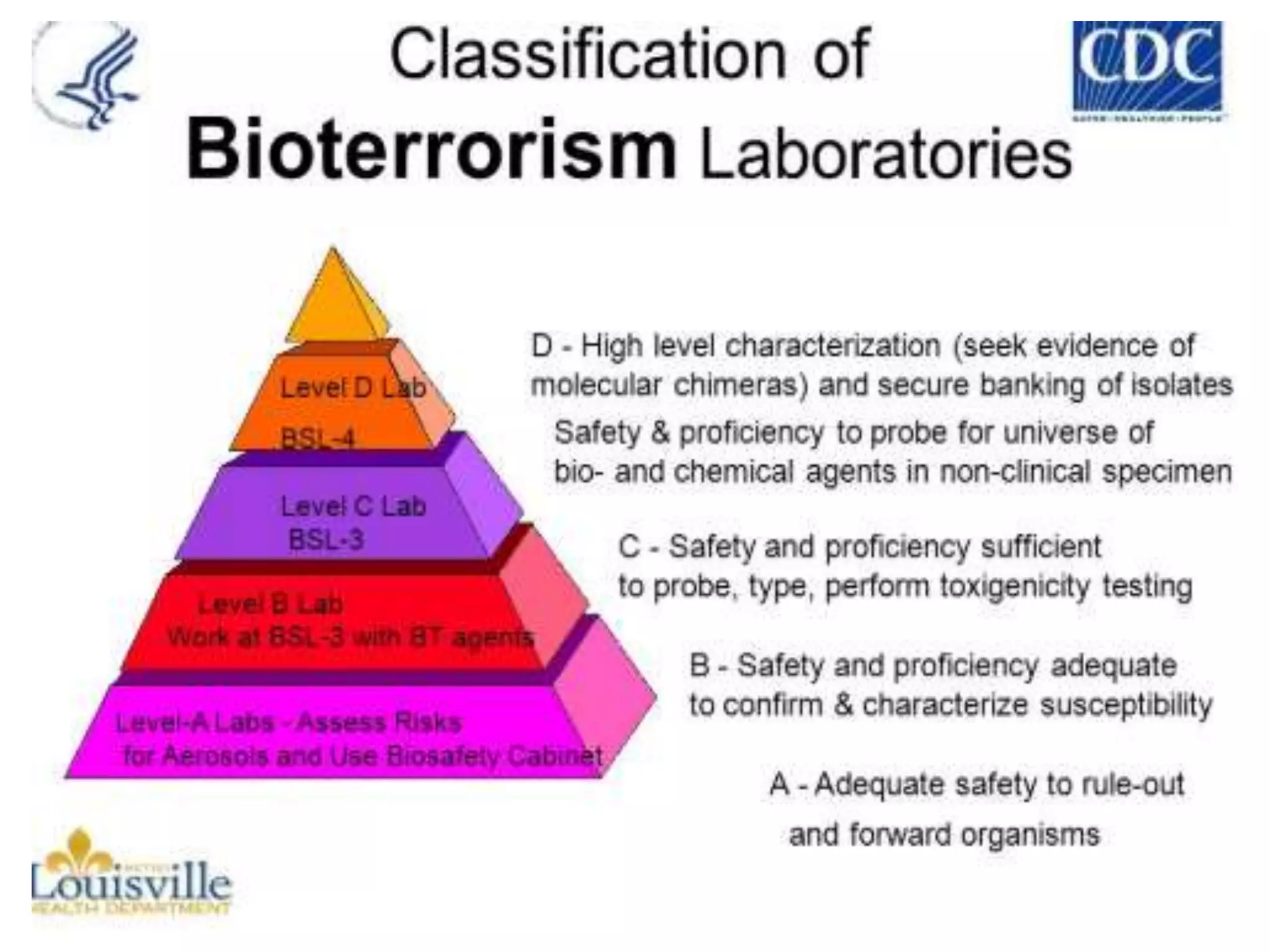
Under current united states law, bio-agents which have
been declared by the U.S department of health and
human services or the U.S department of agriculture to
have the “potential to pose a severe threat to public
health and safety” are officially defined as “ select
agents “The CDC categorizes these agents (A, B or C)
and administers the select agent program, which
regulates the laboratories which may posses, use, or
transfer select agents with in the United states.
Category A
• These high-priority agents pose a risk to
national security, can be easily transmitted
and disseminated, result in high mortality,
have potential major public health impact,
may cause public panic, or require special
action for public health preparedness.
Category A includes:
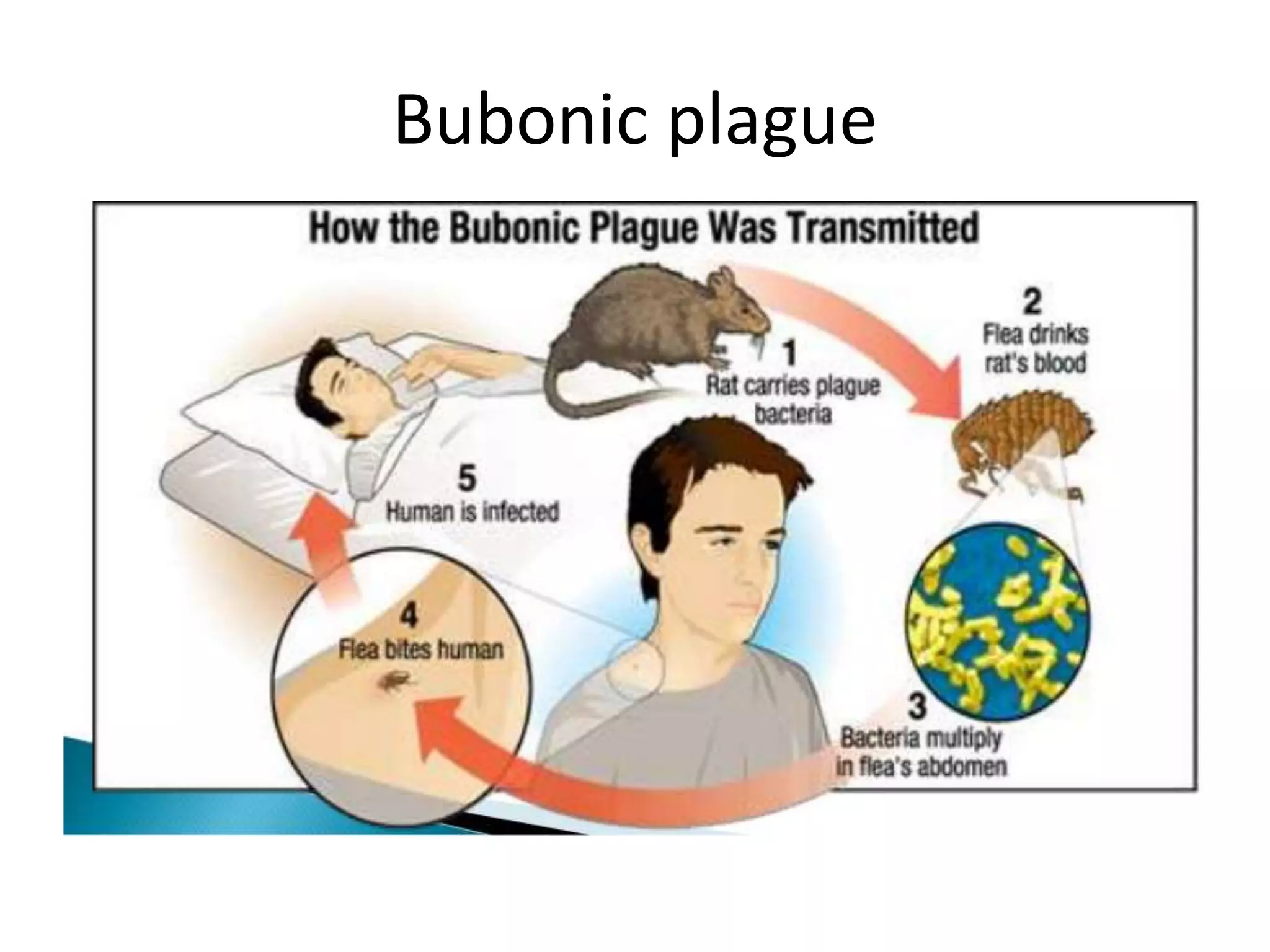
Bubonic plague
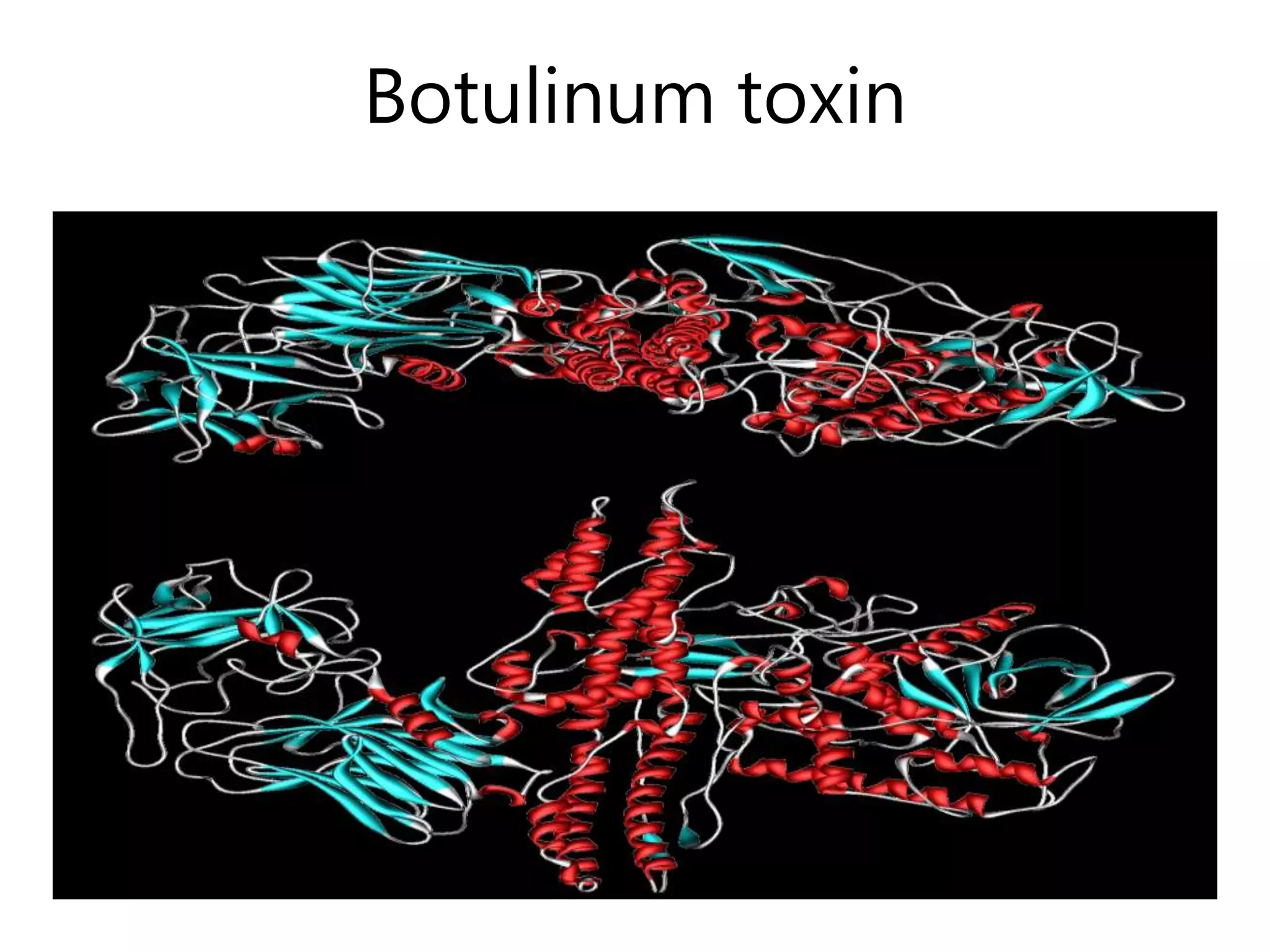
Botulinum toxin
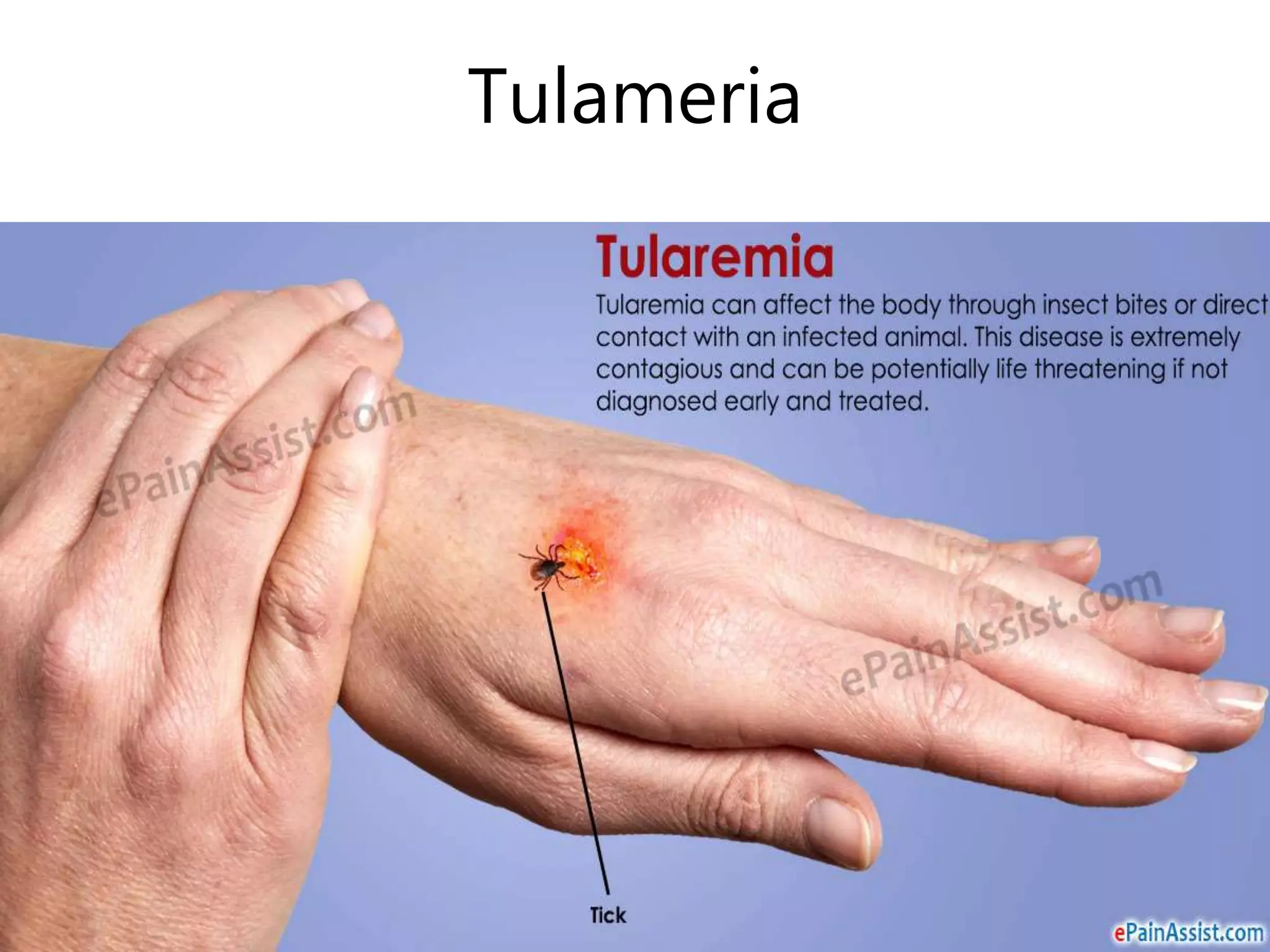
Tulameria
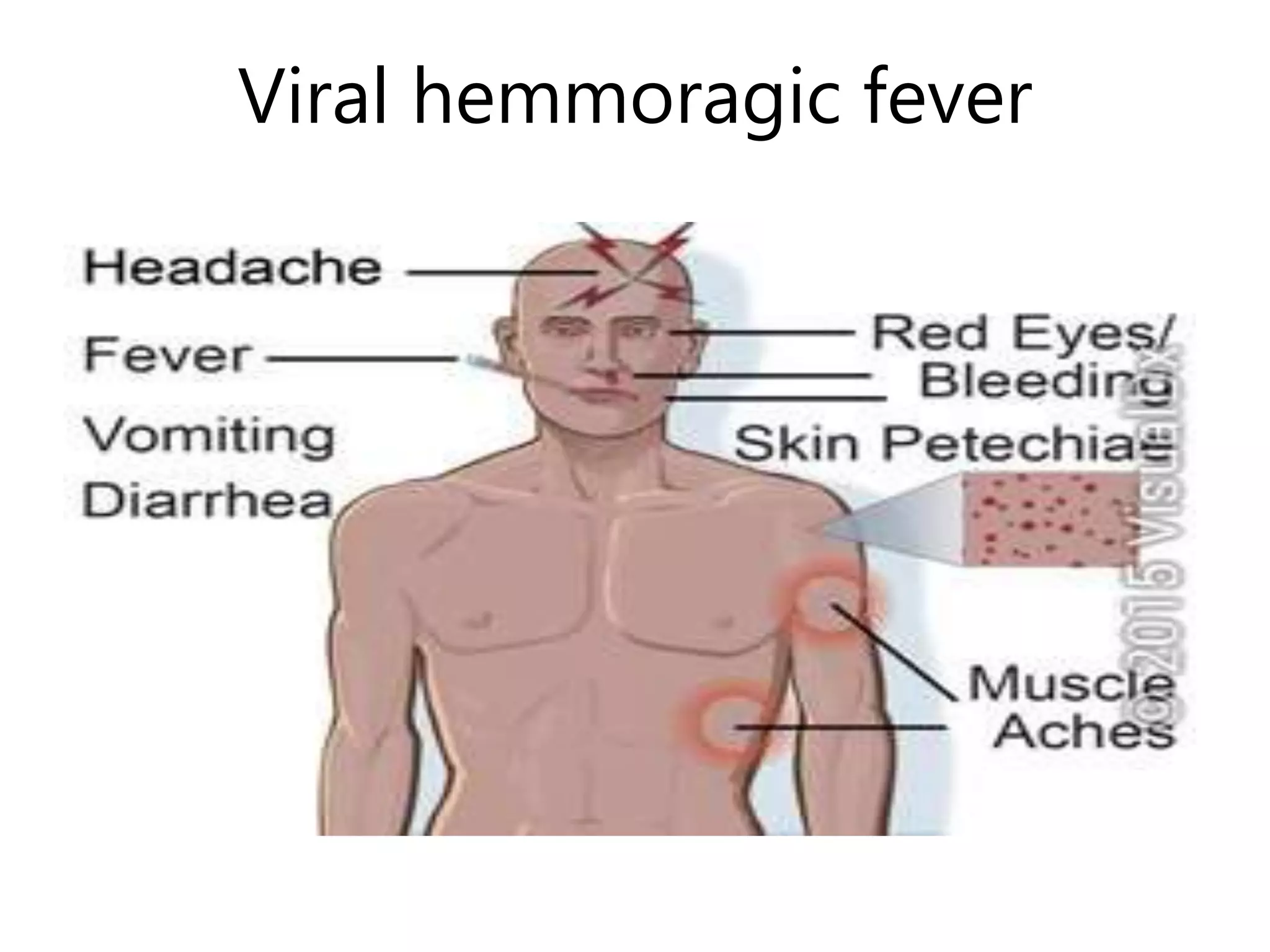
Viral hemmoragic fever
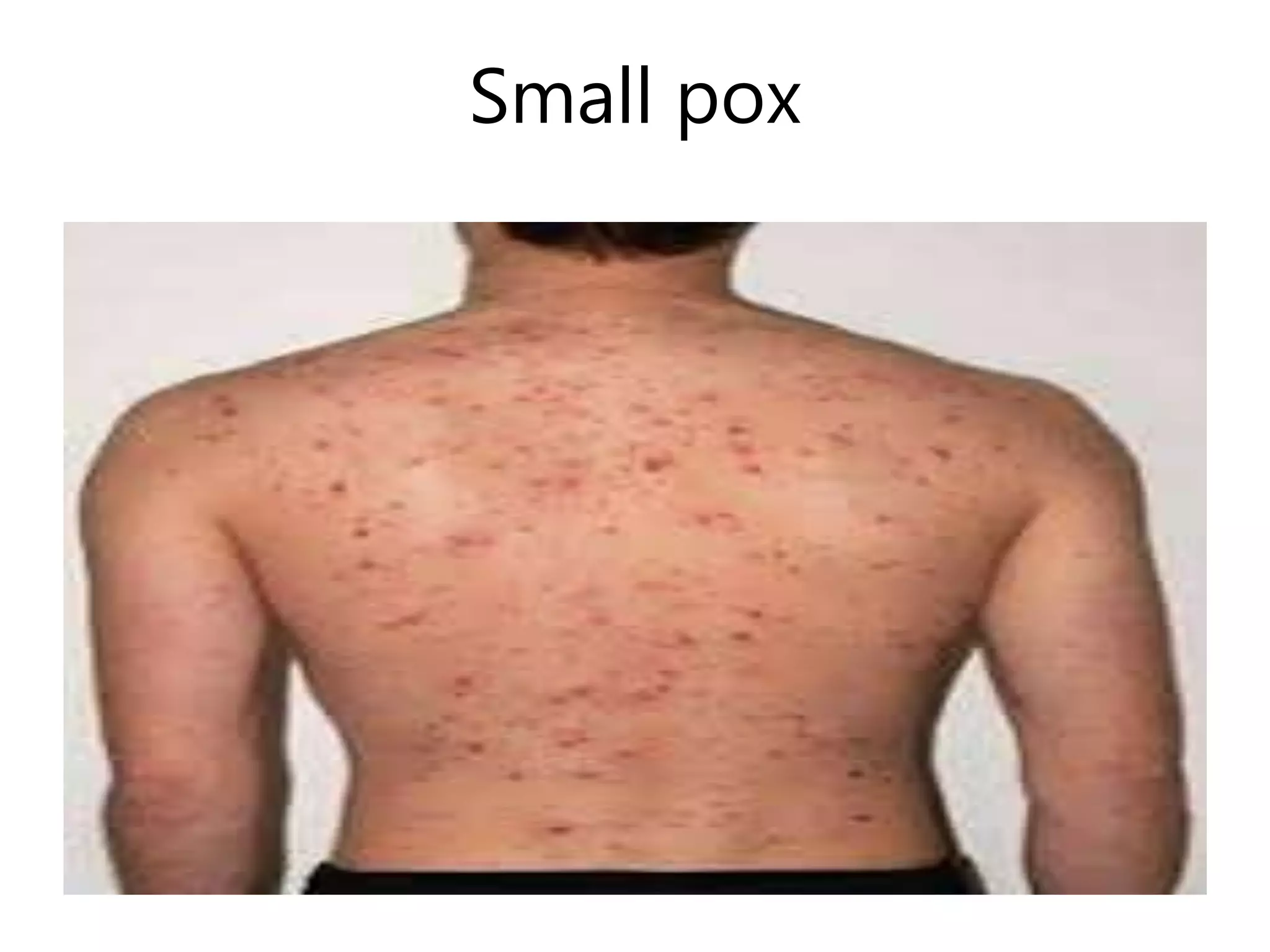
Small pox
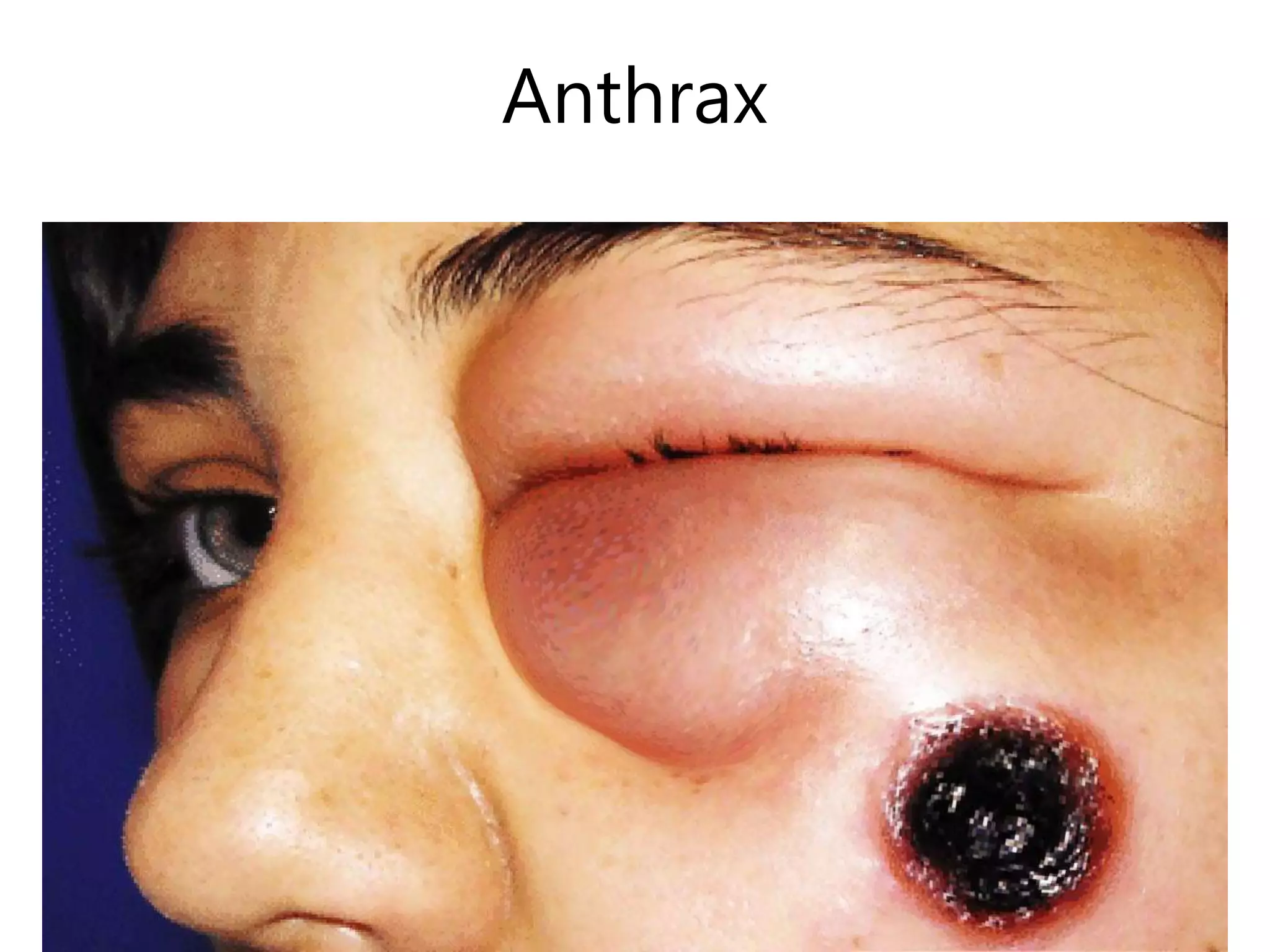
Anthrax
CATEGORY B
• Category B agents are moderately easy to
disseminate and have low mortality rates
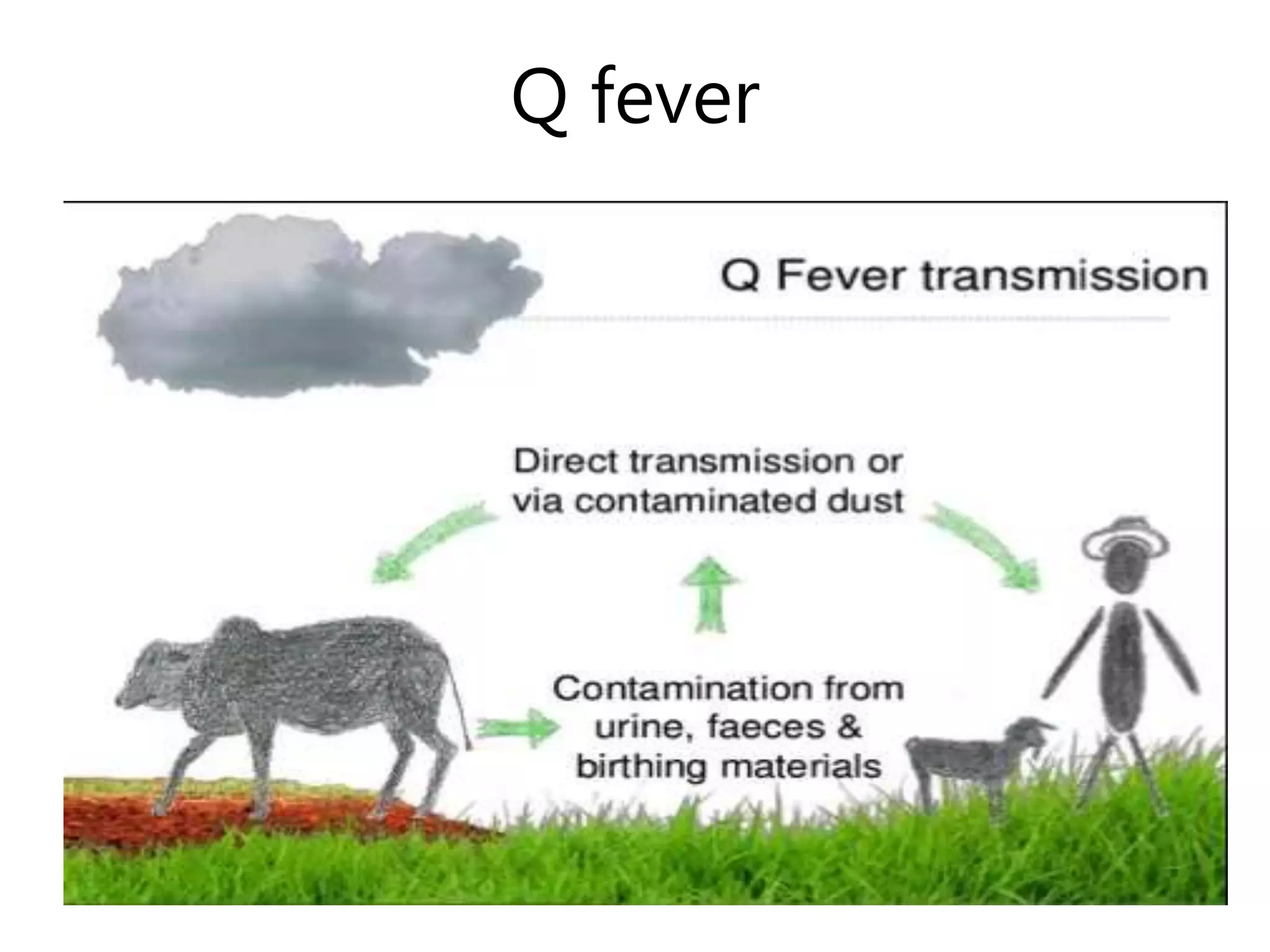
Q fever
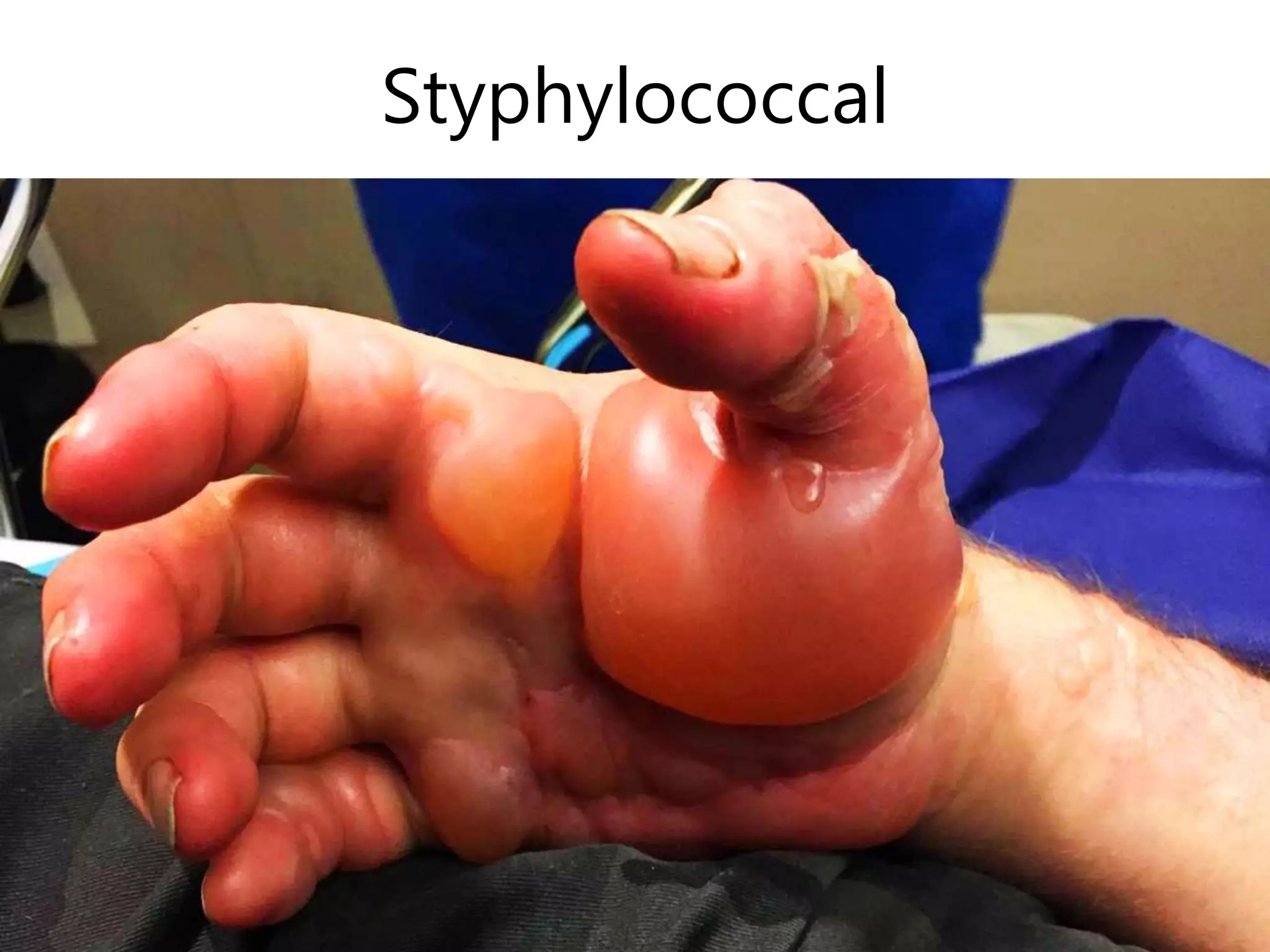
Styphylococcal
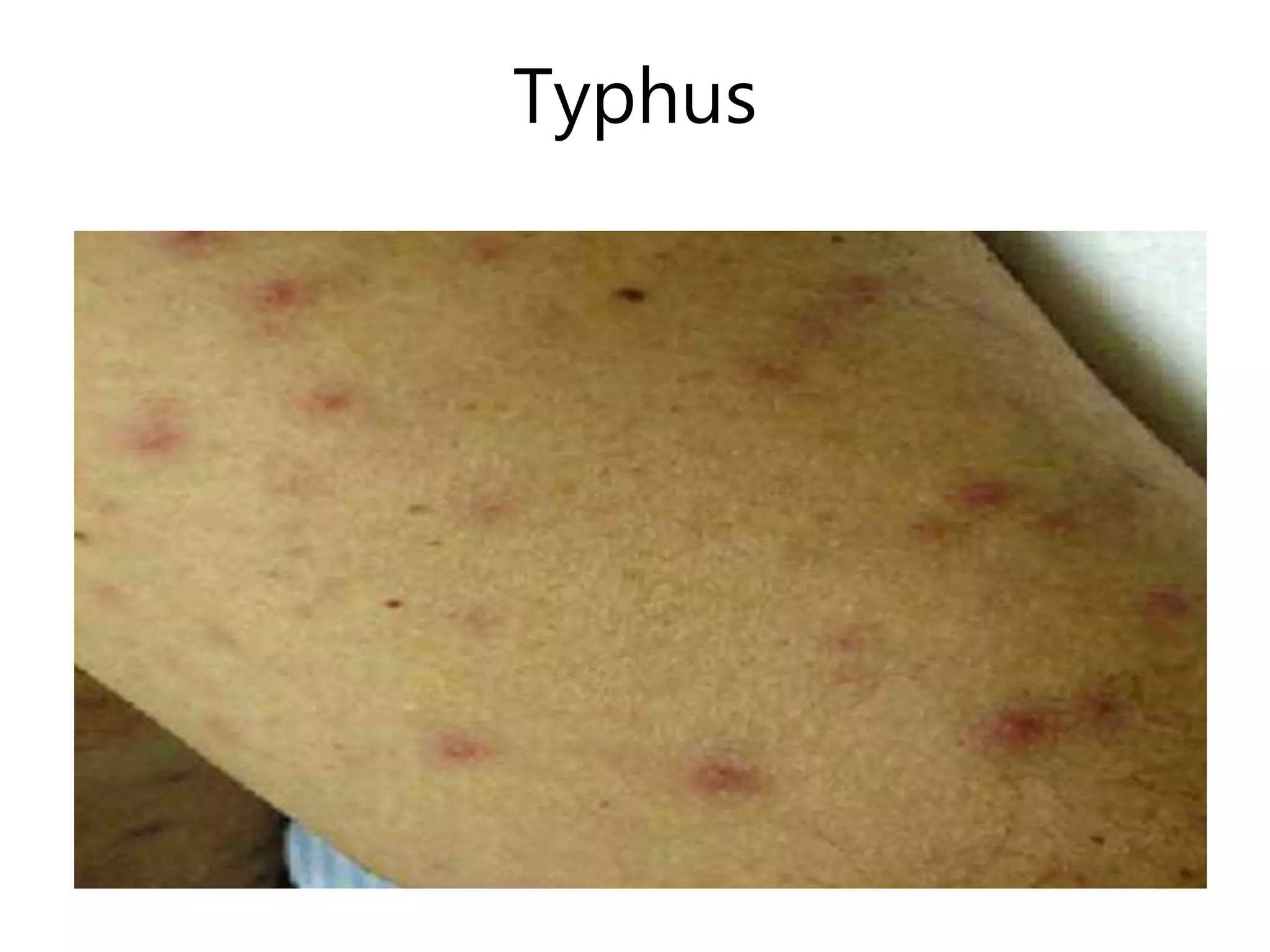
Typhus
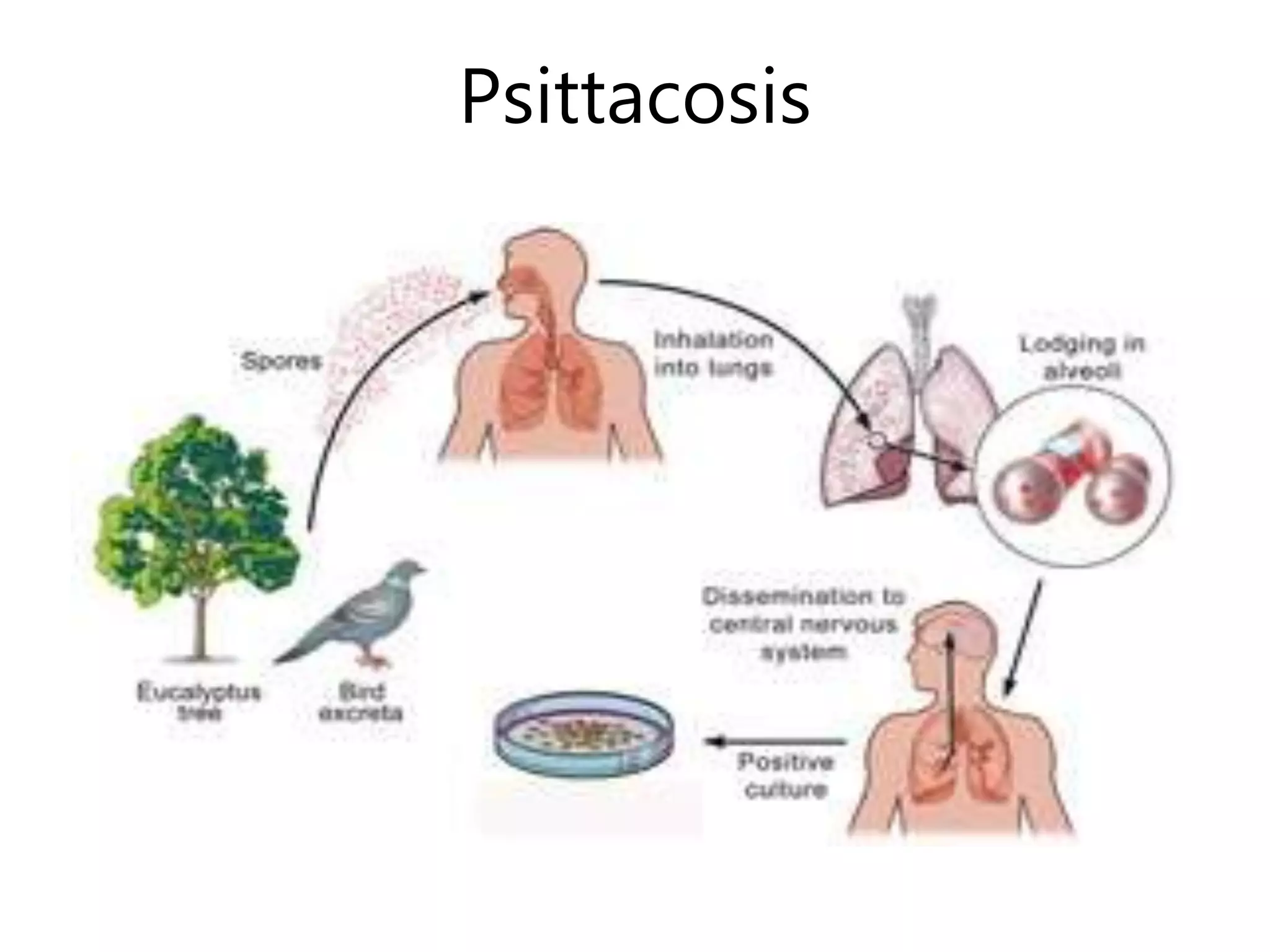
Psittacosis
Brucellosis
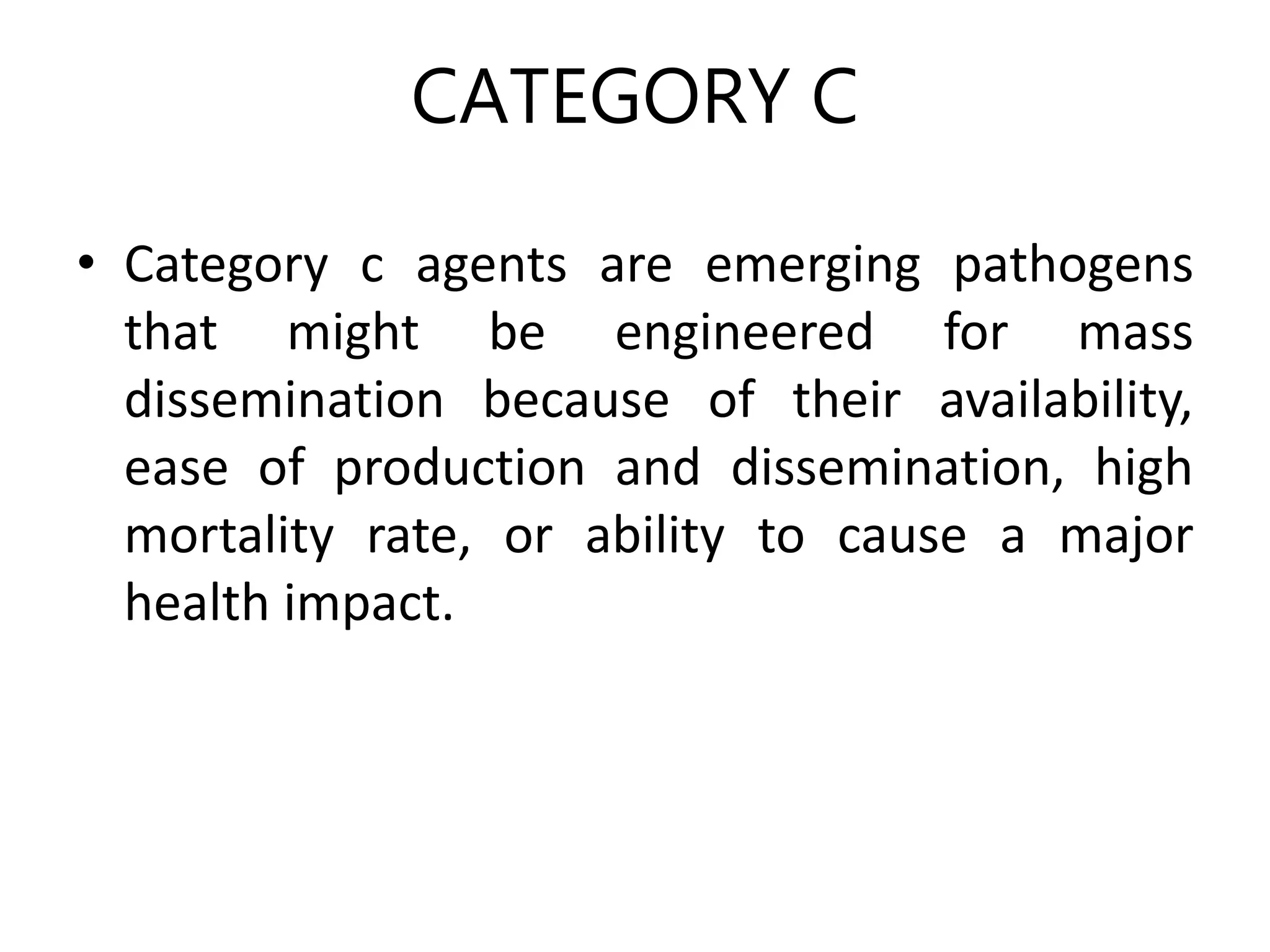
CATEGORY C
• Category c agents are emerging pathogens
that might be engineered for mass
dissemination because of their availability,
ease of production and dissemination, high
mortality rate, or ability to cause a major
health impact.
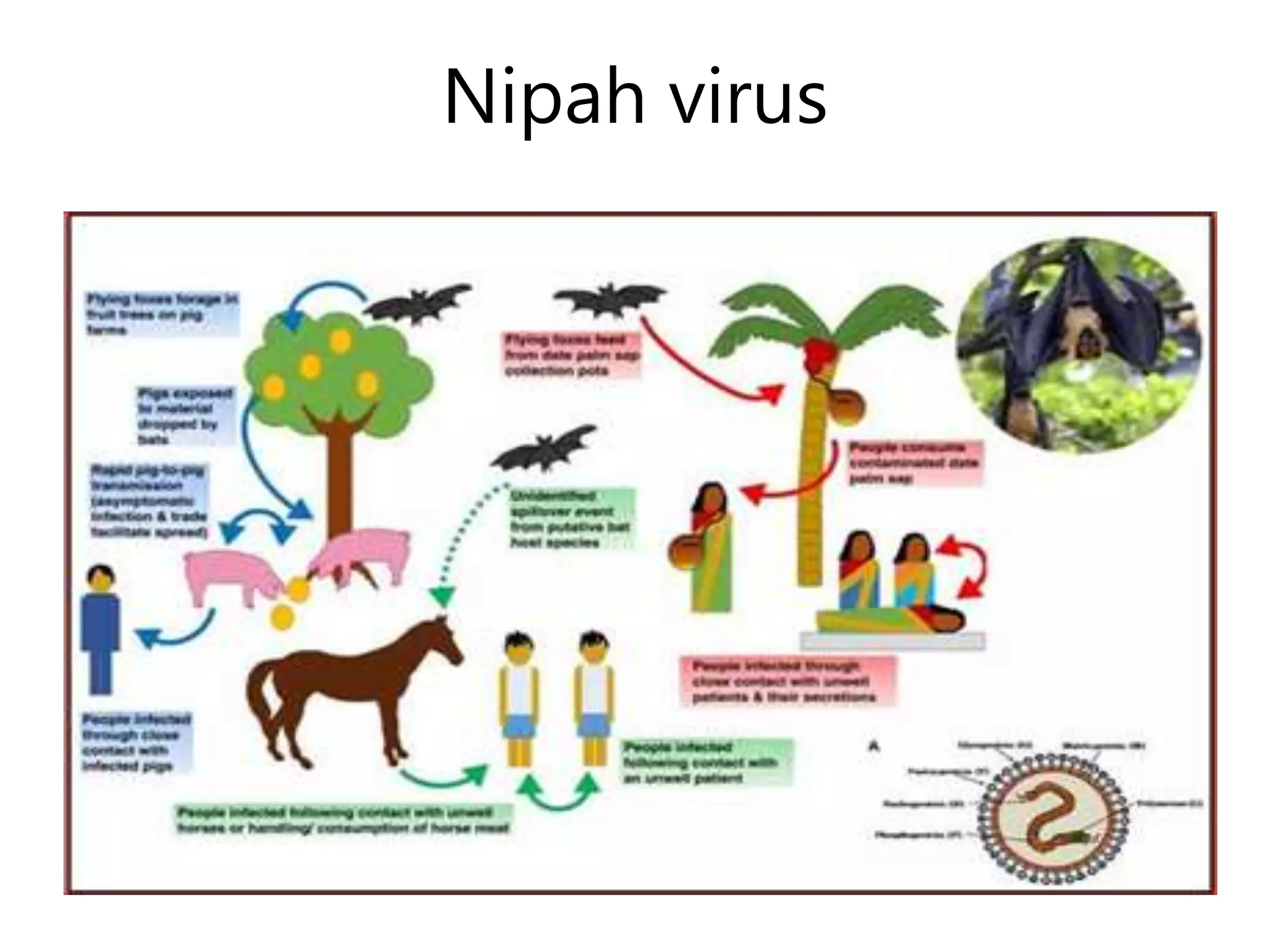
Nipah virus
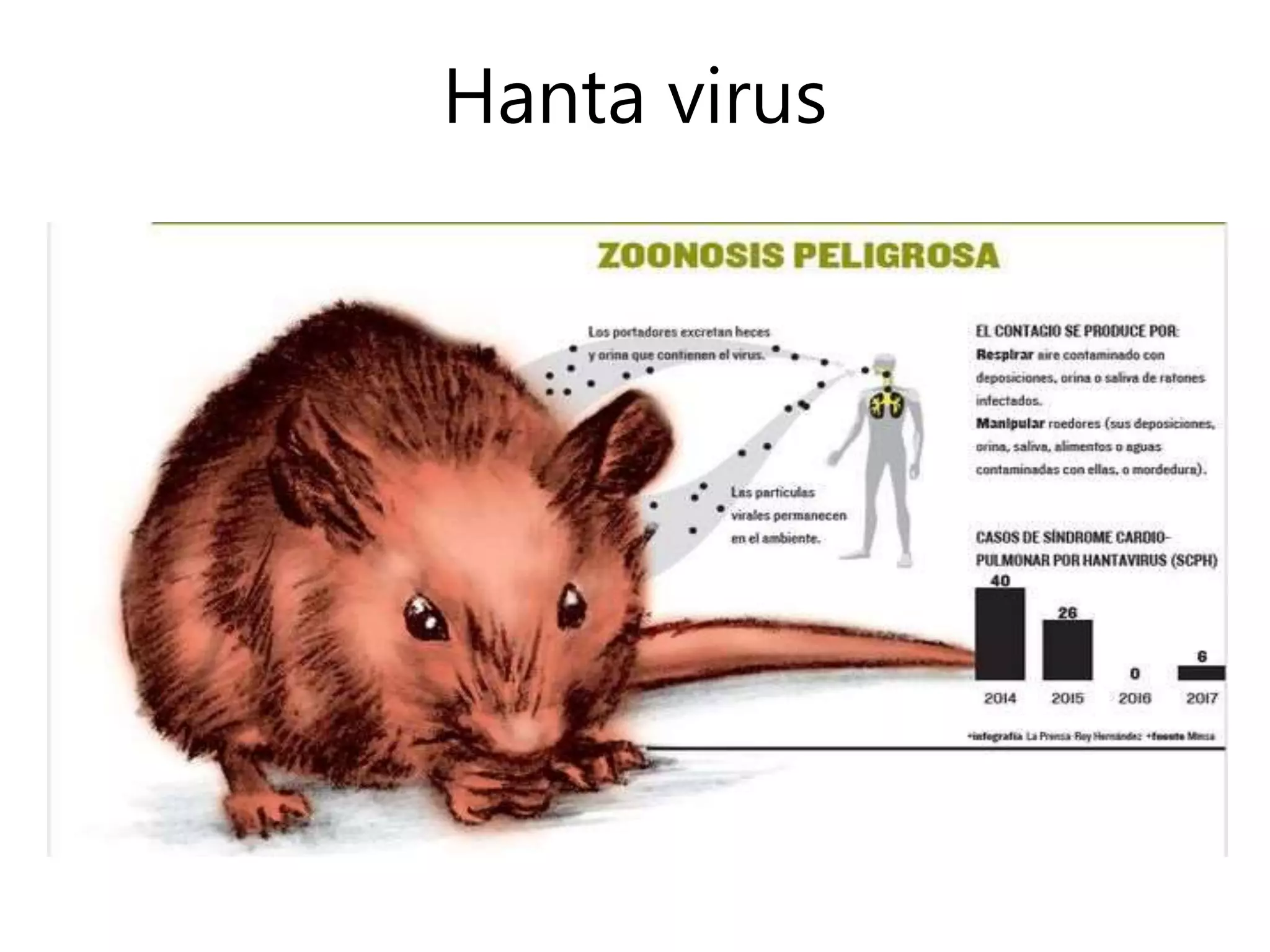
Hanta virus
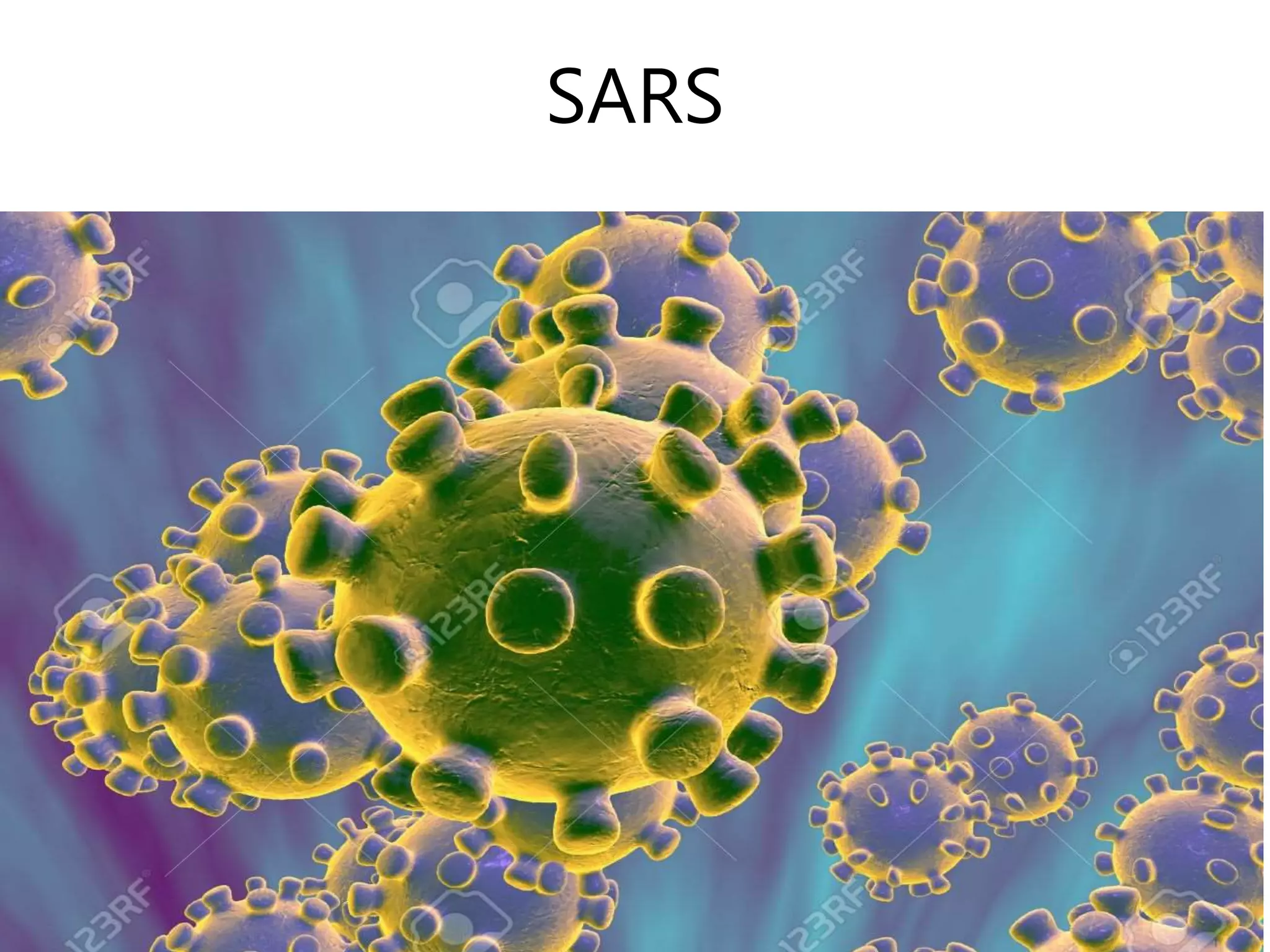
SARS
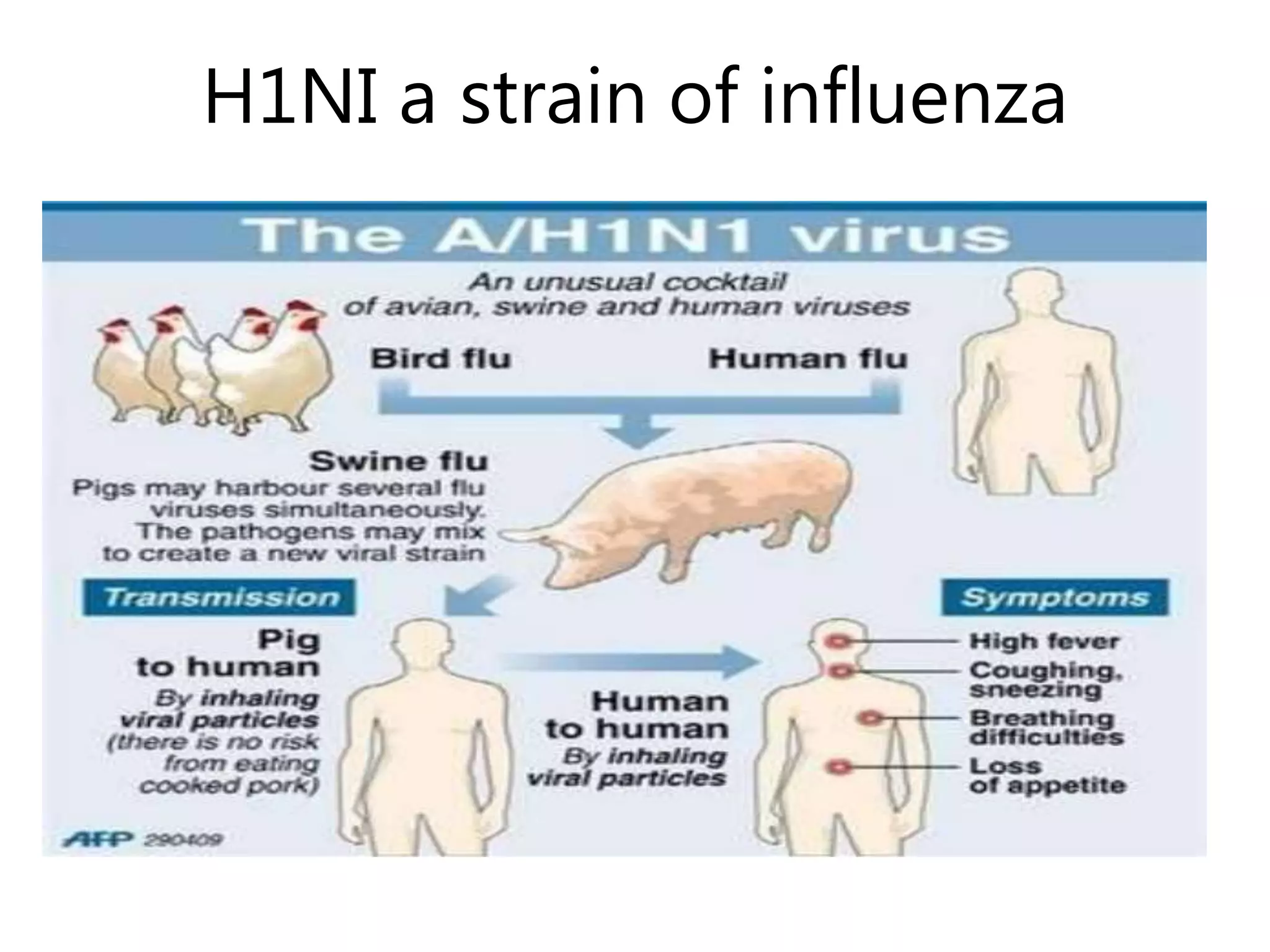
H1NI a strain of influenza
HIV/AIDS
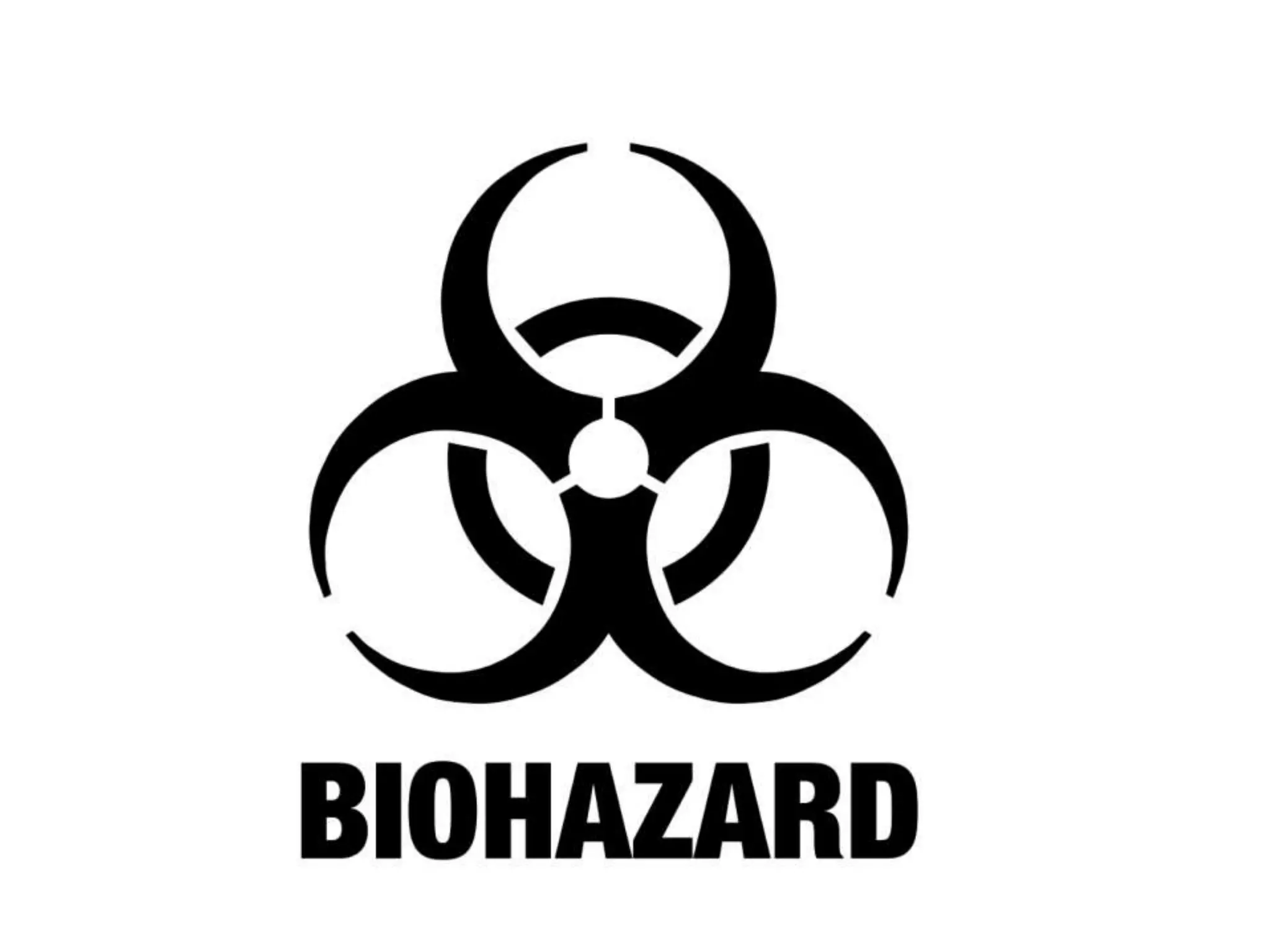
• Biological hazards, also known as biohazards, refer to biological
substances that pose a threat to the health of living organisms,
primarily that of humans.
• This can include samples of a microorganism, virus or toxin (from a
biological source) that can affect human health. It can also include
substances harmful to other animals.
• The term and its associated symbol are generally used as a warning,
so that those potentially exposed to the substances will know to
take precautions. The biohazard symbol was developed in 1966 by
Charles Baldwin, an environmental-health engineer working for
the Dow Chemical Company on the containment products.
• It is used in the labeling of biological materials that carry a
significant health risk, including viral samples and used hypodermic
needles.
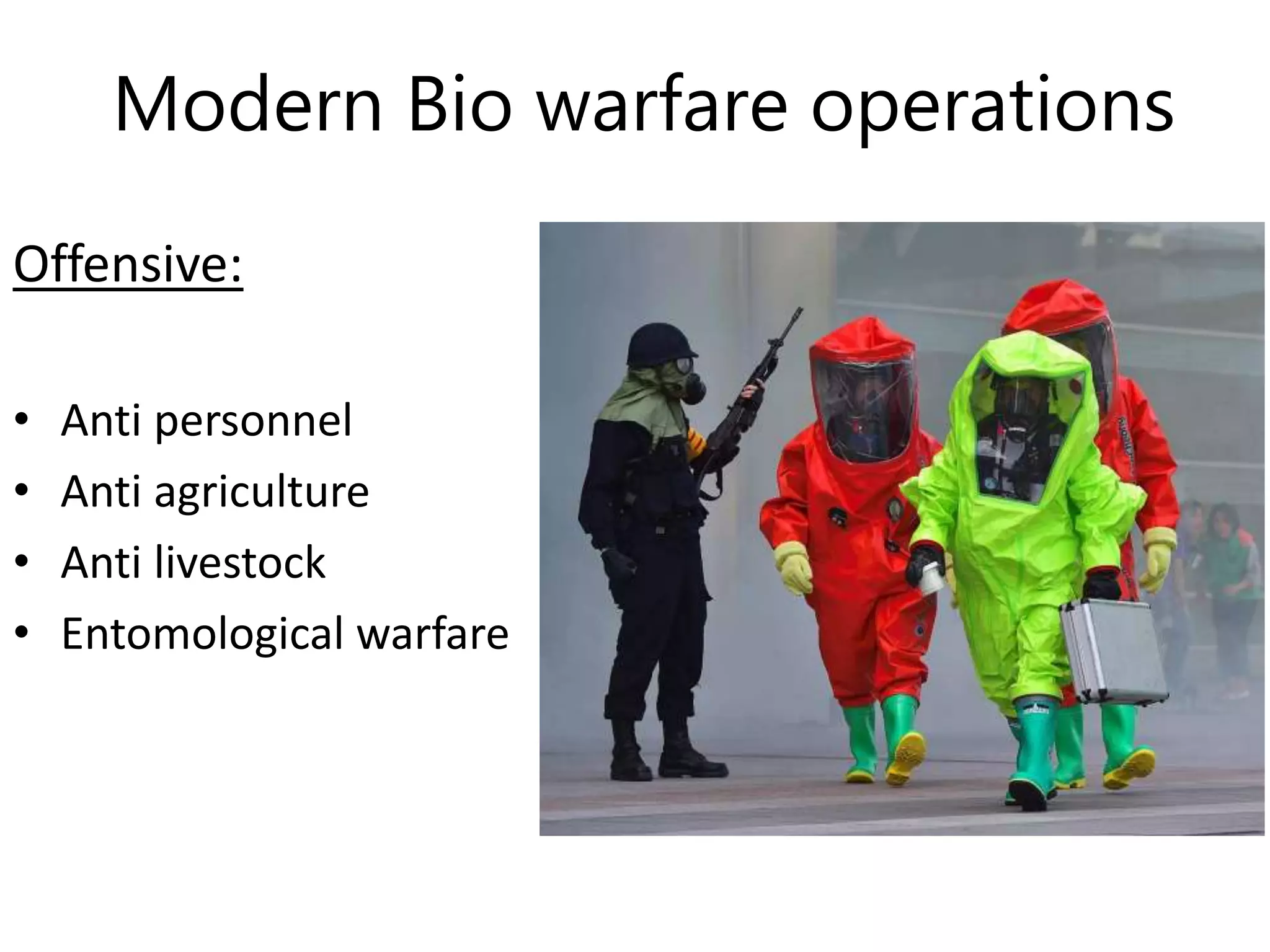
Modern Bio warfare operations
Offensive:
• Anti personnel
• Anti agriculture
• Anti livestock
• Entomological warfare
Offensive
• It has been argued that rational state actors would
never use biological weapons offensively. 
• The argument is that biological weapons cannot be
controlled: the weapon could backfire and harm the
army on the offensive, perhaps having even worse
effects than on the target.
• An agent like smallpox or other airborne viruses
would almost certainly spread worldwide and
ultimately infect the user's home country.
Anti personnel
• High infectivity, high virulence, non-availability of vaccines, and
availability of an effective and efficient delivery system.
• Stability of the weaponized agent (ability of the agent to retain its
infectivity and virulence after a prolonged period of storage) may
also be desirable, particularly for military applications, and the
ease of creating one is often considered. Control of the spread of
the agent may be another desired characteristic.
• The primary difficulty is not the production of the biological
agent, as many biological agents used in weapons can often be
manufactured relatively quickly, cheaply and easily. Rather, it is
the weaponization, storage and delivery in an effective vehicle to
a vulnerable target that pose significant problems.
Anti agriculture
• The United States developed an anti-crop capability
during the Cold War that used plant diseases for
destroying enemy agriculture.
• Biological weapons also target fisheries as well as
water-based vegetation.
• It was believed that destruction of enemy agriculture
on a strategic scale could thwart Sino-Soviet
aggression in a general war.
• Diseases such as wheat blast and rice blast were
weaponized in aerial spray tanks and cluster bombs
for delivery to enemy watersheds in agricultural
regions to initiate epiphytotics (epidemics among
plants). When the United States renounced its
offensive biological warfare program in 1969 and
1970, the vast majority of its biological arsenal was
composed of these plant diseases
• Though herbicides are chemicals, they are often
grouped with biological warfare and chemical warfare
because they may work in a similar manner as
biotoxins or bioregulators.
• Biological warfare can also specifically target plants to
destroy crops or defoliate vegetation. The United
States and Britain discovered plant growth regulators
(i.e., herbicides) during the Second World War, and
initiated a herbicidal warfare program that was
eventually used in Malaya and Vietnam in
counterinsurgency operations.
Anti livestock
• In 1980s Soviet Ministry of Agriculture had successfully
developed variants of foot-and-mouth disease, and
rinderpest against cows, African swine fever for pigs,
and psittacosis to kill chicken. These agents were
prepared to spray them down from tanks attached to
airplanes over hundreds of miles. The secret program
was code-named "Ecology".
• During the Mau Mau Uprising in 1952, the poisonous
latex of the African milk bush was used to kill cattle.
Entomological warfare
• Entomological warfare (EW) is a type of biological
warfare that uses insects to attack the enemy.
• The concept has existed for centuries and research
and development have continued into the modern
era.
• EW has been used in battle by Japan and several
other nations have developed and been accused of
using an entomological warfare program.
• EW may employ insects in a direct attack or as
vectors to deliver a biological agent, such as plague.
• Essentially, EW exists in three varieties. One type
of EW involves infecting insects with a pathogen
and then dispersing the insects over target areas.
The insects then act as a vector, infecting any
person or animal they might bite. Another type of
EW is a direct insect attack against crops; the
insect may not be infected with any pathogen but
instead represents a threat to agriculture. The
final method uses uninfected insects, such as
bees, wasps, etc., to directly attack the enemy.
Bio surveillance
• In 1999, the University of Pittsburgh's Center for Biomedical
Informatics deployed the first automated bioterrorism
detection system, called RODS (Real-Time Outbreak Disease
Surveillance).
• RODS is designed to draw collect data from many data sources
and use them to perform signal detection, that is, to detect a
possible bioterrorism event at the earliest possible moment.
• RODS, and other systems like it, collect data from sources
including clinic data, laboratory data, and data from over-the-
counter drug sales.
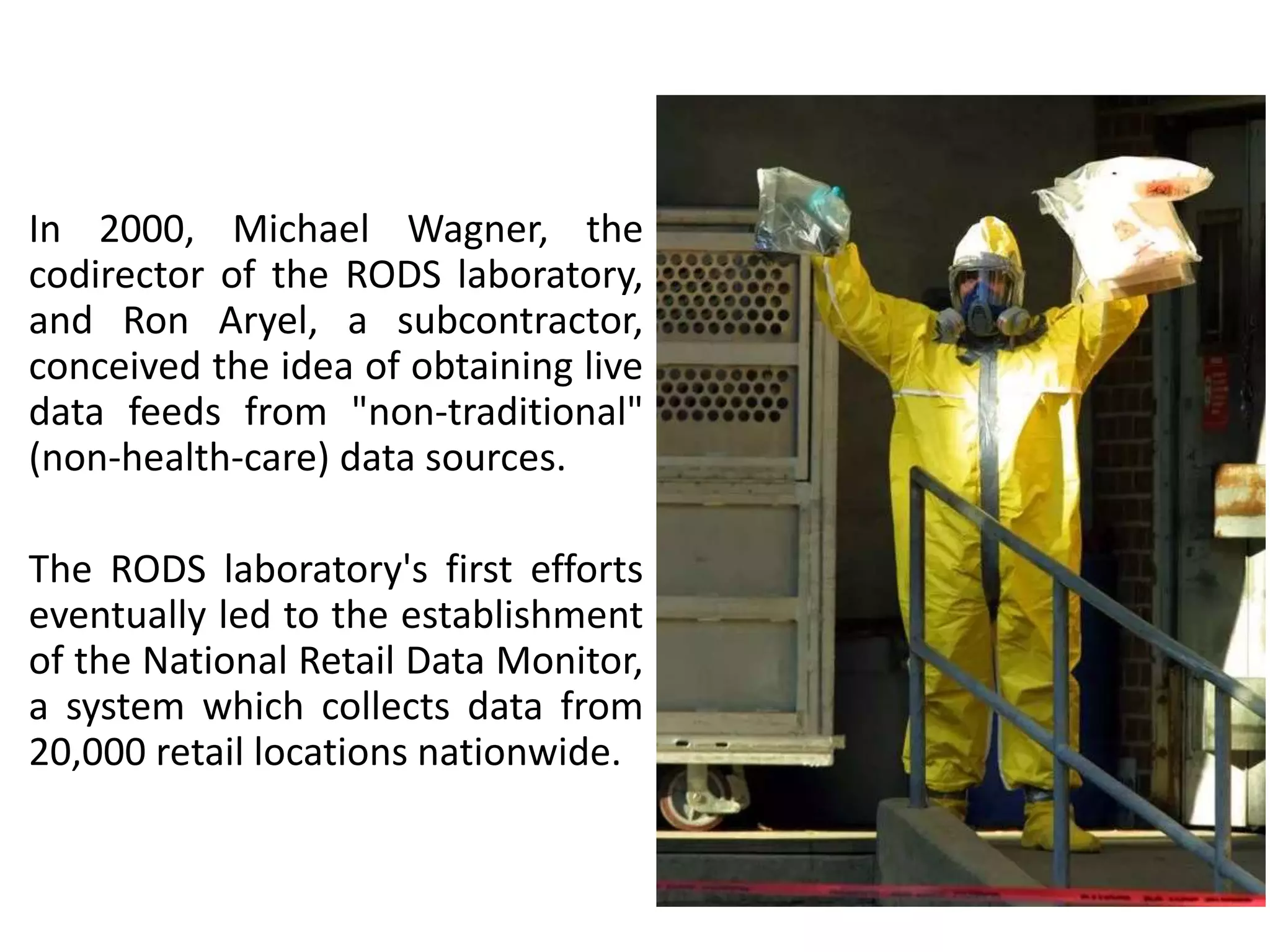
In 2000, Michael Wagner, the
codirector of the RODS laboratory,
and Ron Aryel, a subcontractor,
conceived the idea of obtaining live
data feeds from "non-traditional"
(non-health-care) data sources.
The RODS laboratory's first efforts
eventually led to the establishment
of the National Retail Data Monitor,
a system which collects data from
20,000 retail locations nationwide.
Planning
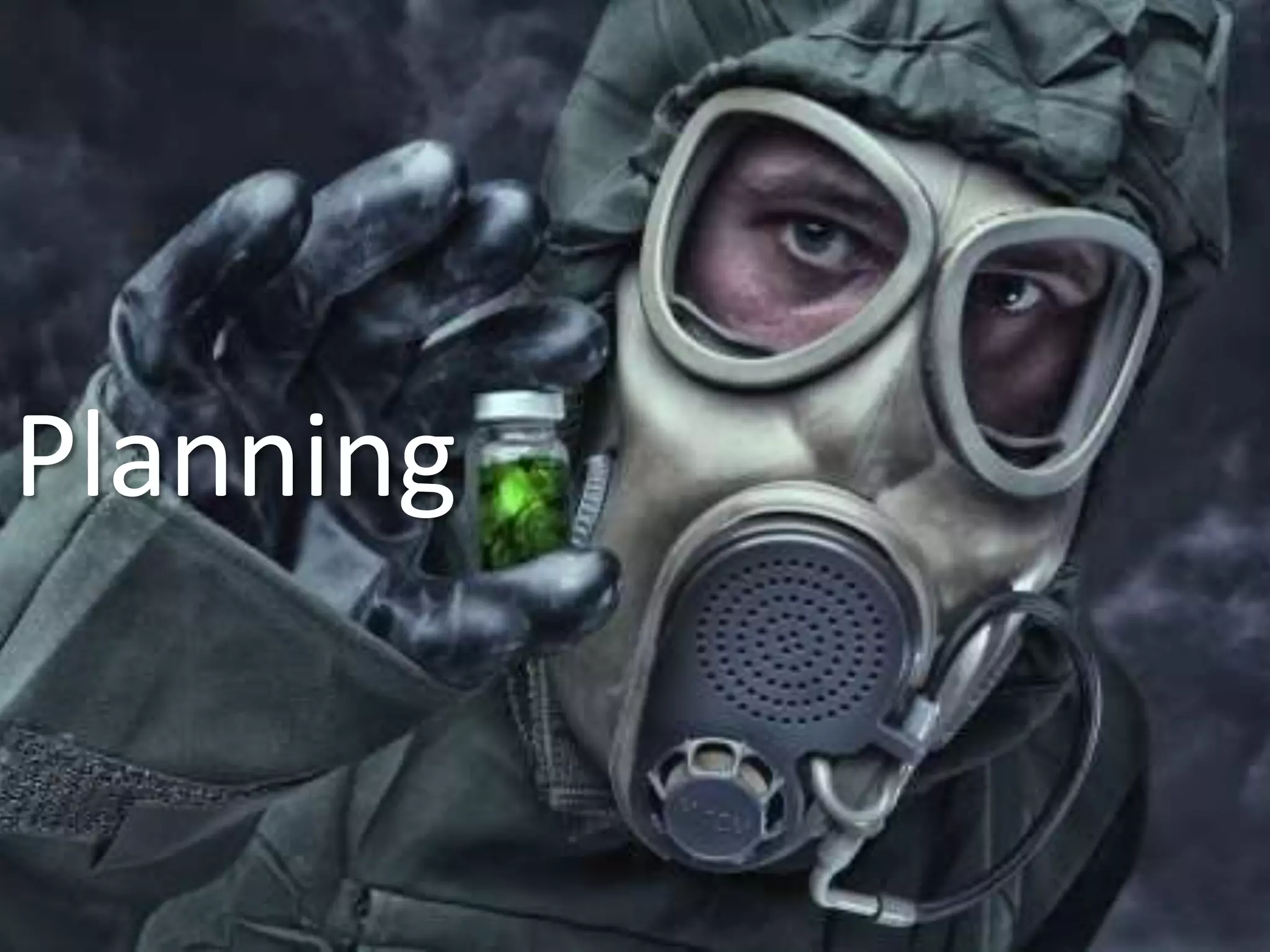
• Planning may involve the
development of biological
identification systems.
• Financial cutbacks have limited
the tracking of disease outbreaks.
Some outbreaks, such as food
poisoning due to E. coli or
Salmonella, could be of either
natural or deliberate origin.
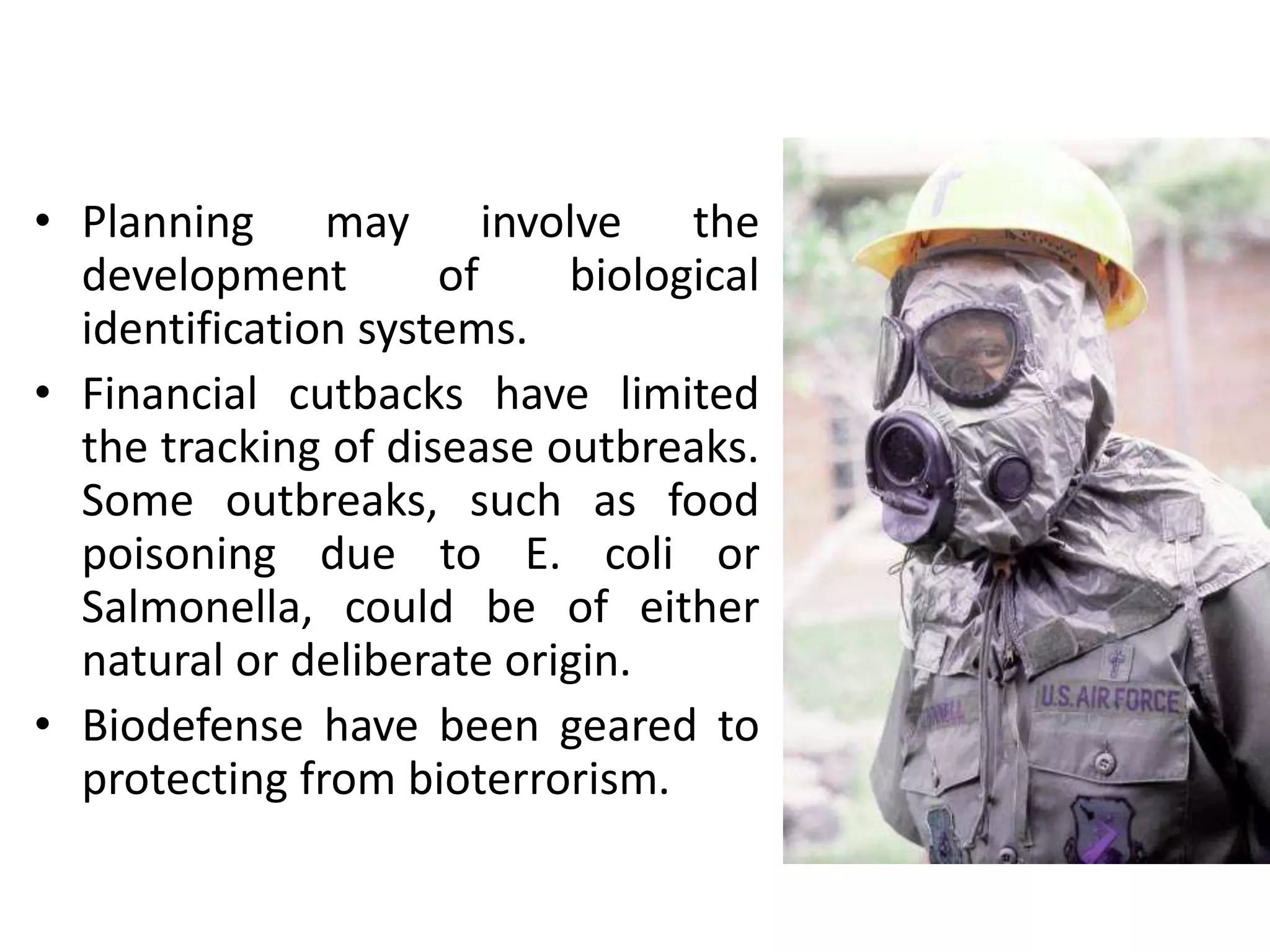
• Biodefense have been geared to
protecting from bioterrorism.
• Biodefense refers to measures to restore biosecurity to a
group of organisms who are, or may be, subject to biological
threats or infectious diseases. Biodefense is frequently
discussed in the context of bio war or bioterrorism, and is
generally considered a military or emergency response term.
• Biodefense applies to two distinct target populations: civilian
non-combatant and military combatant (troops in the field).
• Protection of water supplies and food supplies are often a
critical part of biodefense.
Preparedness
• Biological agents are relatively easy to obtain by
terrorists and are becoming more threatening in the
U.S., and laboratories are working on advanced
detection systems to :
• provide early warning
• identify contaminated areas and populations at risk
• to facilitate prompt treatment
• Methods for predicting the use of biological agents in
urban areas as well as assessing the area for the
hazards associated with a biological attack are being
established in major cities.
• Efforts include decontamination technologies to
restore facilities without causing additional
environmental concerns.
• Early detection and rapid response to
bioterrorism depend on close cooperation
between public health authorities and law
enforcement; however, such cooperation is
currently lacking.
• National detection assets and vaccine stockpiles
are not useful if local and state officials do not
have access to them.
Specific Types of Preparedness
• Personal Preparedness
• Preparedness for
Healthcare Facilities
• State & Local
Preparedness
• National Preparedness
• Legal Preparedness
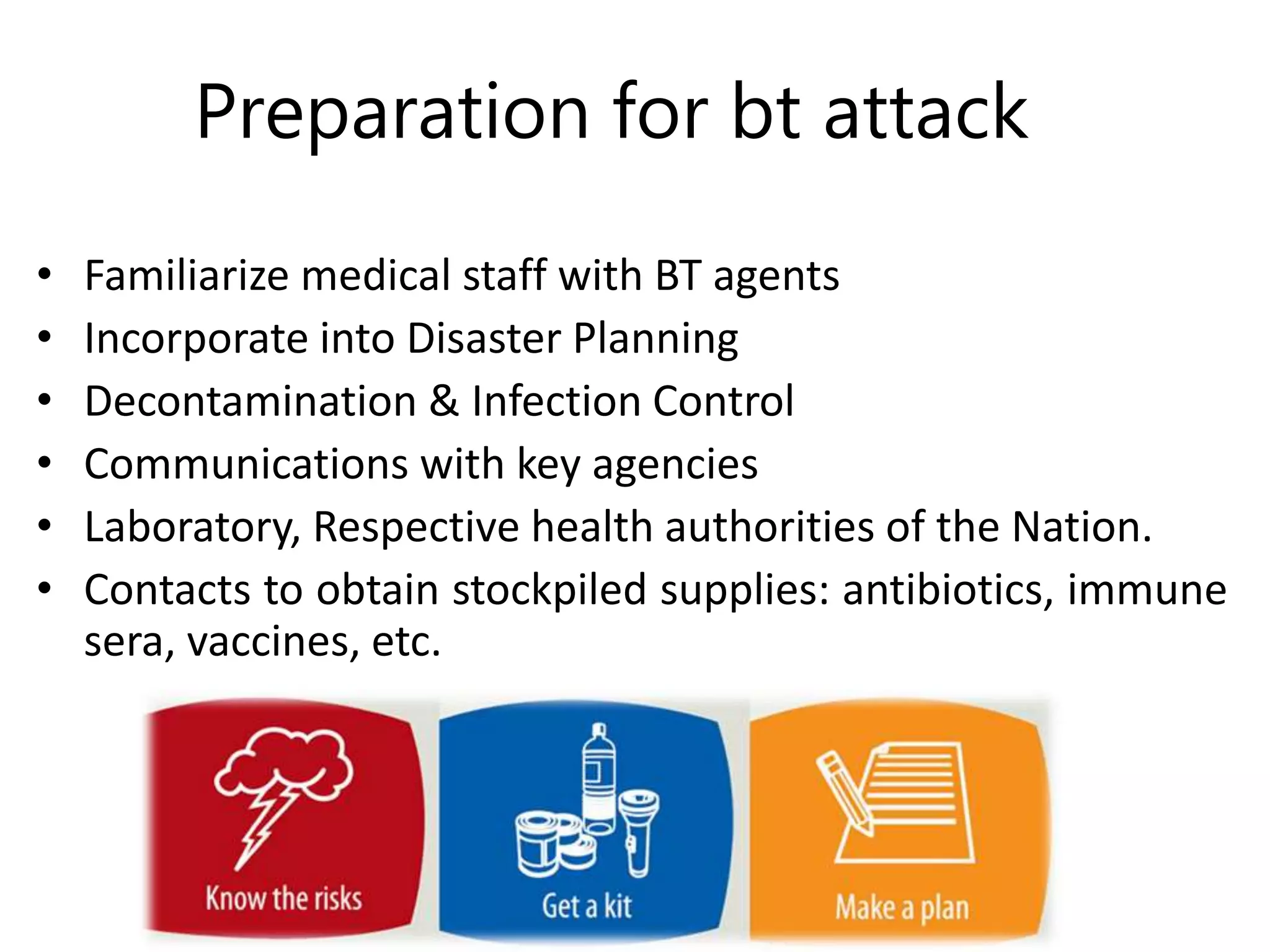
Preparation for bt attack
• Familiarize medical staff with BT agents
• Incorporate into Disaster Planning
• Decontamination & Infection Control
• Communications with key agencies
• Laboratory, Respective health authorities of the Nation.
• Contacts to obtain stockpiled supplies: antibiotics, immune
sera, vaccines, etc.
Psychological aspects of
bioterrorism
• Following a bioterrorism-
related event, fear and
panic can be expected
from both patients and
healthcare providers.
• Psychological responses
following a bioterrorism
event may include horror,
anger, panic, unrealistic
concerns about infection,
fear of contagion,
paranoia, social-isolation,
or demoralization.
When developing the facility Bioterrorism Readiness
Plan, consider the following to address patient and
general public fears:
• Minimize panic by clearly
explaining risks, offering careful
but rapid medical
• Evaluation/treatment, and
avoiding unnecessary isolation
or quarantine.
• Treat anxiety in unexposed
persons who are experiencing
somatic symptoms (e.g., With
reassurance, or diazepam-like
anxiolytics as indicated for
acute relief of those who do
notrespond to reassurance).
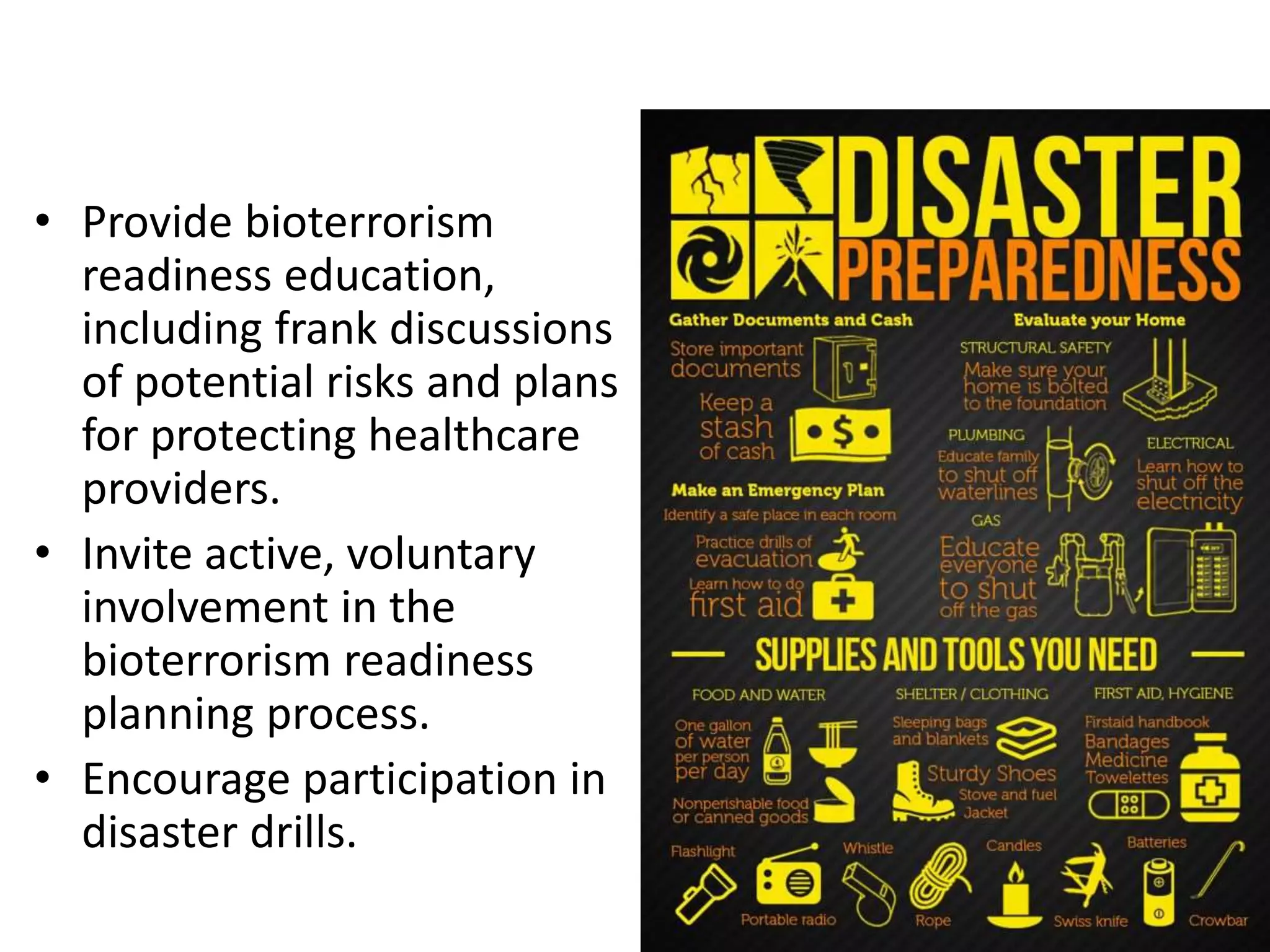
• Provide bioterrorism
readiness education,
including frank discussions
of potential risks and plans
for protecting healthcare
providers.
• Invite active, voluntary
involvement in the
bioterrorism readiness
planning process.
• Encourage participation in
disaster drills.
Case Examples
• A religious cult has established a base outside town. The cult has
applied for a charter to start its own publicly funded school. It’s
already been voted down once. The charter school is again on
the ballot. On election day, hundreds of townspeople become ill
and are too sick to get out to vote. In searching the cult
headquarters on another matter, a vial of Salmonella
typhimurium is found. After questioning by the police, one of
the cult members reveals that the salmonella was used to
intentionally contaminate local restaurant salad bars with the
aim of limiting the number of people who would vote against
the charter school.
ASPECTS OF PROTECTION AGAINST
BIOTERRORISM
• Detection and resilience strategies in combating bioterrorism.
This occurs primarily through the efforts of the Office of
Health Affairs , whose role is to prepare for an emergency
situation. OHA's Bio Watch program in which collection
devices are disseminated to thirty high risk areas
throughout the country to detect the presence of
aerosolized biological agents before symptoms present in
patients.
• Implementation of the generation-3 automated
detection system.
• It enables action to be taken in four to six hours due
to its automatic response system.
• Moreover, by providing information and education
to public leaders, emergency medical services and all
employees of the DHS, OHS suggests it can
significantly decrease the impact of bioterrorism.
• Enhancing the technological capabilities of first
responders:
By testing the accuracy and specificity of commercially
available systems used by first responders, the hope is
that all biologically harmful powders can be rendered
ineffective.
• Enhanced equipment for first responders.
A new generation of Self-Contained Breathing
Apparatuses (SCBA) which has been recently made
more robust against bioterrorism agents. All of these
technologies combine to form what seems like a
relatively strong deterrent to bioterrorism.
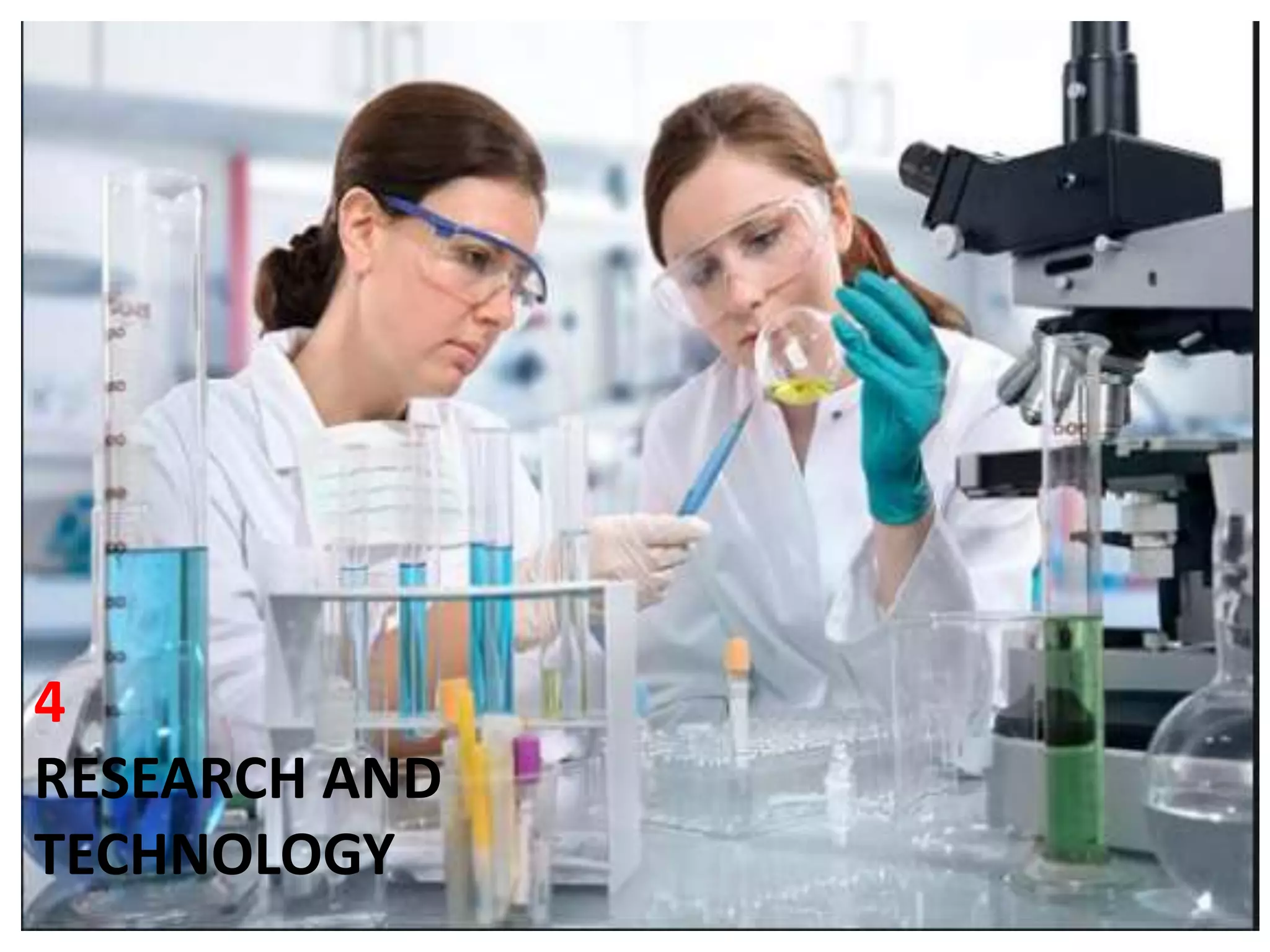
TECHNOLOGY AT WORK
• Forensic teams work hard to identify
biological agents, their origins and effects.
• Labs are working on advanced detection
systems to detect early attacks, identify at-risk
areas, and to give proper treatment.
4
RESEARCH AND
TECHNOLOGY
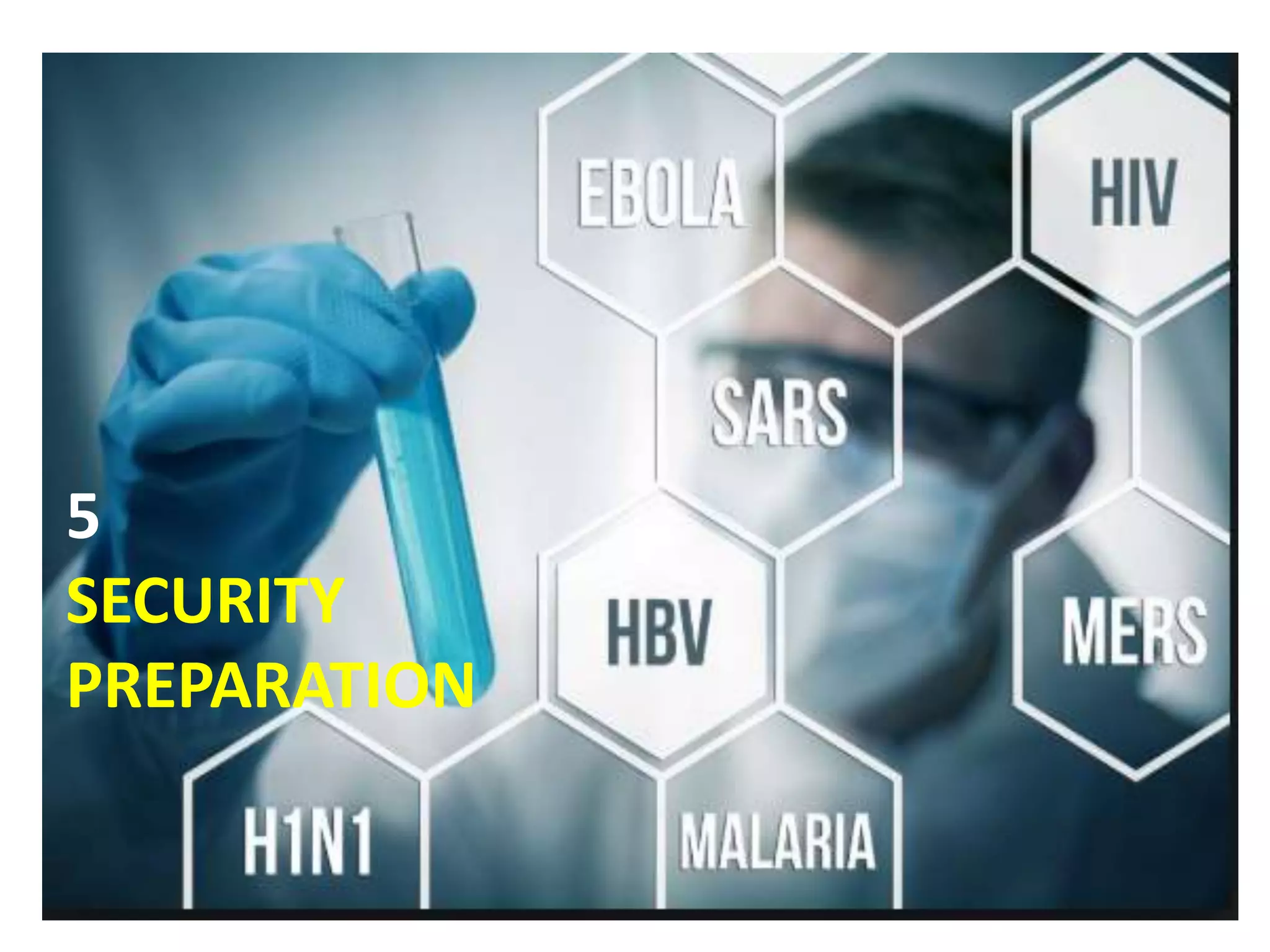
5
SECURITY
PREPARATION
THANK
YOU

Bioterrorism

  • 1.
  • 2.
  • 3.
    Types of agents Undercurrent united states law, bio-agents which have been declared by the U.S department of health and human services or the U.S department of agriculture to have the “potential to pose a severe threat to public health and safety” are officially defined as “ select agents “The CDC categorizes these agents (A, B or C) and administers the select agent program, which regulates the laboratories which may posses, use, or transfer select agents with in the United states.
  • 4.
    Category A • Thesehigh-priority agents pose a risk to national security, can be easily transmitted and disseminated, result in high mortality, have potential major public health impact, may cause public panic, or require special action for public health preparedness. Category A includes:
  • 5.
  • 6.
  • 7.
  • 8.
  • 9.
  • 10.
  • 11.
    CATEGORY B • CategoryB agents are moderately easy to disseminate and have low mortality rates
  • 12.
  • 13.
  • 14.
  • 15.
  • 16.
  • 17.
    CATEGORY C • Categoryc agents are emerging pathogens that might be engineered for mass dissemination because of their availability, ease of production and dissemination, high mortality rate, or ability to cause a major health impact.
  • 18.
  • 19.
  • 20.
  • 21.
    H1NI a strainof influenza
  • 22.
  • 24.
    • Biological hazards,also known as biohazards, refer to biological substances that pose a threat to the health of living organisms, primarily that of humans. • This can include samples of a microorganism, virus or toxin (from a biological source) that can affect human health. It can also include substances harmful to other animals. • The term and its associated symbol are generally used as a warning, so that those potentially exposed to the substances will know to take precautions. The biohazard symbol was developed in 1966 by Charles Baldwin, an environmental-health engineer working for the Dow Chemical Company on the containment products. • It is used in the labeling of biological materials that carry a significant health risk, including viral samples and used hypodermic needles.
  • 25.
    Modern Bio warfareoperations Offensive: • Anti personnel • Anti agriculture • Anti livestock • Entomological warfare
  • 26.
    Offensive • It hasbeen argued that rational state actors would never use biological weapons offensively. • The argument is that biological weapons cannot be controlled: the weapon could backfire and harm the army on the offensive, perhaps having even worse effects than on the target. • An agent like smallpox or other airborne viruses would almost certainly spread worldwide and ultimately infect the user's home country.
  • 27.
    Anti personnel • Highinfectivity, high virulence, non-availability of vaccines, and availability of an effective and efficient delivery system. • Stability of the weaponized agent (ability of the agent to retain its infectivity and virulence after a prolonged period of storage) may also be desirable, particularly for military applications, and the ease of creating one is often considered. Control of the spread of the agent may be another desired characteristic. • The primary difficulty is not the production of the biological agent, as many biological agents used in weapons can often be manufactured relatively quickly, cheaply and easily. Rather, it is the weaponization, storage and delivery in an effective vehicle to a vulnerable target that pose significant problems.
  • 28.
    Anti agriculture • TheUnited States developed an anti-crop capability during the Cold War that used plant diseases for destroying enemy agriculture. • Biological weapons also target fisheries as well as water-based vegetation. • It was believed that destruction of enemy agriculture on a strategic scale could thwart Sino-Soviet aggression in a general war.
  • 29.
    • Diseases suchas wheat blast and rice blast were weaponized in aerial spray tanks and cluster bombs for delivery to enemy watersheds in agricultural regions to initiate epiphytotics (epidemics among plants). When the United States renounced its offensive biological warfare program in 1969 and 1970, the vast majority of its biological arsenal was composed of these plant diseases
  • 30.
    • Though herbicidesare chemicals, they are often grouped with biological warfare and chemical warfare because they may work in a similar manner as biotoxins or bioregulators. • Biological warfare can also specifically target plants to destroy crops or defoliate vegetation. The United States and Britain discovered plant growth regulators (i.e., herbicides) during the Second World War, and initiated a herbicidal warfare program that was eventually used in Malaya and Vietnam in counterinsurgency operations.
  • 31.
    Anti livestock • In1980s Soviet Ministry of Agriculture had successfully developed variants of foot-and-mouth disease, and rinderpest against cows, African swine fever for pigs, and psittacosis to kill chicken. These agents were prepared to spray them down from tanks attached to airplanes over hundreds of miles. The secret program was code-named "Ecology". • During the Mau Mau Uprising in 1952, the poisonous latex of the African milk bush was used to kill cattle.
  • 32.
    Entomological warfare • Entomologicalwarfare (EW) is a type of biological warfare that uses insects to attack the enemy. • The concept has existed for centuries and research and development have continued into the modern era. • EW has been used in battle by Japan and several other nations have developed and been accused of using an entomological warfare program. • EW may employ insects in a direct attack or as vectors to deliver a biological agent, such as plague.
  • 33.
    • Essentially, EWexists in three varieties. One type of EW involves infecting insects with a pathogen and then dispersing the insects over target areas. The insects then act as a vector, infecting any person or animal they might bite. Another type of EW is a direct insect attack against crops; the insect may not be infected with any pathogen but instead represents a threat to agriculture. The final method uses uninfected insects, such as bees, wasps, etc., to directly attack the enemy.
  • 34.
    Bio surveillance • In1999, the University of Pittsburgh's Center for Biomedical Informatics deployed the first automated bioterrorism detection system, called RODS (Real-Time Outbreak Disease Surveillance). • RODS is designed to draw collect data from many data sources and use them to perform signal detection, that is, to detect a possible bioterrorism event at the earliest possible moment. • RODS, and other systems like it, collect data from sources including clinic data, laboratory data, and data from over-the- counter drug sales.
  • 35.
    In 2000, MichaelWagner, the codirector of the RODS laboratory, and Ron Aryel, a subcontractor, conceived the idea of obtaining live data feeds from "non-traditional" (non-health-care) data sources. The RODS laboratory's first efforts eventually led to the establishment of the National Retail Data Monitor, a system which collects data from 20,000 retail locations nationwide.
  • 36.
  • 37.
    • Planning mayinvolve the development of biological identification systems. • Financial cutbacks have limited the tracking of disease outbreaks. Some outbreaks, such as food poisoning due to E. coli or Salmonella, could be of either natural or deliberate origin. • Biodefense have been geared to protecting from bioterrorism.
  • 38.
    • Biodefense refersto measures to restore biosecurity to a group of organisms who are, or may be, subject to biological threats or infectious diseases. Biodefense is frequently discussed in the context of bio war or bioterrorism, and is generally considered a military or emergency response term. • Biodefense applies to two distinct target populations: civilian non-combatant and military combatant (troops in the field). • Protection of water supplies and food supplies are often a critical part of biodefense.
  • 39.
    Preparedness • Biological agentsare relatively easy to obtain by terrorists and are becoming more threatening in the U.S., and laboratories are working on advanced detection systems to : • provide early warning • identify contaminated areas and populations at risk • to facilitate prompt treatment • Methods for predicting the use of biological agents in urban areas as well as assessing the area for the hazards associated with a biological attack are being established in major cities.
  • 40.
    • Efforts includedecontamination technologies to restore facilities without causing additional environmental concerns. • Early detection and rapid response to bioterrorism depend on close cooperation between public health authorities and law enforcement; however, such cooperation is currently lacking. • National detection assets and vaccine stockpiles are not useful if local and state officials do not have access to them.
  • 41.
    Specific Types ofPreparedness • Personal Preparedness • Preparedness for Healthcare Facilities • State & Local Preparedness • National Preparedness • Legal Preparedness
  • 42.
    Preparation for btattack • Familiarize medical staff with BT agents • Incorporate into Disaster Planning • Decontamination & Infection Control • Communications with key agencies • Laboratory, Respective health authorities of the Nation. • Contacts to obtain stockpiled supplies: antibiotics, immune sera, vaccines, etc.
  • 43.
    Psychological aspects of bioterrorism •Following a bioterrorism- related event, fear and panic can be expected from both patients and healthcare providers. • Psychological responses following a bioterrorism event may include horror, anger, panic, unrealistic concerns about infection, fear of contagion, paranoia, social-isolation, or demoralization.
  • 44.
    When developing thefacility Bioterrorism Readiness Plan, consider the following to address patient and general public fears: • Minimize panic by clearly explaining risks, offering careful but rapid medical • Evaluation/treatment, and avoiding unnecessary isolation or quarantine. • Treat anxiety in unexposed persons who are experiencing somatic symptoms (e.g., With reassurance, or diazepam-like anxiolytics as indicated for acute relief of those who do notrespond to reassurance).
  • 45.
    • Provide bioterrorism readinesseducation, including frank discussions of potential risks and plans for protecting healthcare providers. • Invite active, voluntary involvement in the bioterrorism readiness planning process. • Encourage participation in disaster drills.
  • 46.
  • 47.
    • A religiouscult has established a base outside town. The cult has applied for a charter to start its own publicly funded school. It’s already been voted down once. The charter school is again on the ballot. On election day, hundreds of townspeople become ill and are too sick to get out to vote. In searching the cult headquarters on another matter, a vial of Salmonella typhimurium is found. After questioning by the police, one of the cult members reveals that the salmonella was used to intentionally contaminate local restaurant salad bars with the aim of limiting the number of people who would vote against the charter school.
  • 49.
    ASPECTS OF PROTECTIONAGAINST BIOTERRORISM • Detection and resilience strategies in combating bioterrorism. This occurs primarily through the efforts of the Office of Health Affairs , whose role is to prepare for an emergency situation. OHA's Bio Watch program in which collection devices are disseminated to thirty high risk areas throughout the country to detect the presence of aerosolized biological agents before symptoms present in patients.
  • 50.
    • Implementation ofthe generation-3 automated detection system. • It enables action to be taken in four to six hours due to its automatic response system. • Moreover, by providing information and education to public leaders, emergency medical services and all employees of the DHS, OHS suggests it can significantly decrease the impact of bioterrorism.
  • 51.
    • Enhancing thetechnological capabilities of first responders: By testing the accuracy and specificity of commercially available systems used by first responders, the hope is that all biologically harmful powders can be rendered ineffective.
  • 52.
    • Enhanced equipmentfor first responders. A new generation of Self-Contained Breathing Apparatuses (SCBA) which has been recently made more robust against bioterrorism agents. All of these technologies combine to form what seems like a relatively strong deterrent to bioterrorism.
  • 53.
    TECHNOLOGY AT WORK •Forensic teams work hard to identify biological agents, their origins and effects. • Labs are working on advanced detection systems to detect early attacks, identify at-risk areas, and to give proper treatment.
  • 59.
  • 60.
  • 62.