Downloaded 45 times

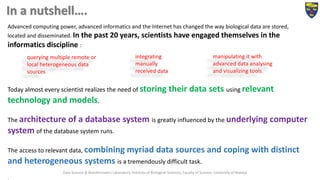


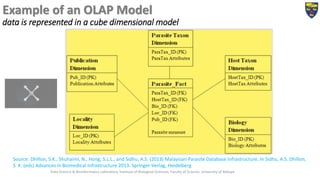
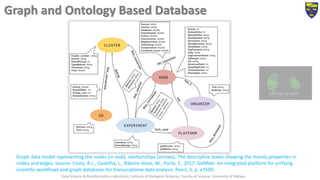


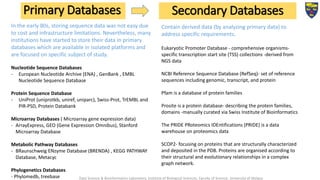


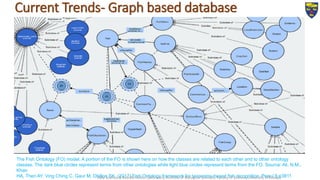


The document discusses the importance of bioinformatics databases in managing and analyzing biological data, highlighting current trends, database models, and various types of biological databases. It categorizes databases into primary, secondary, specialized, and integrated types, detailing their roles in data storage, mining, and visualization. The paper emphasizes the evolution of database architecture and technologies, including advancements in semantic web and graph-based databases, that support the increasing volume of data in genomics and other biological fields.


