Cellular Respiration Practice
During cellular respiration, oxidation is the
 result of the removal of _______ atoms
 from substrates such as glucose.

Hydrogen
__________ and ________ are the
coenzymes that are present in cellular
respiration.
FAD and NAD+
The prep (transition) reaction takes place in
 the:
Mitochondrial matrix
In the electron transport chain,
  _____________ is the terminal electron
  acceptor.
O2
The total ATP yield of cellular respiration is:
36 or 38
In terms of its need for oxygen presence or
  absence, glycolysis is a(n)
  ________________ series of reactions.
anaerobic
NADH produced during glycolysis is
 transported and becomes part of which
 phase of cellular respiration?
Electron transport chain
Which molecules are carrying high-energy
electrons during cellular respiration?
NADH and FADH2
The net production of ATP molecules from
 glycolysis is:
2 ATP
Where does the Krebs cycle occur?
Mitochondrial matrix
The coenzymes NADH and FADH2 are
 carrying what to the electron transport
 chain?
High energy electrons
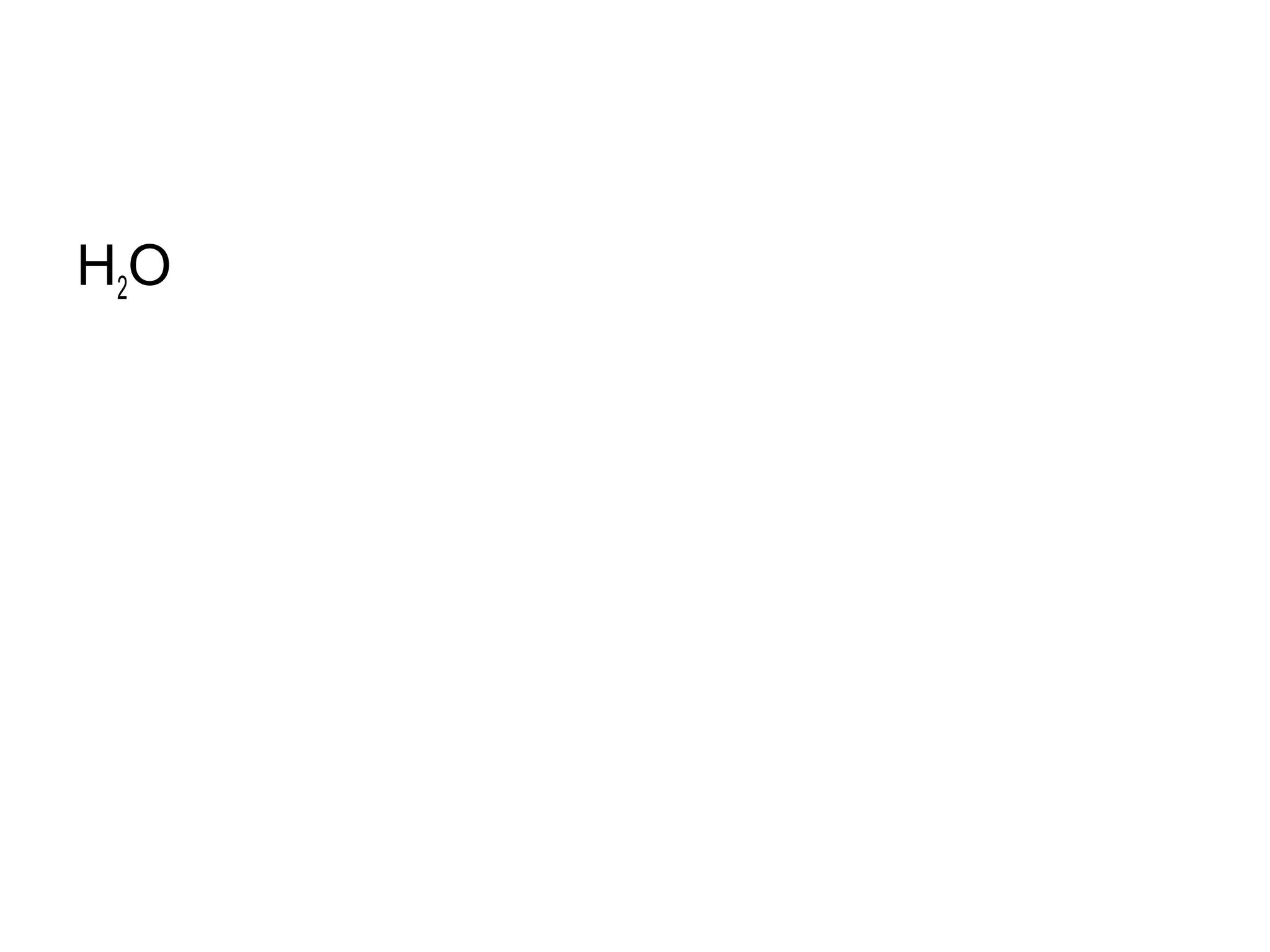
After accepting the low energy electrons at
  the end of the electron transport chain, O 2
  reacts to form:
H 2O
Most ATP in eukaryotic cells is produced
 where?
Mitochondria
Most ATP produced in aerobic respiration
 occurs during what stage:
Electron transport chain
Which 2 stages of cellular respiration
produce CO2?
Preparatory reaction and Krebs cycle
During cellular respiration, ___________ is
oxidized and ___________ is reduced.
Glucose and oxygen
Why would 36 ATP be formed instead of 38
 during cellular respiration
2 ATP will be used to bring NADH into the
  mitochondria from the cytoplasm
Products of glycolysis include:
NADH, ATP, pyruvate
The final electron acceptor in aerobic
 respiration is:
Oxygen
Products of the Krebs cycle include:
Carbon dioxide, FADH2, NADH, and ATP
In the presence of oxygen, all cells
  synthesize ATP via the process of
  glycolysis. Many cells also can metabolize
  pyruvate if oxygen is not present, via the
  process of:
Fermentation
The net result (number of ATP) of the
 breakdown of glucose in glycolysis and
 fermentation is the production of:
2 ATP
How many ATP molecules are produced
when one FADH2 donates electrons to the
ETC?
2
Which stage of aerobic respiration requires
 ATP?
Glycolysis
The correct order of the phases of cellular
respiration is
Glycolysis, prep reaction, Krebs cycle, ETC
How many ATP molecules are produced
when one NADH donates electrons to the
ETC?
3
Respiration occurs in what organisms?
All organisms
Two possible ways for respiration to occur
 is:
Fermentation and aerobic
Glucose is converted to pyruvate in
Glycolysis
Two hydrogen carriers involved in aerobic
 respiration are
NAD+ and FAD
The role of oxygen in aerobic respiration is
Accept electrons at the end of the electron
 transport chain and form water
What is the net gain in ATP molecules
 produced during the reactions of glycolysis
 under anaerobic conditions?
2 ATP
When a muscle cell is metabolizing glucose
 in the complete absence of molecular
 oxygen, which substance is produced?
Lactate
Which part of respiration is common to both
 anaerobic and aerobic metabolism?
Glycolysis
When glucose is broken down to carbon
 dioxide and water during aerobic
 respiration, more than 60% of its energy is
 released as
Heat
Cellular respiration releases energy by
 breaking down glucose in the presence of
Oxygen
The products of _________ are 2 ATP, 2
 NADH, and 2 pyruvic acid molecules.
Glycolysis
What are the reactants in the equation for
 cellular respiration?
Glucose and oxygen
During cellular respiration, what 3 parts do
 require oxygen?
Preparatory stage, Krebs cycle, electron
  transport chain
Where does glycolysis occur?
Cytoplasm
The starting molecule for glycolysis is
Glucose
What are possible products of fermentation?
CO2, alcohol, lactate
Location of the ETC.
Mitochondrial cristae
During which stage of cellular respiration is
no ATP produced?
Preparatory reaction
What two molecules act as an electron
 carrier in cellular respiration?
NAD+ and FAD
During cellular respiration, which part does
 not require oxygen?
Glycolysis
The energy of the electrons passing along
 the electron transport chain is used to
 make
ATP
Breathing heavily after running a race is
  your body’s way of
Repaying an oxygen debt

Bio 100 Cellular respiration practice