Behavioral
Based
Safety
Approach
(BBS)
Objectives:
• To learn by heart & implement the sustainable
BBS culture across Company
• To adopt with passion the safe behavior
• To motivate every one for safe behavior
• Reinforces the formation of safe habits
• Develop safety communication culture
• To get employees involvement
BBS Expected Outcome
• Increased efficiency
• Increased productivity
• Increased morale
• Increase profitability
• Reduce numbers of accidents or incidents, near-misses and property
damage
• Change a safe behavior into a safe habit as part of our safety culture
• Eliminate incidents related to unsafe behaviors and identify potential
hazard
• Engaging and sustaining employee involvement
VIDEO – ONE
What is behavior-based safety?
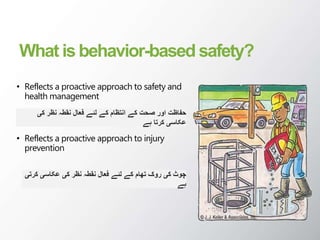
• Reflects a proactive approach to safety and
health management
• Reflects a proactive approach to injury
prevention
‫کی‬ ‫نظر‬ ‫نقطہ‬ ‫فعال‬ ‫لئے‬ ‫کے‬ ‫انتظام‬ ‫کے‬ ‫صحت‬ ‫اور‬ ‫حفاظت‬
‫ہے‬ ‫کرتا‬ ‫عکاسی‬
‫کرتی‬ ‫عکاسی‬ ‫کی‬ ‫نظر‬ ‫نقطہ‬ ‫فعال‬ ‫لئے‬ ‫کے‬ ‫تھام‬ ‫روک‬ ‫کی‬ ‫چوٹ‬
‫ہے‬
What is behavior-based safety?
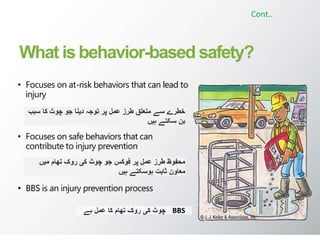
• Focuses on at-risk behaviors that can lead to
injury
• Focuses on safe behaviors that can
contribute to injury prevention
• BBS is an injury prevention process
Cont..
‫سبب‬ ‫کا‬ ‫چوٹ‬ ‫جو‬ ‫دینا‬ ‫توجہ‬ ‫پر‬ ‫عمل‬ ‫طرز‬ ‫متعلق‬ ‫سے‬ ‫خطرے‬
‫ہیں‬ ‫سکتے‬ ‫بن‬
‫میں‬ ‫تھام‬ ‫روک‬ ‫کی‬ ‫چوٹ‬ ‫جو‬ ‫فوکس‬ ‫پر‬ ‫عمل‬ ‫طرز‬ ‫محفوظ‬
‫ہیں‬ ‫ہوسکتے‬ ‫ثابت‬ ‫معاون‬
‫ہے‬ ‫عمل‬ ‫کا‬ ‫تھام‬ ‫روک‬ ‫کی‬ ‫چوٹ‬ BBS
Behavior Based Safety?
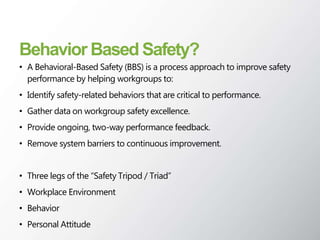
• A Behavioral-Based Safety (BBS) is a process approach to improve safety
performance by helping workgroups to:
• Identify safety-related behaviors that are critical to performance.
• Gather data on workgroup safety excellence.
• Provide ongoing, two-way performance feedback.
• Remove system barriers to continuous improvement.
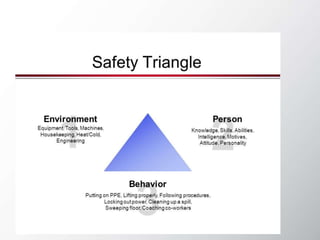
• Three legs of the “Safety Tripod / Triad”
• Workplace Environment
• Behavior
• Personal Attitude
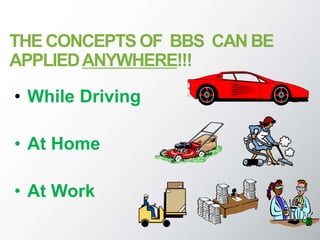
THE CONCEPTS OF BBS CAN BE
APPLIEDANYWHERE!!!
• While Driving
• At Home
• At Work
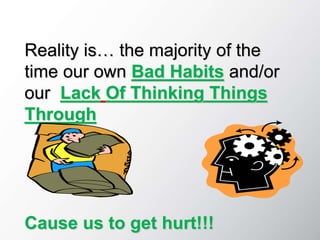
Reality is… the majority of the
time our own Bad Habits and/or
our Lack Of Thinking Things
Through
Cause us to get hurt!!!
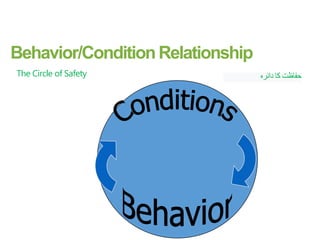
Behavior/ConditionRelationship
The Circle of Safety ‫دائرہ‬ ‫کا‬ ‫حفاظت‬
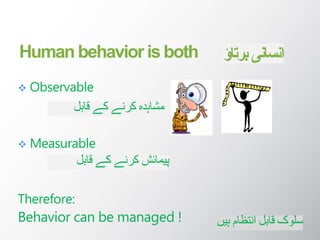
Human behavior is both
 Observable
 Measurable
Therefore:
Behavior can be managed !
‫قابل‬ ‫کے‬ ‫کرنے‬ ‫مشاہدہ‬
‫قابل‬ ‫کے‬ ‫کرنے‬ ‫پیمائش‬
‫ہیں‬ ‫انتظام‬ ‫قابل‬ ‫سلوک‬
‫برت‬ ‫انسانی‬
‫اؤ‬
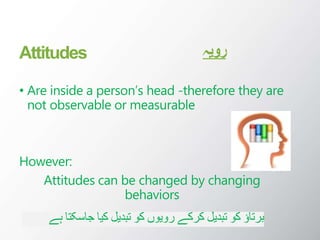
Attitudes
• Are inside a person’s head -therefore they are
not observable or measurable
However:
Attitudes can be changed by changing
behaviors
‫رویہ‬
‫ہے‬ ‫جاسکتا‬ ‫کیا‬ ‫تبدیل‬ ‫کو‬ ‫رویوں‬ ‫کرکے‬ ‫تبدیل‬ ‫کو‬ ‫برتاؤ‬
Four Common Behaviors
• Rushing / - : When you exceed the pace at
which you normally perform the task.
• Frustration / : Caused by relationships inside and
outside of the workplace, malfunctioning equipment,
inadequate tools, conflicting objectives and pressures,
• Fatigue / : : T
oo tired physically or mentally to
do the job safely. It includes being too tired to react
quickly, prolonged concentration is difficult, etc.
• Complacency / : Familiar enough with the
hazards to become considerably less concerned over
time.
‫مایوسی‬
‫تھکاوٹ‬
‫اطمینان‬ ‫خود‬
‫کرنا‬ ‫جلدی‬
Four Critical Common Human Errors
• Eyes not on task - Not looking at where you are going
or what is coming at you. It includes not moving your
eyes before moving your body or not being able to
where you are stepping, where your hands are
into, etc.
• Mind not on task - Not concentrating on the job, being
unaware of dangers or deficiencies, forgetting things,
making more errors than normal, going on “
Auto-Pilot,”
”drifting away,” etc.
• Line-of-fire - Being conscious of where you are or
where you are going in relation to the direction of the
hazardous energy.
• Balance/traction/grip - Doing something that could
cause you to lose your balance, traction or grip. It could
include not wearing good footwear/gloves, not having
good grip in the first place or not seeing or thinking
about the hazard.
‫موجودگی‬ ‫عدم‬ ‫کی‬ ‫آنکھوں‬ ‫پر‬ ‫کام‬
‫موجودگی‬ ‫عدم‬ ‫کی‬ ‫ذہن‬ ‫پر‬ ‫کام‬
‫لکیر‬ ‫کی‬ ‫آگ‬
‫گرفت‬
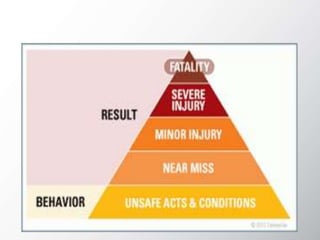
RESULTS: Critical behaviors and
barriers to safety /Errors
• At-risk behaviors that lead to serious injury or fatality
• At-risk behaviors that could lead to serious injury or fatality
• At-risk behaviors that lead to a large number of minor injuries or near
misses
‫ہیں‬ ‫بنتے‬ ‫باعث‬ ‫کا‬ ‫ہالکت‬ ‫یا‬ ‫چوٹ‬ ‫سنگین‬ ‫عمل‬ ‫طرز‬ ‫دوچار‬ ‫سے‬ ‫خطرے‬
Principles of behavior-basedsafety
• Focus intervention on observable behavior
• Look for external factors to understand/improve behaviors
• Focus on positive consequences to motivate behavior
• Apply the scientific method to improve intervention
‫کریں‬ ‫مرکوز‬ ‫توجہ‬ ‫پر‬ ‫سلوک‬ ‫والے‬ ‫کرنے‬ ‫مشاہدہ‬
‫سمجھنے‬ ‫کو‬ ‫عمل‬ ‫طرز‬
/
‫کریں‬ ‫تالش‬ ‫عوامل‬ ‫بیرونی‬ ‫لئے‬ ‫کے‬ ‫بنانے‬ ‫بہتر‬
‫مثبت‬ ‫لئے‬ ‫کے‬ ‫افزائی‬ ‫حوصلہ‬ ‫کی‬ ‫رویے‬
‫دیں‬ ‫توجہ‬ ‫پر‬ ‫نتائج‬
‫کر‬ ‫استعمال‬ ‫طریقہ‬ ‫سائنسی‬ ‫لئے‬ ‫کے‬ ‫بنانے‬ ‫بہتر‬ ‫کو‬ ‫مداخلت‬
‫یں‬
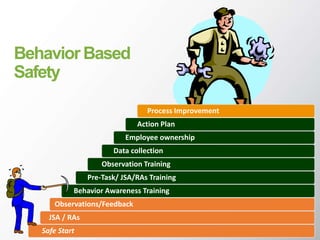
BehaviorBased
Safety
Safe Start
JSA / RAs
Observations/Feedback
Behavior Awareness Training
Pre-Task/ JSA/RAs Training
Observation Training
Data collection
Employee ownership
Action Plan
Process Improvement
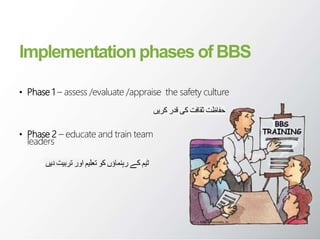
Implementation phases of BBS
• Phase 1 – assess /evaluate /appraise the safety culture
• Phase 2 – educate and train team
leaders
‫کری‬ ‫قدر‬ ‫کی‬ ‫ثقافت‬ ‫حفاظت‬
‫ں‬
‫تربیت‬ ‫اور‬ ‫تعلیم‬ ‫کو‬ ‫رہنماؤں‬ ‫کے‬ ‫ٹیم‬
‫دیں‬
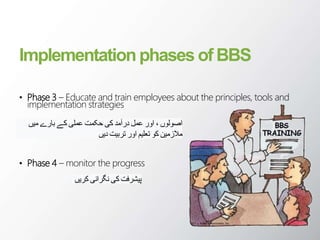
Implementation phases of BBS
• Phase 3 – Educate and train employees about the principles, tools and
implementation strategies
• Phase 4 – monitor the progress
‫میں‬ ‫بارے‬ ‫کے‬ ‫عملی‬ ‫حکمت‬ ‫کی‬ ‫درآمد‬ ‫عمل‬ ‫اور‬ ، ‫اصولوں‬
‫دیں‬ ‫تربیت‬ ‫اور‬ ‫تعلیم‬ ‫کو‬ ‫مالزمین‬
‫کر‬ ‫نگرانی‬ ‫کی‬ ‫پیشرفت‬
‫یں‬
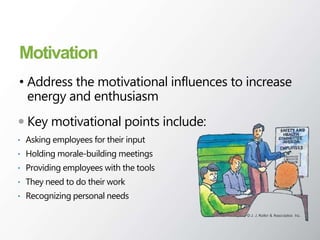
Motivation
• Address the motivational influences to increase
energy and enthusiasm
 Key motivational points include:
• Asking employees for their input
• Holding morale-building meetings
• Providing employees with the tools
• They need to do their work
• Recognizing personal needs
The “DO IT” process
• Define behaviors
• Observe behaviors
• Intervene
• Test the intervention
Behavioral Observations
Peer to peer method of coaching, counseling, and encouraging all employees to
reinforce safe behavior
A successful observation program typically involves employees conducting
observations on each other (positive manner).
Safety Observation Cycle:
1. Observe people
2. Analyze their work practices by focusing on safe
and unsafe behaviors
1. Talk with them about safety
2. Actively correct and prevent unsafe acts and conditions
3. Reinforce safe behavior
4. Report your observations
OR….
The most appropriate questions:
• Why did you do it that way?
• Is that the way you always do it?
• Do you feel safe doing it that way?
• Is there a safer way to do it?
• Were you trained to do it that way?
‫کیا؟‬ ‫کیوں‬ ‫طرح‬ ‫اس‬ ‫نے‬ ‫آپ‬
‫ہیں‬ ‫رہتے‬ ‫کرتے‬ ‫ہی‬ ‫ایسا‬ ‫ہمیشہ‬ ‫آپ‬ ‫کیا‬
‫؟‬
‫ہیں؟‬ ‫سمجھتے‬ ‫محفوظ‬ ‫کرنا‬ ‫کام‬ ‫طرح‬ ‫اس‬ ‫آپ‬ ‫کیا‬
‫ہے؟‬ ‫طریقہ‬ ‫محفوظ‬ ‫کوئی‬ ‫کا‬ ‫کرنے‬ ‫ایسا‬ ‫کیا‬
‫ہے؟‬ ‫گئی‬ ‫دی‬ ‫تربیت‬ ‫سے‬ ‫طرح‬ ‫اس‬ ‫کو‬ ‫آپ‬ ‫کیا‬
VIDEO – SIX
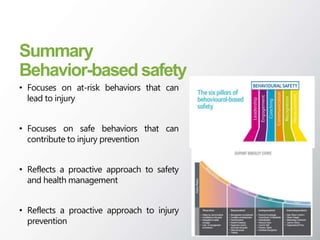
Summary
Behavior-based safety
• Focuses on at-risk behaviors that can
lead to injury
• Focuses on safe behaviors that can
contribute to injury prevention
• Reflects a proactive approach to safety
and health management
• Reflects a proactive approach to injury
prevention
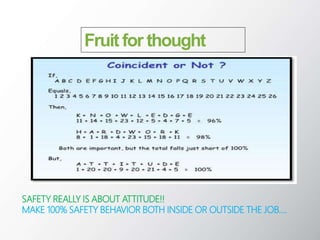
SAFETY REALLY IS ABOUT ATTITUDE!!
MAKE 100% SAFETY BEHAVIOR BOTH INSIDE OR OUTSIDE THE JOB….
Fruit for thought
REMEMBER!
SAFETYIS
EVERYONE’S
RESPONSIBILITY

BBS TRAINING.pptx

  • 1.
  • 2.
    Objectives: • To learnby heart & implement the sustainable BBS culture across Company • To adopt with passion the safe behavior • To motivate every one for safe behavior • Reinforces the formation of safe habits • Develop safety communication culture • To get employees involvement
  • 3.
    BBS Expected Outcome •Increased efficiency • Increased productivity • Increased morale • Increase profitability • Reduce numbers of accidents or incidents, near-misses and property damage • Change a safe behavior into a safe habit as part of our safety culture • Eliminate incidents related to unsafe behaviors and identify potential hazard • Engaging and sustaining employee involvement
  • 5.
  • 6.
    What is behavior-basedsafety? • Reflects a proactive approach to safety and health management • Reflects a proactive approach to injury prevention ‫کی‬ ‫نظر‬ ‫نقطہ‬ ‫فعال‬ ‫لئے‬ ‫کے‬ ‫انتظام‬ ‫کے‬ ‫صحت‬ ‫اور‬ ‫حفاظت‬ ‫ہے‬ ‫کرتا‬ ‫عکاسی‬ ‫کرتی‬ ‫عکاسی‬ ‫کی‬ ‫نظر‬ ‫نقطہ‬ ‫فعال‬ ‫لئے‬ ‫کے‬ ‫تھام‬ ‫روک‬ ‫کی‬ ‫چوٹ‬ ‫ہے‬
  • 7.
    What is behavior-basedsafety? • Focuses on at-risk behaviors that can lead to injury • Focuses on safe behaviors that can contribute to injury prevention • BBS is an injury prevention process Cont.. ‫سبب‬ ‫کا‬ ‫چوٹ‬ ‫جو‬ ‫دینا‬ ‫توجہ‬ ‫پر‬ ‫عمل‬ ‫طرز‬ ‫متعلق‬ ‫سے‬ ‫خطرے‬ ‫ہیں‬ ‫سکتے‬ ‫بن‬ ‫میں‬ ‫تھام‬ ‫روک‬ ‫کی‬ ‫چوٹ‬ ‫جو‬ ‫فوکس‬ ‫پر‬ ‫عمل‬ ‫طرز‬ ‫محفوظ‬ ‫ہیں‬ ‫ہوسکتے‬ ‫ثابت‬ ‫معاون‬ ‫ہے‬ ‫عمل‬ ‫کا‬ ‫تھام‬ ‫روک‬ ‫کی‬ ‫چوٹ‬ BBS
  • 8.
    Behavior Based Safety? •A Behavioral-Based Safety (BBS) is a process approach to improve safety performance by helping workgroups to: • Identify safety-related behaviors that are critical to performance. • Gather data on workgroup safety excellence. • Provide ongoing, two-way performance feedback. • Remove system barriers to continuous improvement. • Three legs of the “Safety Tripod / Triad” • Workplace Environment • Behavior • Personal Attitude
  • 10.
    THE CONCEPTS OFBBS CAN BE APPLIEDANYWHERE!!! • While Driving • At Home • At Work
  • 11.
    Reality is… themajority of the time our own Bad Habits and/or our Lack Of Thinking Things Through Cause us to get hurt!!!
  • 12.
    Behavior/ConditionRelationship The Circle ofSafety ‫دائرہ‬ ‫کا‬ ‫حفاظت‬
  • 13.
    Human behavior isboth  Observable  Measurable Therefore: Behavior can be managed ! ‫قابل‬ ‫کے‬ ‫کرنے‬ ‫مشاہدہ‬ ‫قابل‬ ‫کے‬ ‫کرنے‬ ‫پیمائش‬ ‫ہیں‬ ‫انتظام‬ ‫قابل‬ ‫سلوک‬ ‫برت‬ ‫انسانی‬ ‫اؤ‬
  • 14.
    Attitudes • Are insidea person’s head -therefore they are not observable or measurable However: Attitudes can be changed by changing behaviors ‫رویہ‬ ‫ہے‬ ‫جاسکتا‬ ‫کیا‬ ‫تبدیل‬ ‫کو‬ ‫رویوں‬ ‫کرکے‬ ‫تبدیل‬ ‫کو‬ ‫برتاؤ‬
  • 16.
    Four Common Behaviors •Rushing / - : When you exceed the pace at which you normally perform the task. • Frustration / : Caused by relationships inside and outside of the workplace, malfunctioning equipment, inadequate tools, conflicting objectives and pressures, • Fatigue / : : T oo tired physically or mentally to do the job safely. It includes being too tired to react quickly, prolonged concentration is difficult, etc. • Complacency / : Familiar enough with the hazards to become considerably less concerned over time. ‫مایوسی‬ ‫تھکاوٹ‬ ‫اطمینان‬ ‫خود‬ ‫کرنا‬ ‫جلدی‬
  • 17.
    Four Critical CommonHuman Errors • Eyes not on task - Not looking at where you are going or what is coming at you. It includes not moving your eyes before moving your body or not being able to where you are stepping, where your hands are into, etc. • Mind not on task - Not concentrating on the job, being unaware of dangers or deficiencies, forgetting things, making more errors than normal, going on “ Auto-Pilot,” ”drifting away,” etc. • Line-of-fire - Being conscious of where you are or where you are going in relation to the direction of the hazardous energy. • Balance/traction/grip - Doing something that could cause you to lose your balance, traction or grip. It could include not wearing good footwear/gloves, not having good grip in the first place or not seeing or thinking about the hazard. ‫موجودگی‬ ‫عدم‬ ‫کی‬ ‫آنکھوں‬ ‫پر‬ ‫کام‬ ‫موجودگی‬ ‫عدم‬ ‫کی‬ ‫ذہن‬ ‫پر‬ ‫کام‬ ‫لکیر‬ ‫کی‬ ‫آگ‬ ‫گرفت‬
  • 18.
    RESULTS: Critical behaviorsand barriers to safety /Errors • At-risk behaviors that lead to serious injury or fatality • At-risk behaviors that could lead to serious injury or fatality • At-risk behaviors that lead to a large number of minor injuries or near misses ‫ہیں‬ ‫بنتے‬ ‫باعث‬ ‫کا‬ ‫ہالکت‬ ‫یا‬ ‫چوٹ‬ ‫سنگین‬ ‫عمل‬ ‫طرز‬ ‫دوچار‬ ‫سے‬ ‫خطرے‬
  • 19.
    Principles of behavior-basedsafety •Focus intervention on observable behavior • Look for external factors to understand/improve behaviors • Focus on positive consequences to motivate behavior • Apply the scientific method to improve intervention ‫کریں‬ ‫مرکوز‬ ‫توجہ‬ ‫پر‬ ‫سلوک‬ ‫والے‬ ‫کرنے‬ ‫مشاہدہ‬ ‫سمجھنے‬ ‫کو‬ ‫عمل‬ ‫طرز‬ / ‫کریں‬ ‫تالش‬ ‫عوامل‬ ‫بیرونی‬ ‫لئے‬ ‫کے‬ ‫بنانے‬ ‫بہتر‬ ‫مثبت‬ ‫لئے‬ ‫کے‬ ‫افزائی‬ ‫حوصلہ‬ ‫کی‬ ‫رویے‬ ‫دیں‬ ‫توجہ‬ ‫پر‬ ‫نتائج‬ ‫کر‬ ‫استعمال‬ ‫طریقہ‬ ‫سائنسی‬ ‫لئے‬ ‫کے‬ ‫بنانے‬ ‫بہتر‬ ‫کو‬ ‫مداخلت‬ ‫یں‬
  • 20.
    BehaviorBased Safety Safe Start JSA /RAs Observations/Feedback Behavior Awareness Training Pre-Task/ JSA/RAs Training Observation Training Data collection Employee ownership Action Plan Process Improvement
  • 21.
    Implementation phases ofBBS • Phase 1 – assess /evaluate /appraise the safety culture • Phase 2 – educate and train team leaders ‫کری‬ ‫قدر‬ ‫کی‬ ‫ثقافت‬ ‫حفاظت‬ ‫ں‬ ‫تربیت‬ ‫اور‬ ‫تعلیم‬ ‫کو‬ ‫رہنماؤں‬ ‫کے‬ ‫ٹیم‬ ‫دیں‬
  • 22.
    Implementation phases ofBBS • Phase 3 – Educate and train employees about the principles, tools and implementation strategies • Phase 4 – monitor the progress ‫میں‬ ‫بارے‬ ‫کے‬ ‫عملی‬ ‫حکمت‬ ‫کی‬ ‫درآمد‬ ‫عمل‬ ‫اور‬ ، ‫اصولوں‬ ‫دیں‬ ‫تربیت‬ ‫اور‬ ‫تعلیم‬ ‫کو‬ ‫مالزمین‬ ‫کر‬ ‫نگرانی‬ ‫کی‬ ‫پیشرفت‬ ‫یں‬
  • 23.
    Motivation • Address themotivational influences to increase energy and enthusiasm  Key motivational points include: • Asking employees for their input • Holding morale-building meetings • Providing employees with the tools • They need to do their work • Recognizing personal needs
  • 24.
    The “DO IT”process • Define behaviors • Observe behaviors • Intervene • Test the intervention
  • 25.
    Behavioral Observations Peer topeer method of coaching, counseling, and encouraging all employees to reinforce safe behavior A successful observation program typically involves employees conducting observations on each other (positive manner). Safety Observation Cycle: 1. Observe people 2. Analyze their work practices by focusing on safe and unsafe behaviors 1. Talk with them about safety 2. Actively correct and prevent unsafe acts and conditions 3. Reinforce safe behavior 4. Report your observations
  • 26.
    OR…. The most appropriatequestions: • Why did you do it that way? • Is that the way you always do it? • Do you feel safe doing it that way? • Is there a safer way to do it? • Were you trained to do it that way? ‫کیا؟‬ ‫کیوں‬ ‫طرح‬ ‫اس‬ ‫نے‬ ‫آپ‬ ‫ہیں‬ ‫رہتے‬ ‫کرتے‬ ‫ہی‬ ‫ایسا‬ ‫ہمیشہ‬ ‫آپ‬ ‫کیا‬ ‫؟‬ ‫ہیں؟‬ ‫سمجھتے‬ ‫محفوظ‬ ‫کرنا‬ ‫کام‬ ‫طرح‬ ‫اس‬ ‫آپ‬ ‫کیا‬ ‫ہے؟‬ ‫طریقہ‬ ‫محفوظ‬ ‫کوئی‬ ‫کا‬ ‫کرنے‬ ‫ایسا‬ ‫کیا‬ ‫ہے؟‬ ‫گئی‬ ‫دی‬ ‫تربیت‬ ‫سے‬ ‫طرح‬ ‫اس‬ ‫کو‬ ‫آپ‬ ‫کیا‬
  • 27.
  • 28.
    Summary Behavior-based safety • Focuseson at-risk behaviors that can lead to injury • Focuses on safe behaviors that can contribute to injury prevention • Reflects a proactive approach to safety and health management • Reflects a proactive approach to injury prevention
  • 29.
    SAFETY REALLY ISABOUT ATTITUDE!! MAKE 100% SAFETY BEHAVIOR BOTH INSIDE OR OUTSIDE THE JOB…. Fruit for thought
  • 30.