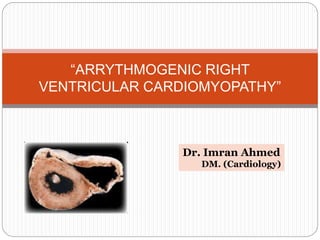
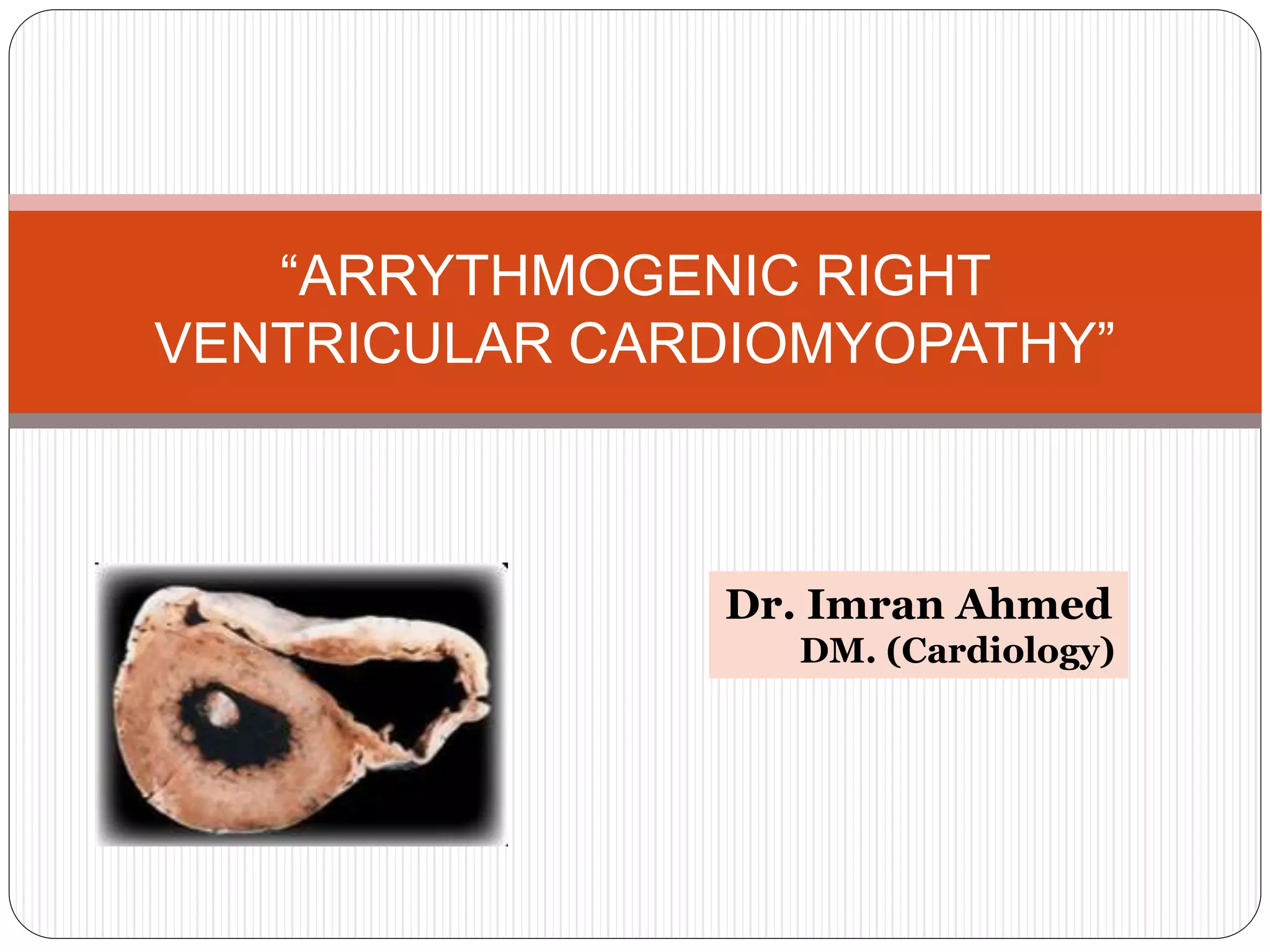
“ARRYTHMOGENIC RIGHT
VENTRICULAR CARDIOMYOPATHY”
Dr. Imran Ahmed
DM. (Cardiology)
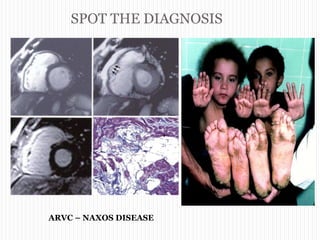
SPOT THE DIAGNOSIS
“ARRYTHMOGENIC RIGHT
VENTRICULAR
CARDIOMYOPATHY”
ARVC – NAXOS DISEASE
ARVC - GENETICS
“ARRYTHMOGENIC RIGHT
VENTRICULAR
CARDIOMYOPATHY”
• Genetic form of cardiomyopathy
• Dominant mutations –
- desmoplakin
- cardiac ryanodine receptor
- plakophilin 2 (PKP2) – younger age / malignant arrhythmias
- transforming growth factor-β3
- desmoglein - 2
- desmocollin – 2
- TMEM43 (most recent – non desmosomal)
• Recessive mutations –
- junctional plakoglobin (JUP) – Naxos/Carvajal Syndrome
• Familial occurrence of 30% to 50%
• Genetic screening –
- early detection of healthy carriers
- prognostic role in patients
ARVC – Genetic mechanism
“ARRYTHMOGENIC RIGHT
VENTRICULAR
CARDIOMYOPATHY”
• Mutations render desmosomes inappropriately sensitive
to mechanical stresses, resulting in myocyte death
• Signal transduction processes induced by mutant
desmosome proteins can lead to reprogrammed myocyte
cell biology so that these cells adopt a fibrofatty lineage
ARVC – Natural History
“ARRYTHMOGENIC RIGHT
VENTRICULAR
CARDIOMYOPATHY”
• Typically present between the teenage years and the forties
• Prevalence – 1:2000/1:5000
• Male : Female = 1:3
• Natural history characterized by four phases:
- Concealed phase (asymptomatic, but at risk of SCD)
- Overt clinical expression of an electrical system disturbance
- Signs and symptoms of right ventricular failure
- Frank biventricular congestive heart failure
ARVC – Clinical Presentation
“ARRYTHMOGENIC RIGHT
VENTRICULAR
CARDIOMYOPATHY”
• Presenting symptoms varied
- syncope
- palpitations
- sudden cardiac death
- heart failure - occurs in a minority, but is the predominant
mode of death in those protected from SCD by an ICD
• ARVC accounts for 20% of cases of sudden cardiac death
(among young athletes dying suddenly, the prevalence is
higher)
ARVC – DIAGNOSIS
“ARRYTHMOGENIC RIGHT
VENTRICULAR
CARDIOMYOPATHY”
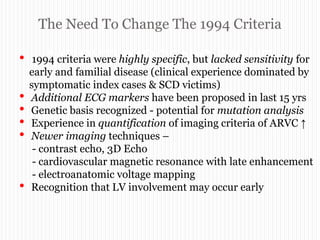
The Need To Change The 1994 Criteria
“ARRYTHMOGENIC RIGHT
VENTRICULAR
CARDIOMYOPATHY”
• 1994 criteria were highly specific, but lacked sensitivity for
early and familial disease (clinical experience dominated by
symptomatic index cases & SCD victims)
• Additional ECG markers have been proposed in last 15 yrs
• Genetic basis recognized - potential for mutation analysis
• Experience in quantification of imaging criteria of ARVC ↑
• Newer imaging techniques –
- contrast echo, 3D Echo
- cardiovascular magnetic resonance with late enhancement
- electroanatomic voltage mapping
• Recognition that LV involvement may occur early
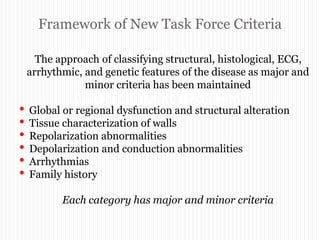
Framework of New Task Force Criteria
“ARRYTHMOGENIC RIGHT
VENTRICULAR
CARDIOMYOPATHY”
The approach of classifying structural, histological, ECG,
arrhythmic, and genetic features of the disease as major and
minor criteria has been maintained
• Global or regional dysfunction and structural alteration
• Tissue characterization of walls
• Repolarization abnormalities
• Depolarization and conduction abnormalities
• Arrhythmias
• Family history
Each category has major and minor criteria
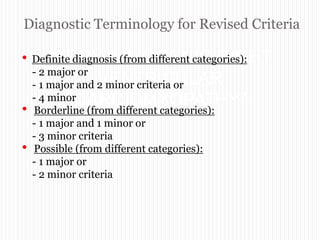
Diagnostic Terminology for Revised Criteria
“ARRYTHMOGENIC RIGHT
VENTRICULAR
CARDIOMYOPATHY”
• Definite diagnosis (from different categories):
- 2 major or
- 1 major and 2 minor criteria or
- 4 minor
• Borderline (from different categories):
- 1 major and 1 minor or
- 3 minor criteria
• Possible (from different categories):
- 1 major or
- 2 minor criteria
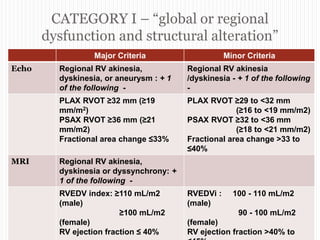
CATEGORY I – “global or regional
dysfunction and structural alteration”
“ARRYTHMOGENIC RIGHT
VENTRICULAR
CARDIOMYOPATHY”
Major Criteria Minor Criteria
Echo Regional RV akinesia,
dyskinesia, or aneurysm : + 1
of the following -
Regional RV akinesia
/dyskinesia - + 1 of the following
-
PLAX RVOT ≥32 mm (≥19
mm/m2)
PSAX RVOT ≥36 mm (≥21
mm/m2)
Fractional area change ≤33%
PLAX RVOT ≥29 to <32 mm
(≥16 to <19 mm/m2)
PSAX RVOT ≥32 to <36 mm
(≥18 to <21 mm/m2)
Fractional area change >33 to
≤40%
MRI Regional RV akinesia,
dyskinesia or dyssynchrony: +
1 of the following -
RVEDV index: ≥110 mL/m2
(male)
≥100 mL/m2
(female)
RV ejection fraction ≤ 40%
RVEDVi : 100 - 110 mL/m2
(male)
90 - 100 mL/m2
(female)
RV ejection fraction >40% to
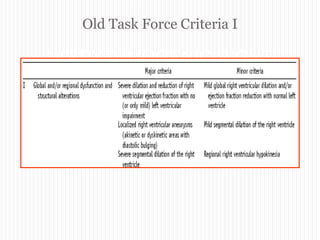
Old Task Force Criteria I
“ARRYTHMOGENIC RIGHT
VENTRICULAR
CARDIOMYOPATHY”
Echocardiography in ARVC
“ARRYTHMOGENIC RIGHT
VENTRICULAR
CARDIOMYOPATHY”
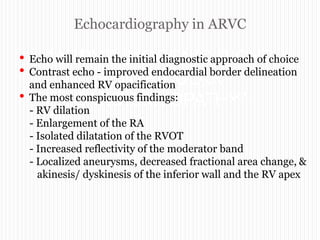
• Echo will remain the initial diagnostic approach of choice
• Contrast echo - improved endocardial border delineation
and enhanced RV opacification
• The most conspicuous findings:
- RV dilation
- Enlargement of the RA
- Isolated dilatation of the RVOT
- Increased reflectivity of the moderator band
- Localized aneurysms, decreased fractional area change, &
akinesis/ dyskinesis of the inferior wall and the RV apex
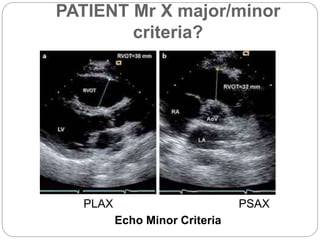
PATIENT Mr X major/minor
criteria?
PLAX PSAX
Echo Minor Criteria
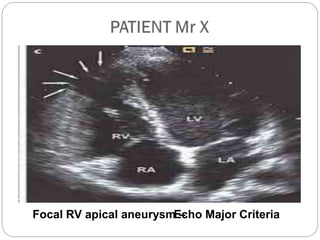
Focal RV apical aneurysm –Echo Major Criteria
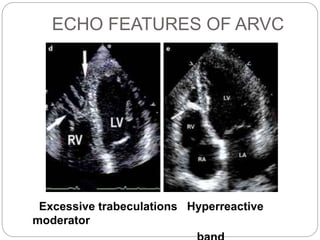
ECHO FEATURES OF ARVC
Excessive trabeculations Hyperreactive
moderator
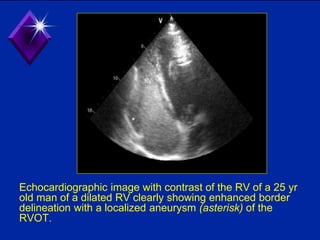
Echocardiographic image with contrast of the RV of a 25 yr
old man of a dilated RV clearly showing enhanced border
delineation with a localized aneurysm (asterisk) of the
RVOT.
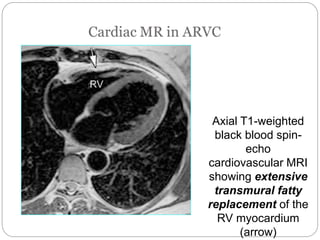
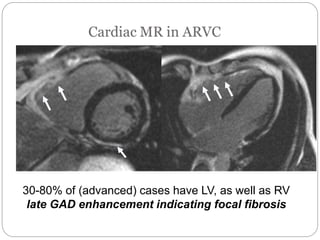
Cardiac MR in ARVC
“ARRYTHMOGENIC RIGHT
VENTRICULAR
CARDIOMYOPATHY”
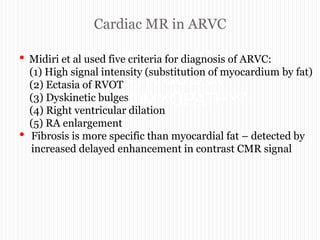
• Midiri et al used five criteria for diagnosis of ARVC:
(1) High signal intensity (substitution of myocardium by fat)
(2) Ectasia of RVOT
(3) Dyskinetic bulges
(4) Right ventricular dilation
(5) RA enlargement
• Fibrosis is more specific than myocardial fat – detected by
increased delayed enhancement in contrast CMR signal
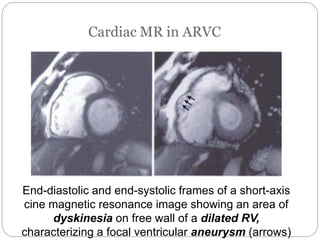
End-diastolic and end-systolic frames of a short-axis
cine magnetic resonance image showing an area of
dyskinesia on free wall of a dilated RV,
characterizing a focal ventricular aneurysm (arrows)
Axial T1-weighted
black blood spin-
echo
cardiovascular MRI
showing extensive
transmural fatty
replacement of the
RV myocardium
(arrow)
30-80% of (advanced) cases have LV, as well as RV
late GAD enhancement indicating focal fibrosis
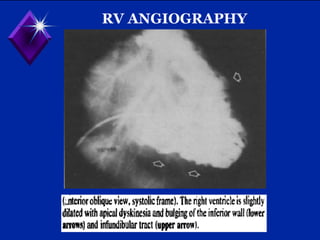
RV ANGIOGRAPHY
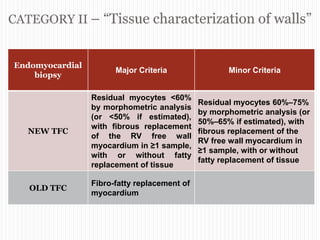
CATEGORY II – “Tissue characterization of walls”
“ARRYTHMOGENIC RIGHT
VENTRICULAR
CARDIOMYOPATHY”
Endomyocardial
biopsy
Major Criteria Minor Criteria
NEW TFC
Residual myocytes <60%
by morphometric analysis
(or <50% if estimated),
with fibrous replacement
of the RV free wall
myocardium in ≥1 sample,
with or without fatty
replacement of tissue
Residual myocytes 60%–75%
by morphometric analysis (or
50%–65% if estimated), with
fibrous replacement of the
RV free wall myocardium in
≥1 sample, with or without
fatty replacement of tissue
OLD TFC
Fibro-fatty replacement of
myocardium
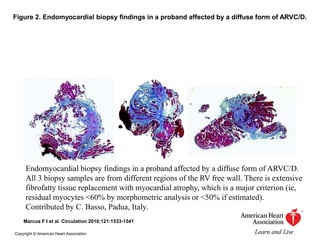
Figure 2. Endomyocardial biopsy findings in a proband affected by a diffuse form of ARVC/D.
Marcus F I et al. Circulation 2010;121:1533-1541
Copyright © American Heart Association
Endomyocardial biopsy findings in a proband affected by a diffuse form of ARVC/D.
All 3 biopsy samples are from different regions of the RV free wall. There is extensive
fibrofatty tissue replacement with myocardial atrophy, which is a major criterion (ie,
residual myocytes <60% by morphometric analysis or <50% if estimated).
Contributed by C. Basso, Padua, Italy.
Endomyocardial biopsy in ARVC
“ARRYTHMOGENIC RIGHT
VENTRICULAR
CARDIOMYOPATHY”
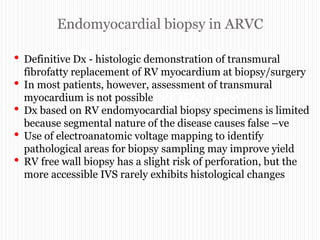
• Definitive Dx - histologic demonstration of transmural
fibrofatty replacement of RV myocardium at biopsy/surgery
• In most patients, however, assessment of transmural
myocardium is not possible
• Dx based on RV endomyocardial biopsy specimens is limited
because segmental nature of the disease causes false –ve
• Use of electroanatomic voltage mapping to identify
pathological areas for biopsy sampling may improve yield
• RV free wall biopsy has a slight risk of perforation, but the
more accessible IVS rarely exhibits histological changes
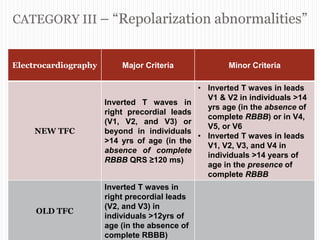
CATEGORY III – “Repolarization abnormalities”
“ARRYTHMOGENIC RIGHT
VENTRICULAR
CARDIOMYOPATHY”
Electrocardiography Major Criteria Minor Criteria
NEW TFC
Inverted T waves in
right precordial leads
(V1, V2, and V3) or
beyond in individuals
>14 yrs of age (in the
absence of complete
RBBB QRS ≥120 ms)
• Inverted T waves in leads
V1 & V2 in individuals >14
yrs age (in the absence of
complete RBBB) or in V4,
V5, or V6
• Inverted T waves in leads
V1, V2, V3, and V4 in
individuals >14 years of
age in the presence of
complete RBBB
OLD TFC
Inverted T waves in
right precordial leads
(V2, and V3) in
individuals >12yrs of
age (in the absence of
complete RBBB)
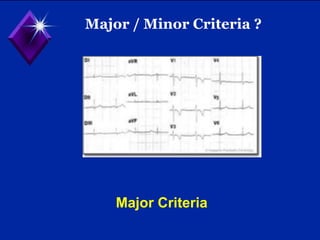
Major / Minor Criteria ?
Major Criteria
Repolarization Abnormalities
 Repolarization abnormalities are early and
sensitive markers of disease expression in
ARVC/D
 T-wave inversion in V1, V2, and V3 and beyond
in individuals >14 years of age who are otherwise
healthy is observed in only 4% of healthy women
and 1% of men. Therefore, it is reasonably
specific in this population and considered a
major diagnostic abnormality in ARVC/D
Marcus FI. Prevalence of T-wave inversion beyond V1 in young normal individuals
and usefulness for the diagnosis of arrhythmogenic right ventricular
cardiomyopathy/dysplasia.
Am J Cardiol. 2005; 95: 1070–1071.
CATEGORY IV – “Depolarization and Conduction
Abnormalities”
“ARRYTHMOGENIC RIGHT
VENTRICULAR
CARDIOMYOPATHY”
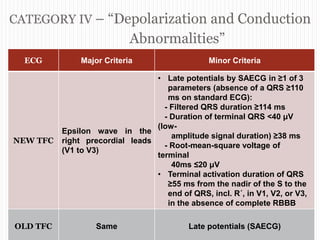
ECG Major Criteria Minor Criteria
NEW TFC
Epsilon wave in the
right precordial leads
(V1 to V3)
• Late potentials by SAECG in ≥1 of 3
parameters (absence of a QRS ≥110
ms on standard ECG):
- Filtered QRS duration ≥114 ms
- Duration of terminal QRS <40 μV
(low-
amplitude signal duration) ≥38 ms
- Root-mean-square voltage of
terminal
40ms ≤20 μV
• Terminal activation duration of QRS
≥55 ms from the nadir of the S to the
end of QRS, incl. R´, in V1, V2, or V3,
in the absence of complete RBBB
OLD TFC Same Late potentials (SAECG)
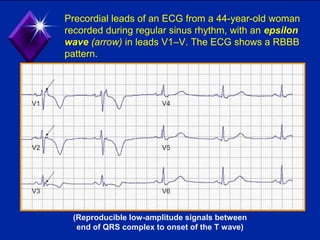
Precordial leads of an ECG from a 44-year-old woman
recorded during regular sinus rhythm, with an epsilon
wave (arrow) in leads V1–V. The ECG shows a RBBB
pattern.
(Reproducible low-amplitude signals between
end of QRS complex to onset of the T wave)
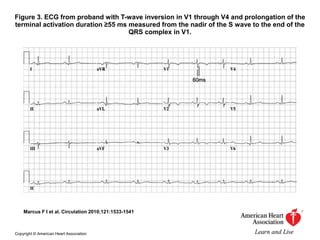
Figure 3. ECG from proband with T-wave inversion in V1 through V4 and prolongation of the
terminal activation duration ≥55 ms measured from the nadir of the S wave to the end of the
QRS complex in V1.
Marcus F I et al. Circulation 2010;121:1533-1541
Copyright © American Heart Association
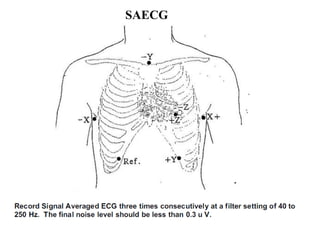
SAECG
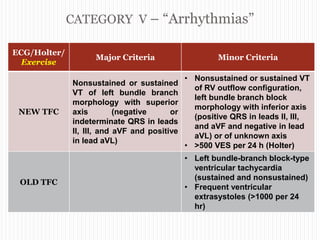
CATEGORY V – “Arrhythmias”
“ARRYTHMOGENIC RIGHT
VENTRICULAR
CARDIOMYOPATHY”
ECG/Holter/
Exercise
Major Criteria Minor Criteria
NEW TFC
Nonsustained or sustained
VT of left bundle branch
morphology with superior
axis (negative or
indeterminate QRS in leads
II, III, and aVF and positive
in lead aVL)
• Nonsustained or sustained VT
of RV outflow configuration,
left bundle branch block
morphology with inferior axis
(positive QRS in leads II, III,
and aVF and negative in lead
aVL) or of unknown axis
• >500 VES per 24 h (Holter)
OLD TFC
• Left bundle-branch block-type
ventricular tachycardia
(sustained and nonsustained)
• Frequent ventricular
extrasystoles (>1000 per 24
hr)
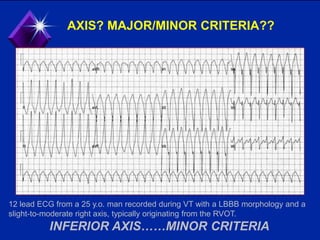
AXIS? MAJOR/MINOR CRITERIA??
12 lead ECG from a 25 y.o. man recorded during VT with a LBBB morphology and a
slight-to-moderate right axis, typically originating from the RVOT.
INFERIOR AXIS……MINOR CRITERIA
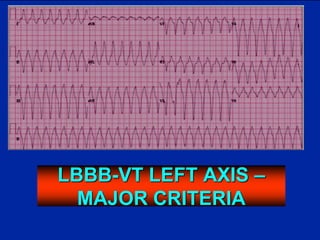
LBBB-VT LEFT AXIS –
MAJOR CRITERIA
Exercise and ventricular
arrhythmias
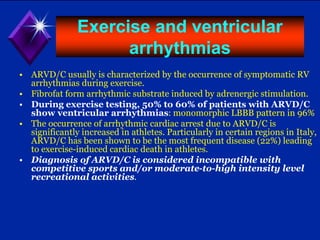
• ARVD/C usually is characterized by the occurrence of symptomatic RV
arrhythmias during exercise.
• Fibrofat form arrhythmic substrate induced by adrenergic stimulation.
• During exercise testing, 50% to 60% of patients with ARVD/C
show ventricular arrhythmias: monomorphic LBBB pattern in 96%
• The occurrence of arrhythmic cardiac arrest due to ARVD/C is
significantly increased in athletes. Particularly in certain regions in Italy,
ARVD/C has been shown to be the most frequent disease (22%) leading
to exercise-induced cardiac death in athletes.
• Diagnosis of ARVD/C is considered incompatible with
competitive sports and/or moderate-to-high intensity level
recreational activities.
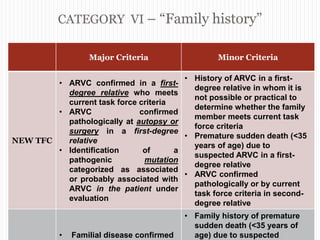
CATEGORY VI – “Family history”
“ARRYTHMOGENIC RIGHT
VENTRICULAR
CARDIOMYOPATHY”
Major Criteria Minor Criteria
NEW TFC
• ARVC confirmed in a first-
degree relative who meets
current task force criteria
• ARVC confirmed
pathologically at autopsy or
surgery in a first-degree
relative
• Identification of a
pathogenic mutation
categorized as associated
or probably associated with
ARVC in the patient under
evaluation
• History of ARVC in a first-
degree relative in whom it is
not possible or practical to
determine whether the family
member meets current task
force criteria
• Premature sudden death (<35
years of age) due to
suspected ARVC in a first-
degree relative
• ARVC confirmed
pathologically or by current
task force criteria in second-
degree relative
• Familial disease confirmed
• Family history of premature
sudden death (<35 years of
age) due to suspected
Diagnosis of Familial ARVC
“ARRYTHMOGENIC RIGHT
VENTRICULAR
CARDIOMYOPATHY”
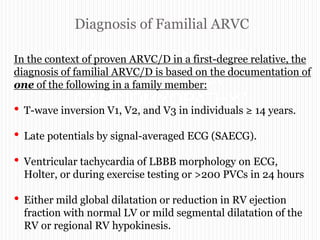
In the context of proven ARVC/D in a first-degree relative, the
diagnosis of familial ARVC/D is based on the documentation of
one of the following in a family member:
• T-wave inversion V1, V2, and V3 in individuals ≥ 14 years.
• Late potentials by signal-averaged ECG (SAECG).
• Ventricular tachycardia of LBBB morphology on ECG,
Holter, or during exercise testing or >200 PVCs in 24 hours
• Either mild global dilatation or reduction in RV ejection
fraction with normal LV or mild segmental dilatation of the
RV or regional RV hypokinesis.
MANAGEMENT
“ARRYTHMOGENIC RIGHT
VENTRICULAR
CARDIOMYOPATHY”
There are five therapeutic options in patients with ARVD/C:
• ICD therapy,
• Antiarrhythmic agents,
• Radiofrequency ablation,
• HF treatment, and
• Surgical treatment / cardiac transplantation
Recommendations for ICD in ARVC
“ARRYTHMOGENIC RIGHT
VENTRICULAR
CARDIOMYOPATHY”
ACC/AHA 2006/2008 guidelines
• Recommend ICD implantation for secondary prevention
in all patients of ARVD/C with prior sustained VT or
ventricular fibrillation
• ICD implantation is reasonable for the prevention of SCD in
patients with ARVD/C who have 1 or more risk factors for
SCD
RISK STRATIFICATION & ICD USE
“ARRYTHMOGENIC RIGHT
VENTRICULAR
CARDIOMYOPATHY”
ACC/AHA 2006/2008 guidelines
Risk factors that have clinical utility in identifying patients
with ARVD/C who are at risk for life-threatening ventricular
arrhythmias include
• Induction of VT during electrophysiological testing,
• Detection of nonsustained VT on noninvasive monitoring,
• Male gender,
• Severe RV dilation, and extensive RV involvement
• Young age at presentation (less than 5 years),
• LV involvement,
• Prior cardiac arrest, and unexplained syncope serve as
markers of risk
• Patients with genotypes of ARVD/C associated with a high
risk for SCD should be considered for ICD therapy
Proposed recommendations for clinical management and
prevention of sudden cardiac death in patients with ARVD
Arrhythmogenic right ventricular dyplasia
An article from the ESC Council for Cardiology Practice
Fernández-Armenta J., Brugada J.
Vol10 N°26
16 Apr 2012
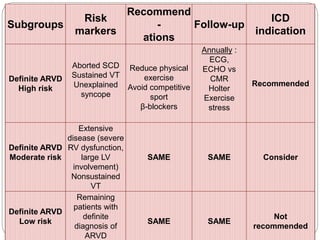
Subgroups
Risk
markers
Recommend
-
ations
Follow-up
ICD
indication
Definite ARVD
High risk
Aborted SCD
Sustained VT
Unexplained
syncope
Reduce physical
exercise
Avoid competitive
sport
β-blockers
Annually :
ECG,
ECHO vs
CMR
Holter
Exercise
stress
Recommended
Definite ARVD
Moderate risk
Extensive
disease (severe
RV dysfunction,
large LV
involvement)
Nonsustained
VT
SAME SAME Consider
Definite ARVD
Low risk
Remaining
patients with
definite
diagnosis of
ARVD
SAME SAME
Not
recommended
ROLE OF CATHETER ABLATION
“ARRYTHMOGENIC RIGHT
VENTRICULAR
CARDIOMYOPATHY”
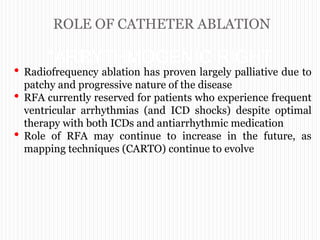
• Radiofrequency ablation has proven largely palliative due to
patchy and progressive nature of the disease
• RFA currently reserved for patients who experience frequent
ventricular arrhythmias (and ICD shocks) despite optimal
therapy with both ICDs and antiarrhythmic medication
• Role of RFA may continue to increase in the future, as
mapping techniques (CARTO) continue to evolve
Combined endocardial and epicardial
substrate guided catheter ablation
 Epicardial scar is wider than the endocardial scar
in ARVD
 Combined endocardial & epicardial substrate
guided ablation resulted in a very good short- and
mid-term success rate.
 The high recurrence rate published in earlier
series may be due to the conventional only-
endocardial approach
[Combined endocardial and epicardial catheter ablation in arvc. Brugada J.;
Circulation: Arrhythmia and EP. 2012;5:111-121]
ARVC - CONCLUSIONS
“ARRYTHMOGENIC RIGHT
VENTRICULAR
CARDIOMYOPATHY”
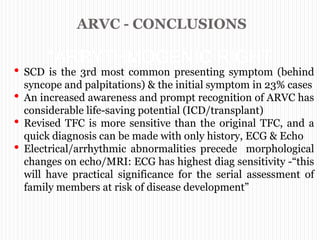
• SCD is the 3rd most common presenting symptom (behind
syncope and palpitations) & the initial symptom in 23% cases
• An increased awareness and prompt recognition of ARVC has
considerable life-saving potential (ICD/transplant)
• Revised TFC is more sensitive than the original TFC, and a
quick diagnosis can be made with only history, ECG & Echo
• Electrical/arrhythmic abnormalities precede morphological
changes on echo/MRI: ECG has highest diag sensitivity -“this
will have practical significance for the serial assessment of
family members at risk of disease development”
ARVD (Arrythmogenic right ventricular cardiomyopathy) - updated task force criteria ppt

ARVD (Arrythmogenic right ventricular cardiomyopathy) - updated task force criteria ppt

  • 1.
  • 2.
    SPOT THE DIAGNOSIS “ARRYTHMOGENICRIGHT VENTRICULAR CARDIOMYOPATHY” ARVC – NAXOS DISEASE
  • 3.
    ARVC - GENETICS “ARRYTHMOGENICRIGHT VENTRICULAR CARDIOMYOPATHY” • Genetic form of cardiomyopathy • Dominant mutations – - desmoplakin - cardiac ryanodine receptor - plakophilin 2 (PKP2) – younger age / malignant arrhythmias - transforming growth factor-β3 - desmoglein - 2 - desmocollin – 2 - TMEM43 (most recent – non desmosomal) • Recessive mutations – - junctional plakoglobin (JUP) – Naxos/Carvajal Syndrome • Familial occurrence of 30% to 50% • Genetic screening – - early detection of healthy carriers - prognostic role in patients
  • 4.
    ARVC – Geneticmechanism “ARRYTHMOGENIC RIGHT VENTRICULAR CARDIOMYOPATHY” • Mutations render desmosomes inappropriately sensitive to mechanical stresses, resulting in myocyte death • Signal transduction processes induced by mutant desmosome proteins can lead to reprogrammed myocyte cell biology so that these cells adopt a fibrofatty lineage
  • 5.
    ARVC – NaturalHistory “ARRYTHMOGENIC RIGHT VENTRICULAR CARDIOMYOPATHY” • Typically present between the teenage years and the forties • Prevalence – 1:2000/1:5000 • Male : Female = 1:3 • Natural history characterized by four phases: - Concealed phase (asymptomatic, but at risk of SCD) - Overt clinical expression of an electrical system disturbance - Signs and symptoms of right ventricular failure - Frank biventricular congestive heart failure
  • 6.
    ARVC – ClinicalPresentation “ARRYTHMOGENIC RIGHT VENTRICULAR CARDIOMYOPATHY” • Presenting symptoms varied - syncope - palpitations - sudden cardiac death - heart failure - occurs in a minority, but is the predominant mode of death in those protected from SCD by an ICD • ARVC accounts for 20% of cases of sudden cardiac death (among young athletes dying suddenly, the prevalence is higher)
  • 7.
    ARVC – DIAGNOSIS “ARRYTHMOGENICRIGHT VENTRICULAR CARDIOMYOPATHY”
  • 8.
    The Need ToChange The 1994 Criteria “ARRYTHMOGENIC RIGHT VENTRICULAR CARDIOMYOPATHY” • 1994 criteria were highly specific, but lacked sensitivity for early and familial disease (clinical experience dominated by symptomatic index cases & SCD victims) • Additional ECG markers have been proposed in last 15 yrs • Genetic basis recognized - potential for mutation analysis • Experience in quantification of imaging criteria of ARVC ↑ • Newer imaging techniques – - contrast echo, 3D Echo - cardiovascular magnetic resonance with late enhancement - electroanatomic voltage mapping • Recognition that LV involvement may occur early
  • 9.
    Framework of NewTask Force Criteria “ARRYTHMOGENIC RIGHT VENTRICULAR CARDIOMYOPATHY” The approach of classifying structural, histological, ECG, arrhythmic, and genetic features of the disease as major and minor criteria has been maintained • Global or regional dysfunction and structural alteration • Tissue characterization of walls • Repolarization abnormalities • Depolarization and conduction abnormalities • Arrhythmias • Family history Each category has major and minor criteria
  • 10.
    Diagnostic Terminology forRevised Criteria “ARRYTHMOGENIC RIGHT VENTRICULAR CARDIOMYOPATHY” • Definite diagnosis (from different categories): - 2 major or - 1 major and 2 minor criteria or - 4 minor • Borderline (from different categories): - 1 major and 1 minor or - 3 minor criteria • Possible (from different categories): - 1 major or - 2 minor criteria
  • 11.
    CATEGORY I –“global or regional dysfunction and structural alteration” “ARRYTHMOGENIC RIGHT VENTRICULAR CARDIOMYOPATHY” Major Criteria Minor Criteria Echo Regional RV akinesia, dyskinesia, or aneurysm : + 1 of the following - Regional RV akinesia /dyskinesia - + 1 of the following - PLAX RVOT ≥32 mm (≥19 mm/m2) PSAX RVOT ≥36 mm (≥21 mm/m2) Fractional area change ≤33% PLAX RVOT ≥29 to <32 mm (≥16 to <19 mm/m2) PSAX RVOT ≥32 to <36 mm (≥18 to <21 mm/m2) Fractional area change >33 to ≤40% MRI Regional RV akinesia, dyskinesia or dyssynchrony: + 1 of the following - RVEDV index: ≥110 mL/m2 (male) ≥100 mL/m2 (female) RV ejection fraction ≤ 40% RVEDVi : 100 - 110 mL/m2 (male) 90 - 100 mL/m2 (female) RV ejection fraction >40% to
  • 12.
    Old Task ForceCriteria I “ARRYTHMOGENIC RIGHT VENTRICULAR CARDIOMYOPATHY”
  • 13.
    Echocardiography in ARVC “ARRYTHMOGENICRIGHT VENTRICULAR CARDIOMYOPATHY” • Echo will remain the initial diagnostic approach of choice • Contrast echo - improved endocardial border delineation and enhanced RV opacification • The most conspicuous findings: - RV dilation - Enlargement of the RA - Isolated dilatation of the RVOT - Increased reflectivity of the moderator band - Localized aneurysms, decreased fractional area change, & akinesis/ dyskinesis of the inferior wall and the RV apex
  • 14.
    PATIENT Mr Xmajor/minor criteria? PLAX PSAX Echo Minor Criteria
  • 15.
    Focal RV apicalaneurysm –Echo Major Criteria
  • 16.
    ECHO FEATURES OFARVC Excessive trabeculations Hyperreactive moderator
  • 17.
    Echocardiographic image withcontrast of the RV of a 25 yr old man of a dilated RV clearly showing enhanced border delineation with a localized aneurysm (asterisk) of the RVOT.
  • 18.
    Cardiac MR inARVC “ARRYTHMOGENIC RIGHT VENTRICULAR CARDIOMYOPATHY” • Midiri et al used five criteria for diagnosis of ARVC: (1) High signal intensity (substitution of myocardium by fat) (2) Ectasia of RVOT (3) Dyskinetic bulges (4) Right ventricular dilation (5) RA enlargement • Fibrosis is more specific than myocardial fat – detected by increased delayed enhancement in contrast CMR signal
  • 19.
    End-diastolic and end-systolicframes of a short-axis cine magnetic resonance image showing an area of dyskinesia on free wall of a dilated RV, characterizing a focal ventricular aneurysm (arrows)
  • 20.
    Axial T1-weighted black bloodspin- echo cardiovascular MRI showing extensive transmural fatty replacement of the RV myocardium (arrow)
  • 21.
    30-80% of (advanced)cases have LV, as well as RV late GAD enhancement indicating focal fibrosis
  • 22.
  • 23.
    CATEGORY II –“Tissue characterization of walls” “ARRYTHMOGENIC RIGHT VENTRICULAR CARDIOMYOPATHY” Endomyocardial biopsy Major Criteria Minor Criteria NEW TFC Residual myocytes <60% by morphometric analysis (or <50% if estimated), with fibrous replacement of the RV free wall myocardium in ≥1 sample, with or without fatty replacement of tissue Residual myocytes 60%–75% by morphometric analysis (or 50%–65% if estimated), with fibrous replacement of the RV free wall myocardium in ≥1 sample, with or without fatty replacement of tissue OLD TFC Fibro-fatty replacement of myocardium
  • 24.
    Figure 2. Endomyocardialbiopsy findings in a proband affected by a diffuse form of ARVC/D. Marcus F I et al. Circulation 2010;121:1533-1541 Copyright © American Heart Association Endomyocardial biopsy findings in a proband affected by a diffuse form of ARVC/D. All 3 biopsy samples are from different regions of the RV free wall. There is extensive fibrofatty tissue replacement with myocardial atrophy, which is a major criterion (ie, residual myocytes <60% by morphometric analysis or <50% if estimated). Contributed by C. Basso, Padua, Italy.
  • 25.
    Endomyocardial biopsy inARVC “ARRYTHMOGENIC RIGHT VENTRICULAR CARDIOMYOPATHY” • Definitive Dx - histologic demonstration of transmural fibrofatty replacement of RV myocardium at biopsy/surgery • In most patients, however, assessment of transmural myocardium is not possible • Dx based on RV endomyocardial biopsy specimens is limited because segmental nature of the disease causes false –ve • Use of electroanatomic voltage mapping to identify pathological areas for biopsy sampling may improve yield • RV free wall biopsy has a slight risk of perforation, but the more accessible IVS rarely exhibits histological changes
  • 26.
    CATEGORY III –“Repolarization abnormalities” “ARRYTHMOGENIC RIGHT VENTRICULAR CARDIOMYOPATHY” Electrocardiography Major Criteria Minor Criteria NEW TFC Inverted T waves in right precordial leads (V1, V2, and V3) or beyond in individuals >14 yrs of age (in the absence of complete RBBB QRS ≥120 ms) • Inverted T waves in leads V1 & V2 in individuals >14 yrs age (in the absence of complete RBBB) or in V4, V5, or V6 • Inverted T waves in leads V1, V2, V3, and V4 in individuals >14 years of age in the presence of complete RBBB OLD TFC Inverted T waves in right precordial leads (V2, and V3) in individuals >12yrs of age (in the absence of complete RBBB)
  • 27.
    Major / MinorCriteria ? Major Criteria
  • 28.
    Repolarization Abnormalities  Repolarizationabnormalities are early and sensitive markers of disease expression in ARVC/D  T-wave inversion in V1, V2, and V3 and beyond in individuals >14 years of age who are otherwise healthy is observed in only 4% of healthy women and 1% of men. Therefore, it is reasonably specific in this population and considered a major diagnostic abnormality in ARVC/D Marcus FI. Prevalence of T-wave inversion beyond V1 in young normal individuals and usefulness for the diagnosis of arrhythmogenic right ventricular cardiomyopathy/dysplasia. Am J Cardiol. 2005; 95: 1070–1071.
  • 29.
    CATEGORY IV –“Depolarization and Conduction Abnormalities” “ARRYTHMOGENIC RIGHT VENTRICULAR CARDIOMYOPATHY” ECG Major Criteria Minor Criteria NEW TFC Epsilon wave in the right precordial leads (V1 to V3) • Late potentials by SAECG in ≥1 of 3 parameters (absence of a QRS ≥110 ms on standard ECG): - Filtered QRS duration ≥114 ms - Duration of terminal QRS <40 μV (low- amplitude signal duration) ≥38 ms - Root-mean-square voltage of terminal 40ms ≤20 μV • Terminal activation duration of QRS ≥55 ms from the nadir of the S to the end of QRS, incl. R´, in V1, V2, or V3, in the absence of complete RBBB OLD TFC Same Late potentials (SAECG)
  • 30.
    Precordial leads ofan ECG from a 44-year-old woman recorded during regular sinus rhythm, with an epsilon wave (arrow) in leads V1–V. The ECG shows a RBBB pattern. (Reproducible low-amplitude signals between end of QRS complex to onset of the T wave)
  • 31.
    Figure 3. ECGfrom proband with T-wave inversion in V1 through V4 and prolongation of the terminal activation duration ≥55 ms measured from the nadir of the S wave to the end of the QRS complex in V1. Marcus F I et al. Circulation 2010;121:1533-1541 Copyright © American Heart Association
  • 32.
  • 33.
    CATEGORY V –“Arrhythmias” “ARRYTHMOGENIC RIGHT VENTRICULAR CARDIOMYOPATHY” ECG/Holter/ Exercise Major Criteria Minor Criteria NEW TFC Nonsustained or sustained VT of left bundle branch morphology with superior axis (negative or indeterminate QRS in leads II, III, and aVF and positive in lead aVL) • Nonsustained or sustained VT of RV outflow configuration, left bundle branch block morphology with inferior axis (positive QRS in leads II, III, and aVF and negative in lead aVL) or of unknown axis • >500 VES per 24 h (Holter) OLD TFC • Left bundle-branch block-type ventricular tachycardia (sustained and nonsustained) • Frequent ventricular extrasystoles (>1000 per 24 hr)
  • 34.
    AXIS? MAJOR/MINOR CRITERIA?? 12lead ECG from a 25 y.o. man recorded during VT with a LBBB morphology and a slight-to-moderate right axis, typically originating from the RVOT. INFERIOR AXIS……MINOR CRITERIA
  • 35.
    LBBB-VT LEFT AXIS– MAJOR CRITERIA
  • 36.
    Exercise and ventricular arrhythmias •ARVD/C usually is characterized by the occurrence of symptomatic RV arrhythmias during exercise. • Fibrofat form arrhythmic substrate induced by adrenergic stimulation. • During exercise testing, 50% to 60% of patients with ARVD/C show ventricular arrhythmias: monomorphic LBBB pattern in 96% • The occurrence of arrhythmic cardiac arrest due to ARVD/C is significantly increased in athletes. Particularly in certain regions in Italy, ARVD/C has been shown to be the most frequent disease (22%) leading to exercise-induced cardiac death in athletes. • Diagnosis of ARVD/C is considered incompatible with competitive sports and/or moderate-to-high intensity level recreational activities.
  • 37.
    CATEGORY VI –“Family history” “ARRYTHMOGENIC RIGHT VENTRICULAR CARDIOMYOPATHY” Major Criteria Minor Criteria NEW TFC • ARVC confirmed in a first- degree relative who meets current task force criteria • ARVC confirmed pathologically at autopsy or surgery in a first-degree relative • Identification of a pathogenic mutation categorized as associated or probably associated with ARVC in the patient under evaluation • History of ARVC in a first- degree relative in whom it is not possible or practical to determine whether the family member meets current task force criteria • Premature sudden death (<35 years of age) due to suspected ARVC in a first- degree relative • ARVC confirmed pathologically or by current task force criteria in second- degree relative • Familial disease confirmed • Family history of premature sudden death (<35 years of age) due to suspected
  • 38.
    Diagnosis of FamilialARVC “ARRYTHMOGENIC RIGHT VENTRICULAR CARDIOMYOPATHY” In the context of proven ARVC/D in a first-degree relative, the diagnosis of familial ARVC/D is based on the documentation of one of the following in a family member: • T-wave inversion V1, V2, and V3 in individuals ≥ 14 years. • Late potentials by signal-averaged ECG (SAECG). • Ventricular tachycardia of LBBB morphology on ECG, Holter, or during exercise testing or >200 PVCs in 24 hours • Either mild global dilatation or reduction in RV ejection fraction with normal LV or mild segmental dilatation of the RV or regional RV hypokinesis.
  • 39.
    MANAGEMENT “ARRYTHMOGENIC RIGHT VENTRICULAR CARDIOMYOPATHY” There arefive therapeutic options in patients with ARVD/C: • ICD therapy, • Antiarrhythmic agents, • Radiofrequency ablation, • HF treatment, and • Surgical treatment / cardiac transplantation
  • 40.
    Recommendations for ICDin ARVC “ARRYTHMOGENIC RIGHT VENTRICULAR CARDIOMYOPATHY” ACC/AHA 2006/2008 guidelines • Recommend ICD implantation for secondary prevention in all patients of ARVD/C with prior sustained VT or ventricular fibrillation • ICD implantation is reasonable for the prevention of SCD in patients with ARVD/C who have 1 or more risk factors for SCD
  • 41.
    RISK STRATIFICATION &ICD USE “ARRYTHMOGENIC RIGHT VENTRICULAR CARDIOMYOPATHY” ACC/AHA 2006/2008 guidelines Risk factors that have clinical utility in identifying patients with ARVD/C who are at risk for life-threatening ventricular arrhythmias include • Induction of VT during electrophysiological testing, • Detection of nonsustained VT on noninvasive monitoring, • Male gender, • Severe RV dilation, and extensive RV involvement • Young age at presentation (less than 5 years), • LV involvement, • Prior cardiac arrest, and unexplained syncope serve as markers of risk • Patients with genotypes of ARVD/C associated with a high risk for SCD should be considered for ICD therapy
  • 42.
    Proposed recommendations forclinical management and prevention of sudden cardiac death in patients with ARVD Arrhythmogenic right ventricular dyplasia An article from the ESC Council for Cardiology Practice Fernández-Armenta J., Brugada J. Vol10 N°26 16 Apr 2012
  • 43.
    Subgroups Risk markers Recommend - ations Follow-up ICD indication Definite ARVD High risk AbortedSCD Sustained VT Unexplained syncope Reduce physical exercise Avoid competitive sport β-blockers Annually : ECG, ECHO vs CMR Holter Exercise stress Recommended Definite ARVD Moderate risk Extensive disease (severe RV dysfunction, large LV involvement) Nonsustained VT SAME SAME Consider Definite ARVD Low risk Remaining patients with definite diagnosis of ARVD SAME SAME Not recommended
  • 44.
    ROLE OF CATHETERABLATION “ARRYTHMOGENIC RIGHT VENTRICULAR CARDIOMYOPATHY” • Radiofrequency ablation has proven largely palliative due to patchy and progressive nature of the disease • RFA currently reserved for patients who experience frequent ventricular arrhythmias (and ICD shocks) despite optimal therapy with both ICDs and antiarrhythmic medication • Role of RFA may continue to increase in the future, as mapping techniques (CARTO) continue to evolve
  • 45.
    Combined endocardial andepicardial substrate guided catheter ablation  Epicardial scar is wider than the endocardial scar in ARVD  Combined endocardial & epicardial substrate guided ablation resulted in a very good short- and mid-term success rate.  The high recurrence rate published in earlier series may be due to the conventional only- endocardial approach [Combined endocardial and epicardial catheter ablation in arvc. Brugada J.; Circulation: Arrhythmia and EP. 2012;5:111-121]
  • 46.
    ARVC - CONCLUSIONS “ARRYTHMOGENICRIGHT VENTRICULAR CARDIOMYOPATHY” • SCD is the 3rd most common presenting symptom (behind syncope and palpitations) & the initial symptom in 23% cases • An increased awareness and prompt recognition of ARVC has considerable life-saving potential (ICD/transplant) • Revised TFC is more sensitive than the original TFC, and a quick diagnosis can be made with only history, ECG & Echo • Electrical/arrhythmic abnormalities precede morphological changes on echo/MRI: ECG has highest diag sensitivity -“this will have practical significance for the serial assessment of family members at risk of disease development”

Editor's Notes

  • #25 Figure 2. Endomyocardial biopsy findings in a proband affected by a diffuse form of ARVC/D. All 3 biopsy samples are from different regions of the RV free wall. There is extensive fibrofatty tissue replacement with myocardial atrophy, which is a major criterion (ie, residual myocytes <60% by morphometric analysis or <50% if estimated). Contributed by C. Basso, Padua, Italy.
  • #32 Figure 3. ECG from proband with T-wave inversion in V1 through V4 and prolongation of the terminal activation duration ≥55 ms measured from the nadir of the S wave to the end of the QRS complex in V1. Contributed by M.G.P.J. Cox, Utrecht, the Netherlands.